
The following letter was written by 39 year-old Lauretta H. Cutler (1826-1915), the daughter of Elijah Tisdale Cutler (1796-1860) and Editha Jones (1790-1834). In the 1860 US Census, Lauretta—an orphan—was residing with the Levi Warren Giddings family in Williamsfield, Ashtabula county, Ohio, and working as teacher. Later in life (1880), she married Rev. William Henry Hoisington (1813-1899).
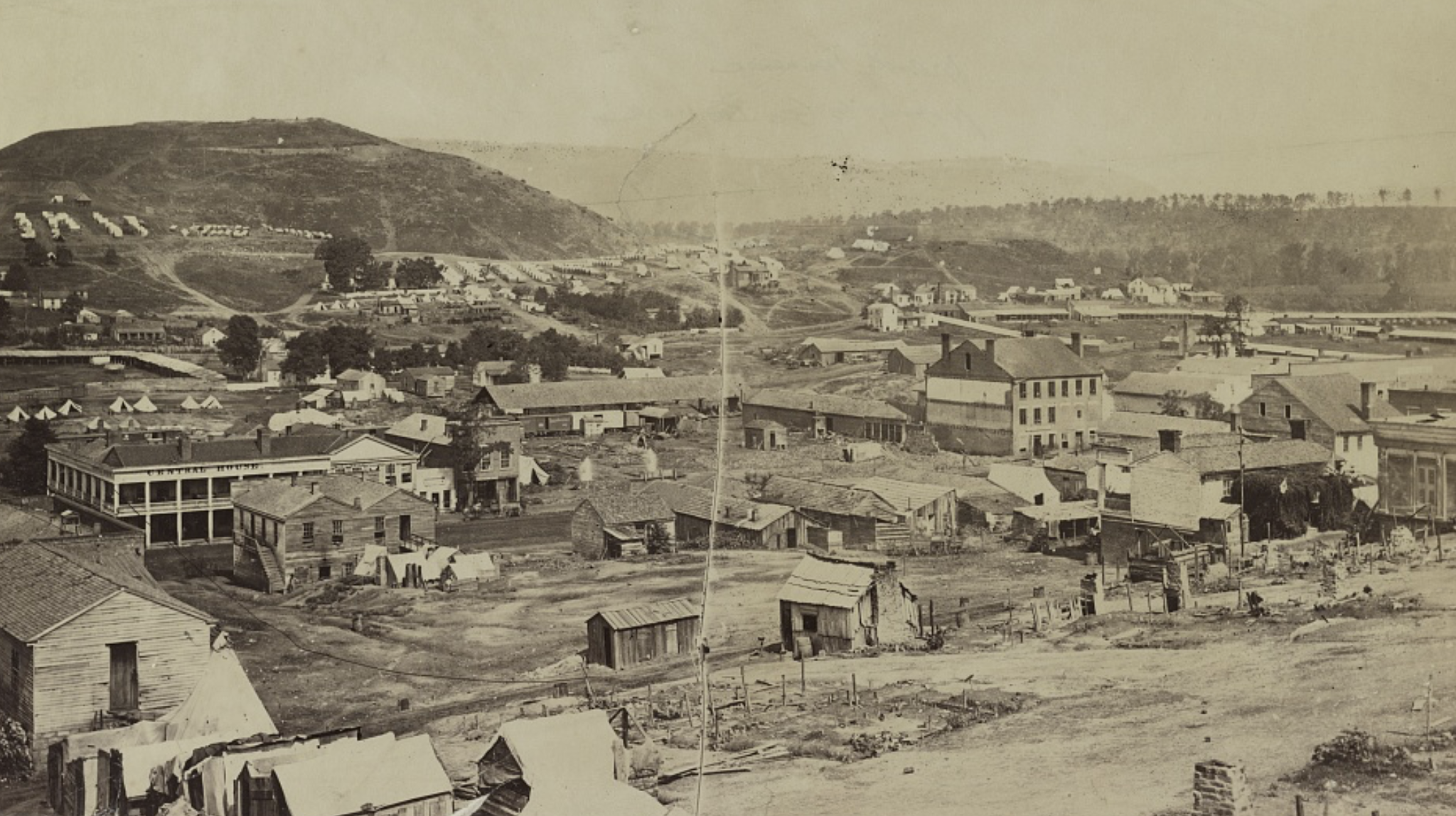
During the Civil War, Lauretta volunteered as an Army Nurse and was pensioned for services. In a book entitled, “Our Army Nurses” by Mary Gardner Holland (1897), Lauretta claimed to have entered the service at Hospital No. 1 in Chattanooga, commissioned by James E. Yeatman, acting agent of Miss Dorothea Dix. She remained there in Hospitals No. 1 and No. 2 until released in June 1865—a total of thirteen months.
She wrote of her experience there: “During the first few weeks I worked in the kitchen, visiting the wards a little while each day; then I became a regular nurse. No. 1 Hospital was composed partly of framed buildings, formerly used as a hospital by Bragg; the remainder of tents. If my memory serves me well, its capacity was six hundred; and when I went there it was full of sick and wounded soldiers. Here it was that I first began to learn the lesson (that difficult lesson that all nurses had to learn) to govern, or, I would better say, battle against my feelings, and work with a will for the sufferers. I also learned how little I could do in comparison to what was needed to be done, and often I could do no more than give a kind look or word to show that I would do more if it were in my power. Alas ! how degradingly cheap is human life in time of war, when our fathers, husbands, brothers, and sons must deliberately kill each other, and call it a victory.”
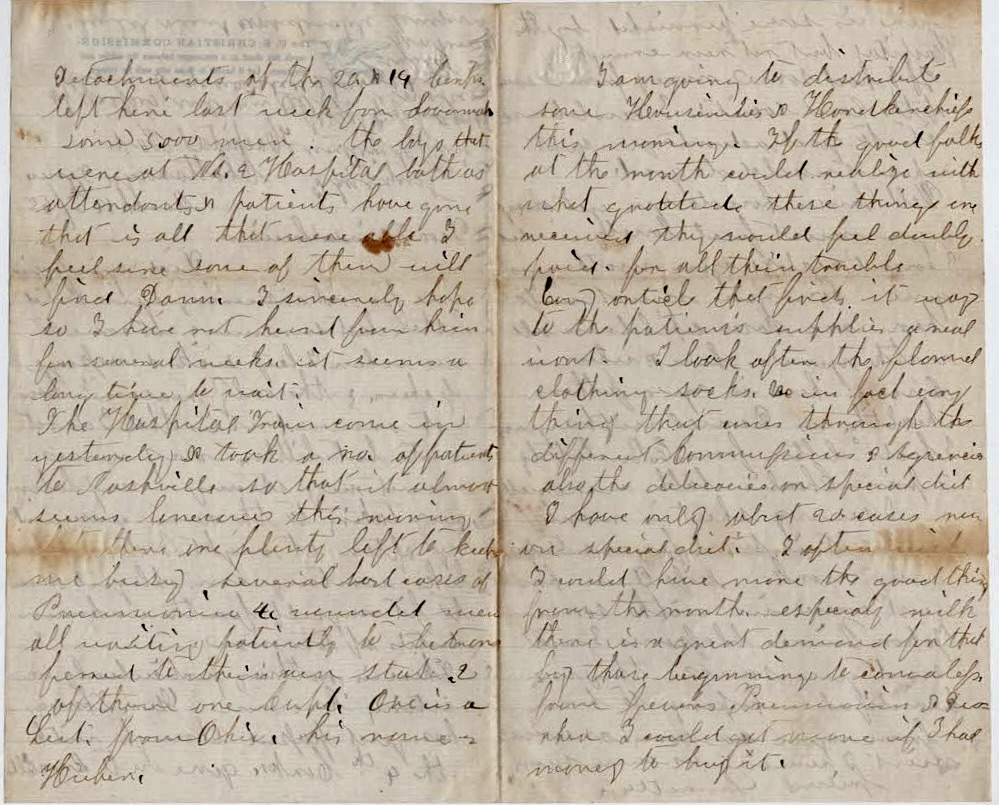
T R A N S C R I P T I O N
Hospital No. 1
Chattanooga, Tennessee
March 19th 1865
Dear Friend Louisa,
Did you forgive me for not answering your kind letter last summer? It come to me when I lay sick [with typhoid fever] a message of cheer. The only reason I have not answered it is that I do not write but little. My nerves are not very strong—my labor very taxing to the nerves. Subsequently, often at night, I do not feel like writing. Am obliged at times to fit myself for the unknown duties of tomorrow.
There is nothing particularly exciting here now. Gen. Thomas has just passed through with the 4th Corps, gone on to Knoxville. Detachments of the 20th & 14th Corps left here last week for Savannah, some 5,000 men. The boys that were at No. 2 Hospital, both as attendants & patients, have gone—that is, all that were able. I feel sure some of them will find Donne [?] I sincerely hope so. I have not heard from him for several weeks. It seems a long time to wait.
The Hospital train come in yesterday. I took a no. of patients to Nashville so that it almost seems lonesome this morning. But there are plenty left to keep me busy—several bad cases of pneumonia, 4 wounded men, all waiting patiently to be transferred to their own states. Two of them—one a captain, one a lieutenant from Ohio. His name is Huber.
I am going to distribute some housewives [sewing kits] and handkerchiefs this morning. If the good folks at the North would realize with what gratitude these things are received, they would feel doubly paid for all their troubles. Every article that finds its way the patients supplies a real want. I look after the flannel clothing, socks, &c., in fact, everything that comes through the different Commissions & Agencies. Also the delicacies on special diet. I have only about 20 cases now on special diet. I often wish I would have more of the good things from the North—especially milk. There is a great demand for that by those beginning to convalesce from fevers. Provisions [ ] when I could get none if I had money to buy it. There is some furnished by the Hospital but not bear enough. If I had some money from some of the said societies, I could use it to good advantage, just when it would do good.
Well, Louisa, how do you get along? You must feel lonely indeed. I cannot realize your mother is gone. How you must miss her. Are Moses’ children all with you? How and where is Ann’s? How is your father’s health? Is Daniel with you? I had a letter from E. B. lately and from Charlie. Both were well. I see my sheet is nearly full. It is time for me to go to my work.
Miss Dean has just come in with some [ ] blossoms. I will send you some. They are beautiful. Hoping to hear from you soon as convenient, I remain as ever your friend, –Lauretta
I have just written to Ohio to get 8 fit [ ] of dresses. Will you tell them she [ ]. I should need considerable [ ] Miss Dean suits me well yet. Also Miss Tuttle. 1
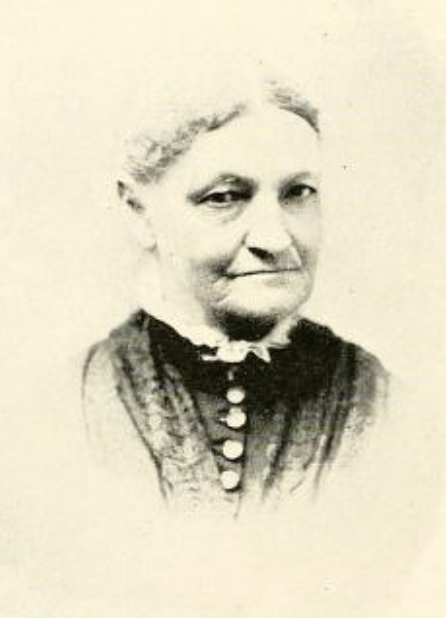
1 The following was found in a History & Genealogy of Captain Israel Jones (1902), page 262, in which Lauretta recalled: “In the meanwhile Sherman was marching on, and another hospital was necessary, which was called No. 2, and as soon as able I was assigned to it. I was agreeably surprised by finding here Miss Tuttle and Miss Dean, of Ashtabula county, Ohio, who were to be my comrades, and it was a happy meeting to us all.
“Special orders for food and drink for each patient were given by the surgeon, and in passing around to each with cheerful words, I learned the sanitary needs of each, which were supplied from the stores sent by the loved ones at home through the sanitary and aid societies.
“As time passed by Miss Tuttle, who had been a nurse since the battle of Antietam in 1862, was transferred to No. 1, and Miss Dean to the kitchen of No. 2. Many convalescents were furloughed and went home to vote for President Lincoln, and we made it a point to add to their comfort from the stores at our command. I remember one occasion when we gave each man a few grapes and a pocket handkerchief. The thanksgiving dinner came, and royally did Miss Dean superintend the feast. It was like an oasis in a desert; and the hearty response of the boys, ‘long may she live,’ was a worthy recompense, as it came from the hearts of suffering, but brave soldier boys.

 Spared & Shared 23