
The following letter was written by Thomas Whiting Cowne (1784-1857) of Turners, Fauquier county, Virginia. Thomas was the son of Robert Cowne (c.1756-1829) and Sarah Whiting of Culpeper. His first wife was Martha H. Buchanan (died 1818). In 1820 he married Susan Latham (born 1787) of Fauquier. Thomas W. Cowne was a merchant in Falmouth. He also operated a school in Falmouth and offered courses such as reading, spelling, penmanship, grammar, geography, history, arithmetic, bookkeeping, and Latin. Tuition was $20 per student (Virginia Herald, Dec. 11, 1816). At the time of the 1850 US Census, Thomas was the owner of ten slaves ranging in age from 10 to 50.
He wrote the letter to his son, Thomas W. Cowne, Jr. (1821-18xx), a merchant in Staunton, Augusta county, Virginia.
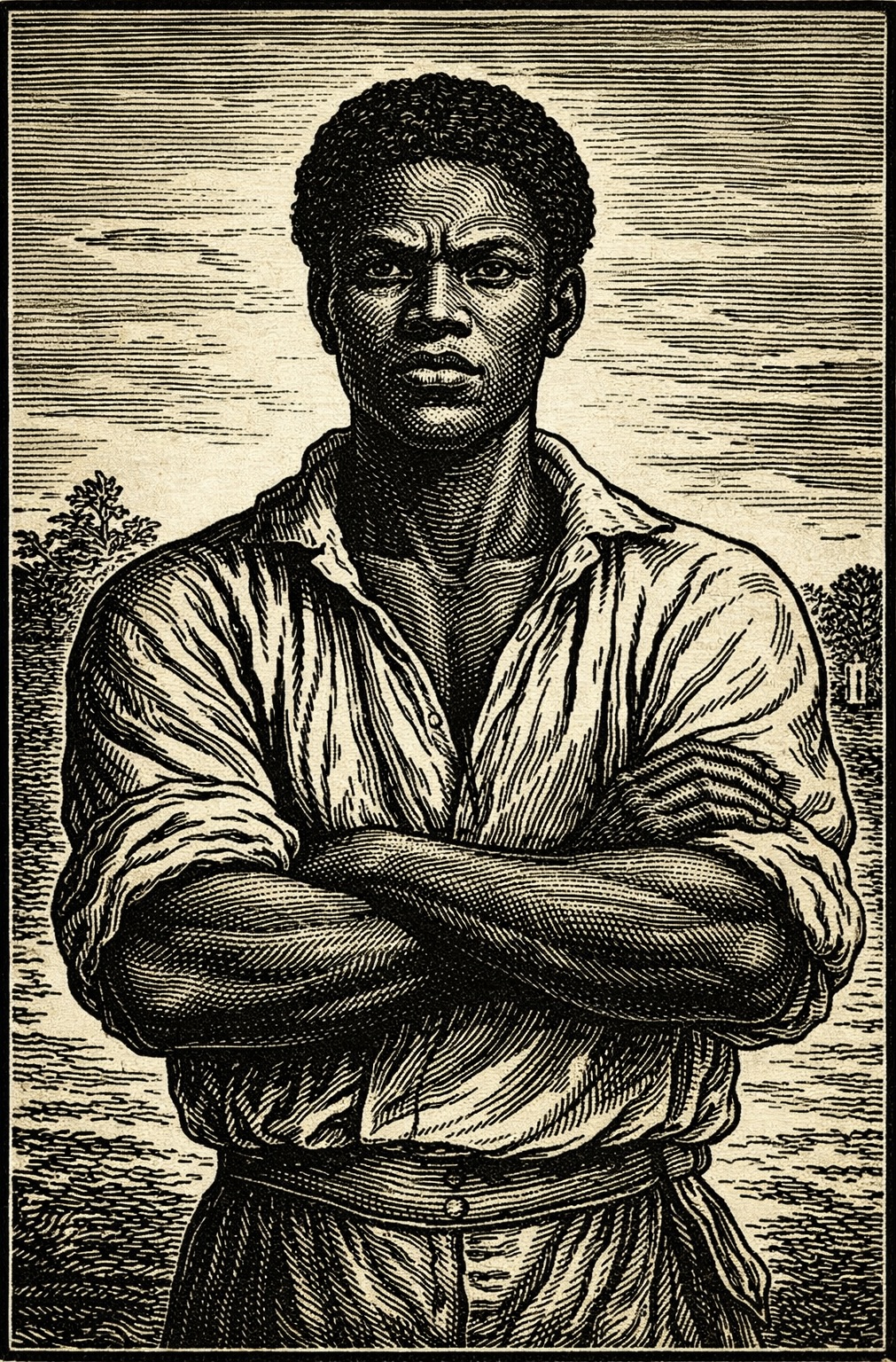
Thomas’ letter speaks of the “rebellious spirit” of one of his negro slaves named “George”—so troublesome that he has decided “to dispose of him” as soon as he could “clear of him” on “reasonable terms.”
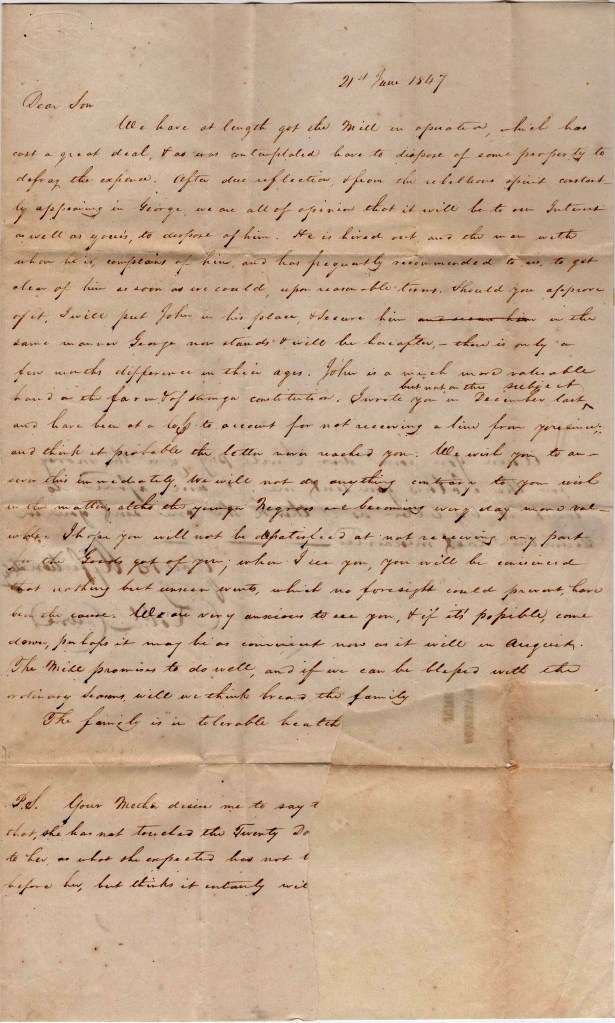
T R A N S C R I P T I O N
[Falmouth, Virginia]
21 June 1847
Dear Son,
We have at length got the mill in operation, which has cost a great deal, & as was contemplated have to dispose of some property to defray the expense. After due reflection & from the rebellious spirit constantly appearing in George, we are all of opinion that it will be to our interest as well as yours to dispose of him. He is hired out and the man with whom he is complains of him and has frequently recommended to us to get clear of him as soon as we could upon reasonable terms. Should you approve of it, I will put John in his place and secure him in the same manner George now stands & will be hereafter. There is only a few months difference in their ages. John is a much more valuable hand on the farm & of stronger constitution, I wrote you in December last but not on this subject and have been as a loss to account for not receiving a line from you since, and think it probable the letter never reached you. We wish you to answer this immediately. We will not do anything contrary to your wish in the matter although the younger negroes are becoming every day more valuable.
I hope you will not be dissatisfied at not receiving any part of the goods got of you. When I see you, you will be convinced that nothing but unseen events which no foresight could prevent have been the cause, We are very anxious to see you, & if it it’s possible, come down. Perhaps it may be as convenient now as it will in August. The mill promises to do well and if we can be blessed with the ordinary seasons, will we think bread the family. The family is in tolerable health.

 Spared & Shared 23
I’ve been receiving your emails for a few years now and I was wondering if there’s a way to see if you’ve had any letters from specific regiments. Three of my great, gre
LikeLike
Your message stopped mid sentence so I’m not sure what regiments you are looking for but you might look here: https://billyyankjohnnyreb.wordpress.com/2015/12/05/list-of-soldiers-letters/
LikeLike