
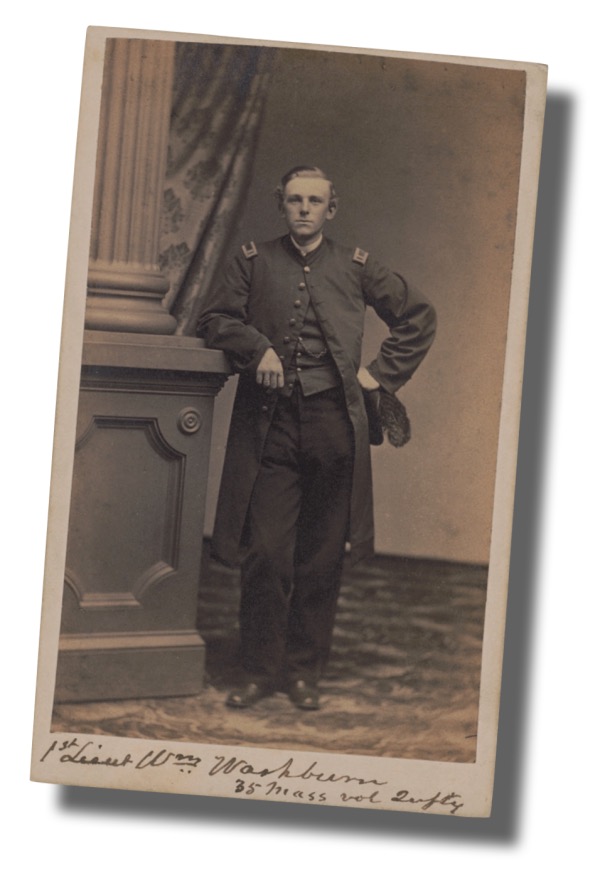
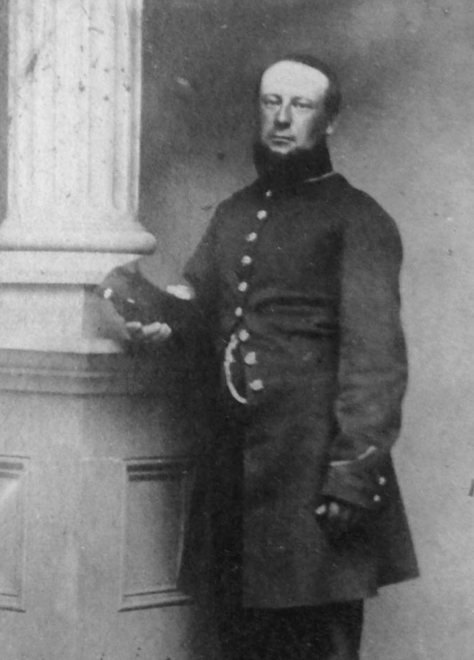
The following letter was written by William (“Will”) Washburn, Jr. (1840-1922), who first enlisted in Co. A, 1st Massachusetts Infantry on May 3, 1861. He was discharged for promotion on Aug. 17, 1862, and commissioned as a 2nd Lt. in Co. G., 35th Regiment Massachusetts Infantry during which time this letter was written. He was promoted to 1st Lt. and commissioned into Field and Staff of the 35th Massachusetts on Oct. 7, 1863. He was wounded and taken prisoner at the Battle of the Crater at Petersburg, Va. on July 30, 1864, and was afterward confined at Macon, Ga., and Columbia, S. C. He was promoted to Captain on Sept. 6, 1864.
Though William had been in the service since May 1861, the 35th Massachusetts was a “green” regiment when they arrived on the field at Antietam, having been in the service only a few weeks. Under Major Sumner Carruth, they crossed the Burnside Bridge, advanced toward Sharpsburg, and held a crucial position of the Union left until caught in a heavy crossfire where they suffered heavy casualties and had to retire, some of the men skedaddling their way back across Antietam Creek. Just days before they had been assigned to Reno’s Second Brigade of the Second Division (General Sturgis’s) of the Ninth Army Corps (General Burnside’s). Their regiment was brigaded with the 21st Massachusetts, 51st New York and 51st Pennsylvania, three regiments that had served in North Carolina and in General Pope’s battles in Virginia, with great distinction and with heavy losses. After the Battle of Antietam, to replenish the ranks, the 11th New Hampshire joined the Brigade.
See also—1862: William Washburn, Jr. to Friend “Lou” on Spared & Shared 20.
[Note: This letter is from the personal collection of Greg Herr and was offered for transcription and publication on Spared & Shared by express consent.]
T R A N S C R I P T I O N
Camp Massachusetts 35th Regiment
Near Loversville [Lovettsville], Virginia
October 28th [1862)
Dear Father,
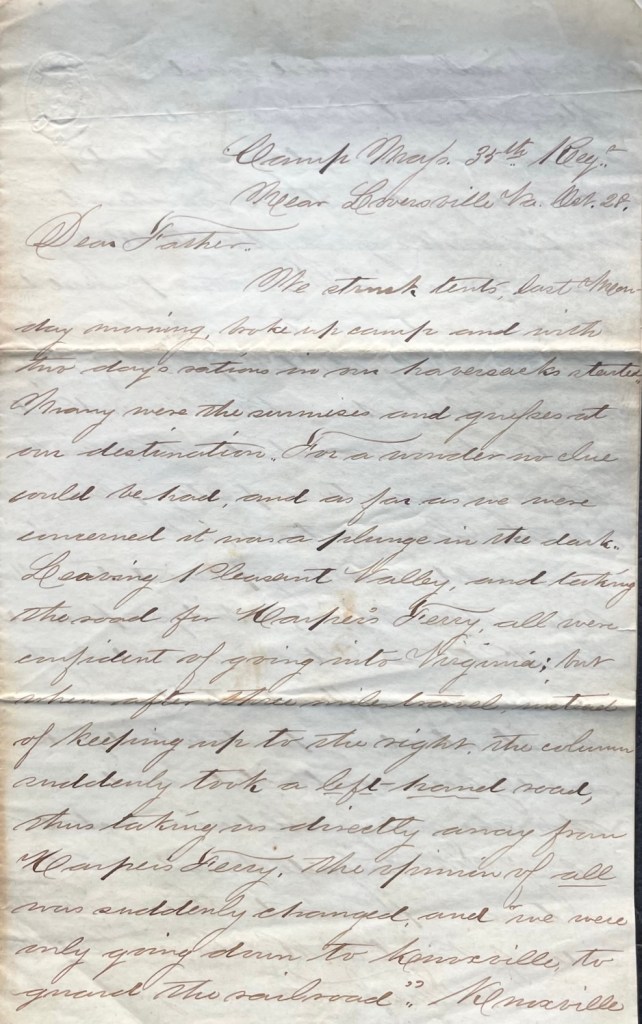
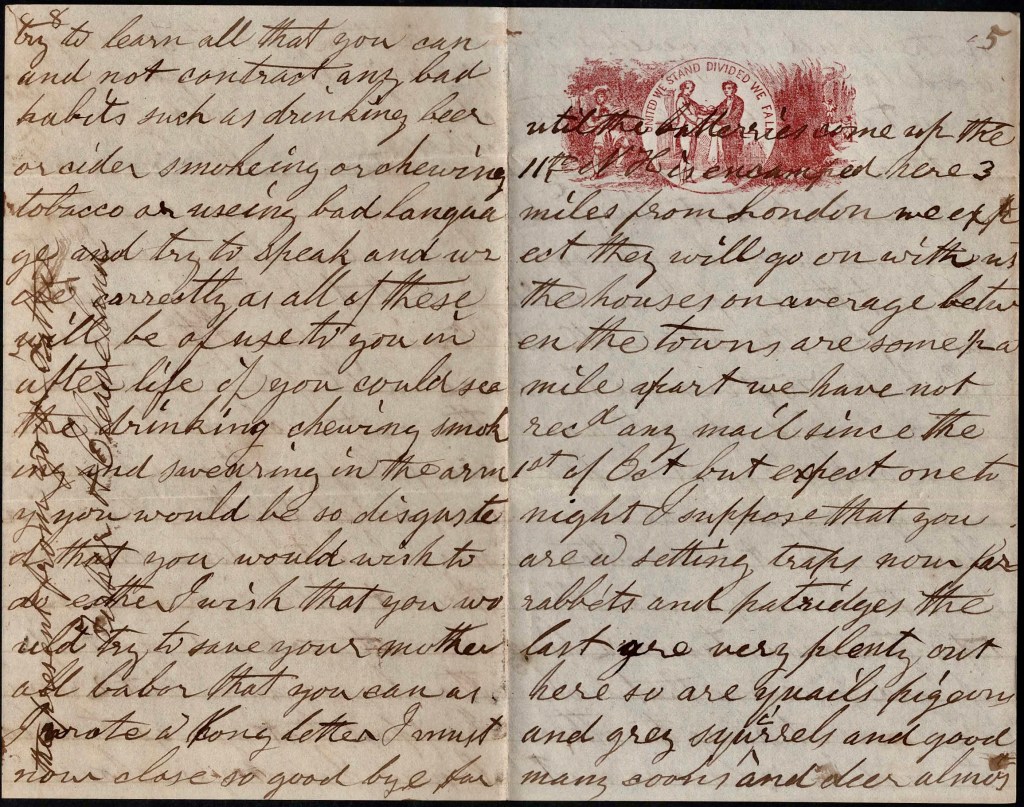
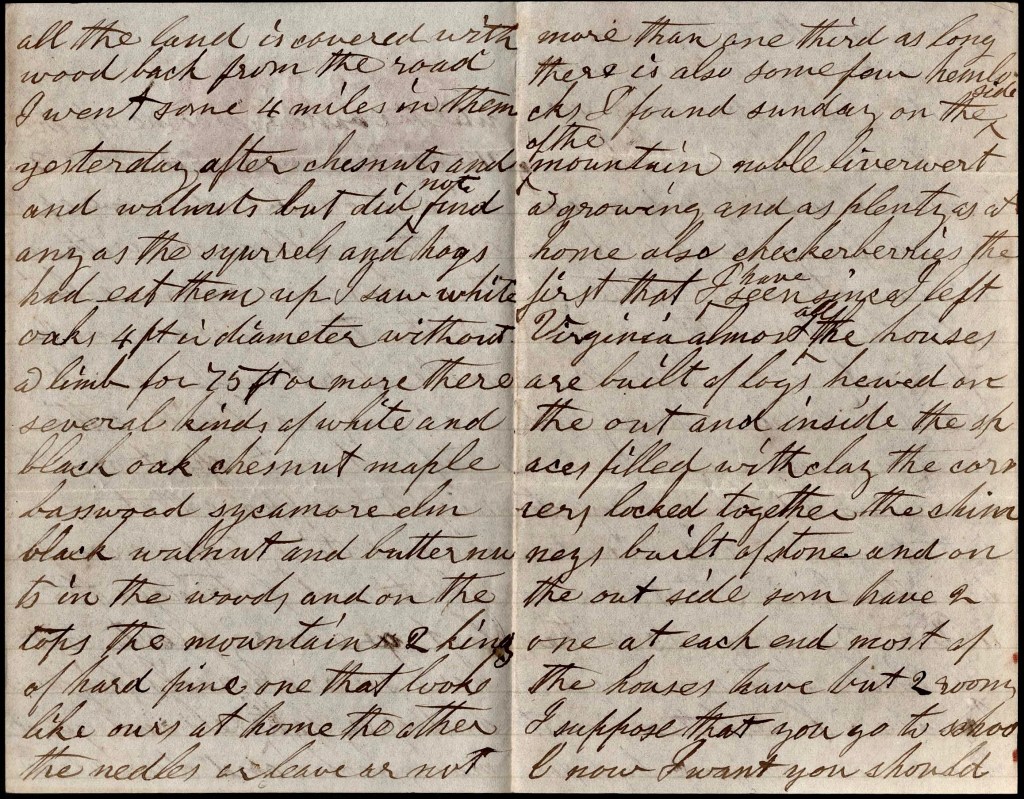
We struck tents last Monday [Oct. 27th] morning, broke up camp, and with two days rations in our haversacks started. Many were the surmises and guesses at our destination. For a wonder, no clue could be had, and as far as we were concerned it was a plunge in the dark. LeavingPleasant Valley and taking the road for Harper’s Ferry, all were confident of going into Virginia. But when after three miles travel, instead of keeping up to the right, the column suddenly took a left hand roadm thus taking us directly away from Harper’s Ferry. The opinion of all was suddenly changed and “we were only going down to Knoxville to guard the railroad.” Knoxville was finally reached and very soon after, when it became evident that the column was not going to stop there, conjecture took another turn, and “we were going to the Relay House to recruit.”
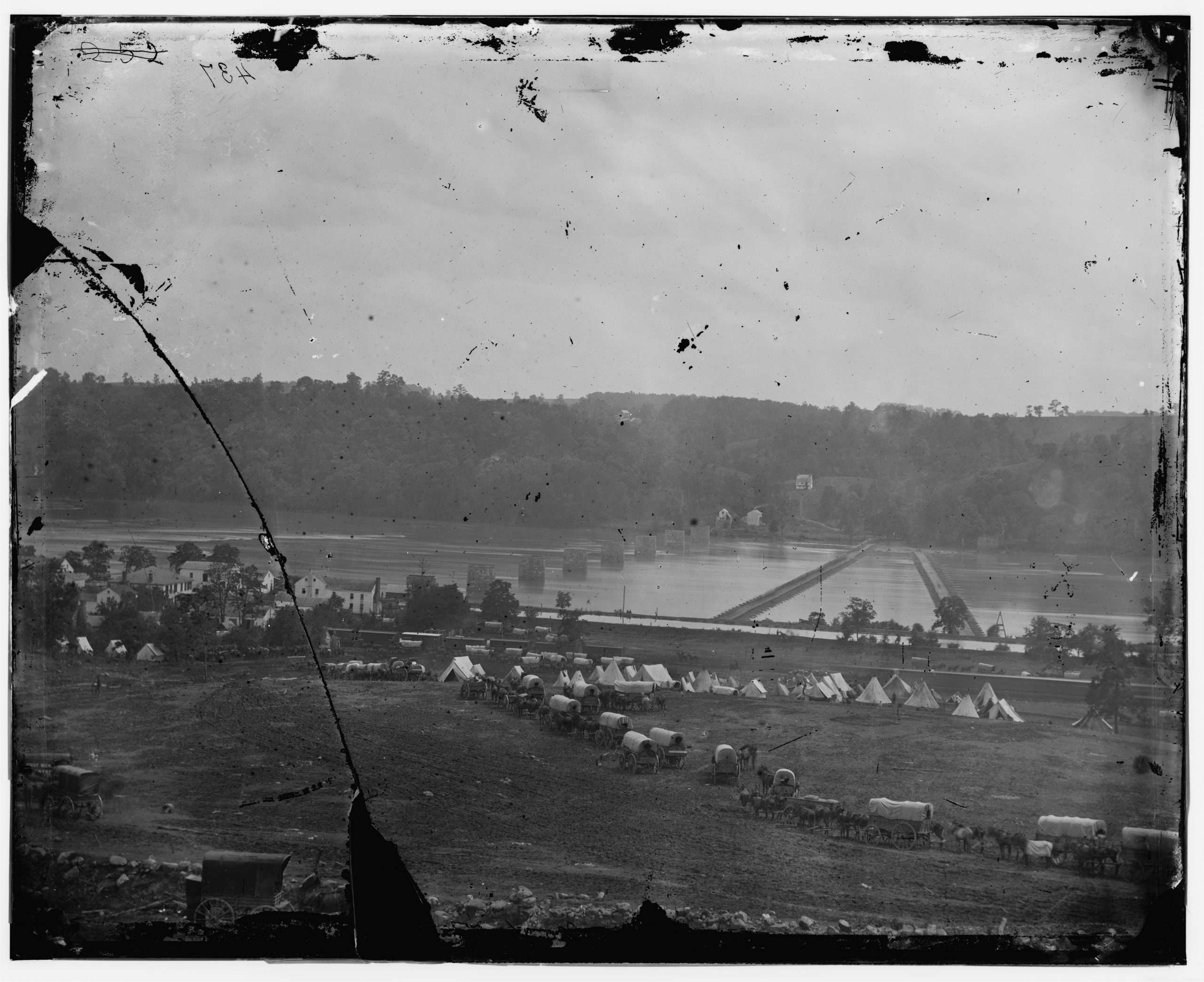
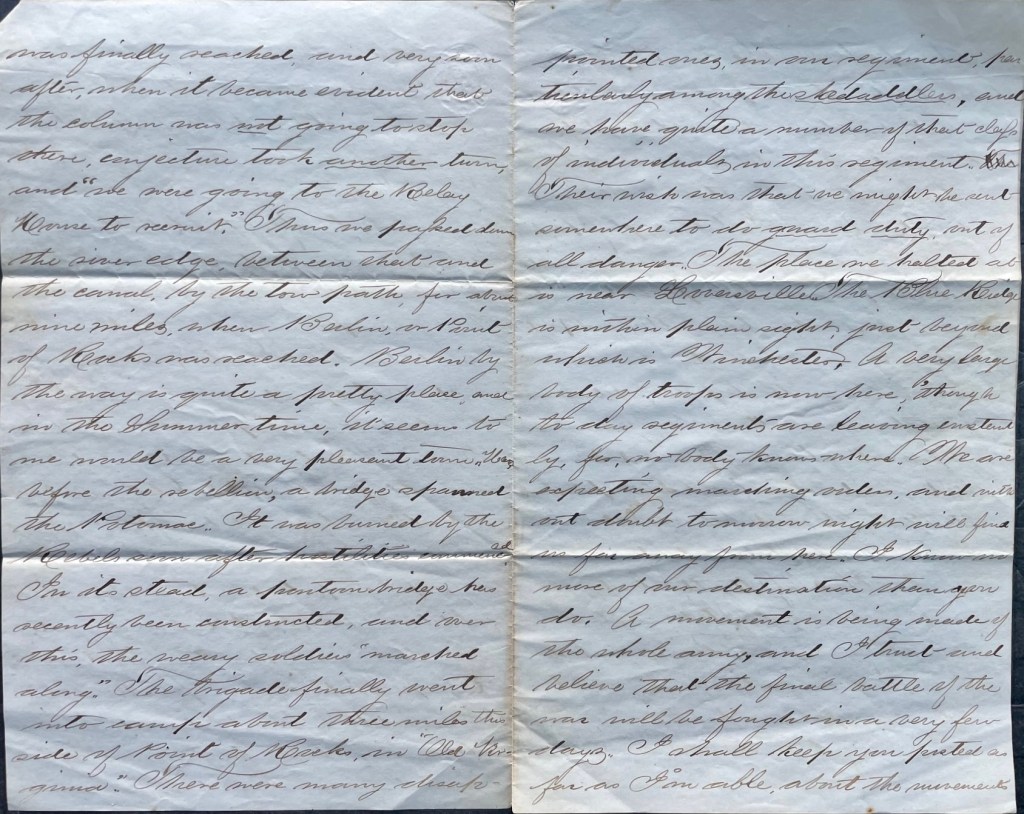
Thus we passed down the river edge between that and the canal by the tow path for about nine miles when Berlin, or Point of Rocks, was reached. Berlin by the way is quite a pretty place, and in the summer time, it seems to me would be a very pleasant town. Way before the rebellion, a bridge spanned the Potomac. It was burned by the Rebels soon after hostilities commenced. In its stead, a pontoon bridge has recently been constructed and over this, the weary soldiers “marched along.” The Brigade finally went into camp about three miles this side of Point of Rocks in “Old Virginia.” There were many disappointed ones in our regiment, particularly among the skedaddlers, and we have quite a number of that class of individuals in this regiment. Their wish was that we might be sent somewhere to do guard duty out of all danger.
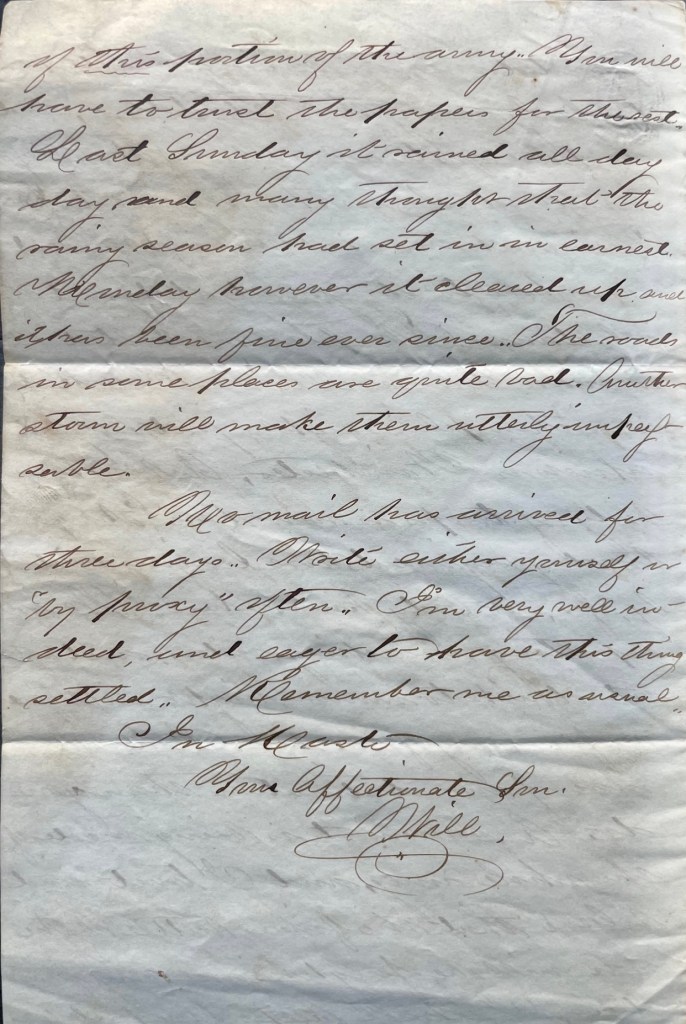
The place we halted at is near Loversville [Lovettsville]. The Blue Ridge is within plain sight just beyond which is Winchester. A very large body of troops is now here thought today regiments are leaving instantly for nobody knows where. We are expecting marching orders and without doubt tomorrow night will find us far away from here. I know no more of our destination than you do. A movement is being made of the whole army, and I trust and believe that the final battle of the war will be fought in a very few days. I shall keep you posted as far as I’m able about the movement of this portion of the army. You will have to trust the papers for the rest.
Last Sunday it rained all day and many thought that the rainy season had set in in earnest. Monday, however, it cleared up and it has been fine ever since. The roads in some places are quite bad. Another storm will make them utterly impassable.
No mail has arrived for three days. Write either yourself or “by proxy” often. I’m very well indeed and eager to have this thing settled. Remember me as usual. In haste, your affectionate son, — Will
 Spared & Shared 23