Category Archives: Iron Brigade

1861: William Orr to James Campbell

William Orr, Co. K, 19th Indiana Infantry

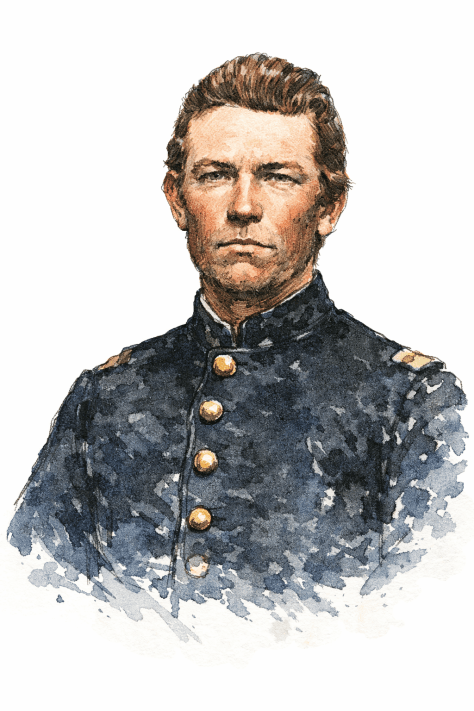
The following letter was written by William Orr (1838-1867), the son of James Orr (1815-1895) and Julia Ann Hopping (1817-1869) of Albany, Delaware county, Indiana. William was employed as a lawyer prior to his enlistment in July 1861 to serve as a 2nd Lieutenant in Co. K, 19th Indiana Infantry. He received a gunshot wound to his left breast at the Battle of Antietam but recovered and was promoted to Captain of his company shortly afterwards. In August 1864, he was promoted to Major of the regiment but soon after transferred to the 20th Indiana Infantry where he was promoted to Colonel. He mustered out of the service in May 1865.

William wrote the letter to James Campbell of Selma, Liberty Township, Delaware county, Indiana. Two of the Campbell boys served in Co. K, 19th Indiana with Orr. Historians will recall that the 19th Indiana became part of the “Black Hat” or Iron Brigade.

William’s letter gives a great description of the hospital set up in the US Patent Office in the fall of 1861. We learn from Orr’s letter that it was predominately occupied in October 1861 by sick soldiers from the 19th Indiana Infantry. Records show that the Patent Office was used as a hospital from October 1861 to January 1863. During the fall and winter of 1861–1862, the 19th Indiana Infantry was severely impacted by disease, with over 60 soldiers dying from sickness between August 1861 and the spring of 1862. Typhoid and malarial fevers, prevalent in the crowded camps, plagued the regiment early in its service near Washington D.C.
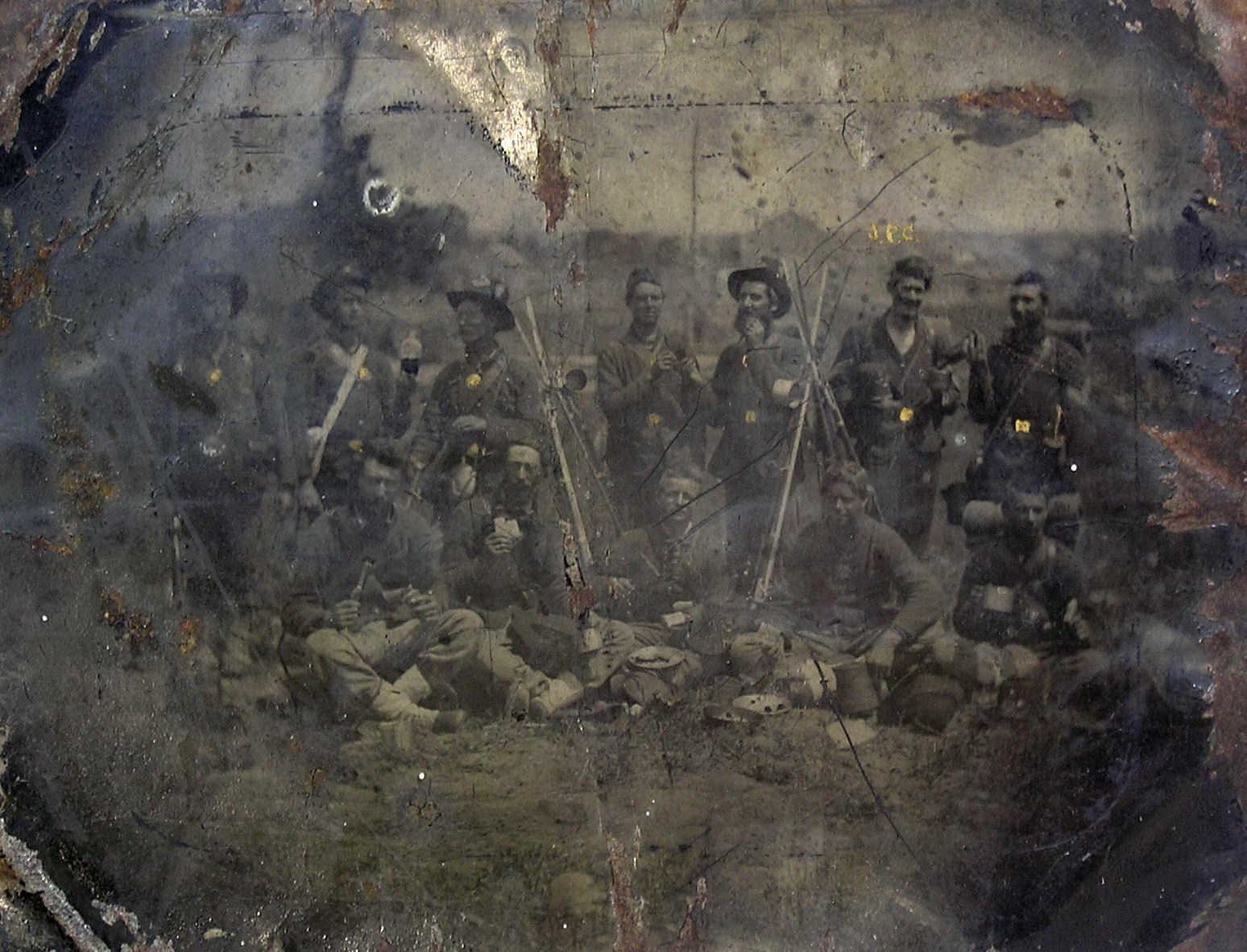
Some of the boys from Co. K, 19th Indiana Infantry

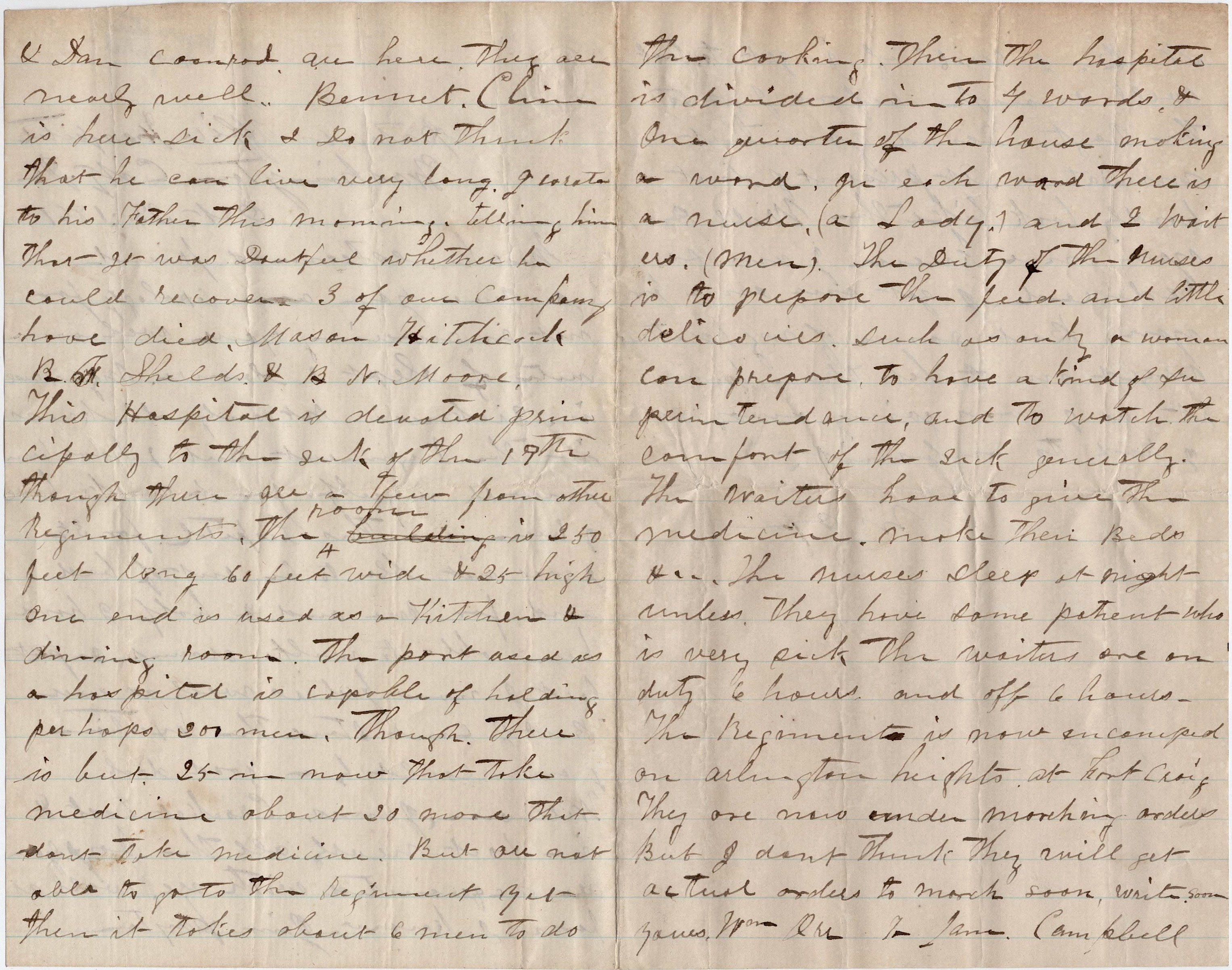
T R A N S C R I P T I O N

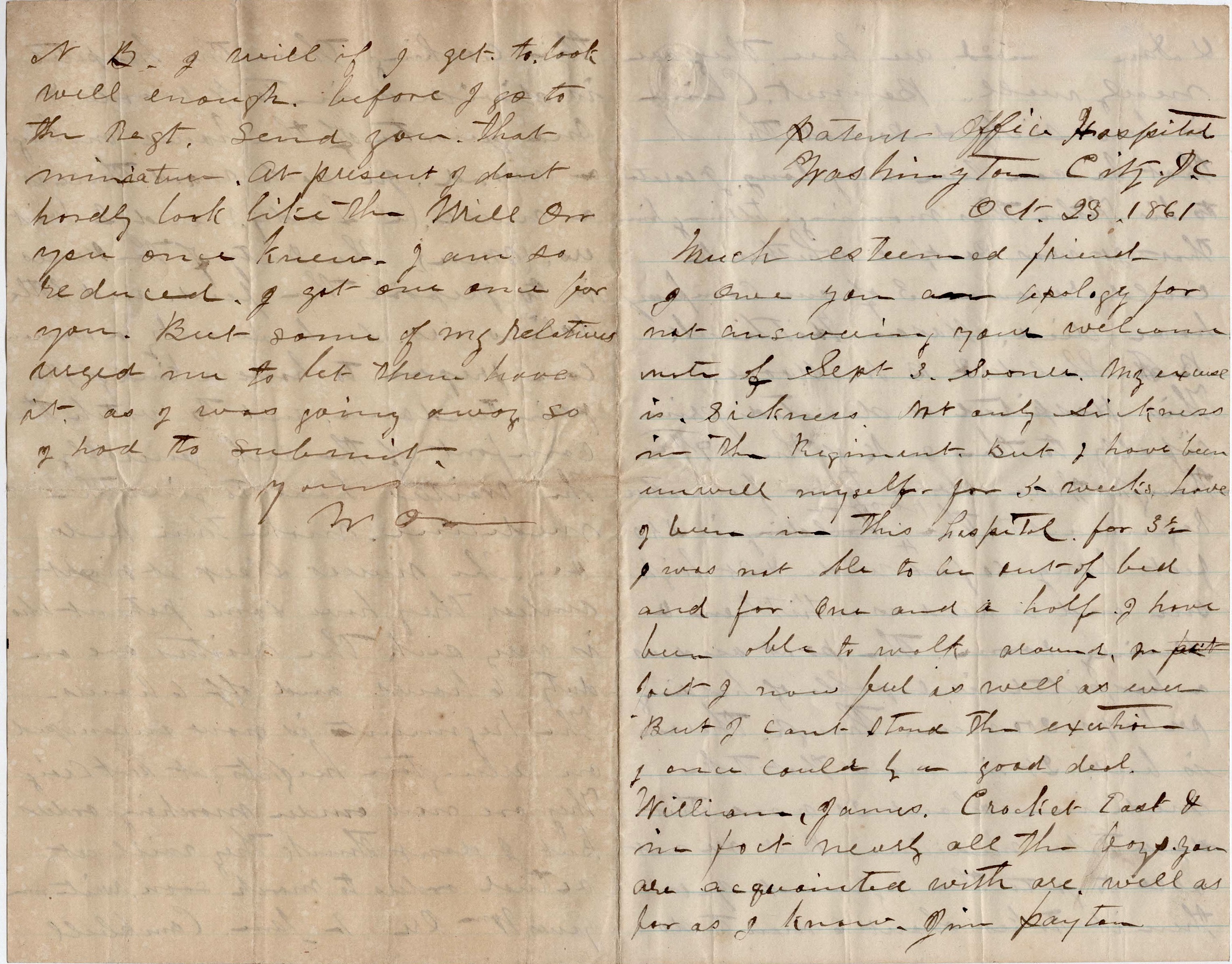
Patent Office Hospital
Washington City, D. C.
October 23, 1861

Much esteemed friend,

I owe you an apology for not answering your welcome note of September 3rd sooner. My excuse is sickness—not only sickness in the regiment but I have been unwell myself for 5 weeks. Have been in the hospital for three and a half. I was not able to be out of bed and for one and a half I have been unable to walk around. In fact, I now feel as well as ever but I can’t stand the exertions I once could by a good deal. William [Campbell], James [Campbell], Crocker East & in fact nearly all the boys you are acquainted with are well as far as I know. Jim Payton & Dan Conrod are here. They are nearly well. Bennet Cline is here sick. I do not think that he can live very long. I wrote to his father this morning telling him that it was doubtful whether he could recover. Three of our company have died—Mason Hitchcock, B[enjamin] F. Shields, & B[enjamin] N. Moore.

This hospital is devoted principally to the sick of the 19th [Indiana] though there are a few from other regiments. The room is 250 feet long, 60 feet wide, and 25 high. One end is used as a kitchen & dining room. The part used as a hospital is capable of holding perhaps 200 men though there is but 25 in now that take medicine [and] about 20 more that don’t take medicine, but all not able to go to the regiment yet. Then it takes about six men to do the cooking.

Then the hospital is divided into four wards & one quarter of the house making a ward. In each ward there is a nurse (a Lady) and two waiters (men). The duty of the nurses is to prepare the feed and little delicacies such as only a woman can prepare to have a kind of superintendence and to watch the comfort of the sick generally. The waiters have to give them medicine, make their beds, &c. The nurses sleep at night unless they have some patient who is very sick. The waiters are on duty six hours and off six hours.

The regiment is now encamped on Arlington Heights at Fort Craig. They are now under marching orders but I don’t think they will get actual orders to march soon.

Write soon. Yours, — Wm. Orr

To James Campbell
1862: John Livingston Hathaway to his Sister

This letter was written by John Livingston Hathaway (1830-1891), the son of Erastus Hathaway (1796-1854) and Lydia Dunning (1796-1861) of Milwaukee, Wisconsin. John was married to Hannah Moyston Kellogg (1831-1867) in October 1852 and had three children by the time he accepted a commission in September 1861 to serve as a Captain of Commissary on the staff of Brig. Gen. Rufus King.

Union troops occupied Chatham for the first time in April 1862, when General Irvin McDowell set up headquarters at the house. McDowell brought a corps of 30,000 men to Fredericksburg. He halted his command at Fredericksburg for a month in order to bring up supplies, after which he planned to march on Richmond. President Abraham Lincoln journeyed to Fredericksburg to confer with McDowell about the proposed movement and on May 23 dined with him at Chatham. That very day, Stonewall Jackson’s Confederates attacked Union troops in the Shenandoah Valley and briefly threatened Washington, D.C. As a result of Jackson’s success, Lincoln ordered McDowell to forgo his march on Richmond and take a portion of his command to the Valley instead. General Rufus King took over command at Fredericksburg in McDowell’s absence and moved into Chatham.

Prior to his accepting a commission, John was working as a land agent in Milwaukee, having previously worked as a surveying engineer. After the war he returned to Milwaukee and earned a living as an insurance agent.

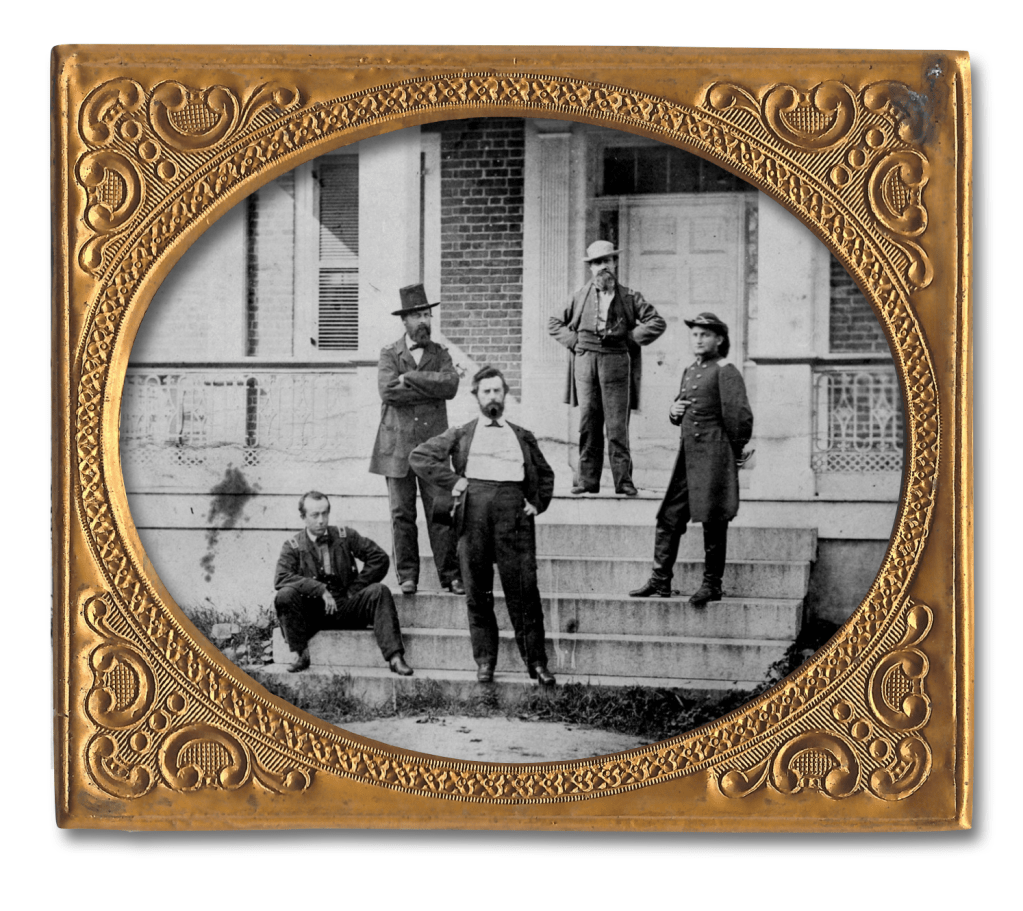
On the porch at Chatham are from left to right, Capt. John L. Hathaway (Com. of Subsistence), Capt. Robert Chandler (A.A.G.), Brig. Gen. Rufus King, Lieut. Albert A. Pitcher, 35th NYV, and Lt. Col. Kilpatrick. The 2nd & 7th Wisconsin Regiments of the Iron Brigade were encamped in the fields beyond the home.

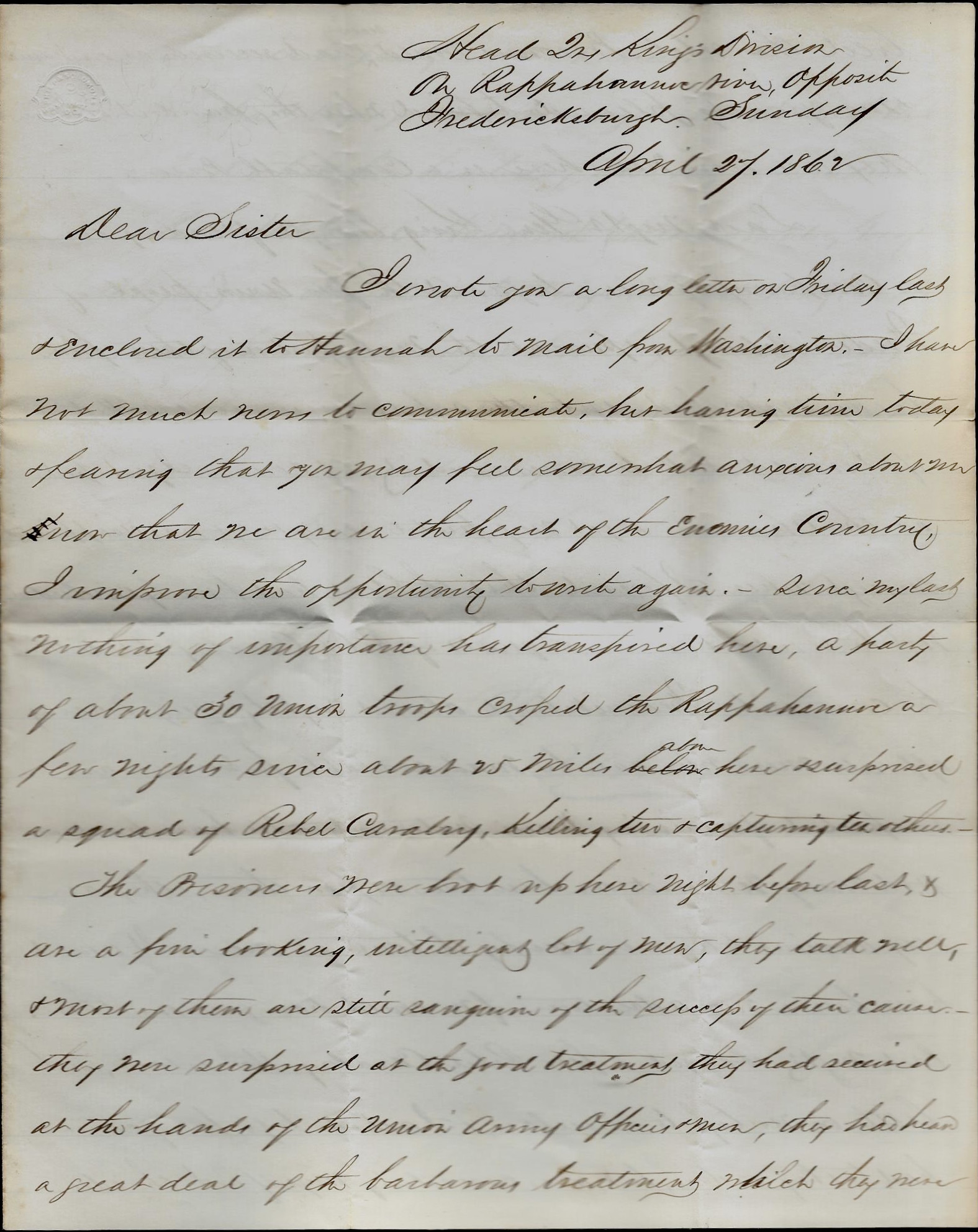
Transcription

Headquarters King’s Division
On Rappahannock River opposite
Fredericksburg, [Virginia]
Sunday, April 27, 1862

Dear Sister,

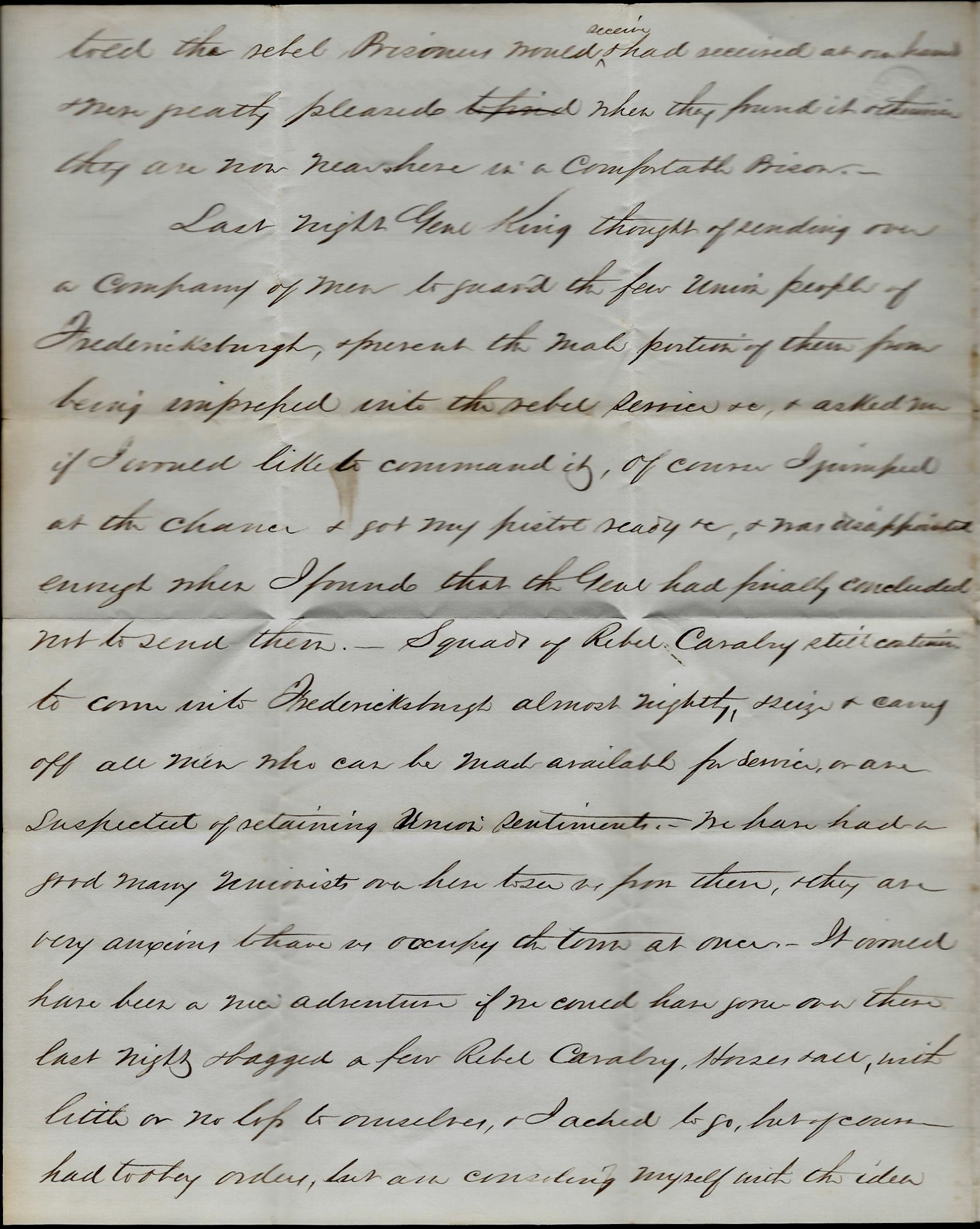
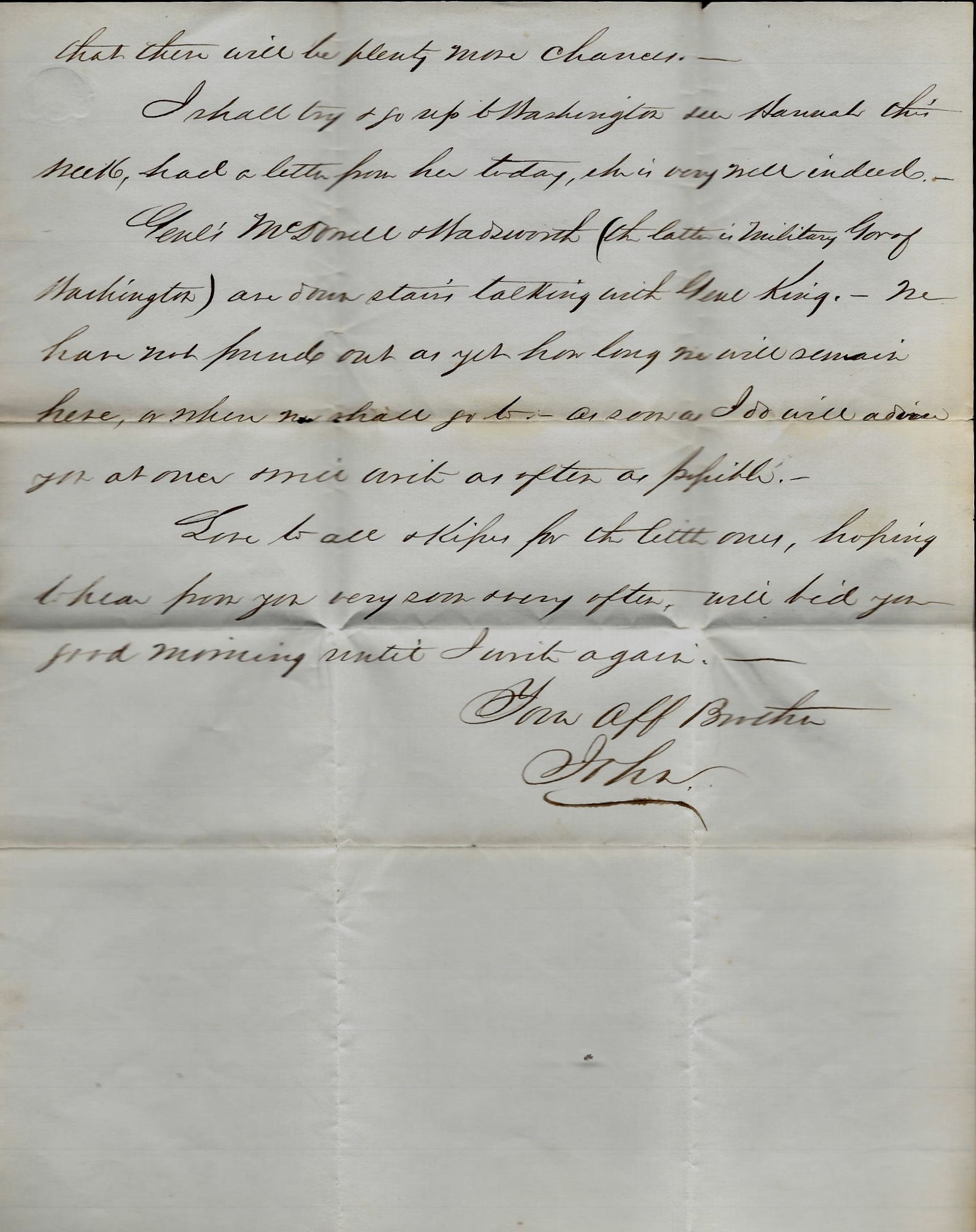
I wrote you a long letter on Friday last & enclosed it to Hannah to mail from Washington. I have not much news to communicate, but having time today in fearing that you may feel somewhat anxious about me now that we are in the heart of the enemy’s country. I improve the opportunity to write again. Since my last, nothing of importance has transpired here. A party of about 30 union troops crossed the Rappahannock a few nights since about 25 miles above here & surprised a squad of rebel calvary, killing two & capturing ten others. The prisoners were brought up here night before last, and are a fine looking, intelligent lot of men. They talk well & most of them are still sanguine of the success of their cause. They were surprised at the good treatment they had received at the hands of the Union army officers & men. They had heard a great deal of the barbarous treatment which they were told the rebel prisoners would receive & had received at our hands & were greatly pleased when they found it otherwise. They are now near here in a comfortable prison.

Last night General King thought of sending over a company of men to guard the few union people of Fredericksburg, & prevent the male portion of them from being impressed into the rebel service, &c. & asked me if I would like to command it. Of course I jumped at the chance & got my pistol ready &c., & was disappointed enough when I found that the General had finally concluded not to send them. Squads of rebel calvary still continue to come into Fredericksburg almost nightly & seize & carry off all men who can be made available for service, or are suspected of retaining union sentiments. We have had a good many Unionists over here to see us from there, & they are very anxious to have us occupy the town at once. It would have been a nice adventure if we could have gone over there last night & bagged a few Rebel Cavalry, horses & all, with little or no loss to ourselves, & I ached to go, but of course had to obey orders, but am consoling myself with the idea that there will be plenty more chances.

I shall try & go up to Washington to see Hannah this week. Had a letter from her today. She is very well indeed. Generals McDowell & Wadsworth (the latter is Military Governor of Washington) are downstairs talking with General King. We have not found out as yet how long we will remain here, or where we shall go to. As soon as I do, will advise you at once & will write as often as possible.

Love to all & kisses for the little ones. Hoping to hear from you very soon & very often, will bid you good morning until I write again. Your affectionate brother, — John

J. L. H. to sister, Falmouth, Va., April 27/62