My passion is studying American history leading up to & including the Civil War. I particularly enjoy reading, transcribing & researching primary sources such as letters and diaries.
This letter came to me for transcription unsigned but we learn from the content that he served in the 74th Ohio Volunteer Infantry (OVI) which was organized at Xenia beginning in October 1861. Seven of the ten regiment’s ten companies were recruited from the vicinity of Xenia. Beyond that, however, I am unable to identify the name of the soldier.
The regiment was ordered to Camp Chase, four miles west of Columbus, Ohio, on 24 February 1862, and were on duty there until 20 April when they were ordered to Nashville, Tennessee, to join Dumont’s Independent Brigade in the Army of the Ohio. While at Camp Chase, their primary duty was to guard the civilian and Confederate prisoners who had begun to arrive there in large numbers following the surrender of Fort Donelson. Granville Moody (see image in banner), the colonel of the 74th OVI and who would later earn the sobriquet “the Fighting Preacher” for his gallantry at Stone River, was placed in charge of Camp Chase at the time of this letter and Major Ballard, also if the 74th, was appointed to supervise the police of the camp.
The letter was written to Mary Anot Halley (1836-1888), the daughter of John and Jessie (Spital) Halley of Markinch, Fifeshire, Scotland. John brought his family to America in 1847. Mary’s mother, however, died in Montreal, Canada, while enroute to Vermont where John Halley settled in Orange county. Mary is believed to have either been a teacher or student at the Xenia Female Seminary in 1862 and a member of the literary society there.
Transcription
Addressed to Miss M. A. Halley, Corresponding Secretary of Aesthetic Society, Xenia, OH “Soldiers Letter, G. Moody, Col., 74th Regt. Camp Chase, OH”
Camp Chase [Columbus, Ohio] March 20th 1862
Members of Aesthetic Society,
Through your kind Secretary, Miss Halley, I received the information that I had been chosen as your anything but local correspondent. While I feel highly grateful for the honor, I cannot help feeling myself in a great degree unworthy of the compliment, both because I do not feel myself capable of affording you much entertainment, and because I have heretofore proved myself to be such an unprofitable member to the Society.
Ever since my acceptance of a membership with you, I felt that I was a drawback rather than an advantage to you as you never knew when to depend upon my being present with you, and some time ago believing on account of our military restriction that I could serve you better with my pen than with my voice, I proposed to someone, half in fun, that I would become your camp correspondent, not knowing that the subject would ever be considered. But as you have thus kindly shown your remembrance of me, I accept with great pleasure the appointment and shall endeavor to prove myself worthy to the best of my humble resources.
Of course, not much will be expected of me while I remain in such a monotonous place as this, where although excitements frequently occurs, they are not generally of a kind that would interest a literary society.
The state of the Potomac (the name of a creek which runs through our camp) employs often our most particular attention. At present it is low and clear, presenting to view many old boots, hats and sundry other articles to the soldier, awakening our minds to sorrowful reflections of the terrible scenes of carnage and dissolution that at one day must have been enacted there. During the present stage of water, I think we need apprehend no attack.
Our next source of interest is the guarding of rebel prisoners, most of whom have settled down to a state of sullen resignation to their imprisonment. A little boy came with his father the other day to see them expecting a rebel to be some huge monster and upon going away, he greeted father with the uncomplimentary conclusion that “they weren’t hard at all and looked prettier than he or Uncle John.”
And if a rebel is to be recognized by a horrid and unattractive appearance, I think we of the 74th would suffer were we to meet an army of ladies in the field for we hardly received a glance from the fair (few, thank fortune) who visit camp—the great attraction appearing to be inside the prison. I have had conversations with a good many of the rebels who appear to be most able and intelligent men, causing one to wonder why they were ever so intellectually blinded as to take the part they did.
I am glad to hear from recent reports that the Shaker doctrine is not promulgated from the Aesthetic Society. I trust that the occurrence will not take any members from your society. I would advise that hereafter no officers of your society be one that contemplates matrimony for it is the death of any institution to be constantly changing officers. I wish the pair much happiness and hope that they wil not carry their love for your society so far as to introduce lectures *certain ones) and critiques into domestic life.
Wishing your meetings to continue in interest and profit, I close expecting to receive reports of your proceedings, and hoping to entertain you better when opportunities are better. I anticipate the pleasure of being once more with you when the present rebellion is crushed and Columbia once more sings her sweet song of Freedom over the Land.
These letters were written by William (“Willie”) Henry Payne (1840-1914), a native of Shelbyville, Kentucky. He was born on 2 March 1840 and came to Harrisonville, Cass county, Missouri, with his father, a cabinet maker named Winchester Payne, and family, when three years old. In 1850 the family moved to property on East Pearl Street in Harrisonville. Willie was married in September 1865 to Elizabeth Endres of Santa Fe, New Mexico. The couple returned to live in Harrisonville for a time but then relocated to Nebraska where Willie was engaged in the lumber business. He died there in 1914.
From these five letters (only two transcribed), we learn that Willie was working as a civilian in the Quartermaster’s Department at Fort Union in New Mexico Territory during the Civil War. Working in the same vicinity as a day laborer was his younger brother, George Winchester Payne (1841-1909). George’s obituary, published in the Selma Enterprise [Selma, California] on 30 October 1909, claims that he fought for the Confederacy throughout the entire Civil War under Old Pap Price who would call him “Sonny” but we know from these letters that by January 1864, George was working in New Mexico and seems to have been there for some time. It may be that both Willie and George went to New Mexico to avoid further service in the Civil War.
Cass County histories inform us that Winchester Payne was loyal to his southern heritage and supported the Confederacy. Local Union troops knew he was “secesh” an targeted his farm frequently when foraging. In the summer of 1862 alone it is reported that they took 28 hogs, 50 bushels of corn, and a ton of hay off his farm despite his having previously taken the Loyalty Oath. Things did not get any better in 1863 when General Ewing issued General Order No. 11 expelling Southern sympathizers from their homes in Cass county. It is reported that the Payne family moved temporarily to Boone county. These letters confirm that Winchester continued to look for alternative employment outside of the region despite his ailing health. They also suggest that several Cass county acquaintances had found employment at the military post or in Santa Fe while in exile from Missouri.
Willie’s letters were all written from Fort Union—a military post on the Santa Fe trail in New Mexico which was begun in 1851 to provide security along the trail as well as serving as a depot to other smaller forts. Work on the large Fort Union complex pictured below was started in August 1862, the structures constructed with adobe bricks set on stone foundations. They included officers quarters, enlisted men’s barracks, corrals, warehouses, a hospital, and other structures. Little of the complex remains today.
An artist’s rendering of how Fort Union looked in 1866 when it was the largest military base for 500 miles in any direction during the latter half of the 19th Century.
Letter 1
Addressed to Mr. Winchester Payne, Harrisonville county, Missouri
Fort Union, New Mexico January 31, 1864
My Dear Father,
Again I seat myself to write a few lines as it is time, for another week has passed, and I am desirous to keep up weekly correspondence with you, for I know how uneasy you are when you fall short of receiving your regular rations at the office.
I received two letters from your last mail—one, for myself, and one for brother [George]. They were both dated January 10th. I was very anxious to get them, for your letter the week previous was not satisfactory. You had just returned from your trip to Sedalia and I feared you was sick, which your last letter proved to me. I am in hopes you are not dangerously ill [and] that you will recover soon. I shall be uneasy about you though until I hear better. You are exposing yourself too much for a man of your age. You will soon be on the delinquent list if you do not take care of yourself. I had rather hear of your selling the cattle and depending upon brother and I for your support, than to see you work as hard for we are now plenty able to do so.
I am sorry to hear our old town is in such an unhealthy condition. I fear the worst is to come in warm weather for it is so filthy and unclean.
I received your letter some time ago respecting that trade which you see, to have some apprehension of my not receiving. I wrote to them today, three weeks ago, my first letter. Have not up to this time received anything from them. I wrote a short note to Mrs. Avery as Mr. B thought it best for she has the directing of all of his affairs. I wrote as if he was from home and solicited an answer from her as soon as possible to know if he was in the same notion he was some time since. I look for an answer this next Tuesday. If I cannot do anything without going there, I will, for I do not want to lose the chance to make every cent I can for you.
You say in your letter Ma & Lizzie will write next week, as both of these letters were from you, of course, they needed responses I will write to them next week.
I and brother will as soon as we can, make a contract for a ranch this summer. The man gives us everything. We give him half. It is situated six miles south of here, being the nearest to the pond and a good place for you to rest, for it is as good grazing as this country affords. The owner is in Santa Fe at present. Will be here next Tuesday. If they will give me $65 a month, I will remain here for I can then furnish brother two American hands with my wages. If not, I will go with him for I can make more there than I can here at $30. Mr. Moore & Krany promised to give him $45 for running day and half the night, but when they came to the scratch, they flew off. Brother will quit there pretty soon and go on the ranch.
You speak of a very severe winter in that part of the world. I am really sorry to hear it for I can sympathize with some poor families that are sure to be out in all of it. We have had a very nice fall—warm and pleasant weather up to Christmas evening [when] it commenced snowing and blowing. It lasted two days when it quit and remained on the ground about a week and went off. Now it is the first of February and as nice March weather as you ever saw. My hands and feet has not been cold this winter though I have six patients in hospital now—some with all toes, some with all fingers frozen off. They came out in the coldest weather. I only had 20 on sick report this morning.
Artist’s rendering of “Star Fort” not far from the Fort Union Complex. Only remnants exist today.
I must begin to close. Gus Yurley is here. Said ask you where his uncle was living. Mr. Bouta comes over here from the fort every time the mail comes in to hear from his family. Has not got anything from them since he come here. John Jackson has received several letters from his wife lately. He looks very well now.
Button Jack is still here. 1 He is well. Has written two or three letters home since he come here. Brother did not come up this Sunday. I will send your letter to him Tuesday. I must now close. Direct me in relation to sending that….as soon as you can and I will try and let you know a week before hand when I send it. Receive my love and letter, I am your son, — Wm. H. P.
1 I’m not positive but I think “Button Jack” may be “Col. William A. Jack” who served as the postmaster of Harrisonville in 1850 and was a merchant there before and during part of the Civil War.After the Civil War he ran a dry goods store in Pleasant Hill, Cass county, Missouri.
Letter 2
Quartermaster Hospital Fort Union March 6th 1864
My dear Father,
Time and circumstances have again afforded me the pleasure of writing you a few lines in answer to your kind favor of February 15th (16 days from your hand). I was very glad indeed to see something directly from you, for your sickness has caused me a great deal of trouble and restlessness, doubting your safety. I am happy you are convalescing for I knew not how to appreciate my parents when I was at home, but now that I am away from you (though doing well), I feel my weakness.
Brother has been in my room all day until a few moments ago when he returned to his quarters at the New Post. He is working here now at $65 per month as painter. His rancher seemed so fluctuating that he would not bear with him longer. He came to me to try to get him work at the best wages. I enquired after the best job I could find for him and succeeded in getting him in as a painter. He has got work that will last him all summer and fall if he suits his boss. He told me he would write to you this week but does not feel very well. Said he would next week. I send you a letter this week dated February 24th for him.
All hopes seem to be gone for me to do anything about that trade we were writing about. Mr. Allison has sold his train for $500 per wagon and team, and will start to the States pretty soon to buy an entire new outfit. I will let you know when he goes if I can anyway, so that you can see him there, for I am positive he will do nothing here. This other man I wrote about says he cannot do anything for his man has already given the contracts to have one made in St. Louis. I shall not stop at this. I will continue to enquire of persons only who I think would buy. I made enquiries about that arrangement you spoke about in your last letter. The agent says it can be sent by draft or in package. If you take it in a check, you will have to send it to New York to have it cashed, for you cannot get the money for it at Kansas City. He says they are just as responsible for it in package as by check. Said send it to the Express as at Kansas City and they would inform you by letter that it had arrived.
I have come to the conclusion to send it by package. I have a very large sheepskin “Port Montie” that I will send it in and mark your name on the inside of it. I will let you know by the return mail after you order it by letter. Just as soon as you think your letter will get here, and time for the next mail to return, you may be confident it has come for I am going to be very punctual about it. Joe Carter is here trying to get work but I do not think he will succeed. He has quit the printing office in Santa Fe to find a worse job, and I think he will not fail in his expectations. 1
Mr. Whiting is talking of returning home in the spring, so Joe [Carter] says, to remain. 2
Mr. Willett is working at a mill in Santa Fe. Says he has not spent but “six bits” since he has been there. He saves money, don’t he? 3
Mr. Banta started home last Wednesday (March 1st). Went in an ox cart outfit. Will be there in about thirty-five days. 4
George Farley wished me to ask you if you knew where his Uncle lived at. Please do so and inform me as soon as you can. I wrote to you in one of my subsequent letters what the Quartermaster said in relation to your working here. If you were here now with your family, you could get all the cabinet work you could do at $65 a month with a ration, and a house to live in. I would much rather you would come out here yourself first and see the prospects than to take my word for it, for you would be better satisfied.
Button Jack is staying with me in the hospital. He is a fine fellow adn has every quality of a gentleman—more than I can say of some that are my particular friends that have ruined themselves with the female natives.
I must now close. Accept mine and Button’s best wishes. With my love, letter and intelligence of our good health, and believe me ever your son, — Willie
1Joseph Henry Carter (1841-1913) was from Harrisonville, Missouri. He learned the printers trade at an early age and worked for a variety of newspapers throughout his life until finally settling on a ranch in Kansas.
2 Probably W. E. Whiting (b. 1836) who was working as a tailor in Harrisonville, Missouri at the time of the 1860 US Census.
3 Probably Roberts Willett (b. 1828 in Tennessee) who was a banker in Harrisonville, Missouri, at the time of the 1860 US Census.
4 Dewitt Clinton Banta (1829-1869), a native of Kentucky, and a resident of Harrisonville, Missouri, in 1860 where he was enumerated as a farmer with a wife and three children.
These letters were written by John S. Halley (1837-1913), the son of John and Jessie (Spital) Halley of Markinch, Fifeshire, Scotland. He wrote the letters to his sister, Mary Arnot Halley (1836-1888).
I could not find an image of John but here is a tintype of Pvt. William W. Heath who also served in Co. H, 4th Vermont Infantry. Health was killed on 5 May 1864 in the Wilderness. (Bruce Hermann Collection)
Their father, John Halley, came to America with his family in 1847, his wife dying enroute in Montreal before he settled in Vermont. John grew up in Orange county, Vermont, and was married there in 1861 to Eveline A. Richardson (1841-1924) before enlisting in late August 1861 as a private in Co. H, 4th Vermont Infantry. He was wounded on 14 September 1862 at Crampton’s Pass, South Mountain, but the wound was not disabling and he continued in the service until mustering out on 30 September 1864. His name appears variously in military records as Holley or Halley.
John’s enthusiasm for fighting flagged considerably by the summer of 1864, prompting him to confess to his sister, “I am willing to recognize the South. I have got tired and sick of seeing so man men killed and mangled every day…I have but little faith of getting out [alive] anyway. It will make but little difference with me anyway. I have got demoralized out here.”
After the war he relocated to Lincoln, Black Hawk county, Iowa, where he made his living as a farmer.
Letter 1
Camp Winfield Scott April 29, 1862
Dear Sister,
I received a letter from you day before yesterday. I was very glad to hear from you/ I should have answered it yesterday but lacked time so I will scratch a few lines today. You must not expect much of a letter more than to merely let you know that I am well. I was very much obliged to you for the stamps that you sent me as I was nearly out and was very saving of what I had left as I do not know when we shall get paid off. We have not got our pay for January and February yet. The boys are pretty short. I get along very well. All I need is stationery and I guess I shall get along till we are paid. I have saves some for some stamps.
My health is very good now—as good as it has ever been. I have written to no one but you and my wife for some time but I must write to Lizzie and Willy soon.
This place in front of us on the Peninsula is probably the strongest fortified place that the rebels have. How we shall succeed in taking it, time along will tell. I have not faith in us taking it although I hope we shall. You have ere this read in the paper about the skirmish that the Vermont Brigade had with the enemy. We got the most of it and had to retire. What the next move will be, I do not know. I do not know much about what is going on as I do not see many papers and what I do see is about a week old before I get them. I have no news to write nor nothing else. I suppose the most you care about is to know how I am getting along.
We had a lot of new recruits come in today. I pity them. I wished I was to home. But I also do not expect to get home till three years are out, if I live. I try to be as good as I can but I am in an awful place. I need your prayers. My letters you can [ ] as you have done. I will close hoping and praying for you, from your brother, — J. S. Holley
Letter 2
Addressed to Miss Mary A. Halley, Xenia, Ohio
Camp near Hagerstown, Maryland October 5, 1862
Sister Mary,
I received a letter from you the other day. the first that I have got from you for some time. I was very glad to hear that you was well. Did not know but that you was sick and I was glad to learn that you was back in Xenia. I feared that times were so hard that you would shut the school down.
Well, as I said, we have got into comfortable quarters for the present. It is rumored that we are going to move soon. How true it is, I cannot say. I hope not, however, as I want to stay here all winter. I like it here first rate. We are near what is called the White Springs, Maryland. We are near the town of Hagerstown. It is a place of about four thousand inhabitants.
There is nothing here now but our Brigade. I expect the whole Corps will be here soon. I have passed through the campaign of Maryland safe. At the Battle of Antietam, there was a piece of a shell struck me on the shoulder. It just bruised me a little making my arm a little lame for a day or two. If it had struck my shoulder two or three inches lower, it would have shattered my shoulder and probably I should never get better.
I am very thankful that I came off so easy. There is no news to write so I will close for this time. Yours respectfully and sincerely, — John S. Halley
Letter 3
Camp in the field Near Spottsylvania Court House May 21st 1864
Dear Sister Mary,
I write you a line and let a [ ] at the present. I suppose you will want to hear from e. I am well and am unhurt so far for we have had some terrible fighting and it is not over with [us] yet. It is as near a drawn battle as can be—at least that is the opinion of your humble servant.
We have lost fifty thousand in killed, wounded, and missing. Our reinforcements will keep our army as strong as when they crossed the Rapidan—that is, in point of numbers. Our regiment and brigade suffered terrible, losing more than half. It is awful. I can not give you particulars at this time. I am at the division hospital in the field. We keep one mile or two in the rear of the troops according to guard for the hospital. I have escaped unhurt so far.
My love to you, — John S. Halley
Letter 4
Camp in the field, Virginia June 24, 1864
Dear Sister,
I received your letter today dated June 16th. I was very glad to hear from you and learn that you was well. I was very glad to learn of your intended change. Hope it will be for the better. You have my best wishes with you.
I am truly sorry, however, for Willie. He is too young. He ought to have a little more experience before he takes that step. I shall say nothing to him. Let him act his own pleasure. I wish it was otherwise. It may be all for the best. I have not heard from him since he left home or rather since he went back home.
I had a letter from [my wife] Eveline. She was well. No news worth repeating. Everybody was well. There is no news to write from here—only we are not in Richmond yet and hardly think we shall get there in a hurry. I am willing to recognize the South. I have got tired and sick of seeing so man men killed and mangled every day. Yesterday they used up the rest of the 4th [Vermont] Regiment. 1 They were on the skirmish line one mile and a half from any support. They were flanked by the rebels and there is but fifty men with the colors now [though] some more may come in. The rest are either killed, wounded, or prisoners. Capt. Tracey was brought in dead today. They will probably put what is left of us in to some other regiment. If so, I shall have to carry a gun and if I do, my chances of getting through safe are not worth much.
I have but little faith of getting out anyway. It will make but little difference with me anyway. I have got demoralized out here and will not work and there will be no other way for me to live. I can never save enough to but a house.
Excuse this as I feel blue. Truly yours, — J. S. Halley
1 On June 23, 1864, the regiment “suffered the greatest loss of men by capture” it ever experienced. It was engaged with the brigade and the Sixth Corps in a movement against the Weldon Railroad, and was thrown out in front under command of Major Pratt, with a battalion of the eleventh. The enemy broke through the line with a strong force, and surrounded and captured seven officers and 137 men of the Fourth, as well as almost the entire battalion of the Eleventh. The colors of the Fourth were saved by the activity and coolness of the color guard. The officers so captured were Major Pratt, Captains Chapin and Boutin, and Lieutenants Carr, Fisher, Needham and Pierce. Among the killed was Captain William C. Tracy, of Co. G. His dead body was found on the field next day, stripped of arms, watch, money and boots, and surrounded by the muskets of his men, showing that he had rallied his company around him, and that they threw down their arms only when their gallant leader had fallen.”
The following diary was kept by William H. Hogan (1846-1900) while serving in Co. C, 4th Wisconsin Cavalry during the American Civil War. He was the oldest child of James Hogan (1821-1862)—a carpenter residing in Sheboygan Falls, and his wife Rosannah. William’s father died in March 1862 when he was 16 years old.
I could not find an image of William but here is a CDV of Monroe J. Wetherwax of Co. I, 4th Wisconsin Cavalry who also enlisted at a very young age. (Wisconsin Historical Society)
On 2 November 1863, when he was 17, William enrolled himself in the 4th Wisconsin Cavalry where he served for the next two and a half years as a corporal. This regiment was originally organized at Racine as the 4th Wisconsin Infantry and mustered in on July 2, 1861. It moved to Baltimore, Maryland, July 15-22, 1861, then to Virginia en route to New Orleans, Louisiana.
As the 4th Wisconsin Infantry it fought at the Siege of Vicksburg, the battle of Port Hudson, and the occupation of Baton Rouge in 1862 and 1863. On September 1, 1863, it was reconstituted as the 4th Wisconsin Cavalry and spent the remainder of the war policing occupied territory in Louisiana, Mississippi, and Texas.
The 4th Wisconsin Cavalry returned to Madison June 3-18, 1866, almost a year after the war had ended. The regiment lost 431 men during service. Eleven officers and 106 enlisted men were killed. Three officers and 311 enlisted men died from disease.
[Note: This diary is from the personal collection of Mike Huston and was transcribed & published on Spared & Shared by express consent.]
The 4th Wisconsin Cavalry’s Camp at Baton Rouge, October 1864 Wisconsin Historical Society
Lt. Col. George W. DurginPvt. Charles W. SteelePvt. Elisha W. Howard
Three members of the 4th Wisconsin Cavalry from the collection of my friend, Jim Rivest. The image of Howard was taken early in the war before the regiment was converted into a cavalry unit and shows the original gray uniform.
January 1864
First entries in William’s 1864 Diary
Friday, 1st—Thus began the year 1864. Got up at 8 o’clock and ate breakfast and then staid in camp all day. It is very cold here. was on camp guard last night from 8 o’clock until 12. Then was relieved. Wrote home. Thus began the New Year. May it always be prosperous.
Saturday, 2nd—Encamped at Baton Rouge, La. Went out to the picket post on Port Hudson Road. Went in the afternoon to carry out their supper. Nothing more worth note.
Sunday, 3rd—Wrote home to Mother & Dell. Went out to the picket post on the Port Hudson Road. Went out for some meat that the boys had killed but failed to get it. Brought in some wood to camp .
Monday, 4th—Drawed one pair of shoes $2.05. It is a very rainy day in camp. Mike Benson arrived in camp. Reported some recruits at Natchez waiting to come down.
Tuesday, 5th—Staid in camp all day. Nothing worth writing of. It is very cold.
Wednesday, 6th—Staid in camp all day. It is very cold.
Thursday, 7th—James Knowles & Mr. [George H.] Hill, [William] Hanford & [George W.] Honey, Charley Brown and 6 other recruits came from Sheboygan county. Received from Mother by Mr. Honey 1 pair of boots, 1 pair of socks, and 1 towel. Was relieved from camp guard.
Friday, 8th—Staid in camp until 10 o’clock & then James Knowles and Charley went down town 2 hours and a half and then returned to camp & at 5 o’clock went out on Port Hudson Road with pickets.
Private Henry C. Stafford and 1st Lieutenant Isaac N. Earl of Co. I, 4th Wisconsin Cavalry Wisconsin Historical Society
Saturday, 9th—Went down town twice—once in the forenoon with Mr. Hill & Hanford and in afternoon with Tommy and Johnny. It is very pleasant overhead but muddy underfoot.
Sunday, 10th—Write home & wrote to Wilson Matherson. Staid in camp all day. Charley left our tent and went to tent with Glover. Nothing more. Was on horse guard.
Monday, 11th—Went out to picket post on up river road with dinner and in evening on Greenville Springs Road with supper. It is reported that Lt. Earl and 18 men were taken prisoners. Only two returned yet of Co. I. Two companies go to relieve them if possible. 1
1 While returning from a raid, members of Lt. Earl’s group found themselves surrounded and most of them were captured. Earl and four others, however, eluded capture by galloping through the woods toward Baton Rouge. They managed to cross several small streams before arriving at the deeper and wider Comite River where Pvt. Miles Stanford of Co. I was captured. Earl and Co. D.’s Sergeant George Bailey managed to get across the river became separated from their horses and were soon apprehended. Only Pvts. Pharus parker and Charles Bush of Co. D made it back to Baton Rouge.(Source: “The Notorious Isaac Earl and His Scouts” page 103.)
Tuesday, 12—Went out on Clinton Road 2 to carry the pickets meals out. It is a very nasty day. Nothing worth note.
Wednesday, 13th—Staid in camp all day. Our company went on a scout and returned with one prisoner and horse. Nothing more heard from Lieut. Earl & men. I am on horse guard.
Thursday, 14th—Went down town with James G. in forenoon & then carried out pickets’ dinner on Clinton & Port Hudson Road. Received orders to have our arms ready for use at any moment.
Friday, 15th—Staid in camp all day. It is a cold day. Was detailed for 3rd relief to clean up around camp. Johnny was on horse guard. Tommy relieved him tonight. Drilled in saber exercise. Lt. [Aaron C.] Bush drilled us. Did not feel well today yet [ ].
Saturday, 16th—Mistake. Look to January 22nd.
Sunday, 17th—Wrote home. Our company was detailed on a scout. Went to church to hear farewell sermon of the 128th New York Regimental Chaplain. Was detailed on 2nd relief horse guard.
Monday, 18th—Staid in camp at Baton Rouge all day. Nothing of importance occurred during the day. Wrote to Chloe today. It is quite warm weather.
Tuesday, 19th—Was detailed to go with the wagon train for a guard after wood. Mail came but no letter for me. Went down town. Order was read in reference to enlistments. The Indiana boys gone home on a furlough.
Wednesday, 20th—Received my horse today. Lieutenant Brooks drawed 10 horses for the company. Was detailed for camp guard. Our horses belonged to the 7th Kentucky Regiment who have dismounted.
Thursday, 21st—Staid in most of the day. Went down town with Charley to get a box to feed our horses in. Went to a prayer meeting inside of the fort. Let my horse go on a scout. [Zadoc] Thrasher rode him.
Chaplain George W. Honey Wisconsin Historical Society
Friday, 22nd—[actually January 16th—went down town with James & Johnny. There was two Kentucky regiments arrived here in Baton Rouge & an Illinois Battery. 10 men from our company were detailed on scout at 3 o’clock in the morning.] This is a mistake in date. Turn back one week from today.
Saturday, 23rd—Was detailed for camp guard. Drawed 1 saddle, 1 blanket, 1 bridle & 1 watering bridle., 1 pair of spurs. Staid in camp all day. Nothing more worth note for today. Received letter from Chloe.
Sunday, 24th—Staid in camp until evening. Then went down to hear the 128th New York Brass Band. Went to meeting on the parade ground. Was relieved from camp guard. Mr. Honey to preach next Sunday at 3 o’clock.
Monday, 25th—Detailed on a scout for the first time. Charley was detailed to do the Lieutenant’s writing. Turned his horse over to Johnny. Drawed 10 cartridges for my carbine. 2
The Burnside Breech-loading Carbine
2 According to 1864 Ordnance Returns now available on ResearchArsenal, Co. C, 4th Wisconsin Cavalry had 47 carbines issued. These were specifically 0.54 caliber breech-loading Burnside Carbines. Ambrose Burnside designed and patented this rifle in 1857. It was the third most popular carbine of the Civil War; only the Sharps carbine and Spencer carbine were more widely used.Members of the company also carried 0.44 caliber Remington Revolvers.
Tuesday, 26th—Went down town with Johnny. We raised a Liberty Pole on our parade ground. Had a detail from our company to clean the ground.
Wednesday, 27th—Was detailed for picket on the Clinton Road. It is the first time I was on. Johnny was on Greenville Springs Road for the first time. Received letter from Nervie.
Thursday, 28th—Was relieved from picket this morning at 9 o’clock. Slept about 4 hours in the afternoon. Nothing more worth note. It is very warm today.
Friday, 29th—Was detailed on a scout this afternoon—Johnny & me, Tommy got his horse and equipments. Nothing more, only it is very warm.
Saturday, 30th—Staid in camp all day. Wrote to Nervie . Tommy was detailed out with a scout and had to leave his horse for he was sick. Rode in a ambulance. It is warm and pleasant weather.
Sunday, 31st—Was detailed for picket on the Clinton Road. Johnny was detailed on the Greenville Springs Road. Tommy’s mule died this evening on account of not being properly fed. It is warm with a little rain.
February 1864
A sketch by Charles Wellington Reed, Library of Congress
Monday, 1st—Was relieved from picket this morning at 9 o’clock. In the afternoon went in the woods and got some poles and built a stall for my horse. It is warm and cloudy.
Tuesday, 2nd—Staid in camp until evening. Then went to a Union Meeting held at the City Hall for the purpose of electing a State Governor. Received a letter from Ella West & Uncle George. It is war, weather.
Wednesday, 3rd—Went with the regiment over to the 128th New York Volunteers. They raised their regimental flag. Had orders to start on a raid over the river. Start at 2 o’clock. Write home today. It is warm.
Thursday, 4th—Started according to our order. Took passage on Blackhawk. Went up the river 10 miles, then landed and went to the town Rosedale. Took Reb’s wagon train & 12 prisoners & one Major. Went to guard at a bridge 10 miles back. Lost two of our men prisoners.
Friday, 5th—Started from depot for the river. Staid till boat came up. Then went aboard John Warner. Went back to camp.
Saturday, 6th—Staid in camp all day. Slept about 4 hours. Was tired and sore from the effect of my ride. It is quite warm & pleasant. Nothing more worth note.
Sunday, 7th—Was detailed for picket. Was on Highland Road. Received one letter from Dell and one from Nervie with a picture. Was warm and pleasant. Nothing more to take note of.
Henry Brooks rose from 5th Sergeant to Captain of Co. C during his service in the 4th Wisconsin Cavalry (Wisconsin Historical Society)
Monday, 8th—Was relieved from picket this morning. Lieut. [Aaron C.] Bush started on a scout. Got about 5 miles when he was fired at and wounded pretty bad with one private. Went out on a scout with Lieut. [Henry] Brooks.
Tuesday, 9th—Went on a scout. Started at 5 o’clock in the morning. Capt. [Nelson F.] Craigue [of Co. F] had 8 men taken prisoners and two wounded in the arms. They were on picket. Got back from scout at 7 o’clock.
Wednesday, 10th—Staid in camp all day. Felt some tired from riding. Got up very late in morning. Got a letter from Dell & I wrote one to Nervie Stewart. Nothing more.
Thursday, 11th—Was detailed to go on picket on the Highland Road. We had a very good time. We had no vedette so I slept most all the afternoon. Nothing more transpired.
An August 1862 map of the south end of Baton Rouge showing the Highland Road (Louisiana Digital Library)
Friday, 12th—Was relieved from picket at 10 o’clock. Staid in all day. Slept most of the afternoon. Lieut. Bush got up and wrote a letter which made him worse.
Saturday, 13th—Went out on a scout with Lieutenant Williams of Co. A. In the evening, Johnny and I went to the theatre. We made some tickets ourselves so it cost us nothing.
Sunday, 14th—Went to meeting at 3 o’clock in afternoon. [Chaplain] Honey spoke. Then after meeting I wrote to Mother & Dell. Nothing more worth note.
Monday, 15th—Was detailed for picket on the Blind Road. 3 It rained most all day but was pleasant in the evening.
3 I can’t find a “Blind Road” in Baton Rouge. William was probably using the word interchangeably with the Highland Road which ran in front of the “Deaf, Dumb, and Blind Asylum” on the south side of town. See map above.
Tuesday, 16th—Staid in camp until noon. Then went down town. Received a letter from Josey Knowles & a paper from Dave, two from Mr. Thomas & I received 2 unknown. It is quite cold weather.
Wednesday, 17th—It is a very cold day. Nothing very special occurred today. Was out on regimental inspection mounted without anything more to note. I close with saying I got my horse shod.
Thursday, 18th—Went on a scout over the Comite River [east of Baton Rouge]. Caught one Reb. Lieut. Brooks was in charge. Our regiment—all but three companies—were ordered to get 3 days rations ready to go on a march.
Friday, 19th—Was detailed on picket for the Blind Road. Nothing more transpired worthy of note.
Saturday, 20th—Was relieved from picket this morning at 10 o’clock. Part of our company went on a scout and caught one Reb. My horse is quite lame.
Sunday, 21st—Wrote two letters—one to Ella West & [one to] Dave. Received one from Dell. My horse was excused from picket for he is lame. Johnny and Tommy is on picket.
Monday, 22nd—Staid in camp all day until [afternoon]. Went down to the circus with Charley. Paid 75 cents to go in. Got back to camp 11 o’clock. It is quite warm.
Tuesday, 23—Went over to camp and drilled mounted in the forenoon. In the evening went to the circus with Johnny and paid nothing to get in. Nothing more.
Wednesday, 24th—Staid in camp most of the day. Then went down town with Johnny. Got a mail in camp. I received a letter from Mary Jenkins stating that my friend, Wils Matherson was dead. He died the first of this month.
Thursday, 25th—Was detailed for picket on Clinton Road. Stood third relief. Was very warm and dusty. Lieutenant Meadows came in with a scout. He had one prisoner. Nothing more.
Friday, 26th—Was relieved from picket his morning at 10 o’clock. Came in camp and ate breakfast. Then got ready and went out on inspection. Our Adjutant inspected our arms.
Saturday, 27th—Staid in camp most of the day. 20 of our men were detailed to go on a scout. Johnny and Tommy went. The weather is quite warm and dusty. Nothing more.
Sunday, 28th—Wrote to Uncle Charles Chamberlain. The weather is warm and pleasant. Our company is detailed for a scout in morning at 3 o’clock.
Monday, 29th—Started on a scout. We went out to the stockade to get Capt. [Nelson F.] Craigue’s company. Then we went out to the Amite River capturing one Reb. They fired at us but hurt no one.
March 1864
Tuesday, 1st—Was detailed for picket on the Blind Road. It is very nasty weather, being rainy and cold. Nothing worthy of note transpired.
Wednesday, 2nd—Was relieved from picket this morning at 10 o’clock. Returned to camp. Our mail came at noon. Received one letter from Dell & one from Chloe & Nervie.
Thursday, 3rd—Was quite warm weather. Wrote a letter to Adell and one to Chloe. Johnny and Tommy was out on a scout. Nothing more was the matter today,
Thomas (“Tommy”) J. Stewart of Co. C, 4th Wisconsin Cavalry (Wisconsin Historical Society)
Friday, 4th—Staid in camp all day. Wrote to Nervie Stewart. A part of our company was on a scout. It is quite warm today. Nothing more worthy of note.
Saturday, 5th—Staid in camp all day. In the evening went down town with Johnny. Had dress parade this afternoon. Tommy is detailed for a picket on the Blind Road. It is warm weather.
Sunday, 6th—I was detailed as a picket on the Port Hudson Road. Halted one carriage on my beat in the night. Two ladies and one young man were in it. They stopped at the reserve until morning.
Monday, 7th—Was relieved from picket at 10 o’clock by Co. A. Tommy 4 was on a scout but saw nothing. Returned to camp at 5 o’clock.
4 William frequently refers to his comrade “Tommy” whom I believe to be Thomas Stewart of Co. C, 4th Wisconsin Cavalry. He enlisted at the same time as William in November 1863 and mustered out as corporal on 8 July 1865. He was killed in May 1870 while log driving on the Wolf River. William also mentions corresponding with Chloe Stewart (b. 1844) and Harriet Manerva (“Nervie”) Stewart (b. 1849). These were Tommy’s younger sisters.
James Williams of Wakesha was commissioned 2nd Lieutenant of Co. A on 12 May 1862. He was killed on 8 March 1864 near Baton Rouge while on a scout. (Wisconsin Historical Society)
Tuesday, 8th—Lieutenant [James E.] Williams of Co. A was shot dead out where Lieut. Bush was wounded. One of our boys was shot in the hip. The regiment was out. It is warm today.
Wednesday, 9th—Staid in camp all day. Received a letter from Nervie Stewart and one from sister Dell. Nothing more worthy of not. It is rainy and unpleasant weather.
Thursday, 10th—Was detailed for a picket on the Port Hudson Road. Tommy and Johnnie was detailed on the Greenville Springs Road. It is foggy and unpleasant weather.
Friday, 11th—Was relieved from picket at half [past] 9 o’clock by some of Co. A. Returned to camp at half [past] 10 o’clock. Tommy and Johny brought in a quarter of beef that they killed.
Saturday, 12th—Wrote to Nervie Stewart today. Was out on a scout in the command of Lieutenant Farnsworth. Captured two Rebs and returned to camp, arriving at about 6 o’clock. the weather is warm and pleasant.
Sunday, 13th—Staid in camp until after dinner. Then went down town. Wrote to Dell and Mary Jenkins. Our company had 5 men detailed on a scout. It is quite warm weather.
Monday, 14th—Was detailed for picket on Clinton Road. Johnny went out for me and I went on camp guard for him. drew hard tack today. It is quite war, weather.
Tuesday, 15th—Was relieved from camp guard at 9 o’clock. Staid in camp until after dinner. Then went down town with James Knowles. It is quite cool today.
Wednesday, 16th—Staid in camp all day. Wrote to Mother today and to Josey Knowles. It is quite cold weather here today. Went on dress parade. Had some orders read, then was dismissed. [Christian] Schumann died at 8 o’clock. 5
5 Pvt. Christian Schumann of Moselle was a veteran who had enlisted in April 1861. He died of wounds on 16 March 1864. Though the regimental record does not state how and when Schumann was wounded, I presume he was the private who was wounded at the time that Lt. Williams was killed on 8 March 1864. In his diary entry of that date, William wrote, “One of our boys was shot in the hip.”
Thursday, 17th—Staid in camp all day. Tommy is on picket. I went to Schumann’s funeral today. Our company went. We were all mounted. There was 305 Rebs brought here today taken at Red River.
Friday, 18th—Was detailed for a picket on the Greenville Springs Road. The weather is very pleasant. A deserter came from the Rebs at about 5 o’clock and wanted to come in our lines.
Saturday, 19th—Was relieved from picket this morning at 9 o’clock. Our regiment has gone on a scout. They went last night. The weather is very pleasant. Tommie is on picket on the Port Hudson Road.
Sunday, 20th—Staid in camp until 11 o’clock. Then got a pass and went down town. Had a regimental inspection mounted. Was inspected by Colonel Frederick A. Boardman. It is very warm today.
Monday, 21st—It is rainy and very unpleasant today. Was detailed for a scout. My horse fell down with me when out on the scout but did not injure me at all.
Tuesday, 22nd—Was detailed for a picket on the Clay Cut Road. It is a very warm and pleasant day. Nothing of any importance occurred during the day.
Wednesday, 23rd—Was relieved from picket this morning at 10 o’clock by Co. K. It is very pleasant and warm today. Our company signed the pay rolls today, it being the first I ever signed in the service.
Thursday, 24th—Received four months pay up to the 1st of March. 52 dollars, 38 dollars and 10 cents cash. 13 dollars and 90 cents being taken out for the sutler. Received a letter from Dell and Mother. Also one from Nervie.
Friday, 25th—Was detailed a picket on the Highland Road. Nothing of any importance occurred more than the scenes in and around camp after pay day—a lot of drunken soldiers.
Saturday, 26th—Was relieved from picket this morning at 9:30 o’clock. Returned to camp. Received a pass to go down town and get my picture taken but could not get it. Went over to Capt. [George W.] Durgin’s to sit up with Lieut. [Aaron C.] Bush.
Sunday, 27th—Our company is on a scout. I was excused for my horse has a very sore eye. Tommy and Johnny went. Tommy came back quite sick. wrote to Nervie today and then went down town. It is warm and pleasant weather.
Monday, 28th—Was detailed for camp guard Number 6, 2nd Relief. Wrote home to Nervie Stewart. The weather is fine although rather windy. Nothing more worthy of note occurred.
Silas E. Stewart, Co. B, 8th Wisconsin Infantry
Tuesday, 29th—Was relieved from camp guard at 9 o’clock. Wrote home and sent my picture. Also wrote to Chloe and sent my picture. Had two pictures taken which cost $3. It is quite warm.
Wednesday, 30th—Tommy and Johnny was detailed for a scout. I did not go for my horse was not able. Joel [L. Stewart (a bugler)] and six more recruits came for our company. Nothing more occurred worth note.
Thursday, March 31—Went down town with Joel [Stewart]. 6 Staid until noon. Then returned to camp. Wrote to Nervie Stewart today. Went on camp guard for Rogers from 9 o’clock until 11 and he paid me 50 cents.
6 Joel L. Stewart (b. March 1843), was the younger brother of Thomas (“Tommy”) J. Stewart (b. 1840) who enlisted in February 1864 to serve as a bugler for Co. C, 4th Wisconsin Cavalry. Tommy and Joel ad an older brother named Silas E. Stewart (1836-1881) who also served in the Civil War as a private in Co. B, 8th Wisconsin Infantry—the “Eagle Regiment” made famous by their live eagle mascot, “Old Abe.”
April 1864
Friday, 1st—Staid in camp all day. We received a mail today. Received a letter from Dell and Chloe and Minervie. Answered Chole’s and Dell’s today. It is quite warm and pleasant.
Saturday, 2nd—Staid in camp all day. It is very warm. Johnny was detailed for picket on Perkins Road. Received a small mail today. Got a letter from Lot [Charlotte (b. 1852)] Stewart and Ella Wert. Answered Lot’s and Nervie Stewart’s letters today.
Sunday, 3rd—Was detailed for a scout. Went in command of Lieut. [Samuel C.] Mower of Co. K. Did not get any Rebs but saw two. They got away from us. It is very warm and dusty. Did not feel well when I got back.
Joel Stewart (b. 1843) joined his older brother Tommy Stewart already in Co. C, 4th Wisconsin Cavalry in February 1864. He was a bugler. (Wisconsin Historical Society)
Monday, 4th—Staid in camp all day. Tommy, Johnny, Joel and me began to build us a brick house. Drawed some brick and got ready. Had to drill today under [Sgt. Edward E.] Sharp.
Tuesday, 5th—Staid in camp all day. Joel and I work on our house. Tommy being on a scout got some lumber for a roof. It is quite warm. Joel had to drill one hour.
Wednesday, 6th—Staid in camp all day. Worked on our house some. Could not much for it rained and Tommy and Johnny were detailed on camp guard. Got a mail in camp. I got no letter. Joel got two letters and Timmy one.
Thursday, 7th—Staid in camp all day. Our veteran boys is very busy getting ready to start for home as soon as the J. C. Swan steamboat arrives to take them. It is quite pleasant weather. was on horse guard.
Friday, 8th—Staid in camp until 4 o’clock. Then received orders to saddle up and escort the veterans down to the boat. The boys went on board and we gave them three cheers and then returned to camp wishing the boys success [on their furlough]. Wrote to Mother today and sent it by 1st Sergt. [Austin] Gibbons.
Saturday, 9th—Staid in camp all day. Nothing of any importance occurred worthy of note. Wrote home to Mother and Dell. Tommy with 7 others were appointed to act as corporals until the veteran’s return [from furlough].
Sunday, 10th—Was detailed for a picket on the Perkins Road, Nothing of any importance occurred during the day. It is very warm and pleasant.
Monday, 11th—Was relieved from picket by some of the Co. H boys. Returned to camp and wrote to Ella West. Our corporal [Spencer A.] Hamblin was reduced to the ranks for not attending to his business keeping me on vedette 5 hours without sending me a relief.
Tuesday, 12th—Staid in camp until after roll call. Then Johnny and I went down town. Joel is on camp guard. Johnny was appointed corporal in the place of Hamblin. Our company received their Company Flag. It is quite warm.
Wednesday, 13th—Was detailed as camp guard, No. 2, 2nd Relief. Received a mail in camp. I got four letters—one from Chloe and Manervie Stewart, one from Uncle George, and one from Dave. Answered Dave’s letter. It is raining.
Thursday, 14th—Was relieved from camp guard at 9 o’clock. returned to camp and slept until noon. Got up, ate dinner, then sat down and answered Chloe’s letter. We have the report that the rebs attacked Port Hudson today. We can hear the cannons report.
Friday, 15th—Staid in camp all day. there was one regiment of Illinois Cavalry came here today. Was detailed on fatigue duty this afternoon. wrote home to Nervie today.
Saturday, 16th—Was detailed on picket on the Blind road. Nothing of any importance occurred. Received a mail in camp but no letters for me. It is very warm and pleasant.
Sunday, 17th—Was relieved from picket at 10 o’clock. Returned to camp and wrote to Uncle George. Tommy is on picket on the Clinton Road. It is warm and pleasant weather.
Monday, 18th—Staid in camp all day. Nothing of any importance occurred during the day. The weather is warm and pleasant. Reported that our veterans are at Memphis.
Tuesday, 19th—Was detailed for picket on the Clay Cut Road. The weather is fine. It is very warm. Nothing more occurred than the usual things on picket.
Wednesday, 20th—Was relieved from picket at 9 o’clock by Co. H boys. Returned to camp. Drilled in forenoon. Afternoon had dress parade. Got a mail. Received a letter from Con. Donohue.
Thursday, 21st—Was detailed for a scout in command of Lt. Brooks. Crossed the Comite River. Captured one prisoner. Returned to camp about 6 o’clock.
Friday, 22nd—Was detailed for a picket on the Greenville springs Road. Nothing of any importance occurred more than the usual duty of a picket. It is very warm and pleasant weather.
Saturday, 23—Was relieved from picket at 9 o’clock. Tommy was detailed to guard the telegraph that they are building through. He will be gone 4 days.
Sunday, 24—Wrote to Con. Donohue. Was detailed for a scout and to be ready to start at one o’clock in command of one of the Illinois officers and 40 men. Caught one prisoner. It is quite warm. Got a mail from Dell & Minerva.
Monday, 25th—Was detailed for a picket on the Greenville Springs Road. Nothing occurred more than usual on picket duty. It is very warm and pleasant.
Lt. Isaan N. Earl of Co. D, 4th Wisconsin Cavalry (Wisconsin Historical Society)
Tuesday, 26th—Was relieved from picket at 9:30 o’clock by Co. B boys. Returned to camp and got my horse shod. It is the warmest day we have had. 22nd Kentucky Regiment have gone to Red River from here.
Wednesday, 27th—Was detailed on a scout to go up the river to destroy all ferry boats found. we destroyed six, captured four prisoners. It is very warm indeed. Returned to camp at 6 o’clock. Tommy came from Port Hudson tonight.
Thursday, 28th—Was detailed for a picket on the Port Hudson Road. Nothin of any importance occurred. The weather is very warm and pleasant.
Friday, 29th—Staid in camp all day. Lieut. Earl that the Rebs captured escaped and came in camp this morning. 7 Was relieved for picket. Got a mail in camp. One letter from Nervie, Dell, and Uncle Charles.
7 When Lt. Earl returned to the regiment, he had quite a story to tell. After being captured in early January, he was taken to the Confederate camp near Clinton, Louisiana, where he was reunited with the other prisoners. They were stripped, abused, and threatened to be hung as horse thieves but Earl asserted his rights as a prisoner of war and, as an officer, he was taken to Cahaba Prison near Selma, Alabama. To lessen the chance that he might escape, Earl’s shoes were taken from him, but even so, he nearly escaped twice while enroute to the prison. After nearly three months in captivity, Lt. Earl finally made good on his escape from Cahaba Prison and made his way to Union-occupied Pensacola where he hopped a vessel to New Orleans and then was transported up the Mississippi to his regiment at Baton Rouge where he once again, almost immediately, started leading scouting parties. The details of Lt. Earl’s escape can be read in Gordon Olson’s book, published inn 2014, under the title of “The Notorious Isaac Earl and His Scouts.”
Saturday, 30th—Staid in camp until noon. Then went down town. Had regimental inspection. Also was mustered for pay. It is very warm. Our boys captured one Reb Sergeant today. Lieut. Earl has gone on a scout.
May 1864
Sunday, 1st—Was detailed for camp guard, Post No. 1. Tommy and Johnny are detailed for picket. Tommy on the Clinton Road and Johnny on the Clay Cut Road. It is very warm and pleasant. Wrote to Uncle Charles.
Monday, 2nd—Was relieved from camp guard at 9 o’clock. Returned to camp. Got orders to be ready with two days rations at 5 o’clock in evening to go out to Clinton. Got ready and started as ordered. Went out 12 miles and camped for the night.
William’s entries for 3-8 May 1864
Tuesday, 3rd—Started for Clinton at 5 o’clock in the morning. Drove in the rebs’ pickets. Came in contact with the main body about 150 in all. Had a pretty hard fight for half an hour when the rebs fell back. Colonel [Frederick A.] Boardman was shot. 8 About 4 o’clock the artillery shelled the woods and drove them over the Comite river when we began to fall back. Camped at Red Wood Bridge for the night.
8 Lieut.-Colonel Frederick A. Boardman (1832-1864) was leading a squad of soldiers outside the city when he was shot through the head by a Confederate sharpshooter. His body was returned to Milwaukee where his funeral was attended by large crowds.
Wednesday, 4th—Returned in camp this morning.
Thursday, 5th—Staid in camp all day. Nothing of importance occurred. Went down town a little while. The 14th Maine Regiment came into camp here.
Friday, 6th—Staid in camp all day. Was detailed for horse guard today. It is very warm. Tommy is on picket on the Port Hudson Road.
Saturday, 7th—Was relieved from horse guard. Our company was ordered to be ready with one days rations for a scout. Wrote to Mother today.
Sunday, 8th—Staid in camp all day. Nothing of importance occurred. Received a mail in camp. Got a letter from Nervie. Answered it today. One of our company died in the hospital today—Ed Barnes [of Greenbush]. I went out on dress parade at half past 4.
Monday, 9th—Staid in camp until 12 o’clock. Then skedaddled up and went to Ed Barnes’ funeral. Returned to camp and wrote to Nate G____. Nothing more worthy of note occurred. Our boys are going on a scout. I can’t go. My horse is lame.
Tuesday, 10th—Was detailed for camp guard on 1st Relief, Number 4. Our boys returned from the scout. Nothing of importance with them during their trip.
Wednesday, 11th—Was relieved from camp guard at 9 o’clock. Do not feel well today. Tommy is on picket. Today we received a mail in camp. I got a letter from little Lottie Stewart.
Thursday, 12th—Staid in camp all day. Feel very sick. Tommy is sick too so we lay a bed most of the day. Johnny is on picket on the Port Hudson Road.
Friday, 13th—Johnny was relieved from picket this morning at 10 o’clock. Staid in camp all [day]. Feel very bad indeed. Lay a bed most all day. Nothing of importance occurred in camp.
Saturday, 14th—Was detailed for a picket on the Clinton Road. Got a mail in camp. Sent my letters to me. Got one from Chloe & Sam Patten.
Sunday, 15th—Was relieved from picket at 10 o’clock by remainder of our company. Returned to camp. wrote to Lottie Stewart. Nothing of any importance occurred.
Monday, 16th—Staid in camp until after dinner. Then our company saddled up and we went blackberrying. Johnny, Joel and I got about 4 quarts.
Tuesday, 17th—Twenty from our company of which Johnny and I were two was detailed to be ready at 3 o’clock to go and lay in ambush out about 8 miles from town but we saw no rebels.
Wednesday, 18th—After stopping at Mr. Caldwell’s until 12 o’clock. we started and went out on the Clay Cut Road 3 miles and ambushed again—all but two men of which I was one to go to a man’s house and take him.
Thursday, 19th—Returned to camp today. Felt rather fatigued after my ride and no rest. Nothing of any importance occurred in camp of note.
Friday, 20th—Received a mail in camp. Received a letter from Minerva. Also a piece of a letter from Mother and sister Dell. I have answered Nervies tonight.
Saturday, 21st—staid in camp until 4 o’clock. Then we all went out on monthly inspection. It is very warm today. I also went in the woods to cut brush to build a shade for our horses.
Sunday, 22nd—Was detailed to act as corporal on the Blind Road. Nothing of any importance more than usual duty of a picket. Lt. Mower was officer of the guard. It is very warm.
Monday, 23rd—Was relieved from picket by corporal of Co. H at 9:30 o’clock. Returned to camp. Slept until 3 o’clock, then wrote to Mother and Dell. Went in swimming in the Old Mississippi river. Very warm today.
Tuesday, 24th—Was detailed for [picket] on the Clinton Road. There was six rebs came down and fired at our vedette five times but did not hit him. He returned the fire, this being in the night.
Wednesday, 25th—We saw them this morning but they left double quick. Was relieved from picket at 9 o’clock. No more from picket. Got a letter from Dell.
Thursday, 26th—Started on a scout at 3 o’clock in the morning. Went to Greenville Springs. Drove in their picket post capturing their arms and about 600 dollars quinine and 600 dollars sutler’s goods.
Friday, 27th—Was detailed on picket for the Greenville Springs Road. Nothing of any importance occurred during our time at that post. It is very warm. Blackberries are quite plenty.
Saturday, 28th—Was relieved from picket at half past nine. It is very warm and dusty. Returned to camp and then slept two hours. Then went down town with Charley.
Sunday, 29th—Staid in camp all day being somewhat no matter. It is not often I slept most all day. At 5 o’clock were on dress parade. It is very warm.
Monday, 30th—My horse is excused from duty on account of not being shod. No news excepting it is reported 8 of our regiment are to be transferred to infantry but is uncertain as yet.
Tuesday, 31st—Our veterans arrived this evening and were received with many hearty shouts from the boys in camp. I received many a nice little thing from home by Austin [Gibbons]. It is very warm.
A sketch by Charles Wellington Reed depicting veterans returning from a furlough
June 1864
Wednesday, 1st—The veteran presented to our 1st Lieutenant Henry Brooks a splendid sword costing $60.
[No entries for the balance of the month.]
July 1864
Friday, 1st [no entry]
Saturday, 2nd [no entry]
Sunday, 3rd [no entry]
Monday, 4th—Staid in camp all the forenoon and slept. In the after[noon], went on dress parade and at 4 o’clock went out for a little ride. Went up to the fight that happened at Morganzia.
Tuesday, 5th—William Hanford taken prisoner while on vedette 5 miles from Rosedale between 2 and 3 o’clock in the morning.
[No entries from 6 July through 17 July]
Wednesday, 18th—My birthday. I spent on regimental fatigue at Magnolia Grove in the Parish or county of Baton Rouge.
Images of this letter were sent me by Chris Bremner whose ancestor was David Francis Bremner (1839-1922) , a Canadian by birth, who was living in Illinois at the time of the Civil War and enlisted in Co. E, 19th Illinois Infantry on 17 June 1861. He was commissioned a 1st Lieutenant in the company on 18 December 1862 and was promoted to Captain on 9 July 1864.
In transmitting the letter to me, Chris informed me that the letter was found among various documents that included the Descriptive Rolls for the company and other handwritten telegrams and dispatches that had been found hidden in his ancestor’s home when it was being remodeled recently. (How lucky is that?!) It is presumed that the documents were concealed prior to his ancestor’s death in 1922 and have not seen the light of day for over 100 years.
He sent copies of several letters to me but I singled this one out to showcase on Spared & Shared. It was written by Brig. General Stephen A. Hurlbut—described as a “hard-drinking Chicago lawyer”—who was a political general conspicuous for lacking both scruples and ability. When he didn’t get a civilian patronage job in the Lincoln Administration, his Galena friends, and Senator Orville Browning of Illinois, had him commissioned and posted at Quincy, Illinois. He was rather quickly dismissed as an obnoxious drunkard and relegated to positions of unimportance due to his incompetence in military matters.
He addressed his letter to John Basil Turchin, a Russian emigrant with prior military experience abroad who settled in Mattoon, Illinois, in 1858 and then landed a job as a topographical engineer with the Illinois Central Railroad. He came to this country with the surname, Turchaninov but when that proved to be too much of a mouthful for Americans to pronounce, he shortened it to Turchin.
Given his prior military training, his support of the Lincoln administration, and his abhorrence of slavery, Turchin offered his services to Gov. Yates of Illinois who immediately considered him suitable for a Colonel’s appointment to one of two regiments being formed at the time—the 19th or the 21st. At the same time that Turchin offered his services, so did Ulysses S. Grant and it is said that Yates offered the men of the 19th a choice of the two for their Colonel. They chose Turchin, and Grant was sent to command the 21st.
Turchin’s military experience proved extremely valuable in molding the civilian volunteers into a well-drilled military unit, instilling discipline, and esprit de corps. They were finally ordered from Camp Long near Chicago to Hurlbut’s command at Quincy on July 10th. On the 14th of July, they were sent across the river to relieve Grant’s men in the 21st Illinois who were guarding the Hannibal & St. Joseph Railroad. A couple of the companies were strung out on the railroad line but six companies pitched their tents in Palmyra, the county seat of Marion county, some dozen miles northwest of Hannibal. Because they were ill-supplied with both arms, equipment, and provisions, with Turchin’s approval, the men of the 19th Illinois liberally requisitioned whatever they needed from the local citizens around Palmyra, most of whom they believed to be southern sympathizers. Citizens were so incensed by this outrage that they complained to Gen. Pope and other military leaders but Gen. Fremont—commander of the entire district, ignored their moaning.
This letter informs us that Turchin and his men soon feared they might be attacked by rebel citizenry around Palmyra and urgently requested arms to meet their needs though it appears nothing could be found but 53 “musketoons” already issued to Capt. Burnap’s company of the 1st Illinois Cavalry at Quincy. (A musketoon was a short-barreled musket which was better suited for cavalry than infantry.)
Headquarters Brigade Quincy, Illinois July 17, 1861
Col. J. B. Turchin, 19th Regiment Dear Sir,
I have just received a letter from Asst. Adjt. General Hardin at St. Louis Arsenal that there are no Minies at that Depot & consequently he cannot fill my requisition for your command.
I have telegraphed to Mr. [Orville H.] Browning, our Senator at Washington, and to Maj. General Fremont to push on as fast as possible. I shall write to Gen. Pope today at Springfield.
Capt. Williams of your regiment came in today and stating from your authority that the people of Palmyra were moving in expectation of attack & that the officers of the regiment anticipated one. [He] requested arms for his company.
I have given him an order for all I know of 53 State musketoons now in hands of Burnap’s Troop of Cavalry.
If the facts are as stated by him—that you have reason to apprehend attack—I should have known it formally. If it be true as he stated that artillery is in possession of citizens of Palmyra, unless they are true men beyond a doubt, they should be disarmed.
If these things are imaginations on his part, he should be advised not to bring such reports. I assure you every means in my power will be used to arm and equip your regiment. If any danger threatens you from any quarter, you will remember that there is not a disposable weapon controlled by the W. States on this side of the river.
Very truly yours, — S. A. Hurlbut, Brig. General
[Note: This letter was probably not in the handwriting of Hurlbut but prepared by an aide-de-camp. I have not checked his signature against known samples.]
I could not find an image of Charles but here is a CDV of Charles O. Donham of Co. E, 31st Maine Infantry (Photo Sleuth)
These letters were written by Charles William Dill (1842-1885), the son of Enoch Dill (1813-1864) and Mary Jane Marson, of Gardiner, Kennebec county, Maine. In his letters, Charles frequently mentions his brother Orrin Dill —three years his senior.
During the Civil War, Charles served in two different regiments. He first enlisted in Co. I, 24th Maine Infantry—a 9-month’s organization, serving from September 1862 to June 1863. He then served in Co. C, 31st Maine Infantry from February 1864 to July 1865.
Charles’ letters are relatively mundane until he joins his regiment before Petersburg in July 1864. By this time, after fighting through the Wilderness, Spottsylvania, Topotomy, Cold Harbor, and Bethesda Church, there were very few of the regiment left. Charles claimed there were only 160 fit for duty in the entire regiment. The letters written before Petersburg datelined just before and after the Battle of the Crater where “we blowed them higher than the Northern Lights,” are pretty interesting.
Letter 1
[The 24th Maine was mustered into the service on 16 October 1862 and left the state for New York City on 29 October. There were on duty at East New York till 12 January 1863 when they moved to Fortress Monroe and then on to New Orleans where they were attached to the Department of the Gulf until July 1863.]
East New York November 26, 1862
Dear Mother,
I take my pen in hand to write a few lines to let you know that I am well and hope these few lines will find you the same. I have wrote you two letters and have not received any from you and this makes three. I want you to write and let me know what is the matter. If you are sick, I want to know it.
There is a good many of the boys sick but I am tough yet. The Jews Agent has run away but Old Cate Mister Garry is with us yet. Albert said that quilt that you carried down for him you keep and give the blanket to Bill Tailor. The blanket was Bill’s but the quilt was Albert’s and I want you to send it home.
I had a letter from Wiley. He was well. He is to Fort Schuyler. Give my love to Father and Orrin and tell them I should like to see them. Mother, I see you every day.
We are going to have a Thanksgiving dinner for we are going to steal a goose. We can have one as well as not because all they raise here is geese and goats. Well send you a ring and if it don’t suit, you can give it to Orrin if you are a mind to. This is all the soldiers have to do when it rains.
Joseph Hooker has been pretty sick but is better now. This is all at present. So I will close. Write as soon as you get this. From your son, — C. W. Dill
We have not been paid off yet. I don’t know when we shall leave here.
Letter 2
Camp near Alexandria [Virginia] April 25, 1864
Dear Mother,
It is with pleasure that I sit down to let you know that I am well and I hope these few lines will find you the same. We got into camp last Friday night and we had a good time coming on. We expect to go on a march soon but I don’t know where. I should like it pretty well if we had any kind of place to sleep. Worring J. Hooker was over to see us last night and he is fat as a pig. This ain’t much like New Orleans here.
Give my love to Father and to Ormy. So I must close my letter by bidding you good day. I wrote to Lucinda last night. I have got rid of standing guard and drilling and dress parade. I was detailed as pioneer and that is for building roads and bridges for army wagons.
This is from your son, — Charles W. Dill
Letter 3
Fairfax St Hospital May 27th 1864
Dear Mother,
I got your kind letter this morning. It was dated the 24th of May. I was very glad to get it. You said my letter was very civil. I thought it wasn’t very civil according to the way that Lucinda wrote. I think she is doing great business now.
I have got some pretty hard letters from her lately. It don’t make any great difference to me. I like for her to behave herself.
You wanted to know if she sent my letters back. She did and it is alright if she has got with Liza Reed. She will got it right smart. Tell Lucinda she hain’t paid much doing as she has. Tell her this world is as wide as it ever was and as good fish in it as there ever was and I can catch them. That money to Augusta—you ought now to have got the rest of it. It is the next building to the bridge. You go and see about it when you get the money. You get my discharge with it. The doctor wants me to stay here and help take care of the wounded but I guess I shall go to the regiment as soon as I get a little smarter.
Mrs. Dill, if you see Caroline, tell her that we ain’t left here yet and she can write once more and when we leave, we will write. Expected to go right off but we ain’t gone yet. S, here is my respects to you and your family. I cut Charley’s hair this morning. He looks like a white headed Devil. So goodbye. — David Page
Mother, I hain’t got any more to write this time. So goodbye.
I have used her goods better than she has me. I hope God will bless her for it. Tell Father I hope I shall get home to see him once more. Tell him to take good care of himself as he can. I would like to see you all very well. My health is pretty good at present. Trouble is war then sickness to me. It is nobody’s blame, only my own. So, it is all right. I will be to home one of these days and make things straight then.
We had a lot more wounded come in last night—45 of them—some pretty hard cases. two of them died last night. The doctor took a pint of maggots out of one man’s leg where it was cut off. He died last night.
Tell the postmaster to not let anybody have your letters. I have got smart enough to help take care of the wounded you spoke about. Write soon. From yours, — C. W. Dill
Letter 4
Near Petersburg, Virginia July 2, 1864
Dear Mother,
Tis with pleasure that I seat myself down to write you a few lines to let you know how my health is which is very good at present and I hope these few lines will reach you and find you the same.
I got to my regiment all right. We are on duty now in rifle pits. You can see the devil’s heads. We had one boy wounded today. The shots came buzzing over our heads. There is no danger if we keep in behind the works. There is only about a hundred and sixty in the whole regiment. Part is dead and wounded and sick.
I have wrote to Lucinda to day but didn’t know whether she can read it or not. Tell her when I write again I will try to write better. Give my love to her. Tell her that I think we will be paid off soon.
I think we will have hot work the Fourth. Grant will do the thing this time, but he has lost a good many men. But you had ought to see the Rebel works that the boys has taken/ It looks as if they could not take them.
Tell Miss Weber that Charley is well. He is the fattest in the company. Give my love to Aaron and tell him to be a good boy and never be a soldier unless he wants to hear bees fly over his head. There was a shell come close by. We had to lay down and it gets my paper all dirty.
Dear Father, I thought I would write you a few lines when I hear from you. I hope you are well. Be well. I am as tough as a pile of tough leather. We all lay on the ground. Our captain and Lieutenant Tibbets is dead. They was both good men.
Father, keep ip good courage and I will. The boys don’t mind what cannons are going all the time. I want you to tell Bill Taylor that I am much obliged for his wiset [?] that he made me the last day I was down to see him. Uncle Ben is wounded and gone to the hospital. I must close. Take good care of my little wife.
Good day, — C. W. Dill
Letter 5
Co. C, 31st Maine 5th day of July, 1864
Dear Mother,
Tis with pleasure that I seat myself down to write to you a few lines to let you know how my health is which is very good at present and I hope these will lines will find you the same. I have got to my regiment. I feel very well and i like it better than I did in the hospital. But they haven’t any of the Gardiner [boys] with the regiment. They are all gone to the hospital sick call—all but Thomas Page and Aaron Dudley, C___ Taylor, and Charley Weber. Them is all the Gardiner boys with the regiment and the rest is played out and they have seen hard fighting enough too.
We are going to have another fight soon. We are getting ready for it now. We are going on picket tonight. The Rebs picket line and ours is almost close [enough] together so we can talk together and we are going on picket tonight. We have got to stay two days and then we will be relieved and go to the rear.
I would write to Father but I am too busy. But he can hear from me. Tell him to keep good heart and i will too.
We haven’t had any fights lately but the pickets are firing all the time. They wounded a Bath man of our company. I think they will have another fight soon.
Give my love to Arel and tell him to be a good boy and tell him to not work for Nathan this summer for they can’t get money for nothing. They will have to pay for their work this year. Give my love to my little wife and tell her that I would like to see her. I have wrote her two letters and this makes two that I have wrote to you. I can’t think of anything more now. From — C. W. Dill
Letter 6
On picket near Petersburg, Va. July 24, 1864
Dear Mother,
I thought I would write you a few lines. I was not very busy today and I thought you would like to hear from me.
Everything is lovely here—for war. We fire at them and they fire back. They shoot two or three [soldiers] every day. I suppose we kill some of them. I hope we do. But we can’t see them—only when they show their heads and fire through sand bags. They have the same chance at us but think we make some of them sick. They throw shells but they don’t do much hurt. We can shell them much as they can us.
We are building some forts and getting ready to give them some. The Rebs opened at us and we opened at them and it sounded like snapping ginger cakes.
I will try to finish it now. I have been two days writing this. I guess I will try to finish it. We have got off from picket. We are back to the rear now. Write soon. From — C. W. Dill
Letter 7
Camp of the 31st Maine Volunteers Near Petersburg, Va. August 8, 1864
Dear Mother,
Tis with pleasure that I seat myself down to pen you a few lines to let you know how my health is which is very good at present and I hope these few lines will reach you and find you the same.
We have not been in any more fights since we blowed them up. They tried to blow up one of our forts at the right but they did not dig further nor enough. I was very near it but we had all the guns manned, out and in order in it when they blowed. They blowed up the ground. They charged out of their pits. They thought they had the Yankees. Then the guns that they thought they blowed up in the air was throwing grape shot onto them. They had to go back. I think that was played well on the Greybacks.
I got your letter that you sent to me with 50 cents postage stamps. That is the last letter I have got from home.
There is three in the company, four with me. Our sergeant was hit with a ball yesterday. It just cut blood a the top of his head. Tis Billy Ware from Augusta. He is some relation to George Ware.
Tell Miss Webber that Charley is all right. He is a good soldier. Tom Page is all right. Ike Baker is all right.
I had nothing to do and I thought I would write. Give my love to father and tell him that I am all right and I hope he and all is the same. Tell Aaron to piss up his back and call it a sweat. I am tough and dirty, lousy.
Good day. Write all the good things in your next to Lucinda in our next. — C. W. Dill
Send me a pen…
Letter 8
[Before Petersburg, Va.] August 18th 1864
Dear Mother,
Tis with pleasure that I seat myself down to answer your kind letter that I received this morning. I got 5 pens in it. They write very well. I am all right now. I got a letter yesterday. It had a dollar in it. I got one from Lucinda the same day and I answered it. There was some postage stamps in it. I forgot to tell here that there was any postage stamps in it/
Father, you must excuse me for not writing to you. I will write a few lines this time. Father, we have good times now. We have moved about a mile down to the right. We don’t have any firing now. One of the men fired at a Johnny Reb and they tied a rail on his back and made him lug it all day. That is the way the Johnnies do to their men when they fire at us. It seems like home to talk with them. Their pickets and ours can’t be more than 3 rods apart.
Tom Page is all right and sends his love to you all. Charley Weber sends his love to you all and says that we are all coming home this fall. He says he wants you to have a good lot of that special beer at hand. Isaac Croker has got to the hospital. He was pretty sick.
Don’t go hungry as long as there is a cent left. Tell Lucinda that I am sorry that her letters did not come right. Tell her to direct just as you do and they will come all right. Aaron, I will write you a few lines. I suppose I had ought to write you all a letter. Aaron, I guess you are getting to be a good boy. I hear that you are to work. That is good news for me. Aaron, do the best you can and I will try to do the same.
Tell ‘Gusta Black to rub her nose into her ass. I have not forgot Daniel yet.
This is all that I can think of now, only I think Lucinda is good as the Adley’s. Don’t let Lucinda read this. From your son, – C. H. Dill
[In front of Petersburg, Va.] 4th day of September 1864
Dear Mother,
I am well and I wish you all was. I get enough to eat. We have not been in any fights since we blowed up the fort. All the boys is well that is here. There is no Gariner boys left but me. We draw rations for 11 men in our company and we have had two come the other day. Charley Weber and Tom Page is sick and gone to the hospital.
Tell Bill Taylor that if he is coming back to come soon for I want to see him. Tell him that if he will come, I will learn him how to fight. Tell him we have got where we can hear the bulldogs and if he don’t believe it, to come and try with us. Tell Bill that John Asten has got back. That done me good to see him.
…Give my love to Martin Taylor and ask him how his huff gets. Tell him that we played a trick on the Johnnies that the Devil never thought to play on anybody. We blowed them higher than the Northern Lights and then we charged on them but they drove us back about as soon as we got in. They threw rotten in by the peck. That was the place where the Johnnies gives us “Root Hog or Die.”
Ike Coker has gone to the hospital. He is on the Peninsula. That was where I was when I was sick. I can’t think of anything now so I must close by bidding you good day for this time. From your son, — C. W. Dill
Give my love to Lucinda and tell her that I got a letter from her.
The following letters were written by Dr. James Ogburn Norton (1825-1862), a native of Iredell county, North Carolina, who came migrated to Bedford county, Tennessee, with his parents when he was a child. His parents were William Norton (1801-1888) and Marsha Ann Beall (1804-1873. James was married to Eliza Priscilla Davidson (1833-1884) in 1854 and by the time of the Civil War, the couple had four children. In the 1860 US Census, James was enumerated with his wife and children in Hawkerville, Franklin county, Tennessee, which is located on the eastern boundary of Middle Tennessee on the southern border of the state. This area of Tennessee was strongly secessionist before the war—even threatening to to secede from Tennessee and join Alabama if Tennessee did not leave the Union.
Grave marker of Dr. James O. Norton
James entered the Confederate service as a 1st Lieutenant in early November 1861. He was mustered into the Capt. Elijah H. Ikard’s Company of the Tennessee Volunteers. They were eventually designated as Co. F of the 32nd Tennessee Infantry. Lt. Norton was among the 528 members of the 32nd Tennessee that were taken prisoner on 16 February 1862. They would eventually be imprisoned at Camp Chase, Ohio, where they suffered through hard times. Though he tried to reassure his wife that he would be alright, Lt. Norton was one of the first officers to die at Camp Chase. His date of death is given as 4 March 1862. See also letter dated 24 February 1862 from Norton to his wife.
Norton’s muster rolls indicate that he died on 4 March 1862 while in captivity at Camp Chase, Columbus, Ohio. A biographical tribute to Lt. James O. Norton appears on the Camp Chase Confederate Cemetery website.
Letter 1
Alto [Franklin county, Tennessee] November 13th 1861
Dear Mother,
I write you a few lines to let you hear from us. Eliza has been very sick again. She took cold I suppose by the door blowing open at night and had two chills. She is better again. She was doing very well till then & is sitting up again till I began to fix to start which put her to bed. I will go again this evening but the probability is that we will finally all come home if we cannot get arms. There is some fifty or sixty men from our regiment out trying to get guns. My time was out last night & I will stop at Father’s tonight from nine till four o’clock if I can arrange it so if we stay & G. N. want to join us, tell him to write to me often if I stay.
Direct your letters to Mitchellville Station, Tennessee. Care of Capt. [Elijah H.] Ikard. My love to all. Kiss dear little Sallie for me. The baby keeps quite well. Yours as ever in haste, — James O. Nelson
I forgot to write by mail as went off very early & did not return in time.
Letter 2
Chattanooga [Tennessee] November 15, 1861
Dear Wife,
I wrote you a small note last night (on the cars) which you may not get. When I arrived at Nashville, I learned that our regiment had marching orders so I spent the day in Nashville & as much of the time as i could at Dr. Abernathy’s. They were all well. We left Nashville last night at half past 8 o’clock, arrived at Chattanooga this evening, put up our tents & eat supper & commenced writing. Mrs. Abernathy gave me a snack which I divided with Capt. [Elijah H.] Ikard and that has done me till supper tonight. Some of our men took on raw bacon in a hurry. We have had no sleep for two nights but I do not feel much tired tonight.
We had two extra trains to bring us here which took two days and one night. There are two companies of our regiment left at Linn Bridge & two companies are left at Running Water Bridge & six companies are here. There are some two regiments here besides ours—or one is out on a scout. These regiments have been here but a few days. They have taken about fourteen prisoners (Union men) which have to take the Oath of Allegiance or remain prisoners of war.
The people are very much pleased or those in favor of the South. The ladies, men and children wave their hats [and] handkerchiefs at us all the way here since we left Stephenson & seemed very much pleased. We have the man that burnt the bridge a prisoner (so they say). There are five bridges burnt & that is the cause of us all being sent East Tennessee. We are 54 miles closer to home than we were at Camp Trousdale.
I want you to try to be satisfied and not allow yourself to fret at little things. There will be trouble enough. Do the best we can. I know you cannot bear the things I can, but I want you to do the best you can to take care of yourself and not allow yourself to grieve on my account. I am in good health and hope to remain so. If I get sick, I will let you know or come home. I will come anyhow as soon as I can. Capt. Ikard want to come very badly & will as soon as he can leave. Write soon and let me hear from you. I hope to hear that you are doing well and reconciled to your fate.
The drum is beating for roll call and I must close. I will write again in a few days. God bless you and the children. from your devoted husband, — James O. Norton
Direct your letter to Lieut. J. O. N., Chattanooga, Tenn., Care of Capt. Ikard, Regular Tennessee Volunteers
I could not find an image of John but here is an unidentified Virginia infantryman (Denis Grasska Collection)
The following letter was written by John Buchanan Harris (1838-Aft1880) who entered the service as a corporal in Co. F, 63rd Virginia Infantry on 6 May 1862 at Glade Spring, Washington county, Virginia. He was reported sick at home in late July 1863 and was stripped of his rank in November. He apparently never returned to the regiment.
John was a farmer near Abingdon, Washington county, Virginia, prior to his enlistment. After the war, at the time of the 1870 US Census, John was enumerated in the household of his Aunt Nancy Buchanan, working as a farmer near Abington, Washington county, Virginia. In the 1880 US Census, he was still enumerated at the same location but the census taker recorded that John was sick and suffered from “epileptic fits.”
It would appear that John, a sister named Susannah two years his senior, and a brother named Samuel, two years his junior, were taken in and raised by his Aunt Nancy Buchanan which was common whenever the parents died before their children grew to be adults. Nancy Buchanan was probably the younger spinster sister of Samuel Buchanan and Jane Glenn Edmondson of Washington county, Virginia.
Transcription
Giles County, Virginia Camp Narrows July 29, 1862
Dear Sister,
I this evening take this pleasure to let you know that the boys came up yesterday and I got my paper and envelopes and ink. I can’t say that I am well this time but I hope these lines will find you well. I am not bad. I can go anywhere. The boys say that I am taking the yellow jaundice and I think I am myself.
I received your letter. I was glad to hear from you all. I thought it was a long time coming. I got some of the cake that Mrs. Hutton sent by John. It was good to kill. It is too good. I wish we had one every week like that one.
I hear from John Hutton that Samuel has gone back to his company. I am glad that he has got well again. I think it is time that he had a furlough to go home. Everybody else has been home and I think it is time he had one. The boys says to tell you that they are tolerable sore today after that long walk they had yesterday. Maybe you will see some of their folks and you can tell them.
You said that my oats was not much but grandfather was going to cut them. You may [tell] him that he must cut enough to pay [for] his trouble if he can and if there is any left, you and Aunt Nancy may have them for I know there is not any worth any attention.
It is nearly time we will draw our money. I will close this. Excuse my bad writing for I have to write on a knapsack. Tell all the girls I send my love to them all. Still remain your brother, — John B. Harris
To Susannah Harris
Dear Aunt,
I hope you are well if I am not. I told that I would write about Calvin 1 every time I wrote and I forgot it but I will not forget him this time. He took the mumps and was knocking around here and there was a man started to Dublin and forgot some papers and there was a man said he wished he had somebody to get on a horse and go and take them to him and he [Calvin] was standing by and he said he would go—and away he went to Dublin and got so sick he had to be sent to the hospital at the Montgomery White Sulphur and I have not heard of him since. I suppose he will come up before long. I took his knapsack and will take care of it. He left it lying in his tent and the boys that was in there laid on it and broke a bottle of ink in it and ruined everything he had. I took them and dried and rolled them up and put them in my tent.
Me and Calvin is not mad at each other. We are as friendly as we ever was. I will take his socks and send him and take care of them. I have a letter from his home. I opened it to see if there was anything the matter. They are all well. I will close this time. Write soon, all of you, and when I get well, I will write a better one. Still remain your nephew, — John B. Harris
To Nancy L. Buchanan
1 I think Calvin is probably Pvt. Calvin J. B. Wise of Co. F, 63rd Virginia Infantry. He enlisted on 1 June 1862 at Glade Spring and on muster rolls he is most often reported as sick. He died of pneumonia on 11 April 1863 at General Hospital No. 21 in Richmond.
I can’t be 100% certain of the identity of these correspondents though I feel confident they were members of the household of Levi Kirk Taylor (1811-1901) and Emily Rosseter (1814-1896) of Randolph, Portage county, Ohio. I suspect that the unsigned letter was actually penned by Mary Elizabeth Taylor (1844-1874) who would have been 21 years old and unmarried at the time this letter was written in May 1865. She died young at the age of 30 and seems to have been an invalid. Alternatively it would have been written by her older sister, Louisa Jane Taylor (1841-1914) who was already married to Isaiah Samuel France (1842-1894) who served earlier in the war in Co. I, 104th Ohio Volunteer Infantry (OVI).
The letter was addressed to “Will” and “Bub” who were the author’s brothers. Clearly Will was Corp. William Kirk Taylor (1839-1905) who served in Co. I, 104th OVI and seems to have been transferred to the Veteran Reserve Corps in 1863. I can’t be certain who “Bub” was and can’t even conjecture based on census records.
Transcription
Randolph [Portage county, Ohio] Monday eve. May 15th 1864 [should be 1865]
My esteemed brothers, Bub & Will,
Your letter of the 9th inst. is just received. Was glad to hear that Erastus 1 is getting better but sorry to hear he would not be able to start home for so long but we are still living in hopes. Will, I am sorry that “Old Father Time” should deal out to so you so scrimped a portion of time that you could only write one half a small sheet of letter paper. You don’t write half particulars enough. What are the names of the inmates of the house in which brother Bub is? Has the regiment left yet?
We’ve got Old Jeff Davis. He was found in his wife’s petticoat—Oh ho! He is coming up to Washington. Wonder if Johnson will make him Vice President, eh? Father says Old Jeff turned into a wizard after all, &c. &c. &c. 2
Northern cartoonists mercilessly depicted Jefferson in full women’s clothes after his capture. Library of Congress
Prent[ice] 3 & Wilber has just come. They are taking a couple of loads of household goods to Mecca for Ben Mason & are going to put up at Taylor House tonight.
Our folks attended Myron Collins’ funeral yesterday which was largely attended. 4 Poor Mrs. Collins feels dreadful bad so they say. She fainted at the graveyard.
The neighbors are making up a collection to get Mrs. Beans (widow of Henry Beans) a dress and other things which she needs. She is in reduced circumstances. Has a family of six little boys and one small girl. Mr. Bean’s funeral sermon is to be preached at Randolph one week from next Sunday. I wanted to have gone to the funeral but was not able. 5
Bub, you and I will have to be put in the “Invalid Corps.” I am getting better slowly and I hope I will be well enough to walk to the dinner table without crutches when you get here if we have that chicken pie. I have got tired enough of sitting still but there is one consolation and that is if you come home, I will have nothing to do but visit. I wanted to practice some on the melodian before you got home but tis little I can do towards it. Hence I have a good excuse for not playing for you, ain’t I?
Rosella was to have begun our school today but they are going to move the school house about ten feet further south. Elma 6 and Dode went out to school this morning but was disappointed & came back home. Father has been to Ravenna today. Took up load of oats. You must hurry up, Bub & Will, or the regiment will get home first & that won’t answer at all. We would have begun to look for you & Erastus home about next week had it not been for your last letter. You will not have time to stay at home long if you don’t start before two weeks. Perhaps you could bring Erastus up to Nelson’s if he was unable to come alone. Some of our folks would meet him there. Mother says for you not to start too soon with Erastus & not let him come alone, &c. &c. Write all particulars, &c. Goodbye.
Respected forwarded by Wm. H. France, 1st Sergt. Co. H is all O.K. Not gone yet.
Erastus R. Taylor
1 Erastus Roseter Taylor (1845-1915) was the son of Levi Kirk Taylor (1811-1901) and Emily Rosseter (1814-1896) of Randolph, Portage county, Ohio. Erastus enlisted as a private on 2 February 1865 in Co. H, 184th Ohio Infantry. He was mustered out of the service on 18 May 1865 at Bridgeport, Alabama.
2 “The story of Jefferson Davis’s capture in a dress took on a life of its own, as one Northern cartoonist after another used his imagination to depict the event. Printmakers published more than 20 different lithographs of merciless caricatures depicting Davis in a frilly bonnet and voluminous skirt, clutching a knife and bags of gold as he fled Union troopers. These cartoons were accompanied with mocking captions, many of them delighting in sexual puns and innuendoes, and many putting shameful words in Davis’s mouth. Over the generations, fact and myth have comingled concerning the details of Davis’s final capture. Had he borrowed his wife’s dress to evade the Union cavalry? How much of the unflattering post capture cartoons, news reports, and song lyrics sprang from the deep bitterness Northerners held for the man who symbolized the Confederacy?” [American Heritage, “Was Jefferson Davis Captured in a Dress?“]
3 Prentice A. Taylor (1838-1920) was the son of Levi Kirk Taylor (1811-1901) and Emily Rosseter (1814-1896) of Randolph, Portage county, Ohio. He served 3 months in Co. H, 162nd Ohio (National Guard) Infantry and mustered out on 4 September 1864 at Camp Chase.
4 Sgt. Myron Collins served in Co. H, 184th OVI. He died at Nashville, Tennessee on 25 April 1865. He was buried at the Nashville National Cemetery.In the 1860 US Census, Myron was the son of Austin Collins (1804-1880) and Delight Merriman (1807-1881) of Randolph, Portage county, Ohio. He was married to Lydia B. Berling (1832-1913) in November 1858. They had a little two year-old girl named Sadie at the time of his death.Lydia later remarried a second time to Henry Madison Woodruff (1828-1898).
5 Henry Beans (1829-1865) served as a private in Co. H, 184th OVI for seven and a half months before he died of chronic diarrhea on 24 April 1865 in General Hospital No. 15 at Nashville, Tennessee. Henry left a wife, Achsah (Abbott) Beans (1832-1908) and seven children, the oldest born in 1852.She received $8 per month as a pension for the loss of her husband.
6 Elma Livira Taylor (1855-1890) was the daughter of Levi Kirk Taylor (1811-1901) and Emily Rosseter (1814-1896) of Randolph, Portage county, Ohio.
Sadly I am unable to determine the identity of the young man in the 2nd Maine Infantry who wrote this partial letter—at least not without devoting a lot more time than I have available. Though he informs us he is with the 2nd Maine Infantry, he does not state his company nor does he mention the names of any comrades. Just knowing the company would have narrowed down the possible authors by a factor of ten. The content tells us that he is in a favored position in his company though apparently not an officer. My hunch is that he was the company clerk.
Since the end of the letter is missing, there is no signature. There is also no envelope with an address on it to help us determine even where the soldier was from, though I presume it was Maine. We know only that he had a brother named Andrew —probably younger—who seems to have enlisted, and a sister still at home. He has a father who is once again “in business” but does not mention a mother. We also know that the family had neighbors by the name of Chase who had recently lost two young children.
In his letter, the author writes of the tramp from Hall’s Hill to Fairfax Court House in mid-March just before they embarked on ships to join McClellan’s Peninsula Campaign.
Whoever he was, he seems clearly invested in the cause, informing his sister that given his “nature and ambition,” he could never “remain in quiet life while others were doing the fighting for me & reaping all of the honors. God forbid that I shall ever be guilty of that. We shall soon be engaged & if I knew I was to be among those who were to fall, & by receiving a discharge tonight could go to my quiet home, I would spurn with contempt the offer & rush forward manfully & die like a hero rather than live a coward.” He would have plenty of opportunities ahead to prove his mettle as the 2nd Maine Infantry would be called upon to face the enemy through the Seven Days Battles, Groveton, 2nd Bull Run, Antietam, Fredericksburg, and Chancellorsville. He may have even been among the three years’s men that would later get transferred to the 20th Maine and fight under Col. Chamberlain’s command at Little Round Top.
It would be good to know his fate.
Transcription
Alexandria [Virginia] Headquarters 2nd Regt. Maine Volunteers March 16th 1862
Dear Sister,
It is Sunday eve and I just received your very, very kind and interesting letter of the 7th inst. and I assure you I was much pleased to hear from you and learn that you and all my folks were well, but very sorry to hear that old neighbor Mr. Chase had been so unfortunate as to lose two of his beloved children. Poor Mrs. Chase must feel very badly. Still we should console ourselves by calling to mind that it is His will whom we all reverence that caused & has right to cause all such things. You see by that he has died while at his beloved home while I, who is in & been in & among all danger am still living & well. Still, ere you get this, I may be prostrated on some Southern plain. But if so, I am bound that my parents shall have enough to console them—namely, that I fall doing a soldier’s duty.
I have written two letters to Father which I suppose you have read ere this. So you will see that I do my best to keep you posted of my whereabouts. We left Hall’s Hill Monday, marched 10 miles through deep mud to Fairfax. The particulars I cannot detail but we stopped there until Saturday & the enemy having fled before us & evacuated Manassas, there of course was no chance for a fight there. So yesterday we marched from Fairfax to this place—a distance of 15 miles. The road was fair although muddy & it rained very hard all of the time. We [were] loaded very heavy but I stood it finely.
When we got to the place where we were to stop we were completely soaked with water and most of the men had to lie down on the wet & cold ground and there sleep during the night. But my position being such that I camp with my officers which makes better for me although I have stood all any man has had to. My captain and another’s captain, 4 lieutenants & I went into town and were fortunate enough to get a room with a fire in it. We dried ourselves and slept sound during the night. In the morning we returned to camp & pitched our tents & are now enjoying myself as well as could be expected.
There are 100,000 troops in this town & we are to leave very soon in steamers for Fortress Monroe, [and] from there further South. We shall most likely have some hard fighting to do and I am ready and willing to do my part of it. We shall embark from this place. We may go tomorrow & may not for a day or two. I am in hopes if we go to Fort Monroe I shall see father. I got a letter from him yesterday. He seems to be enjoying himself finely. I am glad he is again in business.
I have not heard from Andrew since he left home. You say you wish I went with those boys about there or where I would have had I remained at home. Oh Sis! I would be much pleased to enjoy your society & the rest of my friends there but you must remember that it would be utterly impossible for one of my nature & ambition to attend school or remain in quiet life while others were doing the fighting for me & reaping all of the honors. God forbid that I shall ever be guilty of that. We shall soon be engaged & if I knew I was to be among those who were to fall, & by receiving a discharge tonight could go to my quiet home, I would spurn with contempt the offer & rush forward manfully & die like a hero rather than live a coward. I feel proud of Andrew for a man who is not willing to risk his life for this country is not deserving [to live init]. Although many of my friends are not in the army, but those who have not a good excuse have reduced themselves in my estimation very much. I do not wish to be hard, for there are many who could not leave their homes, but that….



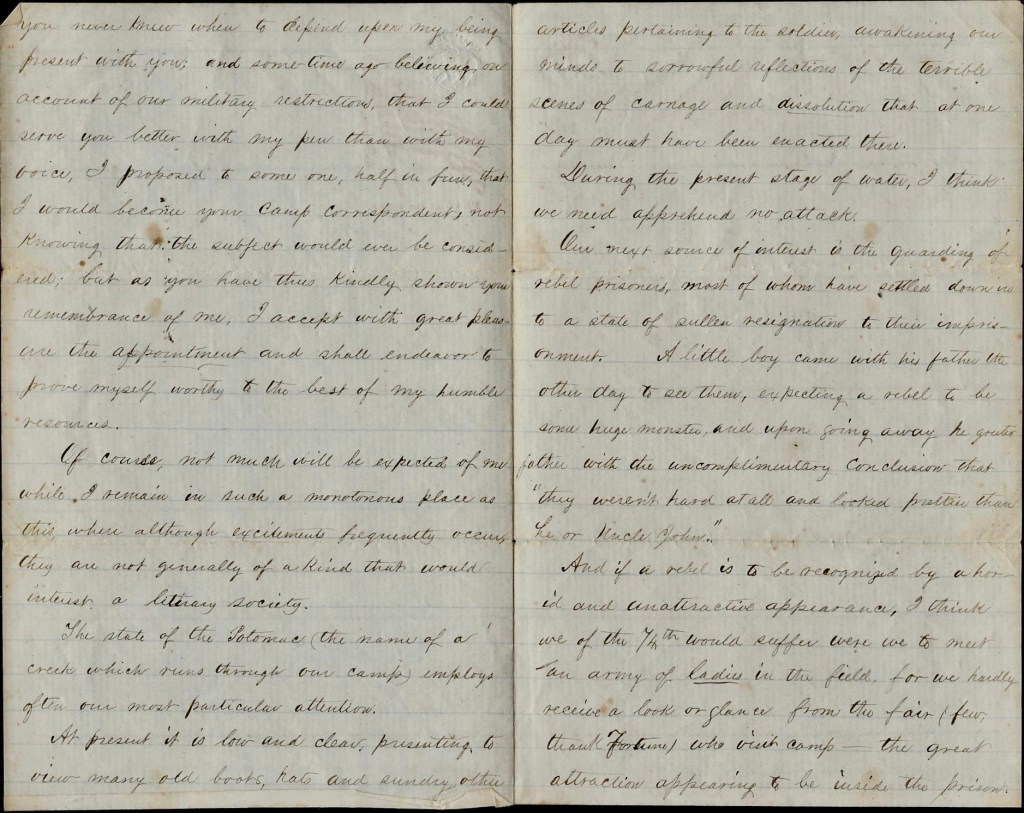
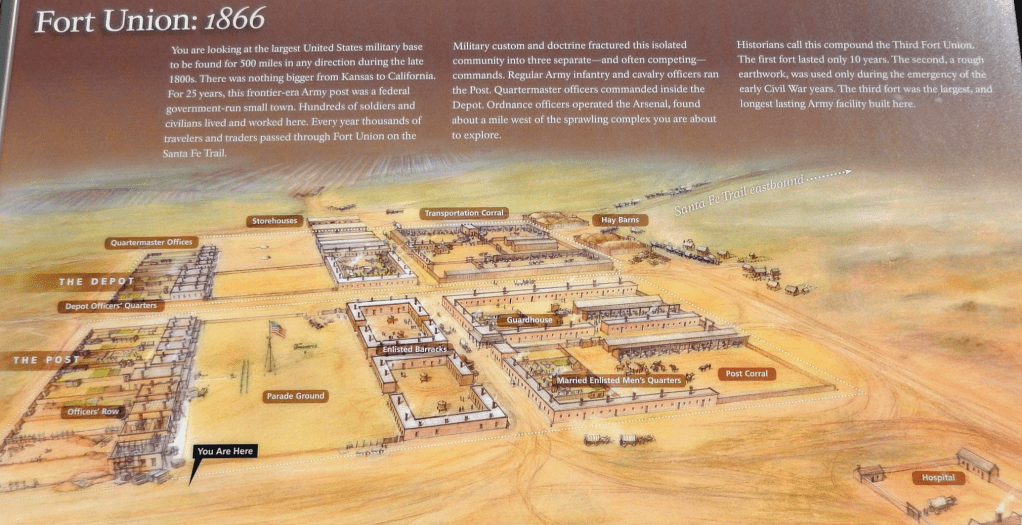
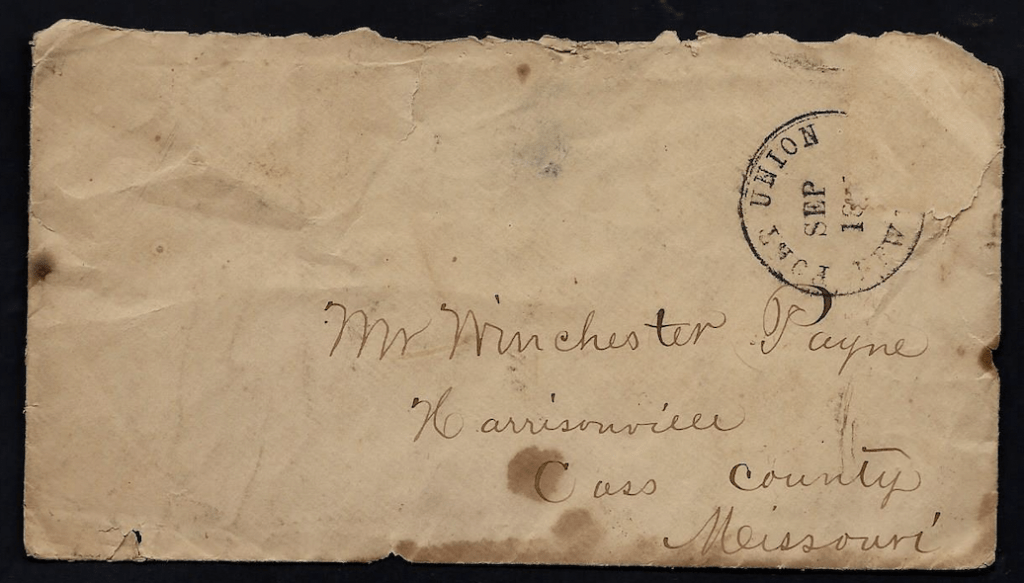
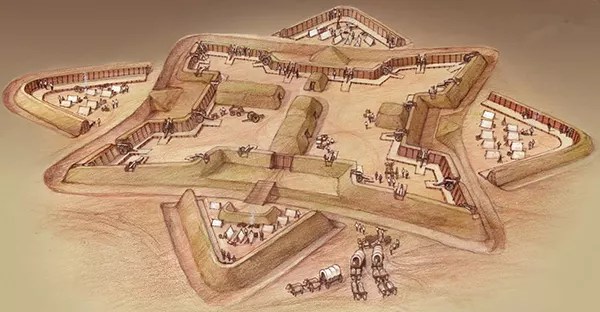
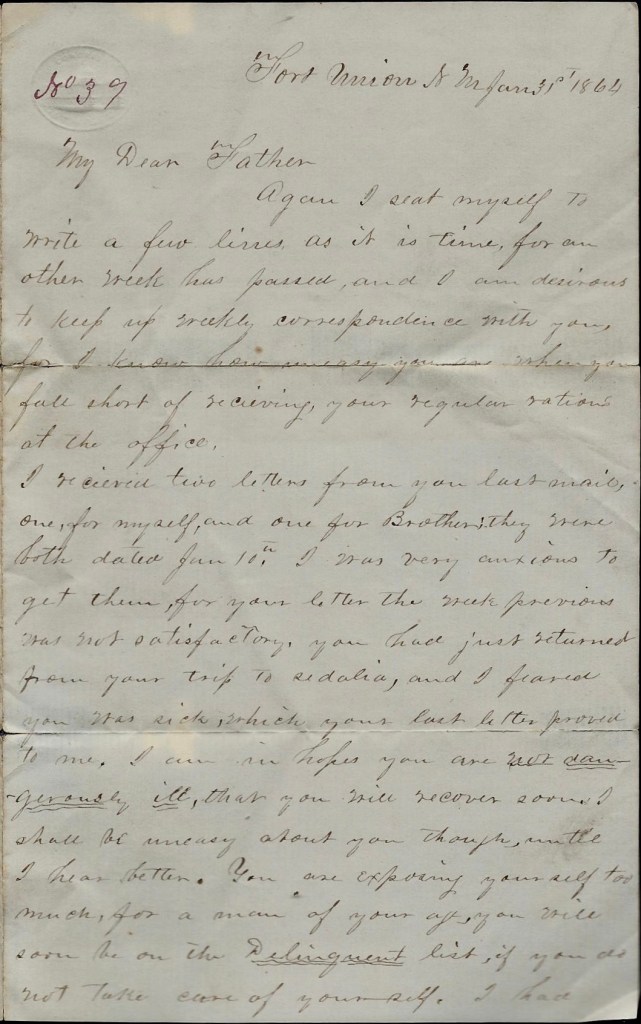
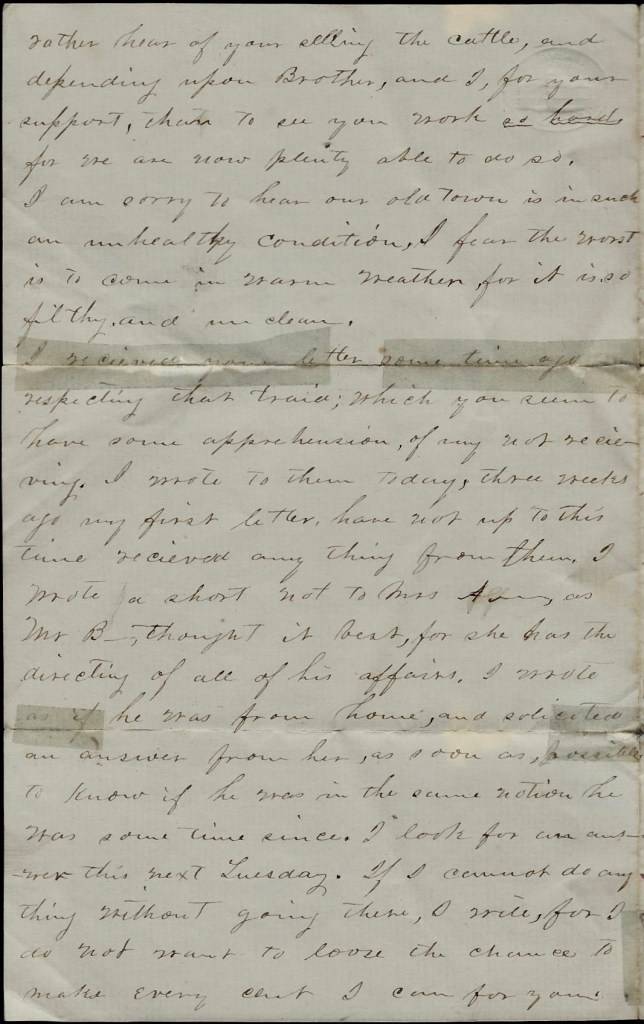
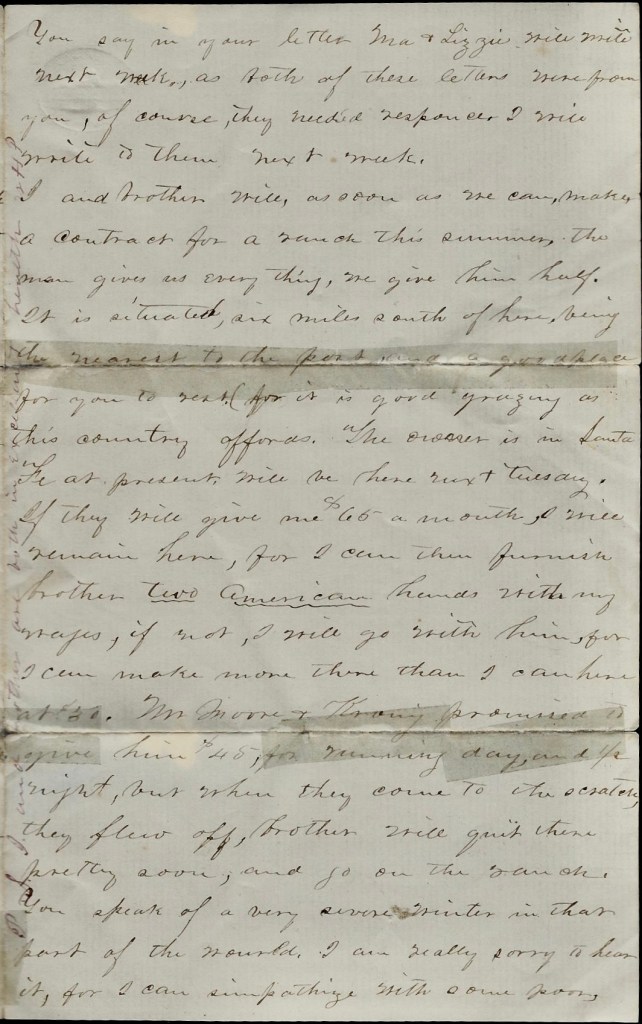
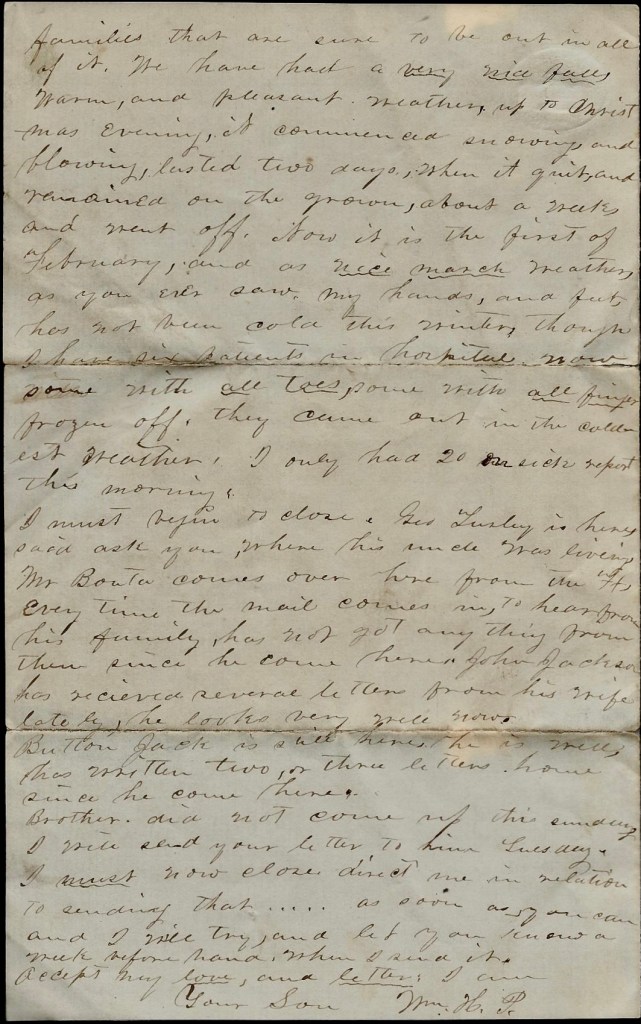
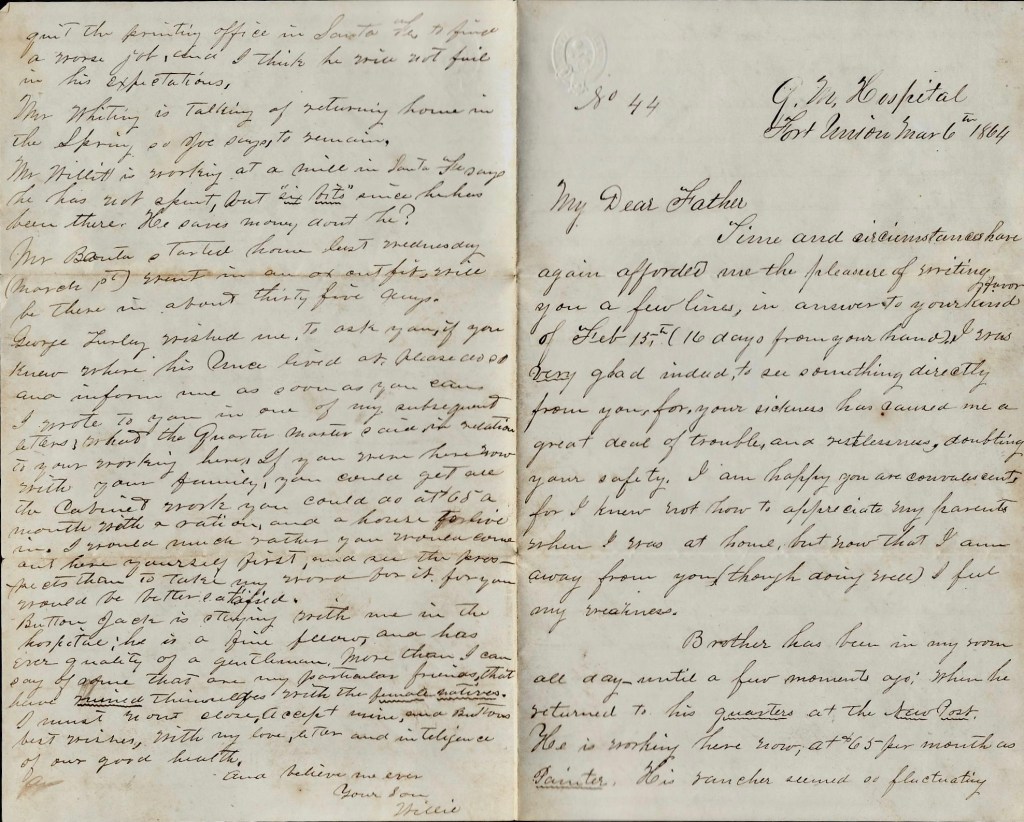
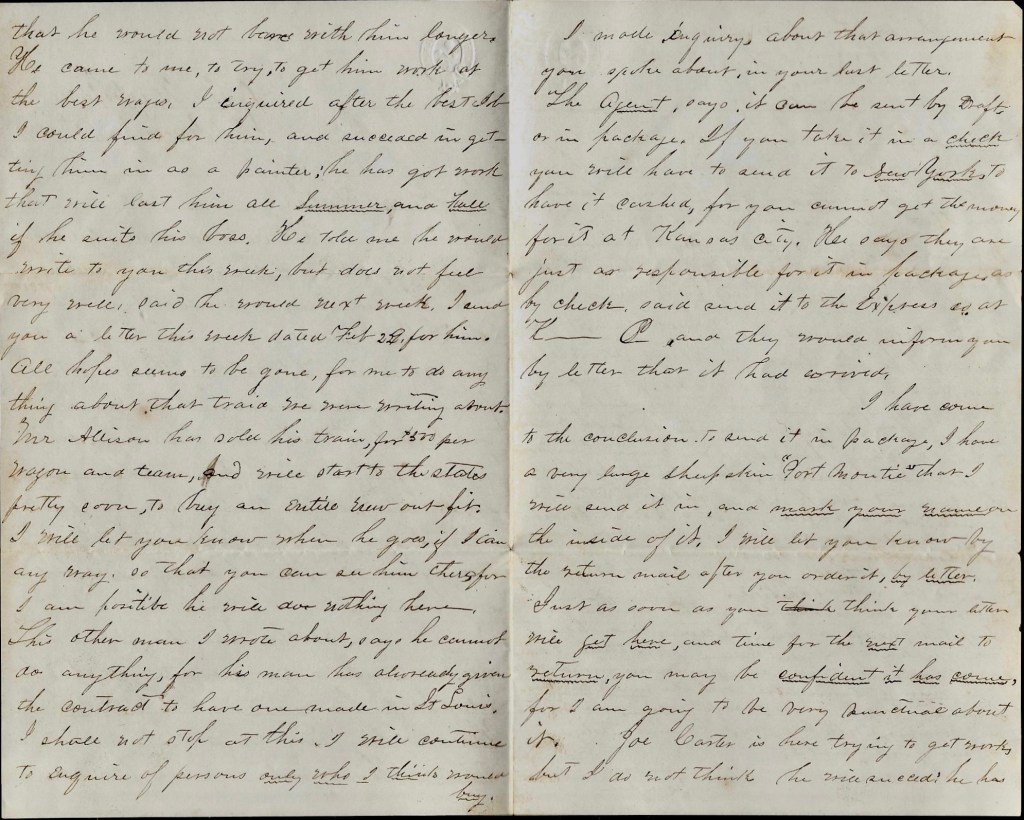
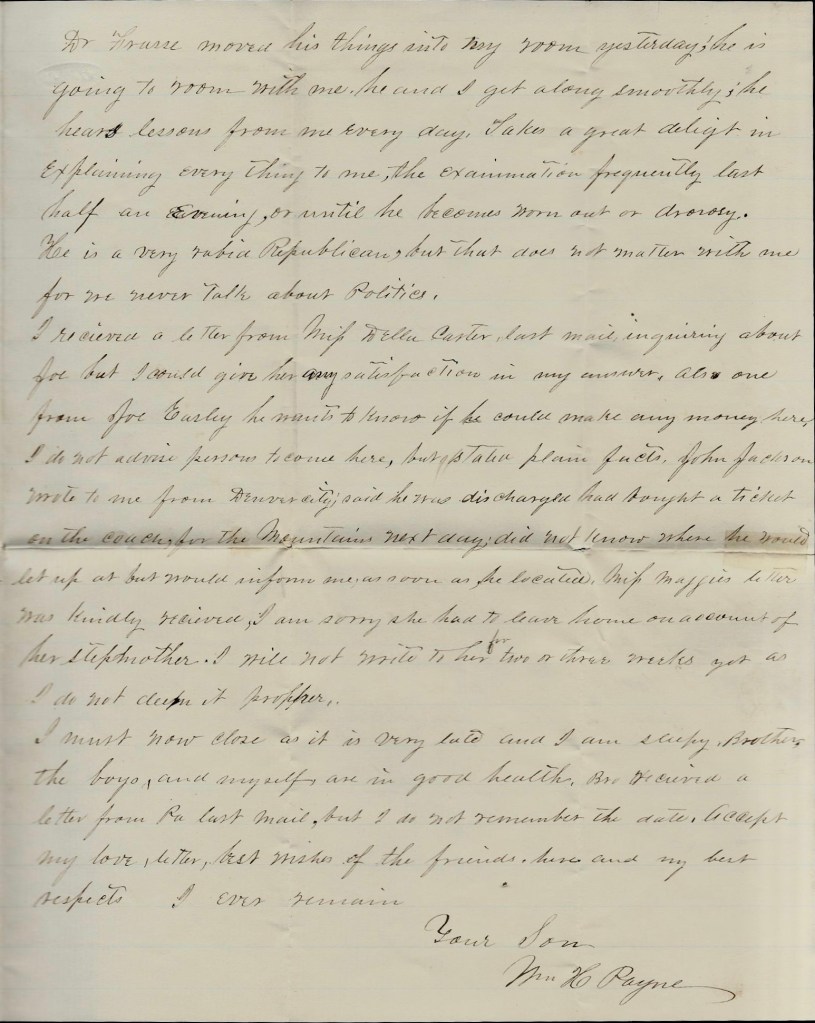
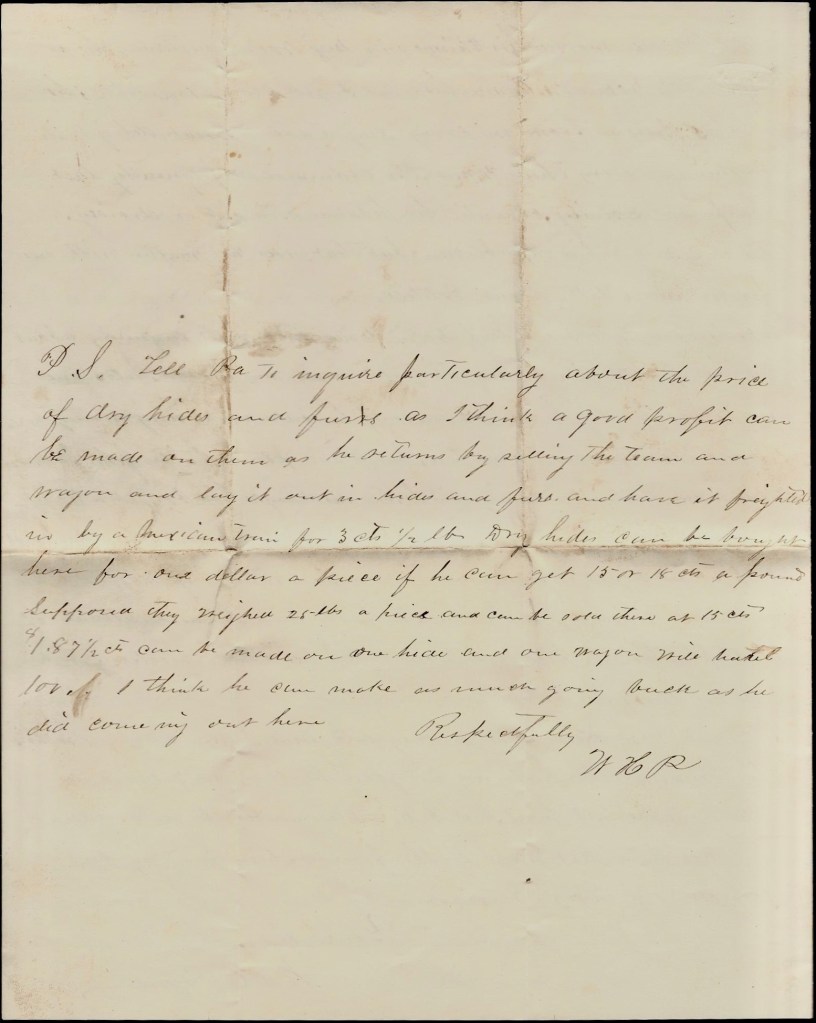
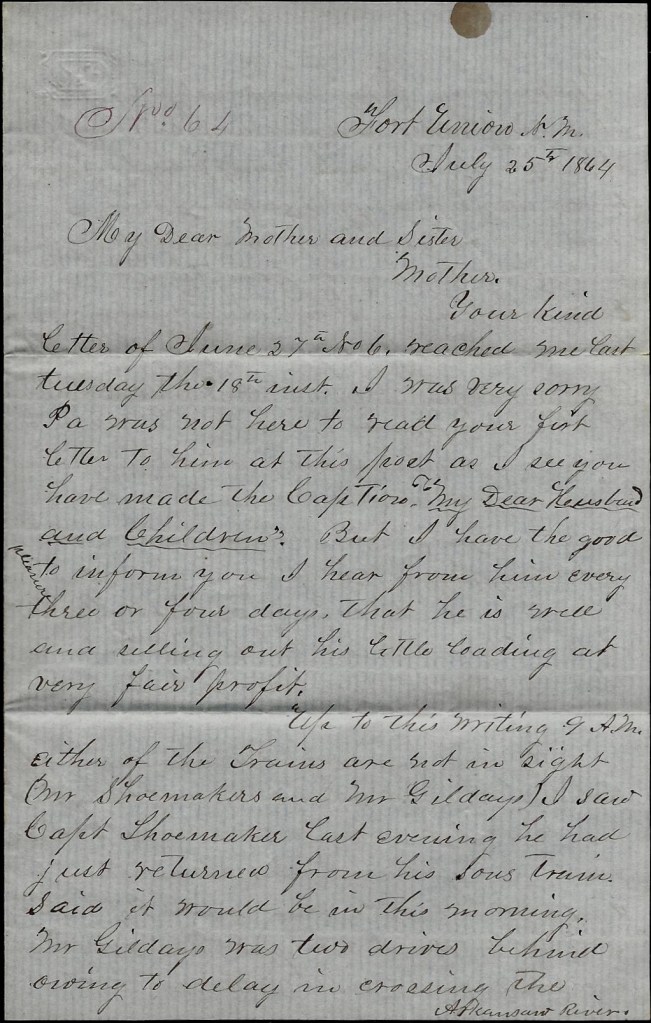
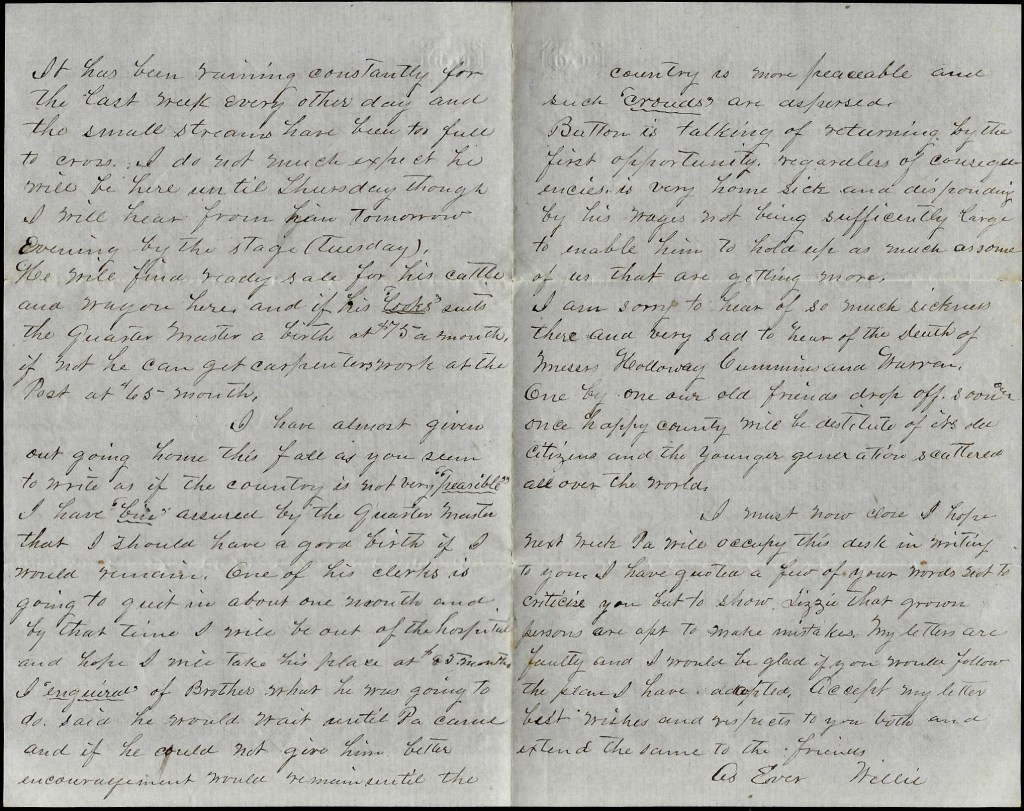
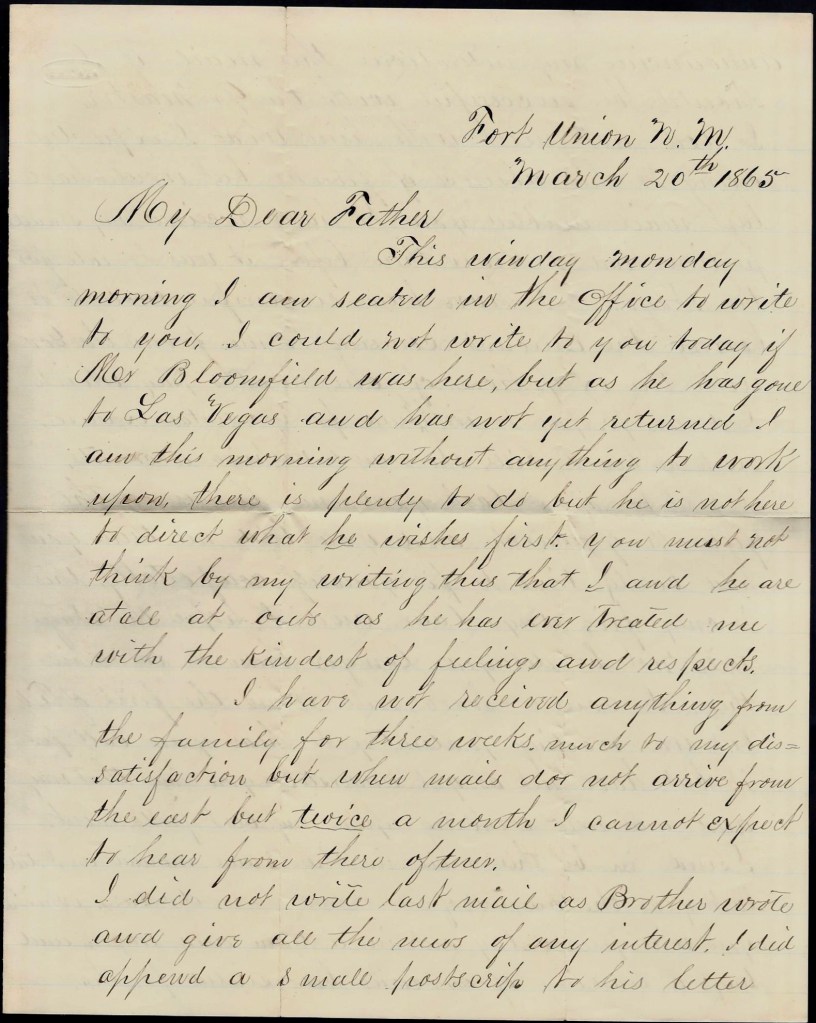
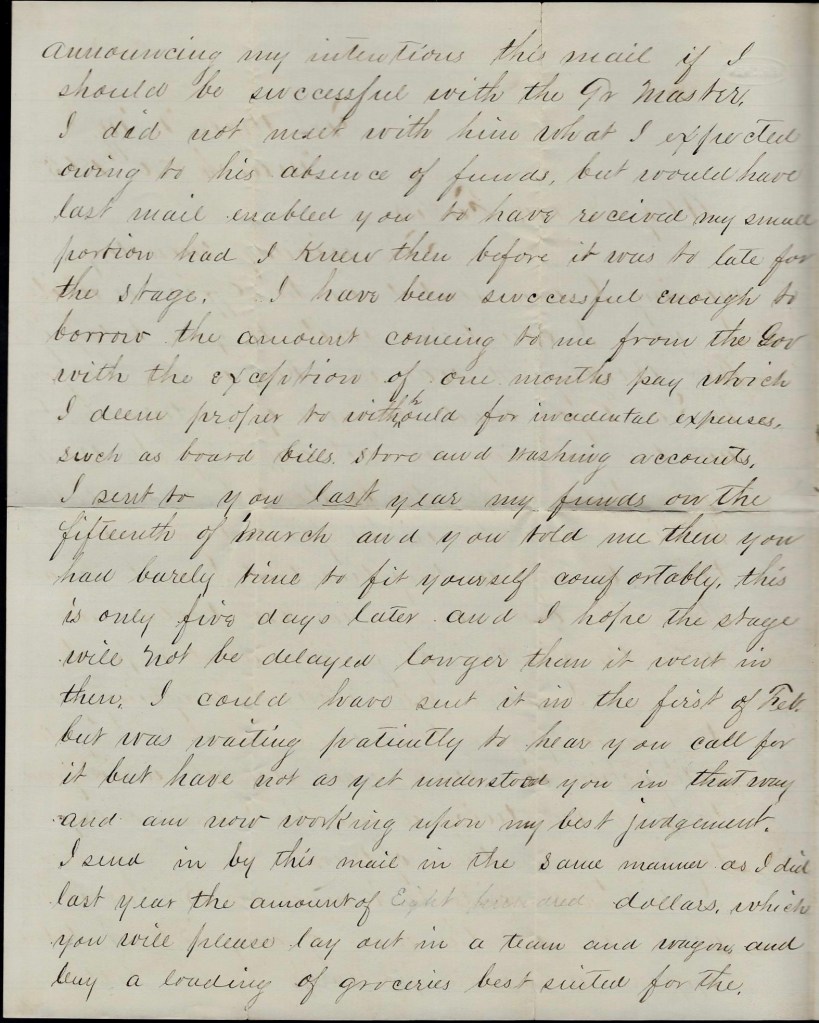
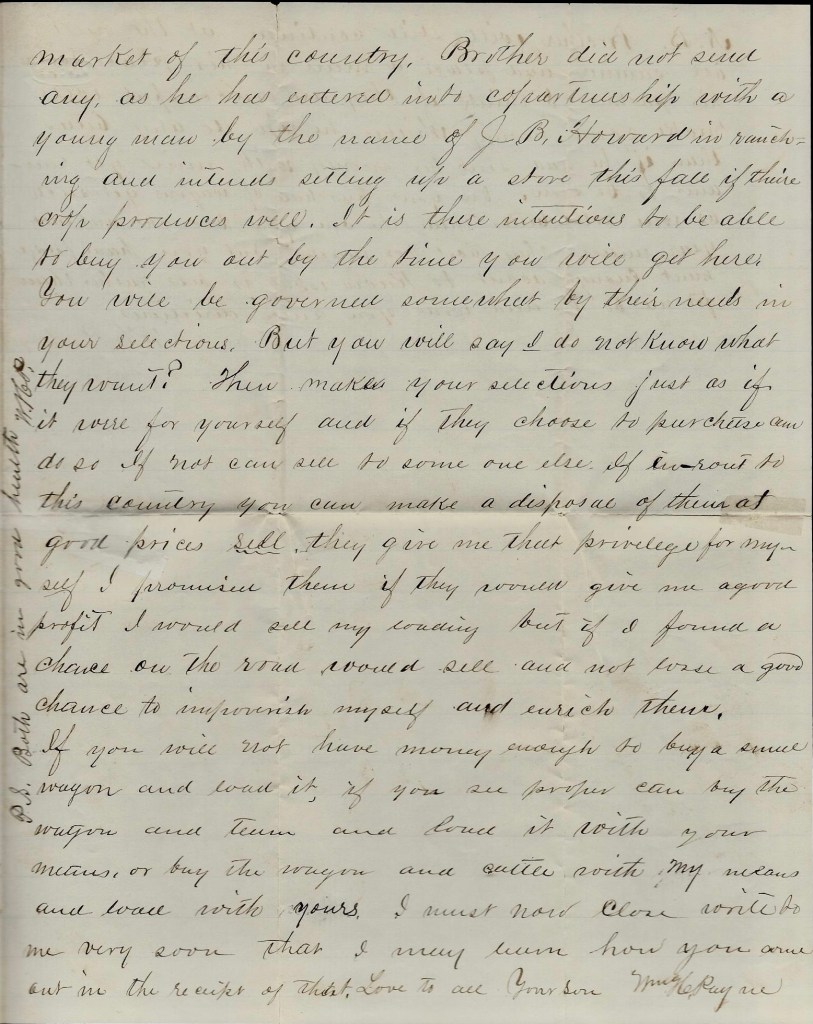
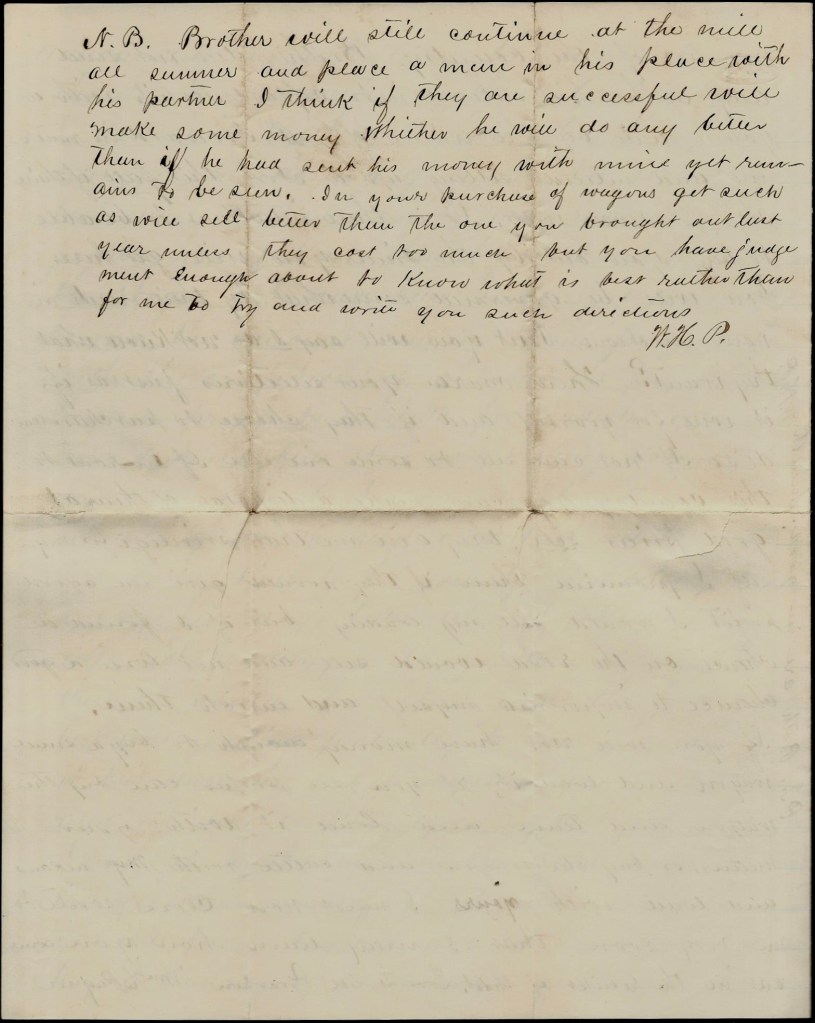


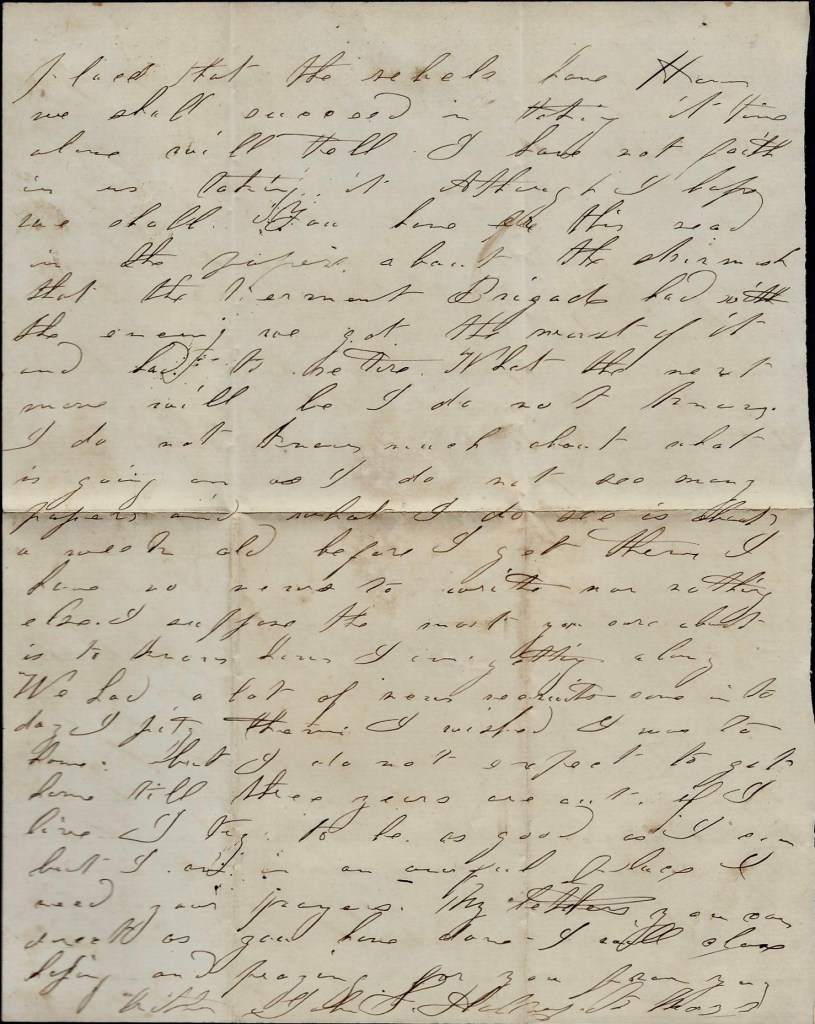


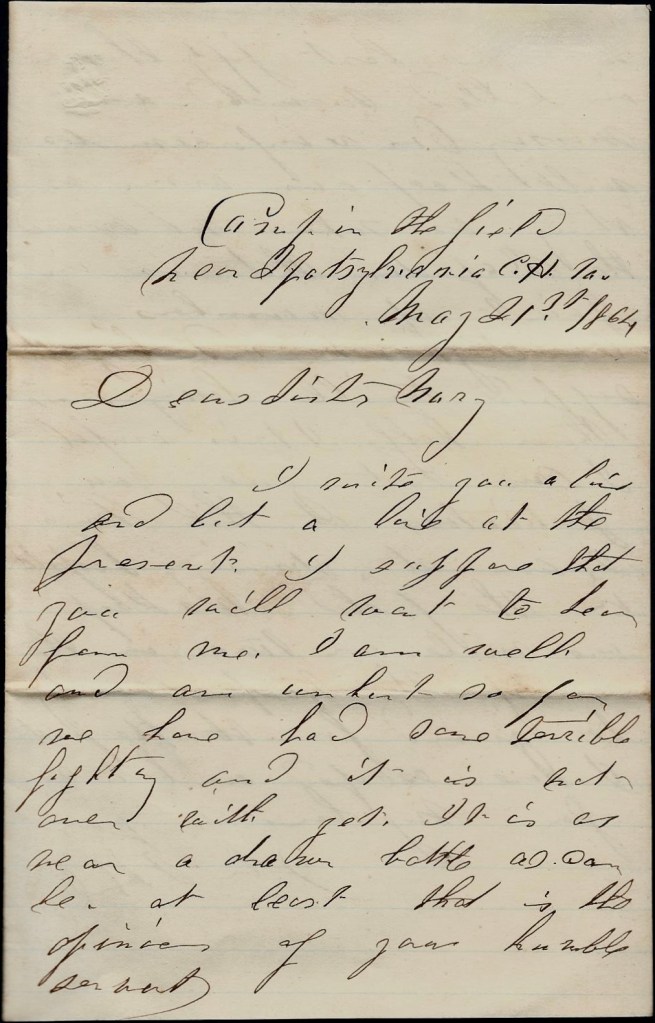

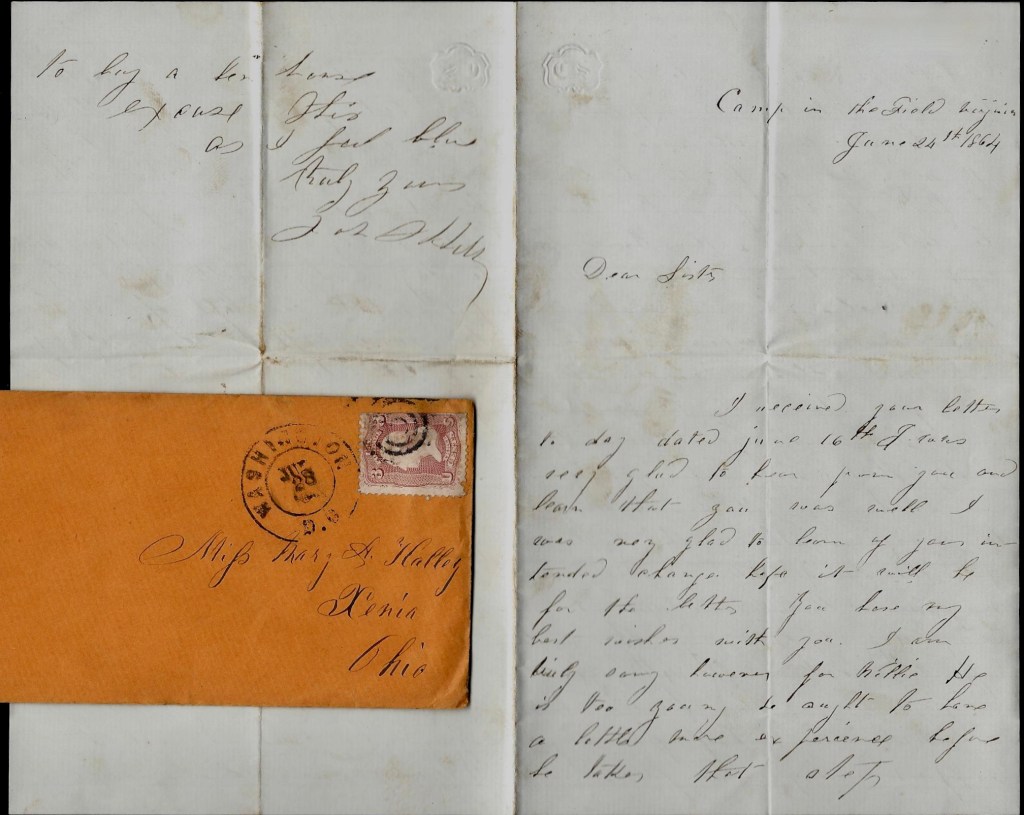
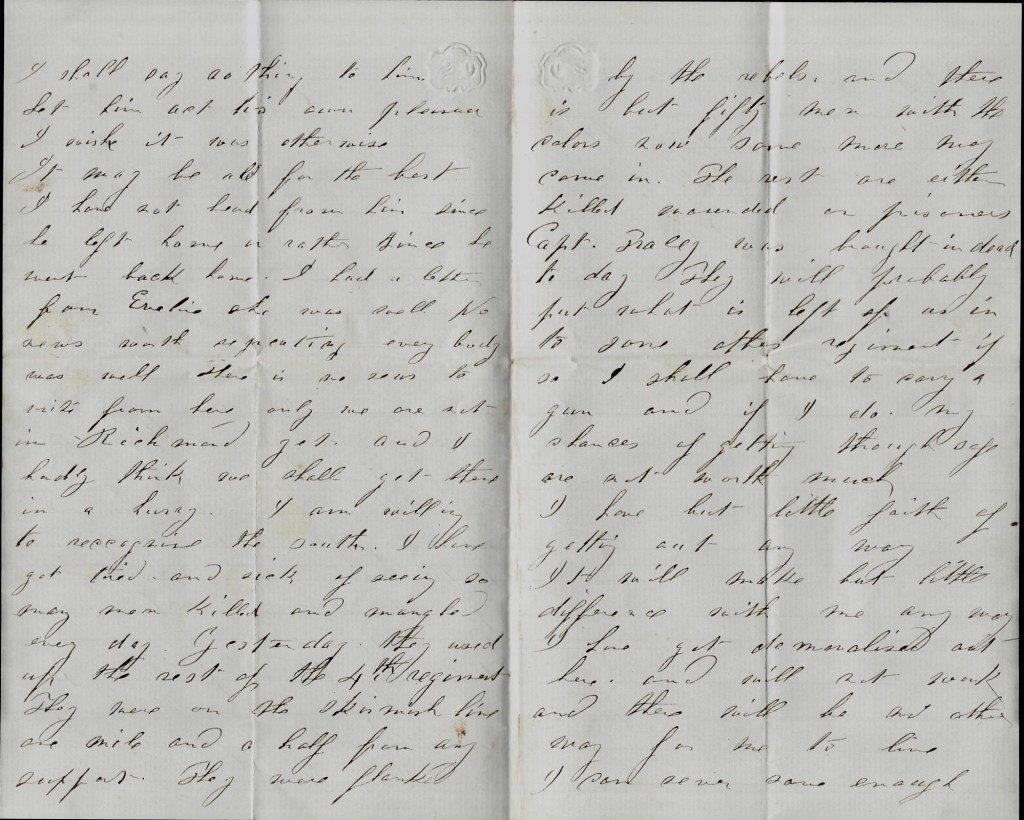


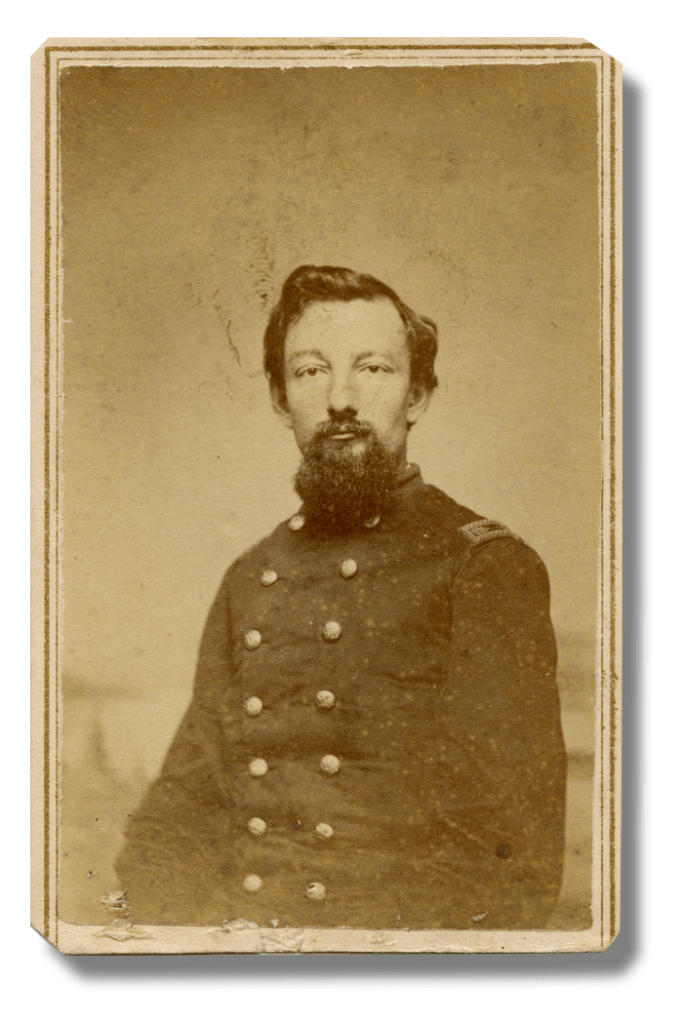
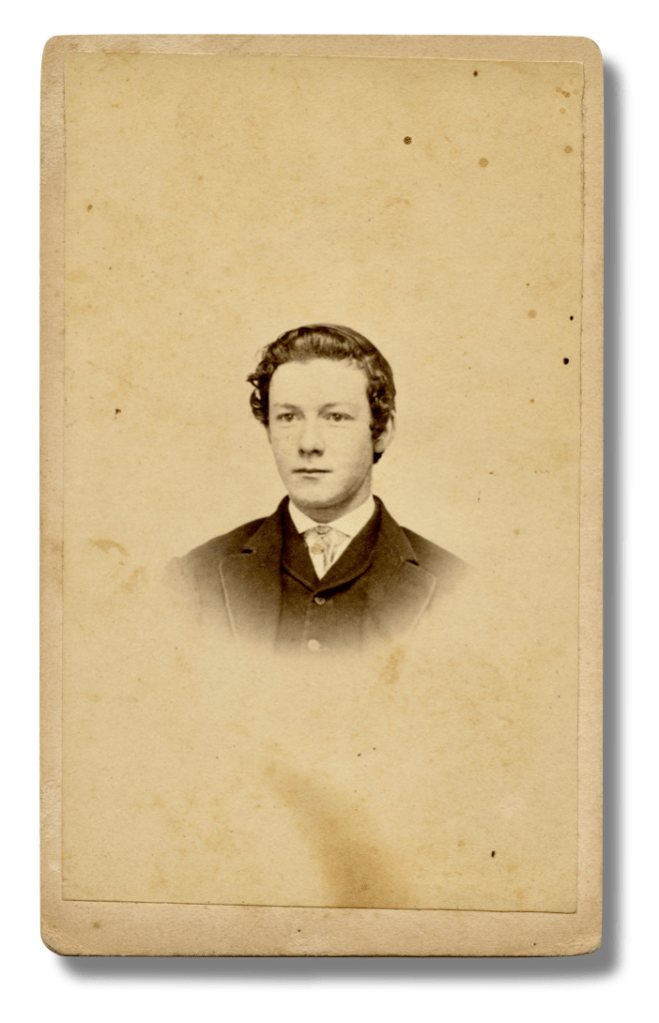
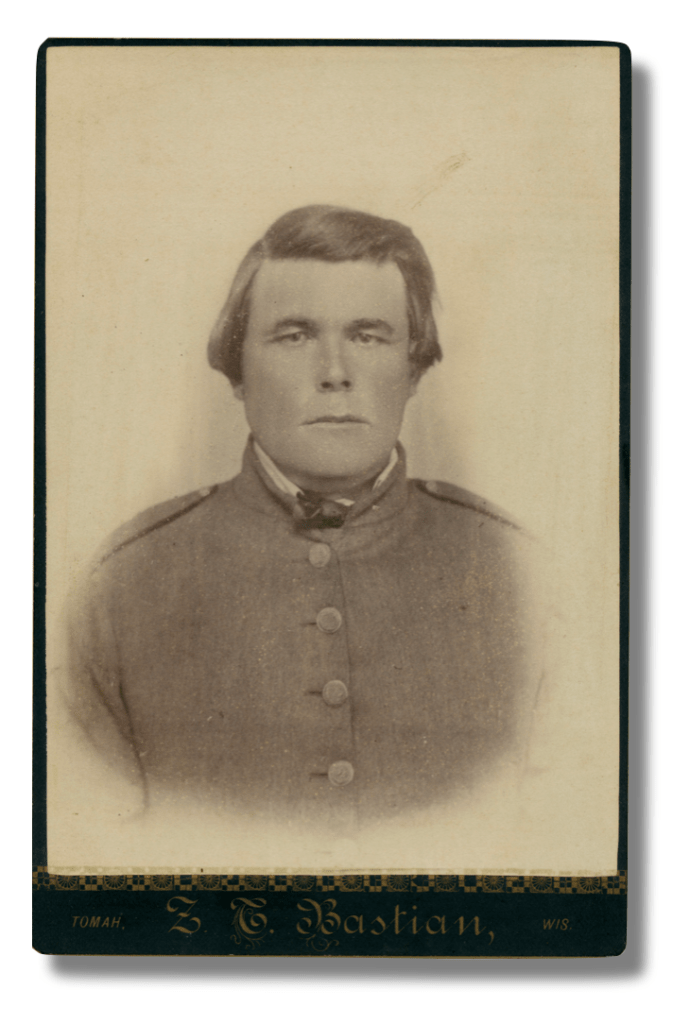

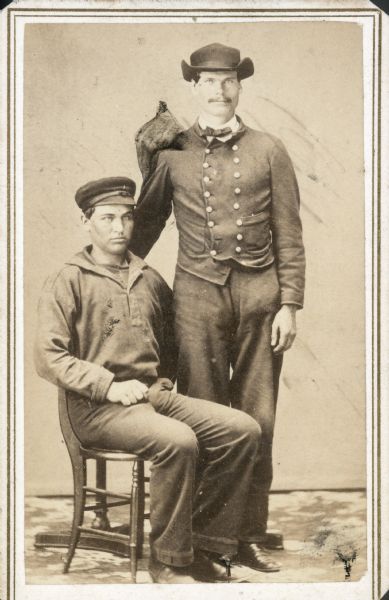
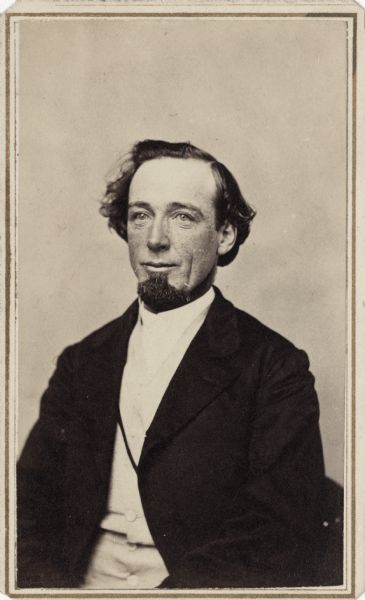
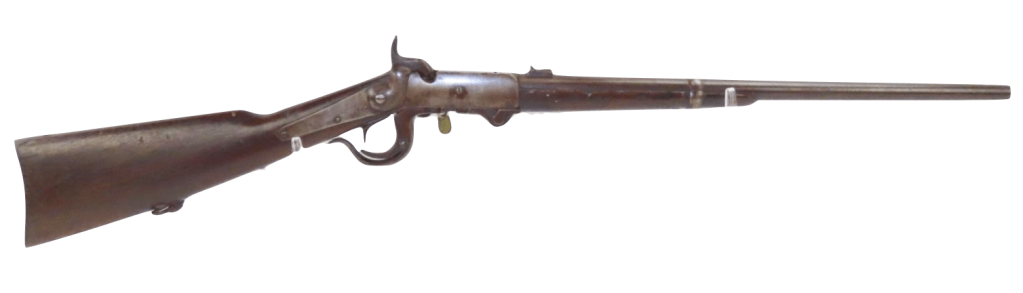
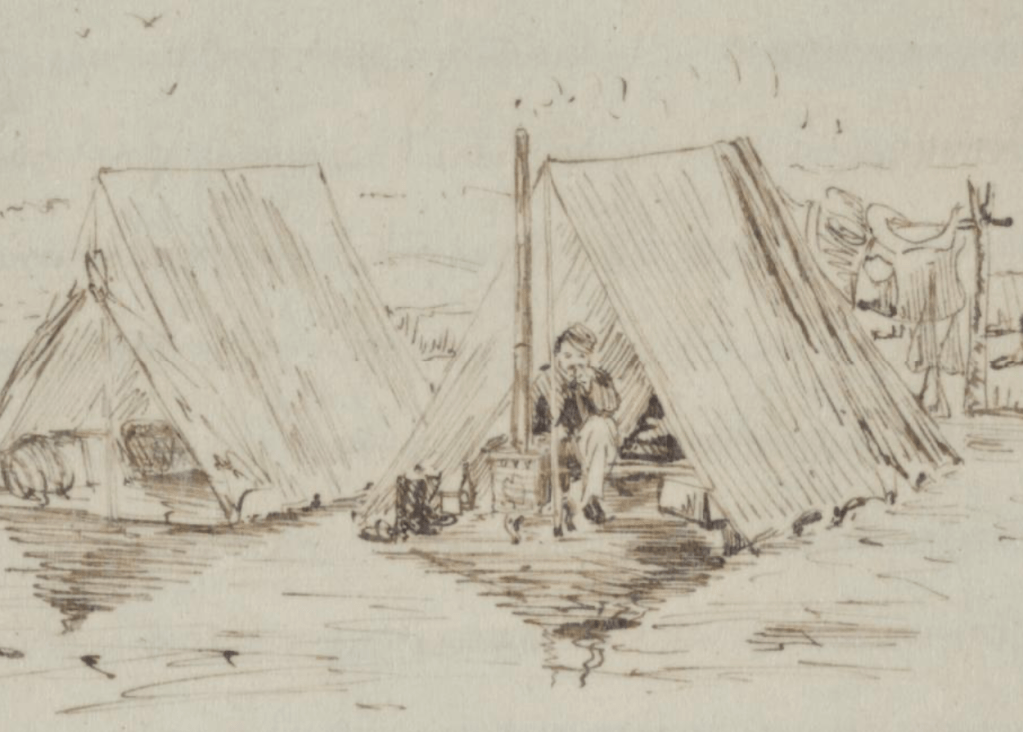
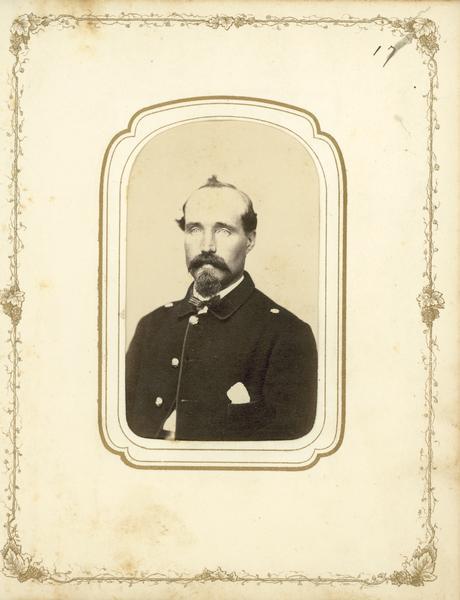


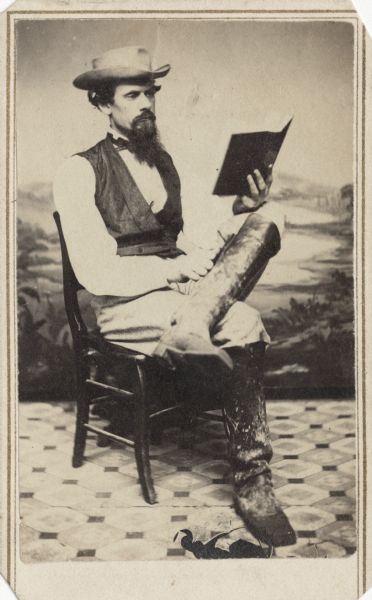

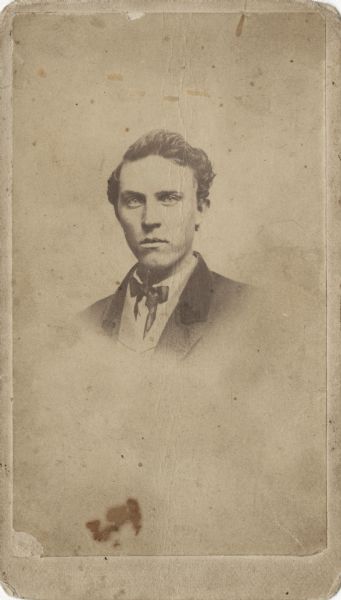

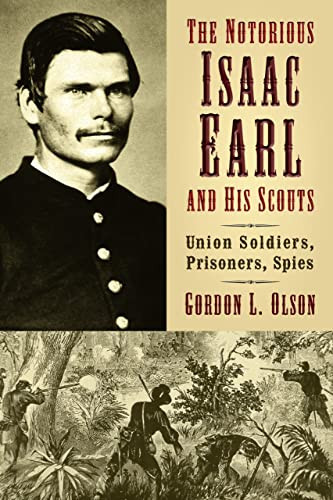
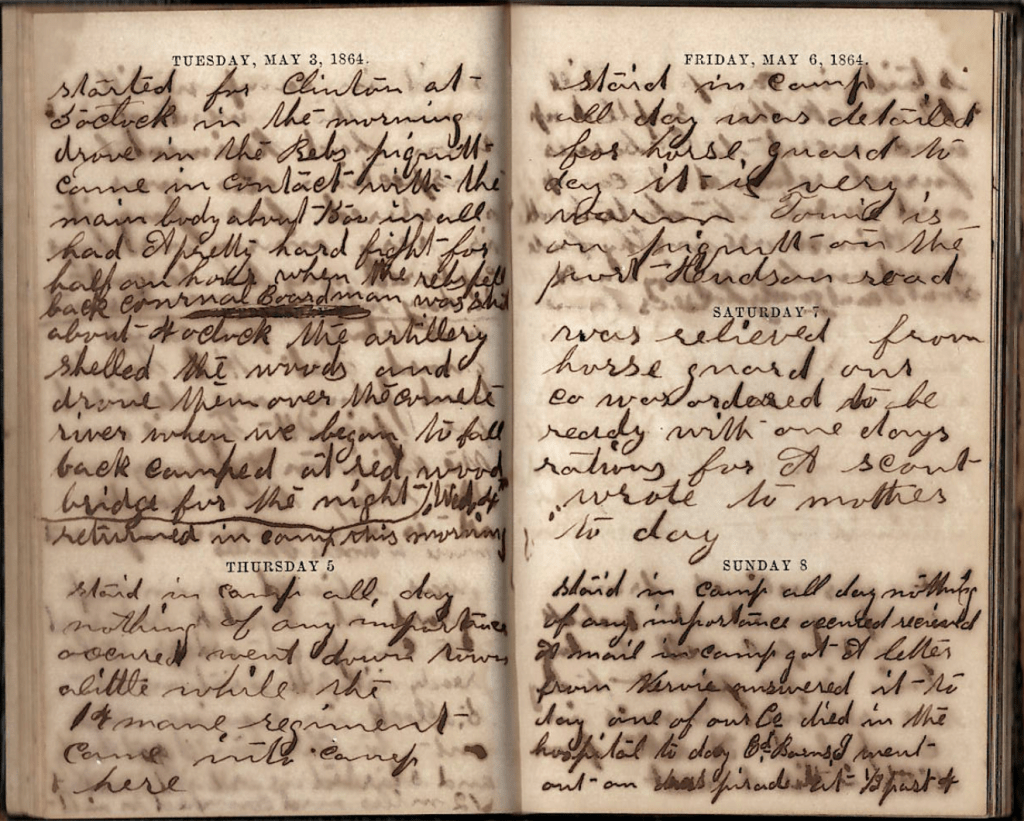
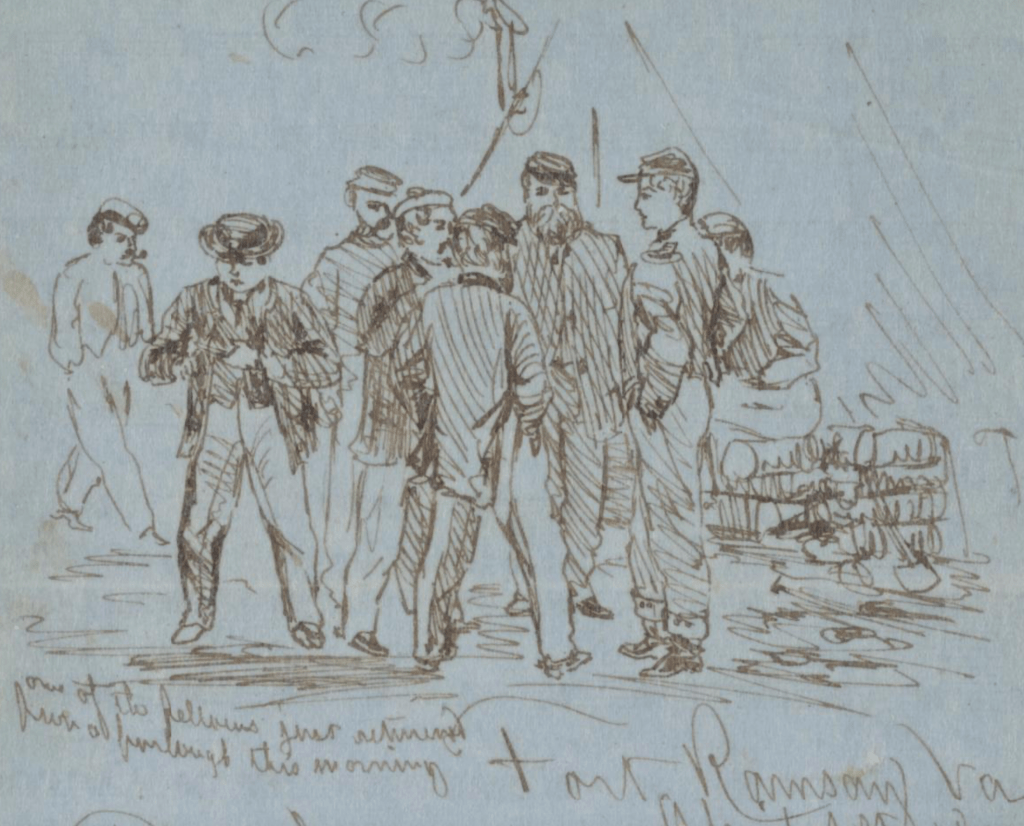

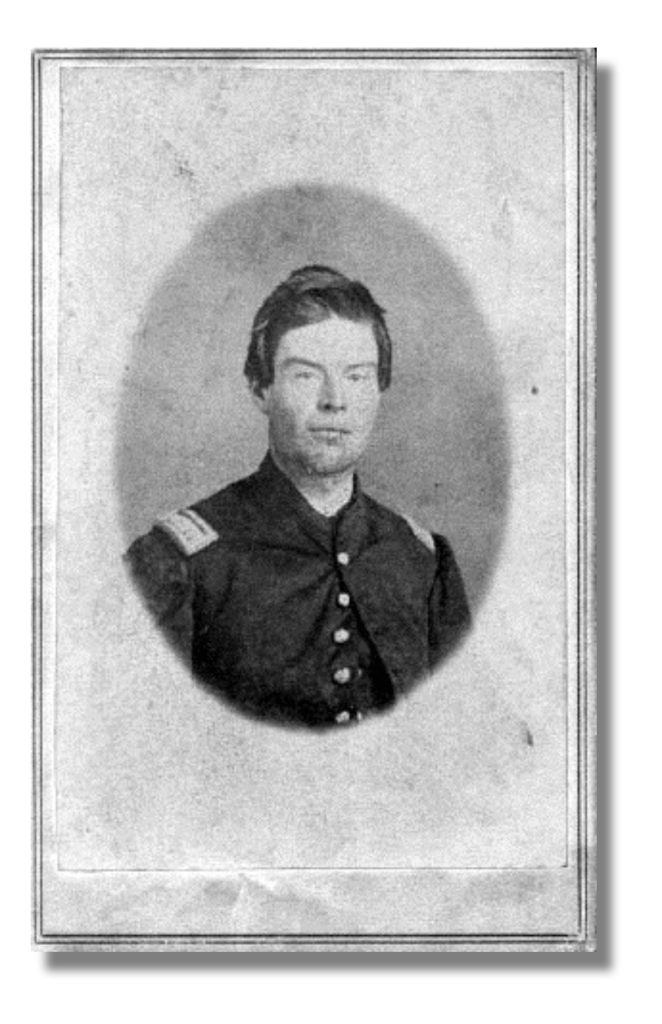

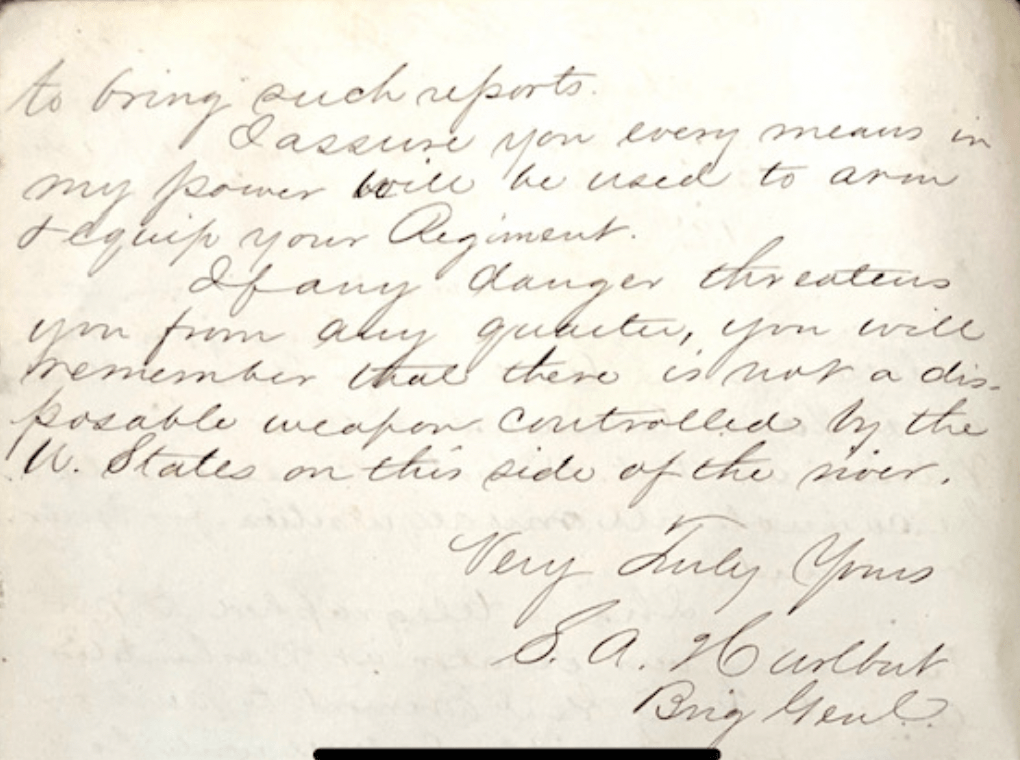

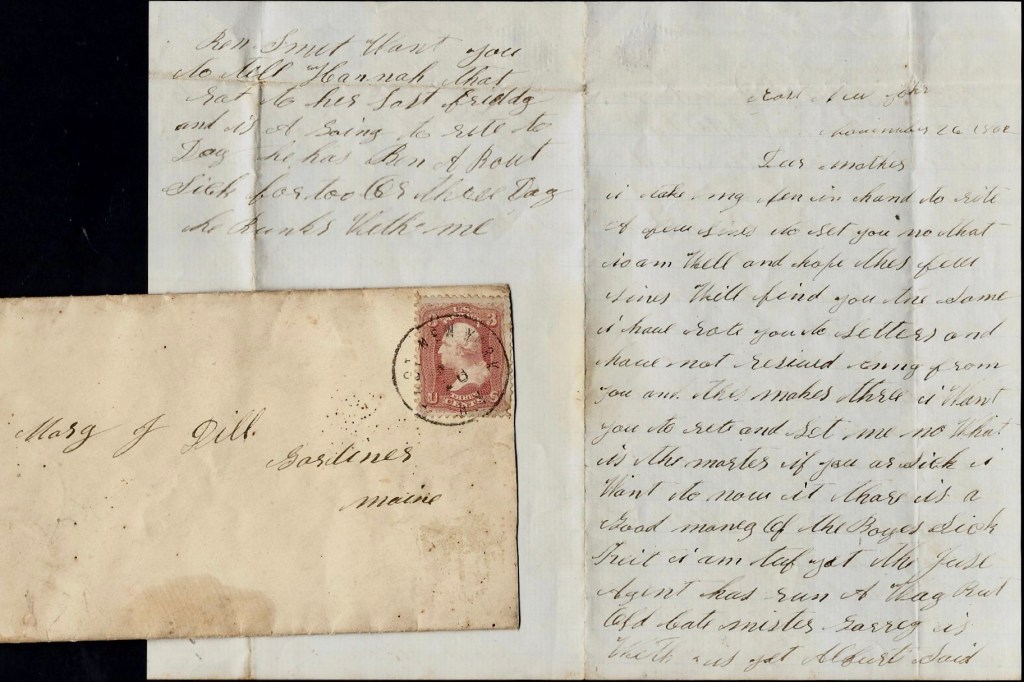

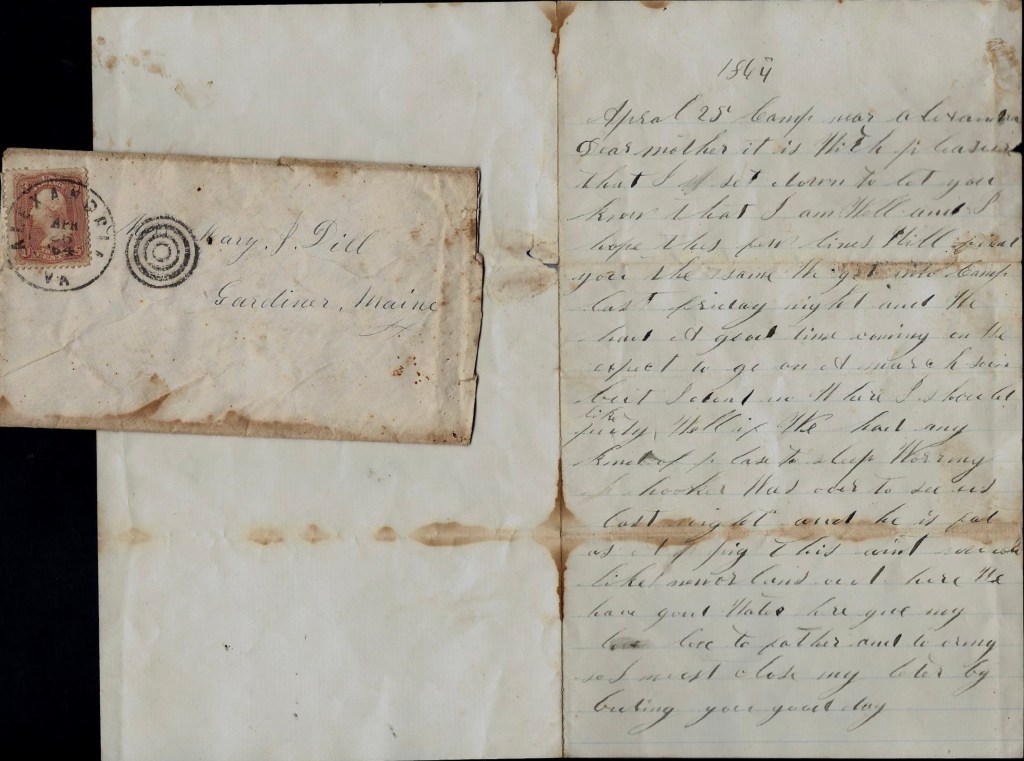


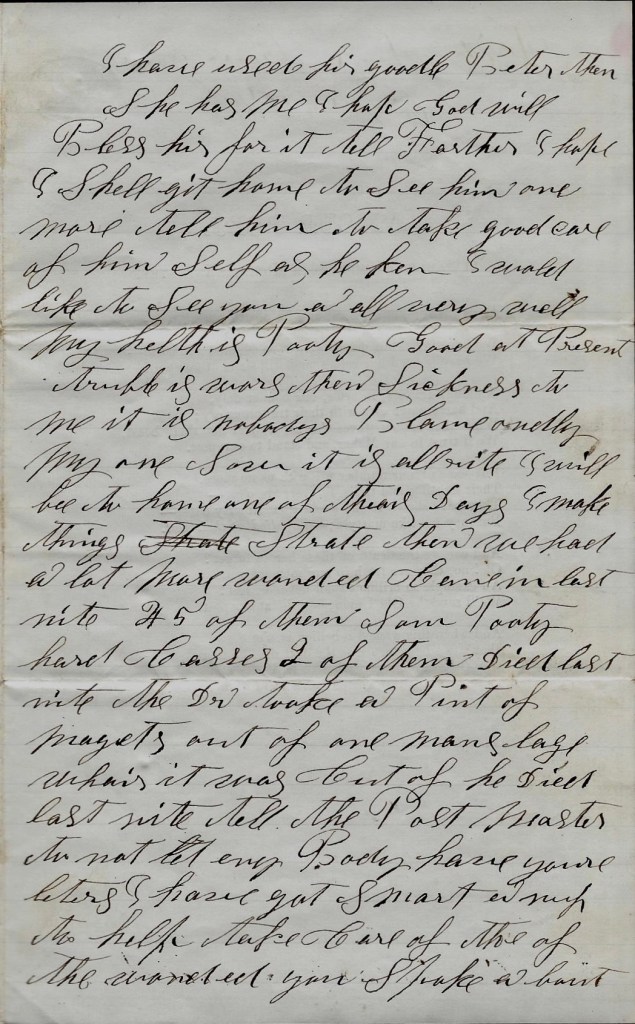
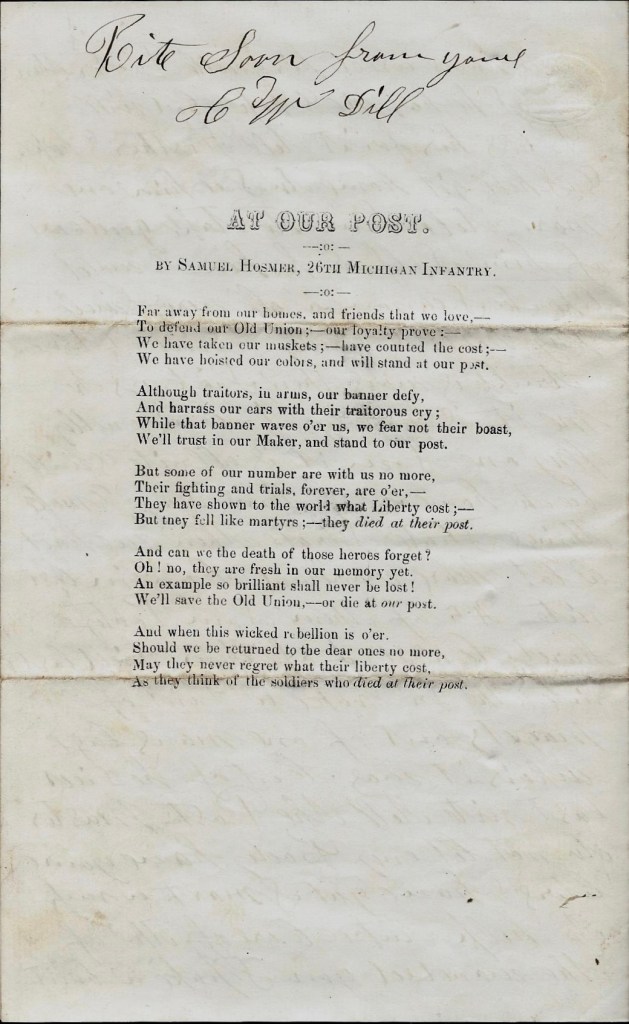
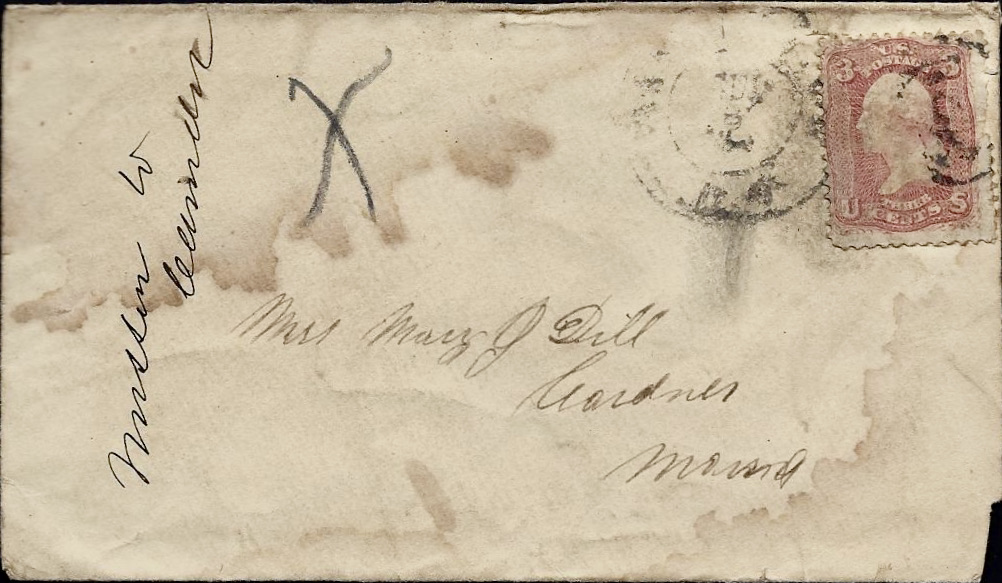


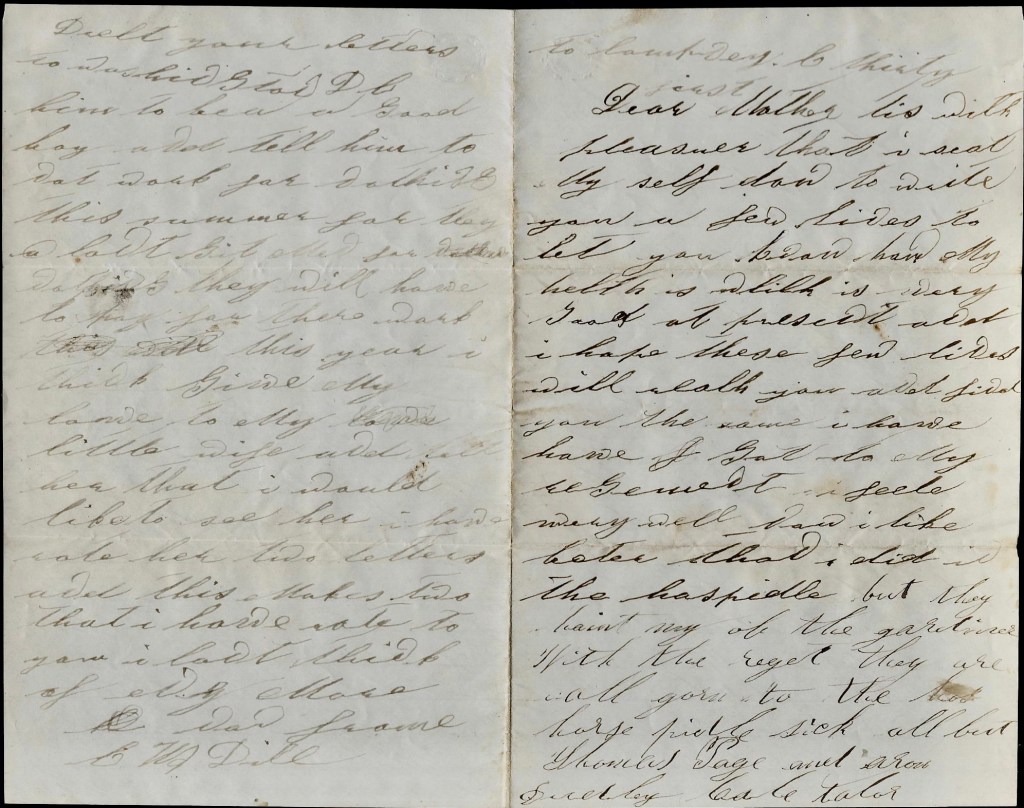
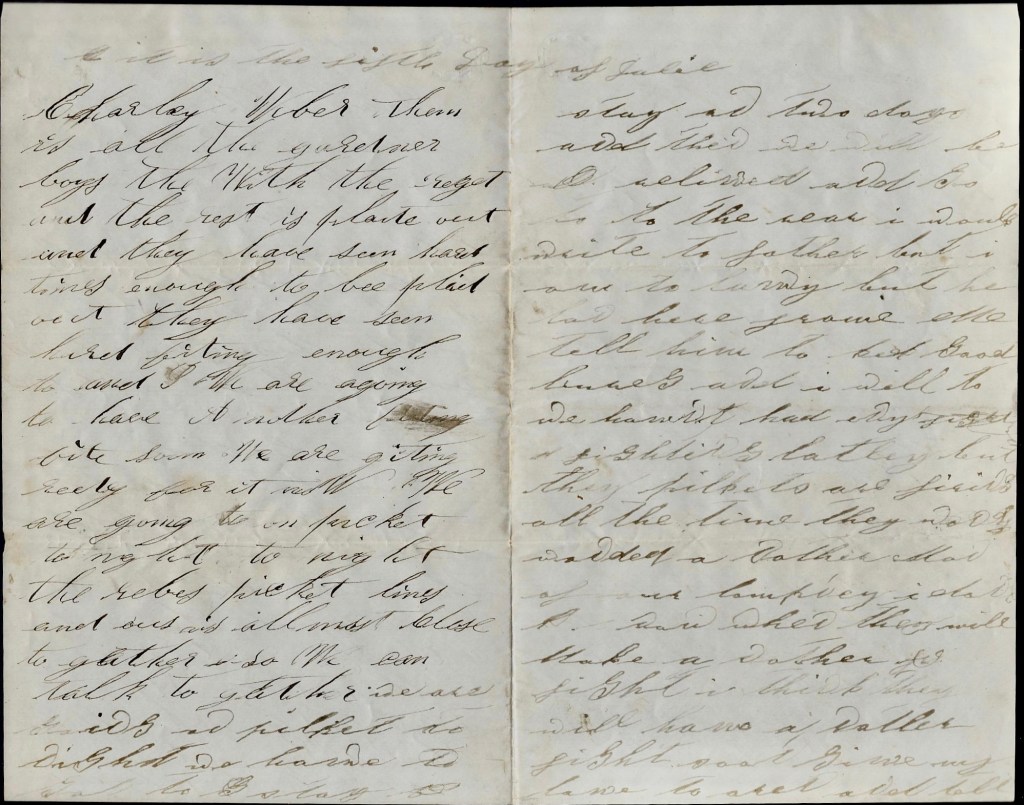


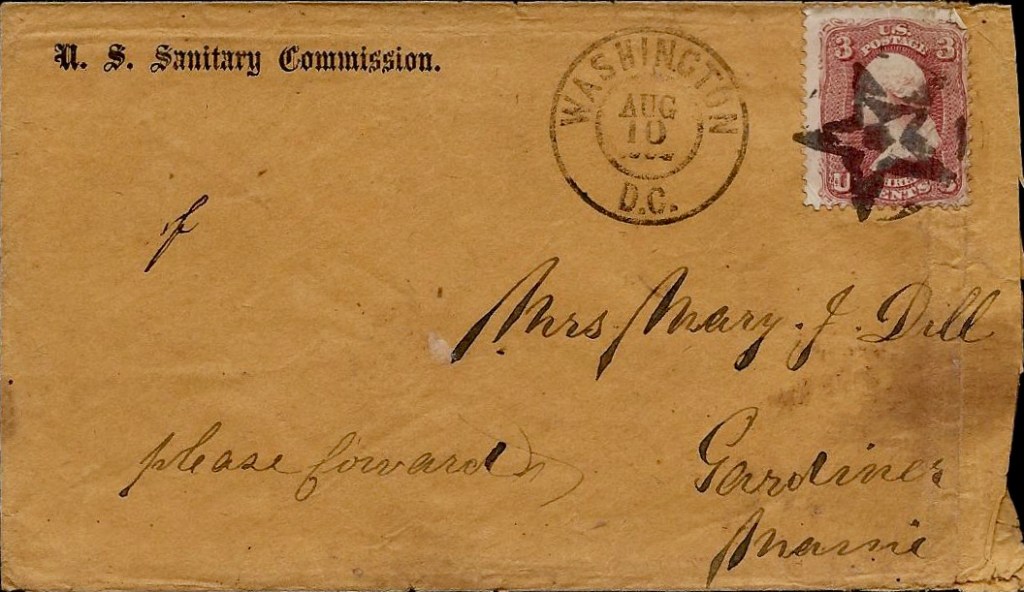


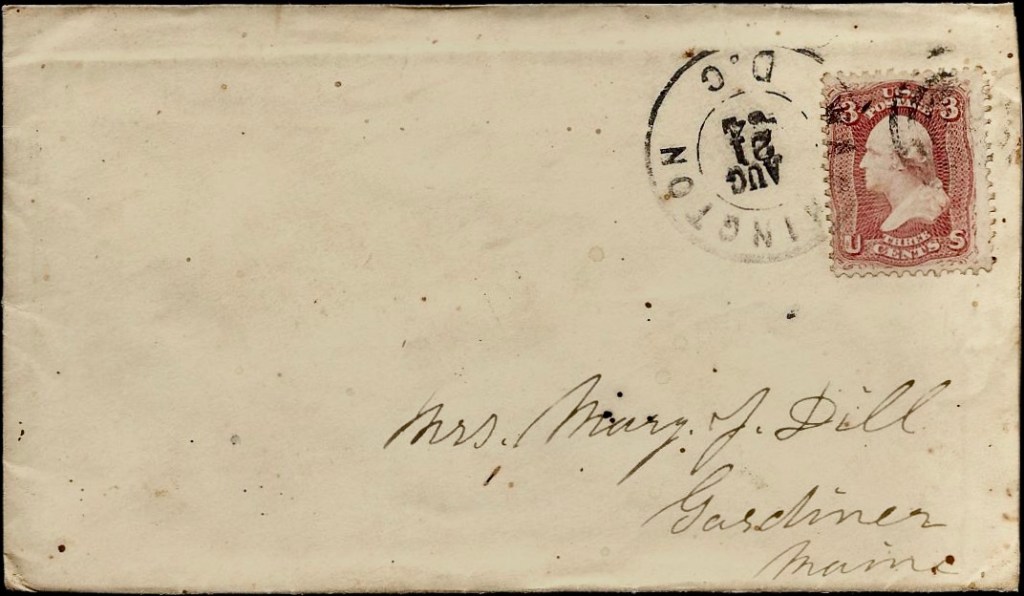

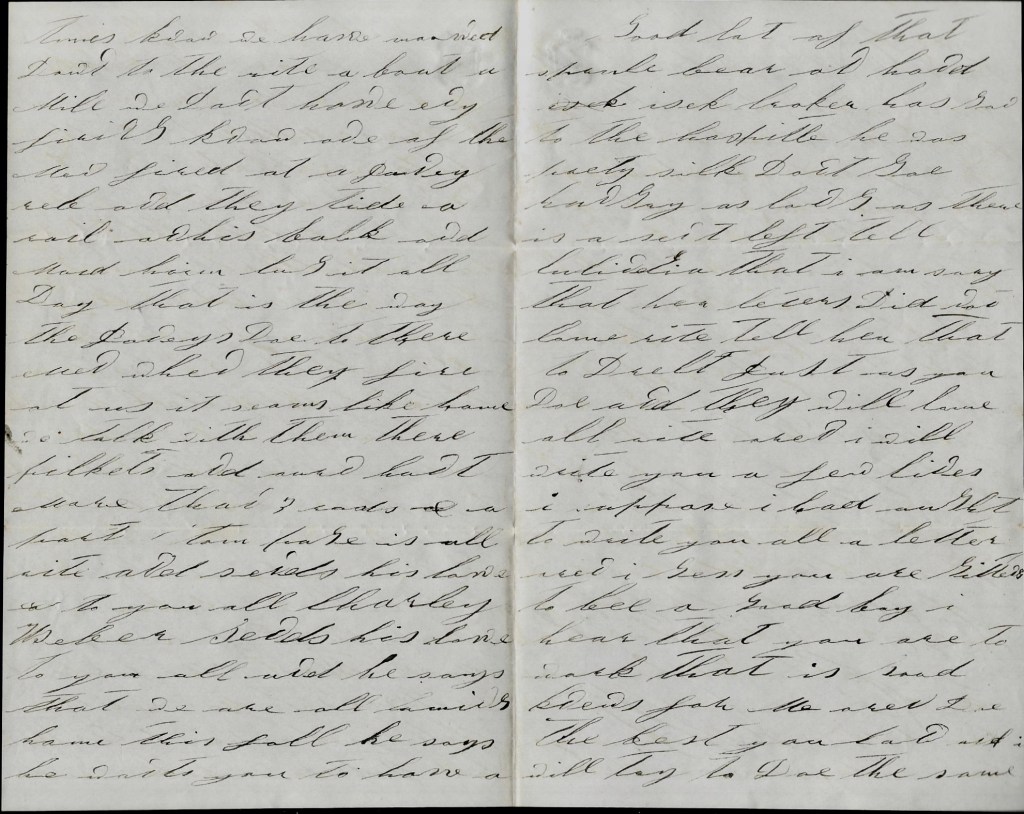
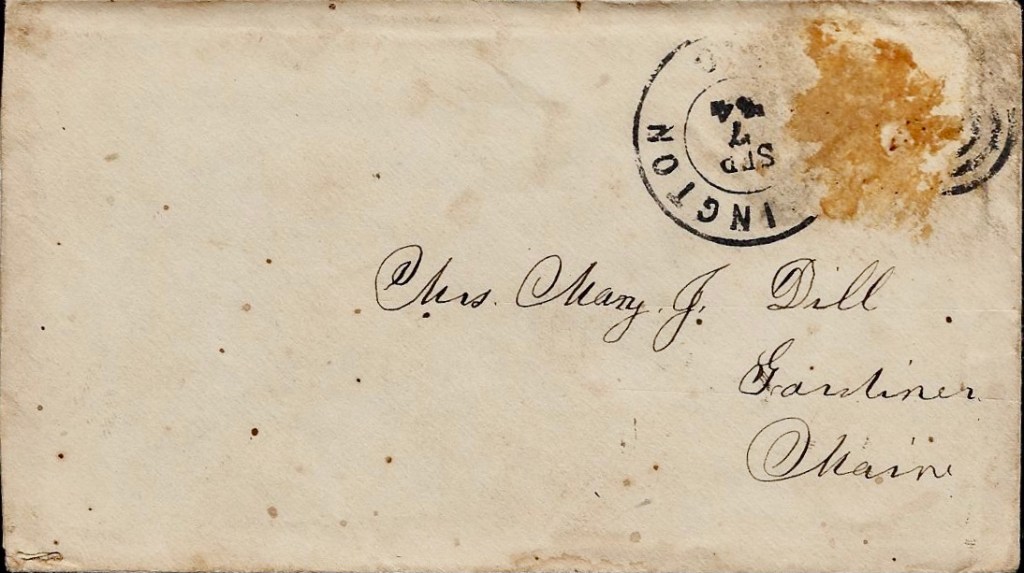


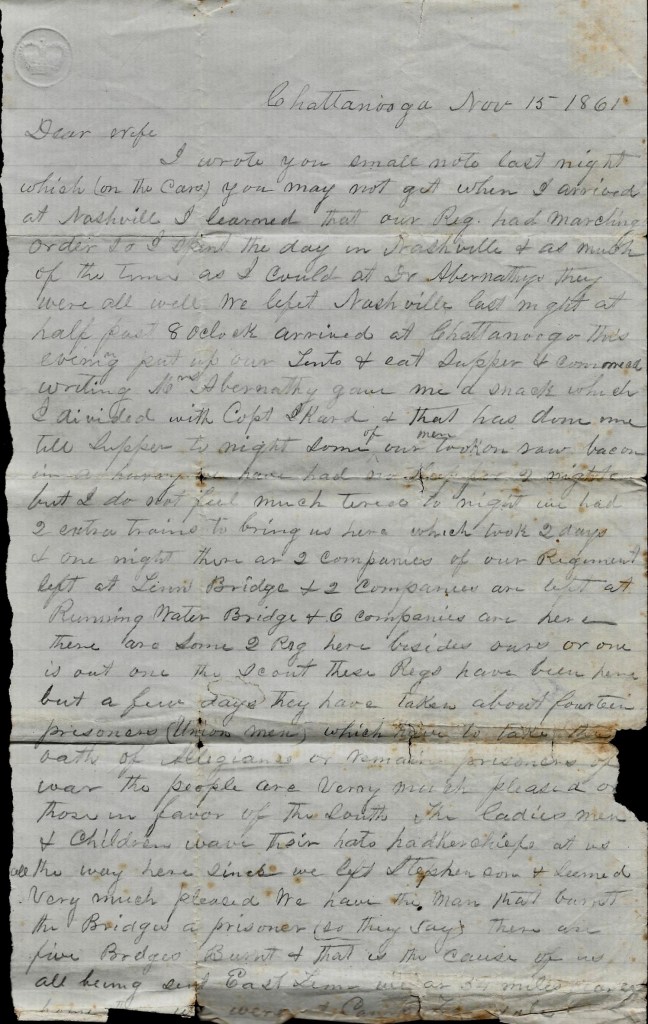
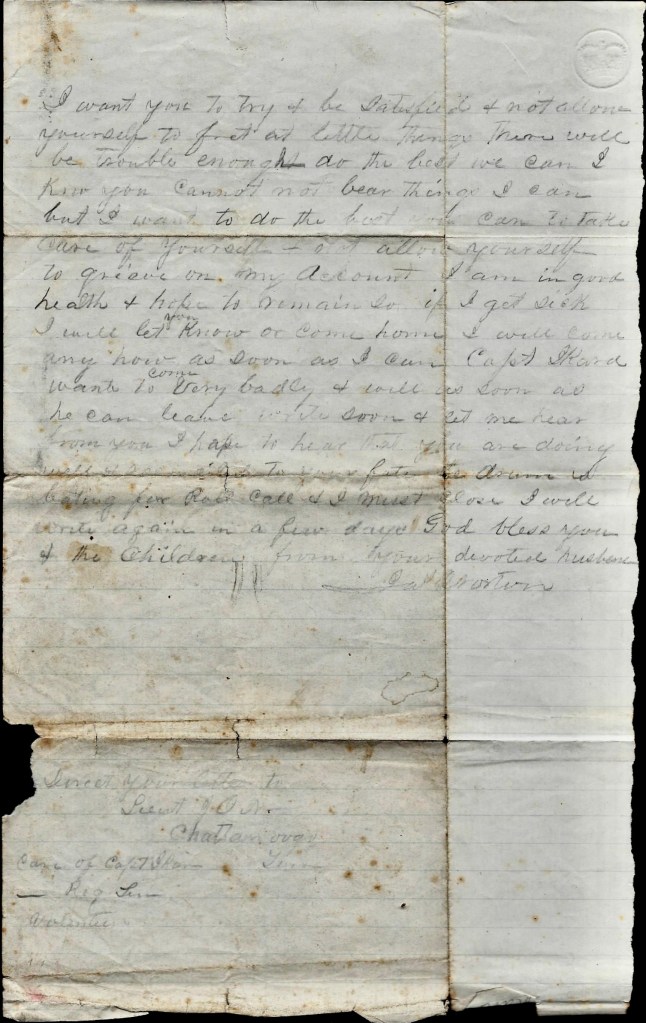


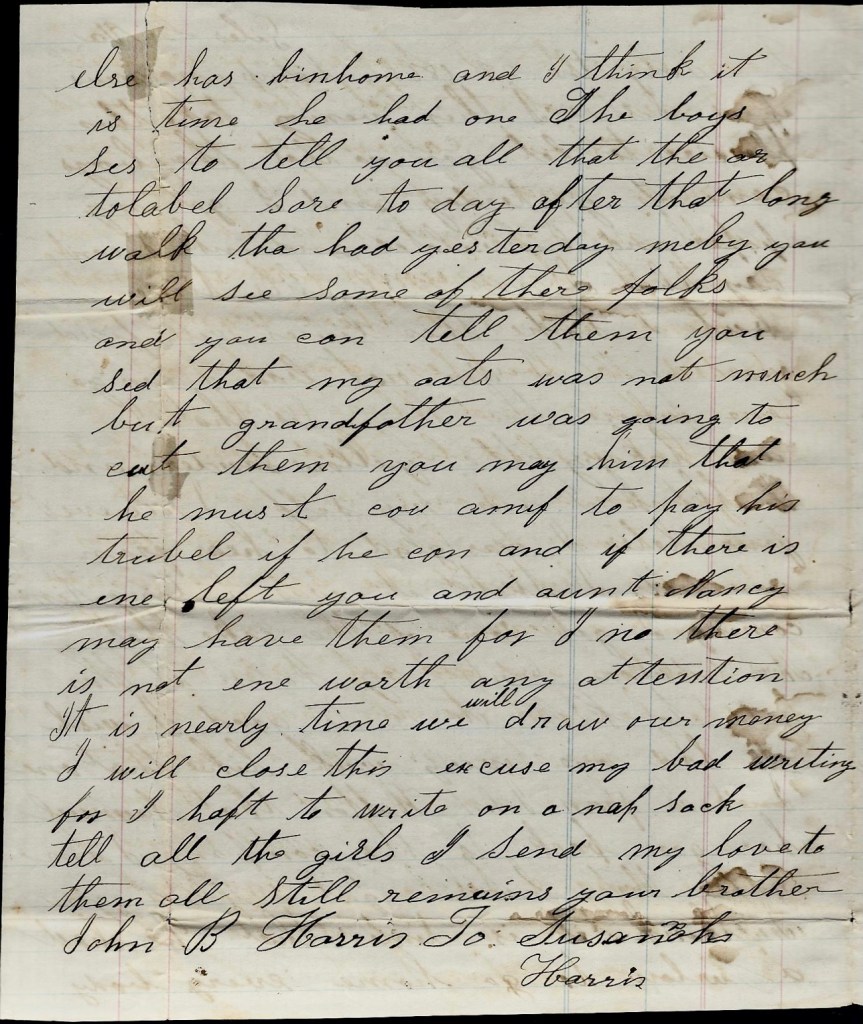


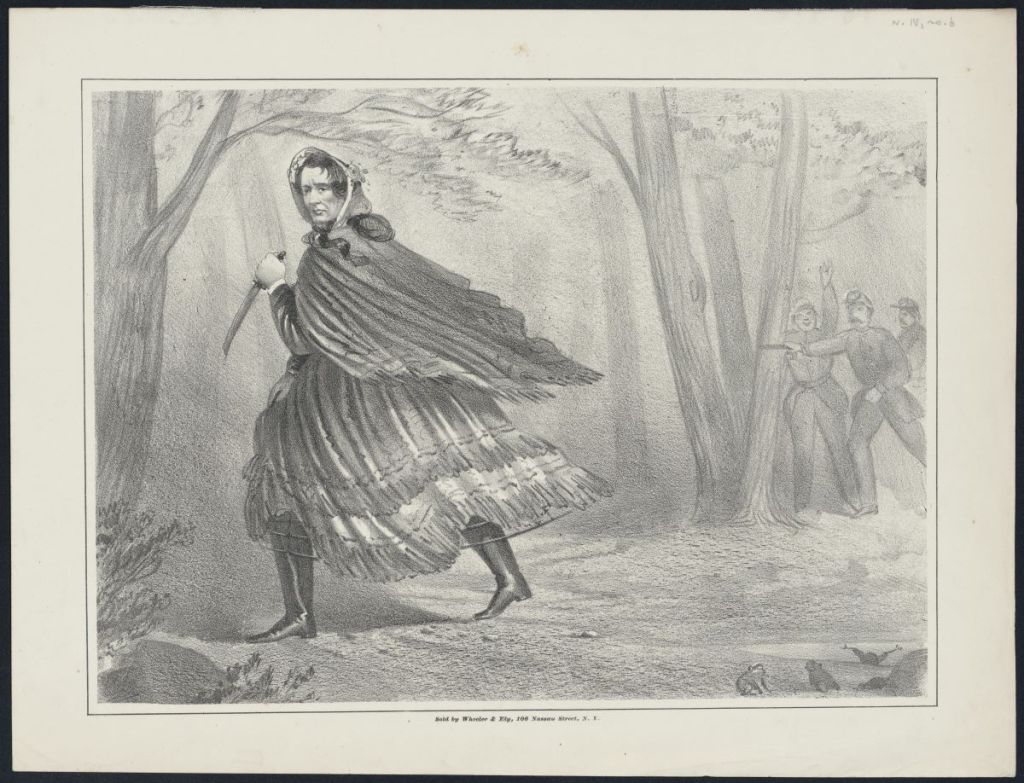


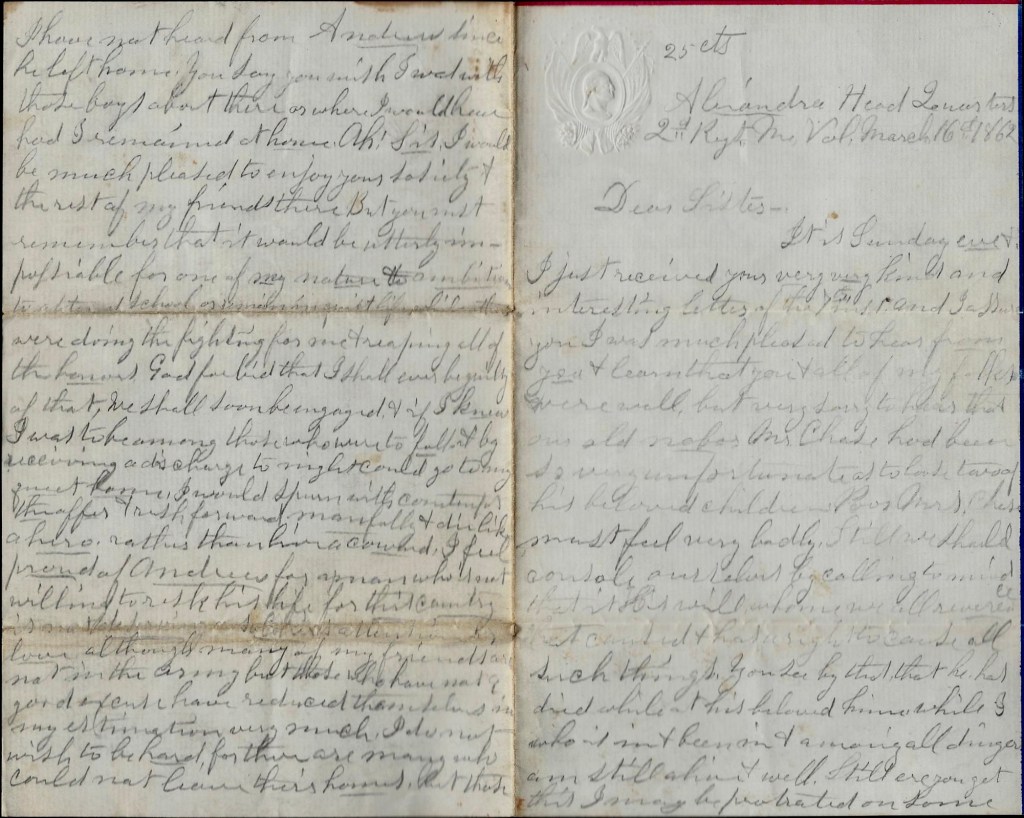

 Spared & Shared 23