I could not find an image of Sanford but here is one of Sergt. Finley M. Smock of the 5th Iowa Cavalry(Michael Huston Collection)
This letter was written by Sanford Tuttle Bliss (1839-1897) of Dubuque, Iowa. Sanford enlisted on 6 September as a private in Co. E, 5th Iowa Cavalry, and was promoted quickly to sergeant. He reenlisted as a veteran in January 1864 and mustered out with the regiment at Nashville on 11 August 1865.
Sanford was born in Hartwick, Otsego county, New York, the son of Jesse and Fanny (Tuttle) Bliss. Sanford’s older brother, Norman Ingles Bliss (1814-1882) became a mormon, lived at Navoo, Illinois, for a time and traveled with Brigham Young’s party to Utah in 1848.
Prior to the Civil War, Sanford had been a student at the Hartwick Theological and Classical Seminary.
Transcription
Camp near Nashville [Tennessee] January 4th 1865
Dear Nephew,
Your last very interesting epistle has remained some time unanswered for the simple reason that I haven’t had time to write. Old Hood wished to take his Christmas dinner in Nashville but Thomas very unreasonably objected and to settle the difficulty many valuable lives were lost and much property destroyed in Tennessee. Three weeks ago our army moved out and gave the Rebs battle. Whipped them bad & have had a running fight of it ever since, Old Hood is glad to get across the Tennessee [River], I guess as he has from the last account from the front, with part of his army having lost nearly all his artillery & wagon train and many of his men although he had the largest & best part of the reel army in the West.
We were on the right wing & fought their cavalry & artillery for a week when I had an attack of fever & ague & had to go to the hospital. The weather was perfectly awful—raining continually & cold some of the time. Our clothes and blankets would get wet through and then freeze on us.
I went to the hospital at Spring Hill, staid a short time till I got a little better, and then went to a Lady’s house as safe guard to keep the soldiers from ribbing and insulting her and her two lovely daughters. I saved considerable of their property and consequently walked into the affections of the whole family and had a most agreeable time for two weeks. On leaving, received a pressing invitation to make my home there if I ever got sick or wanted a furlough.
I am staying with the dismounted part of the regiment. As soon as we get horses, shall join the regiment near Pulaski.
You seem to be having pleasant times at the old sem[inary] this winter but you must not neglect your studies too much for pleasure, if there are ever so many pretty girls there.
How did you spend the holidays? Sleigh riding with the Miss Davidson any? She used to be a nice little girl. I would liked to have been in Old Otsego about that time to [have] got a good Christmas dinner of roast turkey, mince pies, &c. &c. I didn’t enjoy my furlough last winter much for I was sick all the time. But if I was there now, I think I could do a little better.
Dinner is ready and I must close. Write soon. You have plenty of time. Yours &c. — S. T. Bliss
Addressed to Kent Jarvis, Esq., Hartwick Sem., Otsego, New York
This letter was written by Rev. David Knowles (1811-1899) of Columbus City, Iowa, in June 1862. In his letter, David requests the assistance of “Gen. Baker” in securing a discharge for his son serving in Co. C, 8th Iowa Infantry. His son was David A. Knowles (1843-1863) enlisted on 10 August 1861. He died at Jefferson Barracks in St. Louis on 6 August 1863.
I believe the General Baker that David addressed his letter to was Nathaniel Bradley Baker who Governor Kirkwood appointed as adjutant-general of Iowa to coordinate Iowa’s response to the Civil War.
[Note: This letter is from the private collection of Jim Petersen and is published on Spared & Shared by express consent.]
Transcription
Columbus City, Iowa June 10, 1862
To Gen. Baker Respected Sir,
According to your advice to me on Monday last on the steamer Admiral Hine, I send you these lines to ask for the requisite instruction in regard to my son’s discharge.
His name is David A. Knowles and is a private in Capt. Bell’s Company (Washington Rifles) 8th Regt. Iowa Colunteers. When his regiment was leaving Sedalia for “Dixie,” he was sick with pneumonia. Bro. Rankin sent me word to try and get him home if possible. I did do. He is better but not fit for camp duty. He has pain in his side so that he can not be on his back nor chop a stick of wood without much pain. Having been away from his regiment at 2 months, during which time he has sent a Doctor’s Certificate to Headquarters twice, if you can help us in the premises, you will confer a lasting obligation upon yours respectfully. — David Knowles
Alfred C. Belcher’s portrait in the Regimental History
This letter was written by Alfred Calhoun Belcher (1844-1911), the son of Alfred Belcher (1814-1891) and Julia Ann Stetson (1821-18xx) of Wemouth, Norfolk county, Massachusetts.
Lying about his age, Alfred was only 17 years old when he enlisted as a private on 19 September 1861 to serve in Co. K, 1st Massachusetts Cavalry. He remained in the service for three full years, mustering out in September 1864. Alfred served in Co. K which was one of four companies in the regiment that were left at Beaufort, S. C. in a “detached” battalion. In August 1863, they were permanently detached and made an Independent Battalion, Mass. Cavalry. Things were relatively dull for this battalion but this apparently suited Alfred as he remarked in this letter, “I don’t like the notion of fighting if I can help it.”
Alfred’s letter includes a story of a runaway who escaped Rebel hunting him down.
After the war, Alfred returned to Massachusetts where he found employment as a painter and as a letter carrier.
Transcription
Beaufort, South Carolina October 21st, 1863
Dear Uncle,
For the want of something to do, not because it is my turn, I sit down to pen you a few lines just to let you know that I am as well as usual and having good times [even] if I am a snoger [soldier].
There is not the least bit of news here so you must expect none in the letter; there has not been one bit of news here since I can remember—only what we have got by the way of New York, so you may imagine how dull it must be here as far as that is concerned. Almost all the excitement we have here is the now and then taking of a Rebel spy or by the advance pickets, of something of that kind, and we are all getting sick of doing nothing, I tell you. All but me, I should have said for I don’t like the notion of fighting if I can help it and most of the men want to go to Morris Island (where they are doing nothing).
I took a ride again last night with Mena Hale and Mrs. Slattery (a Southern Lady) and we went out in the country and had a fine time on one of the plantations. I wish you could have been there for we had any quantity of fun and funny folks too, I tell you.
I was out to our advance pickets last week and while I was there, there was a nigger come in that had just got away from the Rebs. They chased him and a little boy he had with him six night and five days with dogs (blood hounds) and he hid the last night in house and the dogs followed him there and they searched the house all over for them but could not find him. He was hid under some covert in the attic of the house and after they left he come out and came across the river to our side. And when he was about half way across, we saw the rebs trying to make the dogs follow the boat but they would not so they tried to shoot them but could not—they were so far off. When they got to us, they were so much exhausted that they could not stand and their feet were swollen so that they were as large as two common feet and the boy was so bad that they do not think he will live. He was about 10 years old. The man was taken while he was out fishing about eight months ago. He used to take care of my horse when I did picket duty at Barnwell’s Plantation. He said that he was kept in the same jail with one of our boys that was taken while on picket about a fortnight ago. I believe I told you about that before.
I don’t think of any more to write now so I will close. Yours truly, — Alfred C. Belcher
These incredible War of 1812 letters pertain to Thomas Flint, Jr. (1793-1813) of Farmington, Franklin county, Maine, who enlisted on 11 May 1813 in the 33rd U. S. Infantry as a musician. He was described as standing a little over 5 and half foot tall at the time of his enlistment. He died of illness and exposure on 5 November 1813 after participating in the Battle of Châteauguay that was fought on 26 October 1813 between a combined force of British/Canadian forces and Mohawk warriors and an American force of 2600 regulars—there were 321 officers and men of the 33rd US Infantry in the fight. The battle was pretty much a draw but resulted in the British troops (most French Canadians) turning back the Americans preventing the capture of Montreal. Few men were actually killed or wounded in this encounter which historians now consider little more than a skirmish.
In the first letter, Thomas writes his parents in June 1813 of his arrival at the encampment in Saco, Maine, as the regiment is being formed. In the second letter, written from Chateaugay, Franklin county, New York, details of the Battle of Châteauguay in Canada are revealed as well as the death of musician Flint. The details are provided by John Tilton Luce (1793-1877) who grew up with Thomas Flint, Jr., in Farmington, Maine. Thomas’s remains were reported to have been buried at “Four Corners” which was the location of the American camp at Chateaugay, New York.
Thomas’s parents were Dr. Thomas Flint (1767-1854) and Sarah Bassett Norton (1767-1833).
Letter 1
Saco [Maine] June 4th 1813
Dear Parents,
I take this opportunity to inform you that I have arrived here and have been exceeding well ever since I left home. We reached here on Sunday, the 30th day of May, all in good spirits and so we have remained until this moment. We have very good accommodations and victuals accordingly. We belong to the first company in the regiment and have the finest officers that ever you saw. Our captain’s name is [Noah] Haley. Our colonel visits us every day. Our surgeon is a very fine, accommodating man by the name of Groves and finally we flatter ourselves up with the notion that we have gained the good will of our officers and companions.
We started from home on Tuesday the 25th of May and came as far as Uncle Jerry’s where we stayed that night, and Wednesday morning we started and came down to Uncle Russ’s and took breakfast. From then we proceeded to Baker’s Mills where we found that our company had left us and likewise had 1 hour the start of us. However, we made the best of our way to Augusta where we were entertained that night on the expense of the officers and on Thursday about noon we started for this place and proceeded on through Hollowell and Gardner and stopped in Litchfield at Mr. Stevens—a tavern keeper.
We started on Friday morning and passed through Bowdoin and Topsham and stopped in Brunswick near the college and from thence we started on Saturday morning and passed through Freeport, North Yarmouth, and Falmmouth and stopped at the rendezvous in Portland where John and myself were provided for at Bosson’s Tavern. And on Sunday afternoon we started from Portland and passed through Scraborough and arrived at Sac at five o’clock. We were accompanied by the colonel to the meeting house where it has been our place of abode ever since. So since we came from home we have passed through 18 towns, viz: Farmington, New Sharon, Rome, Belgrave, Sidney, Augusta, Hollowell, Gardner, Litchfield, Bowdoin, Topsham, Brunswick, Freeport, North Yarmouth, Falmouth, Portland, Scarborough, and Saco.
All of the soldiers, which is about five hundred, are completely uniformed but the uncommissioned officers and musicians clothing has not come on yet, but is expected this morning. I have the opportunity to send a letter by Mr. Gotham Sewel who I saw pass this morning forty or fifty rods off and very well knew him. We have not received our money yet but expect it from Boston within a few days. I have but a little todo and am very well contented. I have likewise met with some bitter Federalists who wish for an insurrection among ourselves. Mr. Sewel is now waiting for this letter so I remain your affectionate son, — Thos. Flint
Letter 2
A painting depicting the Battle of Châteauguay on 26 October 1813
Chateaugay [Franklin county, New York] November 7, 1813
Dear Friend,
With deep regret and sore of heart I take up my pen to inform you of the most direful accident that ever befell your amiable family which is the death of your amiable family which is the death of your beloved son, Thomas who has left us and gone we hope to a better world where there shall be no more death nor separation of friends, where sorrow and sighing shall flee away. The task to write the melancholy scene, sickness and death of your son is more than I can bear and am greatly [indebted] to Sergeant Harding—an intimate friend of your sons—for his assistance in the same.
The first of your son’s sickness was at Burlington where he and myself were taken with the [ ] was followed by the jaundice. As to your son, we recovered a little from our indisposition as he mentioned in his last letter dated at Burlington when ordered to march to this place which we soon obeyed. We arrived at Chateaugay [New York] on the 16th of October where we stayed about 12 days during which time your son was rather unwell and not capable of doing much duty, yet he kept up a good heart and never shrunk from his duty when called to do it.
On the 21st of October we marched for Canada and had a very tedious and tiresome march. We had to ford the river Châteauguay on the 22nd of October. the water was very cold, being some ice in the river. We then passed on to the town of Caughnawaga where we stopped all night and there we had to lay on the cold ground without any tents or anything but our blankets. The next day we marched on through the woods and came to the First British settlement which they had abandoned and the guards were given off by the Light [Chairs?] who killed five Indians and taken one prisoner.
We stayed in this place three days constantly alarmed by the firing of the pickets and then orders came for us to march accordingly on the 25th inst. At about five o’clock p.m., we marched out of the encampment and crossed the river Châteauguay which we had again to wade. After we had crosse the river, we reached onto a plane where we received orders that no man should make any noise or even speak a loud word on pain of being punished. We then went softly on the way. This journey I have never been so much fatigued. We had several streams to cross during the night. We marched about 5 miles and in the morning we proceeded on our way and passed the British encampment which was on the opposite side of the river. We continued our march on through the woods about two miles further when the A Brigade and artillery [ ] which had marched on that side of the river with a part of the Light [Chairs?] began the attack on the guards. We fired and then ran. The Tenth Regiment marched on about a mile further and then they began a brisk fire and at the same time we were about abreast of them and were surrounded by the savages who kept continually firing at us and picking us off. Likewise the fire from the other side of the river of the British and Indians were directed at us and the balls flew very thick—the air being continually filled with the noise of these engines of death.
But your son still kept his firmness of mind and appeared to be quite undaunted. The action on the other side of the river continued about half an hour when the British and Indian force took to flight and loud huzzahs from the Tenth which was followed by the whole army took place. The Tenth Regiment had one man killed and five wounded. In our regiment there was sixteen killed and missing and a great many from the other regiments.
After the action was over, we were marched into the woods and a part of the army crossed the river and returned to the old British encampment. But your son remained with the company on the same side of the river as in the action and in the night the British and Indians made a desperate attack on us in which many were slain but we hope and still believe by the most correct reports that we double paid them. In the morning the whole of the army crossed the river that had not crossed the night before and your son returned free from wounds and in good spirits. We had orders immediately to march to Chateaugay [New York] where we arrived on the 2d day of November and went into the woods and built us some huts of logs and covered with hemlock boughs.
On the 2nd of November your son was taken unwell but not as but that he kept about the encampment. On the 3rd he grew rather more unwell and looked very yellow and pale. On the fourth day month he took a puke which operated very hard. In the afternoon of the same day I was called upon to do the duty of an orderly to the Brigade Major. He observed that I was going away, called to me, and said, “Luce, I think that I shall never see you again,” and observing at that time that he wished me to take care of his paper, which I promised to do but you must guess the situation of my mind on such an expression from my friend [paper creased—illegible]…obliged to give him to the care of the rest of the musicians. The next morning I heard that he was carried out of his tent in his blanket and at about nine of he clock a.m. I went to see him and found him quite bereft of his senses. My duty being such as compelled me to leave him to his nurses until about three of the clock when I returned to see him again. I spoke to him but he made me no answer and did not know me at all and appeared to be quite deranged laying in a dull or drowsy position.
On the sixth I heard that he was dead and went immediately down to see him and found that he died on the 5th at 9 o’clock in the evening. This was a dreadful spectate to me—to see my friend lay in a cold corpse of clay in this part of he country so far from home and myself left disconsolate. My heart seemed as though that it would burst but alas thought I, the fatal blow is struck and my friend with all his accomplishments is tumbled to the dust which is the way of all flesh.
He was decently buried at what is called the four corners in this town. I am left here alone as it seems to me although am blessed with health at present but the sudden death of your son makes me feel very disagreeable and convinces me of the shortness of time, the certainty of death, and the ned of being prepared to go and leave all things below to [illegible].
I have not had an opportunity of writing to home since I left the fort but shall write in the course of a few days. Time will not permit me to write any more at present and shall conclude my melancholy letter wit wishing you to give my love to my parents, your family, and [ ] friends.
— John T. Luce
I certify the above is a true statement of your son’s passing and was a fine young man and a good soldier. — Jno. Waterhouse, Sergt. Major, 33rd Infantry
I could not find an image of John but here’s a cdv of Major Savage who served with him in the 25th New York Infantry (Photo Sleuth)
This letter was written by 1st Lt. John G. Vanderzee (1827-1884) Co. G, 25th New York Infantry. John began his service as a lowly private in Co. F, 44th New York Infantry but was transferred out of that regiment when he was offered a commission in the 25th New York as the 2nd Lieutenant of Co. C on 10 January 1862. He was promoted to 1st Lieutenant of Co. G on 27 May 1862 and to Captain of Co. G in August 1862.
In the following letter, written from the Union lines before Yorktown, John speaks of death and dying, attempting to reassure his friend Maria that his chances of dying were low, and pragmatically speaking, it was “only borrowing grief before hand. It is time enough for that when it comes.”
John G. Vanderzee was the son of John Becker Vanderzee (1798-1880) and Elizabeth Rowe (1798-18xx) of Bethlehem township, Albany county, New York. He married Elizabeth Briggs—not Maria Becker—in September 1864.
Transcription
Army of the Potomac Near Yorktown [Virginia] Sunday, April 27th 1862
My Maria Dearest Friend,
I was overjoyed last night as the mail brought me two letters from you—one of 17th date and that of 22nd also. I had many days looked for a note from your pen as I thought one person in Bethlehem at least would write to me of others could not find the time. The mail of last night brought me a note from home also which was written the 17th. I am sorry my folks fret about me as it is only borrowing grief before hand. It is time enough for that when it comes. I don’t feel alarmed about my friends at home at all unless ill health visits them, &c.
Maria, if you will accept the best advice of a soldier I would say unto you, don’t never borrow any fears about the safety of any person. This world at best makes our whole life a season of great trouble and trials, and to most of mankind a life not worth living for. I take up affairs along the path of life as duty requires and strive to be ready for all demands as time runs along.
I am under the impression that you often worry in mind and imagine that all who go to war will be shot (I mean your friends in the army & not all the soldiers in service). I want no one to imagine such a thing at all. I am only one of the army and my chances are equal to all the rest. I may fall, or may not.
I have many things of news to tell you about the work going on here but cannot in letter correspondence of a friendship nature. Since my change of positions in the army, a great increase of labor has fallen to me and I cannot write a full history of events that occur to me daily. And time will not even permit me to write to many persons. I have marked off of my list of correspondents all but four, two at home and next my Maria and Chum Sanford, and now and then to acquaintances. I may not at all times write to you frequently but rest assured my love towards you will never diminish any if the same finds a response in your heart. The people may be anxious at Chippian Hook to know how often I write to you &c. They can soon find out that fact by attending to report of “Madam Rumor.”
Maria, I feel as though this note is the most unfinished one I ever wrote to you. I write to you this afternoon because time may not afford me the pleasure of so doing for several days after this as we are diligently working day and night at our forrtifications. I will write to you again in a few days.
I visited the 44th on Friday night and found them in good spirits. Remember my best wishes to your Pa and Ma. Write to me soon. I must close bidding you a good night and happy dreams. While the warmest regards of a soldier are ever around your path and following you through silent though. From your army correspondent, — Lt. Van
Direct hereafter to 25th Regt. N. Y. S. V., Washington D. C.
The army has a man there who sends all notes directly by express.
Dear Maria,
In reading over this note, I notice it is not worth the postage to send, but what it lacks in words of news, I retain in my heart love towards you. Your friend, — John G.
If this envelope ever carried a letter in it, the letter is long gone but it may have been sent solely for the purpose of transmitting the two pages ripped from the gospel of St. Matthew in the New Testament which were “picked up at Manassas April 1, 1862”—perhaps as a relic of the Battle of Bull Run.
Mary Morris Hamilton
The envelop was addressed to “Mrs. George L. Schuyler of Dobb’s Ferry” on the eastern bank of the Hudson River in Westchester county, New York. The wife of George Lee Schuyler (1811-1890) was Eliza (Hamilton) Schuyler (1811-1863). The note on the envelope was followed with the initials “M. M. H.” which I have concluded belonged to Mary Morris Hamilton (1818-1877), a younger sister of Eliza Schuyler. The sisters were very close—so close in fact that after Eliza died in December 1863, Mary became the second wife of her brother-in-law, George. Mary was a granddaughter of Alexander Hamilton.
The note on the envelop implies to me that the relic was picked up on the battlefield on 1 April 1862 which would have been some 9 months after the battle of First Bull Run and some five months before the battle of Second Bull Run. During the April 1862 timeframe the battlefield would have been under Union occupation and available to sightseers and relic hunters from the North.
George and Eliza (Hamilton) Schuyler had at least three children, one of whom was Brevet Major Philip George Schuyler (1836-1906), another was Louisa Lee Schuyler (1837-1926) who was the corresponding secretary of the Women’s Central Association of Relief in New York City during the Civil War, and Georgiana Schuyler (841-1923) who also participated in the soldiers’ aid societies during the war—particularly the US Sanitary Commission.
Not holding back, this vitriolic attack on James Reed Burchett of Salem, Virginia, reveals just how cruelly some citizens—or soldiers suspected of “playing off”—could be treated if they did not pick up the musket in the defense of their country’s “rights.” I’ve seen similar sentiments expressed in letters by Union soldiers but this is the first time I’ve seen it written by a soldier wearing the butternut.
Military records indicate that James R. Burchett enlisted on 4 June 1861 at Salem in Co. E, 42nd Virginia Infantry, but he was mustered out six weeks later at Lynchburg. James died single at the age of 25 on 28 August 1864 while attending school at Roanoke College. The cause of death was said to be typhoid fever. His death record identifies him as “Soldier and Student.”
The letter is not dated by I suspect it was written sometime in 1862 as that was the first year that the Confederate government introduced the draft.
[This letter is from the personal collection of Richard Weiner and is transcribed and published on Spared & Shared by express consent.]
Transcription
Mr. Burchett,
As I sit musing upon the past, my thoughts settled upon one prominent subject and that was of you not taking a part in defense of our country’s rights. I am indeed truly sorry that the Southern Confederacy holds such as you. I have heard of you frequently, You talked very extravagantly when the first volunteers were called out. To hear of you, I thought you would be the first to go into service. But alas! it was all talk.
It was thought when the militia was called, you would certainly be dragged out. But you even lied out of that. I declare, it is shameful. I understand you were almost frightened to death when the militia was called out. How are you getting along by this time? But I suppose very well since you have led enough to get a discharge. It surprised me when I heard that you fitified 1 (Poor soul, how I pity you. I fear you will have to be sent to the lung asylum).
As for my part, I would rather be a soldier than to have every person, old and young, pointing at me and shunning my company whenever they possibly could do so. I suppose you have not forgotten the time when you visited Manassas & there was not noticed by even your old schoolmates, and when asked to join that company your reply was you was going to volunteer & I suppose did. But after joining a company you got some unprincipled person to go to the physician & lie you off (a disgraceful act). I would much rather gone into the army than to lie out and have everybody in the country laughing about such shameful acts.
But I do not suppose you care for anyone. I reckon you think nothing won’t make against such a wealthy intelligent young man as you think you certainly are. I swear that you are the only person that thinks of your qualification as being anything more than any fitifed other persons. I have heard it spoken of as if you was going to marry soon. I hope you will get a lady that will take care of you when in your insane condition. Some say that they think if you would of told the [Draft] Board that you was going to marry that would of been a better excuse. If will so allow me as I am anxious to hear from you to ask it of you, how many fits have you had lately. It is reported in camp that you have gotten entirely over them. I hope it may be true as I received a letter some time since and in that letter a person that knew you well told me that your disease was a hereditary one—that she knew your grandma and she was in your fix—that is, she had something of the same nature as you have—spells of insanity. I hope when you get married, you will come out and try the Yankees a shot or two.
If you ever have an idea of joining any company, I would be glad if you would join this company as there are several of your friends that belong to this company that will take care of you if you should have any of your fits in their presence. I will advise you to marry if you have a chance to do so for after the war is over & peace is made and we all get home, some of the boys will try to cut you out & as you say you have spasms, they probably would take the advantage of you in some way or another. As you know, some persons will take the advantage of a poor, fitified person as you profess to be.
As I fear my letter will not be interesting, I will close by sending your dearest dear my never dying respects & love. One of your old friends. Yours respectfully. [no signature]
These letters were written by Elijah “Foster” Benedict (1825-1888), the son of Elijah Benedict and Dolly Foster of Atkinson, Henry county, Illinois. On 24 June 1848, Foster was married to Mary Jannette Follett in Knox county, Illinois.
On 9 August 1862, Foster enlisted as a Sergeant in Co. C, 112th Regiment Illinois Infantry. He was mustered out on 20 June 1865 at Greensboro, North Carolina, with the rank of 1st Sergeant. His muster records indicate that he stood 5 foot 8 inches tall, had black hair and black eyes. It should be noted that while on duty in Kentucky in 1863, six companies of the 112th (D, C, E, K, G, and B) were mounted and remained so until February 1864.
Serving with Foster in the same regiment was his younger brother, George Whitfield Benedict (1836-1904) who entered as a musician and emerged three years later as the leader of the regimental band. Also serving was Foster’s brother-in-law, William Follett who did not survive the war. He was killed in the Battle of Resaca on 14 May 1864.
Most of these letters were written to his two oldest daughters, Mary and Susan Benedict, or his eldest son Charlie. While it is clear that he wrote to other family members, including his wife, none of those letters are in this collection.
To read other letters written by members of the 112th Illinois Infantry that I have transcribed and published on Spared & Shared, go to: Lemuel Fordum Mathews, Co. D, 112th Illinois (2 Letters) Bradford Foster Thompson, Co. D, 112th Illinois (1 Letter) Aaron Ridle, Co. F, 112th Illinois (2 Letters) Albert Pierce Lanphere, Co. I, 112th Illinois (1 Letter) Henry Capron Lanphere, Co. I, 112th Illinois (2 Letters)
Letter 1
Addressed to Miss Mary L. Benedict, Atkinson, Henry county, Illinois
Lexington, Kentucky Camp Ella Bishop 1 November 16, 1862
Dear Daughters Mary & Susy & all the little ones,
In the last letter I wrote your mother I promised to write the next to you and now on this pleasant Sunday afternoon I fulfill that promise.
I was very sorry to hear that the little ones at home were so unwell but hope the next time I hear from you they will be well.Mary, you and Susy must help your mother all you can for she has a great deal of work to do and every little you do lightens her labor very much. You must be good-natured to all and not fret if everything does not suit you. By so doing, you will be beloved by everybody and be the pride of your parents.
We are yet encamped near this city and no prospect of our moving on that I know of. It is one month tomorrow since we left Covington and the time has passed very quickly with me but there has not been a day passed in which I did not wish that I could see the dear little flock at home and listen to their voices in their plays. My health continues good and has ben good with the exception of a cold ever since I came into Kentucky.
George is not so fortunate for yesterday he had a severe attack of the ague but feels very well today. I do not think he will have any more attack. I sat up last night and gave him medicine and I do not feel much like writing today. I still perform the duties of orderly. How much longer I shall, I can’t tell. The orderly has been very sick but is now getting better. His foot was run over coming from Covington to this place and is not well yet, and it may disqualify him from marching again as it was hurt very badly.
William Follett, Co. C, 112th Illinois, killed at the Battle of Resaca on 14 May 1864
Uncle William marched past our camp the middle of last week and is ow about 16 miles from us at a place called Nicholasville. He is still orderly for Gen. Coburn and likes his place first rate. He does all his marching on horseback and hass a very easy time. I am glad he has the place on his account, but on my own, I would much prefer to have him with us as he is one of the best men I ever knew. The boys all like him first rate and would be ver glad to have him back again.
I am very busy now and have been for the last three weeks and shall be until I get all the orders copied which issue from the Headquarters of this army so if you do not get more than one letter a week from me, you need not be surprised. I have not written to Father’s folks since I have been here and to Abel but once, I believe. And the next letters I write must be to them. However, I will write you next Sunday anyhow and I want Charley to write in your letters because you cannot fill them out without help. Write about everything you can think of. By that means, you will learn to write letters and very soon you can write without any trouble.
Rufus Pratt had a letter from Lucius a few days ago. He was at Bowling Green, Kentucky, and was well. Your mother seems to think that because Charley did not get a letter from me when she expected one, that my great love of euchre prevented me from writing. I have not played a dozen games of euchre since I have been in this camp. Have been too busy other ways. In my next I will write the amount f labor I have to perform each day and I know you will excuse my not writing oftener. My sheet is about filled, therefore, I must close. Kiss the little ones for their Father and kiss your mother about 25 times for, — Foster
1 Camp Ella Bishop was named in honor of the “spirited Union girl of Lexington who, a short time before, had defiantly waved the Union flag in the faces of the Confederate troops who occupied the city and proclaimed her self for the Union, now and forever.” [History of the 12th Illinois, page 20]
Letter 2
Lexington, Kentucky February 11, 1863
Dear Children,
I promised to write you last week but didn’t do it so I will endeavor to write today. My health is good yet and I feel first rate. George is well. Also your Uncle William. He was in our camp Sunday and likes his place first rate. He ranks as corporal and expects to have a sergeant’s place soon. I don’t know all of a corporal’s duty in a battery but the principal part of it is to sight the gun.
We are having very bad weather yet—first it snows, then melts, and then comes rain, and of course the mud is very deep and sticks to ones boots like the mischief. Illinois mud is nothing compared with it for stickiness.
The military authorities have had a big scare for the last week. The reports came in thick and fast that John [Hunt] Morgan was marching on this place from Tennessee. One of the Michigan regiments have received marching orders several times to go to Danville 35 miles south of this place to reinforce the troops stationed there and the orders have been countermanded each time, and the regiment is still here and likely to remain as there was nothing in the reports at all.
We are doing nothing at all but eating and sleeping. There is so much mud it is impossible to drill and do not have dress parade more than twice a week. So you see I must be getting very lazy or I should have written you before. I can’t find anything in camp worth writing about and it is almost impossible to fill out one of these small sheets with anything that is readable.
Abel wrote that you are getting along finely in your studies and that you get your lessons well. It makes me feel proud to hear that you are doing so well in school and improving so fast. You must improve all your time when you are in school because if you don’t, you will be sorry when you grow older and look back to the time when you were going to school and did not study as much as you might have done. However, I think you will do all you can without my saying much about it.
When you write, tell me all about the things at home, how the horses, cattle, and hogs are doing, and if you have killed your pork yet. And write about everything you can think about as all you can write will interest me.
We have no Major yet but expect to know who is the lucky man in a few days. I expect Capt. [Tristram T.] Dow will be the Major and he will make a good one. 1 Our captain [John J. Biggs] expected to be a Major but his heels were tripped up slightly as he stood no more chance of being the Major than 800 other men in the regiment did. He is not very popular with the Colonel nor anybody else that I know of. I believe that this is all that I can write today and will have to close with this page left blank.
Mary, you kiss all the little ones for me and Susie, you may too. Write often [even] if it is not very much, but you can all write together and fill a sheet without much trouble, can’t you? Charlie, how do your pants fit? I will send you a coat in the spring if I can get a chance. Goodbye little ones for this time. Your affectionate Father, — Foster
1 On account of a severe injury caused by a fall from his horse, giving him a hernia, Major James M. Hosford had to resign his commission. Captain Tristram T. Dow of Co. A was promoted to succeed him.
Letter 3
Addressed to Miss Mary L. Benedict, Atkinson, Illinois
Somerset, Kentucky May 24th 1863
Dear Children,
I now write to all of you without exception, instead of each singly, because if I write to each, I would soon be out of postage stamps and they are hard to get here.
My health is first rate and I am contented where I am, notwithstanding you are all so dear to me. You know not how hard it was to part with you so soon after being home but honor and duty forbade my staying any longer. I have written to you mother telling here when I arrived in this camp so there is no need of writing it again. Also received a letter from her saying that you were all well which is as good news as could be written. She also said that Charlie had finished planting corn and I must say to him that I am pleased with the way he has worked this spring and in fact ever since I left home. And Charlie, I hope you will write and let me know how you get along with the work, and what you have done since you finished planting the corn. Write how the crops look and all about everything on the farm.
Mary & Susie, I hope you will write all about your progress in school and write anything else that you think I would like to hear.
I have not sent my money home yet but will send it to Cambridge by a Corporal of our company who is going home in a few days and my clothes which are partly worn out will be sent to the same place as soon as we can get a box to put them in as several have things to send. I promised your mother when I left that I would subscribe for the Cincinnati Times. Did not do it because I did not arrive there until 9 o’clock Saturday night and had to leave at 5 Monday morning. Therefore, you see there was no opportunity for me to do so. I hope she will send for some newspaper because I do not wish my family to be without one.
When I got back, found my things in good order—nothing lost. Have a new [ ] and pantaloons and if I do not [ ] too much, shall not be obliged to get any more clothes until winter and shall not have to ride much I guess until I have a horse. The one that was drawn for me was left at Millidgeville lame and there is none here for me. How long before I can get one there is no knowing. I hope before we march from this place. If not, I will have to be left or go into some other company which of course I would not like very much.
On Friday we had a regimental inspection and as a prize for the best guns—or those which were in the best condition—furloughs were to be granted as follows: to one private in each company, to four line sergeants, to two orderly sergeants, and to two commissioned officers whose companies presented the best appearance on the inspection. Well, Lieut. [Alexander P.] Petrie goes home as one of those officers and the orderly of our company was selected as one of the two orderlies. [ ] was selected as one of the line sergeants. I would have been one of those if I had not got a furlough the [ ] I could have gone home now. One of our boys heard the Inspector say that our was in the best condition of any of the sergeants and that I was the first choice among them. So you see that my pride has not all left me yet and I do not mean to be outdone by anyone as far as doing my duty is concerned ad keeping my arms and accoutrements in good order. I should have been well pleased to have gone home again but the distance is so far and the expense so much that I could not afford it and another reason was that I had only just come from hoso another sergeant was selected in my place which I did not think was quite right because if I was lucky enough to win the prize, I ought to have the privilege to give it to whom I pleased but it was not allowed and so George missed the chance of going home.
The way the Orderly got his was by borrowing a gun from one of the boys instead of using his own which is habitually in poor order—rather a small way of getting a furlough, I think.
My sheet is full and I must close. You can let whoever you are a mind to read this. Write often all of you. This is the fourth letter I have written since I got back but only one to those at home but presume you have heard from me by those to Albert and Abel. With love to each and all. I am your affectionate father, — Foster
Letter 4
Danville, Kentucky August 5, 1863
Dear daughters Mary and Susy,
In my last letter to your mother I promised to write you next. It is one week since I have written home and the reason is that we were moved from this place to Hickman Bridge on account of a rebel raid into this part of the state under the command of Col. Scott. Last Sunday, 30 men from our company left camp for Richmond together with about 120 men from this regiment and 200 from different regiments of our brigade after going two miles south of the place, they met Scott’s Brigade of rebel cavalry 1500 strong and fought them two hours and were compelled to retreat on Lexington. Two of our company were wounded and seven taken prisoner. None that you know. After reaching Lexington, our forces were reinforced and then came the Reb’s turn to run—and they did run as fast as their horses could carry them. Did not make but one stand for a fight in going 120 miles and then they were scattered like chaff before a whirlwind.
You will look at the map and see the route gone over as I describe it. After leaving Richmond, the Rebels went to Winchester where our forces had a sharp fight with them, capturing a number of prisoners. From thence they went to Irvine on Red river and then to Lancaster where our forces overtook them and captured 250 prisoners. From there they went to Stanford where they were overtaken again and a number taken—I can’t tell how many—and from there to Somerset. From there to Mill Springs where they are reported to be this morning with heavy reinforcements. How true it is, I can’t tell. We have destroyed as fine a brigade of cavalry as there is in the rebel service. How many prisoners were taken, I can’t tell but a great many are being sent to Hickman all the time. As we were coming from there to this camp, we met 250 in one squad besides lots of others in wagons. That was on Friday. Since then a great many others have passed up to the bridge and there is no doubt that the force which invaded Kentucky is destroyed almost entirely, and in all probability this state will not be troubled much more this summer. And if that is so, we shall have nothing to do the balance of the summer unless we move into Tennessee. I did not go out with the expedition because my horse was too lame to travel.
My health is good now—nearly as good as ever. George enjoys good health at present. He is leader of the Regimental Band. We have German silver instruments. Eleven in number and cost $550 and it is a splendid band, I tell you.
I have not had a letter from home for more than a week but suppose that you have written, and in in hopes to get a letter tonight. I received a letter from Abel last night and he said that the wheat was all cut, but was hurt very much by the cinch bug. I am sorry to hear it. The wheat looked so well when I was at home. I expected you would have a good crop. But it cannot be helped. There is no news to write and will close with love to all at home. The next I will write to Charlie and I hope you will answer this as soon as received. Kiss the little ones for me and I am your affectionate father, — Foster
Letter 5
Addressed to Mary L. Benedict, Atkinson, Illinois
Mossy Creek, Tennessee December 30th 1863
Dear Daughter Mary,
I have received two letters from you enclosed in your mother’s and today I will answer them. We are now in camp which is something unusual. Our regiment is in motion nearly all the time—hardly ever camp twice in the same place of late—are kept in the saddle so much that it seems to me that I am part of a horse. However, I like it better than going on foot.
Yesterday morning two divisions of cavalry were sent out on a scout to Dandridge 10.5 miles southeast of here and while they were gone, the Rebs pitched into our force hoping to drive them back. They failed however, and got a good thrashing themselves. Took 60 prisoners and killed and wounded a considerable number. How many I don’t now. The fighting was done by cavalry alone. The infantry are several miles in the rear of the cavalry forces and it is seldom we see any of them. We have been in the front in every advance and in the rear on every retreat, and it is a wonder that we have not lost more men than we have since we came into Tennessee. As it is, we have lost 165 men killed, wounded, and prisoners. We have now about 275 men for duty mounted; the rest of the regiment are in hospitals except the dismounted and they are back about 20 miles. How many there are I don’t know but suppose about 100.
The regiment make a very different appearance now from what it did when it first came into Kentucky. Then it was nearly full. Now, not more than three or four full companies of men out of 964. It would puzzle anybody to tell where the men are but as I said before, nearly all the men who are not killed and prisoners are in hospitals. I have been lucky—never have been sick enough to be obliged to go to a hospital and hope I never shall. My health is very good at present though I have sick spells occasionally. But they seldom last more than three or four days at a time and they are occasioned by the miserable rations we are compelled to eat or get nothing at all.
For the last twi weeks we are having all we want in the shape of flour and pork, nothing else until day before yesterday Will was lucky enough to buy a few dried apples and they relish first rate. I shall be glad if I ever get into a land of plenty again and where everything I eat does not swine [ ]. But it does no good to grumble. We have to take things as they come whether it suits or not. But we cannot help but growl when one week we are starved and the net filled with grease. However my time is about half out and I guess I can stand the hard knocks and hard fare.
The weather now is very pleasant and like the weather is pleasant, soldiering is not so very disagreeable but in rainy and cold weather it is hard. Have to sleep on the wet and frozen ground. But I have got used to it and it does not hurt me in the least. I generally sleep warm no matter what the weather is. Not much danger of fevers. Your mother writes that you wish to work out next summer and asks what I think about it. I have no objections to your working out if you think you will be able to. I don’t wish you to hurt yourself as too much work might as you are growing fast and a young person ought to be very careful of themselves or they might regret it after years.
Capt. [John B.] Mitchell has gone home on a sick furlough and I should have sent some money home by him if he had been with the regiment at the time he received his leave of absence. He was at Strawberry Plains and we were at New Market 16 miles from him. Lieut. [Alexander P.] Petrie expects to go home soon and if nothing happens I shall send by him. He says he will take anything the boys wish to send. There is no other way to send money home except by private hands and that seldom occurs. The money I brought into Tennessee with me I have paid out for clothes in order to keep from going naked as the government does not furnish us with anything until about a month ago. I had to buy a pair of boots, a shirt which I have to pay $5 for and a cap. It did not take all I had but I paid out the rest for something to eat while I felt unwell. I will send $60 the firs opportunity. I know you need it this winter for the purpose of buying clothes to keep you warm.
Have you got the corn all picket yet? And what are you going to put on the posts between us and Mr. Hart?
The last letter I write home was to Charley and I hope he will answer it as it has been a long time since I have had a letter from him. Write often no matter how often as letters are anxiously looked for all the time. We have not had a mail for two weeks and don’t know when we shall again. Tell Grandfather Benedict that George and I got the paper, envelopes, postage stamps, pencils, that he sent by Sergt. [Robert F.] Steele. Also his letter, and one from your mother at the same time. Will is in good health, also George.
With much love to Susie, Nellie and all the little ones for me, I am your affectionate father, — E. F. Benedict
Letter 6
Hospital No. 19 Nashville, Tennessee August 4th 1864
Dear Susie,
In the letter which I wrote your mother since I came to this hospital, I promised to write the next to the children. Because this is directed to you, you must not think it is all yours. It is written as much to all the rest. It is now almost one week since I came here and I feel just about the same as then—only I am not as tired. The ride here nearly tired me out and now I am so nervous that I write but slowly and with difficulty. However, I have a tolerable appetite and as long as one can eat, there is not much danger of dying.
The hospital fare is very good but not in great quantity, We have for breakfast meat and coffee. For dinner today, potatoes boiled, tomatoes, baked pudding made from the pieces of bread left at breakfast, boiled meat beef with plenty of gravy which was much better than we get every day. For supper we have bread and molasses and tea. The fare varies somewhat each day from the above but not very much. The patients in this ward are doing well without any exception that I know of. There is today 139 men in the ward in which I am in. How many in the hospital I can’t tell but presume about 4 or 500.
The weather has been very warm until yesterday since which time it has been very comfortable. There is lots of mosquitoes on the hospital and they bother a great deal nights—so much so that one cannot sleep half of the time. I suppose you are going to school again and I hope you will study well and learn all you can (I no I need not to have written that because I know you will). And Charlie, I hope you will do the best you know how. When there is any work to be done, do it without dreading it, and be kind to your mother, sisters, and brothers. And children, be kind to each other and do not quarrel, but do right and you will all be happy. You know not the love I have for each and all of you, and if you love your absent father, I hope you will be nice good children.
I understand there is to be a general examination of the patients in this hospital tomorrow and those who are fit will be sent to the front. And some will probably be transferred to the Invalid Corps. What disposition will be made of me, of course I cannot tell, but if I am sent from here, I will write immediately and let you know. It is hard work to make a readable letter and fill the sheet full here in this place so you must not think that the sheet ought to be full. I have written but two letters since I came here—one to your mother and one to father. Tell Abel I will write him soon. Oh, I’m mistaken. I have written to Brother George. You need not write until you hear from me again as I may leave here in a day or two. Can’t tell you know.
Kiss mother and the little ones for me and you have no idea how I wish I could be with you all this time but that is impossible. Don’t forget to kiss Mary for her father. Goodbye dear children. Affectionately your father, — Foster
Letter 7
Addressed to Miss Mary L. Benedict, Atkinson, Illinois
Hospital No. 19, Ward 2 Nashville, Tennessee August 14, 1864
Dear daughter Mary,
I have deferred writing today until afternoon hoping that I might get a letter from home, but none came I am sorry to say so I will write to let you know how my health is and that is all there is to write about here. I am very glad to be able to say that I am getting better but not very fast but slowly and steadily. Do not take any medicine at all now and that is significant that I shall shortly take my departure for the front I suppose. Whenever that time comes, I shall go cheerfully and gladly. I do not like hospital life at all. It is too much like being shut up. I have not been out since I came here but shall endeavor to obtain a pass tomorrow.
Well, Mary, how do you do? Is your health better than it was? I hope so and hope too that you may have good health for it is a blessing to be prized which I have found out. Be very careful of yourself because you are growing fast and very liable to spells of sickness incident to rapid growth, and I need not say to you be a good girl for I know you will be for my sake as well as your own.
Oh you know not how hard the parting from you and your mother and all the dear flock at home. It did seem as if my heart strings would break but there was no help for it and I had to go. But I earnestly hope and pray that in one short year you—but long, very long to me—I may be permitted to be with you once more, not to be separated again by any cause whatever. If anyone cannot prize the joys and comforts of home, let him go to war and I will be bound he will know how to enjoy them when he gets home.
I do wish that this horrible and terrible war was over, but I cannot see that there is any prospect of its closing this year and may drag alone one or two years longer.
I hardly know what to write so I guess that I will tell you what we had for dinner today. Boiled pudding and molasses, bread, tomatoes, potatoes, and water—a great deal better than we usually have for our dinner. But I would give more for a dish of bread and milk at home than I would for all the grub there is in the hospital. There is not much chance for a fellow to get very fleshy here if his appetite is very good, it is hard work to get enough to satisfy it. But in my case there is no trouble as I am not troubled with very much of an appetite. But it is some better than it has been.
Have all our folks forgot to write to me or what is the matter? I have had but one letter since I have been here and that was from Charlie and your mother, written August 4th. This is the 8th letter that I have written and I hope to get some in return before long. But if I should leave here, I don’t know as I would ever get them but think they would be sent to me wherever I am.
Will you write as soon as you get this and if you can’t fill a whole sheet, get somebody to finish it. Anything that you will write will interest me so you need not study very hard what to write for fear that I will care nothing about it. My next letter will be written to your mother and will be written within a day or two. Give my love to Abel and Harnity and Clara. Kiss your mother for me and all the children too. Affectionately your father, — Foster
Letter 8
Addressed to Miss Mary L. Benedict, Atkinson, Henry county, Illinois
Alexandria, Virginia January 31, 1865
Dear daughter,
In my last letter I promised that you should have the next one, and now I proceed to fulfill that promise. You will see by the caption of this letter that we are still on our way to join the armies of Grant or Sherman—nobody knows which, but I hope we are going to Sherman’s which seems to be the prevailing opinion. I received a letter from your mother last night written January 12th and is the only letter that has reached me since leaving Clifton, Tennessee, I believe.
Was very glad to hear that all were well at home and do most sincerely hope that all of the family may continue to enjoy that precious blessing. We arrived here one week ago tomorrow night expecting to leave the next day but was prevented by the freezing over of the river. The river is still closed by the ice without much prospect of its being clear for some time to come. The weather have been very cold since we came here until yesterday when it moderated some but not enough to affect the ice in the river. The vessel which is to transport us lies here at one of the docks and is the steamship Atlantic which once run between New York and Liverpool and is a vessel of 2,000 tons burthen—the largest by all vessels of any which I ever saw.
There are several ships here but they do not present so large an appearance as I expected. One is now loading with railroad ties for Spain. On think of that—this county sending railroad ties to a foreign country. It looks a little out of the regular course of things but I suppose there is a speculation in it.
This city is six miles below Washington and on the Virginia side of the river. It is one of the oldest places in the state and one of the dirtiest I guess. Dirty as it is, I would much rather stay here until spring than move this cold weather no matter by what conveyance we are transported. It is always very uncomfortable [with] so many being crowded together and if the weather is cold there is no chance for a fire and if warm there are always too many together to keep cool. So it don’t make much difference whether we move in cold or warm weather so far as the comfort of the soldier is concerned. Well, I have one consolation and that is I have but little over seven months to remain in the army and then will be a free man once more and shall endeavor to remain so in all the future of my life.
I have not received any pay yet and think we will not be paid here. If not, there is not much probability of my receiving any until my term of service expires and I hope that the money which you now have will be sufficient to last until next fall and it will together with what the corn will bring. I was in hopes that Charlie would be able to buy a riding plough this winter but am afraid it cannot be done. But if it is possible, I hope he will get one because he can raise so much more corn with one than without—enough more to pay for a plow two or three times over.
My health is tolerably good yet. Rheumatism does not trouble me as much as I expected it would this winter, but enough to make me feel miserable nearly all the time. George is now in hospital in this city laid up with the rheumatism and if we move from here soon will not be able to go with us. His attack is not very severe but enough to incapacitate him from doing anything. He is in Queen Street Hospital, Ward No. 2, Bed 605. The hospital in which he is in is very nice and clean with good nurses and surgeons so I guess he will get along all right. Have not seen him since Sunday but am going to the hospital this afternoon to carry him letters from home which came last night.
Write often and let me know what studies you are pursuing this winter. Also everything you think will interest me. And Susie, I wish you to write too and I will soon write a letter to you. With love to all the little ones, your mother and yourself. I am affectionately your father, — E. F. Benedict
Tell Charlie I wish he would write oftener if he will.
Letter 9
Addressed to Miss Susie D. Benedict, Atkinson, Henry county, Illinois
Camp of the 112th Illinois Infantry Three miles from Kinston, North Carolina March 17, 1865
Dear Susie,
After waiting a long time after m promise to write to you I will now send you a few lines. I have nothing new to write and so you need not expect much of a letter this time. We are encamped near the railroad running from Morehead City to Goldsboro and are repairing it or rather making a new one except the grading; new toes and rails have to be laid and of course it is slow work. The Johnnies had carried off all the road they could but I guess we will not be delayed very long. The whole force of the 23rd Corps is here and a division of other troops beside composed of the garrison of Newbern and other places below us. This place is about 30 miles above Newbern and is on the Neuse river. A railroad bridge crosses the river at this point—or did. It was burned when the rebels left.
My last letter home was written on the 13th and I gave all the incidents of march from Wilmington to the camp in which we were then. We have only moved a few miles since and nothing has happened worth writing. We will probably remain here a few days longer and then move forward again. Where to, of course I can’t tell, but think up the railroad toward Goldsboro. I shall be glad if we ever get to a place where I can get letters from home. We have had but one mail since we came here but there came no letters for me. The last I had from home was dated February 9th and it does seem as if I never would get another letter. But I must posses myself in patience and letters will come after awhile, I guess.
I heard by the way of George that Charlie has been so very foolish as to enlist and that he has gone into the 9th Cavalry. I wish to know what company and where the regiment is so that I can write to him. I was very sorry to hear that he had goe and left the family because I don’t see how you are to get along without him. He cannot be held in the service without his mother has given her written consent for him to enter it and I am waiting to know all the particulars before I write much about it. George wrote that he got $400 bounty. Why did he not get more as the sum generally paid was $600. Who enlisted him and where and when? I have forgotten his exact age. Will you write immediately and let me know. Whoever enlisted him, if he did not have the consent of his parents is responsible for all the costs which may accrue in getting him released. I don’t know as it is the wish of the family to [have] him taken from the army but my own feelings are that he must go home again without unnecessary delay. He will be entirely ruined in morals in the army and especially am I afraid of it in the regiment in which he enlisted. That regiment has a very hard name but I hope he will conduct himself like a true soldier if he stays and then I will not be ashamed of him.
What did he do with his bounty? Did he go in anybody’s place? If so, who? I wish to know all about it and I wish nothing left out. My time will be out in six months and then home once more if I am so lucky as to escape the perils of field and camp. I send in this letter $10 bill which you will divide with Mary. After awhile I will send another. I have sent to father for your mother $200 by Lieut. Griffin of Cambridge which I hope she has got by this time. He did not go directly home but did not stay any length of time on the way, I guess. He had been a prisoner since May 1863 and must have been anxious to see his family.
My health is about the same as when I wrote last. I don’t like to send any white paper but there is nothing new to write. Direct your letters to Co. C, 112th Illinois Infantry, 3rd Brigade, 3rd Division, 23rd Army Corps, via Newbern, North Carolina.
Kiss all the little ones for me. Affectionately your father, — Foster
Letter 10
Goldsboro, North Carolina April 7th 1865
Dear Mary,
You have written two or three letters to me without receiving any reply. I will now make amends for my neglect. The last from home was written March 19th from you and your mother. I was very glad to know that all were so comfortable and in good health. My own is not very good but am able to do duty which is not very hard. We are still in the same position as when I wrote last. Expect to leave the first of next week. Where to, I will not pretend to guess. I hope the summer’s campaign will be short and think it will. Lee has received such a terrible thrashing at Petersburg and Richmond and lost both places together with so much of his army that there is not any probability of much more fighting, I guess. The rebellion is played out entirely and no one except a madman or a fool can expect to overcome and defeat the Union armies now closing around the remnant of the rebel army. I hope that peace may speedily come and it is the impression of the army that their occupation os about gone, and that no more hard battles will be fought.
The news of the fall of Richmond and Petersburg reached the army yesterday morning causing a general rejoicing throughout the army. All drill was suspended and a general holiday was observed. The officers went into the punch bowl rather steep. Some of them were very merry long before night and this morning I suspect their hair pulls some. The rank and file were all sober for the reason that they could not get the liquor to get tipsy on (which was a very good thing).
Are you not lonesome without Charlie? Nobody to both you now, is there? Guess you had rather be bothered than have him go into the army. Have not had any letter from him since he left home. Don’t see why he cannot write. Hope every mail to hear directly from him. I learned yesterday that he was in Co. B, 9th Cavalry. Was told by young Porter who is in the 57th Infantry and in the same company with Alex Hanna.
I see by the papers that produce is very low in Illinois. I hope the corn you have will not be sold yet. It had better be sent to market next July or August unless the prices advance sooner. Are you going to school this summer or not? Guess you will have to stay at home. Are the little ones all well? Do they often speak of me? It will not be many months before I will be with them again if nothing happens and then we will have a jolly time.
When you write, tell me all about things at home and write everything else you can think of that will interest me. It don’t make much difference whether you write sense or nonsense—only fill the sheet. Had a letter from George dated March 26th. He was getting well. Presume you have heard from him since. I cannot put in practice the advice I have just given you—that is, to fill the sheet full. My head aches very badly today, so much so that I cannot write a decent letter but thought the dear ones at home ought to get a few lines from me every few days. Tell Grandfather Benedict that I will write him before we leave this camp. Ought to have written some time ago but have put it off from time to time. I wish to know who has enlisted from our town and if there has been a draft. Who of our friends drew a prize in Uncle Sam’s army lottery?
Write often and if you can’t fill a sheet, have Susie help. Kiss all the little ones for me. Don’t forget to write Charlie often and write kind and loving letters, and then he will keep in mind the home and friends he has left and it may save him from straying away into paths which will lead to his ruin.
This letter was written by Melville (“Mell”) Cox Follett (1836-1903), the son of Abram Hyatt Follett (1808-1895) and Loraine Everest Meacham (1807-1895).
Mell enlisted on 4 September 1861 in Co. A, 42nd Illinois Infantry. At the time of his enlistment he was described as standing 5 foot 10 inches tall, with blue eyes and brown hair. Mell’s obituary claims that when he was wounded in the Battle of Chickamauga, he laid on the field for several hours before he was conveyed to a field hospital where he remained three weeks. He was later taken to a hospital in Nashville where he was eventually discharged for disability—his wounded knee never fully recovering. When he returned home he was given a job as a drug store clerk and then as a post office clerk, city clerk, and marshal. He served as the City Clerk of Moline, Rock Island, Illinois from 1881 to 1885. The “rheumatism” pain in his leg never subsided, however, and at the age of 67, he finally committed suicide by drinking carbolic acid.
Mell had two older brothers who also served in the Civil War. John Meacham Follett (1832-1908) of Galesburg, Knox county, Illinois, served in Co. H, 33rd Illinois Infantry. See 1863: John Meacham Follett to Jortense Beauharnais Follett. William Follett (1835-1864) served in Co. C, 112th Illinois Infantry. He was killed on 14 May 1864 at the Battle of Resaca.
Mell wrote the letter to the daughters of his sister, Mary Janette (Follett) Benedict, the wife of Elijah Foster Benedict (1825-1888) who was serving at the time as a sergeant in Co. C, 112th Illinois Infantry.
Mell kept a diary during the Civil War, a portion of it is transcribed and posted below his letter that describes his ordeal from the time he was wounded until he reached Chattanooga. [The Ohio State University Archives]
Transcription
General Hospital No. 3 Chattanooga, Tennessee November 20th [1863]
Dear Girls—Mary & Susie,
You will be somewhat surprised to receive a letter from your Soldier uncle at this time but I assure you that you have not been forgotten. I want to tell you about my wound so that you may tell your mother how I am getting along.
I am now sitting up with a chair behind me, my wounded limb in a sling and I am feeling first best. The wound does not run much and I think is doing finely. So you see, girls, I am in a fair way to recover. Father is still with me and I think his coming saved my life as I was very low when he came and by his good nursing, he saved me. I am still very weak but am gaining strength daily and hope soon to be able to go home.
Girls, I hope you will go to school as long as you can and improve your time so that your mother will be proud of you and when your father get home he will hardly know his girls. Mary, you will study, I know, and Sue, you must keep up with your class. Tell your mother that I received her kind letter and father answered it. Give Miss Nowers my best respects and your mother my love and when you see grandmother, tell her I am getting well. I am too weak to write any more.
Your grandfather sends love to your mother and all the children. Yours with much love. — Mell C. Follett
Portion of Mell’s Diary
Sept. 6, 1863:
In camp near Trenton Georgia the first troops that have invaded Georgia soil. Expect to go either to Rome or Chatanooga. Our cavalry had a skirmish yesterday.
Saturday Sept. l9th:
Started on our march about 9 o’clock. Marched forward about seven miles to reinforce Woods division. We were drawn up of battle our company sent out as skirmishers with H & G. about one mile when we discovered our brigade coming. We fell in stacked arms but no enemy came so we went further to our left. Marched double quick most of the time. Soon we came to where the enemy were drawn up in line. We pitched in then being in advance. We drove them a short time when they rallied gave us fits. I soon fell being hit in the left limb at the knee and here I am among the wounded. My wound is doing well.
Sept. 20th:
Weather cool and splendid. Was taken prisoner today by the enemy. So we may expect a trip through to Richmond as soon as we get able to be moved. So far they have treated us with respect. Our captors belong to the lst Ky. Cavalry. We are living on sow belly and hard tack. No news of our division.
Sept. 21st:
Wound still very painful. Dr. thinks he may have to amputate but I hope it may be saved without. I am resigned to my fate—let it come as it will. Such is war.
Sept. 22nd:
My wound still more painful than before. Dr. examined and thinks he will be justified in trying to save it without amputating. Rebs all through our camp but do nothing only trade hats with the boys. Have not heard from the Regt. since the fight.
Sept. 23rd;
Nothing of importance today. My wound very painful. About out of provisions and the Rebs say they cannot furnish us. The enemy took all but the eight or ten men with them of the nurses so we are short of help.
Sept. 24th:
Had an awful night of it last night. We are lying on the naked ground and I became so worn out that I thought I could not live until morning. My wound is very troublesome and gives me more pain than I can tell. Smith of my company is on my left and he discovered that he was completely covered with maggots. Poor fellow how he suffered.
Sept. 25th:
Weather warm and sultry. Passed another miserable night. Never was in such pain. Hope my wound is going well. Our forces are still at Chatanooga and will probably stay here, Braggs army to the contrary and notwithstanding. Bacon and John Tole are still in the field badly wounded. Part of the boys were paroled yesterday and are to report at Atlanta. We are living on boiled wheat that being all that we can get. How the boys suffer. The Rebs furnish us nothing to eat.
Sept. 26th:
Just one week ago today I was wounded. How slow time passes. My wound does not improve any as I can see. There are so many of us here that the surgeons cannot get around to all each day. Some of the slightly wounded will leave here today to try the realities of prison life in Richmond. No news from our army.
Sept. 28th:
Did not feel like writing yesterday as I was in too much pain. Nothing new today the same old feelings the same aching pains. We are living on boiled wheat and corn meal. All goes well. The Doc thinks my wound is improving. Wrote home today.
Sept. 29th:
Still in the same bed of pain. Know of nothing new.
Sept. 30th:
Were all paroled last night and as soon as convenient will be moved inside our own lines. Thank God for that.
Oct. lst:
Were put in ambulances before daylight but did not start until 8 o’clock.
Hauled about six miles when we halted for the rest of the train. I never knew what pain was before. It seemed at times as though I must die. We did not arrive until 10 o’clock at night. Got stuck in a pond hole and could not get out for two hours and then were helped out by the 10th South Carolina Regt. My wound is considered to be improving. I never shall have full use of it again. Such is a soldiers life. I shall be a cripple for the rest of my days.
Oct. 2nd:
Wound much better after resting. Kind friends are all around me and offer to do all in their power for me. Thank God Dr. Hansen has the care of me.
Oct. 3rd:
For the first time since I got my wound I slept all night. I think with Drs. Hansen and Mills and my good spirits I shall soon be able to start for home. I.G. Neaps sent me 2.00 this morning. He is one of God’s noblemen. Cousin Joe came in this morning with his uniform on. He makes a fine looking officer. Gates of my company shaved me and cut my hair this morning.
Nov. 4th:
All has been a blank. My wound has kept me delirious most of the time. Thank God I am gaining. No one heard from home.
Chattanooga Nov. 7th:
Father is at Murfreesboro awaiting me. Oh how I long to see him. I shall soon start for there. I am on the gain hope to soon fet strong. I wish I could see mother as well as father.
This letter was written by former shoemaker Charles S. Smith (1839-1864) of Marlborough, Massachusetts who enlisted on 29 June 1861 as a private in Co. F, 13th Massachusetts Infantry. Charles was promoted to corporal sometime prior to his being taken a prisoner at Spotsylvania Court House on 15 May 1864. He died a prisoner of war at Salisbury, North Carolina, on 24 December 1864.
In the 1850 US Census, 11 year-old Charles was enumerated with his 10 year-old brother George in the residence of his parents, Loren and Betsy Smith of Rome, Kennebec county, Maine.
Slaughter Mountain (Cedar Mountain) in 1862
Transcription
Slaughter Mountain, Virginia Camp of the 13th Massachusetts Vol. Militia January 26, 1864
Dear Mother,
This day has been a most lovely one. It seemed like a May day in New England and the last few nights have been like summer nights. There is no frost now in the ground and the mud is fast disappearing. Everything is still quiet so I have no news to write of any consequence. Reenlisting goes on bravely except in the thirteenth regiment. Only about thirty have reenlisted in this regiment yet, and none of them represents Company F.
There are Rebel camps in plain sight of ours just across the river (Rapidan) not more than five miles from here and so we sit, like two dogs watching each other. I heard just now that some dozen negroes have just made their escape from Rebeldom but were fired into by the Rebels when crossing the river and some of them wounded and drowned. They say that they had nothing to live on through the winter. Lee’s army, they say, are going north again in the spring to get supplies.
I got the Journal you sent me last week. The selectmen of Marlboro have made us a visit. What object they came out for, I don’t know. They stayed a few days and left for home. We have all the picket duty to do that we want. Today we have been under arms. This is to support the picket in case of an attack. Each regiment takes its turn at it for one day at a time. Tonight we have orders to keep our equipments on all night and to be ready to fall in at a moments notice. This is what we call a scare and have some fun about such orders but they may not have been issued without cause.
I am going to send Albion a dollar bill in this. It is on the gold pen bank. Tell him not to spend it. I suppose the boys are off skating now and then when there is ice. I have made up my mind that that picture is Milton’s that Emma sent me.
I expect there is a letter on the road for me from home by this time. Also one from Foxborough. We have just had two recruits for Company F. We now have thirty-four members in this company. It is the largest company in the regiment.
Wednesday morning January 27th. Another lovely day. The Smith’s have just got through with breakfast. We had beef stake fried. Soft bread steamed in a spider with coffee. Today must be washing day for George has gone to washing clothes.
We have not been paid for the months of November and December yet. I don’t think we will be paid until March. Then there will be four months due us.
Coos Republican, 12 January 1864 (Lancaster, NH)
The other night when I was on guard I saw a very large meteor in the East. It was one-fifth as large as the moon in appearance and it seemed to flicker like a blaze as it went through the air. It must be a sign of war, of course. If it had not been a moonlit night this meteor would made it light enough to read, I think. It was larger than that one we saw on the hill in Rome. Do you remember how that one lighted up the house?
I want the boys to write to me. It will do them good to practice writing. Yours, — Charles
Some of the boys from the 13th Massachusetts, Co. C

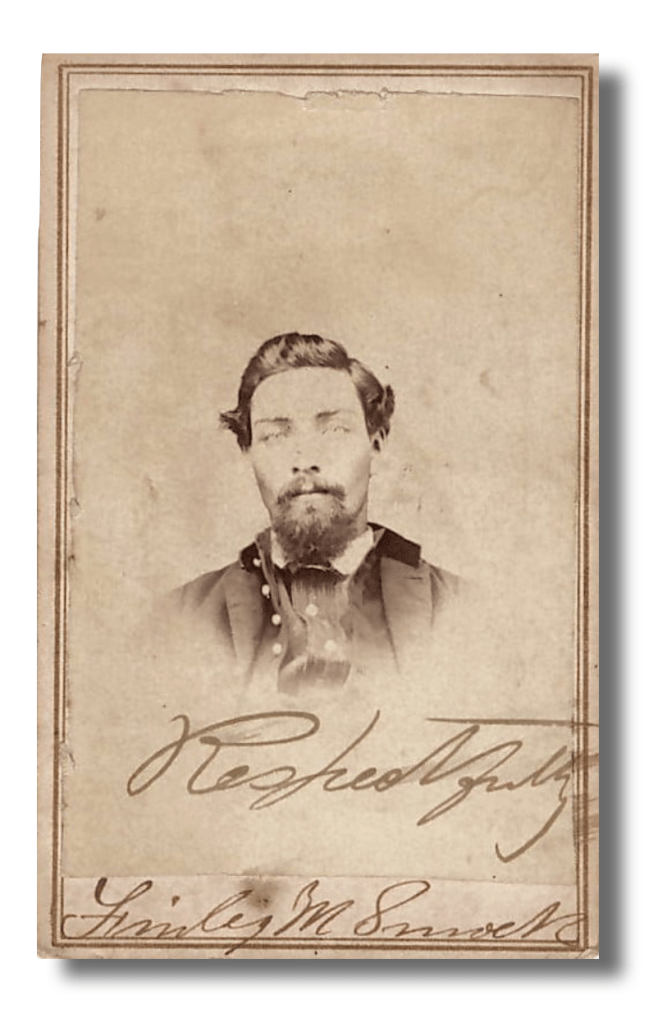


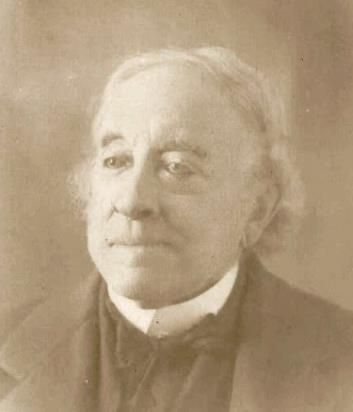
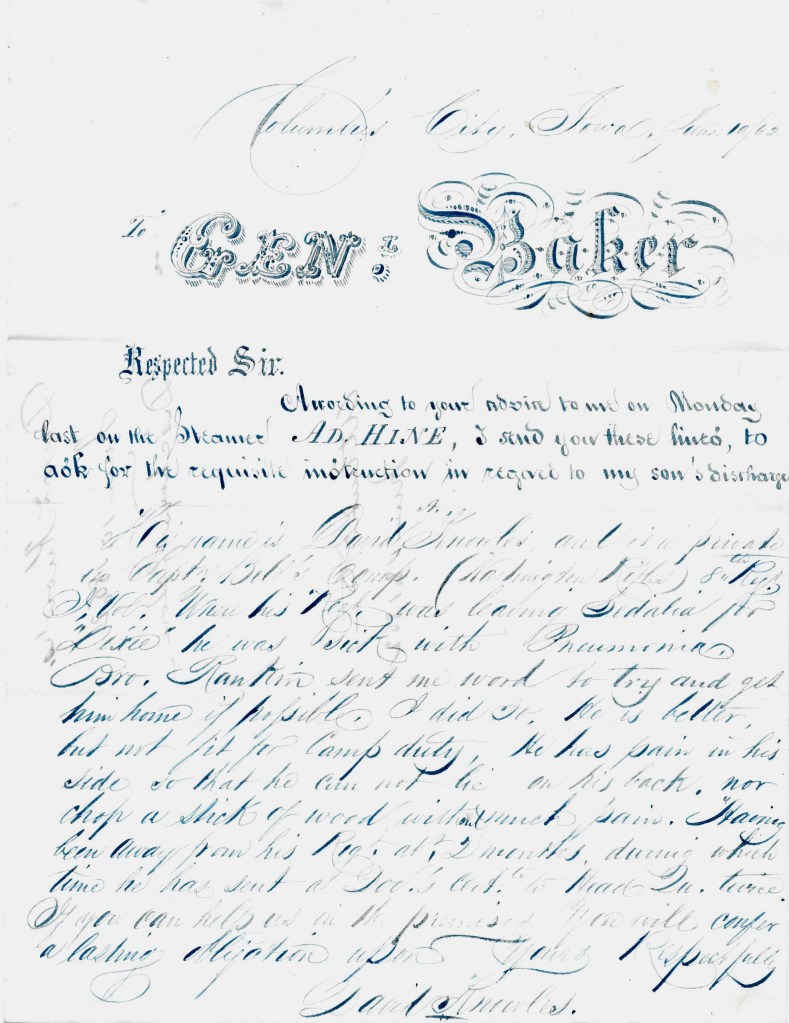


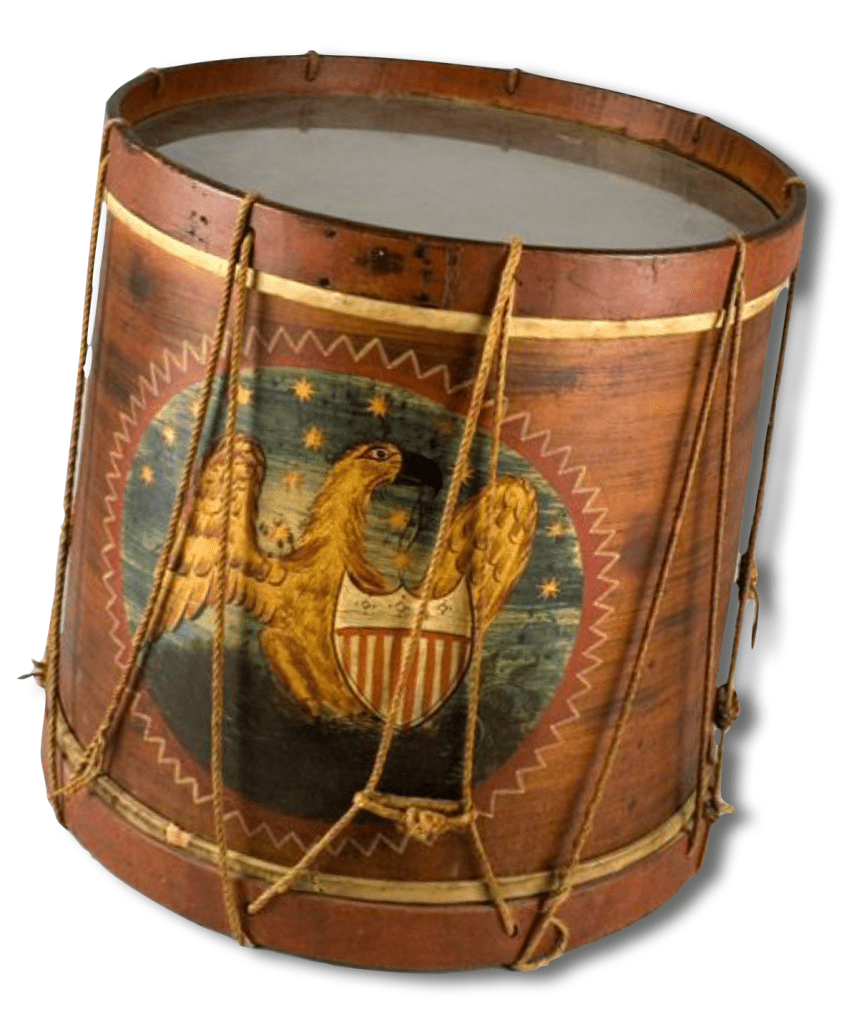


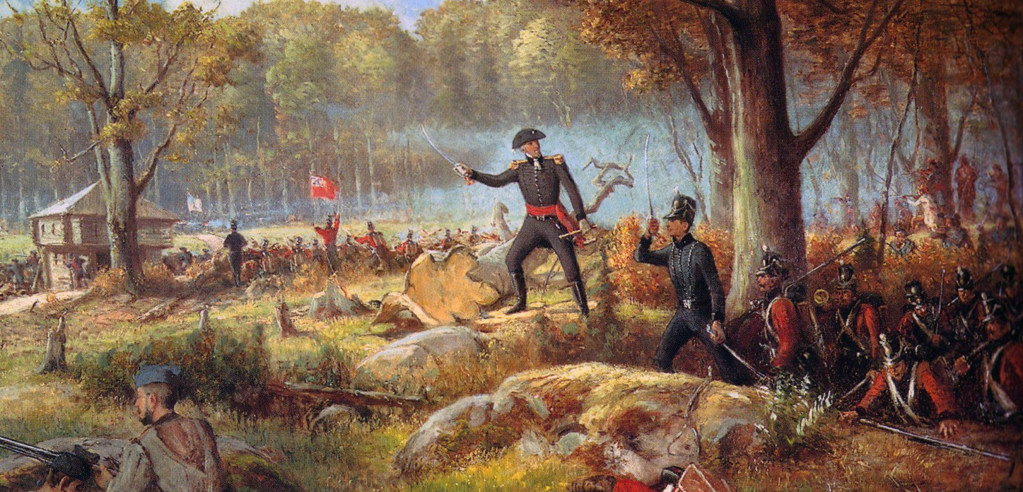


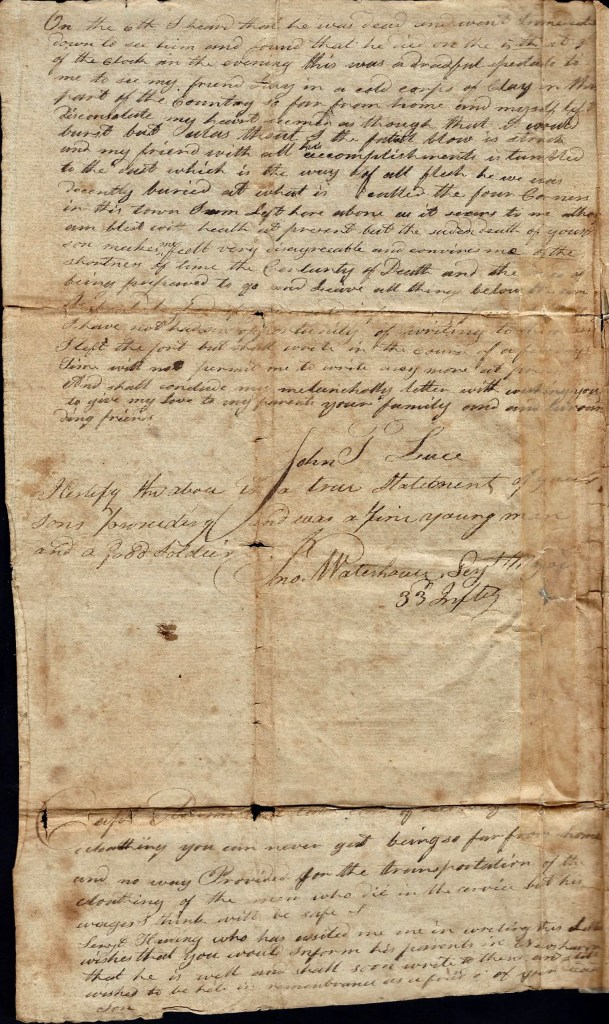


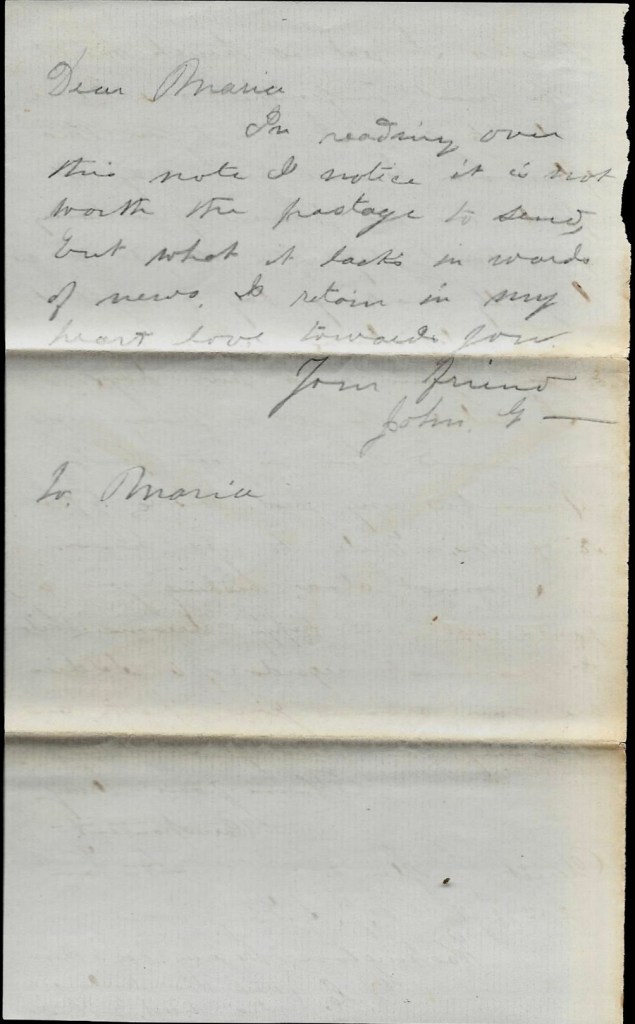
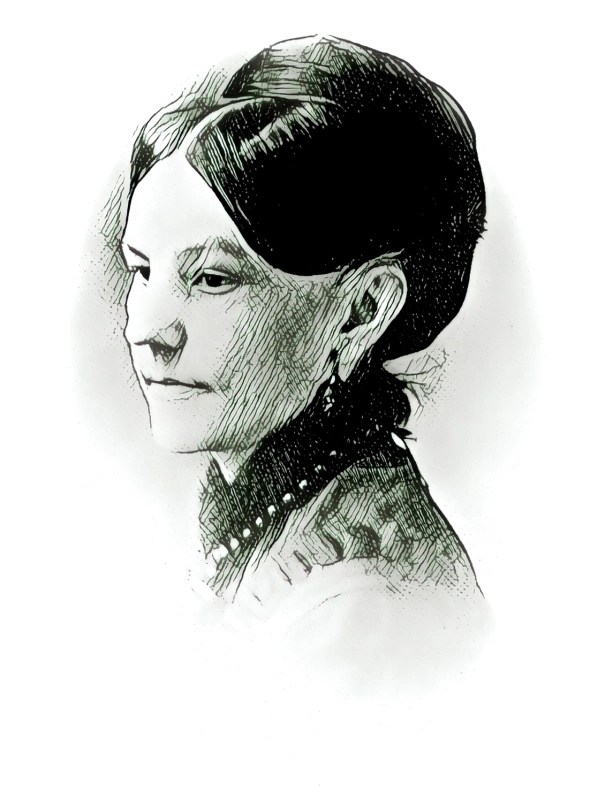
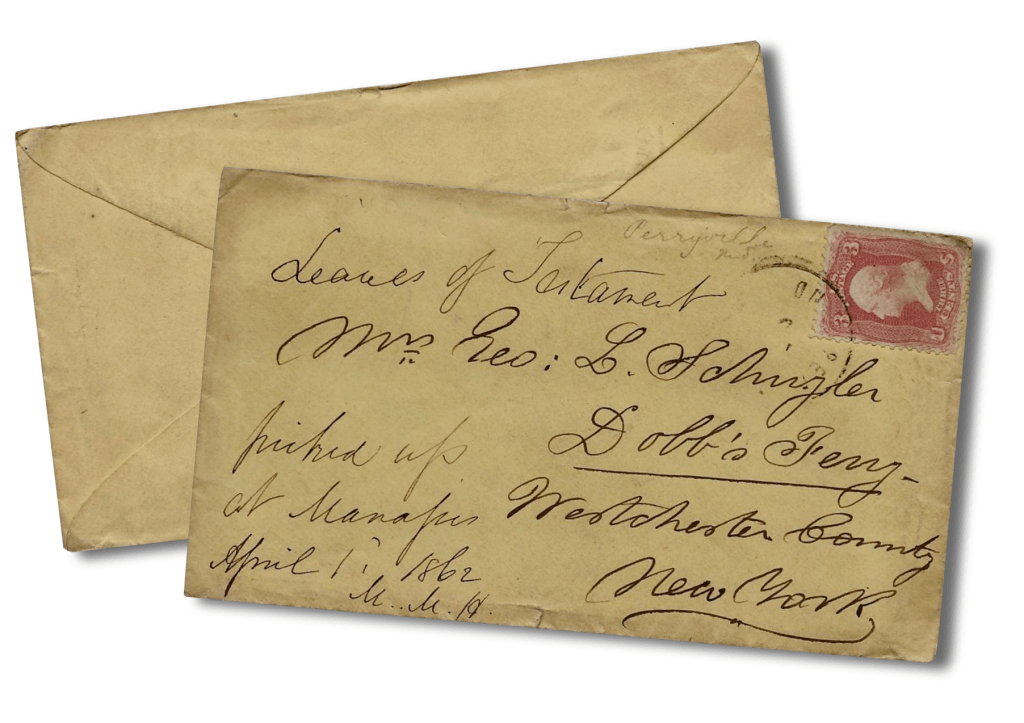
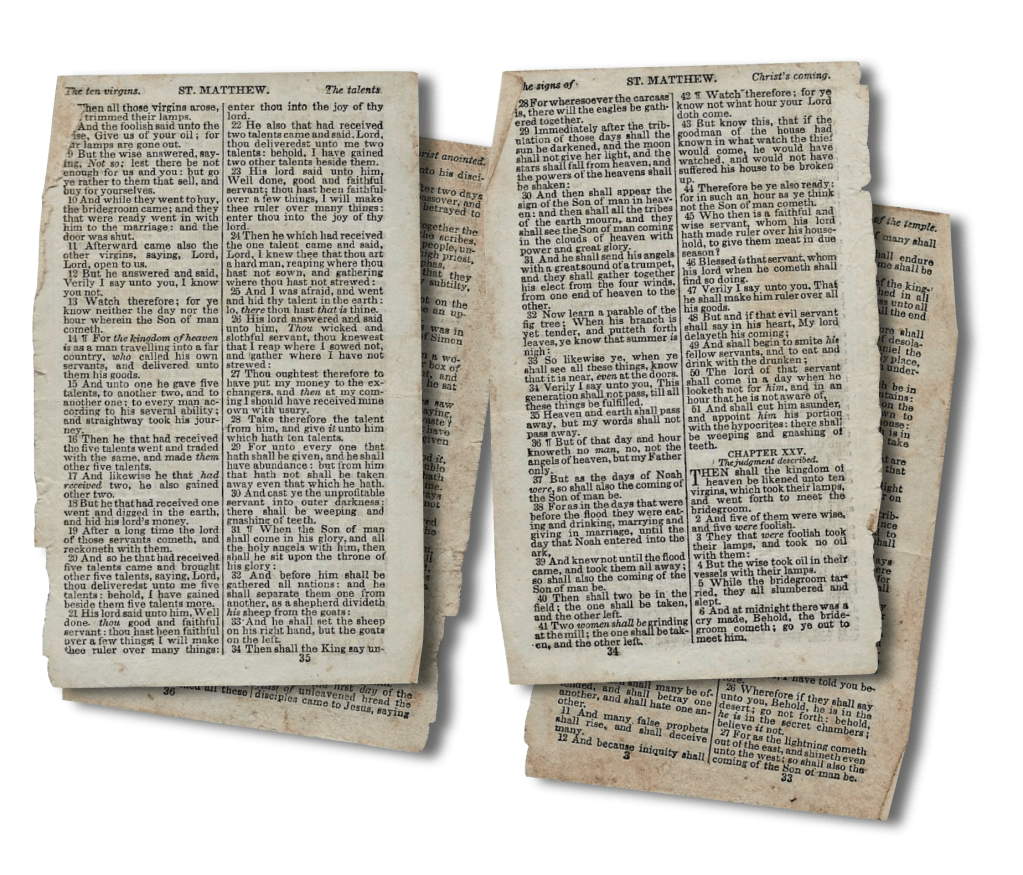

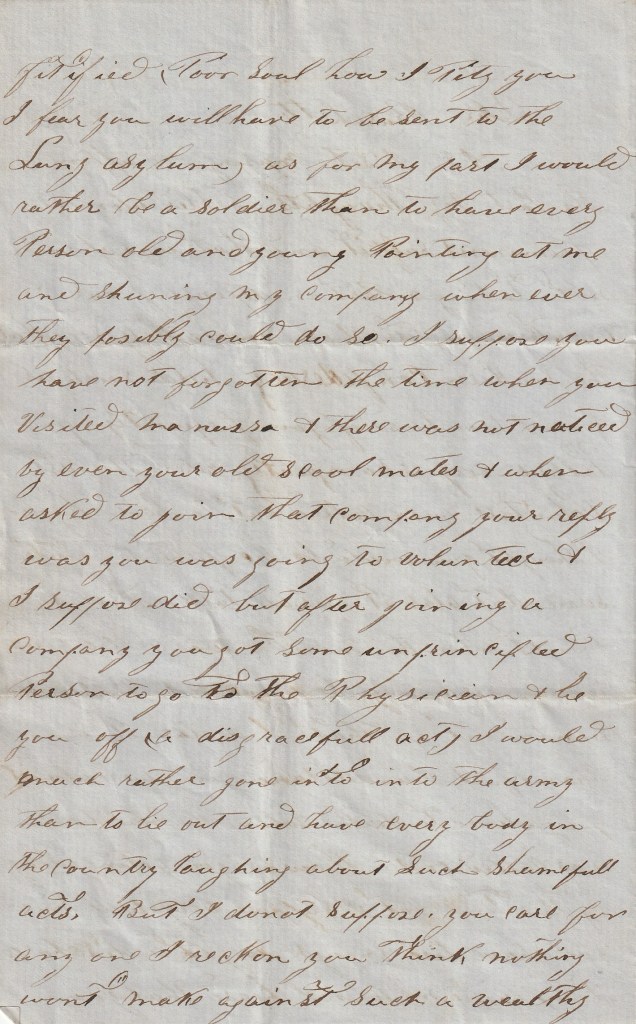


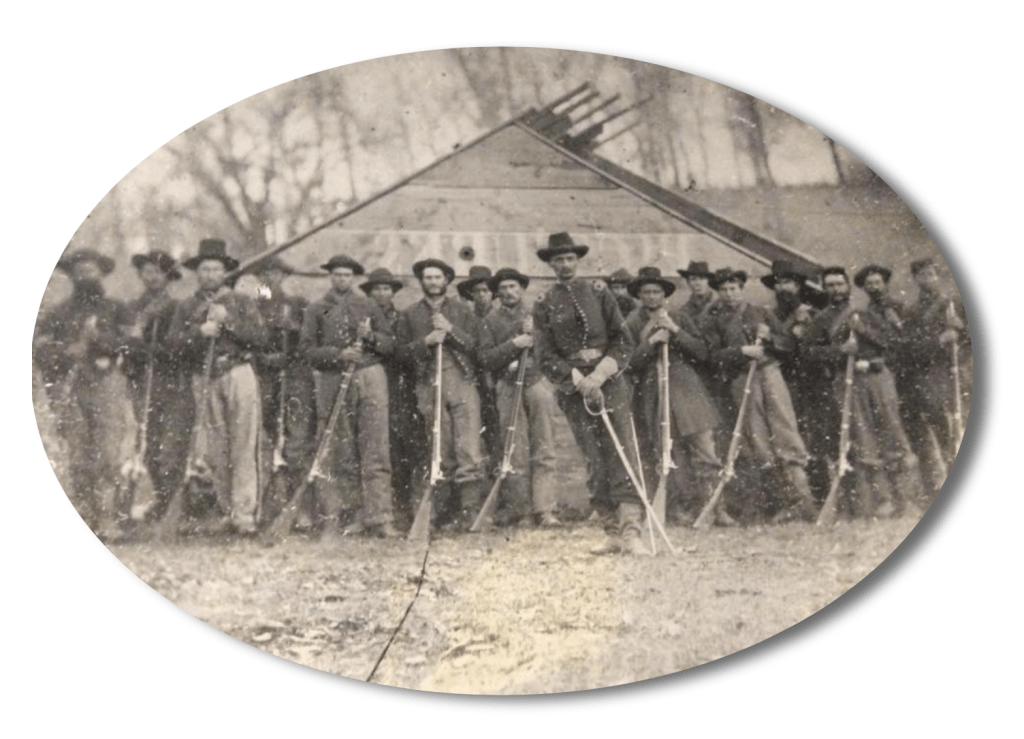
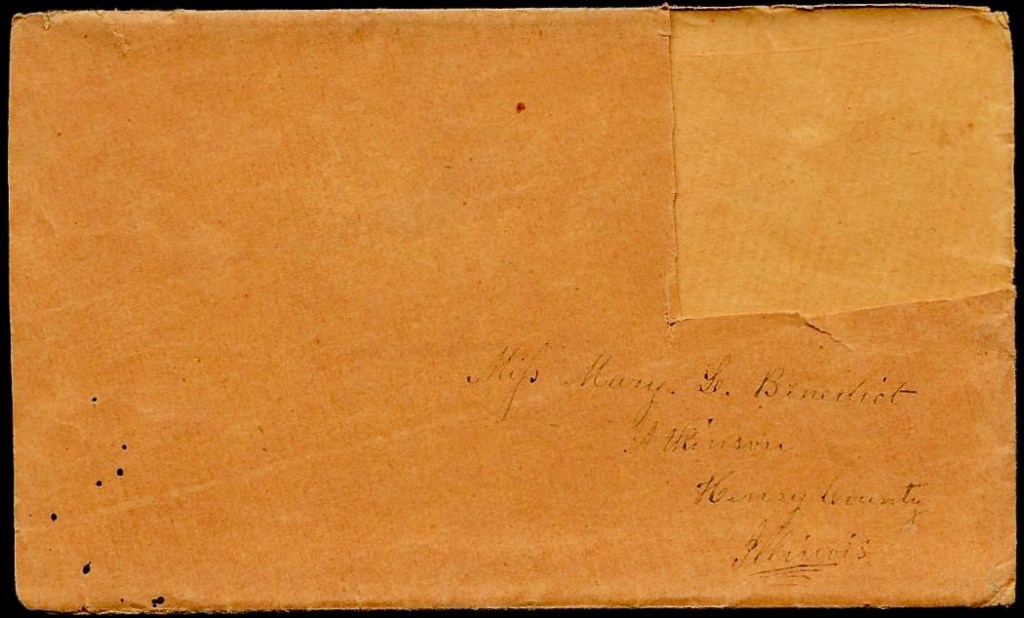
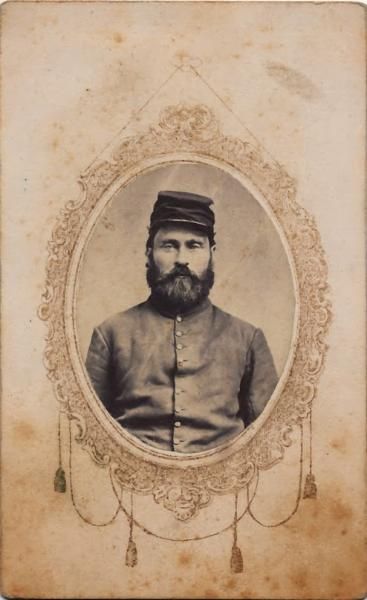


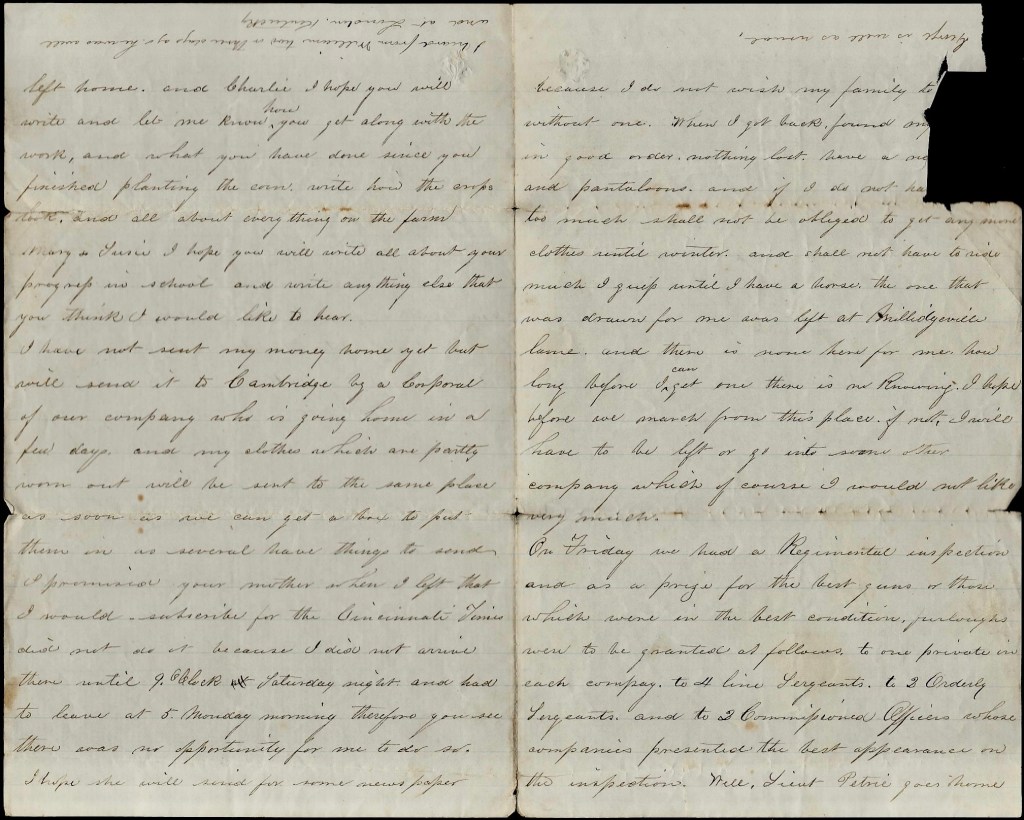
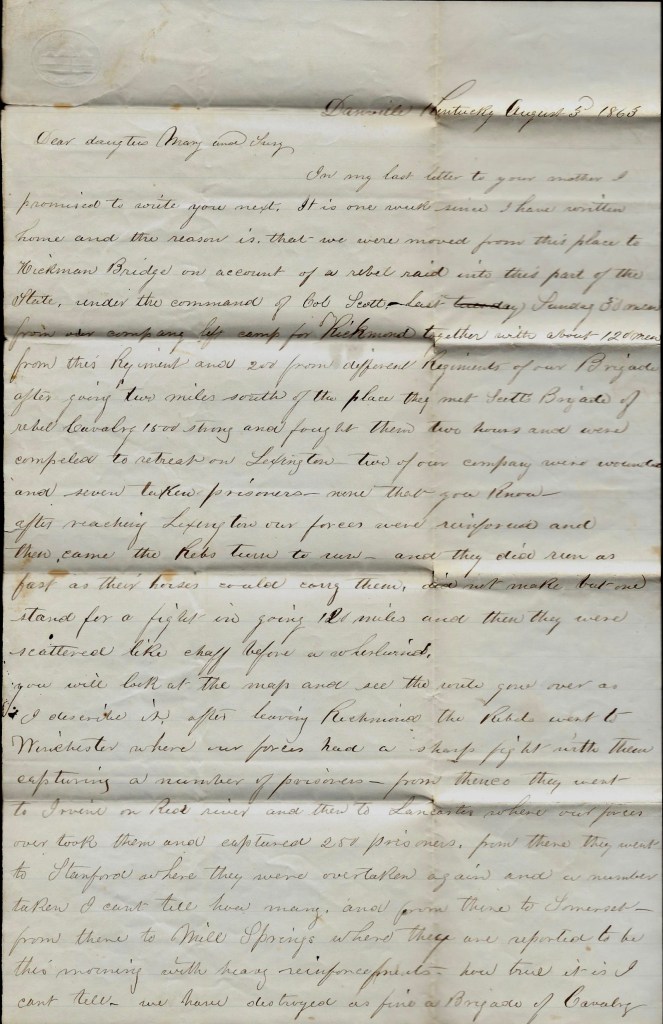


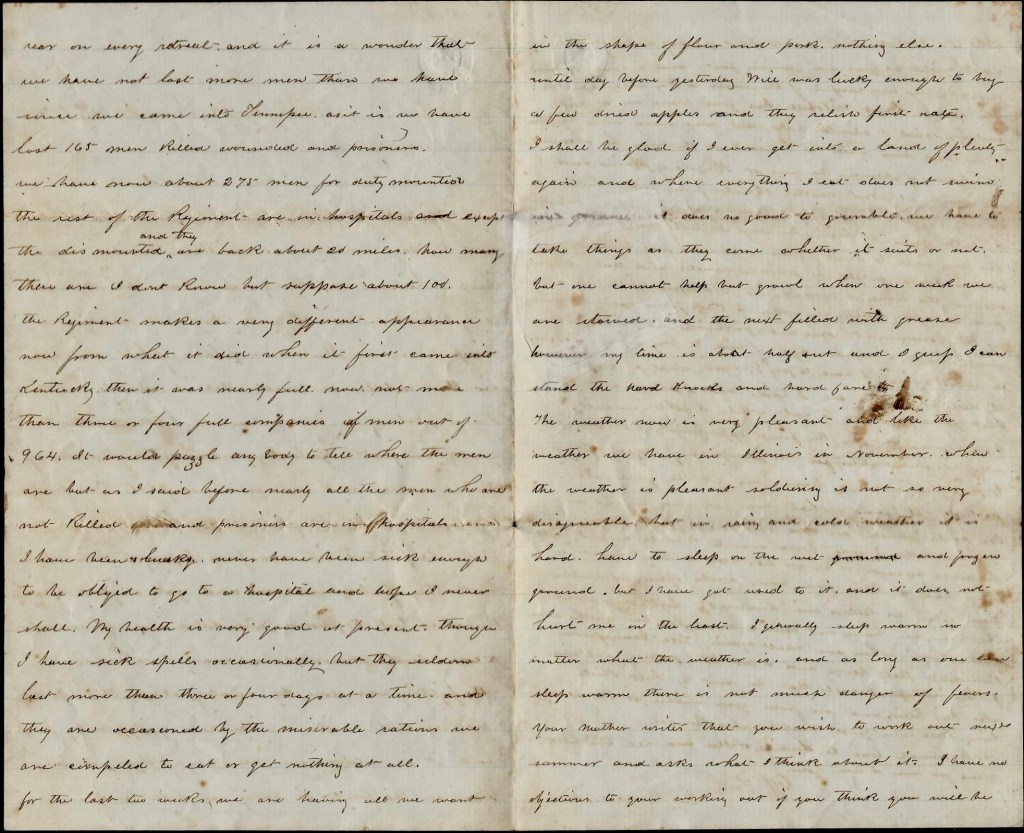






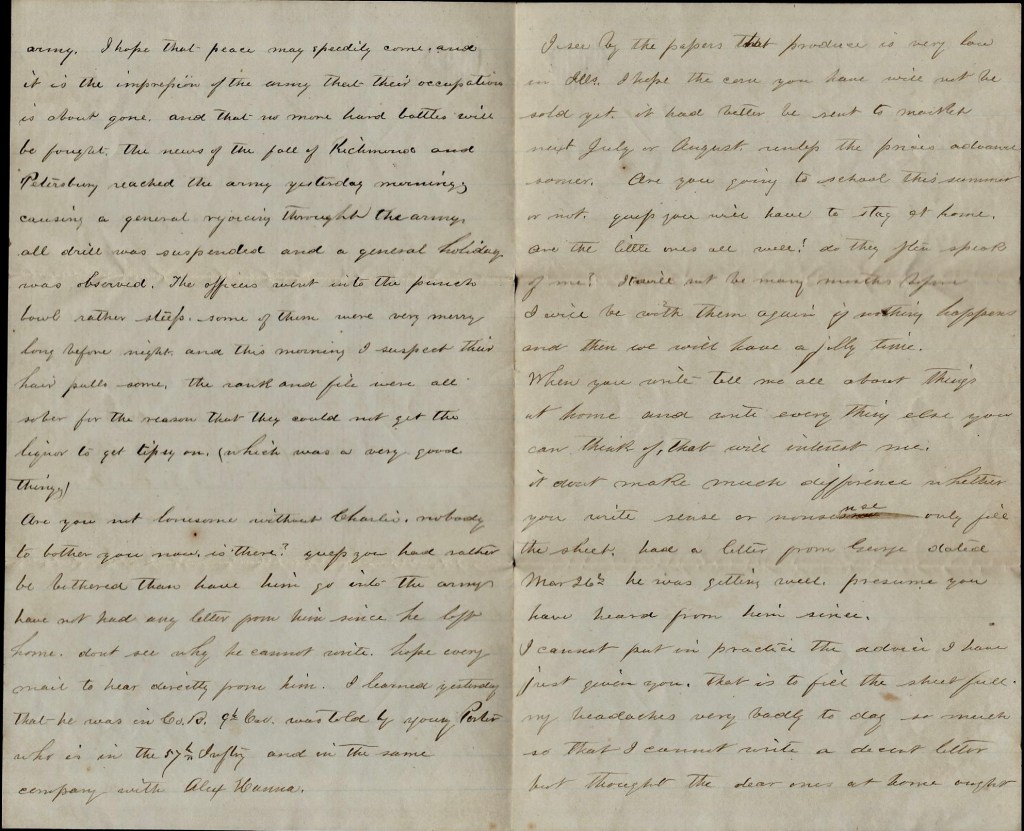
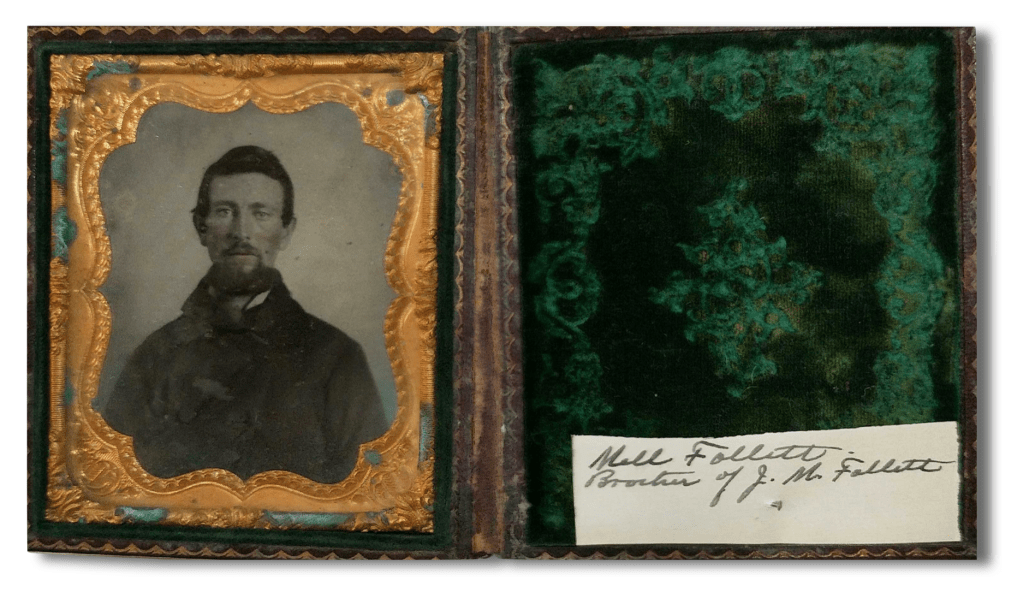


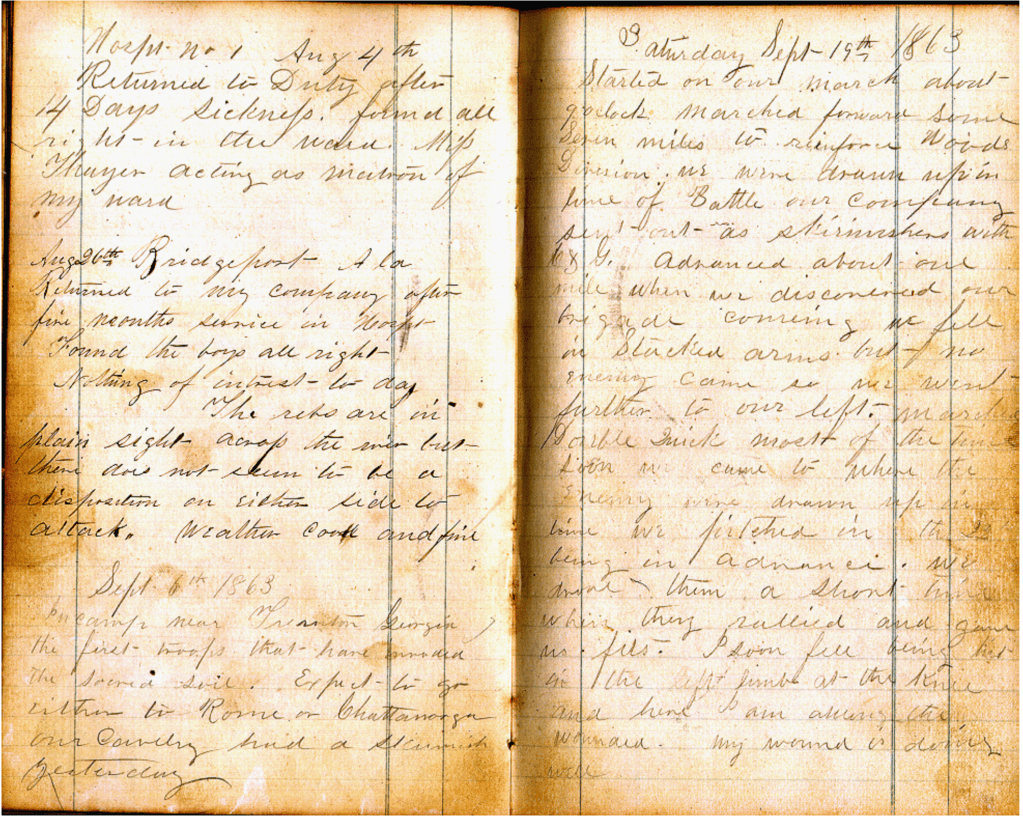


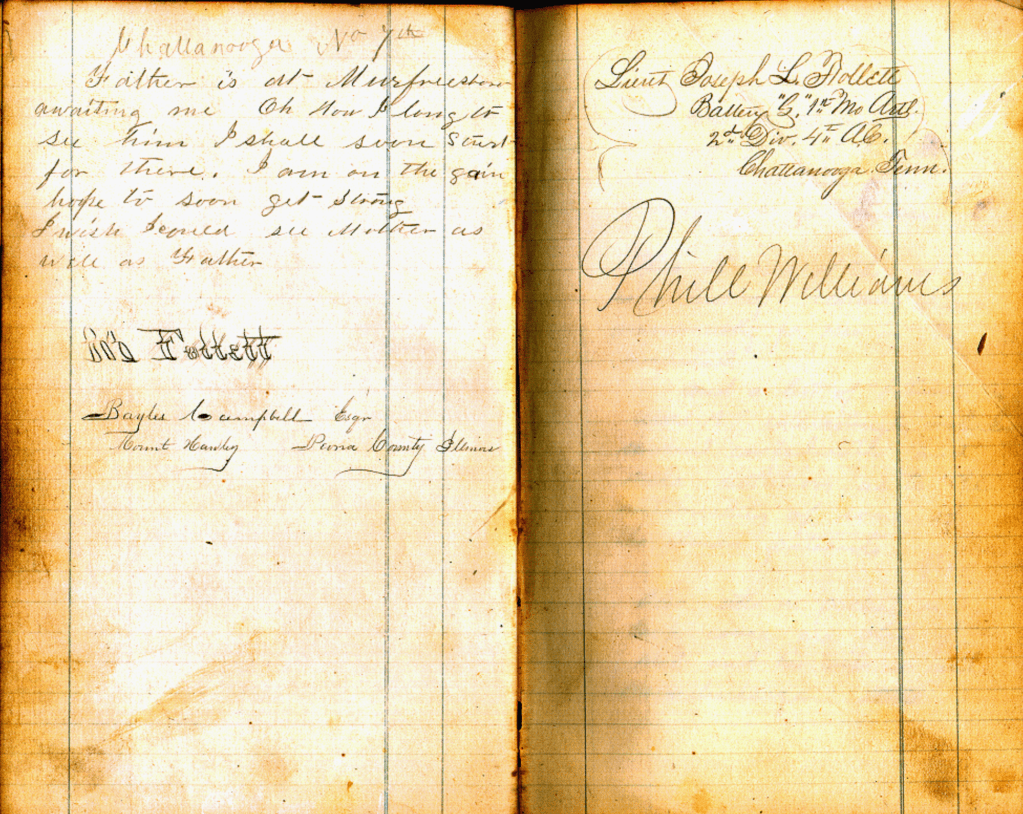
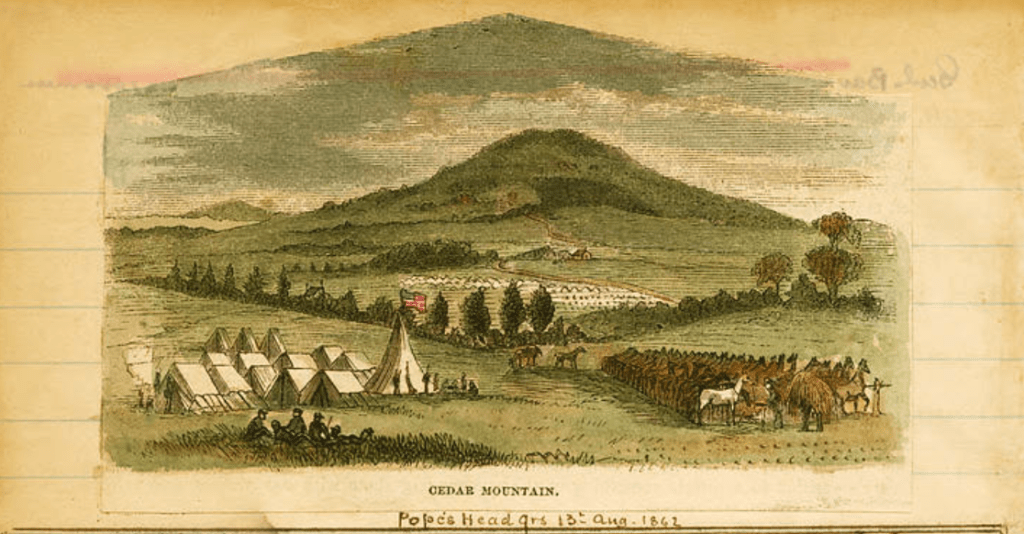

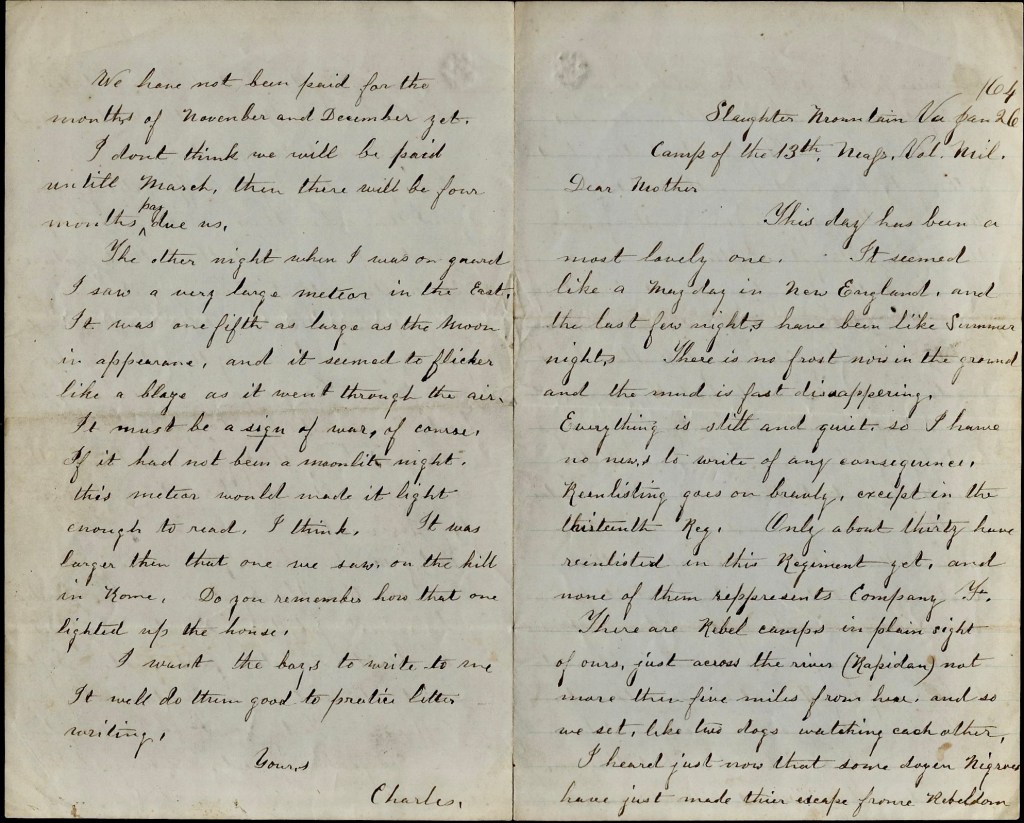
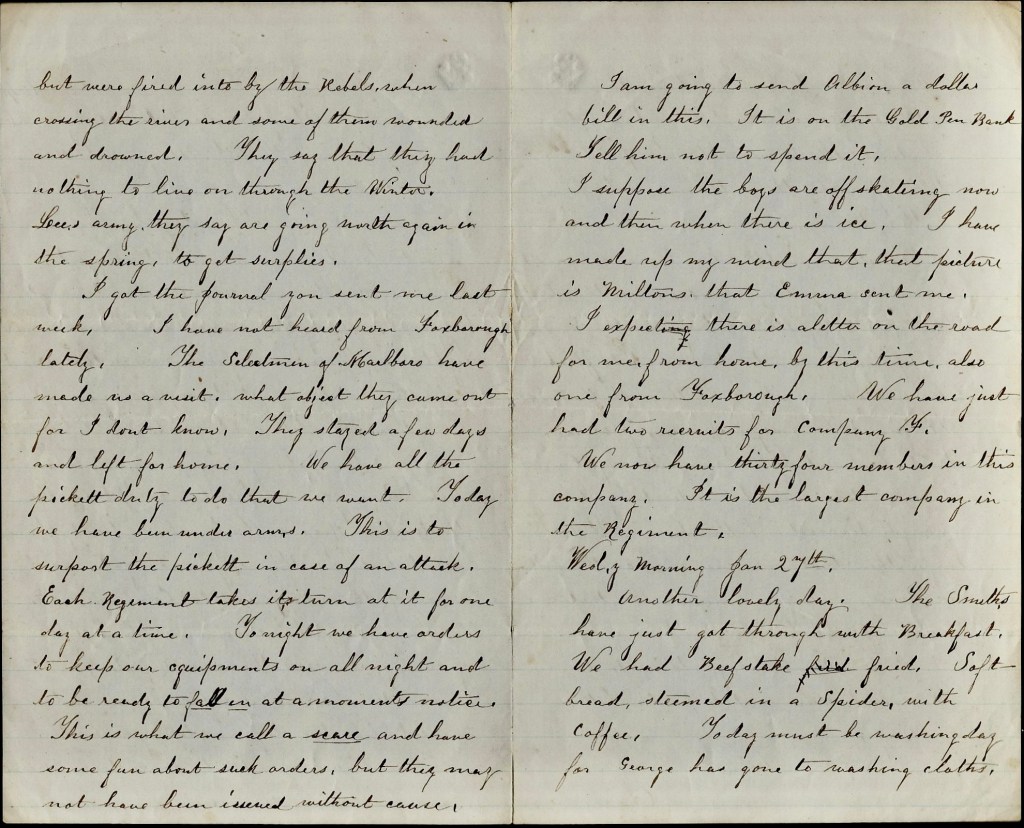
 Spared & Shared 23