1861-62 Diary of Frederick Hammerly, Co. B, 12th Illinois Infantry

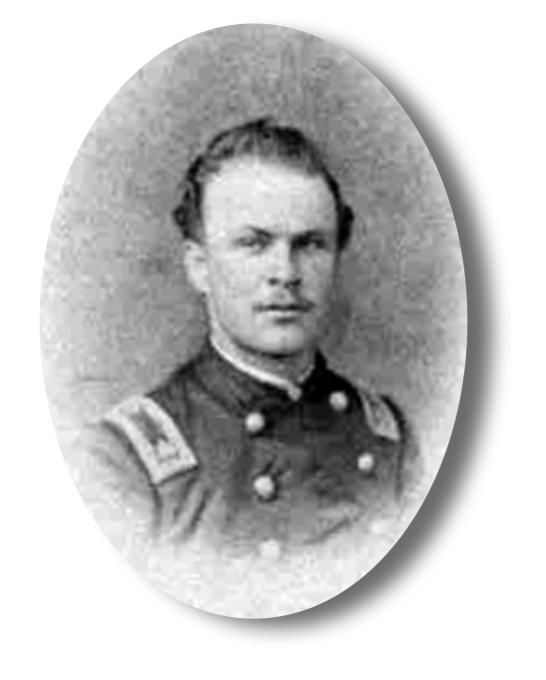
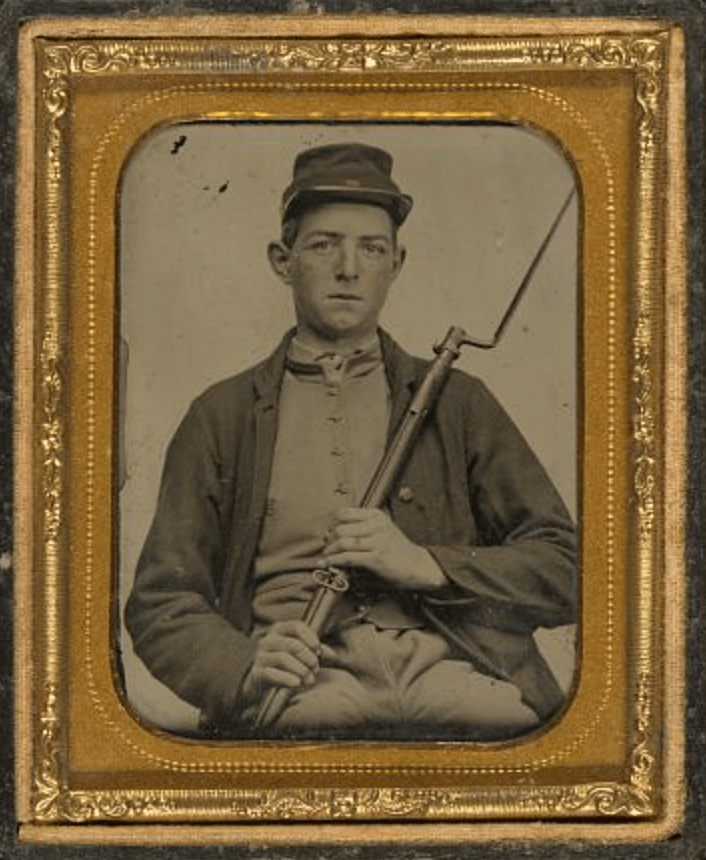
A sixth plate tintype of an unidentified member of the 12th Illinois Infantry, famously known as the 1st Scotch Regiment. He’s wearing the early-war state-issued tunic cut from gray fabric with blue cuff facings, six button front, and the Scotish tam or bonnet widely worn by the regiment. (This image was sold on WorthPoint)

[Insert bio] of J. Frederick Hammerly, born 1834 in Koenigreich, Wirtemberg, Germany. Came to America on 3 October 1852.

Jacob Hammerly. Enlisted 25 August 1861 in Co. B, 12th Illinois Infantry. Drowned 15 September 1861 Residence place give: Amboy, Illinois.

Frederick Hammerly’s pocket diary measures 3 x 5 inches and contains 90 pages of diary entries and an additional ten or more of pages with miscellaneous notes. The diary entries range from August 1861 to 22 April 1862.

This diary is from the private collection of Greg Herr and has been transcribed and published on Spared & Shared by express consent.


Diary of Frederick Hammerly

Enlisted for the United States Army the 26th of August 1861.
Arrived at Bird’s Point (Mo) August 28th.
Camped at Belmont, September 4th.
Came back to Bird’s Point, September 6th.
Landed at Paducah, Ky. September 7, 1861.
Brother Jacob Hammerly drowned the 14th day of September. Was found and buried the 16th of September near the Kentucky shore.

Paducah, October 2nd. We are expecting an attack. The advance guard was attacked last night. One was killed, two wounded, one or two taken prisoners. Later the 9th Illinois Cavalry came in last night from the Cumberland river with about thirty prisoners, 2 mules, 2 horses.

November 1861

Paducah, November 5, 1861. Dress parade. Orders to be ready at any hours warning to march.
November 6th. 1:30 o’clock p.m. Ready to start, destination unknown.
November 7th. Moving towards Columbus. We heard great cannonading.
November 8th. Paducah news come in, Our gunboats silenced two batteries.
November 9th. Heard bad news. several regiments from Bird’s Point and Cairo badly cut up. Were ordered back to Paducah and arrived at two o’clock p.m. One of Co. B badly wounded in the breast through an accidental discharge of a musket and left with R[obert] Hale and [Bradford K.] Harrington in the country.
November 10th. Weather fair.
November 11th. It is cloudy and cold. Hale & Ackertt [Eckert] came back.
November 12th. Weather fair and warm. Harrington taken prisoner.
November 13th. Quite warm.
November 14th. Warm. John Ackert died.
November 15th 1861. Quite fresh this morning but clear and pleasant.
November 16th. Weather fair but air chilly. 41st Regt. went away.
November 17th. Cloudy and cold.
November 18th. 41st came back again.
November 19th. Moderate but windy.
November 20th. Quite warm.
November 21st. Quite warm.
November 22nd. Very stormy. A real time over the three flag presentation from the citizens of Chicago.
November 23. Cold and cloudy. Froze.
November 24. Cold and cloudy.
November 25. More moderate. The 11th Indiana hoisted a flag over a secesh house against the orders of General Smith.
November 26. A little warmer.
November 27. Cold rain.
November 28. Rain and cold. Warmer in the evening. Three companies of our boys from Smith land again are going to stay with us.
November 29th, 1861. Paducah. Very rainy and mingled with snow.
November 30. The ground covered with snow. Froze hard.

December 1861

December 1, 1861. Paducah. Cold and cloudy.
December 2. Very cold and snowing hard.
December 3. Cold and stormy.
December 4. Cloudy but moderate.
December 5. Weather fine.
December 6. Weather excellent. Martin and I went up in town.
December 7. Weather fine. Col. McArthur received [ ].
December 8. Raining in the morning. The remaining day fine.
December 9. Warm
December 10. Warm and fine. Rain in the evening.
December 11. Clear and cold.
December 12. Clear and warmer.
December 13. Warm. Heard cannonading in a southern direction.
December 14. Weather fine.
December 15. Sunday. Weather very fine. Went to meeting to Paducah.
December 16. Warm and dry.
December 17. Weather excellent. Martin went to the hospital.
December 18. Weather fine and warm.
December 19. Weather fine. Receive a letter from Elias Conderman.
December 20. A change in the weather this morning cold and cloudy all day. H. Harrington back again.
December 21. Growing colder. Snow in the evening.
December 22. Sunday. Rain all this a.m. Rain and snow p.m. Martin very sick.
December 23. This morning is very cold, ground frozen hard. Cold all day.
December 24. A little warmer this morning remaining day clear. One of Company A shot in the hand by another while on guard. Martin is better.
[December 25] Christmas. Weather foggy. Rain toward night. One of Co. H shot himself through the hand whilst on picket. Received an Amboy Times from R. M. Birgham
December 26. Weather very wet and disagreeable. Hard rain.
December 27. Clear, but very cold. Frozen hard. Received a letter from brother George H. was detailed to pump water on the coal barges. Went on the island on the steamer Wilson after lumber belonging to the pontoon bridge. We had a general and prize inspection. Fo. F was the best company. Received the 25 dollar prize. Co. B’s officers offered 3 [ ] for the three best guns in their company. The disinterested inspectors were Co. G’s officers and awarded the prizes to A[ndrew] B. Warner, J. B. Vesbitt [?] and J. F. Hammerly. Christmas was the day of inspection.
December 28. Weather fair. Received a paper from christian and letter from cousinWilliam.
December 29. Weather fair. Two letters, one from Christian. Another from John M. Hammerly with two dollars.
December 30. Weather fine. Sent off two letters. One to Christian H. and [ ].
December 31. Weather fine. At one o’clock, company B was ordered to guard the breastworks south of Paducah.

January 1862

New Year’s Day. Spent the forenoon in guarding the breastworks. The Indiana 11th, Iowa 9th, a company of artillery, a few companies of cavalry, came back from their expedition to Mayfield. Weather excellent.
January 2, 1862. Weather fair in the forenoon. Cold in the afternoon. Some rain mixed with snow.
January 3. Weather disagreeable. Very wet and chilly. Thunder toward evening. Sent a letter to St. Louis/
January 4th. Very wet.
January 5th. Very disagreeable. On guard in the stable.
January 6th. Dry and cold. Sent a letter to Earlville.
January 7th, 1862. Pretty sunshine.
January 8th. Rain
January 9th. Wet and muddy. Heavy marching orders at 3 o’clock p.m.
January 10th 1862. Paducah. Foggy and most awful muddy. Instead of marching yesterday 3 o’clock p.m., we started today at 7 o’clock a.m. All the troops of Paducah were on a move except the 40th Illinois and a company of Pioneers. Standing in the streets of Paducah in the mud (one half of a foot deep) waiting for the teams to clear our track but instead of “forward march,” heard the command, “Right, about face,” when we countermarched to our encampments with the order of starting anew at 8 o’clock a.m. the coming day.
January 11th. Weather very unpleasant. Air very damp. We are still under marching orders. Time unknown. These were the orders last night and after the 8 o’clock orders.
Sunday, December 12. On guard. Quite warm last night but is now growing cold (evening). Golly how cold it is.
January 13th. Very cold and stormy. Freezing hard and snowing fast. Orders to march the next morning. Orders countermanded.
January 14th 1862. Freeze hard. Snowing.
January 15th. Left Paducah, destination unknown. Went about 12 miles. Snow one inch deep. Snowing in the afternoon. Co. B stood picket.
January 16th. Froze hard. Got some muddy towards evening. Camped one mile north of Mayfield. Marched 15 miles.
January 17th. Passed the Second Brigade at Mayfield. From Mayfield we took and eastern direction (before we were marching toward the south). Got a little muddy towards evening. Camped in a swamp. Commenced raining right after we camped (and marched through a little town called Farmington).
January 18th. Rained pretty much all last night. I was on picket. We started late in the morning, went about 5 or 6 miles through water and mud knee deep. Camped 5 miles west of Murray.
Sunday, January 19th. Stayed over. Quite warm all day. Washed my feet in a rivulet and changed some of my clothes.
January 20th
. Looked like rain all day and kep a growing colder. Marched through Murray—a small town. Did not see but a few citizens. Marched about ten miles. Weather looked rather unpleasant but had fair marching. The Second Brigade passed us at camp.
January 21. Arrived at William Ferry where we camped and stayed two days. The steamer Wilson and gunboat Lexington brought the news of the defeat of Zollicoffer. Drawed rations for to march back again (cold).
January 23. Started back the same road, got about 2 miles when we took a new road. The sun appeared in full glory for the first time in a long while. Marched about 15 or 16 miles.

January 24. we had a very nice day and excluding the low places, pretty fair marching, although very hard for teams. Went about 22 miles. Marched through Bryantsburg. Had a little rain last night.
January 25th. Weather like spring. Marched about 15 miles. When we arrived at our old home of Paducah again, found the 55th Illinois Regiment encamped here [and] our camp surrounded with water. Camped near the 41st. Company I arrived from Smithland. Two regiments passed by in a big steamer bound for Smithland. Received 3 letters.
Sunday, January 26th. Quite cold and winter-like again. Made a bridge of the old pontoon bridge timber across the slough and moved out things in the old place. Quite cold and cloudy.
January 27th. Considerable rain last night. river keeps rising. I was on fatigue duty.
January 28th. Cloudy but warm. Hard wind. Sent off two letters—one to Ansel Brigham, the other to cousin Lucinda. received pay. 52 dollars for four months.
January 29th. Hard rain last night. River still keeps rising. It snows and rains together. The patrol guard shot one of the Indiana 23rd for running away from them.
January 30th. Cold and wet. Was up in town. Trading going on brisk.
January 31st. Weather the same as yesterday.

February 1862

February 1, 1862. Air damp. Growing warmer.
February 2nd. Rather wet. Afternoon a little sunshine. 6 or 7 gunboats came up last night, among them the St. Louis and S-X. Sent off two [letters], one to John Dykeman, the other to St. Louis.
February 3d. Weather disagreeable. Received marching orders. Sent off another to Herrick.
February 4. Growing warmer. Most awful muddy. We are all ready to march.
February 5. Weather foggy and damp. Waiting for marching. 5 companies have left this evening. Later the balance of the regiment went on board the Minehaha. The 41st [Illinois] were with us.
February 6th. Arrived about 5 miles from Fort Henry this morning at 10 o’clock. General Smith’s forces were landed on the Kentucky side, General Grant on the Tennessee side. Smith’s consisting of the 9th, 12th, 28th, 41st Illinois, 8th Missouri, 11th & 23rd Indiana. Smith’s & Buell’s Batteries, the 2d & 4th Illinois Cavalry. Grant’s [forces] I cannot describe. I think his forces were more than Smith’s. As we came within 3 miles of the fort, we were halted when one cannon was heard. We were at once ordered forward. Pretty soon we heard whole broadsides and for an hour the fire was kept steady. This was about 1 o’clock p.m. We all were eager to see the fight and marched nearly double quick when we were halted again soon after the bombarding stopped. After we had started again, we heard that the enemy had left Fort Henry and the encampment on the opposite side. It was night when we arrived in the enemy’s encampment. Found many of their tents and other things but the 11th Indiana were guarding everything and did not allow spectators. Camp Heiman.
February 7th. This morning I went all over the enemy’s quarters to see their breastworks and in tents, fort, their barracks, and headquarters. It is evident that they intended to stay here. Their fort is called Fort Heiman.
February 8th. We are here yet. It is cold and wet. We are getting our things over from the steamer but with much difficulty on account the river being so high and the low places overflowed with water. It seems we may stay here awhile. The Minehaha has brought up our things.
Sunday, February 9th. It looks like spring this morning but is rather fresh. Co. B went on picket. Rations very short.
February 10th. We are on picket yet. Te sun shines pretty fair but is cold. We have nice fires. We are gathering up everything for to make a meal. One of the 9th was killed by a tree falling on him.
February 11th. Had a little rain last night mixed with snow. Have plenty of rations. The clouds have disappeared and the sun shines fine. We are intending to leave this place tomorrow at 8 o’clock a.m. Have our rations ready for 3 days.
February 12th. Left Camp Heiman this morning, landed at Fort Henry, marched through it, saw the busted cannon and five graves, marched through a large piece of pine. The country is quite hilly and stony. Camped in a valley in the woods. had first rate roads to march and the sun shone warm.
February 13th. We were roused last night to fill our canteens, left our camp at one o’clock, and marched about two or three miles by moonshine. The cannons are playing towards Fort Donelson at intervals. They are throwing shells in some of our camps. There is ever so may troops with us, Yesterday our cavalry had a skirmish with the secesh scouts and several killed on both sides. Saw two cavalry horses laying in the woods—the killed and the other wounded. 10 o’clock, now the cannon are playing on both sides and the infantry dropping in their fire. What a horrid noise. 6 o’clock p.m., pretty hard fighting has been done today. The number of killed and wounded uncertain. Our brigade has done nothing yet but had several shells thrown at us. Two bursted some distance above our heads.
February 14th. Commenced raining last night after sundown but later in the night turned into a snow storm. I went on fatigue all night throwing up entrenchments for our artillery. Had a hard time of it. Not much fighting this forenoon [but in] p.m. cannonading and musketry is now heard again. 5 o’clock were ordered to the right wing. Was quite dark when we camped. Snow over one inch deep.

February 15th. This is the day I long shall remember. This morning at day break, a high discharge of musketry was heard. For a moment it ceased. When it again was heard, it was heavier and still heavier it growed as we formed in line. It was a steady crackling when we marched as reserve back of the Illinois 9th and 41st. As the 41st gave way, we—or a part of our regiment—had to take their places. Companies A and B were thrown out as skirmishers to the extreme right to receive the fire and to test the strength of the enemy. We soon found the enemy as thick as Juniper berries concealed in the bushes, and in the act to growl upon us. We then opened the fire on them but soon their fire proved to be too heavy for us (for as we now hear, there were two regiments concealed there) and a retreat was ordered by Capt. Fisher of Co. A. A little before, our captain [Hale] said, “Boys, let us show the cowards that we are 9 months in service.” A few seconds after, he fell motionless to the ground. Seven more of Co. B followed him, I could hear Capt. Fisher’s command and consequently retreated with them. The next on my left was shot in the leg (since amputated), the second was shot in the arm, the third was killed. The three next to my right escaped as I—unhurt. These are the names of our company killed and wounded. Killed, Sergeant [Joseph] Lee (Mendota), Corporal [Charles] Irving (Penn.), [William] Atwood (Mendota), [Henry] Doyle (Decatur), [William H.] Cumpston (Iowa), [William] Culver (west of Amboy), [John] Willsey (Troy Grove), Captain [I. Tyler] Hale (from Troy Grove). Wounded, [Allen] Buffington, [William] Banks, Draig [?], Hale, R. [Philander] Dowd, H[enry] Harrington, Corp. [Brad] Harrington, Corp.[Miletus] Blodgett, Mortimore Messinger, [Stephen] Spencer, [George D.] Stinebough, [Henry A.] Stephens, [Charles L.] Dewey, Corp. [Daniel] Wilbur, [John] Cochran, West, [Henry] Mills, [Daniel W.] Moffitt, S[idney B.] Pease.
Sunday morning, February 16th 1862. Before daylight this morning we left our place, moved a little to the right, built some fires, and got our breakfast. One hour later the troops are again getting around the enemy’s entrenchments. The hour of surrendering the fort soon will be over and if not surrendered, will be stormed. They have surrendered. Great enthusiasm among the Union troops. 9 o’clock, we are now marching towards the fort. An immense number of Union troops are here. There seems to be no end to them. The number of prisoners are twelve thousand. The gunboats and steamers loaded with troops passed by in order to overtake the runaways. General Buckner is here among the prisoners. Floyd and Pillow escaped. Floyd is said to be shot by one of his captains whilst going on board the boat. Martin went home on furlough.

The Surrender of Fort Donelson on 16 February 1862

February 17th. It is cold and wet and awful muddy. Helped bury our dead. Sergeant [Joseph] Lee, Corporal [Charles] Irving, and [Henry] Doyle are buried in separate graves. [William] Culver and [William] Atwood are in one, and [John] Willsey, and [William] Cumpston in another. I went all over the battlefield and oh! what a horrid sight. Full of dead. Bodies laying around. A few rods above Dover there is hardly anything visible but riddled timber, broken down carriages, and dead horses and mules.
February 18th. Rained most all last night. Wet and cold all day.
February 19th. Weather disagreeable. Went on fatigue. Received marching orders. Many citizens arrived here from Evansville.

February 20th 1862. Fort Donelson. Had company inspection this morning. Coffee and pancakes for our breakfast. Some citizens from Springfield had been here this morning. They went to see the battlefield.
February 21. Wet and rainy.
February 22. Rained nearly all last night. Left Fort Donelson, went on board the Memphis, passed John Bell’s cannon manufactory about 6 miles south of Donelson which has been destroyed by our gunboats. Arrived at Clarksville at 10 o’clock in the night. Stayed on board the boat until morning.
Sunday, February 23rd. Marched to the fort. It is now quite warm. Can do without fires and overcoats. The town lies on a side hill, has very nice buildings, and had one day 10 thousand inhabitants. We found the 7th Illinois here. The 9th Illinois arrived this morning. The town of Providence lies one mile north of Clarksville. Fort Sevier lies between the two towns.
February 24th. It was quite windy last night but pleasant through the day. Troops kept passing here on the river all day and last night.
February 25th. Chilly it was last night but now overcoats are sparable. A letter from [ ].
February 26. Weather fair. Quite cold towards night. Hard wind. Was on guard. Sent a letter to R. M. B. Received marching orders.
February 27th. Fresh but clear weather. 11 o’clock a.m. went on board the Woodford. arrived at Nashville, Tenn., at night.
February 28, 1852. Weather quite fair. Were mustered for pay this morning on board the boat. Happened to meet Mayor Stevens from Amboy [Illinois]. Had quite a chat with him. Two bridges over this river are destroyed by the secesh. Was up in town after bread Found it to be as nice a town as ever I saw one before. Several regiments are stationed here. I hear we are going back again.

March 1862

March 1, 1862. It is chilly and cloudy this morning. we are on board the Woodford yet. The 9th Illinois is on her too. 9 o’clock a.m. We are now pushing out. Arrived at Clarksville 2 p.m. Damaged our boat going through the bridge.
Sunday, March 2. Raining pretty much all day. Received a letter from Ch. Hammerly.
March 3d. Cold it is today. It snows at intervals. Had election. Stevenson is elected Captain, Towner First [Lt.] and Orderly, Cook 2nd Lieut. Sent away three letters—one to Rolla, one to Amboy, and one to Christian Hammerly. Received an old letter from George H.
March 4th 1862. Froze hard. Went to town. It seems to be clearing off.
March 5th. Froze hard. This morning sky clear but cold.
March 6th. We had as stormy a day and as cold a day as I have seen in Dixie. At 12 a.m. received marching orders. Went on board the Commercial and stayed all night. Had a poor sleep on account of the room and my cold.
March 7th. Left the Commercial and went on the Sir Wm. Wallace. Went up to levee at Clarksville, loaded on some artillery and provisions. Afternoon pushed out and now we are going down the river. 5 o’clock arrived at Fort Donelson. It is getting warmer. Almost night when we left Donelson. Arrived at Smithland midnight. Laid over until daybreak. Arrived at Paducah.
March 8th. 7:30 a.m. got shaven and my hair cut. Then sent away a few lines to Martin. Left about 10 o’clock p.m. Stopped for coal when we pushed out on the Tennessee River and with many other boats arrived at Fort Henry at mid or a little after midnight. Weather had been quite fair all day.
Sunday, March 9th. It is again clouding up and growing cold. Left Fort Henry at 8 o’clock a.m. Arrived at camp 4 miles above Fort Henry. I counted 26-27 boats around here all loaded with troops. Probably others are out of sight but not far from here. After the rumors. The gunboats are said to be above. Received two mails whilst we halted. Got one from Rosa (Franklin Grove). 4 o’clock saw the boys of the 46th on board the Aurora. went only about 3 miles today.
March 10th. It rained nearly all last night. Went about 1 mile when we laid over all night. This morning it is raining yet. We are again pushing out. Now we are going faster. We have not halted but once. A little above Dover Dale, we stopped again where we took in wood. Had to pass over a burned secesh boat. A crazy man jumped over board. He said he belonged to the 13th Missouri.
These are the names of steamers on our expedition:
(1) Aurora (2) Boston (3) Continental (4) Commercial (5) Diamong (6) Empress (7) Emerald (8) E. H. Fairchild (9) Eugene (10) Edward Walsh (11) Fanny Bullit (12) Glendale (13) Gladiator (14) Goody Friends (15) Hannibal (16) Hazel Dell (17) Horizon (18) Hastings (19) Hiawatha (20) Iatan (21) J. B. Ford (22) John Rain (23) John J. Roe (24) J. W. Cheesman (5) John Warner (26) Lady Pike (27) Leonora (28) Lancaster (29) Minnehaha (30) Memphis (31) Maringo (32) Masonic Jim (33) New Uncle Sam (34) New Gold State (35) Ohio No. 1 (36) Ohio No. 2 (37) Ohio No. 3 (38) Poland (39) Prairie Rose (40) Rocket (41) Rose Hambleton (42) Sir Wm. Wallace (43) Silver Moon (44) Saline (45) South Wester (46) Shenengo (47) Sally Gest (48) Sunny South (49) Shingiss (50) Saint Louis (51) Tigress (52) T. S. McGill (53) Universe (54) White Cloud (55) Argyle (56) Alick Scott (57) B. J. Adams (58) Baltic (59) Chortean (60) Clara Poe (61) Chancellor (62) Champion No. 3 (63) Champion No. 4 (64) Crescent City (65) Conewago (66) City of Memphis (67) D. A. January (68) Dunleith (69) Telegraph No. 3 (70) Anglo Saxon (71) Bostona No. 2 (72) Allen Collier (73) Iowa (74) Madison (75) Meteor (76) Bay City (77) Queen of the West (78) War Eagle (79) Florence (80) Fort Wayne (81) J. [ ] Bell (82) War Eagle (83) Lancaster No. 3 (84) Planet (84) D. G. Taylor (85) Tecumseh (86) Sunshine (87) City of Madison (88) N. W. Thomas. The gunboats Tyler and Lexington. Many others went by of which I could not get their names.
Savannah, March11, 1862. Weather fine all day. Arrived here at 5 o’clock p.m. Found two gunboats and a number of steamers landed here. Steamers are arriving here constantly.
March 12th. Quite warm today. Had a review of arms 2 p.m. Marched through the town of Savannah with martial music. Afternoon C Company and I went out to the fairgrounds. Stopped to get some water in house. They wanted us to take supper with them. We consented!!! of course.
March 13th. Rain most all night. Considerable rain in the morning. Afternoon clear and nice and warm.
Savannah, Tennessee. March 14th. It is quite warm this morning. Took a promenade along through town. After noon, our boat pushed out and landed a few rods above where they unloaded a few pieces of artillery. I went to see the 46th [Illinois] boys on the Aurora when I was left but found our boat again on the same old place. Commenced raining about 4 o’clock p.m. Rained nearly all night and has not got over it yet. This evening the 15th, received two letters from Penn. One from Ch. The other from J. M. H.
March 15th. Sent up a letter to J. M. Hammerly.
March 16th Sunday. Wet cloudy and cold. Sent away a letter to Ed Bridgman.
March 17th 1862, Monday morning. We are on board the Sir Wm. Wallace yet and landed at Savannah, Tennessee ever since the 11th inst. We went on board of her at Clarksville the 7th inst. It is quite warm today. Had company drill and dress parade up on the hill opposite the landing place.
March 17. Left Savannah about noon. Came up about 8 miles and landed [at Pittsburg Landing] where they had a fight the 1st of March. Graves are found scattered around our camp. Weather fine and warm also.
March 18th. We landed our boats at the Pittsburg Landing on the Tennessee River.
March 19th. I went through the different camps and regiments. Found quite a number of graves of the Union army, part of them killed in a skirmish the 1st of March. Others died by disease. Also numbers of secesh army are buried here.
March 20th. Weather fair. Evening growing colder.
March 21st. Received marching orders. Quite cold.
March 22. I was quite unwell all day. I think of account of eating warm bread baked in a hurry and in an army oven.
March 23rd. Sunday. Left our camp and went into the woods 1.5 miles. Got a nice camping place. It’s getting warmer.
March 24th. Weather quite fair, only a little cloudy. Received a letter from R. M. B. and Martin. Clink arrived.
March 25. Weather fair.
March 26. Quite warm today. Went over to see the 46th & 15th Illinois volunteers.
March 27th. Weather fair. A. Warner arrived. Sent a letter to Indianapolis to Hirge.
March 28th. Pittsburgh. Weather fine. Three more of our company arrived here. Then all three were wounded.
March 29th. Weather fine. Sent a letter to Martin.
Sunday March 30, Weather fine.
Monday March 31. Rain in the morning. Sunshine in the afternoon. Had a general inspection.

April 1862

Tuesday, April 1, 1862. Weather very fine. Companies A & F with some of the 9th [Illinois] went up the river. Three gunboats and several other steamers loaded with troops went ahead of them. Co.’s A & F and the 9th came back in the evening. They had foraged lumber.
Wednesday, April 2d. We had quite a shower last night but cleared off in the forenoon.
April 3d. Weather fair. Received a letter from Alfred and one from Ed Bridger.
Friday, April 4. Rain last night. A severe hard showers through the day. Went up to a part of our Company. C, D, K up the river after lumber. Got back after dark when we hear the news that Beauregard had with a portion of his force driven in our advance. Sent a letter to C. Alfred Hammerly.
Saturday, April 5th. Some rainfall last night. It is quite cool this morning but clear. Weather fine the remaining day.
Sunday, April 6th. Early this morning we heard some cannonading. Soon after the long roll was heard in some of our camps. About 8 o’clock it was all over heard and soon we had the word to fall in. About that time, musketry and cannon fire was heard over a great portion of our line. Marching toward the fire, it grew heavier and soon it was a continual roar from our right to left. After we halted at several places, we got orders to take the extreme left. We watched for the enemy when we soon found him, firing a few rounds on us. We had a hard struggle with, got him on a retreat, but soon come on to us again with reinforcements when we lost quite a number killed and wounded. Firing was kept up until night. Towards evening light and heavy artillery played alone and such a noise I never expected to hear. Through the night the gunboats throwed shells to the enemy’s line every half hour. I was on guard. It commenced raining very hard at midnight. After the rain, the wounded in the field and in the hospitals around us kept up a continual shriek and groan until morning. Buell began landing his troops at 4 o’clock p.m.
Monday, [April] 7th. Daybreak. The firing is heard again and close by. Yesterday the enemy gained two-thirds of our camping ground, but Buell’s coming is so fast with his reinforcements encouraged our men and we kept on driving the enemy slowly until 4 o’clock p.m. when they started to run. It was as desperate a day as Sunday and any were the killed and wounded. Night rain again.
Tuesday, 8th of April. Our officers gathered up all the men in the regiment and ordered us to fall in. We marched out about two miles over the battlefield, laid around there till late in the afternoon when almost night our teams brought the two days rations. But before we had a chance to get them, new orders arrived to march us back to our camp which were immediately obeyed.
Wednesday, April 9th. Rained again last night and is now growing cold. Several of us went as far over the battlefield as we could, found an immense number dead—men, horses, mules laying over the field. Our men had two graves filled with death in a place where the hardest fight was Monday. In one of them were 147 Confederates. In the other 38 Union men. It is evident that we killed more of them than tey did of us although they wounded perhaps a greater number of us than we did of theirs.
Thursday, April 10th. Weather quite cool. Went on guard again. Was quite cold through the night. Got a letter from New York,
Pittsburg [Landing] April 11th. Weather cold and wet. Got a letter from Martin by R. Hale. [Andrew] Morrow, [Harlan] Brewer, and Cairwell came from the Saint Louis Hospital.
Saturday, 12th. Commenced raining at midnight and kept on until afternoon. It seems to be clearing up now. Sent away two letters—one to R. M. B, Amboy and another to J. F. Blocker. Penn. General Halleck arrived here.
Sunday, April 13th. Rained again last night but has been nice, warm, and clear all day. Had a prayer and thanksgiving to the victories of Pea Ridge, Arkansas, Island No. 10 on the Mississippi River and Pittsburg, Tennessee. This was done according to Gen. Halleck’s orders.
Monday, April 14th. Pittsburg [Landing] Weather quite pleasant. Lieut. [Wright] Seaman, 1st Lieut. of Co. C was dug up and sent home in a metallic coffin. He was killed Sunday the 6th 1862.
Tuesday, April 15th. Weather fine. Looked cloudy in the morning.
Wednesday, April 16th. Weather fair. Cloudy in the morning.
Thursday, April 17th. Quite warm it has been today. went to visit Dixon’s Battery. D___ and [Doct.] Adams arrived here this morning.
Friday, April 18th. It has been warm all day but commenced raining towards evening.
Saturday, Pittsburg, April 19th. Rained most all last night and nearly all today.
Sunday, April 20th. Rain last night and most again all day. Martin and Herring arrived here this morning. Doct. Adams came to see us, Went over with him to the 45th [Illinois] and got things which he brought from Amboy. Left $5 for the Amboy boys for their comfort.
Monday, April 21st. It is raining yet and the fire in our tent feels comfortable.
Tuesday, April 22. It cleared off last night and today it has been quite pleasant weather.

1864: William R. Bennet to Joseph O. Jones

This letter was written by 43 year-old William R. Bennett (1821-1896) of Ascension (now Farmersburg), Curry township, Sullivan county, Indiana. William’s parents were Thomas Bennett (1797-1865) and Miranda Coffin (1803-1848). William was married in 1842 to Lucinda Terry (1824-1913) in Ripley County, Indiana.

I could find no image of William but here is a tintype from the period of a man that looks to be about his age. (Will Griffing Collection)

William wrote the letter in late September 1864 from his home in Sullivan county, Indiana, where he was most likely a member of the Home Guard. Some two weeks later he accepted a bounty to enter the service as a substitute in Co. E, 43rd Indiana Infantry. He was discharged at Terre Haute in mid-June 1865.

The letter was written to Joseph O. Jones who served as the post master at Terre Haute at the time. The content hints at the violence that prevailed in Sullivan and Clay counties during the Civil War caused by the strong presence of Southern sympathizers residing there—particularly in Eastern Clay county where the Knights of the Golden Circle factored prominently and who terrorized the loyalists.

Transcription

Ascension, Sullivan county, Indiana
September 28th 1864

Mr. J. O. Jones
Dear Sir,

There is a good deal of uneasiness among the Union men here on account of the assemblage of the rebel sympathizers at Hooker’s Point in Clay County. 1 Reports are so conflicting that we can form no just conclusions. We are anxious to get information from Terre Haute daily until things are brought to a focus. Will you please get some reliable person to send a few lines to our post master (E. Hunter) every mail giving us any information that would be useful to us. If you should see Dr. Baldridge, he would write us about the news if requested. He will be likely to be about the Provost Marshal’s office.

Respectfully yours, — Wm. R. Bennett

1 Hooker’s Point was located on the Eel River in Clay county, Indiana. It was named for Lucius Hooker who built a watermill on the river about 1860. It was located about ten miles due east of Ascension (Farmersburg).

Tom Frew and Rose Gates reveal the remains of the flag that was given to Sullivan county’s Home Guard by Gov. Oliver P. Morton. “Sullivan County contained many Southern sympathizers and there was a strong presence of what was called the Knights of the Golden Circle, a pro-Southern secret society that was the forerunner of the Ku Klux Klan,” said Frew, president of the Sullivan County Historical Society Inc.
“They shot down the flag and tore it to pieces. The main thing they sought to get rid of is the field of stars, which was the symbol of the union. They wanted a separate country of the confederate states,” Frew said. “To me, it is an example that you can’t destroy the United States. You can’t destroy the flag; it will hang on, just like this one,” Frew said. See Enduring Symbol: Torn, tattered Civil War-era flag.

1865: Elizabeth C. Shirley to Ezra Paul Koontz

This letter was written by 22 year-old Elizabeth (“Bettie”) C. Shirley (1842-1873), the daughter of Zachariah Shirley (1819-1908) and Mary Polly Koontz (1815-1856) of Massanutten, Rockingham county, Virginia. Bettie married William E. Gaines (1833-1893) in 1866.

Bettie wrote the letter to her cousin, Ezra Paul Koontz (1846-1926), the son of Michael Koontz (1818-1870) and Hannah Fitzmoyer (1811-1882) who had a farm on Millcreek in Rinkerton near the town of Mt. Jackson, Shenandoah county, Virginia.

Transcription

Addressed to Mr. Ezra P. Koontz, Mt. Jackson, Virginia

Massanutten, Virginia
Sunday evening, February 5, 1865

My Dear Cousin,

Your very kind and welcome letter of January 30 was received with a great deal of pleasure yesterday. I just returned from Lexington a few days ago. I found them all well at home. Also left them well.

We have a great deal of talk here about peace…I hope and pray it may be so. I am indeed tired of this cruel war. I know you all will be glad when you will be done looking at Yankees. I for one never want to look at another one as long as I live.

Bettie Shirley, Massanutten, Va., 5 Feb. 1865

We have a great deal of talk here about peace. There are a great many people think we will have peace soon. I hope and pray it may be so. I am indeed tired of this cruel war. I know you all will be glad when you will be done looking at Yankees. I for one never want to look at another one as long as I live.

I have no news to write that would interest you and the girls must come up to see me if we have peace. I am so very anxious to see you all. Tell Cousin Milly she has never answered the last letter I wrote to her. I am glad to hear you have a chance to stay at home for awhile. I really hope you will never have to go in the army again but if you do have to go, be cheerful with the thought that you are fighting for a good cause and that through God’s providence, it will all be right some day.

Cousin Ezra, when you write again, I want you to let me know what you think about the times. I think it as bad as it can be.

Give my love to Cousin Milly [Emelia] & Addie [Adeline] and your Mother & Papa and tell them I would like to see them. I will now close my badly written letter as I have nothing of importance to write. I want you to write to me whenever you can. I will always be glad to hear from you. I have been looking for a letter from you for a long time. I began to think you did not intend to write to me when at last I got one. Goodbye and believe me your ever affectionate cousin, — Bettie C. Shirley

N. B. I will send you an obituary of sister Eveline’s death. I hope you will excuse all mistakes for you see they are plenty. I don’t know when I have made as many before, — B. C. S.

1864: Isaac Newton Haldeman to his Sister

I could not find an image of Isaac but here is one of Patrick Monoghan of Co. K, 22nd Iowa Infantry (Hinkletown Comm. History Project)

This letter was written by Isaac Newton Haldeman (1840-1922), the son of Isaac Haldeman (1812-1885) and Marie S. Miller (1823-1910) of West Liberty, Muscatine county, Iowa. Isaac enlisted in Co. F, 22nd Iowa Infantry as a corporal in September 1862. This letter was written in January 1864 when the regiment was mounted and comfortably situated in Indianola, Texas, where they encountered the enemy in small reconnoitering parties from time to time.

In his letter, Haldeman refers to a detachment of mounted infantry that encountered a full company of rebel cavalry belong to Wall’s Legion (formerly known as the “Texas Rangers”) that fought fifteen miles in the interior and captured six men—John Fleming, William Bechtel, Philip Huzer, Gabriel Huffman, Karl Bednar, and William Franklin.

After their winter in Texas, the 22nd Iowa was sent east and was one of only three regiments from Iowa to serve in Virginia. Isaac was with his regiment at Cedar Creek, Virginia, when he was taken prisoner in October 1864. He mustered out of the regiment on 12 July 1865.

The captain of Co. F, 22nd Iowa Infantry was Alfred B. Cree. I previously transcribed three of Capt. Cree’s letters on Spared & Shared 7 which can be found at 1864-65: Capt. Alfred B. Cree to Martha (Smith) Cree.

This letter is from the private collection of Michael Huston and is published on Spared & Shared by express consent.

Transcription

Addressed to I. N. Haldeman, Funkville P. O., Pa.

Camp 22d Iowa Infantry
Indianola, Texas
January 23, 1864

My dear sister,

I received your very kind letter dated December 27th a few days ago and this is Saturday I concluded to try & reply. Whether I shall succeed in making mine as interesting as yours, I shall leave you to judge. I will do as you did in answering mine which is answer yours first and then, as you said, “let the rest bring up the rear.” You had a turkey dinner, did you? Well I should like very much to have been there & shared a portion of it with you. I am pretty confident I could have done the turkey justice. You speak of your own individual self & “friend” attending the “Fireman’s Fair.” So you have a friend, have you? When you answer, just tell me who that friend is—whether a male or female, I expect some fellow will have you “gobbled” too before I return.

It seems to me those fellows back there are getting very impudent by taking the advantage of our absence. Well, all I have got to say is for them to go ahead if they think there is no hereafter. There is Ida, Amanda, & I expect the next thing will be Betsy will come up missing. Let them go I say for it don’ make a great deal of difference now as we about begin to think they will be of no consequence to us at all. You know we can get along without the “gals” while you girls would pine away & finally “go up the spout.” But as I will not swear what I have said to be a fact, I will quit.

Now as you are getting very inquisitive in regard to my love affairs, I shall insist on knowing who you are “making love to,” and I would very much like to see some of their letters. I will tell you what I will do. If you will send me one of “his” letters, I will send a letter to you to read that I got from a certain young lady. It is not [ ]. You must not think she is the only “gal” I correspond with. It is a first rate one, also good and long.

You ask me if I still receive any letters from [ ] or Betsy. I did receive one from her a couple of weeks ago, it being the first one I have received since leaving Rolla, Mo. She said the reason she remained silent so long was she did not know how to direct. That is not all. Don’t you believe she is going to send me a photograph of herself. She said that one she sent me was a poor one. In speaking of photographs, made me think of receiving Cousin Lida & Winne’s a few days ago. I think I will send them home for you to put in that nice album father got you.

You also ask me if I have formed an attachment for any of my companions. I can say that there is one that I think considerable of. His name is Hopwood. 1 He is not only a first-rate fellow, but he possess that particular feature so necessary to gain the good wishes of the ladies, “good looking.” He is slightly acquainted with Uncle Patton & lives not far from Millersburg. Was it not the McClean farm Uncle Levi bought & then sold just about the time he went into the oil business? It was his uncle that owned that farm. His grandfather also lives near Minerva. His name is Latell. He is well acquainted in Columbiana County & near Minerva. Now if you have formed anything of the kind yourself, just let me know.

Min, I was sorry to hear of mother Elmore’s ill health. I wish you all enjoyed as good health as I do at present. I never felt better.

We are now quartered in our tents & get plenty to eat and nothing to do but drill twice a day. Yesterday 36 men detailed from our division, went out on a scout yesterday, and came back with 7 men less than they went with. They went out too far and the rebs having so much the best horses they “gobbled” them.

Give my love to all. Affectionately your brother, — I. N. Haldeman, Co. F, 22nd Iowa

To Muss Minnie Haldeman

Mr. I. N. Haldeman
Co. F, 22nd Iowa Mounted Infantry
13th Army Corps
Dept. of the Gulf


1 There were two Hopwoods in Co. F, 22nd Iowa Infantry—James W. Hopwood and William D. Hopwood.

1865: Joseph Springer Hersey to Susie (Reynolds) Hersey

I could not find an image of Joseph in uniform but here is one of Barney Houser of Co. A, 1st Maryland PHB

These two letters were written by Joseph Springer Hersey (1829-1911) who enlisted on 26 February 1864 to serve in Co. C, 1st Maryland Infantry Regiment, Potomac Home Brigade. This unit was transferred into Co. C, 13th Maryland Infantry after the cessation of hostilities.

Joseph was the son of Solomon Hersey (1790-1834) and Hannah Ball Springer (1799-1884). He was married to Susan (“Susie”) L. Reynolds (1841-1900) and together they had two child named Sophia Isabella Hersey (1864-1894) and John Foster Hersey (1863-1953) during the war, and four more afterwards.

I find it curious that the second letter, opened on 15 April 1865, the day after Lincoln was shot, and closed three days later, makes no mention of the President’s assassination. It rarely passes without notice in the letters written by soldiers and citizens alike if they had heard of it. I can only assume that Joseph had not received word of it which is odd given that their location was not isolated.

Letter 1

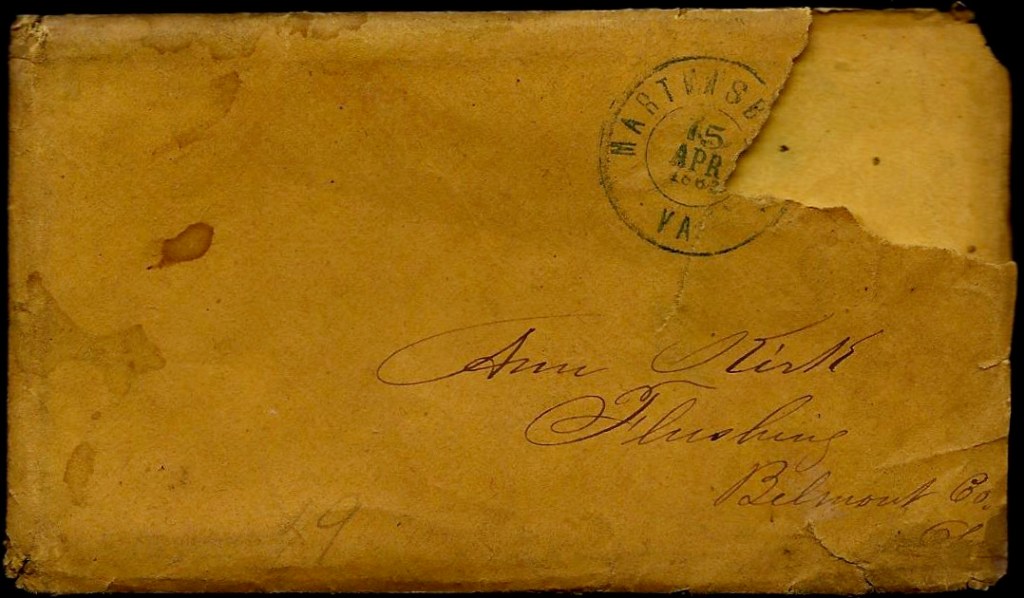
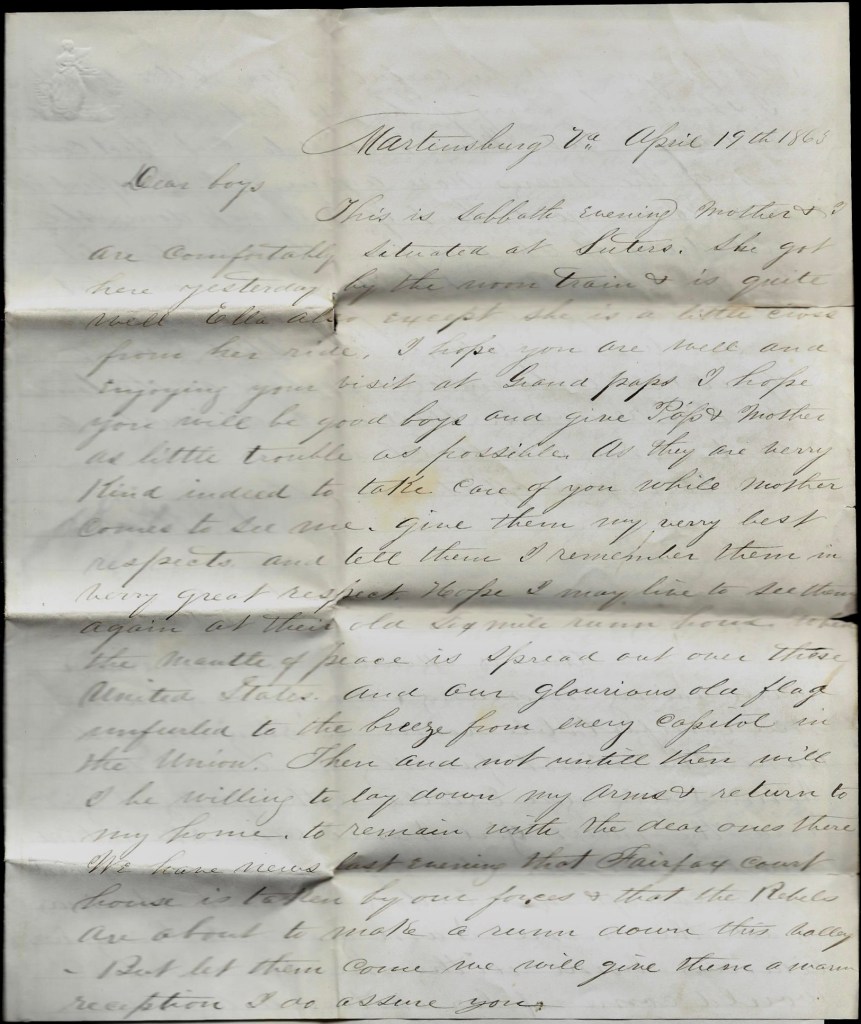
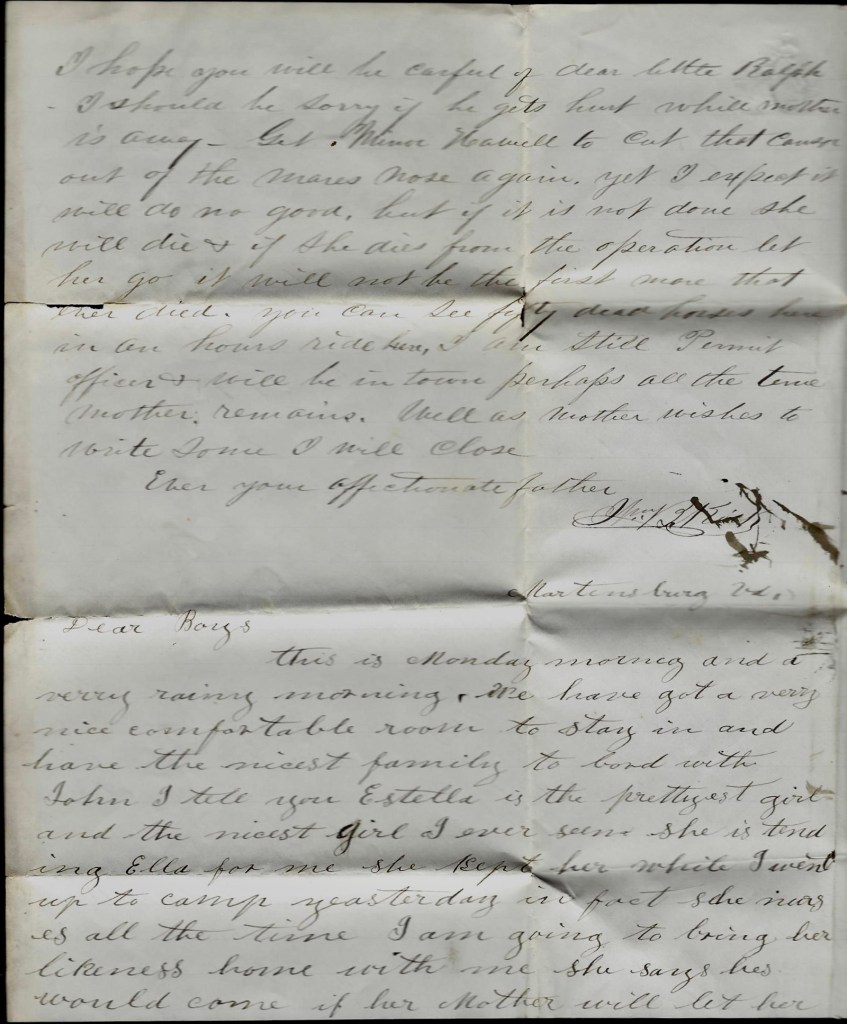
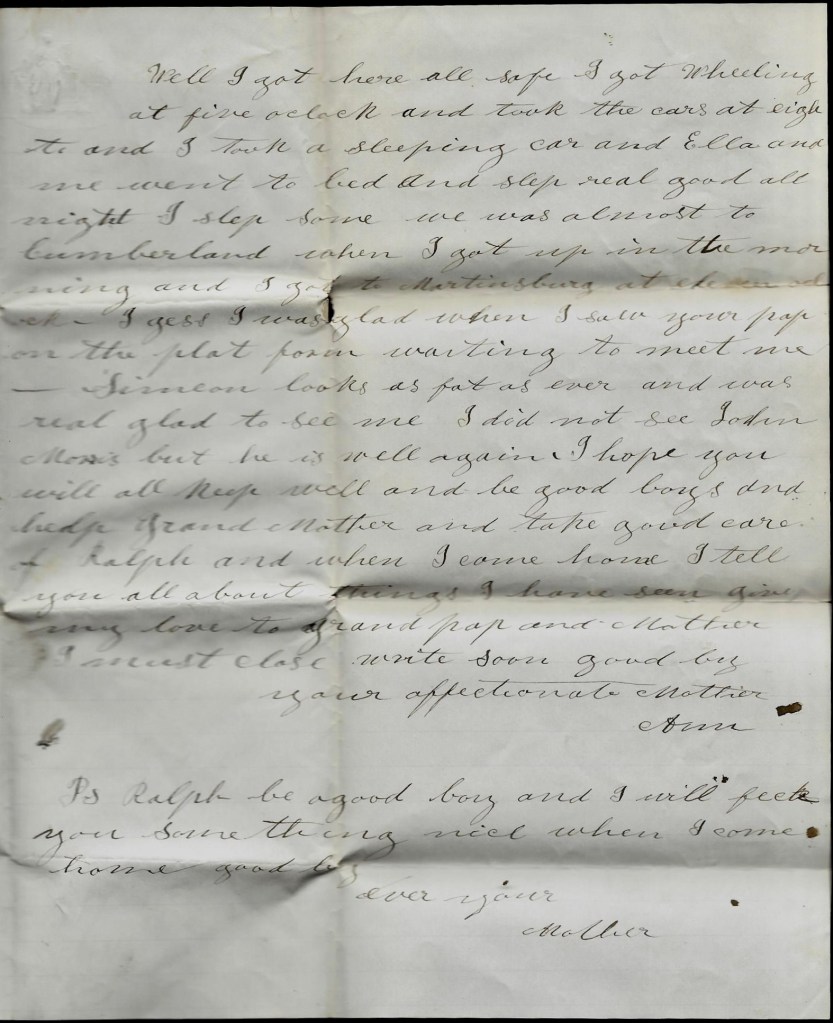
Martinsburg, Virginia
April 4th 1865

Esteemed wife,

Having a little leisure time this evening I will try for the second time this week to indite you a few lines as I am aware they will be welcome to you. I am well with he exception of a very bad cold.

You will perceive by the heading of my letter that we are still at this place yet and I hope we may get leave to stay here the balance of the war. Our duty is pretty heavy but I would sooner stay and do it than to go into hard fighting all summer. Some of our green recruits are very desirous of getting into battle but we have been out long enough to know what powder smells like and to experience the danger of ball and shell, but some if the boys that came here heard the shriek of a shell or the whiz of a minié ball, if such were drawn up in line of battle now before the rebs, they would tremble like an aspen leaf. But if it is my lot to be taken into the field of blood and carnage, of course I am willing and ready to do my duty. 1

Well, Susie, before this reaches you, I suppose you will hear of the glorious news of the fall of Richmond. Before I close, perhaps I can be able to give you a little more information in regard to it after the mail comes in. I received a letter from [your brother] Milton [Reynolds] 2 last evening. He says he is perfectly willing to stay where he is if they will only let him. He said he was like some of our boys after he went out—anxious to go [to the] front, and in the fight. But after he was in, that was plenty for him for it was not a very comfortable place to be.

John Loyd was asking me if Mrs. Barnes was staying at home now for he said she was there when he was there. I told him I thought he was mistaken. He said not for she had a baby in her arms. I thought since perhaps it might of been one of the girls with little Sophia Isabel in their arms.

Well, Sue, Richmond and Petersburg are both ours. Gen. Lee has left with his whole army—or what he could get away with him. But our forces captured about forty thousand prisoners from them. I am not able at present to give you a definite detail of the affair but it was a grand success to our arms and I think a death blow to Rebellion. Oh, how many a happy heart has this news made. I think before long we will hear of more cheering news. Perhaps there may be a heavy battle, and perhaps a bloody one before the final day of peace is declared. I still have hopes of getting home this fall to share the comfort of home and the blessings of a sweet little family.

I must now stop writing for it is pretty near dark. Tell Grandmother I have not forgotten her. I was going to answer her letter today but I thought I would write to you while I had time as the letters all go to one family. And when I speak of one, I mean all, for I hold you all near and dear to me. I feel as though the whole family were father, mother, brother and sisters toward me.

Well now, Susie, it is raining and I think I will be lucky enough to be in the dry tonight. Charles Gove is on picket tonight out of our tent. It goes very hard with him to do a little duty for he is too lazy to do anything if he could help it. Now, Susie, I want you to write often and I will write as often as opportunity affords. As ever your loving husband, — Joseph S. Hersey

Co. C, 1st Maryland Regt. P. H. B. [Potomac Home Brigade], Martinsburg, Va.

1 Joseph is probably referring to the Battle of Monocacy that took place on 9 July 1864 in which the Potomac Home Brigade Infantry took an active part.

2 Milton Brown Reynolds (1845-1910) served in Co. B, 187th Pennsylvania Infantry. He was a guard for Lincoln’s Funeral Train arrival in Philadelphia.


Letter 2

Camp at Noland’s Ferry
April 15, 1865

Beloved wife,

As I had nothing to do I thought I would commence a letter to you to let you know how we are getting along. We are all well at present and sincerely trust you are enjoying the same blessing. I wrote a letter to you the first of this week. I have been looking for one from some of you every day this week but have got none yet. I wrote Tommy Wiley a letter this week. Perhaps he will get it tomorrow.

We are here along the river guarding the ferry and bridge but are looking for marching orders every day. We live pretty well here now. Some of our boys went a fishing the other day and caught a mess of very nice fish which we cooked for supper. We went out and bought a pound of butter and took pretty near the half of it to cook the fish. Our Lieutenant has gone to Sandy Hook to get his commission and as soon as he comes back, we intend to apply for a furlough home. I would like to be at home with you all again and do hope the time will soon come when we will all meet again.

The camp will sing sometimes, “Who will Care for Mother Now?” which is enough to bring tears to any person’s eyes to think of it. This is the day the draft comes off. I would like to hear from old Fann how she comes “making up her quota.” If the draft comes off, I want you to let me know who is drafted.

I feel glad that you have found out where Sally is. If she is at home, I want you to give my love to her as I do respect and regard here as a sister. But as for her husband, I have no particular love for him as I am confident he is not the right kind of a man. I have found since I come down here that he is nothing but a common private, getting his 13 dollars per month. Those shoulder straps and stripes and sword harness were all to show off. He would have to throw them all away when he went back so you may know how the money went. I think Sally need not look for him or his money anymore after this (I am sorry to say it).

April 17th. I will begin again. Yesterday was wet and disagreeable with us and this morning is not much better. I got very cold in our tent this morning and there was a canal boat lying here so we went in and it was very comfortable in there. It is now hailing considerable—lumps down on us. Last night and night before last was very disagreeable to stand guard. Our turn comes tomorrow night. We have none out only at night. I cannot tell you when I will be at home. Perhaps before this reaches you and perhaps not for some time. We are going out fishing this evening to put in time. There are a great many fish here—very large ones too.

I was sitting on a plate of an old warehouse along side of the canal that the Rebs burned when Charles Grove made a jump to get on it and went into the canal out of sight. He come up and as luck would have it swam ashore. There is some talk of us going down to Sandy Hook but I think we will stay where we are awhile as it is a necessary point. Our Colonel was to [have] been here yesterday but on account of the weather, he did not get along. As soon as he comes, I think we will get home.

You said you received a letter from Solomon. I was glad to hear it. I want you to please answer it. I wrote to him when we were in Camp Lafayette but have received no answer. You said David Pyle had gone to the army. I was surprised to hear it as Huddy was so chicken-hearted, and as for little Abe, I was glad he did not come with us and we have a very good crowd. We [are] allow[ed] to go over into Virginia some of these times on a raid for eggs and chickens as it is just on the other side of the river. We cross in canoes.

It is cleared up now very pretty and I am glad to see it for if it rains an hour here, it makes the roads knee deep with mud. On the opposite side of the river a ridge of mountains with valleys through them but no farming done on account of the armies.

April 18th. Monday morning. The sun has come out very nice. We are all about to do our washing. We all took our clothing off and a grand hunt for greybacks [lice]. They all found plenty of them but John Howitt and me. We were clear of them. I must quit scribbling as I have no more room unless I put in another sheet. My love to you all and a kiss to Foster for me. Give my best respects to Mary A. Hersey for me. When I come home, I will bring you them tings you spoke of if we come through Baltimore, which I want to do on account of my certificate.

Susie, I must draw these few lines to a close in order to get it to the office in time for the train. You said mother and Mary talked of going over the river the last of next month. I would like to get hime before they went fr I want to see all my friends. I would like to fill this sheet but I have not time.

Yours with love and respect, — Joseph S. Hersey

To Susie L. Hersey

My love to all enquiring friends.

Directions: Point of Rocks, Md., 1st Maryland Regt. P. H. B., Co. C, in care of Capt. Faithful

1863: John M. Lancaster to his Parents

I could not find an image of John but here is an unidentified member of the 44th North Carolina Infantry (LOC)

This letter was written by 2Lt. John M. Lancaster (1841-1863) of Co. I (the “Eastern Tigers”), 44th North Carolina Infantry. He enlisted as a private on 8 March 1862, was promoted to sergeant a year later, was commissioned a 2nd Lieutenant in December 1862, and was with his company on the 14th of October 1863 at Bristoe Station when the 44th was ordered to advance upon the enemy through an open field into a line of Federal artillery and musketry from the Union’s 2nd Corps where it sustained a heavy loss. During the advance, John received a mortal gunshot wound and died a week later at Hospital No. 4 in Richmond, Virginia. [see Botched Battle at Bristoe by Todd S. Berkoff]

John was the oldest son of Lacy Lancaster (1810-1881) and Nancy Coleman (1819-1907) who worked a farm in the Swift Creek section of Craven county north of the Neuse river, North Carolina. In 1860, census records inform us that Lacy owned eight slaves between the ages of 3 and 15. John’s younger brother, George Frederick Lancaster (1842-1901) also served the Confederacy as a private in Co. I, 1st North Carolina Light Artillery.

This letter is archived at Eastern Carolina University. It has been digitized and graciously made available to the public though it does not appear to have been previously transcribed. Their catalogue description of the letter reads;

This letter from John M. Lancaster to his parents (Lacy and Nancy Lancaster of Craven County, N.C.), was written from his position along the Rappahannock River, Virginia, during the Civil War. He writes of troubles at his training camp, and of missing home.

Transcription

[Camp near Rapidan Station, Virginia]
Saturday Morning, September 19th 1863

Dear Father & Mother,

I take the present opportunity of writing you a few lines informing you the news & such like. Affairs are about as they were when you left—gloomy. The enemy on the opposite side of the river show themselves very plainly at certain times. I can’t give any idea whether they intend to fight us or not. As you have been here & know how things are, you can give a guess. There may not be any advance in a week or more, or they may fight it out before then.

We are at the very place you left us but liable to move at any time. I will write you again the first of next week if nothing prevents more than I know at present. I will take with luck to the last of next week to reach you and I know you will look for one them.

The air is some cooler this morning than it was when you was here. It rained very hard yesterday.

The news from Charleston is about so. We have a report on camp that General Bragg has whipped Old Rosecrans—I hope it is so—[from a] soldier brought in from Richmond. You must write me when you get home and how you made out on the way. With luck the way we was counting, you will reach home this evening. I hope you will safely. I know they all will be eager to hear you relate over your travels, &c. I hope to have more to write the next time. So no more. — John M. Lancaster

Mother, I feel that I must say something about those nice clothes & things you sent me. They suited me in every respect and thankful am I that I can say that I have a good mother who take a delight in administering to the wants of her boys, even if they are far from home & in the war. Still I hope the day is rolling fast when we can be permitted to sit around the old homestead and family circle as we have done in time past. I feel that the debt I owe thee cannot be paid in this world by this worthless trap. I hope there is a brighter day awaiting us all. I hope to go and see you all between now and Christmas if life lasts, and I can possibly get off on any fair terms.

Tell [Lacy] Norman & Jacob that I will write them next time, just as soon as I can get something to write. Oh, Norman, I expect you have lost Deborah. If I was you, I would not like it. You say that her father has sold her land &c. Nothing more. — John M. Lancaster

John M. Lancaster, 19 September 1863 Letter (Eastern Carolina University)

1863: Joseph Edgar May to Elizabeth (Dixon) May

This letter was written by Joseph Edgar May (1843-1929), the son of Turner May (1801-1872) and Elizabeth Dixon (1806-1870) who had a farm in Richardson’s District of Craven county, North Carolina. The May family worked their farm and household with the help of at least eleven slaves in 1860.

A tintype of Joseph’s father, Turner May, with a grandchild. Turner died in 1872.

Joseph and his older brother, Benjamin Franklin May (1835-1863) both enlisted in Co. F, 2nd North Carolina Infantry in 1861. Benjamin was a sergeant in November 1861 by the time Joseph enlisted in October as a private. By March 1863, however, Joseph ha been promoted to a corporal. Joseph was with his regiment at Gettysburg but was taken prisoner at Kelly’s Ford on the Rappahannock river on 7 November 1863 and was not exchanged until 18 February 1865 at Point Lookout, Maryland.

In this poignant letter, Joseph informs his mother that his brother Benjamin was shot dead on the field of battle during the Battle of Chancellorsville—one of thirteen boys in his company that were killed on 3 May 1863. He also relays news of the death of Levi W. Deal (1843-1863), also a member of the company and a neighbor in Craven county.

I found this letter in the archives of East Carolina University who graciously digitized and made it available to the public. Their catalogue description of it is partially inaccurate and reads as follows:

Letter from J. E. May to his mother written from near Lynchburg about the Chancellorsville Campaign. May comments on the death of Frank Deall and the number of killed and wounded in his company, Company F, 2nd Regiment, N.C. Troops.

A post-war photograph of Joseph Edgar May and his wife, Mary Eliza Wooten (ca. 1900)

Transcription

Camp near Fredericksburg [Virginia]
May 7, 1863

Dear Mother,

I will rite you another letter to inform you how I am getting a long. I am so tired and sleepy that I don’t know what to do, I have just come to camp. We have whipped the yanks so bad they don’t know which way to go but the worst of all—I am sorry to say—that I have to tell you [is] that Bud Frank is dead. He got killed in the battle on Sunday last, the third day of May. He was shot right through the heart. He was killed dead on the field. I was right side of him when he was hit. I got his watch and all of his things out of his pocket.

It was the hardest fight that has ever been fought in Virginia. Our company had forty men in the fight and came out with four and if you don’t call that a hard fight, I don’t know [what is]. And the other companies was cut up as bad as ours. There was thirteen killed in our company and fifteen wounded. That made twenty-seven out of forty-two and the rest of them is all missing but four.

Tell Mr. Deal unless you [don’t] see him again that his son [Levi] was killed. I reckon it is not worthwhile to give you the names of [the others] for you would not know them.

Ma, I want you and Pa to try to get somebody in “Whitford’s Battalion” 1 to swap places with me. I will give 50 dollars to boot. Ma, please write to me for I have not had a letter from home since Bud Frank was home last winter and you don’t know how glad I would be to get one.

I must come to a close for I have got to write more letters today and it is now [late]. No more at present. Your dear son until death, — J. E. May

Ma, I will tell you how to direct your letters. J. E. May, Co. F, 2nd Regt., N. C. Troops, [Stephen D.] Ramseur’s Brigade, In care of Capt. N[athaniel] M[acon] Chadwick, Richmond, Va.


1 Whitford’s Infantry Battalion, or the 11th Battalion North Carolina Home Guards was organized in the spring of 1862 with four companies, later increased to six. In January 1864 it was merged into the 67th N. C. Regiment.

Letters & Diary of Daniel Converse Smith, Co. I, 44th Massachusetts Infantry

The following letters and diary are housed at East Carolina University and have graciously been digitized and made available to the public though I can find no record of them having been previously transcribed. There are 20 letters in the collection and a partial diary that spans the period from mid-February 1862 to mid-May 1863.

The letters and diary are titled “Civil War Diary” and “Letters from Daniel to Susie” and are described as follows:

I could not find an image of Daniel but here is an unidentified member of Co. F wearing the uniform of the 44th Massachusetts Infantry (Photo Sleuth)

“Written by a soldier named Daniel while his company was camped at Brice’s Creek, North Carolina during the Civil War. His surname is unknown, but he was a private serving in Co. I of the 44th Massachusetts Volunteers Regiment. In his diary, Daniel talks about everyday life at the camp and what they do in their spare time. In their spare time, they would read, write, play games like badminton and dominos, pray, sing, and sew. The other parts of their day involved doing guard duty drilling and chopping wood for the kitchen and quarters. Besides everyday camp life, Daniels does mention the comings and goings of militia groups. Some of the militia groups that he encounters are the 3rd NY Cavalry, 51st Regiment, 17th Regiment, 43rd Regiment, and 45th Regiment.

Though the university knew the soldier’s name was “Daniel” and that he served in Co. I, 44th Massachusetts Infantry, they did not know his surname. Actually it took very little effort to discover that his name was Daniel Converse Smith, b. 10 March 1836 in Waltham, Mass., and died 15 December 1907 (aged 71) in Cambridge, Mass. See Find-A-Grave. Not only was Daniel the only “Daniel” serving in Company I but he recorded in his diary on 10 March 1863 that it was his 27th birthday which is consistent with his birth/death date.

I have transcribed the first eight letters and portions of his diary that I found interesting. It should be noted that the majority of the time Daniel was at New Bern, he was on duty at the Brice’s Creek Blockhouse due to his lameness. Other than his participation on the Tarboro Expedition, he did not go on any other expeditions with the regiment. He gives a great description of the blockhouse and vicinity in his letters and diary.

Transcription

Letter 1

Newbern [North Carolina]
October 27, 1862

Dear Sister,

I arrived safely in Newbern Sunday, October 26 at twelve and half o’clock, for the first time placed my feet on Southern soil. It looks very different from what I expected—very sandy—the trees mostly pine. From the steamboat we rode in an open car in a pouring rain from thirty to forty miles and arrived at dark and quartered in a storage house. We could see between each board. I slept as well as could be expected under the circumstances. Our barracks are not done yet. I am now waiting for our tents to be made. The barracks will be done this week. They are better ones than we had at Readville. There is three tiers and made very strong and wider than those at Readville. We had quite a quick passage but not a very pleasant one to me being sick considerable of the time but was all well as soon as I reached land.

My breakfast I took at a Capt. of the 23rd Regiment which was the first meal that I have enjoyed since I left Boston. I cannot stop to write more now. From your brother, — Daniel

Please direct letters to Newbern, N. C., Co. I, 44th Regt.

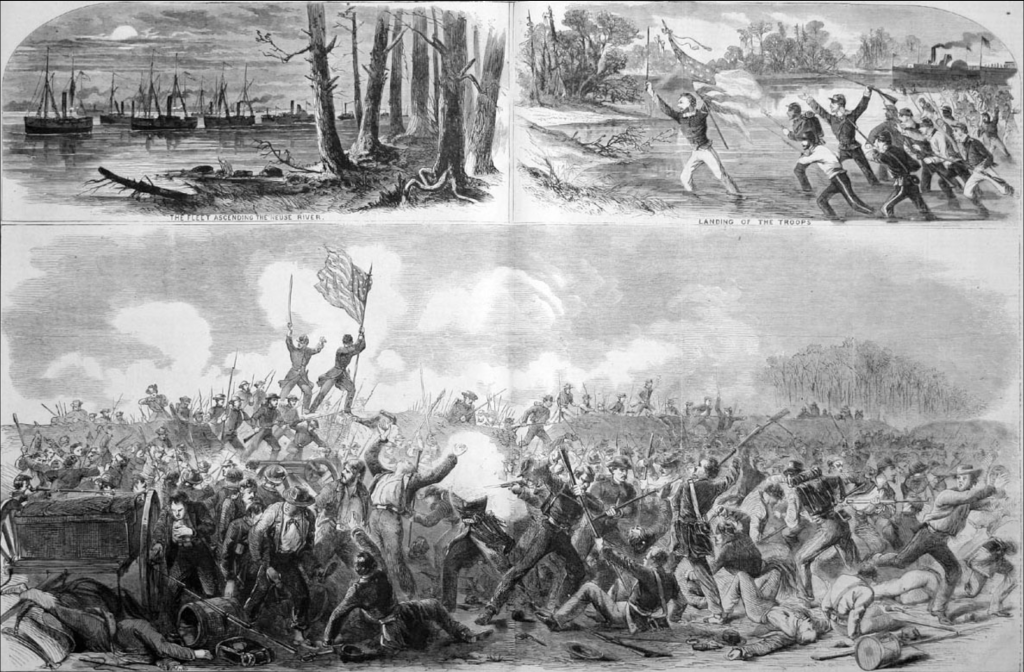
The 44th Massachusetts troops were transported on open rail cars in the pouring rain from Beaufort Harbor to New Bern. (Sketch from Regimental History)

Letter 2

[The following letter was written shortly after the two expedition to Tarboro. It failed to accomplish all that it intended but was still considered a success. A correspondent for the New York Herald wrote the following: “Before reaching Williamston we had a fight by moonlight, which lasted nearly an hour. On the rebel side there were engaged parts of three regiments and two pieces of artillery—all this on an elevation and behind intrenchments. In this little fight the Marine Artillery, Belger’s battery, a portion of the Third New York artillery, and the Massachusetts Forty-fourth (part of Col. Stevenson’s brigade), were engaged….When we neared Hamilton the rebels abandoned their intrenchments, nearly a mile long, on Rainbow Bluffs. The first flag to float over them was that of the Signal Corps, under command of Lieutenant Taylor. We then advanced to within eleven miles of Tarboro. From this point two reconnoissances were made—one by Major Gerrard, of the Third New York cavalry, who met the rebels in force, had two men killed, and retreated without further loss. The other reconnoissance was made to within five miles of Tarboro by Major Fitzsimmons, of the Third New York cavalry…At these points the rebels were found to have massed a large force, with reinforcements constantly arriving; therefore it was deemed impolitic to attack them. Besides, in front of us was an extensive swamp. The weather indicated rain. If we had crossed this swamp, in all probability we would have lost all our artillery, as the swamp becomes impassable after a twelve hours’ rain. By a system of strategical movements we made good our retreat to Williamston without the loss of a man, and even before the rebels knew what we were doing…On our return march the weather was very severe on the troops. It kept snowing and hailing for eighteen hours. One rebel female said she knew the Yankees were coming, because they brought their snow and cold weather with them.”]

Newbern, N. C.
November 9th 1863

Dear Sister,

Although not hearing from you since I wrote, I thought you would like to hear from me. We have just arrived at Newbern again after being absent two weeks on an expedition. We first took the steamer and went to Washington, N C. Then went on foot I should think from one hundred to one hundred and fifty miles. I had a much walking as I wished.

At Lloyd’s Creek we had a skirmish with some Rebels about five hundred in number. They fired pretty lively for awhile. From our regiment they killed two and wounded seven. It was after dark, bit giving us a very good chance. At first they was stationed just beyond a creek with a hill on the other side. They had every advantage. They soon showed their heels. I had to stand in the water about fifteen minutes. There were about thirty or forty Rebels killed and quite a number wounded. I felt rather peculiar hearing the bullets on every side whizzing by and some striking very near us.

After we got through, returned to a field for the night (it was then three o’clock) with wet feel and legs. Started again in the morning. Did not see any more rebels but saw places they had just left, some leaving their table all set and other things so that we knew they had just left. We fared very well in the cities, living high and sleeping in private houses. They killed pigs, cows, geese, chickens, with sweet potato and vegetables to go with them. We found a large pile of potato to each house. I feel thankful once more to return to Newbern in good health and spirits. It seems like getting home to go into barracks as I am very glad to be in them.

There is such heavy dew you would think it had been raining and such cold nights. I cannot sleep but a short time at once. We keep fires burning all night, sleep a little, then sit by the fire. One night I slept till ten, then sat by the fire the rest of the night. and sometimes we were marching. My feet are rather sore. Otherwise I am all right. Some other time I will write more. Give my love to all the folks. Write very soon and tell all the rest of them to write.
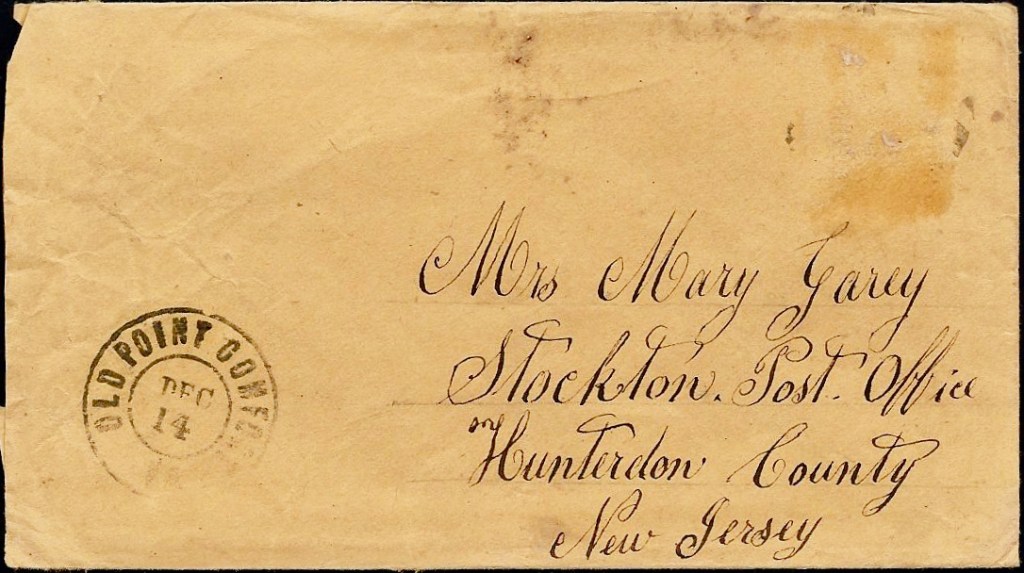

Letter 3

[The following letter was written from Brice’s Creek, an outpost several miles from New Bern near the mouth of the creek where it flows into the Trent River. The duty was light and lonesome. It was garrisoned by a detachment of the 44th who had failed to withstand the fatigues of the Tarboro Expedition. They were styled the “Invalid Guard” and often referred to as the “block-house squad.”]

Brice’s Creek, N. C.
Thursday, December 18, 1862

Dear Sister Susie,

I received two letters written November 16 and 23rd from you. I can assure you they gave me a good deal of pleasure. I suppose you know that another expedition has stated. We have had some glorious news from them but cannot tell whether it is true or not. They started the 11th of December [on the Goldsboro Expedition]. I should have been very glad to have seen them off, but they started at daybreak and the last of them commenced marching at nine o’clock. I was told it was from twelve to fifteen miles long. Not being with the regiment, I have not much to write.

We are very comfortably situated. I have a cot bed just big enough for myself. It is about six inches from the floor. All the rest have bunks with matresses on them. There is a platform all round the building just wide enough for the bunks and about eighteen inches from the floor. The room is about 24 feet square. It is a very substantial. We have nothing to fear from bullets and I think we shall not be troubled with cannon. I think I am in a very safe place. The roof is rather light. There are slats nailed to the rafters about two inches wide and about four inches apart, For furniture we have chairs, tables, stools, boxes, and have plenty to eat with good conveniences for cooking. The worst of it is that we are rather lonesome, taken away from the regiment and especially from Charley Fuller and having little or nothing to do. [But] when I think of the other boys on the march, I feel perfectly satisfied. Marching is hard work—I know from experience. I hope they will not have to be marched so fast as they were before.

How do you all do at home? There has been four boxes brought here, some came with poultry and mince pies and were all moulded. There was another without the poultry and was perfectly good. A box I should like very much but there is some risk so will leave it all with you. I don’t know as I shall want any clothing except stockings and a pair of slippers. I do not expect one, but if you do, I should like to have you see or write to David, 98 Court Street and ask him to ask Miss Stetson for some tracts. She can get them for nothing for soldiers. Some apples too.
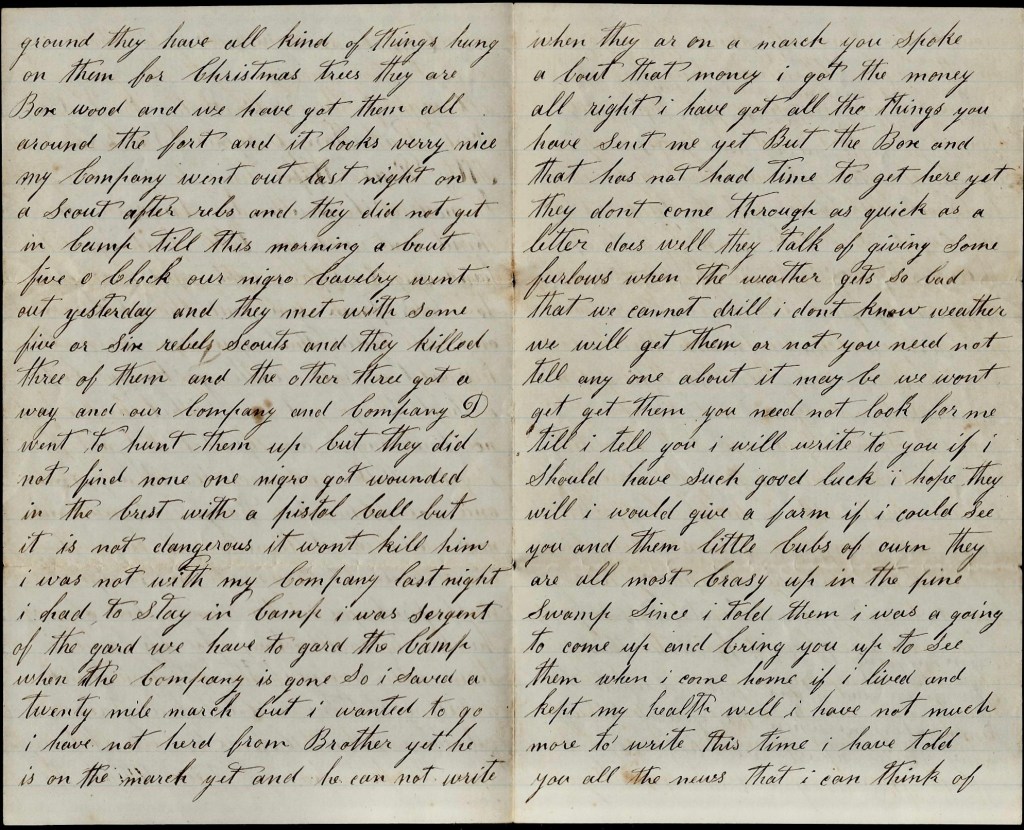
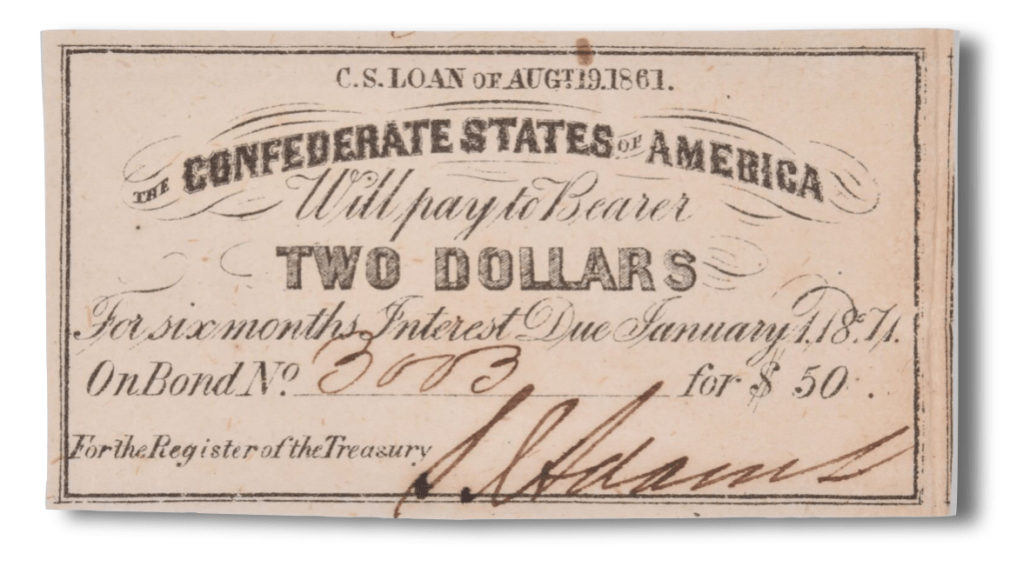
This is not very interesting to you. Give my love to all the folks. My health is good and shall try and keep it. Your brother, — Daniel


Letter 4

Brice’s Creek, N. C.
Saturday, December 27, 1862

I received a letter from you the twenty-second and I also sent one to you. Perhaps you will think I am begging on a large scale but I will try and make it all right when I see you. I am just through breakfast. It is a rainy day—the first we have had for a long time. It is quite warm. I wish we might have a thermometer so we might see how warm it is. I should think it averages fifty degrees above zero. I do not pretend to wear anything but my blouse and sometimes not that except at night and in the morning a little while—there is such heavy dews. I have plenty of time to write but have not much news since I came here from the regiment. I write about a letter a day.

I went to the camp Christmas day. It seemed very good to see the boys and especially Charley Fuller, it being the first time I have seen him since I came from the camp. He said the last march was a hard one. It made him some lame. He said the last they marched thirty-two miles which is equal to about fifty northern miles. He said our regiment was in four battles. I guess they had a pretty hard time. They had their knapsacks with them. I should feel satisfied to stay here if I could feel that I was doing anything for my country for which I came here. If I have to stay here [at Brice’s Creek], I shall be so lazy when I get back that I cannot do anything.

I was on the police yesterday. I swept out the house upstairs and down and helped pick up some wood round the house to burn in a bonfire so we shall look respectable if we have any visitors. The chaplain was here last night. He gave us a box of dominoes and some chess men and a checker board. They boys are playing with them now.

I was very glad to receive a letter from Henry. I could not think who it was from at first but soon found out. I have received eight letters from home and one from Mary J. Also Charley. Photographs also. The other xix you sent by Mrs. Alexander although she did not come. They came in a box. Te papers I have also received.

I have drawn from the government a pair of shoes that I am now wearing. My boots are spoilt. Thanksgiving day was a very lonesome day. Most of the companies had their usual dinner turkeys and pudding and all the fixings. Our company had their usual fare. Charley and I made some hoecakes for dinner which were very good. I thought of you at home once in awhile. I can assure you it was not on account of sickness that I am here for I never was better. My foot is some lame but it does not trouble me much. I have some lineament that I run on it.

Did father send the apples? We have a horse and wagon so there will be no trouble getting anything that is sent to me. One of the men expects a barrel to come the same way.


Letter 5

Brice’s Creek. N. C.
Sunday, January 4, 1863

Dear sister and folks at hoe,

I received a letter from you the first day of the year—also the puzzle. I had been thinking of it a few days. It came just in time and I am very glad you sent it. I think you had better not send the book but if Charley will copy a few more and send them by mail with a letter of his own writing, I should like to have him.

It makes no difference whether you put on Brice’s Creek or not. Some of us are at camp [Stevenson] every day. We have passes two a day. I went day before yesterday and when I came back I thought somebody had taken possession. There was a company of the 51st [Massachusetts] here. They thought they was going to put us out but found it not quite so easy. We told them we had orders to come here and should stay here until we had orders from them to fo. The corporal went to Newbern to find out and Gen. Foster told us to stay here until we had orders to go. We let them into the lower floor and three or four up with us and in the morning we found six pounds of sugar and all of our onions [missing]. I call that rather mean after giving them a lodging place.

They are building a bridge close to our house. They say it is to pass over troops. They are in a great hurry for another expedition to go. There is a lot more of troops arrived. Quite a number of brigades. I hear that our brigade is not going.

This is a warm, pleasant day. You may judge whether it is warm or not. They are washing themselves all over out of doors. How I wish I could get into a church where I could feel that we had a Sabbath and a day set apart to think and prepare for our eternal home to which we must all go very soon. I liked the services better than usual today. The time is going fast and if it is God’s will, I shall return and once more enjoy the privileges of the hour of God. I can enjoy sweet communion with Him but the influences around me are bad. I do not have anyone that I can talk with freely.

I am expecting my apples every day but have not received them. I have been to Mr. Blagg’s store and he is expecting the vessel every day. There is a large mail in and we shall get it tomorrow. I long to get hold of my part of it. The last mail left here with 38 thousand letters somebody writes. Did you get the letter that had the list of what I wanted? From your distant brother, — Daniel


Letter 6

Brice’s Creek, N. C.
Thursday, January 8, 1863

Dear Sister Susie,

I received a letter from you dated January 6, It was written December 28. That came pretty quick. I love to see them come. I guess you did not care about seeing a letter I wrote to you for the things I wanted. There are so many. I will square up when I see you. You must help yourself to interest money if I have any.

You would laugh if you could see us some mornings cooking our own breakfast. This morning I cooked some griddle cakes. They was licking good. I will tell you how I made them. Yesterday afternoon I cut up in small pieces some bread that I had. It was dry and put some water in it to soak. I stirred it up once in awhile and crumbled it up as much as I could and et it stand till morning. Then mixed in a little flour and stirred it considerable and had a spider to cook them in and some coffee. Did I not live high? Butter costs forty cents per pound, sugar 25, molasses $1 per gallon, raisins 40 cents per lb. and other things accordingly. Do you blame me for wanting those things and seeing the other boys’ boxes come? It makes my mouth water. I am expecting my apples every day. The vessel has arrived. When it is taken from the vessel, I shall get them. I feel very thankful to father for them.

I received your letter and puzzle you sent me. I had been thinking about it for a few days and am very glad to receive it.

It seems to me that I am just as safe here as when I was in Boston. I cannot realize that I am in an enemy’s country—at least I feel so. I guess I have received everything you have sent. Charley’s photograph, Journey’s, Sentinels, Inquirer, and letters, and the six photographs you give David. They come in a box the day before Charley’s come. I wrote to Eliza in a day or two after receiving hers. It took her letter a month to come.

I only take off my shoes. I go out just when I please and stay as long as I wish. There is a company of the 51st [Mass.] here. They do picket duty at night and walk out once in awhile in the day time. If I stay here the rest of the time, I do not know but I shall be too lazy to do anything. I am on police tomorrow. We have two darkeys to help us such as wash dishes, bring water and wood. I wash my own dishes. My health is very good and hope it will continue so.

Give my love to all the folks, Mary J. and Alice, Francis and Sarah and yourself. From your soldier brother, — Daniel


Letter 7

Brice’s Creek, N. C.
Sunday, January 18, 1863

I received yours and Charley’s letter last Thursday. He done so well I would suggest that he should try again….

It has been quite cold for a day or two. I got another blanket. There has been three men discharged. It got it off one of them. They sailed this morning. They was very glad to go. They was from the block house. I have moved my bunk to the other side of the house. There is five more men from the 51st [Mass.] coming with us. We have had a cannon come here and they are going to take care of it. We have had very little to do and plenty [of time] to do it.

We have a cat here which is very useful. Before we got her, we could hear the mice and rats running round on all sides. I seldom hear them now. Sunday we have but two meals. This morning I had some hashed meat and potatoes, so toasted bread and coffee. We are going to have beef steak for dinner and supper. That makes us have a good appetite. If I could be at home on Sunday, I should be satisfied. I enjoy reading in my testament and some religious papers that are sent me. My best friend is here and takes care of me and if it is His will by and by, I shall come and see you and the many friends that I have left behind. That will be a happy time to me if I can return in health and safety.

Remember me in much love to all the folks, you and all. From your brother at the war. — Daniel


Letter 8

Brice’s Creek
February 15, 1863

Kind sister,

I received two letters from you a few days since and since then I have received that box with the sausages and pickles and other reading matter and the letter from you…

Our regiment did not go on the large expedition but it did go on a small one near Plymouth and was gone ten days. I heard that they was all taken prisoners but I did not believe it. They came back safe and well. I was at camp the next day and got the mail. Six letters! just think of it. They only had one day and night’s marching through the mud. E. Stevens told me to give his love to you. They slept on board the Northerner. That was good but Charley told me that it was not entirely free from insects and they brought some away with them.

My lame foot is about well. My barrel and box I have got from you. What did you say they were making for Mr. Hill? I cannot make it out.

Anyone that has the least thing ails them, they ought to come into the army. Anything lasts a good while. They do not have the care that they would at home. A good many in the blockhouse have had colds—I with the rest, but not so bad as the rest. It was a coughing cold.

The big apple was spoilt in two places. They are little more than half gone now.

I have kept a journal since Thanksgiving…I have written about forty letters since Thanksgiving. You are the only one that I owe a letter. I have taken pleasure in eating some of those sausages that Aunt Maranda fried for me….

I guess that there is no possibility of an attack. It would take a very large army to go into Newbern. It is protected by gunboats.

Today is Sunday. i got up at seven, put on clean clothes and washed at the creek, ate breakfast of baked beans, sausages, pickles, pepper and vinegar, then went into the woods alone with my testament and I had a blessed good time. All quiet and I read aloud. My heart went with thankfulness that my life and health had been spared and could enjoy another Holy Sabbath—the best day of the week, and if faithful, shall go where it is one continual Sabbath. That is where we all shall meet, Love to all and thanks for all the favors shown me. Yours affectionately, — Daniel


Diary Segments

Brice’s Creek, Monday, February 16, 1863—What U have done today. I got up at 7 even o’clock and dressed myself. I take everything off but my drawers. I do not take them off ten because the blankets do not feel good, and I took my towel and other things and started to wash me and I heard our negro Dan in the woods, and Mr. Brice and I went out there and he had a possum in a tree. We sent him after an axe and Mr. Brice cut him out or cut till we saw him and Dan got him by the tail and pulled him out. It is about the size of a woodchuck and gray with a nose the shape of a pig. Dan brought him to the cook house and put him in a barrel and Mr. Brice has two mice that he is training. Then got my breakfast. I had some sausages. They are good. I suppose they are some that David made. Afterwards I mended my pants on the knee, then wrote a letter to Mr. Roundy, a young man in the Temple choir, then cut the specks out of some sweet potatoes. We do not draw any potatoes now. Then it was dinner time. I had baked beans warmed up and pickles. After dinner I went out to the wood about six rods from the house and cut and split wood little more than an hour alone. I scalded my apple sauce and poured it out into tins, then the team came from camp and brought a mail, I had a letter from you and Charley. That was all I got this time, and Mr. Copeland had a box there—always great excitement when a box comes—and he bought some fresh bread and I bought a loaf off him and paid him 15 cents. Then it is supper time. I do not like coffee for tea so I made some tea that tasted like home. It tastes very different when I make a little in my dipper. I am glad you sent it and I had some fresh bread—the first for a week or ten days. Then sit down to write. Our cook got a letter from one of the men that was discharged. He had a very hard time getting home. After he went on board he did not start for a week and a bad place to stay and a hard time getting his pay and he advised us all to stay contented and not to try and get our discharges. I am very well contented but I have not got my Charley here now. I will go to reading and it rains….

Sunday, February 22, 1863—Washington Birthday. I got up at 7 and had a good breakfast of baked beans and went on guard at 8. When I first went out I was surprised at seeing a large amount of water. I might have gone most to the cookhouse in a boat and the trench was about half full of water. Two of the boys rode round the house in a boat. It is now 2 o’clock and I have just gone on guard the second time. I am sitting down in the lower story of the house, not much like doing duty at camp. It is the rainy season I should think…I am heavier now than when I left Boston. I weigh 143 without much clothing. I shave the side of my face and they say I look much better. I shaved my upper lip once when at camp but have not since. I have lately drawn a pair of pants and I bought a woolen blanket of one of the men that was discharged…

Wednesday, February 25 [1863]—It is a warm and pleasant day. I done my washing this forenoon and have just brought it in and hung it up in the house. They are most dry. Today I went about a mile and saw a review of the N. C. army corps. It was a splendid sight. There was a splendid sight. There was 21 regiments of infantry besides artillery and cavalry. I do not know have many more soldiers than I have seen for a great while. I do not want to brag but I did not see a regiment that marched better than the 44th. It was a grand sight. I stood side of Gen. [John Gray] Foster, He is 50 years old or more, I should judge. He knows how to ride horseback. When I got there, the staff had jus got through looking at them and then he took his position on a small hill and they all went by him and I had a good chance to see them….

March 3, [1863]—There is a surgeon examining us. He is going to send us to camp or discharge us I believe he from Washington. I guess he will send me to camp. He has examined me and said he thought I could go back to camp. I cannot stop to write more now. In haste, your affectionate brother, — Daniel

March 4, 1863—Brice’s Creek. I got up and changed all my clothes and washed those that I took off after I heated the water…Tomorrow is my day to go on guard. They are drilling on the cannon some of the 51st [Mass.] I shall expect till I get my orders to pack up to go to camp, we may be here some time. I think quite a number will be discharged that are here. I had rather wait and go with the regiment. We shall probably be home in three months. That is not long—just as long as I have been at the blockhouse. Three months ago yesterday I left Newbern.

Tuesday, March 10 [1863]—This is my birthday and a very rainy day—27 years old, and I am on guard.

Thursday, March 12 [1863]—I went to camp today. I started early and walked both ways. When I got to Newbern, I stopped and had 4 pictures taken. They cost $1. I think they are pretty good. I will send you one and let you see, I give one to Charley for his wife. I bought a singing book today. Charley is fat and healthy. I wish he was here with me. He seems just like a brother to me. We talk and sing together.

Saturday, March 14 [1863]—I heard guns most of the day. The rebels are coming near Newbern. We expected an attack last night but did not. There was some cavalry went out a little ways out and saw some rebs and saw them firing rockets for signals. There was 7 thousand and at another place 15 thousand. I think they would have got a warming though perhaps I should be taken prisoner. There is no danger now, I guess.

Sunday, March 15 [1863]—This is a warm pleasant day. I hear guns once in awhile. The corporal went to town and got a mail…

Tuesday, March 17 [1863]—Our regiment went on an expedition and started night before last to Little Washington….

Saturday, April 4 [1863]—Our regiment have been to Washington about three weeks. They sent for their knapsacks a short time ago. There was some rebs come near Newbern but dare not return in. They fired some and hit our barracks once. Fort Anderson is not the one that was attacked. We are south of Newbern and the creek empties into the Trent river a little ways from us. I am on guard once in six days. There is seventeen to do duty—all that are here are able to. The same ones are here that came first when I did. All the alterations is three of them have been sent home…

Saturday, May 2 [1863]—The mosquitoes are beginning to make their appearance but have not troubled us much yet. There is a great many bugs here of all sorts and sizes too numerous to mention. Capt. Smith of Co. H was here yesterday. He said we were to be paid off today. If we are not, I shall not expect again till I get home… The orderly sergeant that came here to drill us had not had us drill yet. He does not know the drill. One of their sergeants came down and showed him once or twice and that is al that has been done. Col. Lee said we drilled very well. The Colonel looks well now. He have very heavy whiskers. He has had them trimmed and wears a garrote collar. Did you ever see him? Gen. Foster says the 44th have done more than any other nine months troops (Sud cakes). The others do not like us very well. I shall do as much as I can. They call doing provost duty a good place. Gen. Foster offered it to Col. Lee. He did not ask for it. It has been offered to him before but her refused it. Two of our companies are still on picket…

Camp Meigs, Co. I, 44th Massachusetts, taken at Readville, Mass. on 17 June 1863. Smith is not in the photograph; he may have reached Readville after the others as he was assigned to accompany the baggage.

1862-63: Franklin David Child to George F. Child

I could not find an image of Frank but here is one of George F. Hall of Co. I, 44th Massachusetts Infantry

These letters were written by Franklin (“Frank”) David Child (b. 1842) who enlisted as a private in May 1862 in Co. B, 4th Battalion Infantry but was made a sergeant in Co. D, 44th Massachusetts. Infantry in September 1862 when they were officially mustered into federal service. He mustered out with the regiment after nine months service on 31 May 1862.

Frank was the son of Daniel Franklin Child (1803-1876) and Mary Davis Guild (1807-1861) of Boston. Frank’s father Daniel was connected with the Boston locomotive works and the Hinkley & Drury locomotive works as treasurer for more than 40 years. Besides a home in Boston, the family kept a farm in West Roxbury. Frank wrote all four letters to his younger brother, George Frederick Child (1844-1933), a clerk in the Boston firm of Emmons, Danforth & Scudder.

Other letters by members of the 44th Massachusetts Infantry that I have transcribed and posted on Spared & Shared include:

Henry C. Whittier, Co. A, 44th Massachusetts (1 Letter)
James Haynes Murray, Co. C, 44th Massachusetts (45 Letters)
William Carlton Ireland, Co. D, 44th Massachusetts (55 Letters)
Frederick A. Sayer, Co. D, 44th Massachusetts (Union Letters)
James Schouler Cumston, Co. E, 44th Massachusetts (2 Letters)
George Russell, Co. E, 44th Massachusetts (1 Letter)
Herbert Merriam, Co. H, 44th Massachusetts (4 Letters)
Richard Harding Weld, Co. K, 44th Massachusetts (6 Letters)

Letter 1

Addressed to George F. Child, Esq., Care Mess. Emmons, Danforth & Scudder, State Street Block, Boston, Kindness of Lieut. H. P. Tuttle

Camp Stevenson, Newbern [N. C.]
November 20, 1862

My dear George,

When I left Readville I put all the things that I could not carry with me into my valise and sent them home by Tracy’s Express. Whether they ever reached there or not, I don’t know. If they did, I wish you would send me by Adam’s Express my razor, strap, soap, and shaving brush. Please let Hassam Bros. put the razor in good order before you send it. Also send one box of honey soap which you can buy at Brown’s Drug Store, corner of Elliott St. Also a couple of crash towels & 2 or 3 handkerchiefs.

We are now quite comfortably situated in our barracks with some prospect of staying here the principle part of the winter and find such luxuries as these very desirable as well as very scarce. I lost my towel on the last march and cannot replace it here. I would like to have you send me also a fine tooth comb. Any other little thing you happen to find in my valise and which you think may be of use you may put in with the rest while you are about it. I would recommend that you pack them in some spice box at the store and send directly to me at Newbern, N. C. in care of Capt. H. D. Sullivan, Co. D 44th [Mass.] Infantry. If you will be so kind as to do this for me, I will be everlastingly obliged and will remit any amount which you may expend. I expect to be very flush in a few days as we are to be paid off for two months. If fact, we were mustered for it yesterday.

I would like very much to have some good pale brandy. It is something one can hardly do without in this climate where the change in temperature is so great every morning & night. The dews are so heavy here that if you go under the trees at midnight, it frequently seems as if it were raining. The only difficulty is in getting it here as they are very strict about letting liquor into the department. If you could however get some of W. R. Lewis & Bros. meat cans all marked & seal up securely some of Williams’s best pale, I have no doubt but what it would pass. If you could bring this thing about, it would be a big thing. Three or four bottles would be sufficient. And I would cheerfully remit the amount on receipt of the package. Pack them separately from everything else as confiscation of the whole package is the penalty if found out.

In order that you can have some idea of how we are situated here I will make you a diagram of the town & position of our camp. [sketch]

Frank’s Sketch of barracks location in angle between Trent and Neuse Rivers
A close up of the “L” shaped barracks area from the Regimental History

Our own barracks are in form of an angle “L” and marked 1. 2 [is] 10th Connecticut, 3 [is] 24th Massachusetts. There are gunboats within a stones throw of us all the time [and] also on the Trent river—on the other side of the open field between us and the woods. The forts, Totten and a smaller one the name of which I do not know, protect the railroad and common roads leading inland.

Write me as soon as possible & let me know if there is anything new. Your affectionate brother, — Frank


Letter 2

Camp Stevenson
Newbern [N. C.]
January 4, 1863

My dear George,

It was with a great deal of pleasure that I received this p.m. your somewhat lengthy & very gay letter of the 27th December. It is the first time I have heard from home since you had news of our safe arrival back to Newbern. You all must have been very anxious & I was glad that my letter arrived in such good season. It was written when very tired, dirty and lame & I think must have been very unsatisfactory although I did not read it over.

New England Guards, Envelope stationery

Our monitors, if reports about here are true, appear not to be very successful. Rumor goes, for we have no reliable news here except what comes through northern papers, that the Monitor sunk off Hatteras in a storm & that the Passaic had arrived at Beaufort disabled having several feet of water in her hold & her turret so strained as to be immoveable. I don’t vouch for these stories for they have been told & contradicted half a dozen times within the last week. If true, we shan’t probably move for some time. If untrue, and if the two ironclads have really arrived here safe, we shall probably move against Wilmington before many days.

You say Mr. Emmons is much troubled about Frank’s wound. I saw him a few days ago and thought he never looked better. His wound was so slight that I could not even distinguish a scar.

Fred is getting along nicely. He expects to walk up to camp in a day or two.

You mention in your letter that you passed an evening with Mr. T’s & had oysters, champagne, ice cream, &c. &c. On another occasion that you supped on milk toast and baked apples. Now I want to caution you against ever mentioning “good to eat” again for it may cost me my life. So weak has my stomach become by constant application of salt mule that I fear “congestion of the breadbasket” if I even think of the delicacies you mention.

I wish that you would try to trace up about that dog that you say looks like Dick. I should think you could recognize him by the white on his nose, feet and breast. If you could only entice him into the cellar, you would be able to tell for if it was he, he would certainly lay down in his old corner.

My dear George, the mail goes suddenly in five minutes and I must close. I will write again soon. — Frank


Letter 3

Camp Stevenson
Newbern [N. C.]
January 31, 1863

My dear George,

We start tomorrow on a expedition towards Plymouth in the steamer “Northern.” Of course our knowledge with regard to the objects & intentions of the trip is very limited. We understand that we are to have one or two companies of cavalry & 2 boat howitzers to accompany us and that the expedition is under command of Col. [Francis L.] Lee. We understand also that we are not to go more than a day’s march from your gunboats.

I have not time to write more as it is about 11 o’clock and we start early in the morning. I hope to send this by “Mahoney,” [of] Co. C, who has been discharged for disability just to let you know my whereabouts. I have received my box in good order. It came in the nick of time. I will write more about it first opportunity.

Your affectionate brother, — Frank


Letter 4

Camp Stevenson
Newbern [N. C.]
February 12, 1863

Dear George,

I received yesterday & today your letters of January 29th, 30th, and February 5th, also letters from Father, Mary, Sam & Sophie. You will pardon me I know if I answer all three together for I have but a short time before the next mail goes & must write a word to all of possible. I am glad to see that you practice as you preach & write often. I get a letter or two from you most every mail and assure you I appreciate them much.

I have just got back safe and sound from expedition No. 3 to Plymouth, N. C. I wrote twice, one at Plymouth and once at Roanoke, two to father, so I suppose you will have heard of pretty much all we did before this reaches you.

Our march from Plymouth to Long-Acre & back 28 miles in a night and half a day was agreed by all hands to have been a little the hardest thing we have yet seen, although I stood it first rate, being about as fresh when we got in as anyone. We passed through one ford half a mile long and cold as ice almost benumbing our feet. Billy Neal fell down when about half though coming home & got a complete ducking. No bad effects have however followed. When we got to our destination, we found three places where the rebels stored bacon and brought away and destroyed 3 or 4 lbs. We got also some of the best cider I ever drank & chickens & ducks enough to last us back to Newbern. On the whole it was a very pleasant expedition. We had state rooms and bunks on board the transport “Northerner” & a good close room with a fire in it at Plymouth. I went on board the gunboat “Perry” which is stationed off the town & saw your friend Al Brown. He desired to be remembered to you.

I got Uncle Henry’s box all safe just before I started & took several of the cans with me on board the boat. Some difference between hard tack & coffee & fresh salmon, peaches, boiled chicken, & beef soups—hey! It was a splendid present & a most acceptable one. I shall write Uncle Henry and thank him as soon as possible.

I am glad the gaiters are under weigh as the last tramp about finished my old ones. I shall look for them by the “Dinsmore” which brought your letters but which has not yet discharged her cargo.

I was glad to hear from F. Boyd. He writes awful blue. Again in garrison at Baton Rouge he says, just my luck. There are all sorts of troubles in the regiment—court-martials, hard words, &c. &c. He is now trying to get transferred to the Potomac. I am afraid he will never be happy. I have not yet had a chance to have my photograph taken but hope to before long. I don’t think I have changed a great deal however.

I had the pleasure of seeing tonight in Quarter Master’s tent Capt. Billy Hutchings, our Brigade Qr. Master. He is just from Hilton Head where General Foster’s expedition have all safely landed. He says they are now waiting for the navy who are not yet ready. They already have 4 monitors and the “New Ironsides” there but are waiting for more. General Stevenson had made a recognizance to within 3 miles of Charleston & came near being taken prisoner. The “Montauk” had experimented before a rebel fort lying close under its guns for 3 days but did not receive a hurt although dismounting several of its guns. He says there is no prospect of our going down there at present.

It is long after taps & I must close now as I am burning my lights only by sufferance. You will excuse haste and all mistakes I know.

Your ever affectionate brother, — Frank

General Order No. 13 by Brig. Gen. Roger Atkinson Pryor

This Confederate order was written by Capt. William Henry Whitner who was appointed as the A. A. G. to Brig. Gen. Roger Atkinson Pryor on the Blackwater below Petersburg. Whitner began his Confederate service as a 2nd Lieutenant in Co. F, 1st Florida Infantry. He later suffered a gunshot wound to his little finger (resulting in its amputation) received during the Battle of the Wilderness on 6 May 1864. He finished the war in April 1865 serving as the A.A. G. Gen. B. R. Johnson’s Division, R. H. Anderson’s Corps.

Whitner wrote the order at the request and for the signature of his commander, Brig. Gen. Roger A. Pryor who filled a rank within the Confederate service far beyond his worth. The biographical sketch in Wikipedia is kinder than most in describing Pryor’s military performance:

He entered the Confederate army as colonel of the 3rd Virginia Infantry Regiment. He was promoted to brigadier general on April 16, 1862. His brigade fought in the Peninsula Campaign and at Second Manassas, where it became detached in the swirling fighting and temporarily operated under Stonewall Jackson. Pryor’s command initially consisted of the 2nd Florida, 14th Alabama, 3rd Virginia, and 14th Louisiana. During the Seven Days Battles, the 1st (Coppens’) Louisiana Zouave Battalion was temporarily attached to it. Afterwards, the Louisianans departed and Pryor received two brand-new regiments; the 5th and 8th Florida Infantry. As a consequence, it became known as “The Florida Brigade.” At Antietam on September 17, 1862, he assumed command of Anderson’s Division in Longstreet’s Corps when Maj. Gen. Richard H. Anderson was wounded. Pryor proved inept as a division commander, and Union troops flanked his position, causing them to fall back in disorder. As a result, he did not gain a permanent higher field command from the Confederate president. Following his adequate performance at the Battle of Deserted House, later in 1863 Pryor resigned his commission and his brigade was broken up, its regiments being reassigned to other commands. In August of that year, he enlisted as a private and scout in the 3rd Virginia Cavalry Regiment under General Fitzhugh Lee. Pryor was captured on November 28, 1864, and confined in Fort Lafayette in New York as a suspected spy. After several months, he was released on parole by order of President Lincoln and returned to Virginia. CSA War Clerk and diarist, John B. Jones, mentioned Pryor in his April 9, 1865 entry from Richmond, VA, “Roger A. Pryor is said to have remained voluntarily in Petersburg, and announces his abandonment of the Confederate States cause.” [Wikipedia]

Pryor in later years looking at a portrait of the man who paroled him, Abraham Lincoln.

Transcription

Headquarters Forces on Black Water
December 21st 1862

General Order No. 13

The crime of desertion having become scandalously prevalent in this command, it is hereby ordered that any person of this command caught two miles from this camp without a proper pass and indicating a purpose to desert shall be shot at once without the formality of a trial. To this end, persons so caught will be immediately sent to these headquarters with the witnesses in the case.

By command of Brig. General Pryor
W. H. Witner, A. A. G.