My passion is studying American history leading up to & including the Civil War. I particularly enjoy reading, transcribing & researching primary sources such as letters and diaries.
The following letter was written by Tilman Jenkins (1840-1864), the son of David and Elizabeth (Hogans) Jenkins of Gaston county, North Carolina. Jenkins enlisted as a private in Co. C (Capt. Joseph Graham’s Battery), 1st North Carolina Artillery in the fall of 1862. They were attached to Poague’s Artillery Battalion in the summer of 1863 when Tilman scratched this message to his parents during the Battle of Gettysburg just as the artillery duel began in the afternoon of July 3rd. Tilman survived the battle but was killed instantly when he was struck in the forehead by a Union artillery round near the Mule Shoe in the Battle of Spotsylvania Court House on 12 May 1864. He was survived by his wife Margaret (Prather) Jenkins and two year-old son Nathan.
Graham’s Battery arrived on the field at Gettysburg late in the evening of the 1st day and planted their Napoleons on what is now West Confederate Avenue. They were not brought into action on the second day. On the morning of July 3rd, they opened on the Union position on Cemetery Ridge but soon ceased firing when they drew a concentrated fire on their position. They later took part in the cannonade that preceded Pickett’s charge but never used the 12 pound Howitzers which had an even shorter range than the 12 pound Napoleons (all smoothbores bronze guns). In Jenkins’ letter, however, he mentions being detailed to bring up ammunition for their “rifled cannon” which leaves one wondering what he is referring to. The answer may be found in a report by Jenkins’ captain, Arthur B. Willliams, Co. C, who wrote that Major Pogue offered them a “three-inch rifled cannon” that “had been captured during the afternoon on the left” which they could exchange for one of their inferior guns. They used it on the 3rd day of the battle but did not have much ammunition for it which might explain why Jenkin’s was detailed to the rear to get more ammunition for this gun. [See Capt. Joseph Graham’s Charlotte Artillery on Civil War Talk.]
Transcription
Gettysburg, Penna. Grahams Battery July 3, 1863
Dearest Mother and Father,
I take pencil in hand to deliver to you both my sincerest affection and to let you know that I have yet survived this horrible place. We arrived July 1st about two miles from this place and engaged the enemy who seemed to be everywhere. Gen. Longstreet arrived near two and a half in the afternoon and engaged the enemy upon a hill along our right flank on the second day. Many good men left their lives on the bloody ground including young Jacob. The sight was as terrible as could be imagined and the anguish of both men and horses was liken to drive a sane man mad. Cousin John was brought from the field without his face or legs having felt the wrath of a Yankee shell that burst next to him. Oh the horror!
Blood coats the fields and flies are all over us like the demons of Hell. I do not know how men can do to one another what they did today and ever sleep again. Last night we slept upon the rocky ground, and got no rest from the moans of those who lay dying still yet on the fields before us. The guns of the devils has now awoke as the sun is approaching half past noon. The cannon are thundering all around liken to a great storm to approach.
I am detailed to bring up ammunitions for our rifled cannon as the bronze guns have no effect on the yankee bastards. I wish them all to die in hell for what they do and to suffer forever their unjust and unholy cause. If I live through this day, I will find a way to tell you I am still alive. Pray for us, Mother, and never give up our holy cause we are dying for.
The following letter was written by James McCally (1786-1872), the son of Capt. James J. McCally (1746-1810) and Elizabeth C. Watson (1764-1834) of Pendleton county, Virginia. When James wrote this letter in January 1862 from his home in Clarksburg, Harrison county, Virginia (now West Va.), he was a widower, his wife Penelope Williams (1795-1858) having passed some three years previous. He was still practicing medicine at the time of the 1860 US Census but in 1870 he was described as a retired farmer.
James wrote the letter to his daughter Helen McCalley (1833-1882) who married George Edward Pitkin (1826-1878) in Jackson county, Missouri, in 1858. Apparently Helen and George’s first child—Charles F. Pitkin (b. 1860) suffered from chronic catarrh. Helen’s husband George E. Pitkin was the assistant auditor of the Missouri River, Fort Scott, and Gulf Railroad in 1878 when, in a drunken stupor, “blew his brains out at the office of the company in Kansas City.”
Also mentioned in the letter was Virginia McCally (1823-1874) who married Judge George Hay Lee (1806-1873) after his first wife died in 1839. The wedding of Hugh Holmes Lee (1836-1869), one of the children of the Judge’s first marriages, is described. Hugh was married to Mary Marsh Criss (1843-1906) on 25 December 1860.
Finally, Penelope Rachel McCally (1818-1897) is mentioned. Rachel was married in 1840 to Thomas Ramage (1811-1861).
The letter contains a great description of James McCally’s heritage (the surname sometimes spelled McCauley) as well as his views on the war in 1862.
Transcription
Clarksburg, Virginia January 3rd 1862
My dear Helen,
I received your affectionate and kind letter of the 24th ult. (Christmas eve) on yesterday & I will first reply to that part of it relating to our correspondence. There must have happened a failure of the mail. You did not receive two of my letters—the first promptly acknowledging the receipt of the box containing Dody’s clothes. I informed you of the fact, and how well they fit her and how well they pleased her, and of the other fact I think that there was some little delay in consequence of the box being directed to the care of G. Hoffman for it seemed to me strange that anything addressed to our house should be sent to the care of anyone else. I who have lived here upwards of fifty years can hardly be so obscure as to render it necessary to direct a package to my little granddaughter to anyone else.
Next, how I gave the Gum Ammoneack. Well, I seldom have given it & lately not at all. It is not now much used but it is thought it has some good effects in chronic catarrh. The way to prepare it is as follows, Zake of Amononcac 2 drams, which is a quarter of an ounce, and water half a pint, rub in a mortar, the amoniac with the water gradually added until they are thoroughly mixed, then strain through a thin cloth in order to remove impurities. This is called Lac. Ammonieaci. The substance called Ammoniack generally comes in a dirty condition & ot is pretty difficult to get it clean. The best way for you to do is to buy say a quarterer of a pound & pick out two drams of the gum. The dose of the milk thus prepared for a grown person is a table spoonful. Your baby I suppose might take a common tea spoonful. I have but little confidence in it though it has been used as a medicine from high antiquity.
Now I must say something about your dear little Charra Joe. She is in most excellent health and happiness & grows fast enough to make a woman exactly like her mother in body & mind. She is acknowledged to be the most apt & talented child amongst us. I undertook to learn her to write & you will see a specimen in her letter to you. The way I done it was to write a line of a comic song & she would copy it, then another line, and she copy until we would write the whole song in this way. And then another song, and whilst she was highly delighted she learned to write. The letter you will receive is every word of her own diction, and writing. The way that was done was she wrote the letter herself on a sheet of this paper on which I now write, but she had generally left too much space between the words, so I copied it placing it on the paper & on a sheet the size of the one sent. She then drew it off again as you will receive it. It is directed by her as you will see. I am sorry I don’t write myself a better hand, for I find she is copying my hand almost exactly. This plan has had the advantage of learning her to read writing which she does with very considerable facility. She reads print remarkably well. I often get her to read pieces in the newspaper for me in the dim of the evening when I cannot well see, and she does it very satisfactorily. She is growing, I think, very handsome. The skin is smooth and her countenance very radiant, particularly when she is in a good humor which is her wont.
Your sister Virginia is at home with her fine baby. I was there last night. She sends her love to you & instructed me to say that she intends to write to you that her baby Grace Darling is very much like Maud was when a babe. I think her health is quite as good if not better than usual under similar circumstances. I think Judge Lee’s health good although he has had two attacks of gastritis (inflammation of the stomach) and is not yet quite over the last one which I think he brought on by eating a little too much & drinking a little too much wine at his son’s infare, who was married on Christmas Day evening and the infare at Lee’s on the next Friday. The entertainment at Cress & at Lee’s were certainly as fine as I ever saw. Hugh married Mary Cress, the 4th daughter. There is one single older than her & two younger. Aaron Cross has six daughters.
Your sister Rachel’s health is not good. She was dangerously ill two or three weeks ago but has got better. I have not seen her.
Tell Mr. Pitkin to give me his views on the disastrous affairs of the U. S. I wish I could give him mine to my own satisfaction. I am a native of about the middle of Virginia. My blood is full anglo-saxon. My grandfather Henry McCally was born in Scotland, married an English woman by the name of Aspy, and settled in Ireland in the linen draper business where my father was born who was raised a cabin boy at sea until he became a captain in the British Navy, which office he resigned on the approach of the Revolution in the United States Colonies and married in Virginia Elizabeth Watson, the daughter of the brother of that Bishop who wrote the apology of the bible in answer to Thomas Paine’s Age of Reason.
My grandmother was Margaret Hunter, a daughter of one of the Doctor Hunter’s of English medical fame so that I am of that stock of men that would rather lose their lives than liberty. I am in favor of the call of a convention of the People of Virginia and their amending the Constitution of the US and submitting it to all the states and with those states who ratify the Constitution thus amended unite, be they north, south, east, or west, and to dissolve with all who refuse. And that this amendment shall open the territories to the settlement of all the people of all the states, slaves or no slaves, and that no state shall ever come into this Union thus formed or reformed who prohibits the holding of African slaves except the states which now exists, and that they shall not harbor or admit the immigration of either free or runaway negroes, and that none of them shall allow negroes the right of suffrage.
Well, my dear child, my own dear daughter, I have filled my sheet. Excuse its errors and may God bless your pure heart. — J. McCally
The following letter was written by George A. Weldon (1838-1900), the son of James Weldon (1791-1860) and Dorothea Williams (1798-1850) of Negro Heel, Harris county, Georgia. He enlisted in late June 1861 to serve as a private in Co. E (the “Whitesville Guards”), 20th Georgia Infantry. His military record indicates that he was wounded in the Battle of Chickamauga on 19 September 1863 but survived the war and was surrendered at Appomattox Court House on 9 April 1865 as a corporal.
George married after the war and lived in Chambers county, Alabama, where he died in 1900. He was buried in the Mount Hickory Cemetery.
Transcription
A very rare 10-star configuration Stars & Bars flag appears on the stationery Weldon used to write his “hasty and ill-composed note.”
Richmond, Virginia July 29, 1861
Miss Jennie Smith,
With the most profound pleasure I resume my seat to make a few hasty remarks as time is precious and my pen is bad. I am happy to say that I am well at this time though I have been in bad health for some days. I am much better pleased with camp life than I anticipated (not well pleased at that). We enjoy ourselves very well—as much so as could be expected at the present period. But when I get in high spirits, I am apt to think of my dear friends that I have left in Georgia and it saddens my heart to a great degree. But I have one consolation to cheer me on—that is, I live in hopes of returning again to my native land.
Miss Jennie, I am obliged to you under many obligations for the beautiful memorial that you presented to me on the day of our departure which will be long remembered by me. Often have I thought of the pleasant hours that we spent together in Whitesville. Oh, may we enjoy them again.
I hope you will excuse this hasty and ill-composed note. I could willingly write more had I the time but the evening growing [late] (but not twelve o’clock), therefore, I must close. Give my respects to Amos and Fannie. Accept the same to yourself, be sure. I expect an answer soon. Nothing more at present but remain your true friend. As ever the same, — G. A. Weldon
N. B. Let no one see this—only yourself for my sake.
The boys of Co. K, 19th Indiana Infantry, after the Battle of Antietam
These letters were written by William Harrison Campbell (1838-1912), a 23 year-old school teacher from Selma, Liberty Township, Delaware county, Indiana. His parents were Samuel Graham Campbell (1797-1873) and Elisabeth Goings (1804-1882). He wrote the letters to his older sister, Jane Campbell (1835-1906).
Will enlisted in Co. K, 19th Indiana Infantry on 29 July 1861 as a first sergeant and was promoted to 2nd, then 1st Lieutenant during the war. The 19th Indiana was, of course, part of the famed Iron Brigade or “Black Hat” Brigade. He was discharged for medical disability in October 1863 on account of the wound he received in the right hand while fighting Pettigrew’s North Carolinians in the afternoon of July 1st above Willoughby Run near Gettysburg.
After he was discharged from the service, he worked on his parents farm for a few years and then went to Newton, Iowa, where he worked as a clerk in a dry goods store. He then returned to Indiana and worked in the dry goods business at Anderson. He married Nancy Clyne (1849-1920).
Letter 1
Addressed to Miss Jane E. Campbell, Selma, Delaware county, Indiana
Chain Bridge October 1, 1861
Dear Sister,
I take pleasure this evening in responding to your very kind letter. You cannot imagine the pleasure it afforded [me]. A letter from home is like a bright rose in a desert land. Well, we have changed our place of encampment. We have moved from Camp Ordnance back across the Potomac river on a beautiful hill right at the end of Chain Bridge on the bank of the river. We have as nice a place to camp as could be found in the U. S.
We have got a new uniform excepting coats. On last Sabbath morning we went out on some kind of an expedition. I called it a fox chase. We got up before daylight, put on our new britches and new caps, shouldered our muskets and before the sun was up were marching to Falls Church. When we got 2.5 miles from camp, the 19th was deployed as skirmishers and then we were strewn out in line five feet apart and went skulking through the woods as though we were trying to start up a fox. In this way we went on to within three-quarters of a mile of the church. All that troubled was this. It was against our morals to be running through the woods with a gun on the Sabbath and taking our guns to church.
We were drawn up in line of battle in a large clover field. We were certain then we would have a fight. We remained in that position a few minutes [but] seeing no rebels to fight, we then sent a few scouts into the village who returned in a short time without discovering any. The command, “in place rest” was given. We then laid down in the ground in the field and remained there till 9 o’clock unmolested without seeing any. rebel to skeer us or make us afraid. They had got information of our approach and pulled stakes and left. Hard learned we intended to attack them. I can’t tell you what we are here for but I judge from the position we occupy we are to guard the bridges.
I have given you about all the news. James Crock [ ] are all in good health. The health of the company is fastly improving. Don’t forget to write every opportunity for we do love to hear from home. We are having a good time and plenty to eat now. Nothing more at present. From your affectionate brother, — Will H. Campbell
Excuse all mistakes.
[Note: Fort Craig was a small lunette constructed in September 1861 less than a mile from Arlington House, the estate of Gen. Robert E. Lee.]
Letter 2
Patriotic stationery on Will’s letter of 17 November 1861
Fort Craig November 17, 1861
Dear Sister,
I take pleasure this evening in replying to your very kind and interesting letter which I received last evening. I am in good health at present with the exception of a bad cold. I never had better health in my life than I have since I came here. The boys say my cheeks look just like a ground squirrel—jaws full of wheat.
I am very sorry to hear that Father is in bad health. I feel somewhat uneasy about him. I fear he has too much to attend to at home. Tell him I would love to have a long talk with him.
Well, I have no news to write this time more than we have got new guns. We have got the Springfield rifle muskets. They are the best gun that is now in use. The boys feel quite proud over of them.
You said you would love to see the style of Miss Tildra’s composition. Her style is, I think, very pleasant. It is just as she appears and talks. I will send you a couple of her letters. You said I had better be a little jealous of Mr. Jarrel. You do not want me to be so, do you? You will have to watch your P’s & Q’s fr your rival is an angel. Sister, ain’t this a nice point we are discussing now? ha-ha-ha. Take a good laugh. What will we do? Were it not for you, I would not be so much troubled. There is one other from whom I have received just as affectionate letters as I have from her. Perhaps Mr. Jerrel and I are both in the same dilemma. Yes, it’s quite likely. Well, it’s real fun anyway we can fix it. I will say no more about it at present.
I have not time to write a lengthy letter. I will write you all a long letter when I get time. I want you to write as soon as you get this.
We are having a heap of fun with old Sammy Weidner. He will start home Tuesday. I will send you some things from General Lee’s garden.
I must now close, read a chapter in the bible, and retire to bed. Capt. Williams, Sam Weidner, Lieutenants Orr & Harter are now snoring on the ground by my side. Tis near 11 o’clock and I have ben ordered once to put out my light. Good night, dear sister, — Will. H. Campbell
I can not send you but one of Tildia’s letters. I have lost all but one, or at least I can only find the last one. It is but a few lines.
Letter 3
Addressed to Jane Campbell, Selma, Delaware county, Indiana
I take the pleasure this evening in replying to your very kind letter. I am in good health at present and as fat as a pig. The health of the regiment is good. The boys are all highly set up with the idea of a forward movement. We are now under marching orders. When we will be called out, I cannot tell. Our orders are to hold ourselves in readiness to march at a moment’s warning. We are allowed to take with us only one blanket, one change of clothes, and a small shelter tent which we have to carry in our knapsack. But 4 wagons is allowed to go with the regiment and they go for the purpose of hauling our rations.
Where we are going to, we know not. I think, however, it is to Richmond and probably by the way of Manassas. If that be the rout of the 19th, we will have to encounter their fortifications. Be that as it may, if that duty devolves upon us, we are ready and willing to do it. If we attack their fortifications, the conflict will be desperate. But let us not give ourselves trouble by painting dark pictures in the future. Our camp equipage will be left at Fort Craig.
I received a good, sweet letter from Jennie and Kate Campbell this evening. They said they had sent their miniatures to Mary. They also said they had not heard whether she had received them or not. Perhaps she had better write to the soon if she has not already written to them. You said she had got them. Which is the best looking? and which must I correspond with? They both write very interesting letters. You wished to know if I or James have any objections to your prefixing Martha to your name. I have none whatever and James says the same.
I have a miniature here which I will send in this letter. I want you to give it to George got I believe he has none of mine. Tell him I have never received an answer to the last letter I wrote him.
The weather is quite cold tonight and if it continues so our march will be quite disagreeable. I think we will leave here about Monday or Tuesday. My impression is that we are going right to Manassas. I have no further news to write at present. Give my love to all inquiring friends, reserving a portion yourself. Your affectionate brother, — Will. H. Campbell
An unidentified private in the 112th New York Infantry
This diary was kept by James Stafford (1841-1864), the son of Orrin Stafford (1812-1879) and Lydia Slawson (1814-1891) of Hanover, Chautauqua county, New York. James enlisted on 10 September 1862 as a private in Co. C, 112th New York Infantry and was with his regiment until he was wounded in the fight at Darbytown Road on 27 October 1864 and died on 25 November 1864 at the Hospital in Hampton, Virginia, near Fortress Monroe.
This regiment, known as the Chautauqua regiment, was raised in Chautauqua county—the 32nd senatorial district. The companies rendezvoused at Jamestown, and were mustered into the U. S. service on Sept. 11, 1862, for three years. Col. Drake at the time of his appointment was a captain in the 49th N. Y. infantry, and was a graduate of Rochester university. He had left the pastorate of a Baptist church in West-field, N. Y., to respond to the first call for troops. The regiment left the state Sept. 12, embarking for Fortress Monroe, whence it proceeded to Suffolk, Va. It was engaged at Franklin, Zuni, and Deserted House, having 1 killed, and 1 wounded in the last named action. It shared with credit in the siege of Suffolk in the spring of 1863, where much sickness prevailed and it lost severely by disease. In June, 1863, with Foster’s brigade, 7th corps, it participated in the campaign up the Peninsula,—a campaign, trying by reason of the heat and the rapid forced marches.
The regiment was ordered to Folly island, N. C, in Aug., 1863; shared in the operations about Charleston harbor, including the siege of Fort Wagner and the bombardments of Fort Sumter. In the latter part of Feb., 1864, it sailed for Florida, encamping at Jacksonville until April 21, when it embarked with its division for Yorktown, Va. Here it was placed in Gen. Butler’s Army of the James, and assigned to Drake’s (2nd) brigade, Ames’ (3d) division, 10th corps, with which it took part in the campaign in May against Richmond, via the James river. On May 6, it disembarked at Bermuda Hundred and was engaged during the month at Port Walthall Junction, and Chester Station, Swift creek, Proctor’s creek, Drewry’s bluff, and Bermuda Hundred, losing 35 in killed, wounded and missing, the gallant and popular Lieut.-Col. Carpenter being mortally wounded in the engagement at Drewry’s bluff on May 16. In the first assault at Cold Harbor it suffered severely, losing 28 killed, 140 wounded and 12 missing. It suffered some loss during the first assaults on Petersburg, and at the mine explosion. At the battle of Fort Harrison it lost 6 killed, 38 wounded and 16 missing, and at the Darbytown road, 7 killed, 28 wounded. In Dec., 1864 it sailed with Ames’ division to Fort Fisher, N. C., where in the final assault on the works it lost II killed and 36 wounded, Col. Smith being killed while bravely leading the regiment. Its subsequent active service was at the Cape Fear intrenchments, Fort Anderson, Wilmington, and the final campaign of the Carolinas, in which it was engaged at Cox’s bridge, Faisson’s and Bennett’s house. It was mustered out under Col. Ludwick, June 13, 1865, at Raleigh, N. C.
James Stafford’s 1864 Diary
[Note: This diary is from the personal collection of Greg Herr and was transcribed and published on Spared & Shared by express consent.]
Transcription
Wednesday, May 25, 1864—Company C was sent out on picket and we remained there two nights and one day. We fired some shots the first night.
Thursday, May 26, 1864—Co. C was all day in the rifle pits. Could not hardly look up without being shot by the sharp shooters. It rained some during the day. Charlie was taken sick in the evening and went to camp.
Friday, May 27, 1864—We returned to camp from picket and got ready for to march. We went about 10 [miles?] and stopped for some breakfast. We started again and went about 4 miles.
Saturday, May 28, 1864—We marched to the landing and got on board of the boat and stayed all night in the James River. We did not have a very pleasant time and the boys found some fault.
Sunday, May 29, 1864—We started quite early for Yorktown and arrived there about 5 p.m. I did not sleep. Received orders to go to [White House Landing?].
Monday, May 30, 1864—Arrived at the White House at 5 p.m. and landed and got some [ ] and made coffee and fixed our tents for the night. it is quite a pleasant place and plenty of good water.
Tuesday, May 31, 1864—At the White House Landing this morning. We drew rations about 3 p.m. and about 4 we were on the march. We marched until about 3 a.m. the next morning. Pretty hard march.
Wednesday, June 1, 1864—We marched nearly all day and were tired out but we were ordered right into the fight [at Cold Harbor] and we charged with knapsacks on. Many of our noble [boys] fell dead and dying. Capt. Allen was killed, David S. Crowell killed, Corp. [James M.] Potter wounded and died. Col. J[eremiah] C. Drake.
Thursday, June 2, 1864—This morning we were ordered out to the front and many were killed and wounded. I was quite unwell but had to lay in the sun and the bullets came all around me but I got along and lie tonight on the ground in the rain. I have got three rails for my bed.
Friday, June 3, 1864—This morning we were ordered behind the breastwork. We remained there about one hour and then marched around. We are now resting a little. There has been some hard fighting today and in the evening the rebels charged on our works and were repulsed twice. Our regiment worked part of the night throwing up breast works. We made some good ones.
Saturday, June 4, 1864—It is quiet this morning. Not a great deal of fighting. Some picket firing and some wounded have been brought in. In the evening there was considerable firing and one of Co. H was wounded but not very bad. We were all ready for an attack but they did not come.
Sunday, June 5, 1864—Quiet early this morning. We were ordered to march and started. We went about 100 rods & stopped. We had to go on fatigue & work all night. We were sleepy enough the next morning.
Monday, June 6, 1864—We came off from fatigue this morning and went to sleep and at night we were ordered out on picket. There was not much firing in the evening.
Tuesday, June 7, 1864—There has been a great deal picket firing today and the rebels have been shelling us this afternoon. I received two letters from home. One man was hit with a shell. Broke both legs, smashed bones. I think he will not live. He began to cry, “My wife and my children.” Poor fellow.
Wednesday, June 8, 1864—We lay here in camp. Did not have duty to perform. At night we had roll call and lay down by our guns & went to sleep. I did not feel very well from a cold I had.
Thursday, June 9, 1864—We had inspection at 8 o’clock this morning and expected to march but did not. We remained in camp all day. At night we were ordered to get ready for picket but we got on the reserve and it was a pretty good place.
Friday, June 10, 1864—We were in the rifle pits all day but it was a good place to stay and at night we were relieved and came to camp and had a very good rest. The pickets did not fire much either night.
Saturday, June 11, 1864—This morning they inspected our guns and cartridges and we did expect some to march but did not. We remained in camp all day. I saw some of the 49th boys. The rebels threw some shells but did not harm.
Sunday, June 12, 1864—We had inspection again this morning and we are to start at 10:30 o’clock a.m. to march. The rebs are shelling us here. We will be glad to get away from here but we may find as bad a place. I cannot tell where we will go.
Monday, June 13, 1864—We are on board of the transport going up the James River, I think, to Bermuda Hundred or near there. I got off from the boat to get some cheese and the boat left me and I came on another boat. I was not far from my brother but cannot get to see him.
Tuesday, June 14, 1864—We got to Bermuda Hundred about 9 a.m. and I went ashore and got something to eat. I was not very well that day. We marched from the landing and stopped for the night but did not sleep.
Wednesday, June 15, 1864—We marched here to the front this morning. We are near to the City of Petersburg. We can see it from here. I think we [ ] lying in the woods, We don’t know what they will do with us.
Thursday, June 16, 1864—We advanced on the rebels and drove them, taking three forts & one or two lines of breast works. We have a splendid view of the City. At night we were ordered to the front and we thought we would have to charge but did not.
Friday, June 17, 1864—We lay upon the hill until nearly night when we were ordered to get ready to march and we started and marched most all night. Got here this morning. We are going to Butler’s front.
Saturday, June 18, 1864—We got to this camp last night. We may remain here two or three days. The 13th Indiana will go home tomorrow, their time being out. They feel pretty god to think that they will be done with war for a short time at least.
Sunday, June 19, 1864—This morning the 13th [Indiana] started for home and before they went, we listened to a few remarks from Chaplain Hyde on the death of our Colonel J. C. Drake and then we were ordered to march and we cheered the boys as they passed our camp.
“Yesterday we moved from the rear to this place. Just before we started a part of the 13th Indiana Regiment ¹ whose time is now expired were formed in line with their officers and marched past the other regiments of the brigade and received three cheers from their comrades in arms. Our regiment has been brigaded with them ever since we were at Suffolk and had formed quite an attachment for them. It is pleasing to know that although the duties of the army are now great, yet the government can afford to discharge men when their term of service expires & it is to be hoped that when about a year and three months hence our regiment will have served out its three years, there will be less need of such mighty hosts marshaled in battle array as there is now.” — Samuel Bush, Co. K, 112th New York, 20 June 1864.
Monday, June 20, 1864—We are now encamped near where we were before. We will not stay here long for we have got a very place. The water is good.
Tuesday, June 21, 1864—We are here yet in camp. The days seem pretty long for I have been sick for two or three days. I have wished many times I was where I could get something that I could eat & drink at night. We had to march over to the left of where we first camped.
Wednesday, June 22, 1864—We came to this camp last night. Our company was sent out on picket. There is no picket firing now all along the line and we can see & talk with the rebels and when they want to open their artillery, they will tell our men to get down for they are going to shoot.
Thursday, June 23, 1864—This is a very beautiful morning. I am sentinel on a cartridge box in a bomb proof and there are more flies here than there are rebs in the southern army. Our regiment has orders to march right away. I cannot keep up.
Friday, June 24, 1864—This morning I am about 1 mile from where we were last night. We don’t know where the regiment went to, We can go no further. We have just heard that our regiment had taken some prisoners. I think they said two hundred.
Saturday, June 25, 1864—We stayed in the grove until nearly night and then went back to the camp that we had left. We stayed all night and then moved up where Capt. [Ephraim A.] Ludwick [of Co. K] was.
Sunday, June 26, 1864—This morning we are to move up to where Capt. Ludwick is. This is a beautiful Sabbath day. I wish I could be at home to attend church. It would be a great privilege.
Monday, June 27, 1864—We came up where the Captain was last night. It is quite pleasant here. We are ordered out on picket. I am feeling some better. We have drawn four days rations today. We must get ready for picket.
Tuesday, June 28, 1864—We are out on picket. It is all still out here. No firing night or day and the boys exchanged hard bread for corn cake. I must get ready for we are to march to the regiment. We got started about three o’clock p.m.
Wednesday, June 29, 1864—We got here about dark and our regiment was in the trenches, and we were ordered back a short way and stayed all night and all day. At night we went at the front and then we were relieved and came to the right. The shells are plenty.
Thursday, June 30, 1864—We remained in the trenches till nearly night when we were ordered to leave our knapsacks and get ready to move at a moments notice. We thought that we had got to charge but we did not. We had shovels and picks and we will act as reserve while another Brigade made the charge.
Friday, July 1, 1864—We came again to the front. Co. C & H were ordered out on picket and i and some others had to go out as videttes between our pickets & the rebels while our men threw up earthworks. We were not fired on.
Saturday, July 2, 1864—We were relieved from picket and remained in the trenches all day. Our cook was shot in the arm at noon while bringing coffee.
Sunday, July 3, 1864—We remained in the trenches all day [illegible] killed and one was wounded in the leg—flesh wound. We was relieved. We went to the creek and washed our clothes.
Monday, July 4, 1864—We did expect to hear more noise on the Fourth [of July] but it was quiet. Still more than on some other day before. We had a privilege of washing our shorts and socks.
Tuesday, July 5, 1864—We remained on the reserve all day. At night we went into the trenches and we sent out some pickets. I did not have to go out this time. There was no picket firing during the night.
Wednesday, July 6, 1864—We are still in the trenches. Have not had any wounded but one of Co. A [Lauren Arnold] was killed by a sharp shooter shot in the heart and died in a few minutes. We were relieved at night and came to the rear.
Thursday, July 7, 1864—We were at the rear all day. We expected to go into the trenches but will not have to go. The shells came and did some harm. One man was badly shot. He lost one leg and may not live.
Friday, July 8, 1864—We are still back here but will have to take the trenches tonight. I have not been well today, About 5 p.m. the rebels made a scare and we were called out. We then came to the front.
Saturday, July 9, 1864—We are in the front works this morning. Our company was out on picket but I did not go. Was not well. The [rebs] have thrown some shells but have not hurt any of our men. The sharp shooters improve the time and they shoot close.
Sunday, July 10, 1864—We are still in the trenches. Our company have been relieved from picket. This is a bad place to lay all day in the pit. Not much air. I hope that we may be relieved tonight and i think that we will.
Monday, July 11, 1864—We were relieved last night and came to the rear short distance. We can now get some rest. We are glad that we did not have a man hurt. Other regiments lose some every day but we are quite fortunate.
Tuesday, July 12, 1864—We lay here today back from the front a short distance. We will have to go to the front tonight and remain there 48 hours. I dread going since I don’t feel very well but all must go and there is no other way.
Wednesday, July 13, 1864—We came to the front last night. We are to move out today from the shell drop where we are now. We went back about 100 rods. We are to go into the pits tonight. The rebels don’t fore so much at night.
Thursday, July 14, 1864—We remained in the trenches all day and at night we were relieved and came back about 50 rods from the front. The shells come over our heads but none of our regiment was hurt.
Friday, July 15, 1864—Today we are in the second pit. We have not had any mail for two days. We go further to the rear tonight. We hope to leave this place soon. We are tired of these pits.
Saturday, July 16, 1864—Lay all day in this second line of works but came to the front last night. We will be relieved tomorrow night.
Sunday, July 17, 1864—We came to the front here last night. The rebels have fired but very little today and it has been very quiet along the lines. We will have to stay until tomorrow. Then we will be relieved.
Monday, July 18, 1864—We were out to the front all day but at night we were relieved and came down to the creek a short distance where we can stay 48 hours and then we will have to go to the front again.
Tuesday, July 19, 1864—We are having some rain today. It has rained quite hard most all day. I have got pretty wet and wish it would stop for a while. this will be a bad night for me to sleep with my clothes wet.
Wednesday, July 20, 1864—This has been a good day and now the sun is shining bright and we will not have to take the front tonight and stay 48 hours.
Thursday, July 21, 1864—We are at the front today. Came in here last night. There is not much firing today and it is quite cool after the rain. Our men have to keep awake half of the company half of the night, and they often do.
Friday, July 22, 1864—Still at the front. I received two letters from home. Tea and $2 in money. I was glad to get the same and can now get some things that will do me good.
Saturday, July 23, 1864—We were relieved from the front last night and came to the rear, We expect to go to the front Sabbath evening again to stay 48 hours more.
Sunday, July 24, 1864—We were ordered up on the hill from where we were and will fix our camp. We will not have to go to the front as soon as we expected and I am glad of it.
Monday, July 25, 1864—We put up our tents last night and it rained quite hard. The shelter tents did not keep us dry. We got some wet and quite cold before morning.
Tuesday, July 26, 1864—Today we had inspection. We go to the front tonight and stay there 48 hours and then we come off and stay four days. Some better than it was.
Wednesday, July 27, 1864—We went to the front after supper. We got shelled pretty hard the first night but no one hurt while in the pits. One hit while coming to the front.
Thursday, July 28, 1864—We are still in the pits. We will be relieved this night and hope to have a good rest. We are to have four days off after this fun.
Friday, July 29, 1864—We came from the front last night and now we can rest some time. The order has come for to be ready to move wen wanted and we have got to go.
Saturday, July 30, 1864—We marched last night to the left of our lines. The object is the fight after the fort is blown up—the one that undermined. I have just felt the ground tremble and I saw the dirt fill the air.
Sunday, July 31, 1864—We marched back from the left near where we was and went to the front Saturday night.
Monday, August 1, 1864—This morning we cleared off the ground for our tents, put them up. We may stay here a few days. & we don’t know how long.
Tuesday, August 2, 1864—We moved our tents back a little from where they were and cleared off our main ground where we were and we are glad to get back where we are now.
Wednesday, August 3, 1864—Today I am on picket. Can see the Johnnys quite plain and could count the buttons on their coats of those who have yet got them, but some have neither coat or buttons.
Thursday, August 4, 1864—This morning I am in camp. Came off from picket last night, Had a good time while out. No shooting on either side, night or day.
Friday, August 5, 1864—Today I am on fatigue burning logs and brush. We think that it is hot enough to work in the sun without working in the fire. I have got to go on picket tonight.
Saturday, August 6, 1864—I am on picket. Did not sleep much last night and am some sleepy now but cannot sleep in the day time worth one cent.
Sunday, August 7, 1864—We had inspection this morning and after that we had services. Chaplain [William L.] Hyde preached to us a short sermon.
Monday, August 8, 1864—Today I am in camp and am busy doing something all of the time. We are cleaning our camp and it is a great deal of work.
Tuesday, August 9, 1864—I am still in camp but will go on picket tonight. I have to go every time they are called from the company, but picket is not so bad here as at Petersburg.
Wednesday, August 10, 1864—Today I am on picket. We are [ ].
Thursday, August 11, 1864—Today I am on guard. We have camp guard yet nut not as many as we used to have. Ten on a relief now.
Friday, August 12, 1864—I came off from guard this morning and have been walking around all day and I am tired enough. I did not get much sleep.
Saturday, August 13, 1864—We have marching orders. We are to be ready with three days rations. We don’t know where we will go.
Sunday, August 14, 1864—We are on picket on the extreme left. The rebels are quite tame. We get water from the same spring and they exchange papers with our boys. We expect to be relieved tonight.
Monday, August 15, 1864—We are at the breastworks this morning. We came here last night at 12 o’clock after troop went away from here before we came. We were near where we were encamped when we first came to this place.
Tuesday. August 16, 1864—Today we on picket. We came out last night. I am near where I was the night of the 25th and 26th [May] when we left this place for Cold Harbor.
Wednesday, August 17, 1864—We are in from picket & will go out again soon for there are not many men left here and one Brigade will have to do the most of the duty.
Thursday, August 18, 1864—We are out on picket again today right in front. We will remain here 24 hours and then will be relieved by our men & detail from the regiment.
Friday, August 19, 1864—We will go to camp tonight. It was raining and we was wet, blankets [illegible].
Saturday, August 20, 1864—We had inspection this morning in the rain. We will be mustered for six months pay the last of this month and then I hope we will get our pay we want very much.
Sunday, August 21, 1864—I was on guard in the day time but was relieved to go make charge on the rebels works. We went but did not charge and the boys felt pretty well about it. We did not want to charge.
Monday, August 22, 1864—I was on guard and because we did not stand last night, I shall not have to go out on picket in two days.
Tuesday, August 23, 1864—I had to stand on post [ ] and then I was relieved for to get my breakfast and was dismissed when the new guard came.
Wednesday, August 24, 1864—I came out on duty today…I am so tired as though I had a worked. We have to get up at 3 o’clock in the morning and go one mile to the breastworks.
Thursday, August 25, 1864—This morning our picket was attacked, Some of them captured. Lieut. [George F.] Mount [of Co. K] was mortally wounded and died. I am for picket tonight.
Friday, August 26, 1864—We came from picket at dusk. We had a very good time out on picket. The rebs exchanged papers with our men and all passed off still and pleasantly.
Saturday, August 27, 1864—We started for Petersburg and got near there about noon and stopped and got some dinner and stayed until sunset. We are to go on the right. We had 4 men taken by the rebels on the 25th. 15 of our regiment.
Sunday, August 28, 1864—We are in the trenches today. We came here last evening. We have a better place than when we were here before. I hope that we may remain here for some time.
Monday, August 29, 1864—We are still in the pits. We will stay three days and then go to the rear and rest a little.
Tuesday, August 30, 1864—We will be relieved tonight. We have witnessed some hard shelling this evening. The relief has not come. I hope they won’t keep us waiting much longer than usual.
Wednesday, August 31, 1864—We are at the rear today and will be mustered for 6 months pay. I hope that we may get it soon for we are out of money.
Thursday, September 1, 1864—The first time is passing fast away and soon winter will be with us. I hope that it won’t be as cold as sometimes is. We will have more cold weather than last winter, I think.
[next entry]
Wednesday, September 28, 1864—We arrived at Deep Bottom before daylight and marched to the front. The first charge was made by the Colored men. They lost heavy. We then went on and our regiment went into two charges and lost some men.
[next entry]
Monday, October 17, 1864—This forenoon we had to drill. We drill this afternoon. I will write home and send some money ($25.00).
[next entry]
Friday, October 21, 1864—I am out on picket and hope to be relieved soon. Last night was a cold night. We had no fire. We received some good news by telegraph of Sherman’s success.
[next entry]
Waud’s sketch of the fighting on Darbytown Road 27 October 1864 where Stafford informs us he was wounded “before I had fired once.”
Thursday, October 27, 1864—We were ordered into a charge about five o’clock and I was wounded before I had fired once. I walked about one mile and got to the ambulance and lay on the ground all night.
Friday, October 28, 1864—My wound was not dressed until about three o’clock and soon after I was moved to another ward and stayed there all night and then come to the Base Hospital.
Saturday, October 29, 1864—I have had a very good place here. I shall go to Fortress Monroe today.
[No more entries]
[Editor’s Note: The following was written in the “Memoranda” Section in the bank of the diary.]
Col. J[eremiah] C. Drake was mortally wounded [at Cold Harbor]. I helped to carry him from the battlefield. Sergeant [Loren] White, Co. K, was killed and many of that company and many of each company of our regiment. Charles O. Warner [of] Co. C [was] wounded in the leg—flesh wound. Almon Sloan [of Co. C was] wounded mouth and arm. Newell B. Richardson [had] one finger shot off. Lewis Scofield was wounded in the leg [and later died]. Warren Kingsland [of Co. c] was wounded in the breast bad. John G. Paschke [of Co. C was] wounded in the arm. Corporals [Simeon L.] Allen and [Pattie?] killed. David S. Crowell [of Co. C was] killed. Joseph Barna [was] missing. O[liver] C. Myers [of Co. C was] missing. Frederick D. Phillips Missing.
The following letter was written by 29 year-old Andrew Jackson Huntoon (1832-1902), the son of Lemuel Huntoon (1793-1878) and Sibel Palmer (1794-1874) of Sullivan county, New Hampshire. Andrew was a physician who came to Kansas in 1857, settling south of Topeka in Williamsport, Shawnee County. In mid-July 1861 he enlisted under Captain John Ritchie, in Co. A, 5th Kansas Cavalry, Colonel Hamilton P. Johnson commanding. In August in was detailed as assistant surgeon of that regiment, and in February 1862 was commissioned as its surgeon. “Dr. Huntoon was in service in all the stirring scenes along the border, and accompanied Clayton’s expedition to Helena, Arkansas, in all of which the barbarism of guerrilla warfare was added to the usual dangers of military service. At Helena, he was attacked with chronic diarrhea, and from which he could get no relief, and in 1863 he returned home unfit for duty. Here he was enrolled in Co. A, Second Regiment Kansas State Militia under Colonel Veale and was commissioned captain.” During Price’s 1864 raid, Capt. Huntoon was taken prisoner with 60 others and force-marched 240 miles on foot before they were paroled. After mustering out he settled in Topeka, where he died in 1902.
Andrew wrote this letter to his wife Elizabeth P. Foster (1828-1891) and his 1 year-old son, Prentice L. Huntoon (1860-1864).
Transcription
Camp near Fort Scott of Co. A, 5th Regt. Kansas Vols, USA August 25th 1861
My ever dear wife and boy,
Your letter of the 28th July was received at Kansas City as I was on my return from Fort Leavenworth to Fort Scott on the 18th inst. It is an occasion of regret, so much of the spirit of despondency as your letter indicates, and to learn that Prentice is suffering from a sore mouth. To learn that father is worse does not disappoint me. His life has been prolonged beyond my expectations. I would like to see you very much, although you intimate in your letter that yourself and Prentice are entirely forgotten. How can you judge me so? I know I judge my Lizzie’s truly when I say she wants to see me very much. It makes me feel bad and very uneasy to have you feel as you do about my entering the service & I hope you will think and feel better of it. All I regret is being from you.
I arrived at Fort Scott on my trip from Leavenworth on Wednesday the 21st. Found the boys all well & glad to see me. They had scouted thoroughly for thirty miles but found no enemy. On Friday we had orders to move 25 miles east to McNeal’s Mills, Missouri, to dislodge an armed force reported 400 strong entrenched at that place & proceeded accordingly. On arriving there, we took possession of the town, capturing twenty prisoners and destroyed the fortification. The rebel army left the evening before on learning of our approach, their campfires still smoking. We secured some sesesh property for confiscation and returned the following day. Got six horses and other property.
Col. [William] Weer arrived last evening with 500 men [4th Kansas Infantry] and Col. [H. P.] Johnson this morning with 400 hundred. We camped with Johnson as we for a part of his regiment. His brother is Surgeon and I am Assistant Surgeon and am already installed in that position. Have 8 patients under my immediate care & 4 am attending with Dr. Johnson. My wages will amount to near one hundred and ten dollars per month, besides entitling me to a servant to take care of my horses, of which I am to have two. I can resign this position which is one of comparative safety and good pay, if you think best.
Lizzie, it is your happiness I desire above all else on earth & the welfare of my boy. We have labored hard and endured much privation together for the last four years. Still I have enjoyed your earnest cooperation in all my efforts & been happy. I can resign my position in the army, go on to my farm, and if I know your happiness is promoted by so doing, it is all I ask. I would like to relieve myself from debt & I believe you would like to have me. My present position would assist me much. Our separation has caused me many sad hours & will continue to. You say you have hard feelings towards me & cannot help it. I may have deserved such by my course. God only knows the unselfishness of my intentions. Lizzie, I would have been a sacrifice to my own happiness when I consented for you to go East, had I not thought I was promoting yours by so doing.
It shall be as you say—resign or remain. Should you feel that I better remain for the present at least, I would think you better remain in the East, if you can feel contented. But come to Kansas by all means if you prefer after the hot weather. Select a boarding place to suit you & I will send you money after a while. If you prefer to return to Kansas, you can come & spend a month with me in camp. Col. Johnson has his wife along. She is a very plain, sensible woman. I would like very much to see you and Prentice & to have you with me once more. I hope you will not permit yourself to feel that I have forgotten or are neglecting you. Write me often. (Direct to Asst. Surgeon, 5th Regt. Kansas Vols, Kansas City, Mo.)
Give my love to all. And with kisses for my own dear Lizzie and Prentice, believe me truly yours, — A. J. Huntoon
The following letter was written by William B. Glass (1843-1888) who was working as a clerk in Pittsburgh, Allegheny county, Pennsylvania, at the time of his enlistment on 22 August 1862 in Co. F, 155th Pennsylvania Infantry as a corporal. He was promoted to commissary sergeant thereafter. William wrote the letter to his sister Eliza Glass (1830-1900). I believe his father was John P. Glass (1822-1868) who enlisted in April 1861 to serve as captain of Co. A, 74th New York Infantry. He was promoted to Lieut.-Colonel of the regiment in April 1862 but resigned in December 1862.
Artist’s sketch of 155th Penn Vol. private going off to war
The 155th Pennsylvania Volunteers were issued standard union attire, consisting of a dark blue forage cap, a 9- button frock/dress coat (thigh length coat) of the same color with blue piping, 4-button dark blue sack coat, and light blue trousers, and brogans. Later in the war, January 1864, they were outfitted in a Zouave uniform. When they were first organized, they were issued surplus Belgian Rifles with sword bayonets. These weapons upon inspection in Washington, D.C. were determined to be unfit for use in battle, by Captain A.T.A. Torbert, USA. The men of Co. K remarked in their history that “The guns were said to kill at 1,000 yards but on examination we found they would not be dangerous to the enemy unless we got close enough to bayonet or club him” The government then issued old style muzzle loader, “Buck & Ball”, Springfield Rifles, more known as Harper’s Ferry Rifles. These weapons only proved to be effective at very close range, not being much use to the combat of the time. After the Battle of Gettysburg, Colonel Cain who had been requesting more effective weapons for his men, collected newer 1861 Springfields from the thousands of dead union soldiers. Which they would continue to use till the end of the war.
Transcription
Camp near Fredericksburg, Va. December 26th 1862
Dear Eliza,
Christmas is gone and a very dull one it was. We did nothing all day—only eat. Would you like to know what we had for dinner? Well, “Hard Tac,” roast beef, potatoes, and our “Army apple pie.” You don’t know what that is. Well, we take a camp kettle and place a layer of pieces of crackers, then sliced apples, and so on up to the top, then fill it with water and cook dry and brown. This is the best thing I have had since I came out. We had mustard and pepper, &c. and this is the best dinner we have had since we came out to this forsaken country. Father will tell you this was an extra good dinner. The sun was out all day and it was warm and very agreeable.
Billy Adams and the boys did the best they could under the circumstances & we all enjoyed our first Christmas in the Army & we all hope it is the last. You must send me the papers of the 27th and write me all the news. Tell me if father is home & do tell me the news. I received yours and sister’s letters dated Sunday after the battle & this was the last I had from home. It was three weeks before that since I had a letter & now it is two and I have none. I wrote you and Ellie one last week & whenever I have time. The only thing us poor fellows have to think about is, will the mail bring us a letter? And if it don’t, we go to bed down in the mouth. I know Johnnie gets three to my one & so with Billy Adams, Mack, &c. Lizzie, do write. You and Ellie has time in the evenings.
We are going to move camp in a day or two. The Colonel says to go into winter quarters & we will lay inactive all winter. Everybody that I talk to think this war is about ended. The old soldiers are sick of it and the new troops do not relish the idea of being pushed forward into any more traps like Fredericksburg. General Hooker said last night that, “The Army had seen its last battle. The Union Army appeared to him to be in a deep well and the Rebs are keeping guard at the top. Before next spring, something must be done or the contest will not be ended by arms.” This he was heard to say by a Lieutenant last night when responding to the toast, “Success to the Union Army.” They had a great time at headquarters last night and the wine, &c. suffered badly. Hooker is a good man & he said last night “that instead of the officers laughing, they should all be weeping for the condition of the Union.”
I am a great deal better now that I have been for some time, but [George P.] McClelland 1 is still under the weather. He says he feels better today. Adams &c. are very well. By the way, you could get a small bottle filled with ginger and send it to me by mail. Get a half ounce one and fill and send it. It won’t cost much. We often get bottles for boys in the regiment in this way. That list in the Chronicle of the 18th of the wounded in our regiment is right. Tell father Adj. [Edward A.] Montooth is in Pittsburgh & Col. Allen is in Washington & will perhaps go to Pittsburgh.
Give my love to friends. Write soon. Did you get a letter dated Sunday from me? I sent Bob 21 cents in it—all I could scrape up for him. Tell him or he would have got none. Tell him to write me an account of his doings on Christmas. Good night.
In haste. Yours affectionately, — Will B. Glass
Another mail just in and no letter in it for me, but there is two for Ralston, two for Billy Adams, two for Billy Devine, one for McClelland—but poor me has to go to bed knowing that I will have to fo without any hopes for any until the next mail & that will be four days from now. My goodness but I am mad. — “Billy”
I could not find an image of Peter but here is one of Elisha Underwood who served as a private in Co. B, 152nd New York Infantry.
The following diary was kept by Peter Wandell Tallman (1832-1897), the son of Ebenezer Akin Tallman (1775-1860) and Maria Wheaton (1801-1889) of West Schuyler, Herkimer county, New York.
Peter enlisted in Co. E, 152nd New York Infantry in August 1862 and had been in the service for over a year when he began keeping this diary following the draft riots in New York City where the regiment was assigned temporary duty to maintain order. At the time of his enlistment he was described as a 29 year-old carpenter/joiner with brown eyes, dark hair, and standing at 5 and a half feet.
The 152nd New York Infantry was recruited in the counties of Herkimer and Mohawk and mustered into the U. S. service on 15 October 1862. The regiment left on the 25th and was stationed in the defenses of Washington until the succeeding April, when it was ordered to Suffolk and assigned to Terry’s-brigade, Corcoran’s division, 7th corps. After sharing in the defense of Suffolk, it served under Gen. Keyes on the Peninsula and in July was ordered to New York city during the draft riots, remaining there until October, when it joined the Army of the Potomac and was assigned to the 1st brigade, 2nd (Webb’s) division, 2nd corps. In this command it shared in the Mine Run campaign, being engaged at Robertson’s tavern. In the Wilderness campaign it fought in Gibbon’s division, 2nd corps and was active in all the series of battles ending with the surrender of Lee at Appomattox. Its heaviest losses occurred at the Wilderness, Spottsylvania, North Anna river, Cold Harbor, first assault on Petersburg, Weldon railroad, Strawberry Plains, Reams’ station and Boydton plank road. Its losses during the whole campaign amounted to a total of 303 killed, wounded and missing. Its last battle was at Farmville two days before Lee’s surrender.
[Note: This diary is from the private collection of Greg Herr and was made available for transcription and publication on Spared & Shared by express consent.]
October 1863
We left New York City for the battlefield. We went by boat and cars to Fairfax Station. Sergeant Lackey fell from the cars, hurt himself badly. We moved upon the hill, layed all night, got breakfast, started on the march.
17th, Saturday, 9 o’clock, we were at Fairfax Court House. Halted half hour. Started on. Warm and muddy. Marched all day. Encamped on the Old Battleground. Saw the fighting places. Lots of bones and the signs of the old battles.
18th, Sunday. We packed up ready for a march but did not move. Lay all day in the woods. At night our Colonel had neither rations or tents go. I made him coffee and the boys got hard tack. We built him a tent and made comfortable for the night.
19th, Monday. 6 o’clock. We started and marched to the railroad to take a battery. The Johnnies left before we got to them. 9 o’clock, a halt. Then marched to theJunction. Halted. Got dinner at 1 o’clock. N. Eckler found a pocket book with $1.85. Then moved away, halted for the night.
20th, we start on the march 8 o’clock. We waded a stream 50 feet wide, 2 feet deep. 10 o’clock we waded it again. Our adjutant fell in, horse and all. There was a frost this morning. 1 o’clock we crossed mountain. Run on a dam. Some of the men waded it. 2 o’clock we marched through Gimadge [?], halted. I roasted a piece of fresh meat again for the march. We are near Cedar Run Mountains. We have crossed the river 3 times. We are at Ourfan [?] now. Crossed the crick or river and marched on till 7 o’clock. We encamped for the night in the woods—a nice place.
21st October. We lay in the woods in sight of the battlefield of 4 days ago. We got all ready for the march but did not go. I went to look over the fighting ground. I helped a cavalry man bury his brother that was killed in the fight. Pretty rough, I thought. We did not move camp.
22nd—Lying still yet. 11 o’clock. We were all drawn up in line to see a deserter drummed out of camp. He had his head shaved and then marched at the point of the bayonet all through the division, then sent to hard labor for 18 months. So ended the day.
23rd—We march all day. I was detached to drive team. It was 6 mules—a very good team. 8 o’clock night we went and took a stack of hay for our teams. It rained hard.
24th—A cold morning. We got breakfast. Parked near Warrenton. 8 o’clock we started for Gainsville. Got there at 3 o’clock. It rained all day and all night. It was cold weather.
25th—Sunday morning. We lay at Gainsville. 10 o’clock not loaded yet. I went to the sutler’s apples 5 cents apiece. Tobacco 8 dollars a plug. Onions 10 cents apiece. 11 o’clock, we loaded and started back. Passed through Buckville, New Baltimore. Got to camp at 8 o’clock.
26th—I don’t feel well. Went to the company. I traded the team for a gun. Lay in camp all day. I saw the boys of the 121st.
27th—We lay in camp near Warrenton—a pleasant day.
28th—In camp. A fine morning. I went to the 121st. Saw all the boys that I knew. Came back and had dress parade. I have the diarrhea hard today.
29th—In camp. We go on picket today. I was put on picket at 8. A pleasant night.
30th—A cloudy morning. We are cracking walnuts.10 o’clock we started for camp. Got dinner. 1 o’clock, we was called up in line to see a man shot. He died like a sister.
The soldier executed by firing squad was John Roberts of the 15th Massachusetts Infantry. His crime was desertion.
31st—We lay in camp. We mustered for pay. I had ham for dinner. Hard tack for supper.
November 1863
November 1, 1863—Warrenton, Sunday, we had inspection. A very pleasant day. We drew 4 days rations. I made Penny Royal Tea for supper.
2nd—We had Division Drill.
3rd—I went to the village of Warrenton. I got biscuits off a wench. Payed 4 cents apiece, pickles 2 cents apiece. I got a beef heart for a half dollar.
4th—In camp. We had Brigade Drill in the afternoon.
5th—In camp. Drilled all day. We are just learning to drill.
6th—I am on guard for the first time since I have been a soldier. I stood in front of the Colonel’s tents.
7th—We started on a march. We marched all day. 4 o’clock at Kelly’s Ford, Moved in the woods encamped for the night. We have had a hard march, double quick half the time. It was a hot day. We are one mile from the Rappahannock river. We have marched 27 miles.
8th—Sunday morning, we started on the march at sunrise. Marched to the river, halted. I got a canteen of water from the river and made coffee. 8 o’clock we crossed the river and halted on the hill. Then started for the Johnnies. Take some prisoners. They left their camp just as they were getting breakfast, Marched till 4 o’clock. Halted for the night. I am on picket post 100 yards apart after they were doubled. In the night, two prisoners came in the morning.
9th—We are on picket yet. Got our coffee. It rained all day. 4 o’clock we started for camp. It was a cold night. Froze some.
10th—7 o’clock we are on a march. We passed two mills—saw mill and grist mill. They were on Bear Creek. 9 o’clock a halt in the woods. 10 o’clock we all saw a lone star in the heavens. It was a very pleasant day. It was a great wonder to all present. We marched on till we came to a rebel camp. We pitched our tents in their old camp. We are in sight of the Blue Ridge. It is all covered with snow. It is the first we have seen this fall.
11th—We are in camp fixing our tents to wait till the railroad is fixed to this place. Our shanty is one that was built by the Johnnies. There is six of us in one shanty. We had a beef heart for supper. It was good, I reckon.
12th—In camp. I done my washing. We heard the news of our last fight. It was a complete victory.
13th—In camp. I made two brooms to clean camp with.
14th—I went out to discharge my gun. I shot the largest woodcock that I ever saw. I had his for supper. The captain and I went a hunting. I shot a fox squirrel. He was a large one. I gave him to the captain.
15th—Sunday. It rained all day. We had a general inspection.
16th—In camp. A pleasant day.
17th—We drew our pay. I done my washing. We got our pay after dark. I have the diarrhea very bad.
18th—I am on picket half a mile from camp. There came to us a very nice cat. She was black and white.
19th—I came from picket and I wrote two letters home.
20th—In camp. Our company is out drilling. I stayed in camp. ad the shits. I couldn’t drill.
21st—In camp. No signs of a move yet. A wet day.
22nd—Sunday. In camp. I am sick. I was excused by the doctor.
23rd—In camp. I was sick. We got marching orders.
24th—The bugle sounded at 3:30 o’clock to pack up for a march. We all got up. Had a can of oysters for breakfast. The struck tents and started. Marched 3 miles. It rained and was muddy as usual. At daylight we turned round and moved back. We were presented with a new Lieutenant in camp. I went to the sutler’s of the 15th Massachusetts and got something. Nothing new today.
26th—At half past 3 o’clock we were roused by the sound of the bugle. All got up and got ready for the march. At daylight, I was detailed as a special pioneer. I had an axe that would weigh 7 or 8 pounds. I was weak and my load was heavy. Sunrise, we have marched 4 miles, It is a pleasant morn. We moved on and on till sundown. On our march you could see lots of drunken officers—one colonel so drunk that he fell from his horse in the mud. I was to stand guard at night. I had some catsup for supper.
27th—A bright and cold morning. We [were] ready for a start. I am left with the train. We moved on till we came to the bank of the Rapidan river. The troops crossed and are skirmishing now 3 o’clock. We are fixing our camp for the night. Fixeed my tent. Got asleep very quick.
28th—A wet and rainy day. We worked all day in the rain and snow making corduroy roads. Firing all day. Heavy cannonading at dark.
29th—Sunday, we are in the park of the baggage teams. Cold and muddy day. Heavy firing all day. I was on guard at night.
30th—We were in the park yet near the Wilderness ford on the Rapidan. I sold my boots and brought a new pair.
December 1863
1st—Tuesday. The coldest day I ever [seen] in Virginia. I traded overcoats. 9 o’clock we started back so as not to be captured if we got whipped in this charge. We moved back to where we lay when we started the first night. We didn’t sleep much for the rattle of musketry was heavy all night. We got some rations after being out three days.
2nd—We lay in camp. 9 o’clock we started for our old camp. The cavalry is out very strong. We had a hard march all day and got to camp at 8 o’clock at night, tired out I reckon.
3rd—A bright and pleasant morning. Oh God, how our boys feel this morn. We could not start a hundred men if we were to try so we lay in camp till night, then went on picket.
4th—On picket yet. Our tents are struck, ready for a march. We went to camp at night, got a loaf of soft bread. Stayed all night.
5th—We struck tents and started and marched at sunrise. Marched and halted on a hill. 9 o’clock we started on a ways. Encamped and stayed all night.
6th—Sunday. We lay in our camp. We had a fine fire and sat around. It was near Stevensburgh.
7th—We are packed up for a march—where we don’t know. 9 o’clock, all ready for a march. We moved 3 miles, stopped on a hill for winter quarters. Got our tent up. Then had to move again.
8th—I was detailed for police.
9th—I built a shanty for the officers.
10th—I worked on my shanty. We had inspection 1 mile off.
11th—Friday. I worked on my shanty. Got the cover on and fire place started. Tired out and went to bed.
12th—In camp. A dark morning.
13th—Sunday. In camp. We had inspection. I sent for a box of eatables.
14th—In camp. I am on guard. I saw a beautiful rainbow at 10 o’clock.
15th—I did not feel well. Slept most all day. I got two mackerel, cranberries, soft bread, &c. for supper.
16th—In camp. I got an ax, cup, and other things that we wanted.
17th—In camp. I fixed the bunk.
18th—I was on duty in camp.
19th—We all sat around the fire.
20th—Sunday in camp. We had inspection.
21st—We got up some wood in camp. I have the diarrhea.
22nd—A nice day. I went to build a shanty for George Crawford
23rd—John Hentze died at 11 o’clock last night. A cold morn. The first snow that we have had on us. I am detailed as an escort to bury John Hentze.
24th—I am on picket for today. We got lost going to the picket line. Found our line at 12 o’clock. Take our post. I had to stand 4 hours for my part of the duty.
25th—Christmas. A nice morn. I had some hard tack and beef for a Christmas dinner. Pretty good for a soldier. I am on the [ ]. 12 o’clock we are on the grand reserve. Miles and I went to camp about 3 miles. Got back at dark. I had 4 fried cakes that was fried in main. Oh golly, weren’t they good.
26th—On picket yet. I got up some wood for night. Went to sleep. Got up at 12 o’clock and went to the picket post again. Stood 1 hour at 7 o’clock in the morn.
27th—Sunday. On picket yet. 9 o’clock we packed up to go to camp, Got to camp at 12 o’clock. Got dinner and had the toothache like hell. Got made and went to bed.
28th—A wet day. I [got] some cheese and a comb.
29th—In camp looking for a was tub. Got none. Then went to the 125th. Got cheese and cakes.
30th—In camp. I was on duty in camp.
31st—In camp. A wet day. We mustered for pay. I mended my shirts on the last day of the year. I got a pound of butter and soft bread for supper.
January 1864
1st—In camp. A bright morn. Snow 6 inches in camp.
2nd—I was on duty in camp. I wrote a letter home. Had crackers and sausage for dinner. Soft bread for supper.
3rd—Sunday. In cap. We had inspection. I had the diarrhea harder than usual.
4th—In camp. It snowed all day.
5th—I’m on picket. Started at daylight. Went 4 miles. 12 o’clock, we got dinner. I was on guard all the afternoon and night.
6th—On the grand reserve. 4 o’clock we packed up, marched 1 mile, halted in the support again 6 o’clock. A cold night.
7th—A bright morn. We are on the picket line. Some of the boys had their canteens and haversacks stolen. I went on post. It was cold and I had to stand half the time, day and night.
8th—On picket yet. 11 o’clock, we were relieved and went to camp. Got there 3 o’clock, got something to eat and went to bed. 10 o’clock I was called up to report to the ambulance train.
9th—We went to work and built a shanty. Got the body up. Went to the old camp to stay all night. Our shanty was built of basswood—the first I ever saw in Virginia.
10th—Sunday. In camp. I worked on my new shanty. Worked all day.
11th—In camp. I was not well but we finished our shanty. Now we are watching for a stove.
12th—I am on fatigue duty in the camp.
13th—We are at work at our shanty door. That finishes the mansion.
14th—We lay in our shanty all day.
15th—We are in our shanty trying to get breakfast. We got our eats, then helped G Lieut. lay his stable floors. It is ration day. All we got was sugar.
16th—In camp doing nothing at all.
17th—Sunday. I done my washing. A very nice day.
18th—In camp. A rainy day. I wrote a letter to Bhodey. Got a letter from Schuyler.
19th—I am on duty at the Division Hospital. George Crawford died at night.
20th—In camp. I take a team to drive. I went to Brandy Station. I wrote a letter home.
21st—In camp. I change all my clothes.
22nd—We had an inspection of ambulances.
23rd—I done my washing and eat supper out of C. F.’s box. It was good, I tell you.
24th—I went to Brandy Station. Fetched Capt. Fletcher.
27th—In camp. Nothing to do. I mended my shanty. I got my box after it had been robbed.
28th—In camp. I got my boots nailed.
29th—In camp. It is my birthday. I had a good dinner—chickens, sausages, honey, cakes, crackers, jellies, soft bread, tea and sow berth.
February 1864
4th—In camp. We got a new lieutenant. It was [Horatio] Nichols of my company.
5th—In camp. We had a horse race.
6th—Saturday. Our men made a reconnoissance from our camp. I was in camp. I could hear the rattle of the guns in camp. We are ready to meet them at any point.
7th—Sunday. I went to the front to get a load of wounded. I saw the fruits of war.
8th—In camp. I left the team to take off Lieutenant’s horse.
9th—In camp. Nothing to do. Charley Fox was put in the guard house.
10th—In camp. I had a horse race. I received a letter from NY City from a lady acquaintance—one that I saw while in the city.
11th—In camp. G[eorge] Cuppernall got a hump on his back. I shan’t coax him to take it off.
12th—I went to see the 121st Regiment. They lay across the Hazel River.
22nd—I went to the 121st. We had a dance at Corps Headquarters. Vice President was there—[Hannibal] Hamlin.
23rd—In camp. I mended my clothes.
24th—In camp. We signed the pay rolls.
25th—In camp. We got our pay. I won a watch at a raffle—not a very good one but it keeps good time.
26th—In camp. Bought a pair of suspenders.
29th—We mustered for pay.
March 1864
1st—It rained in day and snowed at night.
6th—Sunday. I take the horse to exercise him. He hurt his shoulder. I then went to the signal station and round about to see the country. Came back. Our lieutenant [ ] got his shoulder broken and otherwise hurt. He was top heavy as the fashion is now here. Willard Cole had his watch stolen at 11 o’clock at night by Bion and Pillsbury [?].
7th—In camp. I done my washing—my jacket and pants.
8th—In camp. Wet day. I got some caustic.
9th—I went to Brandy Station. Came back. Drew a pair of drawers and socks. I had the boxing gloves on with the best man in the regiment. Ira Birney got his neck out of joint. He layed out all night.
10th—A rainy day. I read my book through 5 o’clock. The frogs are a peepin—it sounds like spring.
12th—I went to the 26th Michigan Regiment. Came back. Wrote a letter to John B. Crawford.
17th—Saint Patrick’s Day.
18th—We had orders to pack up so as to move at a moment’s warning.
19th—The artillery shot at a target. I got a canteen of whiskey.
20th—Sunday. We had inspection.
21st—in camp all day.
22nd—I got some wood. It was a cold day and stormed all day and night.
23rd—Clear day. The snow 1 foot deep but it thawed all day. I am on guard.
24th—A bright day. I am sick today.
25th—It rained and thawed all day.
26th—In camp. It got a crystal in my watch.
27th—Sunday. We had inspection. A nice day.
28th—In camp. Pleasant.
29th—8 o’clock, I got ready to move to Stoney Mountain. 2 o’clock, I went to my new home. I had a good shanty to go into.
30th—In camp. It rained and snowed all day.
April 1864
1st—A rainy day. I went to see the rebels from the top of Stoney Mountain. I wrote letters home.
2nd—Snow three inches deep. Snowed and rained all day. My horse got away from me.
3rd—Sunday. In camp. Lieutenant went to the old camp.
4th—Snowed and rained all day. I made a washboard and tub.
5th—In camp all day. Rained.
6th—Rainy. I done my washing.
7th—In camp. I mended my clothes, put them away. Had a game of ball. The Lieutenant lost $15 somewhere.
8th—In camp. We played ball. A fine day.
9th—In camp. I wrote a letter home.
10th—Sunday. In camp. The wagons all washed. I killed a horse by the order of Lieutenant.
11th—In camp. A nice day.
12th—Lousy weather. We had some liver for dinner.
13th—I went to the old camp. Got some money.
14th—I went to the cavalry camp. Got a box of tobacco, paper, envelopes, 1 quart of milk, and butter off an old sesech.
15th—A bright day. I got three quarts of milk. We lost the best horse we had. He broke his legs.
16th—A rainy day. I mended my boot.
17th—Sunday. In camp. Rained most all day.
18th—I went to the regiment. Got my pay. Paid my debts. Came back. Bought two geese eggs, 6 hens eggs. We had ham and eggs for supper. Eggs cost 65 cents.
19th—I went on Stoney Mountain. Saw the rebels.
20th—In camp. A cold day.
21st—I helped get a load of wood. We then got milk, eggs, and went back. I wrote a letter home.
22nd—We were to be examined for the ambulance train. I got milk and butter.
23rd—In camp, I got a present of 50 cents.
24th—Sunday. We had inspection.
25th—In camp. I washed my clothes.
26th—In camp. I killed a black snake 6 feet 4 inches, I got my daughter’s likeness and letters. Lieut. Nichols was relieved of command by Lt. Thornburgh.
27th—We had a new mess of men come to our camp.
28th—I went a fishing and frogging. Caught some and eat them. I then went to the train. Got my horse shod. I got a pair of socks. Fixed up bridle.
29th—We had a fire in our camp. One shanty burned. We moved the sick out of camp.
May 1864
1st—Sunday. I read all day.
2nd—Our horses got away from our camp and went through the picket lines and we after them, We got all of them. We were fired [on] by the rebels. No one hurt. I wrote a letter to Brother John Patrick.
3rd—We are all ready for the campaign. 5 o’clock we started. Went to the [ ]. Got there at 8 o’clock at night. Marched all night. I lost my [ ].
4th—On the march yet. 8 o’clock in the morn, ate a can of peaches, bread, and meat ready cooked. 10 o’clock we crossed the river Rapidan. 12 o’clock we are on the battle field of Chancellorsville. Passed the forts and parked for the night. I went to the Chancellor’s house. It was a large one—burnt now. I then went to the train. Went to bed. We could hear the fighting in the Wilderness.
5th—5 o’clock we are ready for march. I did not go with the train. I got two letters while we was waiting. We came on till noon. Get dinner. Crossed the creek. Went through a glass factory but they had made it into a furnace to make shells with but I stopped the fun for it did not take but one match to do the whole thing for them. 3 o’clock we got ice. 5 o’clock we get lost but came back. The old furnace was so hot that had to keep around it. 7 o’clock we got to the rest of the train, We start for the fighting ground. The first to fall was my captain [Washington W. Hulser]. He was carried to the hospital and died before [ ]. He was shot through the neck. He was killed on the 4th of May. I cared wounded till 11 o’clock at night, then went to the hospital. Slept some.
6th—We again start for the fighting ground. We went in the woods. I saw our company. we carried off wounded, worked hard. At 4 o’clock our men fell back. I left a wounded Johnny that we had on a stretcher and had to get. I reckon the rebels came over some of our breastworks but they got back faster than they came for we had 11 cannons loaded with canister shot for them. After they fell back we went up to see them. This was an awful sight for they was laying crossways and every other way. They lost a good many. Well I went to camp after dark and got permission to bury my captain [W. W. Hulser] and sergeant [William] Lackey, and Keter [George T. Kidder]. We had Devine Service by one Elder Steel. We put them all in one grave. It made me think of the burial of Sir John Moore. It was 9 o’clock at night when we buried them.
The Burial of Sir John Moore after Corunna (1817)
Not a drum was heard, not a funeral note, As his corse to the rampart we hurried; Not a soldier discharged his farewell shot O’er the grave where our hero we buried. We buried him darkly at dead of night, The sods with our bayonets turning; By the struggling moonbeam’s misty light And the lantern dimly burning.
No useless coffin enclosed his breast, Nor in sheet nor in shroud we wound him, But he lay like a warrior taking his rest With his martial cloak around him.
Few and short were the prayers we said, And we spoke not a word of sorrow; But we steadfastly gazed on the face that was dead, And we bitterly thought of the morrow.
We thought, as we hollowed his narrow bed And smoothed down his lonely pillow, That the foe and the stranger would tread o’er his head, And we far away on the billow!
Lightly they’ll talk of the spirit that’s gone And o’er his cold ashes upbraid him, But little he’ll reck, if they let him sleep on In the grave where a Briton has laid him.
But half of our heavy task was done When the clock struck the hour for retiring; And we heard the distant and random gun That the foe was sullenly firing. Slowly and sadly we laid him down, From the field of his fame fresh and gory; We carved not a line, and we raised not a stone, But left him alone with his glory.
7th—Saturday morn. We again for the field. Not much fighting this morn. 9 o’clock we had some killed and wounded. 7 o’clock we went to camp and started on a march. 11 o’clock we parked at Chancellorsville.
8th—Sunday. I saw Burnside and 2,222 prisoners. 11 o’clock, I started. 2 o’clock, we are at the church join to the front. I bought a tongue, cooked it, ate it. We marched by Todd’s Tavern. I got a piece of pork at 1 o’clock at night.
9th—We are in the woods. The troops are marching to and fro. 10 o’clock, no firing yet, I saw lots of arms and legs taken off. 1 o’clock, General Sedgwick was killed on the skirmish line. General Wadsworth was killed on the 7th. Well, we encamped for the night.
10th—7 o’clock in the morn we started. Not much firing now. I went in a swimming, cooked apples. 2 o’clock, hard fighting at one time. I would not give a cent for one inch of ground either way for the shells came thick and faster. 10 o’clock at night. They called for volunteers to go back to the field. No one would do that so they got us all in line and detailed 6 of us—two from each end and two out of the middle row. I had to go for I was in the center, Well we went and I had to go front of the skirmishers but we had five other men with us and good men they was. They lead the way till we found the man we were after. We were [with]in one hundred feet of the rebels breastworks, We put him on the stretcher and got out all safe.
11th—I am in camp. 8 o’clock our boys got badly cut [up]—1 killed and 4 wounded in my company.
12th—8 days of fighting. Hard work and all I have to do is what I pick up, I can stand it yet. 7 o’clock we are on the field again. We have 1 division and their one battery playing on them. A pretty good sight to look on.
13th—I am in camp, not well. I am tired out. Hard fighting today. Lots of our boys are coming in wounded, the hardest of all.
14th—8 o’clock in the morn we struck tents and started on a march. 6 o’clock, heavy cannonading close by. 10 o’clock we are at a halt at General’s Headquarters. 7 o’clock we move to the front. Slept in the woods.
15th—Sunday. 7 o’clock we have got to get out of this. Went over. I filled my canteen out of a spring by the side of the river at Myers Bridge. 4 o’clock we are on the road. Got to our teams in camp.
16th—8 o’clock, no firing yet. We start for the front. 4 o’clock we started for the wounded of the 5th Corps. We loaded them in, came back to camp. Slept all night.
7th—In camp. I made a supper, then slept till 4 o’clock. We are ready for a march and waiting orders. 12 o’clock at night we are hitched up waiting. Did not move.
18th—We again start for the front to carry wounded. 10 o’clock, I have carried four off the battle ground. The fighting commenced at dawn of day. Cochran’s Legion charged the rebs. Light loss on our side. The enemy charged on our boys but got repulsed badly at 3 o’clock. 7 o’clock in camp. 9 o’clock we struck tents and marched all night.
19th—We lay still most of the day. At 5 o’clock the rebels made a charge on our train. We drove them off and whipped them badly. Our [loss] 500 killed and wounded [at Harris Farm]. It was the heavy artillery [men used as infantrymen] that fought them in the fight. Philip Ewell was killed—shot through the head. If we had the old troops in there, our loss wouldn’t [be] one quarter that number. This was the first fight that they had. All the stretcher carriers was ordered out to help them take care of the wounded. I had to laughed in spite of the horrible sights that was before me to see how they complained about the fight which lasted but 40 minutes and then to see them grumble about shelter, blankets, haversacks, and all such things, but I reckon that they know better now. Well, we worked till 3 o’clock in the morn. Then went to camp, laid down, slept some.
Men from the 1st Massachusetts Heavy Artillery burying the dead at Harris Farm.
20th—8 o’clock we started for the Division. We lay in the woods all day. I wrote two letters home. At 12 o’clock at night we started our line of march. Passed the Massaponax river and church daylight.
21st—We are on the bank of the North Anna river towards Boling Green. 12 o’clock we halted. I had some onions for dinner. We moved on to Milford Station. Here the cavalry had a fight. They took 86 prisoners. Here we found the body of the guerrilla [John Singleton] Mosby packed in charcoal. He stunk like a carrion. I captured 9 shoulders and two hams for the boys. It come good, I reckon.
22nd—Sunday—8 o’clock. I went in a swimming. Then went a foraging. I saw the boys on picket.
23rd—7 o’clock. We are all ready for a move. 11:30 we have had three hours of hard marching. Halt. 4 o’clock I saw Andrew Gillette, Dodge Fields skirmishing, 6 o’clock cannonading. 5th Corps made a charge. 8:30 the 1st Division charged and found the rebel works. 10 o’clock I went to sleep. Slept all night.
24th—In camp. I made a cigar. It was a good one as I ever smoked. 3 o’clock, we went into action. I carried off 9 men, Worked till 3 o’clock in the morning, then slept.
25th—We are on the field again to get the rest of the wounded. No fighting today. I killed a copperhead snake and a shoat. He was in good order.
26th—Rainy. 12 o’clock I got the first change of clothes since the fight commenced. I wrote a letter home. Came back to the front. 7 o’clock heavy cannonading. Our boys are to charge the works but did not. 9 o’clock we crossed the river. Traveled all night.
27th—We lay back from the river. We have some shells sent over. 1 shell killed two and wounded 4 others. 12 o’clock, we started our march. Passed Concord Church. Sundown at a halt. We made coffee. Marched on till 11 o’clock. Parked. I was on guard. We lost a horse.
28th—On the march again. 10 o’clock our troops were in line of battle 2 o’clock fighting. We have just crossed the Pamunkey River. We encamp for the night. Out of all rations.
29th—Sunday. The troops in line of battle. We went to camp. Got no rations. 3 o’clock we are at the front again.
30th—7 o’clock, no fighting yet. On a march again. We passed a church with a border of graves around it. It was our cavalry. They fought yesterday. Lots of graves lay around there. 11 o’clock we are in action on the Washington Jones farm. I got a pail of flour, picked a handful of strawberries, went to the front, went on the skirmish line, saw the church. the rebels charged our boys at dark. Got badly whipped.
31st—We are to the front. Hard fighting. Last night we got our rations. Heavy fighting now. 7 o’clock. I got a turkey and cooked him. We made two charges. Got repulsed each time. This was a whiskey charge. Lieutenant [Willard A.] Musson was wounded in the thigh.
June 1864
1st—Skirmishing now, 1 killed 8 wounded. Heavy skirmishing all day. The rebels charged on Burnside’s Niggers. Got badly whipped. 9 o’clock at night, we started eastward, passed mills all on fire. Gaines mills and the old church.
2nd—7 o’clock in the morn. We have marched all night and on yet. I saw 512 prisoners that Burnsides took last night. 9 o’clock we are at a rest. 11 o’clock we are now for a fight. Had fighting 4 o’clock. I went to the rear. It rained and hailed very hard for a short time.
3rd—We made a charge. It was the worst one yet. 4 o’clock, I am caring for wounded. Most tired out. 4 o’clock the rebels charged on our boys and got drove back. N[icholas] O’Brian was killed of my company. I cared for wounded till 11 o’clock at night. This is Cold Harbor fighting ground.
4th—Some firing at 6 o’clock. 12 o’clock heavy cannonading till 5 o’clock. 7 o’clock I got some tobacco for the boys. I paid $.50 a plug. I am on the road all night. Rainy.
5th—Sunday. 7 o’clock we received orders to go to the front and stay there. Rather a hard place for a man that has no gun. 11 o’clock I fetched the aide-de-camp off the field, wounded mortally. He belonged to Gen. Owen’s staff. 1 o’clock we lost one of our stretcher carriers killed, 8 o’clock we are watching one of our boys departing this life. 9 o’clock they open on us with the most terrible fire of all the war. I was a half mile from the line of battle and more shot and shells passed over me than I ever had before altogether. I lay flat on the ground side of a big cherry tree, four of us there. Soon they opened a cross fire [and] I had to get from that [place]. I went in an earthwork nearby. Our sergeant dropped in behind me. His horse was instantly killed not a moment after he lay down behind me. The shower lasted three quarters of an hour. After the firing was over, we started to the front. Not a man was hurt there but there was a good many [hurt] at the rear around where I was.
6th—A fine morn. I went on the skirmish line for sport. Got a good gun and made some good shots. One we saw went to his long home after I fired at him. I shot a while and then a man got wounded by my side. We carried him to the rear. 11 o’clock I went out again. They showed me a man that was a long shot. None of our guns would reach him. I fired at him 3 or 4 times but couldn’t reach him so he stood there and popped away at us. He had a Sharps rifle. Soon I got tired and went to sleep.
7th—A cloudy morn. We hold the same ground. I went on the skirmish line again. Went to the same place. There he was again so I went and got a Sharp Shooter and he came with me. I showed him and he said I might try him, so I took the gun and they watched. I pulled and he came towards me, crawled about a little, and they said I had better give him another so I pulled again, there was no more balls came from that place today. 1 o’clock I went to the camp, washed a shirt, wrote a letter to sis, stayed in camp all night. We sent a flag of truce to the Johnnys to get permission to bury our dead, The boys on both sides were glad to meet each other for they shook hands and talked together like old friends.
8th—All quiet this morning. 1 o’clock, I have one of General [Joshua Thomas] Owen’s orderlies on the stretcher. Heavy cannonading.
9th—We received orders to stay in the front line of battle. Nothing but to murder the men. Well, I dug a hole in the sand and it caved in three times but I got it fixed and covered it over so it was as safe as I could be. I slept in my pit all night.
10th—In the morn we had to carry Elisha [K.] Smith off the field—shot through the head mortally wounded. I then came back and got breakfast, 10 o’clock we carried one of Co. G wounded. The rebels has just commenced to shell us with mortars, They do a great deal of damage, 12 o’clock, I had a man die on the stretcher. Shelling all the afternoon. I saw Henry [ ] yesterday. He came to visit me 10 o’clock at night.
11th—I came to camp. Done some washing. I had a sore foot. 7 o’clock cloudy.
12th—Sunday. I am a going to the front again. 11 o’clock all quiet. Some killed and wounded this morning. 5 o’clock everything is getting ready for a move. Started at dark. Moved a ways and halted till 12 o’clock. Started on march all night.
13th—We marched across the Chickahominy at 2 o’clock. Passed churches, stores, and some fine buildings. I rode till 4 o’clock, then footed it till 11 o’clock at night. Then slept till morn.
14th—In getting breakfast, all quiet this morning. Now ew lay in sight of the James River. 5 o’clock we halted at Sweeney’s Landing. The trrops crossed at 6 o’clock on transports. 9 o’clock went to bed. Slept all night.
15th—In went in swimming. 11 o’clock I crossed the river. On the south side 3 o’clock, we are passing a nice country. The people are all gone leaving good crops and nice dwellings. A hard time. I know how I should feel about such times as this. 4 o’clock, we [passed] a nice church and halted. All out of rations and hit weather and dusty marches. We marched till 3 o’clock in the morn. I was on guard.
16th—Sunrise heavy cannonading. We are lying still till 5 o’clock. Got our rations one day. Now in front of Petersburg. We charged the rebels. Our losses heavy and not much gained. I cared wounded till 3 o’clock in the morn.
17th—8 o’clock got rations. Heavy cannonading. I wrote. We laid still all day. The rebels made a dash at night and failed.
18th—Sunrise, all ready for a charge. The rebels leave as our boys advance. Our loss light. A ball passed through the stretcher, threw the thigh of a man siting close by it. We put him on the stretcher and carried him off. We made another charge, got repulsed. Our losses heavy. Our Corps lost 200 men. We couldn’t get our wounded. After dark the wanted the stretcher carriers to go and get the wounded. Some went. I wouldn’t go. One got killed and then they were satisfied.
19th—Sunday—Skirmished all day and shelled them at night. I laid in the woods all day. The lead flew over us plenty. Not much damage on our side.
20th—Cannonading all the while and skirmishing. I get 2 lb. sugar. We were relieved. We marched two miles for the night.
21st—We are again for the front. We marched 5 miles. Got the Petersburg Plank Road. I got some string beans. We got our place at night and lay under shot and shells.
22nd—We advanced our brigade. The rebels gave us plenty of fights and big ones at that. 5 o’clock the rebels made a charge, drove our men back. Took 1800 prisoners, 76 out of my regiment, among them was two captains, two lieutenants, and my chum Charley Brown, along with others of my company was taken, but our men rallied and drove them back a ways, but they got 4 cannons after they spiked though it was whiskey done this also.
23rd—We advanced and took our works and 160 prisoners and got our wounded off the field so all they got was a sore victory at last. Our brigade got relieved and taken out of the pits. They are a sorry set of fellows as ever looked on. This is the first time that the 2nd Corps was ever whipped. All was not whipped this time but if the rebels had had courage enough, they might have taken the whole corps for they were demoralized. We picked a place for the night. I saw a whippoorwill and two young ones.
24th—We are in the woods yet. 8 o’clock the enemy are a shelling us heavily. No damage. 2 o’clock, we were relieved and marched 2 miles. Encamped for the night. I have carried 206 wounded off the field since the 4th of May. I shot a guinea hen and cooked him after dark, eat him also. The provost guard was after me but no one had seen me.
25th—I wrote two letters home. It is very hot today. The mail has gone out. I went and washed myself all over. We are lying still. The rebels made an attack. Got badly whipped.
26th—Sunday. In camp. I got a letter. A few drops of rain. How much we suffer for rain.
27th—A very warm day. 12 o’clock, we started on a march. Lots of men were sun struck. We went 3 or 4 miles and halted. One brigade went on picket. Our brigade encamped for the night, I slept in a barn.
28th—In camp yet. I am not out today. Our regiment is not out so I don’t go. I made a portfolio. Wrote three letters and so on.
29th—In camp. It was a cold night. 11 o’clock I got some corn, ground it in a coffee mill, and made a [ ]. Stewed green apples and made a good dinner. 3 o’clock we are getting ready to march. The orderly shot himself accidentally. I helped him to the hospital, then went with the troops. I saw John Parks and lots of others that I knew in the 2nd New York Heavy Artillery.
30th—We mustered for pay.
July 1864
1st—In camp. A hot day. We slept most of the day.
2nd—We moved in the woods. I saw the 121st. They were in good spirits.
3rd—Sunday, I built a bough house in the woods. I lost my cup and canteen.
4th—A cloudy morn. A few drops of rain. I spent the day in writing off my memoranda book. It was a hard job.
5th—A warm day. I have the old fashion diarrhea today but I have written all day and I glad that I have done it.
6th—In camp. I got a letter from S. C. Skull. I answered it.
7th—In camp. A cool morn. McCammon shot himself in the toe.
8th—Heavy shelling this morning. I went to the train. Got my knapsack and came back to the front and mended my shirt. I took one that I brought from home to mend the other with.
9th—In camp. Some shelling this morn.
10th—Sunday. Here we got a loaf of soft bread and some onions. He had a good dinner.
11th—All quiet along the lines except the [ ] gun. 2 o’clock we got orders to pack up but we didn’t move.
12th—The troops worked all day and all night. Marched at daylight and marched all day.
13th—We are in camp ready for a march. Moved two miles. Encamped for the night.
14th—We dug a well. It was the hardest digging that I ever saw but we got good water. I done my washing in the afternoon.
15th—In camp. A cool morn. There is an order to stop all whiskey in the army but it will fail, I reckon. I went to the 5th Corps to see Henry Downs but he was wounded and gone to the rear.
16th—In camp all day. Our men are building a fort.
17th—Sunday. In camp. We are to have inspections.
18th—In camp. I mended my pants.
19th—In camp. A rainy day. I slept most of the day.
20th—In camp. I reading all day.
21st—In camp. A cold morning.
22nd—5 o’clock we started and moves three miles. Encamped for the night. Heavy musketry on the right.
23rd—5 o’clock we moved and made camp. We dug a well 10 feet deep.
24th—Sunday, in camp, We had inspection.
25th—In camp. A cold and rainy day.
26th—In camp. 4 o’clock p.m. we started on a march. We marched all night. At12 o’clock we crossed the Appomattox river, kept on and crossed the James River at daylight. There was heavy firing, some from the gun boats.
27th—Our forces charged the enemy at 8 o’clock. Captured 8 cannon and they fought all day. [See: First Battle of Deep Bottom]
28th—Our forces maneuvered around all day. We lost some prisoners.
29th—A hot morning. I went in swimming in the James River. 5 o’clock all ready for a march back to Petersburg. We marched all night. I lay down side of the road with two of our boys that was tired out. We lay till daylight and all hands was started by the explosion of the rebel’s fort by Burnsides. [See: Battle of the Crater]
30th—We are shelling the enemy heavy. We got possession of their fort but couldn’t hold it. It was the niggers and the only reason we didn’t hold it was the officers [were] cowardly and run back so we lay there all day and at 6 o’clock at night we got 5 days rations and ordered to march. We went to one of our old camps and I laid down and slept all night.
31st—In camp. I done my washing. A hot day.
August 1864
1st—We moved back to our old camp. I was relieved from the ambulance train. I was very glad of it for I was tired of it and didn’t like it.
2nd—I reported to the company for duty. We had inspection in the regiment.
3rd—I went to the ammunition train, got 40 rounds of ammunition for my gun. I have a carbine rifle. I got my hair cut. We drew codfish, one ration. We had a general inspection.
4th—In camp. We drew clothes. I got a knapsack. It was a small one—a nice one.
5th—We are up at 3 o’clock, stood in line of battle till daylight. In camp all day.
6th—I was on fatigue. We dug a well.
7th—Sunday. I went a whortleberrying, I got a quart and made them in a pudding. It was a good one too.
8th—In camp. I washed my pants.
9th— I was on fatigue.
10th—I was on fatigue. All I done was to cut 6 poles and carry them out and then lay in the shade all day.
11th—In camp. We had a new sergeant. It was Thomas Buck.
12th—In camp till 4 o’clock. Then we started for City Point. Got there at 10 o’clock at night. Laid all night. Rosell Woodhull joined the company. [Woodhull had been wounded on 12 May 1864.]
13th—I went in a swimming. 10 o’clock we went on board of the steamers and went down the river and anchored till 10 o’clock at night. Then we went up the river to Deep Bottom or Dutch Gap.
14th—At daylight we disembarked and went on the bank and bot breakfast. I missed my sugar. McCameron stole it but got catched at it. After breakfast we went to the front and maneuvered a while, massed and made a charge. It was the worst place I ever saw to make a charge against the enemy so we got repulsed and fell back to a creek and lay there till dark. Then we got out the best way we could. We lost some prisoners—some that didn’t go as far as some others at that. I had three good shots with my rifle. I saw the 88 South Carolina Regiment’s flag fall, man and all. That was the dearest shot that I ever made but came out all right after all. I made another shot after I had fell back a ways—pretty dear one, but all right. Then left for the ditch. the rebels shot my gun from my hand but I stopped and picked it up. the balls flew like hail—that is, if I know myself. So we fell back and formed a regiment. Our company all present. We lay down and slept. It rained all night. [See: Second Battle of Deep Bottom]
15th—We got breakfast and then we got 50 rounds of cartridges. 2 o’clock, the 10th Army Corps came to us, niggers and all.
16th—We lay in the woods till 5 o’clock. Then we went to the breast works. Lay all night.
Peter’s Diary entries for August 17th through 23, 1864
17th—We lay at the works all day. The rebels sent a flag of truce to get permission to get the dead body of one of their generals [Brig. Gen. Victor Girardey] that was killed yesterday. I went on picket at 9 o’clock at night.
18th—A warm day. I am on picket. Got the command of the post. Not much firing in front of us. 3 o’clock, the rebels charged on our left five times and got repulsed every time. They came on in five lines of battle and then couldn’t get through. Then they tried ours and the skirmish fire was two strong for them. We fired about 40 rounds apiece. They wounded some of our men that was getting green corn. At 9 o’clock we were relieved and came to the works. Then we moved back to our old works.
19th—We lay in our works that we built in July. It rained all day.
20th—I went to the train and got 80 rounds of cartridges. Came back and went a fishing but didn’t get any. It rained most of the time. We had two recruits to our company. At dark we commenced our march back towards Petersburg. Marched all night.
21st—We lay in our old camp. Eat breakfast and then we had to go to the front. Stayed all day, then marched towards the Weldon Railroad. We encamped near the railroad for the night. Lay all night.
22nd—9 o’clock, we are in the woods. I went after whiskey. It took me all afternoon. We lay in the woods all night.
23rd—I got a beef heart and cooked it. I wrote a letter home. 12 o’clock on fatigue. We went past the Aiken’s House. Lay most all day, then we went back and marched for the railroad. We went near the station and camped for the night near the station.
“Aiken House, in front of Petersburg, Va., near headquarters Army of Potomac” photographed by John Reekie, Feb. 1865.
24th—We got to the railroad at 8 o’clock. 10 o’clock we went on picket at Ream’s Station. I stayed on picket all day.
25th—7 o’clock we went to the regiment. They lay in the cane field. Then we advanced up on the road and the cavalry had a fight to our left and got drove in. Then we formed in line of battle and drove them rebels back. Then our brigade was drawn off and sent back to the stations. Our regiment was sent out for support for the skirmishers. 3 o’clock we lay behind the railroad. Then we were called up and we had to take the worst of the enemy’s fire. Here we lost some good men as ever shot a gun. Here we stood and fired into them till we were surrounded on three sides. Then we went every man for himself. Well, if there wasn’t some tall running then, I don’t know. Some of our regiment went to the woods and some to the breastworks but the rebels had our cannons turned on us and was driven back when General Miles came up and rallied the men, formed a line, and let them have a few rounds. And then the rebels left over the works again. Some of our men went out to the railroad three times. I went down the works to stop the men from firing at our men. Quite a panic now. At 6 o’clock, the rebels are on one side of our works and we on the other. Such a mass of men I never saw as it takes to break our lines and they did it but they left heaps of dead on the field. They lost more than we did for they came onto us and then they tried it the fourth time before they done it. It was the sorest victory that they ever got. Our adjutant [Alfred R. Quaiffe] got taken prisoner after he had got back to the works. He might as well got out as the rest of us and if ever I wished for darkness, I did then. Well, after dark, we fell back and marched all night. It rained and lightning very sharp. All the reason that we got whipped was bad generalship. Our lines wasn’t in no shape for such a fight, but some of the Johnnys say that they got the worst of it and I know they most [did]. [See: Second Battle of Ream’s Station]
26th—We lay side of the road and slept awhile. Then we moved and went into a camp. Stayed all night.
27th—I done my washing and wrote a letter and went on picket.
28th—I am on picket. It is just two years today since I enlisted. I saw some of the Ohio boys that knew Bingham’s folks. Saw some that I knew when I was out there. Mande Bingham is a major in the cavalry. Ben a Lieutenant.
29th—On picket today. I am sick but got to stand it.
30th—On picket yet. 10 o’clock, we left the line, came to the fort on the Jerusalem Plank Road, encamped in the fort at night. We went on fatigue but didn’t work. Came back to camp.
31st—In camp. We mustered for pay. We have six months pay due us. The Major took my rifle gun from me for his own use and made me draw one. I got a good one. At dark, we went on fatigue. Worked all night.
September 1864
1st—We are in camp. We had pancakes for breakfast. We lay here all day. 5:30 o’clock we was ordered to pack up but we didn’t go. At dark we went on fatigue.
2nd—We are all ready for a move but we didn’t go. We had four men come back from the hospital. It was J[ames] W. Maxwell, J[oseph] Notgrass, [Kendrick] R. Mattison, N[elson] Fort.
3rd—We are on fatigue chopping. 17 hundred of us chopped all day and came to camp at night.
4th—In camp. A wet morning. We had inspection. I wrote a letter to home. It is Sunday today.
5th—We were on fatigue today. We went to camp at 6 o’clock and packed up. Moved one mile and worked all night on breast works.
6th—We are on fatigue. A wet orning. We worked all day. It rained all night.
7th—We oved back to our old camp that we left before we crossed the James river the first time. Pitched tents and slept a while, Then went on fatigue. I didn’t work much.
8th—In camp. A pleasant morn. It was a cold night last night. I was on fatigue all the forenoon. I wrote a letter in the afternoon.
9th—In camp. All quiet this morn. 10 o’clock, all packed for a move. We moved a mile or so and encamped for the night.
10th—In camp, Cold nights. I went to the train, got two blankets. Let [Rosell] Woodhull have one. I saw 60 prisoners.
11th—Sunday. A pleasant morning. I am on guard today. we had a tempest of wind today.
12th—in camp today. Not very well. I got a letter from the widow Hulser in regards to the [ ] note.
13th—I went to get boards to build a bunk with. I wrote a letter to Miss. Hulser. Saw Andrew Gillett and so forth.
14th—On fatigue. Started at 5 o’clock. We got breakfast. Worked all day. Came to camp at night.
15th—In camp. Ready for inspections. I wrote a letter to my girl.
16th—In camp. 9 o’clock all packed ready. Laid in camp all day. At night we moved up the breast works. Laid all night.
17th—We went to work chopping timber. The rebels stole 2500 head of cattle yesterday from us. Our cavalry followed them and got whipped and 500 of them captured.
18th—Sunday. We went to work on the railroad sinking it so that the enemy couldn’t shell the cars. Worked all day.
19th—In camp all day. At night I went on picket. We got up to sign the pay rolls. Didn’t draw it though.
20th—On picket. A nice morning. Andrew Bridenbecker is an officer. He is on picket with us. 10 o’clock, signed the pay rolls. Came to camp.
21st—Daylight, we are ready for fatigue. Heavy cannonading and some musketry. We went on fatigue. I didn’t work much. I went to the front line. Got a vest and came back to the woods.
22nd—On fatigue again. I went to the 10th Corps and got some pies. Came back to the work. We were to work on the railroad. I can’t do much work as I am a soldier. Came to camp. Got my pay and paid my debts. Got shaved and so forth.
23rd—Sultry weather to work on a railroad.
24th—On fatigue. 9 o’clock there is a grand salute along the lines. It is in honor of Sheridan’s victory in the Valley. Charles Wample came to see me. I went with him to see Waite and stayed some time. I saw the troops moving. I went to camp, packed up, and moved a ways. Sundown, everything is on the move. Can’t tell where we are going.
25th—Sunday. We lay in the front line of works before Petersburg. At 10 o’clock we moved and made a camp. At 9 o’clock we moved a mile or so and went in a fort.
26th—In the fort. It is a warm morning. I am sick today. We lay in the fort. It is Fort Haskell, right in front of Petersburg.
Fort Haskell in front of Petersburg, Va.
27th—A hot day. I am sick today. It didn’t do any good.
28th—In the fort. I am sick today.
29th—In the fort today. All packed up on the outside of the fort. There was heavy shelling last night. I wrote a letter home.
30th—In the fort. I wrote a letter to N. J. Davis. We had an election. Mc[Clellan] had 20 majority.
October 1864
1st—We left Fort Haskell at dark. We moved to the left. We went in the works, I found a quarter pound of tobacco. 11 o’clock, we moved to the right. It rained and we got all muddy &c. At night we halted till morning.
2nd—Sunday morning. We were in the works. I got a pair of drawers of Lieut. Bridenbecker. I threw my old ones away. I wrote two letters. There was heavy fighting yesterday. It was General Warren’s Corps that done the fighting.
3rd—In the works. I went to the ambulance, Got my overcoat back. I was on a watch picket tonight.
4th—We lay in the works. Part of our company on picket. At night we moved to the left. We had hot shelling.
5th—We lay in the woods. I got a letter from Phoebe J. Bradbury and one from my girl. I got a pair of boots of George Marienous [?] I gave him 4 dollars. At night we moved to the right. Laid in the pits all night. I drew a pair of drawers and socks.
6th—I am on guard near Fort Nichols.
7th—In camp all night. I went on picket. We got lost and if we didn’t have fun, I don’t know.
8th—On picket on the reserve. At daylight Henry Cartridge got wounded in the heel. I took him to the rear. He belonged to the 170th New York. I then went back to the reserve. In the afternoon there was sharp shooting on both sides. I took one of the rifles sighted at 130 rods [715 yards], made three shots, and I couldn’t do anymore for the Colonel in command would have split his sides a laughing to see two of the rebels tumble but it wasn’t no fun for me I can assure you. At night we were relieved. I was glad of it.
9th—Sunday. We had inspection. I got a pair of boots from home. I sold a pair to R. Woodhull for 5 dollars. I wrote a letter to N. J. Davis.
10th—In camp. It is a cold morning. A white frost—the first we have had this fall. My mouth is very sore. Others the same.
11th—A nice morning. We lay in camp all day. At night there was heavy shelling.
12th—In camp all day. At night I went on picket. Stayed all night and all day.
13th—In camp all day.
14th—In camp. I had the toothache and tried to have it pulled but we couldn’t get it. I bought a pair of suspenders, done my washing and so on. The Johnnys say that they are a going to blow us up. Let it come. We are ready for them.
15th—I am on guard today. It is nice weather.
16th—Sunday. We had inspection. Clinton Starling came to see us. He is a gay fellow.
17th—In camp. We had regimental inspection by Capt. Curtis. I received tickets to vote. I voted for Abraham Lincoln. He is my man. At night I went on picket. [James] Wesley Maxfield’s gun bursted the first shot. It was a pleasant night.
18th—On picket today. We were relived at night.
19th—In camp. We drew rations. We got fish. One third of our men had to be up all night.
20th—I am on guard today. There is a rumpus in camp. Andrew Bridenbecker got a black eye.
21st—In camp all day. A man carrying a log on his shoulder for stealing a canteen of whiskey.
22nd—On picket. We were relieved at night.
23rd—Sunday. In camp. We had inspection.
24th—In camp all day. At night we moved and maneuvered all night. Stopped at Fort Bross.
25th—We got breakfast and fixed a shanty. Stayed all night.
26th—A fine morning. We are a getting ready for a long march and a fight. We have 8 days rations to carry. We started at 2 o’clock on a march, Halted at 9 o’clock. We laid down till 2 o’clock, then we got breakfast.
27th—We started on a march to the enemy’s works, assaulted and drove the enemy from their works. We deployed as skirmishers—our regiment. The rebels falling back till 2 o’clock, then we were in line of battle and advanced again on the enemy. They run again. Then it rained a hard shower but we advanced on them and had to lay down on the side hill and if it wasn’t a bad place, then I don’t know for the rebels had a battery so as to play the whole length of our brigade and there we lay for half an hour or more. Very few was hurt. Then we got orders to get up and we double quicked around the hill and came on the top of it. Our regiment and the 59th [New York] Regiment was left to support the battery on the hill. 5 o’clock Captain [Willard] Musson was shot dead by a cannon shell. It passed through his body, tore his heart clear from him. Half past 5, the enemy closed around our men and the Third Division gave way. On came the rebels after our battery but didn’t get them. Then Gen. [Thomas W.] Egan advanced on them and drove them off. Then they threw up little works and laid till dark. Then we commenced falling back, leaving our dead and some wounded on the field. At 9 o’clock at night, it rained hard and was cold. I lay down by the fence and slept awhile. Then we marched all night. [See: Battle at Boydton Plank Road]
28th—We got breakfast and marched all day and at night I was on picket in front of our brigade. It is a cold night. This fight was at Hatcher’s Run or on the [William] Burgess farm. One of our company boys * that was in the fight said that was his grandfather’s house so he ands I went in the house and he got his own likeness and his uncle’s and his family’s record out of the bible. All that I took from the house was a canteen of molasses that was made on the farm. It most looked rather hard to him. The house was riffled of everything. It was a splendid house.
* In his book, Richmond Must Fall, Hampton Newsome informs us on page 241 that the relative of William Burgess who served in the 152nd New York of Rugg’s Brigade, was likely Burgess’s grandson, Andrew W. Burgess of Watertown, New York. Andrew claimed to have retrieved the family record, some photographs, and a small powder horn of his own making that was still in the Burgess home.
29th—On picket, A nice morning. I went to camp to get breakfast. I was on picket all day. I wrote a letter to mother at night. We packed up and marched to the Avery House. Camp for the night.
30th—We lay in camp all day. I was not very well today. Tired out is all, I guess.
31st—We mustered for two months pay. We moved 3 times today and at night we go to the front. Well, this is the last day of October and we have eleven and a half [months] to serve Uncle Sam yet. Well, we have got the most of our time served but thanks to God for his mercies in sparing our lives this far. I hope I shall be spared to go home to those that I left in tears long ago. Now it is night and I am going on picket tomorrow. I am well and hoping to come home. This goes home tomorrow so good night. All is well.
John Davis and Edward Munroe, US Navy Veterans who served together on the Augusta and Cambridge.
The following letter was written by Edward Munroe (1809-1915), a native of Nova Scotia, who served in the US Navy during the American Civil War. Edward lived to the ripe old age of 106 and was for many years a member of the London Branch of American Civil War Veterans. My friend and author, Gina Denham, has contributed greatly in the last several years publishing her research to preserve the memory of the Civil War veterans who lived out their days in England. She asked me to transcribe Munroe’s letter to include in the book she is currently working in which she hopes to give voice to this London Branch of veterans.
In his letter, 99 year-old Munroe, nearly blind from cataracts after years spent at sea, chronicles his service record in the U. S. Navy beginning with his initial enlistment under the name of William Randolph which he explains was done because he substituted for a man by that name who “was not much of a sailor.” Munroe’s pension file includes discharge certificates for both Randolph and Munroe. See footnotes.
Munroe also shares a wild tale of an attempt by the US Army to shanghai him into the service by drugging him while he was on shore leave in New York City.
Transcription
London [England] March 28th 1908
Sir,
I have never been in the J. L. Davis, Capt. West. When I shipped at the rendezvous in Cherry Street, New York, I shipped by the name of William Randolph. At that time, sir, they were shipping for one year. There were no bounties given then. The reason, sir, why I took the name of William Randolph was on account of me taking a fellow’s place by that name that shipped on board of one of the wild boats and was afraid to go as he was not much of a sailor and that was the whole amount of the matter, sir.
I was sent on board of the North Carolina, Capt. Meade, and from her to join the South Atlantic Blockading Squadron, Admiral Dupont in command. We went to Port Royal, South Carolina, was sent on board the guard ship and from her, sir, I was draughted to the Mortar Boat Norfolk Packet. It is a long time ago, sir, and memory is getting bad as I am getting very aged. The captain was a volunteer officer and I believe his name was Wood. Our executive officer, another volunteer, was Mr. Barnes. Mr. Ryan, master mate, Mr. Gillis, master mate, some name like it, Anderson master at arms, Jack Hennessey boatswain of the gig J. Diamond one of the crew Brady one of the crew, Franklin, Captain’s steward, William Randolph signal quartermaster and Dirk Smith gunner’s mate in charge. I served the full year out and months over. The Admiral would not have us discharged. Admiral Dahlgren was admiral then of the squadron but he said he would give us 3 months pay until we came back as we had to sign for another year, sir.
We went North. I went to New York to my old boarding house at that time, sir. They were red hot with bounties and substitute money. They tried to make us take the bounty for the army but we refused, but they got us at last. They got us to go on a pleasure party to Staten Island where they drugged us nicely and got us off from that shanghai army place and next day when I came to my proper senses, I told them that we belonged to the Navy and didn’t know what we were doing and I wrote to Capt. [Richard Worsham] Meade of the North Carolina and he sent the first lieutenant and demanded us. I had no bounty, nor have I ever got the state bounty. The people I boarded with always knew me by the name of Edward Munroe and I suppose they gave in that name at the Depot. They asked me if I wanted to be sent south to the Mortar boat or would I sooner sign for three years and join the Augusta side wheeler, Capt. T[homas G.] Corbin, then fitting out at the Navy Yard. I told them about the name and they said I had better ship by my own name—it did not matter about the name as I had done no harm, and I got my discharge from the mortar boat which I sent, sir, when we signed on the 4th of March and two letters, sir.
I was sent again on the Charleston Station. We broke down in the Mona passage 1 convoying the Aspinwall steamer North Star and she took us in tow and took us to Fortress Monroe and from there we were towed to Baltimore and put onboard of the Allegheny receiving ship and from her, sir, we were draughted to Norfolk to join the Cambridge, Capt. Nichols, and went again to the South Atlantic Squadron and was blockading along the coast. She broke her back in Ogeechee Inlet and was sent north to Philadelphia. I got a fortnight’s liberty, came back, and was put on board of the Bienville guard ship and from her sent to Norfolk to join the Malvern, Admiral [William] Radford’s flagship, where the dysentery came on me and I applied for my discharge and got it. I was sent to Philadelphia and was sick for a long while.
When I got better I shipped again at Water Street, Philadelphia. Capt. Howell had charge—I believe that was his name. I was sent on board of the Princeton where I had a fall and got double ruptured and fractured forearm. Was discharged as unfit for service. I have, sir, all my discharges from the Malvern, the Augusta, and Cambridge, on the Mortar boat, and my sick discharge, sir. I was on board of 8 or 9 guard ships and sea going vessels during the war. I sent my discharge from the Mortar Boat Norfolk Packet on the 4th of March, sir, from the Consul General’s Office with a letter and I got another letter, sir, from the Department and they are both alike, sir. I send it to you, sir, to see it. It is dated the 13th of March and mine must have been miscarried. I hope, sir, that you will have the kindness to do all you can for me, sir, as I am getting very aged and need something more than what I am getting as I have not got no friend or relations living as I know of. If you will be pleased to return an answer, please send to the US Consul General’s Office, St. Helen’s Place. The reason, sir, that write this long letter to you is that you may have the full particulars to go by, sir, and see that it is a solid case. I have one shipmate here, sir, that was in the Augusta and Cambridge with me.
Very respectfully, — Edward Munroe
P. S. I am writing my own letters. My eyes are growing very dark. I would not be here now, sir, but I am always in debt as I can do no work, I suppose I shall soon be blind. The letter I am sending you is the same as I got before, sir.
1 The Mona Passage is the strait that separates Hispaniola and Puerto Rico.
The following letter was written by James Funston (1833-1864) while serving as a corporal in Co. B, 19th Missouri Infantry. This battalion, Missouri volunteers, was consolidated with the 3rd Missouri Infantry in January 1862 and James’s company was made Co. H. In July 1862, James was placed on duty in the color guard. From August 1862 to January 1863 he was on duty as color bearer of his regiment. The regiment distinguished itself in the battle of Arkansas Post, was then in practically all the engagements of the Vicksburg campaign, was engaged in the expedition from Iuka to Tuscumbia; afterward fought at Missionary Ridge, Ringgold and Lookout Mountain.
After the battle of Missionary Ridge it was assigned to the 1st division, 15th army corps, and with this command marched with Gen. Sherman’s army to Atlanta where James received a gunshot would to the left thigh on 29 May 1864 at Dallas, Georgia. He died on 14 June 1864 at Altoona Gap, Georgia.
James was born in Carne, Donegal, Ireland, and came to this country with his parents, David Funston (1805-1853) and Elizabeth S. Virtue (1877-1877) in the mid-1840s, settling on a farm in Irish Hollow, Jo Daviess county, Illinois.
Transcription
St. Louis, [Missouri] Turner Hall November 20th 1861
Dear, I was truly glad to hear from you and to know that you are all well. I am enjoying good health at present. So is my companions that came with me, I thank God for all His mercies. I am trying to live Godly in this present world for it is a world full of sin and in this place sin appears in all its forms.
You ask me if I have been to [Sunday school] class. I have not for reason I could not get to it on Sunday. I get a pass until twelve o’clock at which time I have to be in quarters for the remainder of the day and in any of the churches I have been in, no class meets after preaching but these things do not prevent me from praying to my Savior and telling Him my experience in secret and I have many happy seasons of prayer when none but the eye of God doth see me. The friend which I spoke [of] is from Indiana. His name is A[ndrew] J. Wolf. 1 He is a good man.
Frémont has been superceded by General Halleck who is now in town. One of the sentries was on guard at the Provost Marshall’s Office. His instructions was to let no man lay his hand on the door knob. General Halleck came up to him dressed in citizen’s clothes and wanted to pass. 2 The fellow charged bayonet on him and if he had not gave back, would have run him through.
It is thought the whole western division will winter at this city. There is not ant stirring events now that I know of now except what the fleet is doing and we hear very good reports of its operations on the southern coast.
You can tell David Gray I will write to him soon as I can. I would like to write to all my friends and you can [tell] them I will pretty soon. We had a thunder storm last night which is the first since I came here. The weather is very pleasant for this season of the year.
Pray for your unworthy son who shall ever remember you with that affection which only a son can feel for a mother. If I can get to, I will [come] and see [you] soon.
— James Funston
Address
James Funston Capt. Hequembourg’s 3 Company 19th Lyon Regiment Missouri Vols. St. Louis, Mo.
1 Pvt. Andrew J. Wolf also served with James in the 19th Missouri and later in Co. H, 3rd Missouri Infantry.
2 Though it seems incredulous that Gen. Halleck would be wearing civilian clothes, he was also reported to be “dressed in impeccable civilian clothes” when he arrived at Pittsburg Landing to assume command of Grant’s army after the Battle of Shiloh. [See Siege of Corinth by Henry Halleck in 1862 on HistoryNet]
3 Alexander Hequembourg originally enlisted as a Captain in Co. B, 4th U. S. R. C. from May 8 – Aug 19, 1861. He then commanded a company in the 1st Engineer Volunteer Regiment from Sept 9, 1861 – July 2 1862, when he resigned due to health problems. He later served as the Adjutant of the 11th Prov. E. M. M. from Sept. 9-18, 1863 before being commissioned as a Lt. Colonel in the 40th Missouri Volunteers.



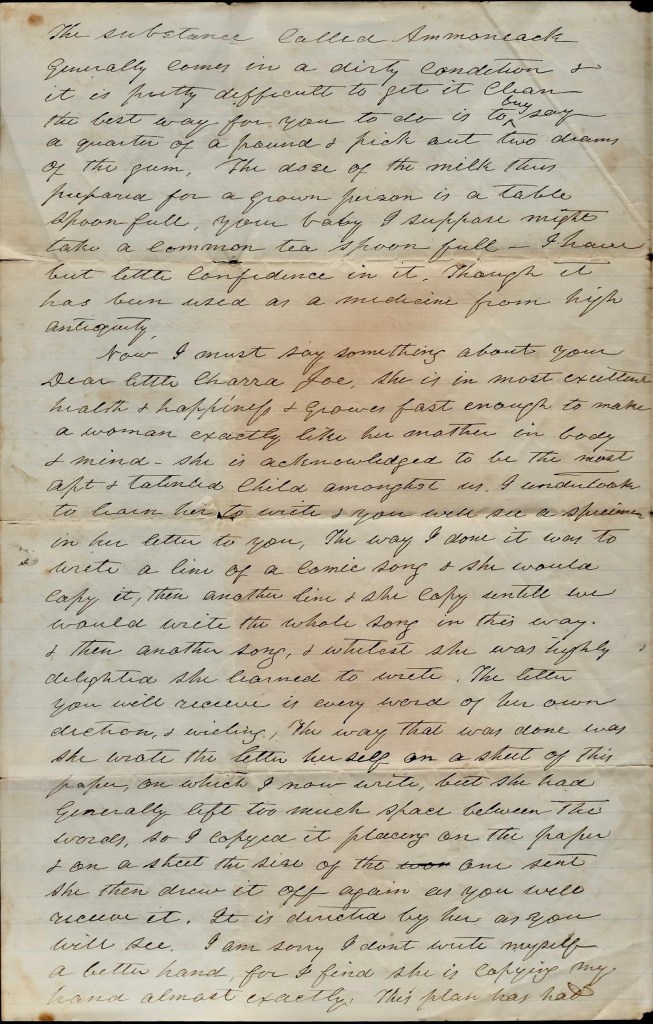


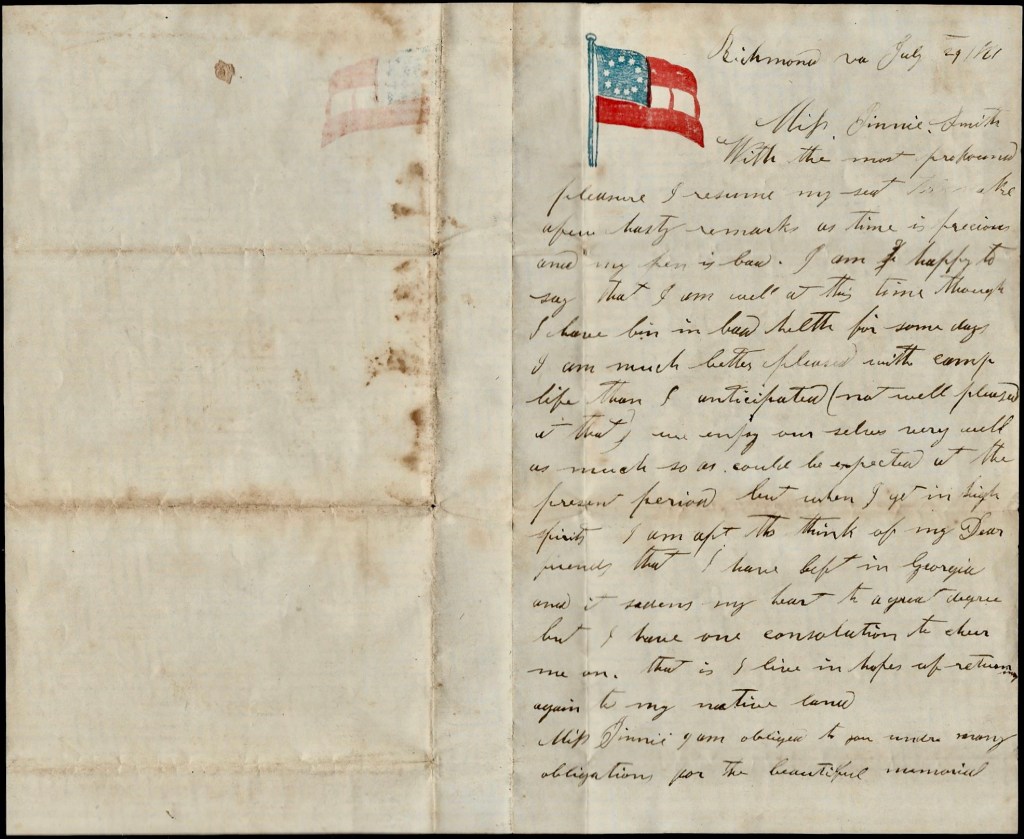

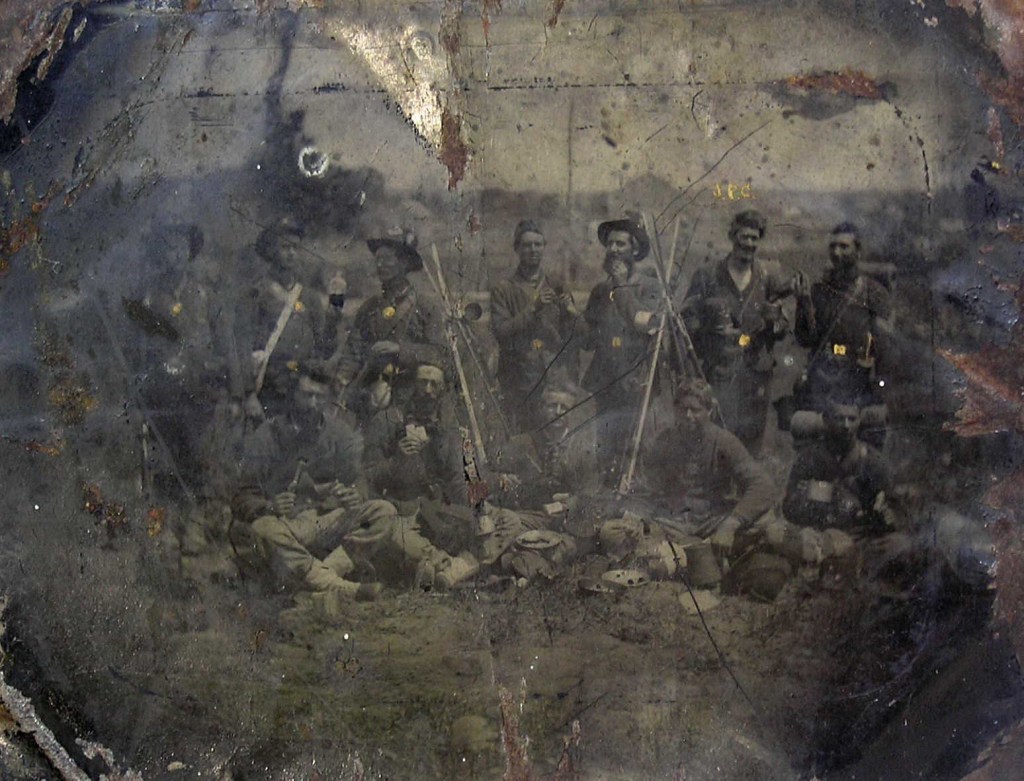
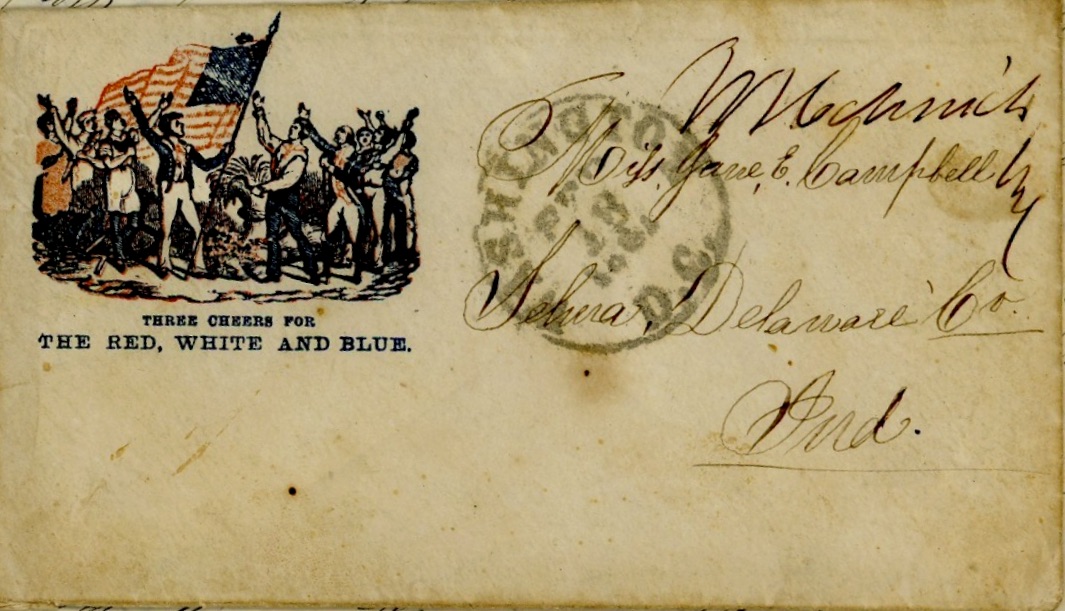
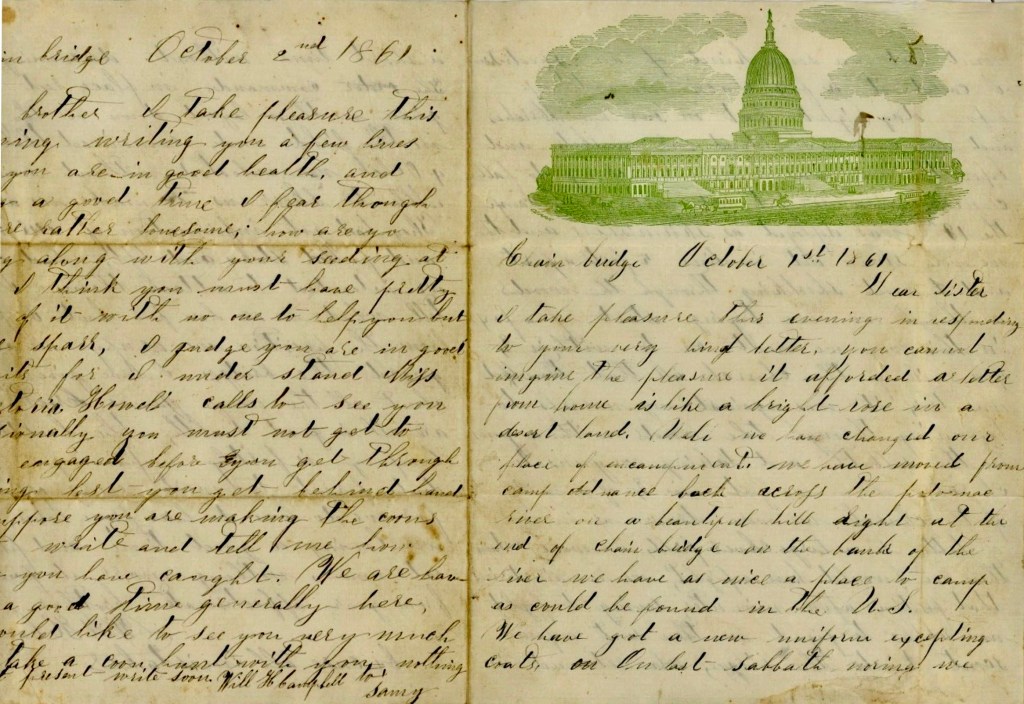


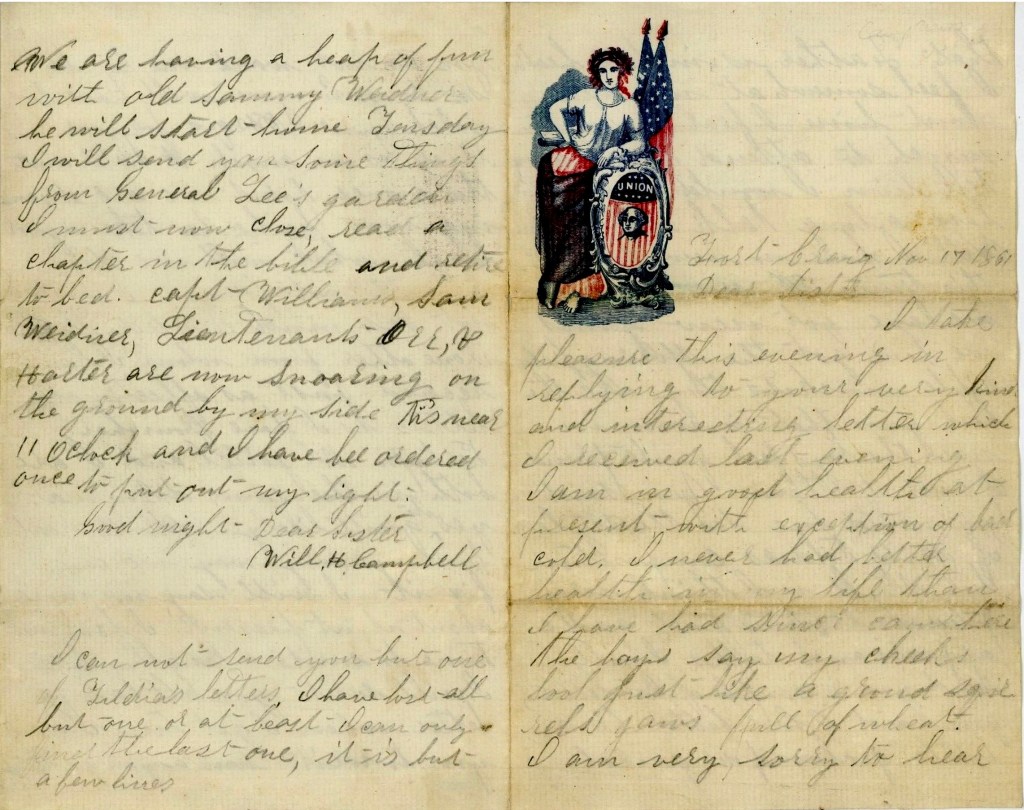



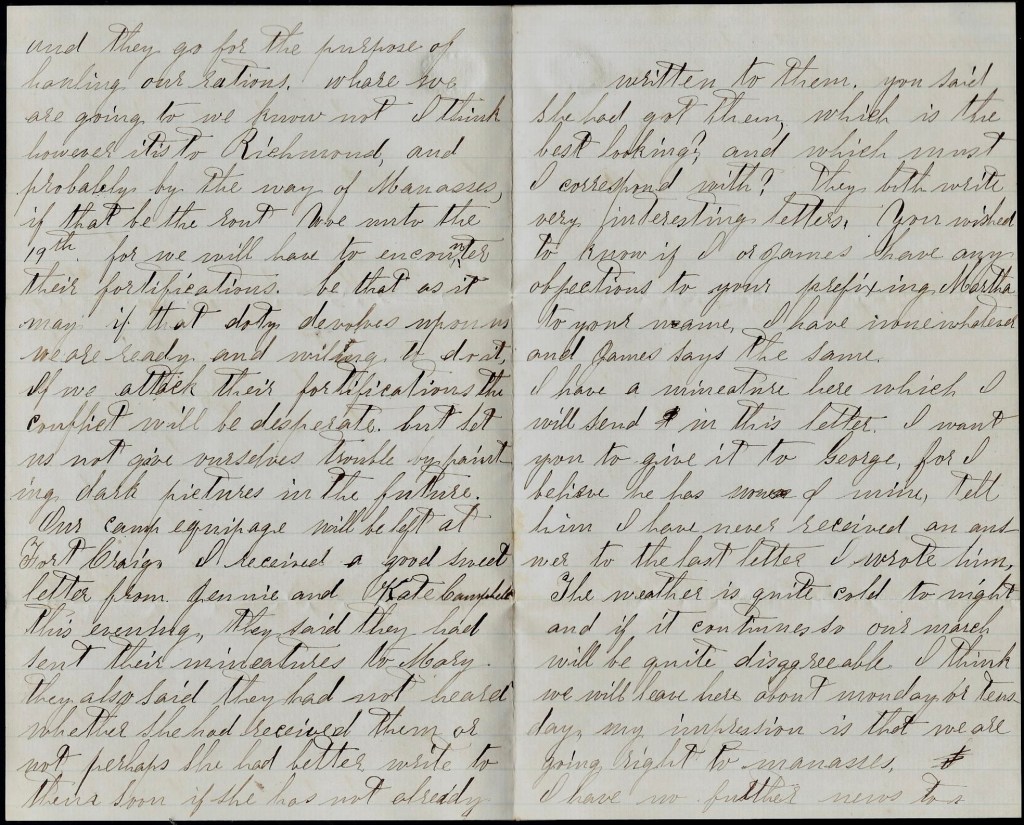

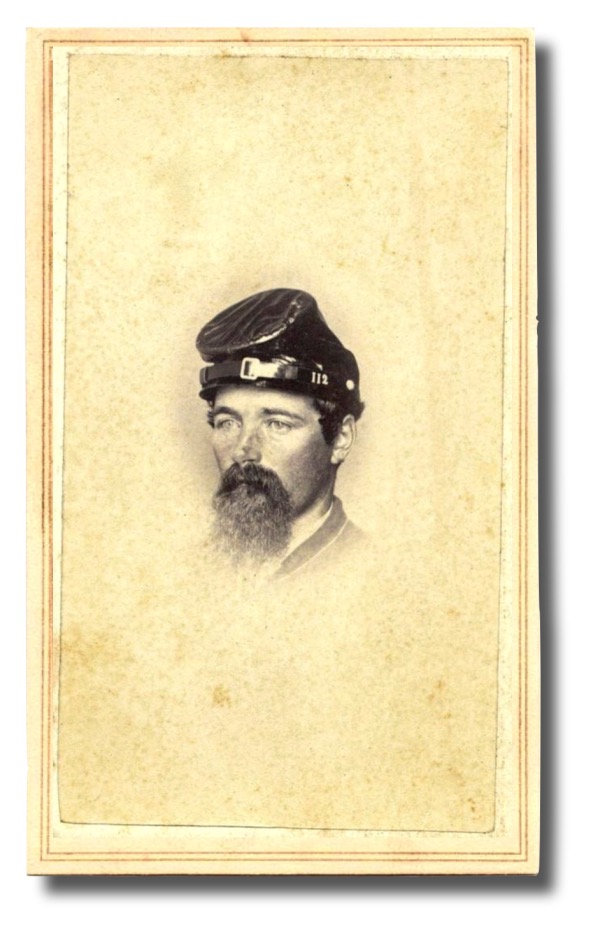

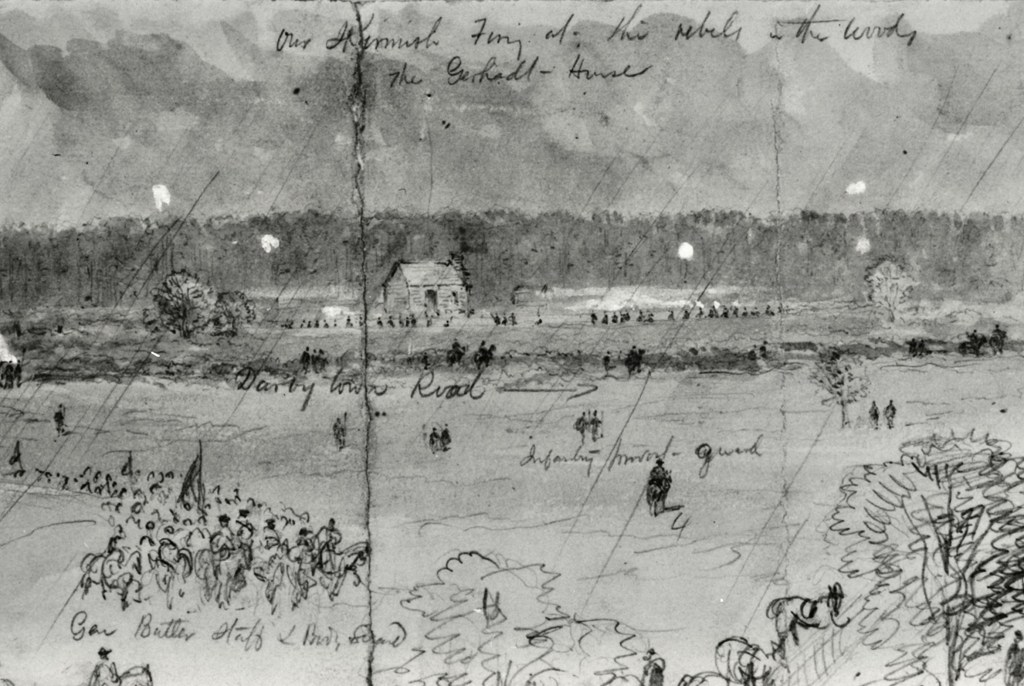
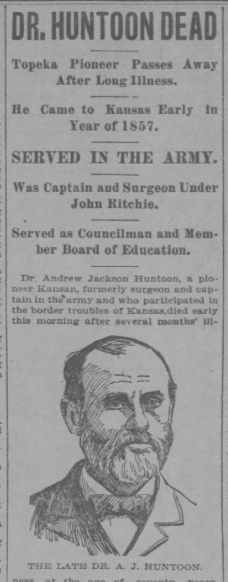
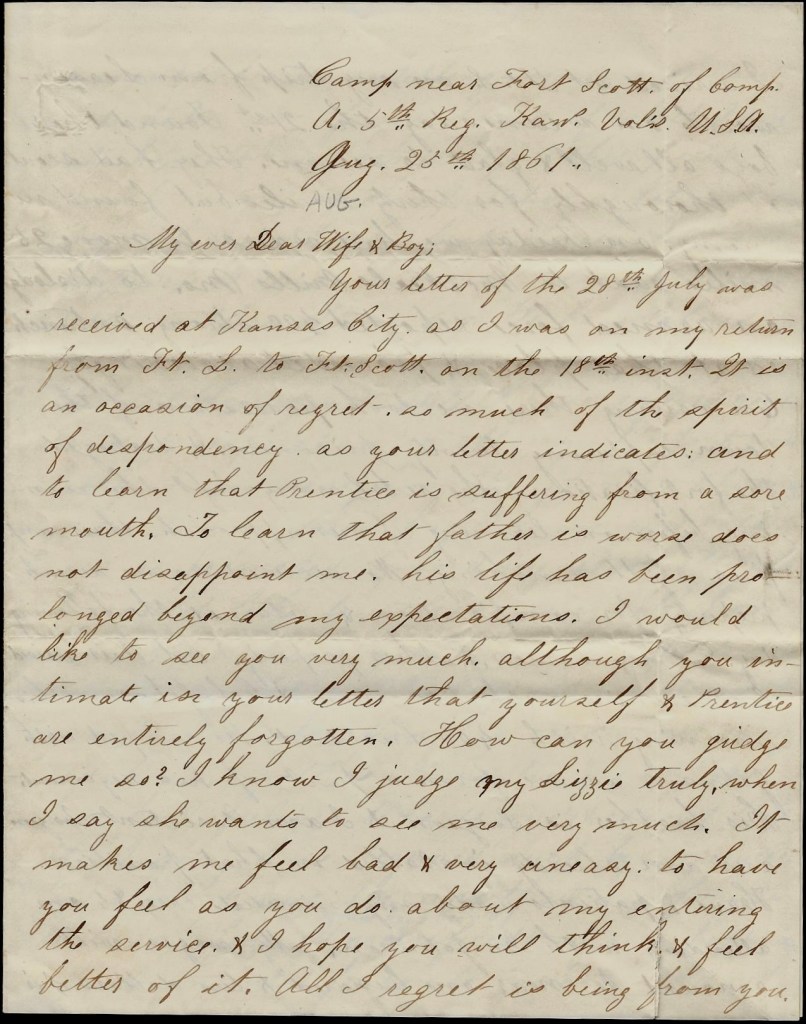
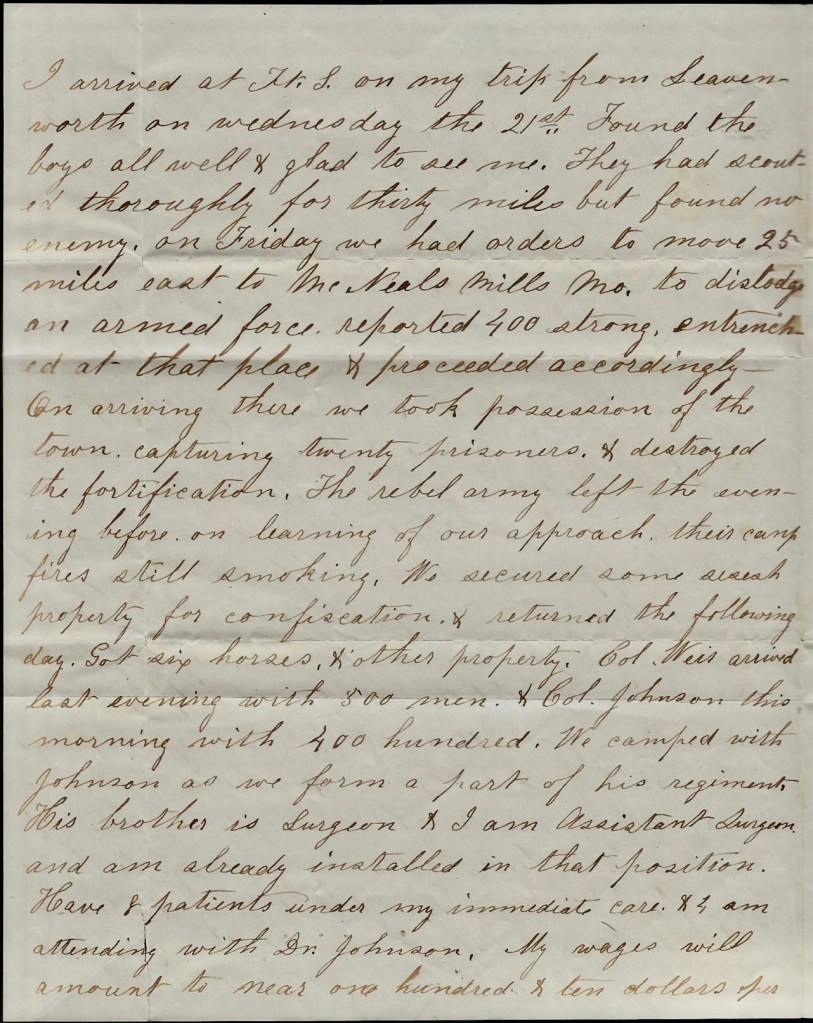

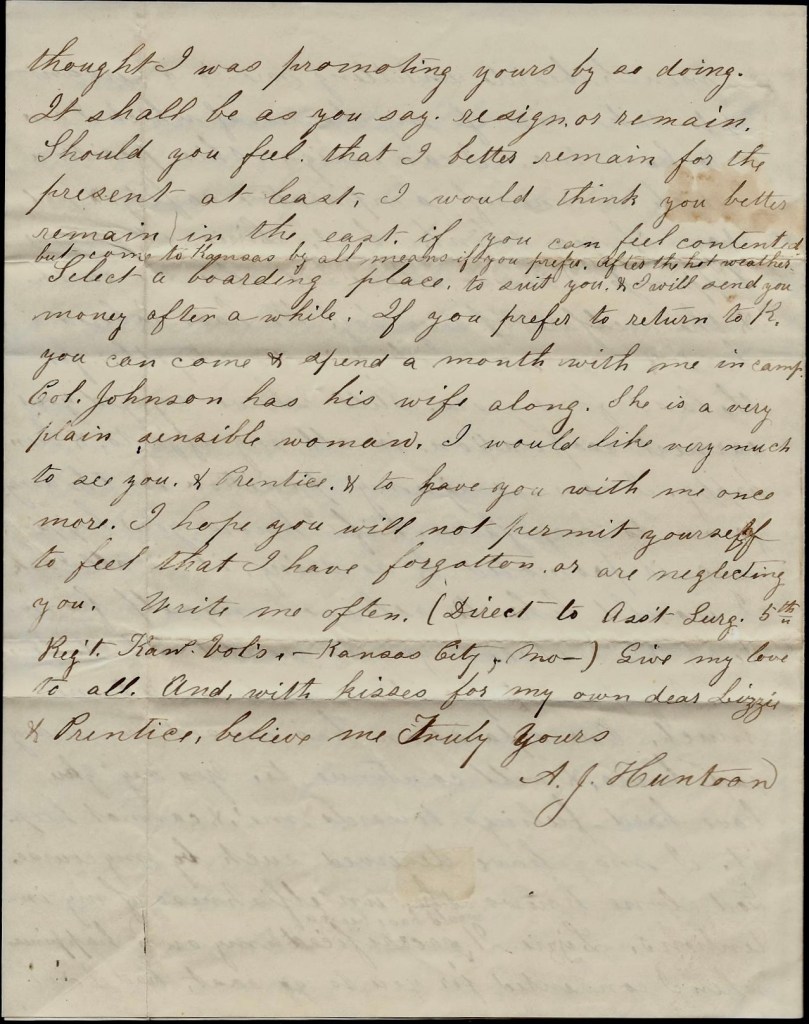
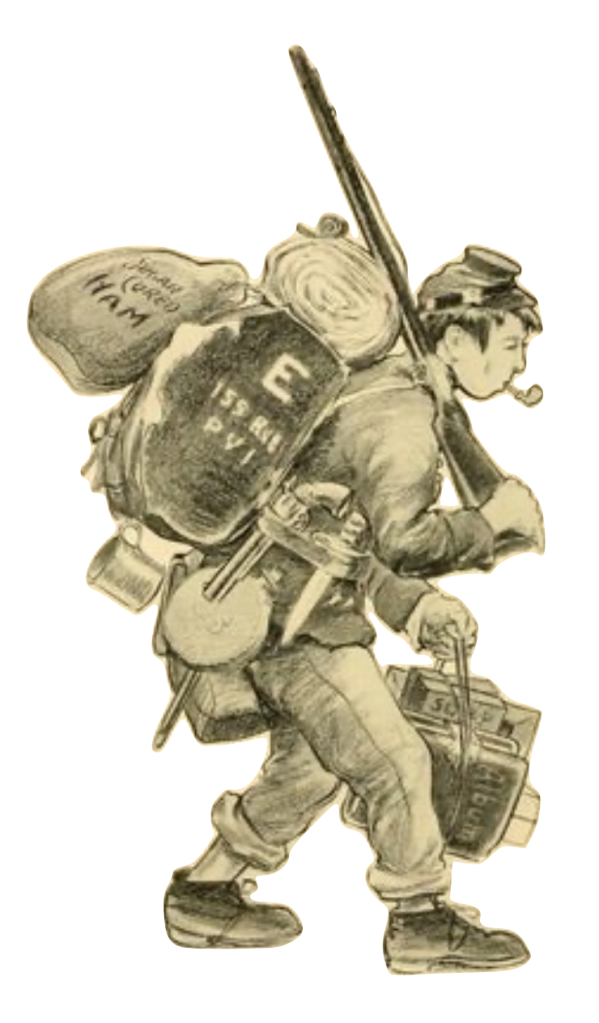
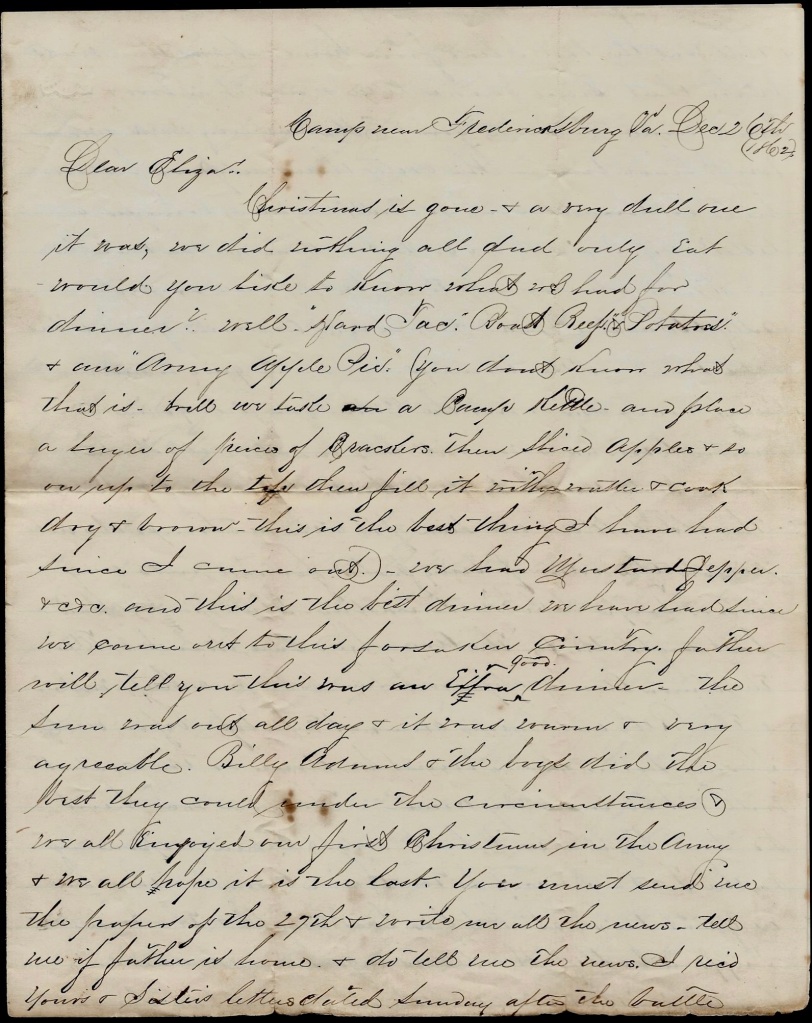
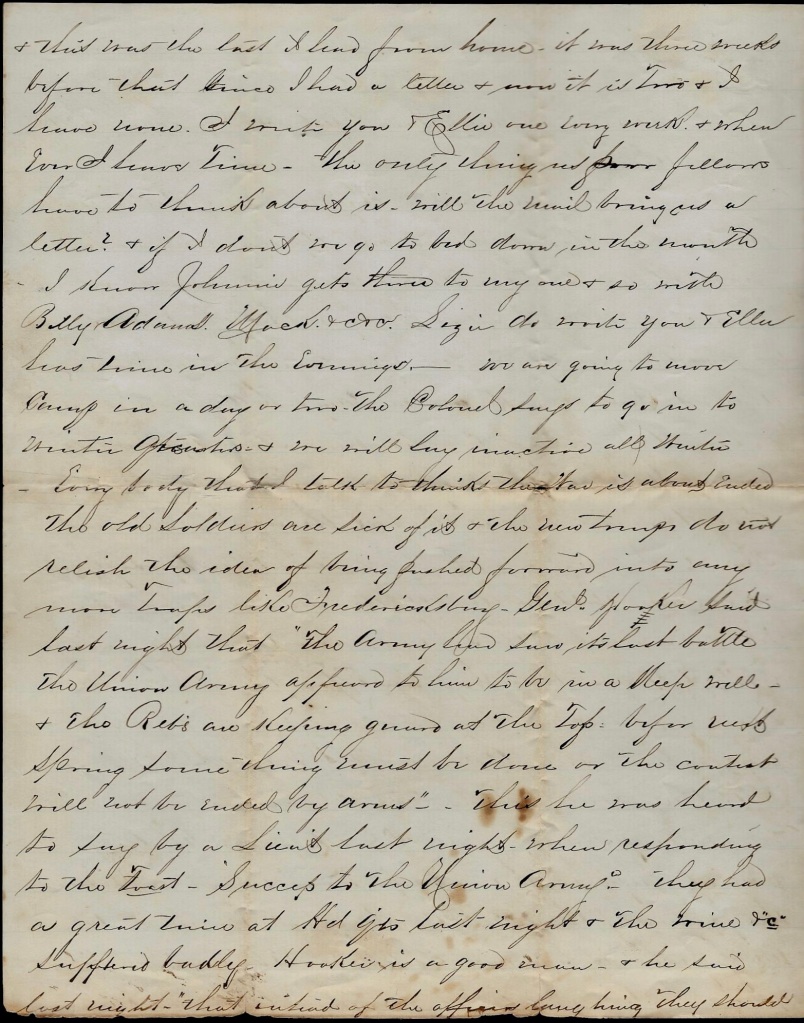
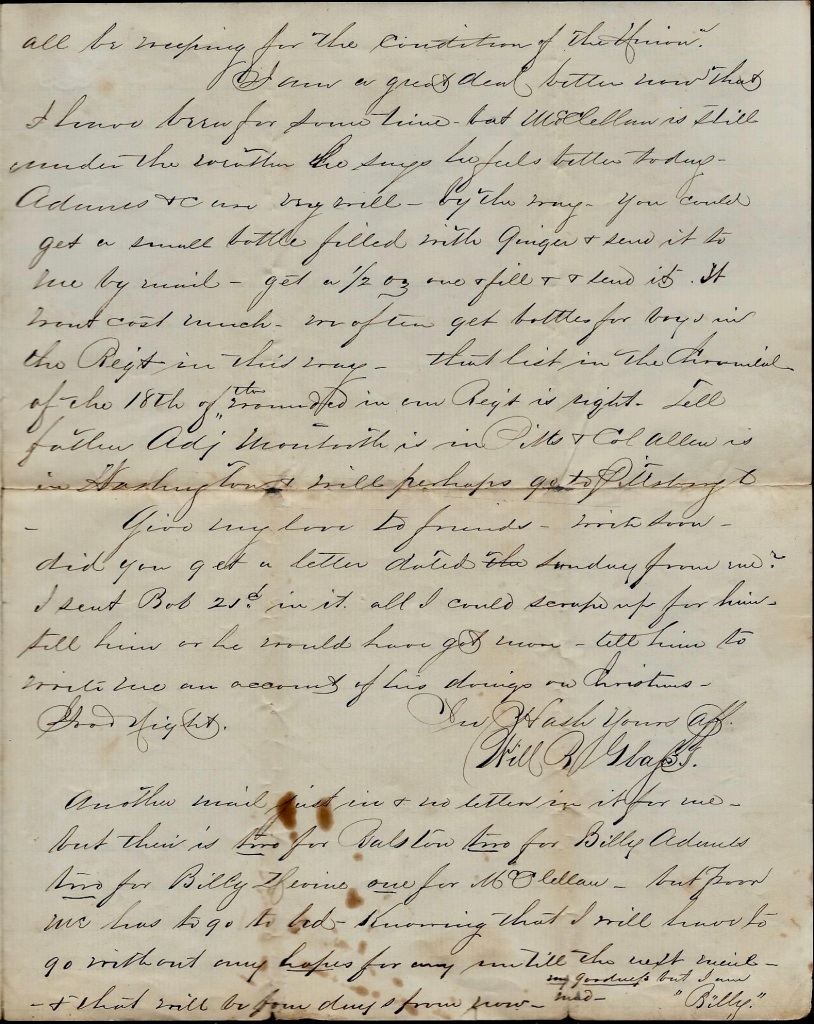


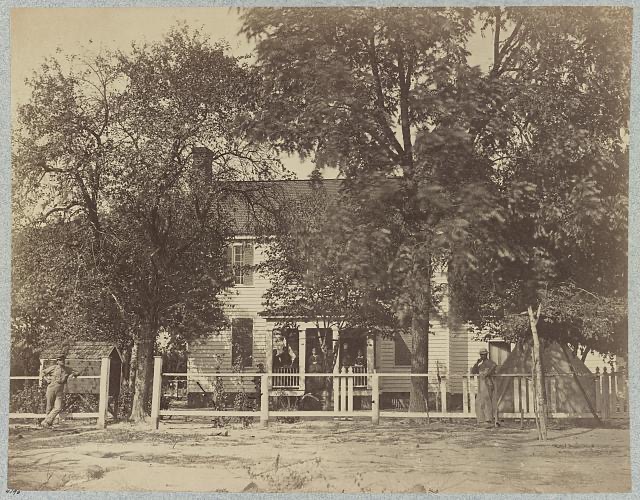
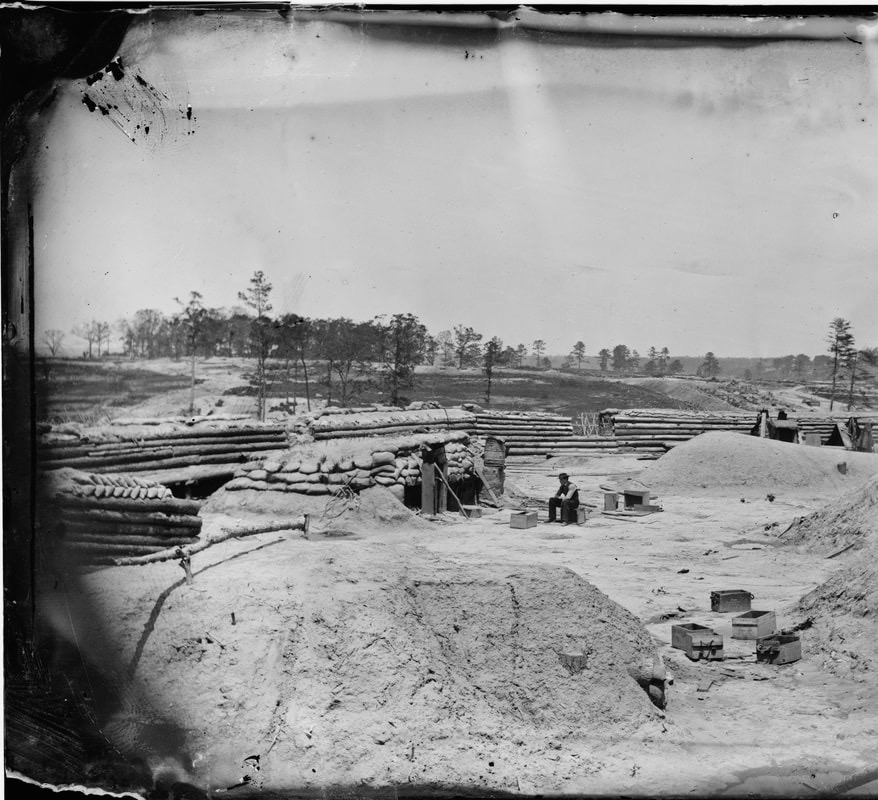


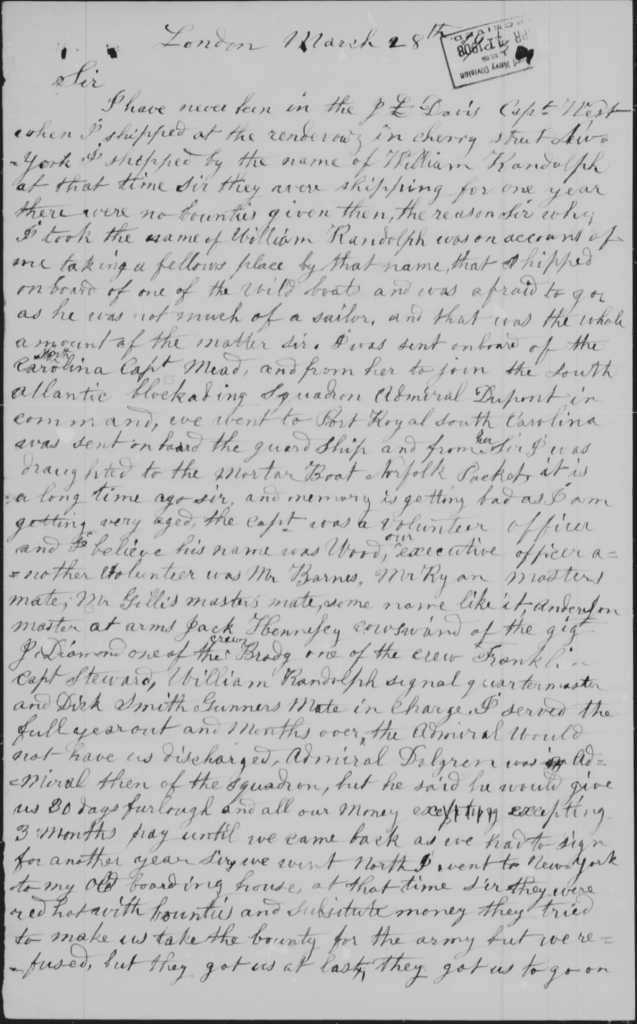


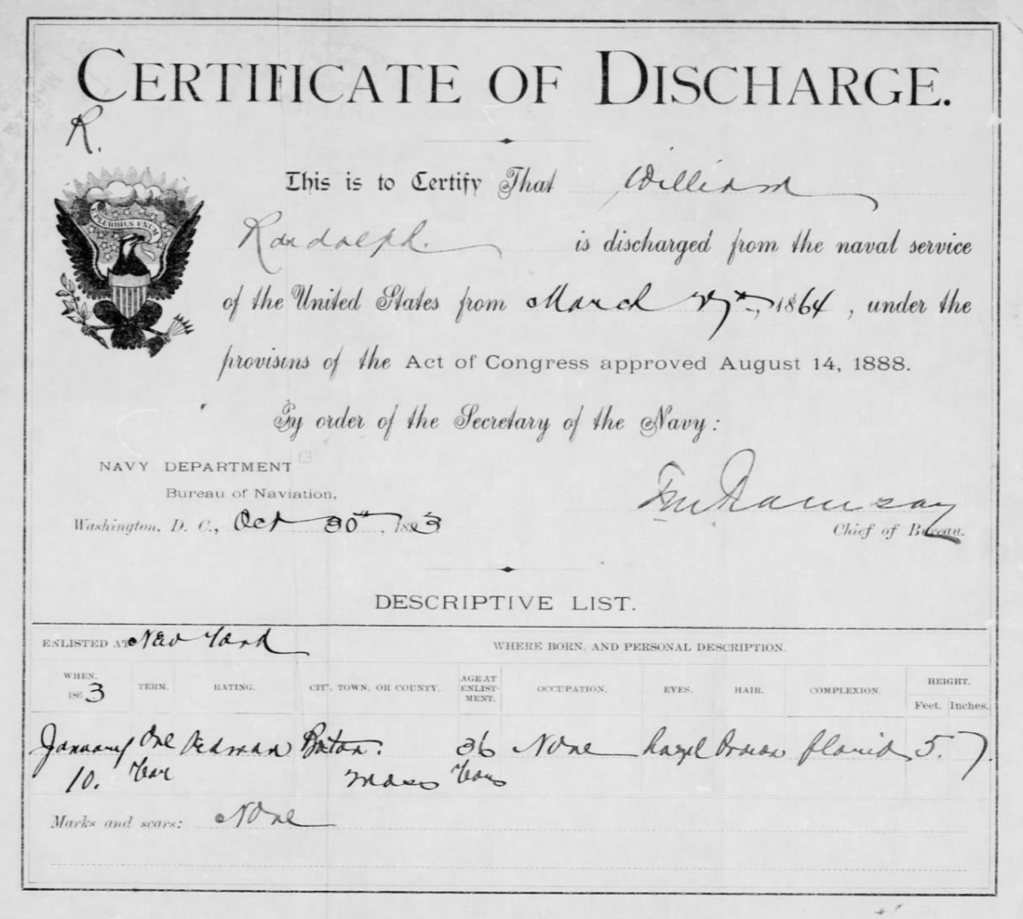


 Spared & Shared 23