My passion is studying American history leading up to & including the Civil War. I particularly enjoy reading, transcribing & researching primary sources such as letters and diaries.
The following letter was written by Edward Middleton Goodwyn (1835-1862), the son of wealthy physician Thomas Jefferson Goodwyn (1800-1877) of Columbia, South Carolina. In 1860, Edward was enumerated as a 25 year-old clerk living with his parents, 5 younger siblings, his maternal grandmother, and 33 slaves. He was an 1855 graduate of South Carolina College. He enlisted as a Private, Co. C, 2nd South Carolina Infantry on 8 April 1861 in Columbia, SC (or 24 April 1861 on Morris Island) for one year. He reenlisted for two years and was appointed 2nd Lieutenant on 13 May 1862. He was mortally wounded in action at Sharpsburg on 17 September 1862 and died on 5 October 1862 at Martinsburg, Va. (now WV).
An early war cockade worn by Edward M. Goodwyn (American Civil War Museum)
The men in this regiment were recruited from Columbia, Camden, and Charleston, and the counties of Sumter, Richland, Greenville, Kershaw, and Lancaster. After fighting in Bonham’s Brigade at First Manassas, the unit served under Generals Toombs, Kershaw, Kennedy, and Conner. It participated in many conflicts of the army from the Seven Days’ Battles to Cold Harbor except when it was detached with Longstreet at Chickamauga and Knoxville. The 2nd was active in Early’s Shenandoah Valley operations and ended the war in North Carolina. It reported 5 killed and 43 wounded at First Manassas, and lost eighteen percent of the 338 at Savage’s Station, twenty percent of the 203 at Malvern Hill, thirty-seven percent of the 253 at Sharpsburg, and forty-one percent of the 412 at Gettysburg. The regiment sustained 10 casualties at Bentonville and totalled 184 men on March 23, 1865. It surrendered with the Army of Tennessee.
T R A N S C R I P T I O N
Fairfax Court House July 1st 1861
Dear Mother,
Time is wearing away slowly and peaceably notwithstanding our close proximity to the enemy. Two of our Virginia cavalry which have been acting as picket guard a little in advance of our own pickets were taken yesterday. That is about all the changes that have taken place since I wrote last. Beauregard (so I hear) telegraphed to Davis that he was ready to advance. Davis answered “hold on yet awhile.” I expect they must be waiting for Congress to act. The estimate of the number of forces concentrated in and about this village is various. Some say 20,000. Some say 30,000 and so on. So no one knows but [P. G. T.] Beauregard, [Milledge Luke] Bonham & a few of the chiefs.
We are all well. Love to all. Direct your letters to Fairfax Country House. Your affectionate son, — E. M. Goodwyn
The following typed letter, dated 1 May 1899, was signed by Teddy Roosevelt while he was serving as the Governor of New York State, having been elected the previous November. He had just recently delivered his “Strenuous Life” speech outlining his belief that Americans should embrace hardship and effort for the good of the nation—principles that would later shape his presidency. It had been less than a year since his famous charge up San Juan Hill with his “rough riders” in the Spanish American War which propelled him to everlasting fame, and his first edition of the book “The Rough Riders” was published later that same month.
Roosevelt wrote the letter to Capt. Charles Greenlief Ayers (b. 1854) who served with the 10th US Cavalry in Cuba—an African American unit. In the Santiago engagement, Sgt. William Payne of Troop E, 10th US Cavalry, wrote: “About 6 A.M., July 1st the battle started. We remained at San Juan River about three hours. Then came the advance for the bloody charge up San Juan Hill, which we did in good order. This was the second time we came to the rescue of the Rough Riders. After we drove the enemy from their stronghold we deployed our skirmish line on the hill and awaited orders to commence firing. During this time our brave commander, Captain Charles G. Ayers, had to be begged and finally ordered to kneel or lie down out of danger, for shot and shell were falling all around him. He is the coolest man I ever saw in action.”
In the immediate aftermath of the 1898 Santiago engagement, Teddy Roosevelt praised the black soldiers of the 9th and 10th US Cavalry unites who came to the Rough Riders’ aid on San Juan Hill where they were pinned down. But in his book published the following year, with political ambitions in mind, Roosevelt not only downplayed their role but wrote disparagingly that “Negro troops were shirkers in their duties and would only go as far as they were led by white officers.”
T R A N S C R I P T I O N
Executive Chamber, State of New York Albany May 1, 1899
My dear Captain Ayres,
Hearty thanks for your note of the 26th ult. I did not see the list of medal of honor men, but I am not surprised that they left out the cavalry entirely. In my case, it was idle of course to expect it after my testimony concerning beef, &c. 1
I am interested in what the Army & Navy Journal says about the 71st [New York Vol. Infantry]. The simple truth is that as regards that regiment, those in command of the regular army did not do their duty. It should have been handled as was the 6th Massachusetts in Puerto Rico. General [Jacob Ford] Kent did speak of their conduct in his report, and informs me that he was called down for doing so.
Faithfully yours, — Theodore Roosevelt
To Captain Charles G. Ayres, Ft. McIntosh, Texas
1 Theodore Roosevelt testified to a government inquiry that the canned beef, nicknamed “embalmed beef,” supplied to soldiers in the Spanish-American War was unfit for consumption. He stated he would “as soon eat his old hat as the canned goods shipped under government contract to the soldiers in Cuba”. His controversial report was a response to reports of troops falling ill after eating the beef, which was preserved with boric acid to mask the smell of rotten meat. [Source: Meat Inspection Act of 1906, Britannica]
The following letter was written by Joseph Horace Eaton (1815-1896) who served as aiide-de-camp and military secretary to Ma. Gen. John C. Frémont in 1861. He was later stationed in Washington D. C. where he was assistant U. S. Paymaster. He wrote the letter to Sterling Price (1809-1867), the former congressman and Missouri Governor, who commanded the Confederate militia in Missouri in 1861.
The substance of this brief missive pertains to the exchange of prisoners. The Union officer held by Price’s Missouri Militia was Thomas A. Marshall, a graduate of the Transylvania University law school, and a practicing attorney soon after in Vicksburg, Mississippi. Two years later, Marshall moved to Coles County, Illinois, where he continued to practice law, and by 1841, he lived in the county seat of Charleston. As early as 1846, Marshall began a law partnership with Usher F. Linder. In 1853, Marshall became the cashier of a bank in Charleston, and he remained in the banking profession through 1860. He won election to the Illinois Senate, serving from 1858 to 1862. In 1861, he served as president pro tem of the Senate and as acting lieutenant governor. When the Civil War broke out, Marshall became colonel of the First Illinois Cavalry, serving from July 1861 until he mustered out in July 1862. [Source: Papers of Abraham Lincoln Digital Library] Col. Marshall was taken prisoner on 20 September 1861 when he and others in his command were surrendered at Lexington, Missouri, after a 52 hour siege. Most of the other officers in the command were not exchanged until December 1861.
The prisoner held by the Union army in St. Louis was Prince Lucien Hudgins (1810-1872)—a civilian lawyer and a Christian preacher from Savannah, Andrew county, Mo., who had been arrested for conspiring against the U.S. Government. (See the Pardon of Prince L. Hudgins)
T R A N S C R I P T I O N
Headquarters, Western Department St. Louis [Missouri] September 24, 1861
General,
I am instructed by Major General Fremont to say in reply to your proposal for the exchange of Col. Thomas A Marshall, 1st Regt. Illinois Cavalry for Mr. Prince L. Hudgins, that it is accepted and the latter will be released and delivered over to his son, the bearer of your letter. Please on receipt of this, give to Col. Marshall facilities for reaching the nearest station of our troops. Respectfully Sir, your obedient servant, — J. H. Eaton, Col. & Military Secretary
[to] General S. Price, commanding Mo. State Guard, Lexington, Mo.
I could not find an image of John but here is one of Samuel Merring of Co. C, 86th New York Infantry who may have been John’s Cousin. Samuel was killed on 10 May 1864 at Spotsylvania Court House. (Pamela Pinney Vincent collection)
The following letters were written by Sgt. John Merring Stroud (1837-1873) of Co. K, 86th New York Infantry (a.k.a. the “Steuben Rangers”). This regiment was organized at Elmira and mustered in on 20 November 1861. Upon arrival in Washington D. C., they were attached to the 2nd Brigade, Casey’s Division, Army of the Potomac until March 1862, and then reassigned to Wadsworth’s Command of the Military District of Washington until August 1862. Their first real battle did not occur until December 1862 when they participated in the Battle of Fredericksburg. John service record indicates that he left the regiment in October 1862, however—discharged for disability.
John was from Bennett’s Creek in Steuben county, New York. His parents were Joseph D. Stroud (1799-1870) and Elizabeth Merring (1802-1883). It’s amazing that John’s letter was delivered given that he did not write Steuben county on Lottie’s address.
The Old Capitol Prison in Washington City, roughly on the location of the US Supreme Court building today.
Letter 1
Addressed to Miss Lottie Sheffield, Bennett’s Creek, New York
Headquarters Provost Marshal Office Washington D. C. May 1st 1862
Friend Lottie,
Yours came duly to hand and was received today, Was glad to hear that you are not discouraged although nay of your old associates have fallen even here. You see but a very small part of the horrors of war. It is truly hard to see those who you have ben almost daily with laying at the point of death and in the intensest agony. Although I have witnessed much of it, I cannot look upon such a scene without feeling for them and the friends that are to mourn their loss. All of this only makes a man fear death less, Makes him think that maybe his lot, should it be his only hope, may it be in the battle field where he may at least kill one before it is his lot to fall.
The 86th [New York] are in better health than they were a short time ago. I enjoy life well although we have to be on duty every other day and some of the time oftener.
We have many secesh prisoners here to try every day as well as a great many contrabands. The contrabands think there is no other man like Massa Lincoln. He is all right. The slaves are all freed in the District and tonight are holding a meeting celebrating their freedom. 1 Many contrabands have come from Mississippi here and every other state that own slaves. I should be happy to tell you much more but space will not permit. I think I shall come home on a furlough the last of May. Then I should be happy to see you. You must come home then. Won’t you?
Lottie, I thank you for your kindness in sending me those cakes of sugar. They were very nice and I enjoyed eating them very much. I hope you may enjoy the coming summer well in teaching. I enjoy life well here but hope to have a very nice time when I come home which will be in the course of a few weeks.
The war is progressing finely and I hope a few more months will end the main fighting. New Orleans is undoubtedly ours. When we gain Yorktown and one or two more strongholds, we must gain the whole thing which I am confident we will.
In yours you wrote you had learned a very rich thing concerning Miss Taft and myself. I should be happy indeed to have you write what it is. I cannot guess. Please do.
Excuse these imperfect lines. Also rapid penmanship and write soon. Ever yours, — Sgt. J. M. Stroud
1 There were some 3,000 slaves living in the District of Columbia in April 1862 that were freed by D. C.’s Compensated Emancipation Act. It was passed on 16 April 1862 and it compensated the slaveholders for their “property” and gave freed black people money to emigrate if they wanted to.
Letter 2
Addressed to Miss Lottie Sheffield, Bennett’s Creek, New York
Old Capitol Prison Washington D. C. June 12, 1862
Friend Lottie,
Yours came duly to hand. Was glad to hear you were having happy times this summer. We are yet in Washington and have charge of the secesh prison. See full better times than we would were we in the field. It is not very hot here now except once in a while a day. It does not seem as hot as it did one month ago.
Our Boys are getting reduced in number to quite a small regiment. There is a quite a god many in the sick list now with mumps and there is some few cases of the varioloid. I hope that the last mentioned disease will not rage to a very great extent but it may notwithstanding. Byron has been complaining a little for a couple of days but I do not think there is anything serious got hold of him.
We have had a good deal of rain and a considerable of cold wind.
Lottie, I do not know what to write that will interest you but will write gen[eral] news. Perhaps that will be as well as I can do this time. We had some pretty hard opposition near Richmond but hope that all opposition may be overthrown. Our forces have been driven back—all that has opposed their progress thus far and may they still drive them until they are subdued.
You must write me soon. I think of coming home next week. Then I should be happy to see you and the friends of New York. I think we could have a jolly old time. I can talk far faster than I can write. Write soon. I will close. Yours truly, — J. M. Stroud
I could not find an image of Richard but here is one of Gus Hale who was about the same age and also served in the 9th Virginia Cavalry. He was also from Stony Hill, Richmond county, Va. (Ancestry.com)
The following letter was written by Richard J. Norris (1831-1863) who enlisted as a private in Co. D, 9th Virginia Cavalry in mid-September 1861. He was wounded in the Battle of Brandy Station on 9 June 1863 and died at Richmond on 2 July 1863.
Richard addressed the letter to Mary C. Hinton (1843-1917), the daughter of George Crowther Hinton (a house carpenter) and Margaret A. Brown of Stony Hill, Richmond county, Va. Mary never married. In the 1860 US Census, 29 year-old Richard Norris was employed as a laborer on the adjacent farm of Joseph R. Haynie. Joseph was married to Elizabeth Norris (b. 1828), almost certainly Richard’s older sister. Joseph also served the Confederacy, first as a foot soldier in the 37th Virginia Militia, and then later as a member of the 9th Virginia Cavalry, Co. K. Both Joseph and his wife Elizabeth were born in Lancaster, Virginia, as was Richard.
T R A N S C R I P T I O N
Addressed to Miss M. C. Hinton, Richmond county, Virginia
Fort Lowry, Essex county, Virginia October 31, 1861
To Miss M. C. Hinton
As I have a leisure hour to spare, I will employ myself by writing you a few lines. I arrived at the fort yesterday with a few others of our company. We were encamped at Dunnsville when we first came over on this side, but Monday Col. [George E.] Pickett got a dispatch from Richmond stating a fleet would attack him at the fort in the evening at 2 o’clock and our company and the Essex Cavalry 1 were ordered down here immediately last Tuesday week.
I was taken with a chill and have been confined to the bed ever since until today, I went out about 12 o’clock. I was carried to a private house when I was first taken where I remained until yesterday when I was removed down here to Mr. Warren’s where I expect to stay until I get fit for service which I hope I will be soon. Dr. [Thaddeus Constantine] Montague pronounced my sickness to be the bilious fever. Several of our company over here is sick and six in Lancaster, making thirteen in all on the sick list. The sick are treated very well over here. They have no right to complain.
I hope this may find you and all the family well and I hope also you may continue so. Give my respects to the people in the neighborhood—especially to Betsy and all the children and sister and her children Frances and Margaret, and everybody. But don’t forget to retain a portion for yourself. I cannot tell when I shall be over. It may be long or it may be short.
Since I have been writing, Capt. [Meriweather] Lewis received orders not to let a man leave the camp. The enemy is expected every minute. There has been a steamer in sight this evening. If there is no fleet up here in a week or so, we will be sent to Yorktown. It has already been rumored if we go down there, there we will stay until next spring. Nearly every man in our company are wishing for the fleet to come in sight. Capt. Lewis is quite a big man over here. He has command of two companies of 80 each.
Though we are separated by the deep waters, yet I think of thee and hope you have not forgotten me. If you feel disposed to answer this, I shall be very glad to receive the answer. I would be very glad to hear from you and everybody in the neighborhood. I intend to write to sister Betsy and Fanny. If you write, direct your letter to Dunnsville, Essex county, Va. in the care of Capt. Lewis. You can send a letter from Heathville or the church in ten or twelve hours to Dunnsville which is only two miles from here.
I must now close by asking you to excuse my pencil as pen and ink is hard to come at. I still remain your devoted admirer and hope the same from you. — Richard J. Norris
1 The “Essex Cavalry” refers to the Essex Light Dragoons ( or Co. F of the 9th Virginia Cavalry). They were located at Camp Bryon near Dunnsville until October 1861 when they were ordered to Fort Lowry to assist in the fort’s defense and to conduct scouting missions.
The following letter was written by Luke Palmer Hurt Trapley (1841-1862) who enlisted as a corporal in Pittsylvania county, Virginia, to serve in the Whitmell Guards (Co. D) of the 38th Virginia Infantry. He was later promoted to sergeant and had the honor of being named the color bear during the Seven Days Battles on the Peninsula. He and Corporal Cornelius Gilbert of Co. D, as well as Private Churchwell Parker of Co. F each fell mortally wounded while bearing the colors in advance of the regiment during the charges at the Battle of Malvern Hill on July 1, 1862.
Some members of the 38th Virginia Infantry (Ancestry.com)
The 38th Regiment, Virginia Infantry was recruited in Pittsylvania, Halifax, and Mechlenburg counties. It served under the command of Generals Early, Garland, Armistead, Barton, and Steuart. The 38th participated in the campaigns of the Army of Northern Virginia from Williamsburg to Gettysburg, then served in North Carolina. Later it was attached to the Department of Richmond, fought at Drewry’s Bluff and Cold Harbor, endured the hardships of the Petersburg trenches, and ended the war at Appomattox. The regiment totaled 544 effectives in April, 1862, and sustained 9 casualties at Williamsburg, 147 at Seven Pines, 94 at Malvern Hill, and 16 in the Maryland Campaign. More than 55 percent of the 400 engaged at Gettysburg were disabled and it reported 11 killed, 30 wounded, and 10 missing at Drewry’s Bluff. The unit surrendered 12 officers and 82 men.
Luke was the son of Luke Palmer Tarpley (1810-1856) and Nancy Perkins Hurt (1817-Aft1880) of Pittsylvania county, Virginia. In the 1860 US Census, we learn that Nancy took her mail at the Chestnut Grove Post Office of Pittsylvania county, that her real estate was valued at 1,600 dollars, and her personal property was valued at 5,000 dollars which was largely due to the five slaves she owned.
Luke wrote the letter to Mary (“Mollie”) H. Swanson, the sister of Samuel Allen Swanson (1838-1862) who also served in Co. D, 38th Virginia Infantry. In June 1861, he was elected 2nd Lieutenant of the company. He was killed in the Battle of Seven Pines near Richmond on 31 May 1862. Mollie’s parents were John Swanson (1802-1882) and Julie B. Cook (1802-1868) of Swansonville, Pittsylvania county, Virginia. See also—1861: Samuel Allen Swanson to Mollie Henrie Swanson
T R A N S C R I P T I O N
Camp Edmonds 1 [near Centreville, Virginia] September 20, 1861
Miss Mollie H. Swanson,
Dear friend, I seat myself this morning to drop you a few lines in reply to your very welcome letter which I received a few days since. I was much pleased to get a letter from you as none of you has thought enough of me to write since I left. I had just concluded the day I received your letter that you girls certainly must be the worst girls about writing in the world as none of you would write atall and I had laid up a quarrel for every one of you but none that you have written to me. I will not quarrel with you any but tell the rest of the girls to look out for twelve months ain’t always.
I will now try and give some of the news of the day. There is a great deal of sickness in camp at present. Our captain [Ralph Clement Herndon] is complaining some but nothing serious. Lieutenant [Napoleon] Price 2 is very sick. He has the fever. Our company are improving some. We have only 24 on the sick list, if I ain’t mistaken. Sam [Swanson] is well and hearty and looks better than I ever saw him. It is hard for me to decide which is the best looking—myself or Sam. We both look so well, it is hard to make a decision.
You ask me if I had a chance at the Yankees heads yet. I am sorry to say I have not for every time they hear of the 38th, they put out. We went out at Winchester to give them a round and why did we? There was no Yankees there. They fought over the left shoulder. They had better travel when the 38th breaks out—more particular, the Whitmell Guards [of Co. D].
You said you think that I would like very well to see a certain young lady. I will admit to that. I would like very well to see you all. I would be pleased to know the secret yuo and Miss Patsy found out for I am anxious to know it. I want to know what you call a secret.
Well I know you will get tired of my nonsense, therefore I will try and write something else. You told me to give your love to Oliver and take good care of him. I have given him your love and also have taken as good care of him as I could possibly do. I have to stand guard every day or two from the fact we have so much sickness in our company. I went to see him as often almost as one of my own brothers. I am happy to say that he is improving and if no bad accident happens to him, he will soon be able for service again. I will now close my madly written letter as I expect to send this by Capt. Hall and he will give you all the news. Write soon to your friend, – L. P. H. Tarpley
P.S. Please excuse bad writing and spelling. Give my love to your father’s family, Capt. Hall, and also mother’s family. Goodbye until I hear from you again. — L. P. H. T.
P. S. Tell old man Cook I would be pleased to hear from him. — Doc
1The camp was named afterCol Edmonds, the commander of the 38th Virginia Infantry. He was killed on July 3, 1863 during Pickett’s Charge. His command was part of Gen Lewis Armistead’s that followed Pettigrew’s and Trimble’s into the field. After marching west, the command turned and headed northeast. Col. Edmonds was killed about 30 feet from the Angle. He was buried on the field and later exhumed and is now buried at Hollywood Cemetery, Richmond.
2 Napoleon Price (1840-1862) was 1st Lieutenant of Co. D, 38th Virginia. He was critically wounded in the charge of Malvern Hill near Richmond on July 1, 1862, and died in the Richmond hospital two days later.
An unidentified Sergeant from a New Hampshire Regiment (Dave Morin Collection)
The following letter was written by Charles Gammon (1841-1921), the son of Phillip Gammon (1812-1887) and Maranda Southgate King (1810-1854) of Raymond, Cumberland county, Maine. Charles enlisted in July 1861 to serve in Co. K, 3rd New Hampshire Infantry. He rose in rank from private to sergeant before being wounded on 16 August 1864 at Deep Bottom Run, Virginia.
We learn from the letter that Charles received a leg wound the 2nd Battle of Deep Bottom when the 3rd New Hampshire, part of the 10th Corps, was ordered to assault a Confederate position near Fussell’s Mill. After initial success, they were ultimately turned back when the Confederates counterattacked.
T R A N S C R I P T I O N
Grant US [General] Hospital [at Fort Totten] Willett’s Point, New York Harbor October 20, 1864
Dear Father,
Tis with pleasure that I now take my pen in hand to write you a few lines. I am getting along pretty well and my wound is a healing up but I don’t know what to think of it. The doctor looked at it this morning and then got his knives and lanced and set out to cut into my wound but he did not. I think he thinks there is some broken bone in my leg but he won’t tell me whether there is or not. I think if the doctor will let my wound alone, it will soon be healed up but I am afraid he will cut it open again. If he don’t, I shall go to the front as soon as it is healed over. I am tired of staying here.
I got two letters from my regiment yesterday. They all want me to come back as soon as I can. Charles Tauton sent me the rest of that money you sent me when I was first wounded. My regiment is within 6 miles of the City of Richmond but there is but a few of them left. I think it is rather hard that I can’t come home after getting shot but I shan’t moan about it if I do not get sick or get shot again. I shall get home sometime.
Father, I hope I shall be spared to get home safe again for I have got a good many things to live for. I have suffered enough and I would like to have a place of my own and settle down and take some comfort. But all I can do is hope for the best and take what comes. I am afraid we have got to have 4 more years war and it will be hard if we do.
Received your kind letter today and my friend’s letter. Please write soon for I shall try and go to the front of some of you send me the money I wrote for. As I have no news to write, I will close with love to all. From your son, — Sergt. Charles Gammon
The following letter was written by Stiles Smith Twitchell (1838-1877), the son of Bennett Twitchell (1807-1853) and Polly Caroline Smith (1806-1892) of Bethany, New Haven, Connecticut.
Stiles enlisted in Co. H, 15th Connecticut Infantry in late August 1862 and remained with the regiment until 1 August 1863 when he was transferred to the Veteran Reserve Corps. The 15th Connecticut saw action at Fredericksburg before being sent to Suffolk in March 1863. This letter to a friend, describes the actions of the 15th during the Siege of Suffolk in April 1863.
T R A N S C R I P T I O N
Suffolk, Virginia May 7th 1863
Dear friend Charles,
Since writing you last, I have received your kind answer but owing to amount of duty that fell upon us at the attack of the enemy upon this place some three weeks & more since, I have delayed answering until now, which I know you will freely forgive. And now as I begin, the news I write may perhaps be old to you, still I will give a short account of it as near as my knowledge extends.
It is four weeks tomorrow eve since we first fell in line to await the threatened attack and for over two weeks lay under arms behind the breastworks on the south front in anticipation of the attack, doing only such duty as such occasions require—namely, picket & fatigue duty. The enemy meantime occupying themselves or the time in throwing up breastworks, digging rifle pits, &c. preparatory to a siege, and only disturbing our quietness on one occasion by throwing a few shells near to & over us, but their batteries were soon compelled to retire by the opening of one of the forts upon them and no damage done to us.
I have since learned that on that day, the enemy had drawn up in line of attack twenty-five thousand men to rush upon us but by feeling cautiously along discovered to their surprise our well defended lines and abandoned the attack. But things were not to remain in so quiet an order long, so a reconnaissance in force was made on both the Edenton & Somerset roads to discover the position and strength of the rebels on the south front. Ours—the 2nd Brigade—led the advance on the Edenton road and discovered the enemy some three miles out. Skirmishing commenced with the rebel pickets and sharp shooters by the 11th Connecticut Vols. on the right supported by the 13th Indiana and by the 16th Conn. Vols. supported by the 15th Conn. Vols. The batteries got in position in the meantime and played with effect on the fortified works of the rebels to occupy their attention while the infantry advanced and drove their skirmishers, pickets and all, and reached a point beyond a strip of woods and within 200 yards of the rebel works. There we lay full 20 minutes during which time the shells of the opposing batteries played incessantly over us going in both directions.
Having reconnoitered their position and gained quite a knowledge of the extent of their works and not wishing to bring on a general engagement, we retired in order, and reached our former position behind the breastworks at dusk. It was during this time employed in driving in the rebel skirmishers and while marching in battle front towards them and close behind our skirmishers that the late Frederick L. Dougal received his fatal wound & Elijah Williams was wounded in the side. Corp. W. J. Abernathy was struck on the left shoulder with a spent ball which perforated the cape of his overcoat & and only raising a bump on his shoulder, but not severely injuring him. Two others of our company were also struck with spent balls but not injured.
One week ago last Tuesday we moved and now are encamped to the northeast of the town with the Nansemond river on the north front of our line. Last Sunday we were ordered out and attacked the rebels again in their works again on the northern bank of the river. The fight lasted all day and terminated with a terrific cannonade by our forts, gunboat’s batteries for an hour or more before dark, or rather moonlight, for it was clear and bright moonshine out then upon the quiet scene. Our troops withdrew in order on this side of the river by moonlight & turned their steps to their several camps.
About noon our regiment advancing into action across a corn lot in front of the rebel works, lost one killed & two wounded. Long before this time, their sharpshooters had been driven in by the 25th New Jersey & 103rd New York. Companies A, B, F & G relieved the skirmishers of the aforementioned regiments as their ammunition (60 rounds) gave out. While the rest of the 15th lay in the woods and protected by a rising knoll over which the fire of the enemy ranged, several shells bursted over us and bullets went whistling overhead continually, but only one man was wounded where we lay. Fatigued by the heat of the day & suffering with a headache, I lay upon the ground and sought relief by sleep or a nap of some two hours in length, and awoke to hear the strife still going on. And soon at or just before sundown, the cannonade set in its hideous roar & doing terrible execution among the foe. Our whole loss does not exceed one hundred in all while that of the enemy is calculated at 1,000 killed, wounded, besides some three hundred prisoners.
Monday the rebels retreated in great haste (leaving their pickets which were captured on their posts) either through fear of a greater assault or more probably to help intercept Hooker’s advance which has struck terror to their minds in his great success so far undertaken and which will continue to do so, or so to be I most earnestly hope. All is quiet now here and the firing of forts and gunboats which has disturbed the stillness of both day and night for over three weeks has ceased for the present. The rebels have gone beyond the Black Water as reported by stragglers & deserters.
Captain Stevens has a colored waiter now who came into our lines Monday. He was in among the rebels during the fight. He says our shells at night made fearful havoc among them and they were obliged to fall back as fast as possible out of range. By the papers I see that Fighting Joe [Hooker] is doing a big thing beyond the Rappahannock completely outgeneraling Lee and we earnestly hope & believe he may succeed in capturing or destroying the whole rebel army in Virginia. If the important movements in the great drama meets with brilliant success at every point, the rebellion will be nearly terminated, I think. I have seen enough to satisfy my curiosity of beholding a battle, but I do not wish to turn away from it if not ended with our wishes until all is effectually settled for the good of all. I would like to return home as well as anyone of us here but I want it to be at the close of this bloody strife.
I wish to remain in health and strength until it is ended. Let us hope it will not be long in so doing. Yours truly. From your friend, — S. S. Twitchell
The following journal was discovered in an office desk at Riverview East Academy in Cincinnati’s East End in June 2018. The story of its discovery was published in the Fox19Now daily newsletter on 21 June 2018. [See Civil War-era diary found at Ohio school…]
“Our staff secretary was cleaning the drawer,” said Jason Dearwester, the school’s assistant principal. “She noticed the diary in the very back of the drawer.” Dearwester started turning the pages of the weathered book and said it felt like he was like turning back in time.the book once belonged to John Hawkins. The diary indicates Hawkins wrote in it from September 1864 to August 1865, while he was a 16-year-old member of the Navy. In the journal, he documented his time in the Civil War.
“It kind of sends shivers down your spine,” Dearwester said.
How the diary got to the school is unclear, but Dearwester suspects it may have once been on display at another building and was lost in the shuffle when schools were combined. Dearwester and his wife used social media as a tool to search for connections to the journal and ultimately made contact with Don Perry, who is part of the Anderson Township Historical Society.
The diary was kept by John S. Hawkins (1847-1914), the sixth of eight children of born to Carvil Hawkins (1813-1891) and Achy Shinn (1815-1896) of Anderson Township, Hamilton County, Ohio. In the 1860 US Census, the Hawkins family took their mail at the Cherry Grove Post Office, not far from where Carvel worked his 250 acre farm and earned income in the coal industry.
On joining the U.S. Navy in September 1864 as an Ordinary Seaman, Hawkins served on the boats USS Nymph and the ironclad USS Benton in the famous Mississippi River Squadron, also called the Western Gunboat Flotilla, which operated on the rivers in the western theater. After leaving the Navy in August 1865, Hawkins returned to Anderson Township to farm and raise a family. He died on July 13, 1914 and lies buried in the Asbury Methodist Episcopal Church Cemetery on Forest Road, Anderson Township, Hamilton County, Ohio. [Diary of John S. Hawkins, Cincinnati & Hamilton County Public Library]
T R A N S C R I P T I O N
John S. Hawkins, U. S. Navy Residence, Cherry Grove, Hamilton county, Ohio
September 17th 1864—Saturday. I, John S. Hawkins enlisted in the US Navy for two years. Went aboard of the U. S. Receiving ship at 5 o’clock p.m. and drew my uniform.
Sunday 18th—We cleaned ourselves up for inspection and I spent some time in reading the Testament and wrote a letter.
Monday 19th—There was six of us detailed to scrub the outside of the Grampus. I left the Grampus for the Great Western Receiving Ship. There was 30 of us. We took the cars and left at 6 o’clock p.m. on the Ohio & Mississippi Railroad.
Tuesday 20th—We spent all day on our way to Cairo. Arrived at Odin at 8 a.m. and changed cars and took breakfast at the Odin House. Arrived on board the Great Western Receiving Ship at Cairo, Illinois, at 6 o’clock p.m.
Wednesday, September 21st—I was examined on board the Great Western at 11 o’clock a.m. and wrote a letter. A grand fight took place between two negro women on shore and they fell in the river up to their necks. They tried to drown each other but they took them out and took them up in town.
Albumen photograph of the U.S.S. Great Western docked along between a barge used as a floating barracks for Marines and the U.S.S. Siren. The U.S.S. Great Western (1857), a sidewheel steamer, was built at Cincinnati, Ohio, in 1857 and was purchased by the U.S. War Department 10 February 1862. She was transferred to the Union Navy 30 September 1862, but had been used since her purchase by the Western Flotilla. Used as an ordnance boat for the Navy on the western waters, and in that capacity operated from Cairo, Illinois, to various points on the Mississippi River and its tributaries. She supplied ships at the mouths of the White and Arkansas Rivers with ammunition and ordnance. She provided support for the joint attacks of December 1862 above Vicksburg, and remained in the area until the Confederate stronghold fell in July 1863. In July 1864 she was sent back to Cairo, Illinois, to act as a receiving ship (as seen in this photo). Great Western was transferred as receiving ship, Mound City, Illinois, in March 1865, and was subsequently sold at auction there to John Riley 29 November 1865. USS Siren (1862) was the 214-ton wooden-hulled, stern-wheel steamer WHITE ROSE launched in 1862 that the Union Navy purchased in 1864. The Navy outfitted Siren with two 24-pounder howitzers for use in bombardment and assigned her to operations on the Mississippi River. The Navy sold her in 1865 and new owners returned her name to WHITE ROSE. They abandoned her in 1867. (The Horse Soldier)
Thursday 22nd—A draft of 50 men went on the [USS] Siren gunboat at 6 o’clock p.m. The Jewess is playing her calliope most beautiful just before leaving.
Friday September 23rd—Another drain of 15 men off the Great Western for the [USS] Essex left here for the Essex on the Springfield No. 21 at 4 o’clock p.m. Two men were put in the brig for getting drunk.
Saturday 24th—Clear and cool. A man and horse and wagon fell in the river while getting water but they got out safe. There was quite an exciting time last evening. There was an awful hard rain at 11 o’clock. Us boys that sleep out on the forecastle skedaddled in for shelter. 35 men arrived here from the Grampus at 6 o’clock p.m.
Sunday 25th—The Christian Commission presented the boys with testaments and other religious books and papers of several kinds and writing paper and envelopes. We had preaching by Rev. Stewart at 2 o’clock p.m.
Monday, 26th—A regiment of infantry [possibly the 136th Illinois Infantry?] arrived at Cairo at 6 a.m. on their way home. The river has fell about two feet since morning. At 6 p.m. at night, two men danced while one played the flute out on the forecastle. They drew quite a crowd around them.
Tuesday 29th—Cloudy and rainy. Two horses ran away with a wagon and tore the wagon all to pieces. A man fell overboard but some of the boys seen him and they let a rope down and he took hold of it and was saved.
Wednesday 28th—100 sailors arrived here at 11 a.m. Some were discharged, others were paroled. I got a letter and answered it.
Thursday 29th—Some rain and cool. The river is still falling. The Mosquito No. 29 is now lying alongside 5 o’clock p.m. at night. We had social dance out on the forecastle.
Friday 30th—Rain and cool a.m. I was drafted with 9 others for the Gunboat Nymph at 4 o’clock. 68 men arrived here from the Grampus at Cincinnati arrived here at 7 p.m.
Saturday, October 1st 1864—Cloudy and some rain. Left the Great Western at 4 o’clock p.m. on the Gunboat 39 for Mound City. Met the mailboat Gen. Lyons just below Mound City and went aboard of her and started down the river for my boat. It is o’clock p.m. and we have just passed Columbus, Kentucky.
Sunday, 2nd—We anchored just above Island No. 10. We passed the island at 8 a.m. We had to stop one of her wheels. The shaft got broke. At 8 o’clock p.m. we anchored just below Fort Pillow and come pretty nigh losing her anchor.
Monday, 3rd—The boat caught fire last night at 2 o’clock [a.m.] but they put it out before any damage was done. We started at 10 a.m. and met the gunboat Carondelet at 1 p.m. and James Ward and several others went aboard of her. She towed us to Memphis. We got there at 8 a.m.
Tuesday, 4th—We are still at Memphis. We are a getting the shaft of the wheel fixed. We are a laying alongside the Essex gunboat. We left Memphis at 11 a.m. and arrived at the Hasting at 2 p.m. We anchored at 9 p.m. at Helena [Arkansas].
[Editor’s note: Hawkins was being transported to his assigned boat, the USS Nymph, aboard the US Mailboat Gen. Lyon as she traveled down the Mississippi delivering and picking up mail from the crews of the various US gunboats and transports on the river.]
Wednesday 5th—Started at 6 o’clock a.m. but it got so foggy that we had to stop running at 8 a.m. We started again at 9 a.m. [and] arrived at the Lexington, Silver Cloud, Juliette & Tyler gunboats at the mouth of White River at 3 p.m. Arrived at the Romeo at 5 p.m.
Thursday 6th—We run all night. Arrived at the Prairie Bird gunboat at 4 a.m. We passed Vicksburg at 1 o’clock p.m., stopped at the Vindicator at 3 p.m., arrived at the Rattler at 5 and the Mound City at 7 p.m.
Friday, 7th—We anchored at 1 o’clock last night. Started at 8 a.m., arrived at the Benton at 9 a.m. and the Judge Torrence at 11 o’clock a.m. At Natchez, arrived at the Berry [?] at 12 noon. Arrived at the Avenger and the Fort Hindman at 2 o’clock p.m. and the Chillicothe at 4 p.m., the Naiad at 5 p.m.
Saturday, 8th—We all was ordered to get up at one o’clock and coal ship. We coaled till 6 a.m. A negro fell overboard wheeling coal and was drowned at Bayou Sarah. We arrived at our own gunboat Nymph at 9 o’clock a.m. We was put to Gun No. 4 and each man given his station and we drilled some.
The USS Nymph on the Mississippi in 1864
Sunday, 9th—We went down to Baton Rouge early in the morning and had general inspection and some of the boys got liberty to go ashore and they come back drunk some of them and raised quite a fuss.
Lobdell’s Stores can be seen on the west bank of the Mississippi River 15 miles north of Baton Rouge.
Monday, 10th—We had general quarters. We left Baton Rouge 2 p.m. and went up the river to Lobdell’s Stores (a distance of 15 miles) and went ashore and went in a very large house where some rebel used to live and tore the windows and blinds, doors, &c. all to pieces, and we drilled ashore with small arms.
Tuesday, 11th—A negro pulled the train wheel over another negro’s hand and hurt it pretty bad. He was put in double irons. We drilled about two hours with small arms.
Wednesday, 12th—We went down to Baton Rouge a.m. and there was a fog and the artillery fired for us to answer but they did not hear them so they fired a ball at us but it did not hit the boat. Then we blowed the whistle and loud. They could not see anything but our smoke stacks and they did not know what boat it was. We went up the river to Lobdell’s Stores and we heard 5 or 6 shots from shore so some of the boys went ashore. They saw three or four rebs on horses. They fired at them but they were so far from them that they did not hit them. So we went out in the river and anchored.
Thursday, 13th—We got a nice hog from shore and killed it and had fresh pork for dinner. I drawed some clothing and small stores and drilled with oars in the cutter.
Friday, 14th—We had general quarter’s and painted some. We had fire quarters at night. The boys catched two large fish. One weighed 60 and the other weighed 71 pounds.
Saturday, October 15th 1864—A man and a negro fell overboard. They were a leaning on the life line and it broke. The white man held on to the piece of the line and was saved but the negro drowned. The white man’s name was Ira Hinkley. He come aboard when I did. We went down to Baton Rouge and anchored.
Sunday, 16th—I and several others got liberty to go ashore in Baton Rouge and I and Thomas Upperman got our miniature taken and then went to church. We stayed from 10 a.m. till 1 p.m. We took a look over town and went aboard.
Monday, 17th—We all scrubbed our hammocks. The boatswain mate and gunner mate got permission to go ashore and they come back drunk and raised quite a fuss.
Tuesday, 18th—Clear and warm. A regiment of cavalry arrived here and come down to the river to water their horses. We are still at Baton Rouge.
Wednesday, 19th—Washed clothes and Holystoned decks. We left Baton Rouge and went up to Lobdell’s Stores and went ashore and drilled with small arms and then we went up the river to Waterloo and anchored.
[Editor’s note: Holystone is a soft and brittle sandstone that was formerly used in the Royal Navy and US Navy for scrubbing and whitening the wooden decks of ships.]
Thursday, 20th—We went on up the river to Bayou Sara and coaled up. We took on 600 bushels and then we went down the river and anchored just below Port Hudson.
Friday, 21st—We went down the river and found an old wooden barge. We took the barge down to Lobdell’s Stores and they left 10 men to guard her and then we went up to Port Hudson to see what the barge went there and they found a tug just below Port Hudson and the men on her claimed the barge so we went down and got the barge and took it up to Bayou Sara and then anchored. The mailboat New National came down and I received 5 letters.
Saturday, 22nd—The Naiad gunboat was alongside and she anchored and we left and went down to Baton Rouge and anchored.
Sunday, 23rd—I got permission to go ashore in Baton Rouge and then in the evening we left Baton Rouge and came up to Lobdell’s Stores and anchored.
Monday, 24th—The Naiad came down and the paymaster’s boat [Alfred] Robb come down. I received my bounty of $375 and had $335 expressed home and we went down to Baton Rouge and anchored.
Tuesday, October 25th—Cloudy and some rain. We are still at Baton Rouge. The ram Avenger is here and a boat from the Gulf. I wrote a letter. I had $15 stolen last night. The river is rising.
Wednesday, 26th—The commander of this division Corn[w]ell was aboard and we fired 9 shots as we went up the river to Lobdell’s Stores and the Naiad was there and the division commander went aboard of her and she went up and we anchored.
Thursday, 27th—We had general quarters and shot at a target with the large guns and then we went ashore and drilled with small arms and then came aboard and drilled with cutlasses. The Naiad came here and went on below.
Friday, 28th—We had general quarters in the night last night. We lashed our hammocks and was at our guns ready for action. We went up to Bayou Sara and coaled up. We took on 600 bushels and then came back to Waterloo and anchored.
Saturday, 29th—I was excused from duty on account of the mumps. We took two men that we supposed were rebels and fetched them aboard but we could not find anything to show that that they were so we sent them ashore. We left Waterloo and went down to within 5 or 6 miles of Baton Rouge and anchored.
Sunday, 30th—Some rain and warm. Went down to Baton Rouge in a.m. and then we came up to Lobdell’s Stores. We all got liberty ashore. We anchored.
Monday, 31st—The Captain [Patrick Donnelly] saw three rebs ashore so we slipped our anchor and landed and 20 of the boys went after them. They saw them and shot at them but they skedaddled and we got one of their horses and fetched it aboard and then we went up to Profit’s Island and took the horse off there and we come up to Waterloo and anchored.
Tuesday, November 1, 1864—Returned to duty. We left Waterloo and went down to Lobdell’s Stores and then went on down to Port Hudson and anchored.
Wednesday, 2nd—Rained very hard all day. The carpenters worked till 12 o’clock at night a moving the case maiden [casement] in front of the boilers so as to make more room for to put coals.
Thursday, 3rd—We went down to Baton Rouge and I got permission to go ashore and I bought some things and came a board. We left there and went on up the river to Profit’s Island and anchored.
The US Red Rover Hospital Boat
Friday, 4th—The US Red Rover Hospital Boat was alongside. We went up to Bayou Sara and coaled up and then started on up the river and we met the Magnet—a sutler boat. She came alongside and we went aboard of her. She went up to Morganza and the Magnet went on down and we anchored.
Saturday, 5th—We went on up to Tunica’s Bend and coaled up and took a prisoner aboard off of the Ozark that they had captured. Then we came down to Bayou Sara and come alongside of the coal barges.
Sunday, 6th—We spent all day a coaling up. The Choctaw is here and Gen. Bragg—a Gulf boat.
Monday, 7th—Excused from duty on account of having the mumps. We left Bayou Sara and went down to Port Hudson. Then we went up to Waterloo and anchored.
Tuesday, 8th—Warm and cloudy and high wind. We are at Waterloo. I feel still worse today.
Wednesday, 9th—High wind and heavy rain and warm. Still at Waterloo. The boys went ashore and searched the houses. The found three double barrels and one single barrel shotguns.
Thursday, 10th—The boys is still searching the houses for arms. There was quite an exciting time just at dusk. We saw a lot of our cavalry and they were coming very fast and the officers though that they were rebs so we were ordered to our guns but we soon found out different. I guess they were fixing the telegraph wires.
Friday, 11th—We are still at Waterloo. We went just below Waterloo to a place called Cook’s Landing and killed a beef. We took it aboard and then went up to Waterloo and anchored. The US Hospital Boat Red Rover came up and was alongside.
Saturday, 12th—Clear and warm. Twenty or thirty jayhawkers come to Waterloo and the officer came aboard. He said that there was about 500 rebs after them and they came to us for protection. We went down to Port Hudson and then we came back to Waterloo and anchored.
Sunday, 13th—Clear and warm. We are still at Waterloo. The Pierce was alongside. She is a passenger boat. A man named Johnson had $115 stolen. They found $100 down in the port hole. Who ever had stolen it threw it down there for fear that they would be found out.
Monday, 14th—Very windy. Still at Waterloo. The boys, some of them, went ashore to kill a beef but they were so wild that they could not get within gunshot of them. The ram Avenger went up the river.
Tuesday, 15th—Rainy and cool. We shot at a target with large guns and went ashore and killed a beef and brought it aboard. Then we went ashore and drilled with small arms and at night we had a social dance out forward. Returned to duty.
Wednesday, 16th—Cloudy and some rain. The Belladonna and Grey Eagle passenger boats was alongside. We drilled with cutlasses.
Thursday, 17th—Clear and warm. We left Waterloo and went down to Lobdell’s Stores and went up to Bayou Sara and coaled up and then come down to Waterloo and anchored.
Friday, 18th—Cloudy and some rain. We took up the anchor and went to the shore and took 4 men that were strangers to the place so we took them aboard and sent them to Baton Rouge on the Thomas, Q.M. Division boat. We supposed they were rebs.
Saturday, 19th—Cloudy and rain. We left Waterloo and went down to Lobdell’s Stores and anchored and stayed three or four hours. Then we took up anchor and went to within 5 miles of Baton Rouge and anchored.
Sunday, 20th—We started down the river early and went to Baton Rouge. We had inspection and when the roll was called, one man was missing. His name was MacDonel. They supposed that he had swam ashore and skedaddled.
Monday, 21st—Cool and windy. We are still at Baton Rouge. The time we was down here before one of the master’s mates was ashore and did not come aboard so we left him. His name was W[illiam] W. Hosea. So some of the soldiers captured three hundred rebs and he was found amongst them so they fetched him aboard and put him in his room and placed two guards over him.
[Editor’s Note: Acting Mate William W. Hosea eventually (in April 1865) stood court martial for this absence without leave. We learn from the court records he missed getting on the USS Nymph because he was at Andrew David Lytle’s Photo Gallery. He was later arrested with Confederates and held prisoner in the jail at Baton Rouge. He was found guilty and sentenced to 15 years imprisonment, discharged from the Navy dishonorably.]
Tuesday, 22nd—Quite a frost last night. It’s very cool and windy. We left Baton Rouge and went up to Bayou Sara. Then came down to Baton Rouge and anchored.
Wednesday, 23rd—Still at Baton Rouge. The mail boat New National arrived here. I received 4 letters. Some of the boys went ashore and come back drunk.
Thursday, 24th—Clear and cool. The mail boat came up. They appointed six of us to stand guard over the prisoner Hosea. The river is rising very fast.
Friday, 25th—Clear and pleasant. We left Baton Rouge and went up to Lobdell’s Stores and went ashore and drilled with small arms. Went up to Profit’s Island and three young ladies came aboard and then went ashore again. Then we went on up to Waterloo and anchored.
Saturday, 26th—We left Waterloo and came down to Lobdell’s Stores and we got liberty ashore. We came aboard and went on down to within 5 or 6 miles of Baton Rouge and anchored.
Sunday, 27th—Very foggy. We went down to Baton Rouge and then we left about 2 o’clock p.m. and came up to Lobdell’s Stores and anchored. The river is still rising.
Monday, 28th—We came on up the river to a place called Cook’s Landing just below Waterloo and went ashore and searched the houses for guns and ammunition, &c. We shot at a target with huns and revolvers and killed a beef and then we went up to Waterloo and anchored.
Tuesday, 29th—We went up to Bayou Sara and coaled up. We took on 1300 bushels. Then we came down to Waterloo and anchored. The river is till rising and the weather pleasant.
Wednesday, 30th—Clear and warm. A tow boat with 6 large barges of coal came down the river at abuot 9 a.m. and it was dark and run into this boat and sank one barge. It had 47,000 bushels of coal in it but no damage to this boat was done. Capt. of the boat said that he thought we was coming up and that we would get out of the way.
Thursday, December 1st 1864—Cloudy and misty. We went down the river to within 5 or 6 miles of Baton Rouge. Then we come up to Lobdell’s Stores and anchored.
Friday, 2nd—We left Lobdell’s Stores and went down to Baton Rouge and then we came up to Waterloo and anchored.
Saturday, 3rd—Clear and warm. We left Waterloo and went down the river and met the Millie Stephens—a passenger boat. Then we went up a little piece with her and then we left her and went to turn around to go down the river and it was dark and we run into the bank and ran against a snag that was near the bank and broke 4 arms of our wheel. Then we ran out in the river and anchored.
Sunday, 4th—We fixed our wheel and went down to Baton Rouge. Stayed till 2 o’clock. Then we left and come up about 8 miles and landed and found two skiffs. We tore them to pieces and went on up to Lobdell’s Stores and anchored.
Monday, 5th—Clear and pleasant. A man fell overboard but he held on to the life line and was saved. We got aground but we got off without much trouble. We went up to Waterloo and anchored.
Tuesday, 6th—Clear and pleasant. The mail boat Gen. Lyons came down. I received 6 letters and wrote three. We are still laying at Waterloo.
Wednesday, 7th—We left Waterloo and went down to Profit’s Island and took five ladies aboard and went down to Baton Rouge. We left there and left one of the Engineers (Mr. Harner) and come up to Profit’s Island and anchored and sent those ladies ashore.
Thursday, 8th—We left Profit’s Island and went up to Waterloo. Five or six boys got drunk but where they got the whiskey, I do not know. We anchored.
Friday, 9th—Clear and cool We are still at Waterloo. The Engineer, Mr. Horner, come up from Baton Rouge on the Olive Branch—a passenger boat.
Saturday, 10th—Clear and cool. We left Waterloo and went down just above Baton Rouge and anchored.
Sunday, 11th—Very windy and the river is very rough. Wewent down to Baton Rouge and then we come up to Lobdell’s Stores and anchored.
Monday, 12th—Clear and cool. We scrubbed our clothes bags and cleaned the ship up for inspection. We went down to Baton Rouge and came up to Lobdell’s Stores again and anchored.
Tuesday, 13th—The Naiad came alongside and the division commander [John J.] Corn[w]ell came aboard. We left the Naiad there and we went up to Bayou Sara and Cornwell went aboard of the Choctaw, his own boat. We put in 1,00 bushels of coal.
Wednesday, 14th—We finished coaling up and Cornwell and 7 seaman off of the Choctaw and we run on up the river to Morganza and it was dark and we run into a snag and tore our port guard pretty bad. We went to shore and made fast to shore.
Thursday, 15th—We left Morganza and went up the river. We went up the old river about 30 miles. There was four gunboats and two transports loaded with soldiers. The gunboats was the Ariad, the Gazelle, the Kenwood, and our boat. We landed at a plantation and we went ashore and burnt two large sugar mills and several hogsheads of sugar and barrels of molasses.
Friday, 16th—We killed a beef. We took chickens and plundered everything. Some of the soldiers found a lot of gold but I do not know [how] much that was hid. We come down the old river to the mouth, then we went down to Bayou Sara and anchored and Cornwell went on his own boat and the 7 men.
Saturday, 17th—Clear and pleasant. We left Bayou Sara and came down to Waterloo and anchored. The Naiad came down. We saw a man a driving cattle on the opposite side of the river from Waterloo with a white flag so we fired a shrapnel or shell at him. He skedaddled.
Sunday, 18th—Very foggy in the morning but clear and pleasant in the afternoon. The Belladonna—she is a transport—was alongside. Some of the boys went over where we saw that man that we shot at and found a hat and pocket handkerchief. It had some blood on it.
Monday, 19th—Clear and warm. We are still at Waterloo. We slipped anchor and shot two rounds with each one of our large guns at an old barn. Only one shot hit it. We was [ ]. We anchored.
Tuesday, 20th—Cloudy and misty and chilly. Still lying at Waterloo. The Surgeon Stewart and R. B. Cook had quite a fight. The river is falling.
Wednesday, 21st—Clear and cool. We are still at Waterloo. We painted the case maiden [casement] of the ship and two or three other practice pulling oar in the cutter.
Thursday, 22nd—The mail boat came down and the captain’s wife came on board off of her. I received 3 letters. 10 of us went ashore on a scout and came aboard.
Friday, 23rd—We left Waterloo and went down about 1 mile and went ashore and killed two beeves. Then we went on down to Baton Rouge and anchored. I wrote two letters, The mail boat come up.
Saturday, 24th—We are still at Baton Rouge. A little misty. The division commander Cornwell came on board. It is Christmas eve now but there is no fireworks—only shooting crackers.
Sunday, 25th—Christmas. Clear and pleasant. We are still at Baton Rouge. All of the starboard watch got liberty to go ashore. I went to the Christian Commission and got a lot of books and papers but the most of the boys got tight. Come aboard all of us.
Monday, 26th—Clear and pleasant. Still at Baton Rouge. The port watch all got liberty ashore. They all got tight nearly. The officers went to a large ball back of the town.
Tuesday, 27th—Clear and cool. We are still lying at anchor of Baton Roiuge. The Naiad was alongside. I spent some time in reading.
Wednesday, 28th—Clear and windy. The Colonel [William Jennings Landram?] of the 19th Kentucky Regiment Infantry came aboard. Also the Captain of the Naiad. Our Captain went aboard of the Naiad [Harry T. Keene?] and went down the river and come up on a passenger boat.
Thursday, 29th—Clear and cool. We are still laying at Baton Rouge. The ram Avenger come up here from below. Two young ladies come aboard and stayed awhile and went back. The river is rising very fast again.
Friday, 30th—Cloudy and windy. The river is very rough. We had general quarters. There is considerable of drift in the river. The Belladonna was alongside. We sent our steam pipes to New Orleans to get them fixed.
Saturday, 31st—Cool, windy last night. There was a very hard wind and it dashed the waves over our forecastle. We dragged our anchor and was blown up against the wharf boat and we made fast to her.
1865
Sunday, January 1st 1865—Still laying at Baton Rouge. There was a negro baptism here. There was two men and 11 women, black. The starboard watch got liberty ashore. We had a very nice time. The Captain and his wife started for New Orleans on the Grey Eagle passenger boat.
Monday, 2nd—Cloudy and was still at Baton Rouge. The first part of the port watch got liberty ashore. The river is still rising.
Tuesday, 3rd—Clear and cool. There is considerable of drift in the river.
Wednesday, 4th—Clear and pleasant. We had quite a time last night. The drift got on our bow and we drug anchor for we had out two for nearly a mile.
Thursday, 5th—Cloudy and some rain. The Captain came back. He come up on the Grey Eagle. We washed paint work on the quarter deck.
Friday, 6th—Very pleasant. The Gen. Lyons—or mail boat—come down. I received 4 letters and wrote two. The Sutler boat Magnet was alongside.
Saturday, 7th—We got our steam pipes last [night]. They come up on the Belladonna. The mail boat came up. The Naiad was alongside and towed us up to our old anchoring place.
Sunday, 8th—Cloudy and some rain. Some of the boys got liberty ashore. Still at Baton Rouge. I spent some time in reading.
Monday, 9th—Cloudy and very heavy rain. We got up steam. Still lying at anchor off Baton Rouge. The river is still rising.
Tuesday, 10th—Clear and pleasant. We left Baton Rouge and come up to Lobdell’s Stores and anchored.
Wednesday, 11th—Clear and cool. We went out on a scout but it did not amount to anything. We went up to Profit’s Island and found two horses and three mules that two or three negroes had stolen from a man in Lobdell’s Stores and they had made them swim across to the island.
Thursday, 12th—We took a raid through the island. We captured 12 muskets and them negroes too that stole them mules and horses. We went up to Waterloo and anchored.
Friday, 13th—We went up to Bayou Sara and coaled ship all day. Come down to Waterloo and anchored.
Saturday, 14th—Clear and pleasant. Still lying at anchor off Waterloo. The river is falling some.
Sunday, 15th—Cloudy and warm. The Joab Lawrence—a passenger boat—was alongside. The Magnet was alongside. The Captain’s wife and her sister came on board off of the Magnet. We all went aboard of her.
Monday, 16th—Cloudy and warm. Still laying at anchor off Waterloo, Louisiana. We tore the old canvas off of the quarter deck and put on new.
Tuesday, 17th—We drilled with small arms. Some of the boys went ashore in Waterloo on a scout but saw nothing.
Wednesday, 18th—We went out on a scout on the opposite side of the river from Waterloo. We went up along the shore to see if we could find any skiffs and back apiece. We were up as far as Bayou Sara and our boat went up there so we went aboard and come down to Waterloo and anchored.
Thursday, 19th—The mail boat come down. I received six letters and wrote one. Mr. Smith, the pilot, came on board. He had been gone over a month He went home.
Friday, 20th—It is very pleasant. Still laying off Waterloo. I wrote 4 letters.
Saturday, 21st—Foggy in a.m. and misty. The Atlantic, a passenger boat, was alongside. The paymaster, Mr. [Arthur] Sibley and [Z.] Brickell, one of the Engineers, came aboard off of her. He had been down to Baton Rouge.
Sunday, 22nd—Cloudy and some rain. The mail boat come up. We sent a man to the hospital at Memphis. His name was Hard. He went on the mail boat.
Monday, 23rd—Cloudy and cold. We went down to Lobdell’s Stores and went out on a scout. We got a negro boy that they supposed was a waiter to some spy and brought him aboard and put him in double irons. We anchored just below Lobdell’s Stores.
Tuesday, 24th—We went on down the river and found a negro in a skiff. We broke the skiff to pieces and took him on down to Baton Rouge and those three negroes that stole them horses and mules and took them up to the Provost Marshal’s Office and left them, and come up to Profit’s Island and anchored.
Wednesday, 25th—We went out on the Island and drilled with small arms and cutlasses or sword. We went up the river. Stopped at Port Hudson and brought aboard potatoes and flour. Went on up to Waterloo and anchored.
Thursday, 26th—We are still laying at anchor off Waterloo. The “Flag Ship” Black Hawk of Mound City, Illinois, come down. She is the Admiral’s boat.
Friday, 27th—Cloudy and cold. We had general quarters. There was considerable of stuff or trade fetched from shore. Lay at anchor all day off Waterloo, La.
Saturday, January 28th 1865—We painted outside ship that is the case maiden [casement] and cleaned everything up for inspection. I think that the Admiral will stop when he comes up.
Sunday, 29th—We seen three persons on horses on the opposite side of the river from Waterloo so we fired 1 shell at them but did not hit them so we sent the cutter over and found out that they were negroes that lived close by there on the hunt of some cattle.
Monday, 30th—Cloudy and some rain. The Little Reb, a gunboat, went up considerable of trade from shore. Still lying off Waterloo, Louisiana.
Tuesday, 31st—We went up to the Choctaw at Bayou Sara and then came down to Waterloo and anchored. We scrubbed our clothes bags.
Wednesday, February 1, 1865—Cloudy and some rain. The Joab Lawrence was alongside. The Captain’s sister-in-law went aboard of her and started for New Orleans. The Grey Eagle and the Marble City, passenger boats, was alongside.
Thursday, 2nd—Cloudy and rain. Still laying off Waterloo at anchor. The Pierce was alongside—a passenger boat. I spent some time in reading the Testament.
Friday, 3rd—Cloudy and some rain. We left Waterloo and come up to Bayou Sara and coaled up. Took on 700 bushels.
Saturday, 4th—We finished coaling up. Took on 500 bushels, then left and went down to Port Hudson and met the flag ship Black Hawk. Then we came up to Bayou Sara with the Black Hawk.
Sunday, 5th—Cloudy and rainy all day. The Admiral Lee come aboard and the division commander Cornwell and then they left on the tug for the Black Hawk that lay just above us. We came down the river to Waterloo and anchored.
Monday, 6th—The mail boat come down and I received a box of things that Father sent me. Also four letters. Seven new men come aboard off of the mail boat. I wrote three letters.
Tuesday, 7th—News came aboard that there was a rebel captain ashore so a lot of the boys—six or eight—went ashore and took him prisoner. He had two Navy revolvers and a carbine. We took him down to Port Hudson and that negro boy that we got at Lobdell’s Stores and sent them ashore where they were received with a guard. We went up to Bayou Sara and anchored. The mail boat came up.
Wednesday, 8th—The Choctaw went down to Baton Rouge and we stayed here in her place till she came back. The Grey Eagle was alongside. Mr. Hosea, the prisoner, was released of his guards over him but still is confined to the ship.
Thursday, 9th—Clear and cold. We are laying at Bayou Sara. We went on the island that is at this place and killed a beef. The Captain, P. Donnelly, went down to Baton Rouge on the Little Reb, a gunboat.
Friday, 10th—40 of us went ashore in Bayou Sara and got after 69x or eight rebels on horses. We shot at them but they went so fast that we did not hit them so they skedaddled up the hill and was soon our of sight. So we were all in line and one made his appearance on the top of a hill 9a distance of 300 yards) so I took aim and thought I would like to have a shot at him so the Captain said for someone to fire at him. As I had [already aimed], I thought I would fire so I did. He broke over the hill and was soon out of sight so we started back for the boat and we saw a rebel coming down the hill with a flag of truce so we started back to meet him. He said that he had 75 men but had orders not to fire at us unless we come inside of their pickets. During this time some ten or fifteen men on horses made their appearance at the top of the hill. The rebel officer said all he was stationed there for was to keep them from bringing cotton in. The Captain got back last night in the night.
Saturday, 11th—The Scioto—a trading boat—come alongside and twelve of us got muskets and went aboard of her to guard her. We landed at Bayou Sara and they sold produce and stuff to the people. They sold flour at 35 and 40 dollars per barrel, &c. We stayed till night, then she took us out to our boat and she went to the Island.
Sunday, 12th—Still lying at anchor off Bayou Sara, Louisiana. The Scioto came alongside and six men went over to Bayou Sara with her. The Grey Eagle was alongside at night. Them six men came aboard.
Monday, 13th—Cloudy and warm. The Scioto come alongside again and six armed men went ashore with her, Come back again at night. The Choctaw came back from Baton Rouge and anchored here.
Tuesday, 14th—We left Bayou Sara and went up to Red River Landing at the mouth of Red River and went alongside the Lafayette, an ironclad boat, We passed the Ozark at Tunica.
Wednesday, 15th—We went up to the Tompson, a blacksmith’s boat, just above the Lafayette and then we left and come down to Bayou Sara and come alongside the Choctaw. Then we left and come down to Port Hudson. Then we come to Waterloo and anchored.
Thursday, February 16th—We are still laying at anchor off Waterloo. In morning, considerable of trade from shore. We left and went down to Lobdell’s Stores and anchored late in the evening.
Friday, 17th—Clear and pleasant. We left Lobdell’s Stores and come down to Baton Rouge. I and Tom and several others got permission to go ashore. I got my photograph taken and Tom got his picture taken, Then we came aboard.
A carte-de-visit of Acting Volunteer Lt. Thomas B. Gregory, USN, taken in the studio of Andrew D. Lytle in Baton Rouge, possibly while he commanded the USS St. Clair (Ron Field Collection)
Saturday, 18th—Clear and pleasant. Some of the boys got liberty ashore. We left Baton Rouge and come up to a plantation called New Stores, just below Lobdell’s Stores and anchored.
Sunday, 19th—We went up to Lobdell’s Stores and we all got liberty ashore all day. We came aboard and come up to Profit’s Island, stopped awhile, then went up to Waterloo and anchored.
Monday, 20th—The mail boat (New National) come down. I got three letters and wrote three. Considerable of trade from shore. Still laying at anchor off Waterloo, Louisiana.
Tuesday, 21st—Cloudy and some rain. We are still laying at anchor at Waterloo. I wrote a letter. There was 32 transports of soldiers and supplies went down last night in the night and this morning.
Wednesday, 22nd—We left Waterloo and went down to Baton Rouge. I got my photo (13 [carte-de-visites]) and sent five home.
Thursday, 23rd—We left Baton Rouge in the night but night had fore quarters and called the roll and found out that a man named Davis had deserted. He went ashore in the night with the cutter with three or four others to get some flour and stuff and he give them the slip. We come up as far as Ozark at Tunica. The mail boat come up. I expressed 60 dollars home to Father.
Friday, 24th—About 9 o’clock last night it was very dark and there was a hail from shore. There was four or five men on shore and they said they were rebel deserters and wanted to come aboard so the Ozark sent away the first and second cutter with armed crews but the men could not see them because they were on the water so the rebs fired at them but did not hurt any of them. The Ozark fired two 9-inch shells at them. We come up to the mouth of Red River and anchored just below the Sampson.
Saturday, February 25th—Cloudy and some rain. Two rebel transports loaded with Union prisoners came down Red River to exchange prisoners under a Flag of Truce.
Sunday, 26th—Cloudy and very hard rain. Them rebel transports exchanged prisoners and went up Red River again playing the Bonnie Blue Flag on a brass band. Some of our boys went down in the cutter to see the ram Tennessee.
Monday, February 27th—Cloudy and some rain. We had general quarters. I wrote a letter and we scrubbed paint work. I also spent some time in reading. Still lay at anchor near the Sampson.
Tuesday, 28th—We are still laying at the mouth of Red River. The Manhattan monitor, the Lafayette ironclad, Kenwood, Mosquito, and Champion the same, and the ram Tennessee and the Sampson, a blacksmith boat are getting repaired.
Wednesday, March 1, 1865—Still clear and pleasant. The Magenta passenger boat was up. There was some sailors on board of her. They had been prisoners, exchanged and was on their way home.
Thursday, 2nd—Cloudy and some rain. Still laying at anchor near the Sampson. The Clara Dolsen come up the river and the paymaster went up on her.
Friday, 3rd—Clear and warm. We cleaned out the hull of the boat. Took out all of the lumber and placed it back neatly.
Saturday, 4th—Clear and pleasant. We still lay at Red River Landing. Wrote a letter.
Sunday, 5th—Clear and warm. The river is rising some. The mail boat came down, Received 7 letters and wrote three.
Monday, 6th—Clear and pleasant. We painted ship. The Magenta passenger boat was alongside. Mr. [Arthur] Sibley, the paymaster, came aboard. The Magnet came down and come alongside. We all went aboard and got what we wanted. Then came aboard of our boat.
Tuesday, 7th—Clear and warm. The mail boat come up. Three men off of this boat—got their discharge. Their names was Welty, Brickell, and another person.
Wednesday, 8th—Clear and windy. Still laying at anchor off the mouth of Red River. The river is still rising. Commenced mess cooking for one week.
Thursday, 9th—Still laying at anchor at Red River. We drilled with small arms. I spent some time reading.
Friday, 10th—Got up steam, coaled ship. Took on 1000 bushels. Left Red River Landing and run down to the Choctaw at Bayou Sara and then took on 800 bushels more of coal. Went on down to Waterloo and anchored.
Saturday, March 11th, 1865—Clear and cool. Lay at anchor all day off Waterloo. Painted case maiden [casement]. The Naiad was alongside. The Surgeon’s steward was disrated to Landsman and put in double irons for refusing to do duty.
Sunday, 12th—Cloudy and some rain. Still laying at anchor off Waterloo. We had general inspection and I spent some time in reading.
Monday, 13th—Cloudy and some rain. We went up to Bayou Sara. We was alongside the Choctaw. The Alf Cutting (a tug) come alongside. She came from Morganza and she had the corpse of a woman which they buried at St. Francisville. They went over with a Flag of Truce. Run down to Waterloo and anchored. Totten was rated Surgeon’s steward.
Tuesday, 14th—Clear and warm. Took up anchor and went ashore on the opposite side of the river and killed two beeves and then come on the same side that Waterloo is and killed two more beeves. Anchored just below Waterloo.
Wednesday, 15th—We went up to the Choctaw at Bayou Sara and give them some of our beef that we had. Come down to Lobdell’s Stores and anchored.
Thursday, 16th—Cloudy and warm. We went down to Baton Rouge and anchored.
Friday, 17th—Clear and pleasant. We left Baton Rouge and went up to Port Hudson and then come down to Profit’s Island and anchored. Left one of our officers at Baton Rouge. His name was [William C.] Williams. The Naiad was alongside.
Saturday, 18th—We went down to Lobdell’s Stores and a lot of us went along the shore and found an old flat. It was about 15 feet wide and 50 feet long. We brought her down to the boat and tore her all to pieces. Run down to within 5 miles of Baton Rouge and anchored.
Sunday, 19th—We went down to Baton Rouge and a lot of us boys got permission to go ashore. Tom and I went to church. Then we cae aboard. Then we left and went up to within about two miles of Lobdell’s Stores and anchored. The mail boat came down. 25 new men came aboard off of her on the boat. I received 3 letters and wrote [ ].
Monday, 20th—Cloudy and rainy. I wrote two letters. The mail boat came up and four men and one negro got their discharge and went aboard of the mail boat. Their names were [L.] Gardner, Dumont, Reed, and Cook. Still lying at anchor below Lobdell’s Stores.
Tuesday, 21st—We got up anchor and run up to Profit’s Island and went ashore and drilled with small arms. A man named Pat Hart fell overboard but we got him out. We went down to Lobdell’s Stores and anchored.
Wednesday, 22nd—Clear and warm. We went on the opposite side of the river from Lobdell’s Stores and made a large target. Then went out in the river and shot 8 shots from each one of our large guns. Several of the pieces of shell hit it. Run up to Profit’s Island and we all got liberty a show. Come aboard, run out in the stream and anchored.
Thursday, 23rd—Clear and warm. We saw a alligator along the shore laying on a log. The officers shot several times at it but it went into the water. We went down to Baton Rouge, then came up 5 miles and anchored.
Friday 24th—We had general quarters. Went up to Lobdell’s Stores and went ashore and drilled with small arms and single sticks. Then we came down to within 5 miles of Baton Rouge and anchored.
Saturday, 25th—We went on down to Baton Rouge and came up to Lobdell’s Stores and anchored. I spent some time in reading.
Sunday, 26th—We left Lobdell’s Stores and went up to Profit’s Island and we got liberty ashore. Run up to the head of the island and anchored. I spent the most of my time in reading.
Monday, 27th—We went up to Port Hudson and stopped. Then went on up to Bayou Sara. Took on 200 bushels of coal. Then we went down to Waterloo. Thence we started to Red River. Went up as far as Morganza and anchored.
Tuesday, 28th—We left Morganza and went up to Red River Landing. We tore down our smoke stacks and got the new ones ready to put up. We got them on the hurricane deck.
Wednesday, 29th—Cloudy and some rain. We took on 700 bushels of coal. Still laying at anchor off Red River Landing.
Thursday, 30th—Clear and pleasant. Took on 600 bushels of coal. Raised our new smoke stacks. Mr. Hosea was put under guard again. They say he comes to be court martialed on the 8th of next month. Got up steam at night.
Friday, 31st—We left Red River and come down to Waterloo where we saw 28 rebs on horses. We shot a shell right down the river to hail them but they turned out on a road that led from the river so we fired another shell and it bursted just the other side of them. They skedaddled. Then they come back with a Flag of Truce. They had issued an order of armistice but we had not heard it. It was done so that the rebs might come in and capture all of the guerrillas which was a doing our forces as much hard as they were the rebs. We left and went on down to Baton Rouge. Left about sundown and started up the river.
Saturday, April 1, 1865—We arrived at Morganza, Louisiana, at daylight. We started back. Come down to Waterloo and anchored. We saw some rebs but we dare not fore at them between Baton Rouge and Bayou Sara for ten or fifteen days.
Sunday, 2nd—The captain’s wife started for New Orleans on the Grey Eagle. We left Waterloo and come down to Lobdell’s Store and anchored. I was excused from duty by reason of that I had the billious fever coming on me.
Monday, 3rd—We come down to Baton Rouge and anchored. The Choctaw is lying just above us. Hosea was court martialed on her. It commenced today. I feel worse today. Some of the boys went ashore.
Tuesday, 4th—The court martial still continues. We left Baton Rouge. Let Capt. [Patrick] Donelly and [William C.] Frost, Master’s Mate. Started up the river in search of the gunboat Perry to get an officer that is on her to plead Mr. Hosea’s case.
Wednesday, 5th—Run all night. Passed the mail boat in the night. Arrived at the Perry. She was 10 miles below Natchez. We got the officer. He was the Executive Officer of that boat. Then we started back. Stopped at the Lafayette at the mouth of Red River and got 13 rebel deserters that had given themselves up. Then came down to Baton Rouge. Received four letters. Wrote two. I felt very bad in the afternoon. Anchored.
Thursday, 6th—Cloudy and some rain. Still laying at anchor off Baton Rouge. The court martial still goes on. Sent them rebs to New Orleans on the Lord Hill.
Friday, 7th—Cloudy and some rain. Still laying at anchor off Baton Rouge, Louisiana. The court martial still continues.
Saturday, 8th—Still at Baton Rouge. Last night in the night news come that Richmond was taken. We fired 24 blank shots and the Choctaw fired several and the heavy artillery ashore fired several. We also run all of our signal flags up and the Choctaw done the same.
Sunday, 9th—Still laying at anchor off Baton Rouge. Returned to duty. I and several others got permission to go ashore from 1 o’clock p.m. to sundown.
Monday, 10th—Clear and pleasant. The court martial ended. I wrote a letter. I spent some time in sewing. News come that we had captured Mobile and [Gen.] Lee and 25,000 of his men.
Tuesday, 11th—Clear and pleasant. Mr. Hosea still under guard on the Choctaw and we went up the river. We anchored at Lobdell’s Stores. The Choctaw went on up. I wrote a letter.
Wednesday, 12th—We left Lobdell’s Stores and come up to Profit’s Island and went ashore and drilled with small arms. Then we come up to Waterloo and anchored. The Gen. Price come down here and anchored an we went up to Bayou Sara and anchored just below the Choctaw.
Thursday, 13th—They hoisted a signal on the Choctaw for us to come alongside of them so we answered and got up anchor and went alongside. Capt. [John J.] Cornwell come aboard. Had general inspection. Went up to Morganza, Louisiana. Went alongside the Naiad. Capt. Cornwell went aboard of her. We anchored.
Friday, 14th—Cloudy and warm. We left Morganza and come down to Bayou Sara. Took on 550 bushels of coal. The 50 or Gazelle was alongside. I wrote a letter. Capt. Cornwell went to Cairo.
Saturday, 15th—Cloudy and some rain. We finished coaling up. Took on 550 more bushels of coal. The Ohio Belle, a government transport, was alongside and a new Engineer come aboard. The Bella Donna, a passenger packet, was alongside. We run down to Waterloo and anchored.
Sunday, 16th—Clear and pleasant. Five of us went ashore with a lot of officers. We had quite a nice time. I saw corn a foot high and peaches as large as quail eggs. I wrote a letter and spent some time in reading in the Testament.
Monday, 17th—Clear and warm. Laying at anchor off Waterloo. Twenty armed men went ashore on a scout with the Captain. They got a reb soldier that was home on a furlough. White washed boat inside.
Tuesday, 18th—Clear and pleasant. The 53 come down here. We signaled to her. She answered and signaled to us. We answered. THat reb took the oath [s] we sent him ashore. We left Waterloo and come down to Lobdell’s Stores and anchored.
Wednesday, 19th—We had general quarters at 12 o’clock last night. The mail boat (Reindeer) come down. I received three letters and wrote three. We got news that the President was shot and died and Secretary Seward wounded. We hoisted our ensign or flag at half mast. We run down to Baton Rouge and anchored.
Thursday, 20th—In the afternoon, 42 of us went ashore with cutlasses to a procession over the death of the President. There was a grand turnout. Went through all the principal streets in the town. Had a speech and prayer. Then we came aboard.
Friday, 21st—Last night it being very cloudy and rainy. Three of our men took the skiff and deserted so we started down the river in search of them. About 7 miles below Baton Rouge we found the skiff so six of us and an officer went ashore and found out that they had went on down. The Nymph went on down [while] we stayed ashore and searched every house we come to. By and bye six cavalry our forces and an officer came up and told us that they had got two of them so we went down a good piece and the Gen. Price come up and the captain of her said that one captain told him to let us come aboard so we went aboard of the Gen. Price. We went up to Baton Rouge. She anchored at night. The Nymph came up. They got al three of them. We went aboard of our own boat. They were put in double irons. Their names were Carry, Hardiman, and Kelley. The mail boat come up. Our boat anchored.
Saturday, 22nd—The Gen. Price is still laying here. We left Baton Rouge and run up to Lobdell’s Stores. The Volunteer was alongside. We anchored.
Sunday, 23rd—Clear and pleasant. The Pierce come alongside. The Captain’s wife come aboard. The Bella Donna was alongside. I spent some time in reading. Lay at anchor all day.
Monday, 24th—Clear and pleasant. The rebel ram [CSS] Webb came down past us and several other boats. None of us mistrusted her. She run at the rate of 30 miles per hour. We did not know she had passed till morning when the Morganza tug brought the order. We lay at anchor in an eddy at Lobdell’s Stores. We run down to Baton Rouge [where] we anchored.
Tuesday, 25th—Still laying at anchor off Baton Rouge. It is reported that they got the [CSS] Webb below New Orleans, or rather burnt her.
On April 23–24, 1865, under the command of Charles S. Read, Webb broke through the Federal blockade at the mouth of the Red River, Louisiana, and made a dramatic run down the Mississippi toward the Gulf of Mexico. After eluding several United States Navy vessels and passing New Orleans, she was confronted by the powerful steam sloopUSS Richmond. Rather than face the veteran ship’s broadside, the Webb was run ashore and destroyed by her crew. The C.S.S. Webb, fired by its crew after running aground in the mouth of the Mississippi, April 24, 1865, artist’s impression.
Wednesday, 26th—The Carr__ arrived here, a passenger packet from New Orleans and brought full particulars about the ram Webb. The Holyoke (one of our ships that lay below New Orleans) fired a shell into her. It injured her so that she had to run into shore and then she set fire to herself and burnt up. The crew skedaddled. A soldier shot a large alligator that passed between us and it looked like it was about ten or twelve feet long.
Thursday, 27th—Cloudy and some rain. We fired blank shots every half hour all day. It was ordered by Admiral Lee on the 19th but we did not get the order soon enough. It was done over the death of the President. We left Baton Rouge and run up to Bayou Sara and coaled ship. Took on 650 bushels.
Friday, 28th—We finished coaling. Took on 450 bushels more. Left Bayou Sara and run down to Lobdell’s Stores and anchored.
Saturday, 29th—Laying at anchor of Lobdell’s Stores. The Bella Donna was alongside. Painted case maiden [casement] outside of ship.
Sunday 30—Clear and warm. We run down to Baton Rouge, La., and anchored. I an several others got permission to go ashore. I and a man by the name of Shoemaker went to church. Come aboard. We run up the river five miles and anchored.
Monday, May 1, 1865—Clear and warm. A lot of officers and some of the boys went ashore on a deer hunt with some fellows that had some hounds. They got one deer. Brought it aboard. We run down to Baton Rouge. Went alongside the Gen. Price.
Tuesday, 2nd—We run up the river 5 miles from Baton Rouge last night and anchored. A lot of officers and men went out early this morning on another deer hunt. One undertook to swim the river just below us but we saw him and we took the cutter and went after him, We got him just before he got to the other side. We run up to Profit’s Island, then down to Lobdell’s Stores and anchored.
Wednesday, 3rd—We got orders to run backwards and forward on our beat all of the team and keep a sharp lookout for [CSA President] Jeff Davis. Sent the cutter out armed. Run down to Baton Rouge and started back. I wrote a letter. All the gunboats are on the look out.
Thursday, 4th—Still patrolling the river from Port Hudson to Baton Rouge. Keep the cutter out all the time from Lobdell’s Stores to Baton Rouge. Change crews in her every four or five hours. Stand watch and watch four hours on and four off.
Friday, 5th—Still patrolling the river from Port Hudson to Baton Rouge. The river is rising slowly. It has overflowed in a great many places. Still keep the cutter out and change crews every 4 or 5 hours, day and night.
Saturday, 6th—The mail boat come down in the night. I received three letters and wrote two. We run up to Bayou Sara and coaled up. Took on 600 bushels. The mail boat come up. Mr. Hosea went up on her. He got clear. Those deserters were released to duty. Run down on our beat as before.
Sunday, 7th—Very hard rain last night but it is pleasant now. Still patrolling the river on our old beat. Keep the cutter out all of the time nearby.
Monday, 8th—Still patrolling the river day and night on our beat. The steamer supply boat Magnet was alongside. We went aboard of her and got what we wanted. Then come aboard. She went on down.
Tuesday, 9th—We were obliged to anchor about 5 o’clock this morning, it being so foggy that we could not see to run. We anchored just above Lobdell’s Stores. Got up anchor at 8 o’clock and run as before.
Wednesday, May 10, 1865—Still patrolling the river as usual. We come up to Lobdell’s Stores. The 53 or Naiad was there. Capt. Cornwell come aboard. Run up to Bayou Sara. Left the division commander on his boat, then started back on our old boat as usual. The people at Lobdell’s Stores brought young potatoes aboard much larger than hen eggs.
Thursday, 11th—Cloudy and cool. Still running all of our tie slowly. I was out in the cutter last night from 8 till 12. I wrote a letter. Spent some time in reading.
Friday, 12th—Clear and pleasant. We run all night and most of today. We run up to Bayou Sara alongside coal barge. I wrote a letter.
Saturday, 13th. Clear and warm. We coaled ship. Took on 1350 bushels. Went down the river. Went alongside the Naiad which lay just above Waterloo, then run on down to Waterloo and landed. Took on some produce or trade. Then we started on down our old beat as usual.
Saturday, 14th—Clear and warm. Still patrolling the river between Port Hudson and Baton Rouge. The Pierce was alongside and she stoved in about twenty feet of our case maiden [casement], broke fenders, stansions and all. The pilot made a mistake instead of ringing the bell for to back on the port wheel, he rang the bell to go ahead. Upperman fell overboard but catched life line and got back all right.
Monday, 15th—Cloudy and warm. I wrote a letter. The monitor Manhattan and Little Reb come down the river. We run up to Port Hudson, took on some lumber, then down to Baton Rouge. Run across the river and landed in the evening. We got liberty ashore. had a game of town ball for exercise. Left and started on up the river.
Tuesday, 16th—Clear and pleasant. We run backward and forward from Lobdell’s Stores to Baton Rouge. Run all night last night. Landed ashore in the evening and had another gall of ball. Started up the river.
Wednesday, 17th—Clear and pleasant. We run from Lobdell’s Stores to Baton Rouge all of the time. I wrote a letter. A company of the 181st Illinois Regiment came aboard at Lobdell’s Stores and we took them down to Baton Rouge. Four young ladies came aboard at Lobdell’s Stores. Went down to Baton Rouge, then came back with us and went ashore.
Thursday, 18th—Clear and warm. We run all night as usual. Run down to Baton Rouge, landed and got the news that [CSA President] Jeff Davis and a lot of his men were captured by some of the boys in the 4th Michigan Cavalry. We run up to the Choctaw—our flag ship of this division at Bayou Sara.Then started down again.
Friday, 19th—Run most of the time from Lobdell’s STores to Baton Rouge. The Red Rover Hospital Boat came alongside. Sent four men on her to the hospital. Their names were Teel, Bishop, Holingfinger, and Shea. The mail boat come down. I received two letters and C. H.’s photo.
Saturday, 20th—Clear and warm. We lay ashore at Lobdell’s Sstores most of the day fixing our guard where the Pierce run into us. I wrote two letters. Run as usual after we fixed the guard.
Sunday, 21st—Clear and warm. We run as before. We landed at Lobdell’s Stores and while we were there, a negro from shore got drowned. We got aground but got off without much trouble.
The Nymph was a tinclad much like the Cricket (1863-1865), shown here. Note the identification number (6) painted on her pilothouse. The tinclad armor or “casement” protected the guns and the boilers just above the water line, only strong enough to protect against musketry, not cannon fire. Photo by Acting Assistant Surgeon George Holmes Bixby, MD, Chief Medical Officer, hospital ship Red Rover, now in the collections of the Naval History and Heritage Command.
Monday, 22nd—Run all night last night. Run up to Waterloo. Stopped a while. Then run up to Bayou Sara and coaled till 8 o’clock at night. Took on 450 bushels of coal.
Tuesday, 23rd—Holystoned deck in a.m. Then took on 970 bushels of coal. A dispatch boat came down. We got an unexpected mail. I received two letters and 4 photos. Run down to Baton Rouge and anchored.
Wednesday, 24th—We left Baton Rouge about 12 o’clock in the night. Capt. Cornwell came and we run up to Bayou Sara and landed just below the Choctaw.
Thursday, 25th—It is the report that this boat is going out of commission. We left and run up to Red River Landing. There is several rebel transports out of Red River here under a Flag of Truce. It is reported that Gen. Kirby Smith’s forces is a going to surrender. We are getting our boiler fixed.
Friday, 26th—We lay all day alongside the Sampson—blacksmith’s shop. We disposed of all of our lumber. It is reported that all two and three year men will be transferred to other vessels but I hope not.
Saturday, 27th—We left Red River in the morning and run on up the river till we got to Natchez, Mississippi, where we stopped at the USS Benton, a turtle, and I and 38 others were transferred on her. Went aboard of her at 10 o’clock at night. The Nymph went on up the river.
Sunday, 28th—We had inspection and church at ten. The Captain here, Charles Peter Clark, is a fine man, I think. 39 men off the Chillicothe was transferred to this boat. There is 16 large guns on this boat, two that carries a ball that weighs 100 lbs. 8’9″ guns, 2′ 50 lbs. guns, 4′ 32 lbs. and 250 small arms.
The USS Benton. By the end of the war, the Benton was one of the heaviest armed vessels in the Mississippi theater.
Monday, 29th—The Chillicothe started up yesterday but she come back today and those 35 men that come aboard here off her went back onto her. She anchored just above us. 15 of our Nymph boys was transferred on the Forest Rose. We have 6 small boats, 3 cutters, 1 launch, 1 gig, one dingy and a tug. Her name is the F[ ]. 8 of us went aboard of the tug and went over to the coal barge and coaled her. Took on 200 bushels. Then came aboard again.
Tuesday, 30th—We left Natchez last night in the night and run down to Red River and anchored. Scrubbed decks. I wrote a letter. We was put in two watches. I was put in the starboard aft guard. There is 250 men aboard this boat.
Wednesday, 31st—Lay at anchor of Red River Landing all day. There is 7 other gunboats here besides this one. The Ida May, a transport, is here. She has a splendid brass band on her. They say the Gen. Kirby Smith is aboard of her.
Thursday, June 1st 1865—We lay at anchor off Red River Landing all day. Left in the evening. Started up Red River. Our boat and several others. The [USS] Ouachita is our flag ship on this expedition. Five transports with infantry and cavalry.
Friday, June 2nd—We run all night last night. Arrived at Fort DeRussy, Louisiana, at 12 noon and found it all deserted. The country for miles below is deserted, it being all overflowed and no end to the bends in this river.
Saturday, 3rd—We arrived at Alexandria, La., at 1 o’clock last night. It is 150 miles for the month. The Missouri rebel ram come down and surrendered. There is some 800 rebs in a fort here. It is reported that they are to surrender. We coaled the Missouri off of this boat from 8 to 12 at night.
Sunday, 4th—We took up anchor and started down the river. We passed Fort DeRussy at 8 o’clock at night.
Monday 5th—We reached the mouth a little before ten a.m. The mail boat, Gen. Lyons, come down. I received three letters. We anchored at the mouth. Took up anchor and started up the Mississippi river.
Tuesday, 6th—We passed the Peoria, a turtle, at Eliss Cliffs. At 8 a.m. reached Natchez at 1 p.m. and anchored. I wrote three letters.
Wednesday, 7th—Very warm. Lay at anchor all day off Natchez, Mississippi. Capt. C[harles] P. Clark give us his farewell address. He is resigned and the Executive Officer take his place. His name is J. W. Lees [?]
Thursday, 8th—Still at anchor off Natchez. Capt. C. P. Clark went up the river on the Ibex and us boys give him 3 cheers. A lot of boys got liberty ashore and they come aboard and raised quite a row.
Friday, 9th—Lat an anchor all day. We had general quarters. The Volunteer come down and brought our accounts from the Nymph. On watch from 8 till 12 p.m. Two men were put in double irons for coming aboard tight and raining a fuss.
Saturday, 10th—Heavy wind and some rain. Lay at anchor all day off Natchez. Scrubbed decks and washed paint work. Armed boat away
Sunday, 11th—Windy and some rain. We had general inspection. The ram Avenger is laying here still at anchor.
Monday, 12th—Cloudy and some rain. Still laying at anchor off Natchez, Mississippi. The Lady Gay, a passenger packet, arrived here. I was put in the 1st cutter. We pulled ashore twice during the day.
Tuesday, 13th—Heavy wind and some rain. I and several others got liberty ashore from 1 bell p.m. till sunset. I went up in Natchez. It is quite a nice place.
Wednesday, 14th—Cloudy and some rain. I was boat keeper. Upperman and others got permission ashore. The Gazelle or 501 was alongside. She went on up the river.
Thursday, 15th—Cloudy and warm. Still lying at anchor off Natchez. Several men got liberty on shore. They went to Vidalia, Louisiana, on the opposite side from Natchez and gathered blackberries and brought them on board.
Friday, 16th—Scrubbed the gun deck. The Ft. Hindman come up here. I was ashore in the boat several times. Brought 5 young ladies aboard. Took them ashore again. Still off Natchez, Mississippi.
Saturday, 17th—Cloudy and some rain. Armed away boats, mended clothing. The Robb come down with dispatches. Still laying at anchor off Natchez.
Sunday, 18th—Had general inspection. The mail boat Gen. Lyons come down and was alongside. I received three letters and a pair of boots which Father sent me on the 11th of March.
Monday, 19th—Still at anchor off Natchez. Several boats come down. The Brilliant come down and brought a barge of coal alongside of us. We coaled up. Took on 2300 bushels of coal. The Peoria come up and anchored here. She was towed by the Robb.
Tuesday, 20th—Clear and warm. Got up steam. There is several gunboats here and five transports. The Peoria went on up. I wrote two letters. The Brilliant is till alongside. They say that we are going up to Mound City, Illinois.
Wednesday, 21st—We got up anchor and started up the river at 12 noon. Fired one blank shot as we started up the river. The Brilliant and Little Reb is towing us along. Finished reading the Testament through since I have been in the service.
Thursday, 22nd—We run all night last night. The mail boat come up. Came alongside. We were at Grand Gulf, Mississippi, when she came alongside. We got to Vicksburg at sunset and anchored.
USS Benton anchored off Vicksburg, Mississippi (Vigo County Historical Society)
Friday, 23rd—We took up anchor and started on up the river. The Little Reb‘s rudder got out of fix and we had to come to anchor about twenty miles above Vicksburg, Mississippi. We got her fixed, took up anchor, and started on up the river. One of the crew died at 5 p.m. His name was W. Bloon. He was cared for by the whole crew. They laid him out and wrapped him up in the stars and stripes, the carpenters made a neat coffin for him, and put him in it.
Saturday, 24th—We run ashore alongside a coal barge at Shipper’s Landing, Mississippi. They took Bloon ashore and buried him in the honors of war. Put up a board with his name on it. The boat was coaled up. Took on 1300 bushels. Left. Started up the river. Anchored at night at Greenville, Mississippi.
Sunday, 25th—We started on up the river at daylight. The river is very low now and run till we got to Gaines Landing, Arkansas, and anchored. Our boat, the 1st cutter, went ashore. It is very warm and some rain in the evening.
Monday, 26th—Started at daylight. We come very near getting aground just above Gsines Landing. We passed Napoleon, Arkansas, at 4 p.m. and the mouth of White River at sunset.
Tuesday, 27th—We had to come to anchor at 3 a.m. Started at 7 a.m. Passed Delta at 8 p.m. [ ] at 10 p.m. Drilled with small arms in the forenoon.
Wednesday, 28th—Run all night. Last night some time the Little Reb‘s boiler got out of fix. and she come to anchor. The Forest Rose come down. Was alongside. Went on down. We arrived at Memphis, Tennesee, at 3 this morning. We anchored.
Thursday, 29th—We coaled ship. Took on 264 bushels. There is some 25 to 30 boats altogether laying here. Several are loaded with soldiers. The ram Missouri come up here towed by the Gen. Price and Brown [?]. The Little Reb come up and come alongside.
Friday, 30th—We got up anchor. Holystoned gun deck. We left one officer in Memphis. His name was Baily, Acting Ensign.
Saturday, July 1st 1865—We run all night. Passed Randolph, Tennessee, at 1 p.m., Fort Pillow at 4 p.m.
Sunday, 2nd—We run all night last night. Passed Island No. 10 at 2 in the night last night. Hickman, Kentucky, at 9 a.m. and Columbus, Kentucky, at 2 p.m. Saw a dead soldier floating down the river just below Columbus. Passed Cairo at 7 p.m. Arrived at Mound City at 9 p.m. and anchored.
Tuesday, 4th—Holystoned decks. Washed paint & worked. Fired 22 salutes from this ship. There was several shots fired from the Tempest flag ship and some in the Navy Yard. The flag ship run up all of her signal flags. We run up 4 ensigns or flags. Considerable of fire works at night from shore, Mound City, Illinois.
Wednesday, 5th—Lay at anchor off Mound City all day, There is about 125 gunboats laying here. They reach clear down to Cairo, a distance of 7 miles. We are making preparations for taking the large guns off.
Produced in 1864 by order of Rear-Admiral David D. Porter, this map illustrates the close proximity of Cairo and Mound City. Note the site indicated for a proposed naval depot close by Cairo, which was not used (arrow). The Naval Depot, Marine Ways, Hospital, and Iron Foundry are clearly indicated at Mound City. Farther upstream, and at a safe distance, lay the harbor for powder barges. Library of Congress, Geography and Map Division (Control No. 2008628264, http://hdl.loc.gov/loc.gmd/g3707o.cw0213500).
Thursday, 6th—Clear and warm. Still lying at anchor off Mound City, Illinois. I wrote two letters. Quite an exciting time here. Reports of every description.
Friday, 7th—Clear and warm. 35 men were transferred from this boat on the Brilliant. They commenced to take the guns off. I with 59 others were transferred to the USS Huntress. The first thing we was introduced to the coal barge, after we went aboard. We left at 11 o’clock for Carondelet [Missouri, near Saint Louis].
Saturday, 8th—We run the balance of the night all night. We are loaded with guns and gun carriages. We passed Commerce, Missouri at 10.
Sunday, 9th—Run all night last night. Passed St. Geneva, Mo., at 10 a.m. Run all day. Arrived at Carondelet, Mo., just below at 9 p.m. Landed at the place where they plan to make a Navy Yard.
Monday, 10th—We unloaded the guns and carriages. Took leave on shore for one hour at noon. To Jefferson Barracks. We worked till twelve at night, then we started back for Mound City. We left 8 men that belonged to this boat. The Admiral Lee came aboard before we left. Wet on the 32.
Tuesday, 11th. We run the remainder of the night. Passed Chester, Illinois at 10 a.m. Arrived at Mound City, Illinois, at 11 a.m. Landed at hte Navy Yard. I received a letter.
Wednesday, 12th—We washed down decks in the morning. Then run down to the coal barge, Coaled up. Took on 750 bushels, Run up again and landed at the Navy Yard. I wrote a letter.
Thursday, 13th—Clear and pleasant. We run up to the dock and took on one large gun and some shot and shell. Then went back again. Some of the boys went ashore on their own hook at night sociable dance. Out forward the boiler for two hours [?]
Friday, 14th—Clear and war. We commenced to load with heavy guns and carriages. I wrote a letter. The Siren came alongside. She took the Benton‘s guns up to Carondelet.
Saturday, 15th—We finished loading up. Three men went ashore last night without permission. Two come back and the other one left for good. We left for Carondelet. We left at 10 a.m. Had to tie up at Commerce, Mo., at night, it being so dark.
Sunday, 16th—Started at 3 a.m. Had general muster. Run all day. Passed several gunboats on their way back from Carondelet.
Monday, 17th—Run all night last night. Arrived at the Navy yard at Carondelet at 10 a.m. Took off all of our shell and shot and hand spikes and truck wheels.
Tuesday, 18th—Cloudy and some rain. we took off 11 guns and a lot of gun carriages. Several men took leave on shore last night. Some 4 or 5 has not got back yet.
Wednesday, 19th—We took off several guns—one that was a 11-inch gun, 15,895 lbs. We left at 5 p.m. for Mound City. We left six men that took french leave.
Thursday, 20th—Clear and warm. Run all night last night. Arrived at Mound City, Illinois, 9 a.m. Run down to the coal barge and coaled up. Took on 800 bushels. Run up to the Navy Yard and tied up.
Friday, July 21st, 1865—Clear and pleasant. we still lay at the Navy Yard. We dropped a barge down a piece. I received a letter.
Saturday, 22nd—Clear and warm. We lay at the Navy Yard all day.
Sunday, 23rd—Cloudy and some rain. Lay at the Navy Yard all day. I received a letter and wrote one. Spent the principal part of the day in reading.
Monday, 24th—Cloudy and warm. We went out to the Sibley and took six guns and carriages small the Collier and got 8 guns and gun carriages thence to the Gamage and got 9 guns and carriages thence to the Grosebeak and got 6 guns and carriages. Anchored astern of the latter.
Tuesday, 25th—Cloudy and some rain. Lay at anchor all day off Mount City. I had to of my teeth extracted. I received three letters.
Wednesday, 26th—Clear and warm. Lay at anchor all day. I received a letter and wrote two.
Thursday, 27th—We got up steam. Took up anchor. Run over to the USS Receiving Ship Grampus which lay at the Navy Yard and took on a lot of 24-lb. shell and shrapnel and canister. Then came out to a barge that lay at anchor and got some more of the same.
Friday, 28th—Took up anchor and ran down to the coal barge and took on 100 bushels of coal. The left for Carondelet at noon.
Saturday, 29th July 1865—Had to stop about two hours in the night, it being so dark last night. Run the balance of the night. Stopped at Versailles—a little village in Missouri for a few minutes to get some vegetables.
Sunday, 30th—Run all night last night. Passed the shot towers at noon, arrived at the Navy Yard below Carondelet at 6 p.m. The Reindeer is here.
Monday, 31st—Commenced to unload the shell, &c. The Fairy and the Forest Rose arrived here today.
Tuesday, August 1st 1865—Still laying at the Navy Yard at Carondelet. Still unloading.
Wednesday, 2nd—We took a mortar barge pretty near up to St. Louis and left it ashore for a lot of men that work in the Navy Yard to load with sand and we went on up to St. Louis and landed. Come back and got the barge and brought it down to the Yard tied up at the Navy Yard.
Thursday, 3rd—We finished unloading, then took on 200 bushels of coal. Left for Mound City at 4.30 p.m. We left three men. Their names were Flynn, Fisher, and Nelson.
Friday, 4th—We stopped at Cape Gordon [Girardeau], Missouri, in the night, tied up. Left early in the morning. Landed at Commerce, Missouri for a few minutes, then started on down. Arrived at Mound City at noon. Turned all our stuff over. I received two letters and a picture.
Saturday, August 5th—Lay at the Navy Yard all day. The three men that we left this last trip come aboard. The come down on the Ruth, a passenger packet.
Sunday, 6th—Cloudy and some [rain]. We still lay at the Navy Yard. The Sampson came alongside. They are discharging [men] very fast now.
Monday, 7th—They had one discharged. All made out and signed. The orders come not to discharge us. We went out in the river and anchored.
Tuesday, 8th—Lay at anchor off Mound City all day. Quite exciting times. Reports of every description.
Wednesday, 9th—Clear and warm. Lay at anchor all day. In the evening we were all transferred to the Receiving Ship Great Western. Went aboard the Grampus and two other barges is alongside. There is some 1,000 men on board. I received a letter.
Thursday, August 10th 1865—Cloudy and some rain. A man died last evening. He was buried today. The chaplain preached his funeral. The chaplain’s name was W. H. Stewart. I wrote two letters.
Friday, 11th—Cloudy and some rain. There was some 80 men discharged. Some come off of the Huntress. They were men whose time were nearly out. The flag ship Tempest left here for St. Louis, Missouri.
Saturday, 12th—There was three boats crew transferred to this ship.
Sunday, 13th—Some rain. We had preaching in the afternoon by the chaplain on the middle barge. The flag ship Tempest come back. She had her port wheelhouse all stoved in. She anchored. Spent some time in reading.
Monday, 14th—Clear and warm. They discharged some men that shipped during the war. I spent some time in reading.
Tuesday, 15th—Cloudy and some rain. Some 30 men were discharged. River falling very fast.
Wednesday, 16th—Cloudy and warm. Discharged some 70 men. I spent some time in reading.
Thursday, 17th—Clear and warm. This is the day that the government sells all of the mosquito boats. There is quite a crowd of men. I understand that they sold them all. Some 30 men were to be discharged.
Friday, 18th—Clear and pleasant. The report is now that they intend to discharge all men that has less than two years to stay. I received a letter.
Sunday, 20th—Clear and warm. There was 250 men discharged. I received two letters. We had preaching by the chaplain.
Monday, 21st—Clear and warm. 150 men were discharged.
Tuesday, 22nd—Clear and warm. I with several others were discharged from the Naval Service. Left the Great Western aboard the Catawba. Went down to Cairo, Illinois.
Wednesday, 23rd—We left Cairo at 2 o’clock this morning. Arrived at Odin at 10 a.m. Took dinner and supper at 7 o’clock p.m.
The following letter was written by James B. Dutch (1839-19xx) who enlisted as a recruit in Battery B, 1st Illinois Light Artillery (“Taylor’s Battery”) in Chicago in early August 1862 as a private. He was promoted to sergeant and then was selected a Lieutenant in the new Battery A after they consolidated with Battery B. The new consolidated Battery A and Battery H saw hard fighting before Atlanta and several member of Battery H were taken prisoner on 22 August 1864. They included John Thomas, John Frazier, William Scupham, William Heartt, Lewis Lake, Edward Ferry. Charles G. Siller, John F. Stranberg, Thomas Wilcox, A. C. Hall. F. Sweeney. William W. Cowlin, S. P. Coe. and Lieutenant Smyth. The Batteries were posted upon a high ridge on either side of a railroad cut that day and the enemy was able to approach the battery without notice due to the heavy smoke from skirmishing, attacking from both front and rear. Fortunately most of the members of the Battery were soon exchanged as mentioned in this letter.
Prior to his enlistment, James was a captain of a tug boat in Chicago harbor. After the war, he began business on the Board of Trade in Chicago.
[Note: This letter is from the private collection of Nick Kaup and was made available for transcription and publication on Spared & Shared by express consent.]
T R A N S C R I P T I O N
East Point, Georgia September 25th 1864
Friend James,
Your kind letter of was received some time since but I have delayed the reply for the reason that I was daily expecting the arrival of our commissions and the permanent organization of the battery. The commissions have arrived. Lt. Smyth, Capt. Ed Wilcox, Sr. 1st, Harry Roberts, Jr. 1st, E. Colby, Sr. 2nd and myself as Jr. 2nd. We have all been mustered in except Smyth, who has not been exchanged yet, though his name was amongst those sent in for special exchange and agreed upon by Generals Sherman and Hood but for some reason or other, he has not been exchanged though we are expecting him every day. The boys captured on the 22nd have been exchanged and returned to the battery with the exception of Cowlan, Hatt and Sweenie for the old “H” boys and Davis, Chain and Grainge of the detailed men. Their appearance is proof enough of the hardship and suffering they have endured. But it is the same oft repeated story of barbarism and inhumanity. My only surprise is that they have lived through it.
Coe, Thomas, and Frazer have been discharged and have gone home feeling as happy as kings. By the way, you remember it was always a mystery to us how Coe happened to be taken. It was about the first question I asked him. He said when he arrived (with the limber of canister) at or near the foot of the hill, he halted the limber, dismounted, tied his horse and waited a moment or two expecting that we would send for the ammunition. But as no one came for it, he concluded that he was not seen and that he had better take up a couple of rounds and inform them of the arrival of ammunition. Opening the chest, he took out two cartridges and started for the guns and did not discover that the rebs had possession until he had arrived almost up to them when he turned and attempted to make his escape. But when he arrived where his horse was, he found a reb who with gun pointed, demanded his surrender, which he was obliged to do or be shot. He therefore surrendered and was marched to the rear.
Though they have suffered much and are still suffering from the effects of their treatment, still they do not regret their experience as it is something that [they] can be proud of. But, I assure you, they are not anxious for another occasion for pride.
With my kind regards to you, Chappel, and Bancroft, I remain very truly yours, — James B. Dutch


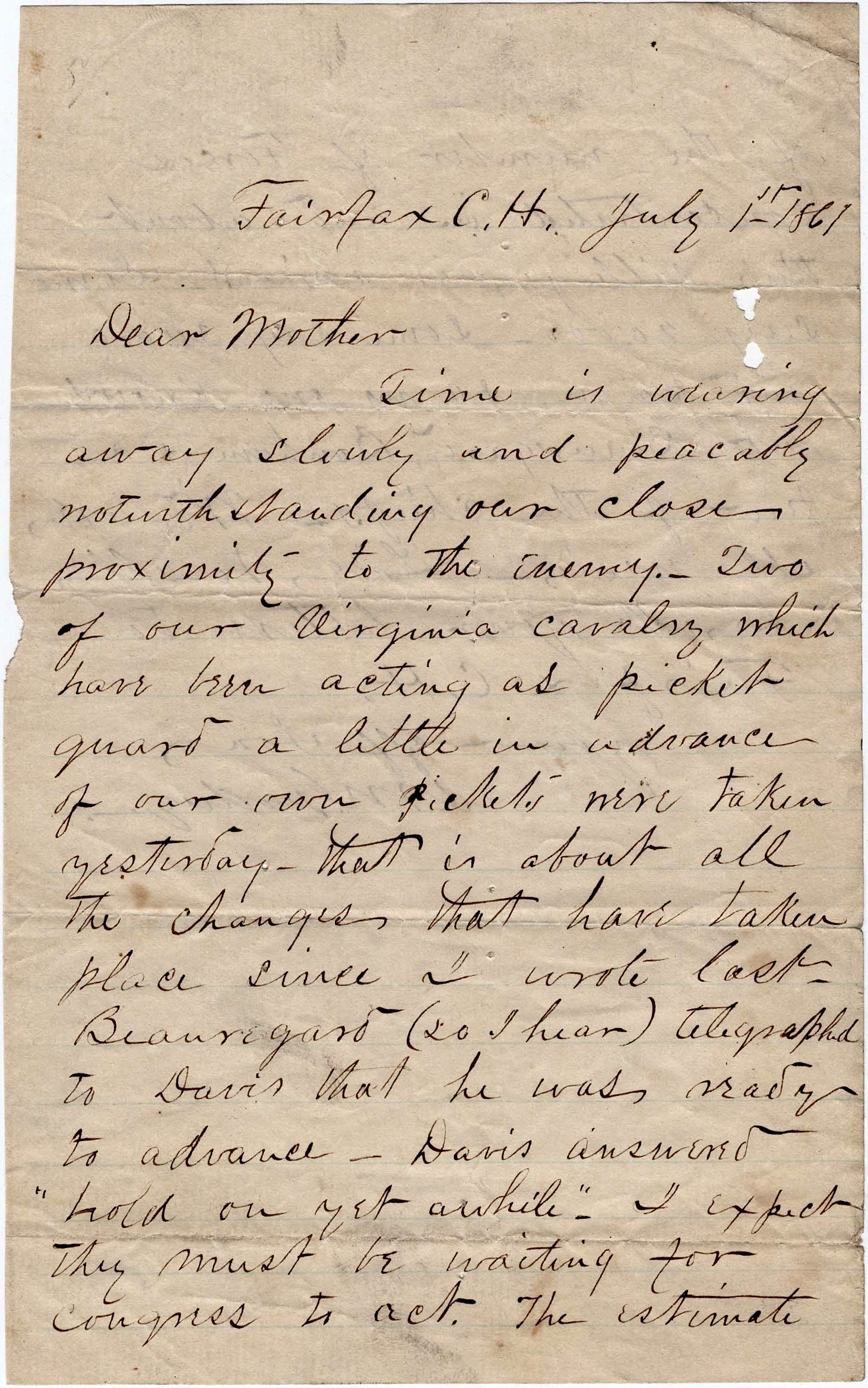
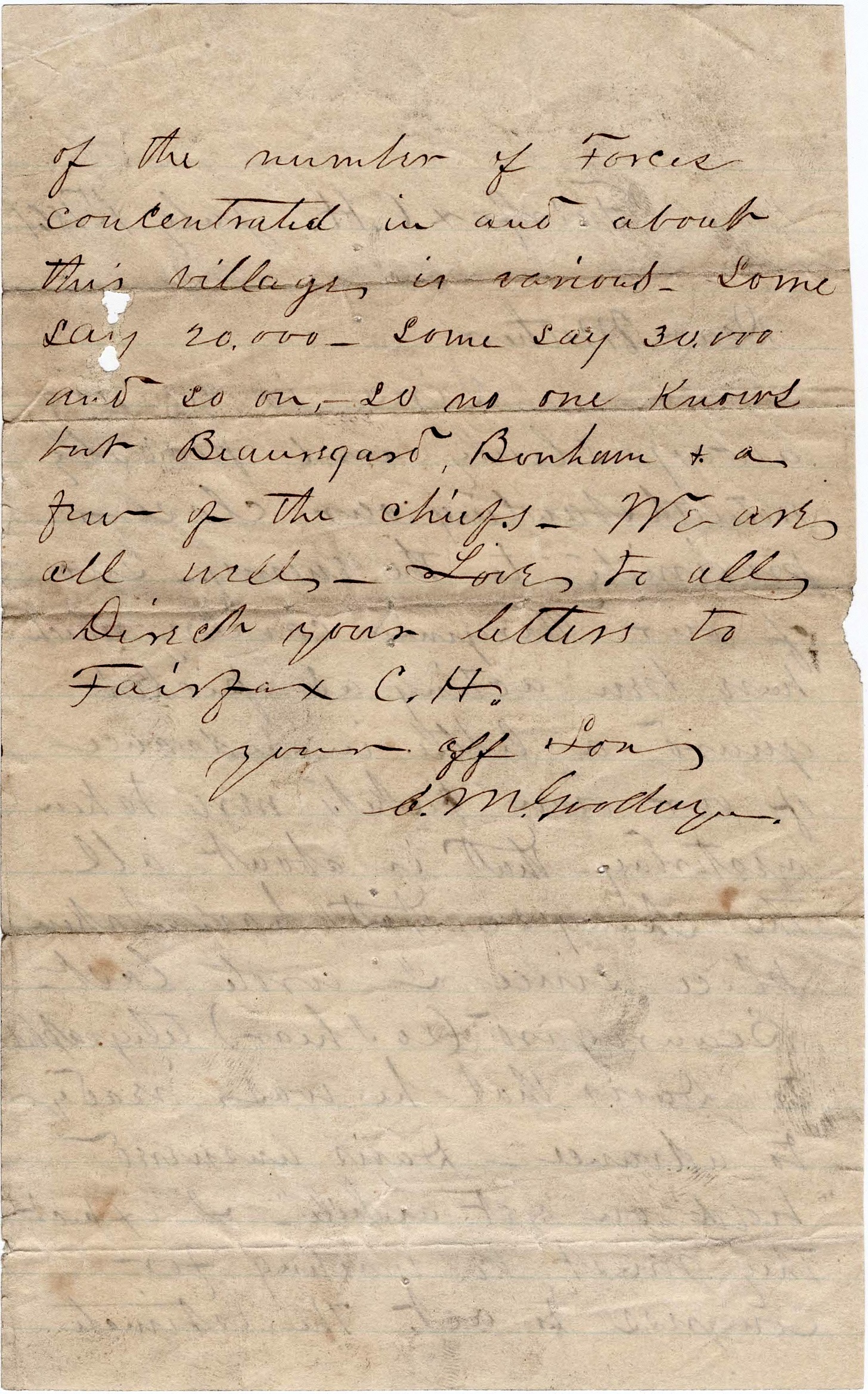
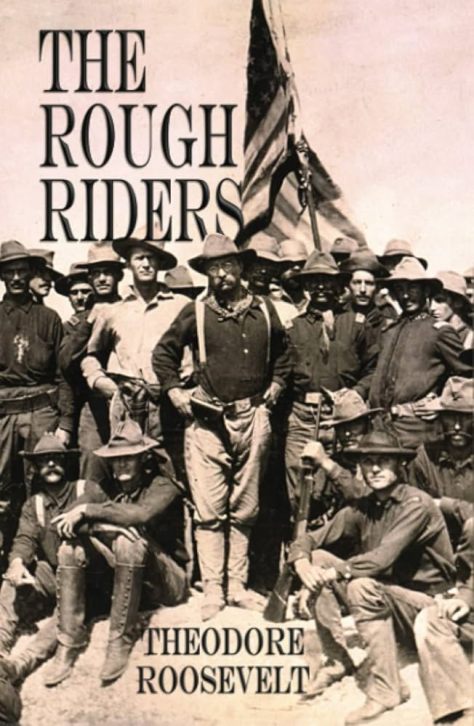

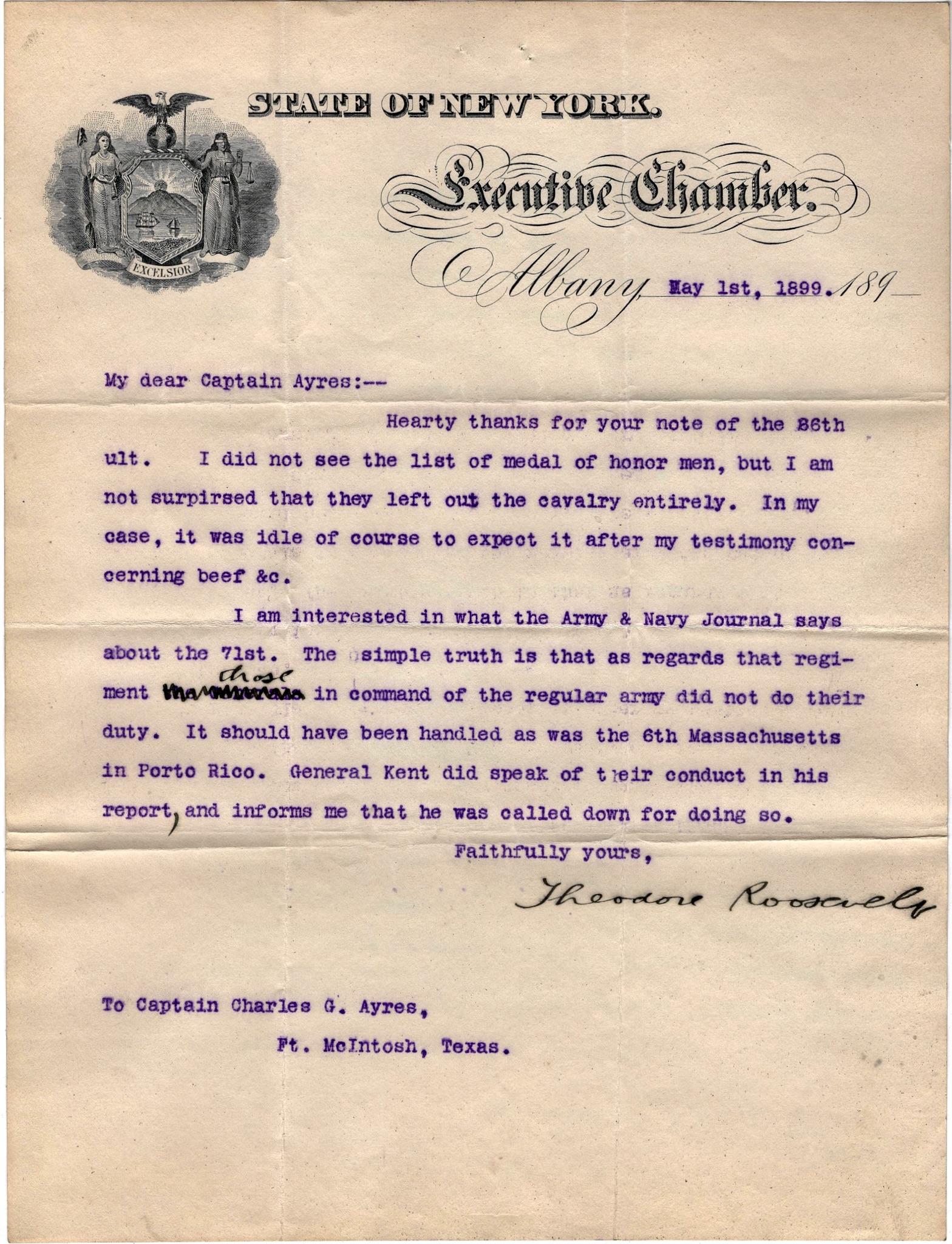
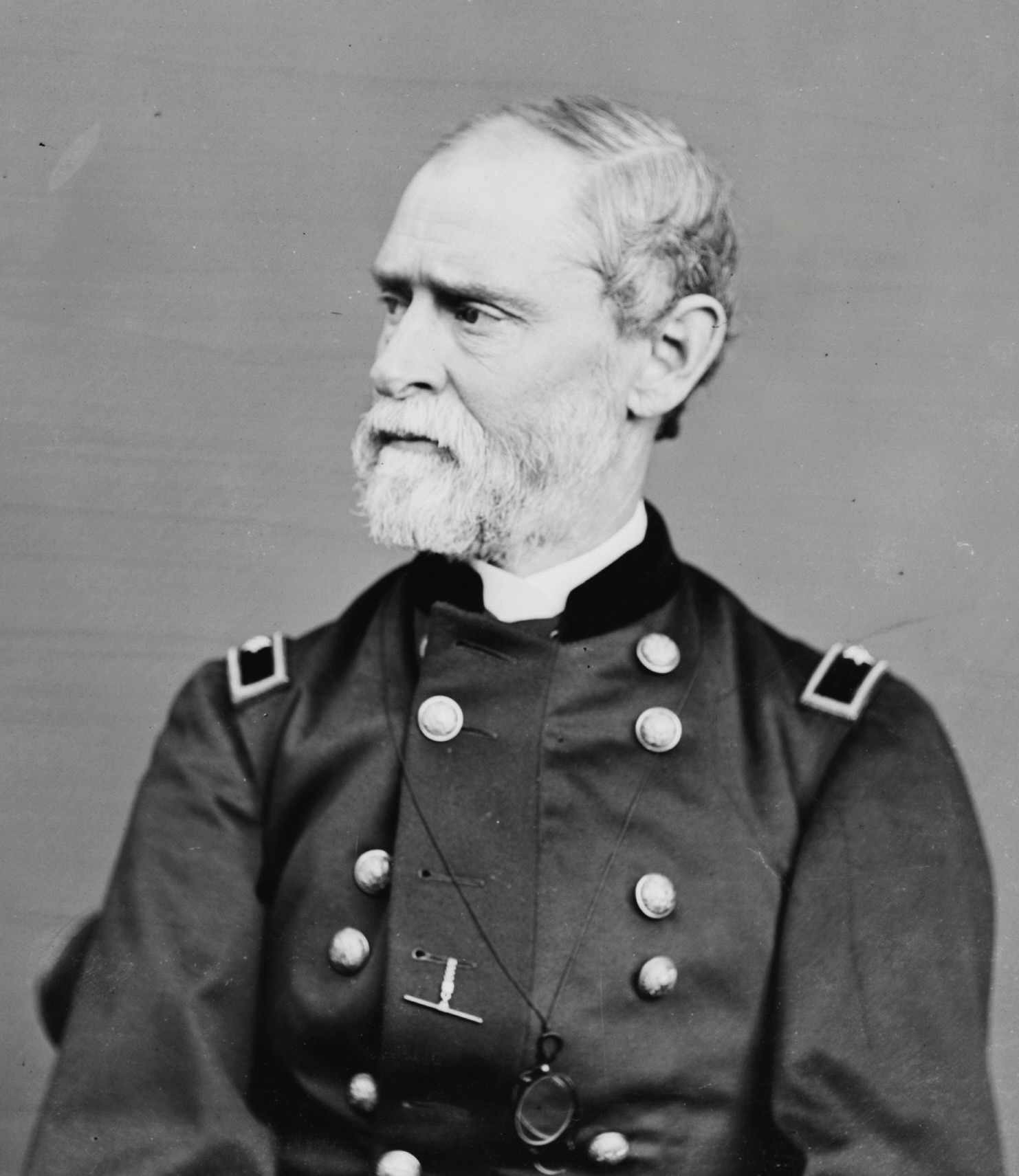
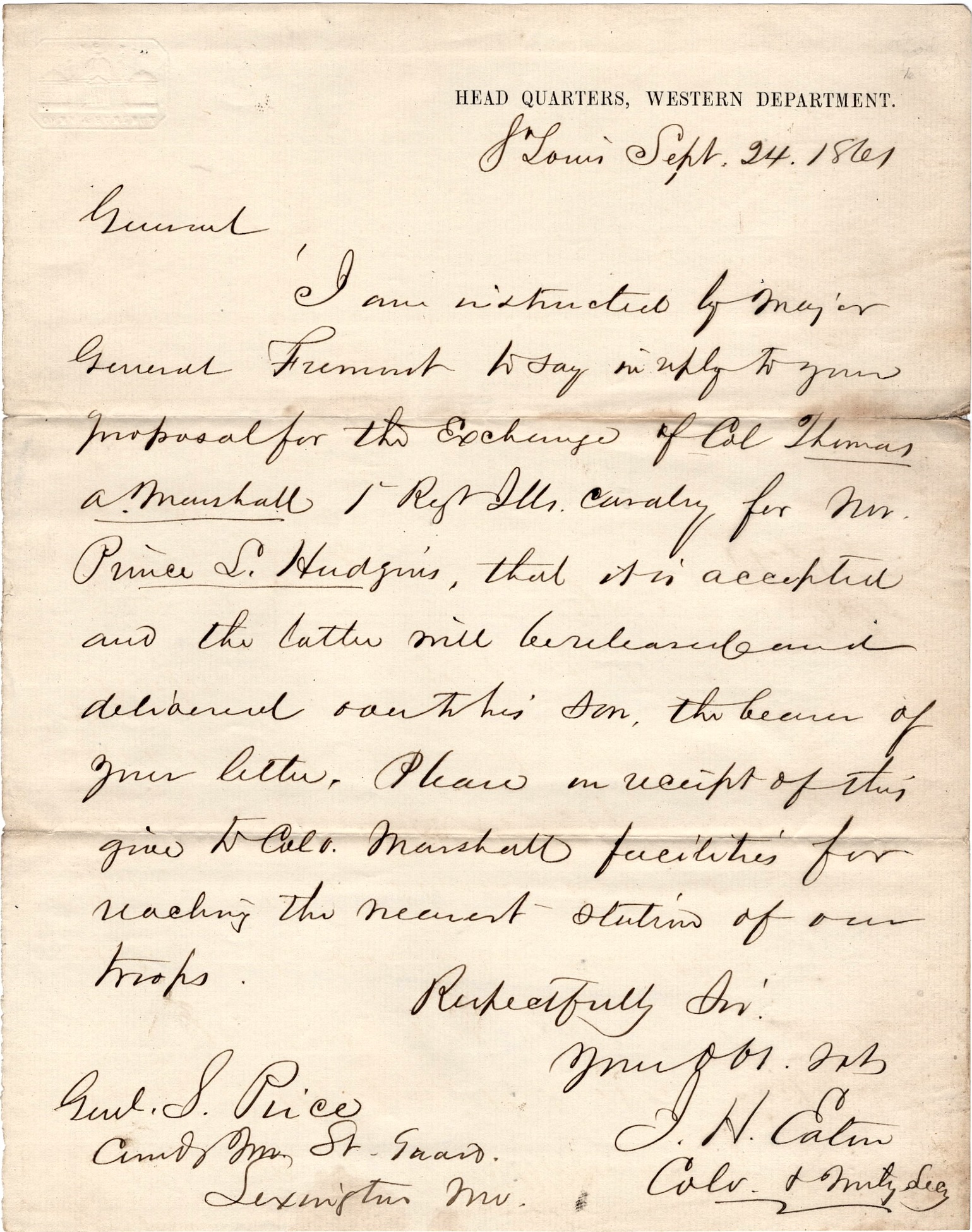
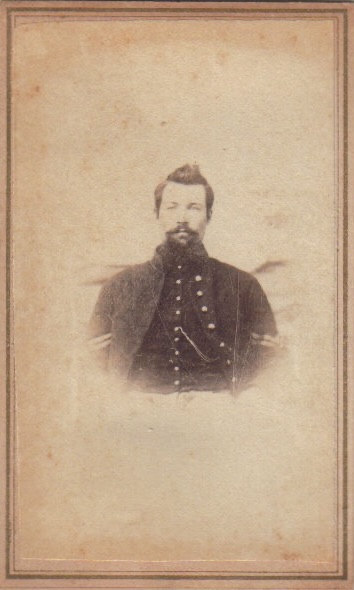
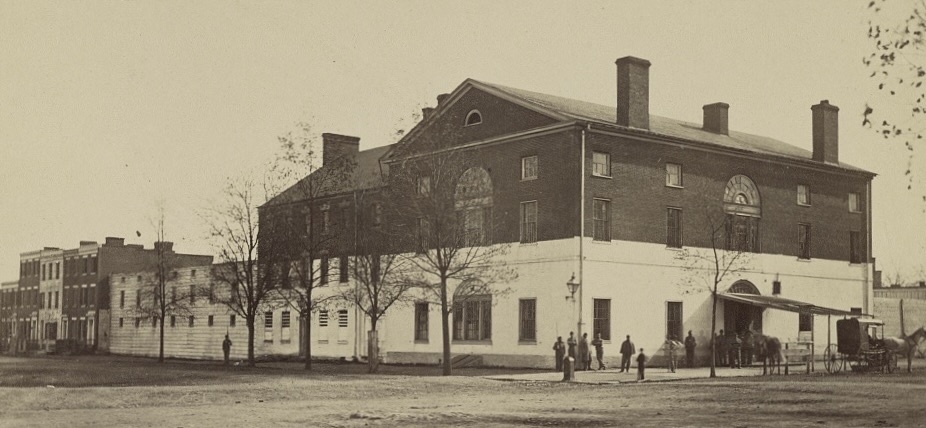
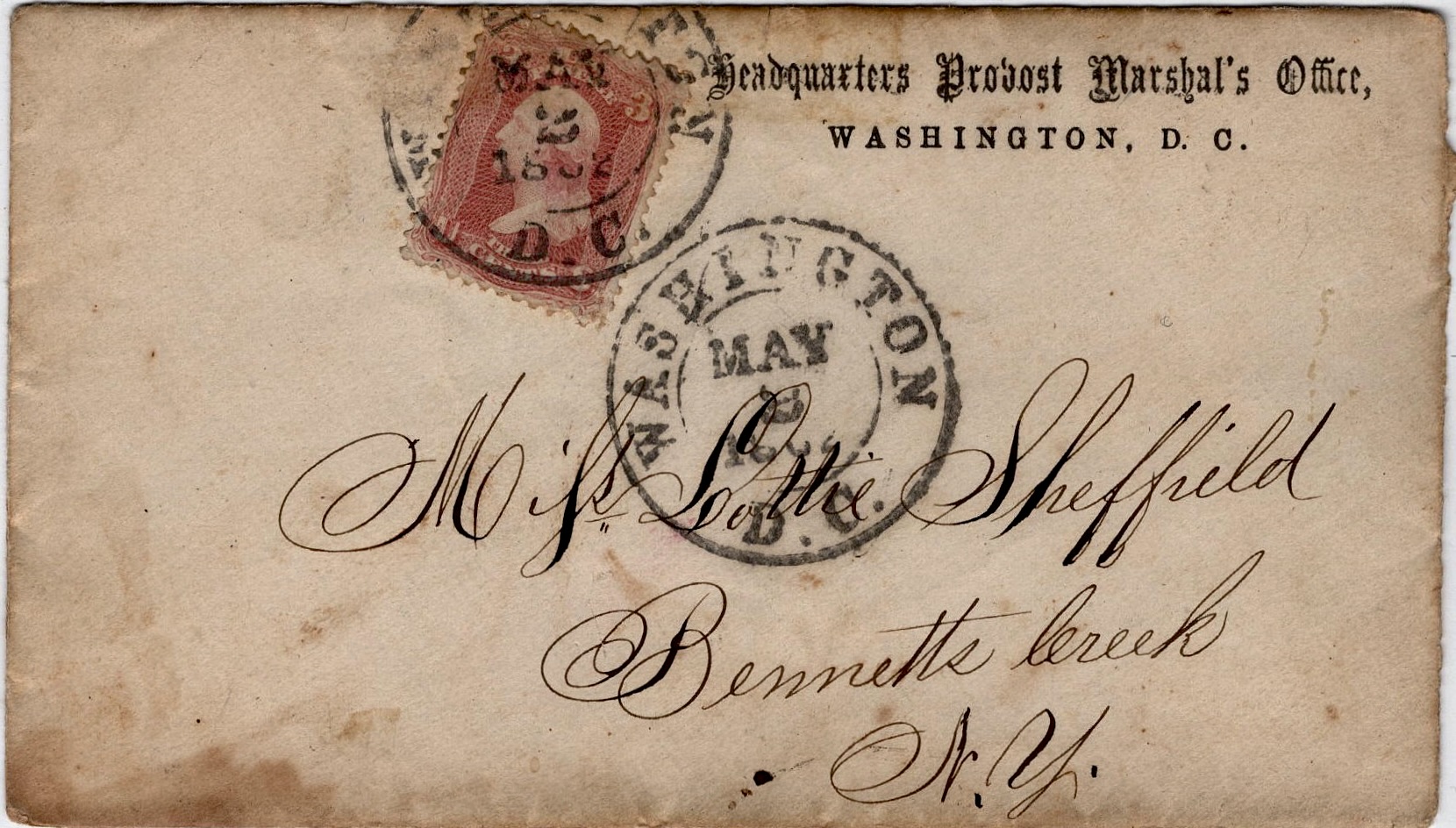
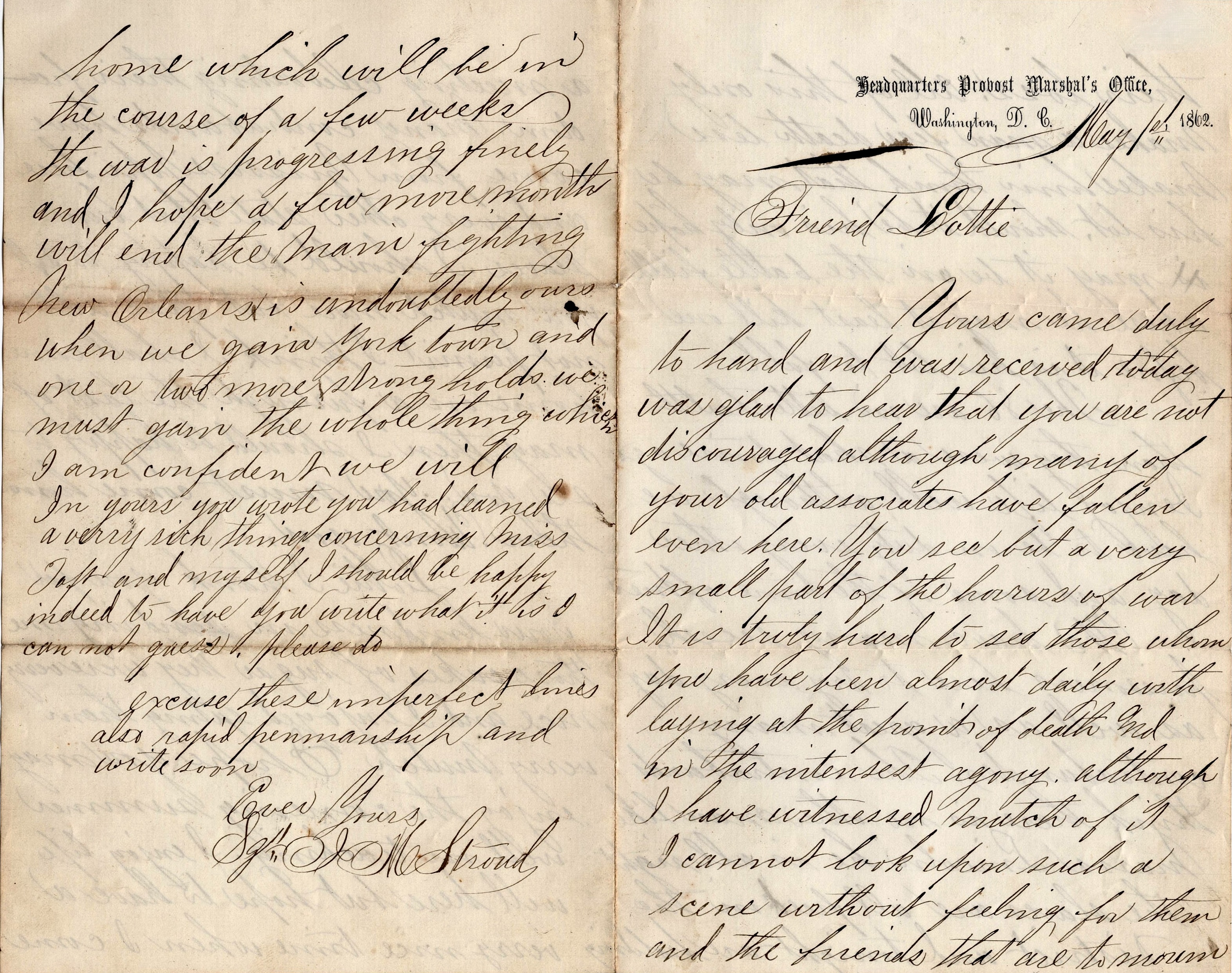

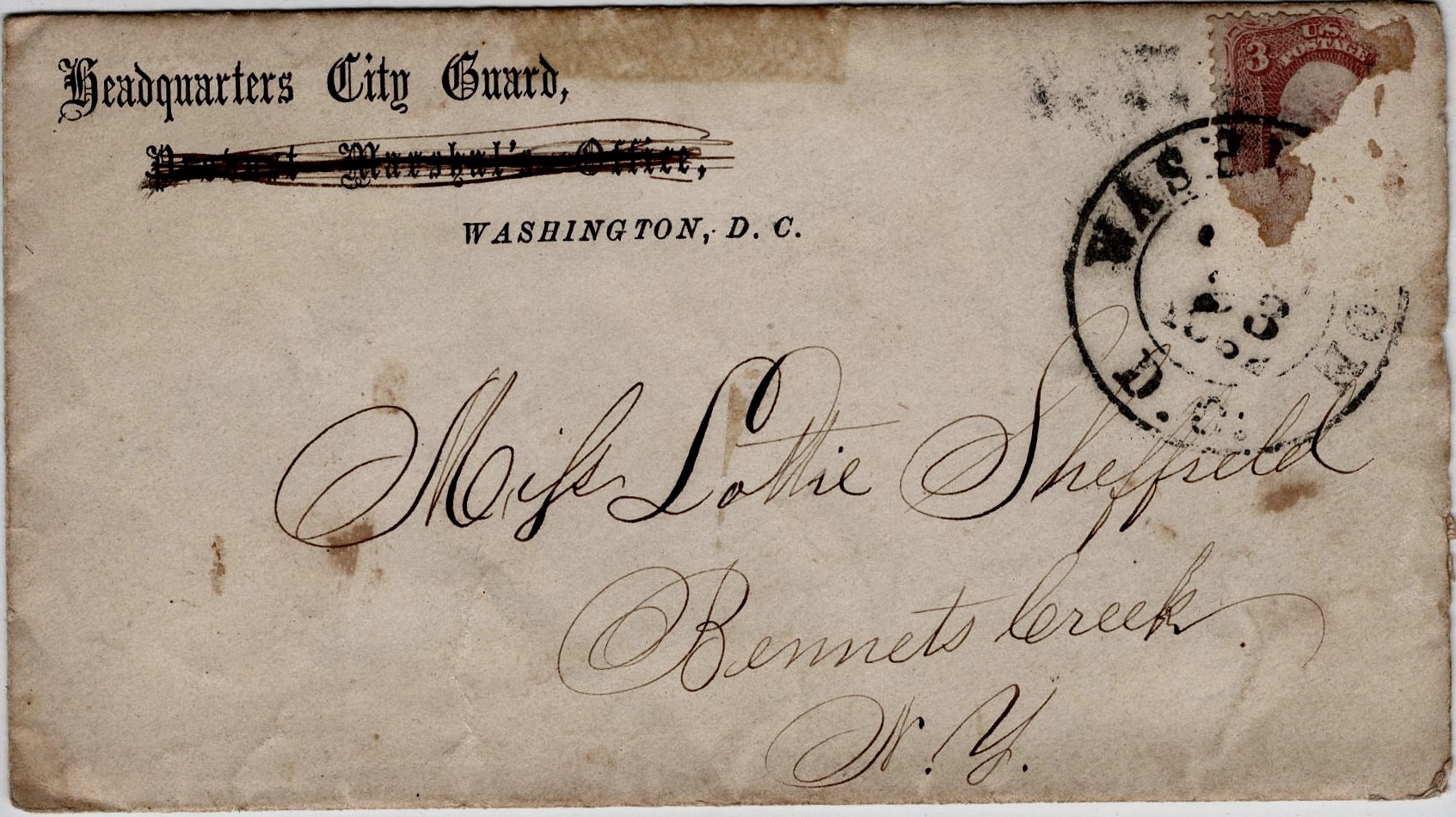


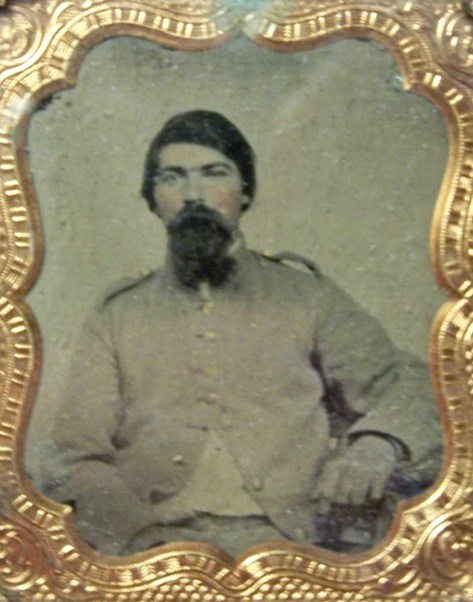
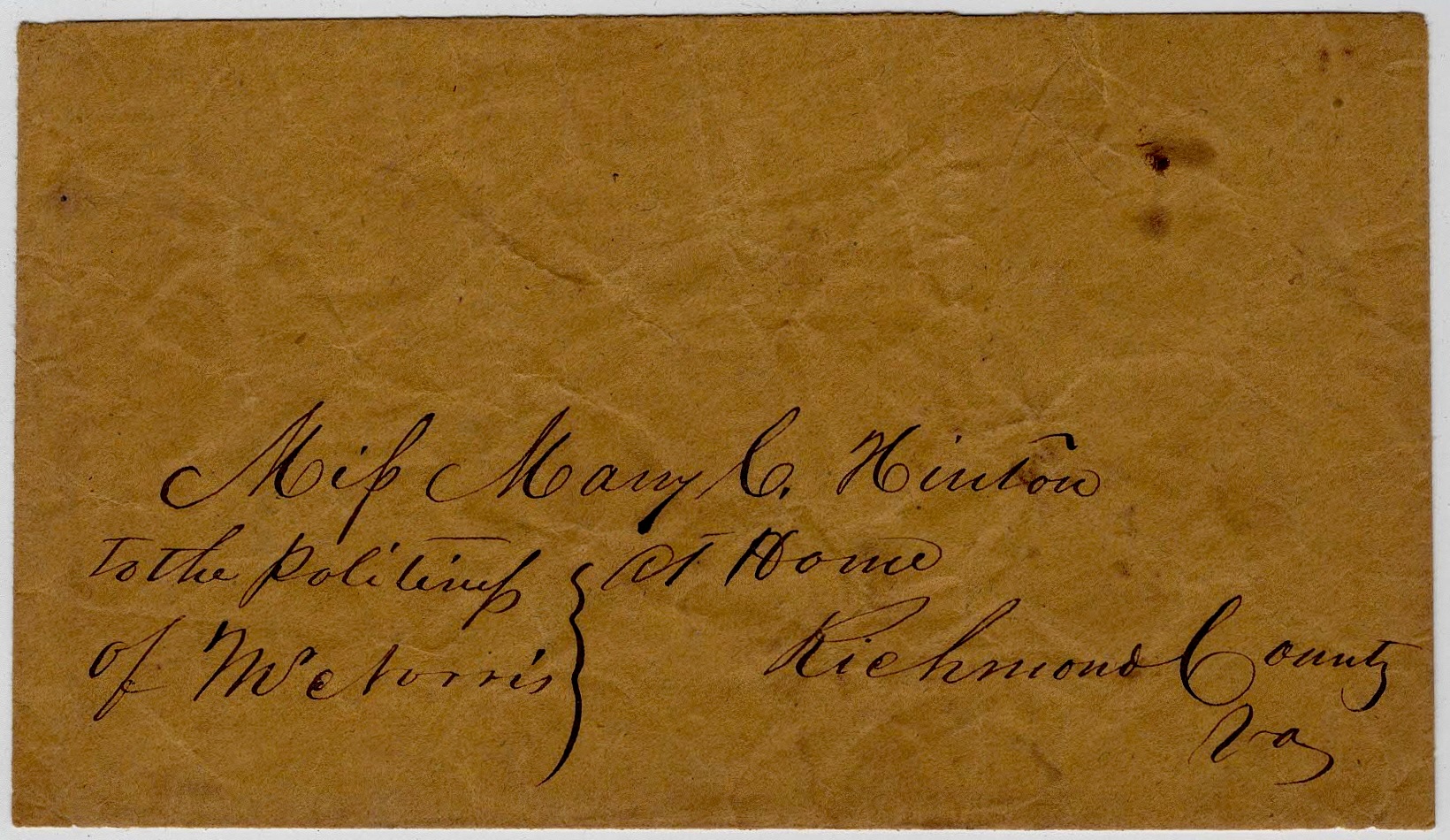
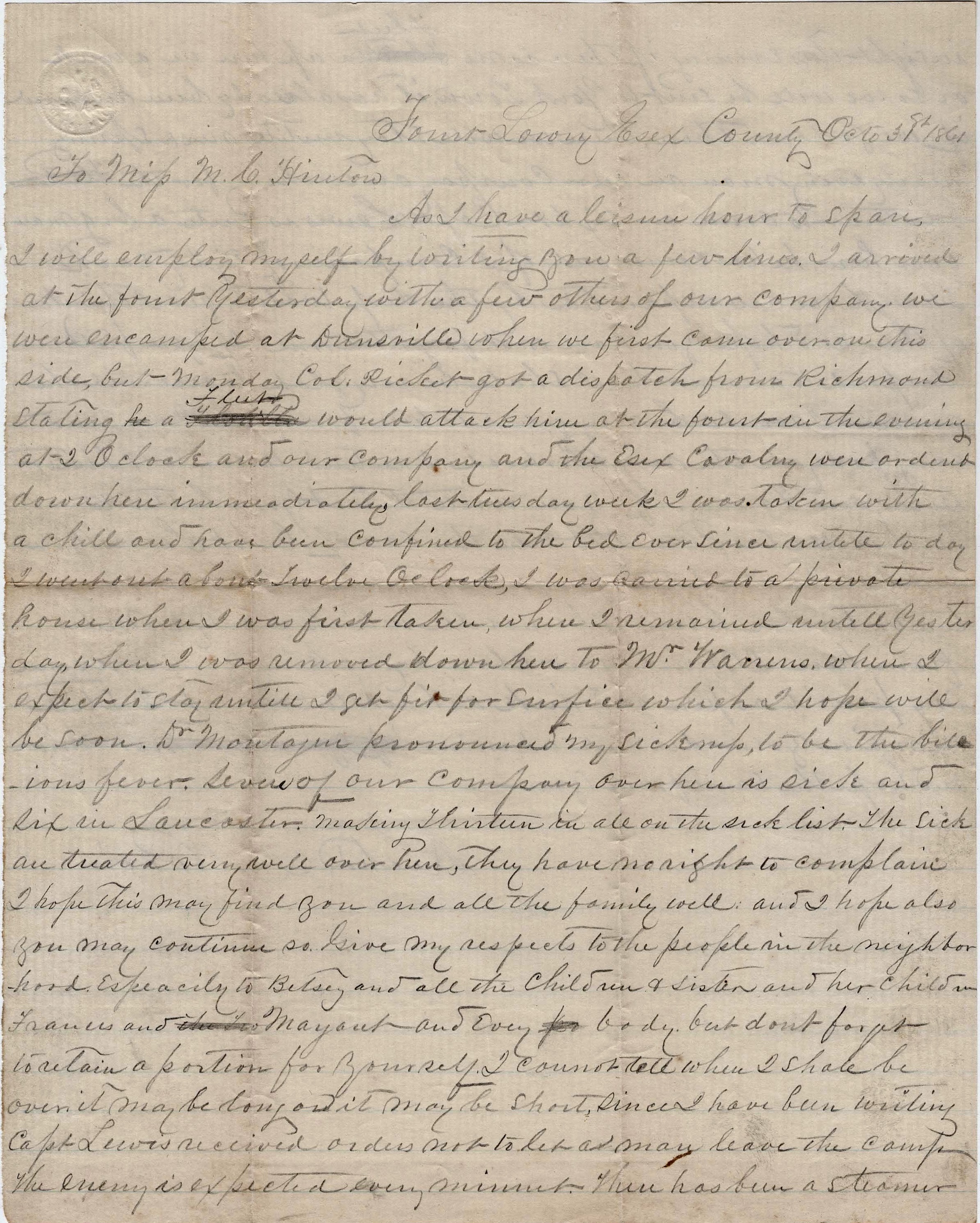

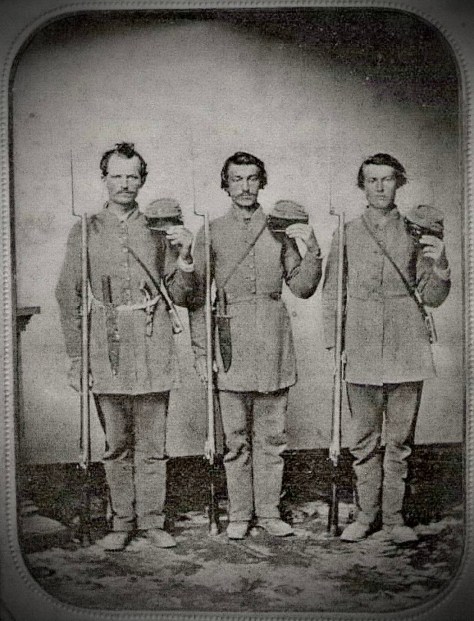
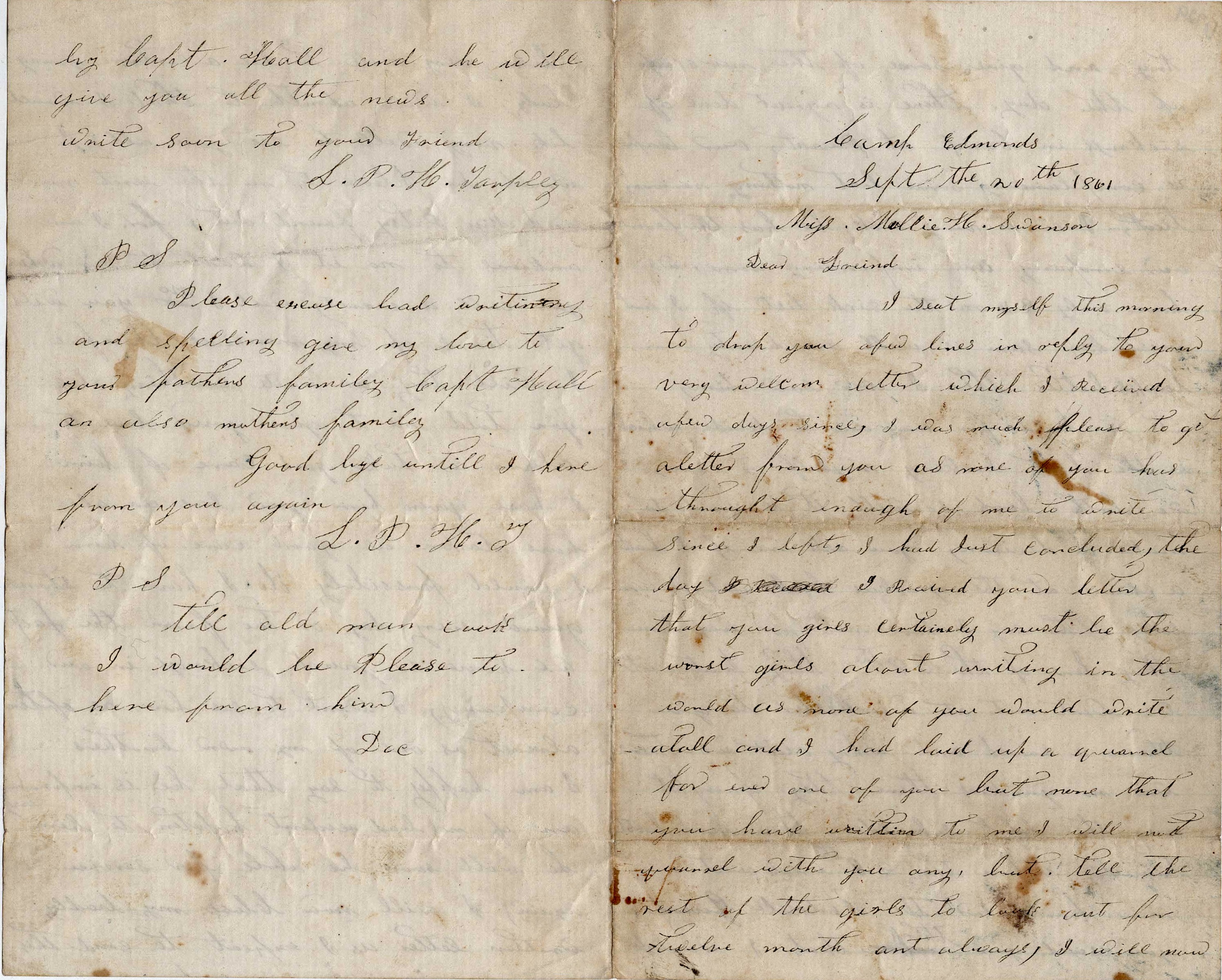
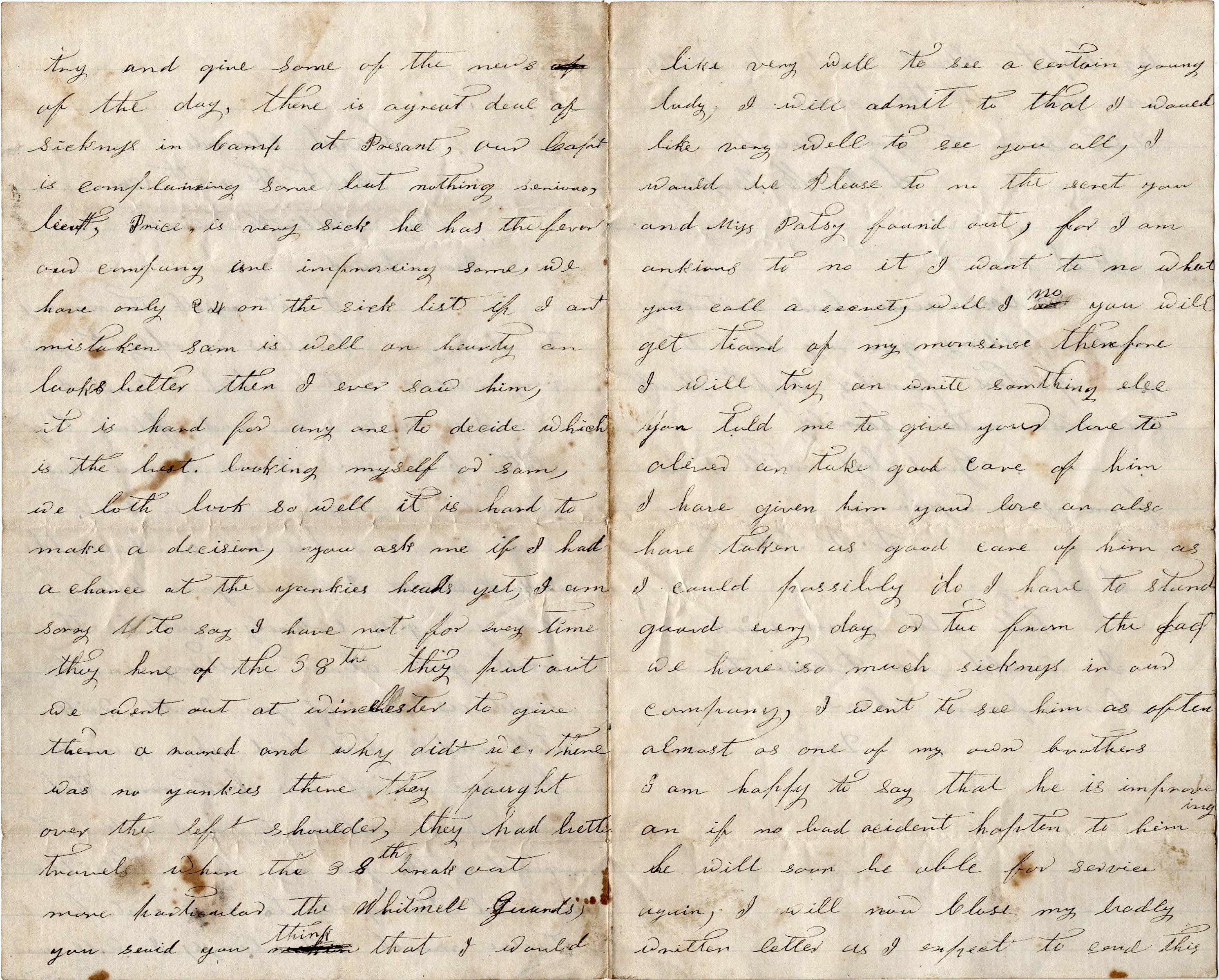
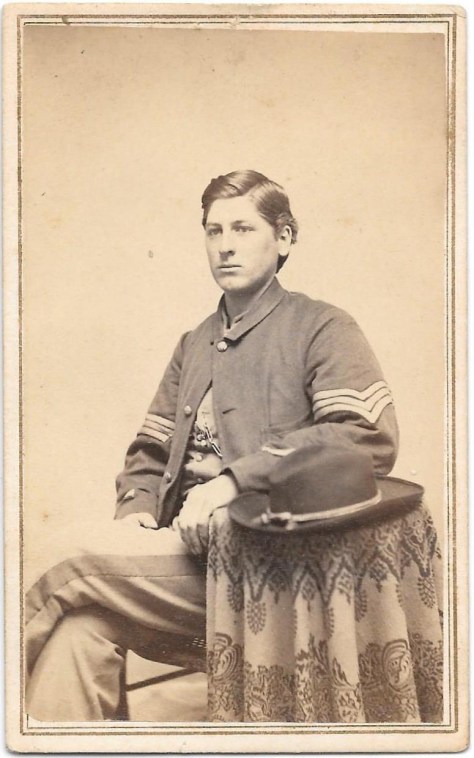

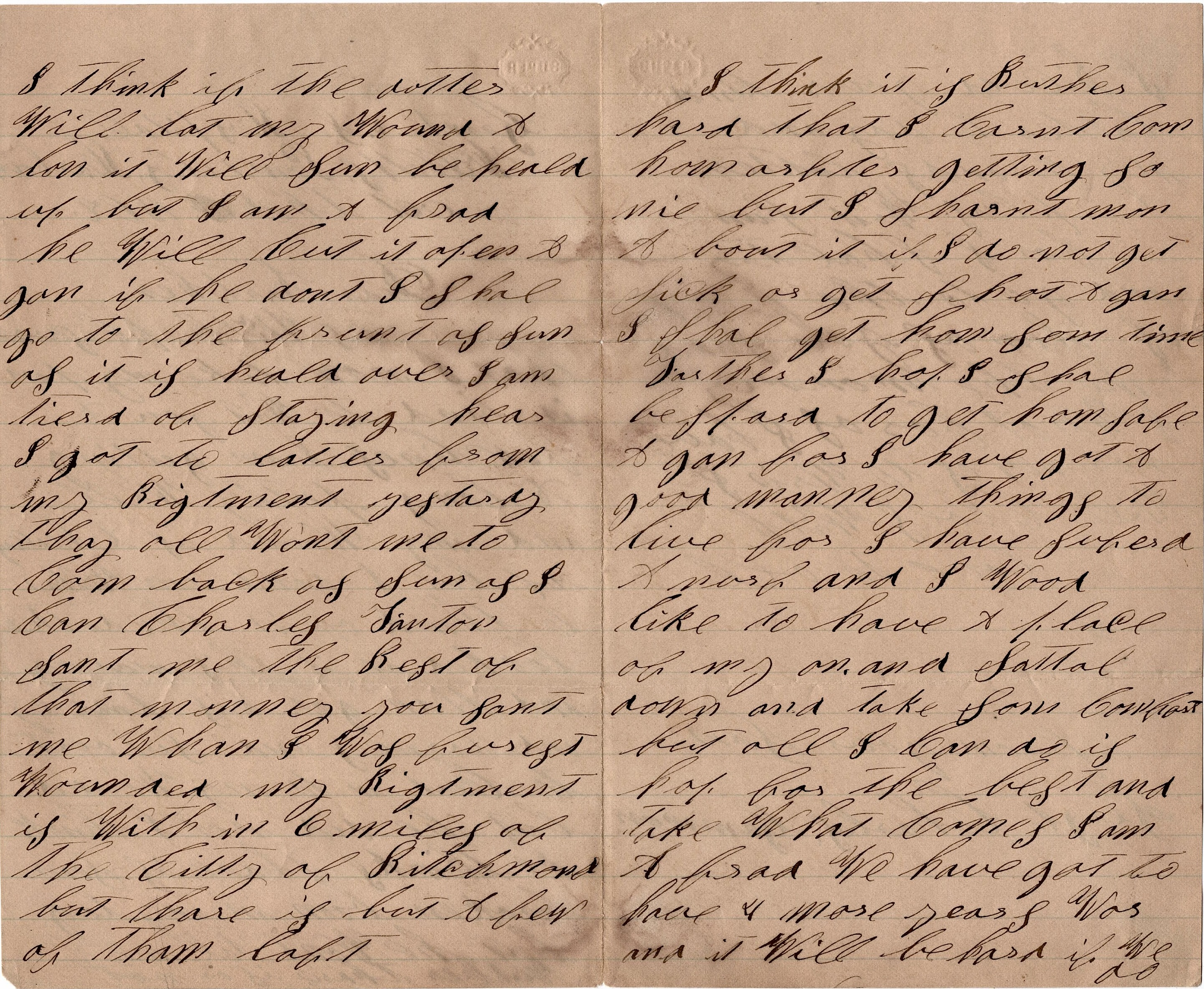
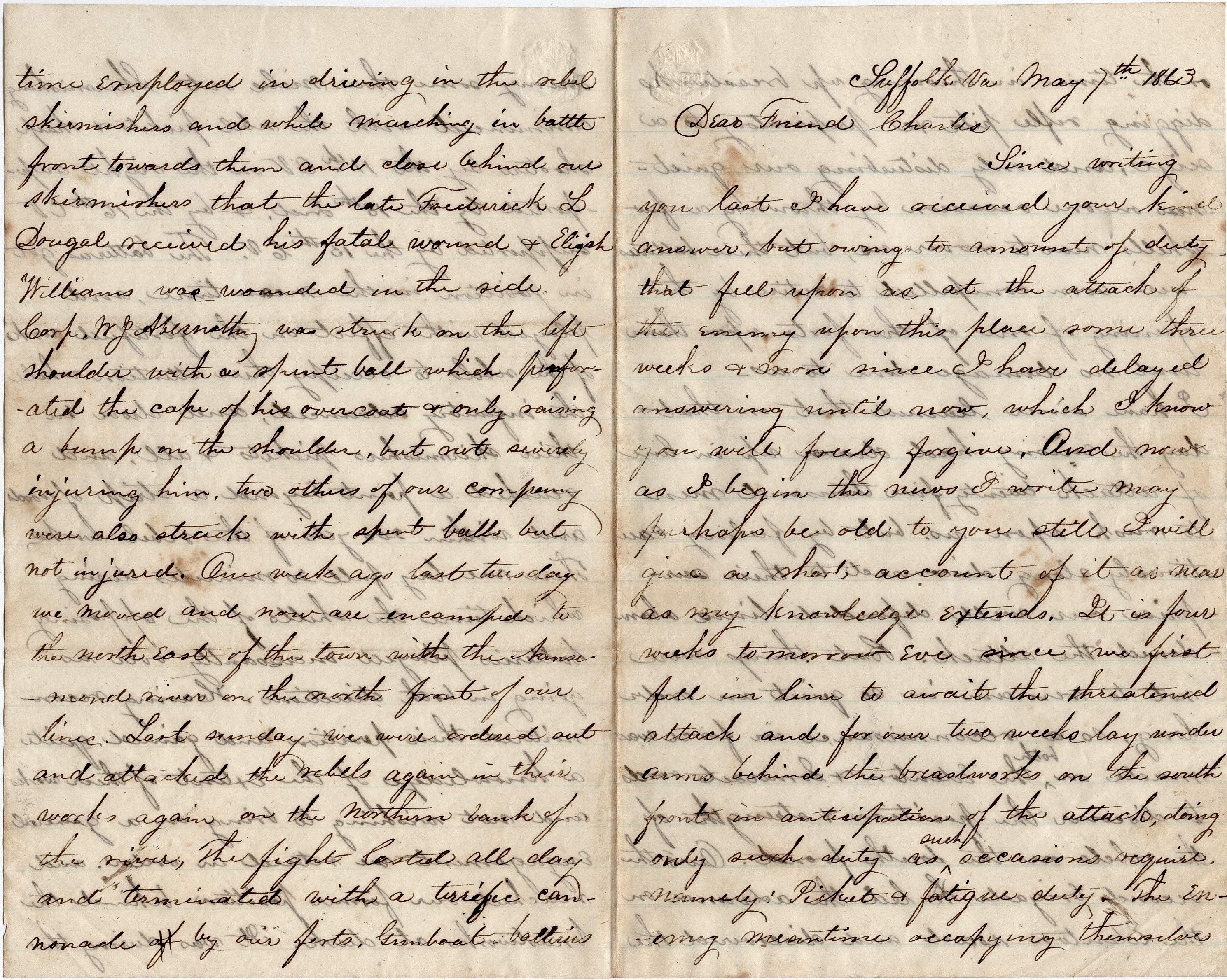
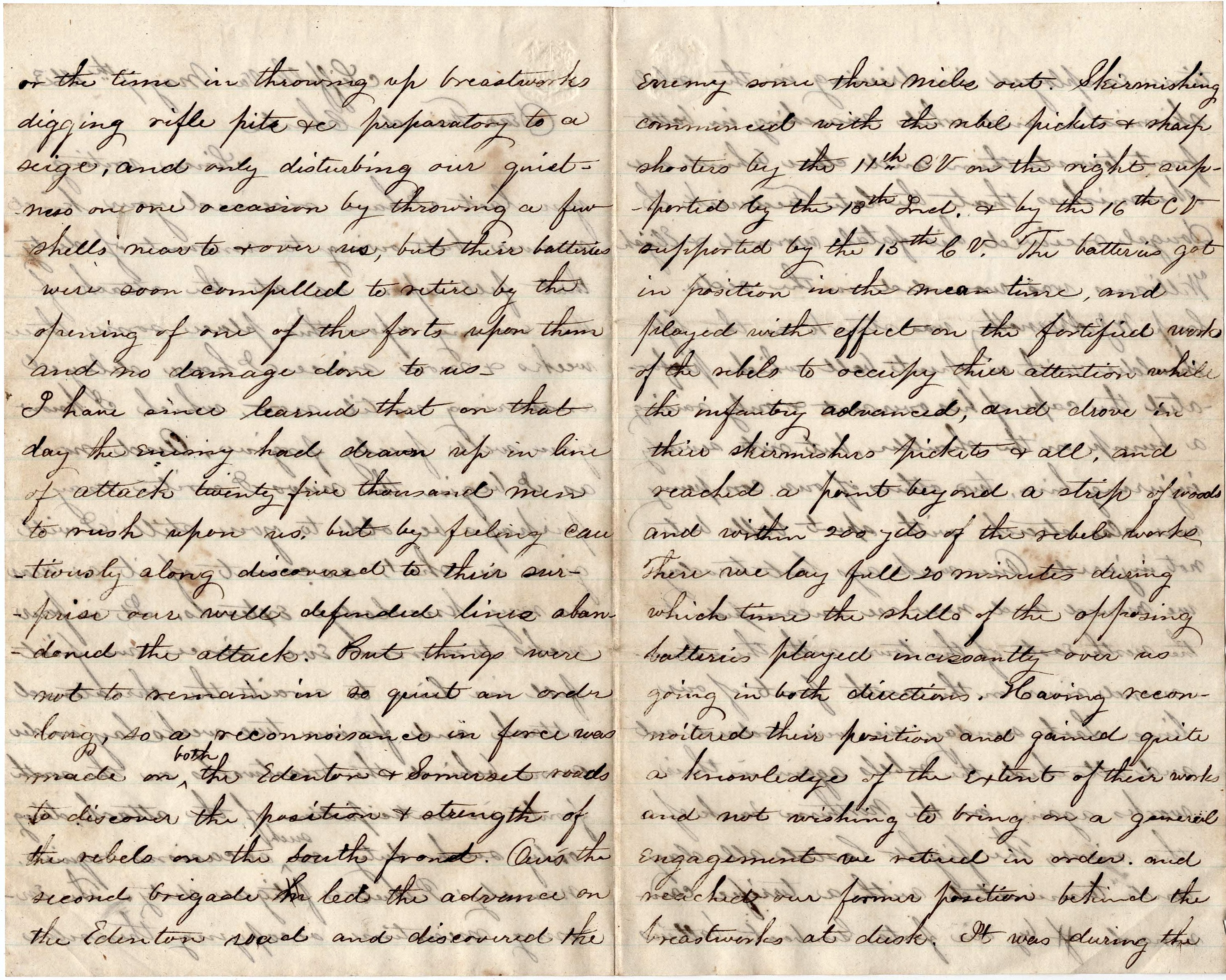

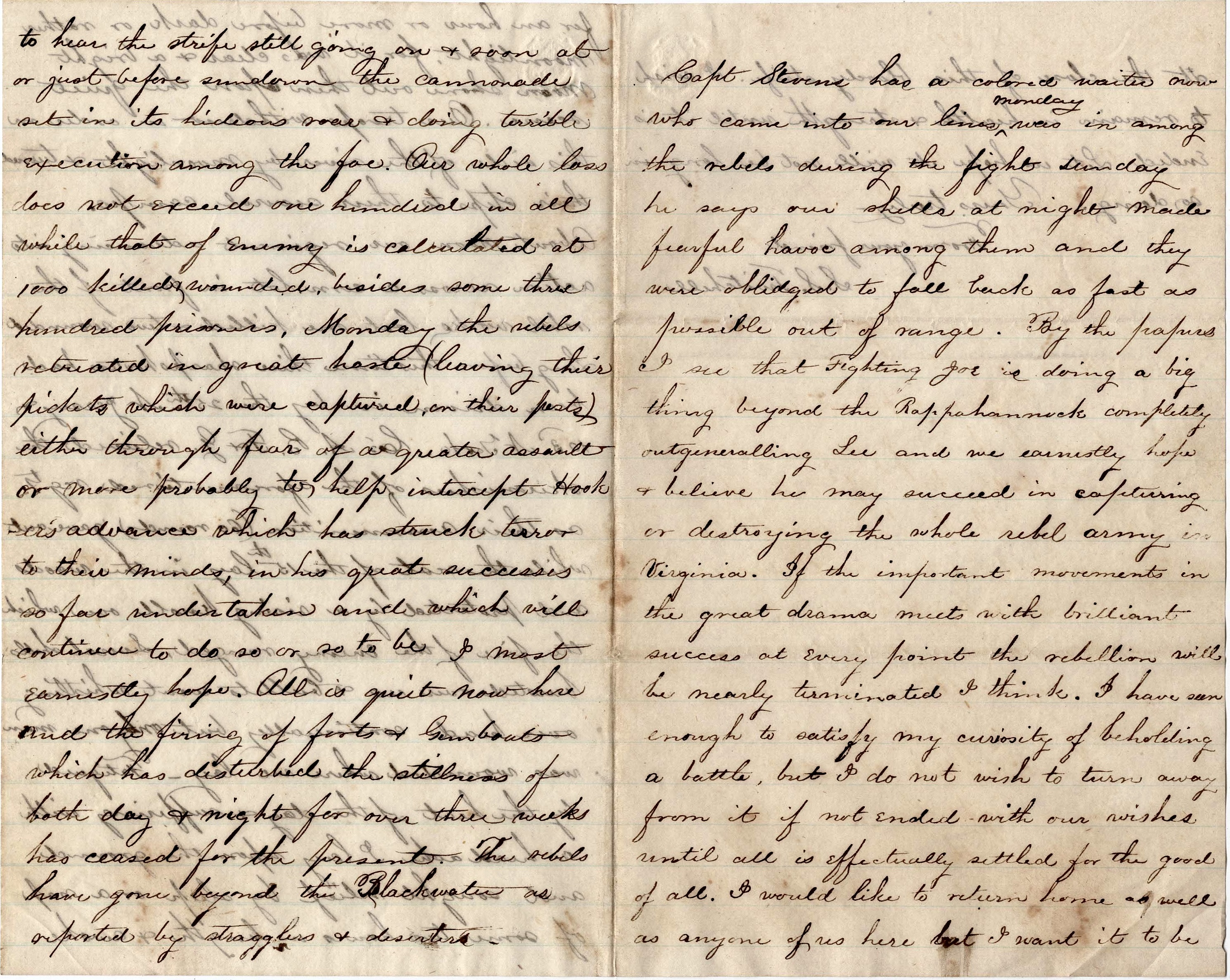
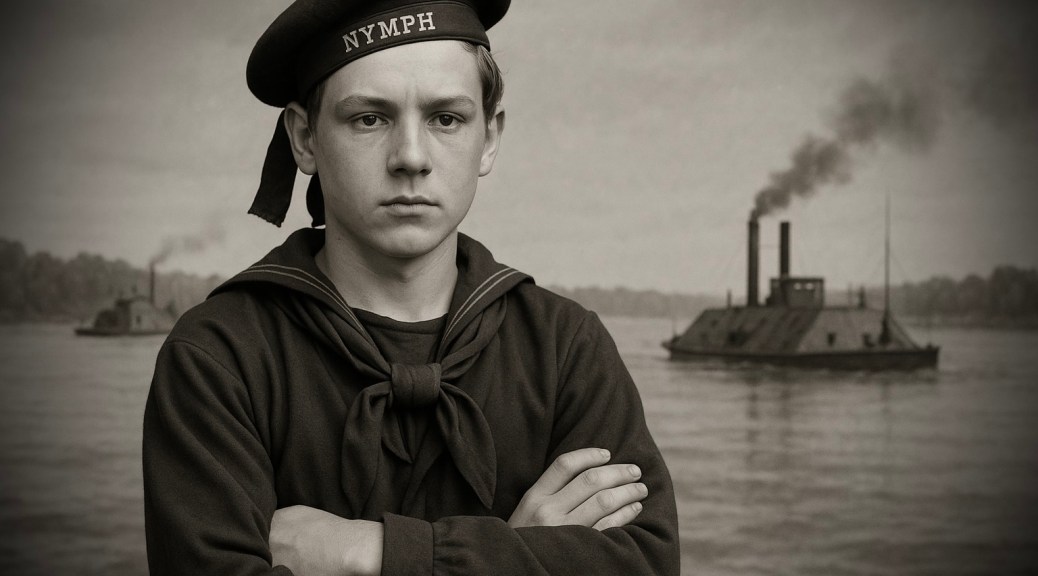
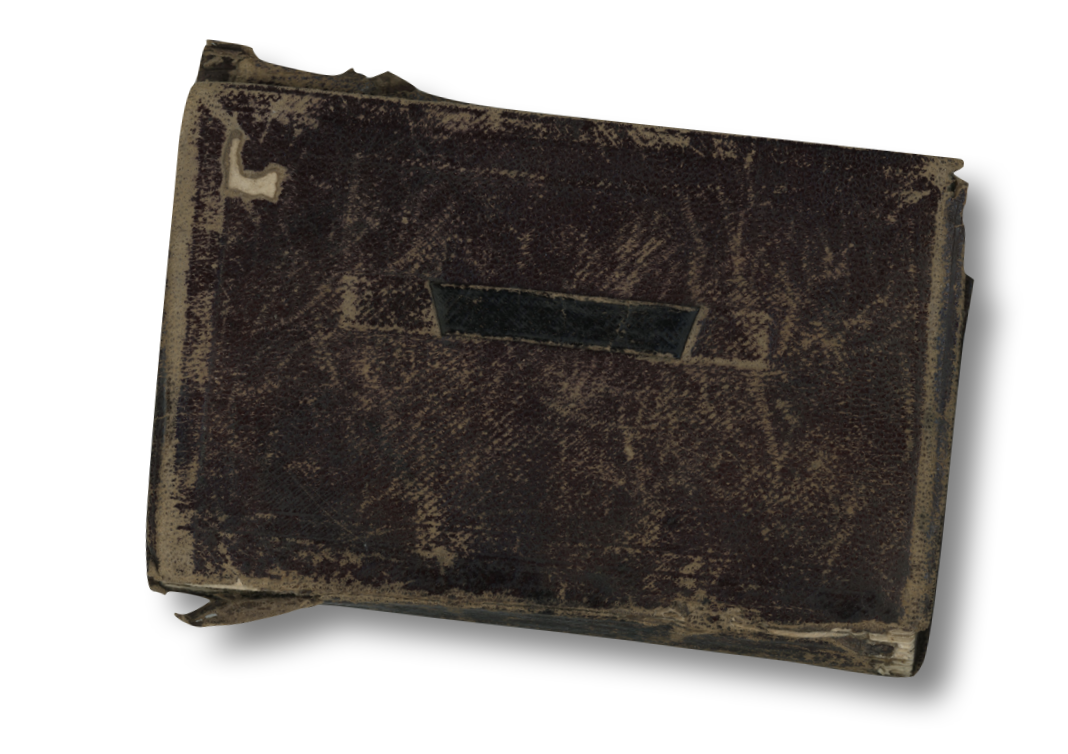
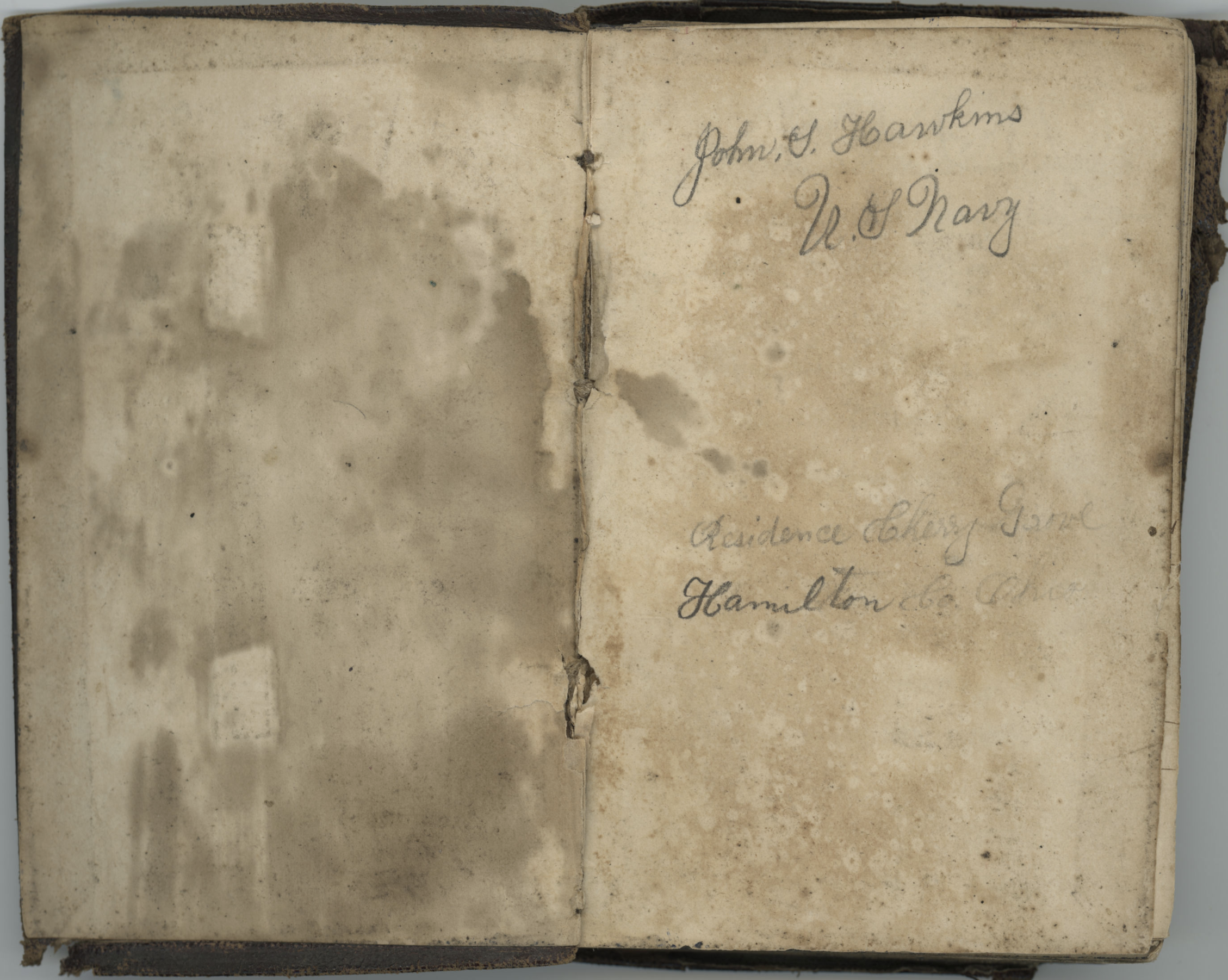
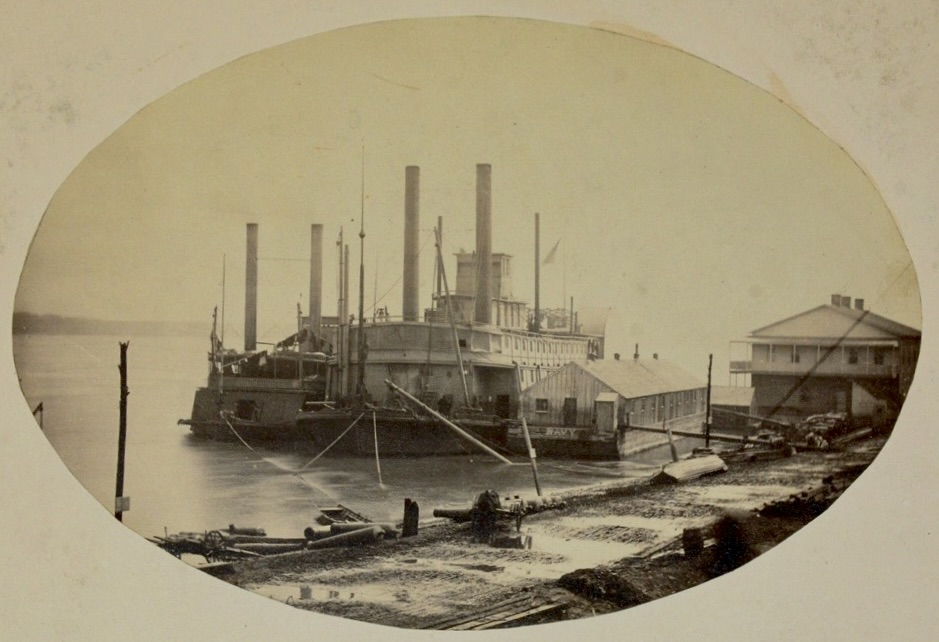
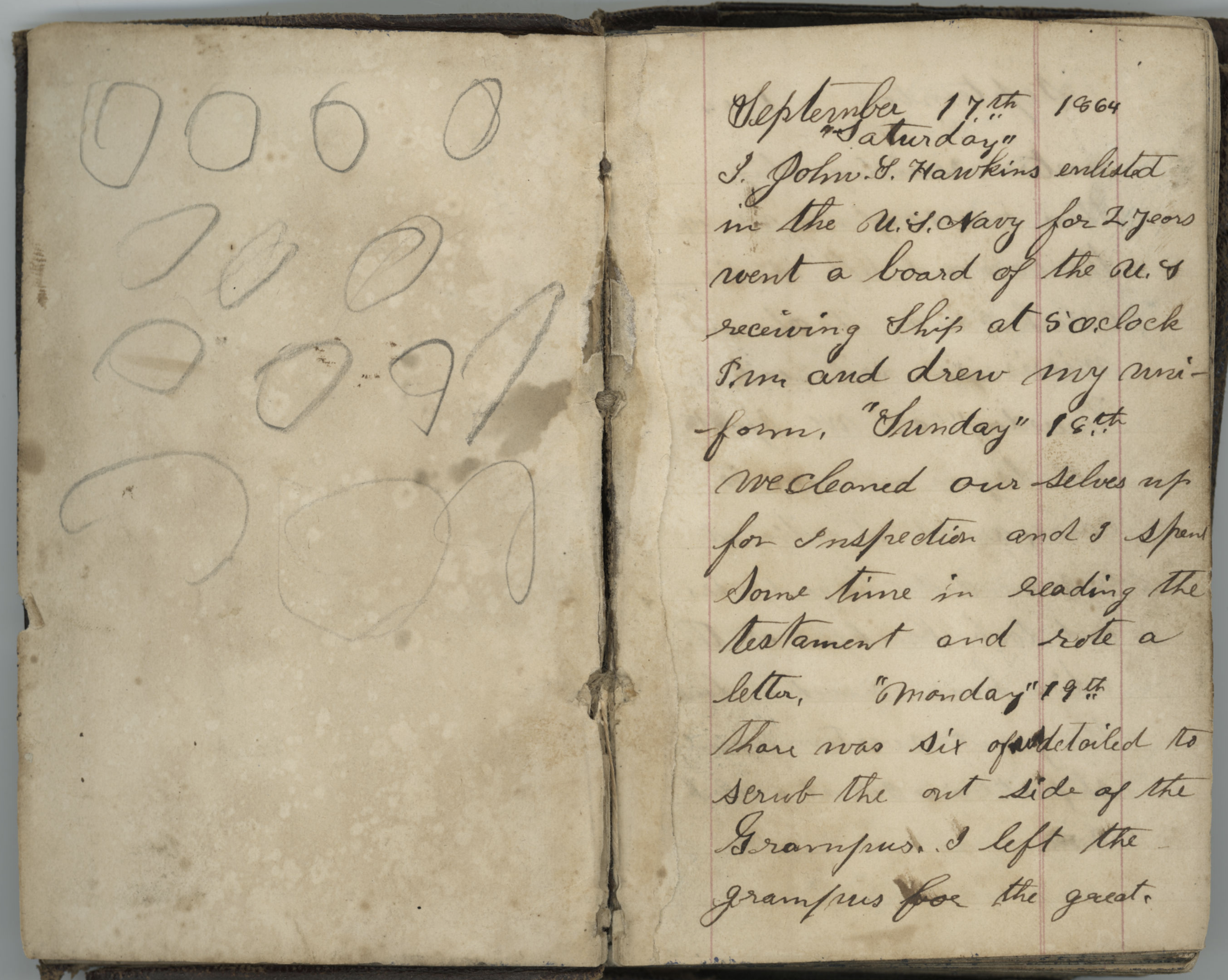
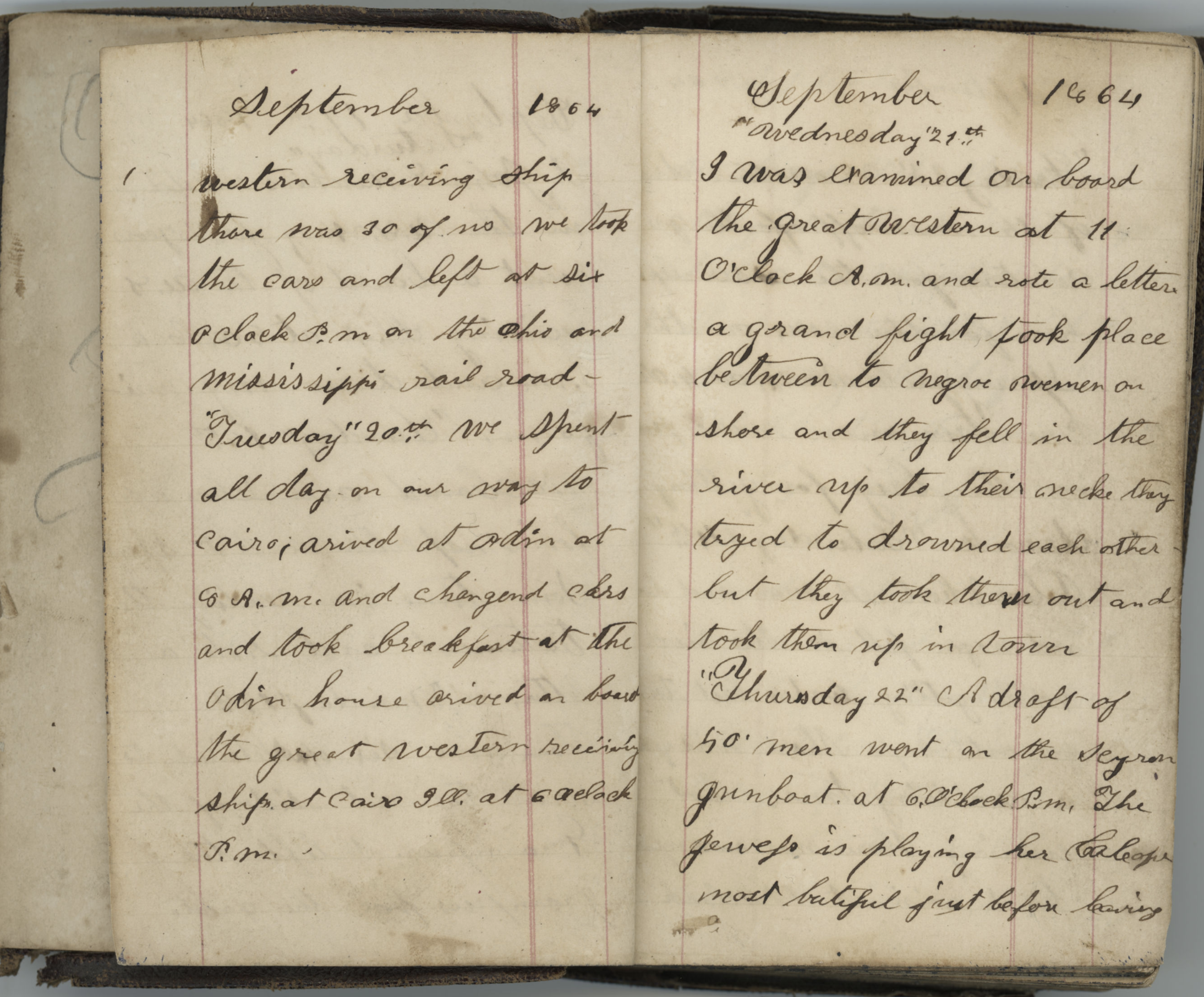
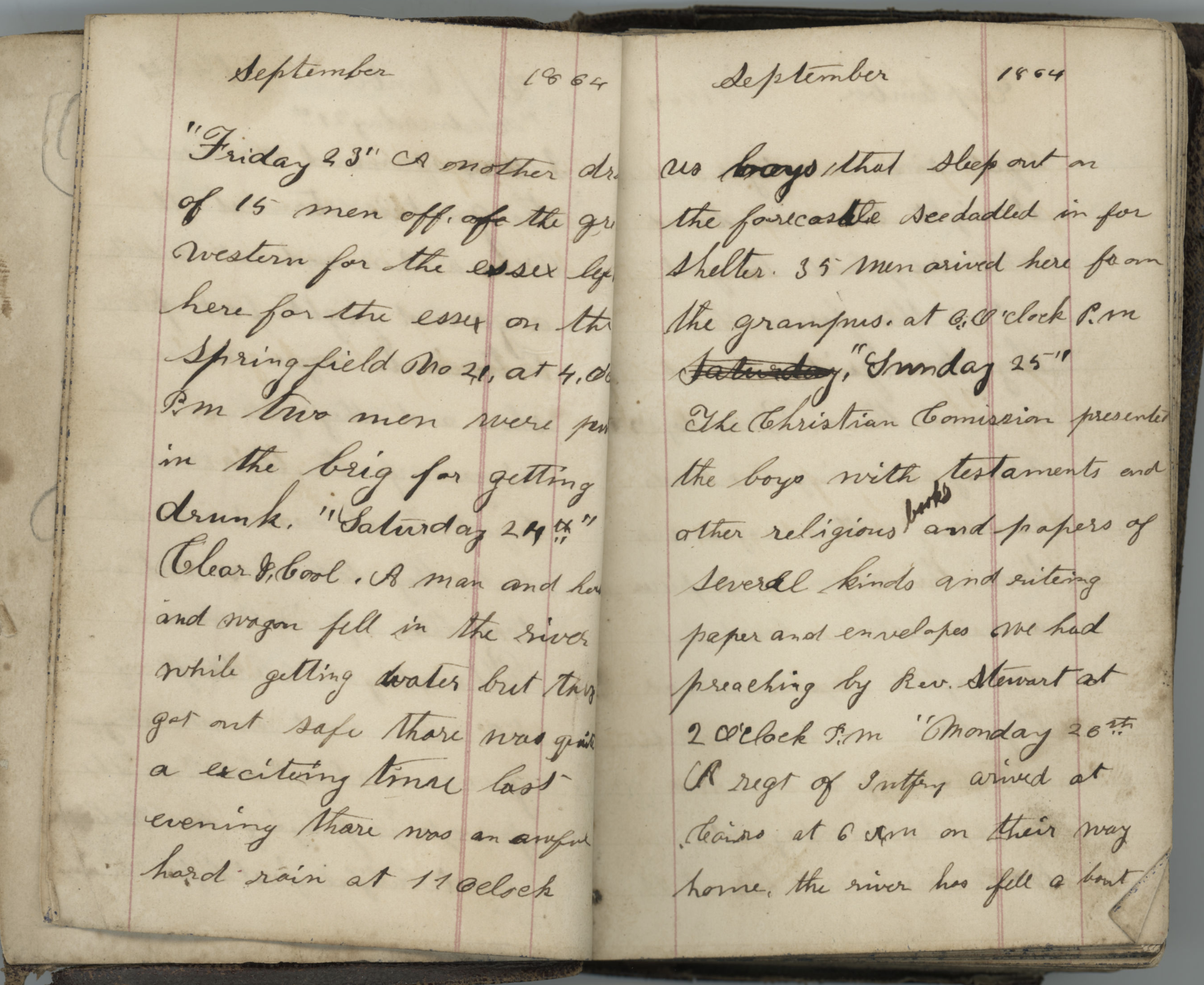
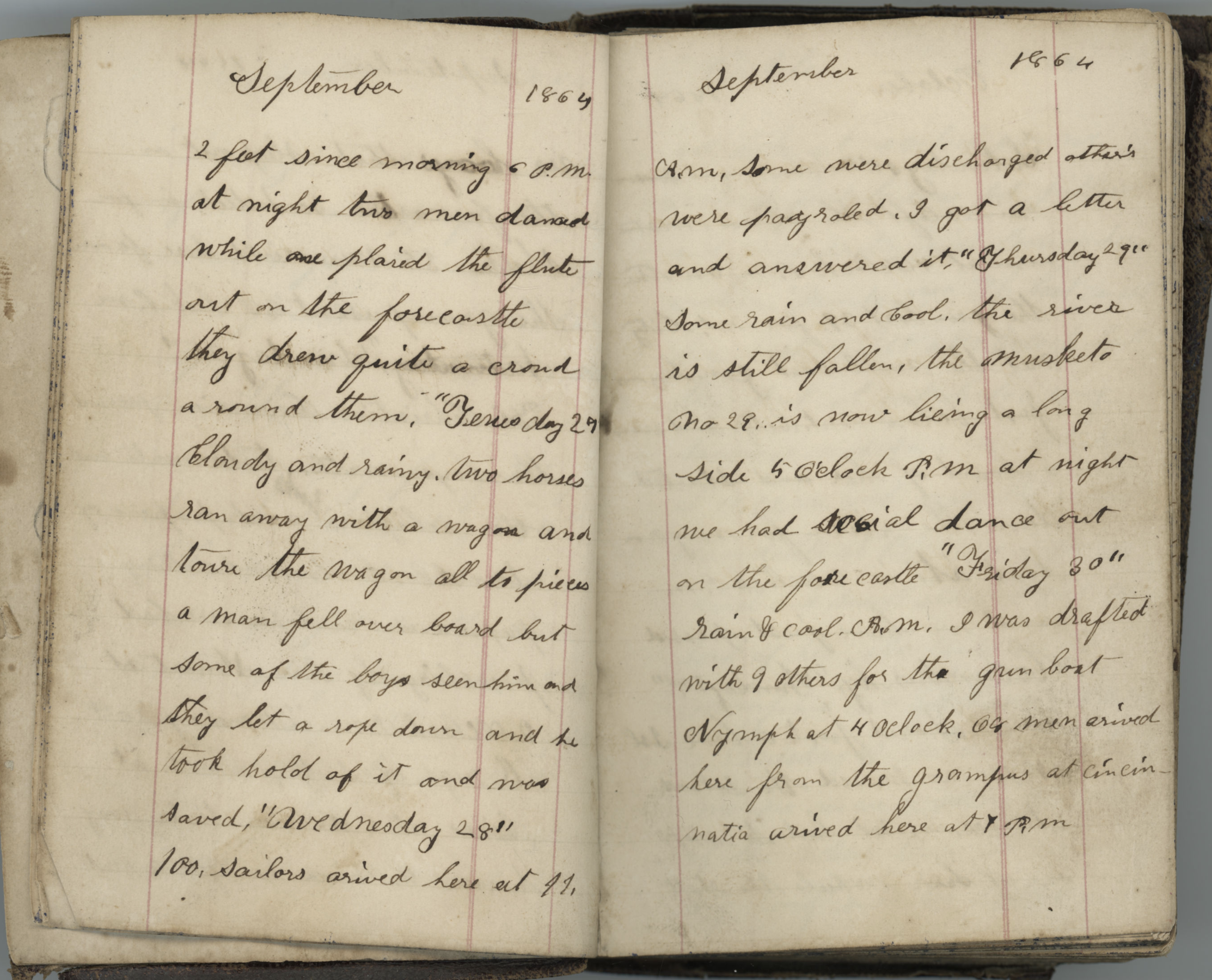

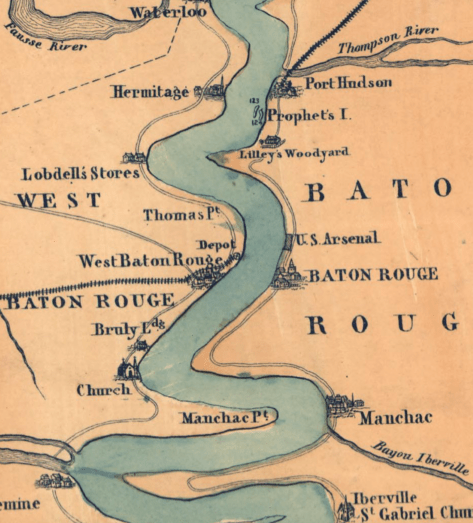
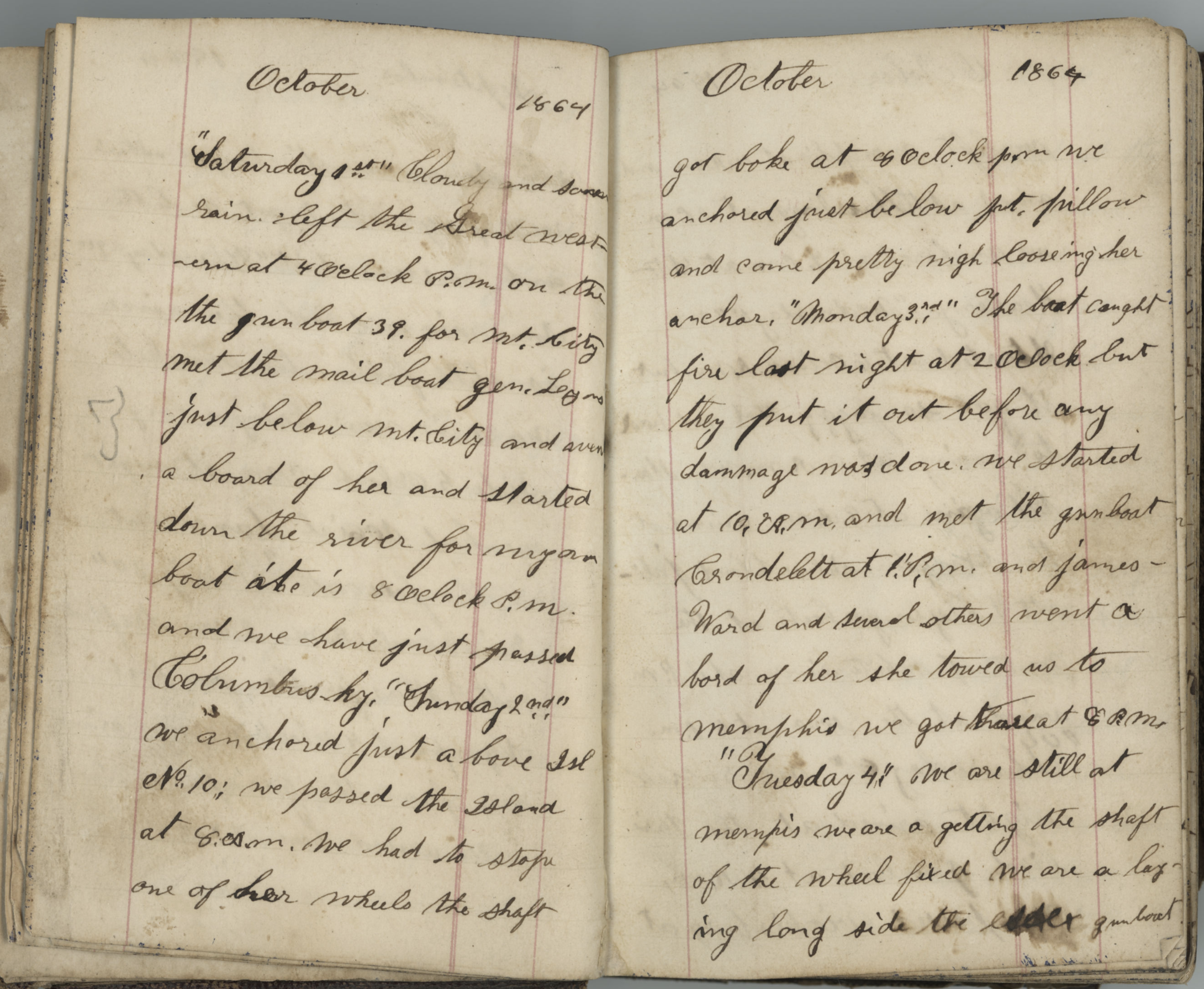

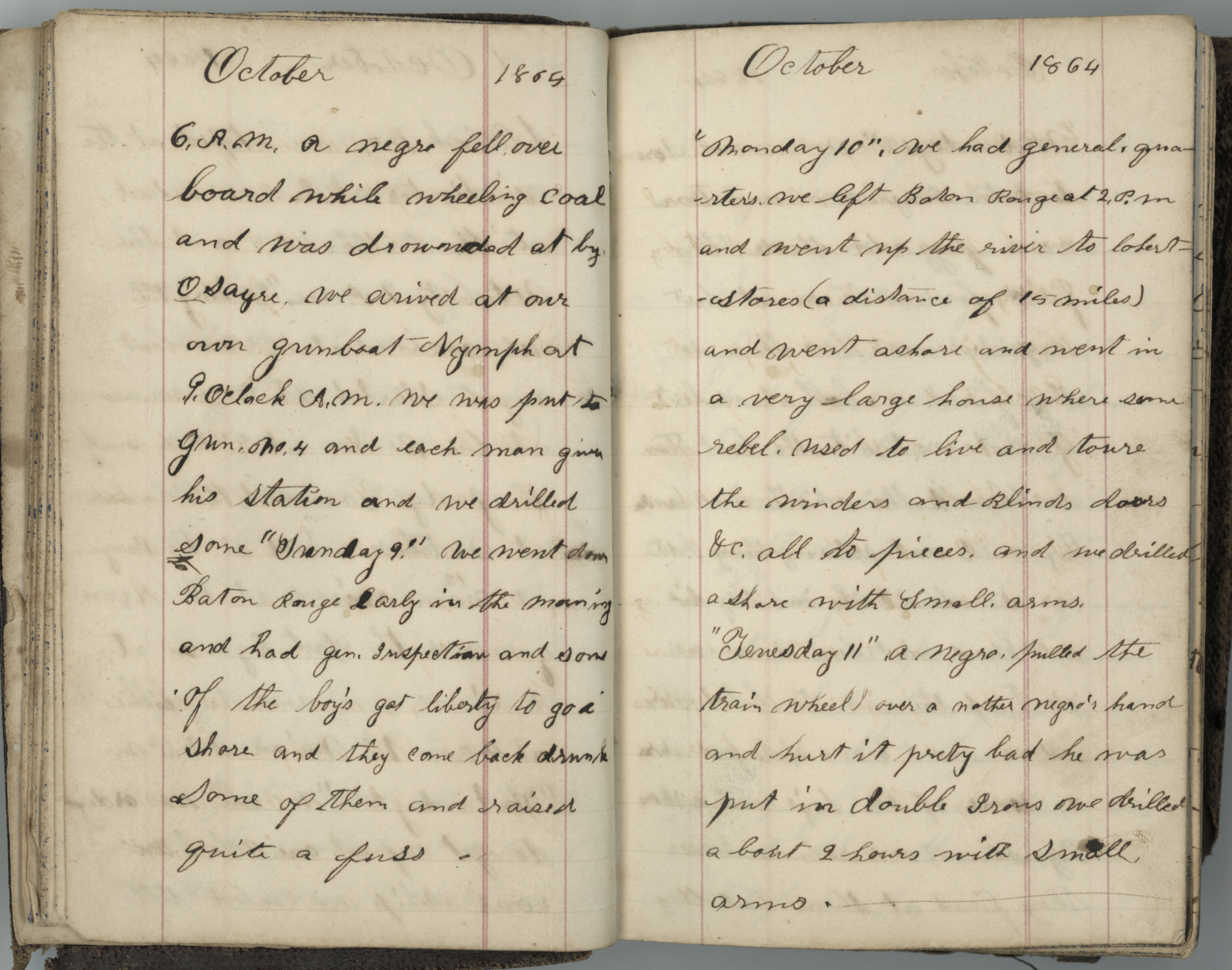
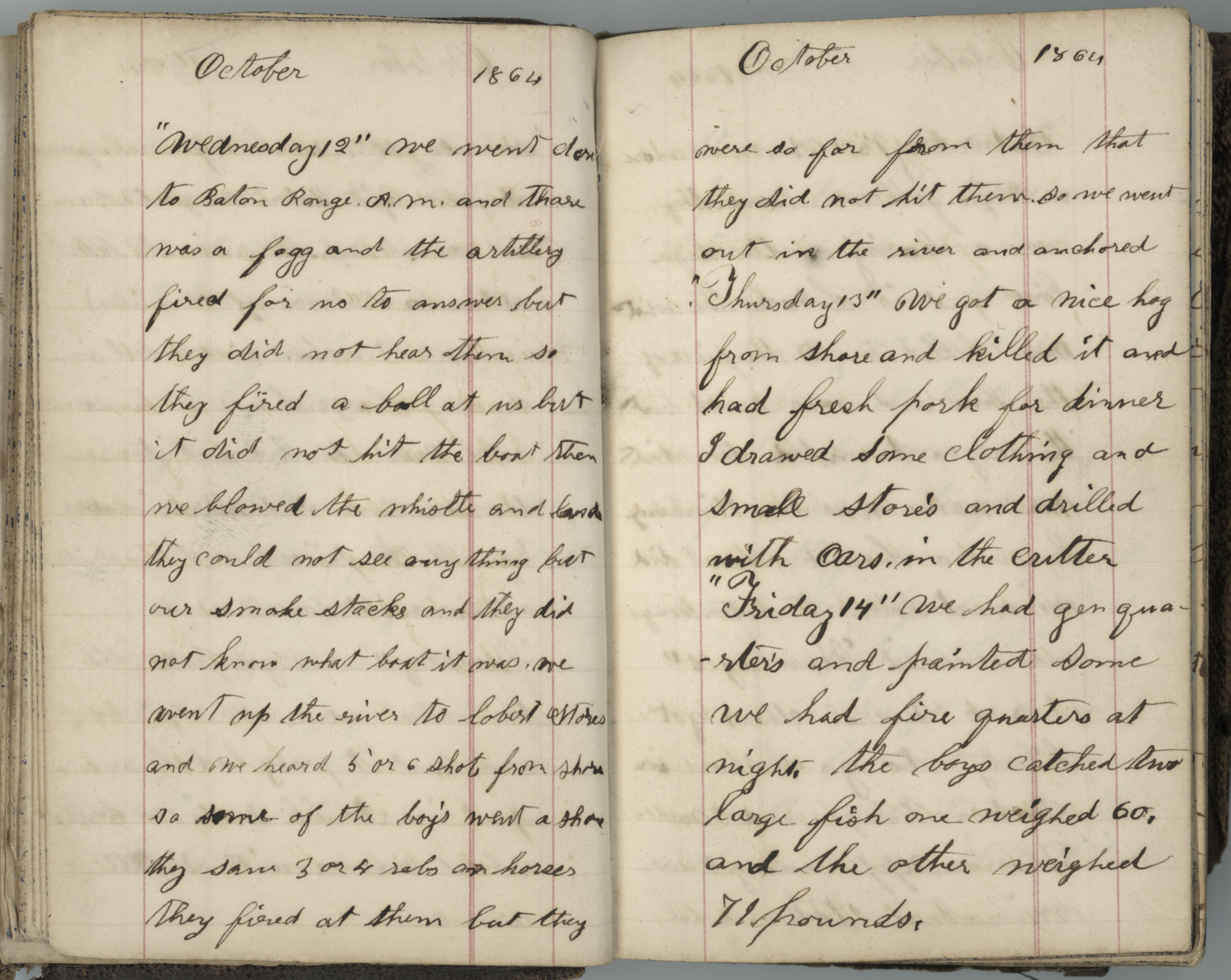
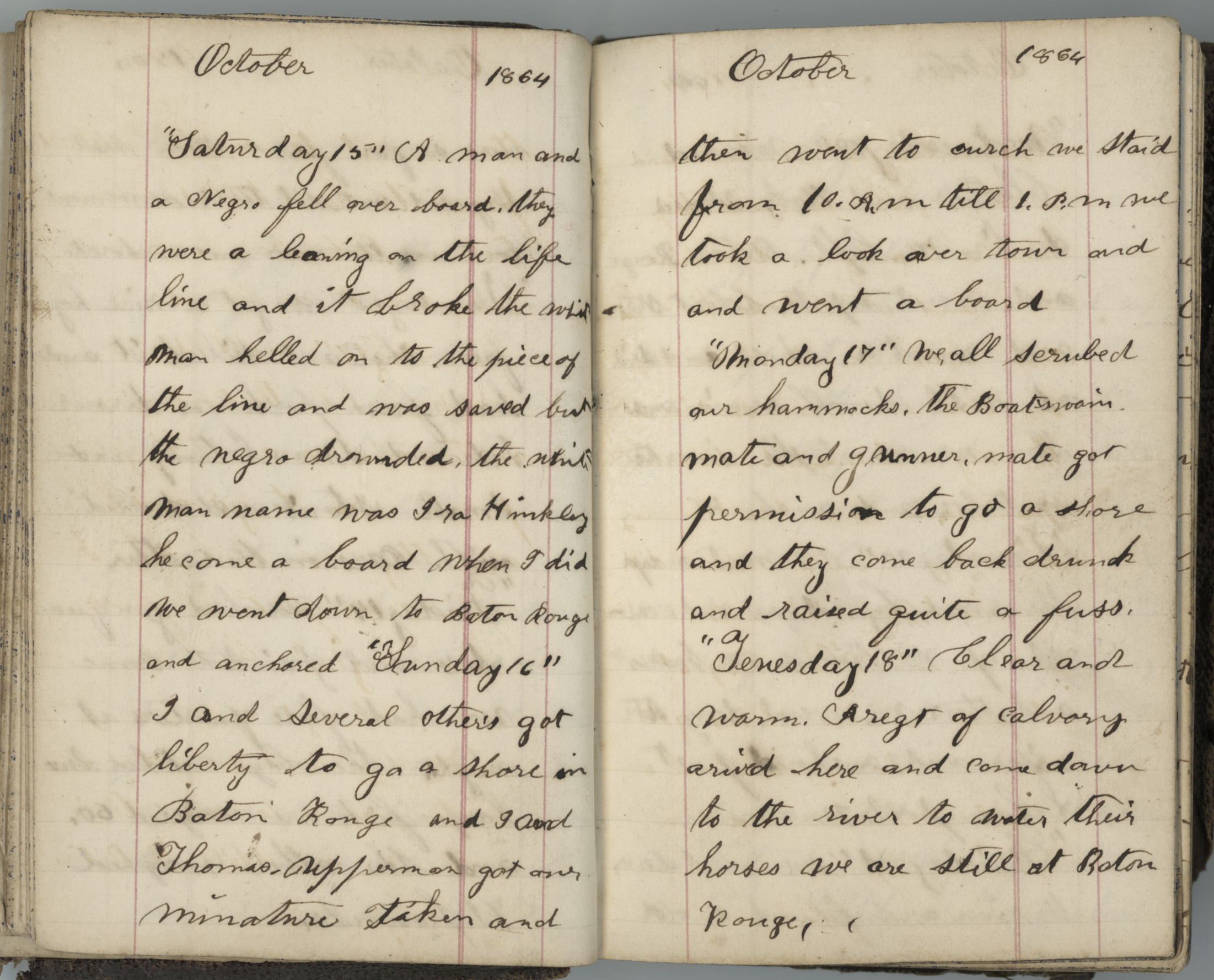
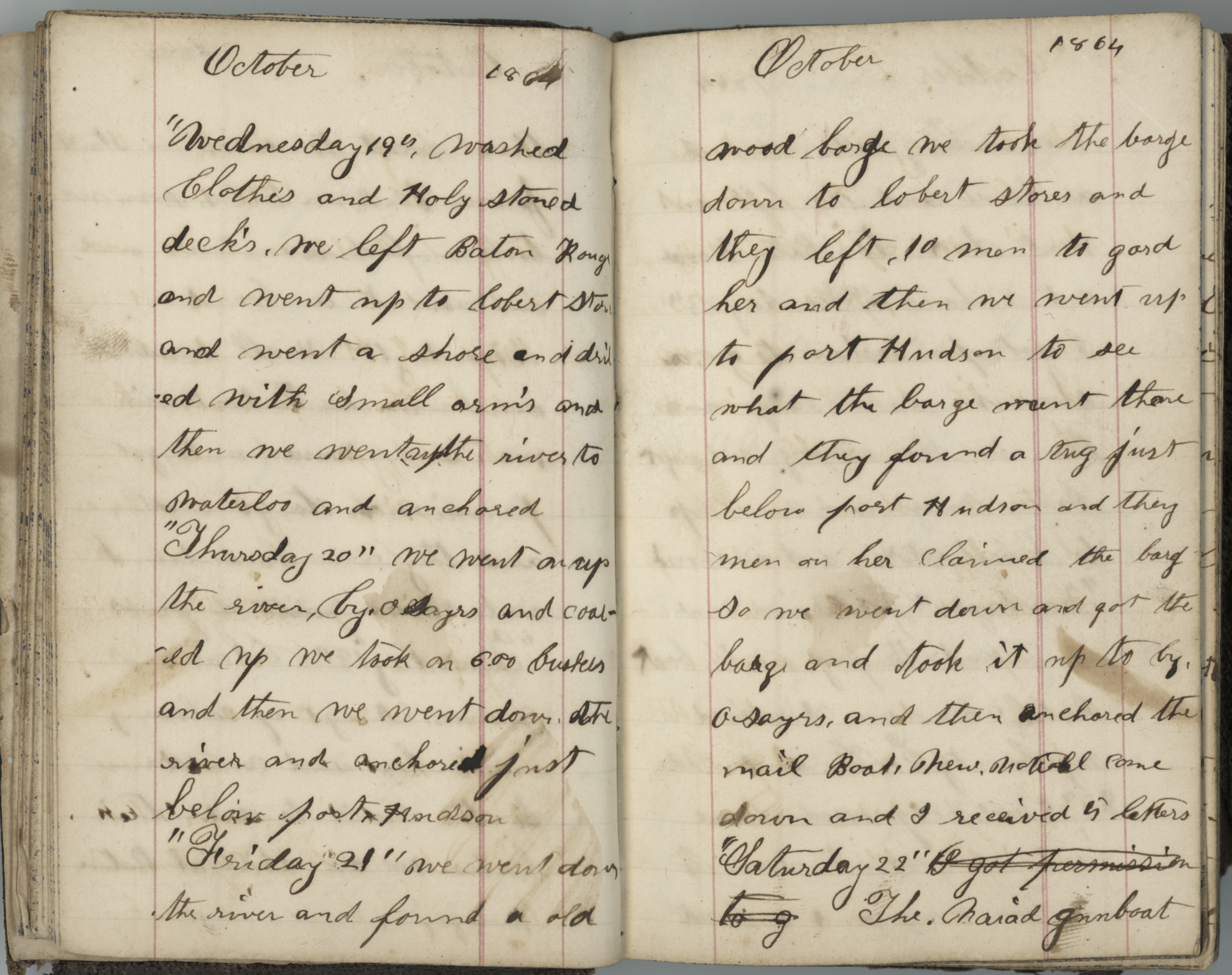
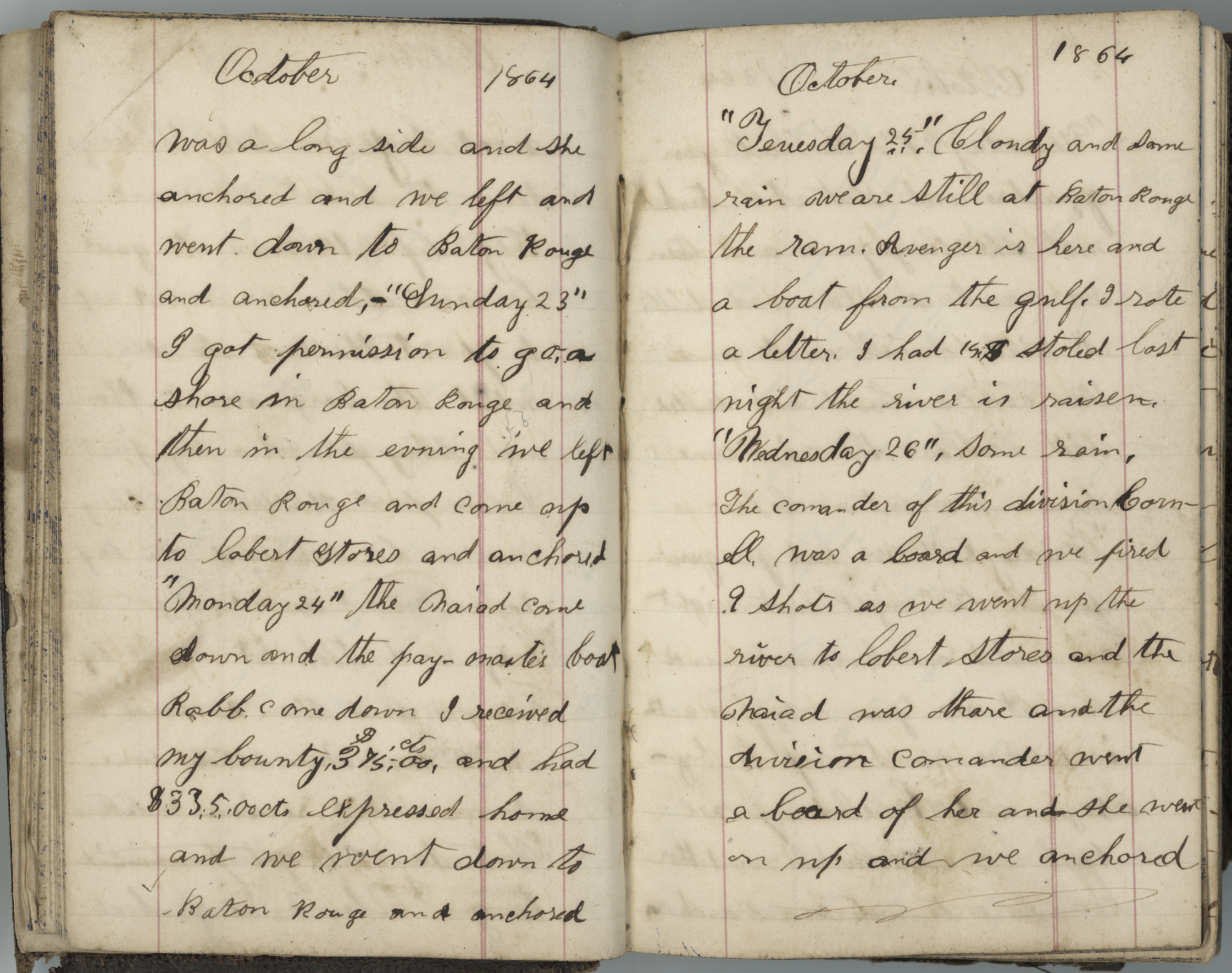
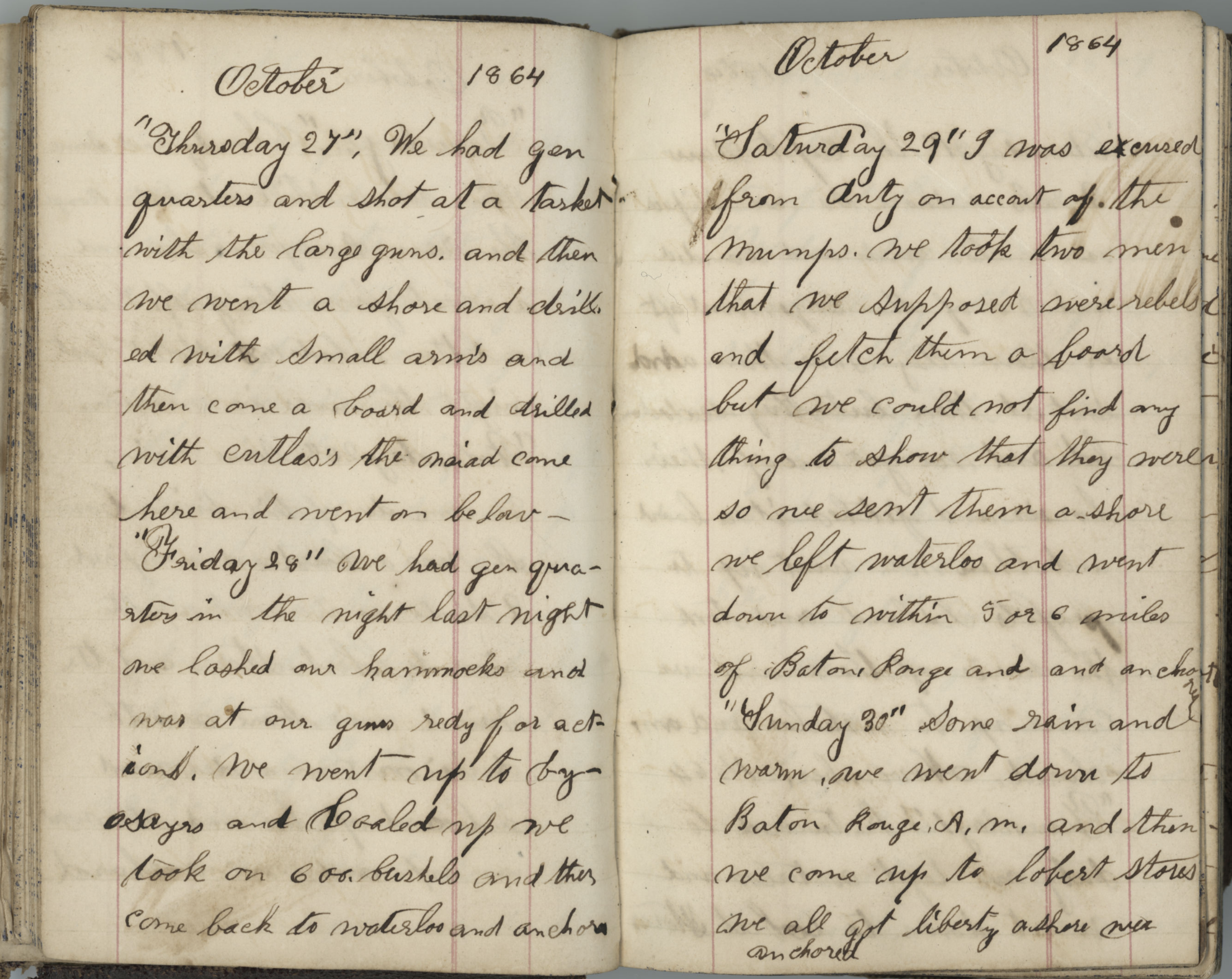

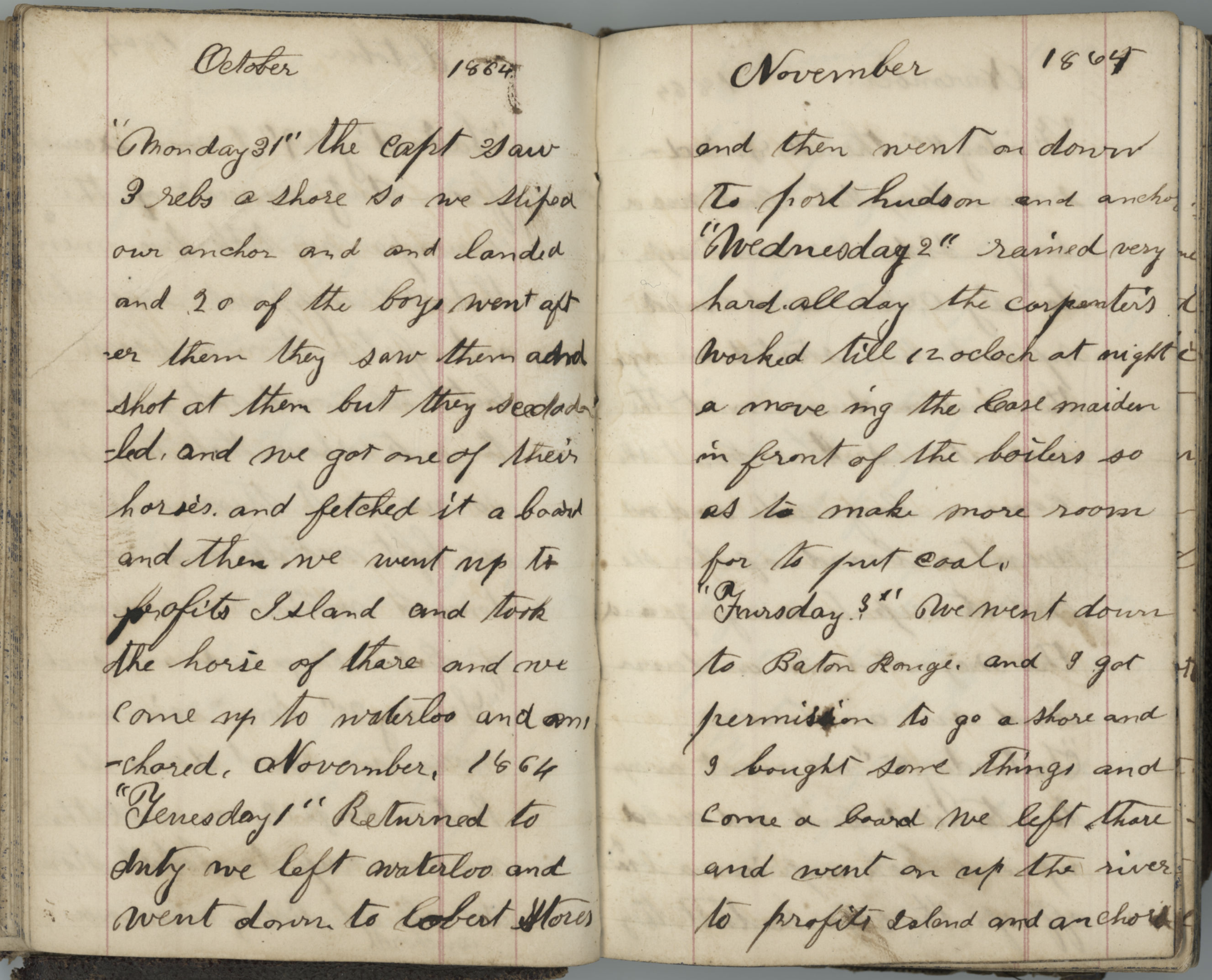
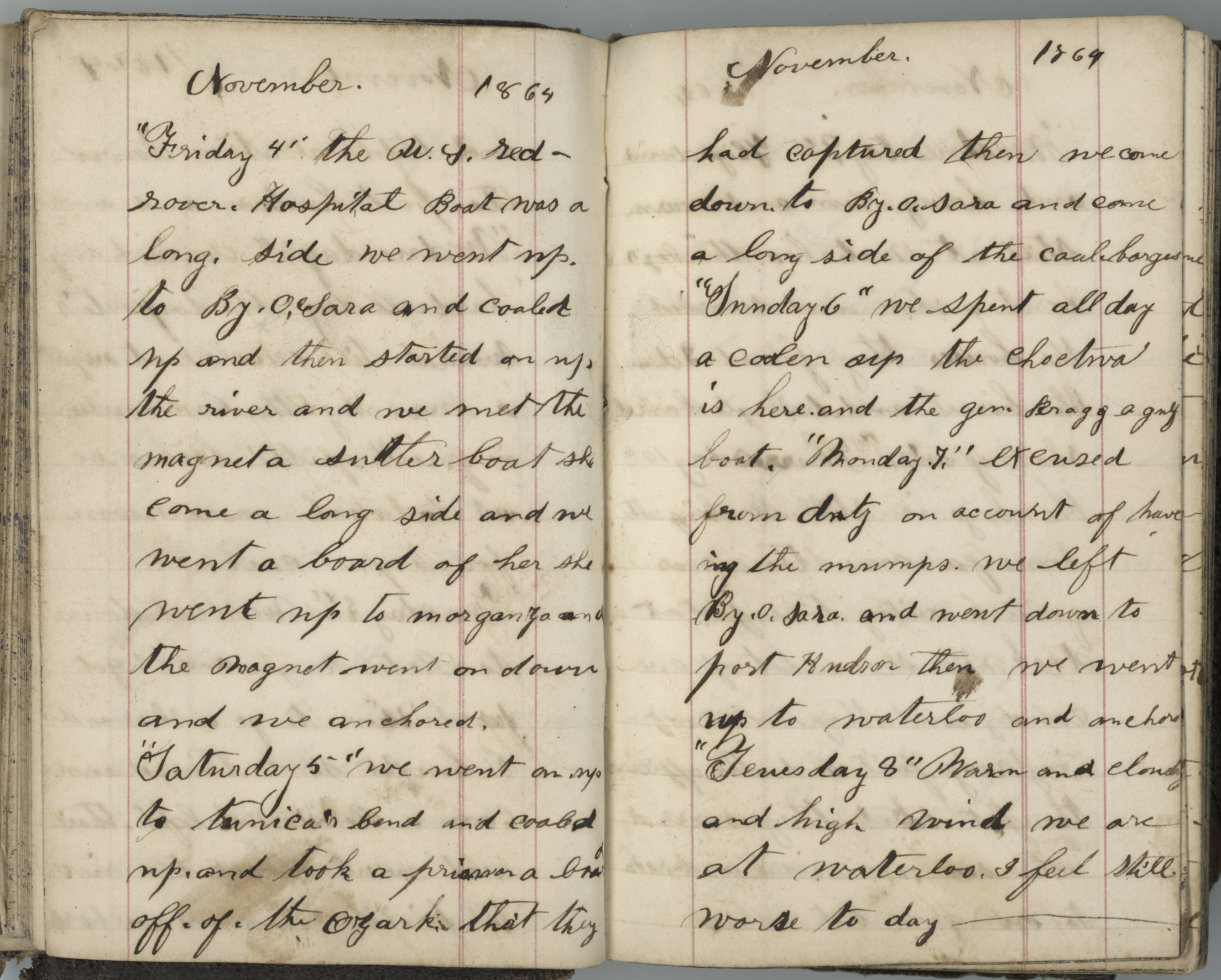
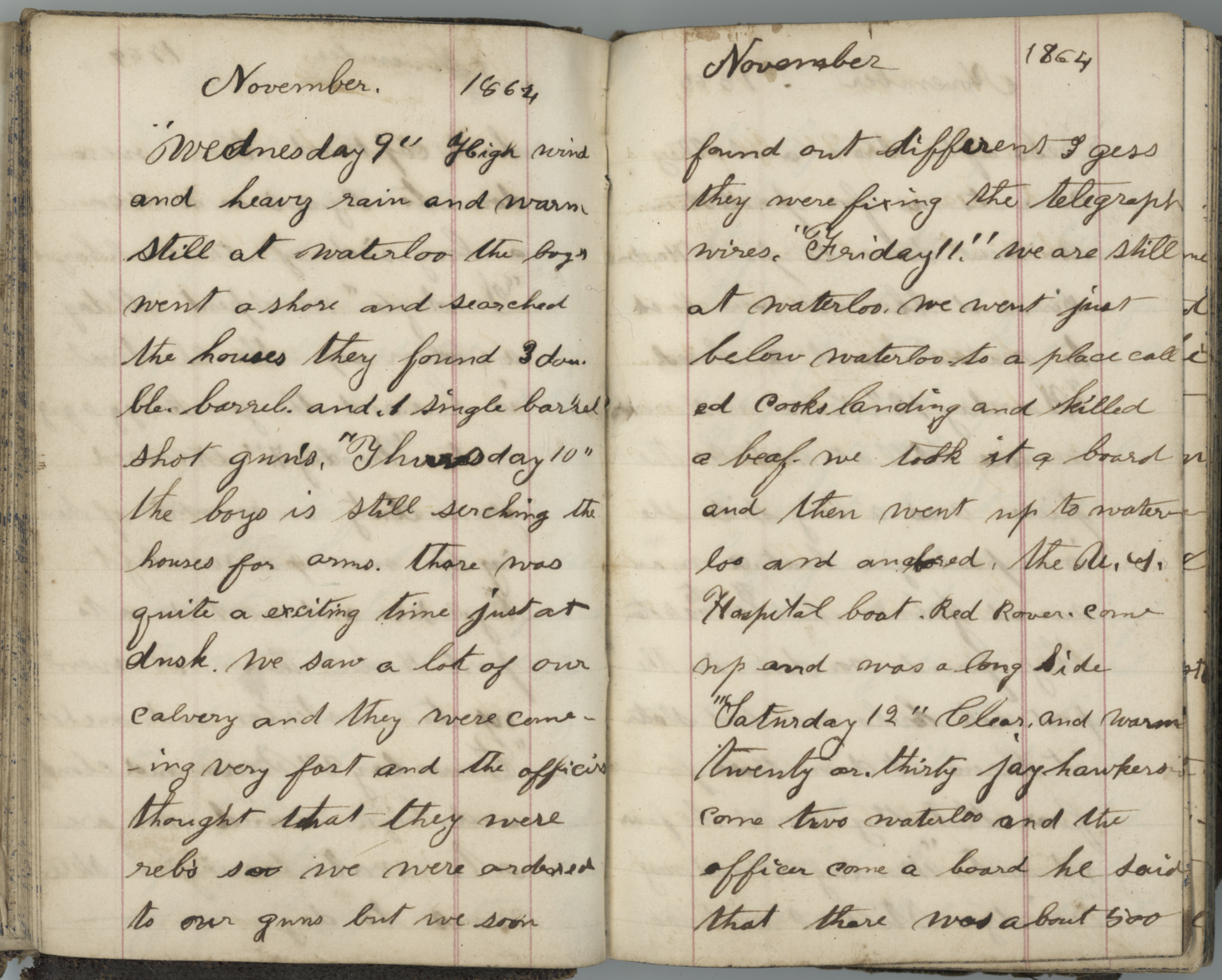
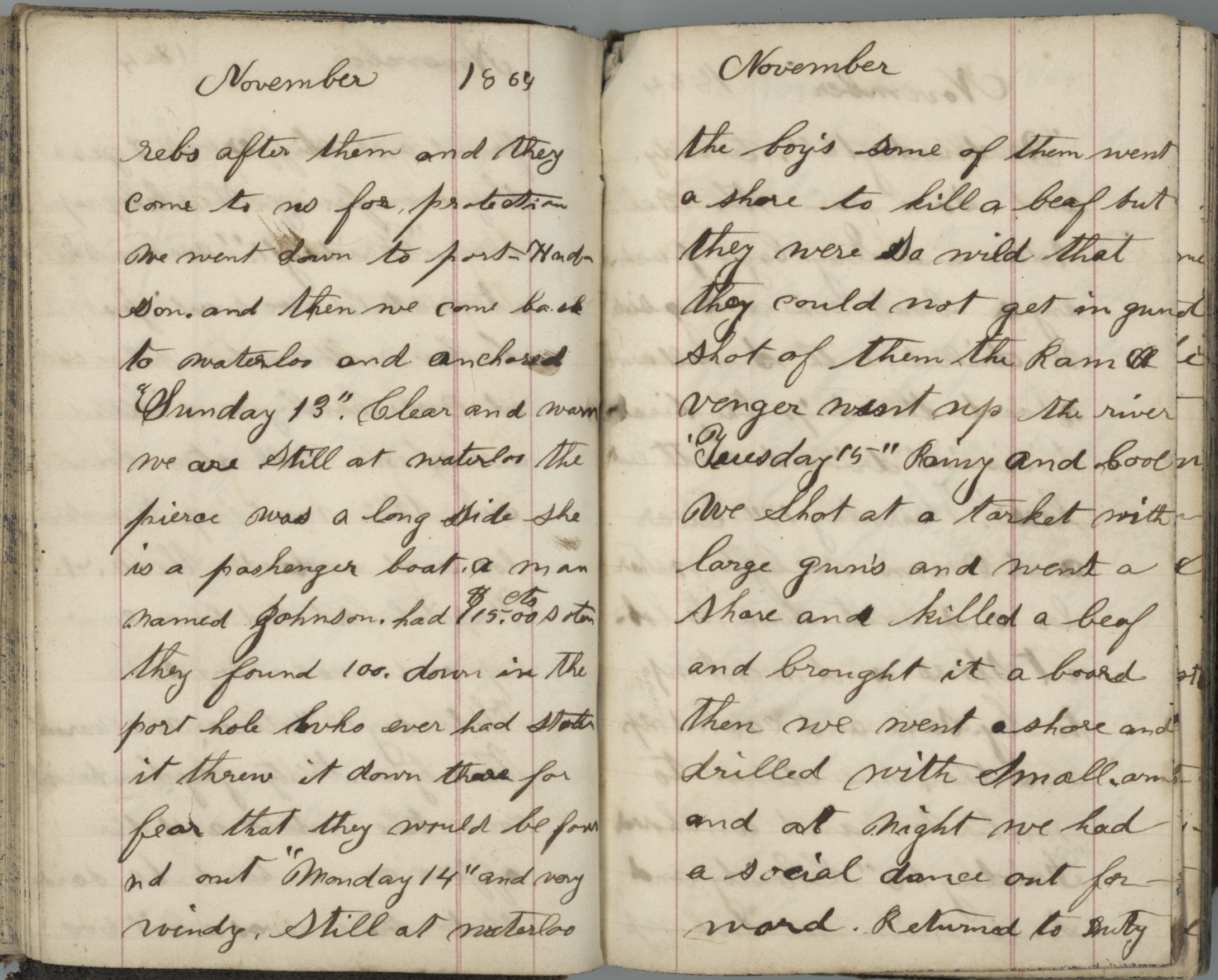
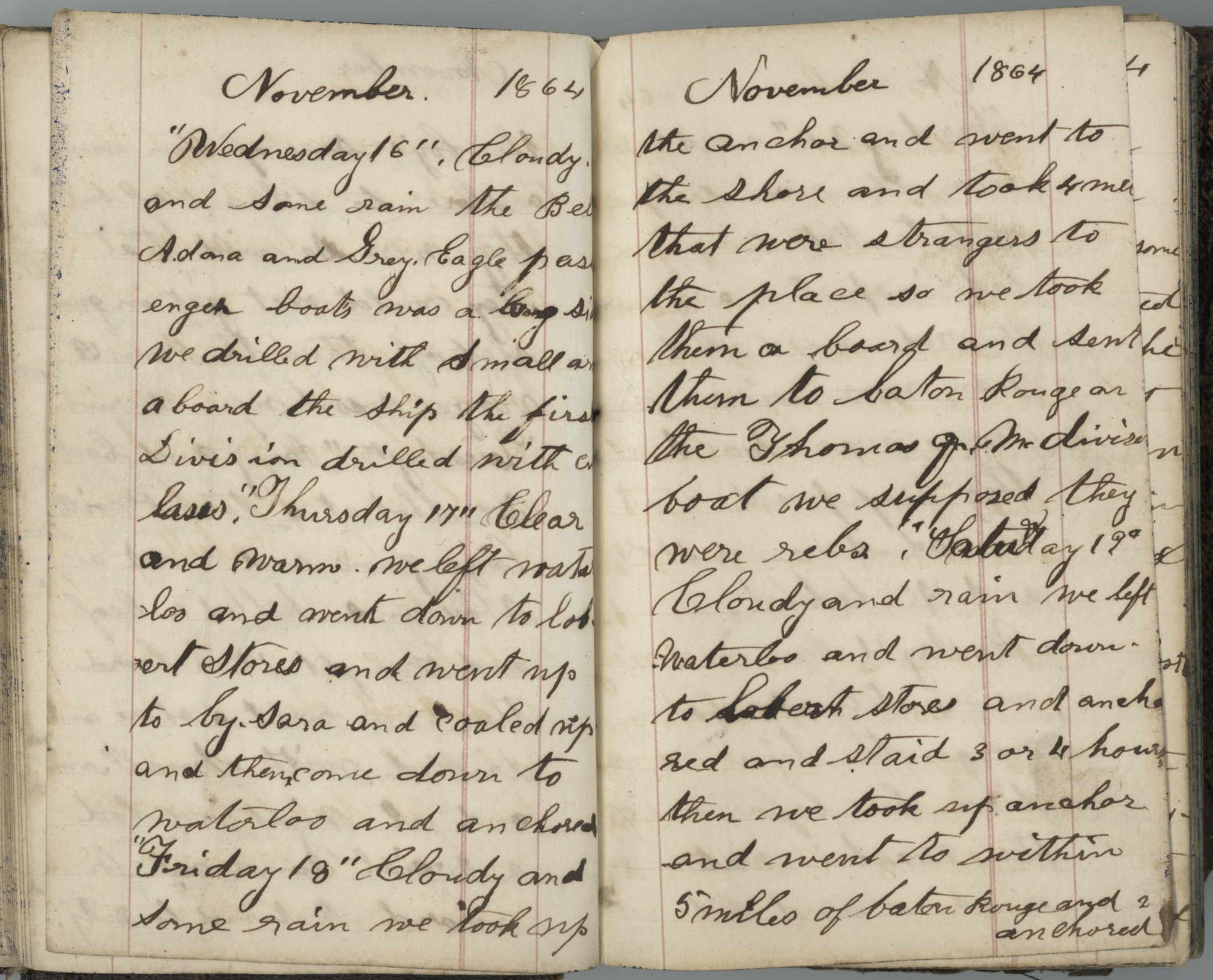
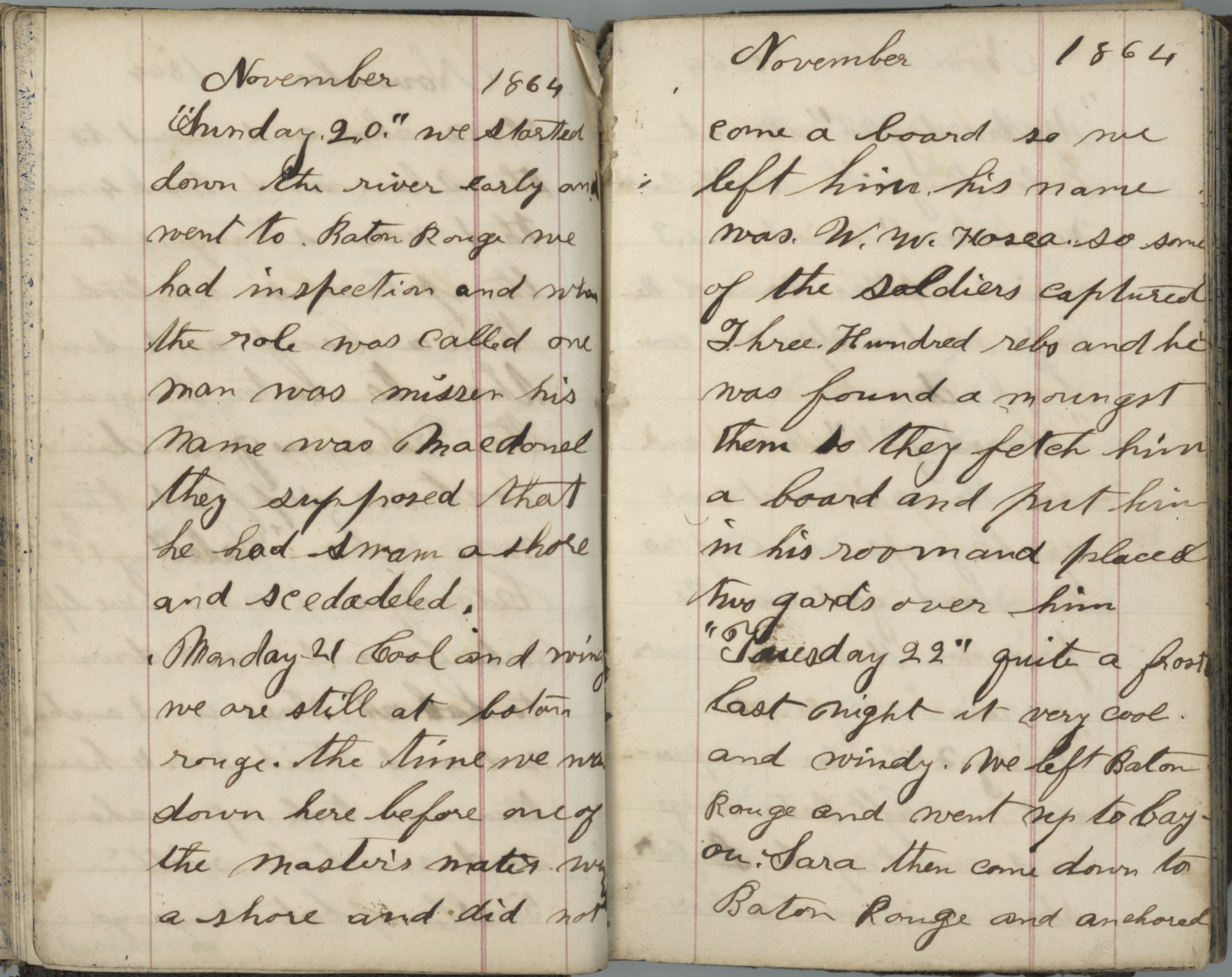
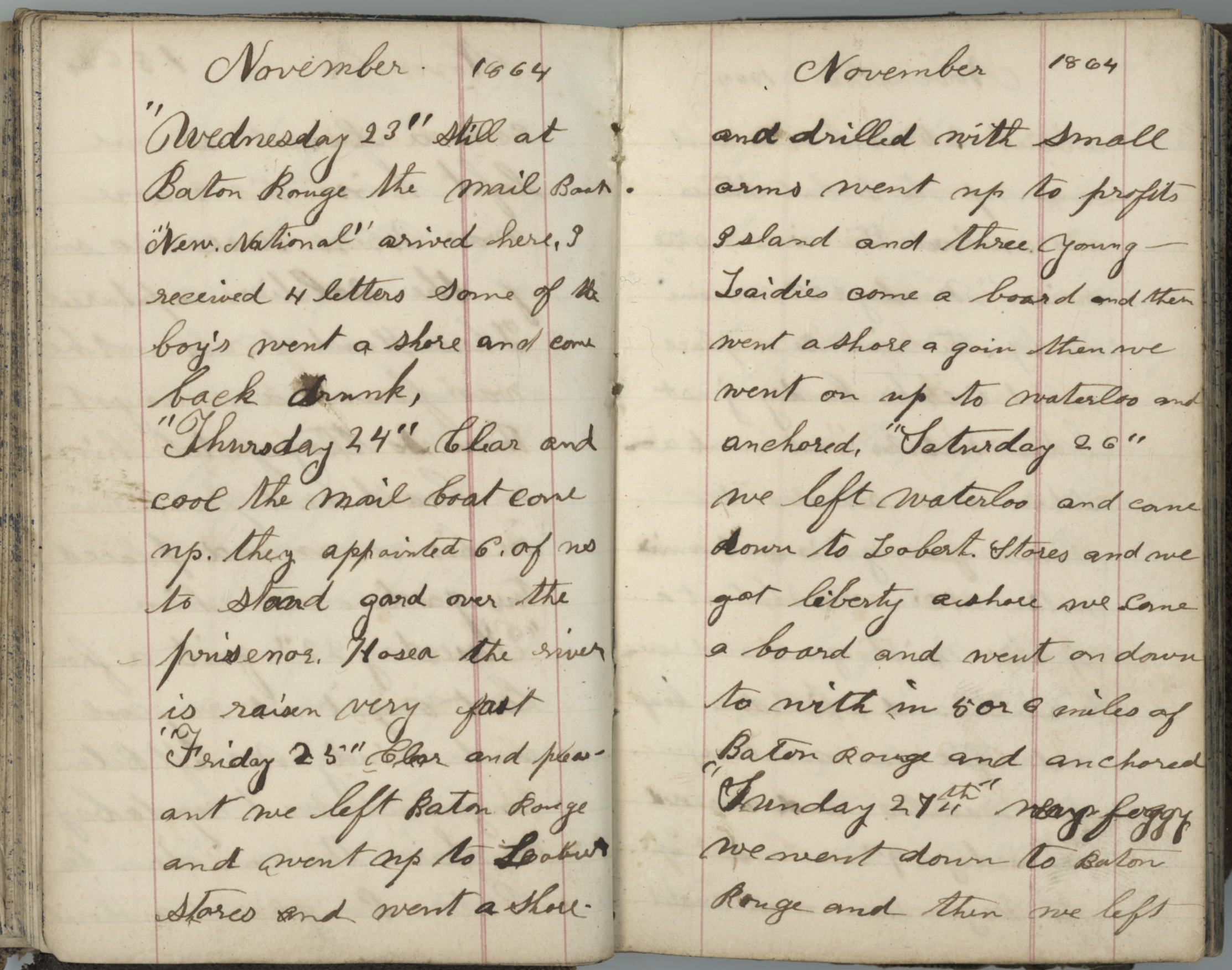
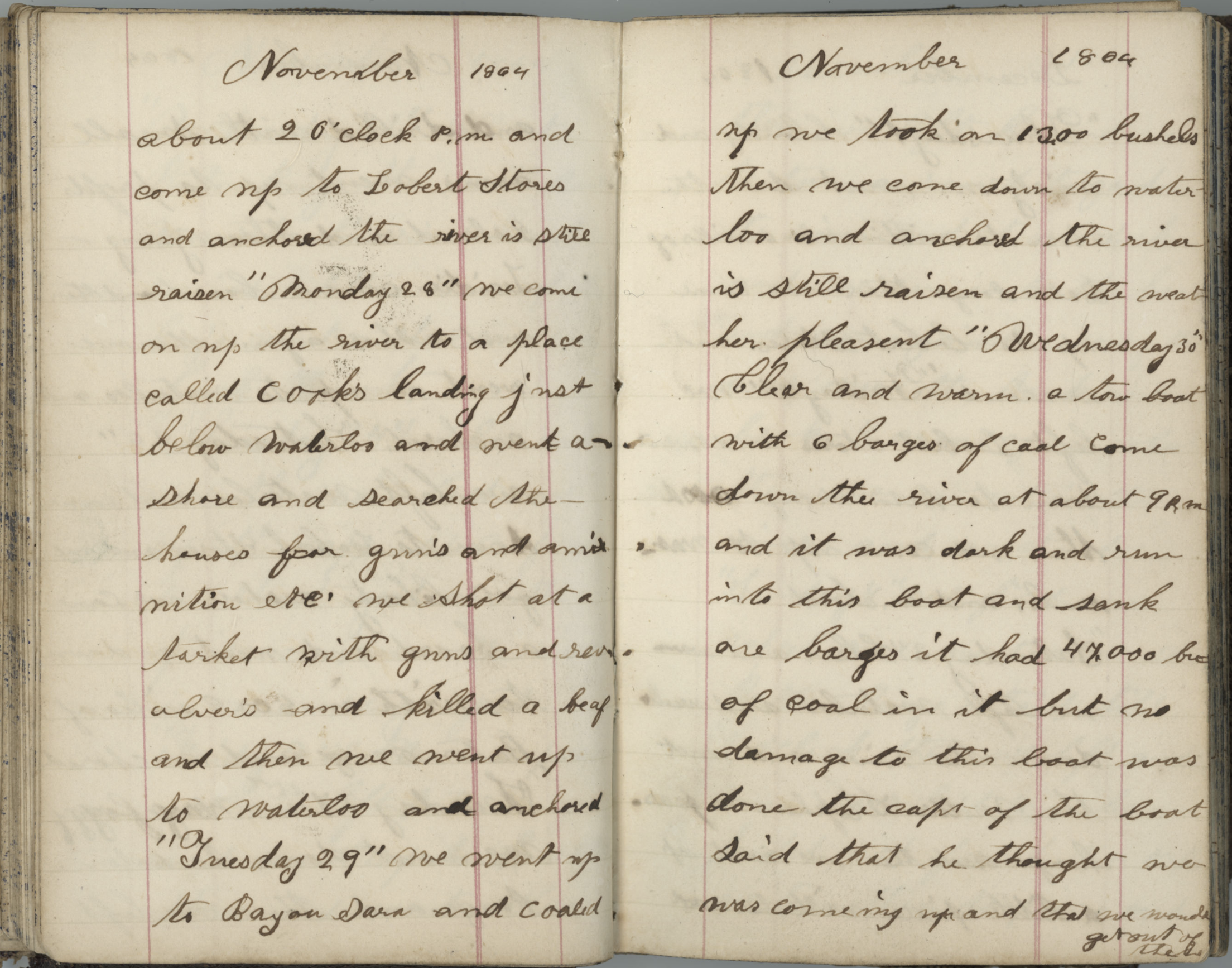
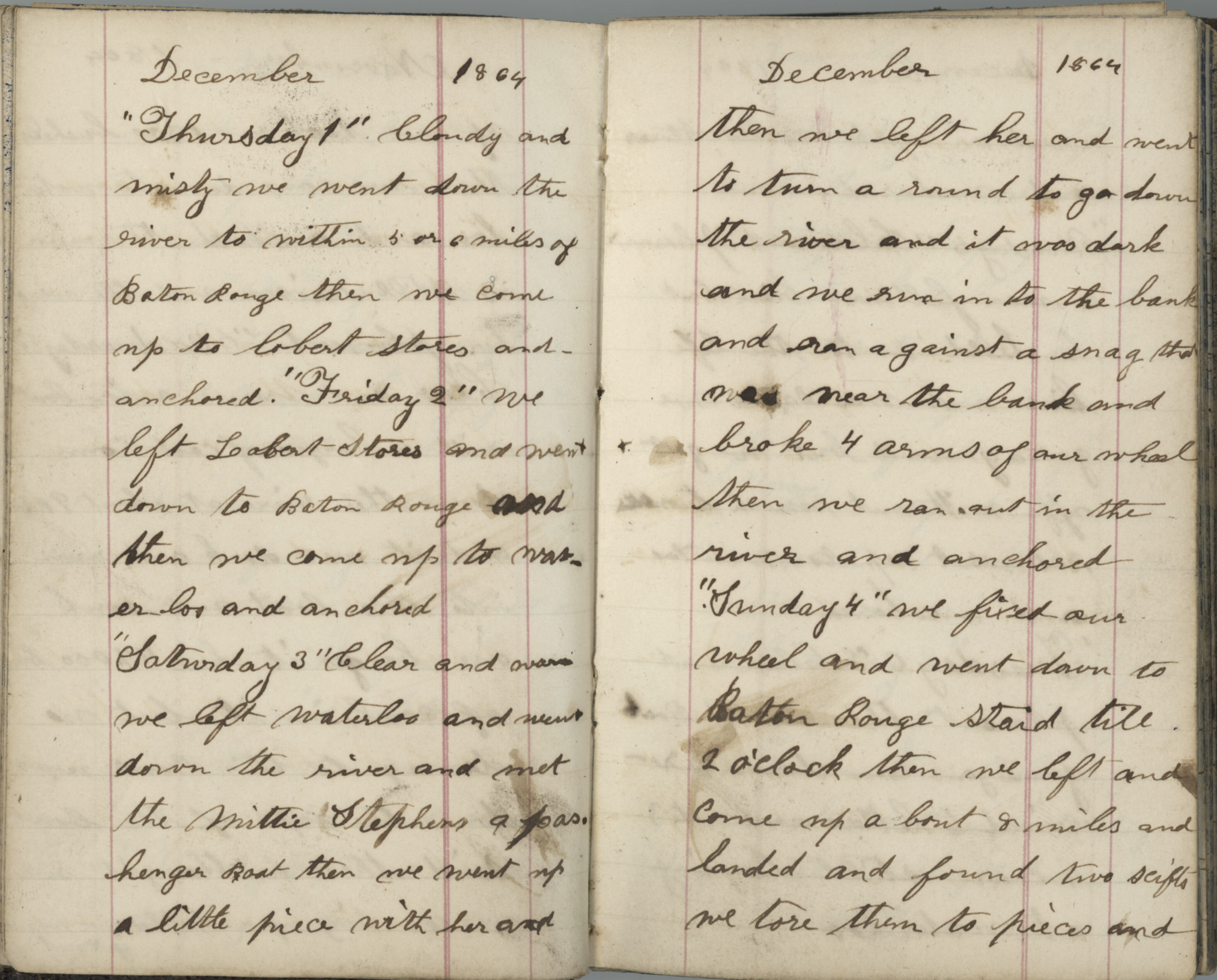
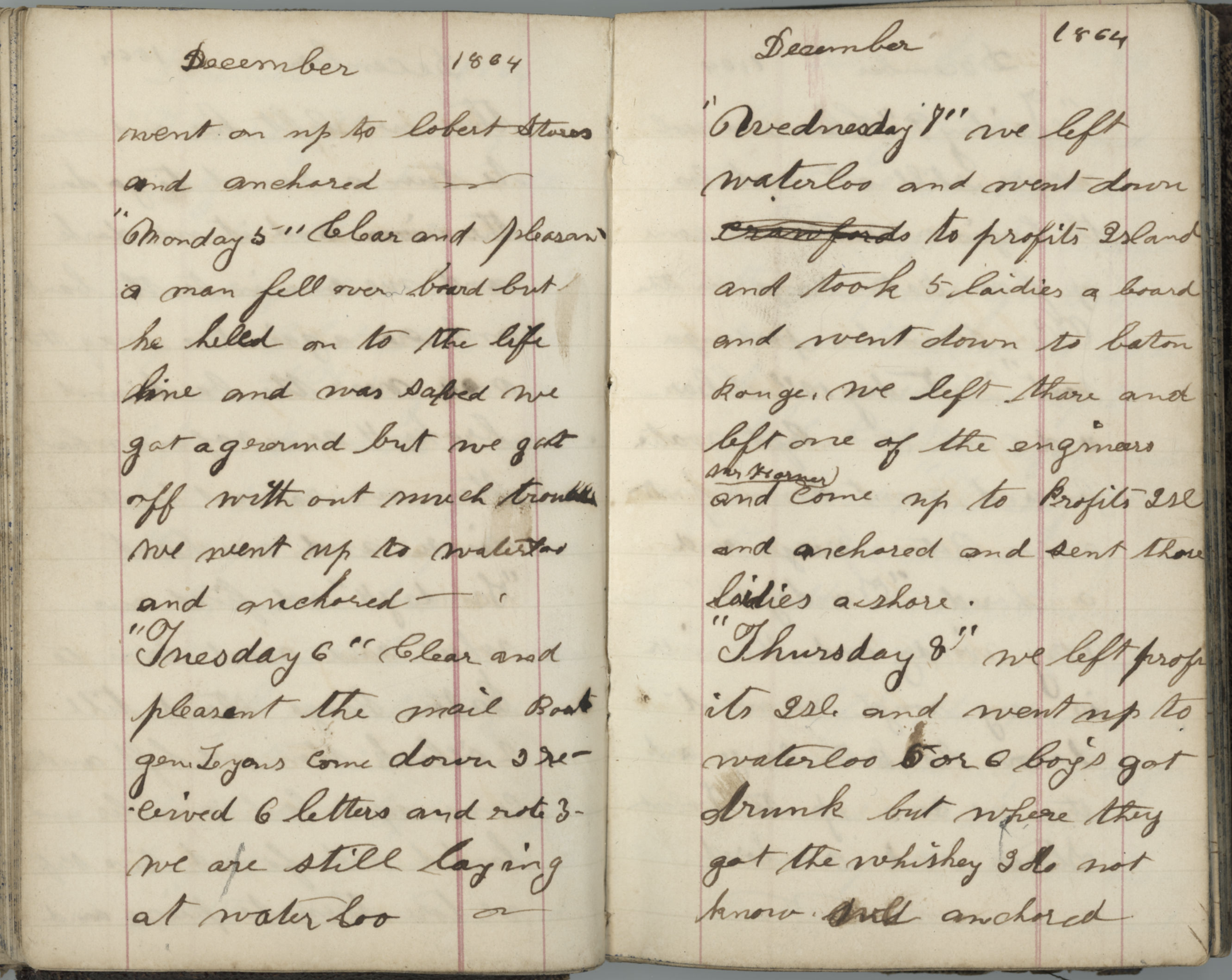
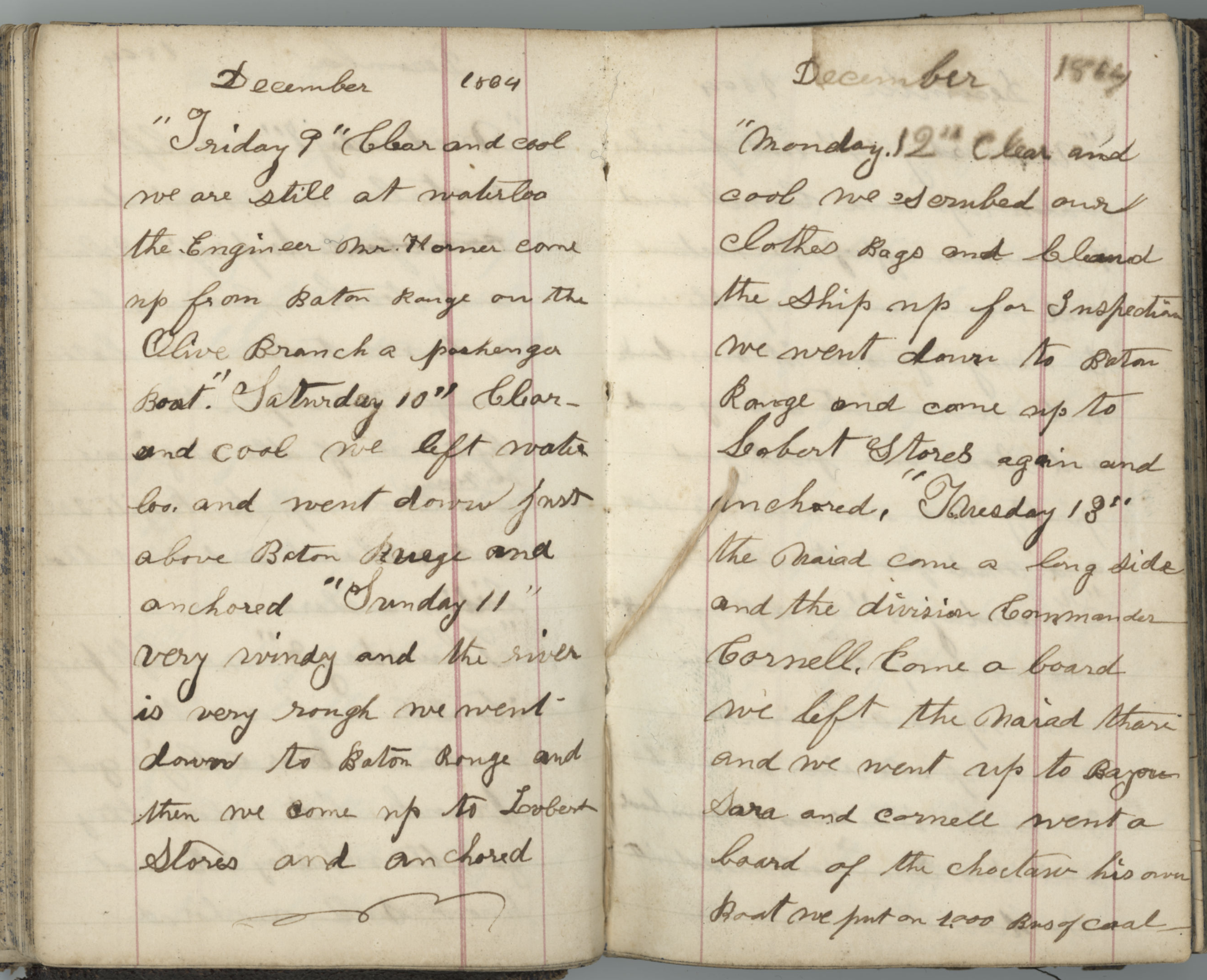
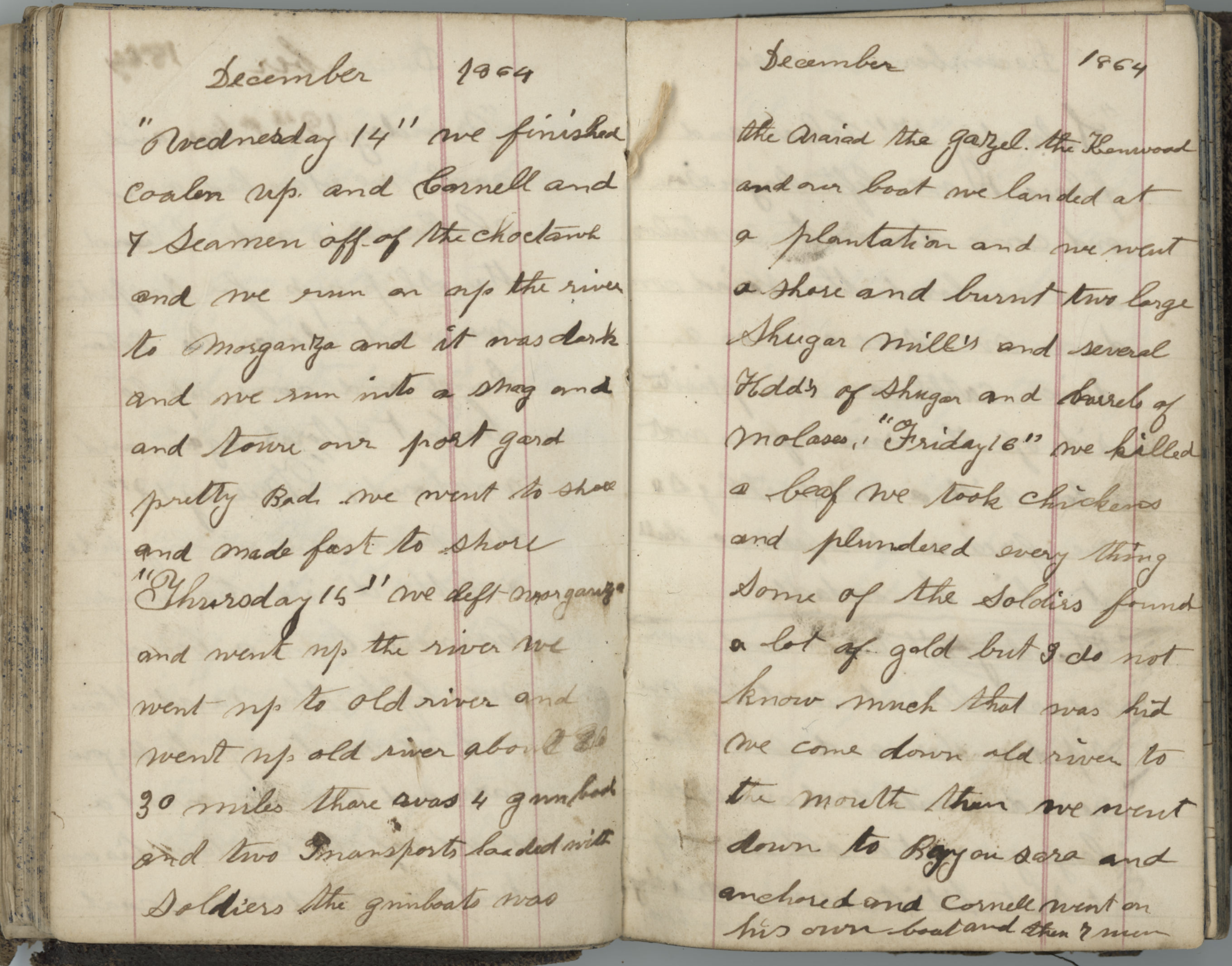
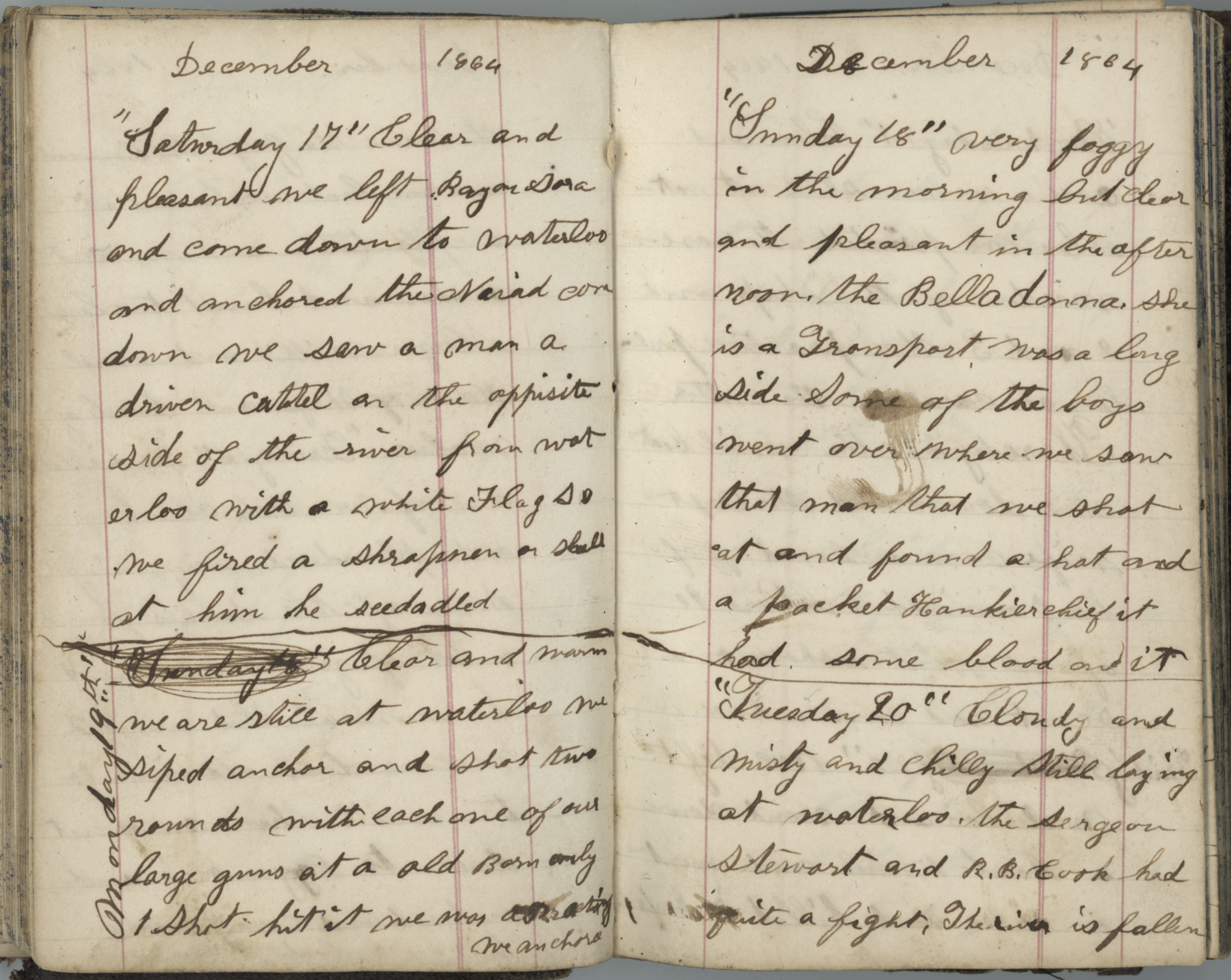
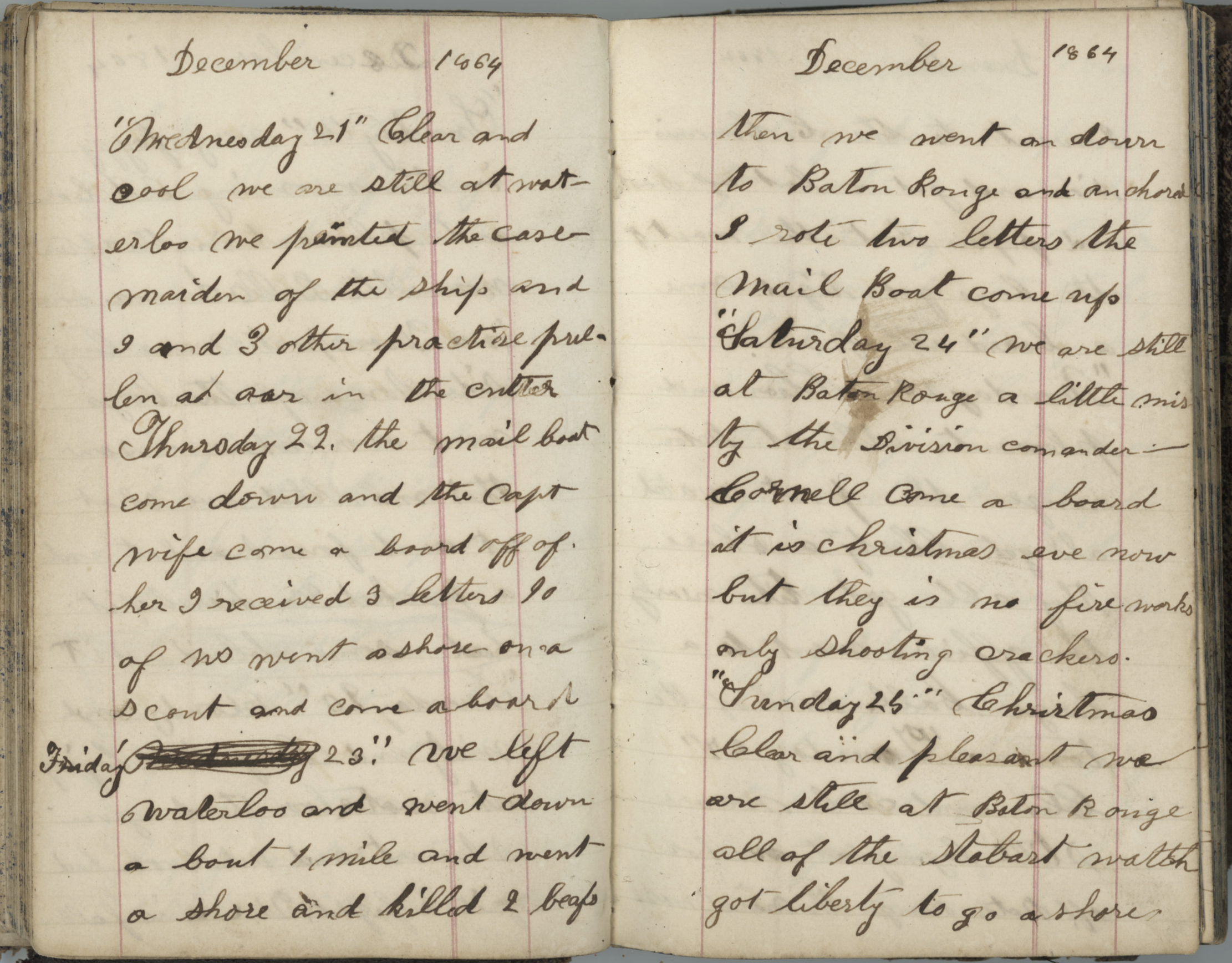
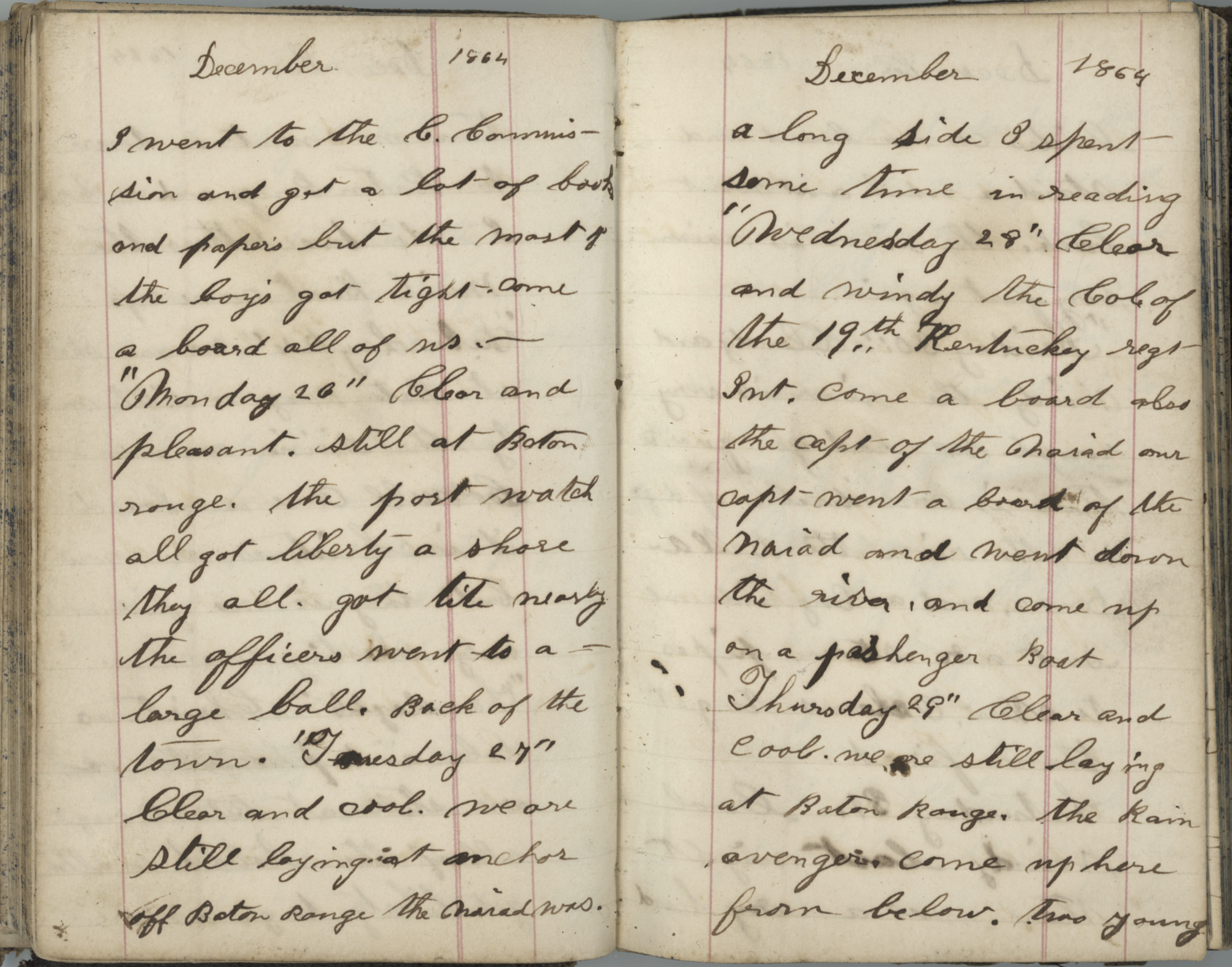
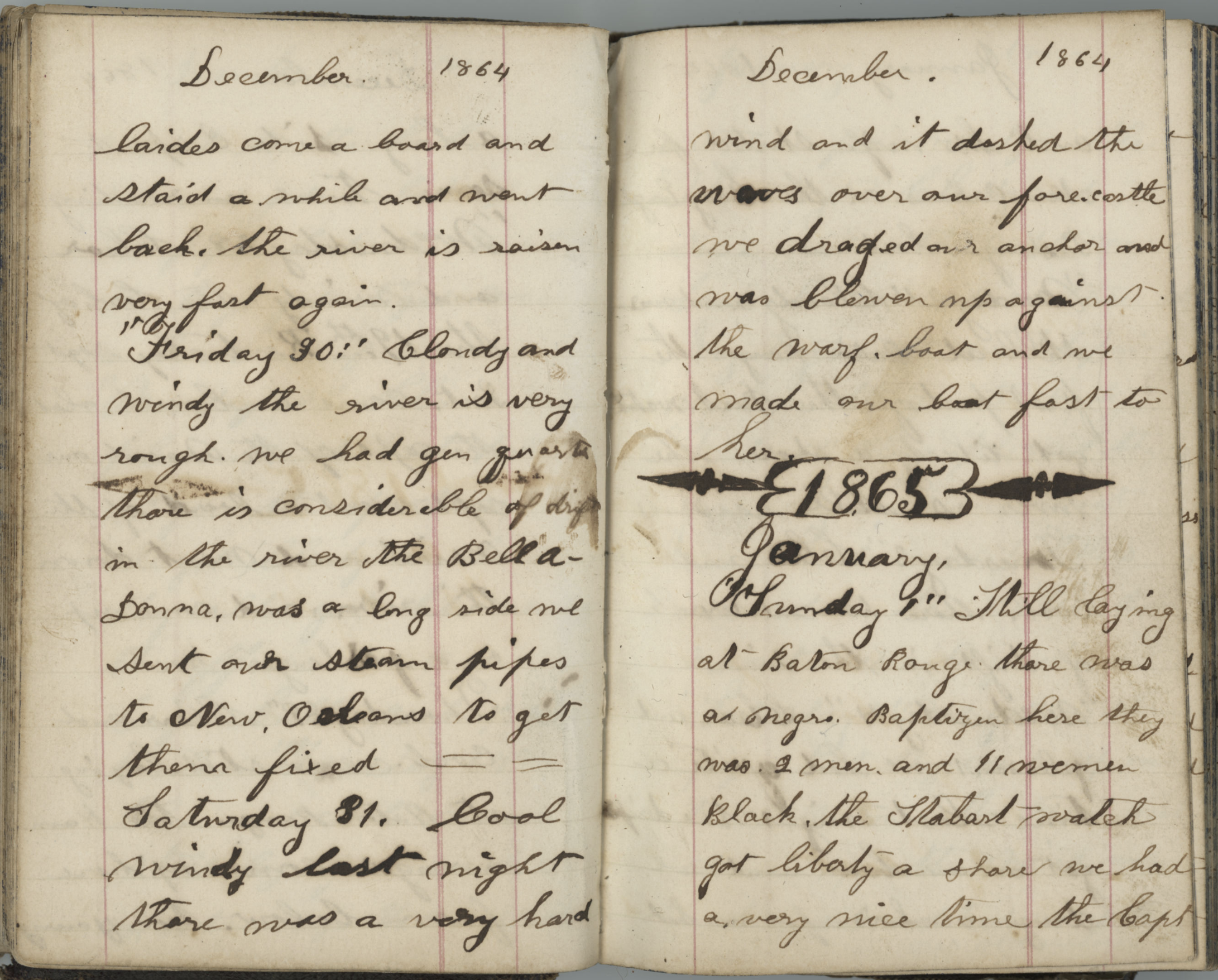

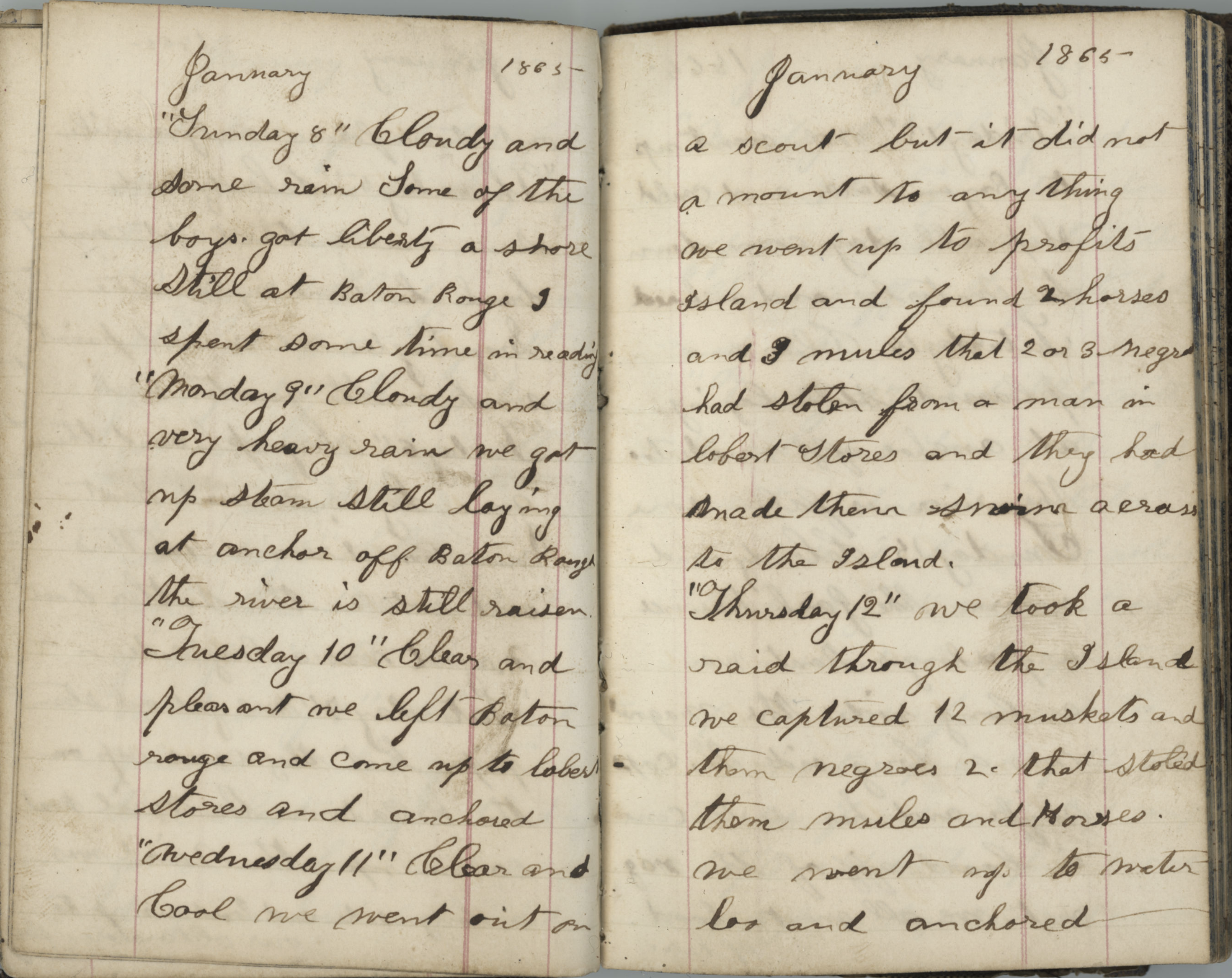
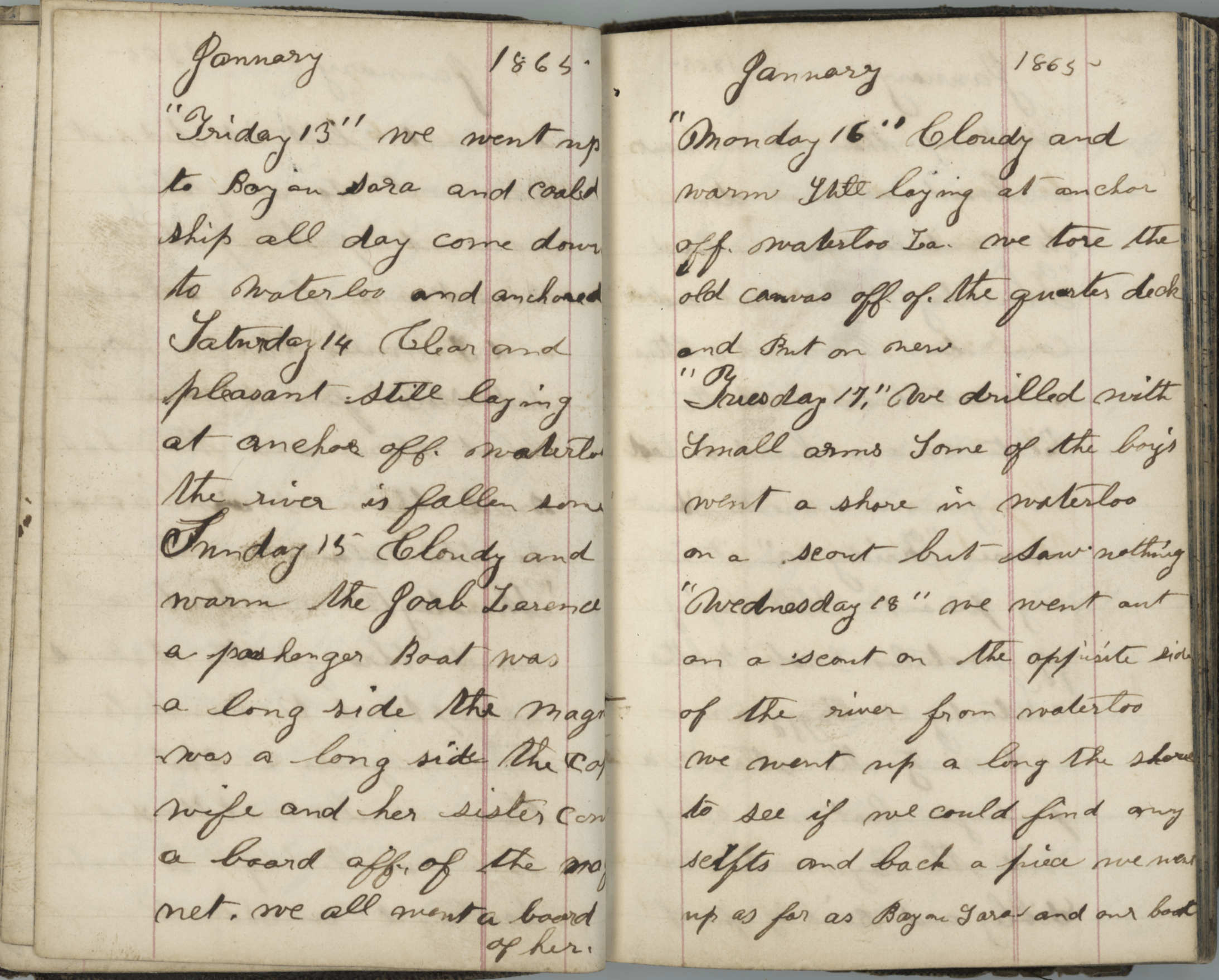
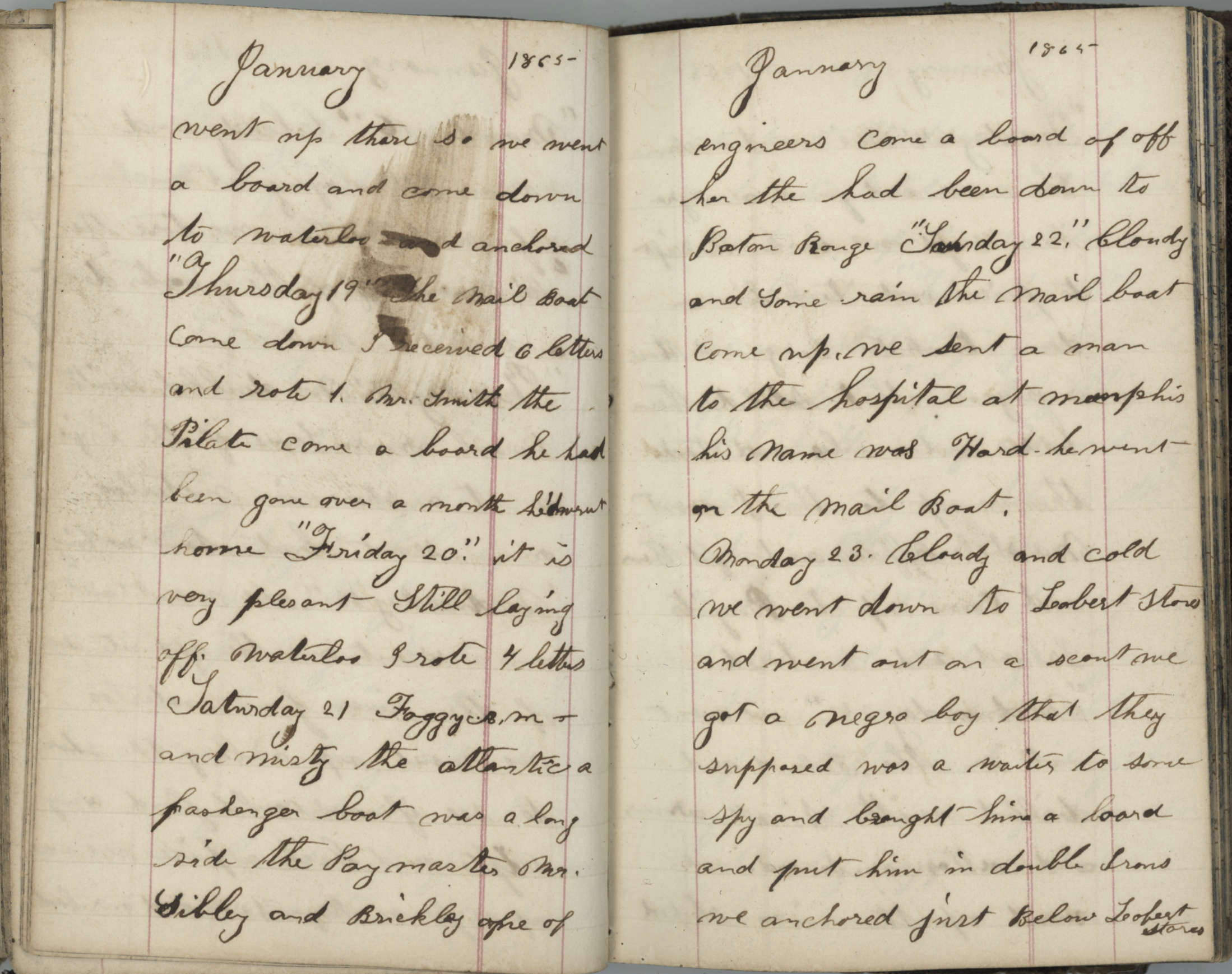
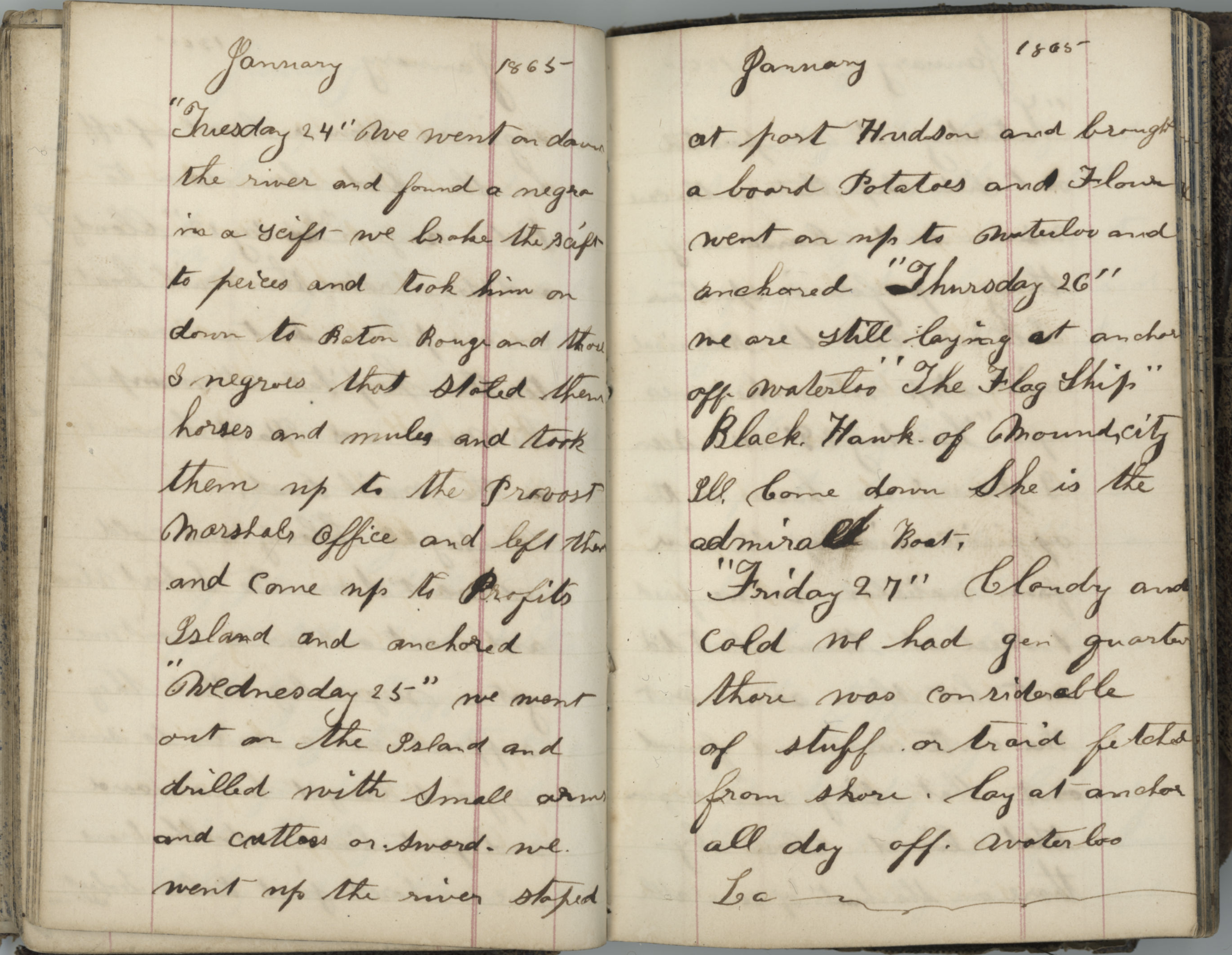
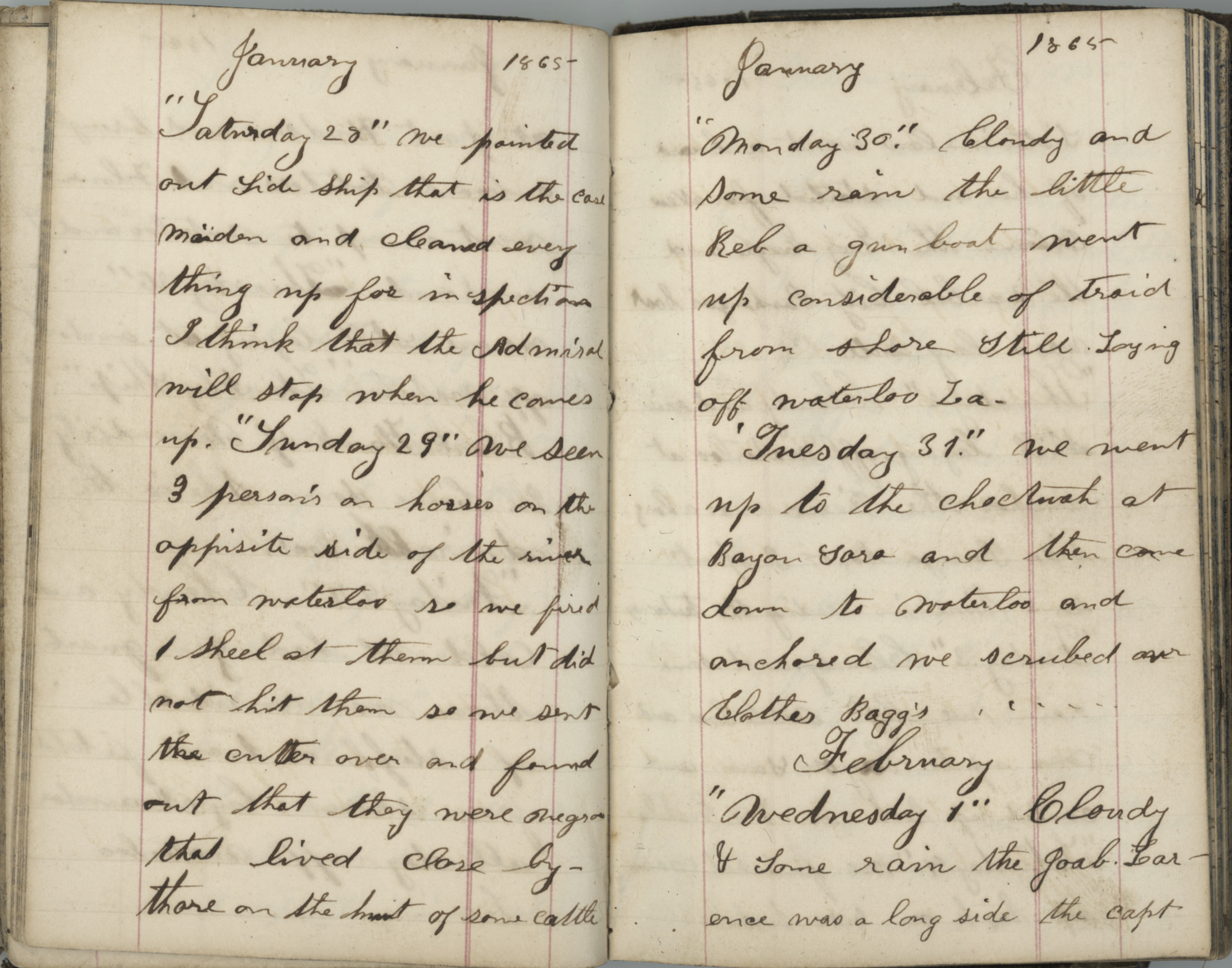
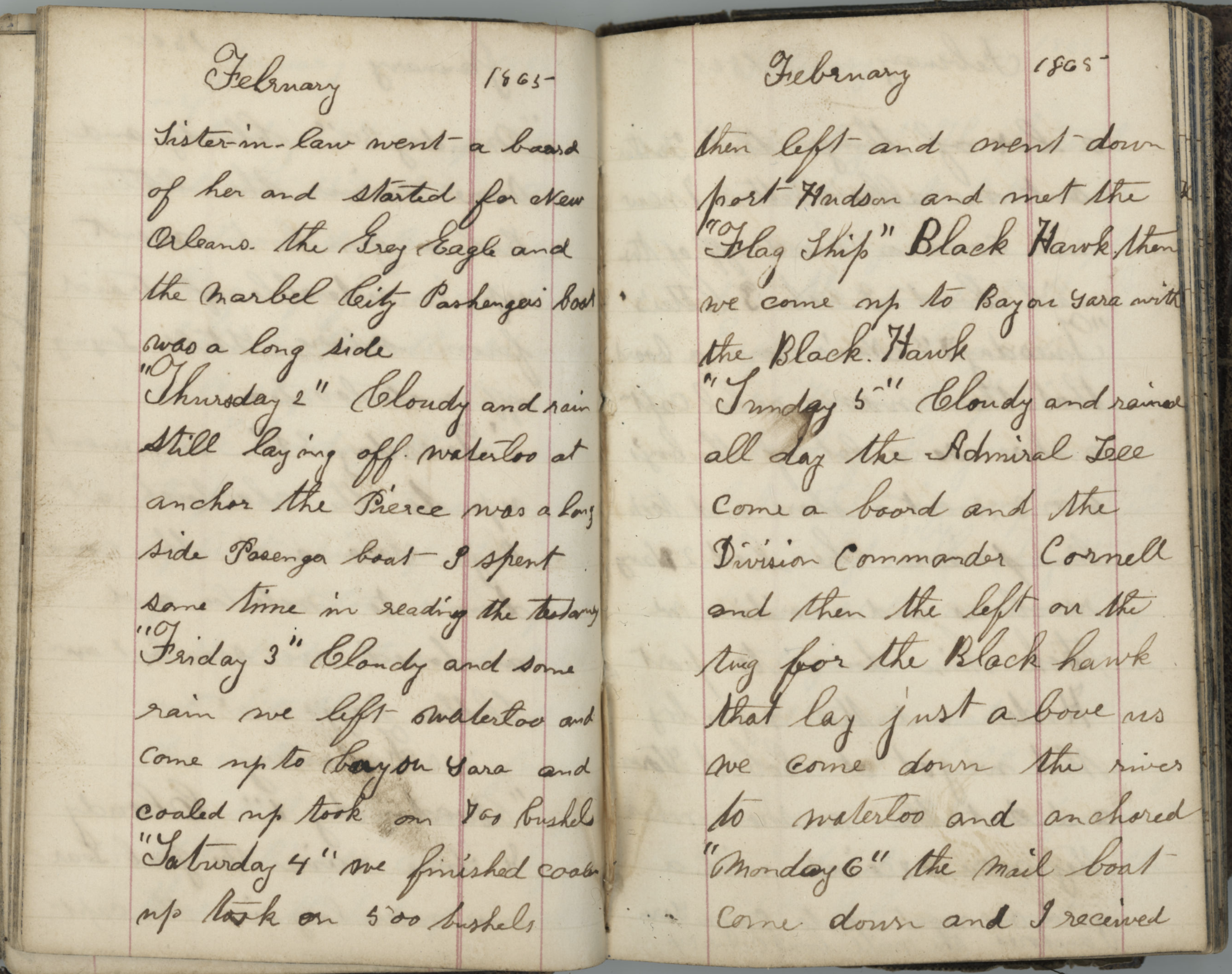
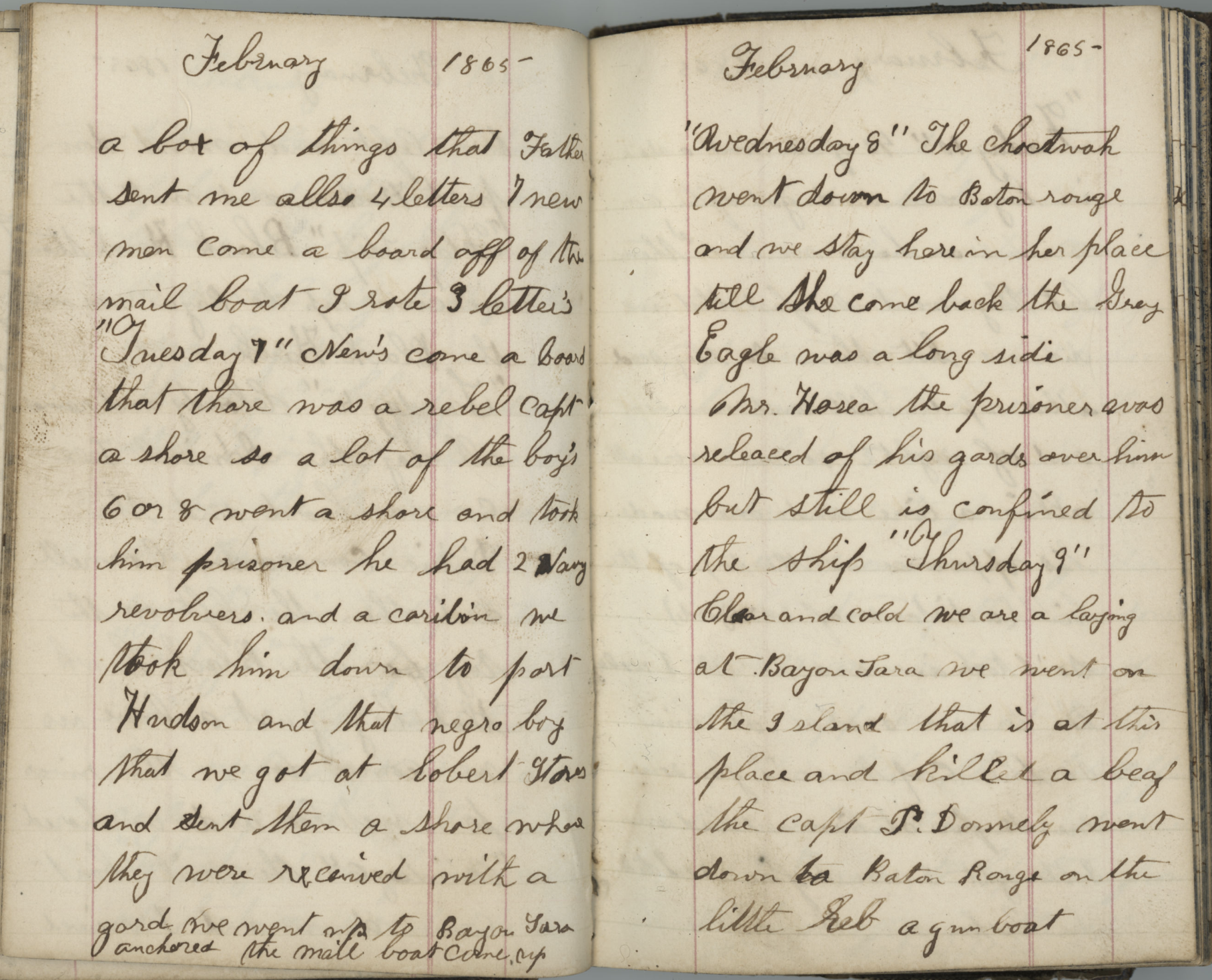
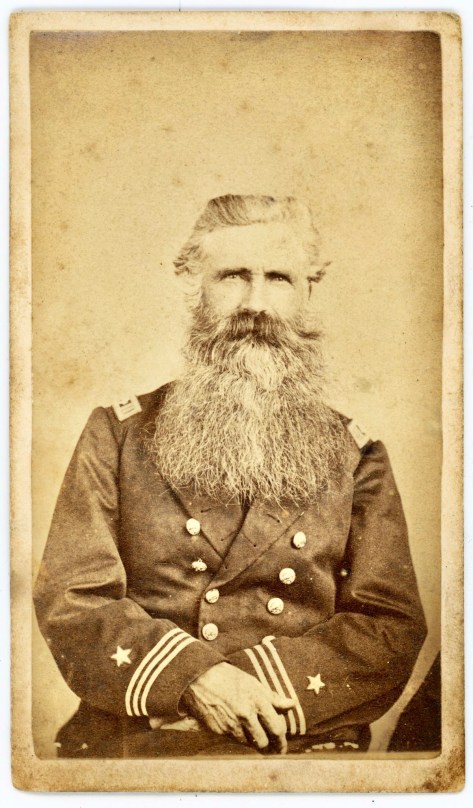
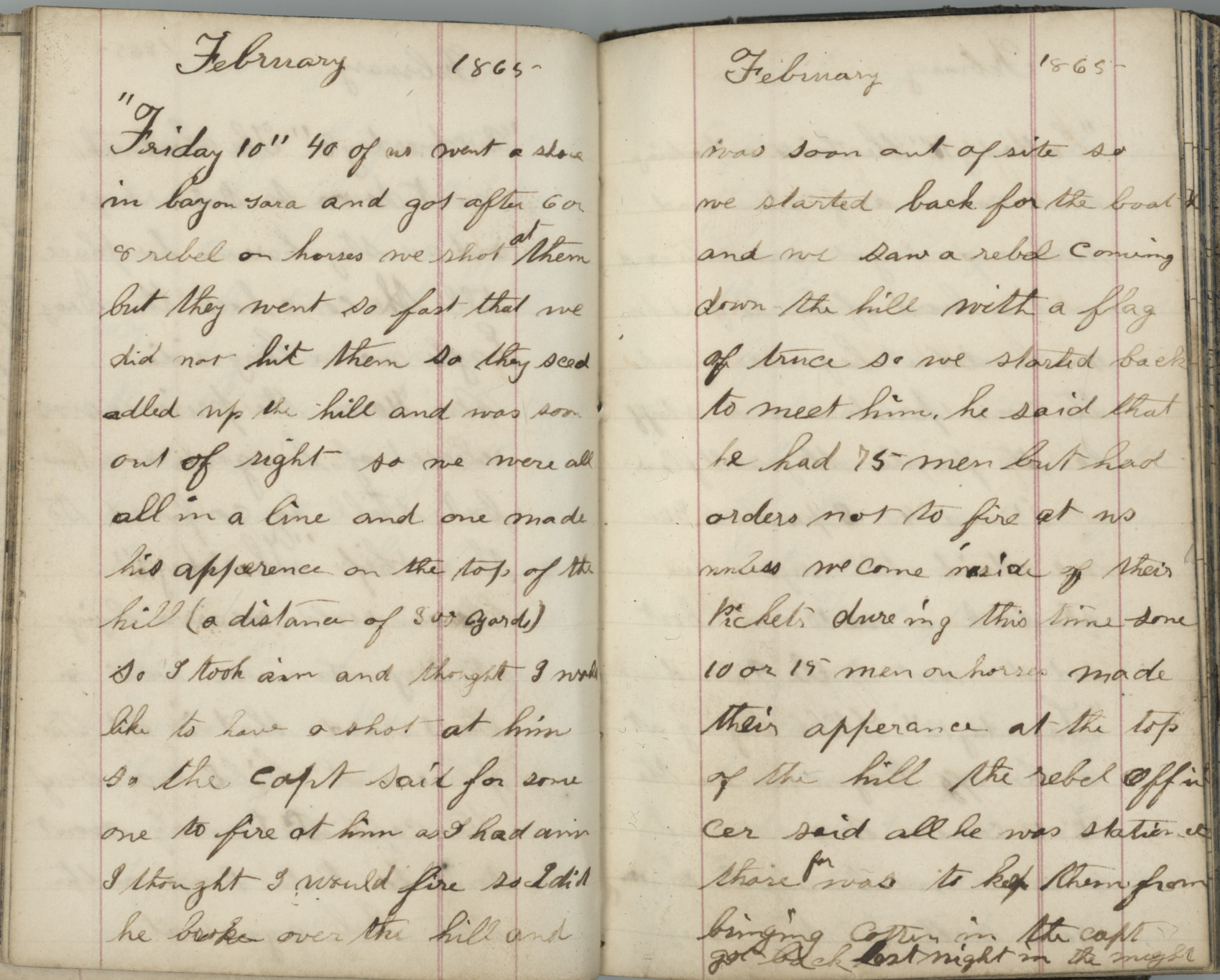
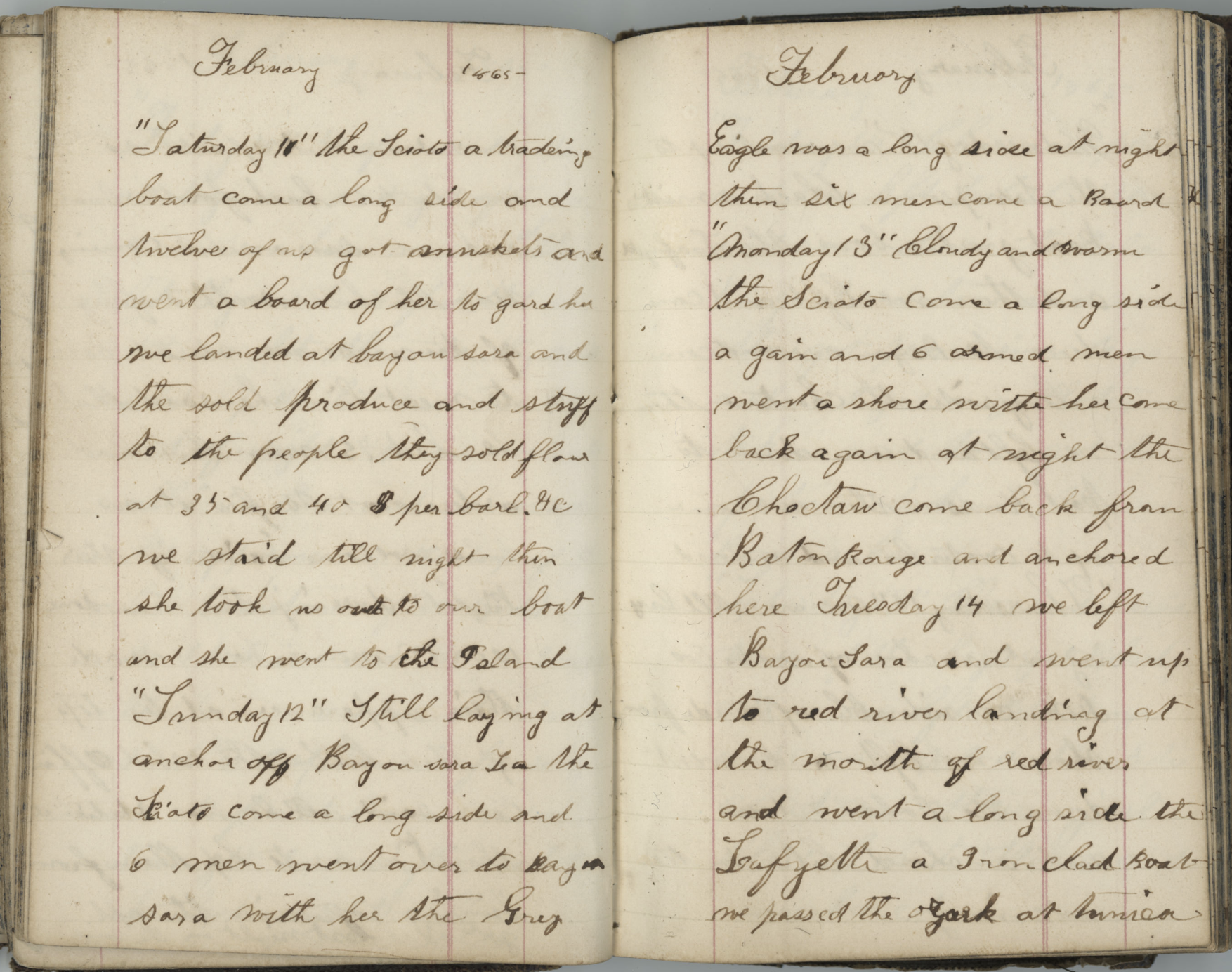
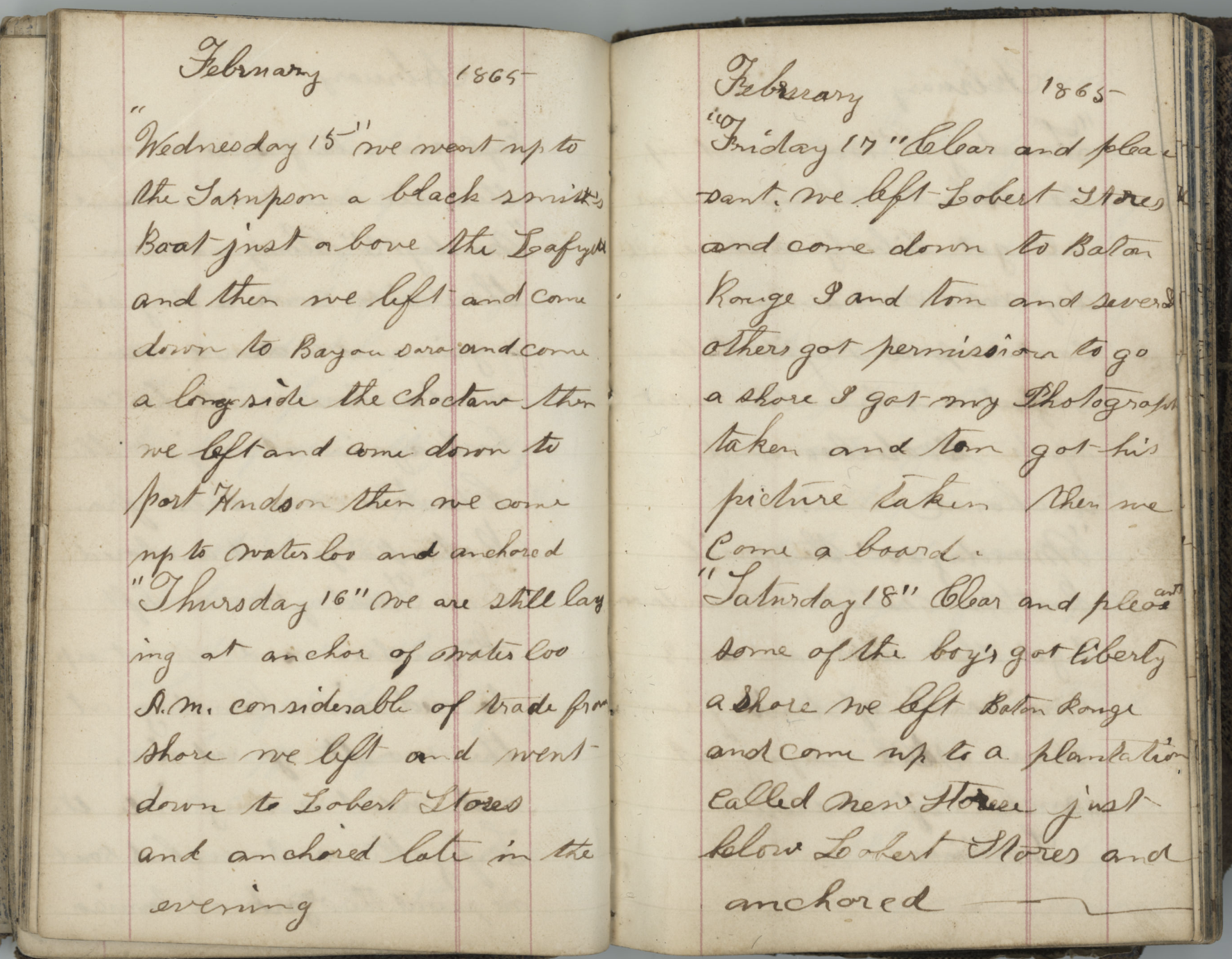


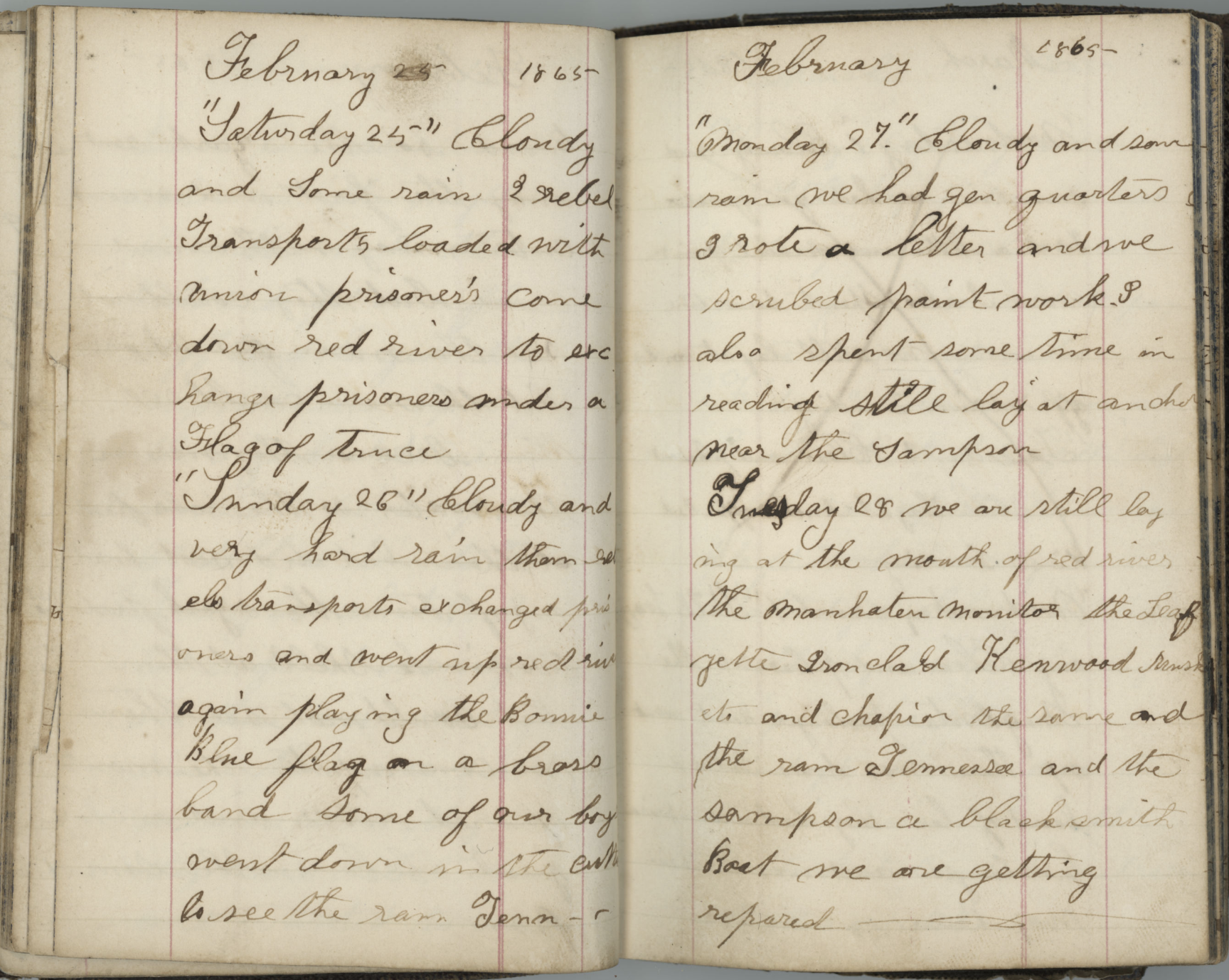
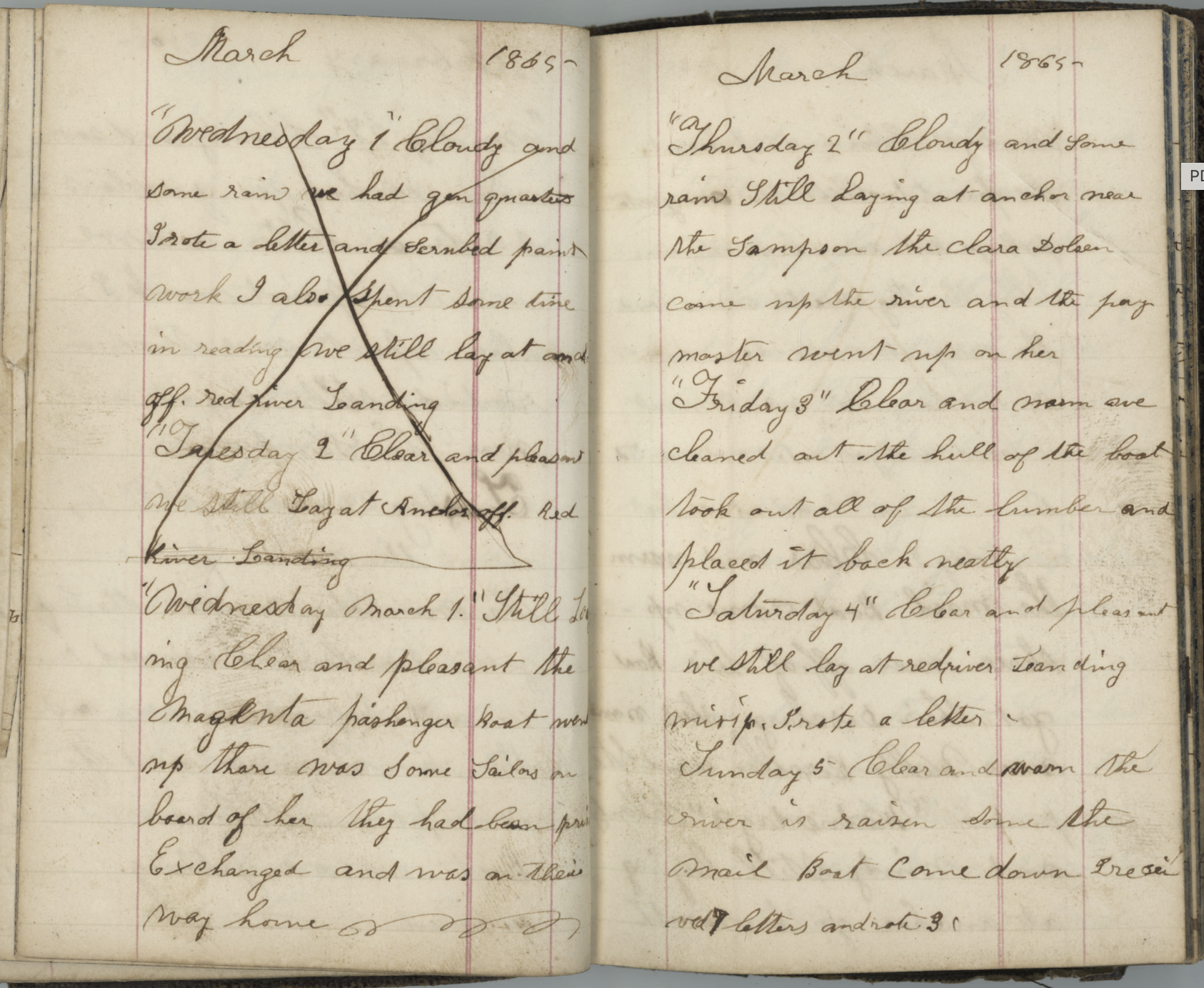
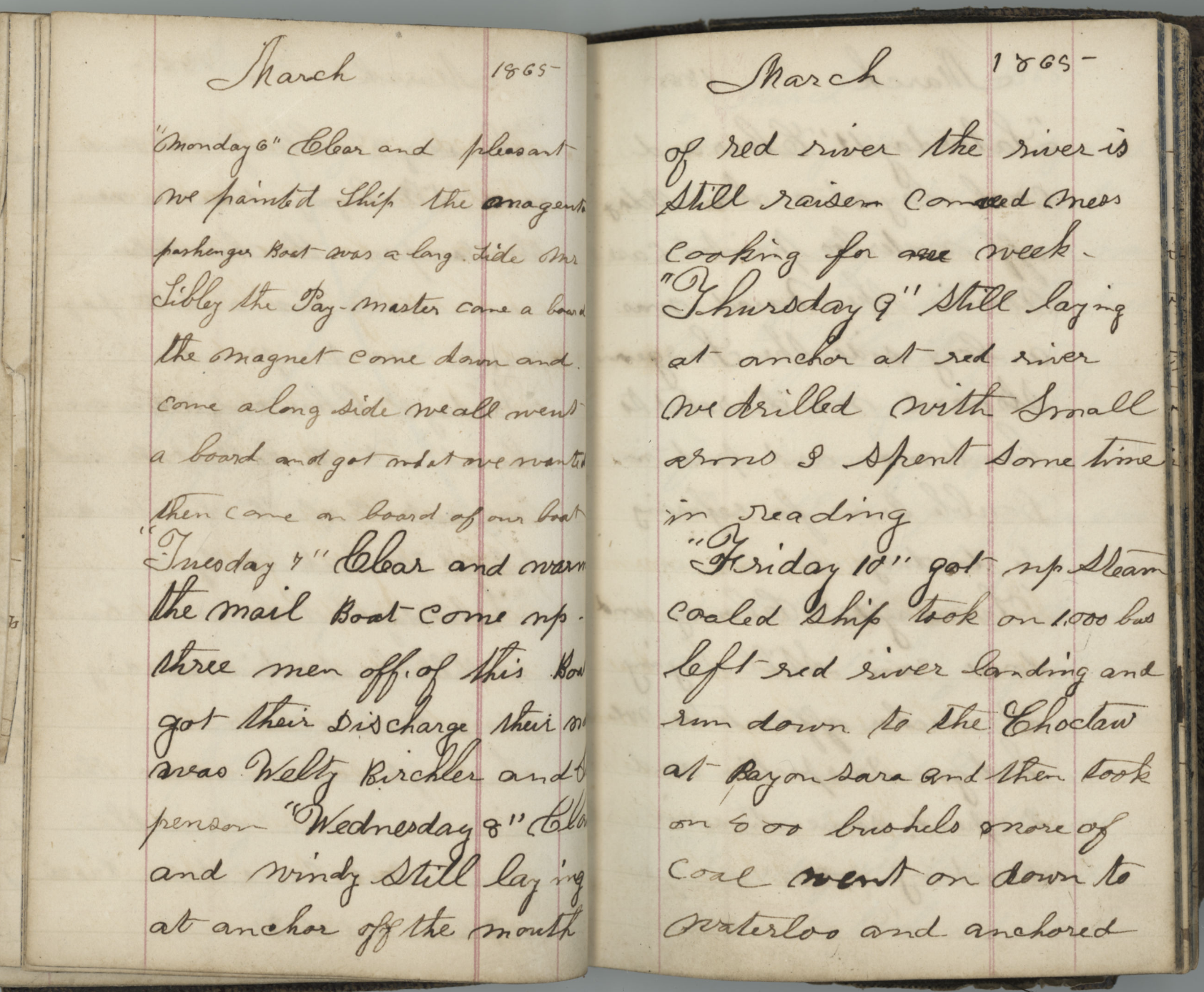

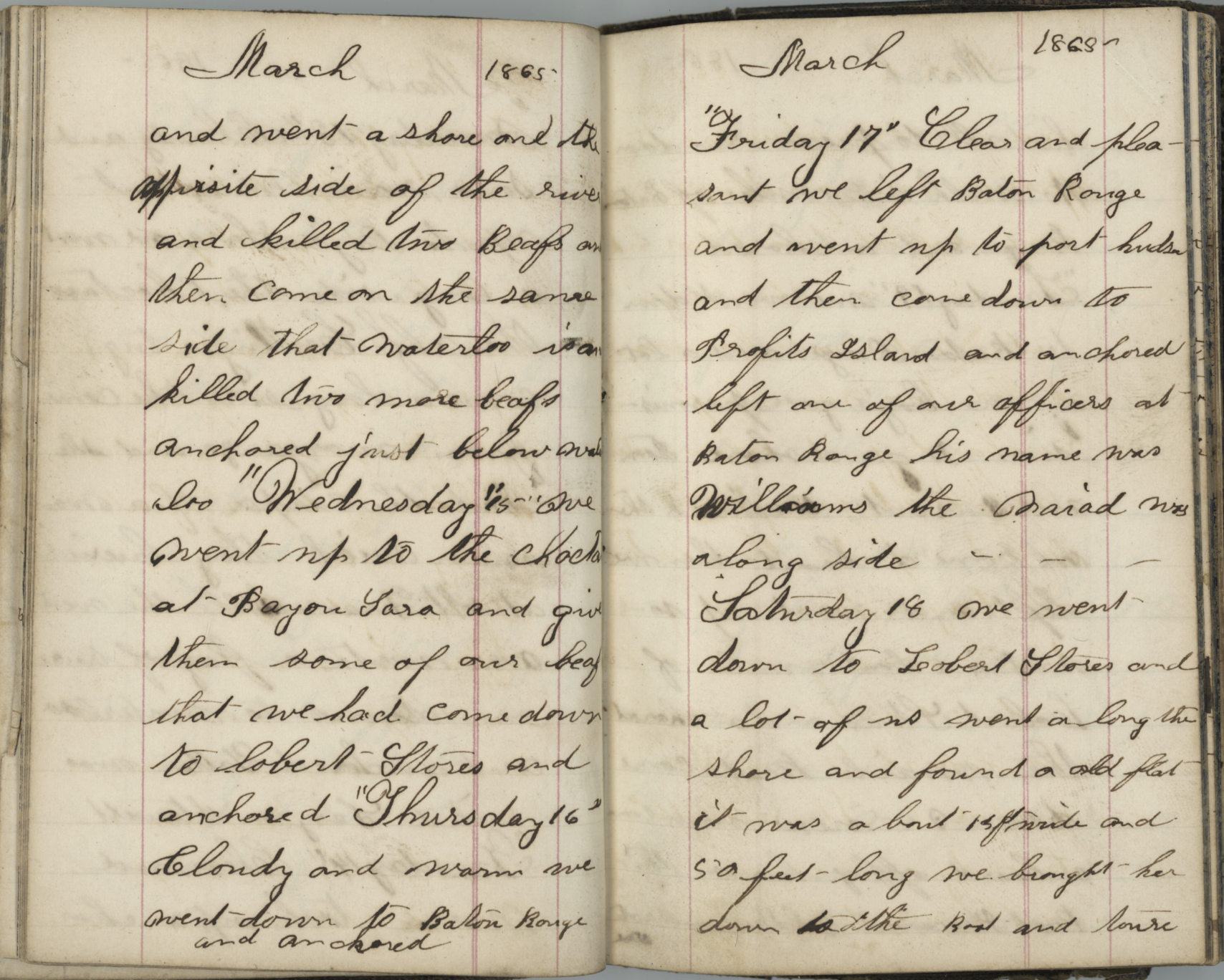
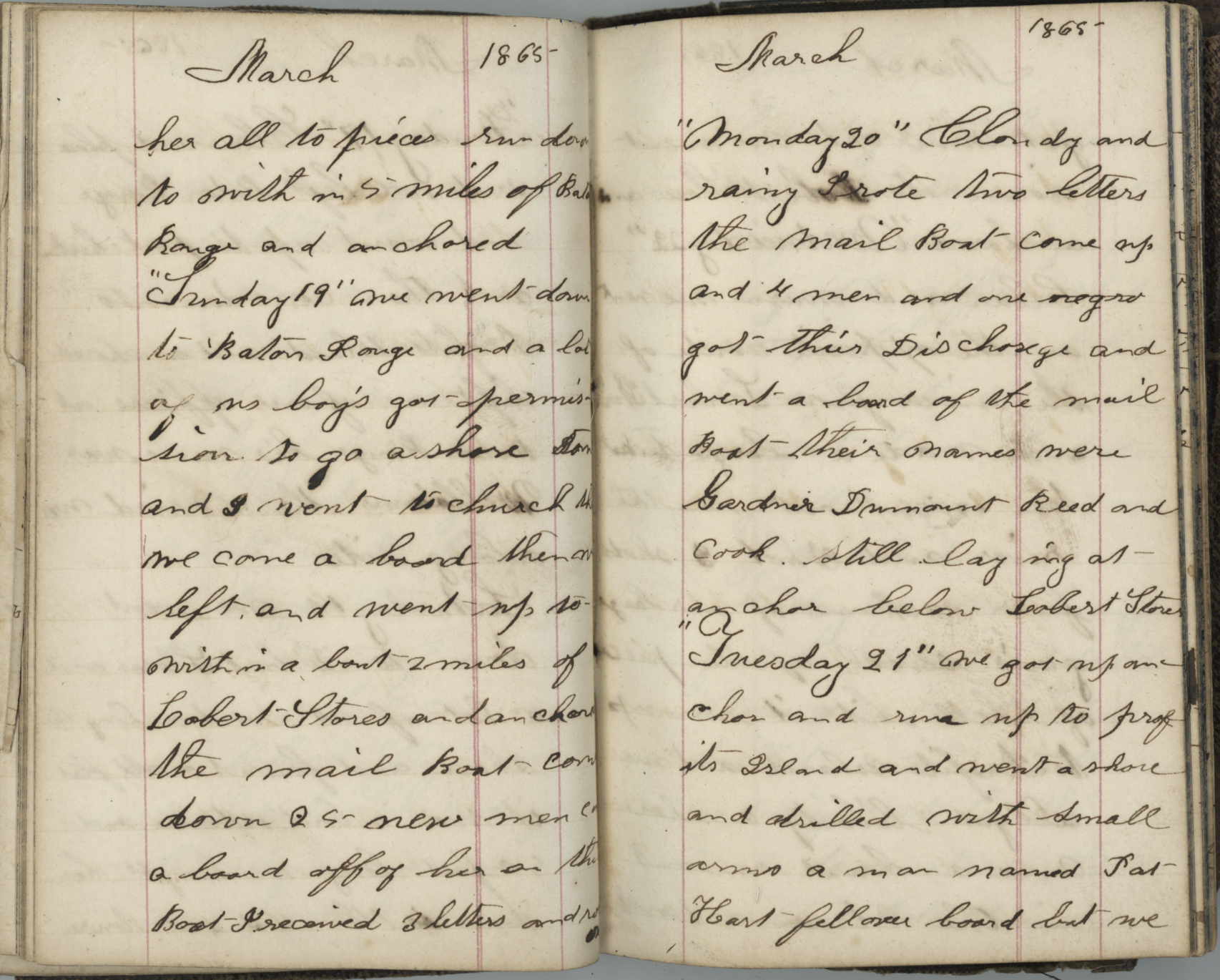
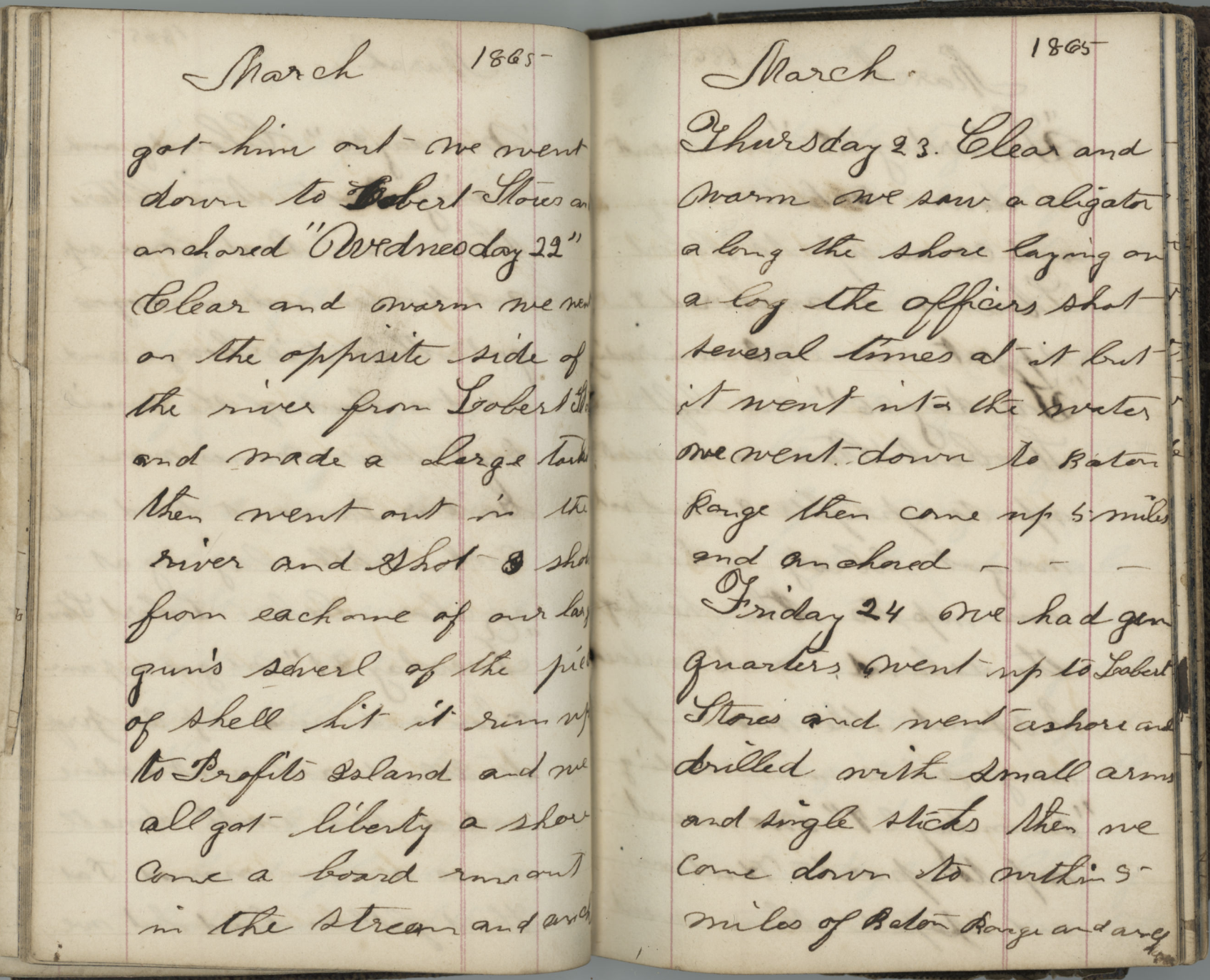
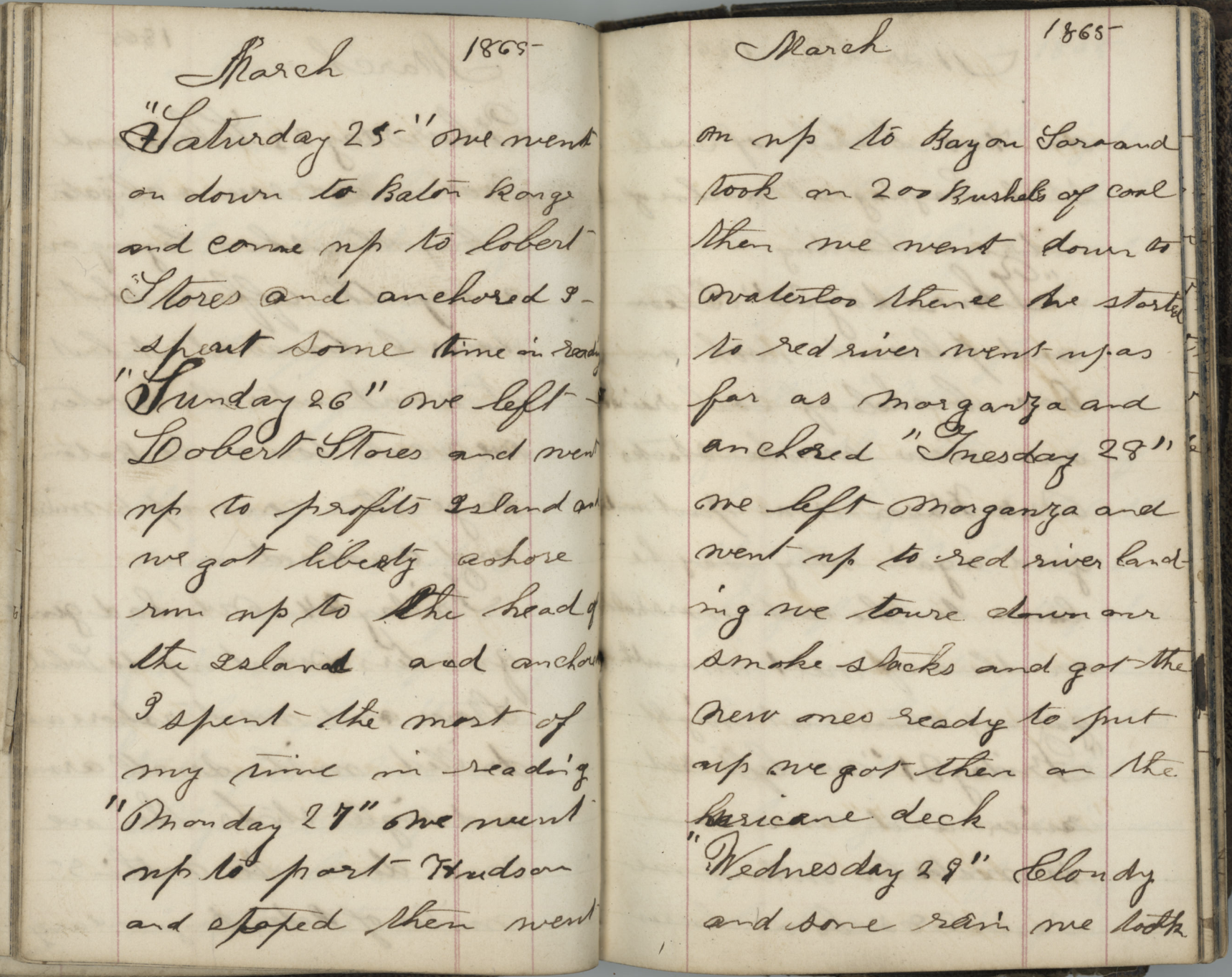
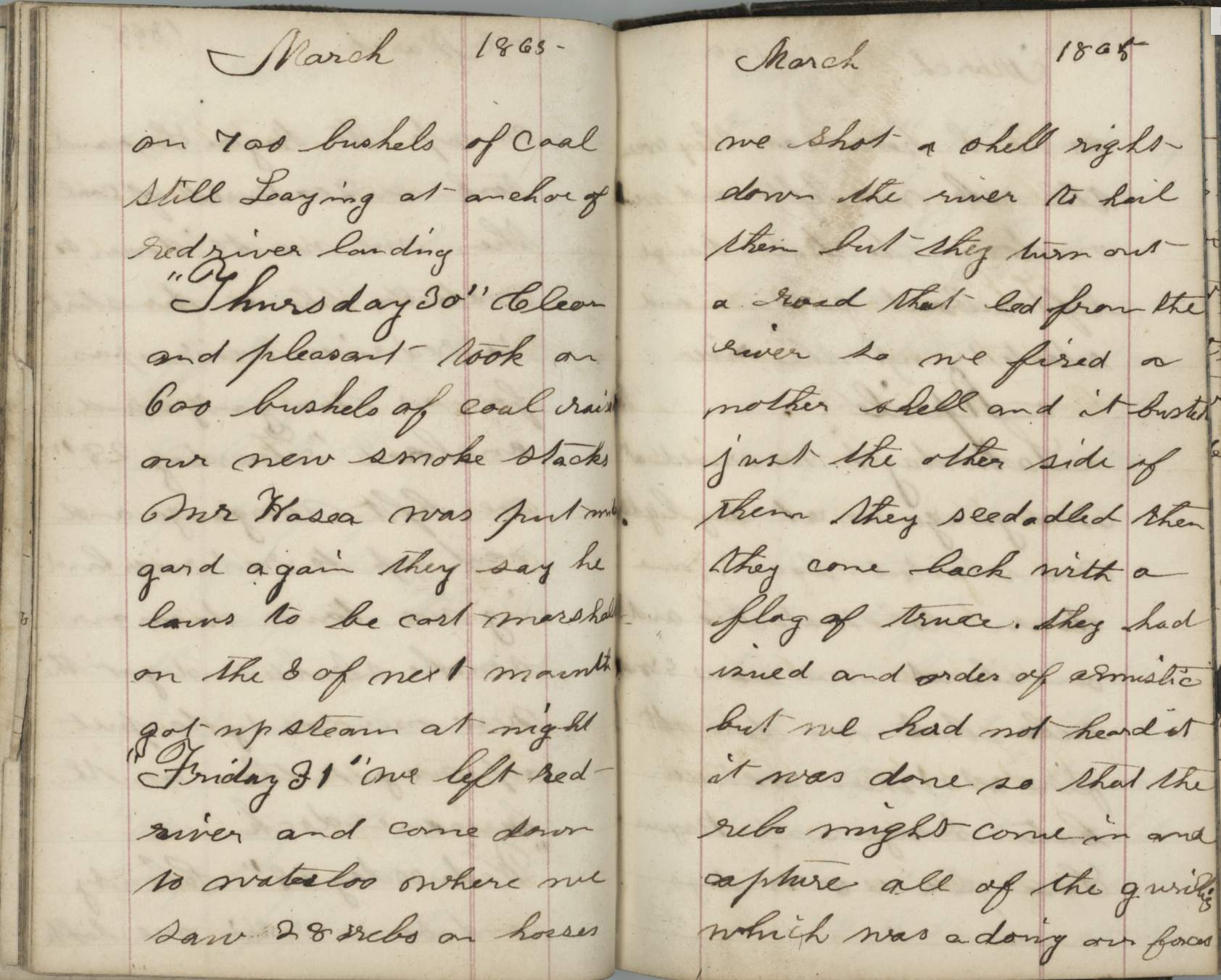
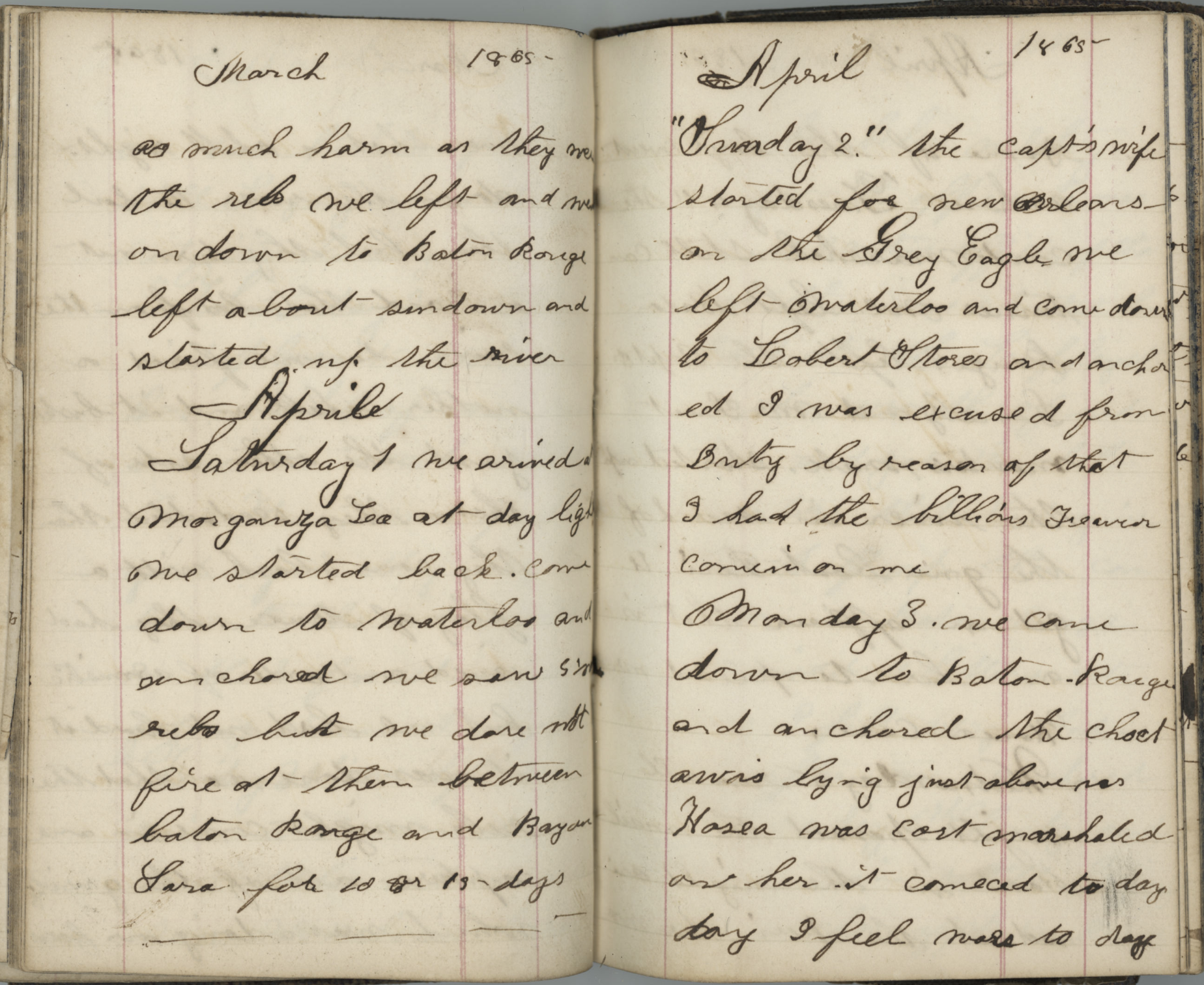
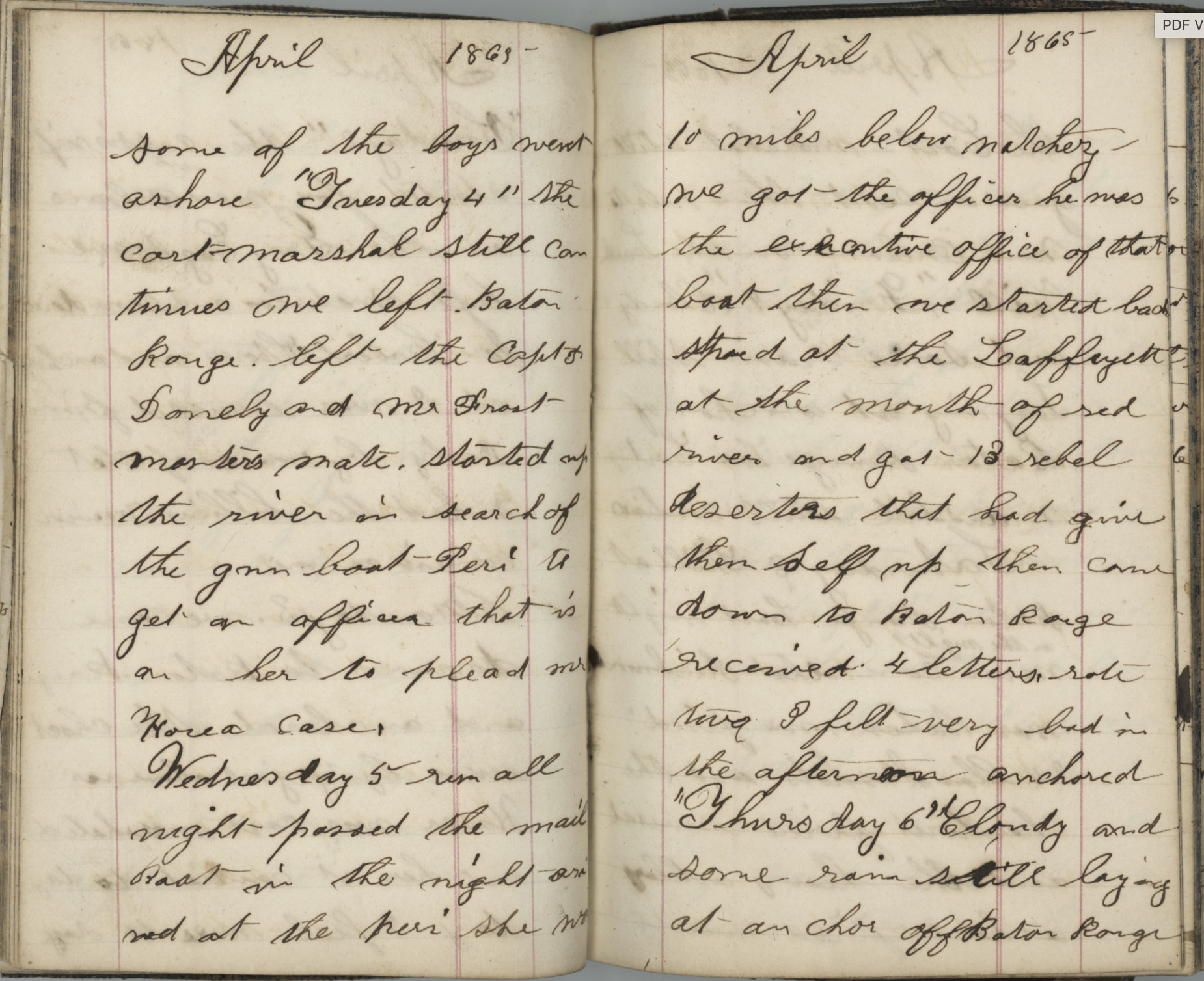
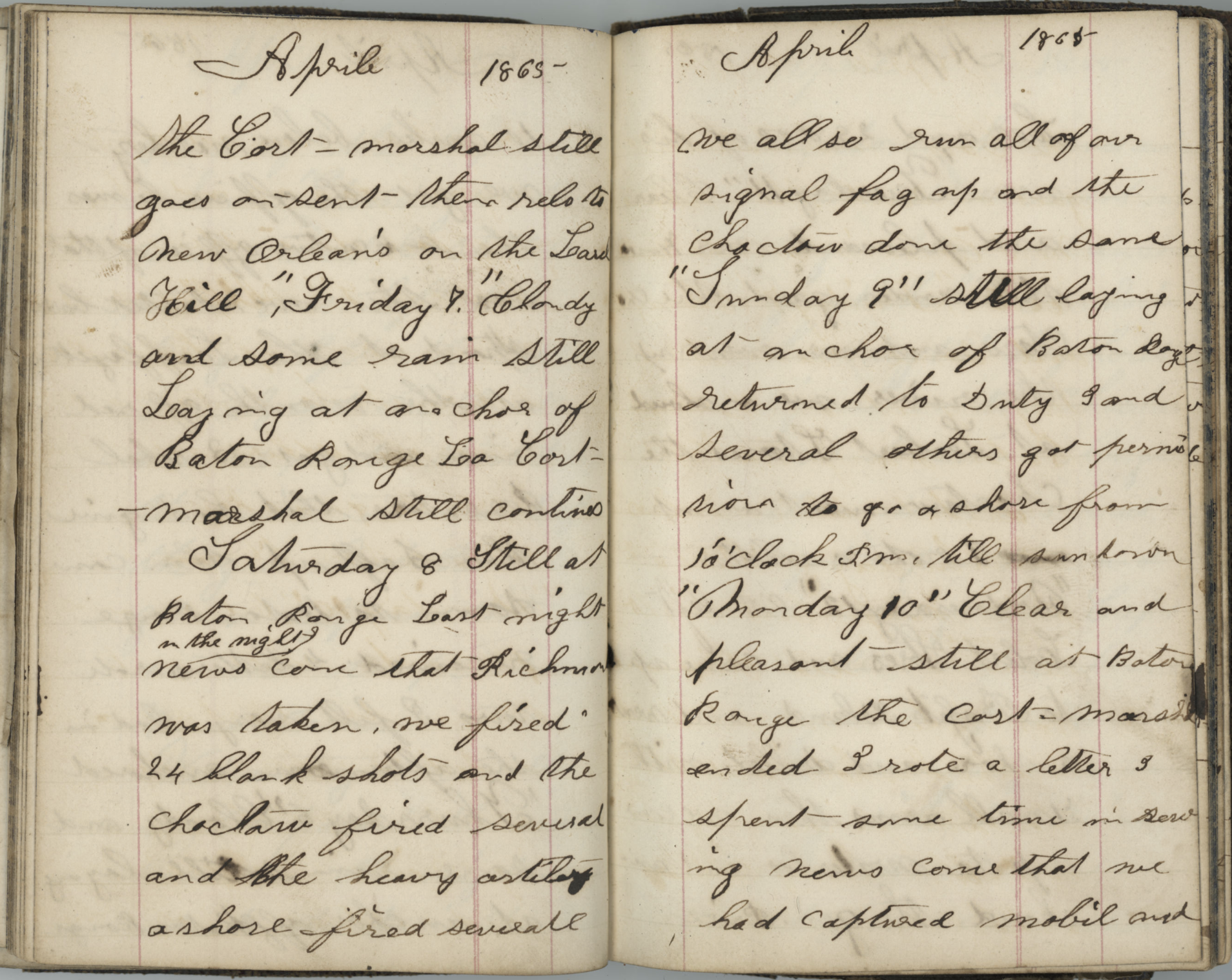
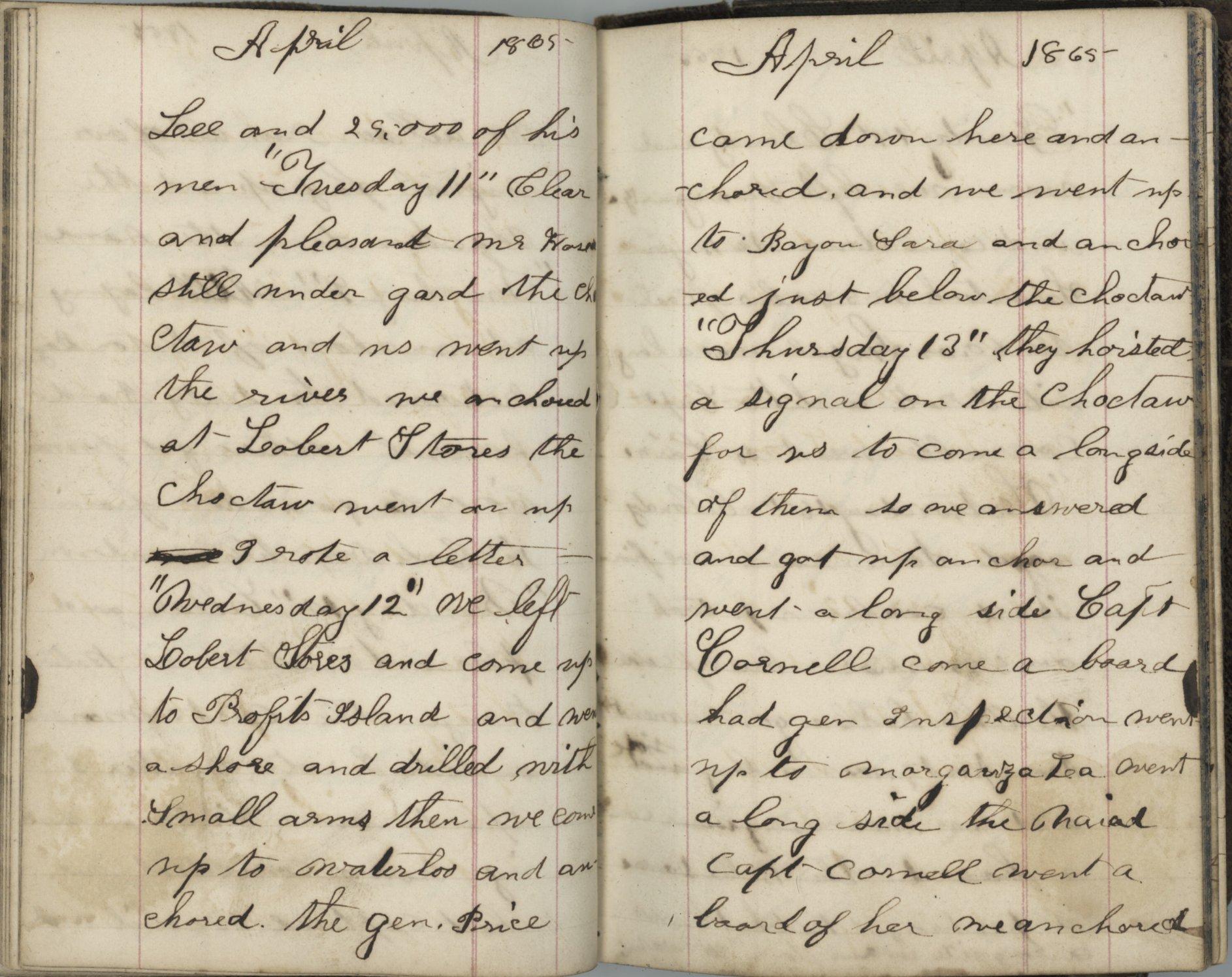
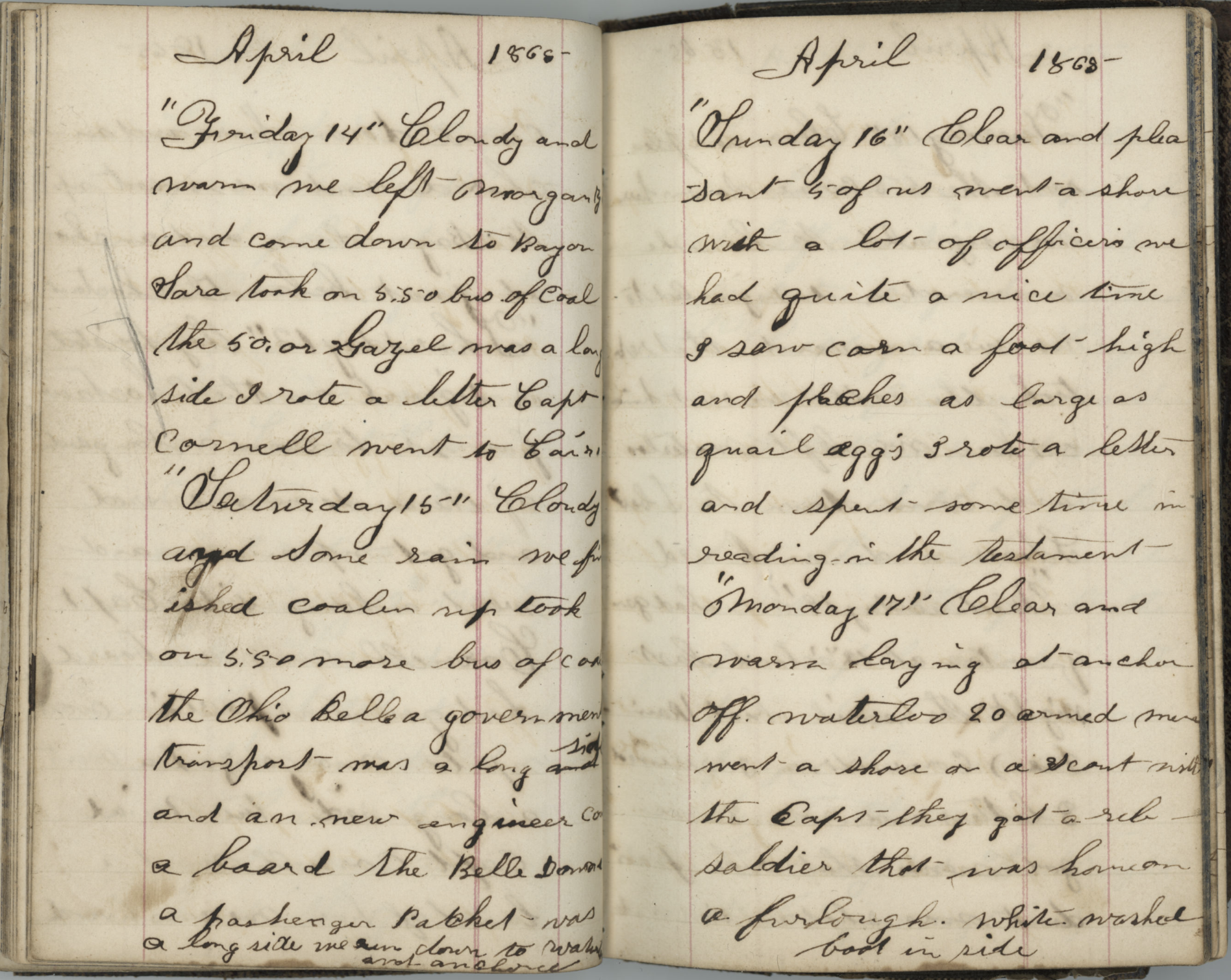
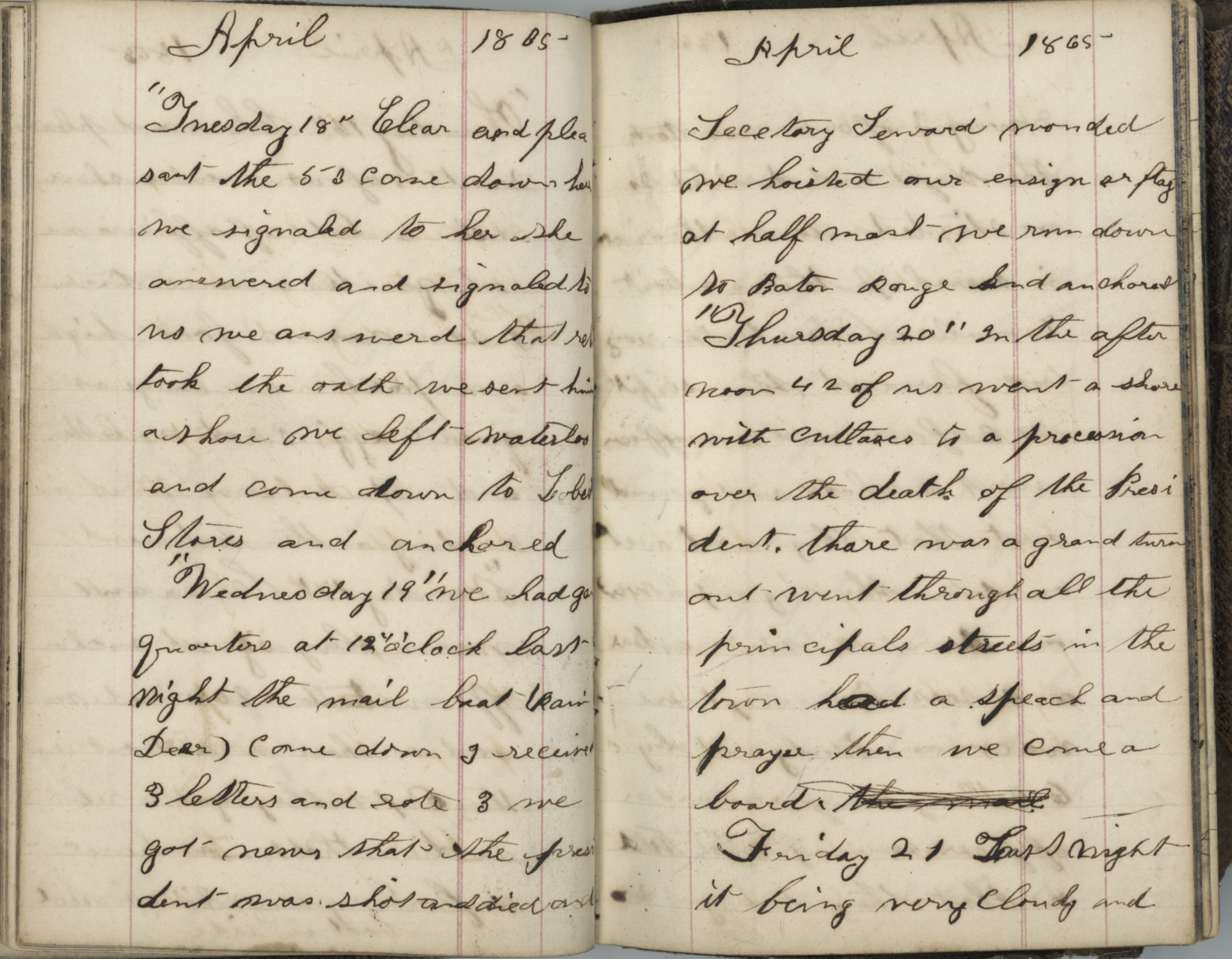
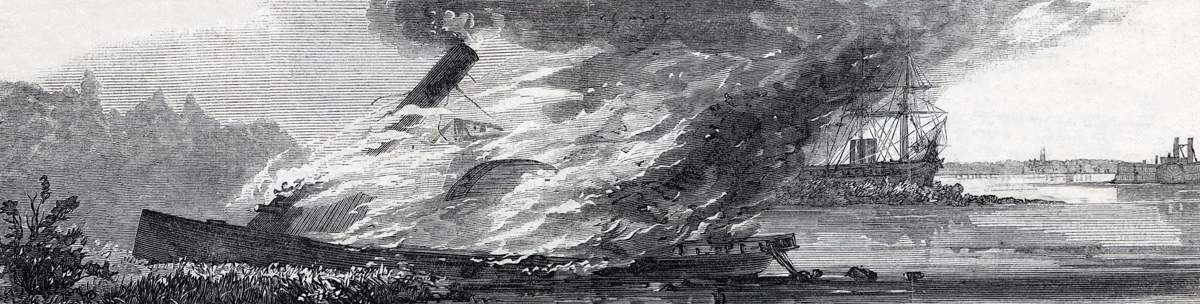
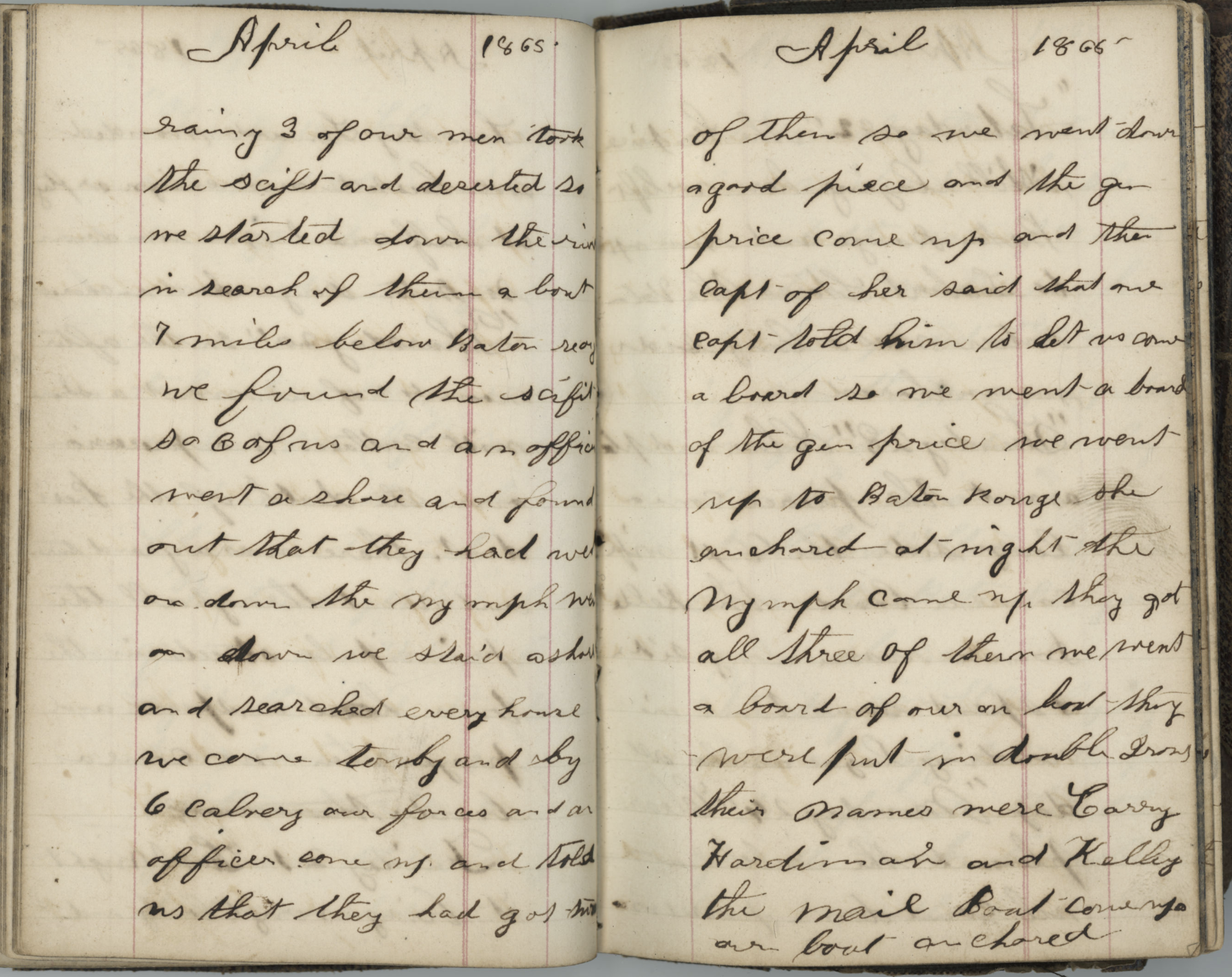
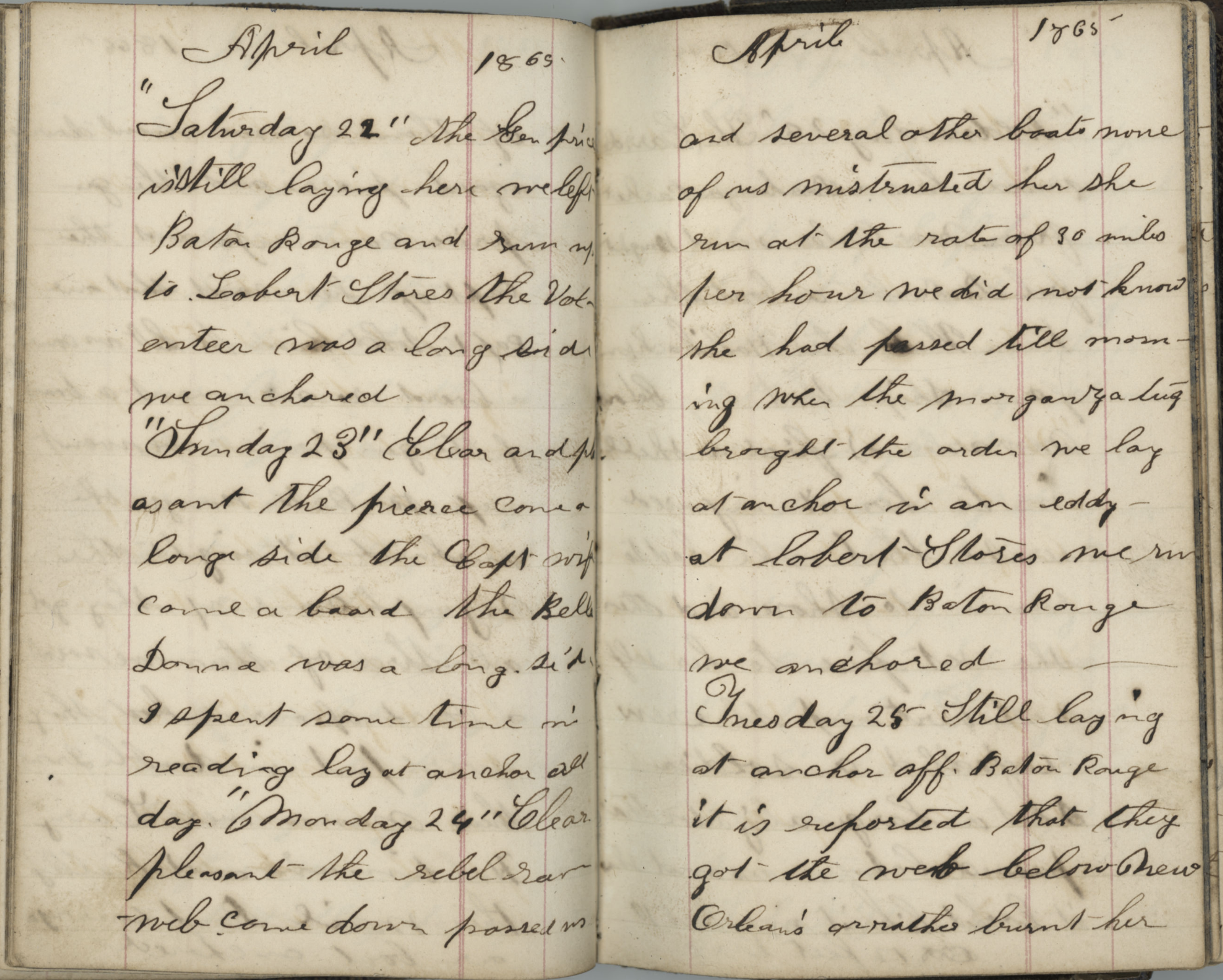

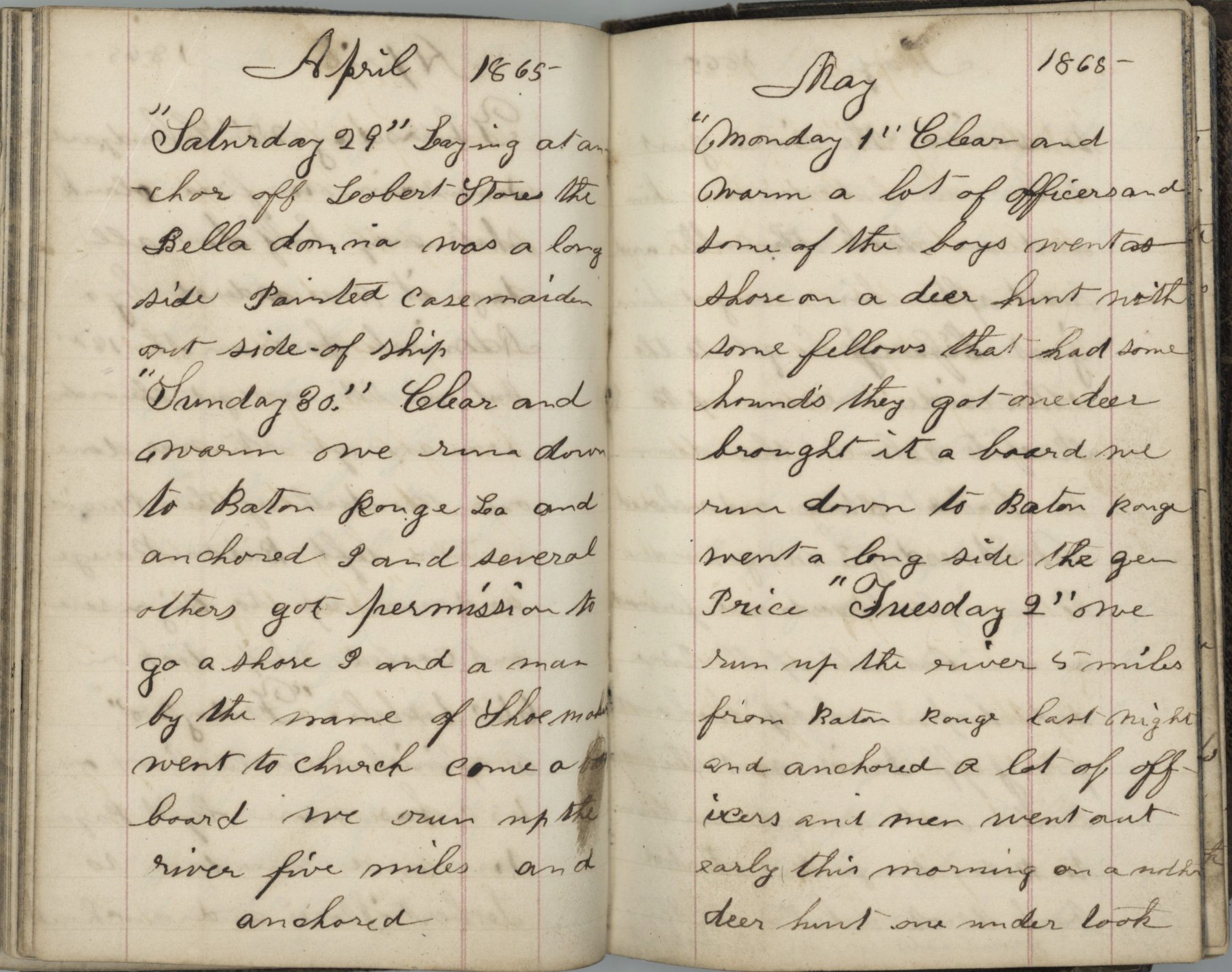
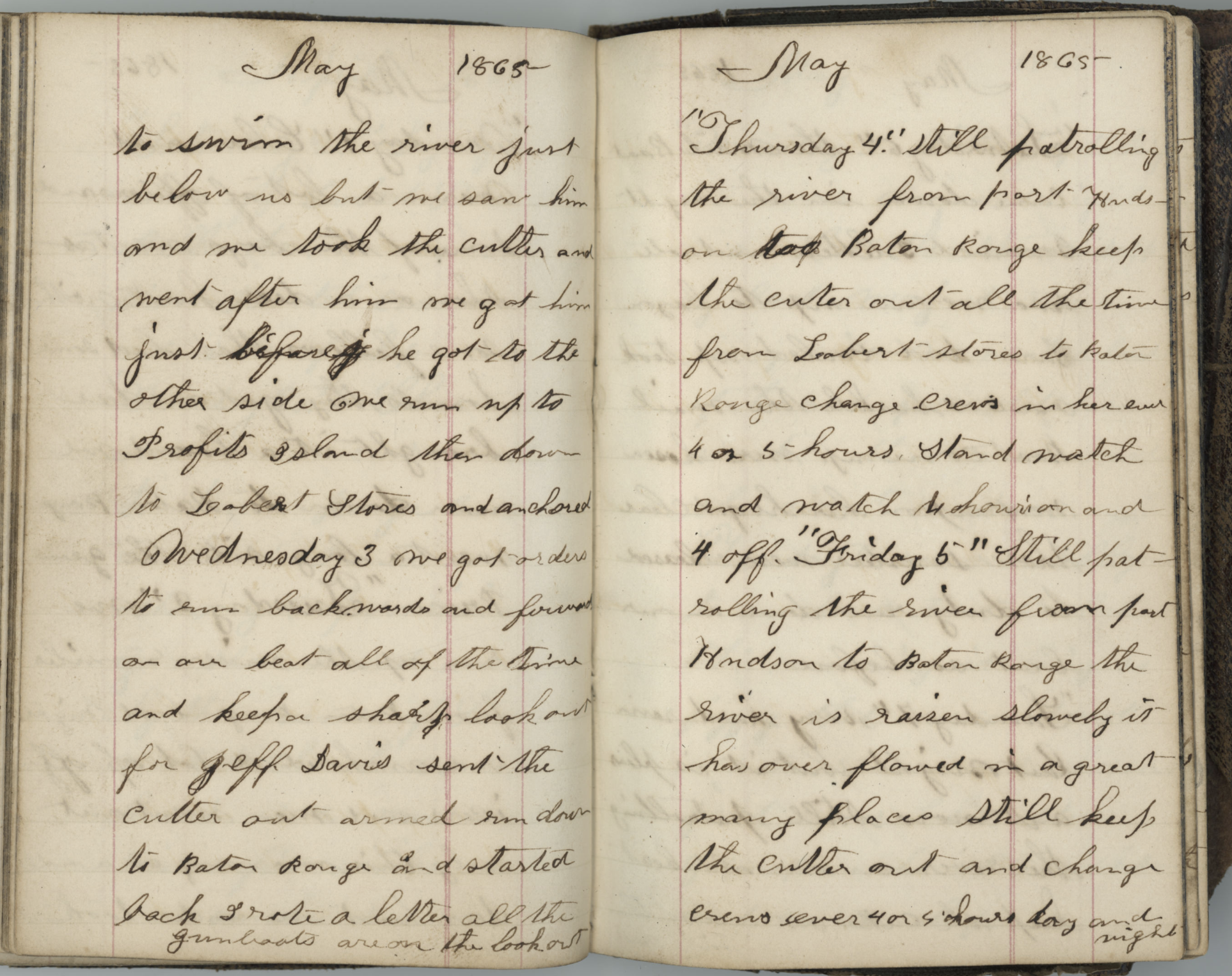
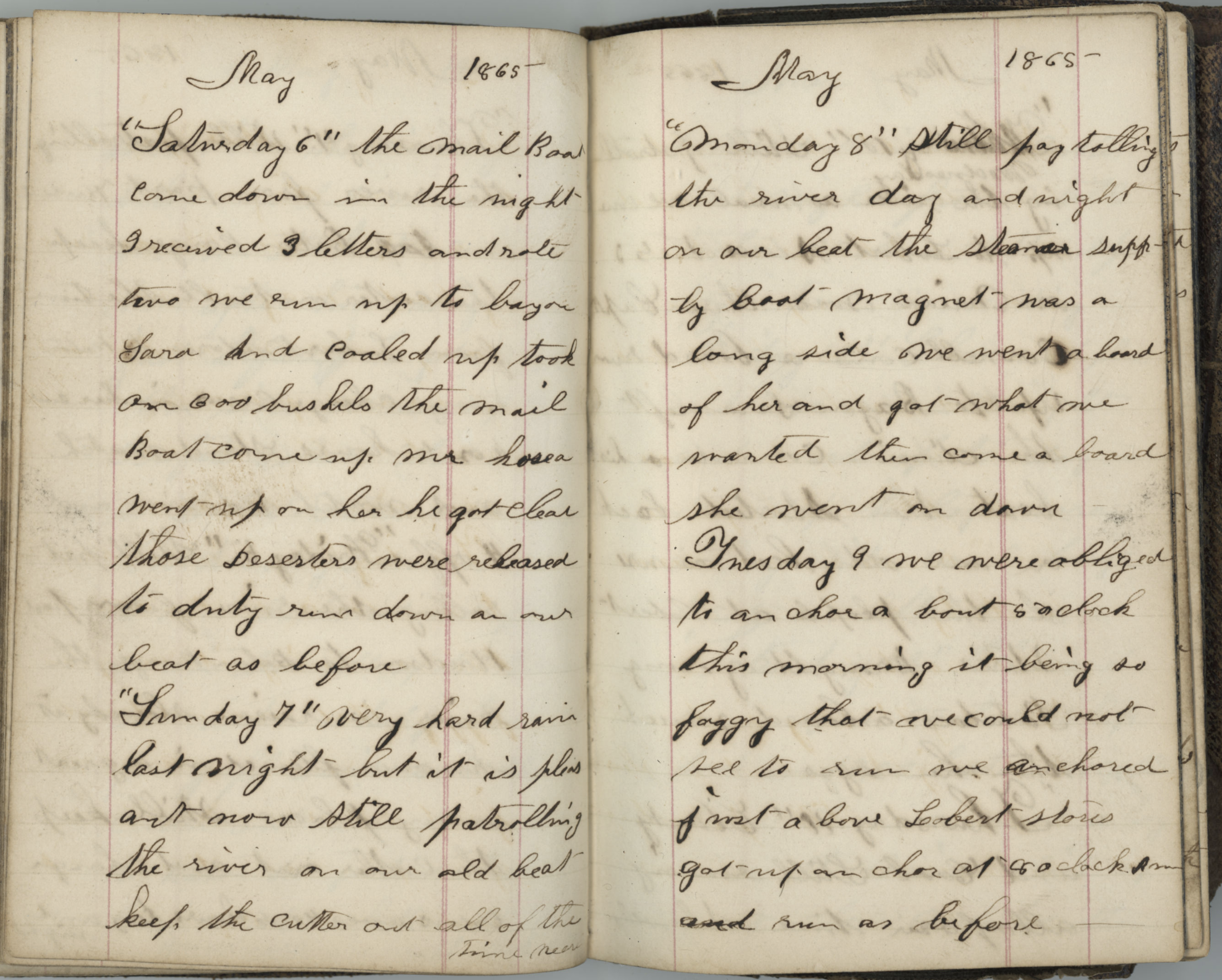

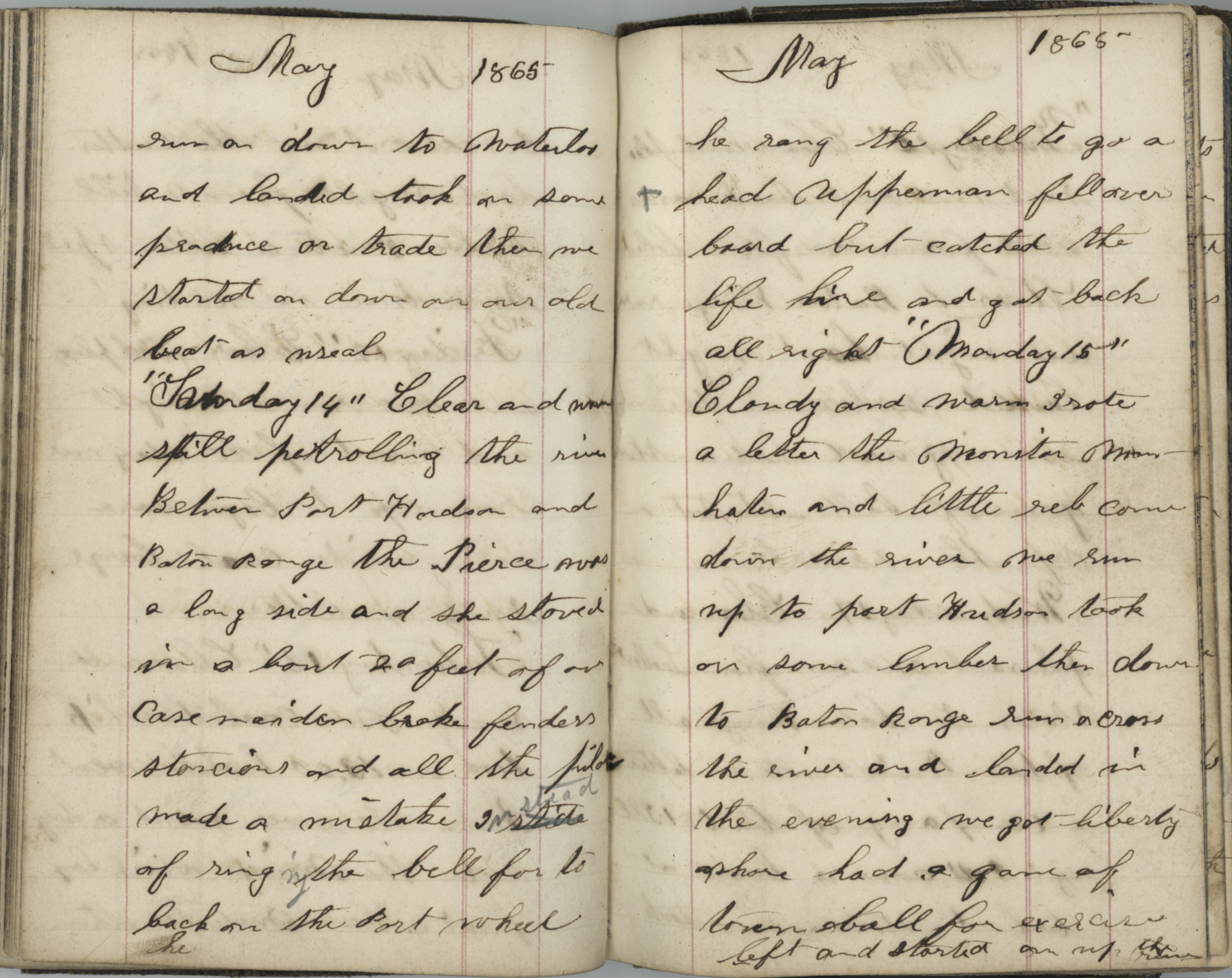
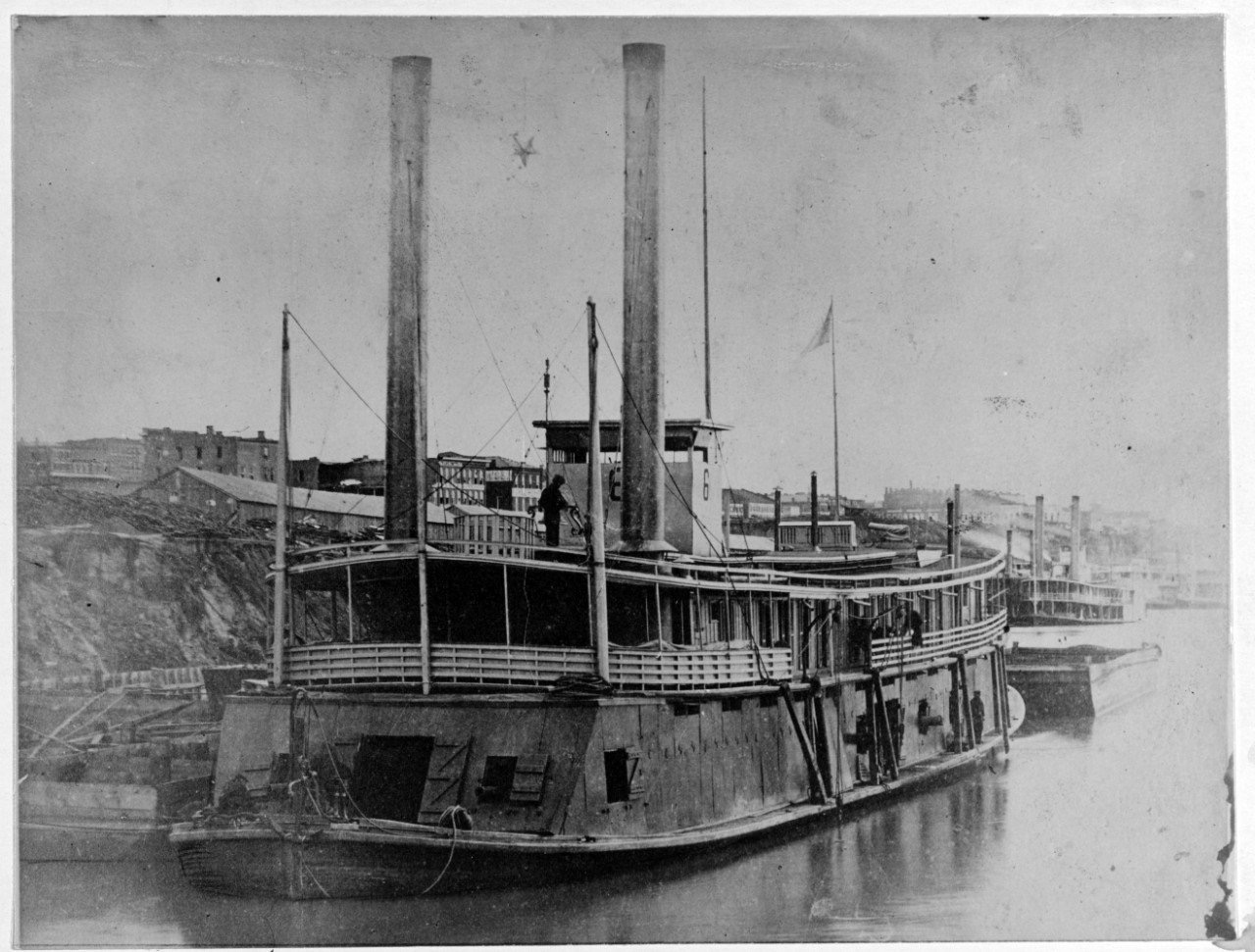
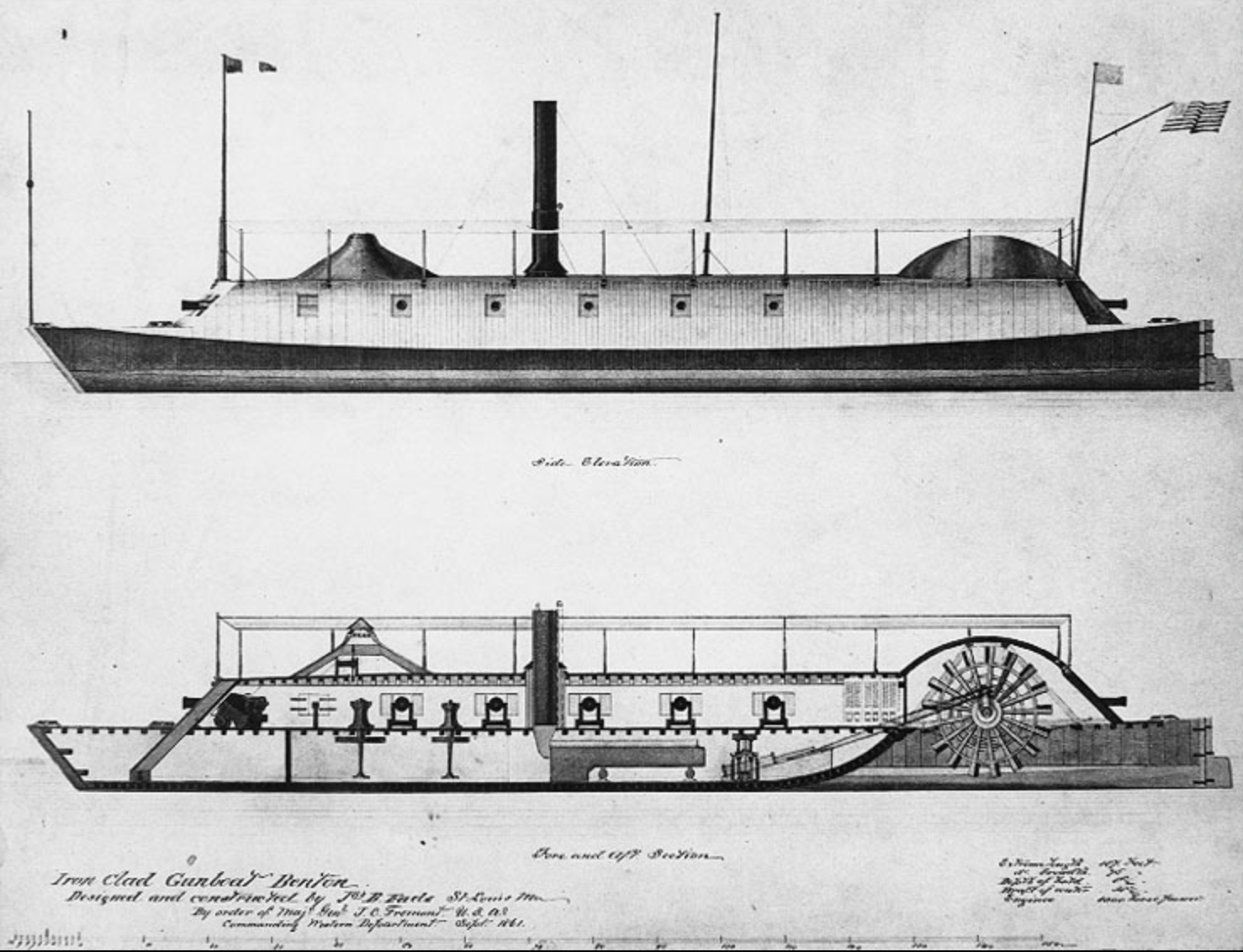
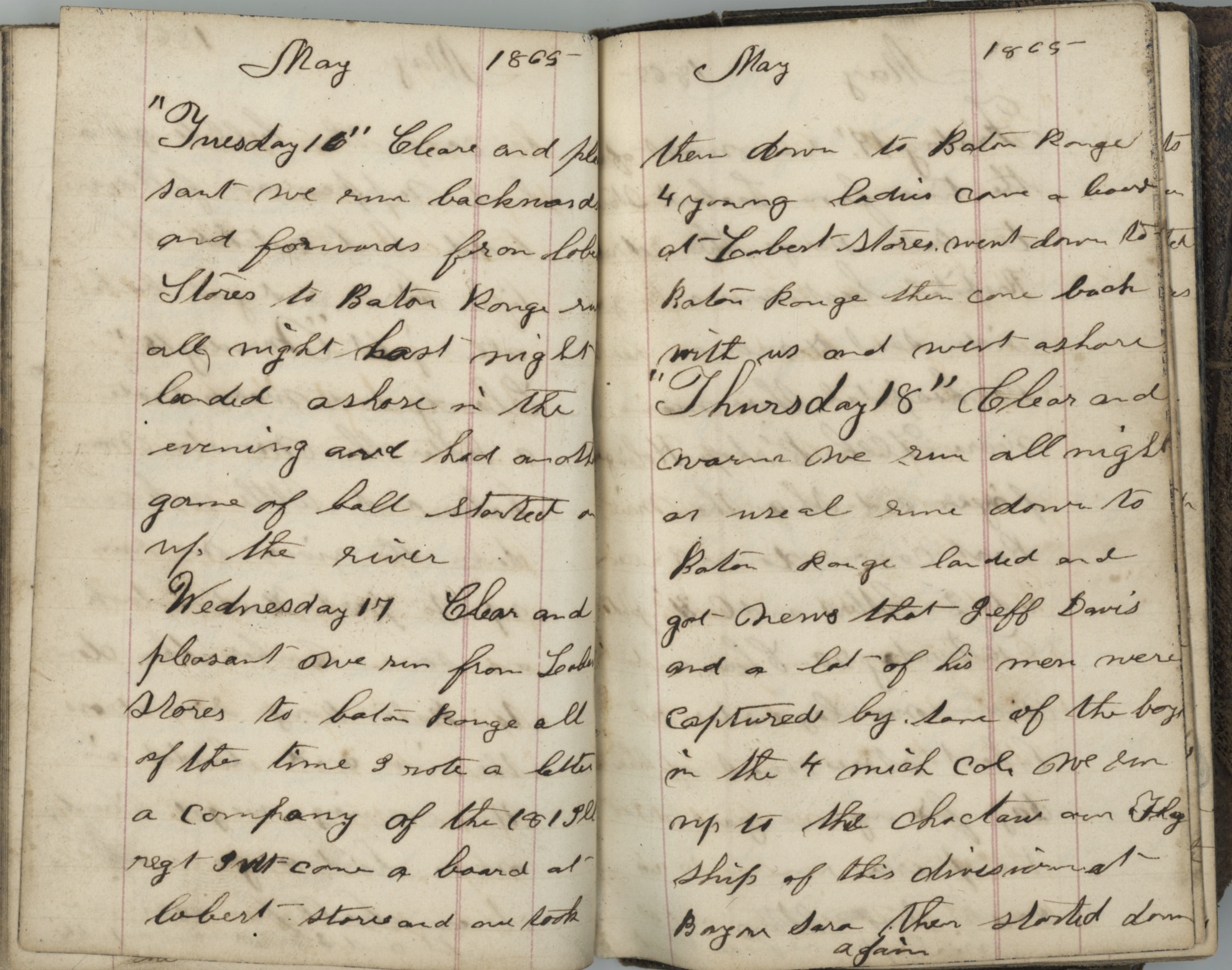
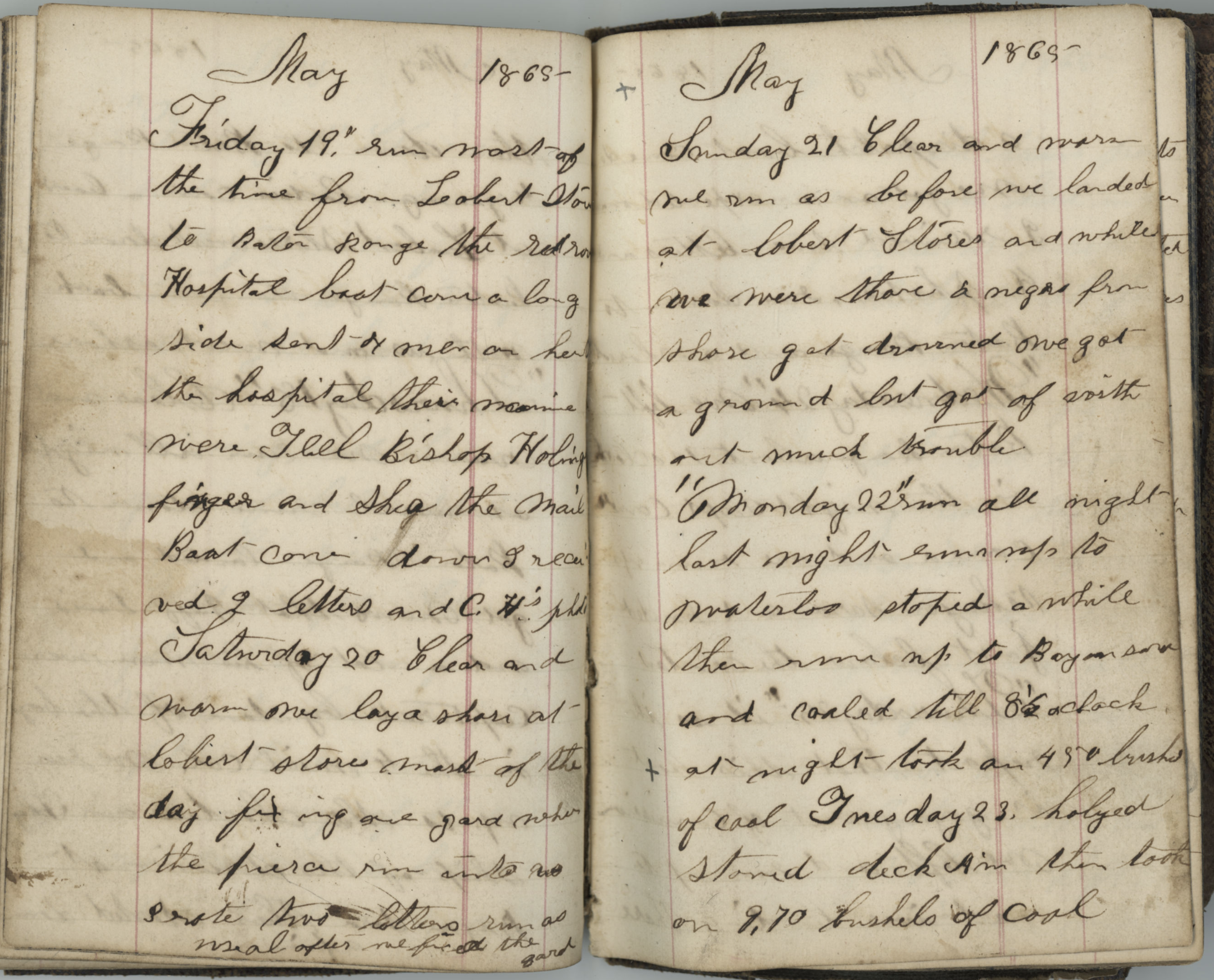
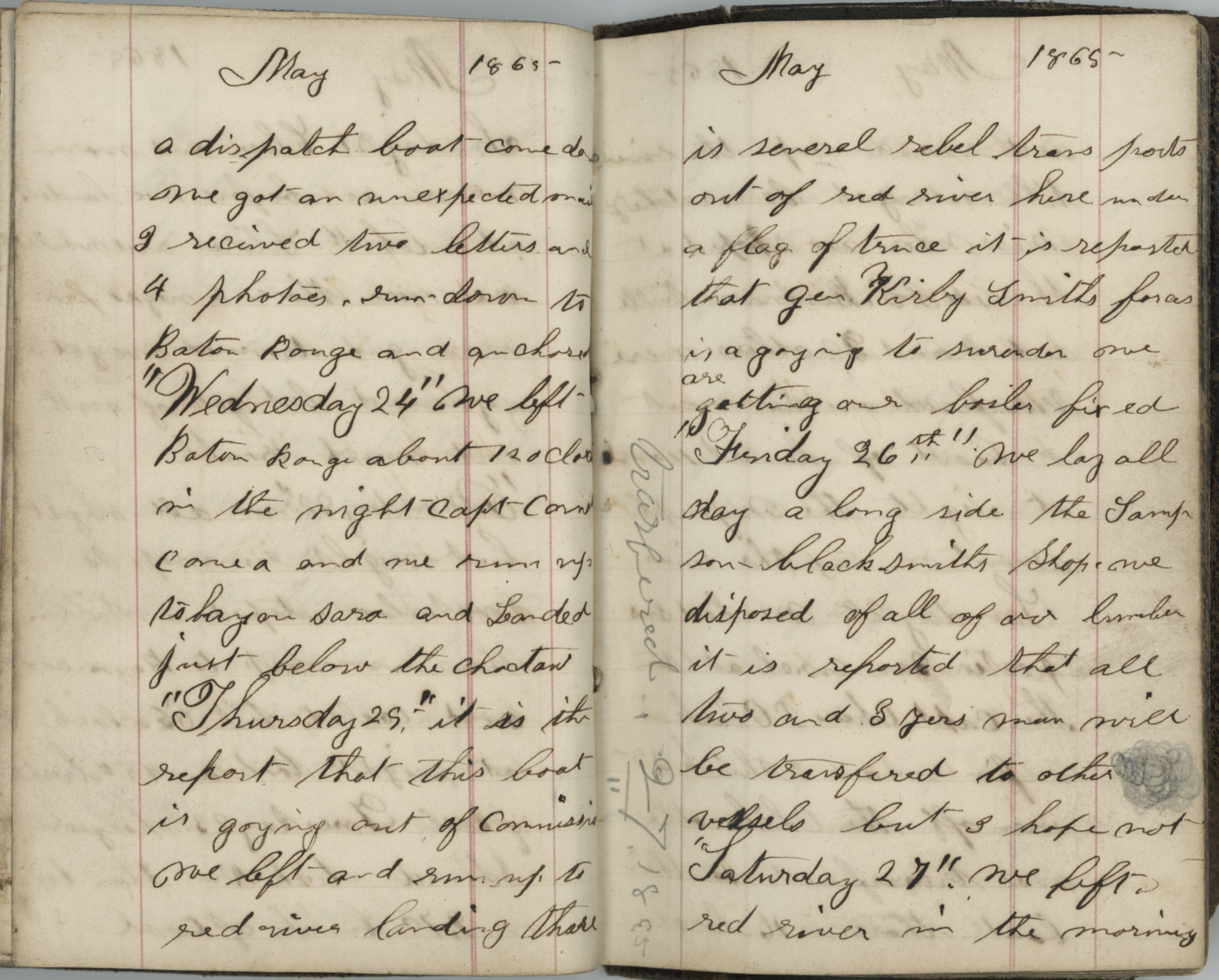
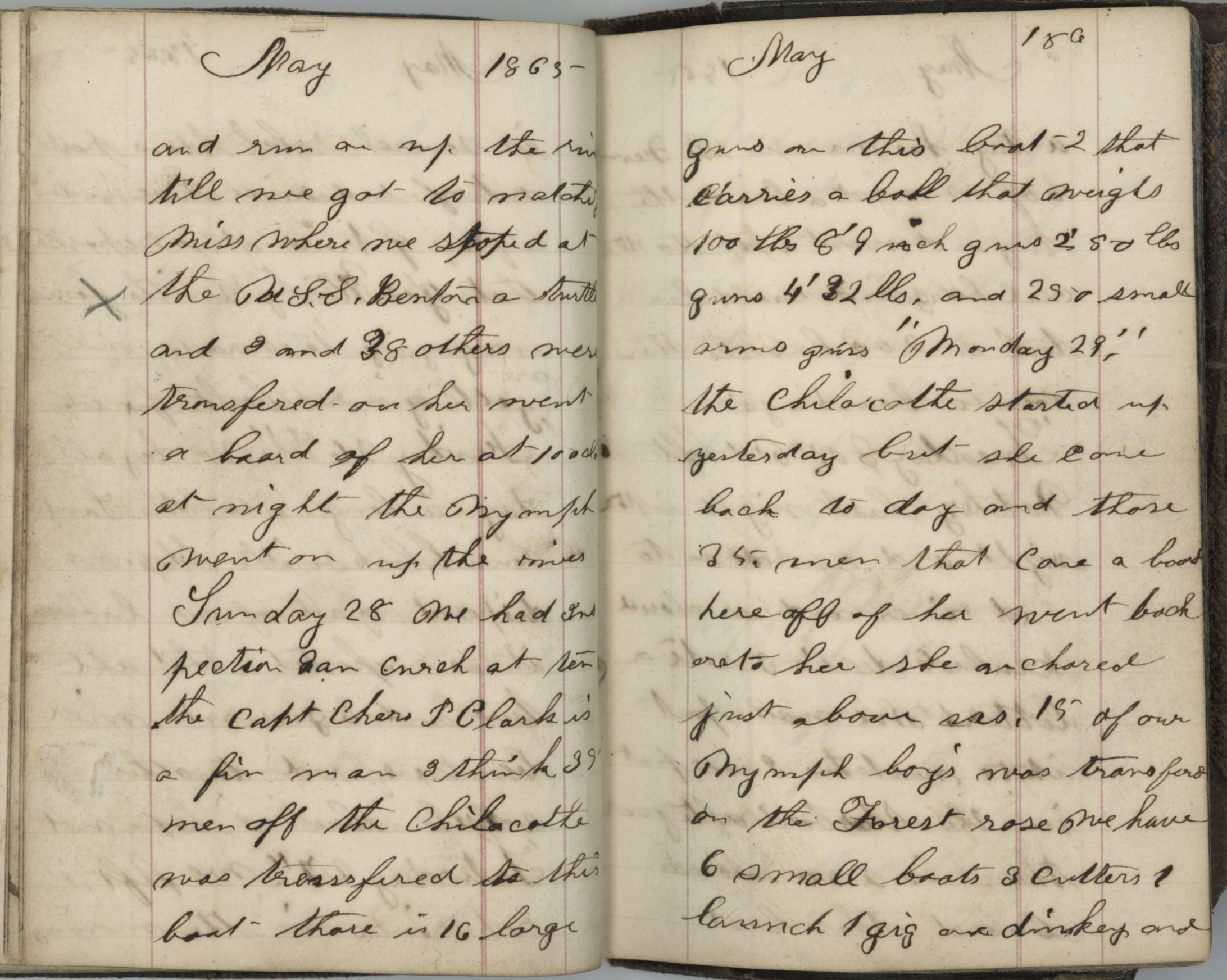
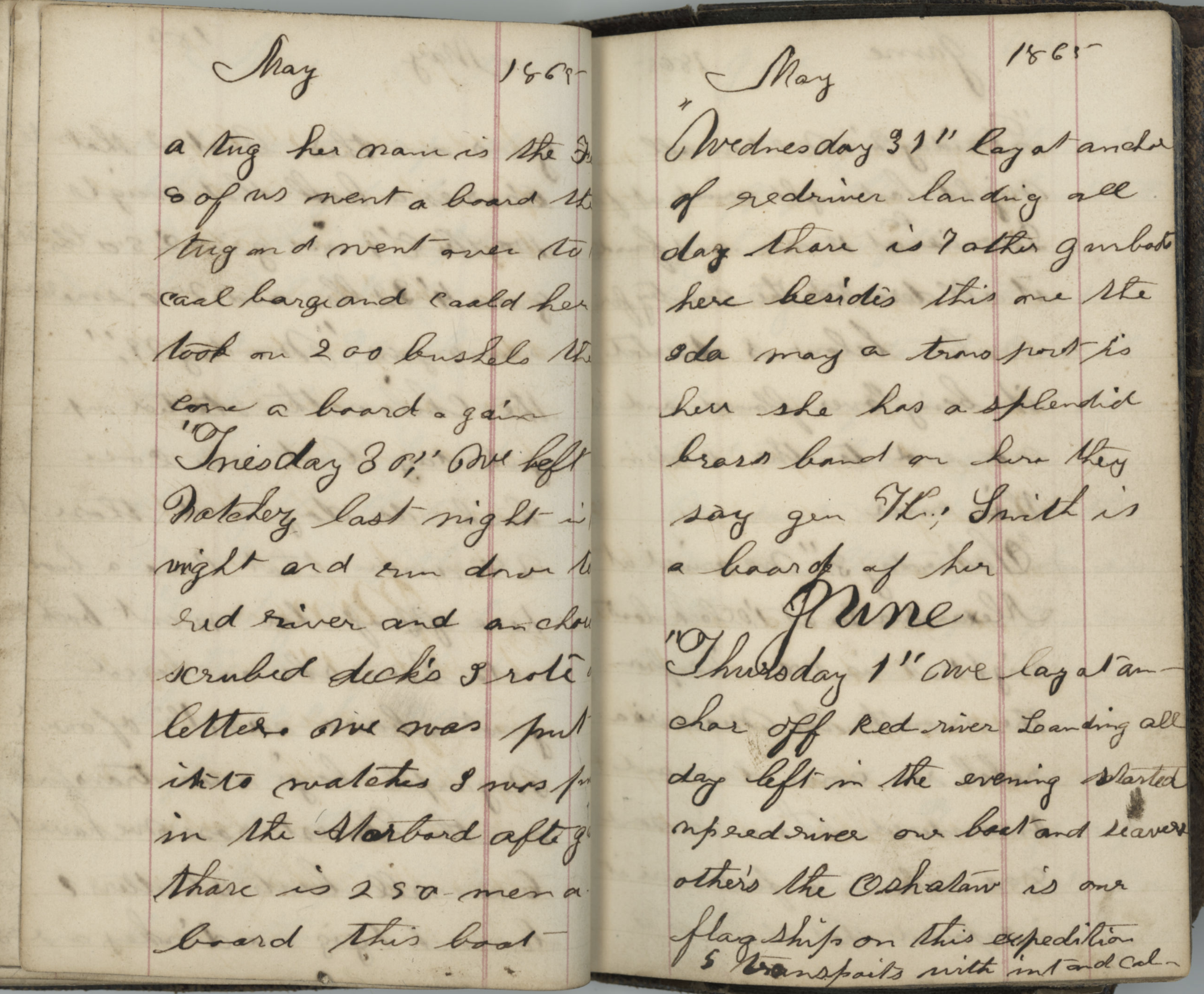
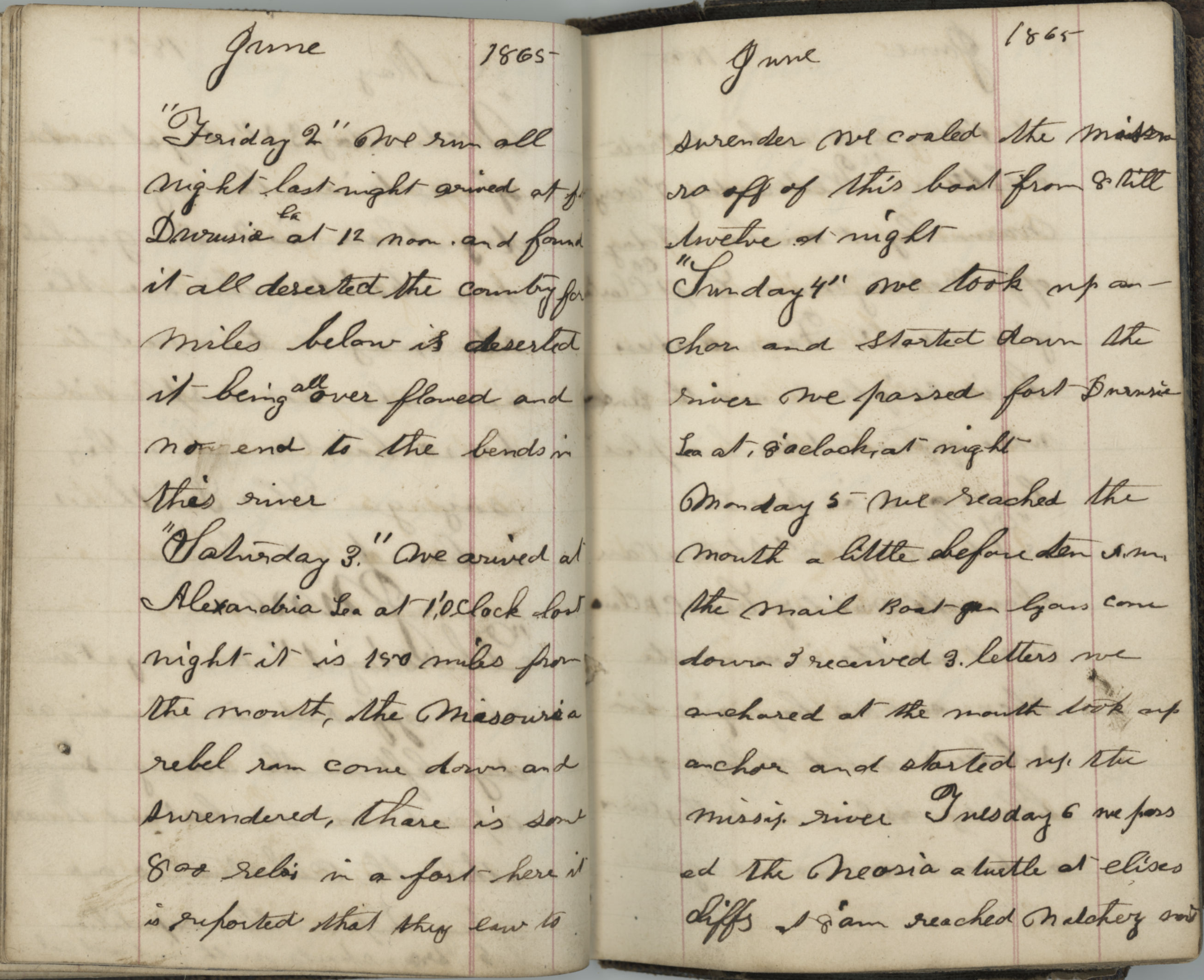
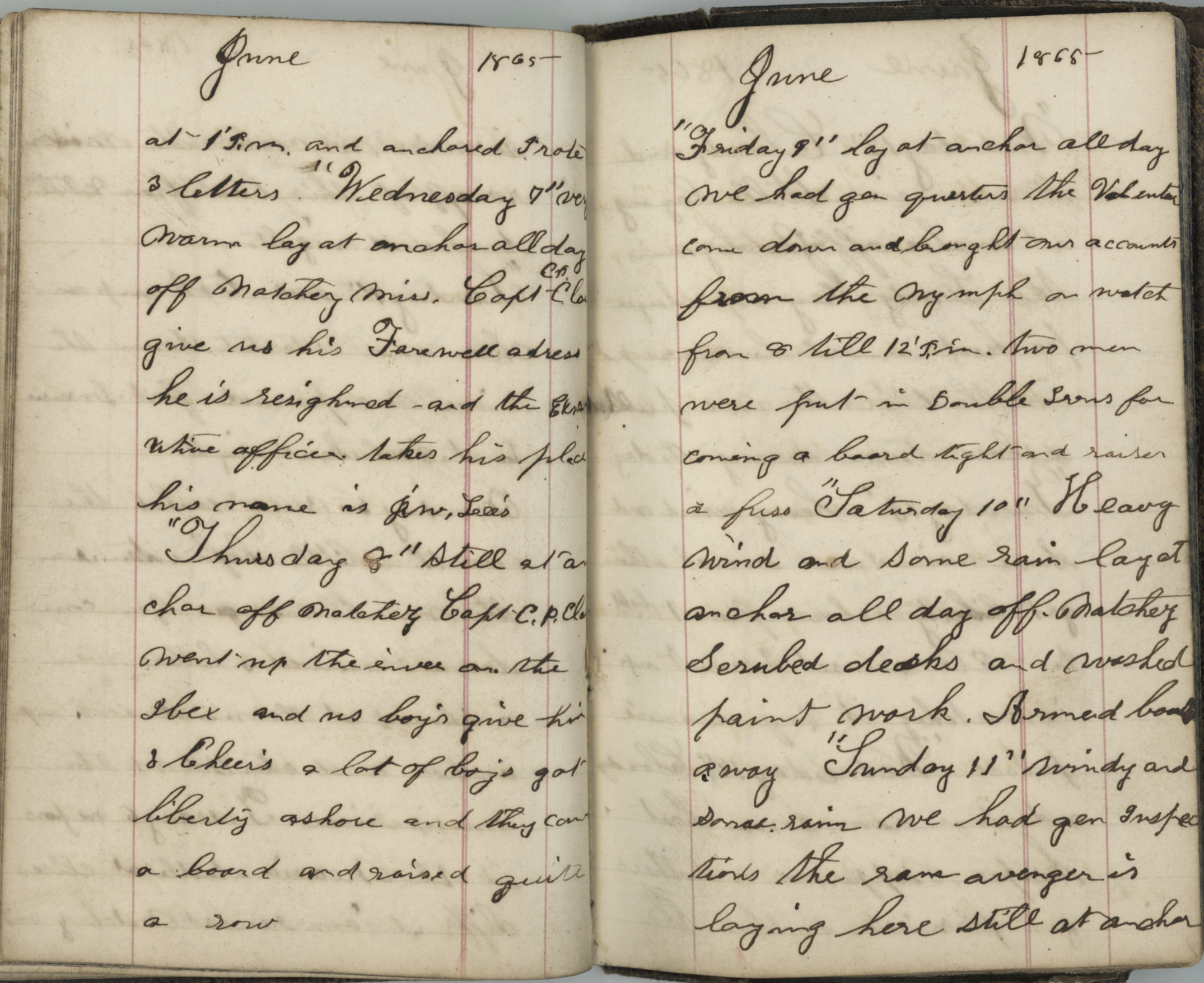
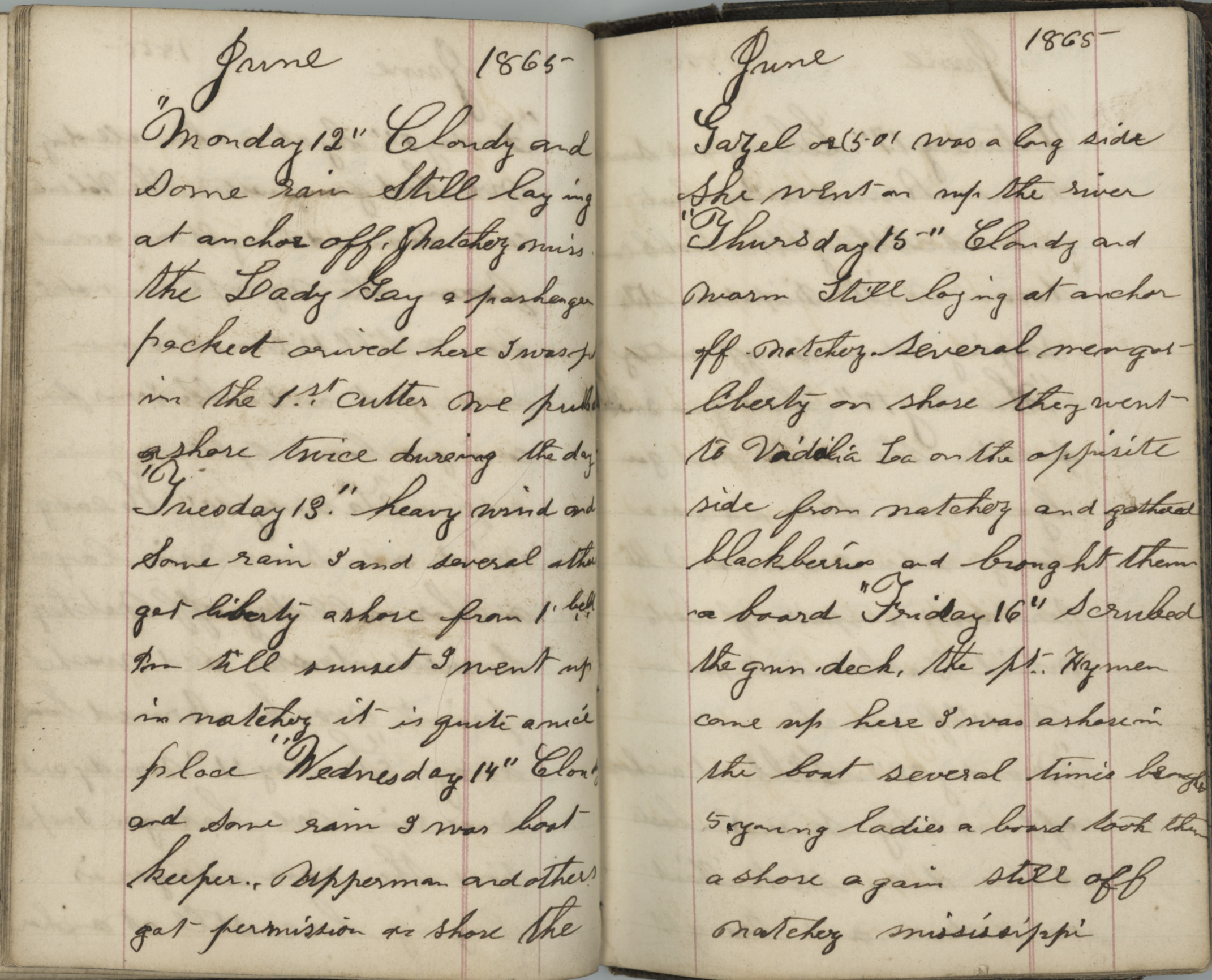
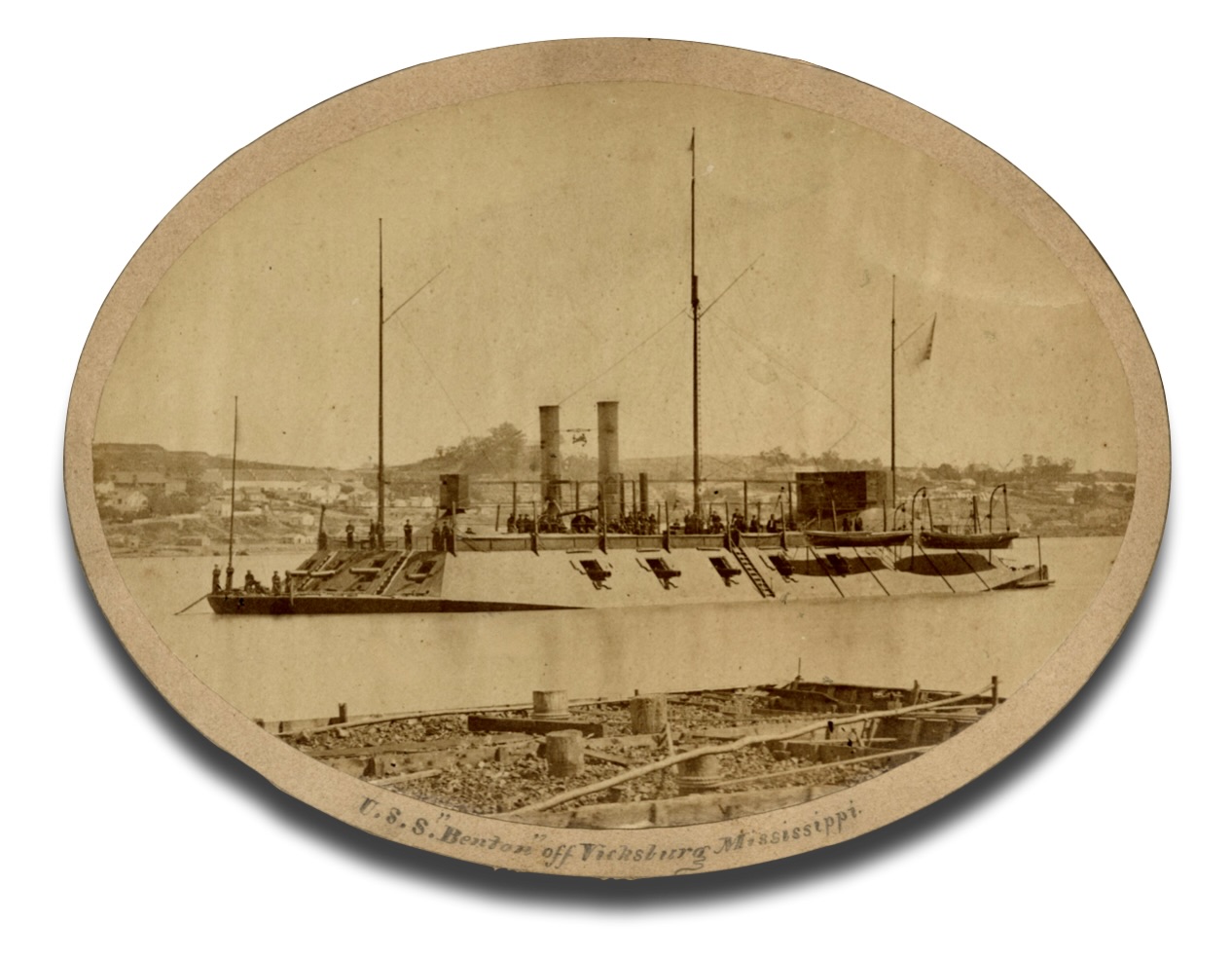
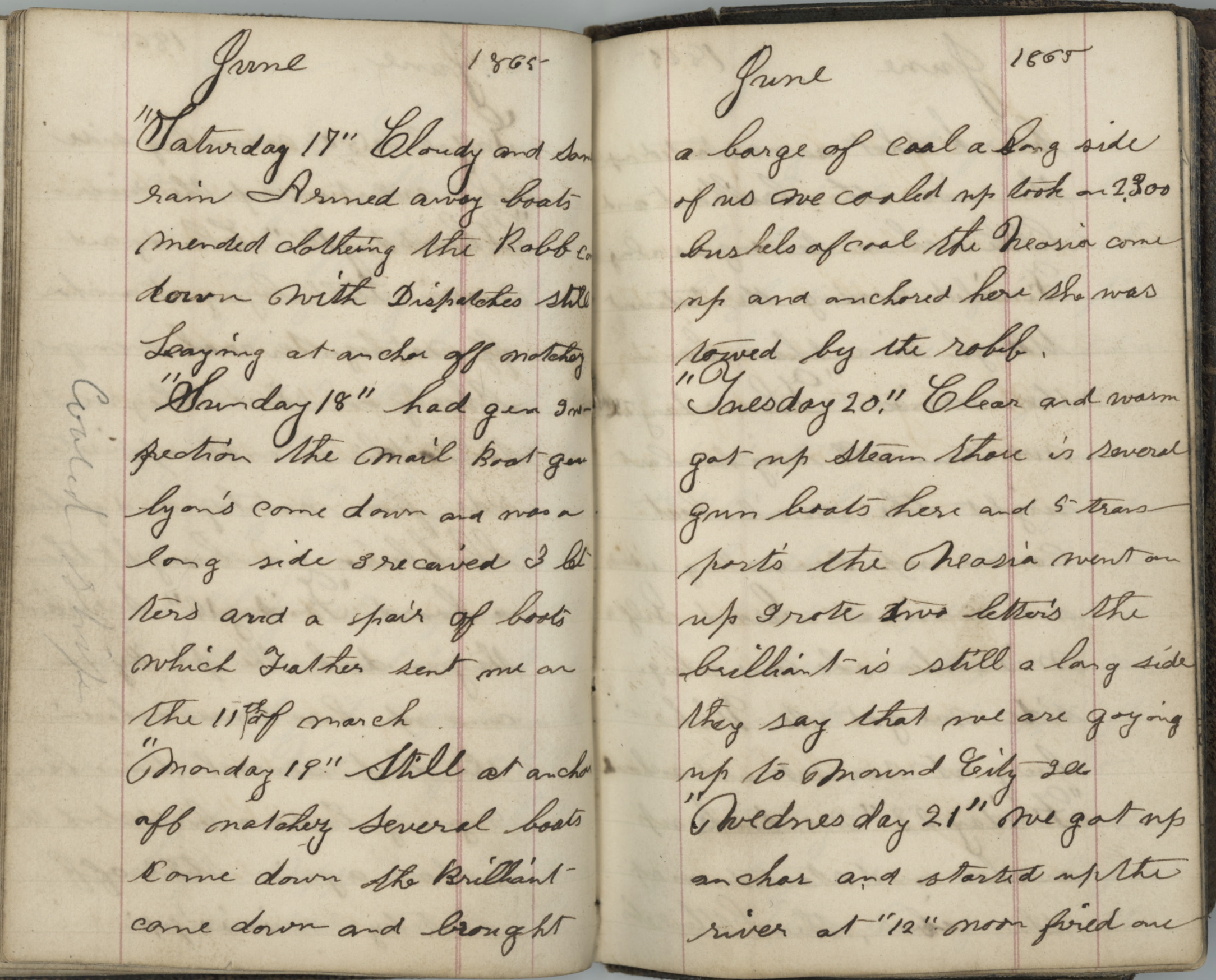
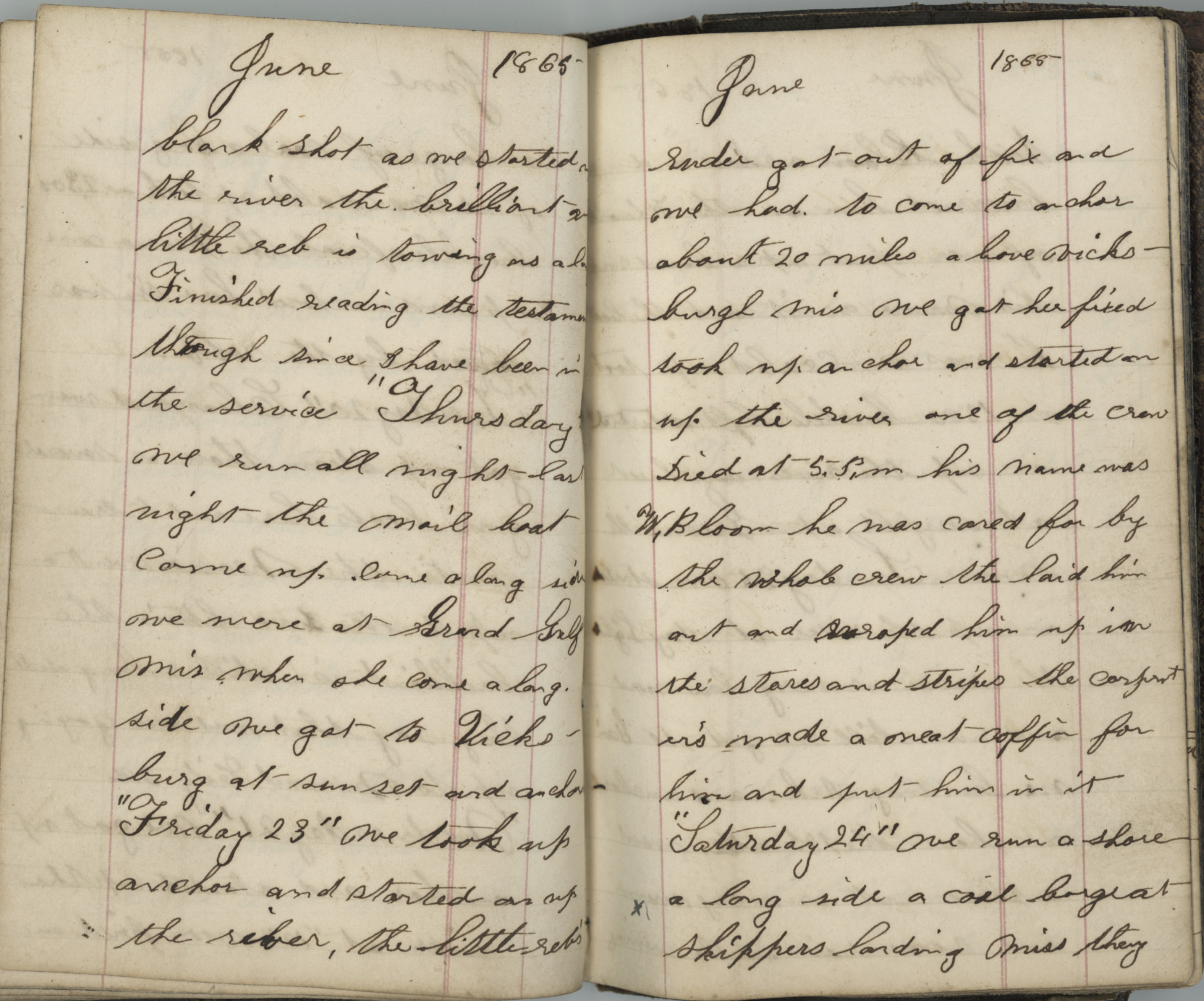
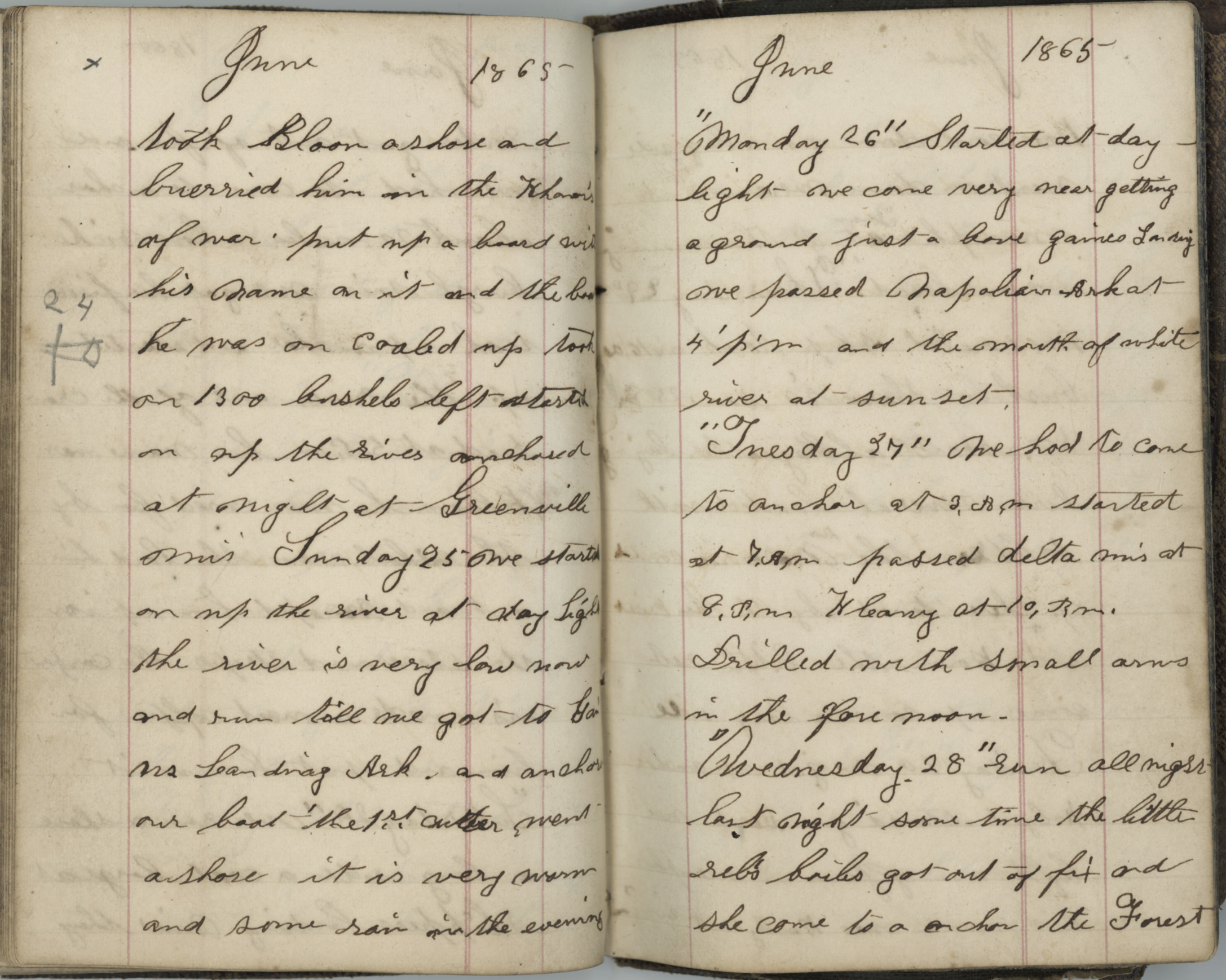
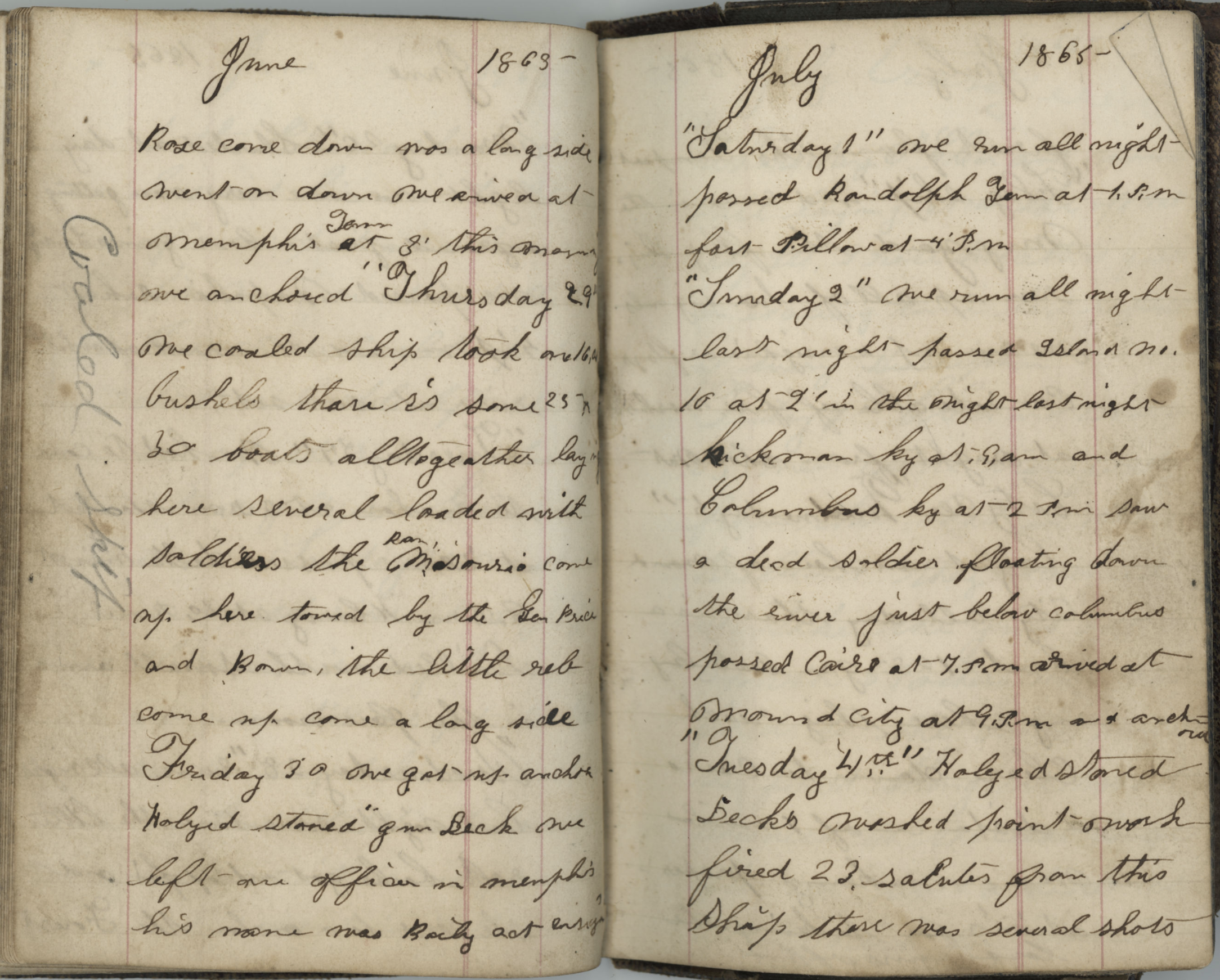
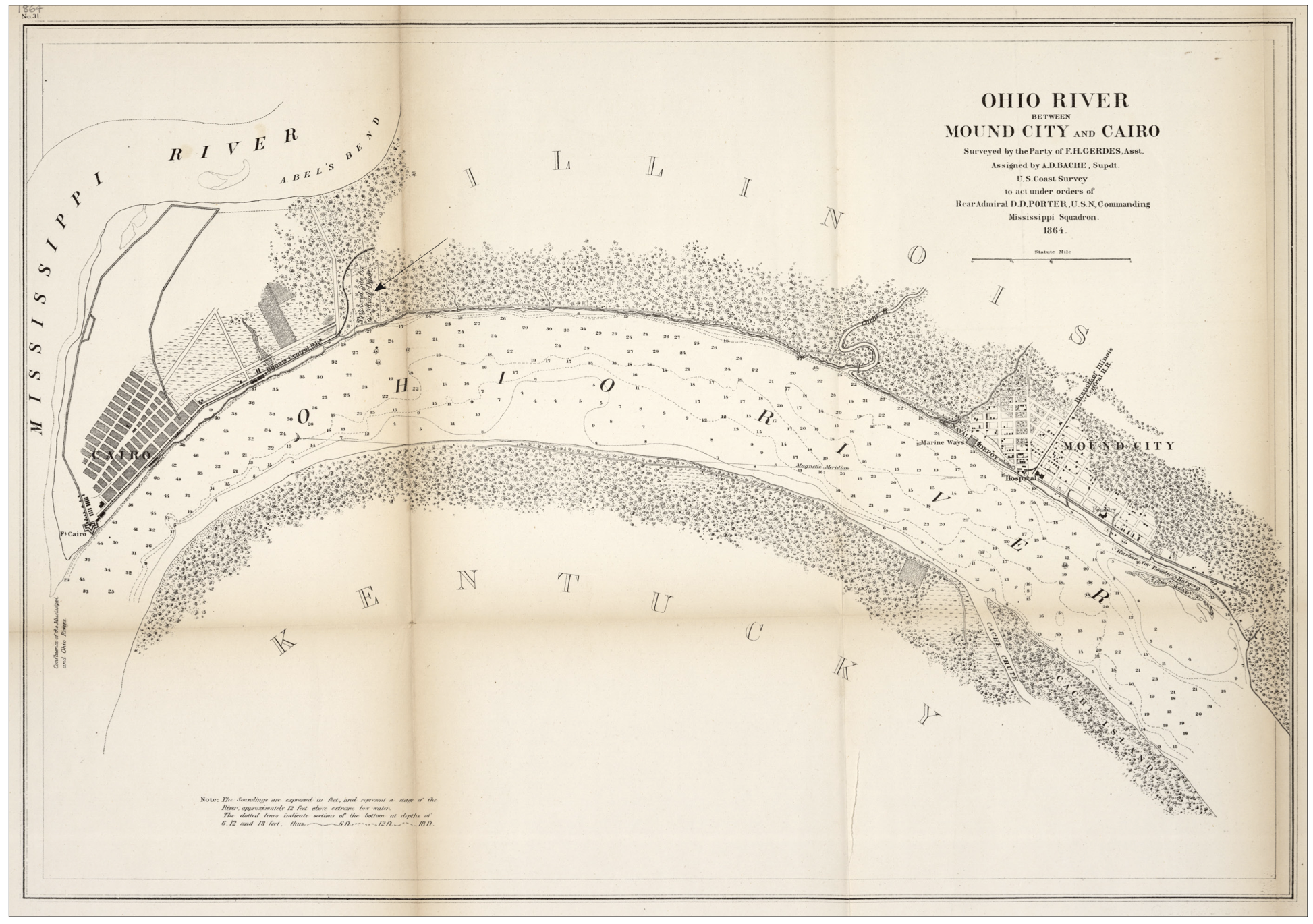
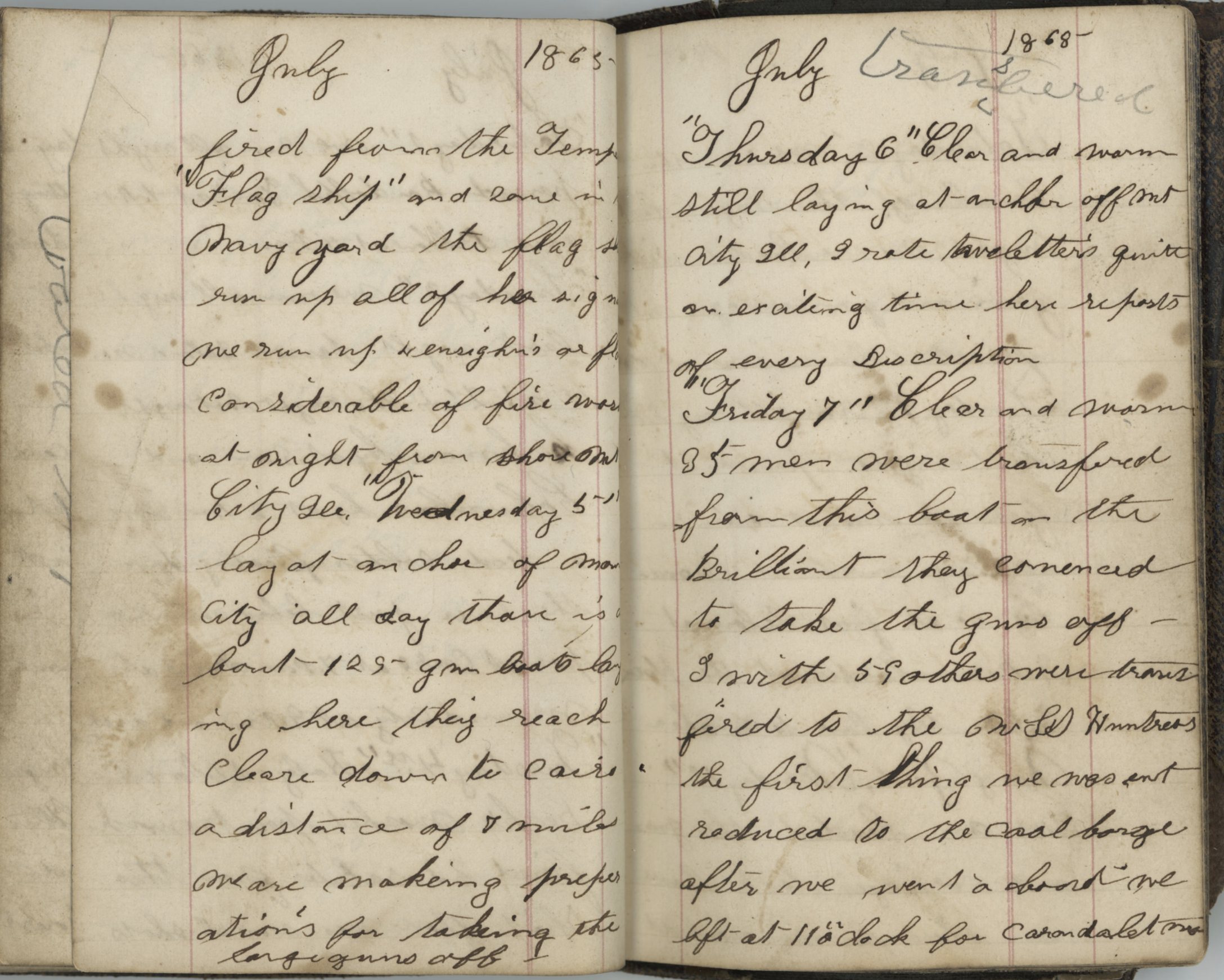
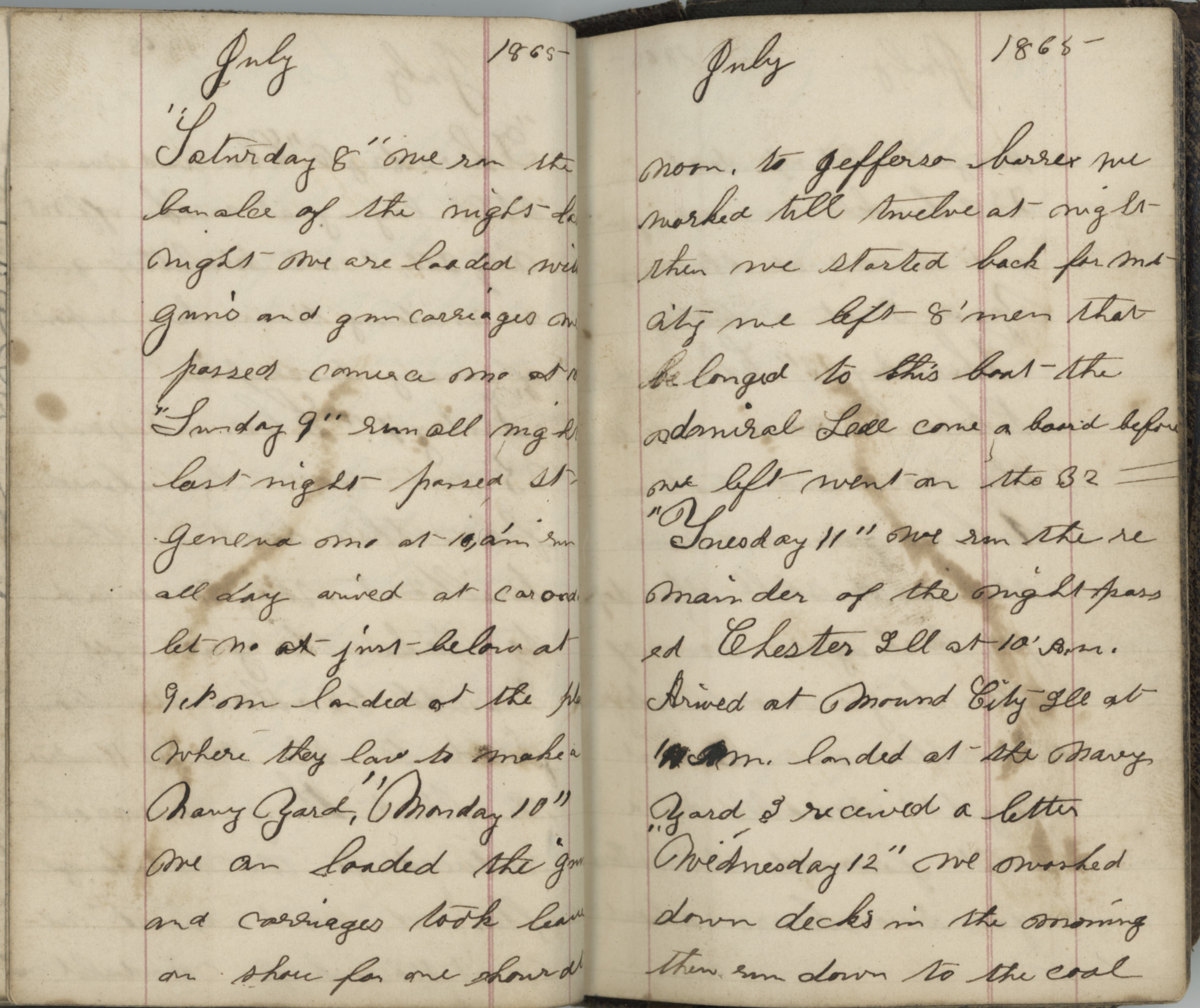
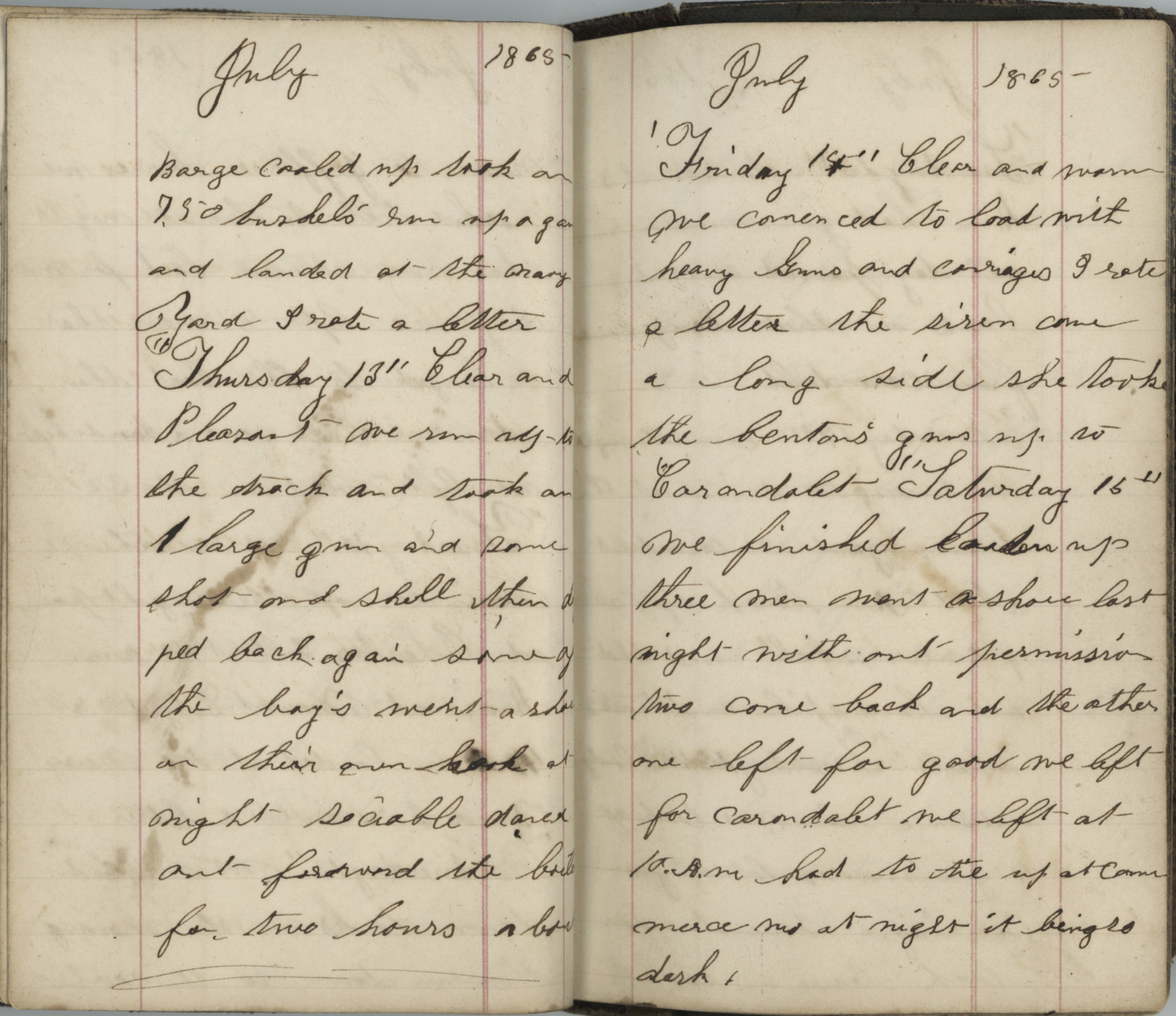
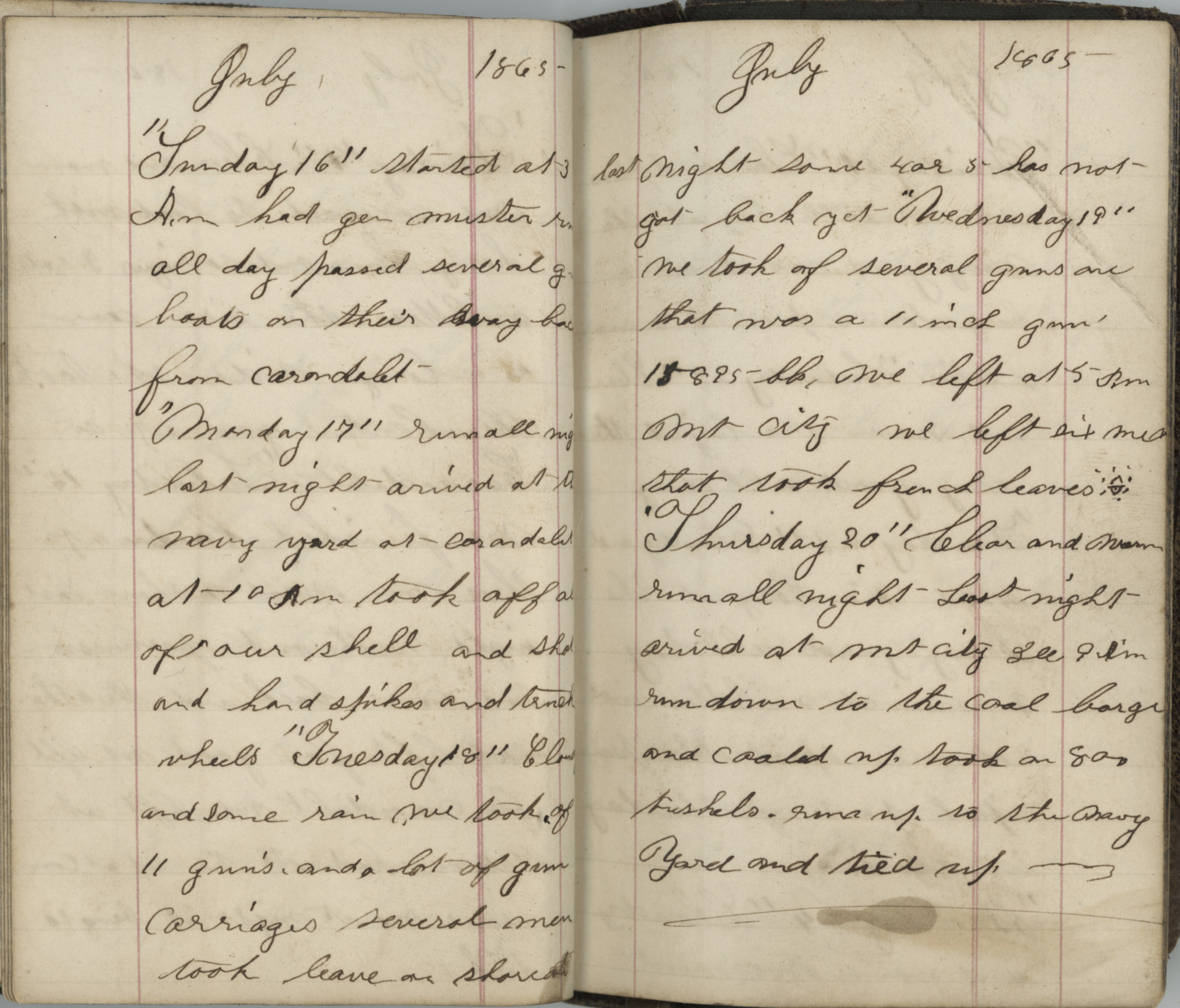
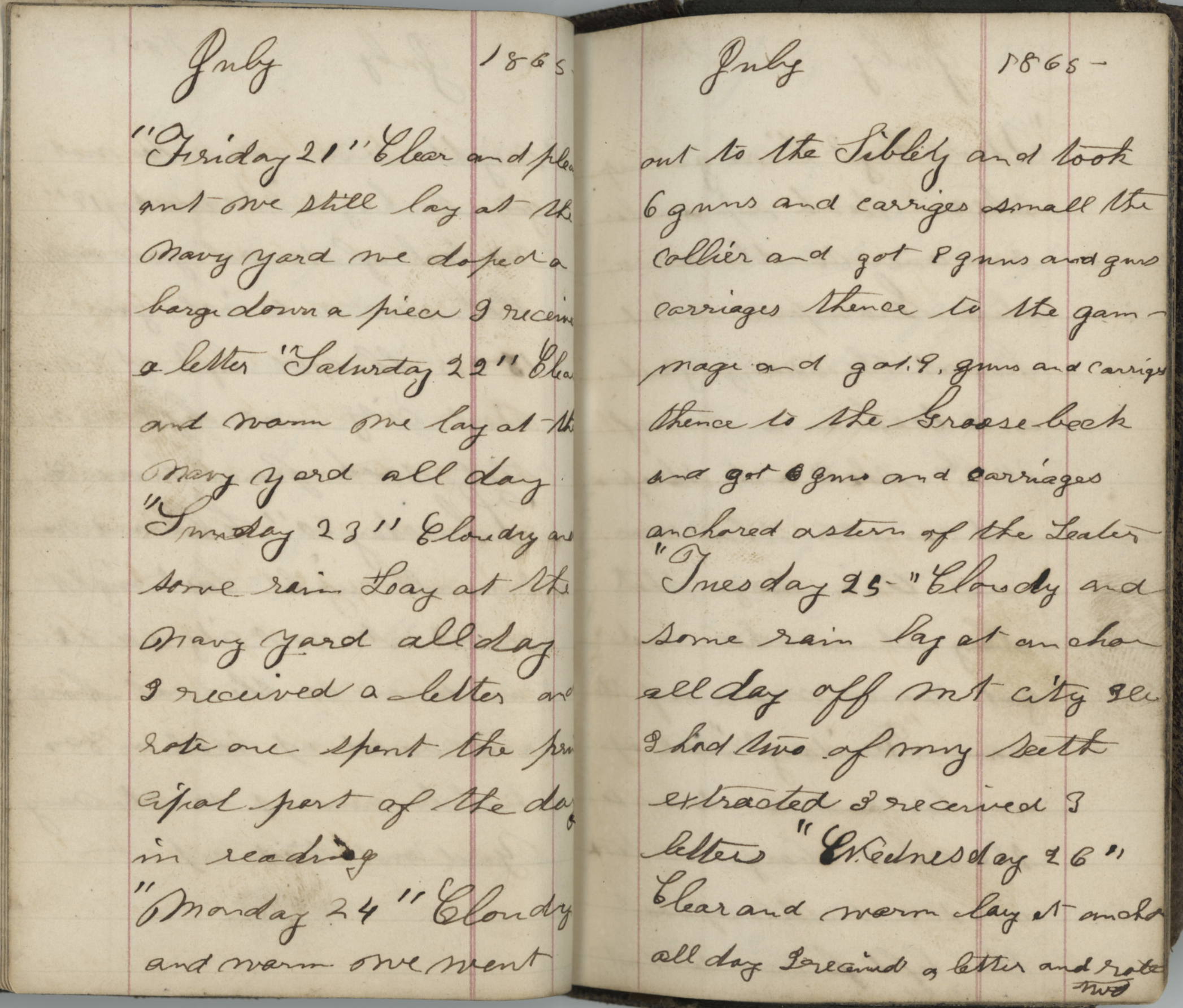
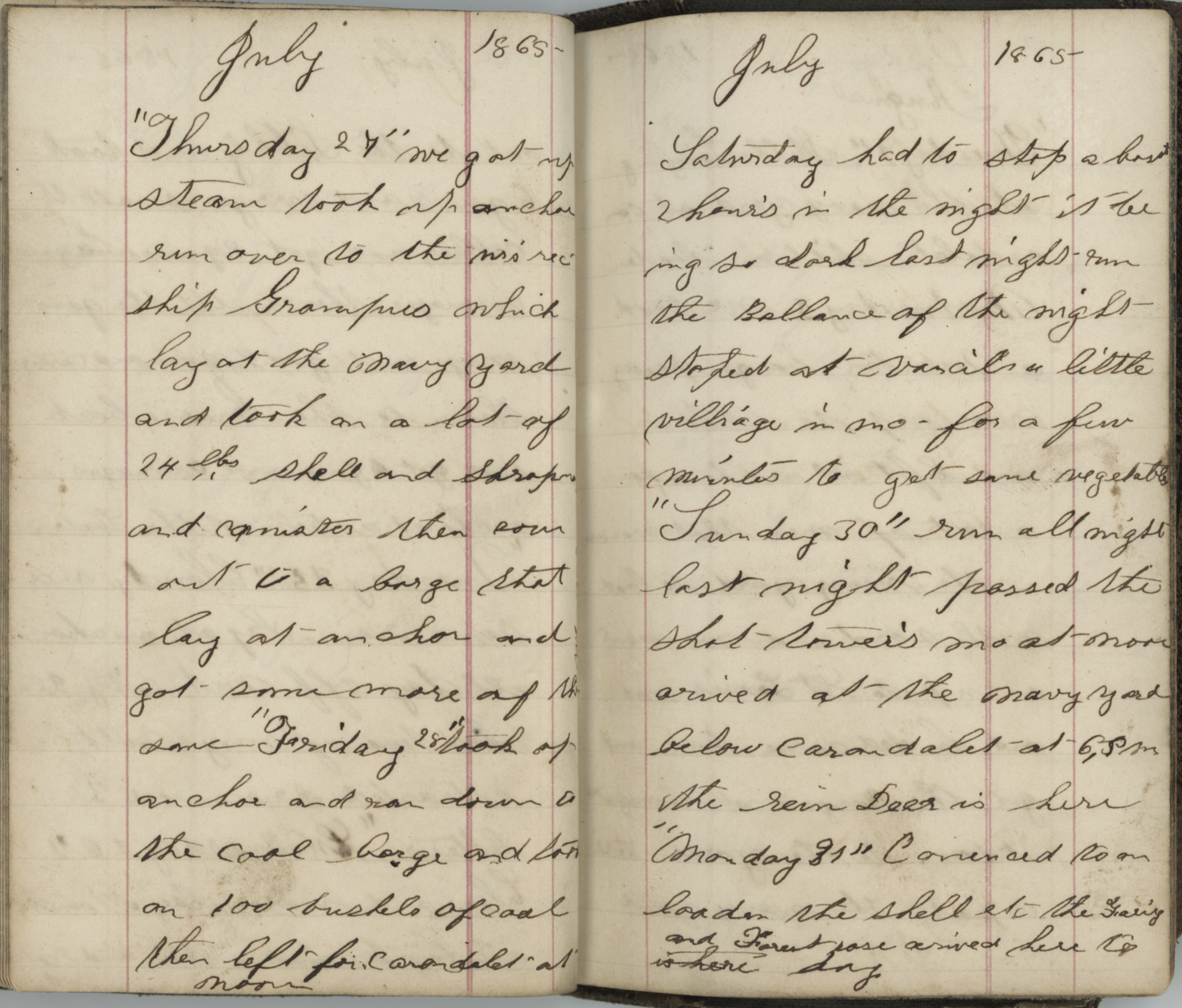
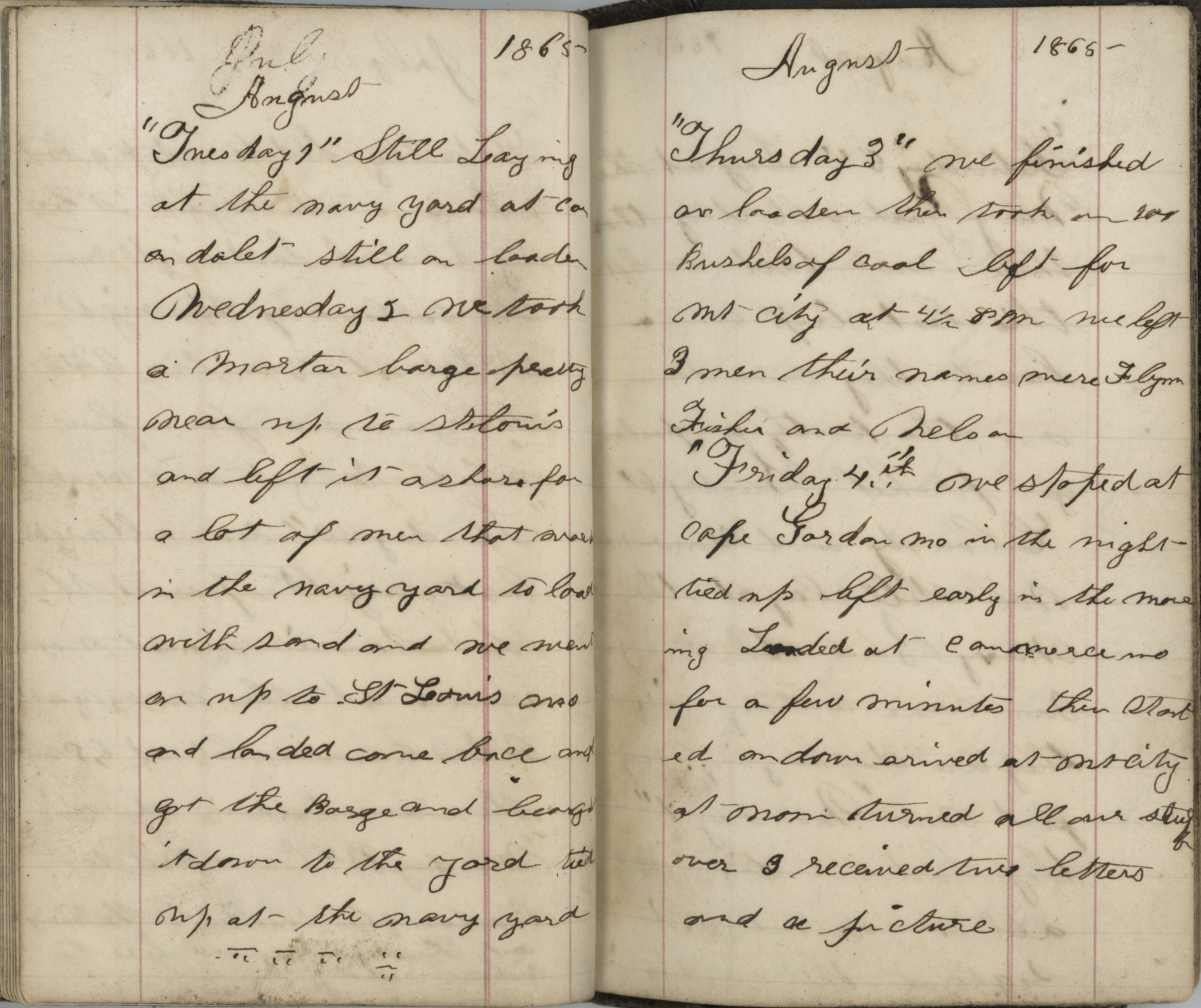
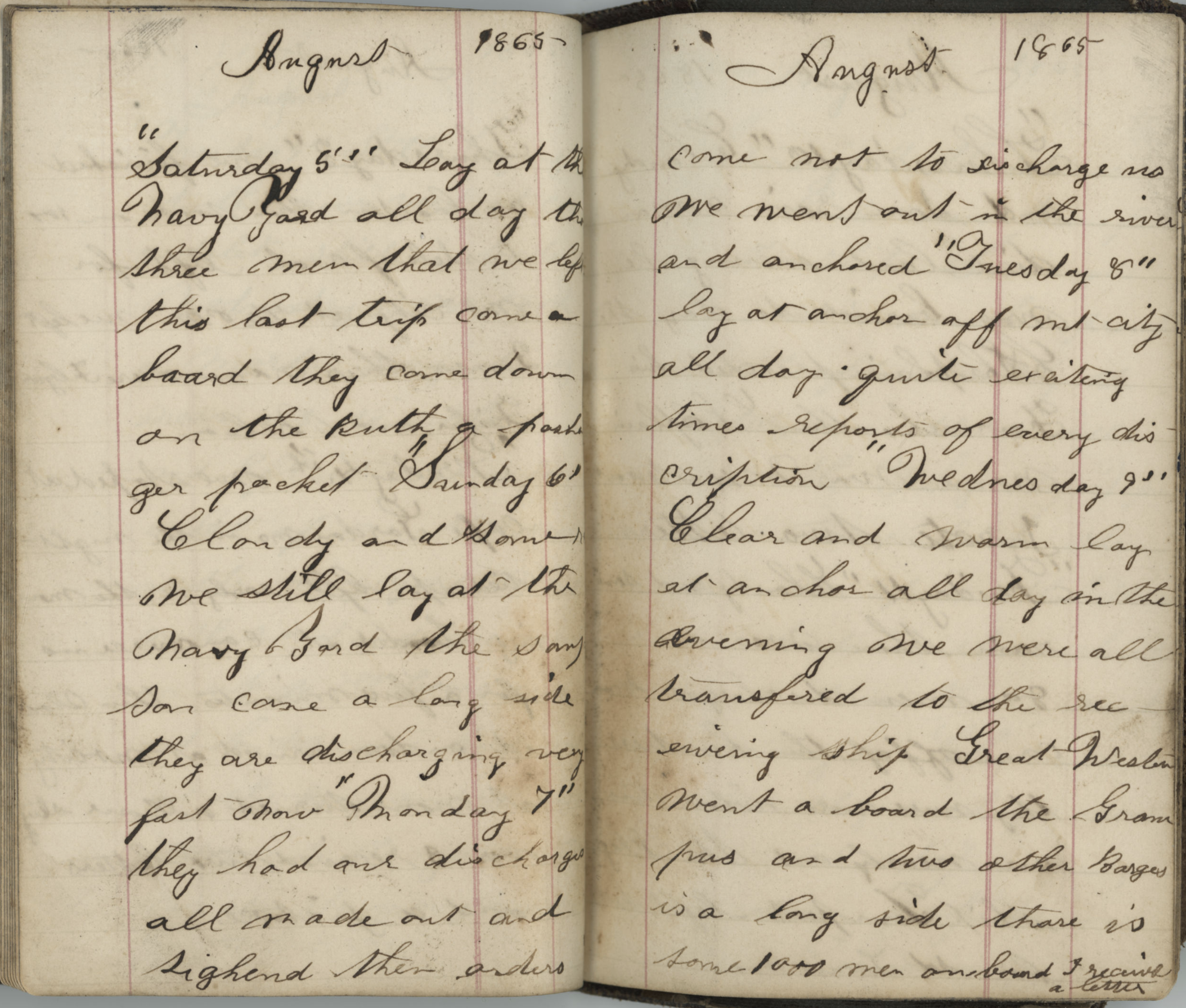
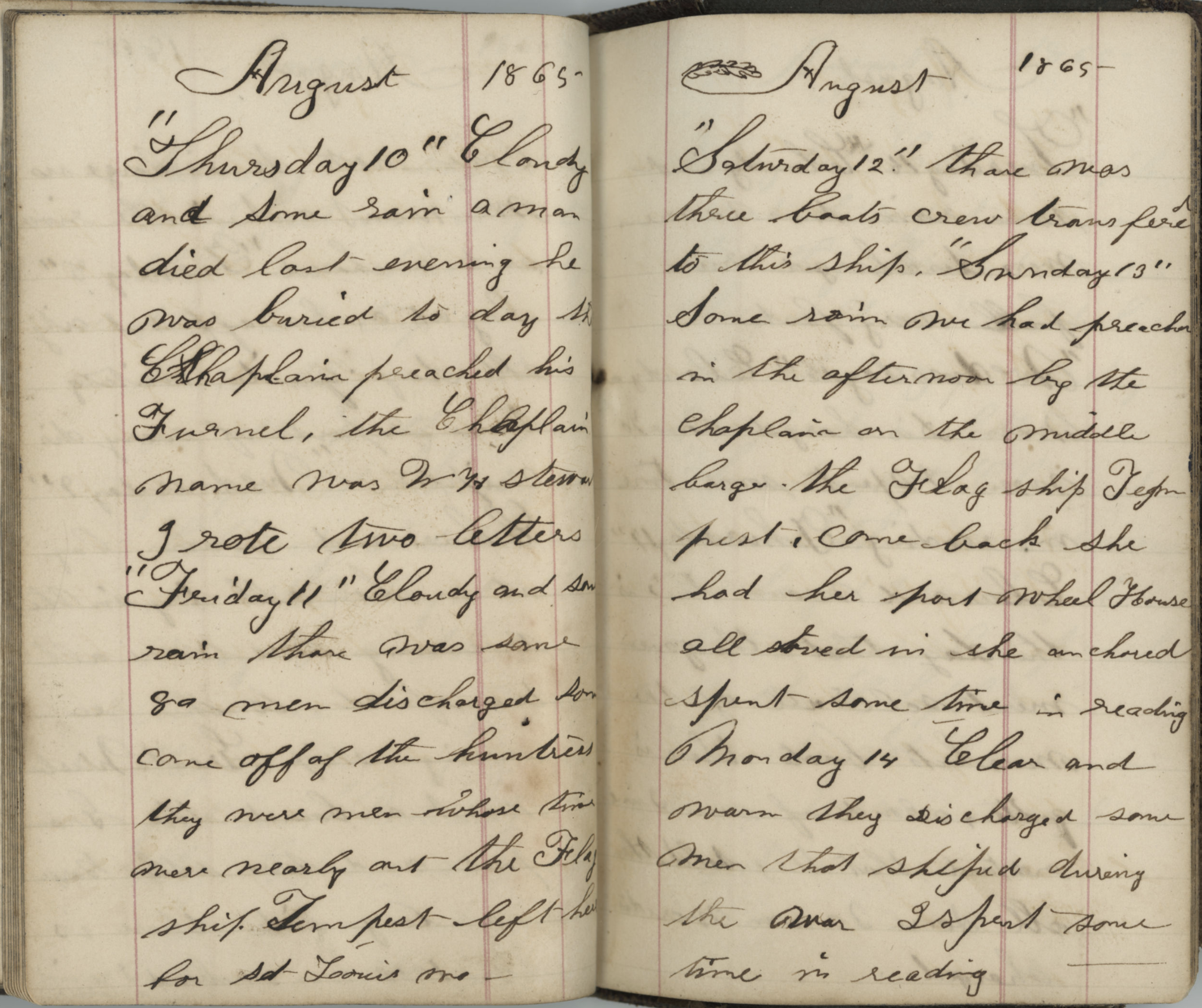
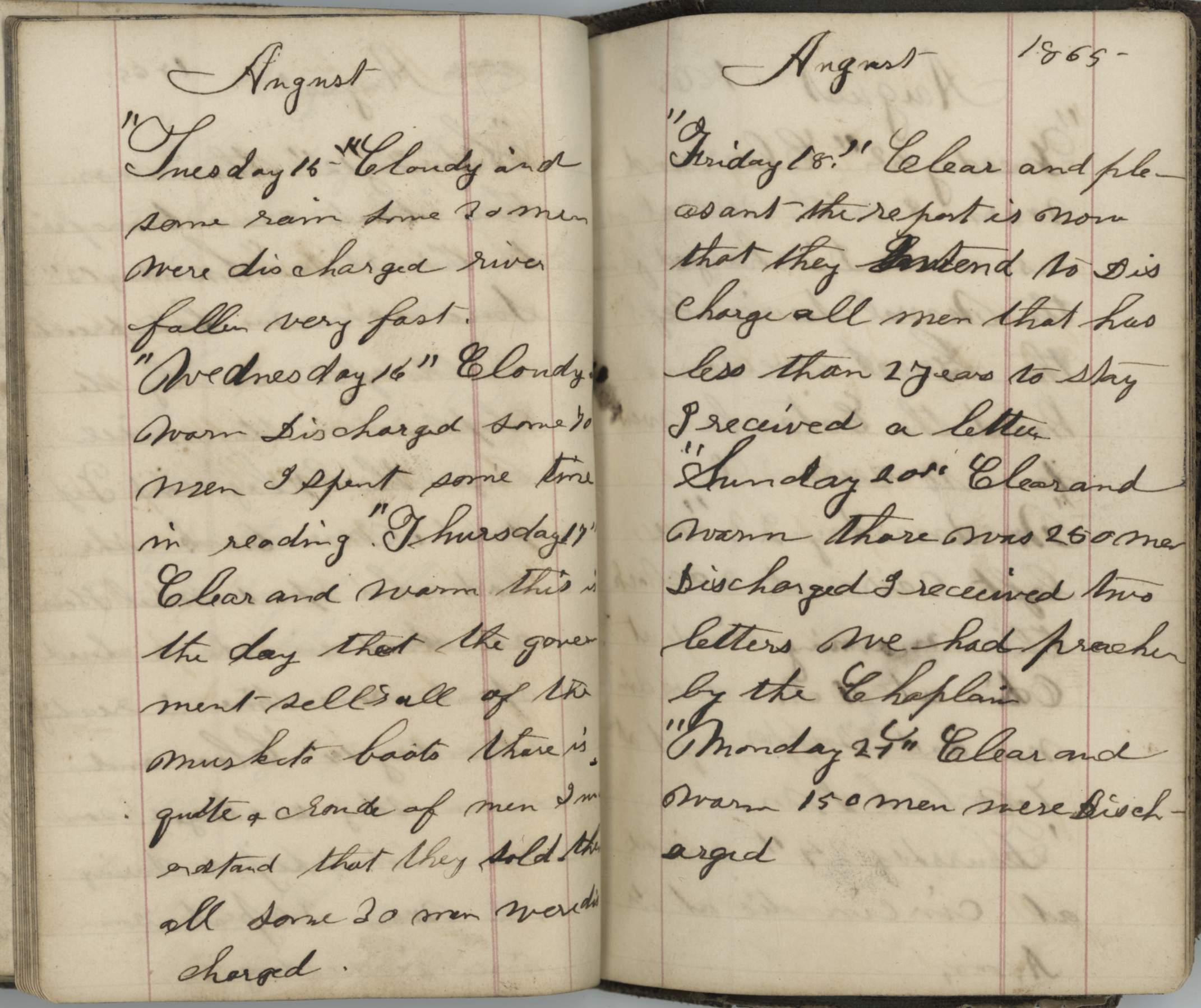
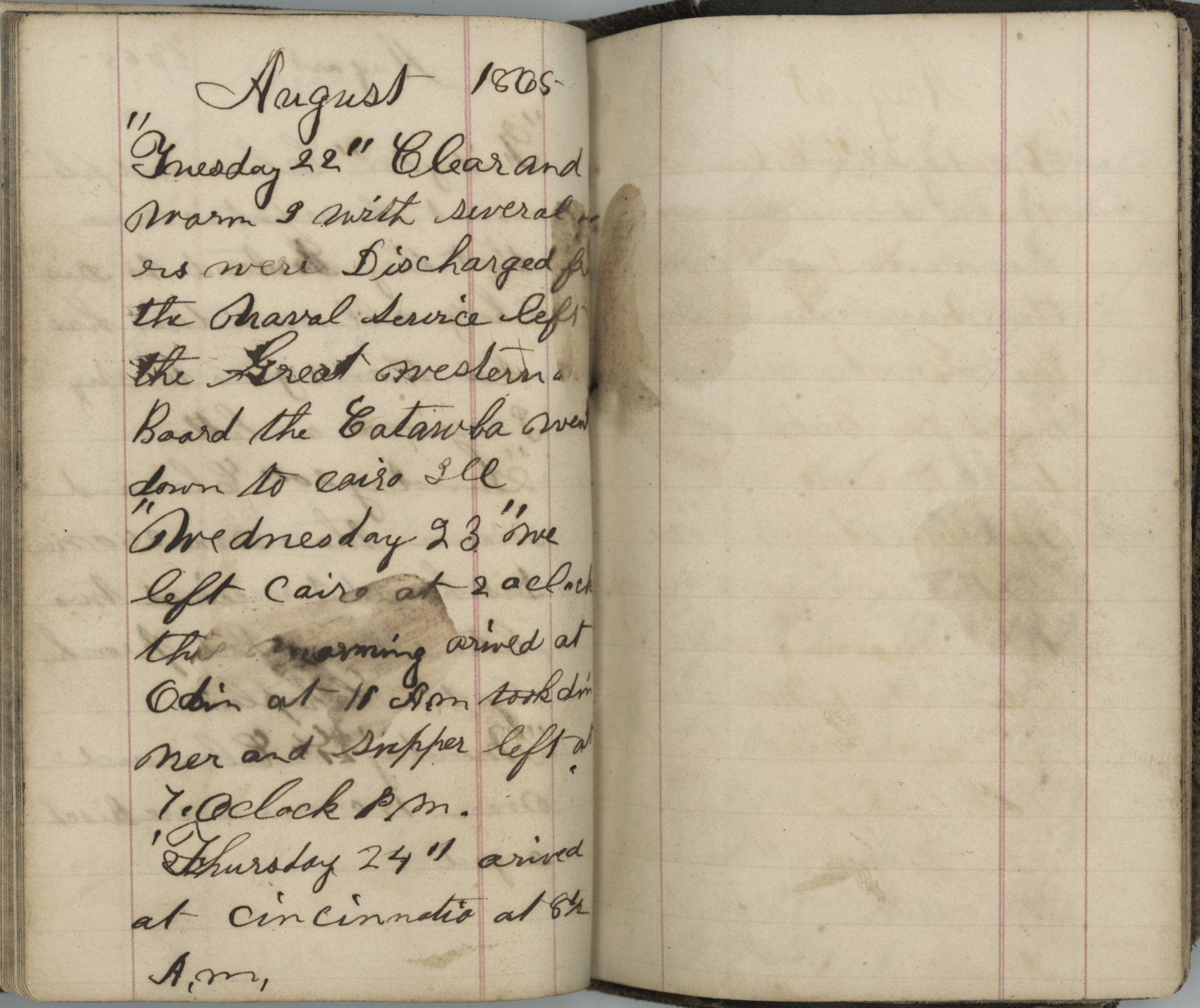

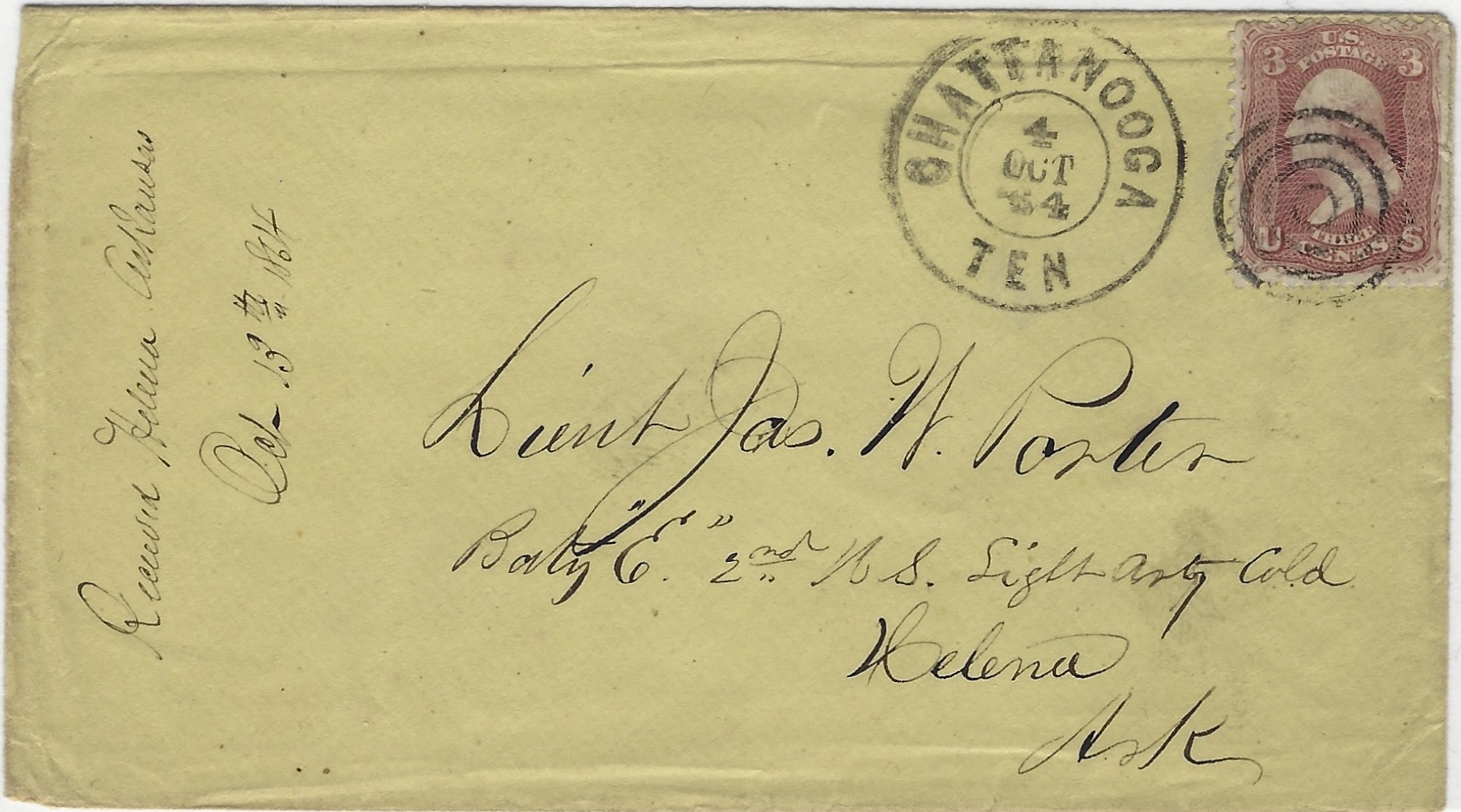


 Spared & Shared 23