My passion is studying American history leading up to & including the Civil War. I particularly enjoy reading, transcribing & researching primary sources such as letters and diaries.
Private Louis Hottowitz and another member of the 17th Missouri or “The Western Turner Rifles” holding their Colt revolving rifles. (Bruce Hermann Collection)
The following letter was written by James Ferdinand Mallinckrodt (1842-1925), the son of William Hermann Mallinckrodt (1810-1895) and his wife Louise (1817-1897) of St. Louis, Missouri. Ferdinand enlisted in the 17th Missouri Infantry as a corporal in 1861. The 17th Missouri Volunteer Infantry Regiment was formed at St. Louis in August 1861 by the St. Louis Turner Society, a German-American athletic and social organization. Under the leadership of Charles Stiefel and Frederick Leser, the St. Louis Turnverien placed its meeting hall in the hands of General Lyon, the Union military commander in St. Louis, and Col. Sigel, a former German officer. A new regiment known as the Western Turner Rifles was quickly recruited to serve for three years composed primarily of German-American officers and enlisted men from St. Louis who had previously served 90-day enlistments from May to August 1861 with the First, Second, Third and Fourth Missouri Regiments. These units fought under Brigadier General Lyon and Sigel at the capture of Ft. Jackson in St. Louis, the relief of St. Genevieve, Missouri and later in the summer at the battle of Wilson’s Creek.
Ferdinand would be promoted to Sgt. in Co. H, and then following the Battle of Ringgold, Georgia, and in winter camp, promoted to Lt. in Co. C by the commander Col. Cramer (pretty tragic end to that guy). He also eventually did a tour on recruiting duty in St. Louis.
After the war, Ferdinand embarked on an eclectic career as a machinist, draughtsman, and scientific model-maker. He also styled himself a literary figure, publishing several pamphlets and frequent letters to the editor, and corresponding with famous authors. In 1915 he removed to Salt Lake City to live with his brother and nephew; he is not thought to have been a Mormon.
Ferdinand sent this letter to his sister, Cecilia D. Mallinckrodt (1845-1873).
Transcription
Addressed to Mr. H. Mallinckrodt, St. Louis, Missouri
Corinth, Mississippi October 2, 1863
Dear Cecilia,
What do you think of the heading of this letter?! Corinth, Miss! Now that Wilhelm has just left here, his regiment is ow in camp at Pocahontas only 16 miles back on the railroad. Day before yesterday evening, we stopped about 15 minutes there coming through and if it had not been for your letter of the 10th ult. announcing his arrival at St. Louis, and which I received at Vicksburg as we were embarking, I would have been left by accident and hunted up the 9th Illinois. On the 28th at 8 p.m. we arrived at Memphis. Lt. Neun, going on furlough, I gave him a letter for you which you will have by this time I think. On the 30th, we arrived out here at Corinth at 10 o’clock at night, having had a dreary, rainy day—a continual. drizzling rain during our whole trip from Memphis. We are today in the Seminary Barracks and tomorrow at light we move out to Camp Davis where we expect to lie in camp for some time. I understand, though, we have nothing positive yet that the 16th Army Corps, which has been mostly idle here for 18 months, is to reinforce Rosecrans while we (the 1st Corps) takes their place in guarding the railroad from Memphis to this place, and from here to Tuscumbia which part of the road is to be repaired and put in running order.
There were some soldiers from the 1st Missouri Artillery here this morning who knew some of our officers, being “Turners” by whom I heard the 9th Illinois & Col. [Augustus] Mersy mentioned very favorably in their descriptions of the 2nd Battle of Corinth, &c., which of course interested me very much.
The barracks in which we lie, called the Seminary Barracks, because they include a building once a seminary but now used as a hospital, are nearly surrounded by a long line of breastworks, including within their area perhaps some 15 or 20 acres. The different points in the line are forts in which there are mounted about 10 or 12 heavy guns in all. From my little experience during the Siege of Vicksburg, it seems to me that these works could not withstand very much battering and especially are they rendered defective on the west side by a height 300 yards rising, however, no higher than the fort’s own location, but in such a manner that an enemy might approach under cover of it to its top and there establish himself with a few heavy guns and batter down our works. Forts are visible in all directions.
Corinth is a little town about like Pilot Knob. Now that you have Wilhelm at home, you certainly have a good source of information about Corinth—better than I could possibly be. Capt. Wilhelm came back from furlough yesterday and reports that nothing is done yet about drafting and we will most probably be consolidated. In that case, I would most probably come home, which I would be glad to do. Well, more about that when the time comes. I am quite well as ever. Give my love to all and William. To King’s and Ewald’s. Your brother– Ferdinand
In the 1860s, Samuel Badger Neal of Kittery, York county, Maine began to conduct interviews with some of the older members of his community, thinking to record some oral history of the area before it was lost. He recorded their stories on stationery, some bound, some not, and kept them bundled together with a string thinking, perhaps, he might someday publish them. He did not. He passed away and they were handed down to a niece or nephew who slapped a note on the pile which read, “Most of these are Uncle Sam’s gossipy notes on early Kittery.” They were indeed, and while some of the recorded stories are of limited historical significance, there are nuggets of information buried within them that would likely be of keen interest to historians of the area and particularly Kittery—the oldest settlement in Maine.
Samuel (“Sam”) Badger Neal (1842-1901) was the son of John Robert and Anna Maria (Badger ) Neal. He was born in Portsmouth, New Hampshire, on 29 April 1842 and fitted for college at Phillips Exeter Academy. He graduated from Harvard College in 1864 and the following year entered the NH National Bank of Portsmouth as a cashier. He then went to New York as a salesman in the coal business, to Boston as a bookkeeper, and then as a coal salesman. He suffered from ill health and lived with his parents in Kittery for a while, managing his father’s coal business. He lived until 1901. He was found dead in his stable, having been knocked down and trampled by his horse.
William Jackson (1808-1871) was a ship builder in Kittery. He was married to Mary C. Young (1820-1886). He died on 1 April 1871 and was buried in the Orchard Grove Cemetery in Kittery.
On the Navy Yard
The Naval Yard at Portsmouth, N. H. as seen in 1853
Mr. William Jackson recollects when the Washington, a seventy-four [gun], was built [during the War of 1812]. He used to go aboard with an old fellow who used to trade in various things. The Washington was built where the Alabama, a seventy-four, is at present. There was no ship house then, but as the Alabama1 was built after the Washington, and in the same place, a ship house was built over the Alabama. The Marine Barracks were where the mast house now is. The wall which now extends from the ship house which contains the Franklin to the basin occupied by the dry dock was then lined with small trees.
William Jackson Headstone in Kittery
There was a ship just after the War of 1812 which came into Portsmouth and catching on fire, someone said there was powder on board. They cut her adrift and the tide running down, she went down river and drifted on the place where now is the stone beacon. There was a buoy formerly there. His mother carried him to the window in the night. The ship was burned in the night. She was loaded with hemp. The place now having the red beacon over it was called Pumpkin Island because it was wholly planted with pumpkins by old Mother Shaw. The Huckleberry Island was also much larger but is now washed away on the eastern part of this shipyard and Samuel Badger’s great grandmother Fernald said she picked huckleberries on the part extending from Mr. Jackson’s house to the water.
A wall used to extend along the front of the yard by the water side and where the present wharf is, used to be the wharf of the old Master Whitten. On the southeastern part of the yard was a nice orchard and along the shore a row of pear trees called Button Pear trees.
He has seen the whole of it—the yard—planted with corn. A little distance from the house, southeastern direction, was what was called a “loom house” where they used to work weaving, &c.
The first ship [that] Samuel Badger launched from the yard was the Charlotte. She was pointed south and the ship ran against Huckleberry Island. The rudder got loose, cause of it, when then tide come down, she sustained serious damage. She was beached where the wood dock now is and he estimates the damage at $500.00.
It is said that the Indians used to go to the shoals. The Indians used to come up by the Portsmouth bridge, a hundred at a time, and steal everything. The America was built at Badger’s Island in 1690. The Falkland, 54 guns, was built here by order of the British government, and this place was selected as a naval depot prior to the Revolution. At this yard was the Ranger was built, commanded by John Paul Jones. The frigates Congress, Crescent, and Portsmouth of 24 guns were built here prior to 1799. The Washington, 74 guns, in 1814. Schooner Porpoise in 1820. Sloop Concord, 24 guns, in 1828. Sloop Preble, 16 guns, in 1839.
1 The 74-gun Alabama mentioned by Sam was one of “nine ships to rate not less than 74 guns each” authorized by Congress in 1816. She was laid down in the Naval Yard in June 1819 and ready for launch in 1825 but remained on the stocks until the Civil War when she was launched under the name USS New Hampshire instead and used as a store ship in the South Atlantic Blockading Squadron.
This partial letter (and unsigned) letter seems to have been written by a member of the 9th New York State Militia which became the 83rd New York Volunteers. This regiment spent much of the summer following the Battle of Bull Run at Camp Stone near Darnestown, Maryland, where Union General Nathaniel Banks kept “a firm and certain hand” on the citizenry of Marylanders with a large military presence.
The letter was addressed to Eliza Ann Harbutt (b. 1843), the daughter of John Harbutt (b. 1822)—a clothier in New York City, and his wife Sarah Niffen (b. 1822). Both of her parents were English emigrants as was her grandfather, Francis Niffin—a taylor, who resided with the Harbutt’s in the same household in New York’s 14th Ward in 1860. Nothing further could be found on Eliza.
Transcription
Addressed to Miss E. A. Harbutt, care of Mrs. J. Williams, 165 Allen Street, New York
Camp Smith Darnestown, Maryland Tuesday, September 17, 1861
Dear Eliza,
I have now on hand three letters that I have received from you that I have not answered. One is dated 7th inst. and the other 14th inst.; the two last I received today along with one from Larry and one from home.
Larry wants to come out here; he wanted to know if there was any chance for him to join my company. I have just mailed an answer to him telling that he can join whenever he likes. I hope he will make up him mind to come. I would like to see him very much.
In your favor of the 9th, you say you have a beautiful duet which you and Mrs. Colston are to sing. I would like to hear it very much. I don’t know what a piano is now. I don’t think I have heard one since I left New York. When I come home, I will hammer your piano to pieces.
I would like to hear of a marriage between Mr. Higgins and a certain lady friend of yours. It would greatly relieve the monotony of his life.
You seem to think it ridiculous for me to think of coming home before next April; the fact is it is useless for anyone to make up their mind to see the close of his war within any definite period. It is all in the hands of the Almighty. We may see the close of it before New Years; then again we might not see the close of it for years. I have great hopes in the next battle. If we should prove to be the victorious party and the rebel army should be broken up, there is little doubt but the worst of the struggle will then be over. I hope so anyway.
Sunday, Hiram and myself had quite a picnic. We got a bottle of claret wine, two very nice pound cakes that we bought from a countryman that sells bread, biscuit, cakes, and pies, and such things around the camp. We also had some biscuit and a half pound of butter. We started about 10 o’clock in the morning. It was a beautiful day—cool and clear—and went a short distance from camp to a beautiful grove. We took our blankets along. There is a beautiful spring close by. We spread our blankets and spent the day there (Sundays we don’t have any drills) smoking, reading, writing, and eating and drinking all day. I tell you, we had a gay time. I am sure you would have enjoyed yourself had you been along, dear, for the surrounding scenery was most magnificent. Everything, in fact, was sublime.
We started for camp about five o’clock, arriving just in time for evening dress parade. We had supper. After supper there was ten men detailed for picket duty so Hiram and myself were among the number. We slung our blankets and reported to the guard house ready for duty. It was a splendid night. We expected some work that night. We were told to load carefully and be very diligent on our watches. Gen. Banks won’t let any of our officers go home on “furlough.” In fact, he won’t let them leave camp for scarcely two or three hours at a time. He seems to expect an attack every day. His headquarters are in the next field from us and he is always on the watch to see that everything goes on smoothly. He reviews all the troops around here most every day. It is hard telling how many troops there are here but I can see over twenty thousand from a hill near here. I suppose there must be a great many more than that though.
Let the rebel rascals undertake to cross anywhere near here and they will get the greatest warming they ever had. Larry ought to be out here now so as to take a hand in this grand affair that is expected to come off.
Larry promises to send me a sketch of my home…[remainder of letter missing]
Return address on envelope reads: Headquarters 9th Regt. N. Y. S. M, Darnestown, Md.
In the 1860s, Samuel Badger Neal of Kittery, York county, Maine began to conduct interviews with some of the older members of his community, thinking to record some oral history of the area before it was lost. He recorded their stories on stationery, some bound, some not, and kept them bundled together with a string thinking, perhaps, he might someday publish them. He did not. He passed away and they were handed down to a niece or nephew who slapped a note on the pile which read, “Most of these are Uncle Sam’s gossipy notes on early Kittery.” They were indeed, and while some of the recorded stories are of limited historical significance, there are nuggets of information buried within them that would likely be of keen interest to historians of the area and particularly Kittery—the oldest settlement in Maine.
Samuel (“Sam”) Badger Neal (1842-1901) was the son of John Robert and Anna Maria (Badger ) Neal. He was born in Portsmouth, New Hampshire, on 29 April 1842 and fitted for college at Phillips Exeter Academy. He graduated from Harvard College in 1864 and the following year entered the NH National Bank of Portsmouth as a cashier. He then went to New York as a salesman in the coal business, to Boston as a bookkeeper, and then as a coal salesman. He suffered from ill health and lived with his parents in Kittery for a while, managing his father’s coal business. He lived until 1901. He was found dead in his stable, having been knocked down and trampled by his horse.
1860 Interview of Hannah Jackson (1774-1866)
Houses
There were eight houses in the place she recollects at first belonging to Nathan Dame, Jonathan Dame, Grand or great-grandfather Fernald, Chandler, Jackson, Traip, Whitten, and one other. The house enlarged by S. Badger formerly consisted merely of the portion now used as dining room, comprising two rooms, two closets, and cellar. In the cellar of what is now Jackson’s house used to be a house or room the old lady called it and her mother used to show her where the steps were. When her mother first came here there were no houses (on the foreside) but many clamshells all around the field where the Indians had been. Her mother was 92 years old and 5 months and died between 20 and 25 years ago. Mrs. Jackson (the above) is 86 or 7 and says the house she lives in (Jackson’s House) was built by her father 10 years before the Revolution. Her father died in Rhode Island of the yellow fever.
The house now belonging to the Hanscom (Isaiah) about 3 or 4 feet east of her own (Jackson’s) before consisted of a small house occupied by a Mr. Chandler. One day after going all round his field rather curiously, he came to the doorstep, stumbled in the house and dropped down in fit which he never came out of. In the War of 1812, folks carried their things back some distance of by Mendon’s somewhere and some of them 3 miles when the British were expected to attack them. The soldiers with drums and fifes passed by her house making a great noise on their way to the Point Fort McClary.
Fort MClary
She could hear the bell ring down at Rye, and a fire alarm was touched off at the hay yard and there was great consternation. The could see the English with the naked eye. The old lady said she could recollect the first building on the Navy Yard and before it was done she went over there one night with a party of girls and found a bottle of rum and had a grand time over it. (Probably they drank it.) This building was part on the south part of the yard somewhere, probably one of the old ship houses. (The old lady whose apartment was in the cellar of Jackson’s house was old Mrs. Pope.) The old lady (Jackson) says that she dreamed twice that there was something buried down by the shore on the hill just southeast of where the present blacksmith shop of Badger’s yard stands, and says if she had the use of her legs, she would go there and dig it up.
Capt. Traip used to go to sea. He picked up a brass cannon there once. An old scow full of iron once laid in the river and the old man (Traip) used to dive after it in a diving bell. She said she often stood on a scow and watched when he came up. He would look as pale as a ghost. He used to get two or three barrels of iron every time.
Witches
Emerson Baker’s book on witchcraft in Kittery and Southern Maine
At the old ferry (by Mrs. Rice’s at present), Mrs. Rice used to have an parrot who would call people all kind of names. When Mr. John Rice [1788-1871] took charge of the ferry, he was worth 25 cents, people said, and now he is a large land owner, but has lost lately by signing notes it is believed. The author’s mother was one day going there for milk (to Mrs. Rice) and meeting John Rice who had major prefixed to his name (in company with her sister) sung out. “How do you do Major Rice!” which caused immense fun at home when it was rehearsed by the younger sister. The author’s mother also recollects when the militia used to parade, they would come up in front on the grass and be treated by the Badger witches. She formerly lived near Dover. One time she and another girl went to take in some clothes, the girl exclaimed that she heard witches, and sure enough, you could hear them coming over the hill shrieking and making an infernal noise. They ran in the house and a minute afterwards there was a terrible banging against the door. They (the witches) nearly broke it down. If they had got in, they would have killed them all (the girls). A man also was out gathering hay the same night and was taken by the witches and carried over all places, through bushes and everywhere and didn’t get home till morning and then half dead from fright and fatigue.
Two boys were sleeping in a bed. one had been growing thin the past short time and the other asked him what ailed him. “Oh,” said he, “if you knew as much as I did, you would know.” They changed places. The other lad got on the outside. At midnight he saw a woman come to the bed having a halter. He immediately outwitted her and clapped it over her neck when she changed into a horse. The next morning he told his father to look at her. The father said, she is all right but wants to be shod. The horse was shod. “Take the bridle off,” said the father. “Let him have some grass.” It was taken off and immediately turned into a woman and it proved to be the man’s wife and all shod too.
An old man was going along the street and met another man ad asked him what the matter was as he seemed to be depressed. He told him that he was poor and his mill was haunted and he could not grind. The man did not believe in ghosts and told him that he would tend it. He therefore went home with him and the old man gave him food which he carried to the mill and placed it on the shelf. At 12 o’clock, a cat followed by many others came into the window. He cut off her paw. It changed into a woman’s hand and had a ring. He knew it was the old man’s wife. In the morning the old man came down and told him that he did not expect to see him alive. After looking at the hand, he went home and told his wife he was going on a long journey. She reached out her hand but kept the other in her pocket. He wrenched it out and found there was no hand and there. He had her hung immediately. The witches also sailed a sloop up the river and went off to the Bermudas and back again in one night after rosemary and compelled a man to go with them.
Hannah Jackson’s Grave Marker in Orchard Grove Cemetery, Kittery, York county, Maine
In the 1860s, Samuel Badger Neal of Kittery, York county, Maine began to conduct interviews with some of the older members of his community, thinking to record some oral history of the area before it was lost. He recorded their stories on stationery, some bound, some not, and kept them bundled together with a string thinking, perhaps, he might someday publish them. He did not. He passed away and they were handed down to a niece or nephew who slapped a note on the pile which read, “Most of these are Uncle Sam’s gossipy notes on early Kittery.” They were indeed, and while some of the recorded stories are of limited historical significance, there are nuggets of information buried within them that would likely be of keen interest to historians of the area and particularly Kittery—the oldest settlement in Maine.
Samuel (“Sam”) Badger Neal (1842-1901) was the son of John Robert and Anna Maria (Badger ) Neal. He was born in Portsmouth, New Hampshire, on 29 April 1842 and fitted for college at Phillips Exeter Academy. He graduated from Harvard College in 1864 and the following year entered the NH National Bank of Portsmouth as a cashier. He then went to New York as a salesman in the coal business, to Boston as a bookkeeper, and then as a coal salesman. He suffered from ill health and lived with his parents in Kittery for a while, managing his father’s coal business. He lived until 1901. He was found dead in his stable, having been knocked down and trampled by his horse.
1863 Interview of Lydia Fernald Remick (1776-1866)
Lydia was the daughter of William and Mary (Staples) Fernald. She was married to Josiah Remick (177-1825) in 1801 and died in November 1866 at the age of 90. Lydia’s father was a Lieutenant in Capt. Samuel Leighton’s Co. from Kittery in the American Revolution.
“Here lyes Buried the Body of the Revd Mr. John Eveleth who Departed this Life August 1st, Anno Dom: 1734: Aged 65 Years” copied September 10, 1863
I found 10 graves round his which I at first supposed were those of his family, but an old lady, Mrs. [Lydia Fernald] Remick, who is now 87 years old, told me that the graves had all been made since she remembered. She said that old Mr. John Fernald, who 20 years ago had died at the age of 80 or more, had told her that when he was a child, he had played with some of the “rounds” which they had on their seats. 1
She assured me that no person about the place had any knowledge of or any tradition about the church or its pastor. 2
There is a footstone of small size to Mr. Eveleth’s grave which has simply upon it “John Evelith.” All I now know of him is his birth place, time of birth, class in Harvard, time of death, &c. “See college graduates” [in] the book which Mr. Dennett owns and the meagre statements of individuals. So completely has the memory of the good man passed away that many of the town do not know the name of the hill upon which his church stood and very few have any knowledge whatever of his very existence and were it not for the labors of men in time past even that would be forgotten. September 10, 1863.
1 I don’t have a clue what Sam is referring to when he speaks of the “rounds” on the seats.
2 One source on Kittery history says of John Eveleth: “There is said to have been a meeting house in which he preached, and which, not being used after his decease, fell rapidly into decay. It does not seen likely that he had any established parish. It has been said that he was an Episcopalian.” [Early History of the Wilson Family of Kittery, Maine, page 60] Another source claims that the meeting house was built on Gowel’s Hill, so called (now Cole’s) near the residence of the late Captain Mark Fernald, some time previous to the year 1729 and was occupied by the Rev. John Eveleth, Episcopal clergyman, about five years. He died August 1, 1734, and was buried in the neighborhood of his ministerial labors, aged sixty-five years. The grave is on the estate of the late Samuel Fernald, half way from the highway to Spinney’s Creek and is marked by a slab of slate with a sculptured cherub. The meeting house was near the line of the present town of Eliot and must have been the most convenient place of worship for the people at South Eliot.” [Old Eliot: A monthly Magazine of the History and Biography…] Another source claims that this church served from 1729 to 1834 by the Rev. John Eveleth, the son of Joseph Eveleth of Gloucester, Mass., and was born there 18 Feb 1769-70. He graduated from Harvard College in 1689 and was ordained at Manchester, Mass., 1 October 1693. “His tombstone may still be seen in a pasture, about half way from where the church stood to Great Cove.” {See Old Kittery]
Silhouette Images of Mark Dennett (1786-1883) and his wife Alice Wilson (1785-1819). The couple were married in 1808 so these silhouettes may have been made about that time. Both were born and died in Kittery, York county, Maine.
In the 1860s, Samuel Badger Neal of Kittery, York county, Maine began to conduct interviews with some of the older members of his community, thinking to record some oral history of the area before it was lost. He recorded their stories on stationery, some bound, some not, and kept them bundled together with a string thinking, perhaps, he might someday publish them. He did not. He passed away and they were handed down to a niece or nephew who slapped a note on the pile which read, “Most of these are Uncle Sam’s gossipy notes on early Kittery.” They were indeed, and while some of the recorded stories are of limited historical significance, there are nuggets of information buried within them that would likely be of keen interest to historians of the area and particularly Kittery—the oldest settlement in Maine.
Samuel (“Sam”) Badger Neal (1842-1901) was the son of John Robert and Anna Maria (Badger ) Neal. He was born in Portsmouth, New Hampshire, on 29 April 1842 and fitted for college at Phillips Exeter Academy. He graduated from Harvard College in 1864 and the following year entered the NH National Bank of Portsmouth as a cashier. He then went to New York as a salesman in the coal business, to Boston as a bookkeeper, and then as a coal salesman. He suffered from ill health and lived with his parents in Kittery for a while, managing his father’s coal business. He lived until 1901. He was found dead in his stable, having been knocked down and trampled by his horse.
1863 Interview of William Dennett (1786-1883)
One of Sam’s first interviews was with Mark Dennett (1786-1883), the son of William Dennett (1739-1803) and Mary Adams. Mark was born in Kittery, Maine, Aug. 28, 1786, died April 30, 1883. Among Mark’s personal papers is found a record of some events in his early life, written by himself in which he says:
“In early boyhood I hated school, until about nine years old, when my fancy changed and I like the school and began to stand at the head of my class. Our school privileges were very limited. I attended to nothing at school but reading, spelling and writing until I was thirteen years old; but I progressed in the old arithmetic at home under the instruction of my father and brother, to the rule of three. At thirteen years I commenced the arithmetic at school, and during the winter term I mastered about one-half Merrill’s Arithmetic. In the spring of 1800, at a short term of six weeks of Grammar School, I progressed in English Grammar so that I could parse simple sentences. In September a term of Grammar School commenced, and I attended to the study of Latin, and during the winter I advanced into Virgil and Cicero. In the spring my father said that I must help him on the farm. In the winter of 1801-2, there was no Grammar School, and I mastered the last half of the arithmetic. In the winter of 1802-3 I studied Latin at home and recited my lessons once a week with Rev. William Briggs. Oct. 25, 1803, my father died, and the care of the farm devolved on me, and I was thus deprived of school privileges. During the winter of 1803-4 I devoted every spare hour by day and very long evenings to the study of Greek, and in December, 1804, I received a certificate of qualification for teaching in the Grammar School from three ministers who were college graduates. Jan. 1, 1805, at the age of eighteen, I commenced teaching the Grammar School in Kittery, and excepting two or three years (when otherwise employed) I continued to do so several months each year until I was sixty years old, when my hearing failed and I declined the service. In 1807, my mind being religiously impressed, I was baptized and joined the Christian church, of which act I never repented.”
Mr. Dennett was much interested in local history, and was an honored leader in the town of Kittery. He was selectman seventeen years; deputy to the general court of Massachusetts from 1814 to 1819 inclusive, and a member of the first legislature of Maine. He was state senator several times, justice of the peace, and captain and major of the militia. He married (first) Dec. 22, 1808, Alice, daughter of Edward Wilson. She was born Sept. 22, 1785, died Feb. 4, 1819. He married (second) May 4, 1820, Miriam Pettigrew, born Dec. 12, 1802, died Aug. 10, 1881.
Children of 1st wife: 1. Augustus, born Oct. 17, 1809, died Dec. 30, 1811. 2. Alexander, born Nov. 10, 1811, mentioned below. 3. Betsey, born Sept. 19, 1817, died Nov. 18, 1841. 4. Son, born & died Feb. 3, 1819. Children of 2d wife: 5. Alice, born May 24, 1821. 6. Sylvester, born Nov. 26, 1822, died Aug. 30, 1847. 7. Sarah, born April 29, 1824, died Feb. 21, 1844. 8. Charles W., born Feb. 15, 1826, died April 6, 1847. 9. Julia Ann, born Jan. 21, 1828, died Nov. 29, 1903; married (first) a Mr. Clough; married (second) Nov. 10, 1858, Joseph Langton. 10. Mary, born Jan. 2, 1830, married Burlinton Paul; died March 22, 1863. 11. Mark Jackson, born April 22, 1834, died July 15, 1856. 12. John, born July 31, 1836, died May 12, 1838. 13. Oren, born Jan. 9, 1839, died Aug. 14, 1859. 14. Emily, born June 22, 1841, died Feb. 13, 1857. 15. Louisa, born Jan. 15, 1844, died June 17, 1847.
Interview 1
May 26, 1863
Major Mark Dennett recollects the time when there was only one tree on Navy Yard Island and that one in front of the Commodore’s house, a very large fine tree—something like the oak on Boston Common.
His brother owned the yard. He purchased it about 1790 or 4. The island was then destitute of trees but Dennett planted some apple trees.
Dennett sold the island for about $5000 to the government. His wife was not satisfied with the sum he obtained and demanded $500 more and got it. Dennett might have received twice as much for it but he was afraid to ask too much for Gov. [John] Langdon [of New Hampshire] was then trying hard to sell Badger Island to the commissioners who were to decide upon the location of the yard. 1
Navy Yard Island drawn in 1800 (formerly Dennett’s Island)—the tree is depicted in the center of the island.(History of the US Navy Yard, Portsmouth, N. H.)
Sir William Pepperell
Sir Wm. Pepperell [who died in 1759].
Dennett’s grandfather was acquainted with [William] Pepperell and once went down to see him. His grandfather was a very tall man and as he went out of the door, which as can still be seen was very low, he struck his head against the top and loudly upbraided Pepperell for his low door. But Pepperell, drawing himself up to his full height (he was a short man) stood in the doorway and said, “There, is not this door high enough for a man to stand in?” Dennett had said to him, “Why don’t you have your door high enough for a man to stand up in?” Dennett was then a little overcome with the effects of of the liquor.
Two gentlemen were once going on the way to Saco with Pepperell. One of them was named Goodwin, the other —-? All went armed for the country was sparsely settled and Saco woods were a fit haunt for evil characters. Goodwin told Pepperell that he could disarm him. Pepperell wished him to try it. Goodwin dropped the subject and a little while after when it had escaped the mind of Pepperell, he suddenly went behind him (they were on horseback) and slyly drew his pistol from his belt. Pepperell was highly offended as he thought it disgraceful for an old soldier to be disarmed in that way. They made all up over a glass of punch probably.
Sir William Pepperell at the Siege of Louisbourg, Cape Briton Island, 1745, during King George’s War
1 The Portsmouth Naval Shipyard (PNSY) was established in 1800 when the U.S. government purchased Fernald’s Island (a.k.a. Dennett’s Island) in the Piscataqua River between Kittery and Portsmouth. In 1825, a bridge was built from Kittery to PNSY. In 1826, PNSY expanded to Seavey’s Island. In 1847, the side-wheel steam frigate USS Saranac, was built there.
Interview 2
September 1, 1863
This afternoon I had an interview of an hour or two with Mr. Dennett. I wished to obtain some information of the situation of Trafton’s Ferry near is the house of Thomas G___, the son of Ferdinand. Trafton’s Ferry is near the bridge which leads to York. 1
He showed me a book which once belonged to his Grandfather John Dennett [1708-1797]. The little of it was, “A discourse concerning the Inventions of Men in the Worship of God.” Printed 1714. On the back leaf was the following: “Anno Cegni Regus Georgii (a later copy) Secundi Quarto. John Dennett’s book, given him by the Rev. Mathias Plant 1731 of Newbury August 2d 1735.
In reply to my inquiries about the Sparhawks, he said that he had seen them both, William and Nathaniel. He once attented school at the Point and on his way across the field by the Sparhawk mansion he met with William Sparhawk. Daniel Pierce was with him (Dennett). William took their Latin books which they were studying and examined them caregully. Mr. Dennett does not recollect the features of William very well. the brothers did not resemble each other. Nath. was of a rough face, large projecting nose, and rough skin. Neither of them was remarkable for energy. Both were dependent in some degree on the town for support. Nath. was said to be simple minded. William was of about the same temperament.
Dennett was then attending school at Mr. Briggs, the Congregational minister of the Point. Mr. Briggs afterwards kept a school in Eliot about a mile from the Demmett’s house. The school was kept in a private house and it was filled to overflowing but Briggs did not keep it long for some reason. The people did not like him or he was not successful.
A few rods southeast from Mr. Dennett’s present house is a small clump of stunted growth of trees. Here was the house in which Mr. Dennett was born. A short distance to the northeast of the house was a barn and in it, his father informed him were many of the timbers which had been formerly in the old Episcopal Church at the top of the hill. The church was not burnt as I have written before, but was torn down.
The only Indian tradition which Mr. Dennett remembers is the following. His grandfather one night was in one of his chambers when he heard a loud knock at the back door. He immediately snatched his musket and ran to the window when he saw an Indian running over the field at the back of the house at the top of his speed.
The house was used as a garrison house and families frequently flocked to it in time of danger. 2 There is an old house by the brick kiln which formerly stood by Mr. Dennett’s house. It was inhabited by a family of the name of —–. It is about as old as the Dennett House. At one time there was an attack threatened by the Indians. All of the family came over to the Dennett House with the exception of the old lady—the grandmother. “She was not afraid of the Indians and would not leave the house for them.” She was a little frightened, however, and towards the latter part of the night, she grew very fearful and anxious. She heard footsteps approaching and she cautiously looked out of the window fearing the worst but she found that the noise was made by a squad of men who were going by in pursuit of the Indians. The old lady was not so courageous but that she sat up all night carding flax. Mr. Dennett says that the hill in front of his house was 70 years ago as thickly settled as it is now.
He showed me a letter written by the wife of Mr. Eveleth about 7 years after his death [dated 5 September 1743] …The letter was written on a piece of paper of this size or a little less in a very compact form. The old lady was in difficult circumstances at this time. This letter and the book are the only remains of the family Mr. Dennett knows of.
1 Trafton’s Ferry on the York River operated at the site of Rice’s Bridge on Route 1 and replaced the Stiver ferry because a new road to Kittery and Portsmouth had been created at this location. I began operation in 1688 by the Freethy family and was tubsequently operated by the Trafton family.
2 In 1698, John Dennett (Mark’s grandfather) bought land in Kittery for a garrison homestead to protect his family from attacks (house no longer stands). A garrison house was built of heavy timbers and often had an overhanging second floor.
The following letters were written by a soldier named “George” who I’m confident served in the 146th New York Infantry (a.k.a. “Garrard’s Tigers”) but have yet to identify him definitely. The second letter seems to have been written to a brother named Leander which should provide a lead to anyone who wants to pursue the author’s identity.
The 146th New York was only organized in October 1862 so they had little time to be outfitted and drilled before entering into the fight at Fredericksburg—the subject of the first letter. They were led by Col. Kenner Garrard, a seasoned career officer, who may have saved many of his mens lives if George’s account of the battle can be believed. According to George, when Col. Garrard saw the placement of the battery and rifle pits he was ordered to take at Fredericksburg, he approached Gen. Hooker, who commanded the Grand Central Division and said, “I am ready to go into that hell of fire but I do not want to take my men there.” After studying the situation, apparently Hooker agreed and called off the attack. As a result, the casualties of the regiment at Fredericksburg were extremely light—only a soldier in Co. D having his leg broken by a cannon ball.
The second letter describes the regiment’s participation in the Battle of Chancellorsville where they fought hard the first day and a second time a couple days later, suffering some 50 casualties (killed, wounded and missing).
It was at the Rappahannock, that the 146th took on a new appearance. Instead of the standard blue issue uniform, the 146th chose to wear the flashy Zouave style of uniform. The uniforms were extremely colorful and the regiment became the new centerpiece of the V Corps. The change in uniforms were made for two reasons. Many of the original members of the regiment were killed, died of disease or sent home on sick leave. To fill the void, the 5th New York Volunteers, a zouave unit, were merged with the 146th. I believe that the 5th New York transfers made an impression on the men of the 146th and the uniform was changed to the Zouave style. They were wearing this Zouave uniform at Gettysburg where they fought valiantly at Little Round Top.
The modified Zouave uniform worn by the 146th New York Infantry at Gettysburg and in the Wilderness.
Letter 1
December 27 [1862]
We went over to Fredericksburg the day I began this letter. Staid there two days. saw balls and shells, some of which came among us but we did not take an active part in the fight though one of our men near me had his leg broke by a cannon ball. We lay with our guns loaded and half cocked with fixed bayonets and 60 rounds of ammunition & the 2nd day we were ordered to storm some batteries half a mile from us at 3 o’clock.
At 2.30, Gen. Hooker came over the river and our Colonel told him to look at the batteries and rifle pits. He did so and shook his head and the Colonel told him, “I am ready to go into that hell of fire but I do not want to take my men there.” Hooker reported to Burnside and Burnside and Sigel went up in their balloon. When they come down, the whole army was ordered to wait till dark and then retreat, which we did. 1
That five day battle, all of which we saw, resulted in our defeat and never was an army whipped worse or with more disgrace. The only wonder was that the Rebels did not discover us while we lay in the city and just annihilate the whole army as they could have rained shot and shell into us as they pleased for their batteries were in the form of a crescent on a hill or slope and rose in tiers, one above another. I would write more but must close. — George
1 George’s account of the Battle of Fredericksburg reads very much like the following letter written by “J. C.” who also served in the 146th New York Infantry that was posted on NYS Military Museum site.
Camp near Falmouth, Va. December 21, 1862
Dear ____: Since my last letter to you, the 146th Regiment has seen the elephant, and we have come to the conclusion that it is a very “big thing.”
On the morning of the 11th we broke camp, long before daylight, and marched to the tune of the bombardment of Fredericksburg. About 10 o’clock in the morning we came to a halt about a mile to the right of the city. Owing to the mist and smoke that hung over the valley until noon, we could not see the city nor the enemy’s works. In the afternoon, as the fog and smoke cleared away, we had a fine view of the scene. An extensive valley lay spread out before us, with the city in the centre and a range of hills in the rear lined with fortifications, forming a dangerous background to our advancing troops, who had entered the city and were driving the enemy before them. About sundown, a battery of rifled cannon on our right opened on the enemy. I could not but admire the magnificent spectacle, as all along our own lines the firing was kept up with spirit, and as spiritedly answered by the enemy. As darkness came on, the firing ceased, but the sky was lit up with the lurid glare of burning buildings, which had been set on fire by our shells in different parts of the city.
During Friday, there was not much firing on either side; but on Saturday the battle raged with great fury all day, with but little interruption. During Saturday we had moved a mile nearer and directly in front of the city; and just after the sun went down, we crossed the bridge and entered the city, which henceforth will be famed in history. What a scene presented itself to the gaze! Ruin, ruin, on every hand.—Fronting the river, hardly a house remained untouched. As we hurried along the streets on a “double quick,” to the roar and rattle of musketry, we all expected to have a share in the fight that night; but darkness closed over the scene, and for a while the firing ceased, and we were drawn up in line on the outskirts of the city, about half a mile from, the enemy’s line of works. We had just ensconced ourselves for the night on whatever we could find in the shape of fence boards, when the rattle of musketry again broke loose, and the balls came flying thick and fast over our heads, and we found that the best thing we could do for the time was to hug mother earth. In about twenty minutes it ceased, and then our ears were saluted by the shrieks and groans of the wounded, which was kept up through the night.
Before daylight, Sunday morning, our officers, knowing that we would be completely at the mercy of the enemy where we were, removed us to the first street back of us, where we remained a couple of hours or more. As the mist cleared away, the rebels got our range, and sent a couple of shells plunging right into our midst, breaking the leg of one of Co. D’s boys, and doing some other damage, after which we were filed around in among the gardens and houses, a little further back.
In this location, on Sunday and Monday, our boys had a jolly time of it, living high on corn beef, molasses, potatoes, pancakes, preserves and pickles, and other articles, besides rumaging [sic] around for whatever took their fancy.
On Monday it was evident to us that something was in the wind. Occasionally a shell would come thundering into the city among the troops. We expected every hour to go to the front; but at length orders came for a detachment from our regiment to work on entrenchments, and we kept at it almost up to the time we left the city. The latter part of the night a strong wind came up and a heavy rain set in, and just at day break the whole army, our brigade bringing up the rear, crossed the Rubicon, and felt ourselves comparatively safe as we saw the timbers of the pontoon bridge taken up behind us. This ended the grand farce of the taking of Fredericksburg, which had amounted to a brilliant flash in the pan. Our loss, as you have learned, has been very heavy, and nothing accomplished. It could not be otherwise. The feeble resistance offered by the enemy to our taking the city, was intended to draw us on, and even while we lay in the city, had they been disposed to do so, they could have slaughtered us by thousands, and we could not have helped ourselves; we were completely at their mercy. Nothing but the regard they had for their property saved us.
I should say that the retreat from the city was made in perfect order; no confusion, no disorder, and certainly, to us, soldiers, it seemed the most sensible part of the whole job. There could not have been, at this season of the year, more favorable weather for a grand undertaking, and it is too bad, after such an enormous waste of life, that we should be farther than ever from the accomplishment of the end had in view.
You folks up North may think the war is to be closed by fighting; but there are few in this army who think so; and there is hardly one among the common soldiers who would not gladly return to their homes to-morrow, no matter how the country goes. J. C.
Letter 2
Near Potomac Creek, Virginia May 13, 1863
Dear Friends,
I take the pen to write you again. I am quite well but a good many of the boys are coming down with fevers caused by being “slammed through” for the last week or two.
Our last expedition was a forced march. We crossed the Rappahannock far enough up to make it easy laying the bridge. There was three or four streams. Two we had to wade through. The Rapidan was so deep that we had to carry our clothes across on our shoulders. We crossed it at about 10 o’clock of the 3rd night.
Gen. Lee expected us to come by way of the U. S. Ford but we were in their rear before they knew it and there must have been a big blunder somewhere or we would have ruined their army. We were formed in six lines of battle in front and Lee and Jackson tried all day Sunday to break through but could not as our guns would shell them at long range and double charge with grape and canister shot for short for some time and paid them well for Fredericksburg.
We were entrenched with all timber cut in front of us and left so that there was only narrow places for anyone to come up and them places were guarded with our guns while the infantry could bring two crossfires to bear on them in some places. Quite a large number of our guns were placed in the rear of our line and could throw shot over us and do a good business.
Our regiment lost in all about 40 men. We were engaged twice. When out on our skirmishing [line], I am very certain that I made one good shot. I knew I must do it and I did.
I do not know as this army will be in condition to advance again in a long time as a great many are two-years and nine-months men whose time expire this month and next. Several regiments have gone home since we came back. Humphreys Division are nearly all going home. We are waiting for our clothes with the greatest patience. We lost about all we had and it will cost from 15 to $30 apiece to make us good. There is some talk of our being paid again as the Legislature of New York made quite a fuss because they let us go so long before. If we get anything, it will be for two months. I do not know as there is anything more to write unless that it is very warm & the trees are all leafed out.
In the speech of the Hon. S. W. Fowler, I took it that he must have been in New Orleans with Gen. Butler. Do you know whether he was or not? Willie is well. I have not had my letters since we came back. Leander, take money of mine if it is so you can and pay for the State Republican and Rural. Always take a paper. No more at present. From your brother, — George
You did right about the box. I have not got it yet.
The following letters were written by Allen Rufus Houghton (1832-1884), the son of Rufus Houghton (1796-1882) and Jane Bates (1805-1889) of Ashtabula county, Ohio. In the 1860 US Census, Allen was enumerated in his parents household in West Andover as a 27 year-old “Clerk.” By 1870, Allen was married to Helen Lucinda Osborn (1842-1912) and living in Jefferson, Ashtabula county as a “carpet dealer.” Allen and Helen were married on 15 June 1865 in Andover. It does not appear that Allen ever served in the military.
The 4th letter informs us that Allen sent a letter dated 27 May 1862 to the Ashtabula Sentinel for publication.
Letter 1
Addressed to Miss Helen L. Osborn, West Andover, Ashtabula county, Ohio
Virginia Hotel, Saint Louis Friday eve, November 29th 1861
Dear Helen,
Your very welcome letter of the 14th inst. was received the Tuesday following. I will not tell you that I was glad, very glad to hear from you, but will only say that I read your letter four or five times the first day and have read it once or twice a day since…
You speak in your letter of the circumstances that you and I were in just two weeks previous to the time at which you were writing and i have been thinking this evening how just four weeks ago tonight you and I were riding cosily together from Austinbury to Geneva. It was a dark, cheerless night indeed but a faithful friend held the lines, the curtains were buttoned down close, and you was with me. When I am alone, I love to think over my last interview with you at such times. emory is busy and faithful…
If there is a bright day coming when yours and my destiny’s are to be united, I trust and hope that it may be in my power to do something towards making your life a pleasant one. But how uncertain, how unfathomable is the future…
I am hlad that you visited at our house that afternoon you spoke of for I think that perhaps they may have felt a little lonely when I first went away.
Capt. [Thomas J.] Carlin’s Battery is at Rolla. Six of his company came down on the cars the other day with some of the poorest horses & took back some fresh ones. One of the boys was in at the “Virginia” [Hotel] one morning & I accidentally found out who he was. In the evening I went to the place where they were quartered and had quite a chat. They reported that Amos 1 was sick or quite unwell but would not give up & go to the hospital. I sent him a letter and cheered, &c. &c.
…good night. — Allen
1 Amos Nims served in the 2nd Independent Battery, Ohio Light Artilleryand was from Ashtabula county.
Letter 2
Virginia Hotel, Saint Louis Sabbath afternoon, December 22nd 1861
My own dear friend,
…A week ago today I received a “Sentinel” containing an interesting account of the flag presentation which was marked. I was very glad to get it for the one that comes to E. D. Chapman, for some reason, failed to come that week, so that the one that you sent came just right, for which I heartily thank you. In the one that came yesterday, I notice that Jahaziel’s & cousin Statira’s marriage is published in due form. Does he take his gun along every time that he goes out with her? I would if I had a wife & gun, and I would have a bayonet on his gun too. If I had no bayonet, I would fasten a pitchfork tine on the end of the gun and then—and then—awful would be the fate of anyone that offered to harm my wife. But oh! hard is my lot! I have no wife to defend. Neither have I a gun to defend a wife with if I had one. Oh, that I had a wife! Oh, that I had a gun!
…It has been a cold, snowy day. While I write, the chill December wind comes whistling round the building and is knocking at the windows. How I love to hear it. The musical hum of the snug fire speaks of comfort and security. How I should enjoy myself this evening if I was sitting cosily by your side in front of a bright, warm fire in that east room…
Civilian refugees from Western Missouri Coming Into St. Louis. Harper’s Weekly, 28 December 1861
General Halleck has been “tightening up” on the wealthy secessionists here in St. Louis within the last few days. He is obliging them to “contribute” pretty freely towards the support and comfort of the numerous loyal refugees from the southwestern part of the state. Many of these refugees arrive here in a pitiable condition. Some with horses and mules & some with oxen hitched to wagons containing their families & a few articles hastily thrown in at the time of flight. On cold, windy days, I have seen the women and larger girls of a company, very thinly & scantily clad, following the wagons on horse back, when it would seem as though they must freeze. Parties of them frequently stop in the street in front of our office which is close to headquarters where they have to get papers to go over the river into Illinois. I sometimes go down & talk with them & hear their stories of narrow escapes & how they have left their farms, houses, everything that they could not seize, hastily thrown into a wagon. Some of them come from as far as the borders of Arkansas.
The evening is waning away and I must close. I have written twice as must as I intended. If you write short letters in reply, I shall not dare to write so much another time. Good night, — Allen
Letter 3
Saint Louis January 19th 1862
Dear Helen,
It is Sabbath evening—the shades of night are spreading their dark mantle over the city. I have been sitting by the fire and thinking of home and many associations connected with it. In West Andover the day has been a quiet, peaceful one. Some of you have been to church and listened to the teachings of our Reverend pastor & I have fastened that the grey horse and carriage with curtains closely buttoned down at the usual hour trotted independently along towards church. I fancied too that one of the passengers was a fair complexioned girl with brown hair and hazel eyes. I wonder is my fancies are correct. How I wish I knew!…
Monday eve, 20th…The 2nd Ohio Cavalry, 1200 strong, arrived at East ST. Louis opposite this city last Thursday night on their way to Leavenworth. This is the regiment that Capt. [William J.] Keen’s company is in. They had to remain on the east side of the river two or three days on account of their being so much ice that the ferry boats could not run clear across.
Nelson P. Baker served early in the war in Co. F, 2nd Ohio Cavalry. He later was in the 25th Ohio Light Artillery and then in the 4th US Arkansas Cavalry.
Several of us went over Friday to look up those that we were acquainted with. We went a part of the way on a ferry boat, walked 25 or 30 rods on the ice in the middle of the river, and took passage the rest of the way in a skiff. I found Dr. Wibert’s son. Rev. Wm. Rose of Williamsfield, Nelson [P.] Baker, & several others that I was more or less acquainted with, They succeeded in crossing yesterday—Sunday—and passed through the city and out to Camp Benton where they will stay a few days. The martial strains of the regimental bands, the clear & distinct note of the bugler, the rattling of armor, together with the clattering of iron hoofs of a thousand horses as they passed along the stony streets made such music for the ear & such a picture for the eye as one seldom hears or sees.
Five of us Ohioans are now boarding at No. 72 North 5th Street where we are pleasantly situated. This is the reason why I sent that note to you requesting you to direct your letters to Box 1302 instead of the Virginia Hotel. 1302 is my own private box. Your letters will come into it & the rest will know nothing about it. Nice, isn’t it? Please remember me to your home circle who may inquire about me. Good night, — Allen
Letter 4
St. Louis June 6th 1862
My dear friend,
Your kind letter of May 30th is at hand. I am sorry to learn that your health is so poor but hope and trust that the remedies that you speak of using will restore you to good health again…
In speaking of your festival, you ask me if I think it was wrong to allow those which wished to dance to do so. Not understanding many of the circumstances connected with the getting up of the festival and the Society that it was to benefit, I will not say that it was wrong, but if there was a respectable portion (in point of numbers) of the Society who were conscientiously opposed to dancing, it would seem to me to be a very certain method to bring about discord and unpleasant feelings.
Last Saturday, several steamer loads of troops from Kansas arrived here on their way south to join Halleck’s army. Among them were the “John Brown Company”—Co. K, 7th Kansas Volunteers. Their boat did not leave until near evening on Sunday so that we had time for a good visit with the boys from our neighborhood. They all looked healthy and soldier like. I do not know where Amos Nims or his Battery are. The last that I knew of them, they were in Arkansas, perhaps four weeks ago.
You have spoken of my writing to the “[Ashtabula] Sentinel.” There is one word in the letter dated March 27th used in describing a scene on the levee that I did not use but is a blunder of the printer. It is the word, “praying.” It should read, “braying” and refers to the braying of mules which are used here at all kinds of work in large numbers. The St. Louis levee would be a very queer place to “pray.”
Hoping this will reach you speedily & find your health improving. I remain as ever your own true friend, — Allen
Letter 5
Virginia Hotel, St. Louis August 15, 1862
Dear Friend,
When I was reading your kind and welcome letter dated July 1st and mailed July 5th, I little thought that five long weeks would pass before it would be answered but so it is. Your letter was received about the 10th. The Sunday afternoon following (13th) I was calculating to write you in reply but at that time I commenced feeling so unwell that I did not attempt writing at all. From that time until within two or three days, I have not been in a condition to write although once or twice I have written short letters home to allay their fears as far as possible about my being sick for I knew that the Capt. and Mrs. Hopkins had written home that I was sick and that they would hear of it & would probably think me much worse that I really was…My fever broke up about the 25th day from the beginning. I have not been hard sick, but my strength has been very much reduced. I am now doing well & am gaining strength daily…
Please accept my thanks for the programme of the concert which was to come off at Kinsman July 3rd that you so kindly sent me. Mr. Bently’s name on it was enough to assure me that it would be something worth attending, as you remarked.
You wondered what I would be doing the “4th.” I will tell you. I was at work at my desk all day making out my “monthly report which has to be finished and started for Washington by the 5th of each month without fail. So you see, I spent the day entirely different from what I did last year. In the evening there was the most extensive display of fireworks in different parts of the city that I ever saw anywhere. During the day and evening, ,emory frequently showed me pictures of the way that I spent the day and evening of the “4th” a year previous. They were pleasant pictures & I loved to look at them…
I am now expecting to go home sometime this fall. I cannot tell just when. I want to see W. Andover & my friends again. I want to see you. It will perhaps trouble you to read some of my writing. I can only say that I am so nervous & my hand trembles so that I can do no better. Your cheerfully, — Allen
I notice by the papers that the “29th” were in the severe battle last Saturday near Culpeper Court House, Va.
Letter 6
Saint Louis June 21, 1863
Dear Helen,
I received your two letters of the 7th and 14th insts. both together on Thursday evening…I had a rich feast I can tell you reading both of them. They made you seem so near and dear to me. Somebody has started a strange rumor concerning us—sure—I had a good laugh over it, think how “they” did not guess right this time….
Edwin and Fred reached here all right. Edwin is, or was boarding where the most of us Ohio folks do. He left for Vicksburg last evening on the Steamer Jesse K. Bell1 in charge of a shipment of grain which we were making to the army. I went down to the boat with him and saw him aboard. After he got started to the boat, by my advice he went back to the house and got his horn. It is tiresome traveling on a river steamer day after day with no acquaintance along to chat with and the more horns, books, &c. that one has along the better. He will, with good fortune, be back in about two weeks—perhaps less.
Wm. Benjamin has just returned from a similar trip. Please remember me to your mother and say to her that I shall be glad to secure her services when my cornfield gets ready for the knife. I will pay her as much as anybody will and help tie up the bundles but she must furnish the grass to do it with…
You ask if I think of coming home this summer. I hardly think I will till sometime in the fall, unless something turns up so that I lose my situation.
Dear friend, there is one subject that has been on my mind for the last few months a great deal of time. I want to have you something more than a friend—to call you by a nearer and dearer name—wife. I confess to you, as my bosom friend, that I am sometimes perplexed as to where the time shall be that we may choose for our nuptials. If I was sure of staying here any length of time, I have thought that I would ask that we might be married and that you come here and be with me. The Captain may be here six months or a year yet, but I would not be surprised if he was relieved from duty here at any time….
Good night my darling…—Allen
I think that the post mark on that envelope must be “Cleveland” but can not think how it should get there. I am glad to hear that Edson More is living. Several months since I heard in some way that he was killed in some battle in Virginia and supposed that it was so. He was “good, well disposed boy and I hope that he may come out all right.” Dr. Gilkey whom you mention was an old acquaintance of mine and a valued friend.
1 The steamer Jesse K. Bell burned at the wharf at St. Louis on 14 September 1863.
Letter 7
Saint Louis April 10, 1864
My dear friend,
Your long-looked for letter dated a week ago today reached me on Friday. I had many a time looked in vain in my P. O. Box for the dainty white envelopes which I was from day to day expecting. But knowing that there was some good reason for the delay, I was willing to wait…
A week ago today the Captain’s wife started for New Orleans on a pleasure excursion in company with a few acquaintances. Will not be back for two weeks yet.
When I last wrote, I have forgotten whether I mentioned that the 7th Kansas boys were here. The regiment came down from Leavenworth two or three weeks since and were expecting to do right on down the river, but after waiting a few days for orders, they were finally ordered into camp here until they are armed, equipped and mounted. Will remain here perhaps a month or two yet.
Cowles Merrill Jr. who came on with Herbert Tourge [?] has been rejected by the examining surgeon as being unfit for the service on account of heart disease. A day or two after his rejection, he was taken down with the measles here at our boarding house. Had a pretty long time with them for a few days but is now getting along finely. Clarkson, Herbert, Captain Bootwick and some of the other Kansas boys have been here and stayed with us a night or two. I was surprised to hear that Amos [Nims] had reenlisted for I supposed that he was pretty well tired of being a soldier. Success to him.
Wo is to teach our summer school? You will please accept my thanks for the lock of soft brown hair you so kindly sent me and for the love sent with it. If you miss any members of “Gordey” or if the “Democrat” does not reach you regularly, please inform me. Goodbye & good night. — Allen
Letter 8
Saint Louis August 7, 1864
Dear Helen,
Your letter of July 31st reached me yesterday and was read with eagerness, as indeed all your letters are…
I do hope that our armies may be so successful that the necessity for another draft will not come. With the rebellion once fairly crushed, I think it will be the policy of the Grovernment to raise black troops for the chief portion of our armies.
May Heaven speed the day when the last revel will have thrown down his arms and when white winged peace will again visit our distressed land. Within a few days I have heard of the deaths of another of my soldier friends. Thomas Burnham of Kinsman. He was in Capt. Yeoman’s company and although I have not seen him four years, I know that he must have made a noble soldier.
r. Hopkins and the Captain both returned last week feeling well. I am beginning to count the weeks and days when I too will be at home again. Can not tell just when I will go but shall leave just as soon as I get my business in proper shape. Till then, the time will seem long. Enclosed I send a photograph of dear sister Sophia taken from an ambrotype that was taken some five years since. It is not all that we could wish, but is a much better picture than I supposed could be taken from the ambrotype which being one in a large group was quite small. As ever, your friend, — Allen
The following letter was written by 40 year-old Henry Frost Waring (1796-1874), the son of Thaddeaus Waring (1746-1826) and Deborah Frost (1753-1844). Henry was married in 1818 to Sarah W. Osborn and a second time in 1844 to Amelia Frances Weed. He worked as a merchant in New York City early in his career. By the time of the 1860 US Census, he was working as an “agent” of some kind in Green Bay, Wisconsin.
Henry wrote this letter to his niece, Deborah Frost Chadeayne (1805-1870), the daughter of Mary Waring (1782-1855) and Daniel Chadeayne (1773-1834) of Orange county, New York. Deborah was married on 19 August 1836 to Henry Peter Husted (b. 1804) in New York City.
In this April 1836 letter, written from the City Hotel in Savannah, Georgia, where he had resided for six months engaged in his naval stores business, Henry wrote his niece a few lines about the City of Savannah—the streets, the inhabitants, the climate, and (curiously) of visiting the Jewish graveyard.
A room inside the old City Hotel which was constructed in 1821 in Savannah. The building is occupied today by the Moon River Brewing Company, located as 21 West Bay Street. The original structure had “33 rooms, exclusive of the bar.” It was renovated in December 1832 and the only other hotel in the city in the mid-1830s was the Mansion House.
Transcription
Addressed to Miss Deborah F. Chadeayne, Care of Messrs. Sneden & Hathaway. Newburgh, Orange county, New York
Savannah, [Georgia] April 17, 1836
My dear girl,
Hards work and sickness has prevented my writing to many of my friends and you have been of the number, but it has not prevented my thinking of you often and being anxious for your health and happiness. I have been here six months and cannot say I dislike the place—indeed, all places would be alike to me situated as I have been for I have no time to fo about to see anyone and it would be the same if all the world lived here. With the exception of one house where I spent some fifteen minutes of a Sunday, I have been in no dwelling except the City Hotel since I have been here.
Savannah, however, is a dull place for those who have nothing to do. If one walks out it is over shoe in sand and no side walks and of an evening no lamp & half a mile from our store will take you into the wood out of sight of a house. Everything being small here, it is handy and we have a market within 200 feet of us where I strolled this (Sunday) morning, it being the morning when the negroes from the country congregate there to sell their little trifles.
As I stood looking at the throng, I began to calculate their value & made up my mind that in the space of 200 square feet, there must have been nearly one million of dollars worth of negroes calculating them at $1000 each which is about their value.
I took a walk into the wood which exceed ours very much in the number and beauty of the flouring shrubs and trees. One place about a mile from the City where in the midst of the forest the Jews have a burying is the sweetest place for flowers I ever saw and the natural flowering vines of their own free will are running on the brick grave yard fence. I almost envied the Jews their last resting place but concluded as they were generally despised above ground, they ought to have a good place under it. 1
“I almost envied the Jews their last resting place but concluded as they were generally despised above ground, they ought to have a good place under it.”
— Henry Frost Waring, 17 April 1836
Here everything is different from New York. For one thing, more than half the population are negroes in winter and nearly all in summer. The seasons are also different as I have seen neither snow or ice this winter when you have had a supply of both. Radishes (which are this year 6 weeks later than usual as are things generally) are now plenty and we will have peas next week.
We have no news here except Indian news 2 and not much of that of late and I think of visiting St. Augustine before I return and if so, can tell you all about it when I see you about July 1st. Many of the places which sound large in the papers are not worth seeing, I suppose, such as Picolata [Florida] which has but one house in it and that a tavern. Thirty hours travel from here would bring me where the contending armies now are, I suppose. Do write me. My love to all your family and believe me as ever your loving uncle, — H. F. Waring
Savannah, April 17, 1836
1 “Established by Mordecai Sheftall on August 2, 1773 from lands granted him in 1762 by King George III as a parcel of land that “shall be, and forever remain, to and for the use and purpose of a Place of Burial for all persons whatever professing the Jewish Religion.”
2 Henry is referring to the Second Seminole War (1835-1842) provoked by President Jackson signing the Indian Removal Act. The Seminole Indians refused to leave Florida and throughout 1836, led by Osceola, the Seminoles attacked plantations, outposts, and supply lines, and they stymied several efforts by the United States to subdue them.
The following letter was written by Silas Thompson Trowbridge (1826-1893) whose family printed his biography in 1872. The book has recently been reprinted and the following biographical sketch of Silas was written by John S. Haller, Jr. and Barbara Mason.
Major Silas T. Trowbridge—“a rough-whiskered, mustached man compelled to a regalia ‘a la militare'”
“Indiana-born Trowbridge moved to Illinois in his early twenties. A teacher by trade, he continued that career while he began the study of medicine, eventually starting a medical practice near New Castle, which he later moved to Decatur. Though respected by the community, Trowbridge lacked an authentic medical degree, so he enrolled in a four-month course of medical lectures at Rush Medical College in Chicago. Autobiography describes the atmosphere of the medical school and delineates Trowbridge’s opinions on the lack of quality control in medical colleges of the day.
Although three years of study and two annual terms of sixteen weeks were the actual requirements for the degree, Trowbridge was allowed to graduate after a single course of lectures and completion of a twenty-page thesis due to his previous experience. He then married a young widow [Emeline Rockwell (1831-1899)] and returned to Decatur, where he began a partnership with two local physicians and inaugurated a county medical society. In addition to practicing medicine, he was known and respected for regulating it, too, having supported legislation that would legalize dissection and prohibit incompetent persons from practicing medicine.
In 1861, Trowbridge began service as a surgeon of the 8th Illinois Volunteer Infantry commanded by Colonel Richard J. Oglesby. Autobiography describes his experiences beginning in Cairo, Illinois, where the infantry was involved in several expeditions and where Trowbridge made his “debut at the operating table.” Revealing a litany of surgical duties, replete with gruesome details, these war-time recollections provide a unique perspective on medical practices of the day. Likewise, his commentaries on political issues and his descriptions of combat serve to correct some of the early written histories of the war’s great battles.
After receiving an honorable discharge in 1864, Trowbridge returned to Decatur to resume his partnership with Dr. W. J. Chenoweth and devote himself to surgery. His reminiscences recount several difficult surgeries, his efforts to reorganize the county medical society (which had collapsed during the war), and his communications to the Illinois legislature to set higher qualifications for practicing physicians. He was later elected president of the Illinois State Medical Society and appointed by President Grant United States Consul to Vera Cruz on the eastern coast of Mexico, where he studied and challenged the treatment of yellow fever. The autobiography ends in 1874 with a six-day family vacation and the marriage of his daughter to a merchant of Vera Cruz.”
Transcription
Lake Providence, Louisiana March 11, 1863
Dear Cousin Emma,
Something over a month ago I was privileged to pass 24 hours in the pleasant city of Massillon [Ohio] with those dear persons who in the great tree of human population constitute a part of the branch in which our kindred blood is intermingled. And I now look back upon the time I spent with Uncle Pangburn & family—and by “family” I mean also his children’s families—with emotions closely bordering on to adoration. For all were apparently perfectly happy and well, or getting so as rapidly as the weight of 73 years would allow Uncle Pangburn’s lungs to recover from quite a large abscess which may have had its origin in incipient tuberculosis; which last fact of his recover gave them all much joy additionally. I examined him carefully & am quite doubtful of its being consumption in its forming stage even, but an accidental abscess of the lungs of which he will permanently recover.
Aunt Patty looks like my angel Mother and acts & talks like her as my memory bears the impress of her who was last with us 24 years ago. I could hardly control my naturally ardent & impulsive feelings as I observed the life picture of my Mother in the person of our dear Aunt Patty Pangburn. While there, I read a letter from you, heard them praise you, saw them look with doting fondness upon your likeness. I promised them to write to you. I also saw the likenesses of Grandmother, Aunts Phebe & Laura & Uncle Charles Keys and engaged copies of them to be taken on cards for photographic album. I did not remain at home, however, long enough to receive them. But I do hope they will come all nicely copies as I am very desirous indeed of obtaining the pictures of all my Uncles and Aunts and also of my pretty cousins, which of course includes all. I return, I will promise them a good likeness of the hairiest Major in the Army of the Mississippi together with the likeness of his darling better half—the woman of all this wide world he had rather walk the balance of this rugged road with. She makes a fine looking picture because she is large & splendid after Cousin Caroline Wilson’s fashion only minus her weight some 75 or 100 pounds. By the way, I have her likeness & prize it dearly. I placed it by the side of Gen. Scott’s likeness in our album because a venerable old hero & a splendid large lady are special objects of idolatry with me. Yet I must not be understood to hold my admiration of ladies is always in proportion to lbs. avoirdupois, but some of my lady friends are “little witches.”
I enjoyed my visit at Massillon exceedingly and regretted that I was not privileged to have remained longer with them and especially to have visit Angeline who I failed to see. But I heard them speak so very affectionately and pleasantly of her that I know she must be happy & surrounded by a prosperous home. After leaving Massillon, stopped off at Cambridge City, Indiana & visited for three days including a Sunday with brothers and sisters, their families and friends in the neighborhood in which I was born. I have not seen this place but once before in 14 years & it was like an evil spirit dropping among them—being so uncommon & unexpected. But I found all well there (at Harrisburg, Indiana, their P. O. Address). That neighborhood looks like it used to, only the people have grown & the country has contracted its once mighty proportions very much. Hills, once the pride of my ideal elegance & grandeur are now to manhood’s eye but ordinary elevations and not filling the picture of recollection. On Sunday I saw many familiar faces gather around the village pulpit to “praise God from whom all blessings flow.” I must confess I paid more attention to those ‘faces’ than the discourse. I could recognize more of them than did me, for as I said above, they looked natural & I in the place of being a bashful smooth-faced boy was now a rough-whiskered, mustached man compelled to a regalia “a la militare” & therefore not known.
John Dermott Trowbridge (1816-1891) served in Co. G, 94th Illinois Infantry
I have one brother and three nephews in the service. Brother John D[emott] Trowbridge is in the 94th Illinois Infantry and now somewhere in Arkansas. William Thomas’s son Hubbard is 1st Lieutenant in a Battery company from Indiana & was at Springfield, Missouri, when last heard from. 1 Lester Ellis’s son, Chester, is 2nd Lieutenant in Co. G, 80th Regt. Illinois Infantry. 2 Robert Oldfield is a brother-in-law to Chester and a private or sergeant, I think, in the same company. William [H.] Pangburn is in the 76th Ohio [Co. I] and that is at or near Vicksburg which is 50 miles below us on an air line and 75 by river. We hear heavy firing of cannon in that direction every day or more particularly at night. I have not seen Mr. Pangburn since we were at the Battle of Pittsburg Landing but once & do not know anything from him save such as I learned while in Massillon. I heard there that he had been injured in some way & would be discharged on Surgeon’s Certificate of Disability.
As I now write, I again hear the heavy roar of cannon at Vicksburg & also learn by an unofficial source yet from headquarters of Gen. McPherson—our Corps Commander—that we will move from here soon; probably tomorrow. I shall regret to leave the soldier luxuries we are here enjoying—viz: a most beautiful place close by the banks of the beautiful Lake Providence. I made the acquaintance of Frank Leslie’s artist today & you may be favored by cuts and descriptions of this part of the world which I presume may come out sometime within a month.
Frank Leslie’s Artist drew the following sketch of McPherson’s Headquarters at Lake Providence, mentioned in the preceding paragraph.
When I commenced writing, I did not presume to engage more than one sheet of paper but my dear cousin Emma, it is a long, long time since I wrote to you before this & therefore beg you to forgive the fragments found here and be patient while I gratify my predominant vein of selfishness as I have some favors to ask, &c. I will promise hereafter to do better & stop at a smaller consumption of that scarce article of paper & ink. I was just insinuating something concerning the pleasantries of this place.
We are 3 miles from the Mississippi river in a perfectly level surface of country once occupied by planters for here is the outlines of their once happy and wealthy homes & this parish once, according to the census, contained more slaves than any other agricultural parish in Louisiana. The plantations are very large containing from 1 to 5 thousand acres of land and worth from 40 to 75 dollars per acre with “nigger quarters” which look like little villages as large as the one you live in as I saw it 20 years ago. But house [are] more humble & with a much more humble population to inhabit them. Each house 20 x 20 feet square is allowed for 20 slaves, young and old. And it is common to see 100 of those houses on one plantation. There are but few citizens here and they are all very old & the negro men are all run off South & farther back together with such movable property as could be transported. I saw, a few days ago, a couple of young ladies who had been 8 years in Kentucky at a boarding school return here to what was once their home and is yet not confiscated & saw them meet the old and young negros of the plantation, saw old greasy wenches throw their arms around them and kiss them & saw the young ladies kiss the negroes back again & have a big time in that way generally.
Now there is considerable of abolitionized nigger equality in me for a northern man but I could not go a one/twentieth part of the dose the young ladies did. In fact, I would hardly have kissed the young ladies themselves after the nigger. After seeing the “institution” as exhibited in Louisiana, I am still of my opinion “that a white man is as good as a negro if he behaves himself decently.”
A post war image of Emma and Silas Trowbridge
You ask in the conclusion to tell you “all about yourself and family.” Well, I will do a little that way. Have a magnificent family of one wife & four children, & they have a husband & father who is very vain & proud of them. My oldest is 9 years old & youngest is 2 and a half. Their names are Ada, Charlie, Mattie, & Mary. And I wish it would sound as graceful as pleasant for me to say they are a sweet and smart little flock. Mrs. T’s name is Emma and is the chiefest of 10 thousand pretty names. Mrs. T has not been very well for the last year in consequence of rheumatism. She stays at home like a true Spartan Mother & “runs the family” while I drawl out a lazy life in camp. I say lazy because we of the 8th Regiment have no sickness worth mentioning now-a-days. I therefore have abundance of time to write two sheets of foolscap full of nonsense to my cousin whenever her fair request may claim one.
I started in the service as Surgeon of this Regiment under Col. Oglesby (now Major General) on the 25th day of April 1861 & have therefore spent in said capacity for over 22 months. Have 16 months more to serve & then I hope again to join my dear ones at home & pass the balance of my allotted time without separation with them, and in a free, happy country in which the discord and wrangle of armed forces be not heard. Then the battlefields of this rebellion should be remembered by monuments made of wood that the memories of them may perish with the passing generations and the animosities made to slumber in the loyal fear of their reestablishment.
“….the battlefields of this rebellion should be remembered by monuments made of wood that the memories of them may perish with the passing generations and the animosities made to slumber in the loyal fear of their reestablishment.”
— S. T. Trowbridge, 11 March 1863
I am the oldest army surgeon from Illinois—I mean senior in rank, not in years—spent 8 months at Cairo in hospital & the balance of the time in the field & have got so that I can live in a house just as well as a tent, and I think a little more pleasantly only they won’t let me. I have been at the surgery of the following battles—Belmont, Fort Henry, Fort Donelson, Pittsburg Landing, Siege of Corinth, Britton’s Lane, Hatchie, and Battle of Corinth, and was at the fighting of Forts Henry & Donelson, & Shiloh, and the Siege of Corinth. I have a rare lot of specimen balls, knives, gunbarrel fragments, pieces of watches, coins, shell, wood, pocket bibles which have been taken from various men who came to me to have them removed.
When you come to see me, I will show them to you, and I hope you will do so as soon as I get home. I would much like to have you come as far West as Illinois once and I am quite sure you would like the country and folks so well that you would not “find your way back to Old Pennsylvania”—at least without leaving your own heart there or taking some promising young Suckers off with you. Aunt Patty is quite sure that you will not be able to find anybody in Pennsylvania fitted to “walk life’s rugged path” alone with you but come and see Illinois and some Sucker Claude again will say from inspiration—
“Nay, dearest, nay, if thou wouldst have me paint The home to which, if love fulfilled its prayers, This hand would lead thee, listen, We’ll have no friends That are not lovers; no ambition, save To excel them all in love; we’ll read no books That are not tales of love; that we may smile To think how poorly eloquent of words Translate the poetry of hearts, like ours! And when night come on amidst the breathless heavens We’ll guess what star shall be our home when love Becomes immortal. 3
Now we have, or will have, lots of such after the war. But forgive my nonsense.
Cousin Emma, I hope this letter will not scare you so you will not write again. Please address me at Lake Providence, La. (to follow the regiment) & should I not be—O! what a bungle. Let’s begin again. Address, S. T. Trowbridge, Surgeon, 8th Regt. Illinois Infantry, Logan’s Division, Lake Providence, La. (to follow the regiment) & I will be sure to get it somewhere. Give my compliments to all my uncles and aunts and their children., my cousins, &c. &c. Also to your brother, the doctor. And to you I am under very many obligations for writing to me. When this awful war is over, I am coming to visit in Pennsylvania if I live & I am trying my best to live.
From your affectionate cousin, — S. T. Trowbridge
1 Hubbard Trowbridge Thomas was a Second Lieutenant of the 3rd Battery Light Artillery (1861-1863) and Captain of the 26th Battery Light Artillery (1863-1865).
2 Chester Ellis was actually a sergeant in Co. H, 80th Illinois Infantry. He was killed at Lovejoy Station on 2 September 1864.
3 This poem seems to be a hodge podge of various poems; the first two lines are from the Claude Melnotte’s “Description of the Lake of Como.”
An early-war CDV of Surgeon TrowbridgeMajor S. T. Trowbridge Grave in Tulocay Cemetery, Napa, California



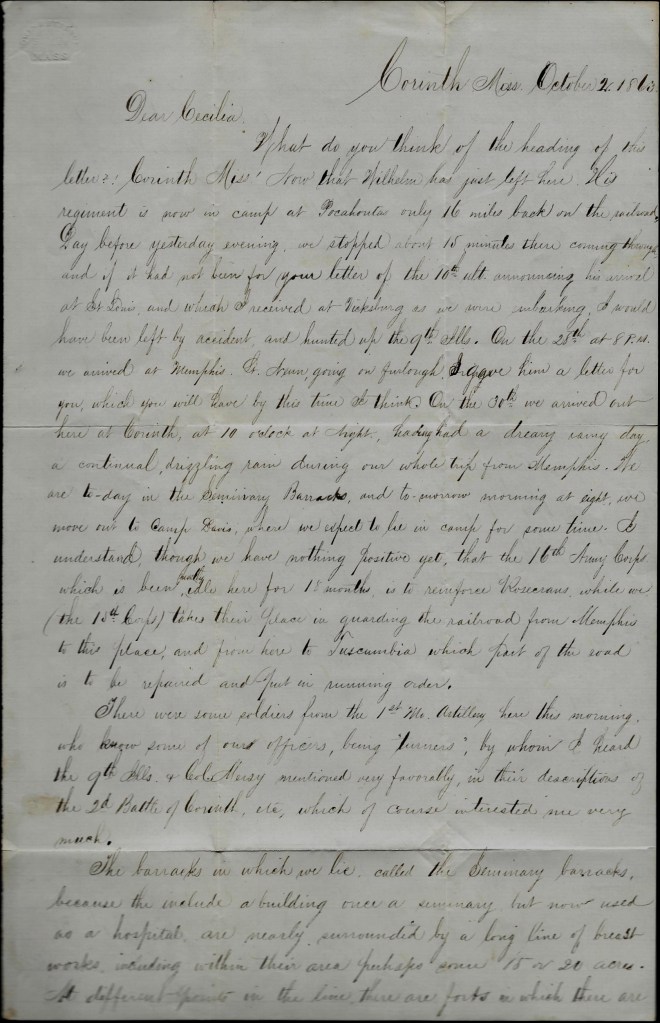


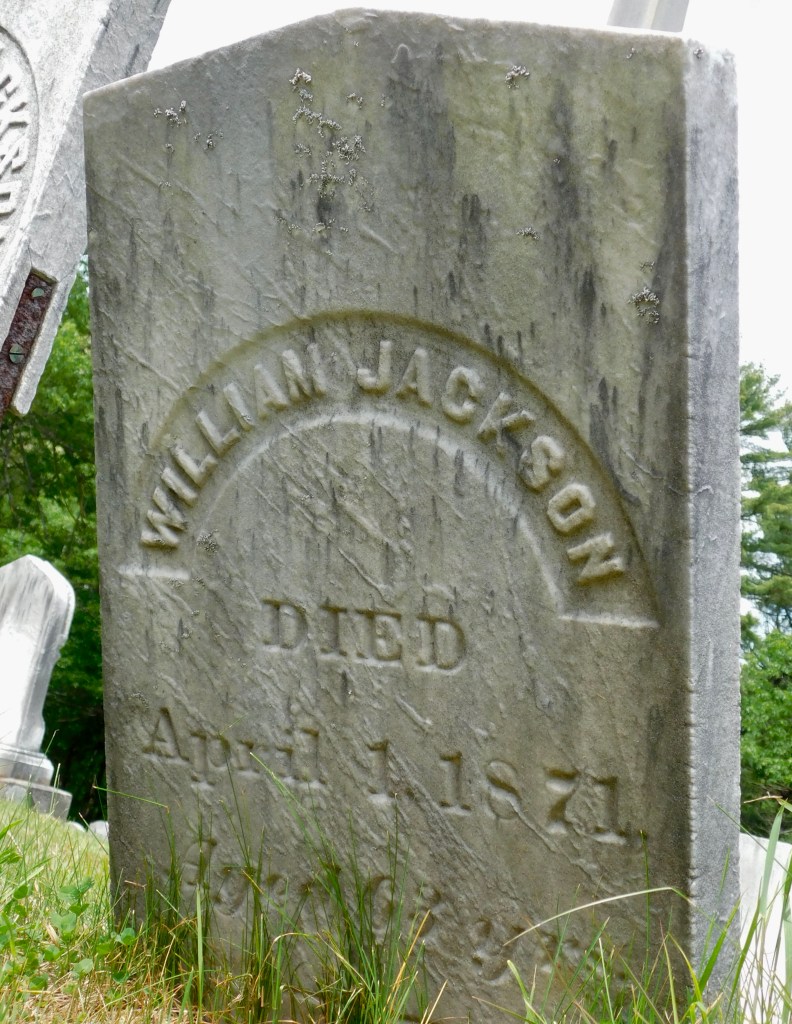
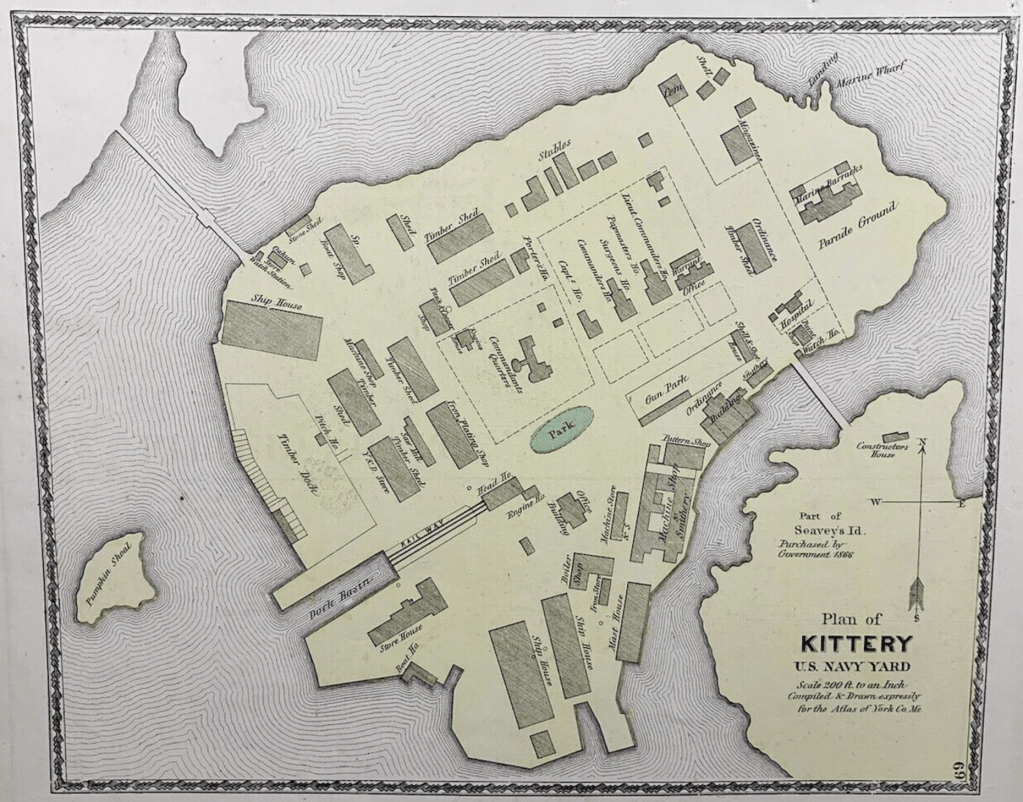

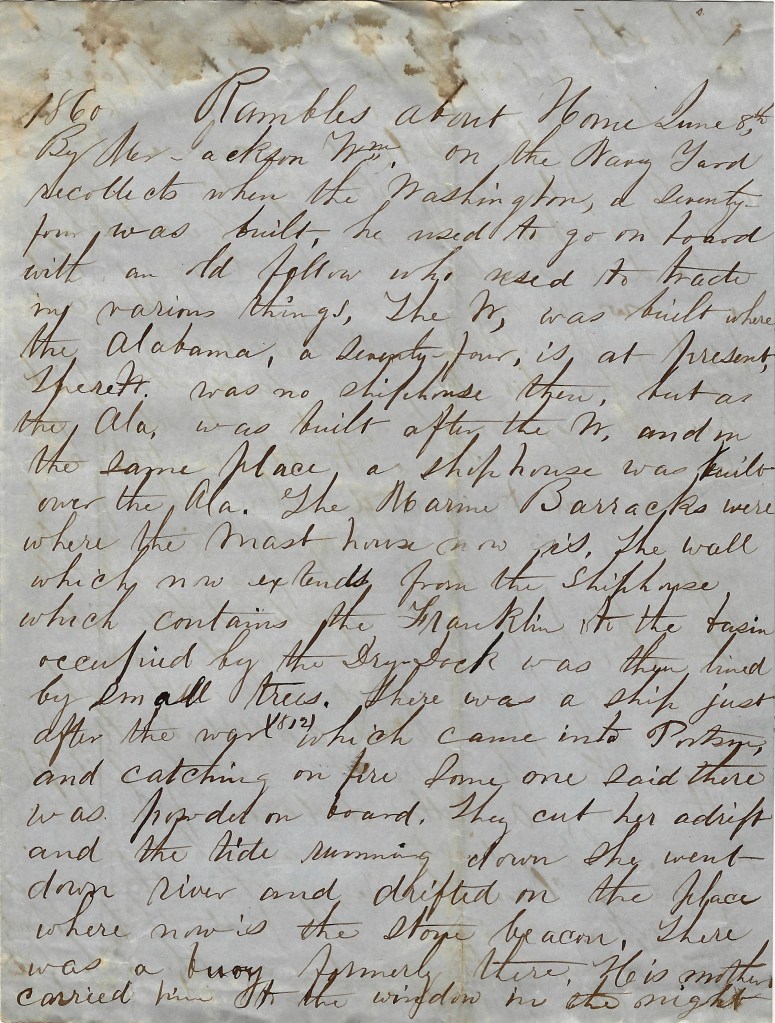


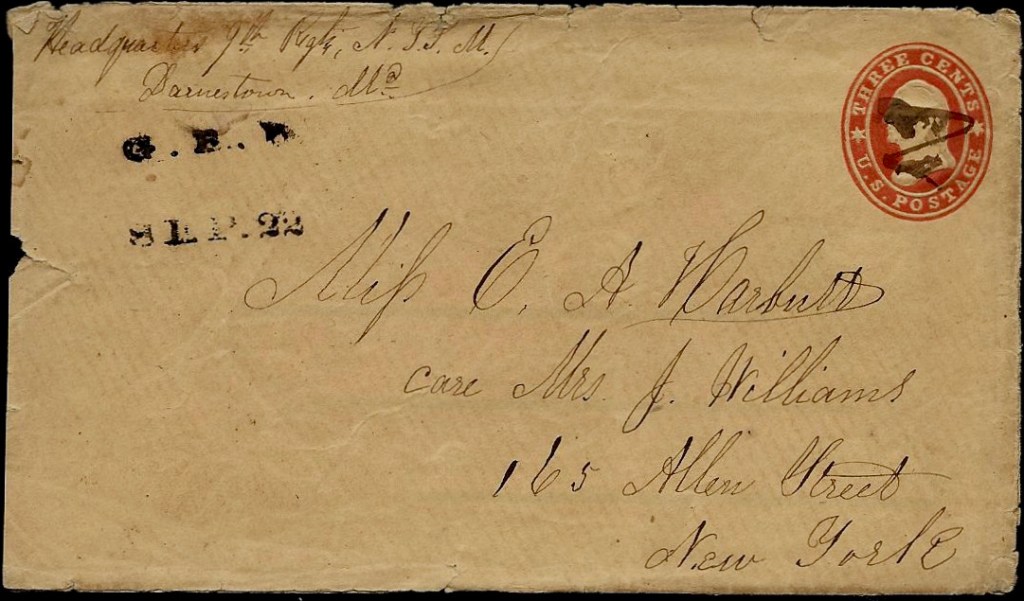
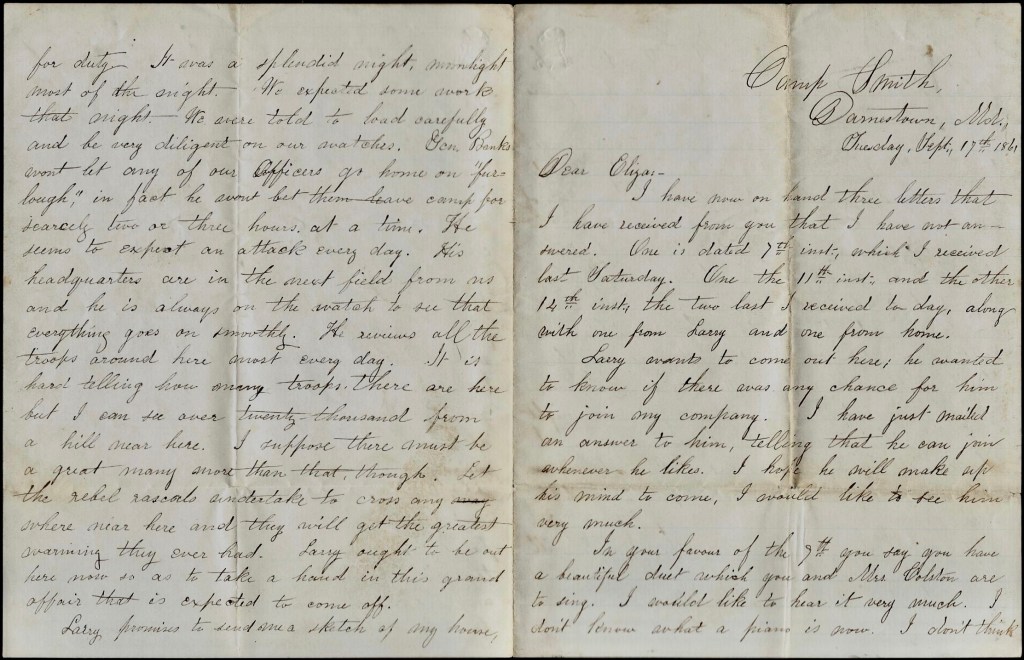


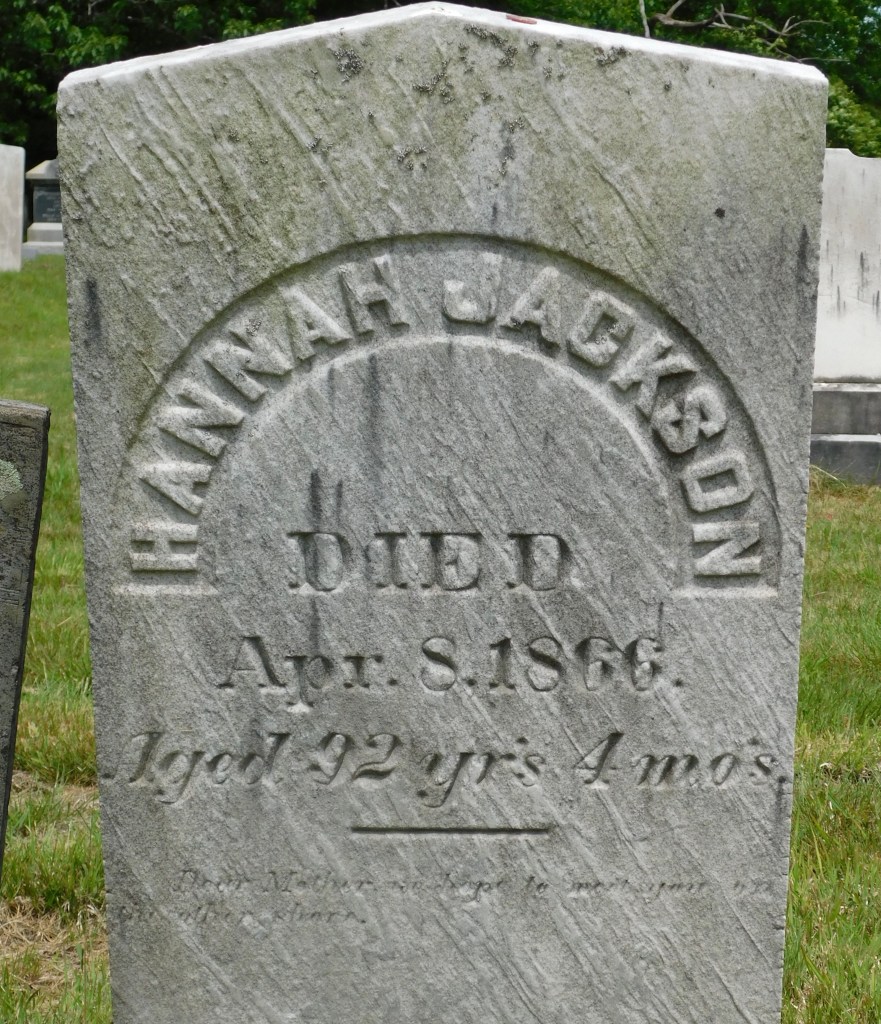


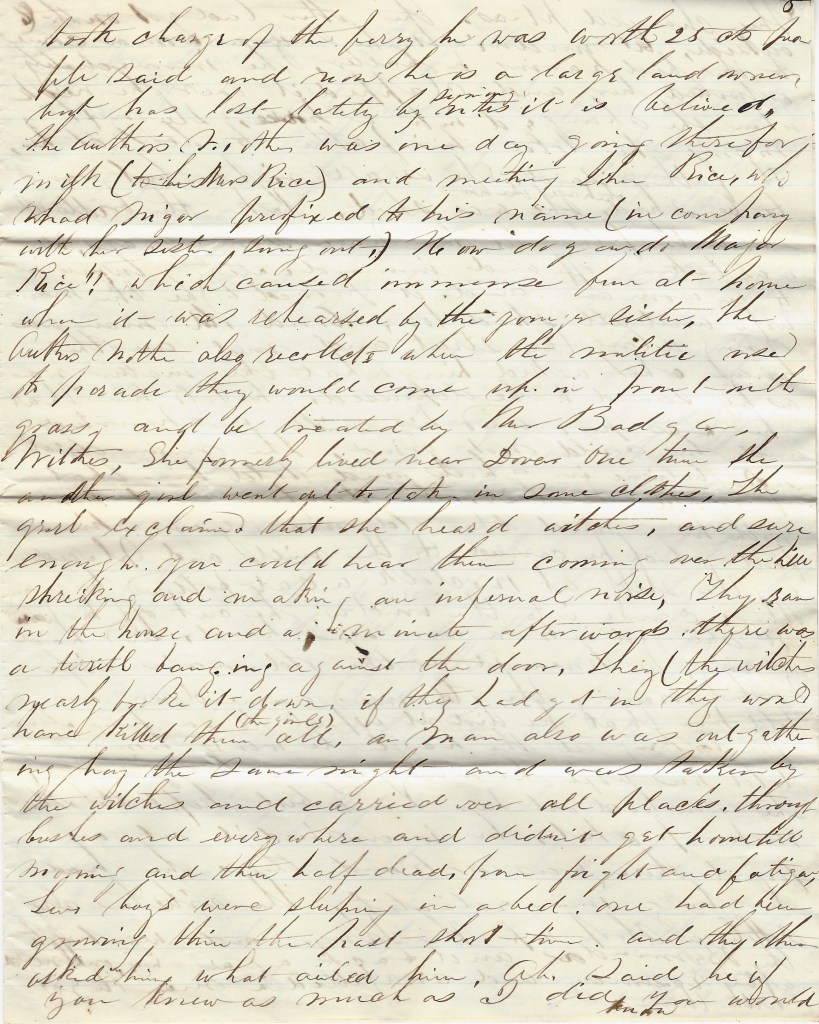
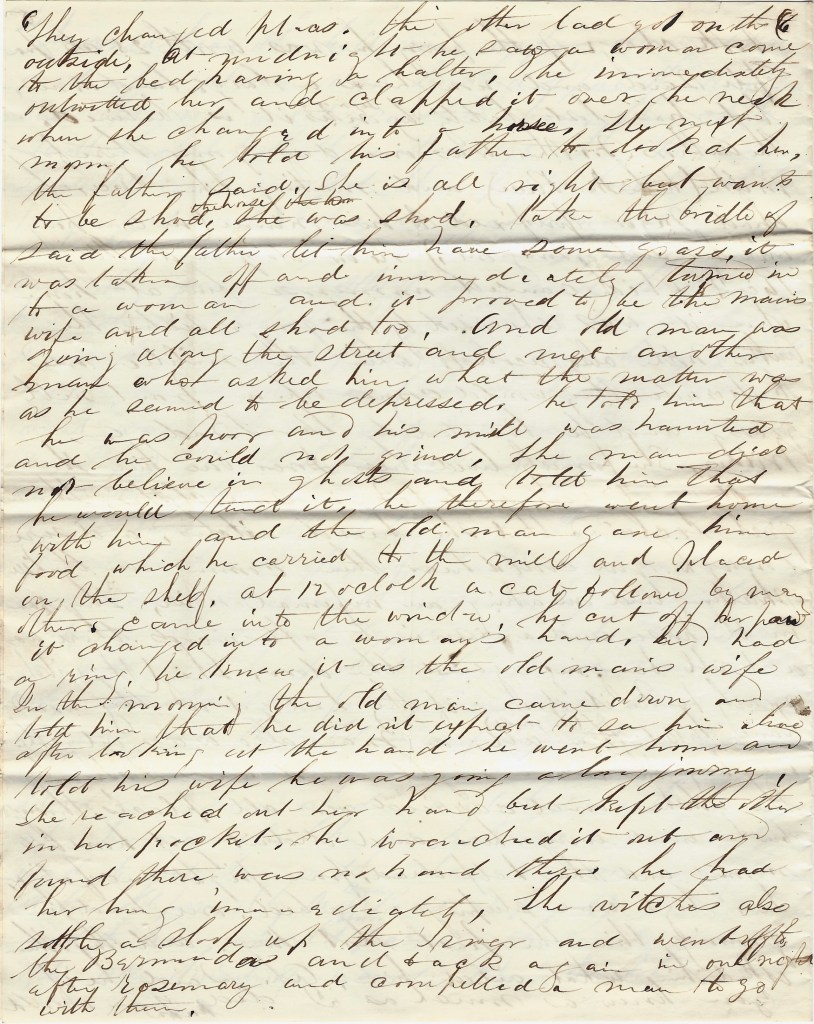


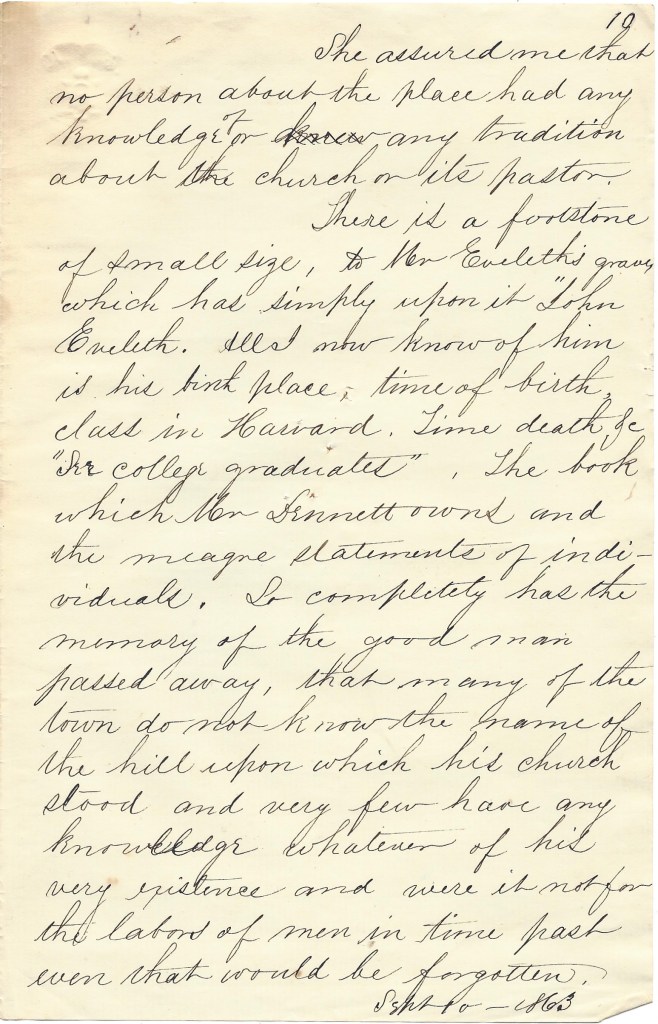
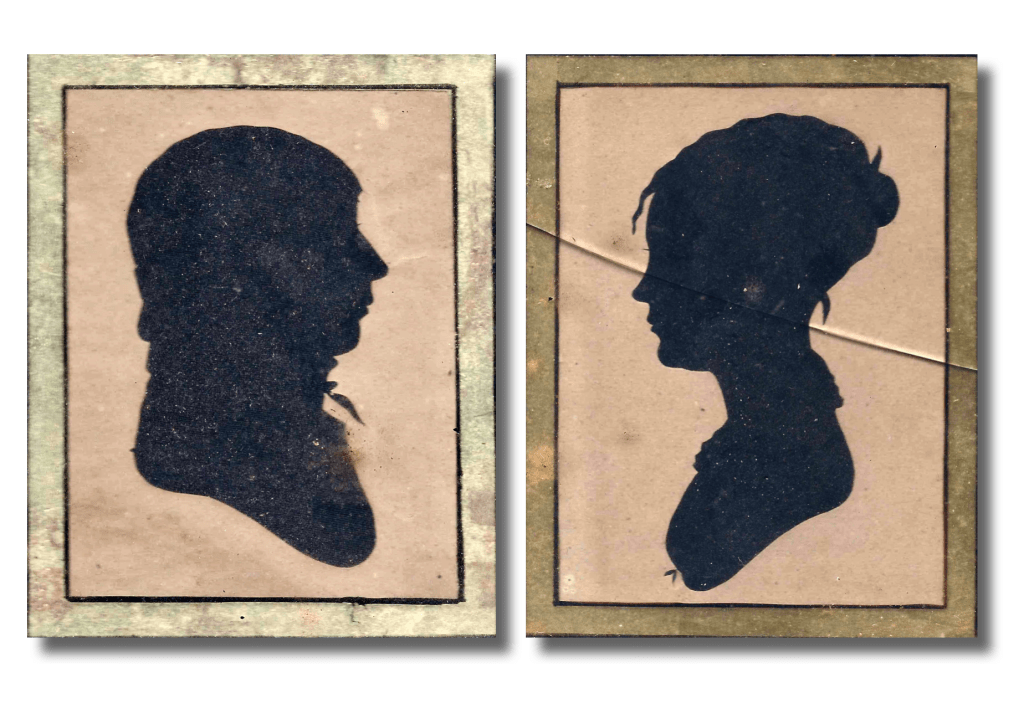

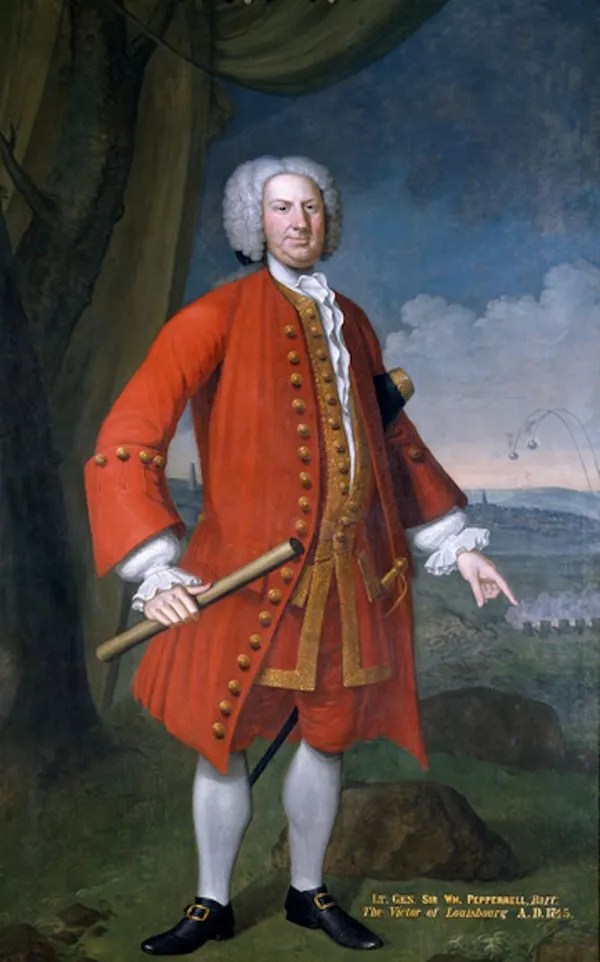


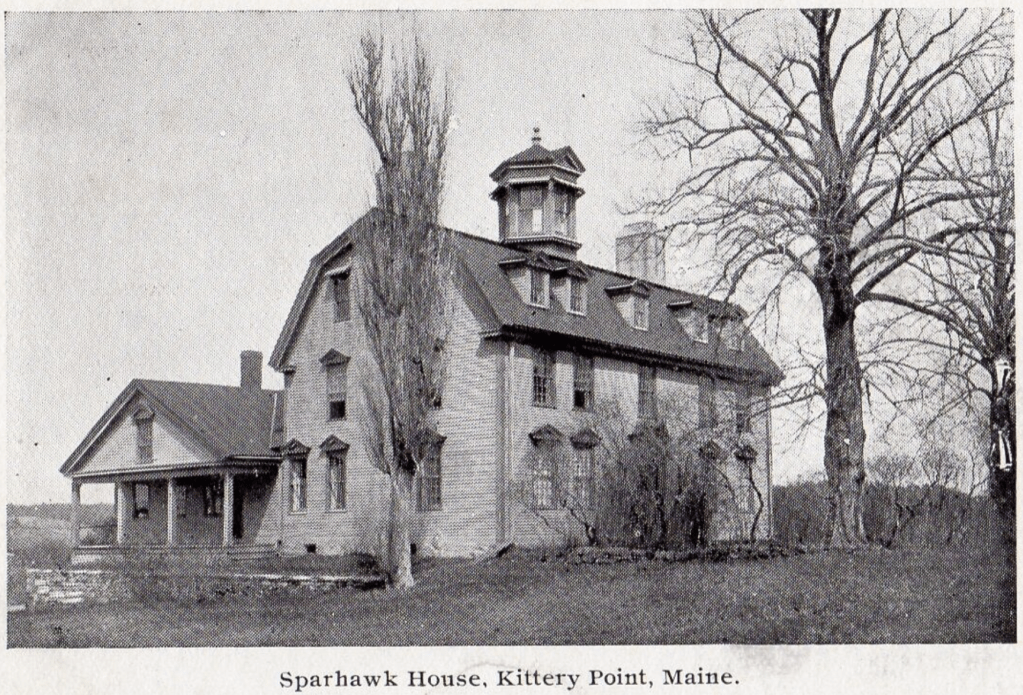

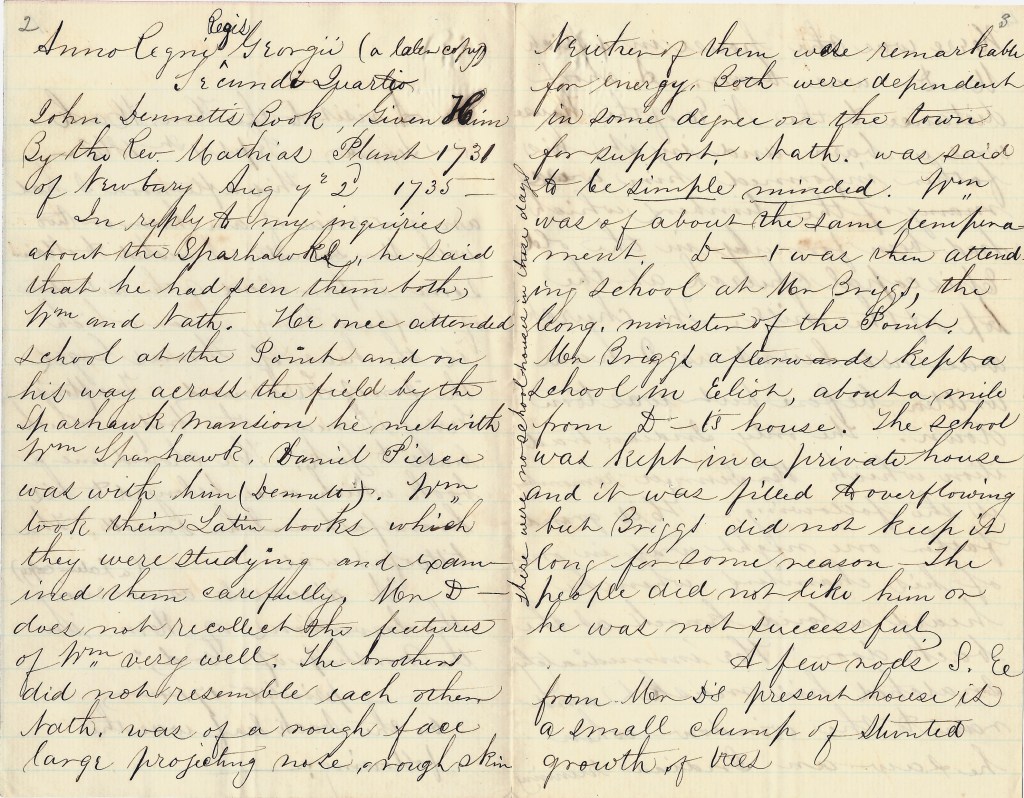


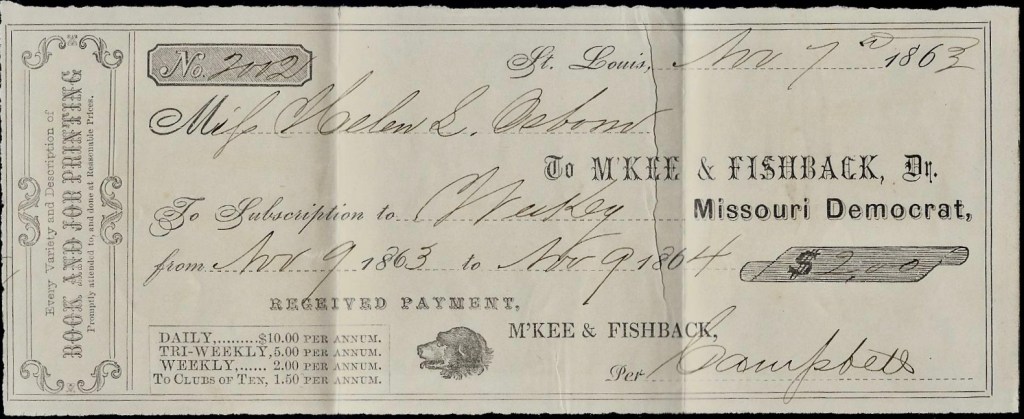


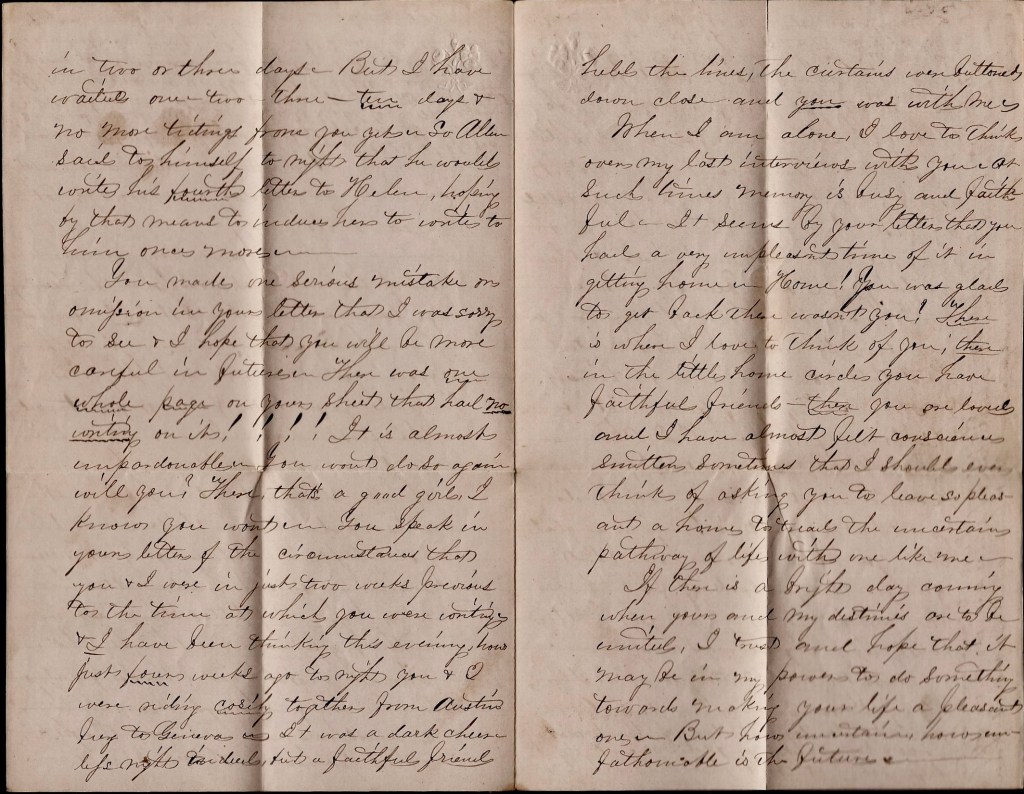
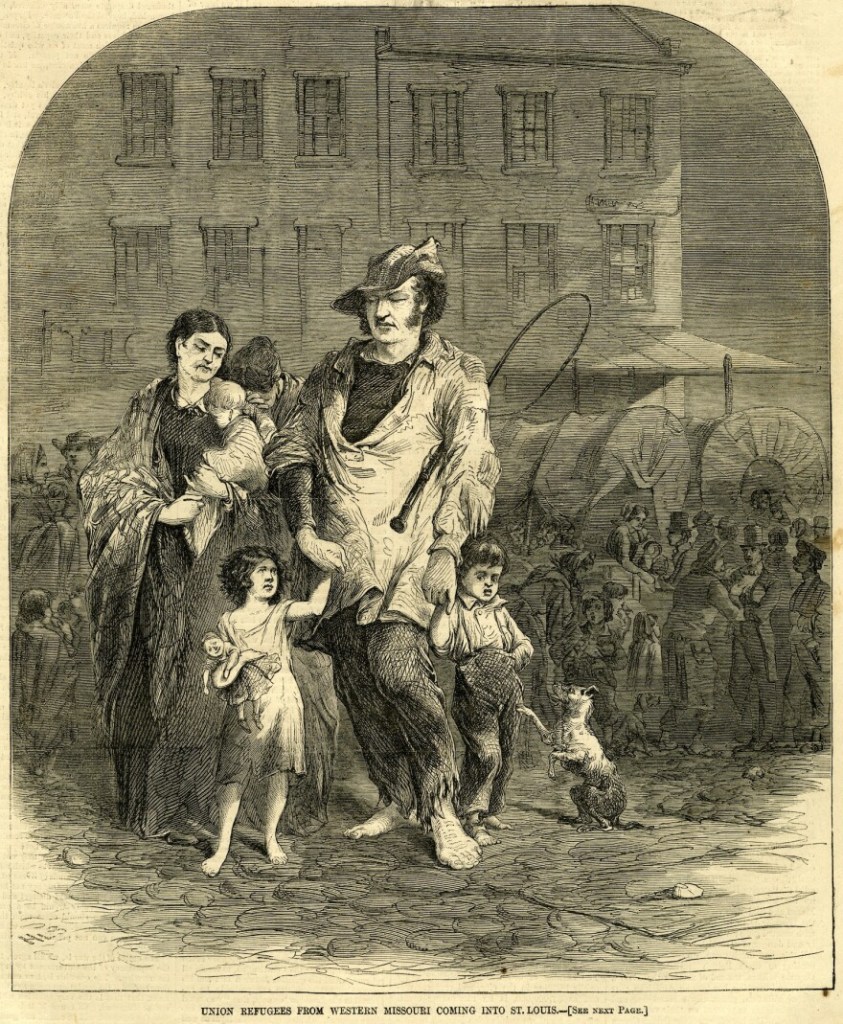
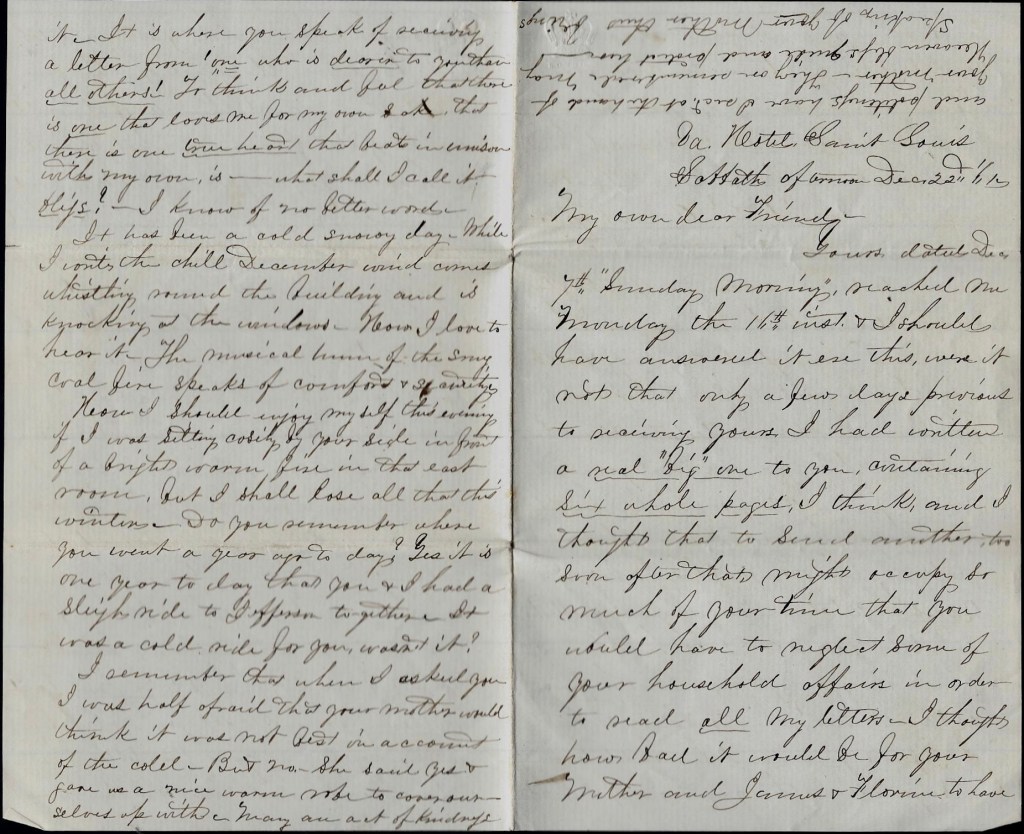


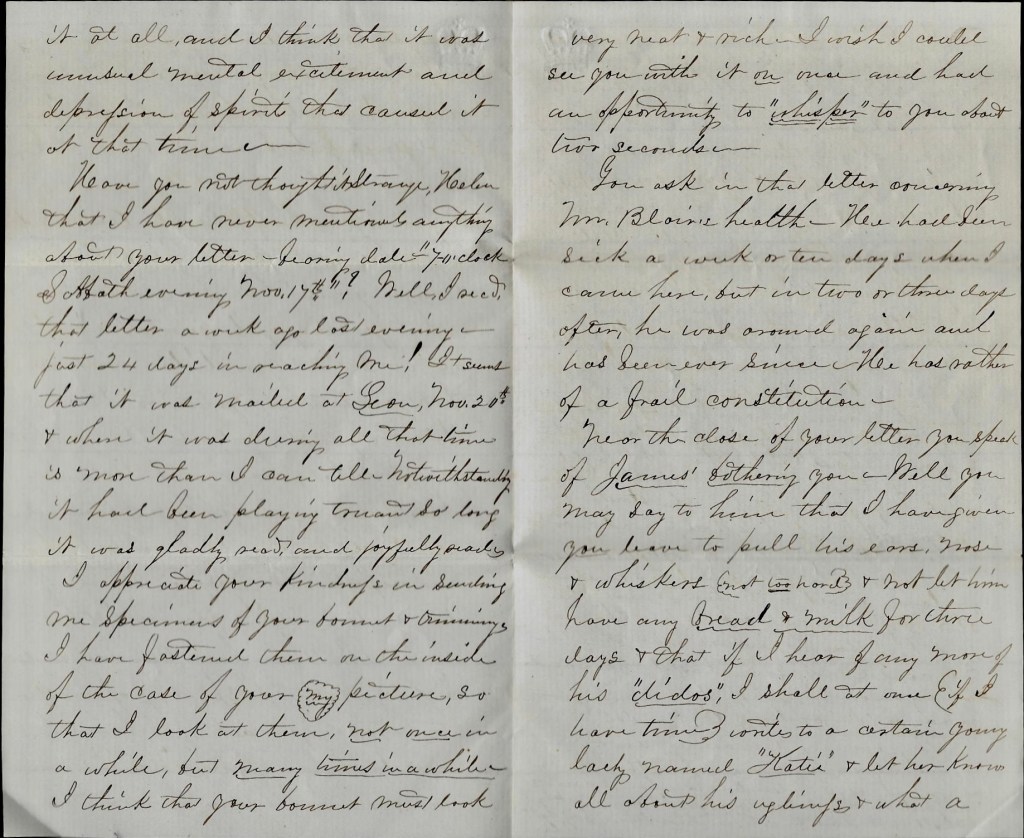

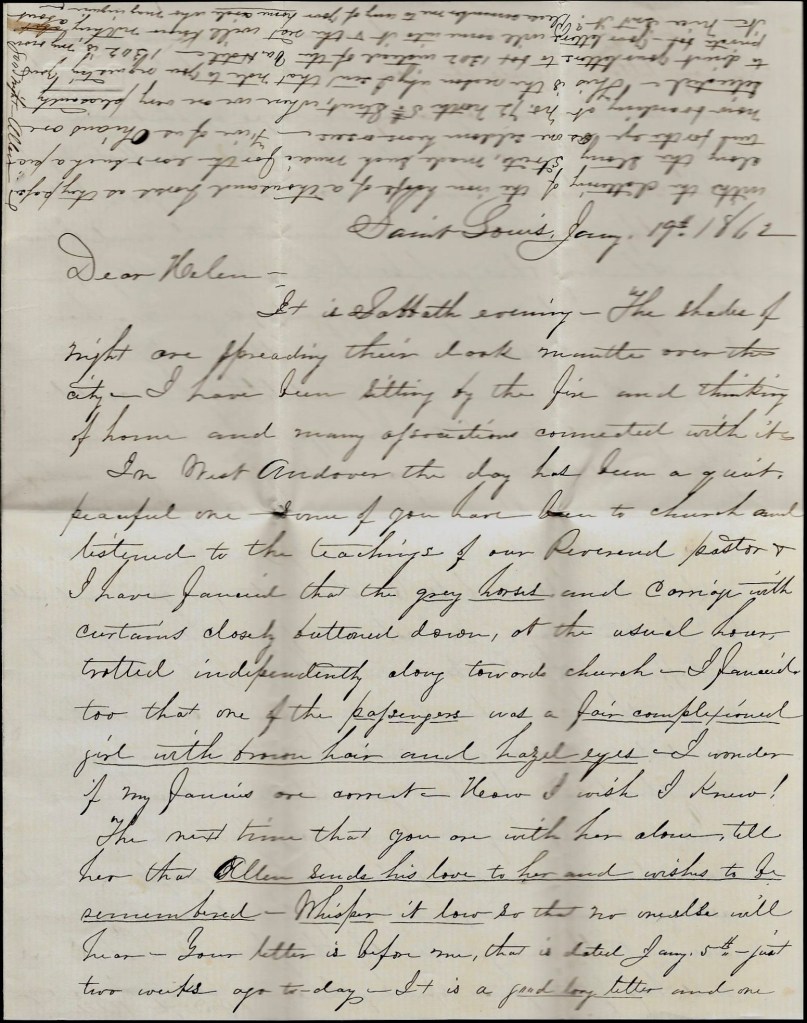
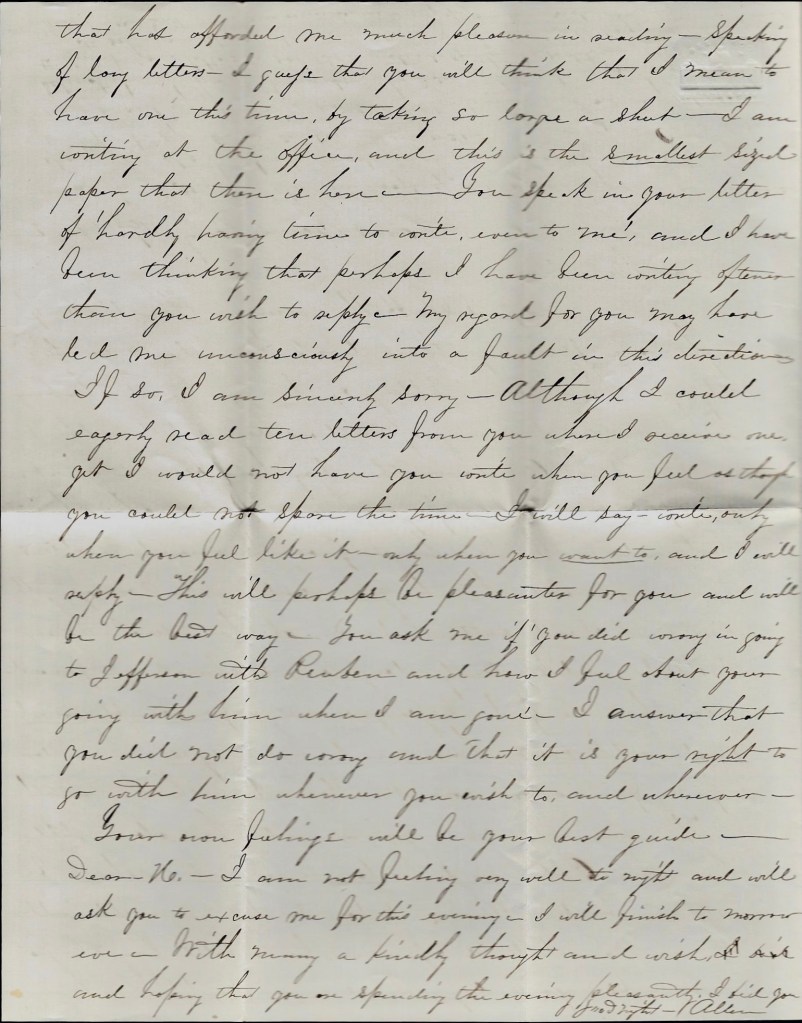


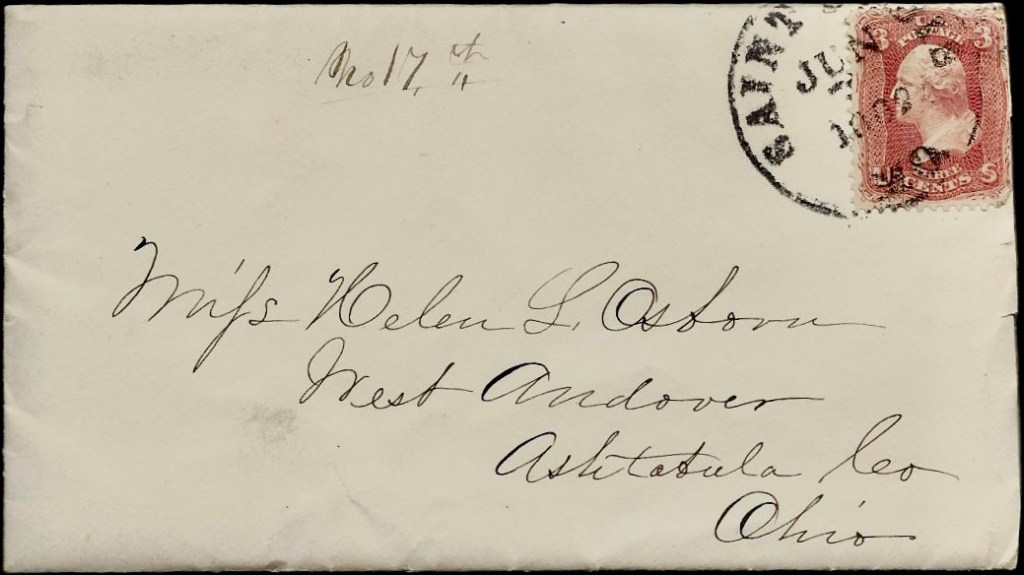
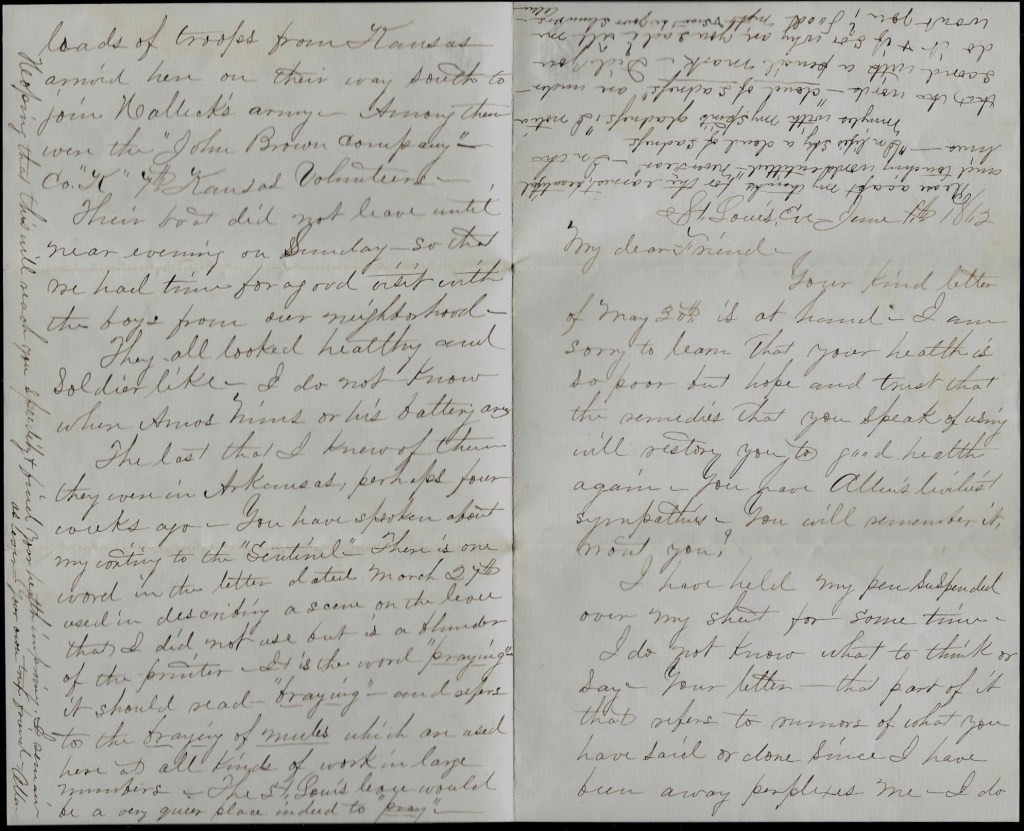


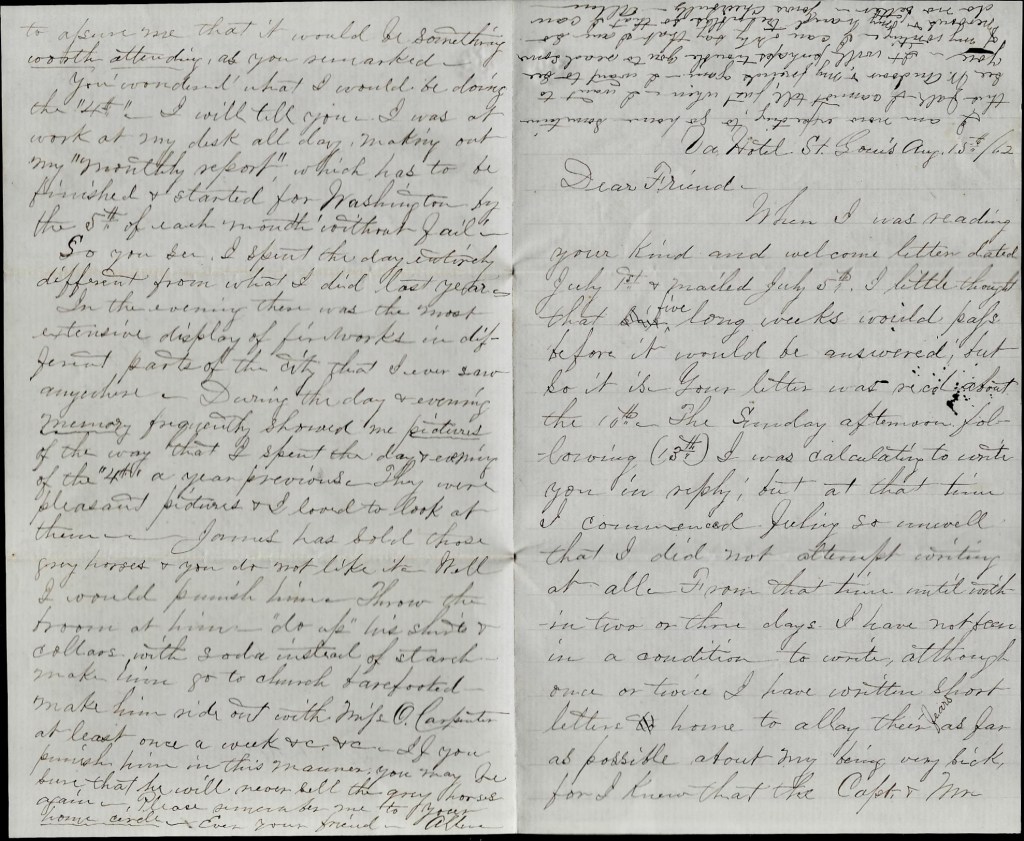
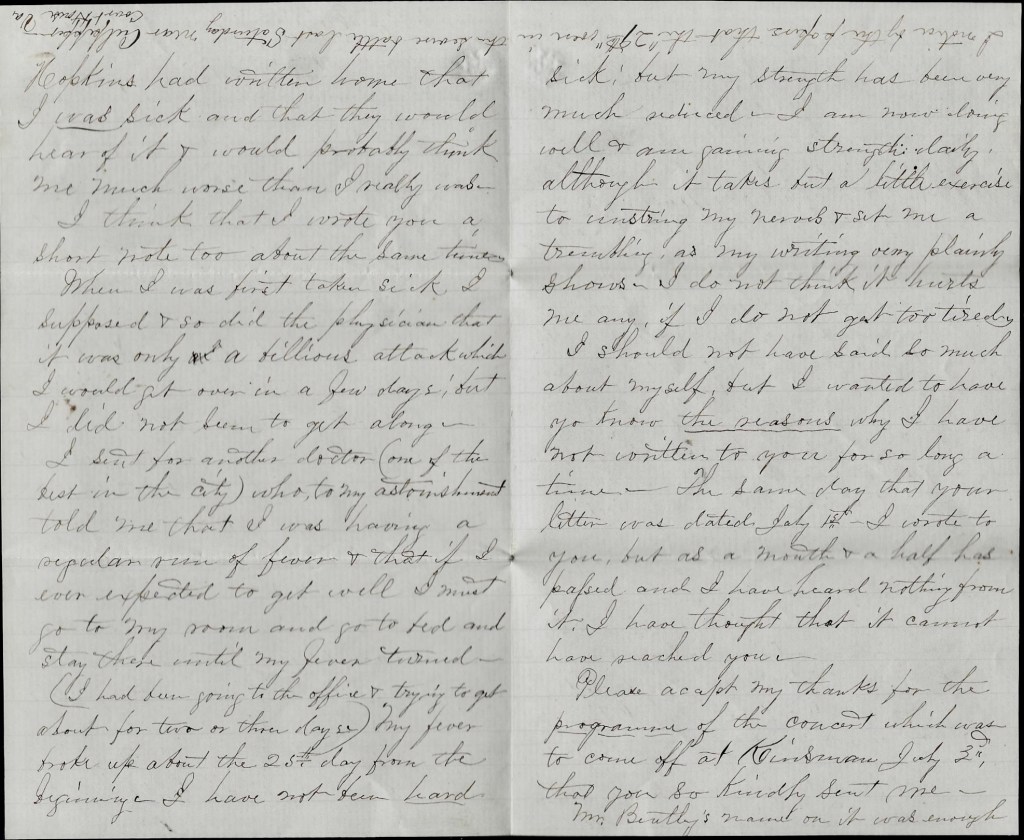
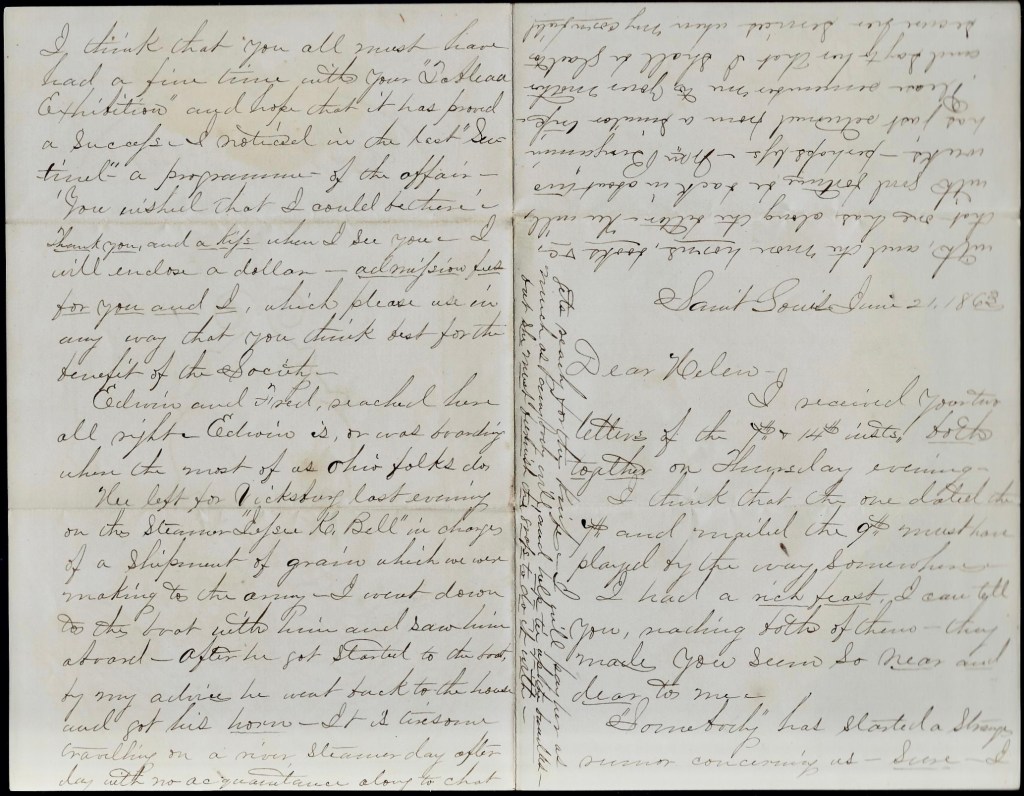
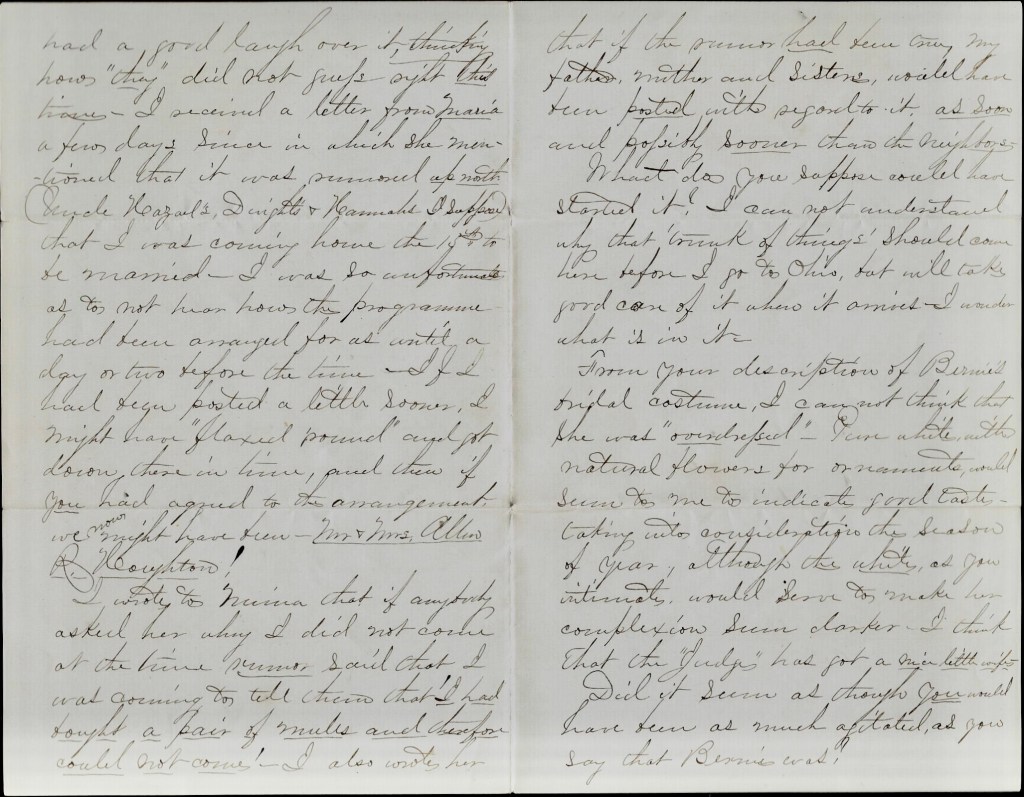

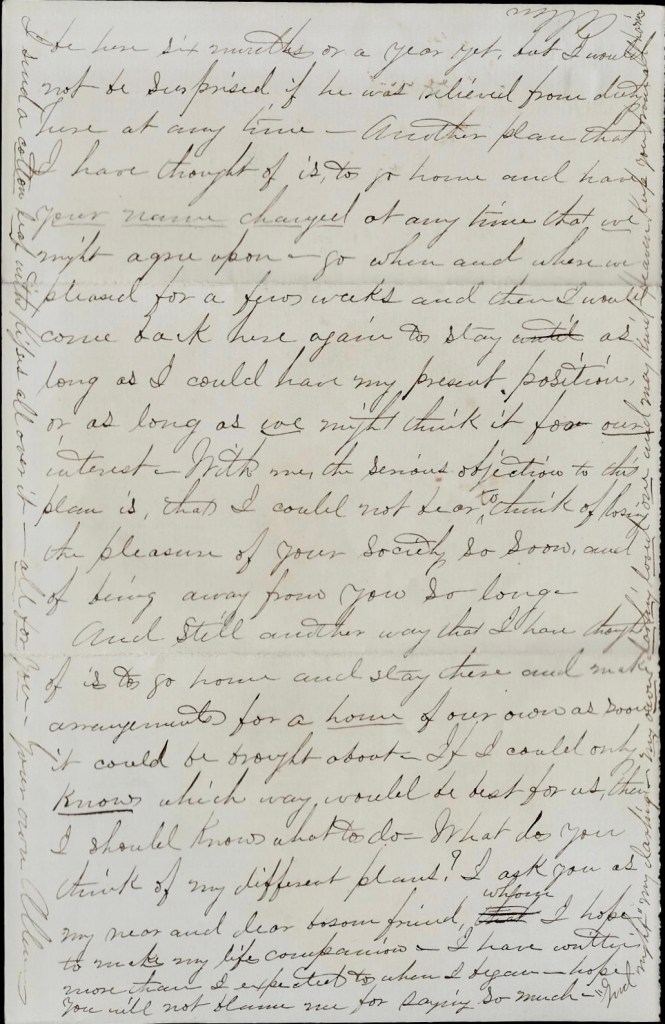


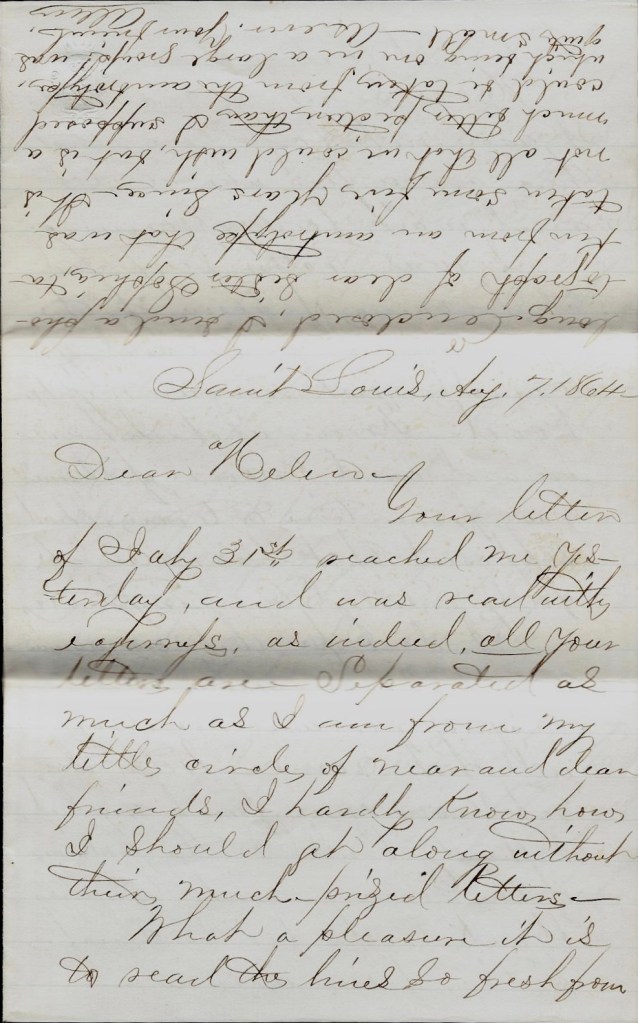
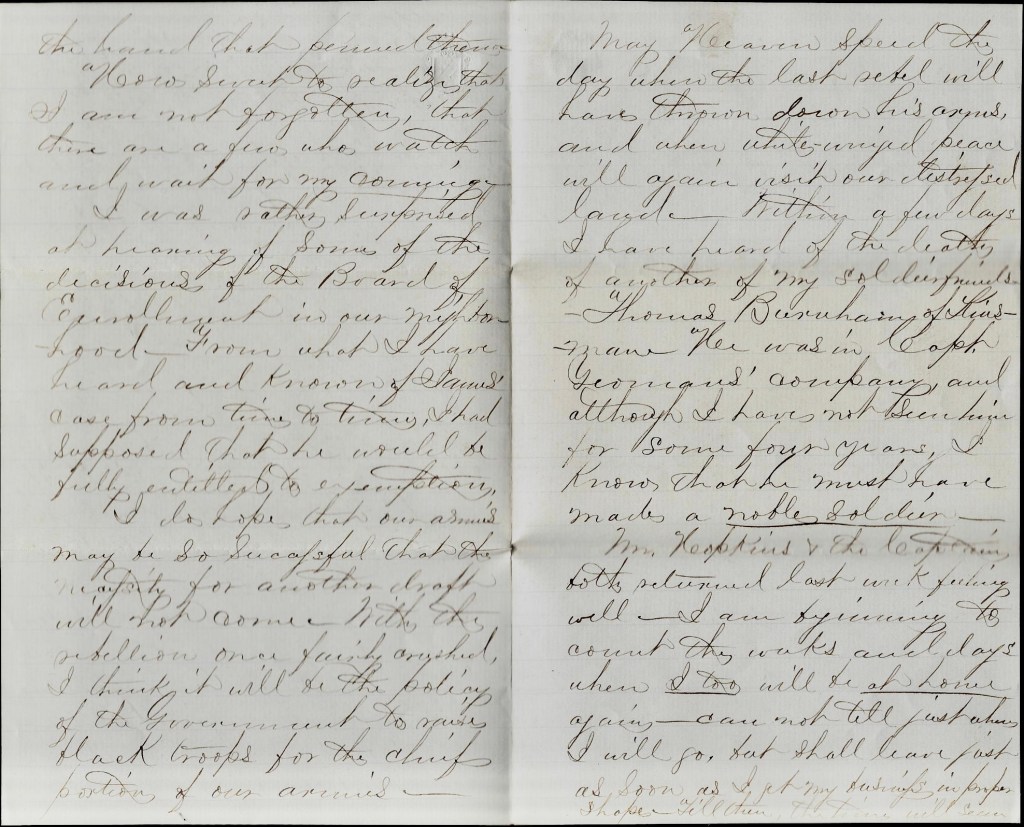

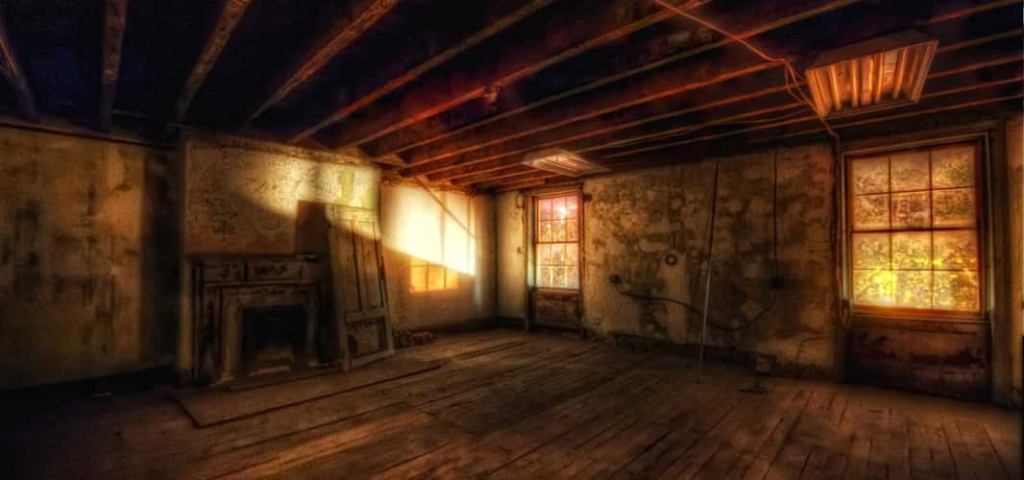
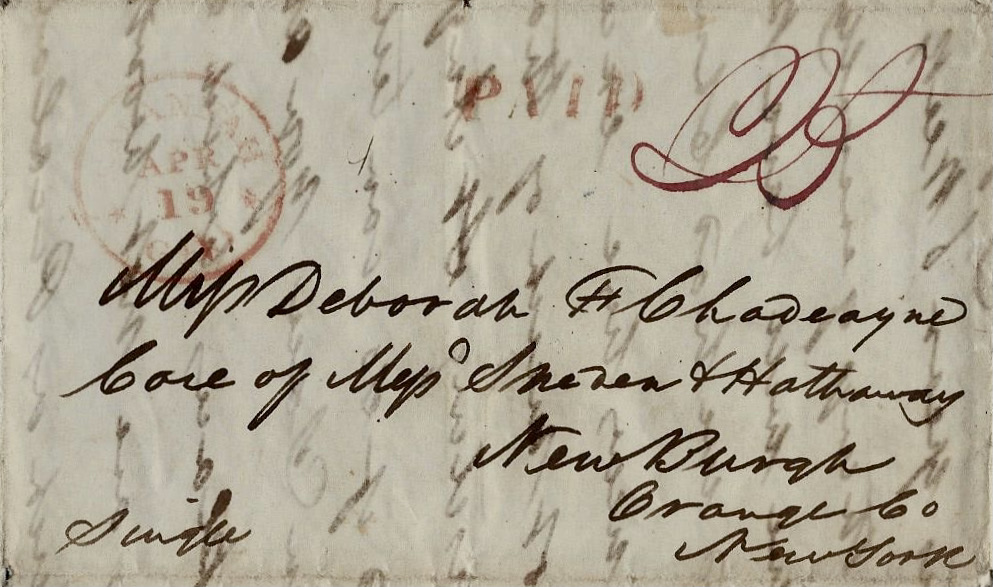


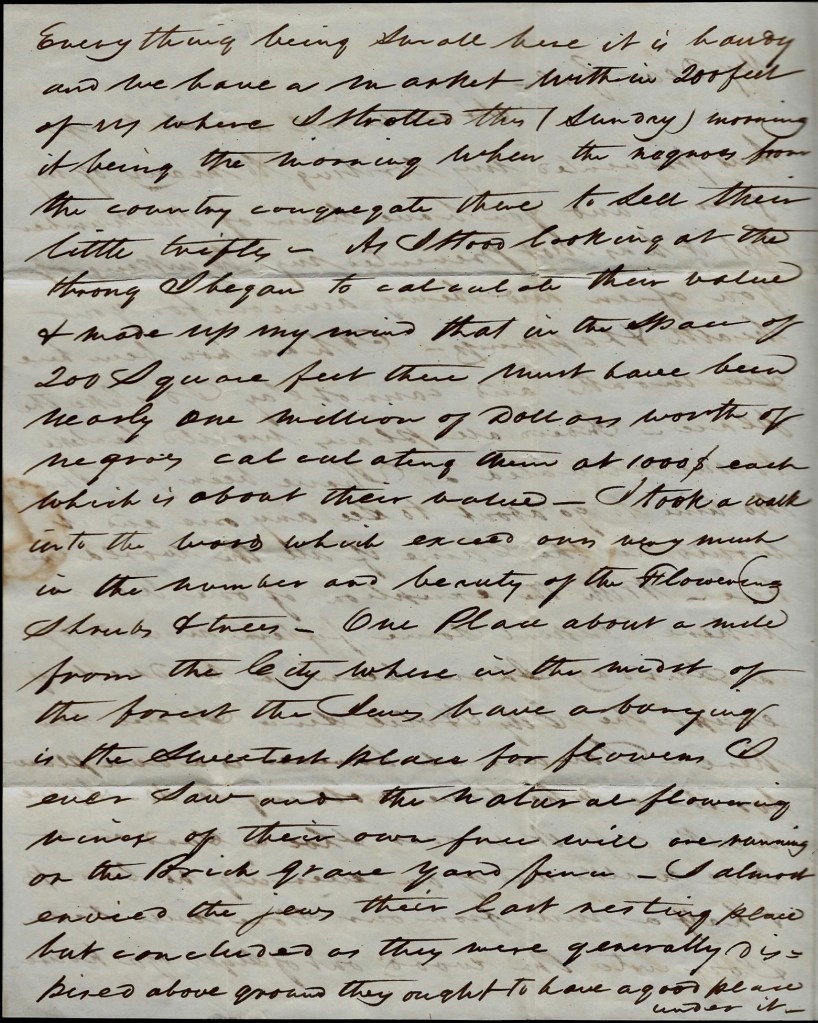
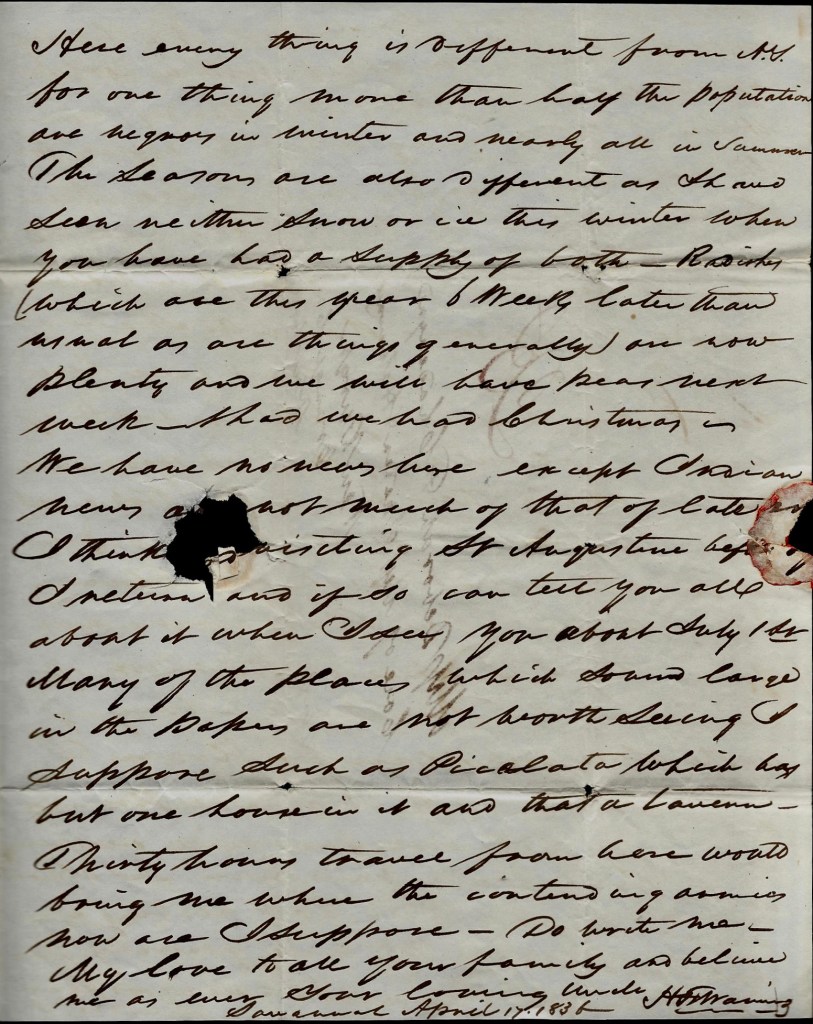


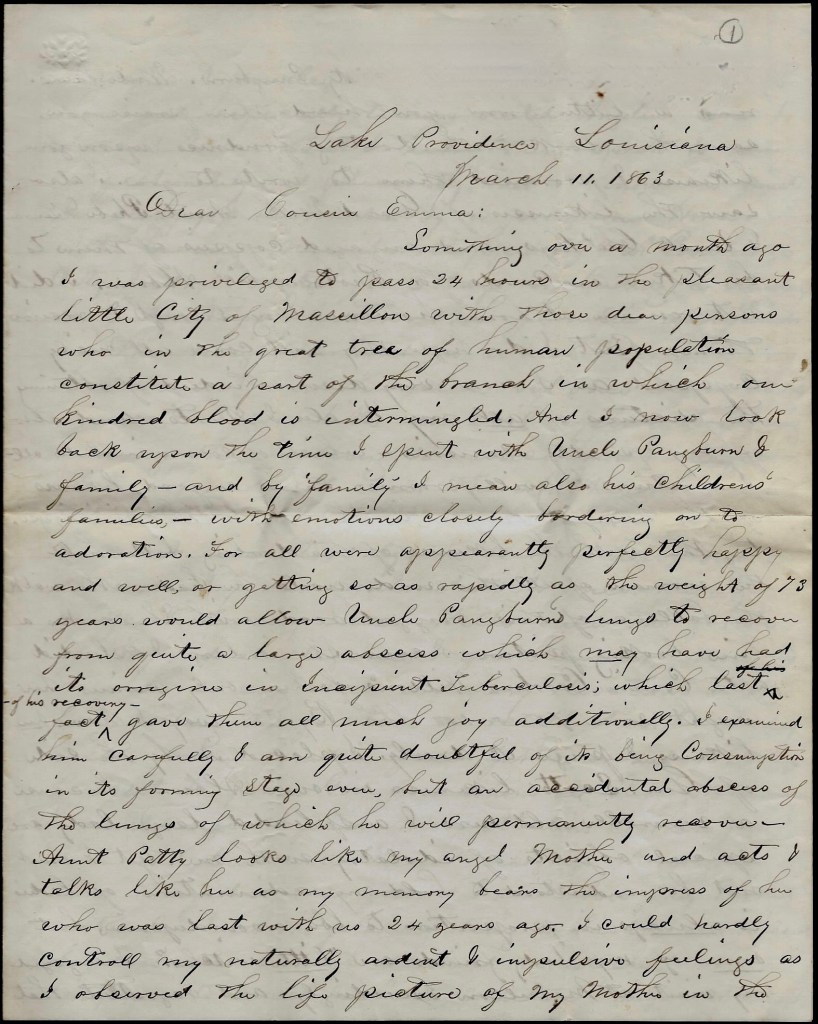


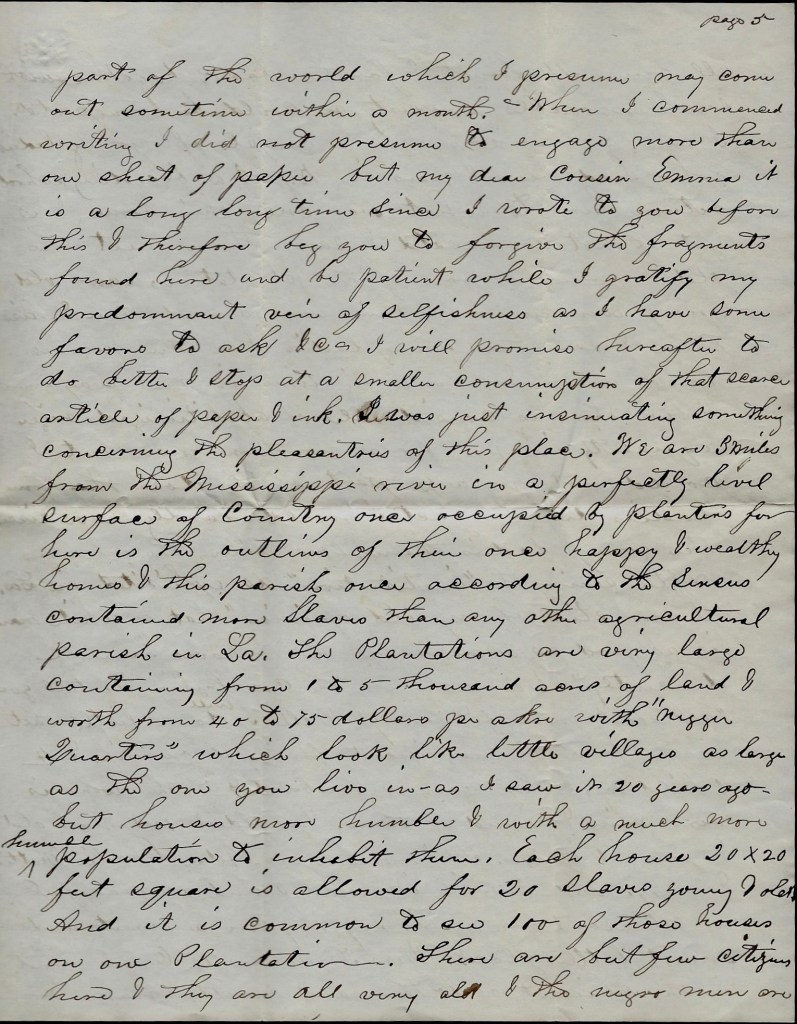

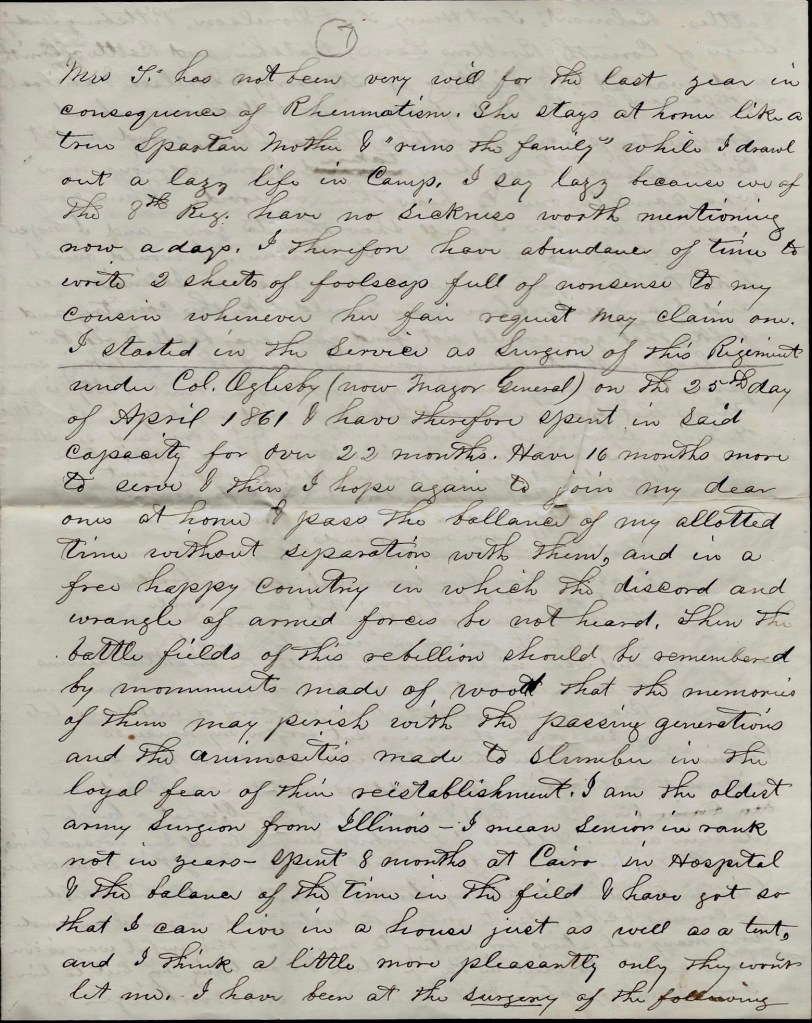


 Spared & Shared 23