My passion is studying American history leading up to & including the Civil War. I particularly enjoy reading, transcribing & researching primary sources such as letters and diaries.
The letters of South Carolina Cavalryman James Michael Barr to his wife Rebecca offer an excellent example. Barr enlisted as a private in the 5th S.C. Cavalry Regiment in January 1863, just as the fortunes of war began to turn against the South. After serving more than a year in its native state—away from the great battles farther north—the 5th S.C. Cavalry was called to the killing fields of Virginia.Published in 2001
The following letters were written by J. B. Williams of Co. K, 5th South Carolina Infantry. The 5th (also known as Ferguson’s) Regiment S. C. Cavalry was formed by the consolidation of the 14th and 17th Battalions S. C. Cavalry and Captain Harlan’s and Whilden’s Independent Companies in January 1863. Williams had enlisted in Capt. Harlan’s company in March 1863 at Pocotaligo. Although officially designated a regiment, the companies remained dispersed at various locations along the South Carolina coast.
In January 1865, the 5th SC Cavalry was reassigned to Wheeler’s Cavalry Corps, Army of Tennessee, CSA, and returned to Columbia, South Carolina, under Lieutenant General Wade Hampton to check the advance of Major General William T. Sherman’s troops from Georgia. Thereafter, it was involved in continuous skirmishing with numerically superior Federal forces as they moved inexorably north from Columbia, then across northeastern South Carolina, and finally into central North Carolina. The 5th SC Cavalry participated in the final battle of the Carolinas Campaign at Bentonville, North Carolina, and provided the escort for General Joseph E. Johnston when he met to discuss surrender terms with General Sherman at the William Bennett House near Durham Station, North Carolina, on 17 April 1865. The regiment was included in the surrender of cavalry troops at Hillsboro, North Carolina, on 27 April 1865, and its remnants were officially disbanded at Greensboro on 2–3 May 1865.
Letter 1
[Editor’s Note: It’s clear that Josh was a young slave of J. B. Williams brought along to perform camp duties and tend to his master’s horse. ]
Kenansville, North Carolina September 22, 1863
My dear Sister,
I received your kind letter by Dr. Walker in due time and was truly glad to hear from you and that all was well at home. There is nothing new has transpired in camp of any importance. All seem anxious to get marching orders to go to Charleston and leave this place as none of our boys can get along with the North Carolinians. They just hate us like rattlesnakes. I don’t know the reason why unless they think we are above them.
I received the things you sent by Walker and was glad to get them. I got my whiskey in the right time for Josh. I have been giving about 12 dollars a quarter and mean whiskey at that. Josh has got typhoid fever now as I said in one of my letters. I think he will be up in 4 or 5 days. He is much better now than when I wrote. But when anybody has this fever, they require a good deal of attention for there is no telling when they will get well or worse. I have got a good room for him which is much better than a tent. I have a good notion to send Josh home when he gets well as he cannot tend to my horse the way I would like for him to do and then he is almost too small.
Old Major Jackson says we shan’t have any furlough nor be paid off until we pay for the sheep. He wants the whole camp to pay for them officers and Old Gen. [William H. C.] Whiting says the same thing. I had nothing to do with the sheep and I will not pay for it. The other day I lent Jim Miller my horse to take him up to Magnolia to get his feet [hooves] cut off. They were too long that he could not walk good. I had to tend to Josh and could not go. He went up there and I suppose he got a little tight and let the train run against my horse and broke his tailbone which I would not have had it done for three hundred dollars. He cannot raise his tail anymore. It has ruined him. I don’t expect he will ever be able for service anymore. I believe I will trade or sell him. Whichever I can make the most at I will do.
You spoke of the flannel shirt that I sent home. I don’t believe I want it as I would not have but one and when I would take it off, I would catch cold.
Dan Moore got a furlough but he got his from Gen. Whiting. He never could get it from Jackson if it had been left to him. The way he got it was that he had business with Col. Miller and he was at home at that time. I must now close by begging you to write soon. Give my love to all and remember me to be your affectionate brother, — J. B. Williams
Letter 2
Camp near Ream’s Station July 18, 1864
My dear Father,
I received your kind letter of 26th on yesterday and was very glad to hear from you and that you was well. There is nothing new in camp worth writing to you all. [It] is quiet at this point. We are stationed here about 3 miles from Reams Station. The mounted men are about the same distance from here. They keep on a running about. I think our party will be the most numerous. Our horses back in the rear fare worse than those in front so far as something to eat for them.
I received the money you sent to me and was very glad to get it for I was needing it very much. I will write to Sam Melton today to look after [my slave] Jeff. I expect Jeff has hired himself out to someone in Richmond. The last I can hear from him is that he and nine sick negroes were at the Gisk [?] River Depot sick with measles. Some of our boys seen him there but did not have sense to take him away.
I wrote to you a few days ago in which I stated I thought my horse would die but after getting another, I don’t know whether I will ask you to get me another one or not. If I could get in some artillery [unit], I would like it much better. I would like to get in [John T.] Kanapaux’s Battery 1 but I don’t suppose that they would transfer anyone from Virginia to South Carolina. I must [illegible due to paper crease].
Write soon. Give my love to all and remember me to be your affectionate son, — J. B. Williams
1 The Lafayette Light artillery was formed late in 1861 with about 60 officers and men. It was first stationed at Fort Pickens (stono), then was assigned to the Dept. of SC, GA, and Fl, & was active in the Charleston area and in various locations in SC. During February, 1865, it totaled 81 effectives and in April was attached to C.L. Stevenson’s Division, Army of TN. Captain John T. Kanapaux was in command.
Letter 3
Columbia, South Carolina February 10, 1865
My dear father,
I arrived safely in camp on yesterday and found our Brigade encamped about a mile beyond the bridge. It is rumored in camp that we will leave here tomorrow and go down and try our hand with Mr. Sherman. Refugees are passing every hour from the lower part of this state and it is reported the enemy are in Orangeburg District but I do not know how true it may be as we can hear most anything in camp that we want to hear.
The trip has not hurt my horse any. He looks as well as the day that he started. Tell William I will try & get him a pipe but they are so strict that anyone can hardly get one. They have just sent out a Provost Guard to arrest the men over in the city.
I must close by begging you to write soon. Give my love to all and remember me to be your affectionate son, — J. B. Williams
This letter was written by Aaron Frederick (“Fred”) Gilbert who was working as a clerk in Peoria, Illinois, prior to his enlistment as a corporal at the age of 20 in Co. A, 17th Illinois Infantry on 25 May 1861. At that time he was described as standing over 5′ 9″ tall and have brown hair and blue eyes. He rose in rank to Orderly of his company before mustering out on 4 June 1864 at Springfield. Though Fred’s letter requests he be discharged so that he might accept a commission in the 3rd Arkansas Cavalry, I can find no evidence that this was arranged.
Fred was the son of Henry William Gilbert (1809-1849) and Margaret Ann Fash (1820-1902) of Peoria.
After the war, Fred returned to Peoria where he kept a flour store. He was married to Mary Evelyn Speers (1842-1924) in October 1865.
Transcription
Addressed to Maj. Frank F. Peats, 17th Illinois Infantry, Rockford, Ills.
Galesburg, Illinois March 4, 1864
Maj. Frank F. Peats 17th Illinois Infantry Dear Major,
I returned from Springfield yesterday morning where I went (as I before informed you I was going) on the evening of the 2nd inst.
While in that city, I finally succeeded in getting your accounts for December correct when they were approved by Col. Oakes. The disbursing officer, however, being minus in the way of funds, I did not collect anything on them. They are all right though, and all that is necessary is to catch the disbursing officer in funds, when they will be immediately paid.
I think I will now have no trouble in making out the account for January and February and he said it would do to have but one set of papers for the time from the first of the year to the time of closing the office. I assure you, I was much obliged for the information. I have not yet commenced to make out the papers more than to prepare the blanks, but shall do so at once and will have them completed by Wednesday of next week.
In the meantime I wish you would write to Col. Oakes and request him to relieve me of duty on recruiting service immediately as I wish to leave this place by the day last above mentioned and to start south by the Monday following.
Abraham H. Ryan of Peoria, Illinois
My reason for this is Ryan (Abraham H. ) 1 has written to me and has offered me a commission in his regiment and wants me to come along as soon as possible. So you see the necessity of me being relieved of duty here and of starting south at the earliest possible moment. I will consider it a great favor if you will attend t this at once, upon the receipt of my letter, and also request Col. Oakes to order me to report to someone at Little Rock if he can do so. Whether he can order me there or not, it will at least do no harm to try. Maj. Norton is in the office there and if you should write him about it, he may be of some assistance.
You may rely upon my having your accounts in order by Wednesday the 9th.
While in Springfield, I saw Capt. Robson and party and also Lieutenants Stockdale and Mitchell of Company K. The captain and party have all been detailed for duty in Springfield, himself and Glass reporting to Gen. White and Dickinson and Goodwin as clerks in Oakes’ office. This was done at their own request as they did not wish to return south because their term is so near out.
Stockdale was down with four recruits. He has enlisted forty-two altogether—about one half for our regiment. I did not have any conversation with him, but merely had time to shake hands with him as he came into the dining hall at the hotel. Lt. Mitchell was sent North to take charge of recruits. He is reporting to Gen. White and does not expect to return to the regiment.
There is nothing of special interest to write about in Galesburg or vicinity. Hoping you will write to Col. Oakes without fail or delay, I remain with best respects to yourself and Mrs. Peats, yours truly &c., — A. Fred. Gilbert
1 Abraham H, Ryan of Peoria, Illinois, was mustered into Company A, 17th Illinois Infantry as a first lieutenant in May 1861. Promoted to captain, Ryan mustered out of the 17th Illinois on February 10, 1864, having fought at Forts Henry and Donelson, Shiloh, and through the Vicksburg campaign. On the day he mustered out of the 17th Illinois, Ryan enlisted in the 3rd Arkansas Cavalry at Little Rock, assuming command as the regiment’s colonel. He was mustered out of the 3rd Arkansas on June 30, 1865.
This statement by Allen Hall (1815-1864), a neighbor, may have been submitted in support of a challenge to the Last Will & Testament of Elam Smith (1788-1859) of Greene County, Alabama. According to the Will that he executed in August 1858, Elam declared that he, having heretofore provided for his older children, intended to give the whole of his estate to his current wife and her children—Elam Smith and Franklin Smith. He also gave $1,000 to his daughter Sally Smith, the wife of Charles Stephens. All the rest of his estate—lands, negroes, stock, money and effects—were left to his wife, Mary (Harris) Smith and the aforementioned son. My hunch is that Elam’s daughter, Sally, and her husband, John Stephens, challenged the Will following his death in 1859.
Elam Smith was born in North Carolina in 1788. His first wife’s name was Cynthia Green (1786-1850). His second wife’s name was Mary Harris. Their sons, Elam Smith and Franklin Smith were born in 1851 and 1853, respectively.
Allen Hall was a farmer in Greene county, Alabama. He was a native of Tennessee. I have no other details on his death except that he was killed in action at the Battle of Mobile o 10 September 1864.
[Note: This document is from the personal collection of Greg Herr and was transcribed and published on Spared & Shared by express consent.]
Transcription
I have known Mr. Elam Smith and have lived within one mile of him for the last 16 years. Have heard him say that he intended to give John Stephens a certain family of negroes. This was in his first wife’s lifetime and during his widowhood. Don’t recollect of ever hearing him repeat the same words after he married his last wife. During his widowhood, I have heard him say that he thought it would be wrong for him to marry—that he wanted his children to have his property and that if he was to marry, the law would give his wife a good portion of his property.
For some years years after his marriage, he said little or nothing to me in regard to his property. Some three years back he would say to me when not in good health and also in health that he intended to make a will and for the last twelve months before he did make his will, I seldom saw him or his wife either together or separate but what something was said about his property.
He told me about ten months before he made his will that he had sent his grandson Thomas Hill word by his mother that he had the bad luck to lose his only negro that he owned and that if he would come and attend to his business for him, he would pay him good wages and leave him a negro when he died. For several months previous to making his will, I have heard his wife say to him that he was always talking about making a will and she was afraid that he would never do it. Once or twice when he would be chatting on the subject, his wife would say to me, “Mr. Hall, do persuade him to make a will,” but I never did. He said to me some 6 or 8 days before he made his will that he had a good mind to leave every foot of his land to his boys and asked me what I thought of his notion. My reply to him was that it might be well enough for he had a plenty of other property to give his other children.
During these last days that I now allude to, he was in bad health, confined to his bed most of the time, was still able to get up and walk over the room at any time. I was to see him two or three days before he made his will. He then told me how he was going to make it and requested me to go to Eutaw and fetch Mr. A[ttoway Reeder] Davis which I did on the morning of the day that he made his will.
I went to see him early and told him that I knew his other children—that they were poor, and that I felt sorry for them and hoped he would think of them and their posterity. His reply was that his older children were of no account—that they were waiting for him to die to get his property and that they would miss it. I then turned to his wife and said to her that his daughters used to plow and hoe [that land] and that there were persons that knew it now living. Her reply was that his property was his own and that he had the right to dispose of it as he pleased.
Mr. Smith also said to my wife about three months after making of his will that his grown son John Stephens had professed religion and was rejoiced at it and said that he could never be satisfied without giving him something more. November 12, 1859
This letter was written by Isaac Zeigler (1834-1864), the orphaned son of John Adam Zeigler (17xx-1854) and Elizabeth Mary Dennis (1790-1848) of East Palestine, Columbiana county, Ohio. Isaac mentions in his letter an older brother, John Zeigler (1830-1915) who served in Co. H, 19th Ohio Volunteer Infantry (OVI). Isaac wrote the letter to his older sister, Elizabeth (Zeigler) Crum who was married in 1855 to Peter Crum (1833-1863). Elizabeth’s husband died of disease earlier in the war, in June 1863, while serving as a substitute in Co. D, 19th OVI.
Isaac enlisted on 11 August 1862 as a sergeant in Co. C, 104th OVI when he was 23 years old. The 104th OVI came to be called “the Barking Dog Regiment” during the Civil War and even had a mascot, a dog named “Harvey.” Harvey was wounded in the fighting near Kennesaw Mountain in the Atlanta Campaign but recovered in time to rejoin the regiment in Tennessee at Franklin and Nashville. Isaac was serving as the Orderly Sergeant of his company when he was cut down along with 60 of his comrades in the Battle of Franklin on 30 November 1864 while manning the Federal breastworks thrown up between the Carter’s cotton gin and the Columbia Pike late in the afternoon.
Transcription
Addressed to Elizabeth Crum, East Palestine, Columbiana county, Ohio
Camp near Decatur, Georgia September 11th 1864
Dear Sister,
Your kind and ever welcome letter came to hand sometime ago and I was glad to hear from you but I hadn’t time to write to you before this for we was on a raid when I got your letter and hadn’t time to write to you till now. But I han’t got much time to write at this present time for we have went into a regular camp and we have got a great deal to fix up at this present time.
We drove the Rebels 30 miles below Atlanta, Georgia, and then our army withdrew back to this place and to Atlanta to rest this army after so hard a campaign. We will rest 30 days before we go on a new campaign and get us clothed and equipped and let us rest for awhile for we needed it very much.
I han’t seen Brother John for some time but I heard from him the other day. He was in the hospital but is able to go about and was getting well fast. His time will soon [be] out and then he will come home.
Well, sister, I want you to make them shorts right away and send them to me, and also them socks. I want them before we start on another campaign. I want good shirts and stockings. I want nice flannel and nice [ ] in them and nice buttons on them and make them large for the shirts that we get in the army is too small. And I want you to sew my name on them for sometimes the paper on package gets torn off and they are lost. Send them by mail as soon as you can for I want them before we go on another campaign.
You can go to Clark Chamberlin 1 and get 20 dollars from him but I want you to keep account of all the money you get from him and don’t forget it. Send me with them shirts some black satin thread and a good lead pencil. Well, Sister, I must come to a close for this present time.
My love to you and family and to all the rest of the friends. I han’t got many friends or I would get more letters from them. But if I live to get out of this army, I will be as independent as they are, I guess. Some of them think themselves too good to write to me.
No more at present. But write as soon as this comes to hand without fail. In haste, — Isaac Zeigler
1William “Clark” Chamberlin (1837-1918) was a general store merchant, banker, and assistant postmaster in East Palestine.
The following letter was written by 26 year-old Susan “Sue” (Slater) Wertz (1835-1918), the orphaned daughter of William and Elizabeth Slater. She was married to Christian Stoner Wertz (1834-1915) in January 1857 in Wayne county, Ohio, where the couple were enumerated in the 1860 US Census with their two little boys, Harry (b. December 1857) and John (b. October 1859).
Sue’s husband, Christian, had an older brother named Henry M. Wertz (1833-1880) who was married to Sophia S. Fluke (1841-1922). Henry’s wife is the “Sophie” mentioned in the letter. The two couples evidently relocated from Ohio to Missouri together in the fall of 1860. Henry and Sophie’s oldest child was also named “Harry” (b. 1856) which adds to the confusion on names. Christian’s parents were John H. Wertz (1794-1856) and Priscilla Hemperly (1808-1872). The “grandma” mentioned frequently in the letter was 52 year-old Priscilla, a widow living in Dalton, Wayne county, Ohio, in 1861.
Sue has addressed her letter to an unnamed sister whom I believe to have been either her sister-in-law, Martha M. Wertz (1844-1861)—who died in August 1861—or Martha’s younger sister, Sarah Florence Wertz (1845-1923).
We learn from the letter that Christian and his brother Henry soon discovered their political views made them unwelcome neighbors in Missouri on the eve of the Civil War. Henry moved his family on to Fairfield township, Jefferson county, Iowa, where he lived out his days. Christian, however, returned to his boyhood home in Sugar Creek township, Wayne county, Ohio, where he took care of his mother and raised a large family.
I have not learned when the Wertz families left Macon City but it was not long before Federal authorities established a presence in the town due to its strategically located railroad facilities. A military prison was established there early in the war and a garrison posted that remained throughout the war. The 1st Iowa Infantry was one of the first regiments to occupy the town.
How Sue and Christian Wertz might have looked in 1861
Transcription
Macon City, Missouri January 20, 1861
Dearest Sister,
I received your thrice welcome letter a short time since and was much pleased to hear from you and to learn that you was all well and in the midst of enjoyment this cold weather!
Sister, do not think it is wilful neglect or want of thought which has caused my seeming inattention toward you since my stay in Missouri. I trust a reasonable apology will be sufficient atonement for the delay.
My time being wholly engrossed during the week, my only time of conversing with my absent friends is Sabbath evening. I make it a point to write one or two each time, and thought proper to write the eldest first so sister, your turn has just come. Do not take offense, I pray you, for I know you have been eagerly expecting a letter from me, yet I don’t think I have altogether forfeited my promise. I shall not have much news of interest to write you this time, having written to Mary Lib 1 so recently, and my acquaintances in the place being somewhat limited. The best news I have [is] that we all enjoy good health, but was we permitted to converse personally, I would say a great deal which I cannot through this silent medium. And little Harry keeps talking to me all the while, wishing me to let him write to his Aunties.
Sophie & self attended the Methodist Sewing Society a short time since where I formed several very pleasant acquaintances. The [Methodist] minister and his lady—Mr. [Michael T.] and Mrs. [Prudence J.] Klepper especially—with whom I was so much pleased. 2 They was very anxious we should join the society but we thought we would defer it until a more convenient season. Mrs. Klepper gave us a pressing invitation to attend the next Society. They would like very much to leave here if he could get the money he has invested. He is a Republican and they are very scarce here—only a few in the place—and the Southerners talked of making them leave the State.
There has been considerable excitement here about secession of late. Some of the Southern chaps went to the trouble to get notices printed and fastened them on the doors occupied by Republicans at night, requesting them to leave the Honorable State of Missouri by the 4th of March next, after which there was another meeting held denouncing this protestation. I wish we was only ready to leave which I hope may not be long for I don’t feel as though I could ever content myself here. Harry would like to sell and return to Ohio. All the Northerners would like to sell and leave if they could but enough of this for I am not well enough posted about political matters to say much on the subject. Christian reads the papers about every spare moment. I presume he could give more information in that line, so I will resign.
How are you progressing in your studies? and how is your school a prospering? Do you intend having an examination or exhibition at the close of the term? If so, put you best foot foremost. Be studious, apply your mind closely, and you will reap the benefit in after years. Be kind to your teacher and obey his commands. Obtain a good education which you will never regret for it will teach you to make a respectable appearance in society. Be kind to your kindred of Mothers. Do everything possibly in your power which will add to her comfort and you will receive a rich reward in after life. I know you will, dear sister, you you have a heart brim full of kindness. I know I shall ever think of her with heartfelt gratitude.
Little Harry talks a great deal about his grandma and Aunties and tells what he is a going to do when he goes home! He has a great time a telling his Aunt Sophie how his grandma does what she does & has. He wonders if she won’t bake him a “pie-pie.” He often wants to go home. I don’t believe I have told you all and will hasten to close as I want to say a few words to Martha for fear of getting one of those sour looks. Best love & a kiss to mother, sister and brother. Tell Harrison & Carrie I intend writing to them next Sabbath, nothing preventing, although they did not think worthwhile to ask me to write them or else forgot to, but I judge of the latter.
Christian wanted I should write to them in this but I do not have time. I intend writing to [ son] and Caroline Wertz & Mr. Palmer as soon as I can find them. I had a letter from mother and one from Reed’s last week which yet remains unanswered. My [illegible due to crease on page] kind regards to Mr. Palmer (The Docter). Tell him to play my favorite & that I often see him in imagination. Tell May Lib I am looking anxiously for an answer to my letter but fear I shall be obliged to look in vain, although she might surprise me. Best respects to Mrs. Ilginfails when you see her, to Fanny, and all the neighbors, and don’t forget to write soon & often, for I know you have more time than I have & the children annoy me so when I do write. Your letters will always be greeted with a hearty welcome. Good night. Your loving sister, — Sue S. Wertz
1 Mary Elizabeth Wertz (1837-1912) married Dr. James Madison Palmer (1839-1904).
2 The Methodist minister was undoubtedly Rev. Michael Tivis Klepper (1822-1885)—a native of East Tennessee—and his wife, Prudence Jane Roll (1831-1912) who shows up in the Missouri Methodist Records as early as 1851 where he was appointed in 1852 to the Wyandotte and Delaware Indian Mission in Kansas Territory. From 1856-59, the Kleppersresided in Greencastle, Indiana, while Michael attended Asbury University. They then returned to Missouri and in the fall of 1860 was appointed to Macon City. The Kleppers left Missouri to go to Montebello, Hancock county, Illinois during the Civil War. The Kleppers returned to Missouri after the war and Michael served sporadically in the Missouri Conference until 1882 when he was superannuated. They are buried in Cameron, Clinton county, Missouri.
I could not find an image of Thomas but here is Alonzo Curry who also joined the 28th Illinois Infantry very late in the war.Alonzo was killed in action at Spanish Fort, Alabama.
The following letters were written by Thomas Matthew Elliott, Jr. (1843-1929), the son of Thomas M. Elliott (1799-1881) and Anna Wilson (1808-1893) of Paxton, Ford county, Illinois.
When he was 21 years old, Thomas enlisted as a private in Co. F, 28th Illinois Infantry. His service entry date was 1 November 1864 at Danville, Illinois, and he was not mustered out of the service until 21 October 1865 at Brownsville, Texas. When he put on the uniform of the 28th Illinois, he was described as standing 5 feet 8 inches tall, with dark hair and gray eyes.
Throughout his letters, Thomas frequently mentions his older brother Amos Wilson Elliott (1841-1891) and a brother-in-law, Simon Peter Mitchell (1840-1915), both of whom served in Co. K, 76th Illinois Infantry.
Letter 1
Addressed to Miss H. J. Elliott, Paxton, Illinois
Memphis [Tennessee] December 13, 1864
Dear Sister,
Yours of the 8th came safe to hand this evening, safe and sound. Was very glad to hear from you and that you are enjoying good health. Sorry that you you are having trouble about fuel this cold weather. I think if you had to resort to coal, you had a good time to keep the room warm. You say it is as cold as Greenland. Well it wasn’t very warm here a few days back, you had better think, but the weather is getting warmer and more pleasant.
Well, Jane, you ask me to excuse your delay. I can do that with pleasure knowing your circumstances and that you are commencing new studies will of course be very busy for awhile. I hope you may succeed with your studies well and find good time to answer all of your letters without breaking into your studies.
I am well at this time and in good quarters here at Memphis and having a good time for a soldier. Some may think that one coming in in the way I did is hardly worthy of the name but for my part, I intend to be as good a soldier as any of them if they give me a chance. Some of the folks around here appeared to be very fearful that we would be rather a byword among the old soldiers but I find them so far willing to act the gentlemen in general with us. Our officers are appointed out of an old company. Our captain is of a good appearance and good report among the old company. He was 1st Lieutenant of a company. We have taken several lessons on the drill. Have not received our arms yet. They are on hand. We will get them soon.
Have had the pleasure of meeting with Amos and Simon since I came here. They came here a few days after we got here. That seems to be a streak of good luck rather than anything else. Their camp [76th Illinois Infantry] is about a mile and a half from ours. Was up there yesterday. Simon was well. Amos was not very well. Had been quite poorly some days [ago] but is better now.
Well, Jane, you speak of our being together at home as sister and brother. It appears to touch your feelings. Well, I can’t say that I have no feelings on that subject. You may suppose that I miss you. We have a family circle here around the fire but when I look around, I can’t see sister, Mother, Father, or children around it. Our family consists of eight but they are all men and some rough ones too. The most of the army will swear but never mind all that if you can get through, I will try to do so and I hope that the time will come ere long when we may meet again and enjoy life together. If we should not. I hope by your prayers and the prayers of the praying people, to meet where parting shall be no more. Be of good cheer, sister, and keep your spirits up and I will do the best I can. So good night for this time. I remain your affectionate brother, — Thomas M. Elliott
Letter 2
Kennersville [Louisiana] January 17, 1865
Dear Friend,
As it has been some time since I have heard from you all and don’t know when I shall get a letter from any of you to answer, I thought to write a few lines at a venture. I am still in the enjoyment of good health and hope this may reach and find you all in the enjoyment of the same great blessing.
This evening finds me camped on the river near a small place that goes by the name of Kennersville situated about ten miles above New Orleans. The camp is in a bad place for mud and was it not for the levee, the water would flow right out over our ground. There has been a great deal of rain and looks as though there would be more soon. We started from Memphis the morning of the third of this month, landed at this place the 6th. Saw [brother] Amos the Sunday before leaving there. He took a wal with me through the town. The 76th [Illinois] Regiment is still near us and [I] have the opportunity of visiting Simon once in awhile. He is well. Was well last week.
The letter I received from home was dated the 18th of last month. Had a letter from cousin John Wilson New Year’s Day. He and Emily is going to college this winter Mason, Indiana—Sullivan County.
I am now a good way from home and in a strange land—a land of frogs and swamps and green trees in winter which looks kind of odd and sounds very queer when one thinks of January. And people are plowing for cotton. It looks nice to see about eighteen teams placed along the field apart from each other. The Blacks do the most of the work here. You may see a plantation, one nice house perhaps, and a nice yard all around, green trees and fancy shrubs, and then a number of houses in rows and perhaps a large sugar factory and altogether looks quite like a town on the railroad.
I have seen oranges growing on the trees. Some of them would do to eat for I tried them. This wold be [good] country for Father. He could have greens all the year around. The Old Darkies come round with the greens to sell and trade. The woman bring their cornbread. The days are generally warm and the nights cool. The weather is some like April weather in the North. A frost once in awhile. Well, I have not much news here in this land of mud. I will close for this time. Though separated far from friends, yet have warm affections for the folks at home. And believe me your affectionate son and brother, — Thomas M. Elliott
P. S. Direct to the 28th Illinois Infantry, Co. F. via Cairo.
Letter 3
[Camp near Kennersville, Louisiana] Saturday, January 21m 1864 [1865]
Dear Sister,
Yours of the third come to hand yesterday. Was glad as ever to receive a message from you. It is now 15 minutes of nine. I have got the breakfast over and washed up the dishes. There is eight of us. Nine of us mess together, take it turn about, and this is my day. I tell you I had a good time of it this morning. It has been raining a day or two and you would naturally suppose the wood was somewhat wet and consequently hard to start a fire in the mud, but I must make haste.
Well, Jane, I am glad to hear that you enjoyed yourself well through the holidays. It must be pleasant after more than three months hard application to your books. You say you have had nary a sleigh ride. I should think that buggy ride would fill the bill considering the driver. I can’t see why it should be hard to begin your studies after such a nice rest unless High has stolen your heart away and you cannot bring your mind down to such things. It is too bad for our neighborhood to dry up in that style, make a refreshing shower such as we have here might help it. I’ll bet it wet it some anyhow.
I have news from [brother] Amos as late as the 11th. He does not seem to be getting along very well. Has letters from home of the 1st and 5th.
And Dudley has sold out at last, has he? And Jack must leave for certain? I suppose there will be tears shed and kisses spent on him more than Burty. Well, I must stop and get dinner.
It’s now thirty minutes or more past 12. Dinner is over. The sky is partly clear. It is quite warm and I think I hear the frogs singing.
And Captain is flourishing around Mrs. Chuinewith, is he? Bully for him. Glad to hear that Joshua has got home. He has had a long turn in the service—not much. If he is a little rough for he was a little that way when he left and the army is just full of wickedness and there is no trouble for one to learn to play cards or almost anything else. True it is—a term of service in the army is apt to let go the morals of a man and generally for the worse. I think if the regiments are all as bad as this one, there is no chaplain in this regiment nor any respect to religious affairs except there is not much done on the Sabbath when in camp.
We are camped in the mud about 12 miles of New Orleans near a place they call Kennersville [Louisiana] on the river. The 76th [Illinois] is camped a mile or so from us so I have a chance to visit [Amos] once in awhile. Simon was well the last I saw him. I think he is getting quite tired of service from what he says.
I am still in good health. Have no complaints to make. Hope you may keep your health and succeed well in your studies. I will close for the present. Your affectionate brother, — Thomas
P. S. You tell Nannie I did not have very flourishing times through the holidays but good enough for a soldier.
Letter 4
Camp east of Mobile [Alabama] April 6, 1865
Dear Sister,
Having written to you a few days before receiving these letters that I am now about to answer bearing dates of the 12th and the 17th of March, I have deferred writing until now. Was glad to hear from you and of your getting along so well in attending school which you say is nearly out and is quite out ere this. You have probably went through with the examination and exhibition and I hope you got through without failing for it certainly would seem a [ ] undertaking for one not in the custom of appearing before the public. And of course, as you say, it is to be in the court [house], it will be full of patrons and people from the country. And then to read to the assembly a composition of your own is what would cut the feather. Tell me if it is not so. Oh how I wold have enjoyed an opportunity of being with you on that occasion,. But I will venture to as this much of you and think you will respond and that is to send me a copy of the said composition with all the particulars concerning that affair in your next.
Now that your school is out, you will soon change the program. I am glad to hear that you have succeeded in getting a a good situation and so near home which will be very convenient for you.
I am now situated as near as I can guess near the head of Mobile Bay near what is called the Spanish Fort. There ison the right two other forts near this one. The siege has been in operation since the 27th of March. There has as yet been not much musket fighting—only the skirmishing. The large guns has done the most of it. There is a large amount of fatigue to be done in making breastworks for guns and a large portion of that done in the night on account of the other party which of course does not like to see such work going on in front of their works. I presume they fear the consequences. I just hear that there is to be a salute fired in honor of some victory up Alabama River. The salute will come off and I will close for the present.
Well, Jane, it is after dinner and the salute is over. Things are quiet on the lines just at this time. It does not seem much like we was so close to the enemy. They report the rebels are cut off with the exceptions of a small boat way. How true it is, I cannot say. I hope it may be the case. Then we will have them where we want them.
Well, that is all that I can think of that would interest you. Give my respects to all enquiring friends. Love to the folks at home. Your brother, — Thomas
This leave me in good health and hope it may find you enjoying the same great blessing. Have not heard from Simon for some time. Had a letter from Amos on the 12th of March. Let me know how they get along with the meeting house. That is all at present. Good night.
Letter 5
Near Mobile City [Alabama] Sunday, April 16, 1865
Dear Sister,
It is Sabbath morning. I have resorted to the grove away from confusion of camp to write and answer to yours of the 27th which came to hand the 15th of this month…. [illegible]
Letter 6
Camp near Mobile [Alabama] May 30th 1865
Dear Sister,
This afternoon things are quiet in camp. Rumors not quite so numerous as at some times. Still laying, doing but little and not knowing what we are going to do. Only have orders to be ready to march at short notice, keeping a person unsettled in mind and having [nothing] particular to occupy the time in makes times naturally go slower than it otherwise would. It I was near enough to step over and plow awhile each day, it would help pass the time off. However, as long as I have good health, I won’t complain.
Have good news from Amos—that he was about starting home. Isn’t that good? If his health will permit, suppose he will help Father some. He certainly needs help. Don’t see how he can manage to go it alone, but I fear Amos will not be able to do much this summer.
Simon came over yesterday. Stopped a short time with us. He has moved to town the wonderful city of Mobile. Don’t think they bettered the thing much.
Have no news of importance to write so guess I will give you a little geography of this country to fill up the page. If you have not time to read it, it won’t be lost time to me anyhow. First we will begin with Mobile Point which we find abounding in white sand and of course nothing will grow there. Standing off the bay shore we find some sand pitch pine trees and occasionally a wet place. Then a rare farm but of little consequence. Farther up the timber is larger but mostly of the same kind and many of the trees having been cut for the manufacturing of resin, turpentine, or something of the kind. Onward the swamps are more frequent. Mostly tall pines grow on the ground.
On towards the Spanish Fort, the ground is more rolling and looking some more like land should. But a very poor country indeed. One thing I can say for that fact of the country, is it is finely watered, and that is about all. Up as far as Blakely, not much change. On this side of the [bay], you would think big looking on the map. For instance, the Mobile Ohio Railroad. Look at the first 30 miles.
Next Mobile. You will say at once, what an amount of station that must be in interspersing country. But you can see it better on the map than on the road itself. On the whole, I consider this country almost a blank. More, the explosion damaged the town considerably. 1 It is an awful thing—a dreadful destruction of life and property. But enough nonsense. Write soon as convenient. Hoping his may reach you well as it leave me and that you may succeed well in your vocation. Yours truly, — T. M. Elliott
to Sister Jane
1 This is a reference to the ordnance depot explosion that occurred on 25 May 1865 killing some 300 persons in Mobile, Alabama.
Letter 7
Camp near Mobile [Alabama] June 29th 1865
Miss Jane, dear sister,
Your kind letter of the 13th came to hand and was read with interest by your humble servant. Don’t let the thought come into your head that your letters to not interest for the receiving of friendly correspondence is one of the greatest sources of enjoyment I enjoy. Received a letter from Sarah bearing date 18th. She is better. Said she felt better but was quite well. Went to see Simon yesterday but behold, when I got there, he was gone. Did not learn definitely where to. Only somewhere around on the Gulf.
Slipping up on that visit, I spent the day [instead] in town as I was on pass with one of my comrades. The first place we went was towards the wharf and looked over some of the ruins caused by the explosion. It is a curiosity to see the various kinds of shot and shell. Every size and shape one would think of a shell or shot being in. On up the landing there are a great number of transports—both river and Gulf steamers. And on the streets you would see every kind of fruit almost one would wish for. Peaches 20 cents a dozen, watermelon 50.
I stepped into a music store. There was an old gentleman playing on piano and [you] know I love music first rate. You might prepare yourself and we will have that melodeon yet if I am lucky enough to get home, and I have no reason to fear about that as nearly two-thirds of the time is past without a serious accident.
Had a fine shower after which we visited to the hospital. The hospital is a nice place for the [ ] things appear to be left in order. Saw five of our company, two of which are doing pretty well. I think the others are in bad fix though my acquaintance with them is distant, yet they appear in some way near to me.
You speak of getting letters from a stranger. If it is not a matter of secret, wish you would give me the initials for, by the way, one of the boys appears to take some interest in those pictures and asked the names. Happy to hear of your good success in school. You have, it appears to me, a good averae. 13 is enough to take all your attention in school hours. Well, Jane, the page is nearly full and but little said. But you may imagine my opportunity of obtaining news, laying in one place so long. This morning is very pleasant. Some appearance of rain again. Write soon and give all the particulars and the noticulars also. No more. Yours affectionately, –T. M. Elliott
Letter 8
Clarksville [Texas] July 22, 1865
Dear Sister,
Oh, but it is warm today. It makes me sweat like anything to sit here in the tent and write. Soiled my papers before I thought of it by the sweat of my hand, Your letters bearing dates June 19th and the other looks like July 27th but you know what it is, however they came and was gladly received and read by your humble servant….
Well, this subject of laziness is a thing I must confess very closely connected to a soldier. Let us see, once in awhile the soldier is required to drill a little—say one hour in the morning. You ought to hear the growling. They don’t like to do anything that seems to be of little or no use.
Paxton is getting some spunk, is she? Well that is good news if they will clean out a few of those faint-hearted Copperheads, a drinking saloon or a gambling house or two, Paxton may be something yet.
As to that essay, I should have liked to have seen it very well. The time won’t be long I hope until I can come home and your excuse is perfectly satisfactory for not sending it…
I imagine about the day you wrote yours of the 19th, I was laying in camp near Mobile just taking it easy. Since that have taken quite a nice boat ride on the Gulf of Mexico and landed here where the dust blew like snow does over the prairie and made the atmosphere quite as disagreeable as that—yes, more so. Finally moved down here near the town Clarksville set among the weeds. As long as the water keeps down, it will do, but if it raises, we float I fear…
The health of the boys is not good at this time. Quite a number are at the hospital. Ed is quite unwell but improving now. I think he will soon be well if no backset. I am still in the enjoyment of god health—a great blessing in this deserted land.
…yours affectionately, — Thomas Elliott
Letter 9
Camp near Brownsville [Texas] Monday, October 2, 1865
Dear Sister,
I take this opportunity of replying to yours of August 27th which came to hand some days since. This is a fine morning though pretty warm. Has been rainy for some time past and of course not very pleasant. My health is still good—as good as one could expect—and I will think myself a lucky chap if my health continues a month or so longer and I have a safe trip across the waters. One of our boys came from home to this place within 16 days.
The health is reasonably good. Some few sick in the company. One died at few days since. Was sent to the hospital and died quite suddenly with a fit, I understand. Another fine boy. Ho. Ho. Quite a family on the hill…
The river is pretty high again for about the third or fourth since our arrival here.
Some of the boys in the regiment are getting furloughs. It is a general thing through the brigade. There hain’t much sign of being discharged. It is our Lieut. Colonel that is putting the boys through, ditching around the camp as though he calculated to stay here awhile.
Well, Jane, I must soon close—not for want of time but for the want of something to write. I am on the last month of my time and waiting for that to pass. Had at one time hopes of starting home by or before this time but slipped up on that.
But with the blessings of Providence and good health, I can not complain. No more at present. Your affectionate brother, — T. M. Elliott
Lt. William Rice Wilson, Co. B, 125th Illinois Infantry
This 1864 letter was written by William Rice Wilson (1836-1918) not long after he had resigned his commission (10 Sept. 1864) as 1st Lieutenant of Co. B, 125th Illinois Regiment. The regiment was organized and mustered into service at Danville in September 1862. At the time he entered the service, William was described as a 25 year-old, dark-haired farmer with hazel eyes and just shy of 6 feet in stature. He was married to Catherine Deck (1841-1887) and had a farm in Newell township, Vermillion county, Illinois.
William was the son of John Eilson (1811-1845) and Elizabeth Rice (1812-1901) of Belmont county, Ohio. William moved to Vermilion county in 1856. He married Catherine in January 1860 and after her death in 1887, he married Phoebe Ann Elliott (1849-1939). William’s first child, John Deck Wilson (1860-1891) was born prior to his entering the service. His next two sons were born after he returned home from the service. He named them William Tecumseh Sherman Wilson (1865-1938) and Ulysses Simpson Grant Wilson (1868-1949).
Transcription
Addressed to Miss H. Jane Elliott, Paxton, Ford county, Illinois
Home Sunday night, October 25th 1864 Vermillion County, Illinois
H. Jane Elliott
My dear cousin, yours of October 9th has just come to hand, but did not find me in the same latitude as your other letters have done. I came home the same night your letter was written & since then I have been trying to enjoy the comforts of home.
You no doubt will be surprised to receive a letter from me since I have come home, but your last was too good a letter to not be answered so I thought you should not be disappointed. Since I last wrote you it has been my good luck to visit the great city of Atlanta—the long noted den of Rebeldom. For me to attempt to give you anything like a correct account of the present appearance of the place would be more than I could do correctly. I would just say that I was surprised at seeing so small a place, and since our army took possession of the place, they have literally demolished a good portion of the place.
The soldiers have appropriated some of the fine houses of the Southern chivalry to their own comfort and convenience while many yet remain tenantless & show the effects of war to a very great extent. There are but few citizens remaining in the city, having gone north or south as suited their fancy. I think that most of the first class have gone south, being the best able to stand the scourge they are receiving.
The male portion are mostly all in the army either of choice or by compulsion. I saw hundreds of families moving north as a general thing. They were the objects of pity. Some of them had seen better days no doubt, but now they seemed heartbroken while but few seemed to pity them or share their grief. Hundreds of them have moved from Nashville to points south & have been at last overtaken by the “Yankee Vandals” of the North (as they call us) and compelled by necessity to deal with us at last. Some of them are penitent—some are not. But I hope they day will soon come when they will be compelled to live in obedience to the laws of the land.
As I told you in some of my letters that I was going to quit the service if possible, I have the good news to announce that I again breathe the air of Illinois as a citizen. I tendered my resignation on the 16th of August and on the 10th of September my resignation was accepted. Some two weeks elapsed after the acceptance before I knew it. As soon as I found out that I was out of the service, I concluded to go to Atlanta & get ready to come North. I found my regiment near Atlanta in good health—those that were left. I had the pleasure of staying with them only a few days when they were ordered to Chattanooga and then to Huntsville, Alabama, to operate against “Old Forrest.”
I have just received a letter from one of the boys stating that they were at Chattanooga, Tennessee, on the 16th of this inst. in good health.
You spoke about Amos, our cousin. I guess he has been with the regiment most of the time. He has enjoyed good health & escaped unhurt. As to the handsome picture you received in my last, I must confess it is more than I ever thought, but I am glad to know my cousin loves the soldiers I think they desire to be. I must close for the present.
I hope to see you at home on November 12th. I want to spend my birthday, viz: 13th, up at the Grove. Hoping this may find you well, I am as ever your true cousin, — W. R. Wilson
The following letters were written by Amos Wilson Elliott (1841-1891), the son of Thomas Mathew Elliott (1799-1881) and Anna Wilson (1808-1893) of Ford county, Illinois.
Amos enlisted as a private in July 1862 at Paxton, Illinois, in Co. K, 76th Illinois Infantry (the “Kankakee Regiment”). His service entry information gives his birthplace as Morgan county, Ohio. He was described as a 5 foot 8 inches tall, dark-haired, blue-eyed, married farmer. He was married to Eliza Jane (“Jennie”) Hinkle (1843-1880) on 5 August 1862 just after his enlistment but two weeks before he mustered in.
For the next three years the young men of the 76th Illinois Infantry would fight in Mississippi, Louisiana, and Alabama. Of the 1,008 soldiers who left Kankakee on 22 August 1862, 259 would not come home: 52 men died in battle and 207 succumbed to disease.
Amos served three years with the regiment and mustered out on 5 May 1865 at Memphis, Tennessee. Serving with him in the same company was his brother-in-law, Simon Peter Mitchell (1837-1915), the husband of Sarah Elliott (1838-1883).
This image of members of the 76th Illinois was posted by Tom Travis on Civil War Faces Facebook Page in February 2015. It was taken in 1864 in Mississippi.
Letter 1
Bolivar, Tennessee Tuesday, October 7, 1862
Dear Brother,
I am sitting all alone in our tent. I will write you a few lines to let you know that I have not forgotten you. We have got a nice camp here—good water and nice shade. We have some pretty good boys in our regiment.
When we were at Columbus, we captured a barrel of apples and along the road, when the train would stop, we would get off and if we found a secessionist, you better think their fruit had to suffer. The boys took a lot of bee hives and anything we could get our hands on.
Thomas, I want you to let me know how you are a getting along with work, how sugar cane turns out, and a 1000 and one things which I don’t think of. Tell me whether there is any drafting yet or not. I am well and hope this will find you well. Write soon. — Amos Elliott
Hannah, I will write a few lines to [you] to let you know that I still think about you. I hope you will try and be as cheerful as you can under the present state of things. I hope you will not forget to pray for me.
Simon would write but he has not got time but we would like to hear from you every once in awhile. Curl Bill was very anxious to know whether you got his letter or not. Please write and let me know how you are getting on.
James Edgar wants you and Jennie to go and see his wife as often as you can. No more at present. — Amos Elliott
Letter 2
Addressed to Miss Hannah J. Elliott, Paxton, Ford county, Illinois from Amos Elliott, 76th Illinois Vols., Co. K, Lagrange, Tennessee
Bolivar, Tennessee November 2nd 1862
Well, Jane, as I don’t have to go out on inspection this morning and don’t know of anything else that I can amuse myself at half so well, I will talk a while to you. Well, Jane, I would like to go to [ ‘s] school house to Sunday school this morning but it is a most too far for me to go so I will have to content myself as usual at seeing the same old story over and over again. Sunday is the most busiest day we have in the week. There is no respect paid to the Sabbath here unless it is to do about as much again labor as we do on week days. And I think that is a poor way of keeping the Sabbath day holy. But war knows no Sabbath. One day here is just the same as another.
Well, Jane, I guess as how I would like to kiss you a few, I fancy I see you fly round the cane mill and when old Sam throws his head up, me thinks I hear you squeal. How I would like to draw a great gob of taffy around that long neck of yours and then to cap the climax, kiss you in the mouth, and then to put the cap-sheaf on for me and Jennie and you, and all the rest of us to have a good old fashion time singing in our note books.
Jane, I want you to not neglect your music any more than you can help for there is nothing so charming as vocal music. We have lots of music here but I have got awful tired of it so you may guess that it is not worth much, I would not give that little golden chain which is headed with O that will joyful be for all the music I have heard since I came to camp.
No more, but remember me to sister Hannah. Goodbye for this time, — Amos Elliott
Dear brother Thomas Matthew Elliott,
We got your letter yesterday. I was glad to hear from you once more. You said you was getting alone rather slow but from what you said you had got done, I think you are getting along pretty well for no more half than you have had. You said you had 88 shocks of corn cut up and 9 barrels of molasses made and lots of cane round the mill. Tommy, how I would like to help you pull some of that nice wax. When you get done making molasses, tell me how much you have altogether. Tell me what produce is worth at the City of Paxton.
Tommy, work Old Sam well and feed him good and you will have a nice horse to sleigh ride with this winter. Just make him get up and brindle. No more at present. Thomas, don’t forget them notes for when I come home, I want you to learn me a lot of new tunes. — Amos Elliott
Phebe A. Elliott,
Well, Phebe, the first thing I would say to if (if I had chance) would be to kiss you (that would be funny) as little Tom says. I must go to dinner. Goodbye.
Phebe, dinner is over. It did not take me very long to eat for I have got the headache some today and I did not feel much like eating so I made a short job of it. Tell Henrietta that if I had a chance, I’d kiss her so quick she would laugh, I’ll bet. Hettie I want you to keep a good kiss for me when I come home. We’ll have a good time.
No more. Hettie, remember your Uncle, — Amos Elliott—and be a good girl and obey grandmother.
Letter 3
Lagrange, Tennessee November 13th [1862]
Dear Sister Hank,
Sitting by the roots of an old oak tree with a tin pan on my knee, you would find somebody about as big as me trying to write to thee/ Well, Jane, I got your letter yesterday. Was glad to hear from you once more. I am well and hearty with the exception of a slight cold and my old pain in my breast.
I got here Tuesday about 7 p.m. Yesterday I was about camp all day. We have a very nice situation here but how long we will remain here I don’t know nor I don’t care for the oftener we move the more of the world I will get to see (and the more niggers too). It seems to me that there is about three times as many darkeys here as white men, I was going to say, but I believe they are all secesh for they all look so mean, as though they would like to crawl through an auger hole and hide themselves (I wish they would).
Jane, there is lots of troops here. I will not pretend to say how many but I have been told that there was camp thick for five miles round and they are so thick here that they can be stirred with a stick (that’s funny).
Jennie said that school was going to commence pretty soon. I would like to know who is a going to teach for you this winter. I expect it will be Jesse Butting (ain’t it?) Well, if it ain’t him, it is somebody else. Ain’t I good at guessing.
Well, Jane, you must be quite a hostler. Well I am glad to hear of your boldness for you was an awful coward when I left you.
Sarar, Simon is well and in fine spirits and always ready for duty. I don’t believe you would hardly know him. He is getting as fat as a China pig and his eye is almost well. They look better now that I ever saw them before.
Jane, write often as you can for I love to read letters from home. Tell me all the news and what the general opinion is about the war up in Ford county. I must close for this time so goodbye, Jane, for this time. — Amos Elliott
Remember me to a thrown of grace for I feel that I need your prayers.
Letter 4
City Hospital Vicksburg, Mississippi January 21, 1864
My Dear Sister,
I avail myself the opportunity of replying to yours of the 12th inst. Yours was read with great satisfaction. I am glad to hear of your good times, Jennie spoke of the protracted meeting before it had commenced. I have been thinking a great deal about our neighborhood here of late, thinking how I should like to be up there to go to the protracted meeting but I could not. I am glad to learn of the revival. The Lord in mercy has visited His people in that vicinity. How i would enjoy to go at one of the prayer and class meetings. The last one I was at there, we had a happy time. There was but few of usm but the Lord was with us. I’ll never forget that meeting. I often think of it. I like [to] reflect on those happy days. I know I did not improve the privileges I enjoyed as I ought to have done. I never knew how to appreciate the blessing I enjoyed. But since I have been deprived of them, I feel the importance of improving the time and I am very glad to hear that you have had such general revival of religion in your neighborhood, My prayer is that they may be kept faithful and improve the precious blood-bought privileges they enjoy while your brother is in defense of our country, protecting the blessed privileges you enjoy.
I desire especially to be remembered in your prayers. I greatly need them. You little know what difficulties I have to contend with. I meet with temptations on every hand. I hope you will all pray for me that I may prove victorious. Sister, I know from the very tone of your letter the Lord has blessed you. Thank the Lord. Thought He afflicts us, it is for our good. Your affliction has no doubt been sanctified to your good. Let us put our trust in Him in all circumstances and condition life.
It does me good to hear that Deacon and wife have joined. I think it will prove a blessing to the neighborhood. And Mr. Flag and lady, and Mr. Montgomery’s wife. Oh that will be a happy neighborhood—all united in the sacred bonds of Christian love.
I must close. You did not say anything especially of Jennie or any of the rest but I suppose they are all well, The last letter I got from Jennie was written the 28th of December, I got it the 7th of January so it hs been two weeks since I have heard from her. Maybe you will say that is not long. It isn’t very long but when I have been used to getting about two a week, then come down to nary one in two weeks, it seems like a good while. But a boat came down last night [and] I expect I’ll get a letter this evening. (I am sitting up. It is now after midnight.)
I heard from the company yesterday. They are all well. I have not seen Sion for near two weeks. The regiment is under marching orders. The troops of this Army Corps are all under marching orders. They are now very busy fighting out the train turning over, broken ambulances, and worn-out mules, and training new ones. Doubtless there are a general move pending. As to out destination, I don’t pretend to say. I only hope I shall be well and hearty so I may enjoy the trip. I am still here doing a little when I am able. I think I am gaining. I hope this may find you all well. Write a few lines whenever you can. It is always received [with] pleasure. Your affectionate brother, — Amos Elliott
Letter 5
Camp 76th Illinois Infantry Morganzia Bend, Louisiana August 10th, 1864
Dear Sister,
Yours of July 25th reached me the 7th inst. and was read with increasing interest. It had been some time since I had heard from you (or any of our family). I am glad to inform you I still enjoy usual health which I appreciate as a great blessing. Health is truly a blessing in any circumstance of life but it seems to be a greater blessing to one situated as I am now. Hope this may find you all well.
Yesterday the news came to Division Headquarters that Fort Gaines and Powell [in Mobile Bay] are ours with 46 field officers, two gunboats, a large number of private prisoners. On the arrival of the news, the General ordered a salute of 30 rounds to be fired. The firing took place about 3 p.m. Simon and I and others were on picket. We knew good news had been received but did not know what it was so you may imagine our anxiety till this morning [when] we were relieved [from picket] and came in when we learned the particulars.
There is still some Rebs here yet. Last Saturday, three of our cavalry pickets were captured & one killed. Sunday evening the 76th with other regiments both of infantry and cavalry went reconnoitering [and] returned last night. [They] brought in 20 graybacks. The main force is thought to have fallen back but still they keep out a pretty heavy picket & scouting parties so they bother our picket & occasionally take off some of our boys. But we get more of them than they do of us.
This is a lonely place here from the fact we don’t get mail regular. By referring to your map, you will find where the low line crosses the river, we are 12 miles below that—right where the river makes the bend on a plantation (which was formerly owned by Morganzia. Tis settled ow by the French or rather what is called Creoles who claim English protection and claim to be neutral but in my opinion are the meanest traitors there is anywhere about. They are a hard specimen of humanity—not fit to live under the protection of the Stars and Stripes. But here they are. As they have several cows, hogs, chickens, and other property, our General has given them each one a guard to protect their property. These men have milk to sell 30 cents a quart. We’ve been living on hard tack, meat, coffee (only half rations of that) for two weeks. So [when] we was on picket, we concluded to have some milk to take with our hard tack. We got a pint for 15 cents. It went first rate so we concluded the next morning to have some more milk. As we expected to be relieved pretty early, we went up to the house right early to get the milk, [but] nobody was up except the cows. As we hated to disturb their slumbers, we just walked in quietly, got what milk we wanted & left without disturbing them (like gentlemen). We also got a chicken apiece in the same manner so we feasted that day on what is generally called with us, “Mrs. Lincoln Pudding,” made of crackers. Next morning had fried chicken for breakfast after the old style which was delicious beyond description. We ate hearty and talked of home adn old times.
I received a letter from Jennie dated 25 ult. the same day as yours.
Well, Jane, as I said before, I’ve not much news to write. You spoke of Mother being sick. I hope you or some one of the folks will write soon as I am anxious to hear from all. There are several of the boys sick. Lieut. Dille has been rather poorly for some days but is getting better. Lieut. is liked much better than he used to be. He cares for the welfare of the boys and is doing about the fair thing. I notice a vast difference in him since the little fight we were in near Jackson. There, officers and men were all on a level. Best men hugged the ground the closest—Brigadiers and all. The boys all seem to think more of each other than they did before. Dille lay on my right side in action. He had some close calls as well as some of the rest. I can’t see how we escaped as well as we did. I am thankful I came off so well.
Jane, I hope you will ever pray for me. I realize a great need of being ever found prepared for death at any moment. We have a great deal of duty to do now. I have not much time. I make it a rule to read what spare time I have or sing some old song we used to delight in singing so well. Hoping to hear again soon, I close ever remaining your affectionate brother, — A. W. Elliott
to Hannah J. Elliott
Letter 6
Washington Hospital [Memphis, Tennessee] February 5, 1865
My dear sister,
Yours of the 25th ult. came duly to hand. I was glad to hear from the folks generally and specially from Jennie. I have heard nothing from Jennie since the 8th of January (directly) & that reached me via New Orleans the 30th ult.
I have deferred writing thinking surely by this to have had some word from home (Jennie). But this gloomy morning I am still without a cheering word either from home or Jennie. I have not been so well as usual for some three days, yet am able to [get] around. I don’t seem to build up as fast as I thought to when I last wrote you. The [weather] has been very disagreeable for some time past.
Your explanation of why home does not seem like home to you is very plain & natural that you should talk so. You now know what it is to be deprived of a brother as you now have none to be with as you always used to have. You will join me in saying one doesn’t know the worth of a true friend till once deprived of them. This I have found to be true.
The branches of study you mention I them all very necessary. I hope you may gain the mastery which I am sure you will in a reasonable length of time. I will close hoping this may find you well. Ever your affectionate brother, — Amos
To Jane
I will write Jennie & send with this. You will please forward immediately.
This letter was written by William Crutcher (1814-1876), a commercial merchant operating out of Vicksburg under the name “Crutcher & Co.” at the time the Civil War began. William and his wife, Emma Cora Pike (1819-1863) were married in 1835 at Nashville and by the Civil War, the couple had seven living children—some of who are mentioned in this letter; Mary Elizabeth Crutcher (1841-1873), the wife of Robert Jefferson Miller (1838-1874); Sarah (“Sallie”) Dumimon Crutcher (1854-1879); and Annie Charlotte Crutcher (1856-1949). William’s first wife died in February 1863 and he had not yet married his second wife which explains why he does not mention his wife—only “his children” or “his family.”
William lost one son early in the Confederate Service. George Charles Crutcher (1843-1861) died of disease at Manassas while a private in Co. A, 21st Mississippi Infantry.
William wrote this letter to his eldest son, William Oscar Crutcher (1838-1866) who raised his own company of men in 1861 known as the “King Cotton Guards” which eventually became identified as Co. E, 48th Mississippi Infantry. Capt. Crutcher survived the war but died shortly afterward.
From this letter we learn that William took his family from Vicksburg to San Antonio, Texas, for their safety and in hopes of finding gainful employment until the war ended.
[Note: This letter is from the personal collection of Greg Herr and was transcribed and published on Spared & Shared by express consent.]
Transcription
San Antonio June 26, 1864 Sunday afternoon
My son,
Since I last wrote you, Mary received your letter of the 22nd May by Lieut. Elliott from which I learn that you were well and judge from the tone that you are pretty well satisfied with your command and situation though at the same time you do not speak very favorably of your discipline or order of your men. Now, my son, I have been greatly uneasy and solicitous about this very matter on your account for I have had much fear that you might not find such company as I would like for you to mix and mingle with for rest assured the greatest anxiety I have is about your morals and religious life, for if we are ever so successful in this war and gain our independence on the most favorable terms, if our young men on whom will depend the management both moral and political should become corrupt in morals and religion and have not a proper sense of duty to God and their country, we have not then even gained anything.
And allow me my dear boy again to admonish you to let not the influence of wicked and vicious men sway you in the least but cleave to that which is virtuous, truthful, and moral in all its tendencies. May God keep you is my prayer.
I notice that you request Mary to send you a comb which I will request her to do by first safe opportunity and will request Willie and Mary to live on or do business with. I have made up my mind to return on the other side of the Mississippi river as I have no way to make a support for my family and I go back with the hope that I may be able to invest what Confederate money I have in tobacco that I can bring over this side so I can get some coin, or if this cannot be done, I must invest in something and leave it as I cannot stay over there while my children are on this side and I must therefore come back. But I shall not get back under 5 to 8 months, or sometime next winter.
I expect to leave for Shreveport on next Wednesday and from thence to Alabama. Mr. [Robert Jefferson] Miller wishes and I expect will go with me but he has been waiting for a furlough from Maj. Giddings 1 which has not yet reached him and he is at a loss to know how to act but as he is very anxious to go with me, I think he will go and trust to be talked up. I shall have a very hot and long ride, I know, but a sense of duty to my children impels me onward.
My son, write me and the family here can read it and forward it which I hope I may receive and I enjoin upon you to write to some of the family often and keep them well advised of your situation and whereabouts.
Willie will leave this week for Loredo although I fear he is hardly able to go and I wish very much that while he is in such feeble health that I could remain with him so as to take the drudgery off of him as it is important in order to support the family to keep his wagons running. Annie wishes me to say to you that little Willie was baptized today in the church by Mr. Thompson and she sends love to you. Sallie wishes to know of you if you have a Bible with you. Write to her upon this subject and encourage her in the deep solicitude and anxiety she has for you. She certainly is a very affectionate sister and daughter and nothing she could not do or sacrifice that she would not do for her Father, brothers or sisters. And too, my son, you are blessed in a dear sister (Mary) for her heart is deeply and warmly engaged for you but really we all are for our soldier boy now fighting for our defense and protection.
You have our prayers that you may be a good and honored soldier and that God may protect you and bear you safely through and soon be able to return to the bosom of your family.
I know but little that is going on about this city and therefore has no news. The news from the other side of the [Mississippi] river is still good although General Lee has fallen back to Richmond or where the Battle of the Seven Pines were fought, but all are hopeful. It is said that Johnston has whipped Sherman but the particulars we have not gotten. All join in much love. Affectionately your Father, — William Crutcher
My kind regards to John, Alex, and Mr. J. Little and Nash when you see him. Yours, — W. C.
1 I believe this was George Henry Giddings (1823-1902), who was the brother of Charles Wesley Giddings, my g-g-grandfather’s brother-in-law.
The following letter was written by Martin Stoddard James (1841-1910), the son of John M. James (1816-1853) and Eunice Albee White (1813-1881) of Providence, Rhode Island.
I could not find an image of Martin but here is one of John M. Barker who served as Capt. of Co. D, 3rd Rhode Island Heavy Artillery (The Horse Soldier)
20 year-old Martin was mustered into service on 20 August 1861 and commissioned a 2nd Lieutenant in Co. A of the 3rd Rhode Island Heavy Artillery. He was appointed post adjutant in January 1862 and was placed on detached service on General Terry’s staff until August 1863. He was promoted to 1st Lieutenant in late December 1862 and to Captain of Co. C in November 1863. A biographical sketch claims that he took part in the engagements at Pocotaligo, Morris Island, Fort Sumter, Fort Wagner, Olustee, Drury’s Bluff, Laurel Hill, Fort Burnham, and Petersburg. In the last five engagements, Co. C was the only battery present of the regiment. He is further credited with leading the dismantling of the rebel works around Richmond after the city fell. His only wound came at Laurel Hill where he received a hip wound.
A Note from the Siege of Petersburg Online: This unit is incorrectly designated as Battery C of the Third Rhode Island “Light” Artillery in the June organizational tables in the Official Records and possibly elsewhere, but there was no 3rd Regiment of Light Artillery for the state of Rhode Island. The correct designation is Battery C of the Third Rhode Island Heavy Artillery. It would appear from the official report of operations on October 7, 1864, linked to near the bottom of this page, that company C was acting as light artillery. The designation used in the report is “Light Company C, 3rd Rhode Island Artillery.”
[Note: This letter is from the personal collection of Greg Herr and was transcribed and published on Spared & Shared by express consent.]
Transcription
Headquarters Light Battery C, 3rd Rhode Island Artillery Kiawah Island, South Carolina December 16th 1863
Col. E. Metcalf Commanding 3rd Rhode Island Artillery
Sir, on the 5th inst. I reported to you by letter the loss of three of my company. I have understood that it was not received so I have made an official report to Lieut. Gorton. I have this very day succeeded in getting the Battery fully equipped. The men are all supplied with clothing. I have drawn red saddle blankets for the entire battery which will improve the appearance very much. I have had the harnesses all cleaned and oiled, new nose bags, &c. &c.
The battery is to be inspected next Saturday and I expect to make a fine appearance. I shall make application for the appointment of new non-commissioned officers soon.
I was delayed by the storm at Hilton Head until Monday night. Had I anticipated staying so long, I should have visited Fort Pulaski with Major Metcalf. I was very successful in drawing ordnance stores. Everything proved to be of an excellent quality.
I should be very happy to parade my battery for your inspection, should you visit this vicinity. I hope you will not slight Light Co. C.
With great respect, I am your obedient servant, — Martin S. James, Capt. 3rd Rhode Island Artillery, Commanding Light Co. C.



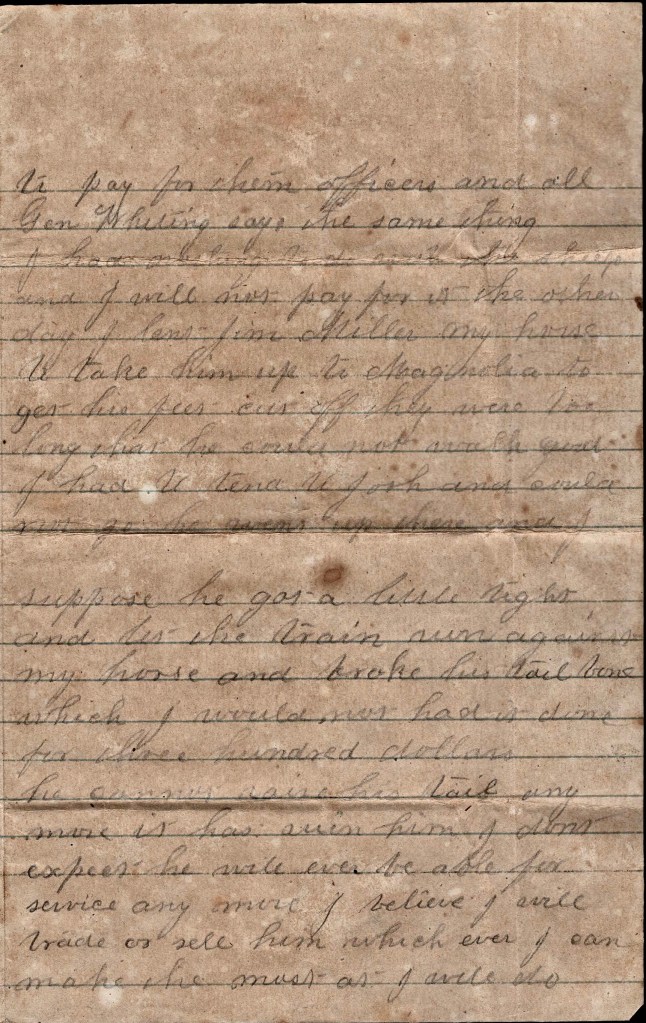
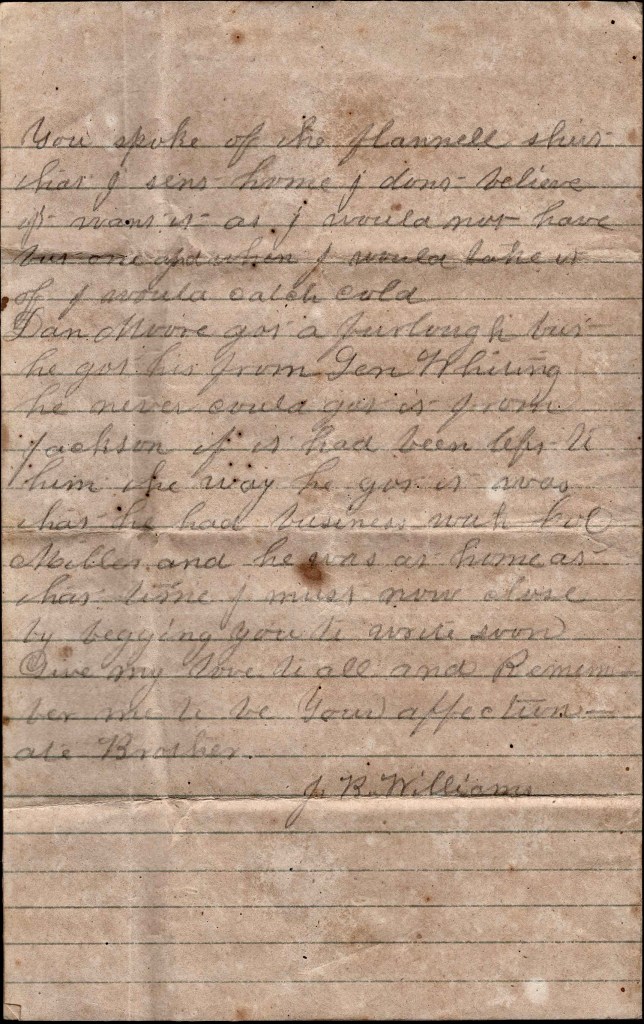
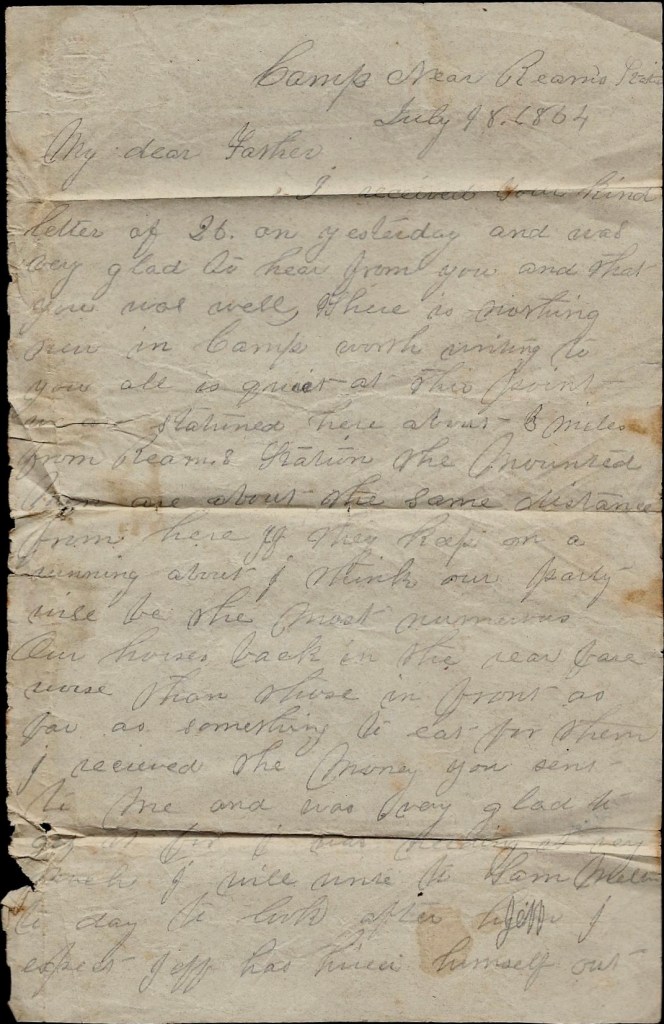


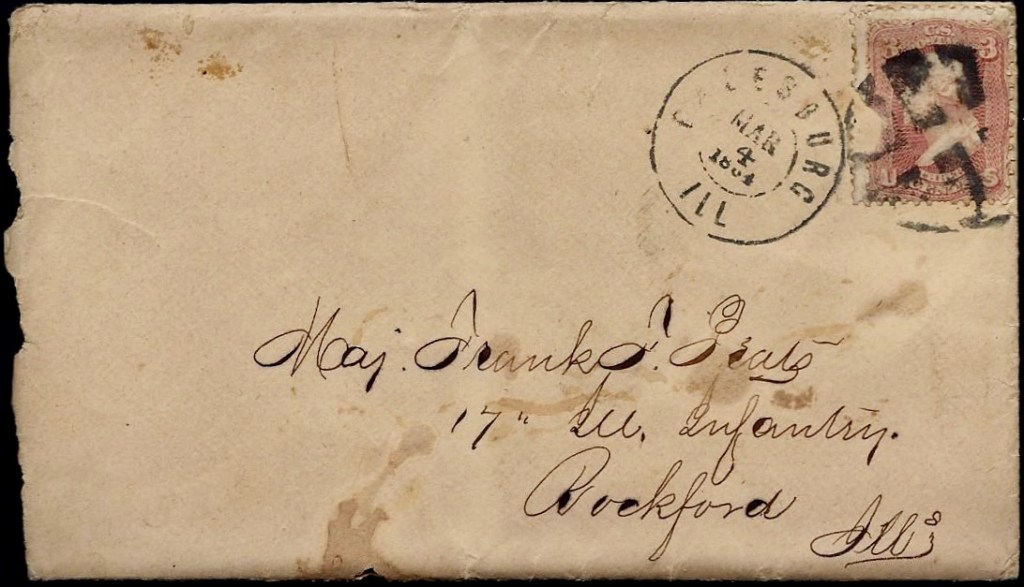

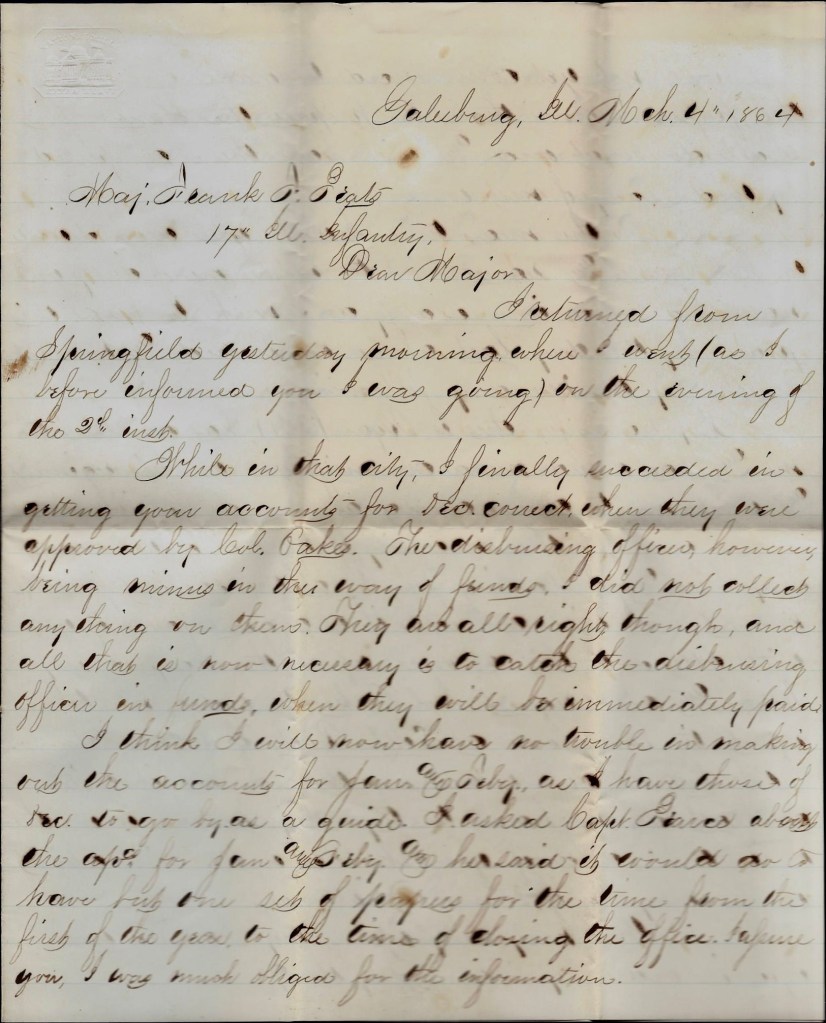

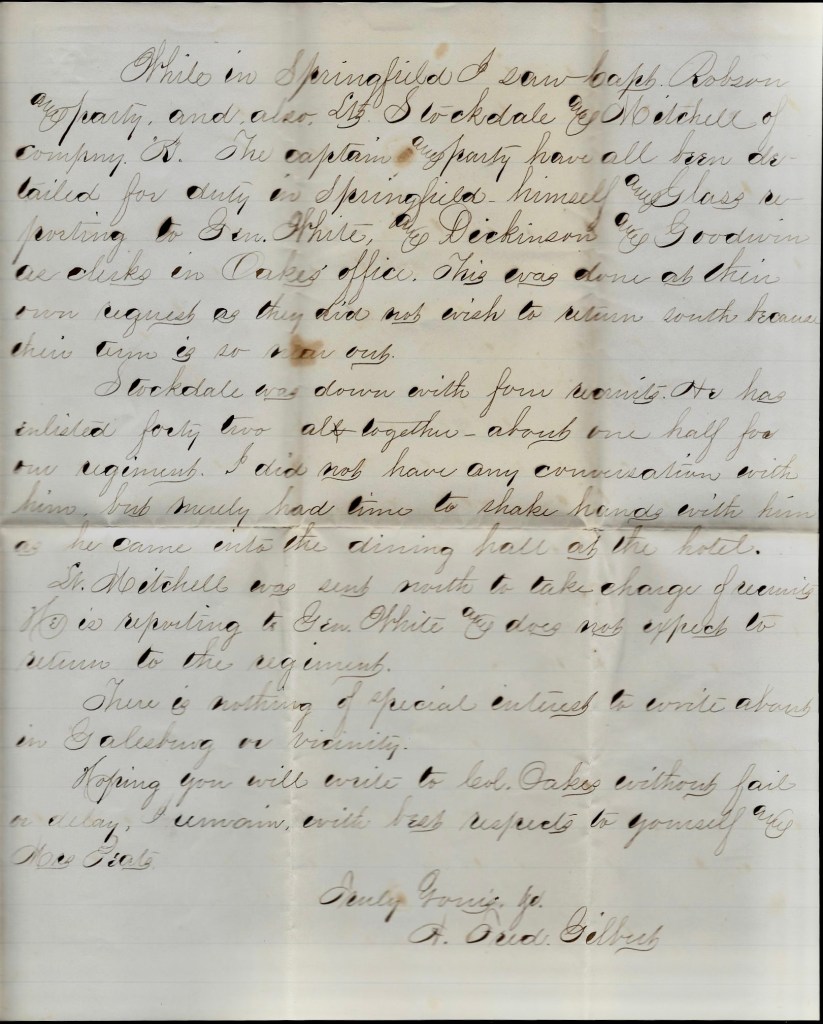
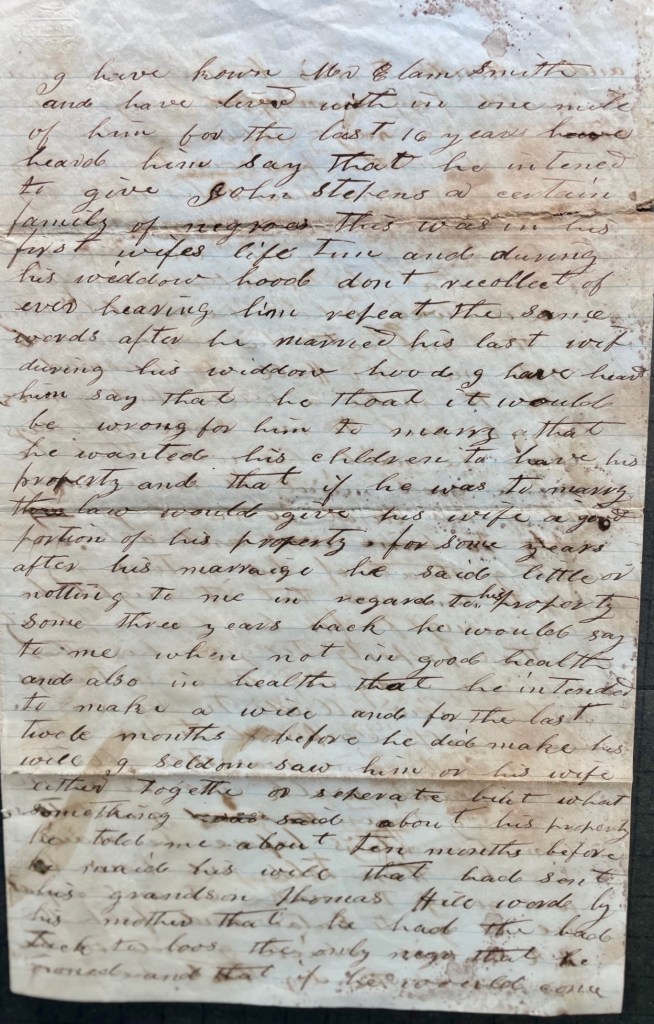
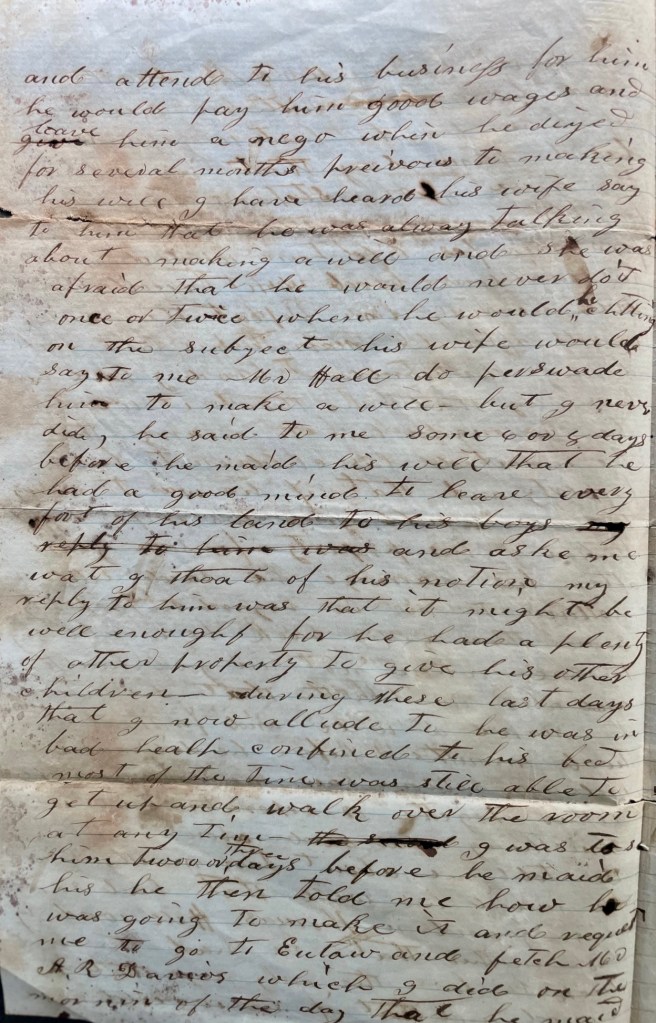


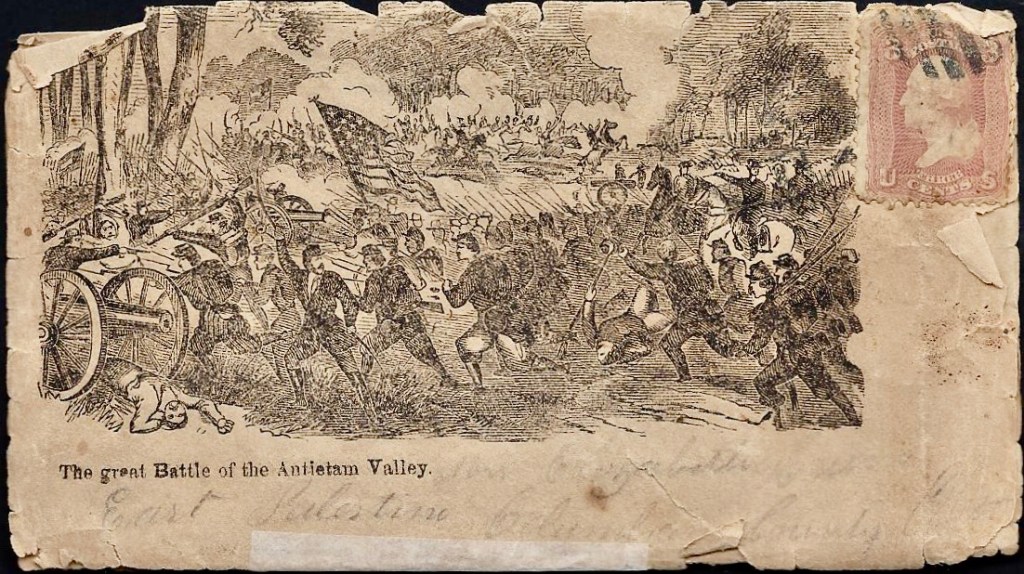

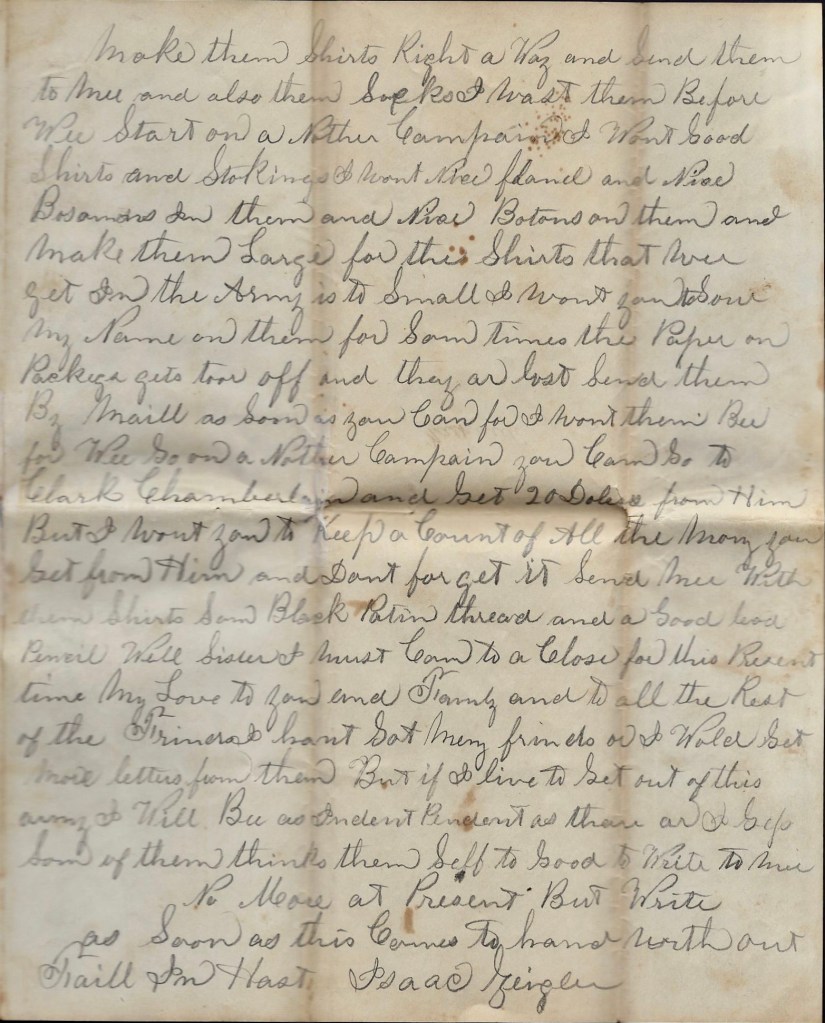
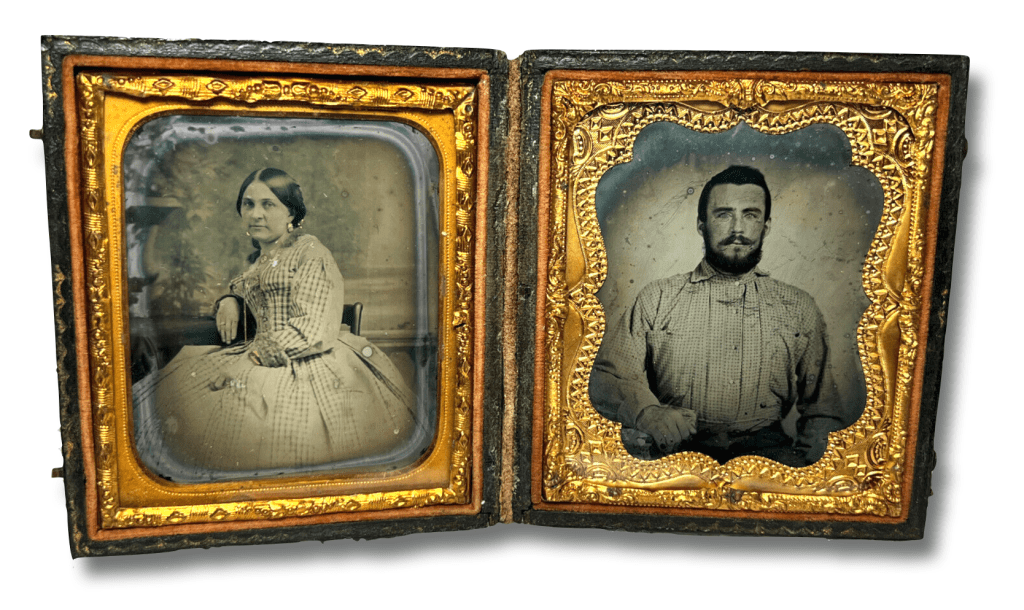
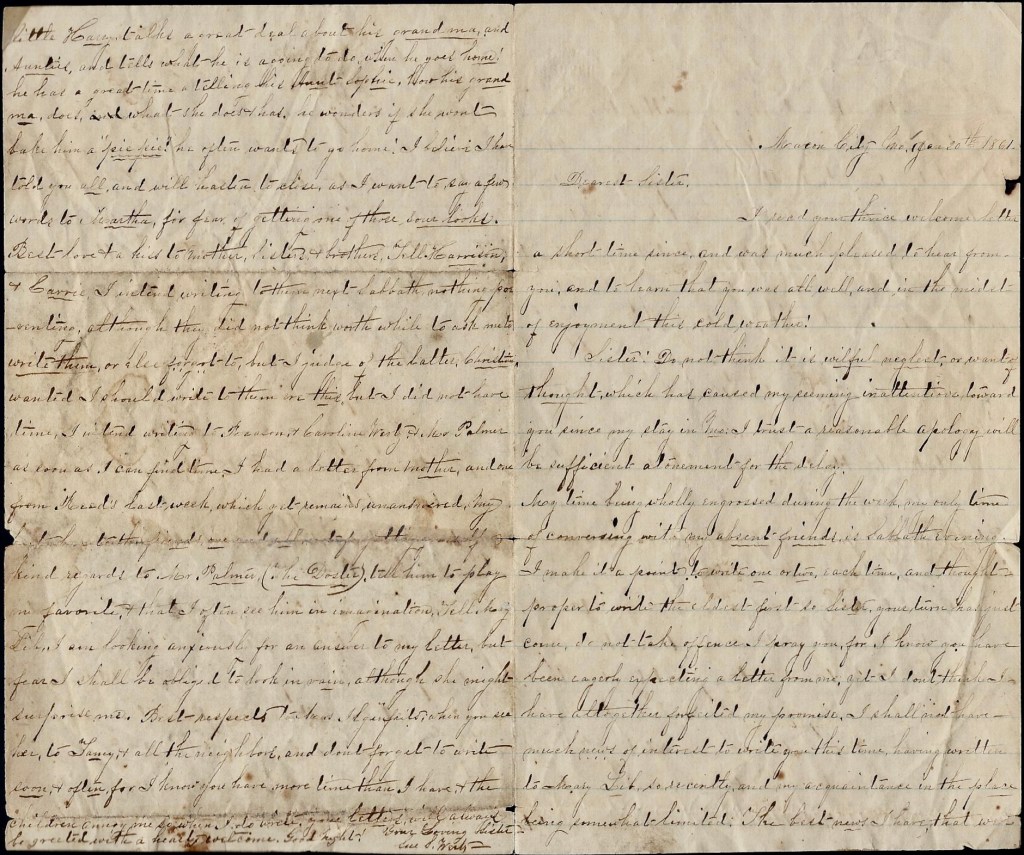
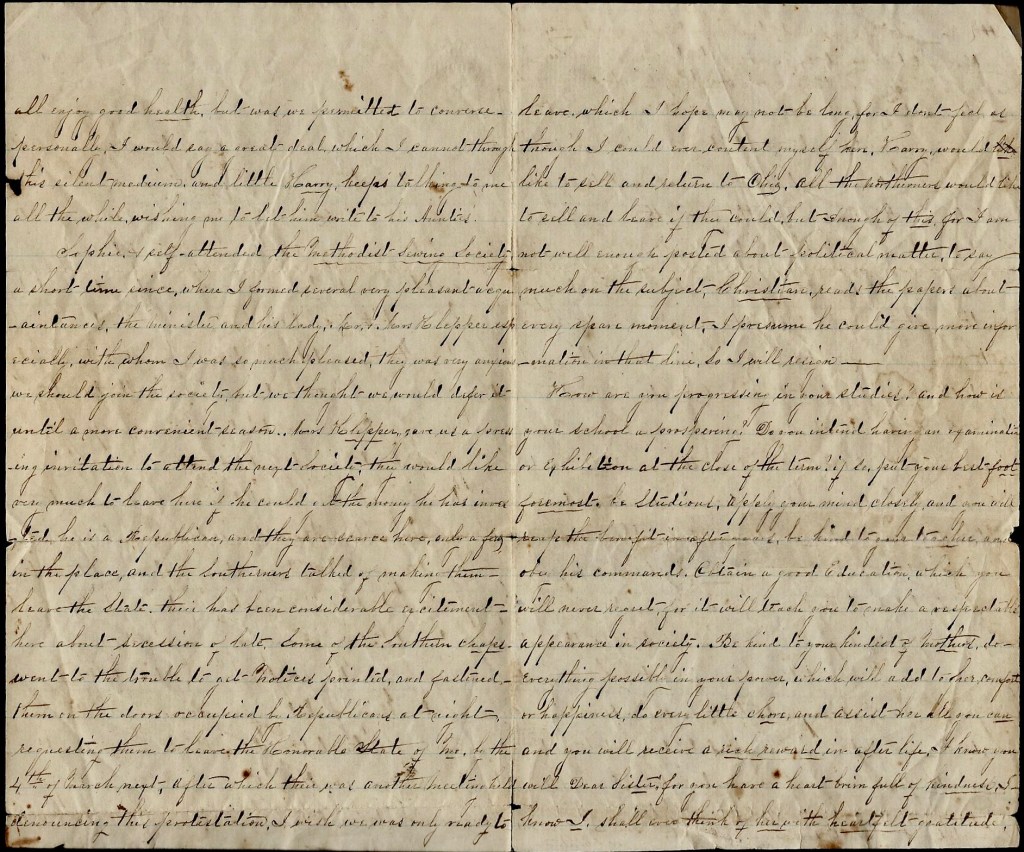
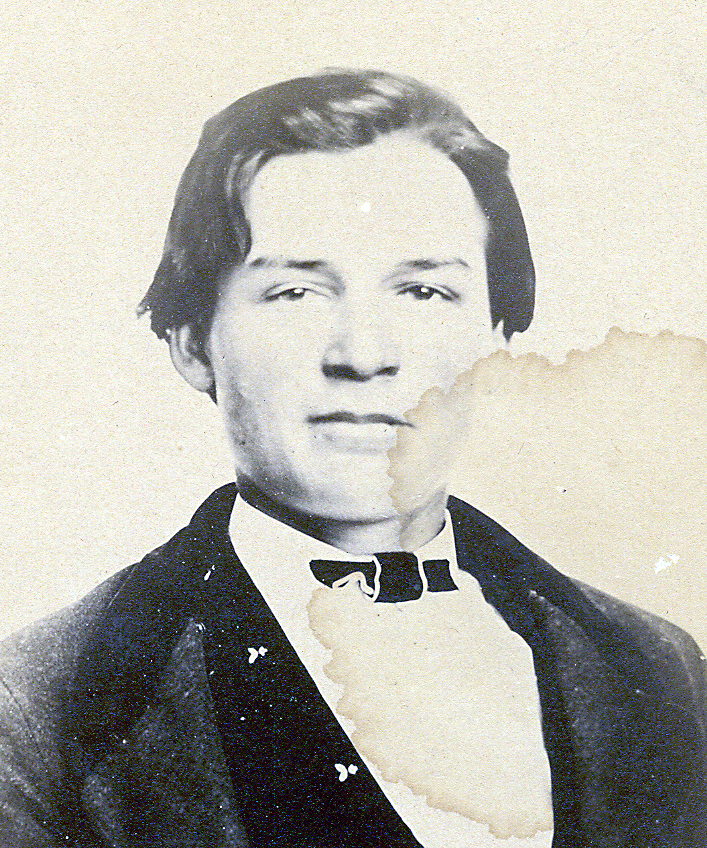
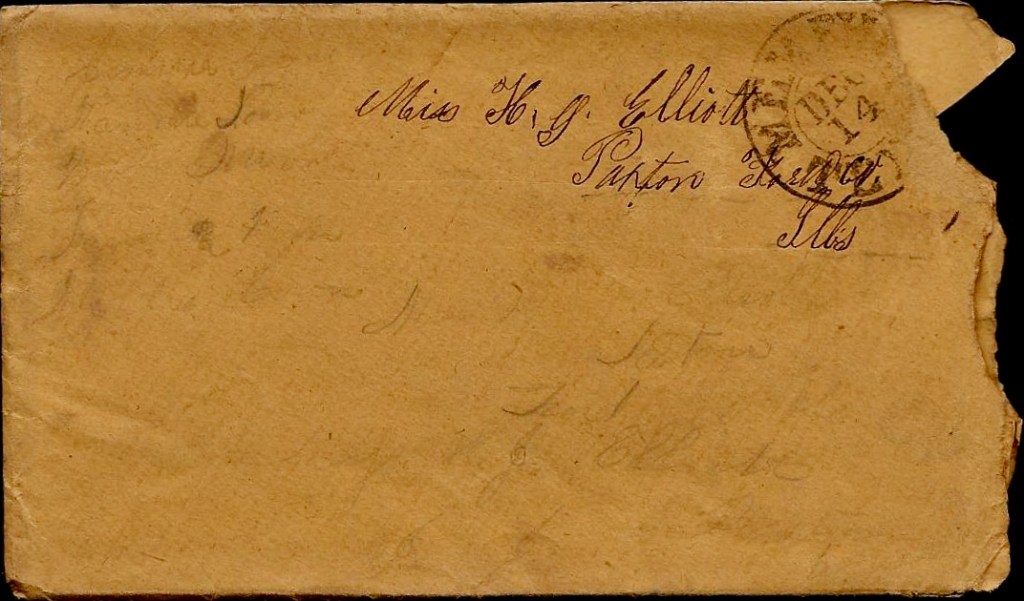
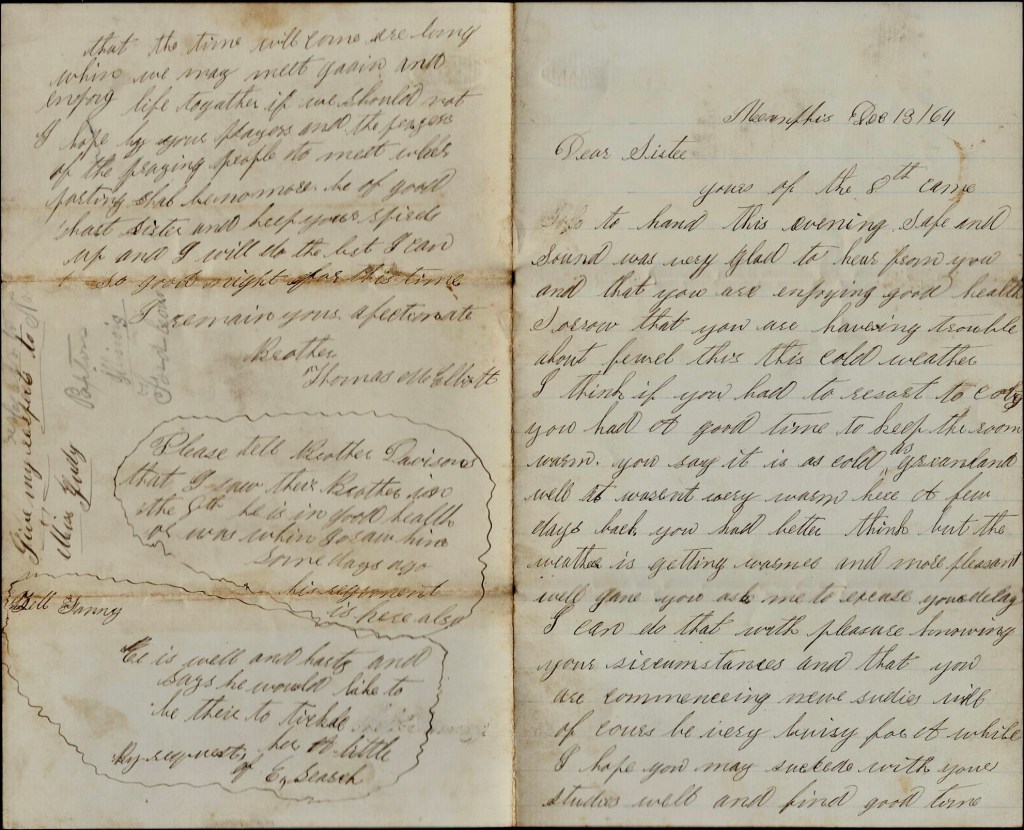


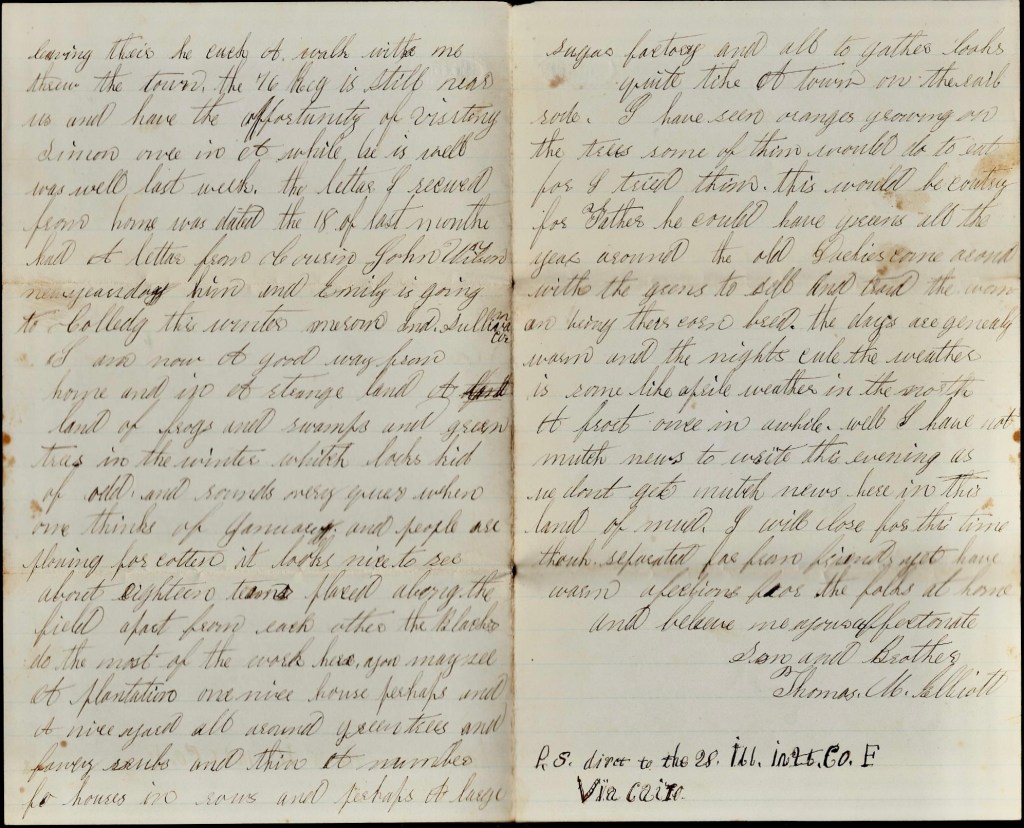
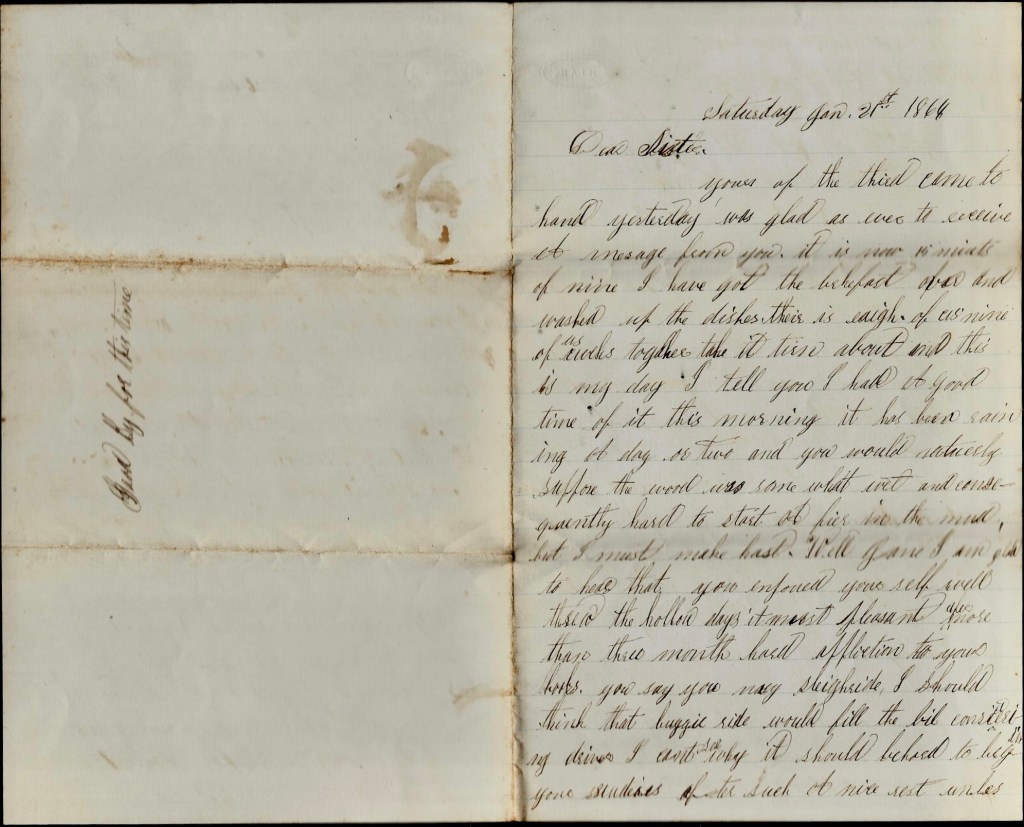
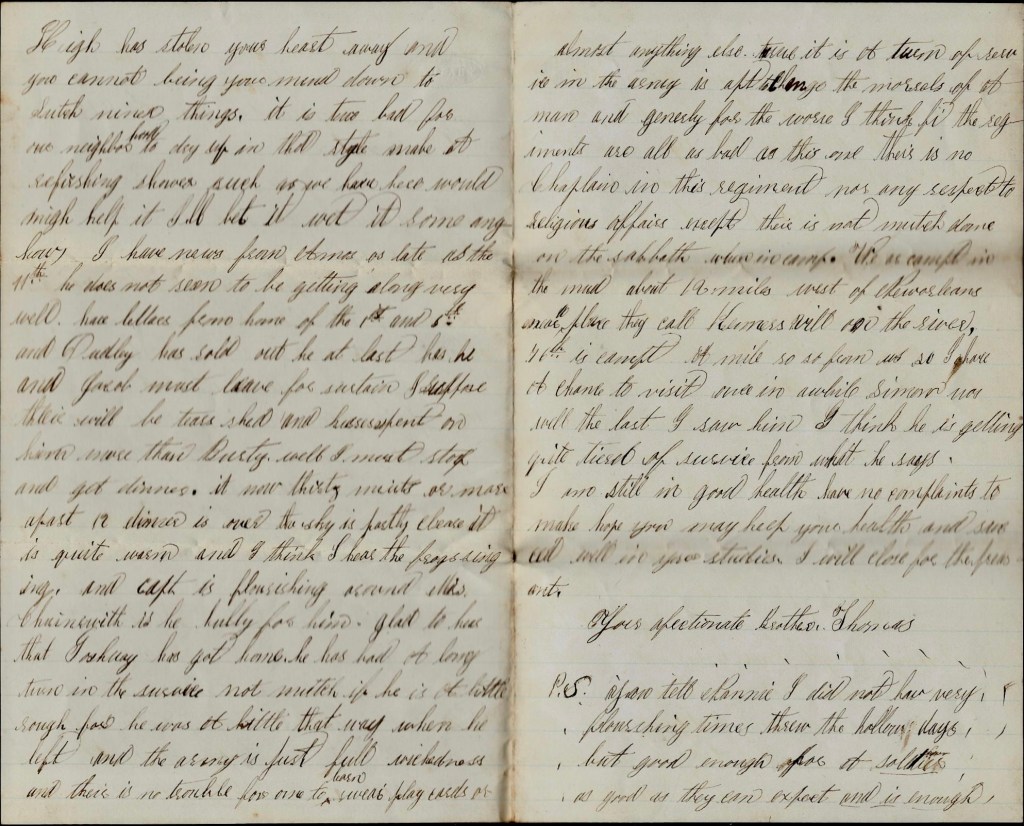
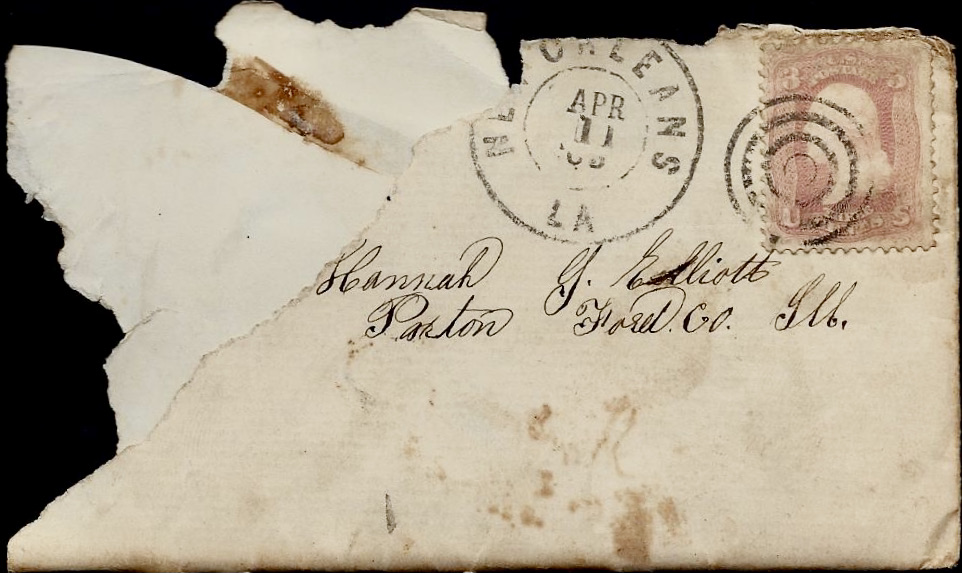
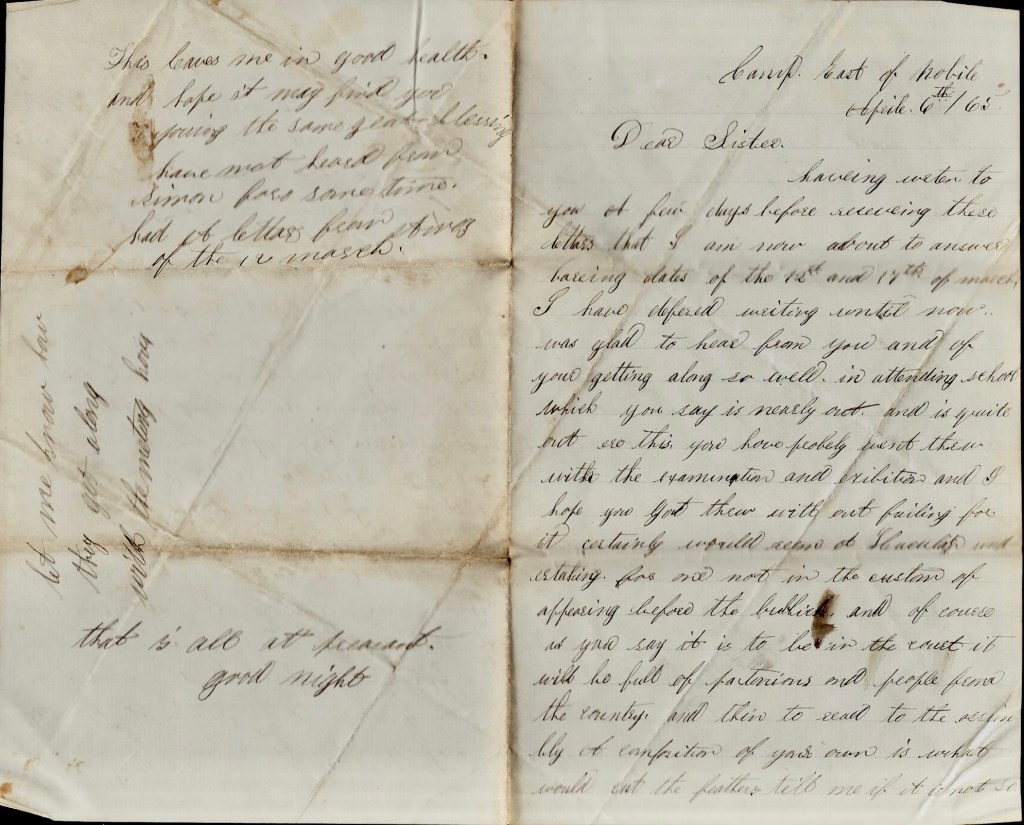
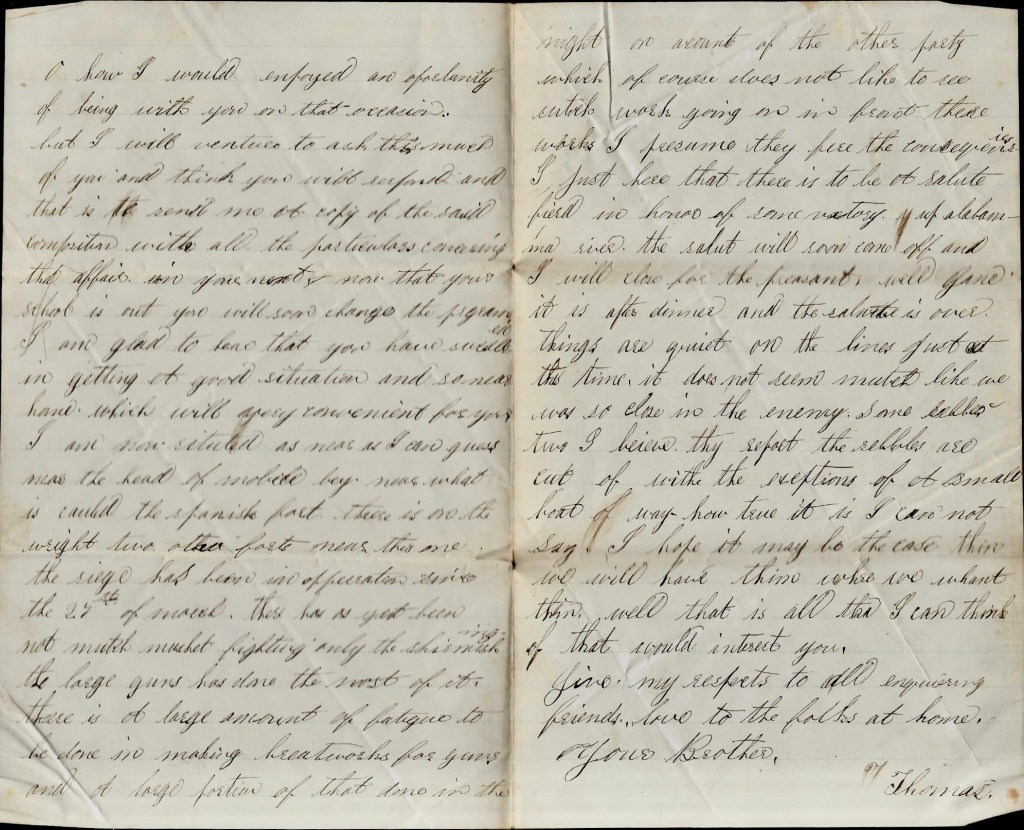
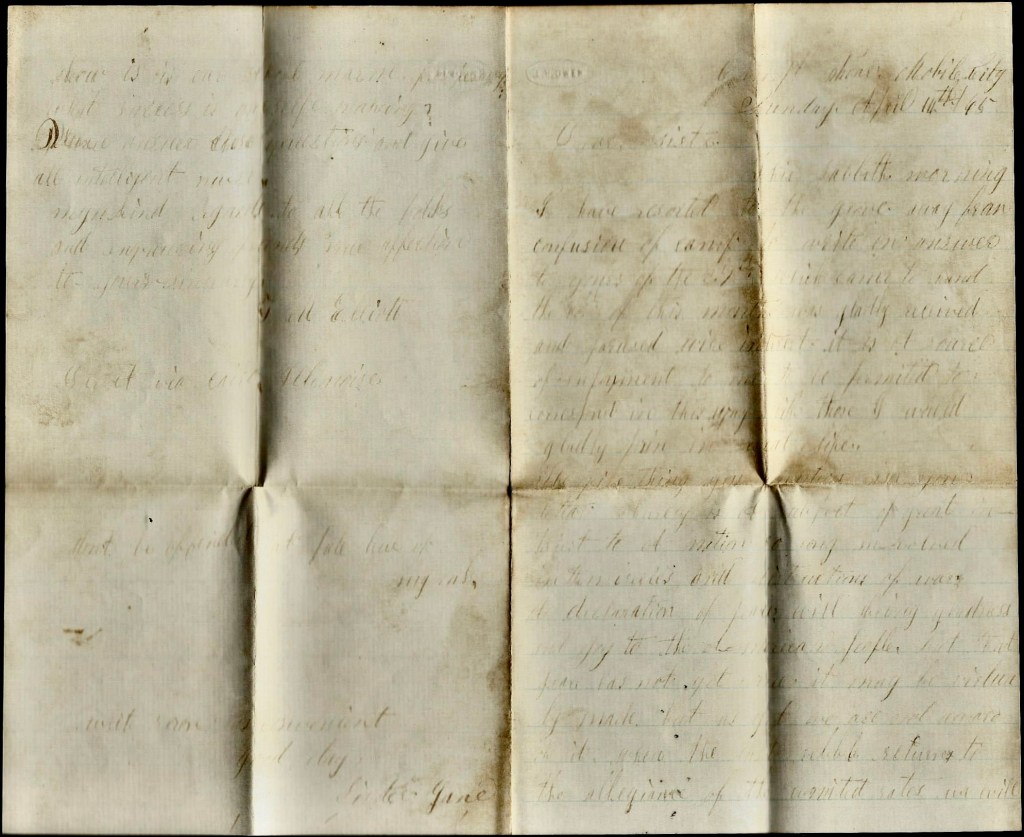


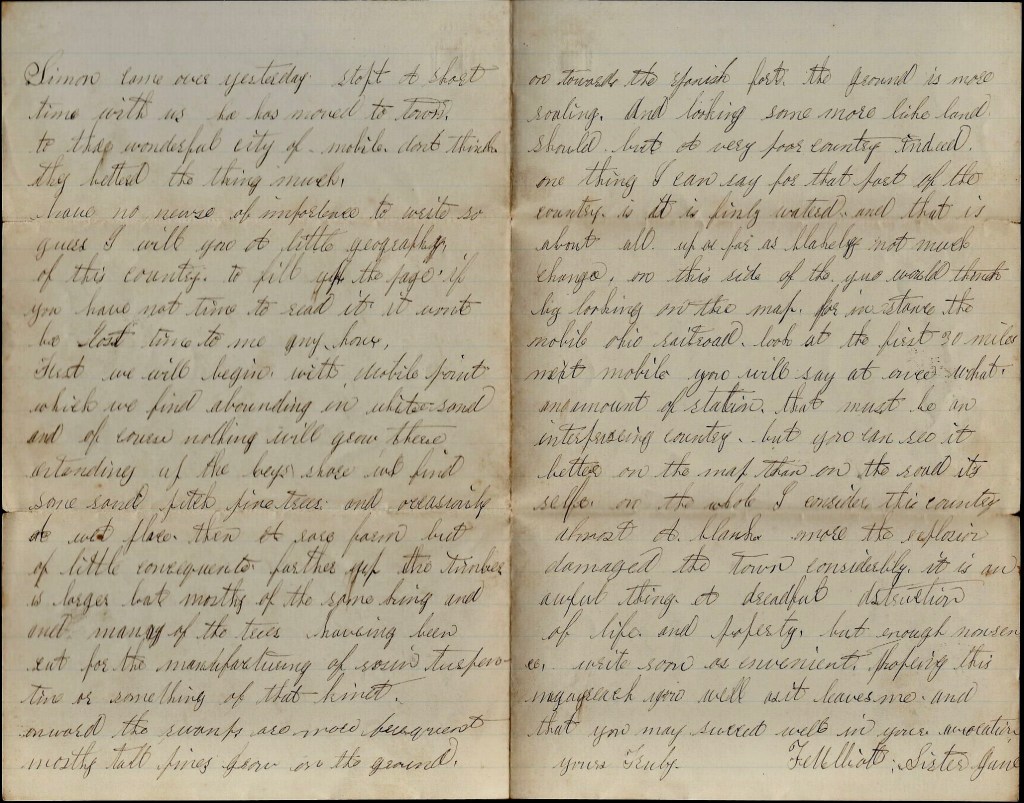
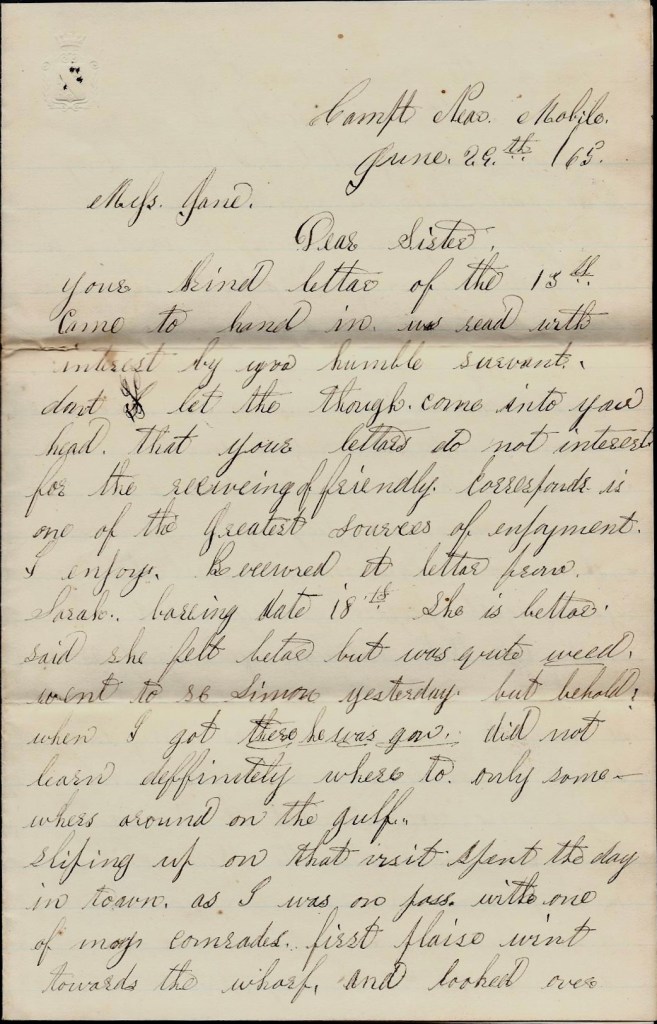
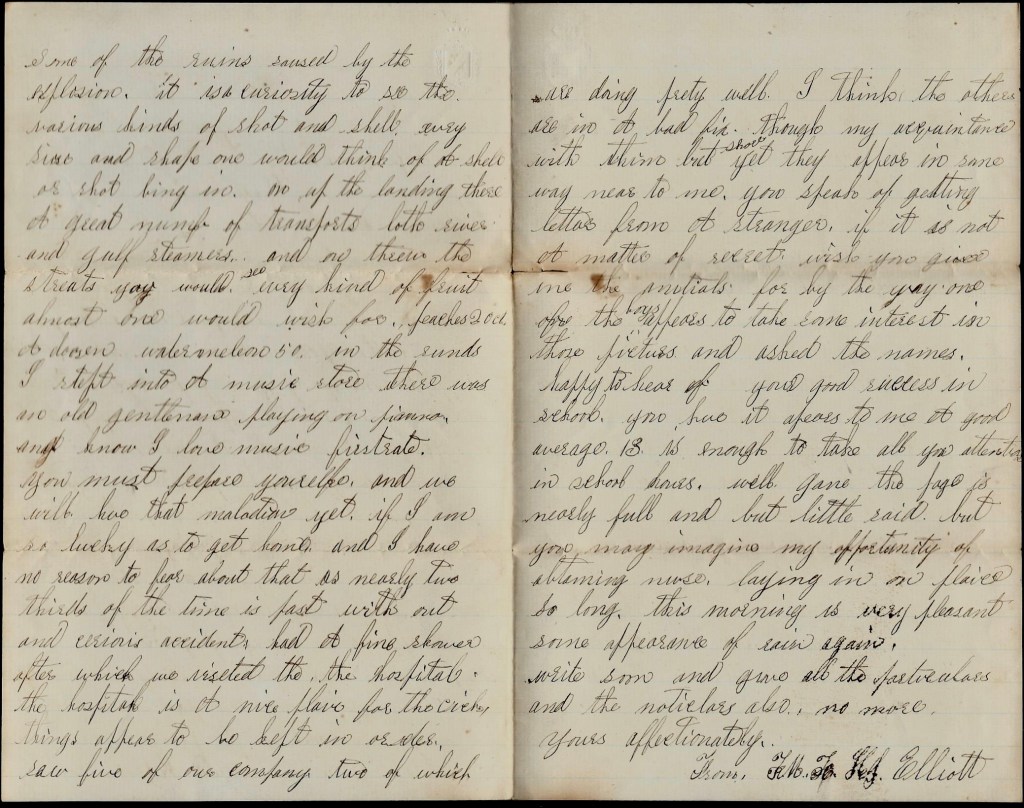
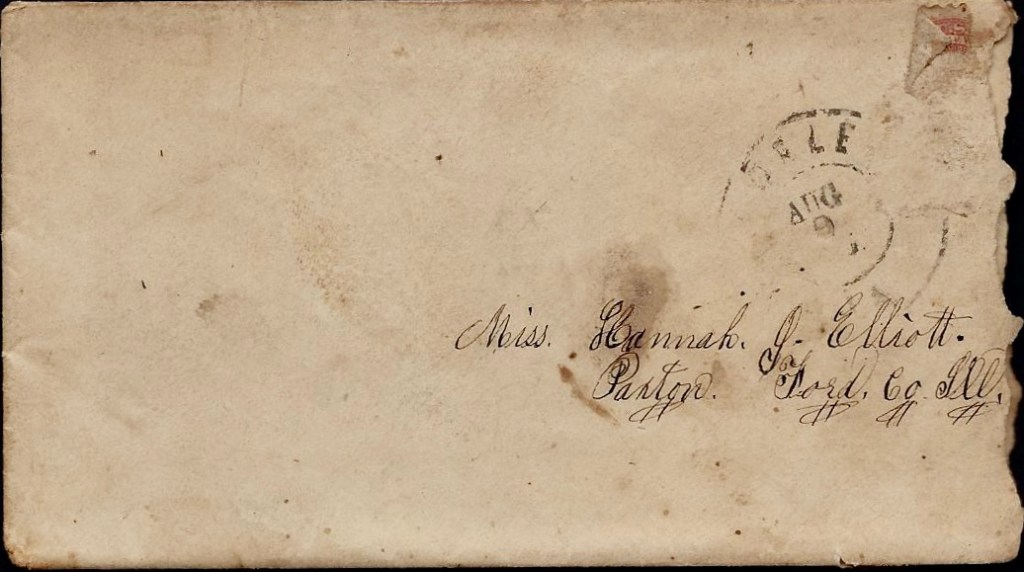
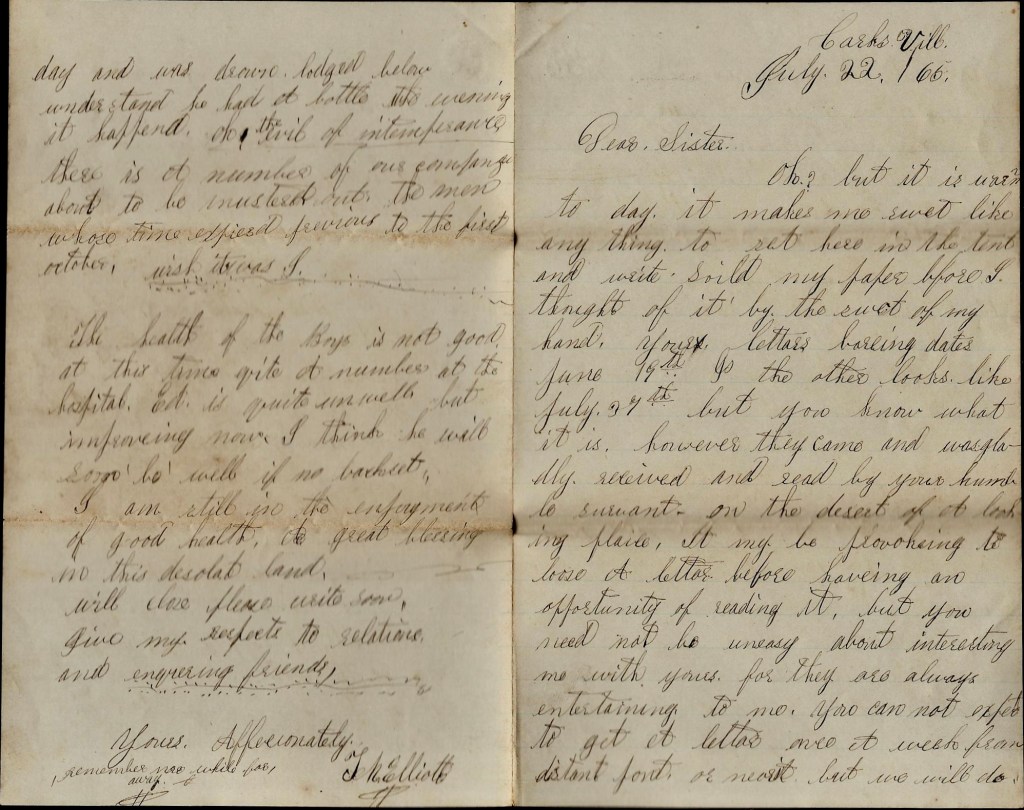
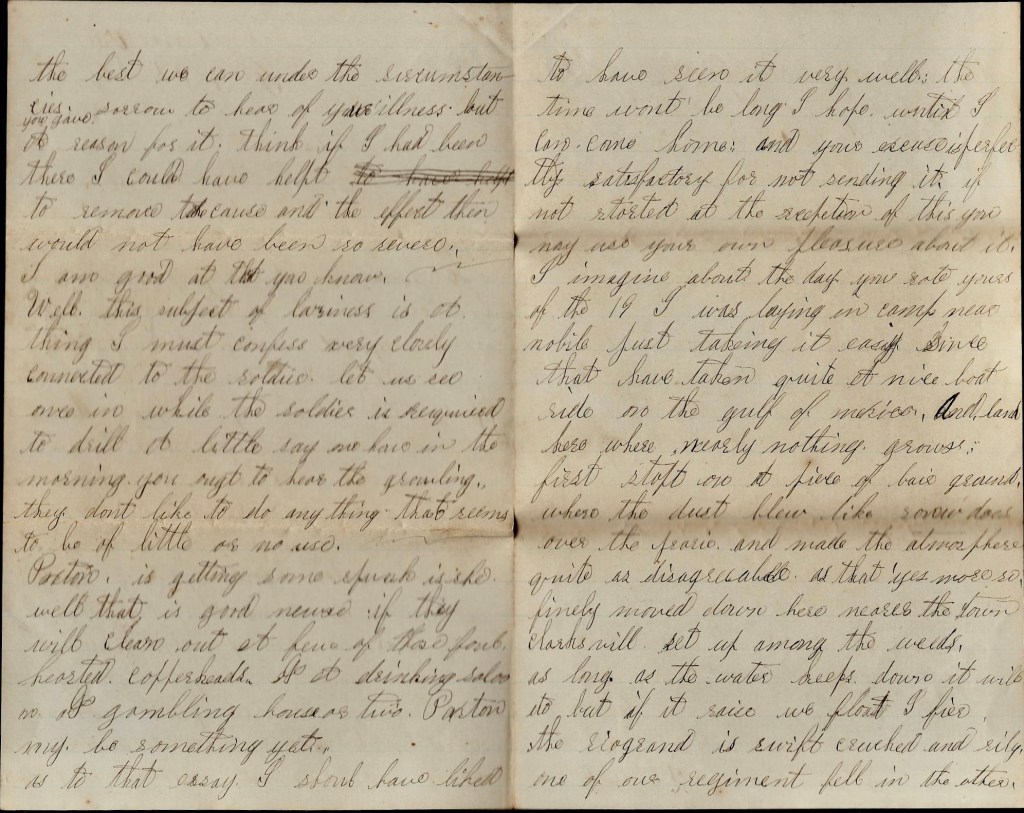
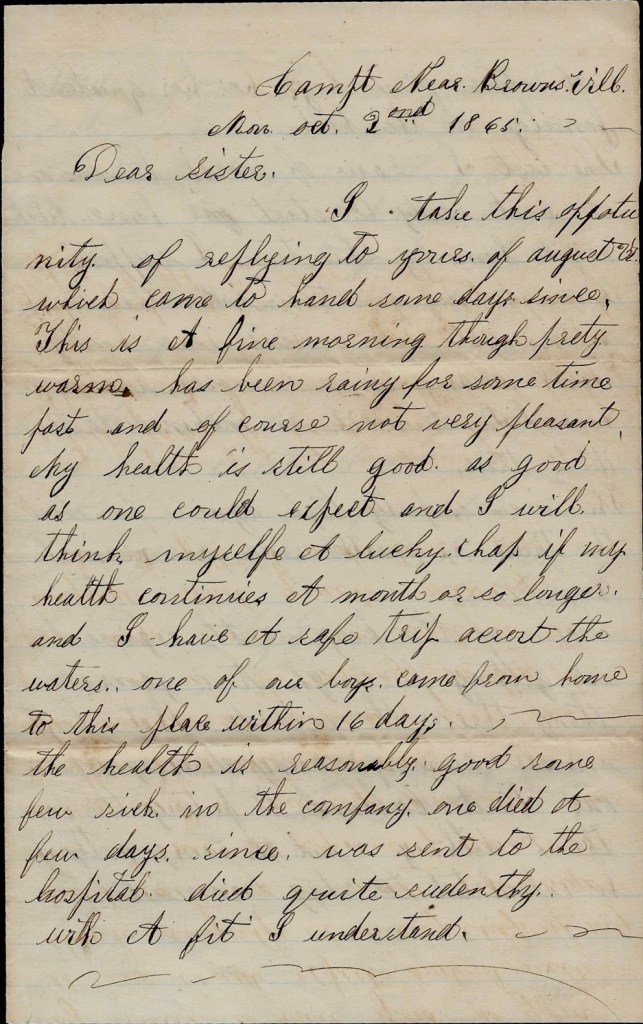
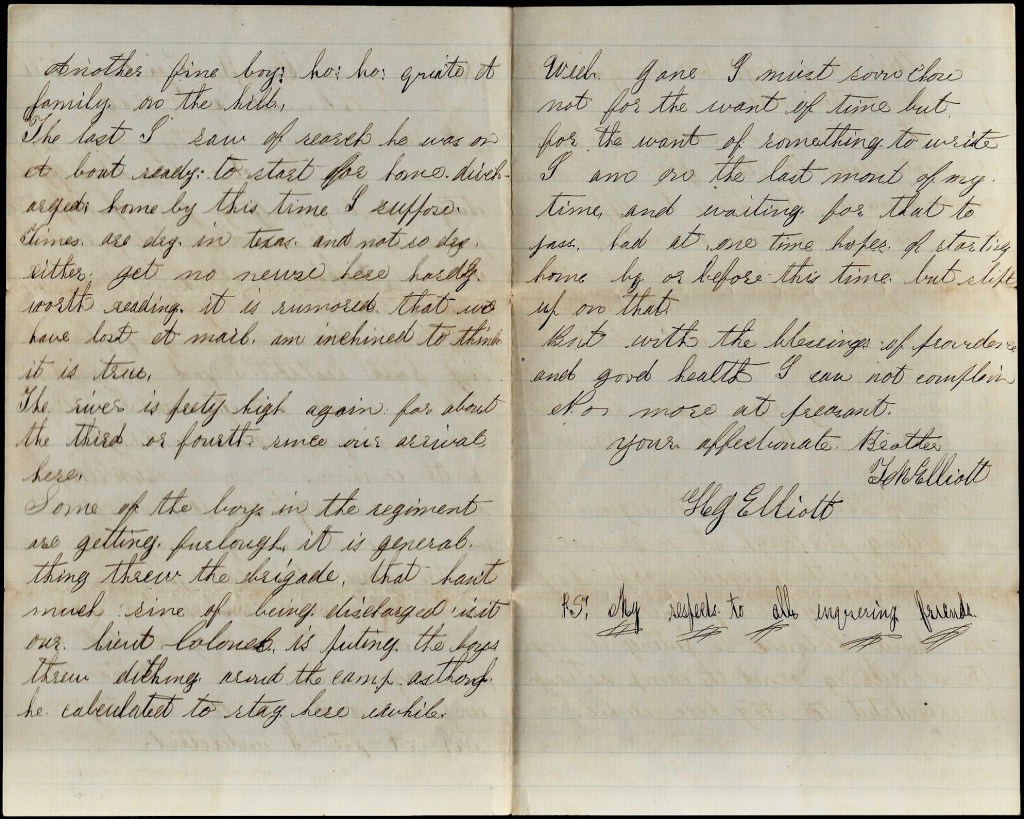
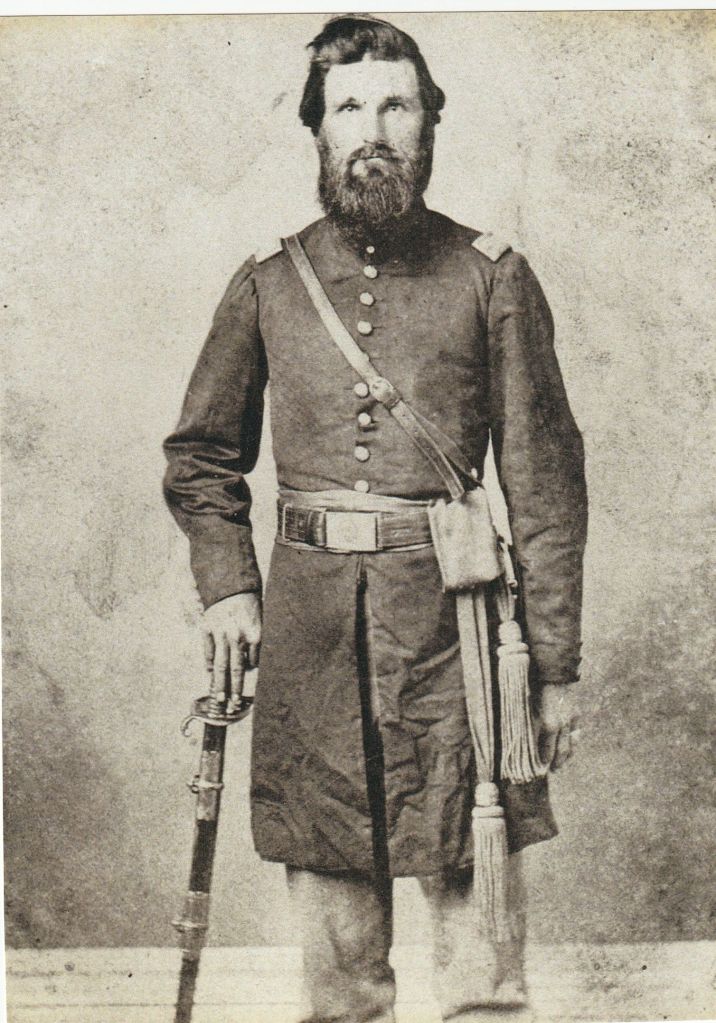
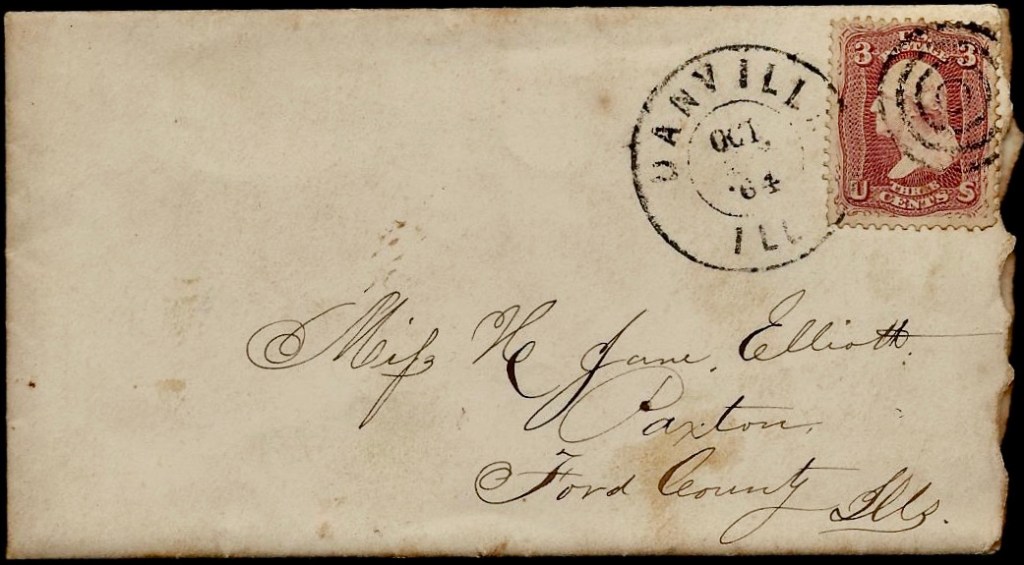
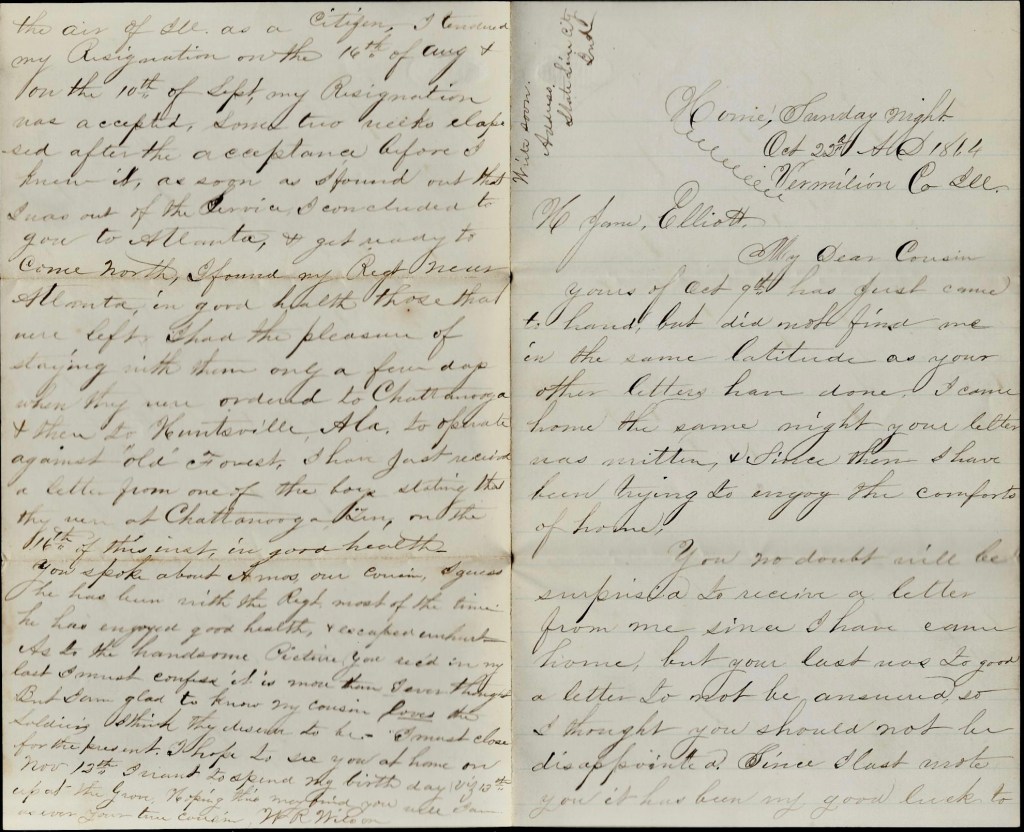


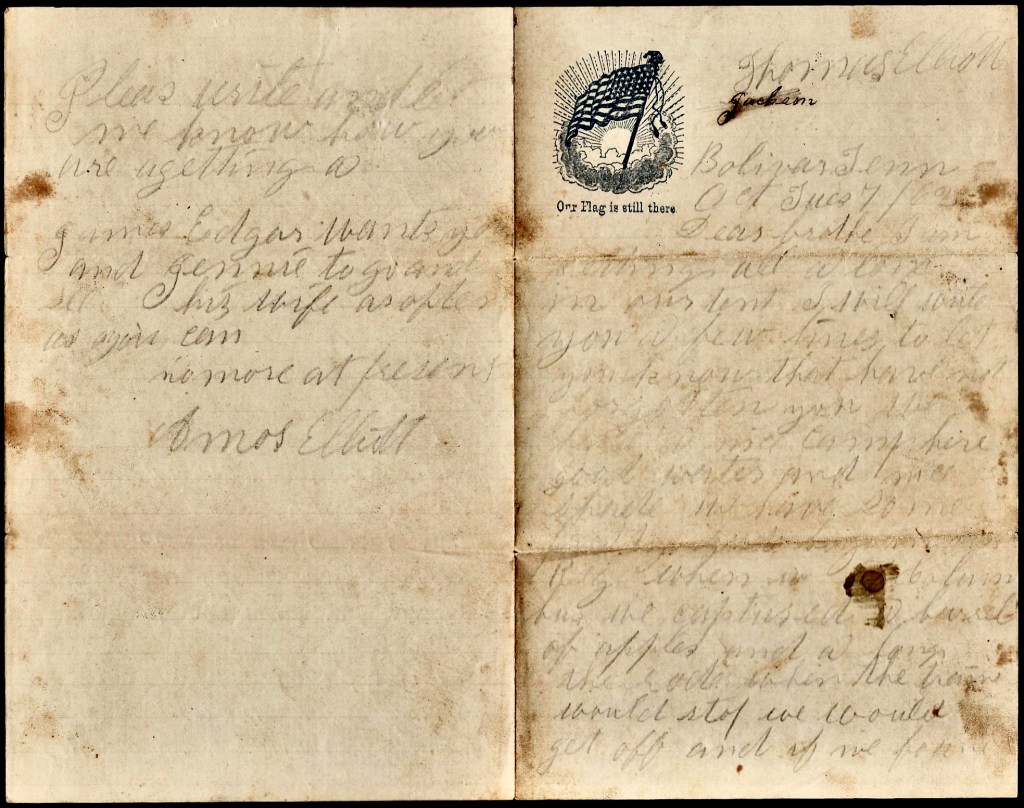
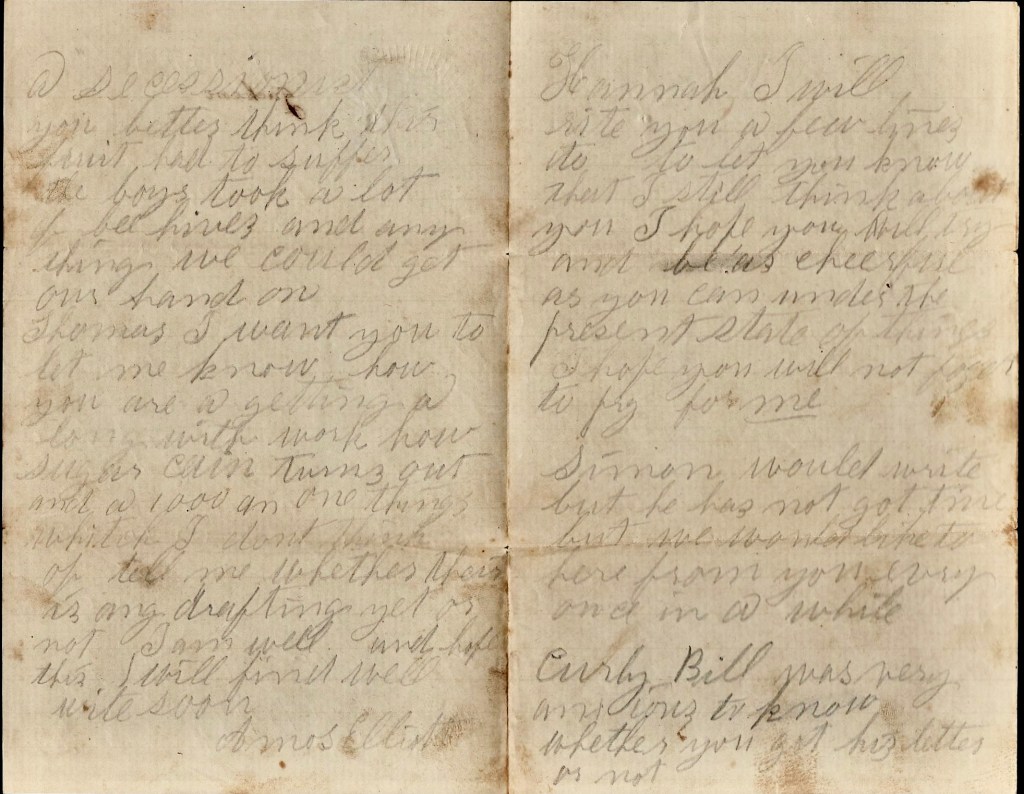

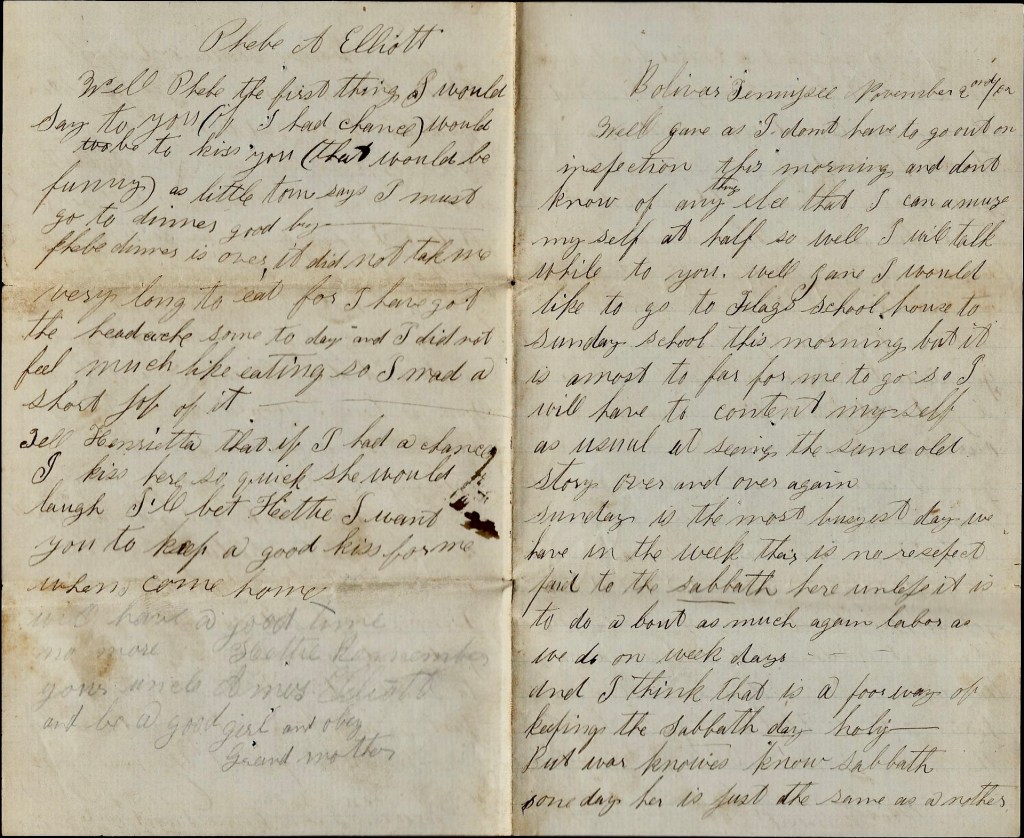


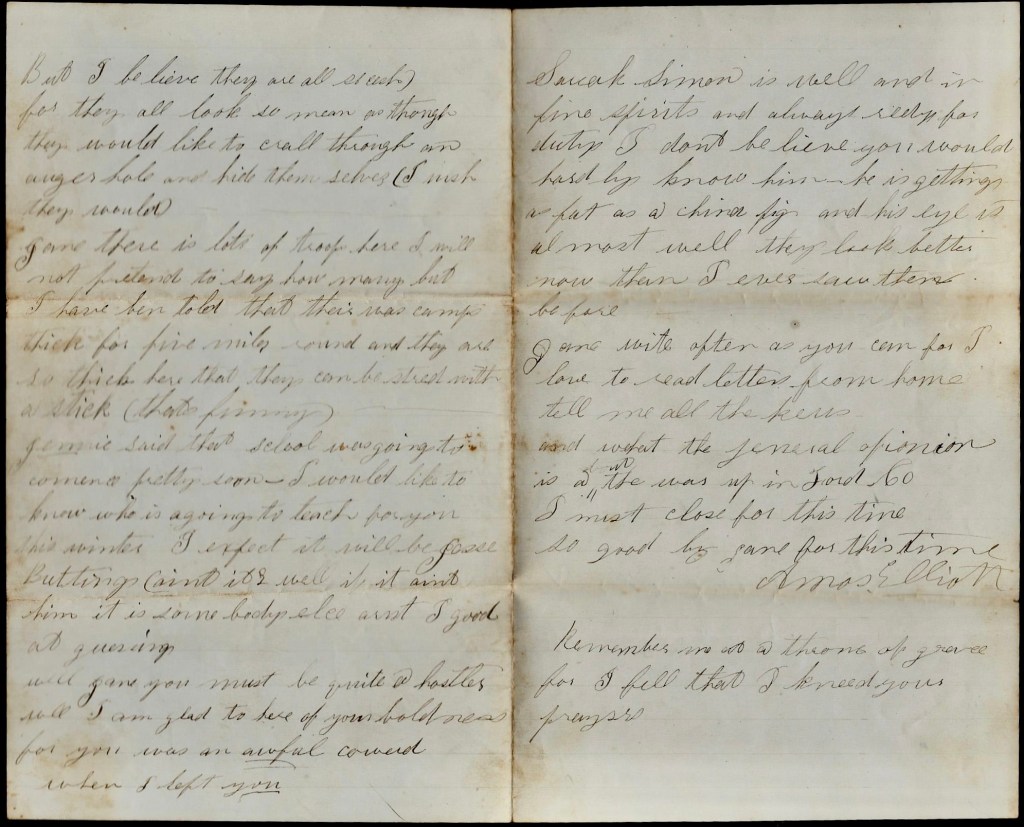


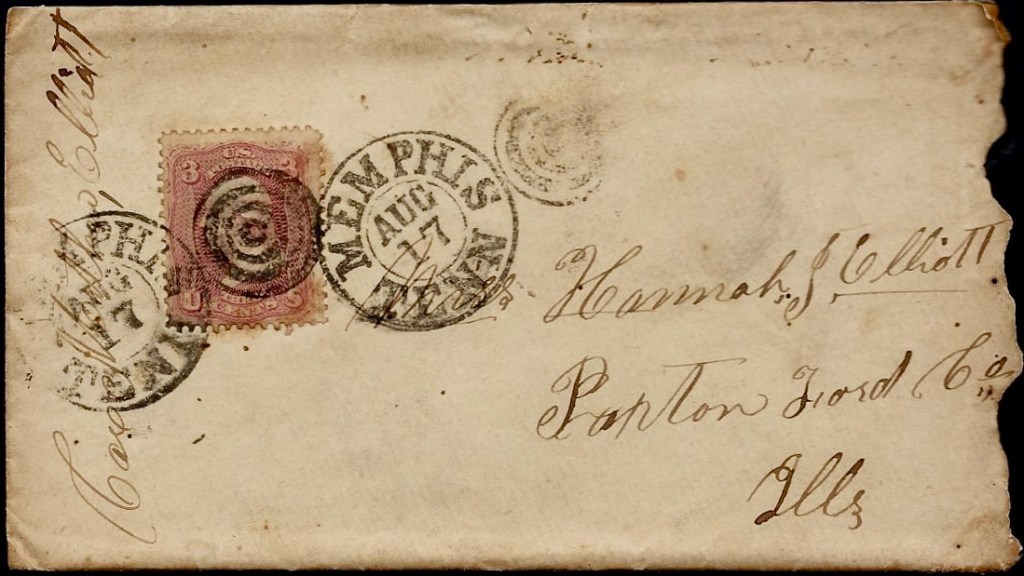
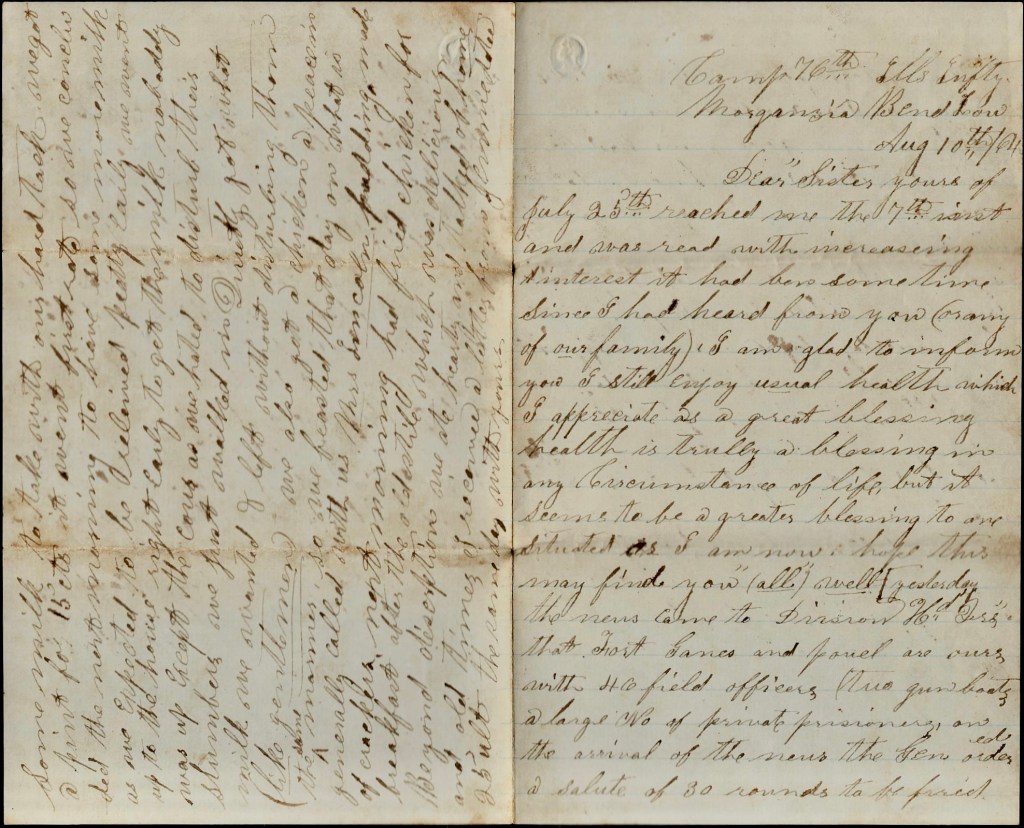
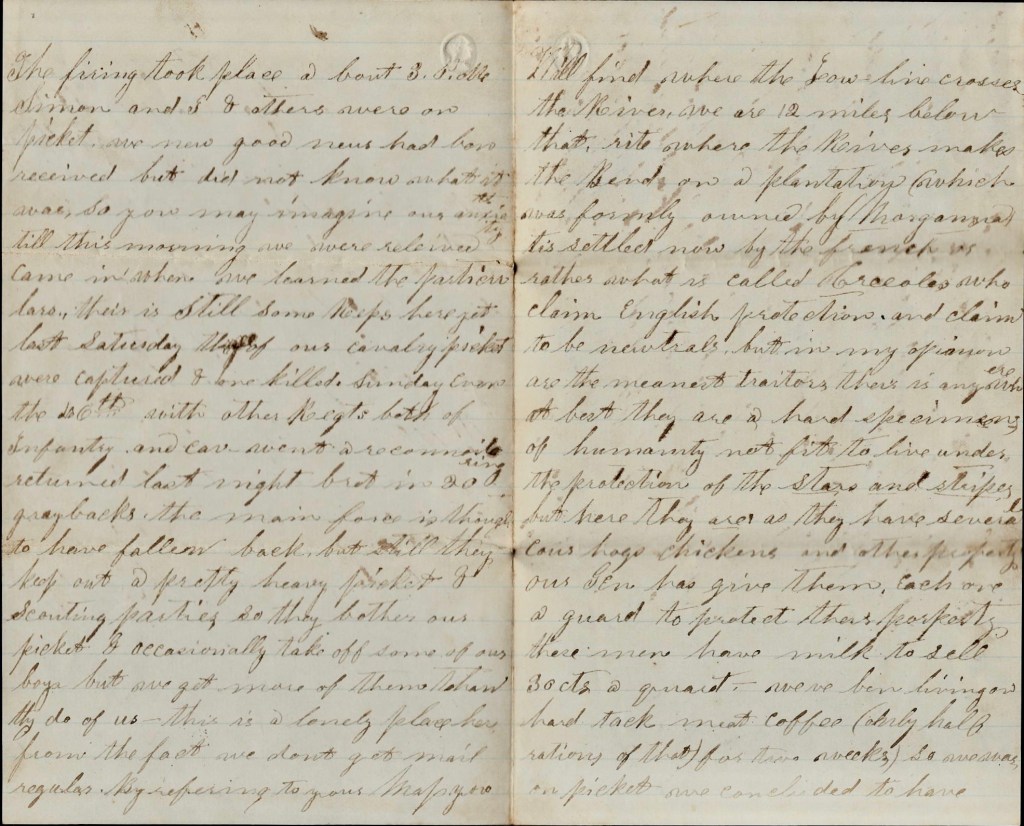

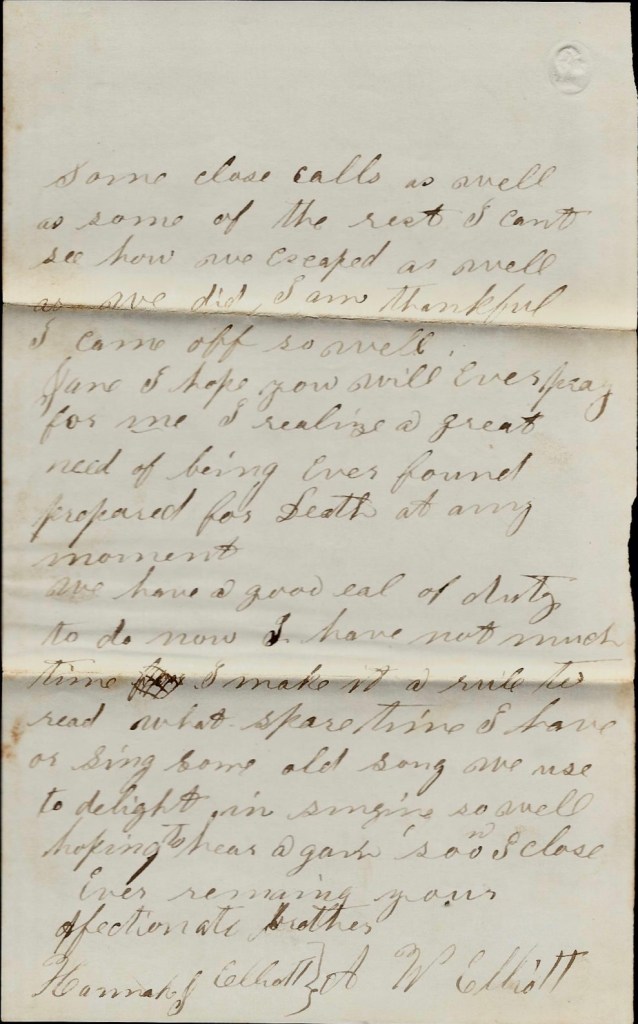
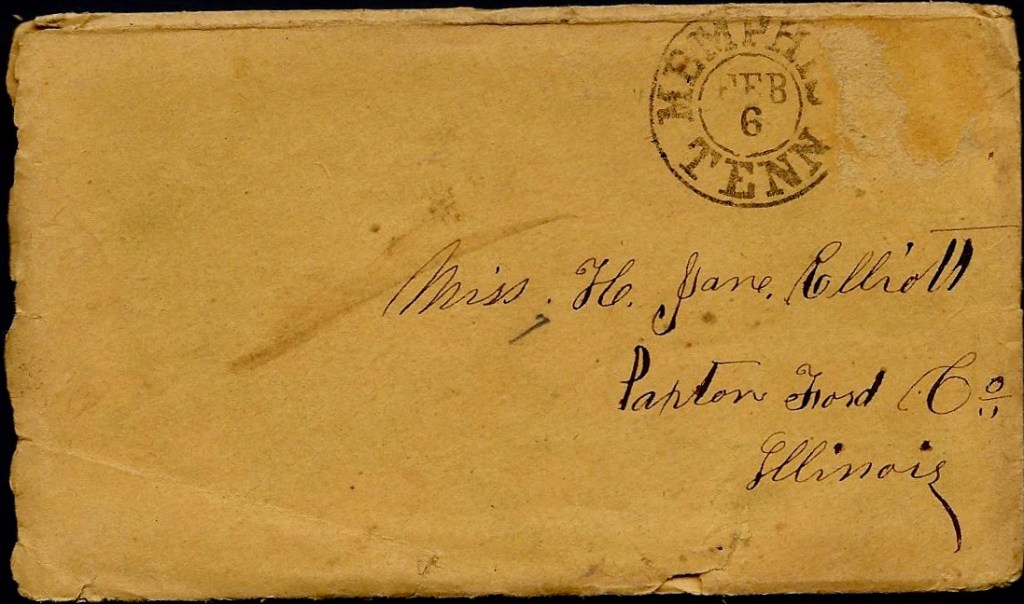
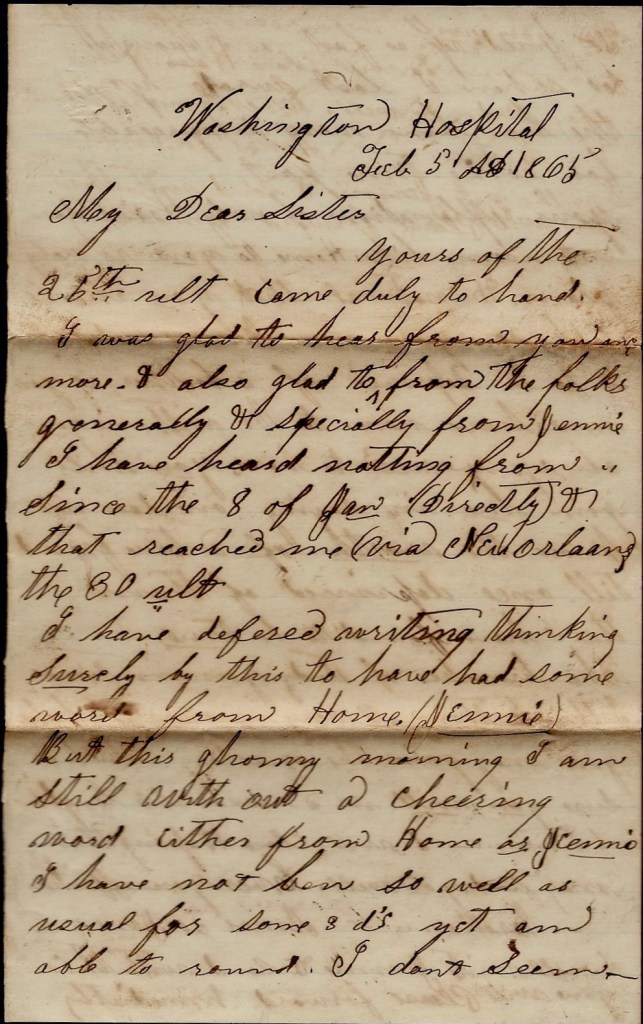
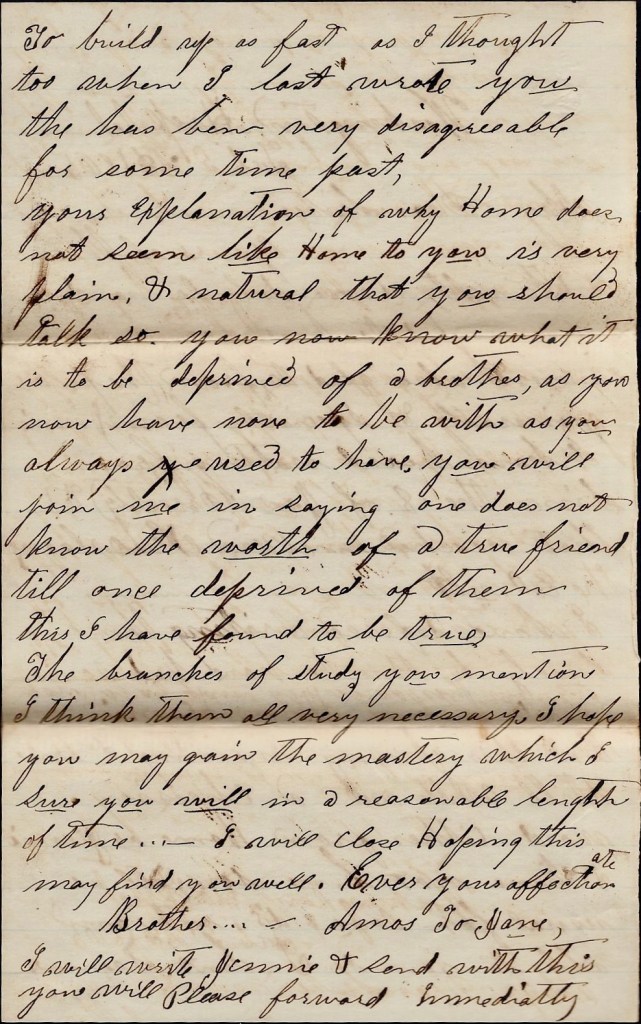
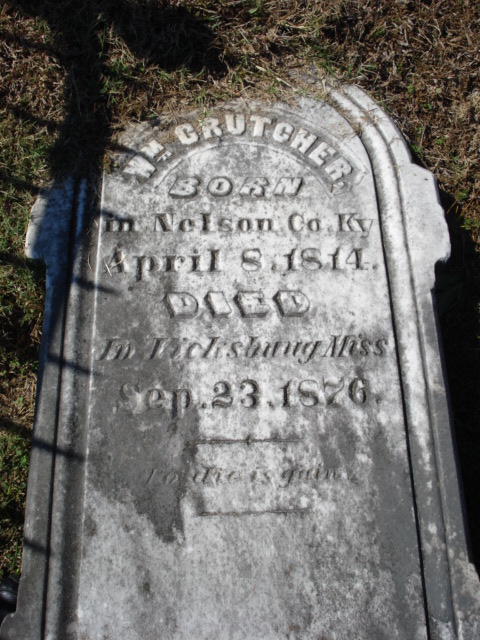
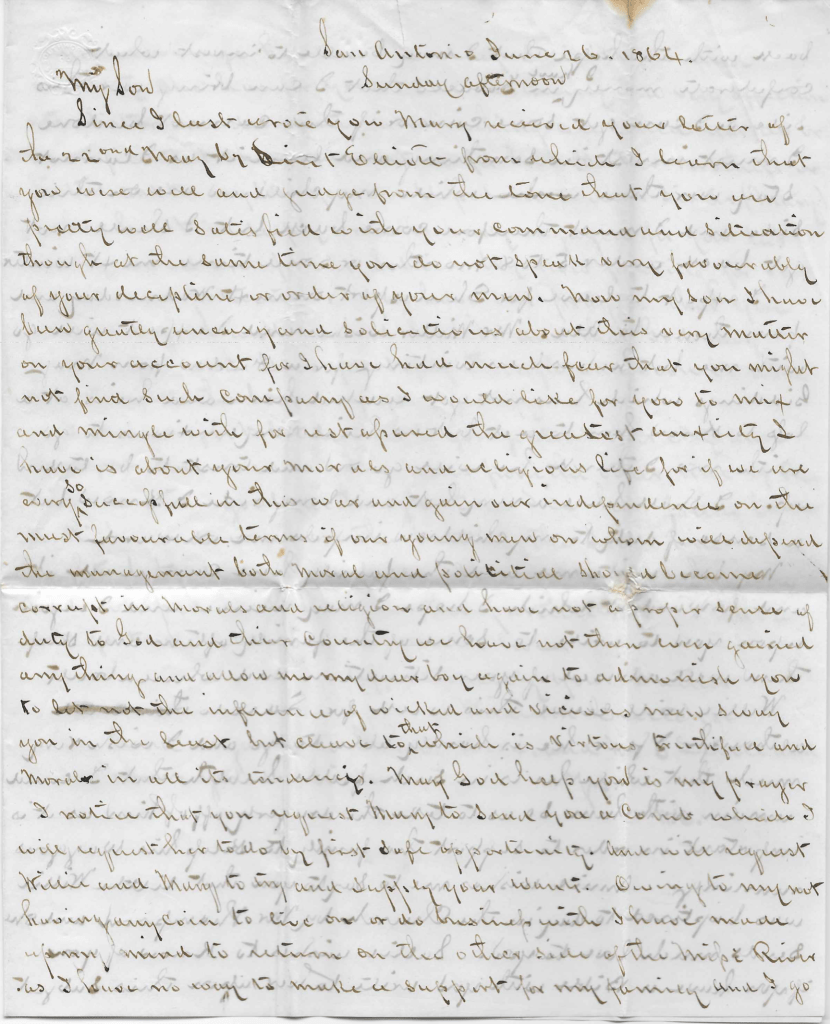


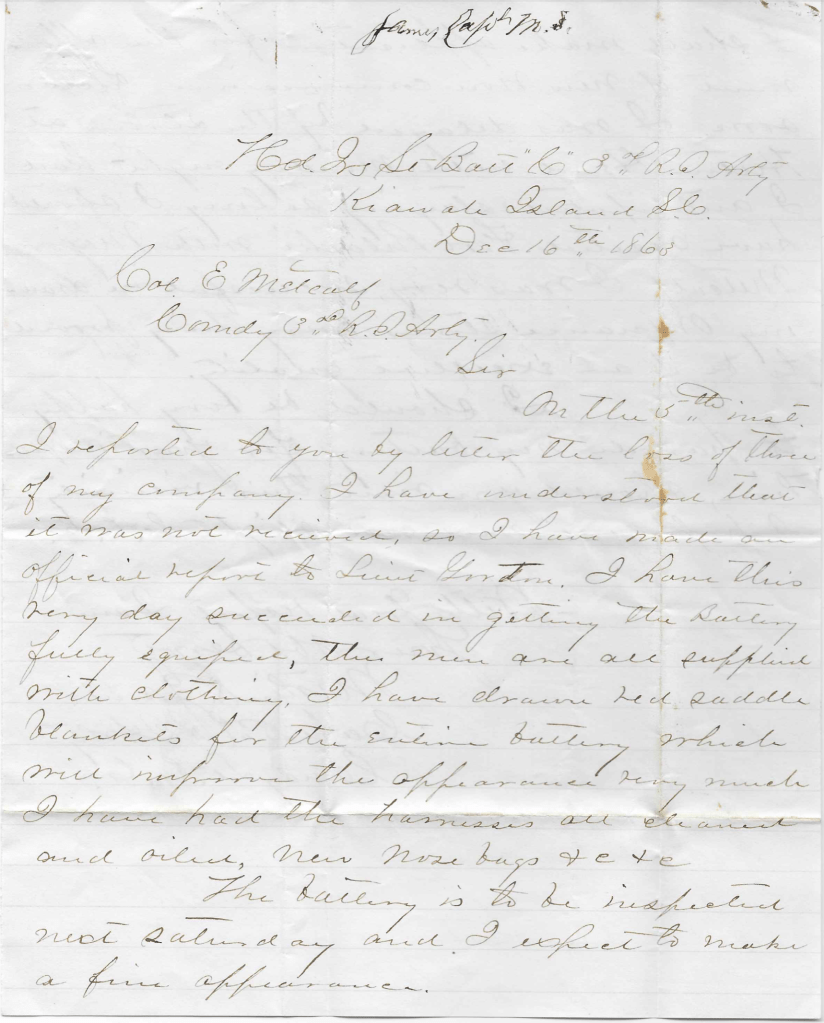
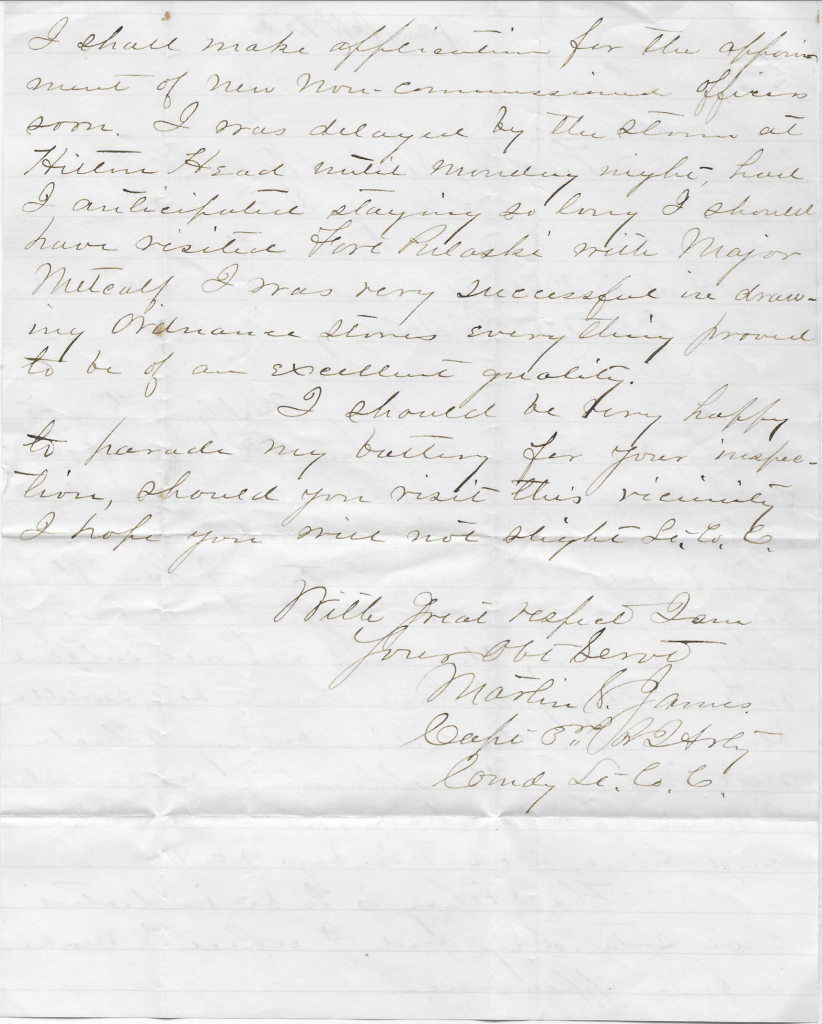
 Spared & Shared 23