My passion is studying American history leading up to & including the Civil War. I particularly enjoy reading, transcribing & researching primary sources such as letters and diaries.
I could not find an image of Edgar but here is one of Charles C. Wright of Co. H, 126th NYV. (Photo Sleuth)
These letters were written by Pvt. Edgar A. Warner (1841-1863) of Co. K, 126th New York Infantry. He was born in Hopewell, New York, and was a farmer by occupation. He enlisted 31 July 1862, aged twenty-one years, and was in the battles of Harper’s Ferry, Gettysburg, and Auburn Ford before being mortally wounded in the Battle of Bristoe Station on 14 October 1863. Pvt. Warner was taken to 2nd Division Hospital in Alexandria (in a Baptist Church) where he was treated for a gunshot wound to the lungs but he died on 16 October 1863 and was buried initially in Alexandria National Cemetery, Section A, Plot 1014. It seems that his body was later exhumed and probably returned to his home in upstate New York.
Edgar was the son of Calvert C. Warner (1821-1897) and Eunice V. Latting (1823-1887) of Canandaigua, Ontario County, New York. Calvin was a miller by trade. Edgar wrote this letter to his parents as well as his sister, Caroline E. Warner (b. 1845).
Letter 1
Union Mills, Virginia February 1st 1863
Dear Mother & Sister,
I received your kind letter of the 26th and was glad to hear that you were well. I have got over the mumps now and will be able to go on duty tomorrow. They have taken Jeff Moore ¹ to the hospital again. He warent quite well — not so as to be able to do duty. The doctor thought he had better go to the hospital and stay a spell longer.
I don’t think father had ought to lose that waggon and pay the note besides. I should think Saxton ought to be satisfied with that. Father can do as he has a mind to about it.
I have got plenty of good clothes and three pairs of socks. You may send me a pair of boots if you want to. I will want nines, I guess. If you can get ki__ with three soles on if you can get them, and good long legs. Father can tell about what I want by trying them on. Julia said you was all anxious to send a box so I wrote to her and told her to send it along. I am going to send both letters Monday. The mail don’t go out today. You may send me some tobacco chewing and I don’t care what else — whatever you have got to send. I have wrote the directions in Julia’s letter. This is all I can think of this time for my stock of news has all run out.
From your affectionate son & brother, — E. A. Warner to his mother & sister
Jeff says give his best respects to Lydia. Give her mine too. Send the boxes soon as you can get it ready. E. A. Warner
¹ Thomas Jefferson (“Jeff”) Moore enlisted in Company K of the 126th New York on 12 August 1862 at Canandaigua to serve three years. He was taken prisoner on 15 September 1862 and paroled the following day at Harper’s Ferry when the entire garrison surrendered to Stonewall Jackson’s men on their way to Antietam. We learn from this letter that Jeff was seriously ill in early February 1863; he died of “lung inflammation” on 10 April 1863 at the Fairfax Street Hospital — a former hotel called the Mansion House — in Alexandria, Virginia.
Letter 2
[Editor’s Note: This transcription was done by The Excelsior Brigade and I cannot vouch for its accuracy. The letter remains for sale on that site as of this date, 3/1/2026.]
Camp at Centreville, VA April 30th 1863
Dear Mother,
I received your most welcome letter yesterday and was glad to hear that all the folks were well. I am enjoying very good health at present. We are having some very nice weather nowadays. The farmers have commenced to plough and sow.
I received a letter from Julia and Uncle Dick yesterday. Julia said that she had got well again. I forgot to tell you before that Walter Cook had got back. He returned the fourth day of April but left again the 28th through. I guess he is caught. We heard yesterday that the Maine boys that are doing picket duty on the right of us took a prisoner night before last. And I think it was Walter. He has been lame every since he came back. He had a sore on his leg. He said that he got drunk and a horse run away with him. But I have heard since that he has been binding pennies on it to make it sore. I am afraid if he is caught again it will go hard with him. He told me sometime ago that he was going to try and get to Pennsylvania and go as a substitute for somebody and then get to Washington and get his discharge. I cannot tell you what has become of Jeff Moore. He and McKechnie and Fred Root went to Washington to the general hospital about the first of the month. And I have not heard from him since.
Mr. Hillman got a letter from home the other day and his folks said they was sorry to hear that Jeff was dead. That is all I have heard about it. Though I don’t think it is so. If it was so, the captain would know something about it. I don’t know as you can send me any tobacco. I can but it as cheap here as you can get it there and send it to me. We got our pay last Sunday. Enclosed you will find the allotment check for forty dollars. You can draw the money on it and put it in the bank. You never told me how much of the other you put in the bank. We got four months pay this time. I owed the sutler six dollars and had five dollars and fifty-six cents left. We were mustered for pay again today. But I don’t know when we will get paid again. This is all I can write this time for it is bedtime. We all have to be in bed and our lights out at 9 o’clock. If they find a light burning in the tent after that, away you go to the guardhouse.
Write soon and let me know if you get this and a picture. I guess I will send that in a separate envelope. It is the best I could get for a dollar. From your affectionate son. Send some stamps.
E. A. Warner
To E. Van Warner
Write soon.
P. S. I got the bill of my box the same day I got the letter a week before I got the box.
Letter 3
Centerville, Virginia Sunday, June 14th 1863
Dear Mother,
I received your most welcome letter dated June the 9th and was glad to hear from you once more and to hear that the folks were all well. It found me enjoying good health also.
Your letter with the money in it has not turned up yet but I am in hopes that it will one of these days. If it don’t, why then I shall have to let it go. I received a letter from Aunt Almira. She said that William had enlisted. That was the first I had heard of it. He may have a good time of it if they don’t go any farther than New York. I have heard that they were going to be stationed in New York harbor. They may possibly come as far south as Washington. It is the best branch of the service that there is for they will not have to be moving around every day or two with a big knapsack slung upon his back as they go marching on. The hardest of it will be the drilling. They have to drill with the big guns and with muskets too. If William is carefull of himself, he may stand it first rate.
I expect there is some big thing going to turn up here before long. our officers and quartermasters had orders last night to move all the baggage excepting what they could carry on a march back to Alexandria. The report is that Lee has crossed the Potomac River into Maryland. I guess they think he is coming this way and they want us to be ready to march. I expect that Hooker is waiting for him to get in his rear and then drive them this way. Time will tell what is the matter.
I have just come in off picket htis morning. Our company has got so small that it is hard work to do all the duty we have to do nowadays. They only allow two men to be on one post at night and they have to keep awake all night. Then we stay in camp one day and two nights. William won’t have any of this kind of duty to do.
I haven’t heard from Uncle Ad in two or three weeks so I don’t know how they are getting along. I haven’t heard from Bowers since last spring before we came from Union Mills.
There is quite stirring times here today. The 11th Army Corps are falling back on us. They are about one mile from here. They will probably come in tomorrow morning. They are a part of Hooker’s army. I don’t know whether they were drove back by the rebels or not. As near as I can find out, they are expecting vone leetle grand fight here. Hooker has let them get in the rear of his main army and is going to drive them on to us and then he will have them right where he wants them.
I shall have to cease writing this time for it is most drill time. So adieu for this time. Write soon. From your ever affectionate son, — E. A. Warner
To E. V. Warner. Enclosed is the allotment.
[Editor’s note: There is a page of a letter that seems to have come from another letter by Warner which reads, in part….]
Owen McGinte told me he saw Charles Booth. He is in the 8th New York Cavalry. Charley was wounded twice by bullets. One of them is in his side yet. He has got to be a sergeant. Ehen I saw him last fall at Harpers Ferry he was a corporal. He said Ranty Gardiner was a lieutenant. He is to home sick.
The talk is today that all the troops under Heintzelman has been ordered to report to Arlington Heights by Sunday night. If that is so, we will probably be on the march tomorrow or next day. He wants to get his whole corps together. I expect we will have to go to fighting one of these days. This is all. I thought I would write and let you know that I had got the money. This is from your ever affectionate son, — E. A. Warner
To E. V. Warner
P. S. The soldiers have all left us by the 2nd Army Corps. All is quiet here again. The troops have gone in the direction of Harpers Ferry…
When you direct your letters, make them plain thus. E. A. Warner, Washington D. C., 126th N. Y. V., Co. K. Be sure and make the 126 plain. I suppose that letter has been down to the 12th Regiment and they couldn’t find anybody by that name so they sent it back.
An unidentified member of the 104th OVI taken in Nashville (Jason Lynn Pate Collection)
The following letter was written by James Peden (1828-1896) of Co. F, 104th Ohio Volunteer Infantry (OVI). He was the oldest son of William Peden and Elizabeth Richards of Wellsville, Columbiana, Ohio. Serving with him in the same company were his younger brothers, Hezekiah Peden (1831-1881) and William Peden (1841-18xx). James was married to Christina McIntosh (1808-1896).
James enlisted in Co. F, 104th OVI on 12 August 1862 and mustered out of the regiment on 17 June 1865 at Greensboro, North Carolina. “Co. F was recruited from Wellsville, and the towns adjacent, up and down the Ohio river, and along the line of the C & P Railroad with the disadvantage of having within its ranks an undue proportion of “toughs” and “dead beats.” Still Co. F always held its own with any other company in the regiment for efficiency and readiness for duty.
Harvey, the mascot of the 104th OVI
Co. F also rejoiced in the ownership of two dogs which became the pets of the regiment. “Old Harvey” had been in service before; was wounded in Virginia and again at Resaca. He was an aristocrat and wore a brass collar with the legend, “I am Lieutenant D. M. Steam’s dog; whose dog are you?” After Lieutenant Williamson’s death, “the blue pup” became a “child of the regiment.” By his antics, especially his tricks with fire, the boys were often thrown into convulsions of laughter. Unluckily, he tumbled off the train on which the regiment were going from Cincinnati to Washington.”
James’ letter speaks of the fighting by the regiment at Tunnel Hill and at Resaca. The 104th Ohio sustained a total of 183 fatalities (including those killed, mortally wounded, and died of disease) throughout its service, with Resaca being one of its earlier, significant battles in the 1864 campaign.
T R A N S C R I P T I O N
[In the Altoona Mountains] June 8, 1864
Miss Jenette McIntish in haste.
I will pen a few lines to let you know that I am well, hoping you & yours to be the same. Well, Janet, we are fighting a little every day. We have drove the Rebs about 80 miles into Georgia, We had a hard fight at Tunnell Hill & still harder at Resaca. We lost a good many men but not as many as the Johnny Rebs. We charged on their breastworks. The contest lasted about 30 minutes & the two armies was very close together during that time, varying from 10 to 40 feet apart. I shall not say anything about the field after the fight was over.
Now, at this instant, we are in the Altoona Mountains following after the scared Johnnies. They are retreating towards Atlanta, Georgia—a distance from this point of 30 miles. It is supposed they will make a stand 15 miles from here called the Lost Mountain but I think it will be of no use to them for we must or will whip them. I would say to you that the Armies of Sherman & Thomas & Hooker have grown desperate & will wipe rebellion out afor they get a chance so to do. Officers & privates generally think we will be in Atlanta on or before the 4th of July, 1864.
Now I will close by wishing you a long and happy life. Give my respects to your father and mother and mother’s sister [?]. Keep a bucket full for yourself.
[James] Peden to Jenette McIntosh
Now Jenette, this letter, I want everyone that may read this to consider that I wrote it to him or her as the case may be.
To Mrs. Crisy James Peden, I am thankful to you for your likeness which you sent me accompanied with a kind & acceptable letter, hoping the time will soon be that I may see the original. Pictures the [ ] of all my [illegible].
There was two killed out of Co. F, 104th OVI. Their names was Van Tyne & [blank] & there was four slightly wounded. Hick [Hezekiah Peden] got a letter this morning from William. He is still at [ ]ville & was better of his illness. Tell father that his sons Heck & James are in the field & is alright as yet and their cry with all true men is down with the traitors wherever they may be.
Write soon. Direct to Chattanooga, Tennessee. First Brigade, 3rd Division, 23rd Army Corps. Co. F, 104th Regiment O. V.
An AI creation drawn from a poor quality image of John Haggerty appearing on Ancestry.com
This letter was written by 1st Class Fireman John Hagerty (1842-1918), a native of Donegal, Ireland. John’s parents were Morris Hagerty (1822-1928) and Ellen McGinley (1822-1895). In 1861, at age 19, John married 16 year-old Margaret (“Maggie”) O’Neil (1845-1928), the daughter of James and Mary (Reynolds) O’Neill. They were married at St. James Church in Pittsburgh, Pennsylvania. Between 1862 and 1887, John and Maggie had at least ten children — the two oldest of which are mentioned in this letter: Mary Ellen Hagerty (1862-1928) and John T. Hagerty (1864-1956) who John called “little fat tie.”
A family history states that John Hagerty enlisted as a fireman in the U.S. Navy in September 1864 and served successively on the U.S.S. Grampus, the U.S.S. Great Western, and the U.S.S. Carondelet. The Carondelet was eventually taken to Mound City where she underwent repairs and had her guns removed. Haggerty was discharged in August 1865. After the war, he worked as a fireman on the Baltimore & Ohio Railroad until 1869 when he moved his family to Dawson, Pennsylvania, where he found employment at the coke works.
A 2006 story about John Hagerty’s gravemarker in the Sacred Heart Cemetery in Dunbar, Fayette County, Pennsylvania, appears in the on-line TribLIVE News.
[Editor’s Note: Most family records spell the name Haggerty though John clearly spelled his name Hagerty. The difference in spelling led to complications for the family in later years when applying for a military pension.]
The USS Carondelet
T R A N S C R I P T I O N
On board the US Gunboat Carondelet Eastport, Alabama February 8, 1865
Dear wife,
I take my pen in hand to inform you that I am well at present hoping these few lines may find you and the children enjoying the same blessing.
Dear Maggie, last night at 7 o’clock I received your kind and welcome letter of January the 25th which gave me great pleasure in reading it for you say that you and the children are in very good health and that Mary Ellen has lots of fun with the other children. Tell her that he pap wants her to be a good girl till he comes home and he will bring her a nice present. And little Johnny, I am proud to hear that he is getting along so well.
Dear Maggie, you want to know if I got them last letters you sent to me. I got them and answered them. Also you told me in your other letters to Burlin [Berlin] Post Office and in this letter you say to direct to Burell Post Office and I sent two letters to your mother’s and two to the old place and the picture of the Carondelet. And I wrote to Dominick to send them to you.
Dear Maggie, I am very glad that you are so contented at your mothers and I am sorry that I put such trouble on your mother and I hope they will bear all the trouble to come home and then Reynolds and me will take a big glass of ale together—what I have not tasted for over three months. Well thanks be to God, I can do without it. It was McTige that wrote this letter for you. I wrote to him and he did not answer it. The first thing that I always do is to answer letters when I get them.
Dear Maggie, thanks be to God, the times is a good deal easier since I got in the Engine room. I work one of the engines when we are running. There are two engineers on watch with me. Maggie, it is very nice to what it is over a hot furnace. The man that was in the engine room, his time was up, and I was put in his place. There is two or three firemen on here that are old engineers and each one thought he had the best right in the Engine room and they were all surprised when I was put in the Engine room and some of them said he can never get along there—he does not know anything about an engine. John O’ Donnell told me this. But thanks to God, I get along better than they expected.
Dear Maggie, thank God I am right comfortable now for I have a desk to write at and a little room to sleep in. We are anchored in the stream at Eastport, Alabama. There is over 50 steamboats here all in government service and 30,000 soldiers. There is talk of this army moving someplace and we will be moved too. I will write to you if we leave here. No more at present. My respects to your mother Reynolds and the children and may God protect you and the children is the wish of your loving husband, — John Hagerty
Direct to John Hagerty, US Gunboat Carondelet, Cairo, Illinois
These letters were written by 19 year-old Joseph T. Blair (1843-1863) of Co. F, 12th Ohio Regiment. Joseph was the son of Samuel Blair (1820-1844) and Eliza Ann McClure (1819-1890) of Adams county, Ohio.
Joseph died on 10 November 1863 as a result of a gunshot wound received at the hands of guerrillas while scouting near Boyers Ferry on 31 October 1863. The CdV above picturing Joseph T. Blair was found on Facebook. The inscription in James’ own handwriting on the reverse of the card was written just a month before he was killed by guerrillas. The images were AI generated to sharpen them. The original images appear at the end of these letters.
Joseph wrote these letters to his cousins, John Alexander Steen (1841-1918) and William “Chester” Steen (1845-1927). They were two of the sons of Alexander Boyd Steen (1813-1896) and Nancy Jane McClure (1821-1893) of Winchester, Adams county, Ohio.
Blair wrote the letters to his cousins, John Alexander Steen (left) and William Chester Steen.
Letter 1
Camp Warren near Charleston, Virginia March the 21st 1862
Mr. John & Chester Steen My dear cousins,
I with pleasure resume my pen to inform you that your letter of the 10th inst. came to hand today and read it with much pleasure, and as it was raining today and all nature looks sad and melancholy, I seat myself to spend a pleasant hour in replying to you. I was glad to hear of you being in good health. My health is quite good at present.
Well, I believe that the best news that I have to write to you at this time is that the weather has been very good for about two weeks until today and it is again raining, but not such disagreeably rain as we formerly had. Spring seems to be open already. We have indications of its approach in the warm and balmy air and the warbling notes of the birds are heard in the forest. Old winter’s icy reign is yielding to the gentler sway of spring which we welcome with grateful hearts. I trust the spring will open with auspicious promises and its labors be largely remunerative to you, my agricultural friends, so that you may rejoice in its abundant and golden fruits, and ‘ere spring ends, I hope to see this wicked Rebellion crushed and peace and prosperity again reign over our once prosperous and happy country.
You spoke of having quit your school and again went to work. Well I guess the time is near at hand when I will have to work. Probably I shall not be occupied in the same kind of work which you are, but I assure you that it will not be much easier. You will be engaged on a farm and I will be engaged on the Mountains hunting for seceshers. There is evidently a movement on hand up the valley. Yesterday the 34th Ohio Regiment passed by here bound for Gauley Bridge and I understand that the 60th Regiment is on its way up here. Our Artillery company left us some time ago and I think that we shall follow them before long. I suppose that our destination will be to cross the mountains and take possession of Lewisburg and the Tennessee Railroad and in so doing, we will cooperate with our troops at Manassas. Such is my idea of these movements but I cannot ascertain anything certain for you know that military leaders always keep a provoking silence on all such things. I had hoped to get out of Virginia when we again marched, but I guess that I am bound to disappointment for at present there is strong indications of having to take a March across the mountains.
Major General John Charles Frémont
The principal topics which are discussed in camp is in regard to Frémont being appointed Major General of the Department of the Mountains, and you are well aware that our regiment belongs to that department. I don’t know but what he is a very good man, but I know that he is not very popular in the Old 12th. Our boys all think that he is an abolitionist and our regiment has a great dislike to that party. However, I should like to see the old gent who has caused so much trouble in the War Department. I would advise him to keep his abolition sentiment to himself when he is with the 12th Regiment, else it might prove to be unwholesome for him. We look for him here shortly to review us. His headquarters is at Wheeling, Va.
You spoke in your letter of the death of Spencer Wilson. ¹ It was a very sad occurrence. I think that it must have grieved his father a great deal. I have seen many such cases — only worse. Many a poor fellow have I seen buried out in the mountains without a coffin or a friend nigh him. There has been three deaths in our regiment within the last week. Their deaths was caused by exposure. One of the boys which belongs to my company has just returned this evening from Ohio where he has been home sick. He brought us all the news from the vicinity of Lebanon. He says that the folks about there thinks that the war is about over. How is it in your neighborhood? Do you think that it will be over anyways soon? We all think that it will terminate this spring. We get a telegraph dispatch every morning and it always contains good news. The Rebels seem to get repulsed on all occasions. The dispatch this morning announced the capture of Newbern, North Carolina, by Gen. Burnside. It also stated that the fight was still going on at Island No. 10. They have been fighting there for three or four days. I suppose that is something similar to the fight we had last November at Gauley Bridge. We cannonaded there for over a week and there was apparently but little damage done on either side. But I think that the rebels is about whipped out. We have driven them out of all their strongholds — namely Columbus, Bowling Green, and Manassas. If they are not well enough fortified at those places to stand and fight us, I don’t think that they will find a place on the whole continent where they can.
I see that their press has quit blowing that one Southern man can whip five Northern men. I think it about time for their brave sons of the South has had their fighting qualities pretty well tested of late, and I guess that they find a Northern man — or Yankee as they call them — is just as good as any of their Southern chivalry, and proves to stand fire a little longer if any difference. I am not certain but my impression is that the Old 12th will have to try her nerve again before the war is over.
Well, I am no ways anxious for a fight but if fight we must, I believe that the 12th Regiment will stand fire about as long as any of them. We never was whipped but once and I don’t think it likely that we will get whipped again, but I won’t say that we can whip five Rebel Regiments. That would sound too much like the Southern gas.
We have got an Old Secesh in jail here now who killed one of our spies last summer. His own son is here to testify against him. He has not had his trial yet. I don’t [know] what they will do with him but I think that very likely he will look through a halter. There is a Negro to be hung in Charleston next week for killing his master. I did not learn the particulars of the case.
I am on picket guard tomorrow. We have to go on about every three days. We have fun when we are out on picket telling the Secesh ladies as they pass by about the Union victories. It makes them hang their heads and look like they could not help it and I don’t believe that they can help it either although if talking and sour looks would do any good, they might. You said that a woman bit you once, John, but it did not hurt. I will bet if you would see one of these sour looking Secesh women, you would say that you would rather be bit by a rattle snake than to have her to bite you. You spoke of going to see your woman again. You must certainly be going to get married before long. You had better wait until the war is over so that I can attend your wedding and besides that you will have plenty of company for I know of lots of folks that are a going to get married after the war is over. I expect that I will stay in Virginia and marry a Secesher. I have almost fell in love with some of the sweet creatures.
Oh, I like to forgot to tell you that I got a letter from a woman yesterday. It was a nice one and a good long one too. It took me until midnight last night to write an answer. You know of course I took great pains in writing and composing it. Boys, that is the war. I have to spark these times __ to spend a portion of the night in writing to some pretty girl. What do you think of that mode of sparking? It is a first rate way when you can’t do any other way.
I got a letter from Ira the other day. He was hale and hearty and I should not wonder if he was in love up to the eyes. Well, cousins, I hardly ever commence a letter but what I fill the sheet of paper but you must excuse me this time for my fingers is crimping and I have been writing all day and now it is near bedtime. Tell Jim that I shall look to hear from him in your next. Give my best respects to Uncle and Aunt and all the family.
Nothing, but remain your cousin, — J. T. Blair
to J. A. Steen and W. C. Steen
Write soon.
¹ 1st Sgt. Spencer Wilson was the 19 year-old son of Congressman John Thomas Wilson of Adams county, Ohio. He served with the 33rd Ohio Infantry until his death at Louisville on 4 March 1862.
Letter 2
On Picket Guard near Sharpsburg, Washington county, Maryland Tuesday evening, October the 7th 1862
Mr. Wm. C. Steen, dear cousin,
It is with the utmost pleasure that I embrace the present opportunity of answering your kind and most welcome letter of the 13th ult. which I received the 5th inst. Although somewhat delated in its arrival, it was nonetheless interesting. Your letter found me enjoying good health & all other comforts & blessings that pertains to a Soldier’s Life, and it is my sincere wish when this scribbling reaches its destination, it may find you enjoying the same.
Well cousin, since I last wrote, fighting has been the word of the day with us. Our Division has been engaged in all the hard battles that has recently taken place in the State of Maryland, the details I suppose you have been made acquainted with long before this. And I expect that in reading the accountsm you have more than once saw the name of the 12th Ohio Regiment as we took an active part in every engagement and the list of casualties will come up with any other regiment that was in the battles.
Our Division was [in] the advance from the time we left Upton Hills until we drove the Rebels back into Virginia & consequently we had all the reconnoitering & skirmishing to do which, I assure you, was no small job. In the Battle of South Mountain, our regiment made three desperate and decisive bayonet charges. We drove the Rebels at each charge with great slaughter. This was the first hand to hand fighting that I ever was engaged in & I hope that it may be the last. The loss of our regiment during the day was 33 killed & 91 wounded. 1
The Battle of South Mountain, MD., Sunday, September 14, 1862. “The glorious charge of the 23rd & 12th Ohio Volunteers (College. Scammon) against the 23rd & 12th North Carolina, under the Rebel Gen. Garland, who was killed in the charge.”
Our loss in the Battle of Antietam was very severe but the number I have not yet ascertained. The Battle of Antietam is considered the hardest battle of the war & our regiment was in the thickest of it all. To give you some idea of our loss, I will just relate a few facts. We came to Washington with near 800 men & now we only have 300 left. Of course we have lost some by sickness but the greater portion we lost in the numerous battles & skirmishes that we have been engaged in of late. I shall not attempt to give you the particulars as it would be too tedious, & I suppose that the newspapers have already given you a satisfactory account. Suffice it to say that I got through all safe although I can’t see how I escaped. But I suppose that my time had not yet come. 2
Since the battles, things has remained comparatively quiet. We are camped near the Potomac at the mouth of Antietam Creek & do not apprehend any danger at the present as the Rebels are all on the other side & some 8 or q0 miles back from the river. And I don’t suppose that hostilities will be resumed until we cross over which I suppose we will do before long as the greater portion of McClellan’s Army has already crossed (we belong to Gen. Burnside’s Army) & I suppose we will follow McClellan as soon as possible. The Rebels are said to be in force near Winchester, Virginia, & I suppose that another great battle will be fought before many days—that is, if the Rebels will stand. But it is generally supposed that owing to their late disasters in Maryland, they will not be able to make another stand tis side of Richmond.
I am on Picket Guard today about one mile and a half from on the road leading to Sandy Hook & Harpers Ferry. Large bodies of troops have been passing along all day. I suppose they are going to Harpers Ferry to cross the river.
Gen. Jacob Dolson Cox
Our brave and beloved Gen. [Jacob Dolson] Cox 3 has been ordered back to Western Virginia to assume command of our forces there. We was very sorry to part with him. We would much rather went into a hard fight than to part with our gallant general who has been with us ever since the commencement of the war & who by his gentleman & soldier-like manner won the admiration & esteem of all who served under him. He left here for Washington last Sunday. He made us a short speech before leaving in which he said that he was very sorry to part with us and that as soon as he got to Washington, he would go to President Lincoln & Secretary Stanton & if possible obtain permission to take his Ohio Division back with him so you need not be surprised if you again hear of us being in Western Virginia shortly. We all want to go but it is not because we like the country. It is because our general is going & we want to be with him no matter where he goes.
Last Saturday we was reviewed by President Lincoln & General McClellan & staff. Old Abe did not make a very striking appearance. He is undoubtedly the ugliest an that I ever saw & owing to his being in company with so many fine looking officers made him look still worse.
Old Abe’s late Proclamation is the chief topic of conversation in our camp (I mean the negro proclamation). Some are disgusted & some are disposed to treat it as a joke, but to take all things into consideration, the thing don’t agree very well with any of us. I never could induce myself to believe that I am fighting to free the infernal negroes but things look decidedly that way at present. My opinion is if the war is not settled before the first of January, it never wil be settled for I don’t believe that our soldiers will sacrifice their lives to free the negroes. However, I feel in hopes that a speedy termination of the war is at hand. I think that enough of blood has been shed & am quite anxious for peace to again be restored to our once prosperous & glorious country.
I got a letter a few days ago from cousin John & Jim. They was both well. They was then at Point Pleasant, Virginia. It seems as if they are a going to take their first lessons on the same ground that our regiment did. And from the present state of affairs in that region, I think that they will soon get to see the elephant. I hope that nothing but success may attend them until they have the privilege of returning safely to their homes.
I congratulate you & uncle on your safe arrival back from the wars, as you said that you had seated but was not fortunate enough to get to see a Rebel. I suppose that there was quite a stir in Old Adams County about that time. I presume that if the Rebels should undertake to invade Ohio, they would meet with a warm reception from our patriotic men & boys that are left at home.
Well cousin, as it is getting dark, I must soon close. Just now a messenger has arrived from camp informing us that we are ordered to cook five days rations & be ready to march by daylight in the morning. This means business is on hand. The general supposition is that we are bound for Western Virginia but I can’t say whether that is our destination or not. I can tell you all about it in my next.
Give my love & best respects to uncle & aunt & all the rest. Write when convenient & I will answer promptly. Nothing more but remain your most affectionate cousin until death, — Jos. T. Blair
Address your letters thus. Co. F, 12th Regt. O. V. I., Gen. [George] Crook’s Division, 9th Army Corps, Washington D. C.
Tell Eliza & Catherine Steen & Ellen Blair to address their letters in the same manner as there has been some changes taken place since I wrote to them & you will oblige your cousin, — Jos. T. Blair
1 An after action report by Gen. Cox stated that the 12th OVI, in the center of the assault on South Mountain, “was obliged to advance several hundred yards over open pasture-ground, under a most galling fire from the edge of the woods which crowned the slope, and behind stone fences. The skirmishers of this regiment, advancing with admirable courage and firmness, drove in those of the enemy, and the regiment with loud hurrahs charged up the slope with the bayonet. The rebels stood firmly, and kept up a murderous fire until the advancing line was within a few feet of them, when they broke and fled over the crest into the shelter of a dense thicket skirting the other side.” [Source: Cox’s Official Reports, Antietam on the Web.]
2 In his after action report of the Battle of Antietam, Gen. Cox described the contested attempts of the 9th Army Corps to cross Burnside’s Bridge and eventually engage the enemy south of Sharpsburg where they met with initial success but were eventually overwhelmed by Rebel reinforcements. The 12th OVI held the extreme left of the Union line in the late afternoon assault, backing up the 16th Connecticut and the 4th Rhode Island.
3Gen. Jacob Dolson Cox, a former divinity student at Oberlin College, was a staunch abolitionist from Ohio who rose to the rank of major general. “Despite Cox’s inexperience, then-commander of Ohio’s forces, Major General George B. McClellan, came to appreciate his talents, giving him an independent command in western Virginia shortly after the outbreak of hostilities between the North and the South. In 1861 and 1862, Cox played a central role in taking and holding for the Union what would become the new state of West Virginia. Cox’s forces took the new state’s future capital, Charleson, in mid-1861, helping ensure Union control of West Virginia for the remainder of the war. In mid-1862, Cox transferred to the Army of the Potomac for the Maryland Campaign, and in a period of three weeks, he underwent a dizzying ascent to corps command. On 14 September, he initiated the successful first assault at the Battle of South Mountain, which was the Union’s first victory in many months. When IX Corps commander Major General Jesse Reno was killed at that battle, Cox succeeded him. Three days later, at the pivotal Battle of Antietam, Cox would be the tactical commander of the Union left wing, made up entirely of the IX Corps. There, his forces almost succeeded in sweeping General Robert E, Lee’s Army of Northern Virginia from the field. Only an unexpected assault on his left flank by Major General A.P. Hill’s division stopped Cox, though McClellan’s wrong-headed decision not to reinforce Cox at this critical moment sealed the Union’s fate that day.” [Source: The Army Historical Foundation, Jacob Dolson Cox]
Letter 3
Camp of the 12th Regt. O.V. I. Near Fayetteville, Western Virginia Wednesday morning, February 14, 1863
Mr. Wm. C. Steen, dear cousin,
Yesterday I walked down to the camp of the 91st & on arriving there John gave me a letter from you dated January 4th & brought by Mr. McNeel. I was very glad to hear from you as quite a length of time has elapsed since I received any communication from you. The last one that I received was about or near the 1st of October & about the time that we left the Army of the Potomac. I believe that I wrote you a reply just the day before we started west but I never received any reply & consequently I did not write anymore thinking that owing to your brother’s going into the army you had enough of army correspondence without me so you see that your letter was unexpected. But I can assure you that it was none the less welcome & interesting for I am always happy to hear from my cousins & friends & when they write to me, you may rest assured that they always receive a reply. And if the mails fail to do their part, I of course am excusable.
Your letter found me enjoying health & all other comforts & blessings that pertain to a soldier’s life which I suppose that you are aware are rather limited, but however we are enjoying ourselves somewhat better than we was when I last wrote for then we was laying on the memorable battlefield of Antietam, almost destitute of the bare necessities to keep life and soul together. But now we are i winter quarters and are fixed comparatively comfortable & are enjoying many of the comforts of civilized life. I suppose that you are aware of our return to West Virginia & the circumstances that led thereto & consequently I shall not numerate the many incidents and adventures that took place on that long & fatiguing march, but I have no doubt but what they would be of interest to you. But I shall have to defer relating any at present as it would require too much space & be must too tedious an undertaking so I will put you off with the consoling promise that when the war is over & I have the pleasure of again seeing you, I will endeavor to interest you for a couple of hours in relating anecdotes and adventures that took place during our campaign in the East which was one of the most active and exciting campaigns that we ever experienced.
Thinking over our rapid march to Washington & the many fortunes and misfortunes that befell us while there it seems but a dream. But alas, when we sum up the list of our casualties while there, the stern reality of the case presents itself in full view and we dismiss such reflections with heavy hearts. About the middle of November we arrived at Gauley Bridge where I had the pleasure of meeting John & Jim & Ira. The meeting was unexpected, but I don’t think that there was ever a more joyful one. Since then we have been together quite frequently & I assure you that we enjoy one another’s society hugely. Their regiment is brigaded with ours & I think that it is more than probable that the fortunes of war will keep us together all winter. I at least hope so. Their camp and ours is about one fourth of a mile apart. I am looking for John to come up here today as him and I propose writing to some of the fair sex and the peculiarity of the case requires us both to be together so you may consider that some of the fair creatures is about to get a few tender lines. So I must make haste and finish this & prepare myself for the work which we are anticipating. I suppose that John and Jim has given you a description of the town and vicinity of Fayette & consequently I will not say anything about the God forsaken hole.
You cannot imagine how much I was surprised to hear of Eliza Steen being married, No, I can’t say that I was surprised to hear of her getting married for that was an event that I have long been looking to hear of, but what surprised me so much was to hear of her marrying Beverage. I was sure that the chosen one was a Mr. S. C. However, I hope that she may live a long and happy life & never regret the day that made her Mrs. Beverage. When you see them, wish them much joy for me. I will oblige your cousin Thompson.
Well cousin, you don’t write very encouraging in regard to war matters but your ideas agree with mine exactly. My opinion like yours I think that there is too much saying and doing for the Negro. And another thing I have found out is that our leaders think more of the Almighty dollar than they do of the country. Whenever this money system of warfare is played out and we commence fighting in earnest, I think that we will be blessed with the return of sweet peace to our once glorious but now distracted country and not before. Some predicts that the war will soon be over but I can’t see on what ground they make such predictions for it is now almost two years since the war began during which time it has raged with a fierceness unknown to the civilized world. And now what have we gained? I can’t see anything that makes the war look any nearer to termination than it did on the 16th of April 1861 (which was the day I volunteered). But no one can deny that we have lost a vast amount of valuable human lives. Our regiment has lost near two-thirds of its men and if they put us through the remainder of our time as they have done of late, I think that there is a fair prospect for losing the remaining third. One consolation is that I only have a little over a year more to serve and if I am spared until that time, I shall us my own pleasure about serving any longer. And if things are then carried on as they now are, I think that is is more than probable that I shall quit the biz.
Wednesday evening, the 14th. John has come up and we have transacted our business and I seat myself to finish your letter. I am going to send it down with John to give to Mr. McNeel as he is going to start back shortly. I have no news of any importance to communicate at present but hope that you will excuse this uninteresting letter & I will try to do better the next time. Give my love and best respects to Uncle and Aunt, and write soon to your most affectionate cousin, — Joseph T. Blair, Co. F, 12th Regt. OVI, Fayetteville, Western Virginia
Letter 4
Camp of the 12th Regiment Ohio Volunteers Fayetteville, West Va. February 27, 1863
Cousin Chester,
Pardon my negligence in not writing to you sooner. Your ever welcome letter found its way into our camp time since & found me enjoying health & all other comforts & blessings that pertain to a soldier’s life. I should have written you an answer long ago but as everything has remained so dull, I concluded to wait until some items of interest could be collected but I am now as much at a loss for startling events as what I was when your letter was received. But I suppose that I will have to write something no matter whether it be interesting or not for if I delay answering your communication much longer I fear that you will think that I have forgotten you. Everything has remained comparatively quiet since I last wrote. I don’t think that there is now as good a prospect of leaving here as there was then. The only prospect that I now see is in the event of our subsistence giving out which is quite probable for the roads are in such a condition that it is impossible for our supply trains to reach us & our commissaries are nearly exhausted. Heaven speed our departure for I am heartily sick of this part of God’s forsaken footstool.
Yesterday I saw a Cincinnati Commercial of the 22nd inst. and I see that the fight at Vicksburg has commenced. I feel quite confident that this time our troops will be victorious for I think that this last expedition which has marched against the much coveted city will prove equal to the emergency. If we should be victorious there, I think that the backbone of the rebellion will be crushed & I don’t suppose such a circumstance would set very well with the Butternuts of the North who has been so vigilant in trying to promote the Southern cause. But I feel convinced that all their fuming and fretting will be overthrown & the war will yet be brought to a successful & honorable issue. I see that our leaders at Washington are beginning to get to work in earnest. The famous Conscription Act has passed the Senate & when that once becomes a law if it don’t wake up the rebel sympathizing friends in the North, I am very much mistaken. This is as it should be. I don’t like to see men have to come to war who has families depending on them for support, but I want to see every young man in the North who is capable of bearing arms brought out & made to taste some of the realities of war. They will find it quite different from sitting ay home & denouncing the war policy & the Administration. I can’t say that the war policy is just as it should be, but how in the name of common sense are we going to help it. We have got into a muss & the only way to get out of it is to fight it out & I say if our rebel sympathizing friends of the North are not willing to fight voluntarily, force them to do so.
I see that the conscription provides that the single men shall be called out first & now I suppose that our home pets will be pitching in after the girls & getting married so as to be exempt, but I trust that our patriotic girls of the North will redouble their patriotism & show them no quarter whatever—not because I am afraid that all of the girls will be married before I get back, but because I want to see those featherbed pets who has been laughing in their sleeve at us laugh awhile out of the other side of their mouths.
But I must stop this or I will have no room to say anything else. I gave John & Jim that letter that you enclosed in mine & expect that they have answered it before this. I was down there last Sunday and found the boys all well and hardy. I am looking for John up today as I saw him the other day when he was on guard & he said that he would be up today. Give my love to& best respects to Uncle & Aunt & all enquiring friends & reserve a good portion for yourself. Write soon and tell me what the folks in your vicinity think of the late Conscription Act. your cousin, — J. T. Blair
Excuse bad writing as I write in haste.
Letter 5
Headquarters District of Kanawha Fayette Court House, West Virginia Monday, March 30, 1863
Mr. W. C. Steen, dear cousin,
Your ever welcome, interesting communication of the 15th inst. found its way into our camp a few days since & this morning finds me seated for the express purpose of writing you a reply although I don’t expect that I shall be able to interest you very much for since I last wrote nothing of a very startling character has developed itself, but I can’t say how soon there may. To judge from present indications, it will not be many days before something more than ordinary will take place for we are almost hourly expecting an attack from how large a force I am unable to say. But it is reasonable to expect that it is much larger than ours for our force at present consists of only two parts of regiments of infantry & two batteries of light artillery. But I feel confident that we shall be able to whip five to one, or at least hold them in check until reinforcements arrive. But if they should even compel us to abandon this place altogether, I don’t think that there would be very much advantage gained on their side & not much lost on ours for this is not an important point in a military view it is only held as an outpost for the defense of the Kanawha Valley.
Today all is activity in camp. We are moving 15 days rations inside of the fort preparatory fora siege. Whether it will come to this or not, I can’t say, but sincerely hope that it will not for I don’t like the idea of being besieged. Our regiment has never yet fought inside of fortifications & I hope that we will never have to for it seems to me too much like following the example of Jeff Davis & Co., but if they advance on us soon as every possibility indicates, we will have to rely on our fortifications to protect us from total annihilation.
I suppose that you are aware that the 91st Regiment has left here. I was sorry to see them leave for I have spent many pleasant hours with them during this long and dreary winter (that is with John, Jim & Ira and some more of my old acquaintances) but probably we may get together again before long as they have not went to distant parts. They only went down to the Kanawha Falls to relieve the 23rd Regiment that was doing garrison duty at that place. The distance from here to there is only 12 miles so you see that we are not very far apart after all. I received one letter from John, Jim & Ira since they left. They was in good health and seemed to be much better satisfied with their situation there than what they was while here and they have good reasons to be so for they are in a much better place than this. I don’t think there is much possibility for us to get out of this part of God forsaken footstool unless we are driven out for the roads are fastly improving and provision is arriving rapidly. There is some talk of an advance in the direction of Cumberland Gap but it will not be undertaken before the first of May & not then unless we are reinforced.
I see that Gen. Burnside has arrived in Cincinnati & taken command of the Department of the Ohio. This is just what I like to hear. I don’t think that a more competent person could have been found to fill that important place. He is energetic & we may soon expect active service. Well I can’t say that I am very anxious for a fight but I am getting very tired of this monotonous camp life of inactivity. We only have one more year to serve and during that year I want to see all of the sights. I want to go south & serve through an active campaign there & then I will be satisfied. Probably I will get my satisfaction. Time will prove all things.
The health of our camp is not as good as we could wish. We have had more death by sickness in our regiment since we came here than we ever had before. I can’t see what is the cause unless it is on account of the water which is of a very inferior quality. You said that you had heard that Alec Blair was in the hospital. It is so. Poor Alec. He is in a pretty bad fix. He is in the hospital up here. I was down to see him yesterday. He looks pretty bad. I visit him quite frequently & do all I can to keep him in good spirits as this is one of the greatest object of a sick soldier. He expects to get a furlough before long. I think that he should be discharged for his constitution is of too delicate a nature to stand the hardships which pertain to a soldier’s life.
A thousand thanks to you cousin Chester for the introduction to my cousin Mary B. Although introductions on paper is not as satisfactory as the original way, yet it will do very well under the present existing circumstances as no better means can be adopted. I must hurry this scribbling to a close to write my newly introduced cousin a letter for I am anxious to become better acquainted with her. I was very glad to hear of you having such a good time at that party which you was speaking about & more than glad to hear you having the good fortune to fall in love with one Miss Barefoot. But I must caution you not to exult too much over your success for it will probably prove a misfortune to you if your soldier brother John should hear of your proceedings.
Chester, you and I don’t understand the Conscription Law alike. As I understand, the first draft will include all unmarried men between the ages of 20 and 35 years. Am I not right? I think if you will carefully examine the law, you will find that I am. You said that you had heard some say that they would die before they would go to war. They were quite patriotic indeed but you may be sure when they said that they was only gassing. I perceive that the Butternuts are all very loud in their threats what they will do, but they never can muster courage enough to carry them into execution. Is not this so? I suppose that you read about the little affair which took place some time ago in Noble county, Ohio. I read an account of it in the Cincinnati Daily Commercial of the 23rd inst. This clearly demonstrated what the Butternuts would do if they could carry out their designs by threats but they could not muster courage to back those threats to the last argument which is to arms. This is just as it will be in all cases. They will no doubt boast considerable what they intend to do but in my opinion they will never assume courage enough to fire on anybody of us soldiers that may be sent into the disaffected districts to maintain order and enforce the law.
The weather is most beautiful and spring like today. I hope that we will have no more of this disagreeable March weather which has been so prevalent out here for the last two or three weeks. As you asked me to excuse your bad writing, I will agree to more than do so if you will only condescend to excuse this, although I have no excuse to make of having sore hands as you had. The only excuse which I have to offer is of getting in too much of a hurry & you will believe when I tell you that only 40 minutes has expired since I commenced this so you need not be surprised if you find a great many mistakes. Give my love and best respects to Uncle & Aunt and all the family. Write immediately if not sooner to your affectionate cousin, — Jos. T. Blair
Letter 6
Fayette Court House, West Virginia April 29, 1863
My dear cousin Chester,
I with pleasure embrace the present opportunity to acknowledge the receipt of your ever welcome and interesting communication of the 19th inst. which I received a few days since. I was very glad to hear from you and to learn that you was yet enjoying the blessing of health. My health remains as good as I could wish & hoping that when this reaches you it may find you the same.
I shall proceed to tell how matters and things are progressing in this part of the so called Southern Confederacy but first let me advise you not to build your imagination too high and be expecting to hear something of a startling character for if you do, you will be sadly disappointed for I have no exciting news to communicate at present. Nothing worthy of notice has developed itself since I last wrote. Old Fayetteville & vicinity remains as peaceful and calm as a slumbering infant in its cradle. But how long our quietude will remain undisturbed I can’t say. To judge from what rumor says, one would think that we would have been attacked long ago, for it has long been reported that the Rebels are marching against us from Princeton & Raleigh & a score of other places too numerous to mention. But yet nothing of a hostile disposition has made its appearance. I almost wish that they would come for I am willing for anything that will relieve this dull monotony of inactive camp life.
Deserters are coming in from the enemy very fast during the last five days. There has over twenty come in and give themselves up declaring that they are disgusted with the Confederacy. They represent their army in a very bad condition in regard to provisions. They say that they don’t get half enough to eat but there is no confidence to be put in what a deserter says. If a man is mean enough to desert his country, he is also mean enough to lie. Don’t you think so? My opinion on such matters is this. I don’t think that there is any principle about a deserter no matter which side he belongs to.
I got a letter yesterday from John & Jim & Ira. They was well with the exception of John who has been complaining for some time but I guess that there is nothing very serious the matter. They are now at Summerville which is about 45 miles from here so you see that we are getting pretty well separated. But I expect that we will get together again during our summer campaign.I hope so for I would like to see the boys again before I quit the service. But if I don’t get to see them summer, I will be disappointed for this is my last summer—for the infantry service at any rate. I now only have a little over 11 months to serve until I will again be free & if I conclude to again enter the service, I shall enlist in the Navy for I have had quite enough of the army & I have a strong inclination for to try a life on the waters for awhile at any rate.
I got a letter from home the other day stating that sister was no better & that she wanted me to come home and see here. I would like very much to do so but I fear that it will be impossible for I have been trying for the last week to get a furlough but have not yet succeeded & no very favorable prospects of succeeding either. My captain is at Charlestown on business but I am looking for him back in a few days and then I will get him to intercede for me and probably I will succeed in getting a leave of absence for ten or twelve days. I shall try my best at any rate for from what I can here, Elizabeth is not long for this world & I should like very much to see her once more. But if it is God’s will that we should never meet again on earth, I trust that we may be prepared to meet in heaven where parting will be no more…
Your affectionate cousin, — Joseph T. Blair
Letter 7
Cousin Chester,
Yours of the 20th inst. reached its destination yesterday & I hasten a reply although I have nothing of interest to relate but I think that promptness always helps in a great measure to make a correspondence pleasant & interesting. I was down to see Jim last evening & found him to be some better although it will be some time before he will again be able to resume his usual duties. He looks very bad & is quite weak but I think the worst is past as the fever is broke. He is in good spirits which will help him along much ore than quinine which is the universal medicine used in the army.
With the exception of a small cavalry raid which took place a few days ago, things have remained comparatively quiet in this region but am unable to say how long such will remain so as you are aware that the Rebs have assumed the offensive and may probably give us a call before long. The raid which I speak of took place down on the Kanawha at the mouth of Loup Creek. About 600 Rebel cavalry dashed in there the other morning and surprised two companies of the 2nd Virginia taking the whole of them prisoners but fortunately there was part of the 91st who was stationed at Gault Bridge that were near at hand and they attacked the Rebs and routed them, recapturing the most of the 2nd Virginia boys. Meantime Col. White sent two of our companies to intercept their retreat but they retired by another road & I suppose are now well in their way back to Dixie.
You stated something about 100,000 more men being called out. I am glad of it. Pity it was not a million. I would like to see Ohio invaded from one end to the other. Probably the people would get their eyes open & come to their senses. It is perfectly disgusting to hear how men who are supposed to be sane are acting. They don’t seem to care what becomes of our country just so they can provide some means of safety for their own precious selves. I don’t believe that anything short of an invasion will make them comprehend the end which they are leveling us to. Let them once see some of the realities of war and I think they will shut their peace croaking mouth and come to the conclusion that the only way to compromise with Rebels is to use the bayonet.
The weather is very warm up here but we have showers occasionally which keeps the dust at bay. We had a very heavy rain last night. Today we have general muster & I must hasten to a close and prepare myself for the emergency.
The 4th [of July] will soon be here & I expect we will have as big a time as circumstances will permit. Thank fortune if my life is spared I will spend the next 4th in Ohio.
Ira and John are well. John says that he will keep you well advised as to how Jim gets along. Give my respects to Mollie & Kate. Also to Uncle and Aunt & write immediately if not sooner to your most affectionate cousin, — Joseph T. Blair
“PVT Joseph T. Blair was “killed by bushwhackers” near Fayetteville, WV while riding with on November 10, 1863, so he may never have come up against Mosby’s Ranger. there is no doubt that some of his comrades did later on!”
The following letter was written by Rezin Shawhan DeBolt (1843-1927), and his older brother, Silas Debolt (1841-1924), when they served in the 49th Ohio Volunteer Infantry (OVI) during the American Civil War. They were the sons of Silas DeBolt, Sr. (1807-1895) and Betsy Parkison (1812-1893) of Tymochtee, Wyandot county, Ohio. Their older brother, George Rider DeBolt (1833-1864) also served in the same regiment as a member of Co. K with Silas. Rezen was a principal musician in Co. D, later, F&S. George died a POW at Danville Prison in Virginia in April 1864. The boys enlisted in August 1861. Silas mustered out in September 1864 after being wounded in the Battle of Picketts Mills. He had previously been a POW when captured in the Battle of Stones River. Rezin was also present in the Battle of Picketts Mills where he received an injury to the head from the concussion of an exploding shell. Although he was in hospitals in Kingston, Georgia, and Louisville, Kentucky, the injury was not adequately treated at the time, and it affected him the rest of his life, eventually resulting in the loss of sight in his right eye. His struggle with “chronic sore eyes” was recognized in affidavits by friends in his records with the federal pension office. His discharge took place at Victoria, Texas, on Nov. 30, 1865. He went home to Wyandott County, which was his legal residence until 1871. He began to teach school from 1871 to 1875 in Benton County, Mo., where he married her in 1874.
An obituary notice for Rezin appearing in the Anderson (Indiana) Herald claimed that Rezin was a “veteran bugler of 28 major conflicts in the Civil War…His record of military service included participation in the battles of Shiloh, Lookout Mountain, Chickamauga, Pickett’s Mill and Nashville. At the battle of Missionary Ridge, the intrepid bugler broke the code of military ethics by sounding “charge” against the orders of his commander and brought about victory instead of defeat.” Rezin won a citation for this action and the bugle is now a treasured relic in the Archaeological building at Ohio State University.
T R A N S C R I P T I O N
Camp on the Mississippi Valley 6 Miles from Corinth May the 26th 1862
Dear Mother,
I again [have] the opportunity of addressing you a few lines in answer to your very kind and welcome letter which I received last evening of the 13th inst. and to tell you that we are all enjoying very good health, hoping that the reception of this will find all of my folks in the same state of health.
Debolt’s sketch of Union forces surrounding Beauregard in Corinth, MS, in late May 1862
We have not had that awful battle yet which we are expecting every day to commence. It will either be a very great battle, or [ ], surrender, before long because Gen. Halleck has got Beauregard nearly surrounded. Just as soon as Gen. Butler gets in their rear the circle is around them as follows. When Butler comes round with his extreme left (the left is where the dot is on the mark), that will close the circle.
The pickets has been fighting every day for nearly two weeks until the day before yesterday. There is a rumor in camp—I do not know if it is true or not. It is as follows. Beauregard sent a flag-of-truce to Gen. Halleck. On the flag was these words, “A Special Dispatch to Gen. Halleck from Gen. Beauregard,” and Gen. Halleck answered it in 24 hours. We do not know what it meant but the firing on pickets has ceased. We do not know if he did send it or not but we have had more privilege in camp since that day than before.
Gen. Halleck and papers say that if they are left alone, they will take Corinth and most all of Beauregard’s forces prisoner without losing hardly any man.
Dear Mother, I received a very kind letter [from] Mary a few days ago. She said that she wanted me to write to her and inform her how you are getting along because she cannot get any letters from home anymore. She said that she did not know the reason of it. She has not heard from any of you for a longtime. She thinks that our folks can save their paper if they do not want to write to her. I think so too. She told all of us that William Baird told the Dr. that George turned her out of his house when she was up to Mexico [Ohio] and the Dr. takes delights in telling her of it and he tells it before strangers—those that wil spread it abroad. If that little puppy did tell it, he had not better come home for if he does, he will get three maulings and good ones too. That is enough of that for it makes me mad to think of it.
When you write to us, please tell us all about how the people and horses and panter [?] are getting along. Oh yes, I most forgot. Please tell Mr. Beckly to write to us. Rezen wrote two letters to him and he has not received any answer from them yet. And tell Mart to write to us for we would be very happy to hear from him. Tell him that E. is well. Send our respects to Mr. Dutcher also. Please tell him to send a hearty laugh in your letter. We would be happy to hear from him also.
Direct your letters to S. or R. Debolt, Co. [K], 49th Ohio Volunteers, USA, 6th Brigade and 2nd Division, Gen. McCook commanding, in care of Col. W. H. Gibson.
From your sons, Silas Debolt and Rezin S. Debolt. R. wrote this letter.
Oh yes. Most forgot to thank you for those stamps you sent us for they are very scarce here. Goodbye for this time. Please write soon and often and please excuse the bad writing and correct mistakes. — S.D., R. D., G. D.
The following letter was penned by Theodore Stone (1839-1906), the son of William Stone (1817-1905) and Rebecca Doliber (1817-1859) of Marblehead, Essex county, Massachusetts. In the 1860 US Census, Theodore was enumerated in his father’s household at Marblehead; his occupation was given as “fisherman.” After the Civil War, he entered the shoemaker’s trade. The 1890 Veterans Schedule informs us that during the war, Theodore enlisted on 6 April 1861 to serve three months in Co. C, 8th Massachusetts Infantry. In early May 1864 he enlisted again, this time in the US Navy where he was assigned to the USS Malvern as a “Master’s Mate.” He was in the navy for one and a half years, leaving the service in November 1865.
In the 1870’s, Theodore was married and had three children but he must have lived a troubled life. A Marblehead newspaper reported that he became despondent after the turn of the century and in 1906 he “took his life by drowning…after pinning his arms to his sides with 40 feet of rope. A suicide note was later found at his place of employment.
The USS Malvern was formally commissioned 9 February 1864 at Boston Navy Yard. Assigned to the North Atlantic Blockading Squadron, she became Admiral Porter’s flagship. She participated in the campaign that resulted in the capture of Fort Fisher, N.C., in December 1864 and January 1865. She captured blockade running steamers Stag and Charlotte 19 January [1865] off New Inlet, N.C., and participated in the attack 18 February [1865] on Fort Anderson, Cape Fear River. She was frequently utilized for conferences between General Grant, Admiral Porter, and President Lincoln. Her last notable service for the Navy was to convey the President up the James River to Richmond when that city was evacuated by the Confederates 2 April [1865]. Malvern decommissioned 24 October at New York City.
T R A N S C R I P T I O N
U.S.S. Malvern Beaufort, North Carolina September 6th 1864
Aunt Mary,
I received yours of the 28th today and answer immediately. Previous to receiving your letter, had not received anything from home for over two weeks and I began to think you had all gone to war or somewhere else. So Frank has gone to war after all and I hope he will have good luck. I have wrote to him today and directed the letter to Marblehead. Tell Father to forward it to him as quick as possible. You seem to think that Father and Nahum will go to war but I hardly think they will. The Army of the Potomac is not a very inviting place, but nevertheless it must be filled with good men.
The Rebels are about played out and soon will cave. The news of the capture of Atlanta reached us today. Mobile will soon knock under and Grant has got possession of the Weldon Railroad—one of the main things towards the capture of Richmond—and all he wants is one hundred thousand more [men] to whip the whole Rebel Army and I hope they will give it to him. Now is the time to strike. They are on the brink of despair and one good shove will finish them up and put them on their knees.
I wish we had had the luck to capture [the CSS] Tallahassee1 but the consequences would have been bad for us for we are not able to cope with her. We have nothing heavier than a 20-pound rifled Dahlgren and they are of no account with her battery. She run into Wilmington a few days ago thruogh the whole of the blockading fleet.
Give my best respects to Lawrence and tell him he had better [en]list or they will have him on the Home Guard. I am tired of the blockade for there is nothing to do and I sleep 16 hours out of the 24. The other 8 I loaf on deck. Last Monday night the Rebels fired on us from Forts Fisher & Caswell but did not damage—their shell falling about 20 feet off. We are going from this place to Newbern and up the sound. I expect we shall leave tomorrow.
We have had splendid weather the past month but now it is beginning to look fallish. I want to shift quarters now and go up on the James. Not having any more news to write, I will close hoping you are all enjoying good health and that next spring the war will be ended. The next time you write, fill the sheet out and don’t get off on the plea of sleepiness.
From your nephew, — Theo. Stone
Direct as usual.
1 The CSS Tallahassee was purchased from England in 1864 and placed under the command of J. T. Wood, CSN, who took her through the blockade on 6 August 1864 and made a brilliant 19-day raid off the Atlantic coast as far north as Halifax, N.S. Being unable to procure enough coal to continue, Cdr. John Taylor Wood was forced to return to Wilmington where he arrived safely on the 26th. During this short cruise Tallahassee destroyed 26 vessels and captured 7 others which were bonded or released. The vessel carried three main guns: one rifled 100-pounder Parrot rifle positioned amidships, one 32-pounder rifled cannon forward, and another heavy Parrott rifle aft.
This letter was written by Henry E. Milford (1817-1882), an agent of the Singer Sewing Company. He was located in Rio de Janeiro, Brazil, at the time he wrote this letter in July 1863. Henry’s parents were Edward Milford (1794-1845) and Elizabeth Hipwood (1800-1852), natives of Wales and Scotland respectively. Henry was born in New York City and labored as a bookkeeper and an accountant in the metropolis until taking the position as a salesman for Isaac Merritt Singer who machines revolutionized the sewing industry and first introduced installment purchasing.
T R A N S C R I P T I O N
Rio de Janeiro July 8, 1863
Messer. I. M. Singer & Co.
Gentlemen, your favors pf the 2nd and 26th May are just at hand, both having come by same vessel. The “Else” arrived last week & within 2 or 3 weeks I shall have the goods out of the Custom House and in store. The invoice was all sold to my different agents before arrival, so that I am now looking anxiously for the “Zephyr,” hoping that she may have more machines on boards. Most of the agents buy on 3 and 4 months time, and one note is coming due the latter part of this month, when paid shall have a large remittance to make you. At the present time it is almost impossible to sell for cash, but so soon as the notes fall due, shall promptly remit you.
I have been patiently awaiting som payments due me for sales made this past month and was promised it to go by this mail, but have been disagreeably disappointed, but shall make up for it by next English Mail steamer. Do hurry me up at least one of those Embroidering Machines. Shall count upon that to blow a loud blast, so as to drown forever this infernal Frenchman, C______ [?] agent here. And this and any other new inventions or improvements which you make, else I cannot keep up with the heavy opposition now working against me.
Just now, General James Watson Webb 1 is stirring up a fuss with this government on the ” “Ferdinand [Fernand] Noronha” affair with regard to the Governor of that Island within whose jurisdiction the Alabama burnt our merchant vessels. 2 General Webb insists that the Brazilian government shall discharge the Governor of that Island or else he demands that his passports be given him.
The Federal Ship Mohican is now in port having come in here to coal, trying to hunt up some of these cursed English Pirates. She sails again today and if they meet, goodbye to the Pirates! I only wish our government would send out half a dozen of the fastest gunboats and destroy these piratical crafts. Few days pass without a vessel coming in with crews of our vessels burnt by them. Our shores are alive with them. With kind regards to all in the office, I am respectfully yours, &c. — Henry E. Milford
Please send me a ream of letter paper thin for foreign letters with the enclosed slip at the head neatly printed.
Also, one ream of note paper thin for foreign letters and coast, with the enclosed slip at the head neatly printed. You know what I want to be done the same as your note & letter, for foreign use only inserting my name & address here instead. Also envelopes to match! with my name & address. All to be on thin letter post paper, handsomely executed. This work cannot be done here except at enormous expense and your attention to it will confer a great favor on yours very truly, — Henry E. Milford
Excuse haste, I am writing at the last moment for the mail.
1 James Watson Webb (1802-1884) was the American Minister to Brazil during the Lincoln Administration. He was accused of extorting a large sum of money from the Brazilian government for favors, Carl Sandburg wrote that Webb “believed that Lincoln should have appointed him major general, rating himself a grand strategist, having fought white men in duels and red men in frontier war.” [Wikipedia]
2 In the spring of 1863, the Confederate Commerce raider, CSS Alabama, commanded by Captain Rafael Semmes, conducted a series of captures of American vessels near Brazil. Semmes used the port on the island as his base for several months while carrying out these raids. The US later sought compensation from Britain for the damages caused these vessels because these raiding vessels were typically British-built and hid themselves in British ports.
I could not find an image of Charles but here is one of Harvey Woodward who was the same age and also served in the 9th New Hampshire Infantry. (Dave Morin Collection)
The following letters were written by Charles H. Dunning (1841-1865) of Milford, Hillsborough county, New Hampshire. Charles was born in Nashua, the son of Thomas Dunning and Mary Hutchinson. His letters do not speak of his parents so it is assumed that they were both dead. The 1850 and 1860 census records enumerate him in the household of his Uncle Benjamin F. Hutchinson (1814-1900) who was married to Eliza Richardson (1816-1901) of Milford. It was to his Uncle Benjamin and his cousin Mary Elizabeth Hutchinson (1846-1873) that he addressed these letters, mentioning one or twice his grandmother Azubah Tarbell Hutchinson (1780-1863) who lived with Benjamin’s family.
Charles wrote all four of these letters from hospitals in Philadelphia, Pennsylvania, while serving in Co. F, 9th New Hampshire Infantry. He enlisted on 15 August 1862 and was mustered out on 16 March 1863, discharged for disability. After returning home, Charles lived less than two years. His death on 6 January 1865 was attributed to consumption.
The two hospitals from which the letters were written were Turner’s Lane Hospital and Mower General Hospital in Chestnut Hill (suburb of Philadelphia), the latter not opening until January 1863.
Letter 1
Addressed to Miss Mary Hutchinson, Milford, New Hampshire
[Turner’s Lane Hospital, Philadelphia, Pa.] Sunday, December 21st 1862
Dear Mary,
Your letter was received last Wednesday and I was of course glad to hear from you. My loneliness has been some better while I remain indoors, just as it was at home when I was not at work. But I presume it will come on again as bad as ever for I commenced work yesterday in the dining room. The Steward wanted a hand and I wanted exercise and it is too cold to go out much so I accepted his proposal to help him a while. My work is assisting to set the tables and waiter at meal times. I have plenty of exercise now. I get up at six and work pretty hard till 10. Then rest an hour, then dinner occupies my time till 2 and supper from 4 till 7. I don’t know how long I shall stay. The Steward wants me to be detailed for a year but I fear that in a few days I shall be too lame to be very spry as a waiter.
After trying six times, I made out to see Dr. [Edward Swift] Dunster. He told me be would examine me today but I have but little faith in his doing it. It takes a great while to get anything done here unless he has some influential friends to push the matter. There are men here who are utterly disabled and always will be and have been trying for months to get a discharge but there is no sign of their getting one at present.
I notice that Congress has passed a bill for facilitating the discharge of disabled men in the hospitals and I hope it will be carried into effect very soon.
The man from Rhode Island who was trying to get his discharge that I wrote you about some time ago has got it and gone home. I think money did it. He was the soundest man in the ward when he went away.
I am very anxious to hear from the New Hampshire Regiment and from Charles R. since the Battle [of Fredericksburg]. Please send me a paper containing the list of killed and wounded if you can. The papers here contain only the names of Pennsylvanians. Several of the wounded have been sent to this hospital. They say is is the most terrible battle of the war so far and it amounted to nothing. There must be a screw loose somewhere. I think it is at Washington.
I have not heard from Henry, Pierce, or Charles for a long time. Mary, tell Mrs. Turner for me that no engagement nor anything that could be construed to that effect had ever passed between Miss Lovejoy and myself. Our acquaintance and conversation has never even approached that matter. I am very sorry if she has given anyone reason to believe to the contrary. I never intended to certainly. If she has told this untruth our acquaintance is most assuredly at an end. Love to Grandma and all the rest. From Charles
Monday morning. The surgeons had a surgical operation to perform yesterday so there were no inspection or examinations made. I shall keep trying until I get an examination of it till next July.
The boat is which David and his regiment were embarked was compelled to put into this fort for repairs. They came in last Monday. I read of their arrival in the morning’s paper Wednesday and went down to see if I could get aboard and see David and Mr. Hussall, but the boat was out in the stream about half a mile and I could get no one to row me out so I had to give it up. I don’t know whether they are here now or not. I shall go down and see tomorrow if nothing happens to prevent. — Charles
Letter 2
[Chestnut Hill, Pennsylvania] Evening of January 11th 1863
Dear Mary,
I have been reading the papers all day and have neglected to write til now and the gas light is so dim that I cannot see planly so I think I shall write but a short letter this time. Last Sunday when I wrote, it was snowing but it did not continue long and we have had a week of splendid weather with one quite cold day. Now it is warm and pleasant as April or May. This is an exceedingly open winter thus far here and I presume it is in New Hampshire.
I was much pleased with Emri’s letter and will answer it very soon—as soon as I can hunt up something to write about that will interest him. Uncle Benjamin says Aunt Eliza wants me to write something to be read at the Soldier’s Aid Meeting. I am sure I would if I knew anything in the world what to write. If there is anything that you would like to know, I would like very much to tell it if I could. But I am sure I cannot sit down and write what I happen to think of what I see andhear around me in a manner that would be interesting, still less instructive to you. If you can give me an idea of what you want to know, I might have some foundation to start upon.
I am getting along about as usual with a fair prospect as far as I can see of remaining here during the war. I spoke to the Steward about detailing me here and he says that now no men can be detailed so as to receive extra pay. At the commencement of the war they did som but now the orders are that all soldiers shall be sent to their commands as soon as they are able and that citizens shall be employed about the hospital. He said they preferred soldiers to citizens and kept those that they liked who were able to work and covered up the breach by calling them patients. So if I stay, I can only get $13 per month, board and clothes, or $16.50 and clothe myself. I do not know but this is the best place I could find during the winter months. If I could go home in the spring, I would be contented to stay but I suppose I shall not have the privilege of exercising my own choice in any way.
David and his regiment have gone. They are ordered to report to Gen. Dix at Ft. Monroe. I did not see Mr. Hassall. He was out every time I was there. It comes nearer home than ever to hear of the death of Jim Murphy & Brooks. I cannot make it seem that they are dead. It may not be our Jim Murphy. It is a very common name among the Irish. If you have not heard in any other way except seeing the name in the paper, I shall still hope it is not him.
I have not shown the Spirit Pictures to many of the soldiers for the reason that it would expose me to a great deal of ridicule for nothing. The pictures are to me no test whatever and if I show anything to a shot tic [?]. I want is to be a test. In the first place, the pictures are very imperfect. If you had told me the pictures were those of yourself and Emri or anyone else, I should think I could see a resemblance and if I had ever seen Dr. G’s children, I should not be able to tell whether they looked like them or not. Show me a picture that I can recognize of someone in the spirit world and I should have some courage to exhibit it for I could swear that I knew the picture to be perfect, But to show them this picture that doesn’t look like anybody in particular, but does look like anybody you please and say that somebody says it is a picture of somebody that I never saw nor heard of, why I think the skeptic “couldn’t see it in that light.” But would see in me a spooney and I think I should be one.
This would be a very easy matter to humbug in and charging $7 for a picture that don’t cost 7 cents looks very much like it. But whether genuine or not, I wouldn’t give much for a picture of any friend if I was compelled to write the name under it in order to know who it was.
I heard from Henry by the way of another friends at the same camp yesterday. He expected to get a job for the winter building the barracks for the new camp. I heard from Charles about two weeks ago but nothing from Pierce for a long time. David said he would write to me as soon as he arrived at his destination. I write a great many letters for the soldiers who re disabled or never learned to write for there are many of the latter class among the soldiers. I wrote one today that was a task for me. It was a love letter for a soldier who can neither read nor write. He would not tell me what to write but said I knew better than he did. I suppose he thought from the number of letters I write that I was posted in the business. I didn’t know whether to lay on pretty thick or not so. I took a medium ground. I have had the privilege of reading several of this sort and shall probably read the answer to this last one. I have made out a pretty long letter but have not said much after all. I am not in a writing mood tonight at all. From Charles
Do you have to pay for my letters that are franked?
Letter 3
Addressed to Miss Mary E. Hutchinson, Milford, New Hampshire
Chestnut Hill [Philadelphia] February 12th [1863]
Dear Cousin,
Your letter written last Friday came to me today. The one you wrote and misdirected is in the post office in the city I think as I see by the paper that there is one advertised for me. I have no means of getting it unless someone goes down and I do not suppose they will at present for money is scarce among the boys.
I wrote home last Tuesday when we were having very conflicting stories in regard to our discharges. Since then I have learned something more definite. Last week a Dr. Cuyler came from Washington with instructions to this effect. Any man is able to perform any kind of duty about the hospital or will be fit for duty in six months, will be kept in the hospital and not discharged. Those who are utterly disabled will be discharged and if there are any doubts, they will go against the patient. Those who happened to have their Description Lists here at the time of the other examination will be discharged for their papers were made out and sent to the General’s office to be signed before the new orders came. All others are to be rexamined by the board upon the new basis.
I was examined and pronounced by the first board for a discharge, but while waiting for my Descriptive List, the new orders came. So I may consider my hopes of getting home a flat although I have not passed the second examination. The board are now at work and will be at this ward this week, the Dr. says, and I shall do my prettiest to get a discharge, bt the probabilities are all against my getting it.
I don’t know but I may as well tell you what a “Descriptive List” is. It is a document giving a description of the soldier (to prevent mistakes and deceptions) and having an account of pay, clothing, &c. which he has received. You see a patient must have one of these when discharged to prove his identity and to ascertain the amount of pay due him. When a man enlists, three of these are made out, One is left with the state Adjutant General, one sent to the Adjutant General at Washington, and the other kept by the Captain of the Company in which he enlists. It is a surgeon’s duty to have a Descriptive List of every patient under his charge, but in the one horse way things were conducted at Turner’s Lane, mine with many others were not sent for. There is a bare (but very small) probability that I shall succeed in getting one at the next examination and I will write as soon as I can the result of it. I see by the paper that Burnside’s old Corps, now Smith’s, has embarked for Ft. Monroe. Our regiment is in that Corps. So if I or Henry go to the regiment, we shall have a good time getting there. David is down there (I suppose) and perhaps Pierce will see him. Goodbye for a while. — Charles
I received a letter from Henry this week. He was expecting another job building a hospital.
It don’t make much difference how you direct if the post master only makes out that the letters is to go to Army Hospital at Chestnut Hill, Philadelphia.
I haven’t laid any plans for the future yet. I am in a quandary to decide whether to volunteer for guard duty here or apply to go to the regiment. Which had I better do?
Letter 4
Addressed to Benjamin F. Hutchinson, Esq, Milford, New Hampshire
Chestnut Hill February 19th [1863]
Uncle Benjamin,
The letter from home came this forenoon. I was of course glad to hear from you. I am sorry grandmother is sick but hope she will be better very soon. I have wished many times that I had not written so surely that I was coming home yet I was almost as sure as though I had my discharge in my hands, and it was only by chance that the new orders came just at that time. I have thought just as Dr. Dearborn says that I was really discharged. In fact, all that was wanting was the form. I spoke to the Dr. this morning about that very thing and asked him why it was necessary for me to have another examination when others, examined at the same time and under the same rules were discharged. But just at that time, Dr. Cuyler came from Washington to inspect the hospita and found that men were being discharged who would soon be well and fit for service. He therefore repealed the decision of the board so far as he could, but those that had already gone in to be signed (and those were the ones that has Descriptove Lists) were too far along to be repealed. He said that now the board had instructions so that their decision will be final. They will not be at the ward till sometime next week.
I confess I have a little more hope of getting home since his examination for I know I can never do duty in the field and shall try hard to convince them of the fact. I should like exceedingly to have you come out here but I do not know as you can do anything to help along my discharge. At the other hospital you might for the Surgeon in charge had everything his own way and could discharge men when he pleased. Here all depends upon the decision of the board and I do not suppose you could influence them much. However, I have thought over a great many things that I should do if I get home but don’t know as I should undertake any of them, What had you thought of? Or had I better wait till I get there before I engage in anything?
I have plenty of the publications of the Tract Society to read but they do not get read much. Besides these, I get hold of a novel once in a while and have the daily paper. It does not take long to devour a book and I spend most of the time in trying to invent some way to kill time faster. I ought to be a proficient Euchre player for I play a good deal every day. We have a good band and I go into the corridor and listen to them a while every day.
Henry took pity on my want of money and sent me a dollar which I received today. I mean to go down town and spend a part of it tomorrow and visit a new acquaintance I have made since I came here. It is a gentleman acquaintance. To be sure, I should like a little more money but can get along without unless you have plenty to spare. I have not seen anyone that I ever saw before in the city. The Hutchinson Family [Singers] have been here several weeks and Mr. Currier lectured here last Sunday but I could not see them.
No snow yet. Tell H___ to write a Kind of a love letter for one of the boys every week and always read the answers for the fellow cannot read, of course. I stuff my ears with cotton. Goodbye for the present. C. H. D.
James M. Mason, the older brother of Maynadier Mason of Virginia
This is an original handwritten letter written by Maynadier Mason (1807-1865), dated January 7, 1862, at Rome Georgia on letterhead from Confederate States of America, War Department, Ordnance Office in Richmond, Virginia. The letter is addressed to Miss Ellie Bouser who we learn from the letter was seeking a teaching position in some southern female seminary. In addition to chronicling is travels throughout the south inspecting ordnance in Virginia, Kentucky, Alabama and South Carolina, he also mentions in some detail the efforts of his son—Robert French Mason (1834-1902)—to rescue some slaves, particularly Charles and Buck, from the family plantation at Rose Hill that was occupied by Yankee officers in Union controlled Virginia on the outskirts of Alexandria. By the time of this letter, Robert was a member of J. E. B. Stuart’s Horse artillery and though he offered to make the daring rescue attempt himself, his father considered it too risky and persuaded him to try again by hiring a scout to perform the task. In the 1860 Slave Schedules, Maynadier Mason owned 17 slaves ranging in age from 1 to 65.
Maynadier concludes his letter by expressing his profound disappointment regarding the Lincoln Administration’s decision to release James M. Mason (his brother), and John Slidell, figures associated with the Trent Affair, believing that had they not been released, England would undoubtedly have entered the war by this point.
No doubt Maynadier Mason shared the same views as his more famous older brother, James M. Mason (1798-1871) who was a white supremacist. He believed that negroes were “the great curse of the country.” His solution to the “problem” of free blacks was returning them to slavery, stating they were better off enslaved in the United States than they could possibly be in Africa.” [Wikipedia]
T R A N S C R I P T I ON
Rome, Georgia January 7th 1862
My dear Ellie,
I certainly had expected when last in Richmond to have received a communication from you. The last I heard of you was through your younger sister Tody. You were then sick and promised to write as soon as you were well and was very much disappointed in not hearing from you to tell me that you had recovered. I hope, however, when I reach Richmond which will be in about three weeks to receive a long letter.
Since 1st October, I have been traveling and seen a great many influential and wealthy gentleman and have endeavored to get you for you such a situation as I thought would suit, but find the distracted state of things in the South have thwarted all my efforts so far as a private families. I applied at Florence, Alabama; also in Kingville, South Carolina, to the female seminary, but found they had engaged their teachers. In any other times save these war times, there would be no difficulty, salary from 3 to 7 dollars per day. I shall be here for a few days proving cannon, thence to Nashville, Memphis, and Columbus, Kentucky, from there to this place and then to Richmond. I left Tuscaloosa, Alabama, on my last jaunt; took the East Tennessee route to Richmond, then to Manassas, [and] to Centerville to see Robert who is now there in search of news from Rose Hill. He told me he had engaged a scout at $50 to go to Rose Hill and bring Charles and Buck away. The scout returned (Rose Hill from Centerville is about 20 miles) and reported it is impossible as the house has been guarded for months and the officers made it their quarters. This the scout got from a black man who told him that Charles was dead, also four of his children. I can only infer that black man was Josh, Sophie’s husband.
I directed Robert to renew his efforts and give $100 to bring Buck away and see William Reid who may aid him. Robert said he would go himself. I told him not yet; [to] try your scout once more. I have no doubt with the aid of Mr. Reid it can be accomplished. Now is not this a sad and sorrowful story? And what has become of Mary, Mrs. Swain and Chip, Kitty, and Betsy? God only knows as neither Robert or myself have heard for three months and the scout could not learn from this black man—a sad and mournful story.
After I left, I wrote and begged Mary and Mrs. Swain to come to Fairfax Court House and I could get the Negroes away, but they [Mary & Mrs. Swain] preferred to remain to take care of the property. I write all this as I am sure you would like to hear from those who so much esteemed you. All this war news you see in the papers more than I do.
I wish the Yankees had not given Mr. Slidell & my brother [James M. Mason] liberty as they were very comfortable and well-treated at Fort Warren. John Bull would have soon raised the blockade and pitched into them by sea and the war would soon be at an end & have no doubt it will not be long before a quarrel is raised, if the Yankees have spunk enough to do so, and I do hope and trust if ever we should have a chance, to carry the war into Africa and shew them how pleasant it is to be driven from home, possessions, and all destroyed. You may rely on it if ever our army gets into [paper torn] will give them a sad retribution. But I’m at the end of my tether and must now close & hope to have a letter from you when I get to Richmond. With kind remembrances to all at home. Henry Dixon, or Dan Delany, I believe, are in Washington. when you write, tell me about Mrs. Dixon and the girls.
This is the Volunteer Enlistment record for Addison Cravens (1817-1892), born a slave in Tazewell county, Virginia, who joined the 11th US Colored Troops (USCT) on 15 December 1863 at Fort Smith, Arkansas. The regiment was organized in that month and subsequently attached to the 2nd Brigade, District of the Frontier as part of the 7th Corps, Department of Arkansas. It remained a part of the corps until April 1865.
The 11th Regiment performed guard and escort duty out of Fort Smith until November 1864. The unit saw action at Fort Smith on August 24, moved to Little Rock in November 1864, saw action at Boggs’ Mill on January 24, 1865, and performed duty at Little Rock and Lewisburg, Arkansas, until April 1865. The 11th USCT (old) was consolidated with the 112th and 113th (old) to form to the 113th United States Colored Troops (new).
Company B of the 11th United States Colored Infantry was led by Captain John Hayes Jr., an attorney who had originally enlisted as a private in the 5th Kansas Cavalry in September 1861, at Fort Leavenworth, Kansas. He served as a 2nd lieutenant and recruiting officer for the 2nd Kansas Colored Infantry Regiment from 1863 to 1864. Hayes mustered out of service on April 1, 1865, and returned to his home in Corydon, Wayne County, Iowa.
An original duplicate (not scan or photocopy) of this same Enlistment record for Addison Cravens can be found in the collections of Virginia Humanities. See Addison Cravens’s Enlistment in the Union army. A description of that record claims that the enlistment form was filled out and signed on Craven’s behalf by “Dr. John Hayes, Jr. who also conducted the medical examination of the recruit.” This is not true. The form was filled out by the recruiting officer, 2nd Lt. John Hayes, Jr. and the medical examination was performed by Abijah D. Tenny, Asst. Surgeon, 1st Kansas Colored Infantry. Addison Craven’s signature was written for him and validated by his mark, “X.” When he enlisted in 1863 at the age of 44, Addison was described as a 5′ 10″ farmer of dark complexion (census records describe him variously as black or mulatto).
Addison Cravens’ remains are buried in Fairview Cemetery, Van Buren, Crawford county, Arkansas. See Find-A-Grave. Family records reveal that after the war, Addison continued to farm in Van Buren, Crawford county, Arkansas. His arrival in Arkansas is not recorded but it was sometime prior to the birth of his first child in 1838. He had a son by the same name, born in 1838, who also served with him in the USCT.

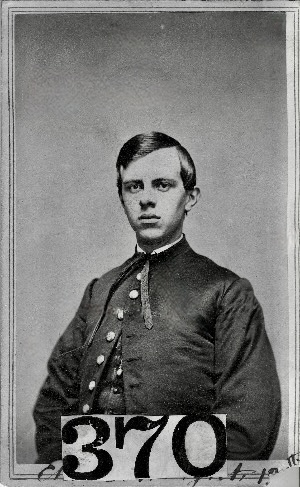
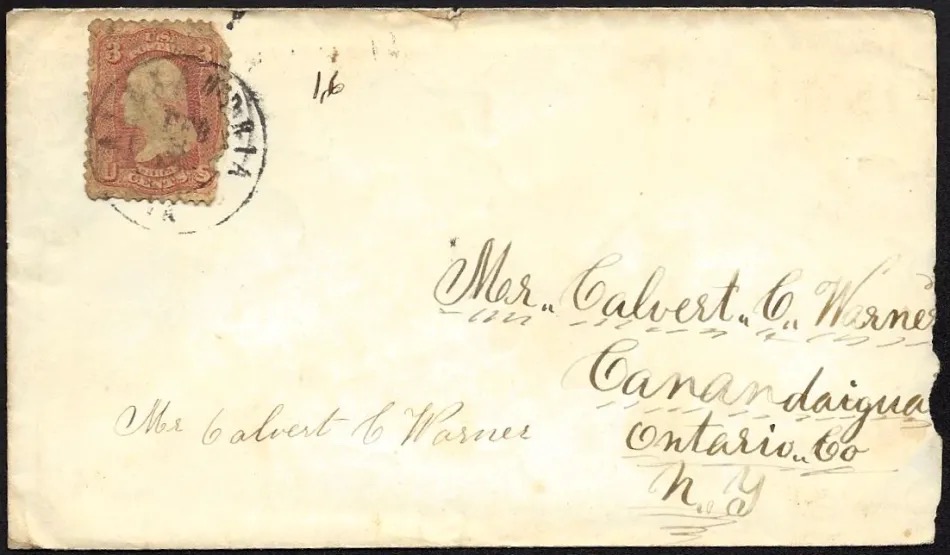
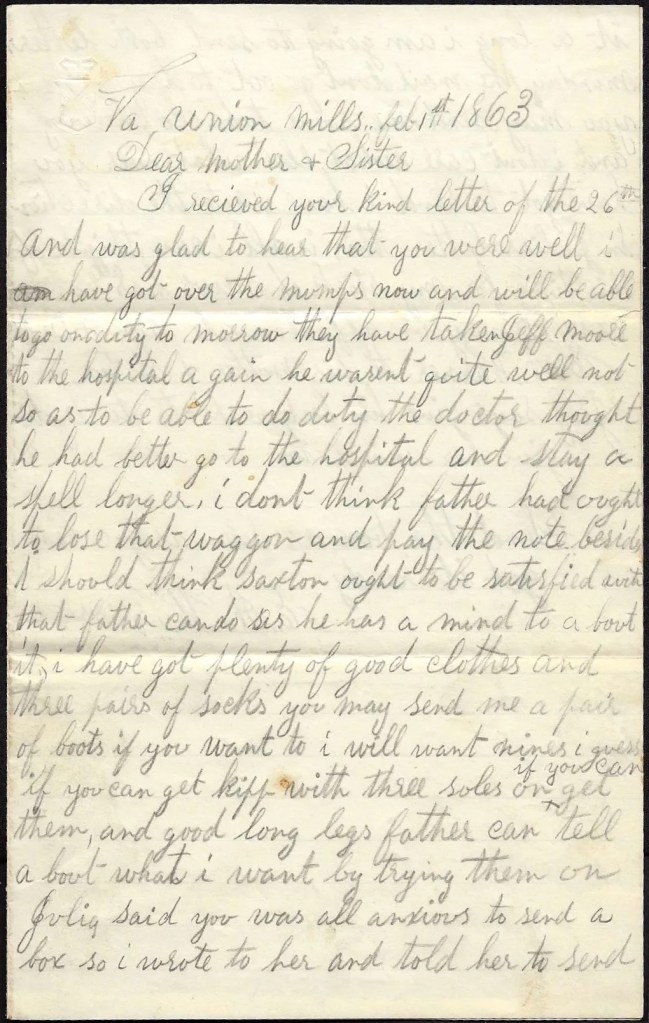
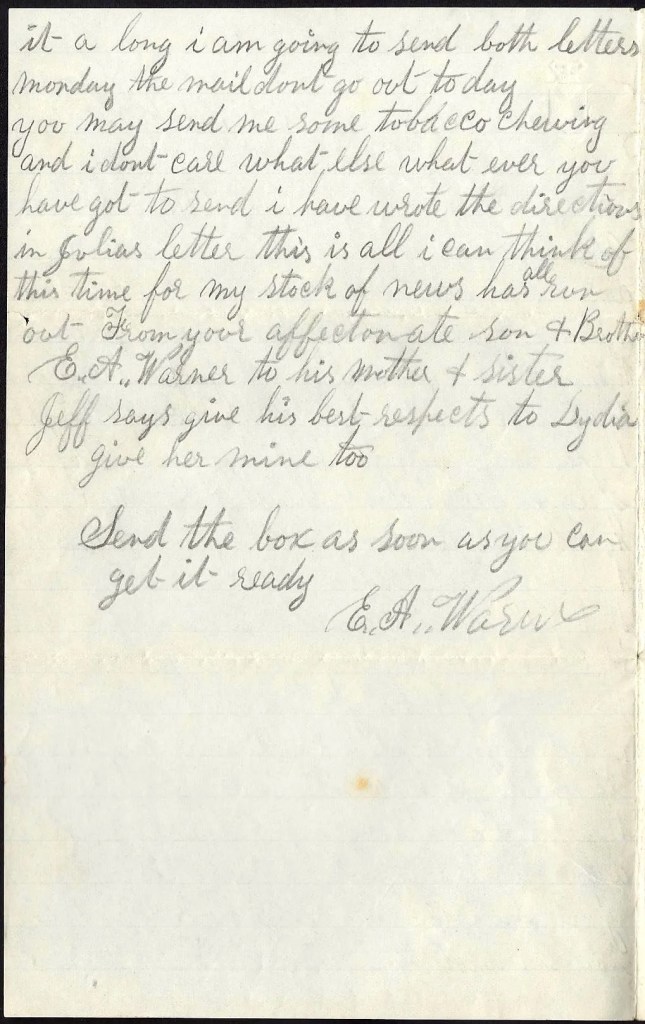
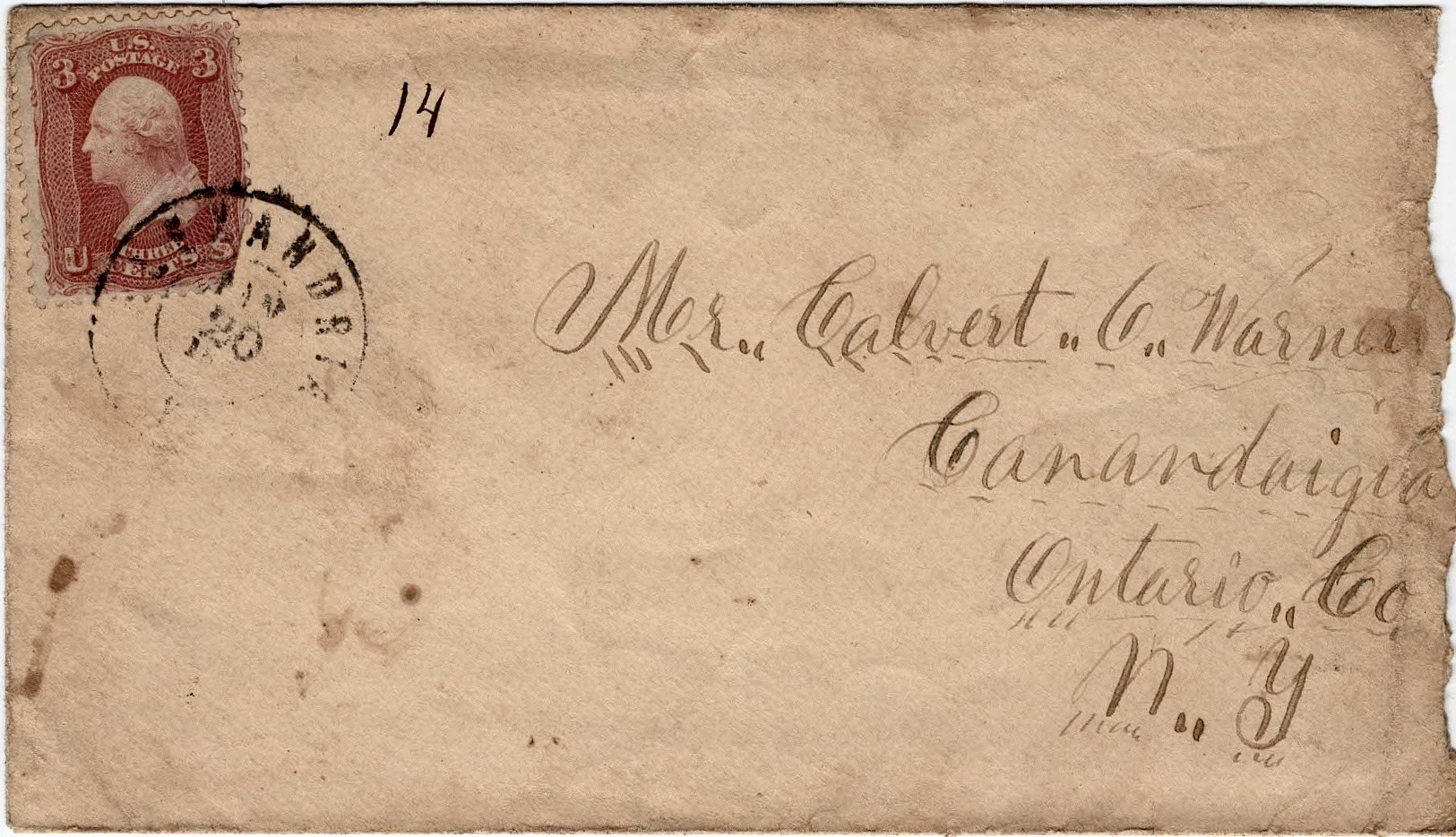
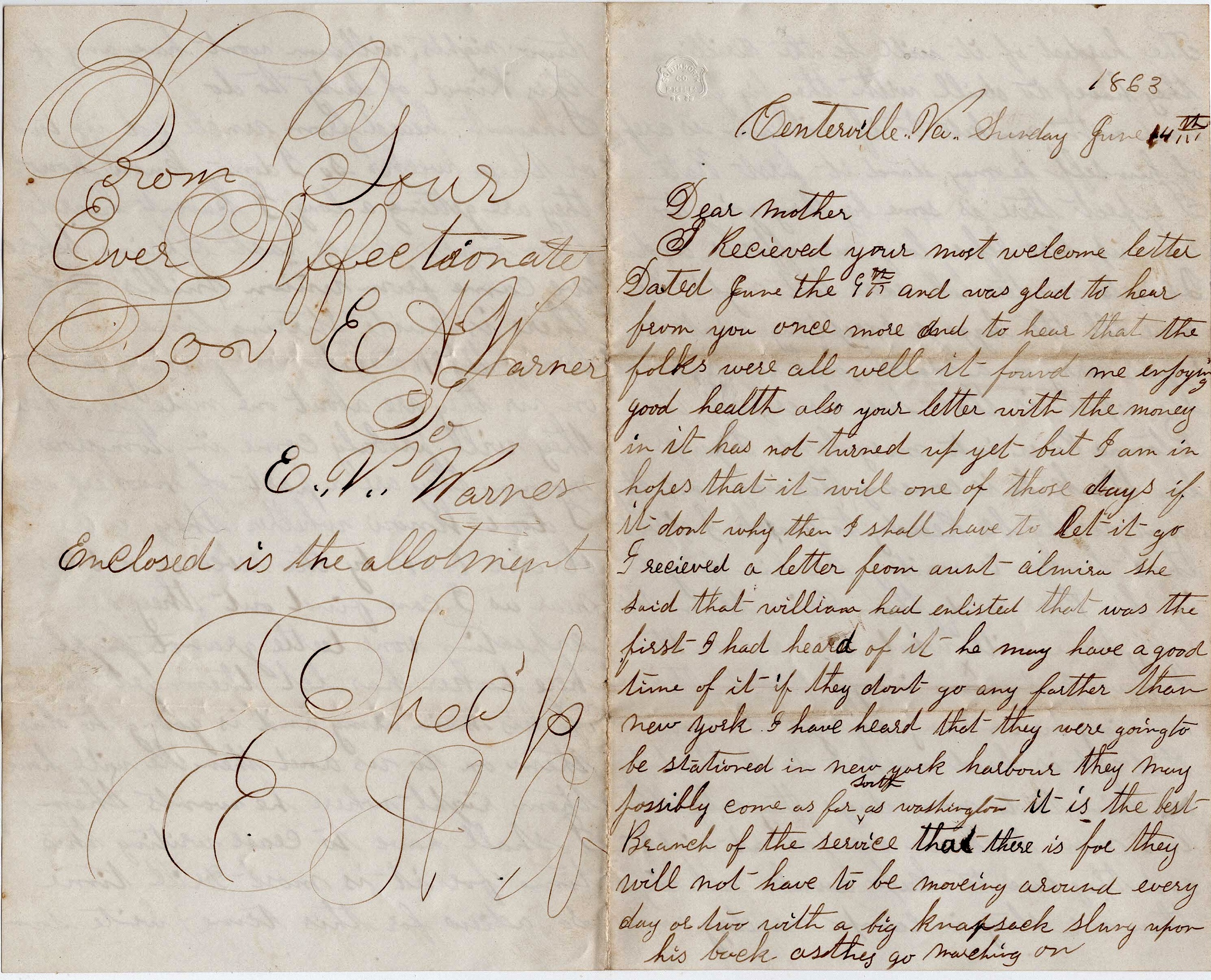
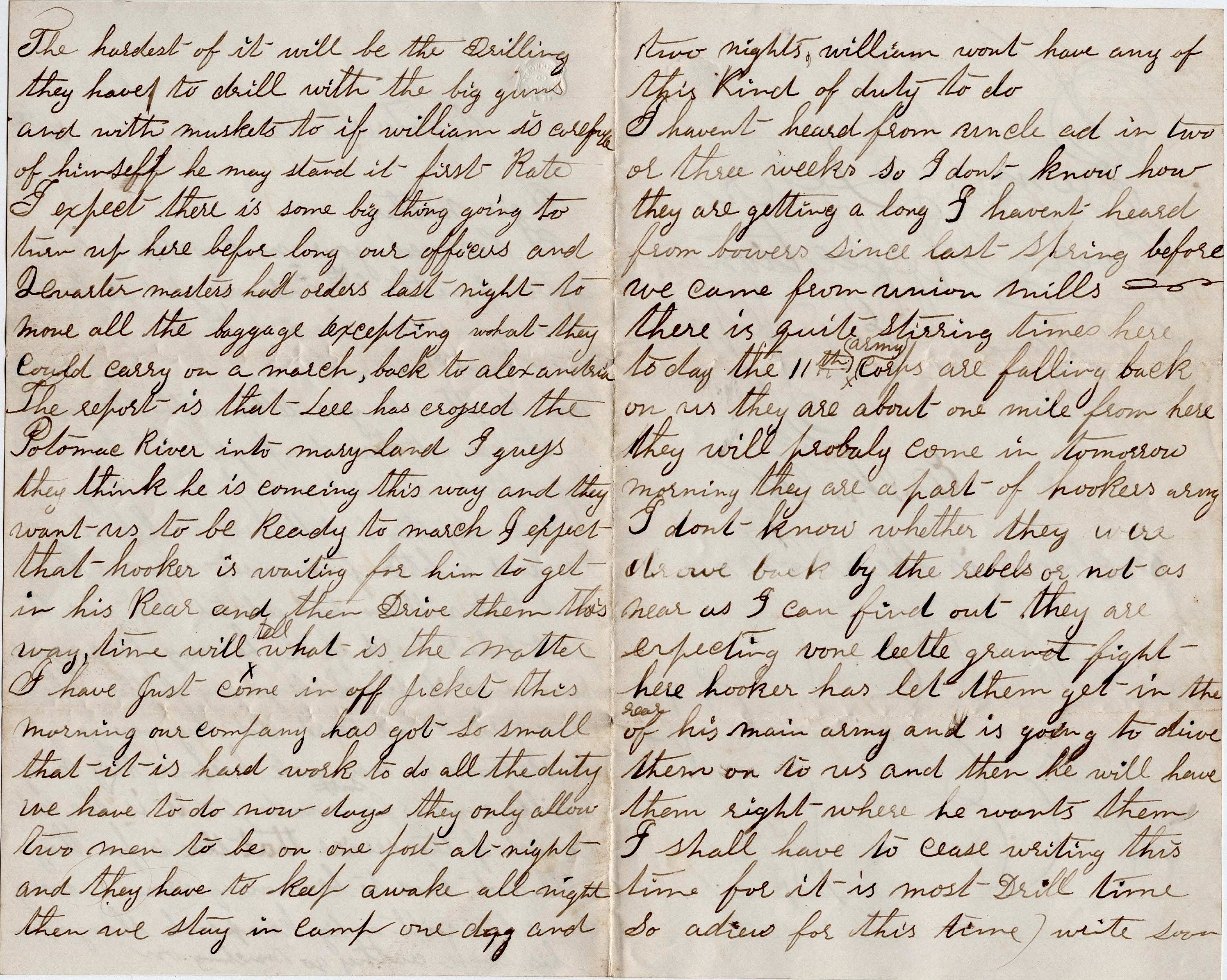
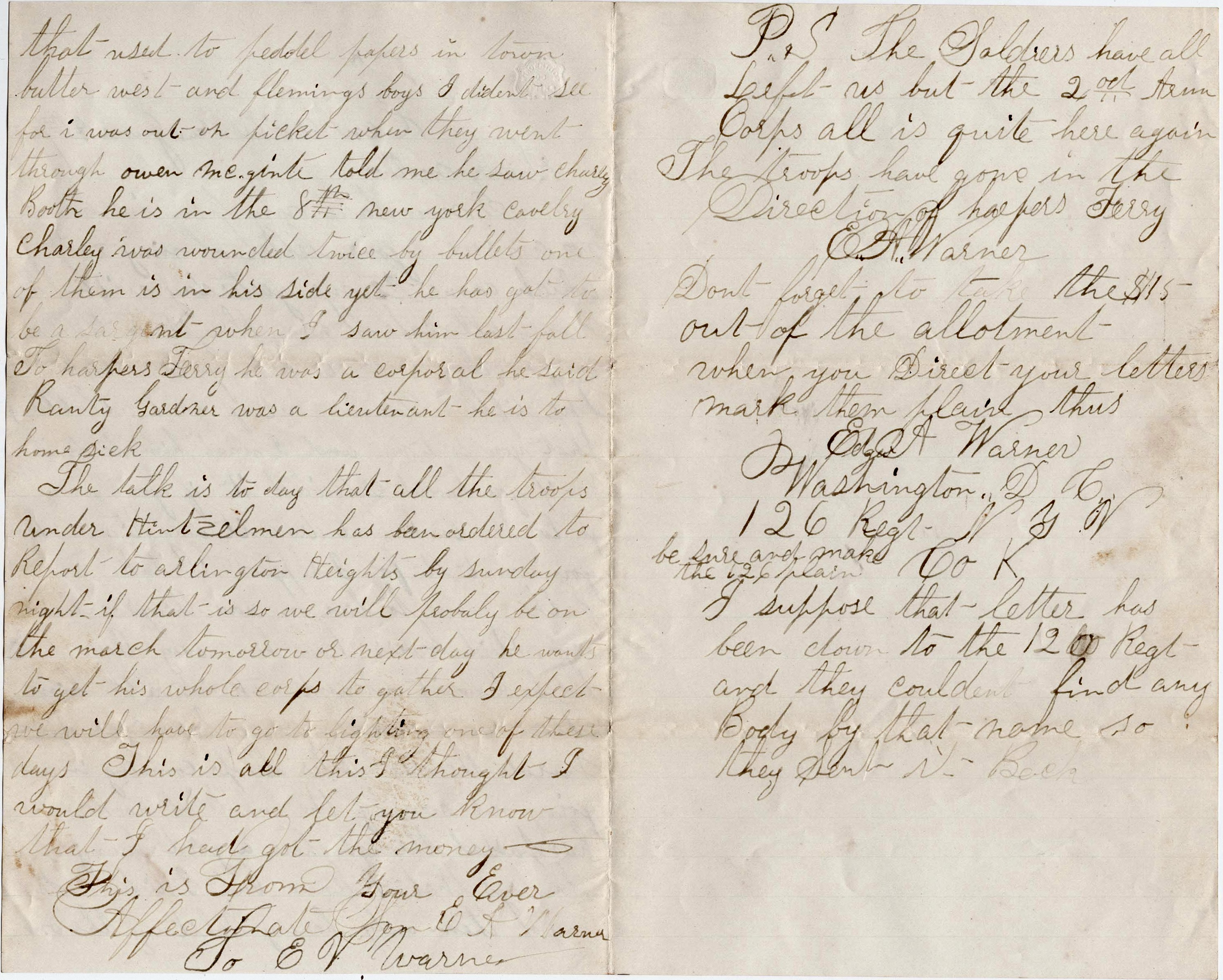
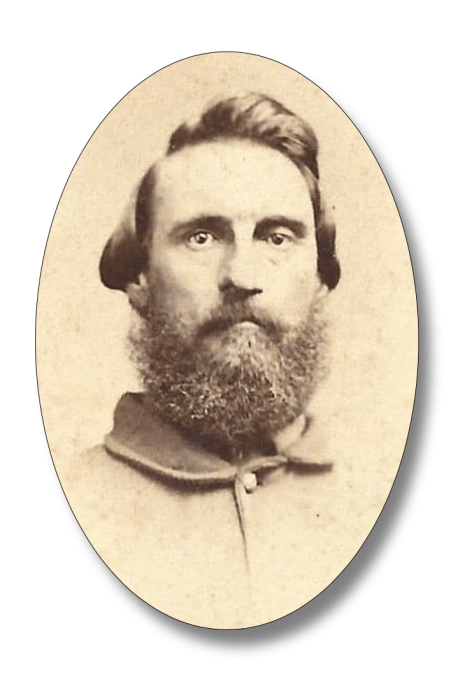
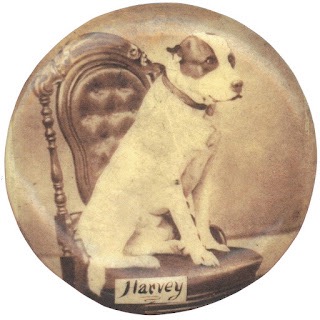
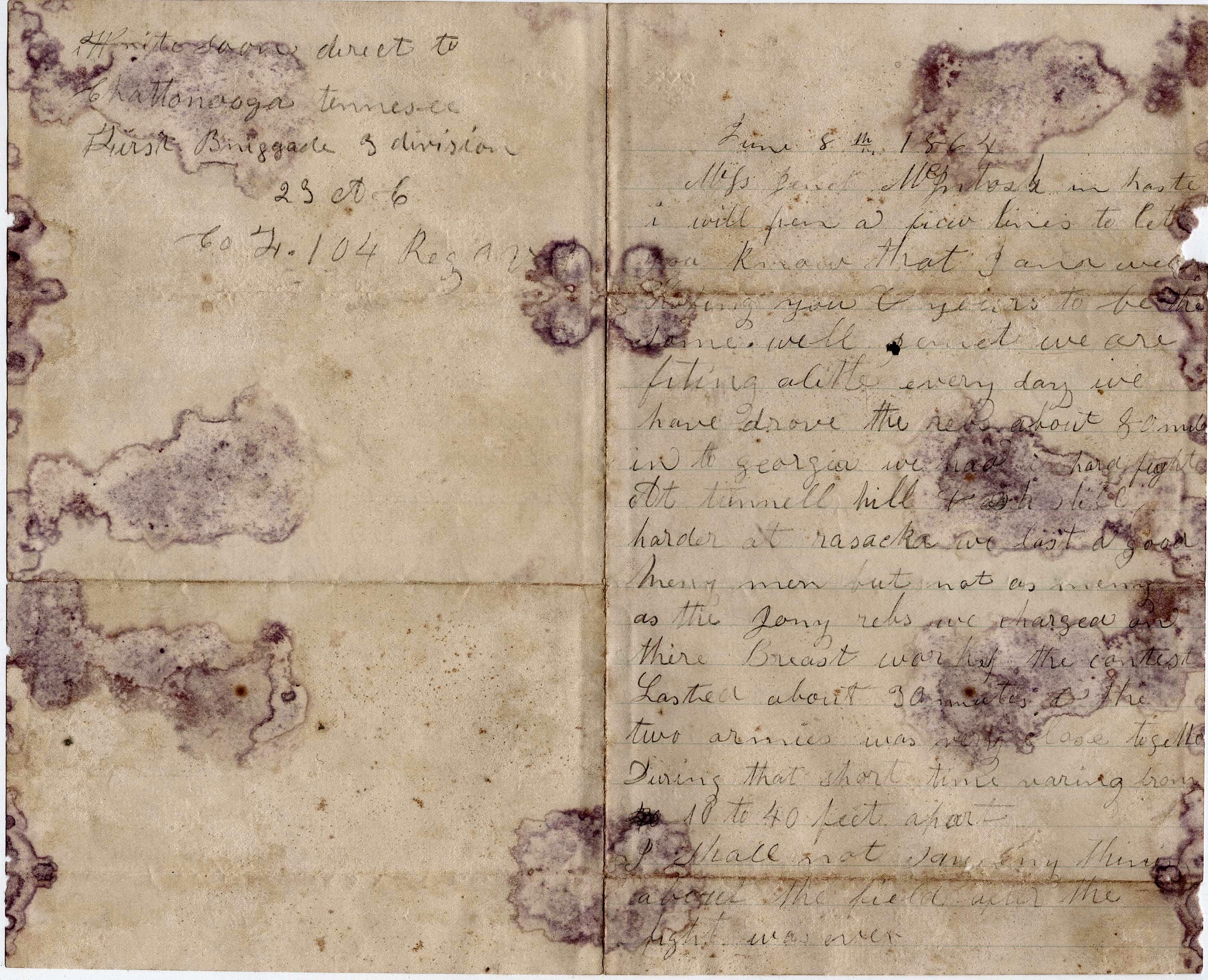
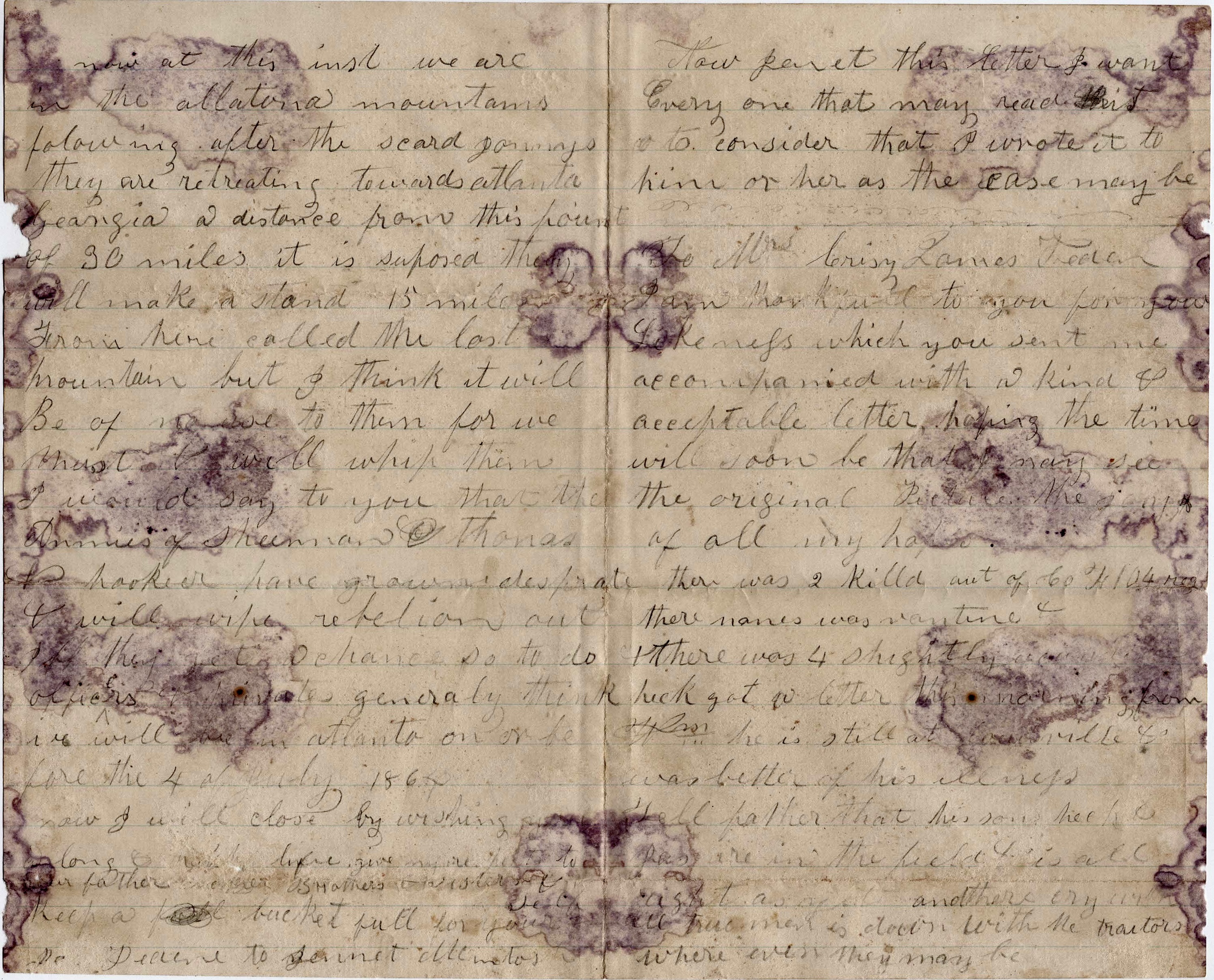
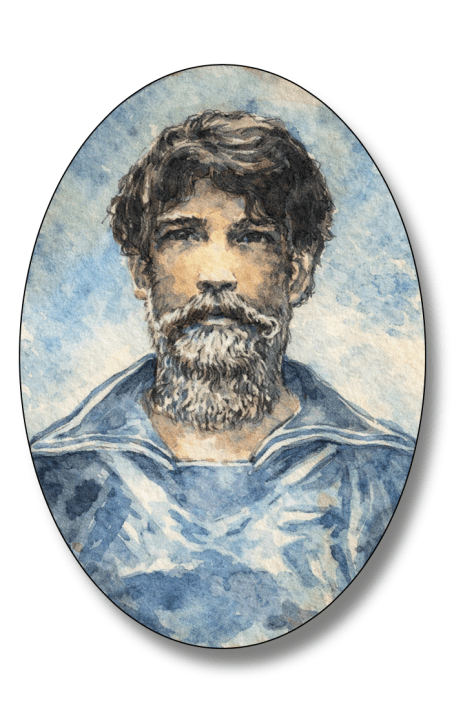
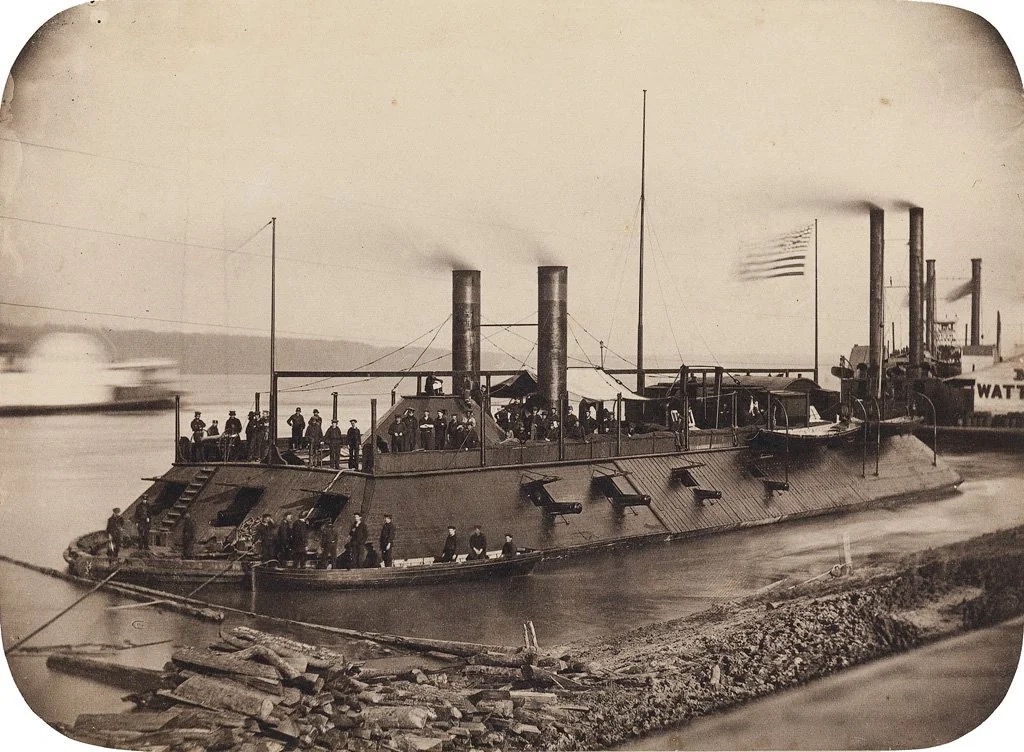
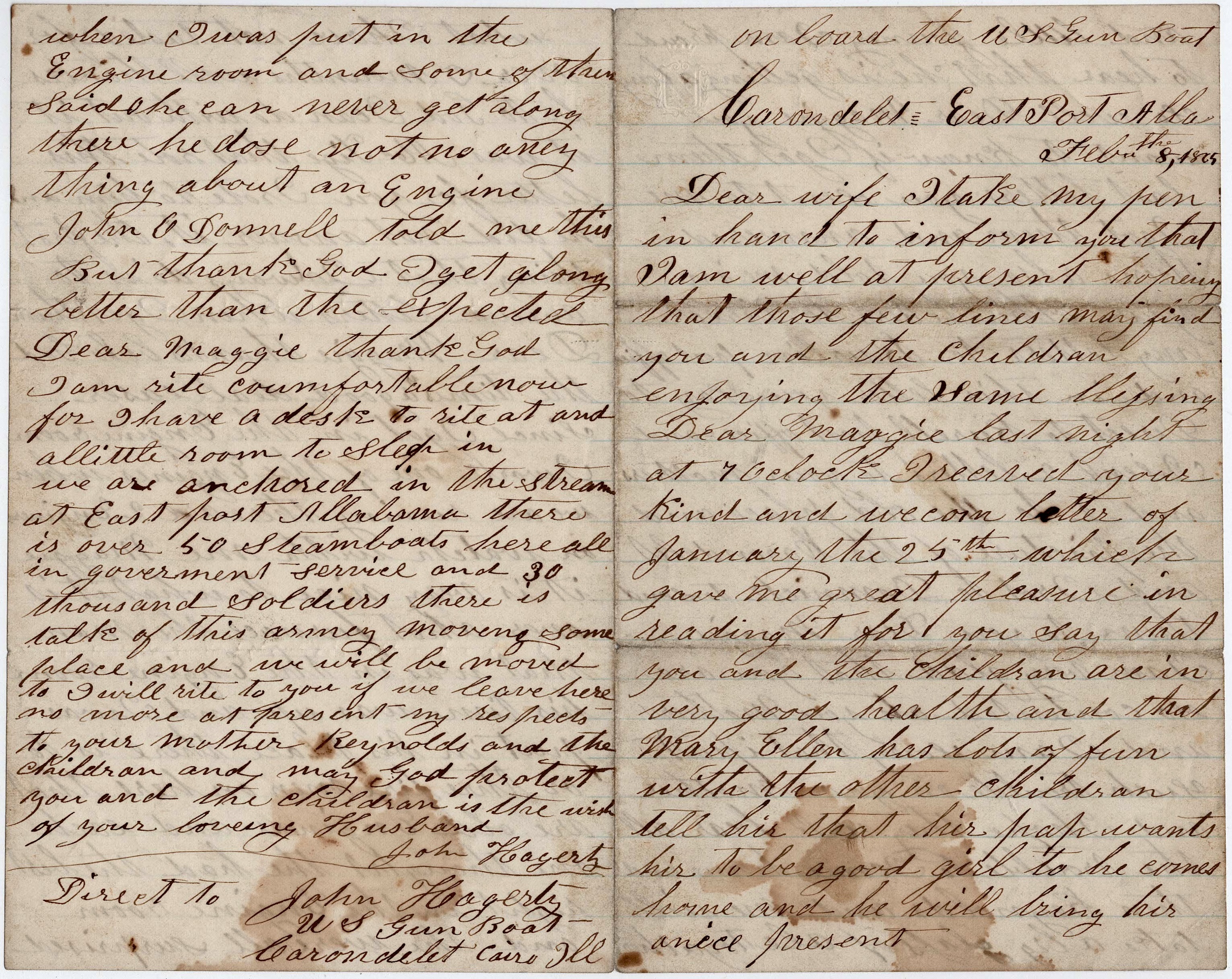
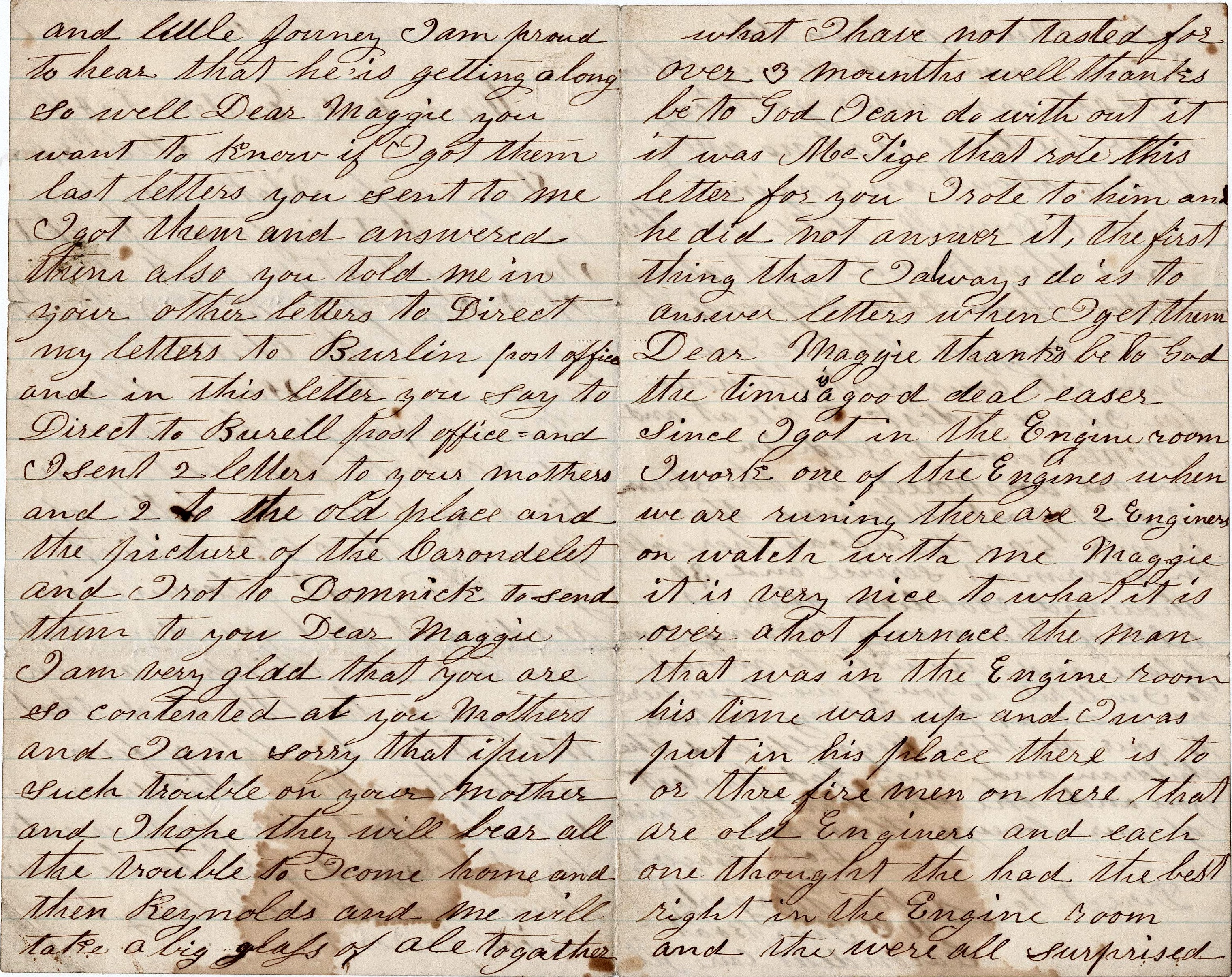
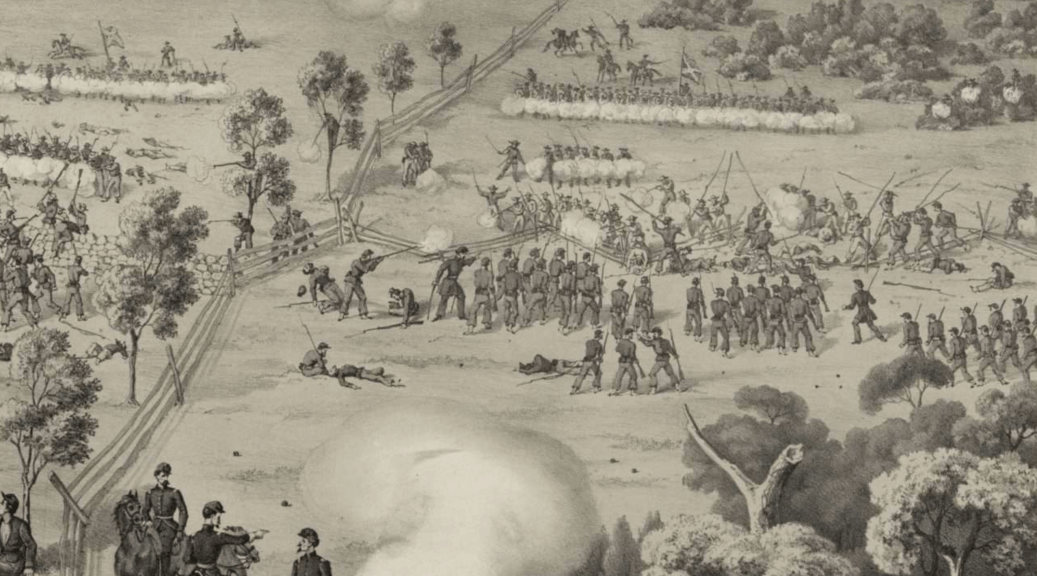
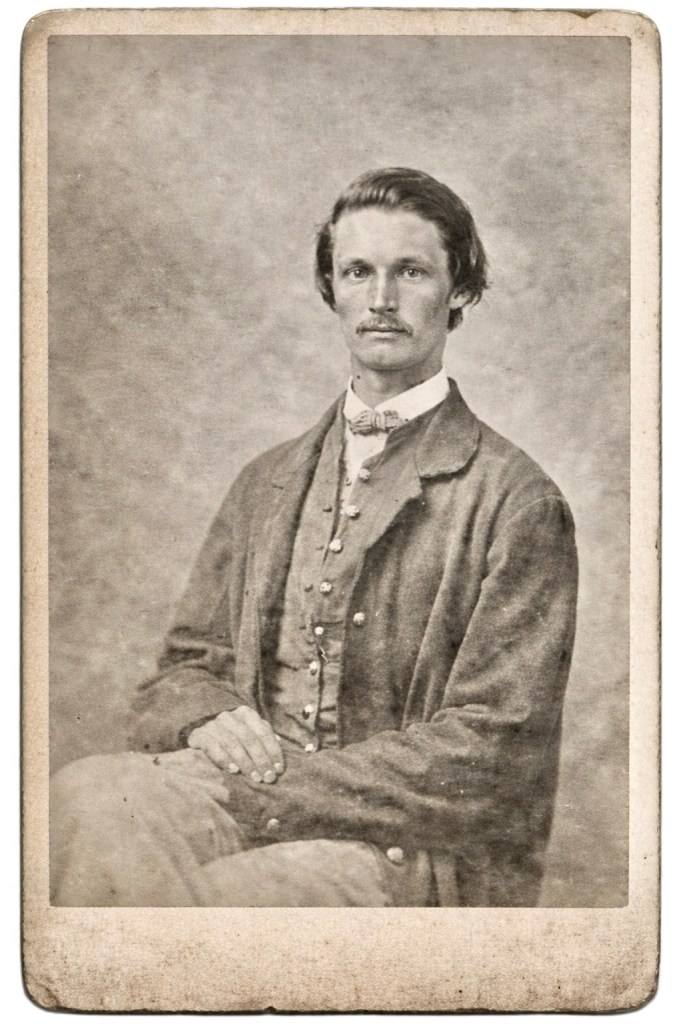
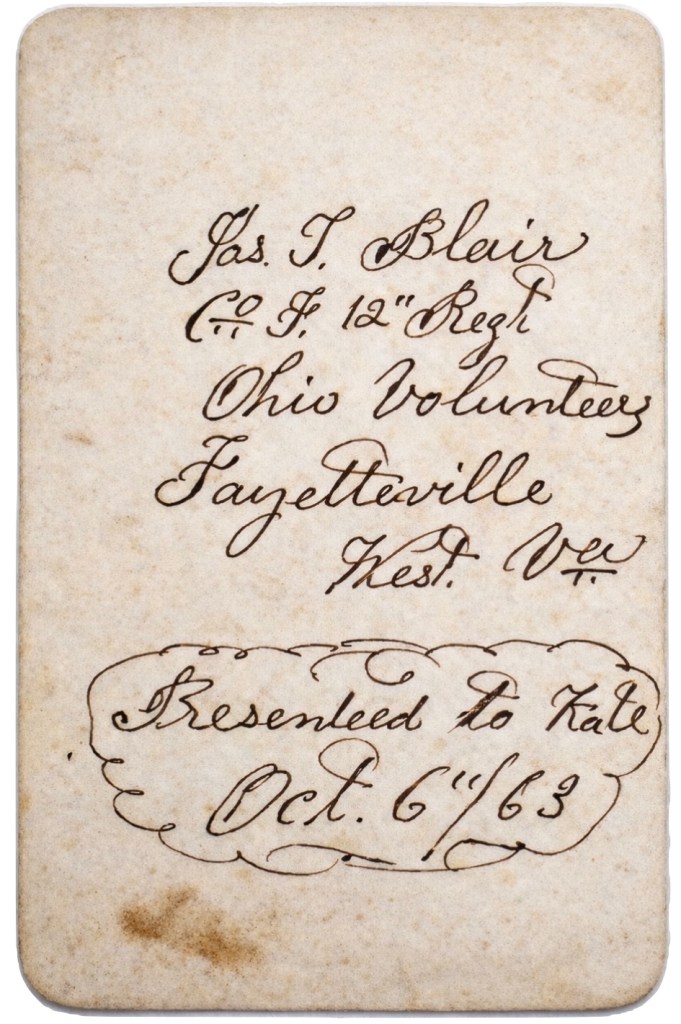
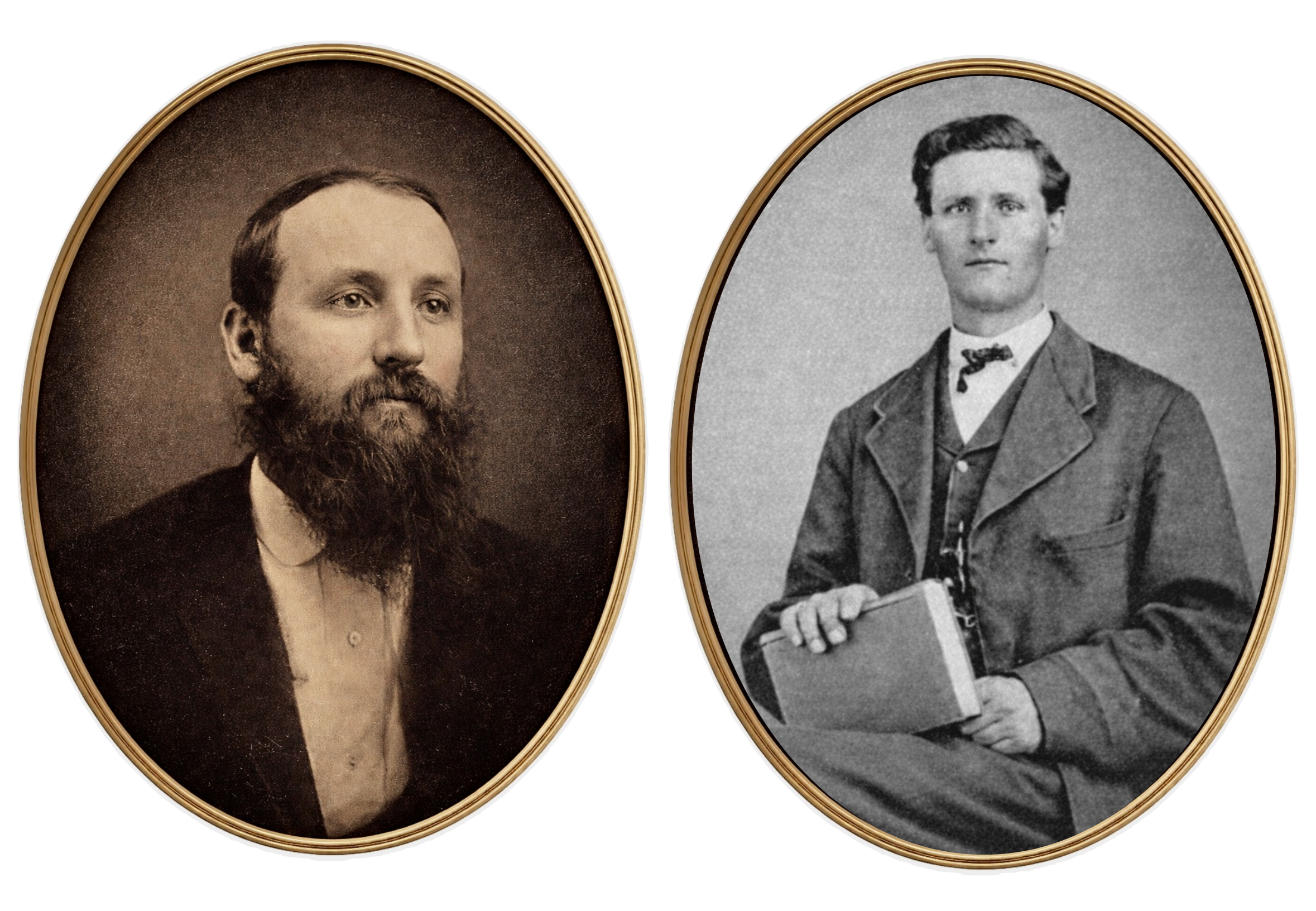
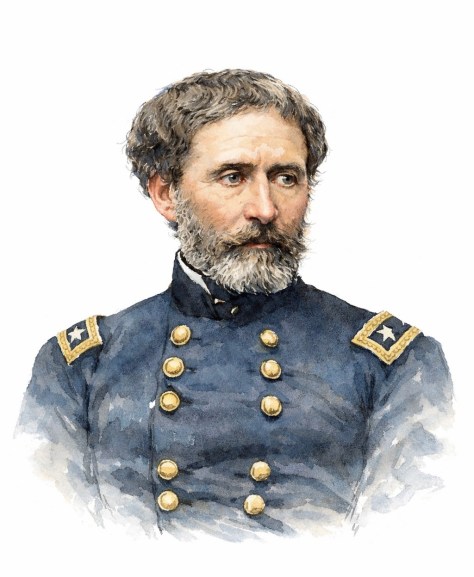
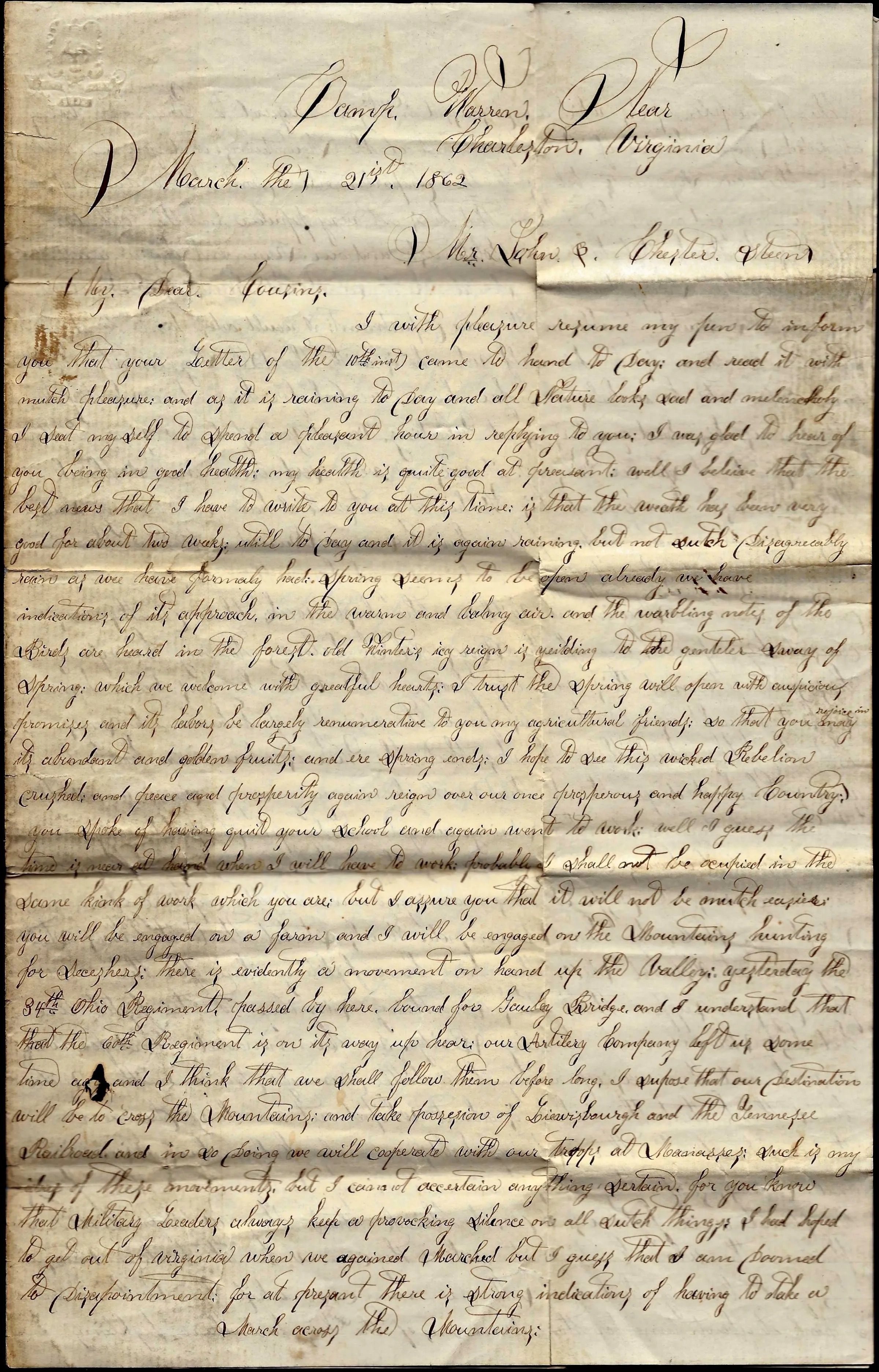
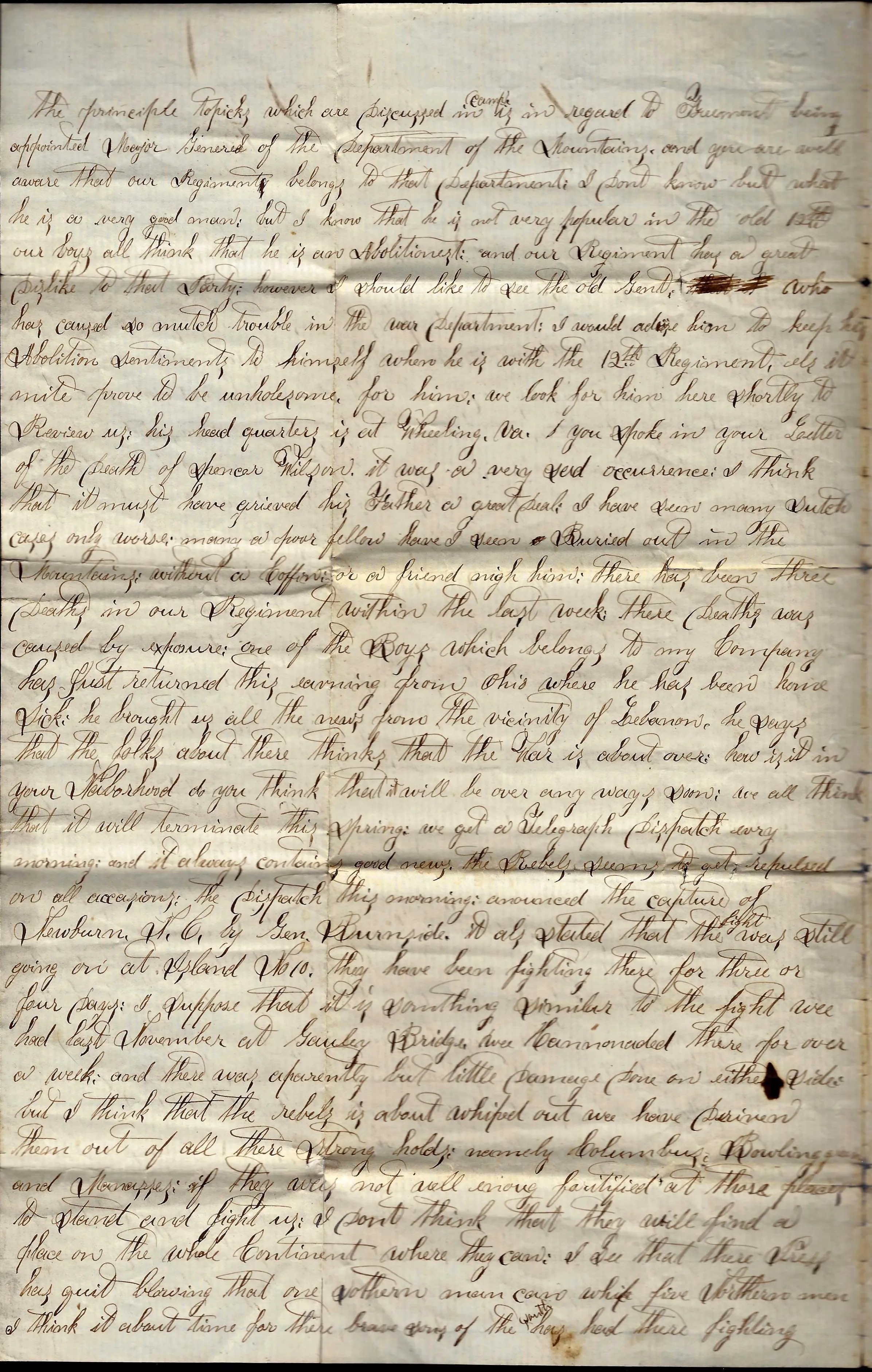
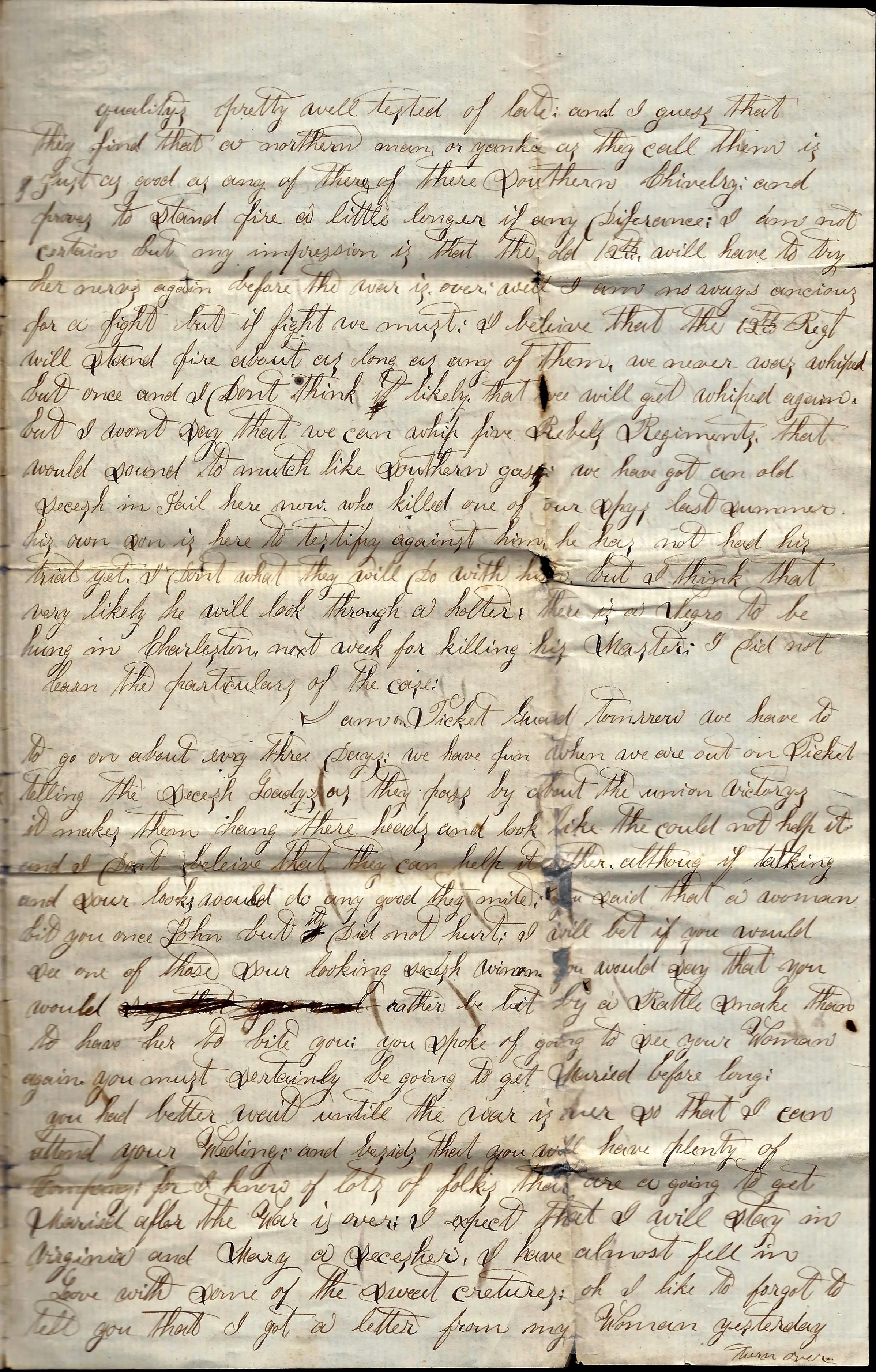
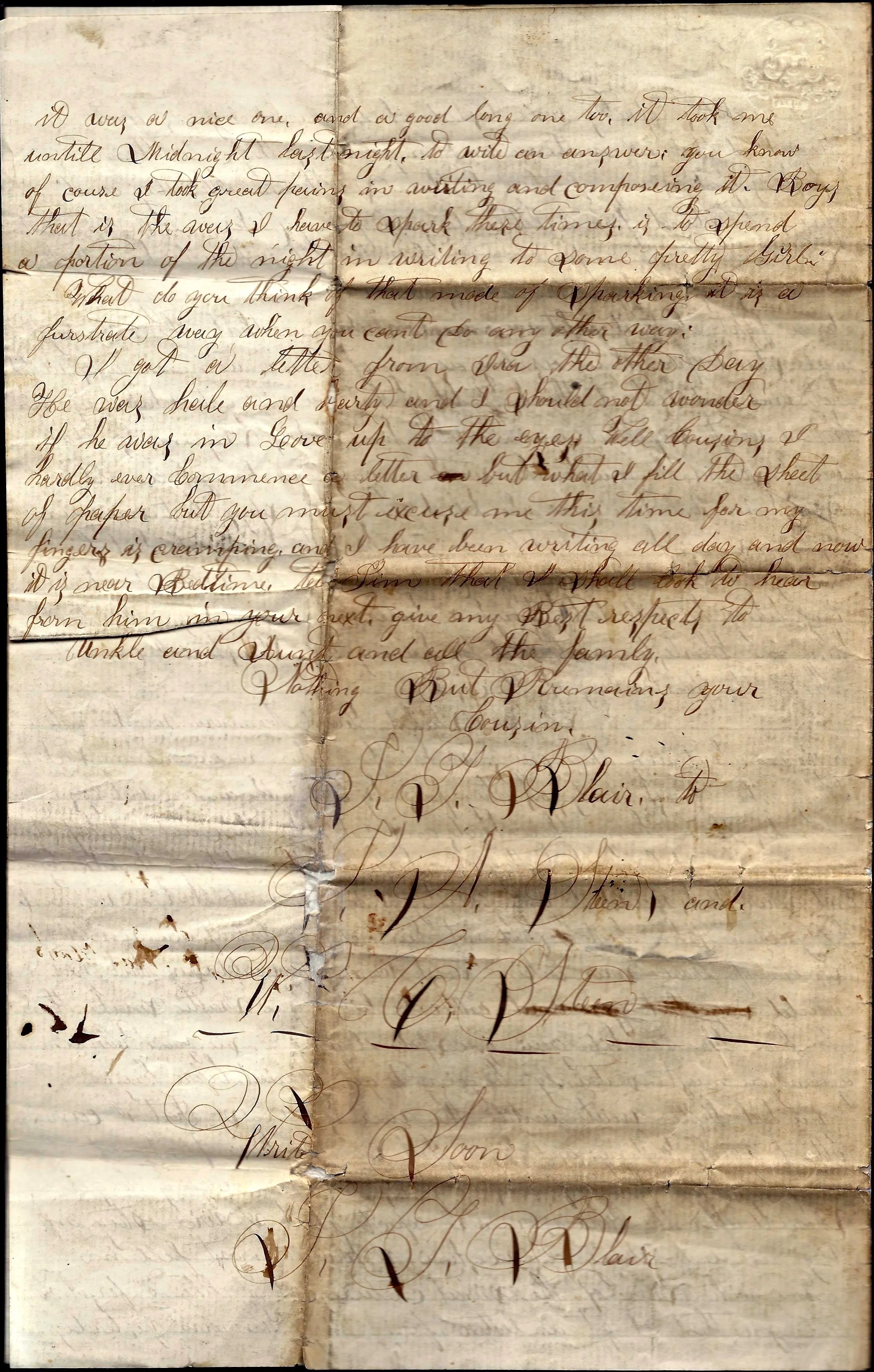
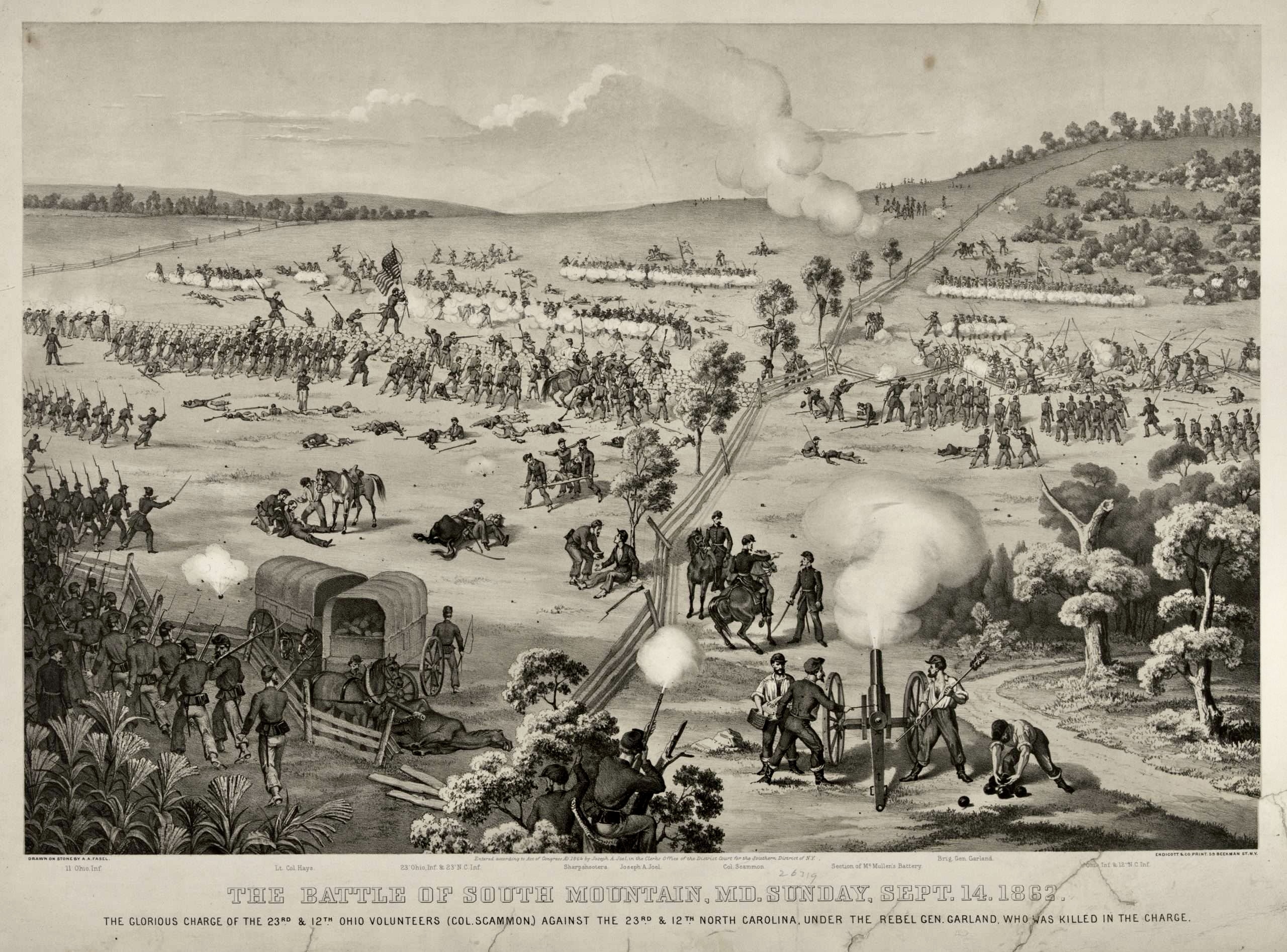
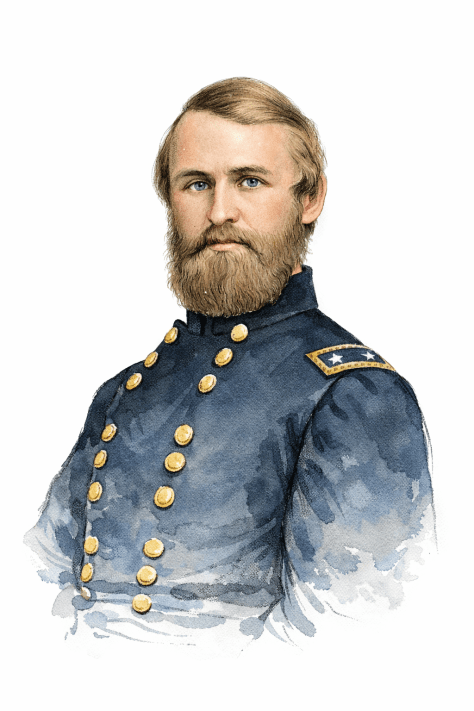
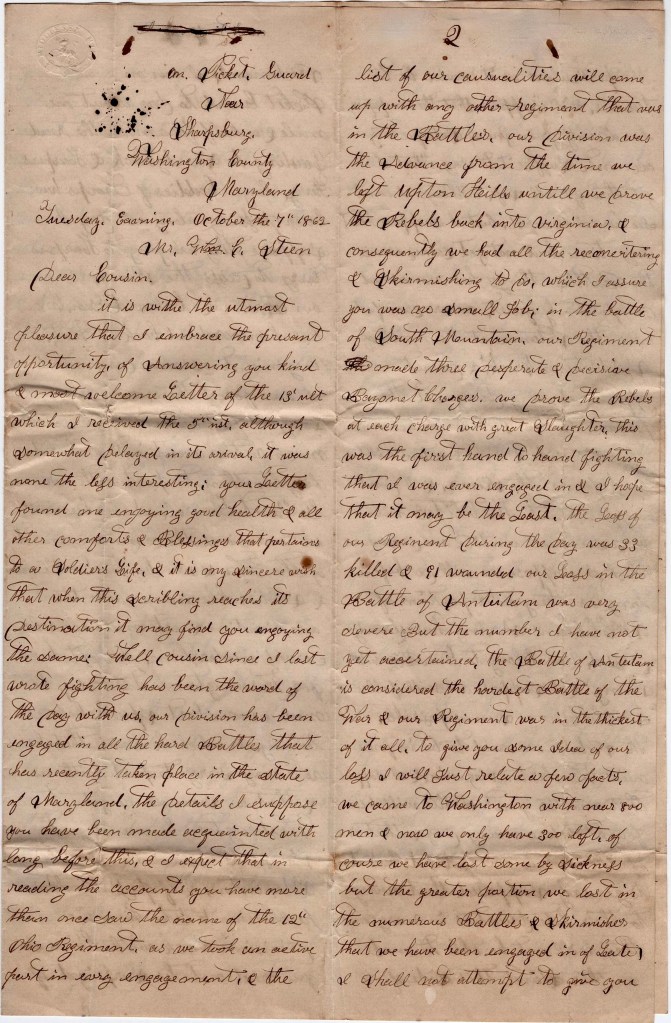
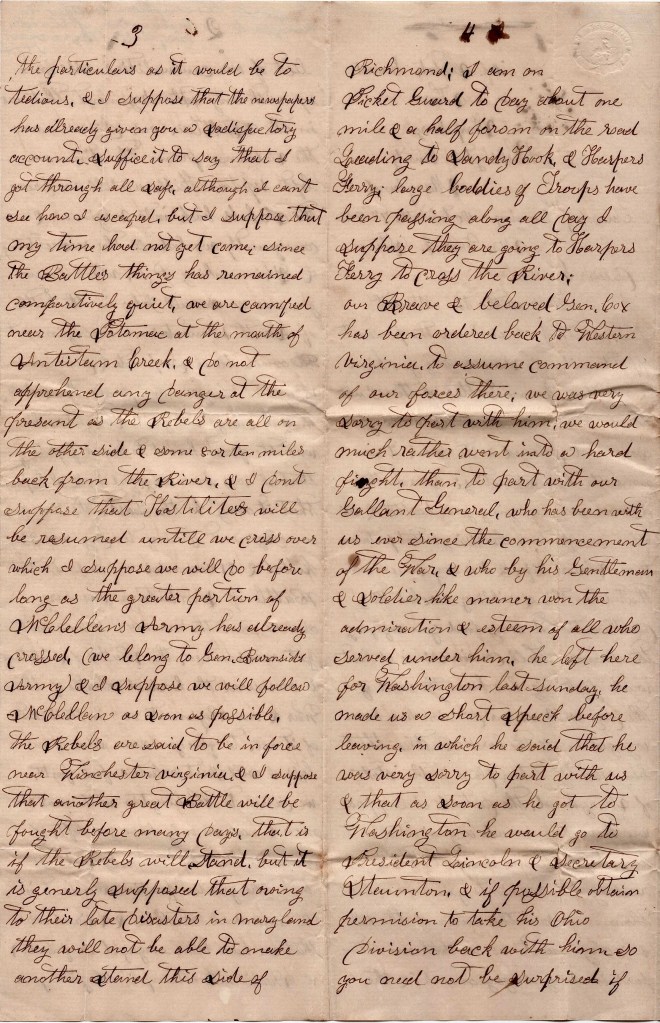
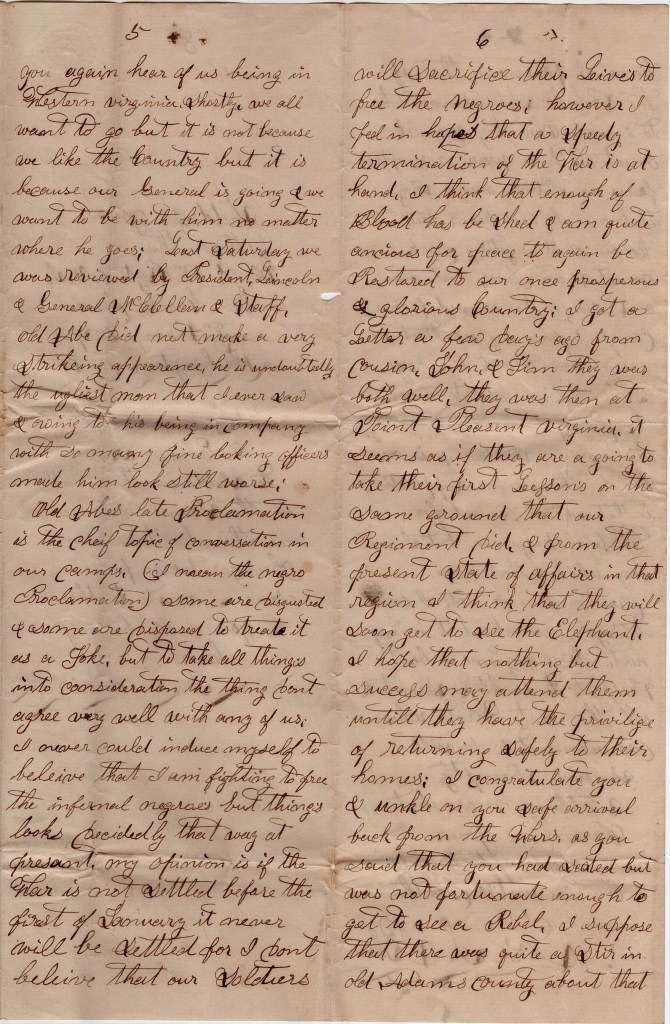
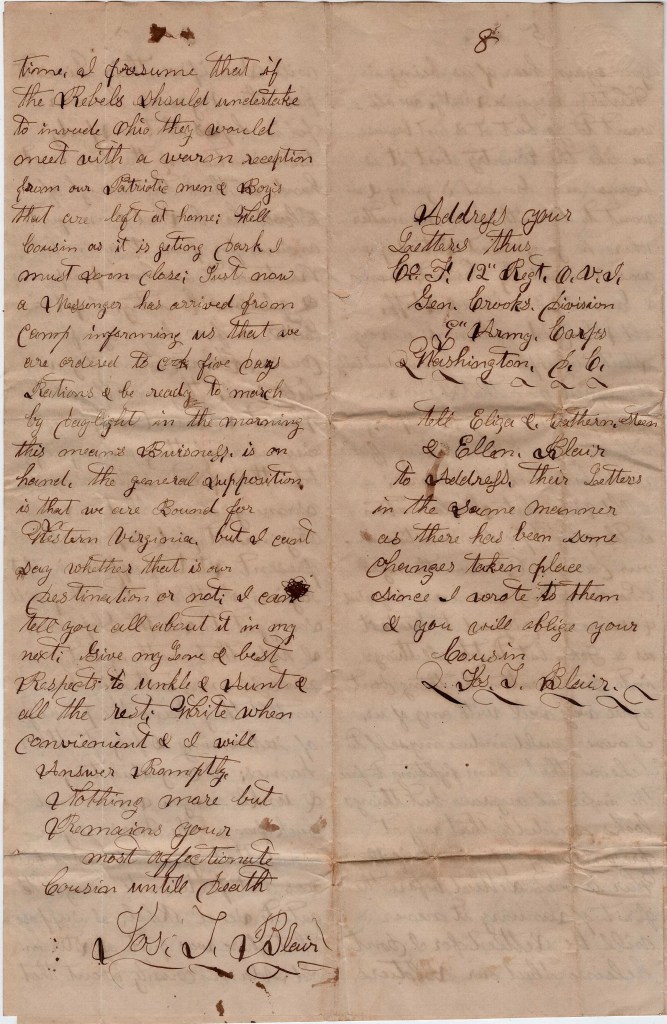
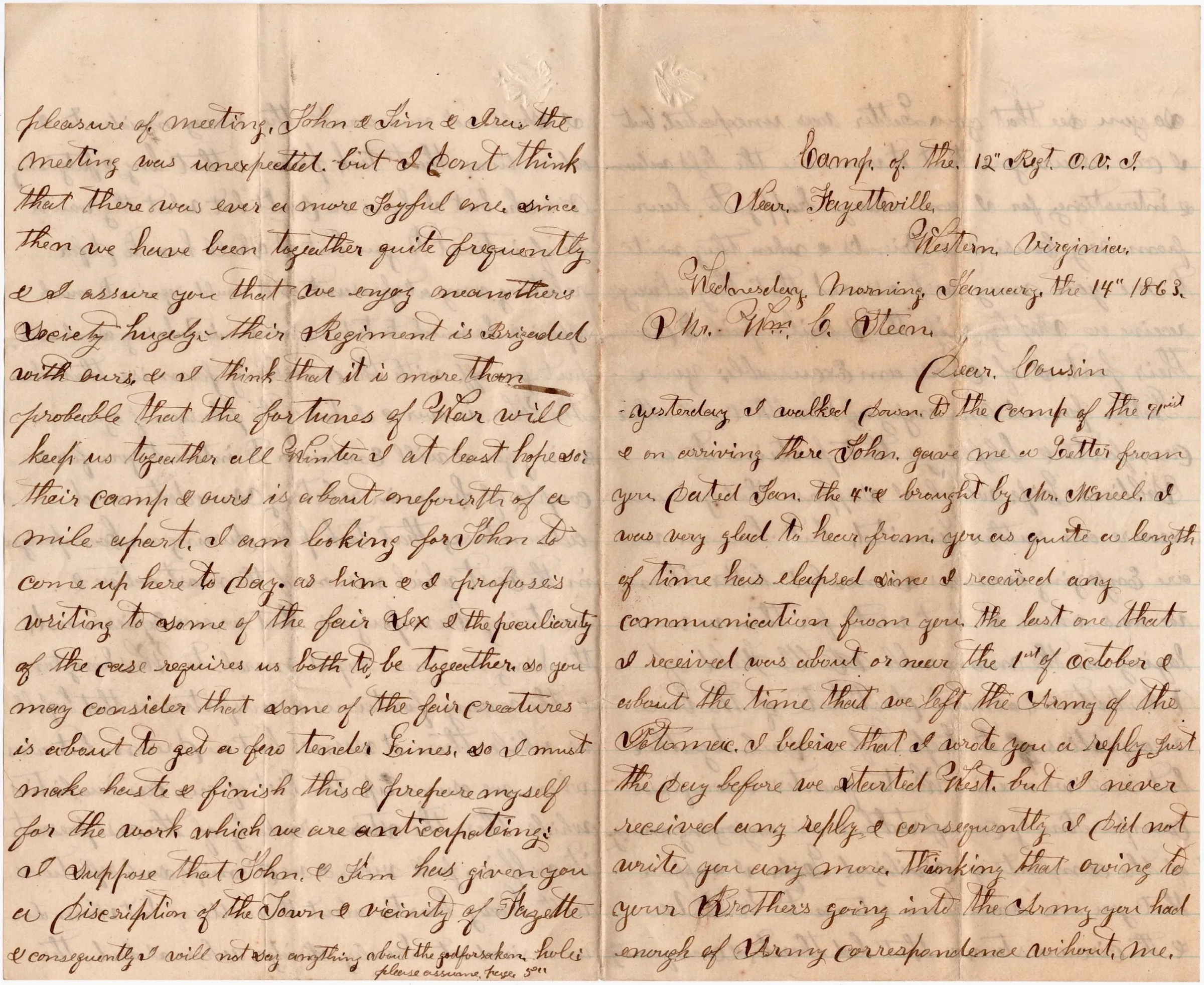
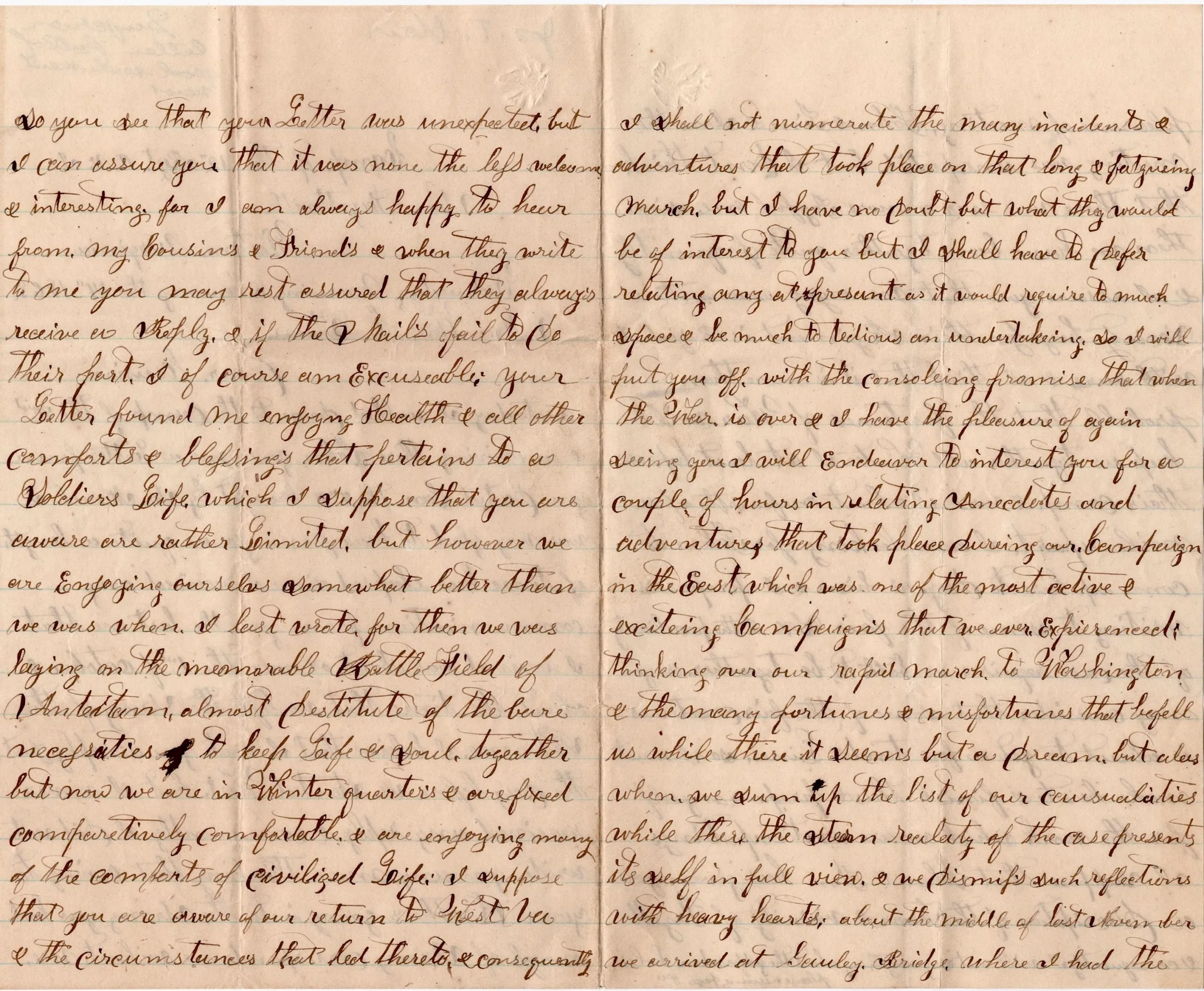
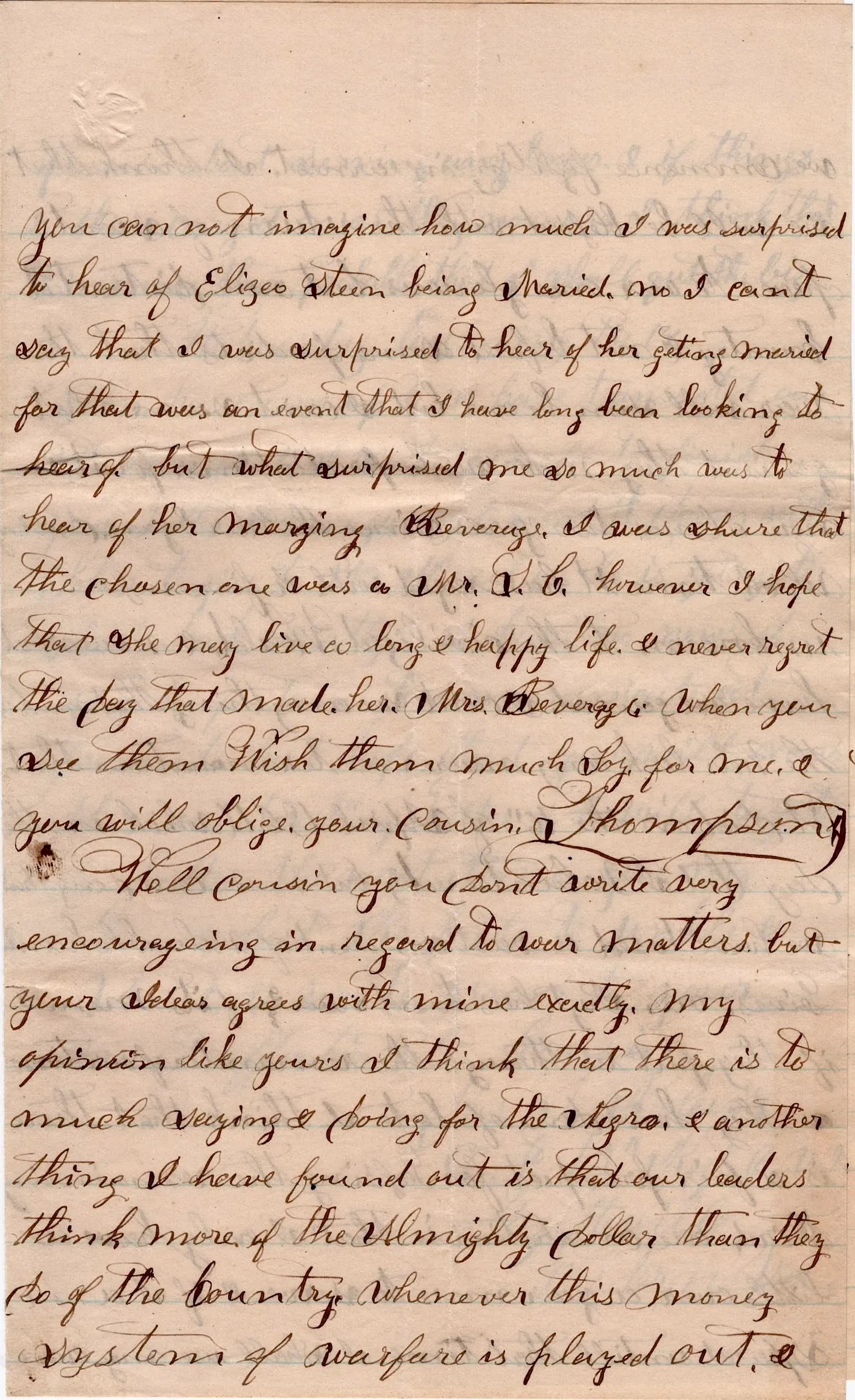
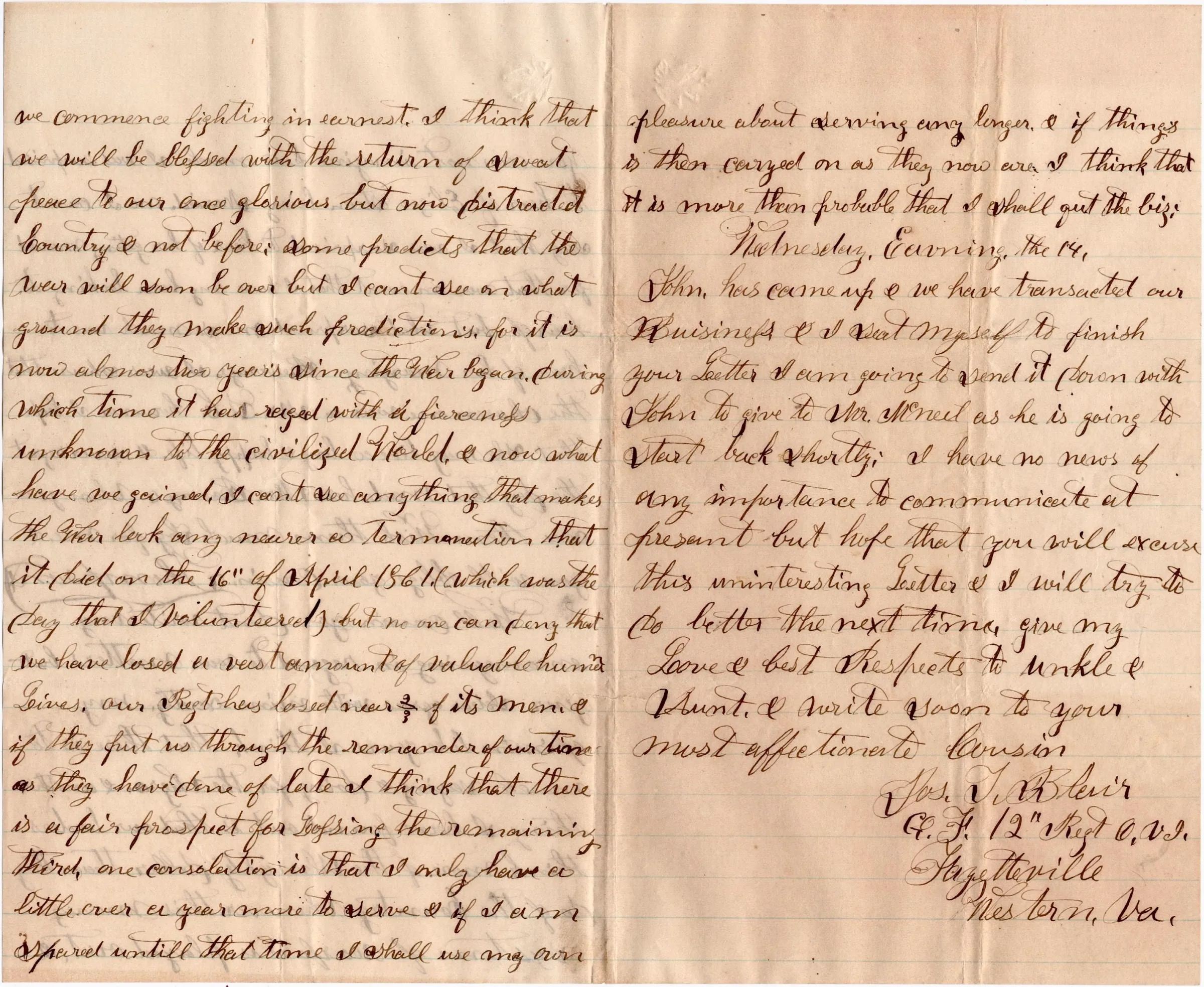
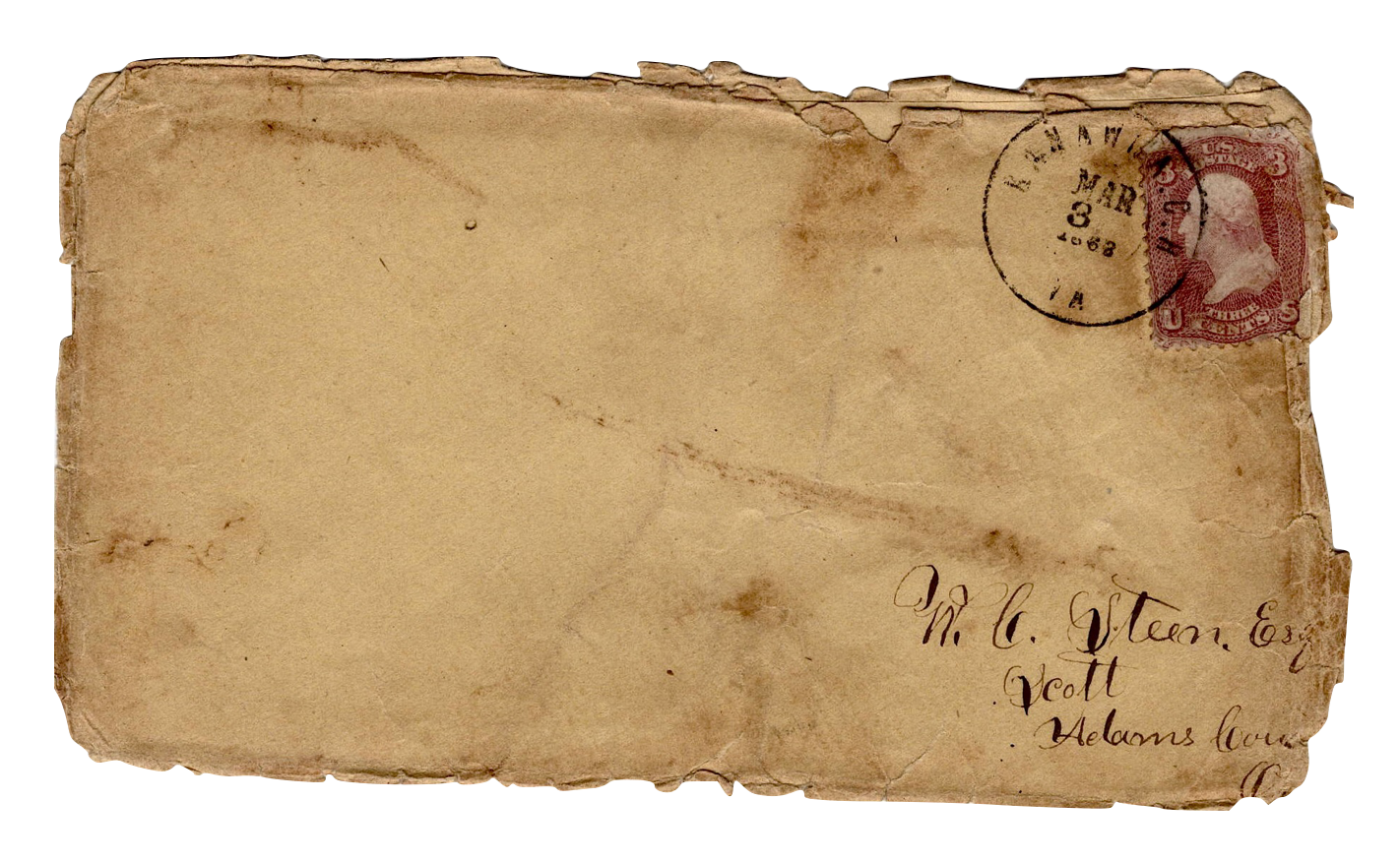
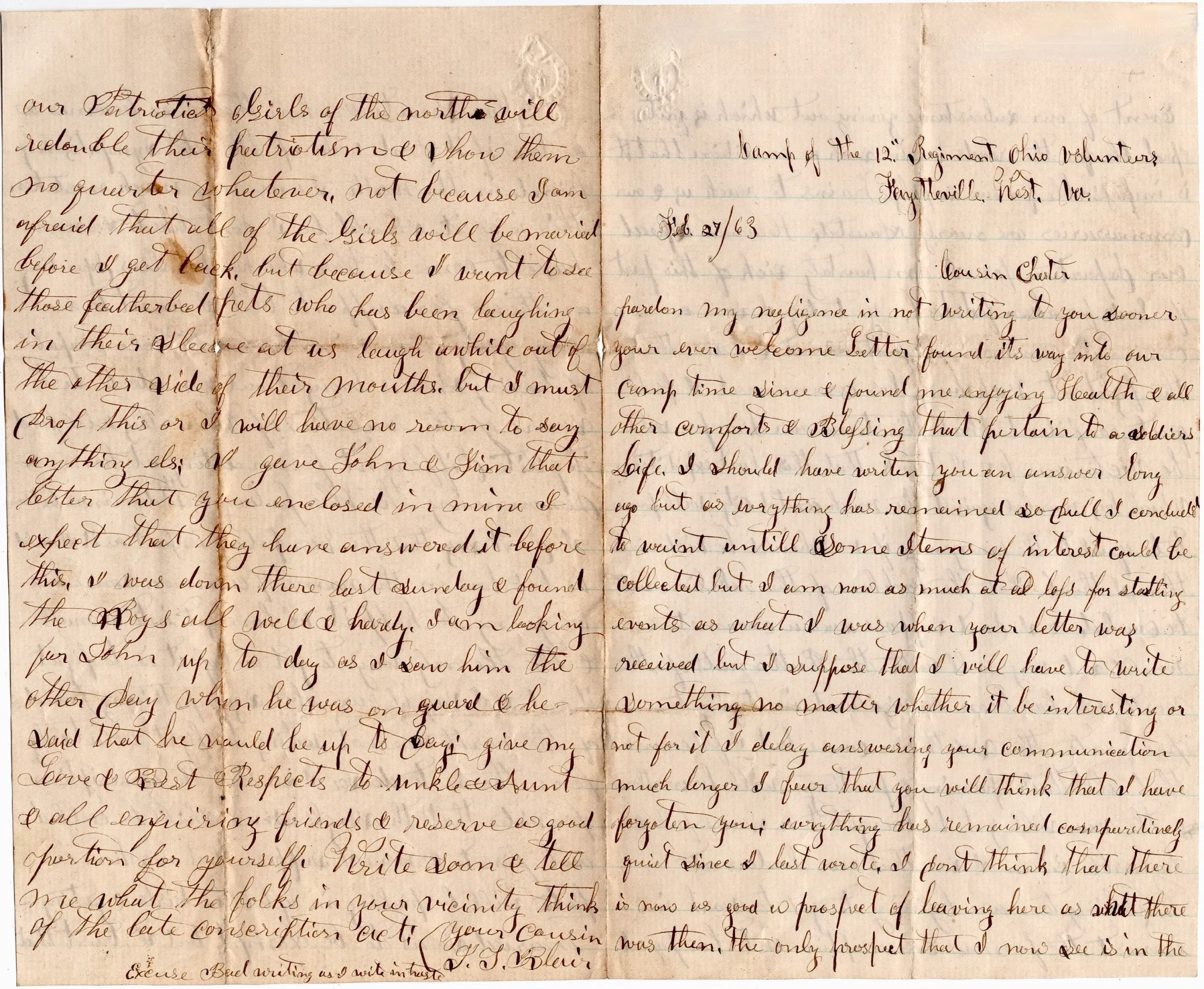
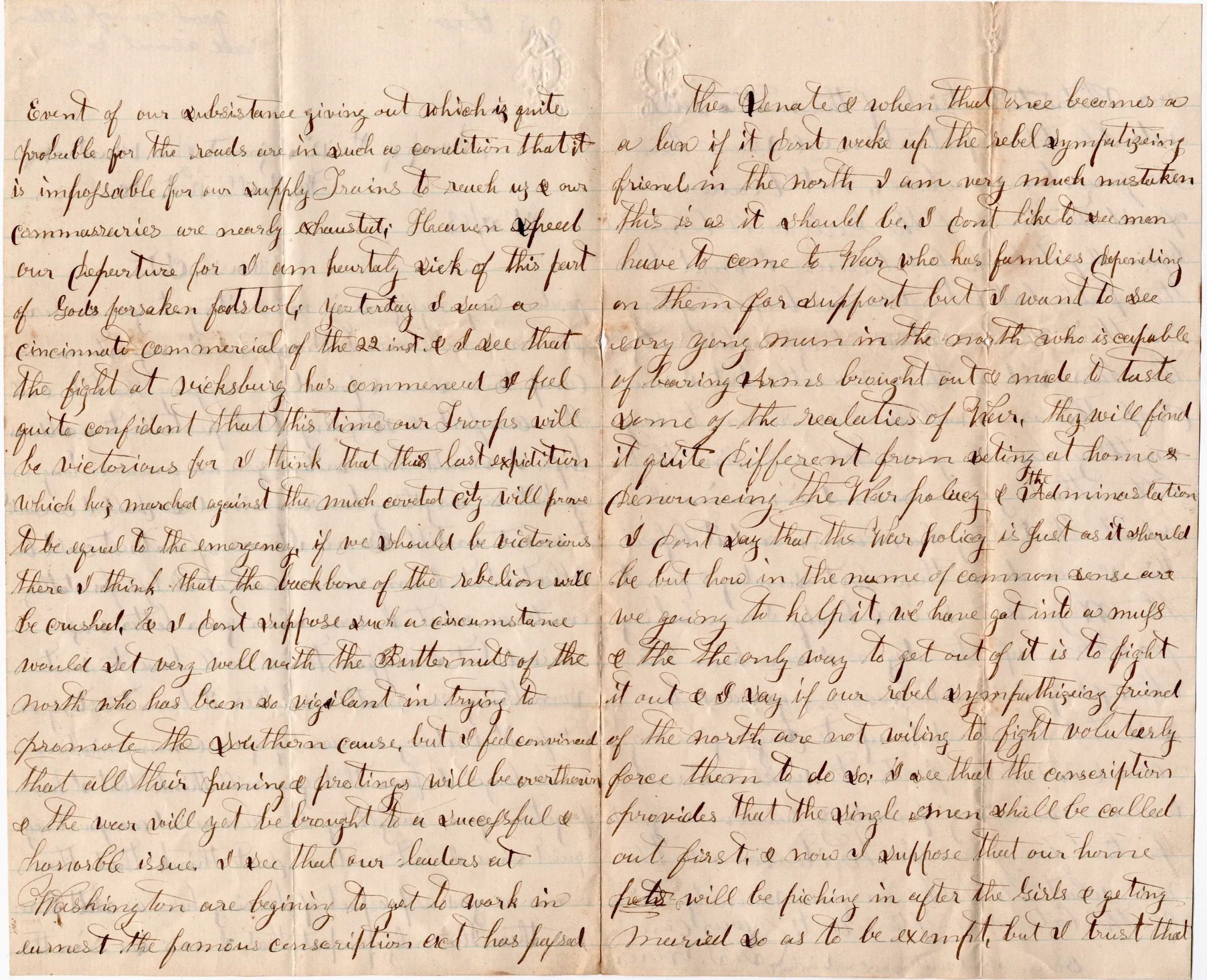
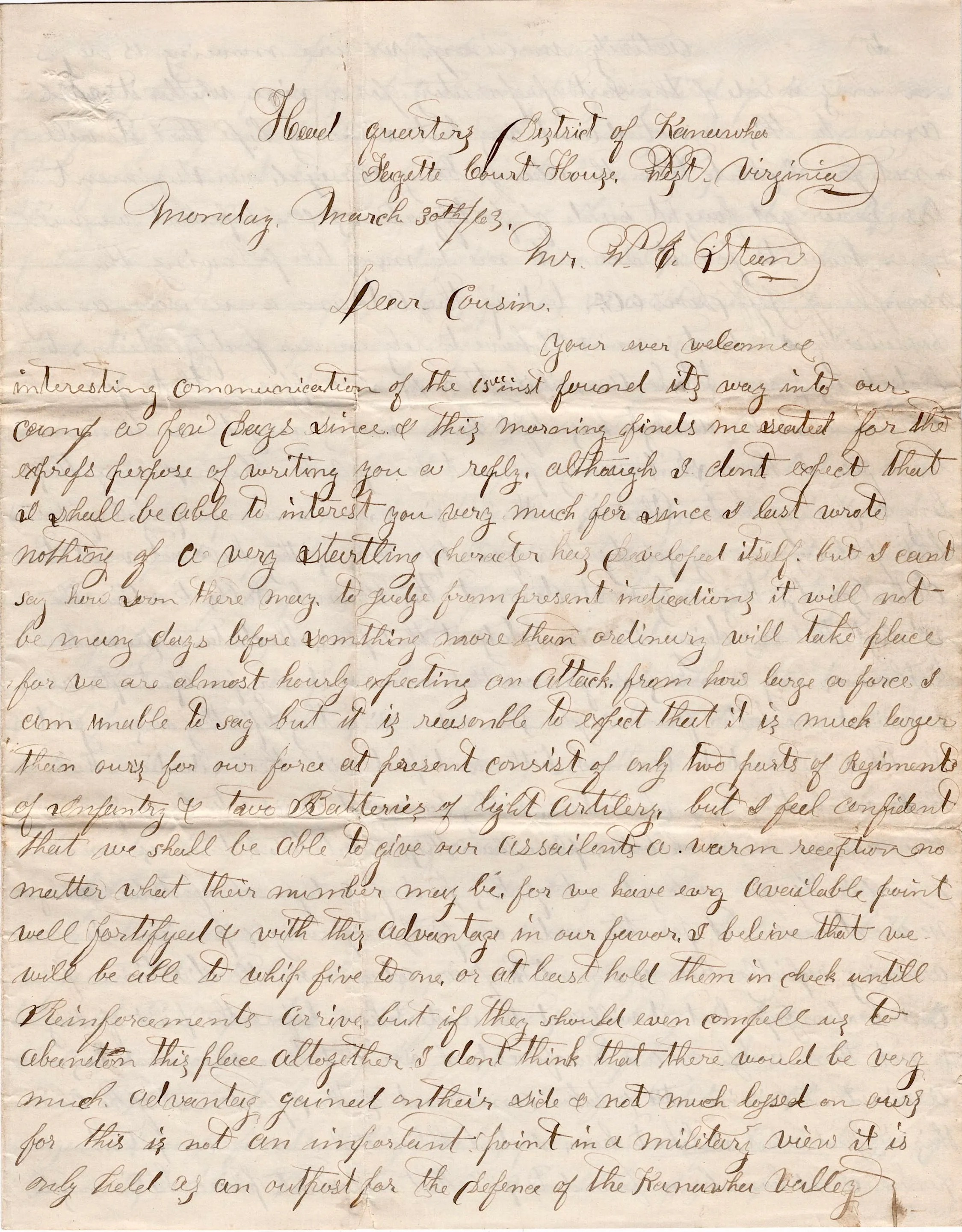
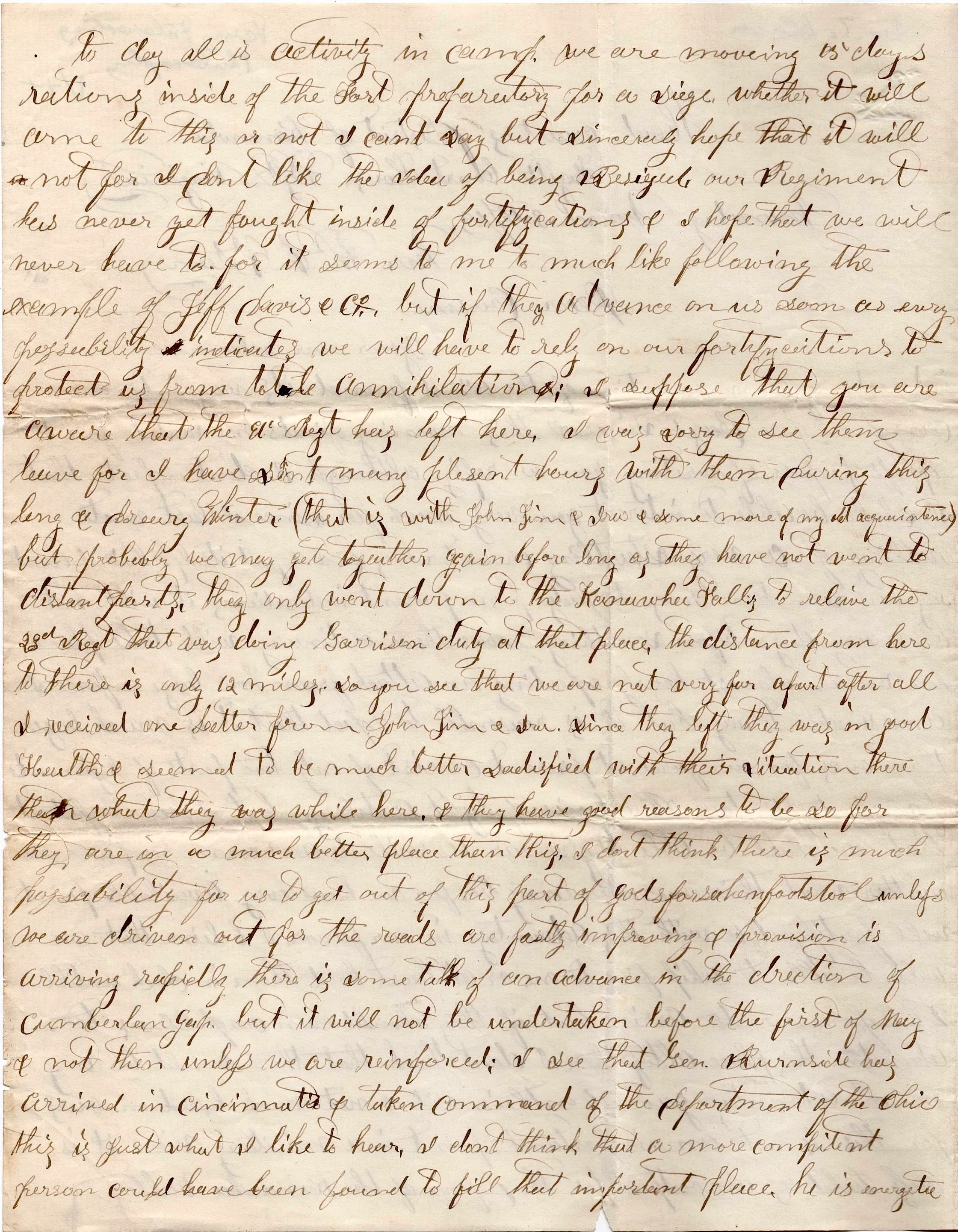
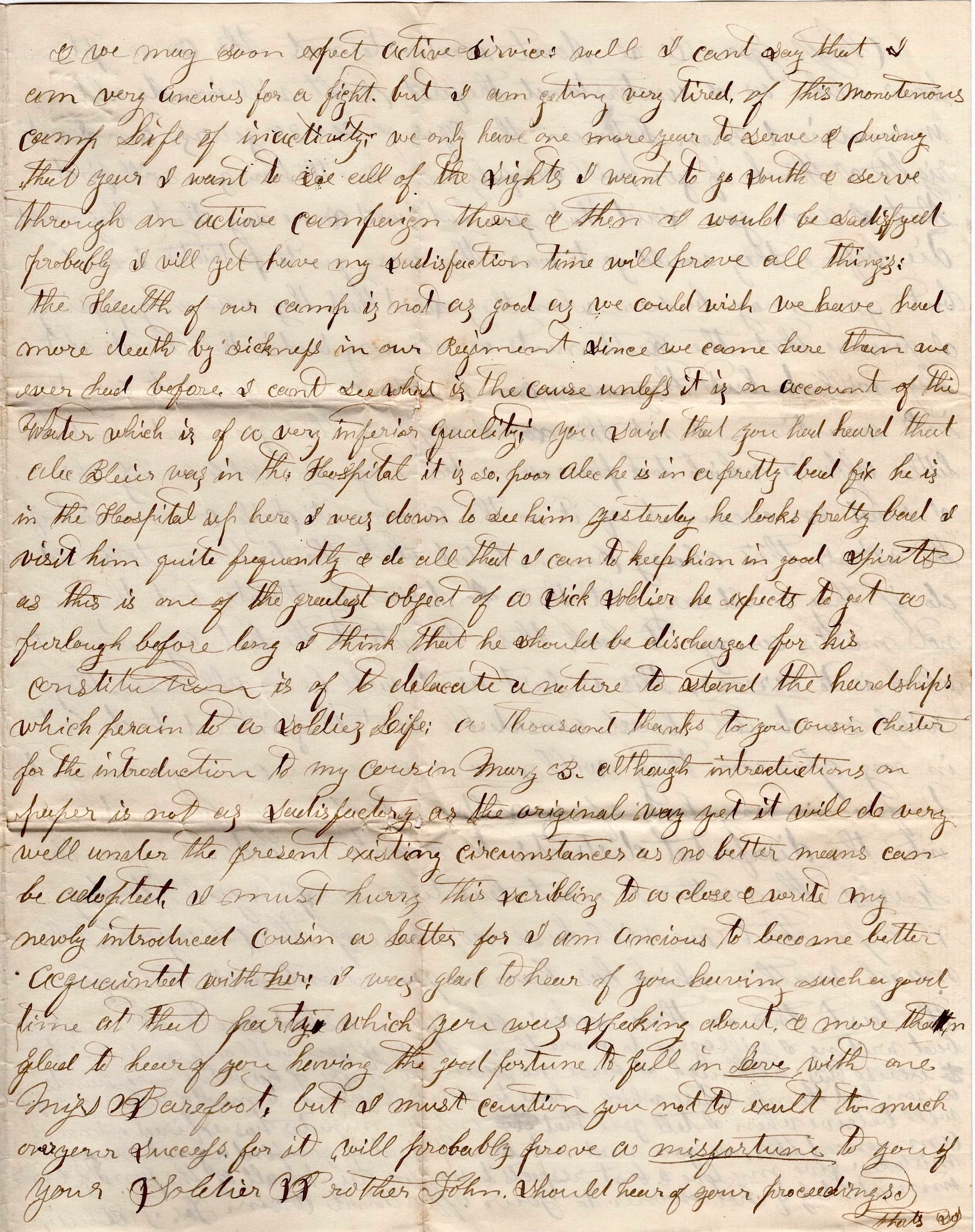
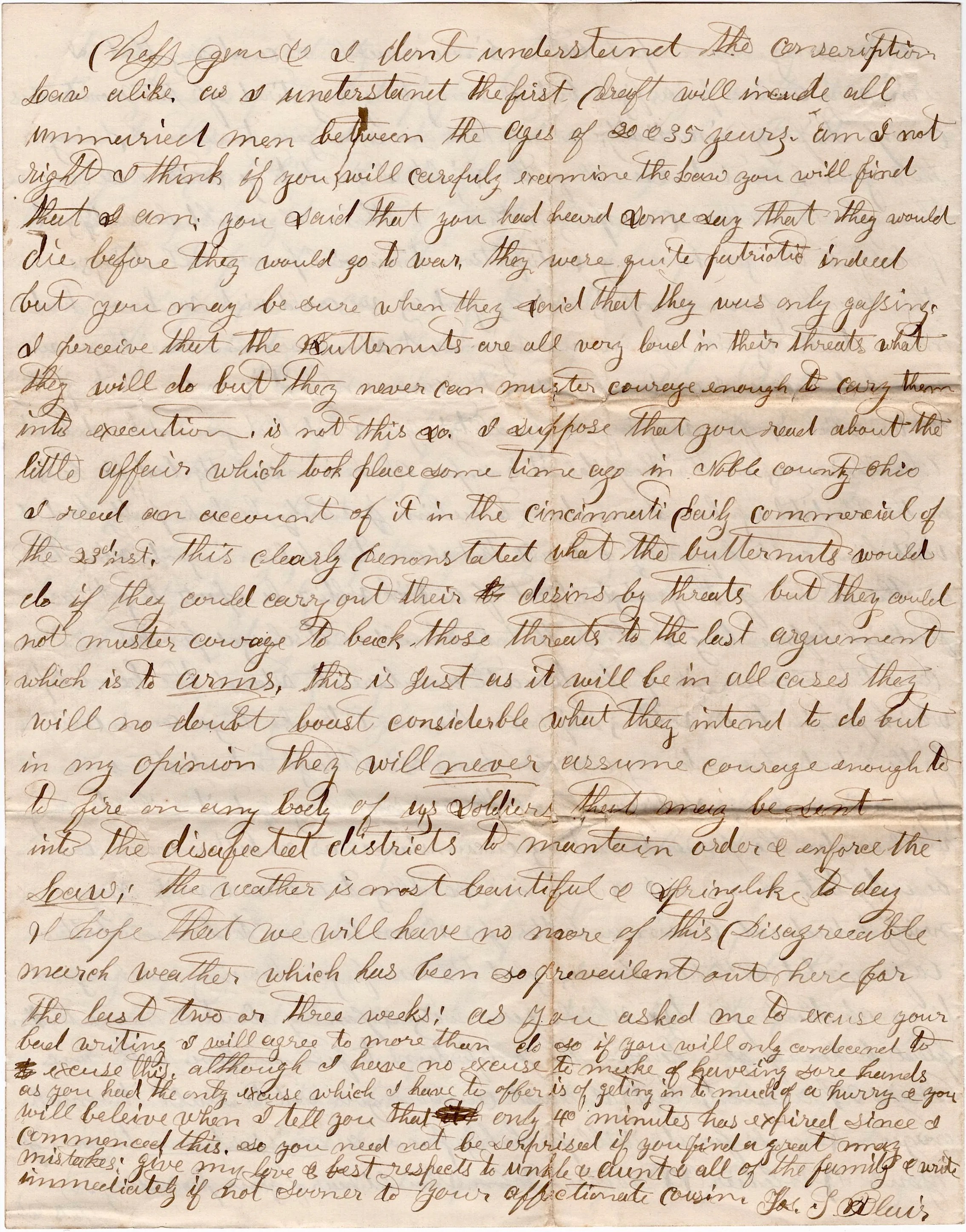
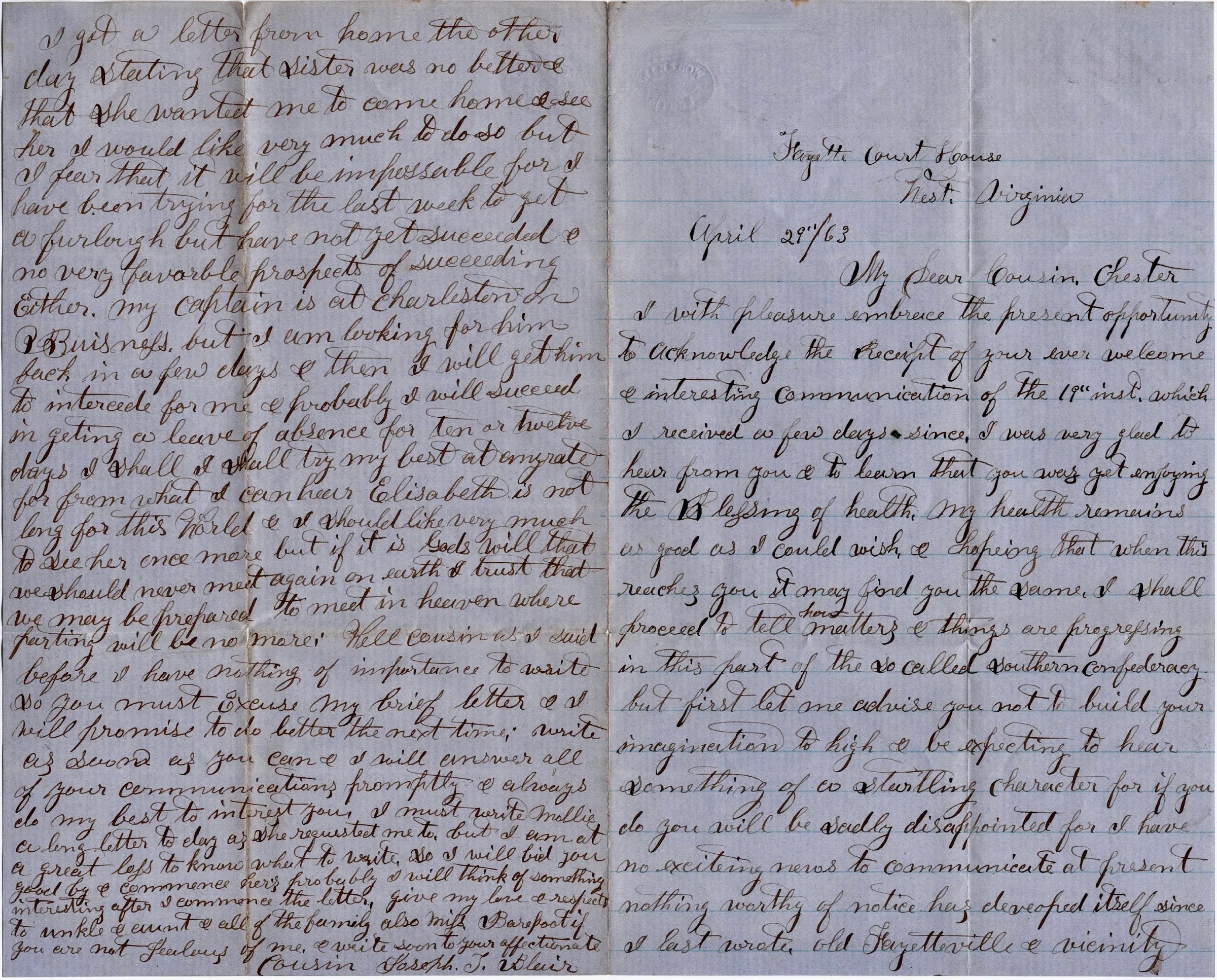
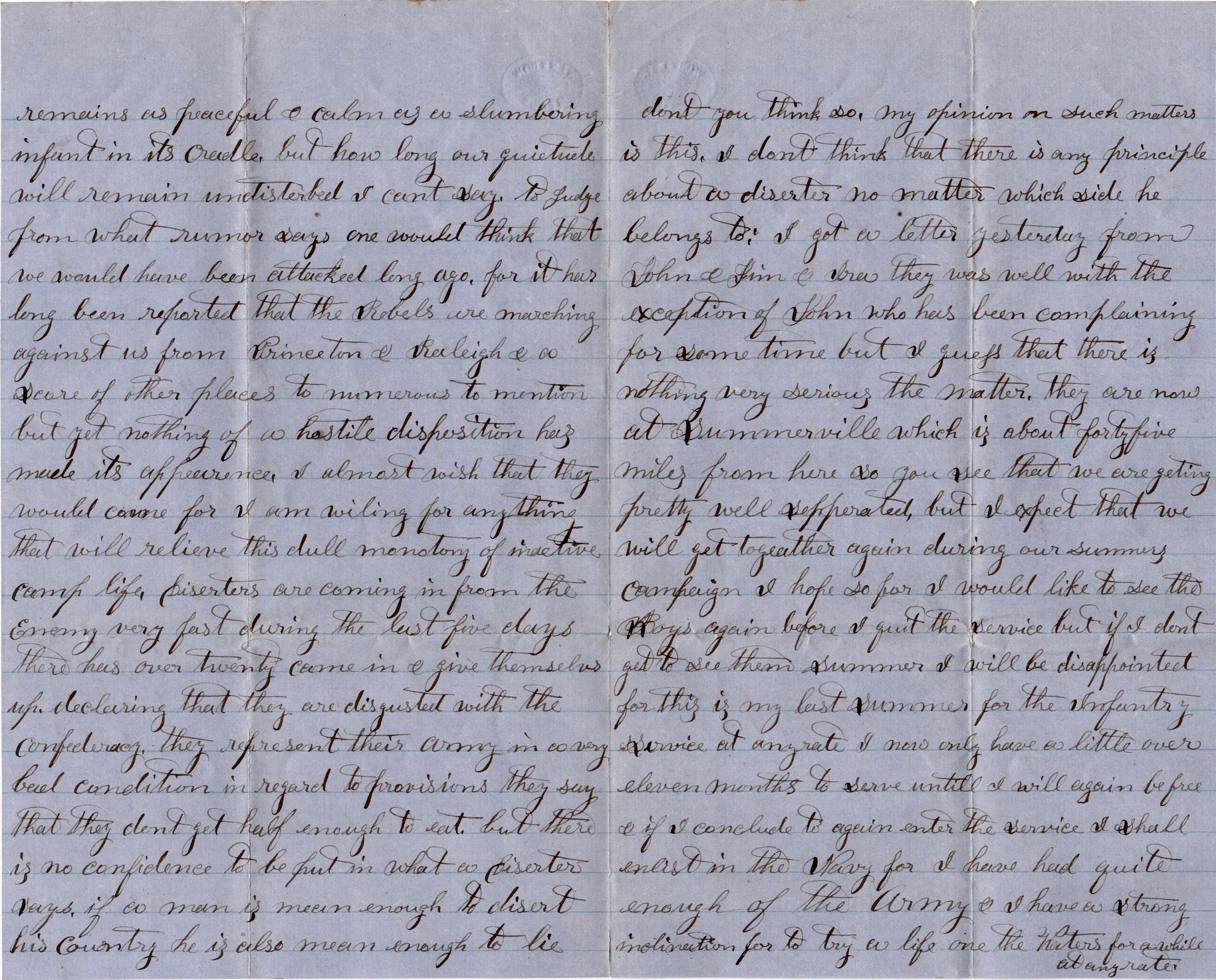
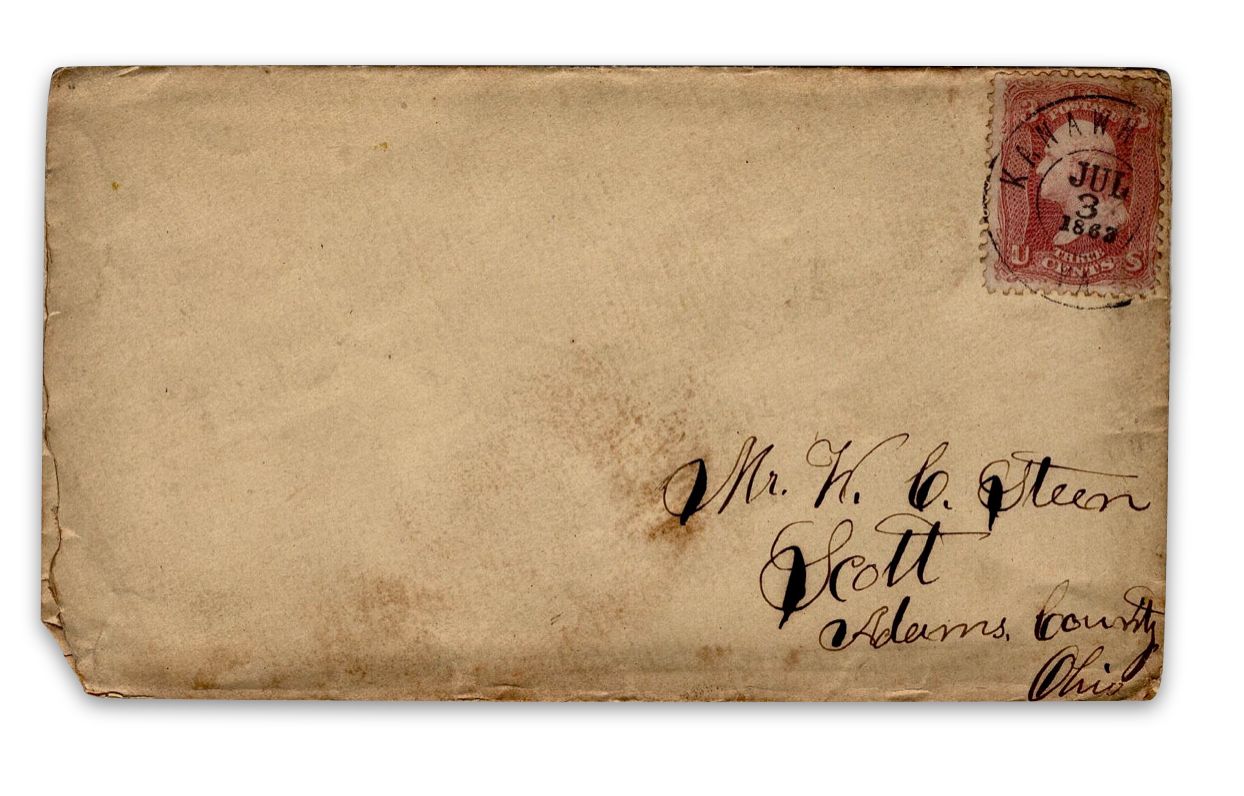
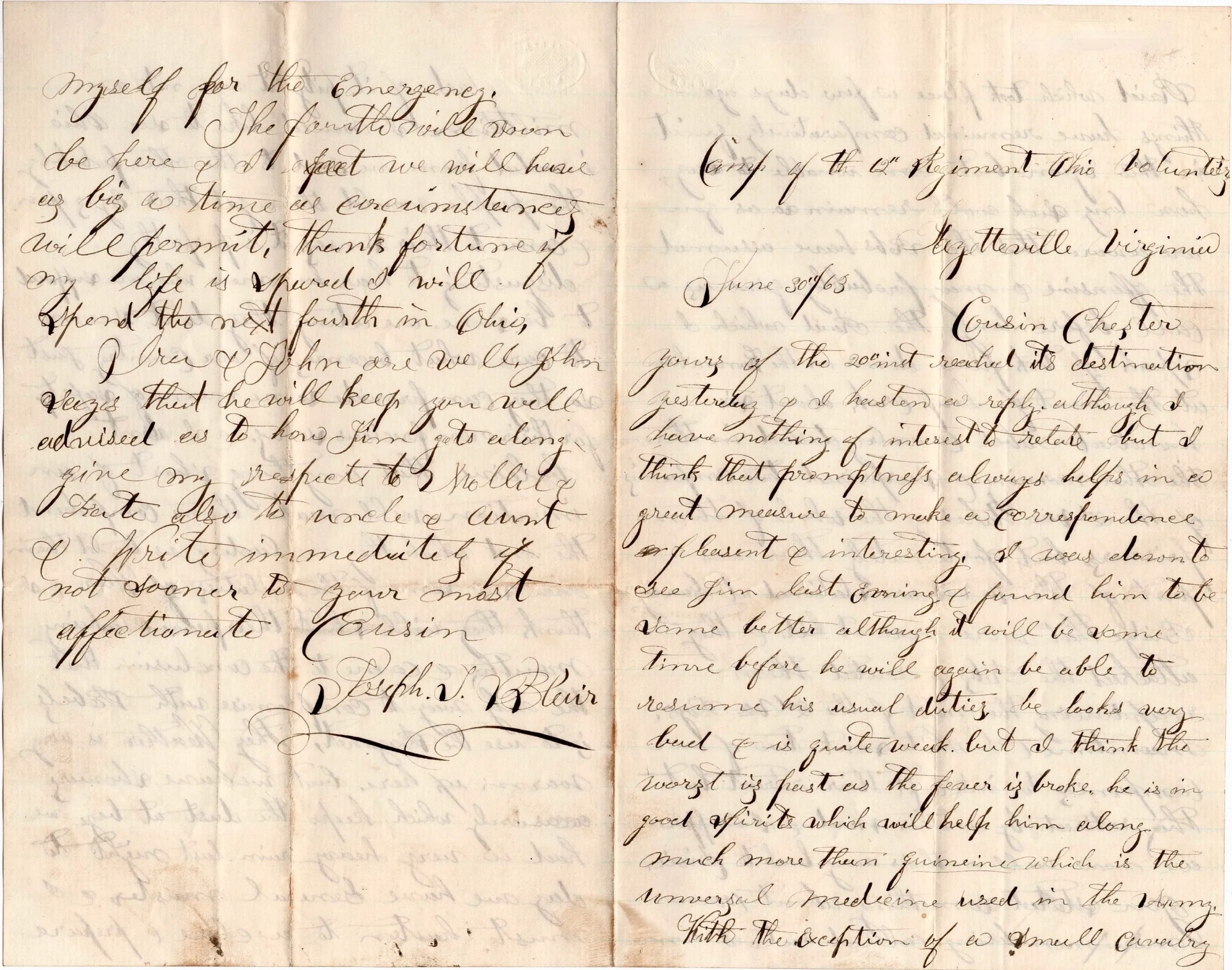
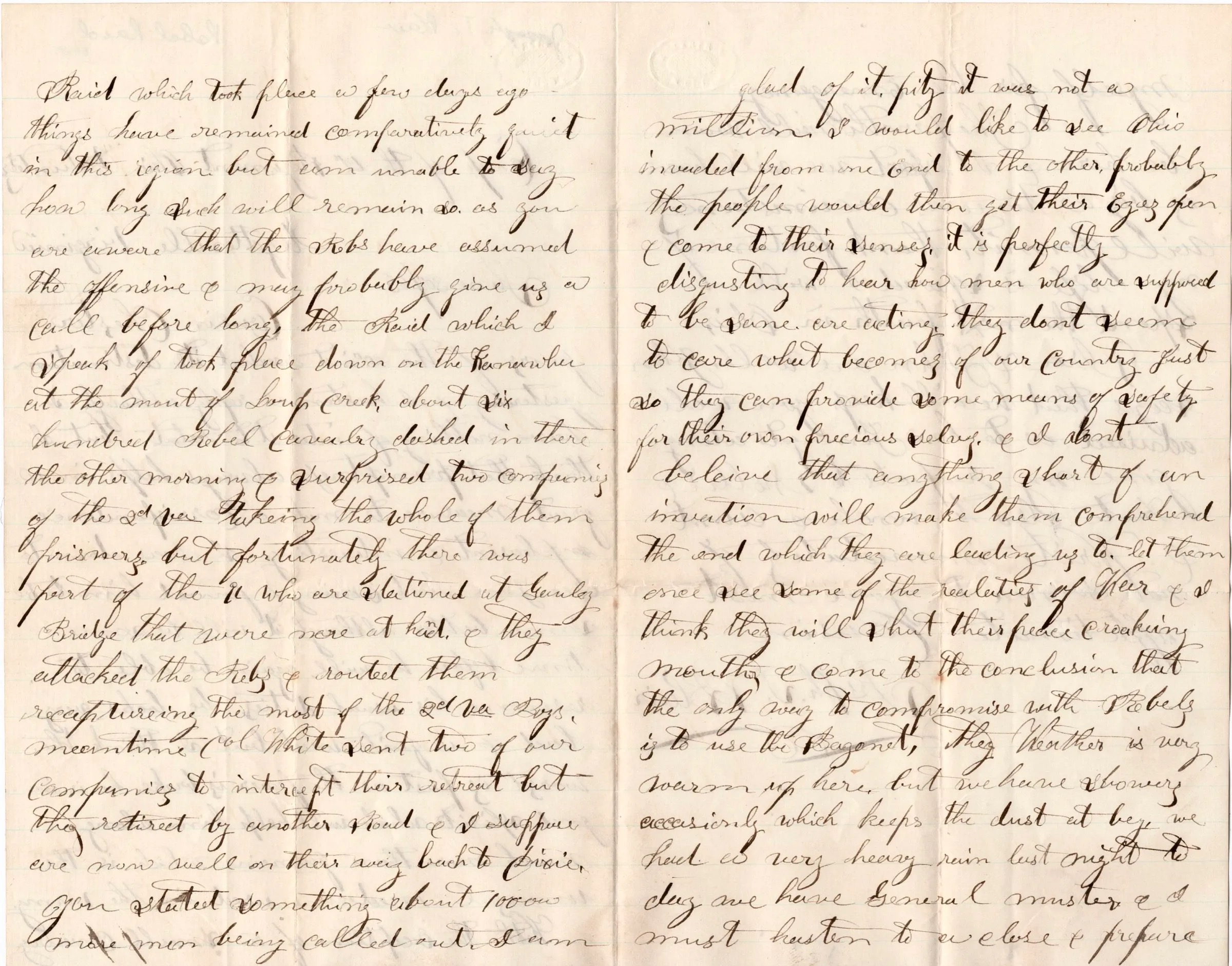
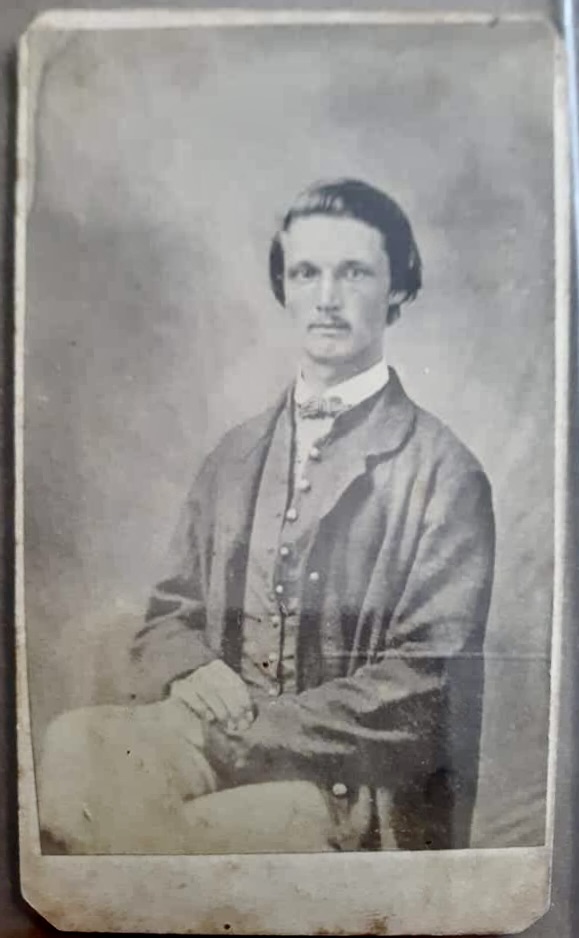
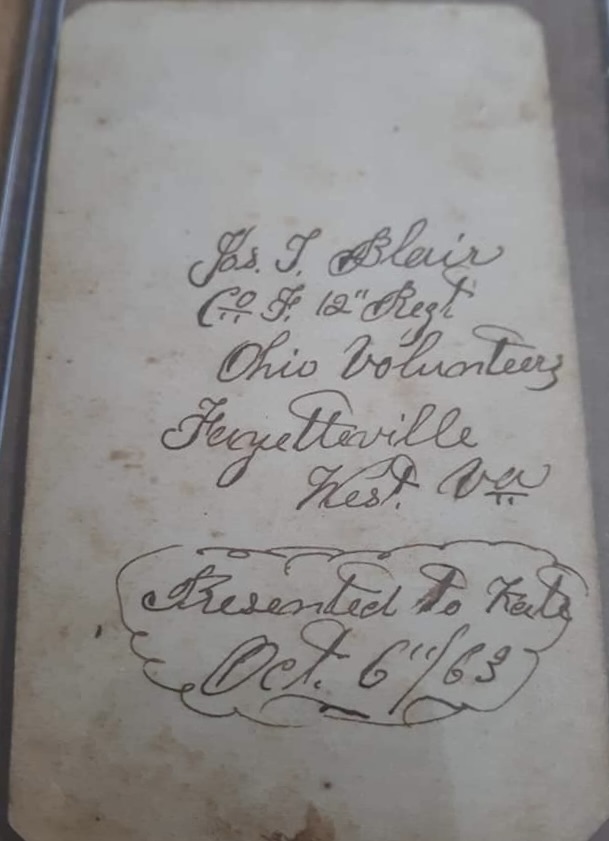
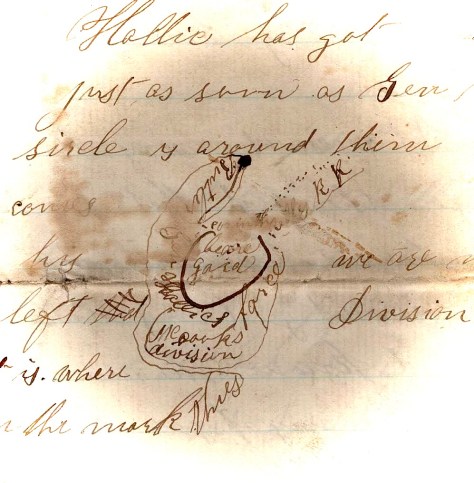
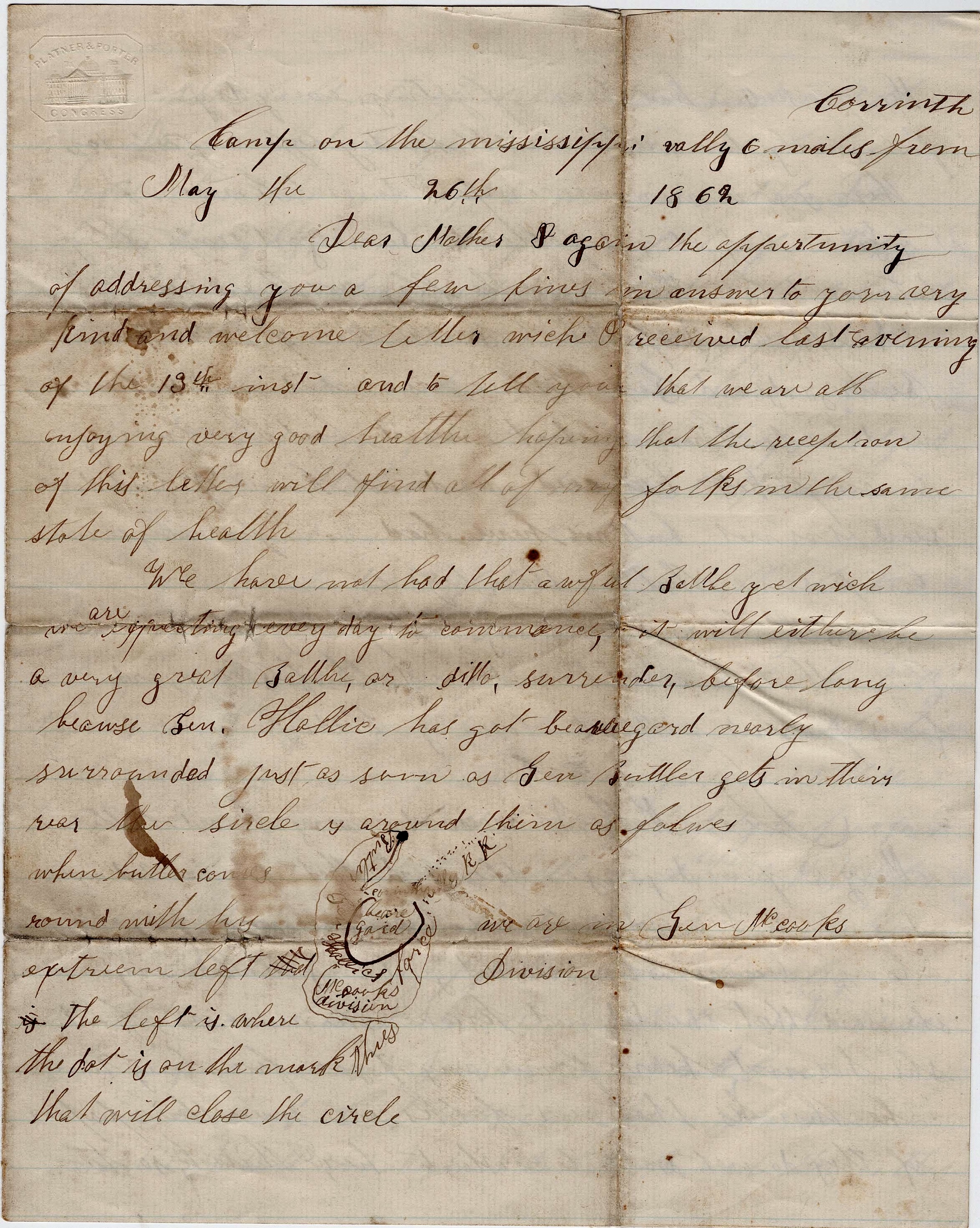
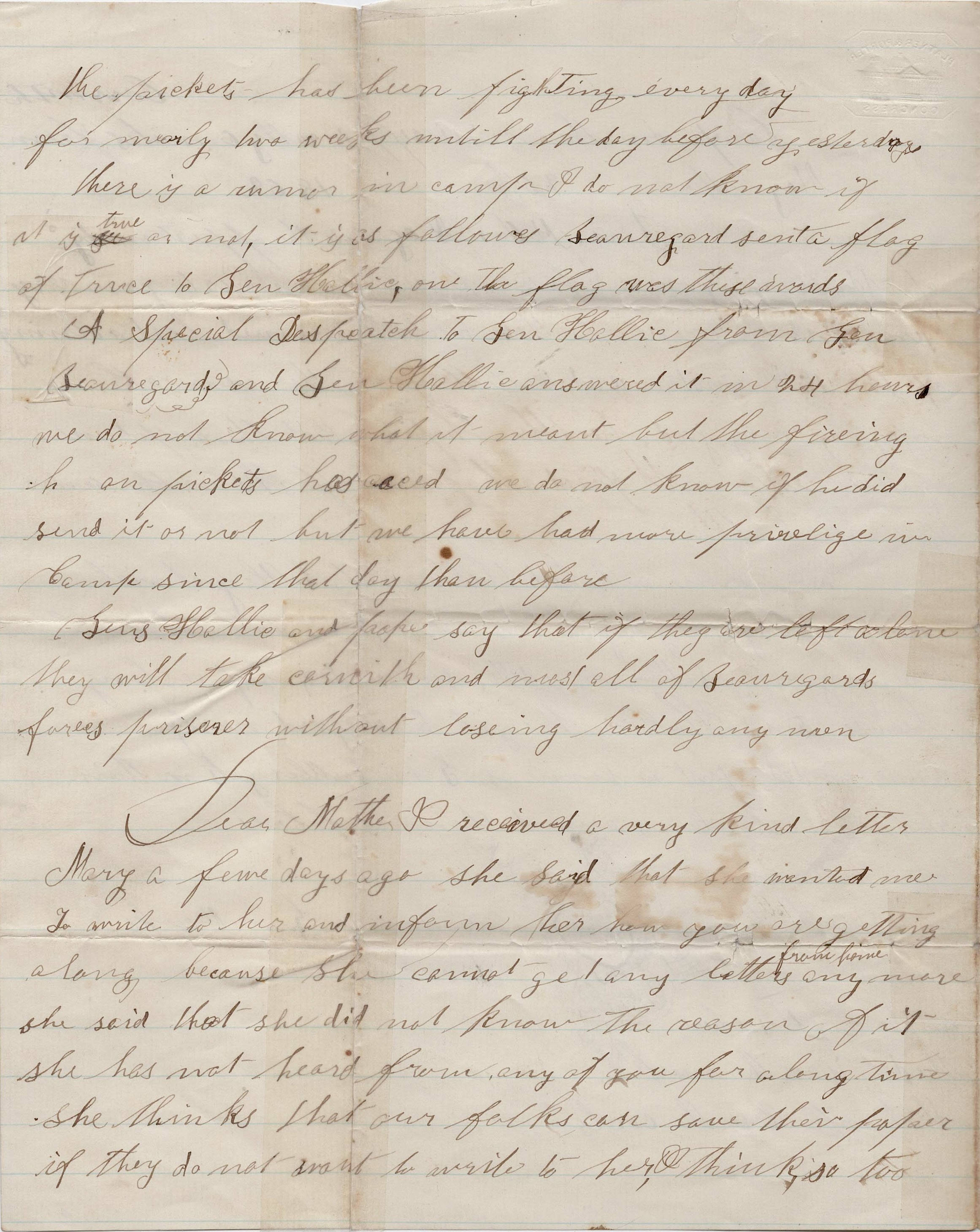
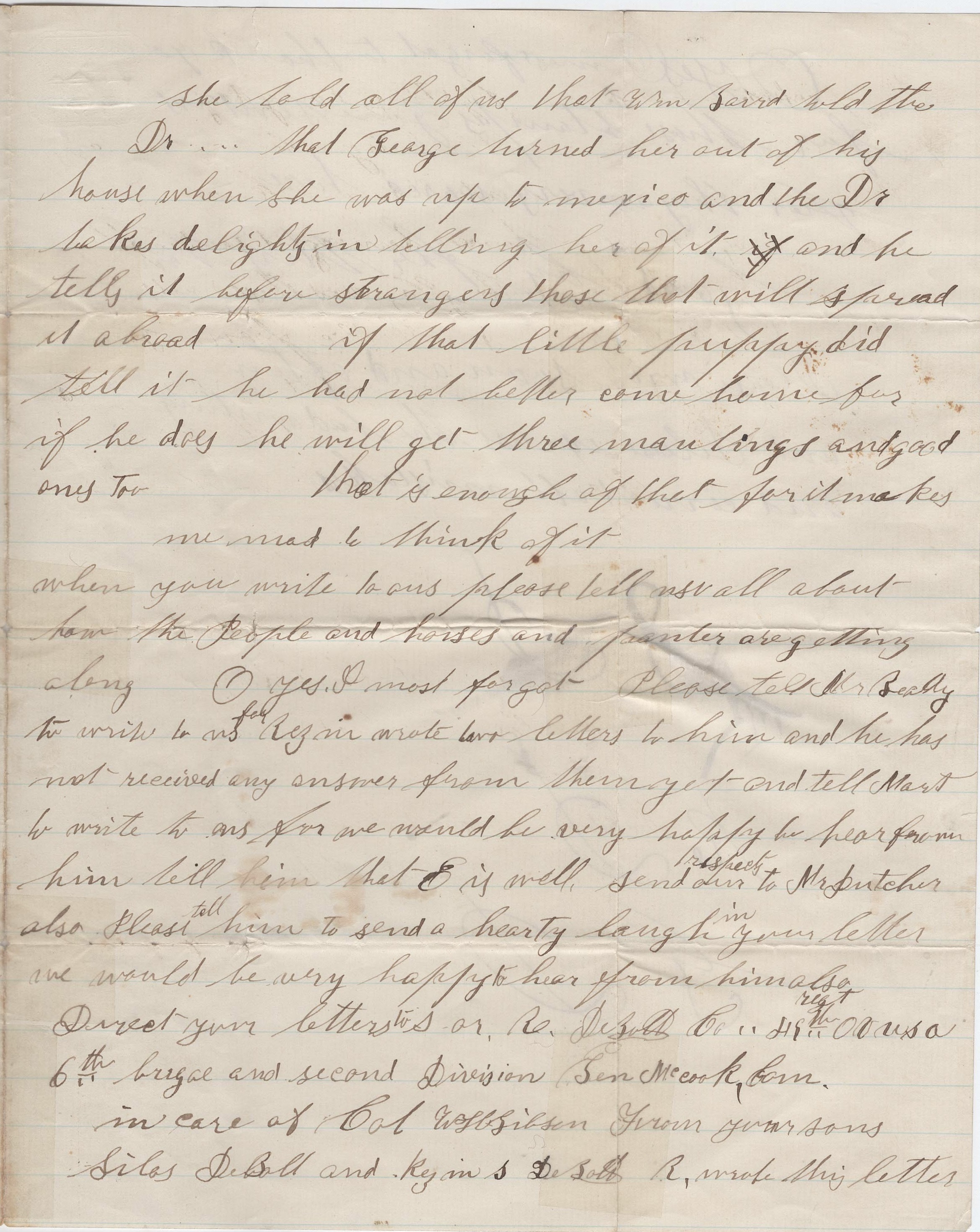
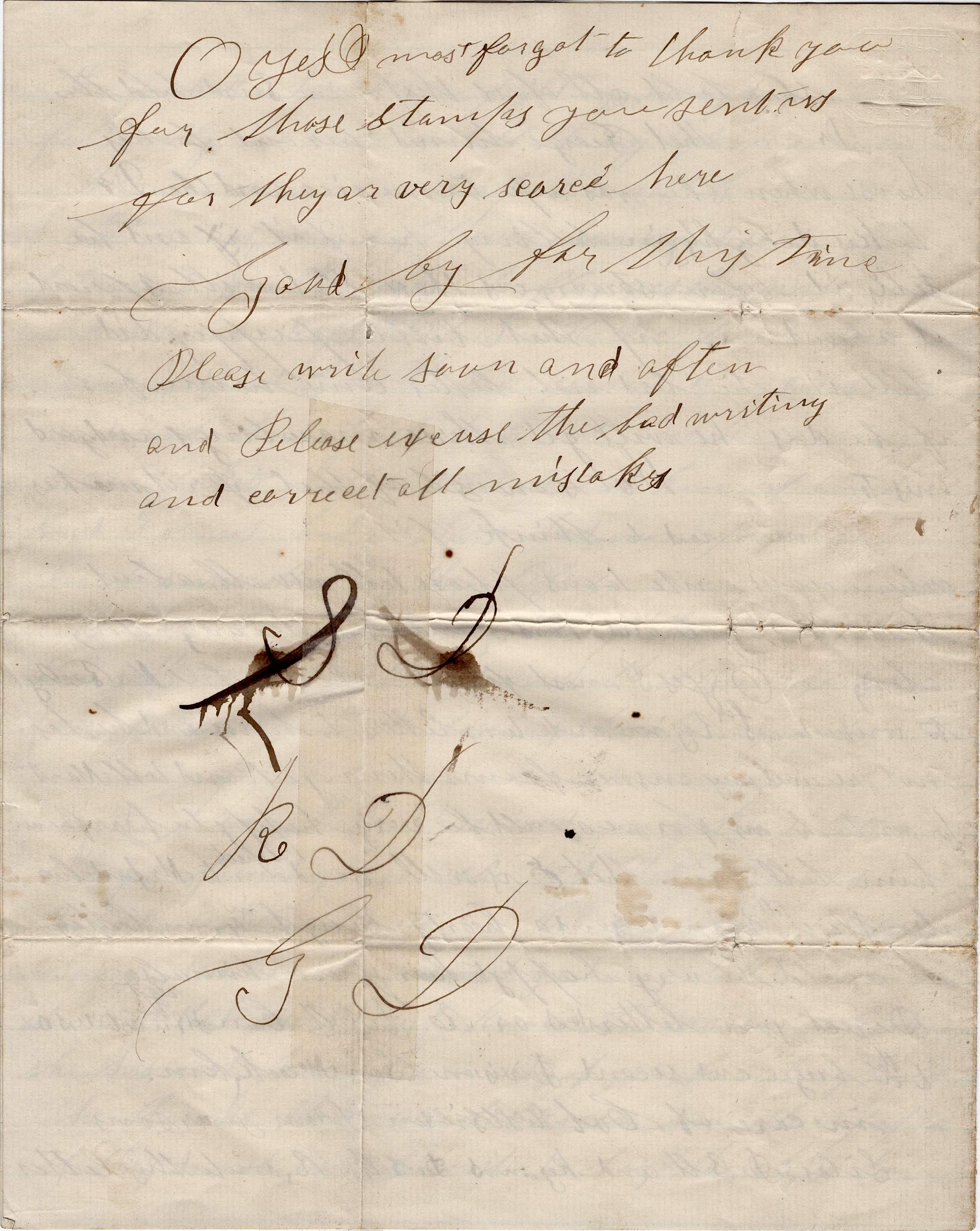
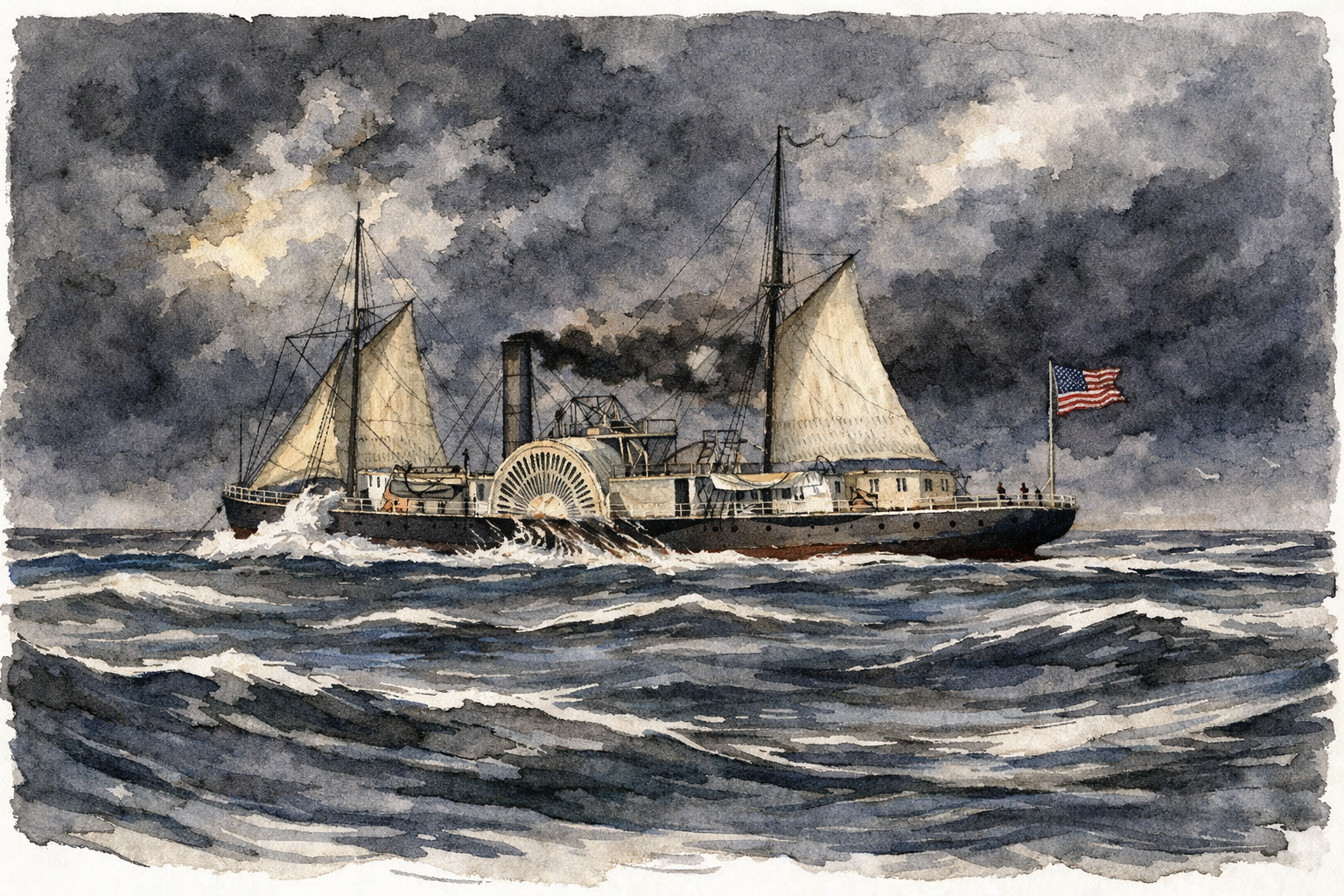
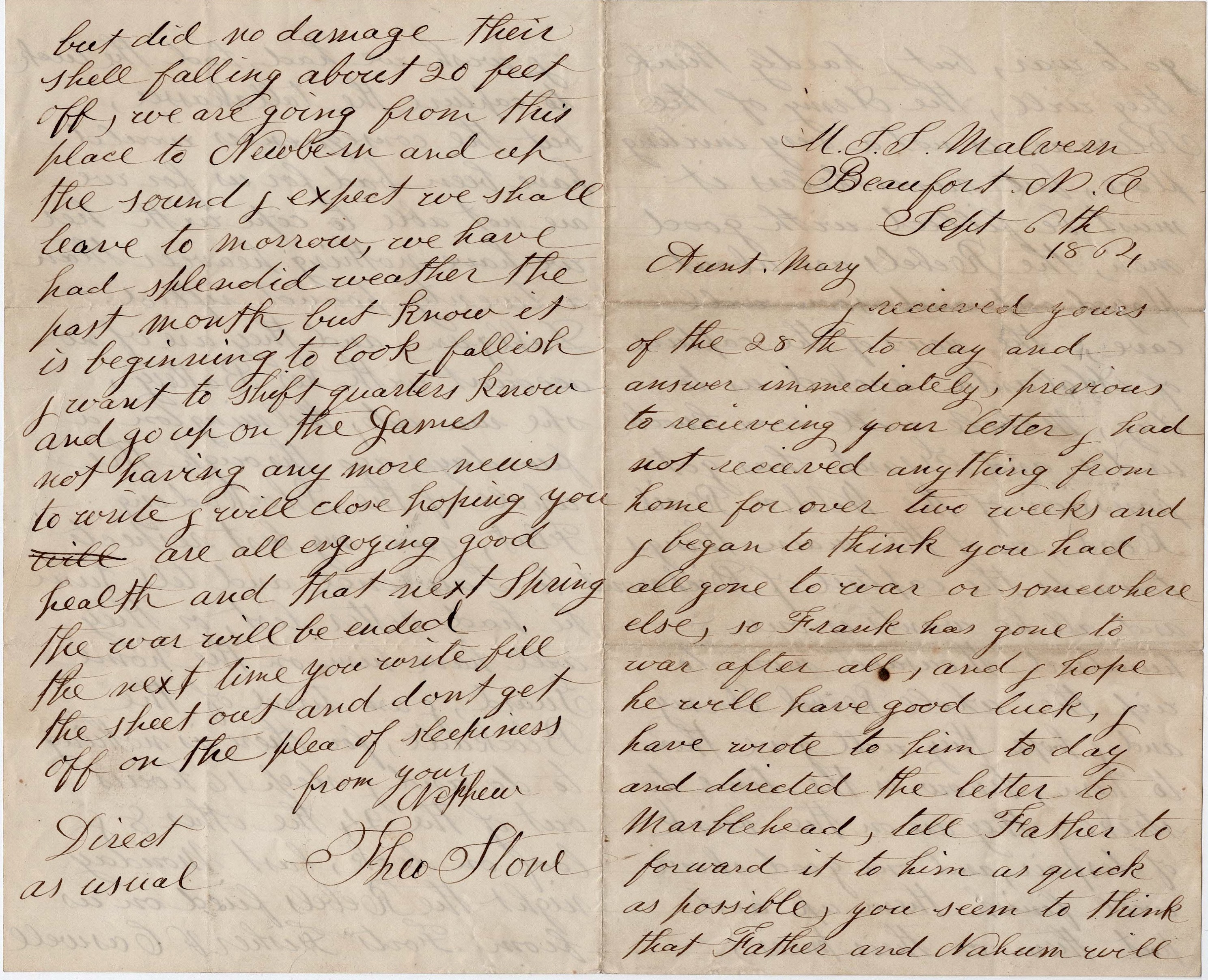
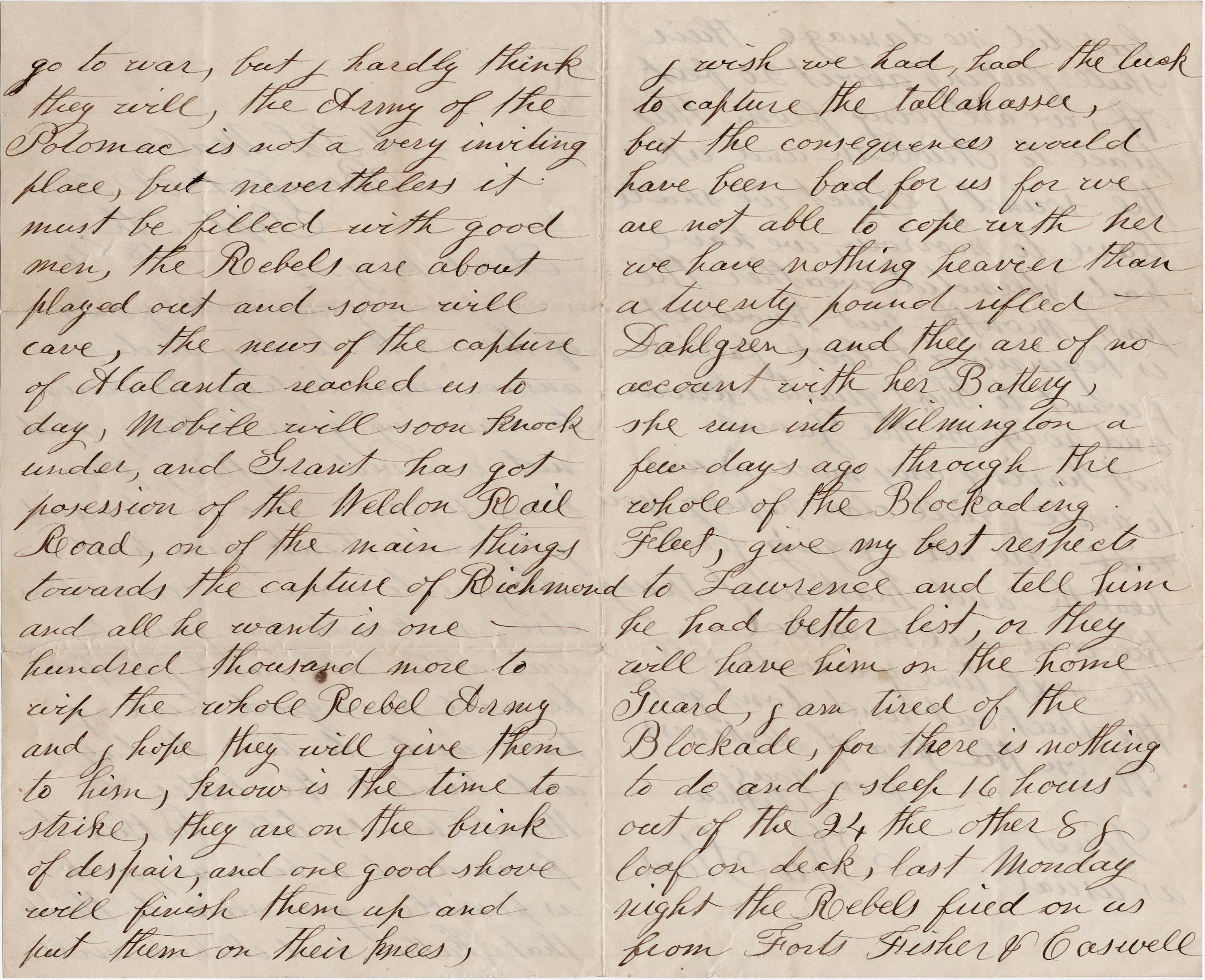
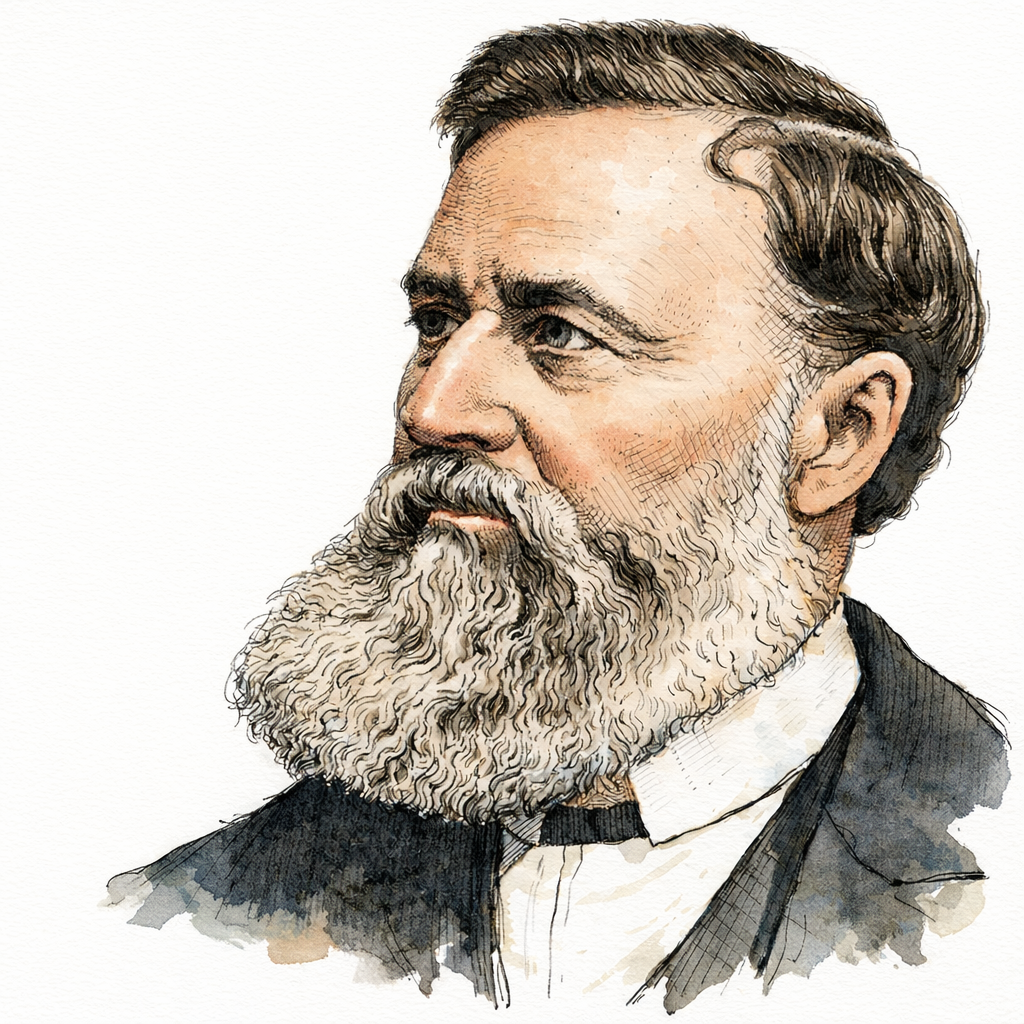
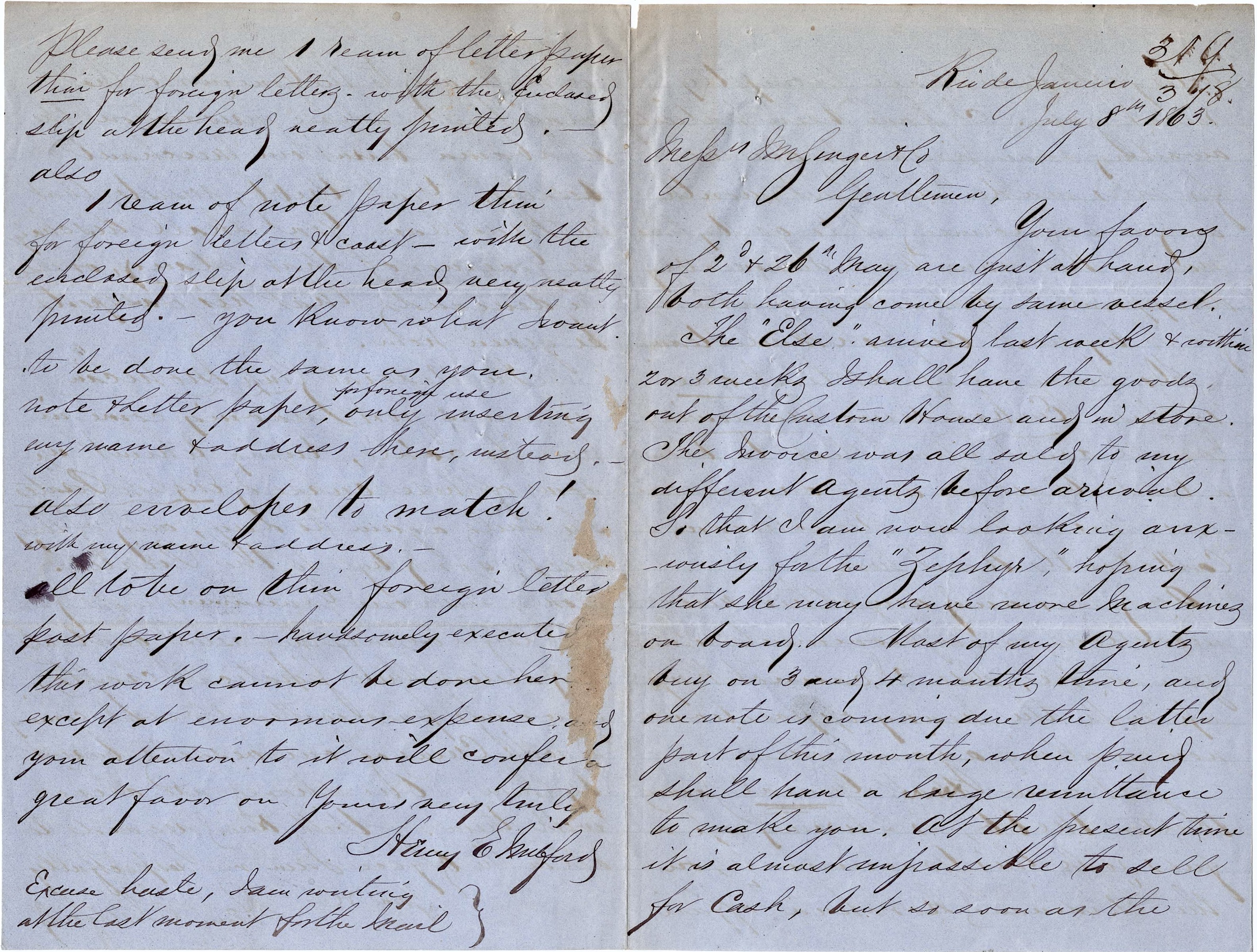
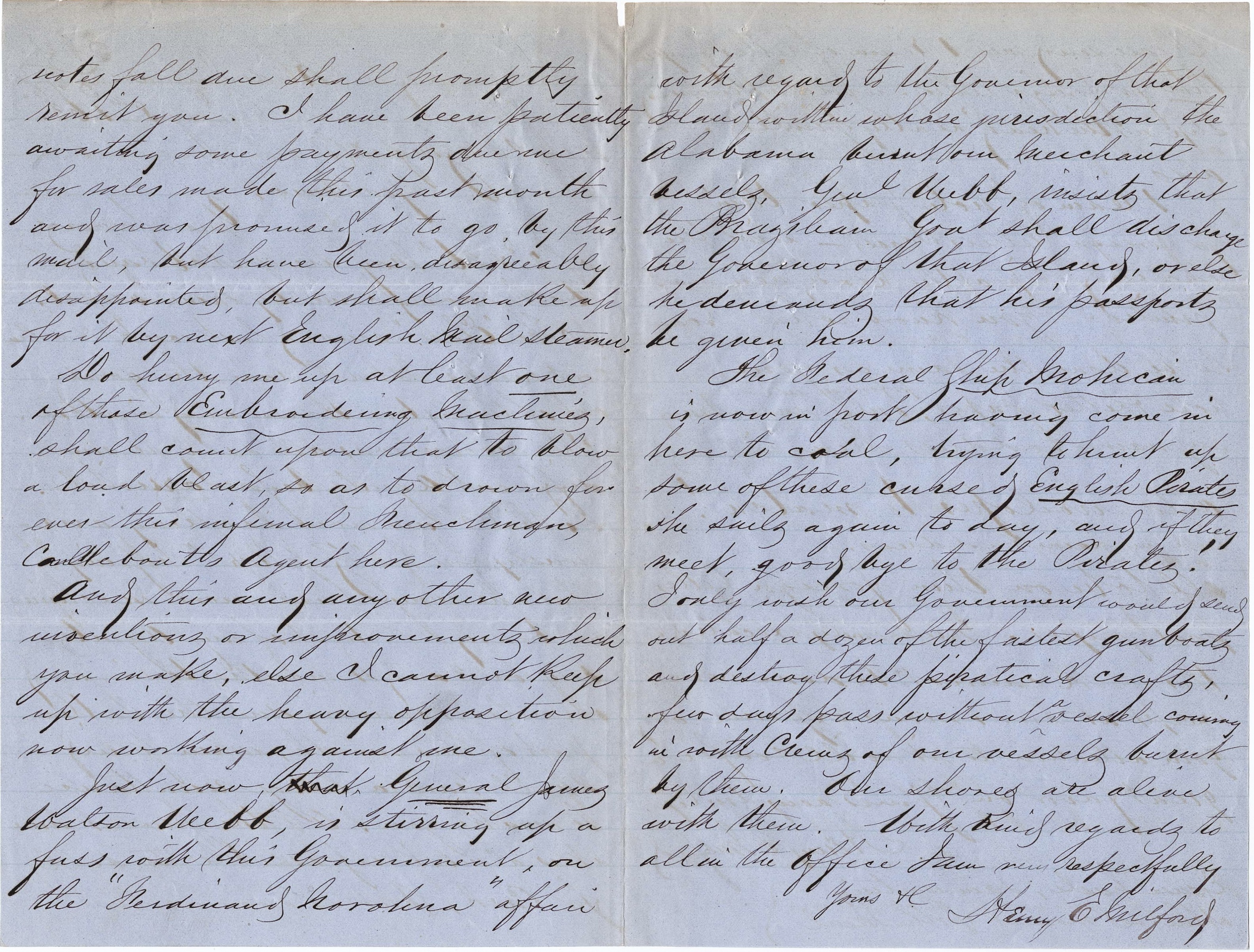
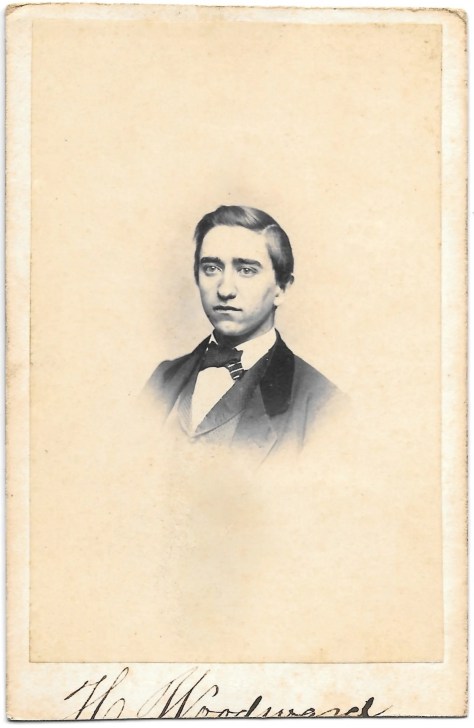
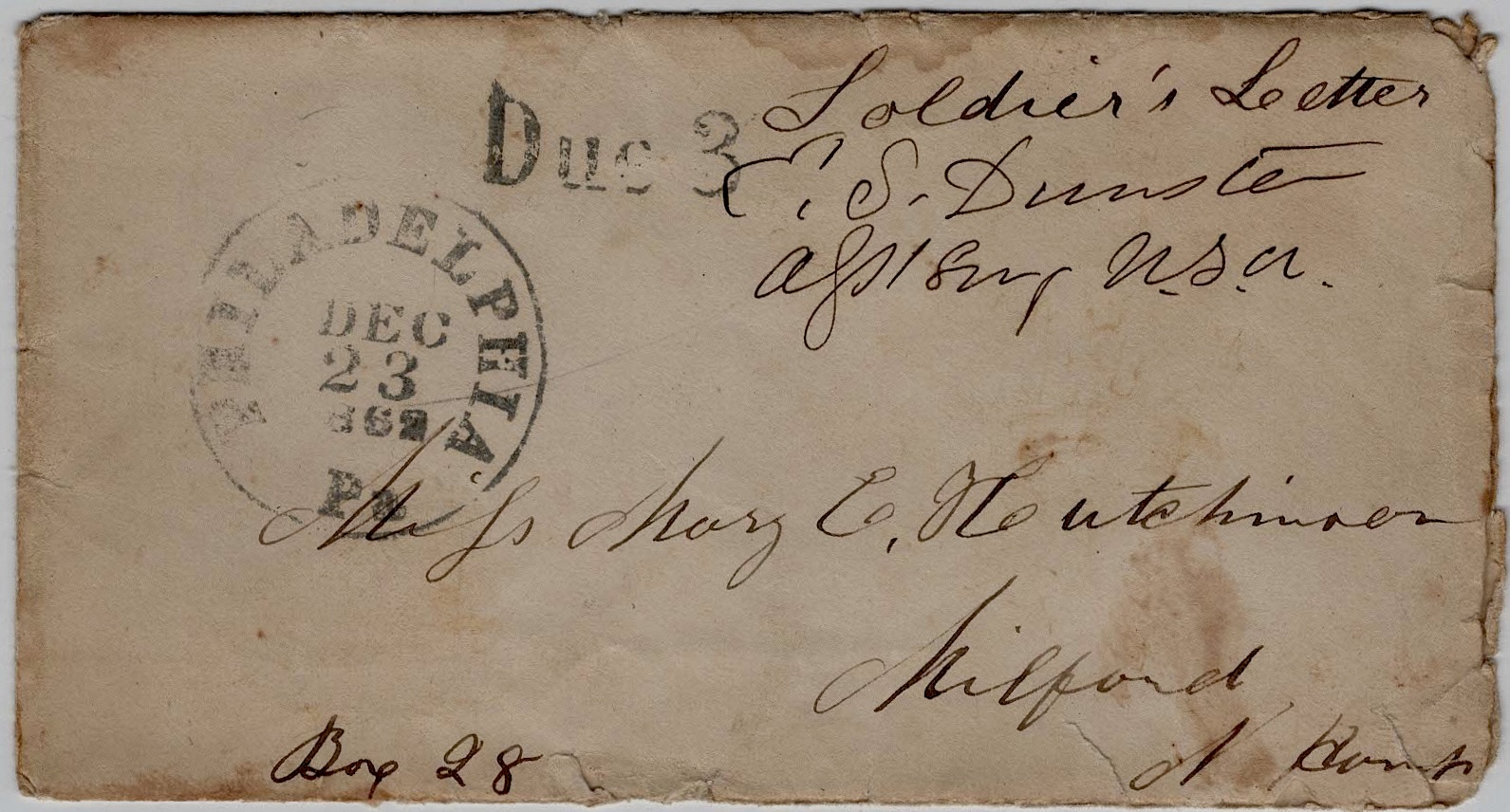
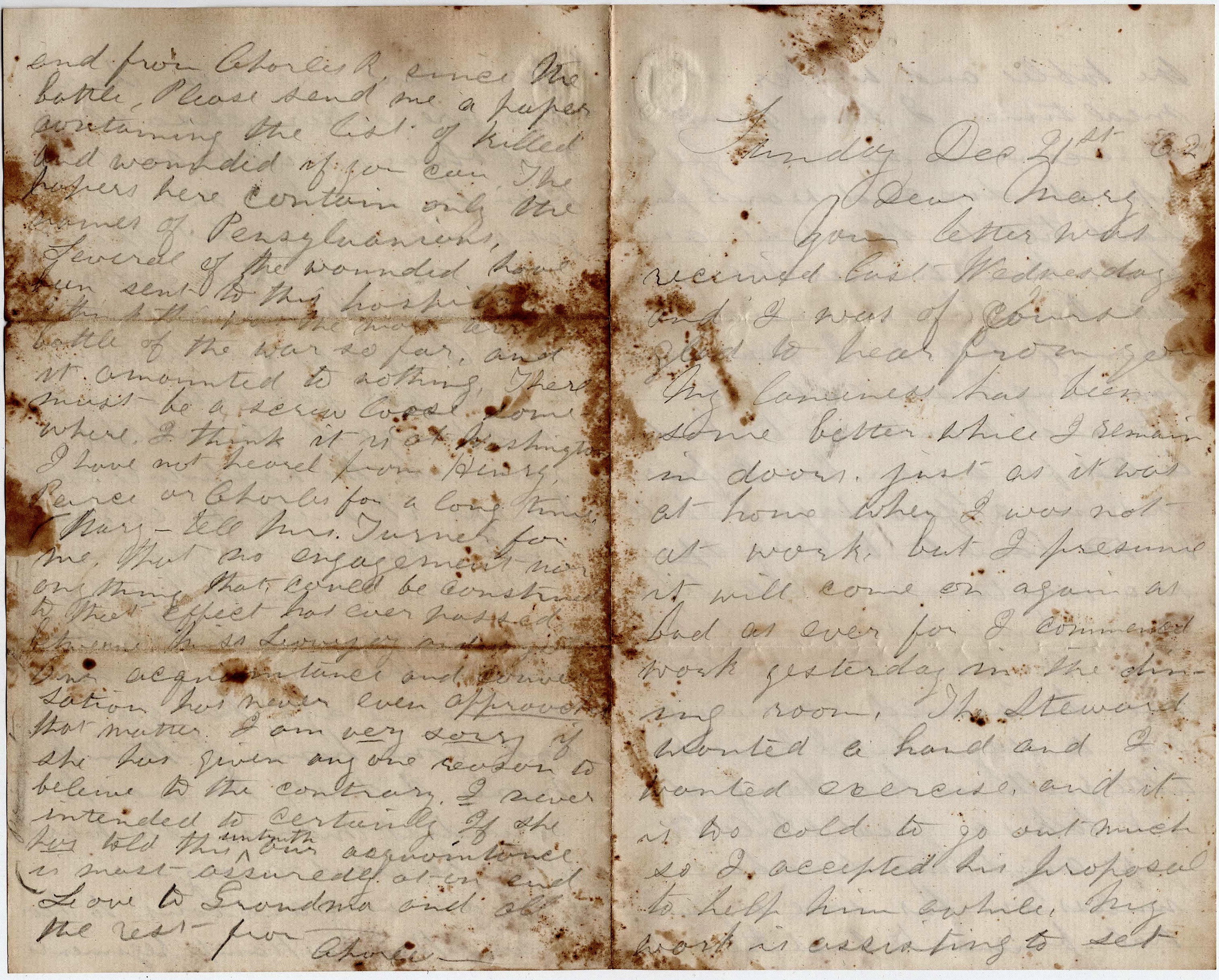
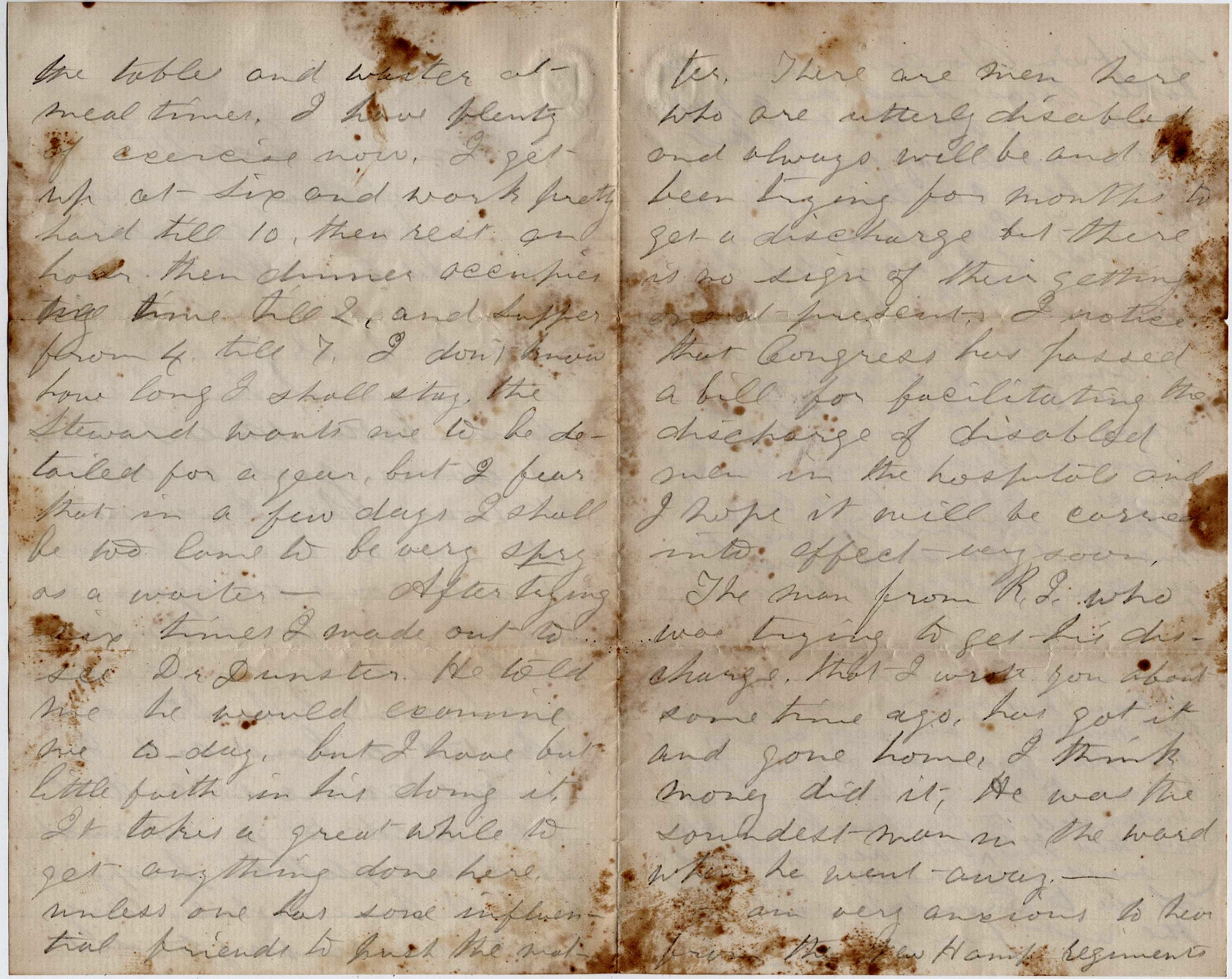
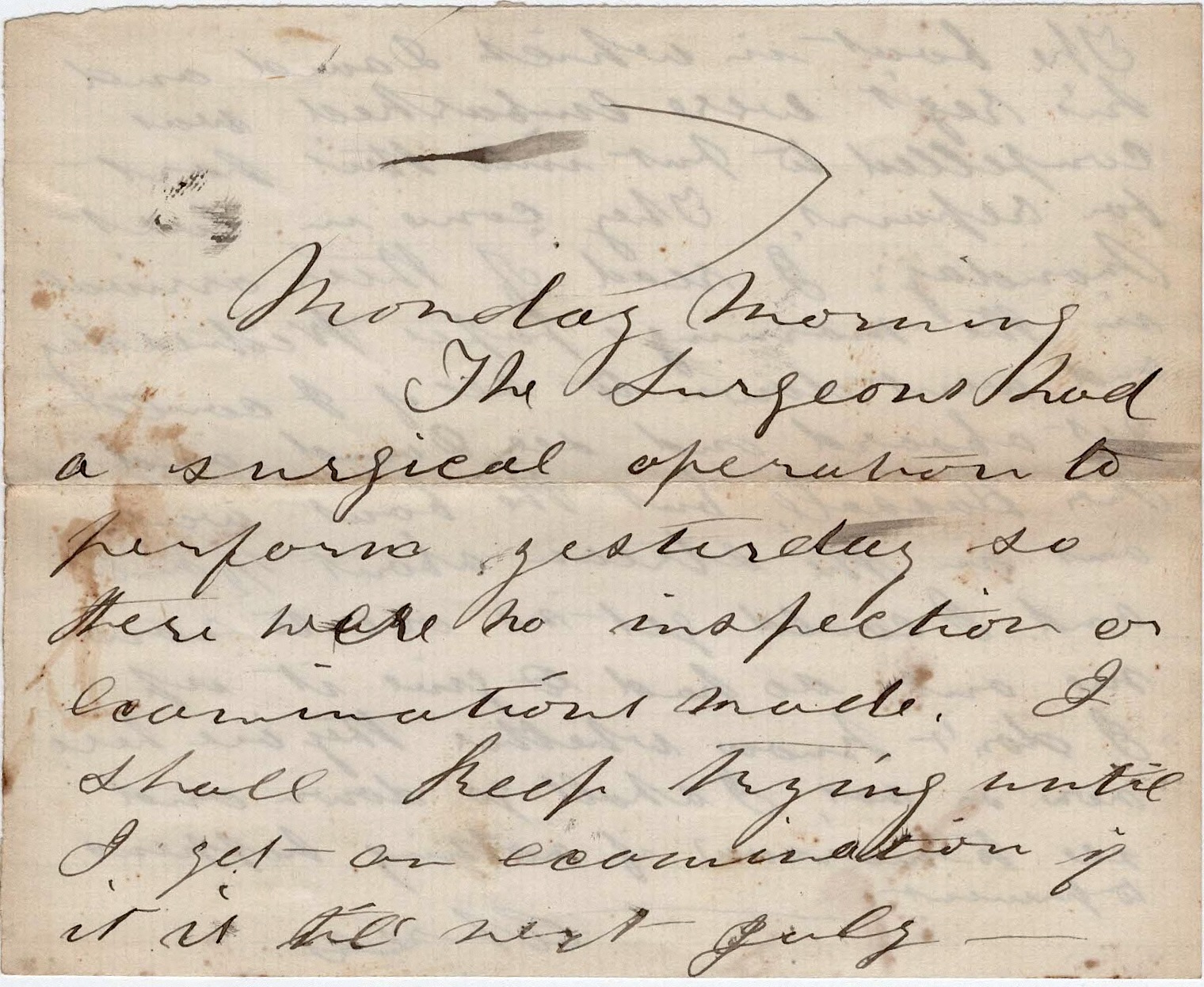
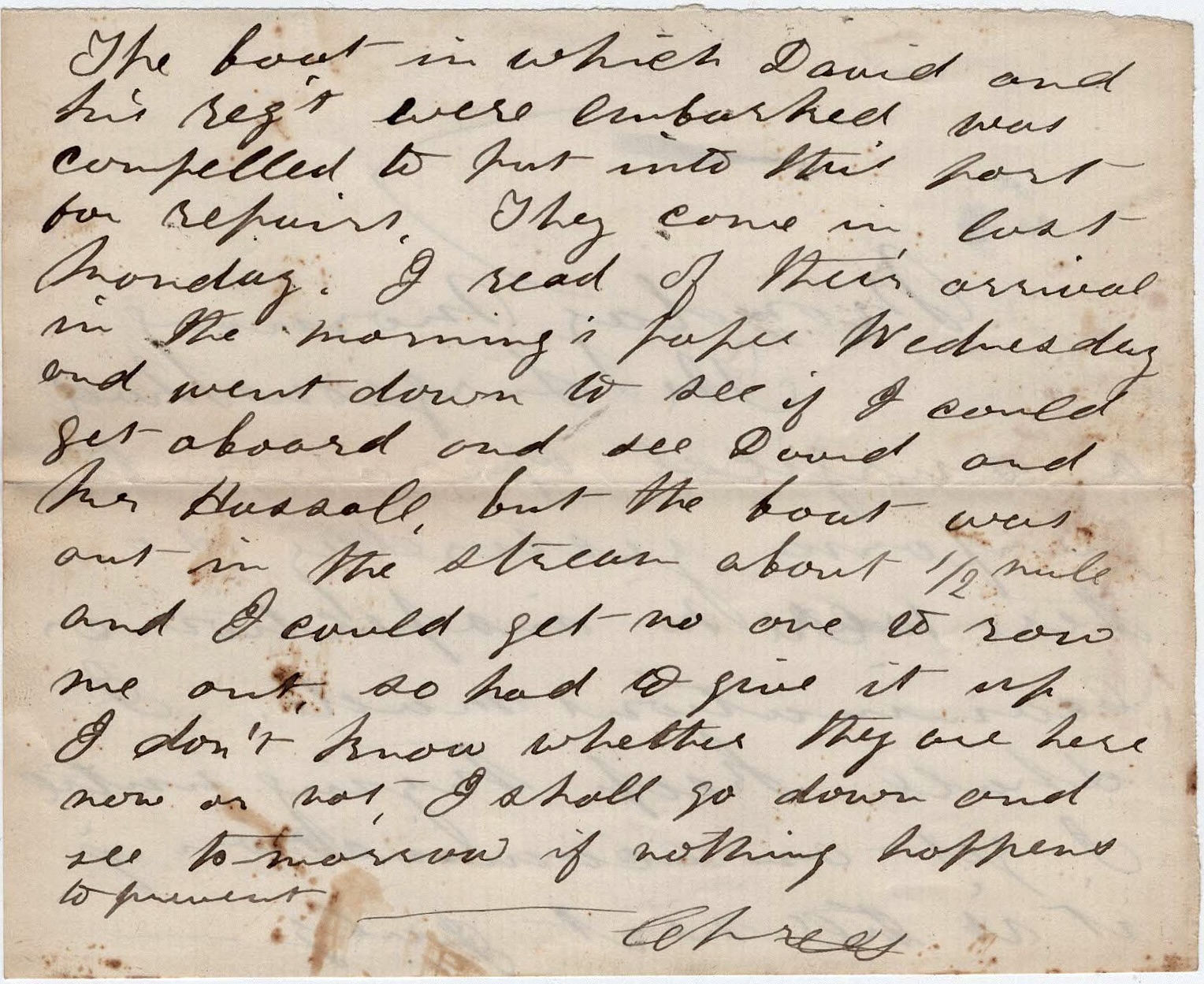
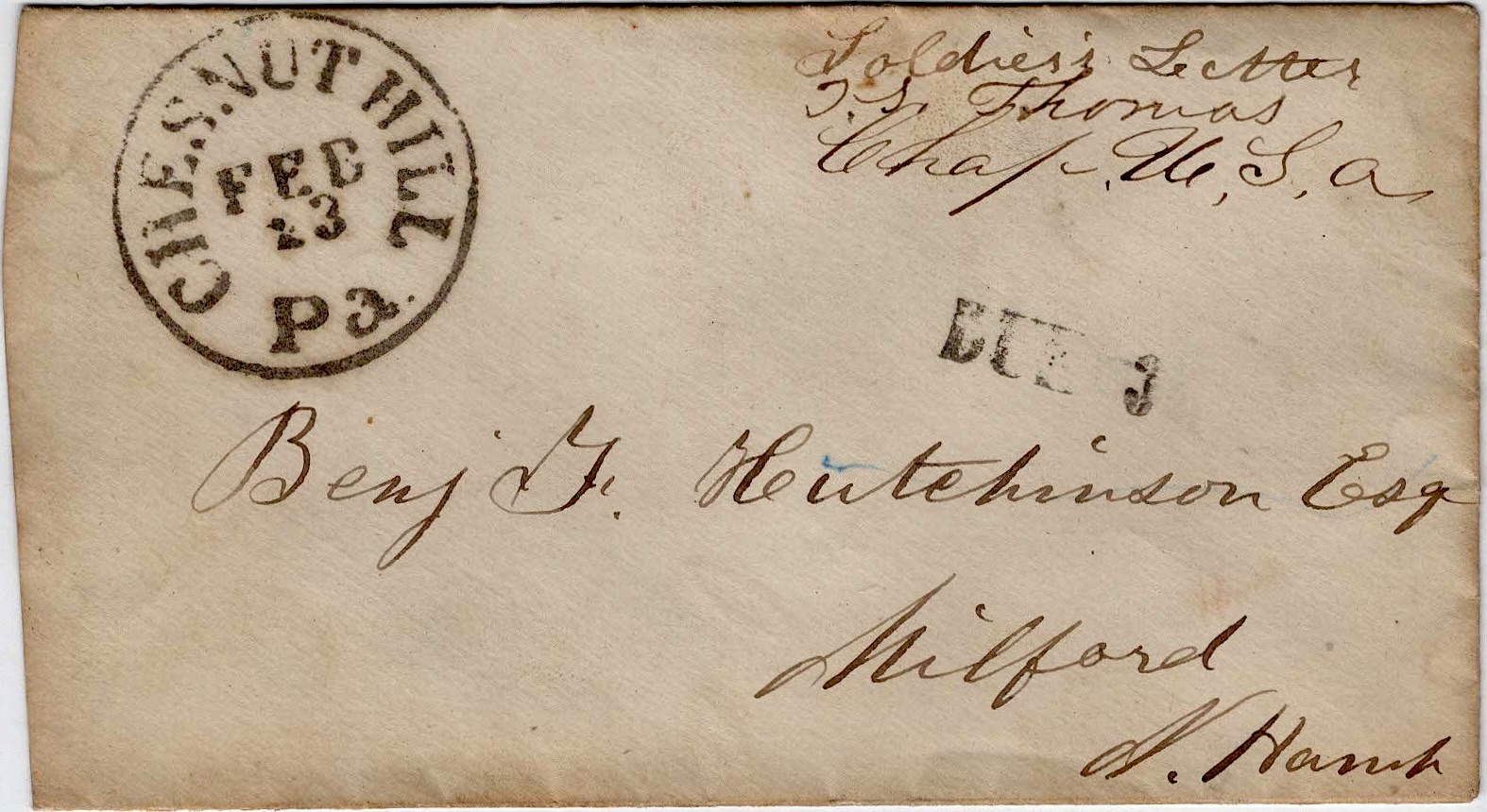
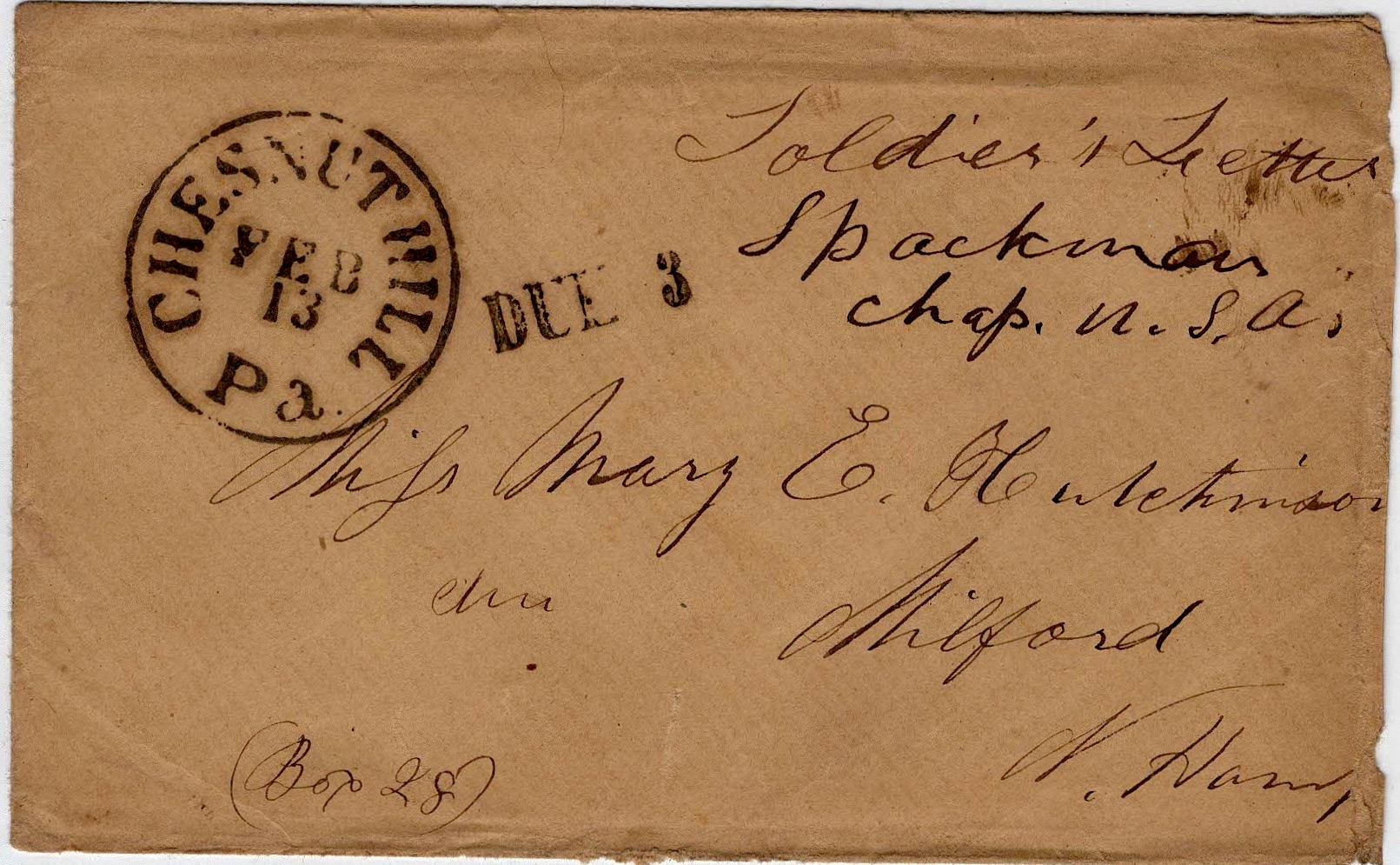
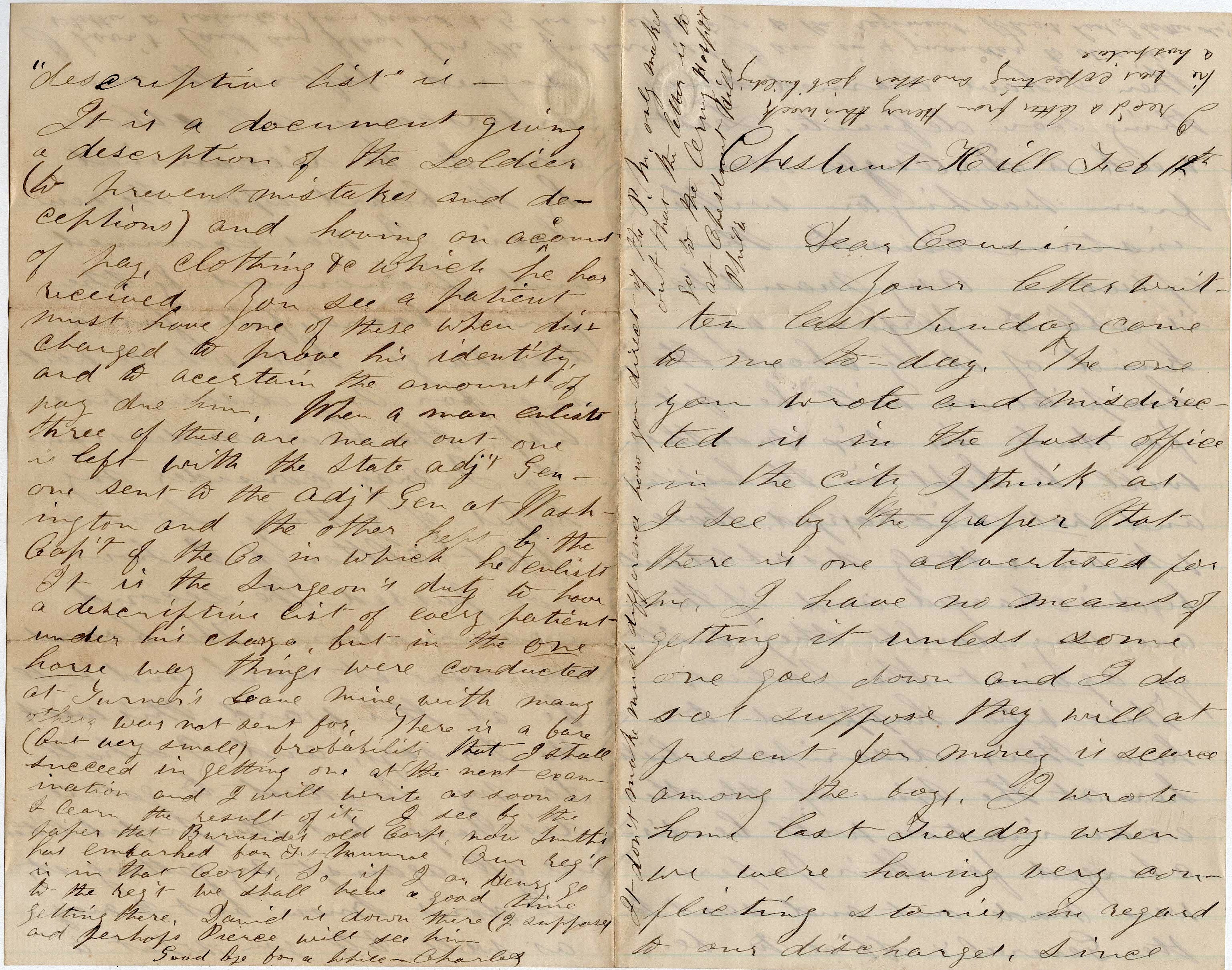
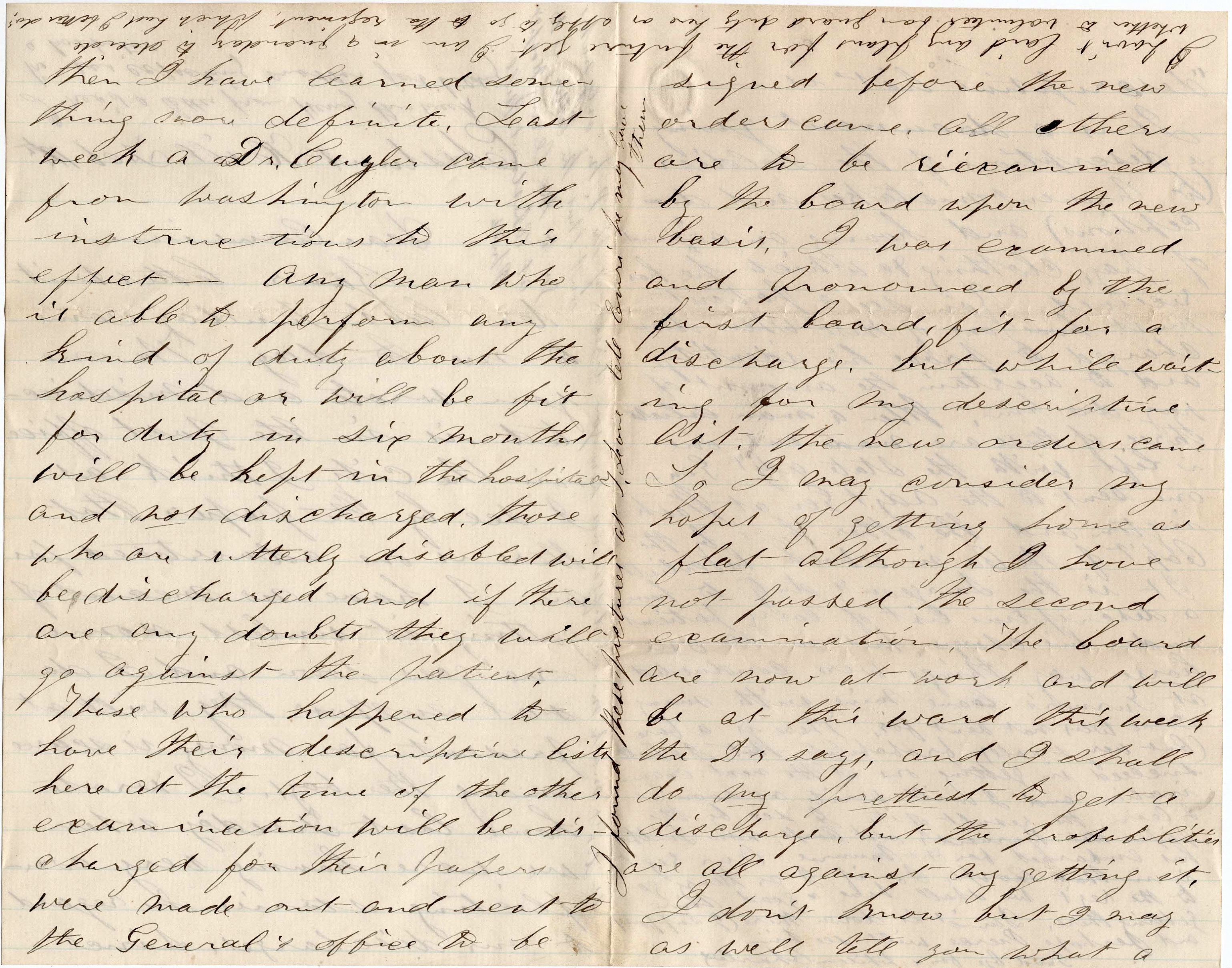
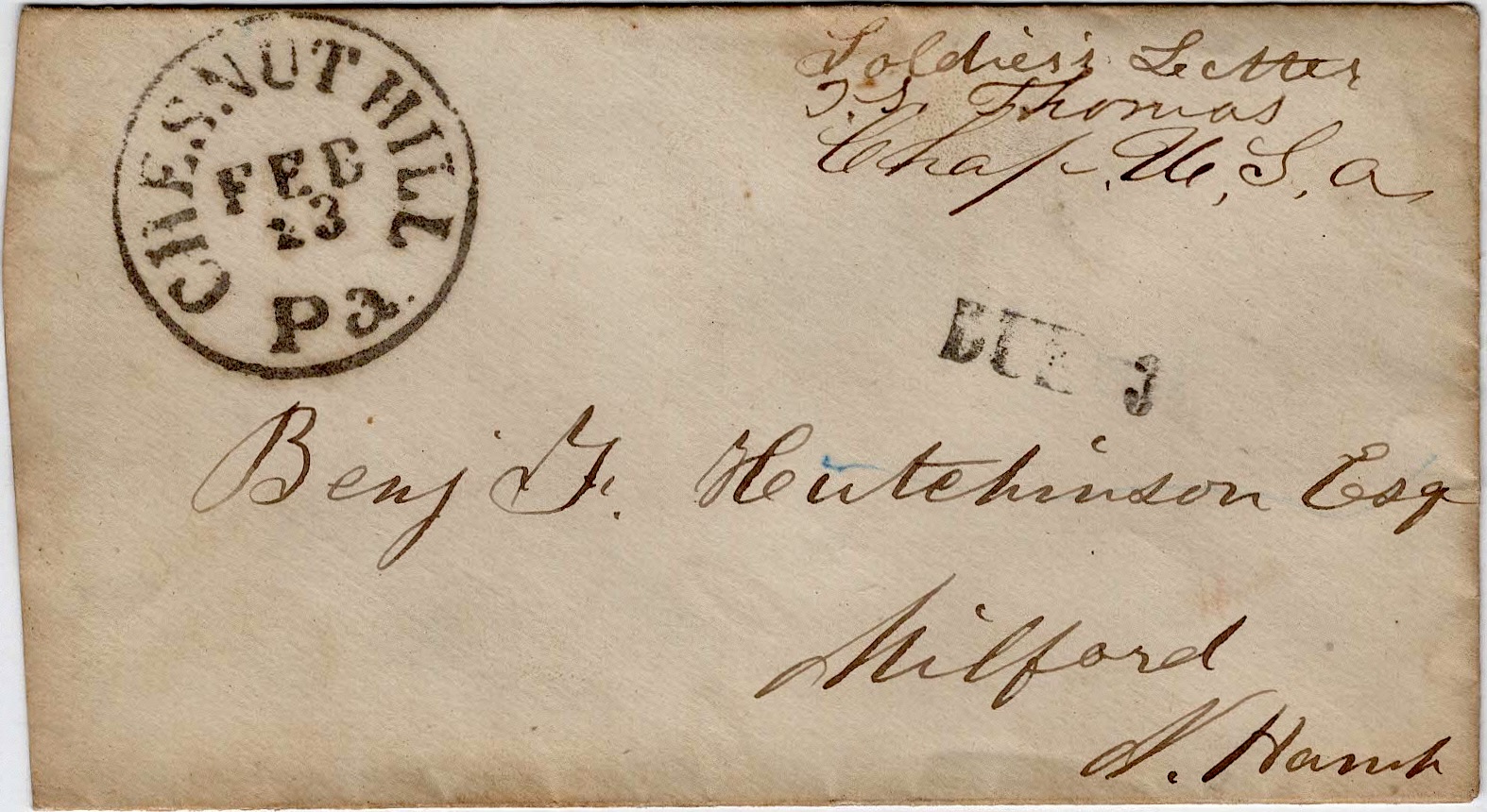
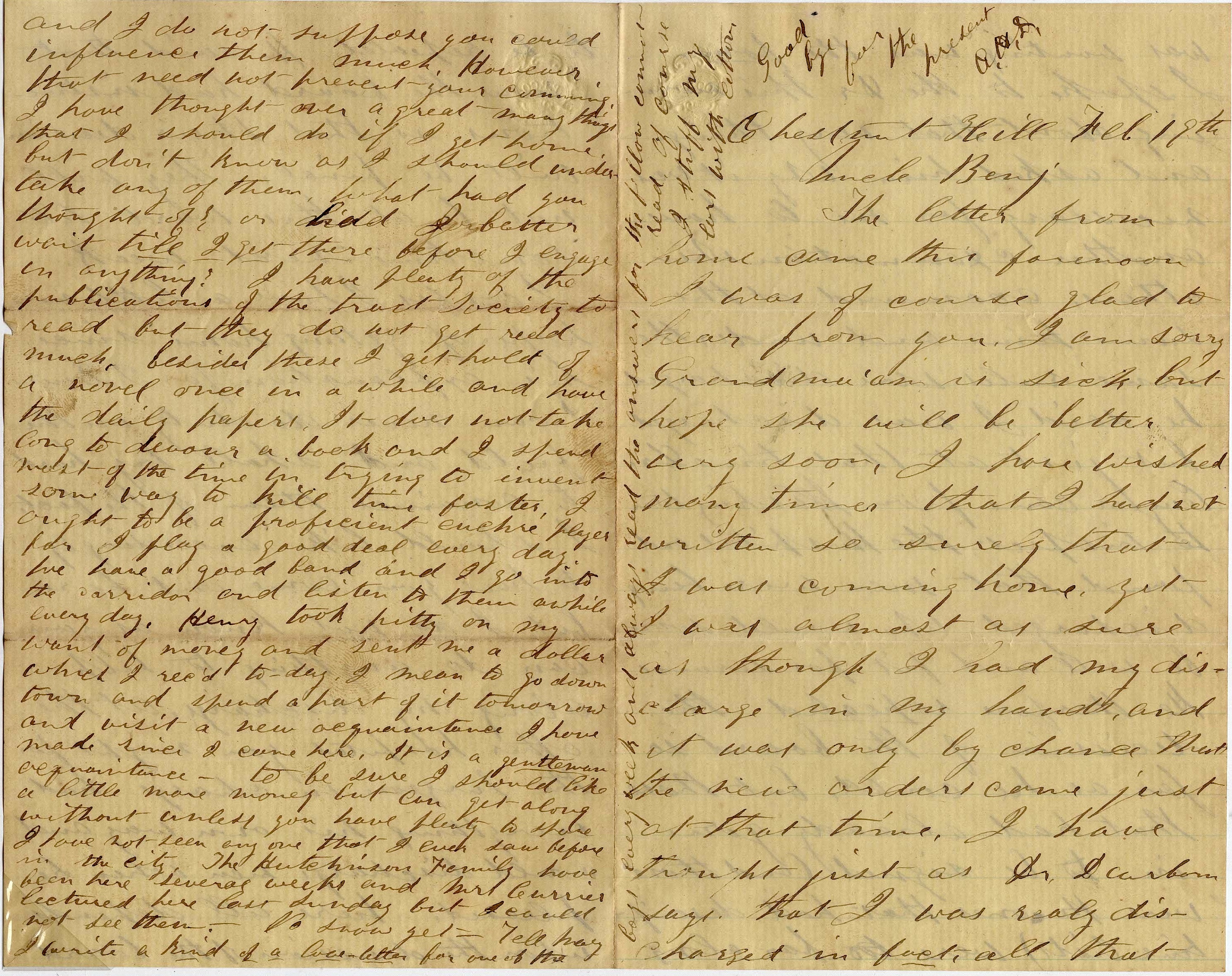
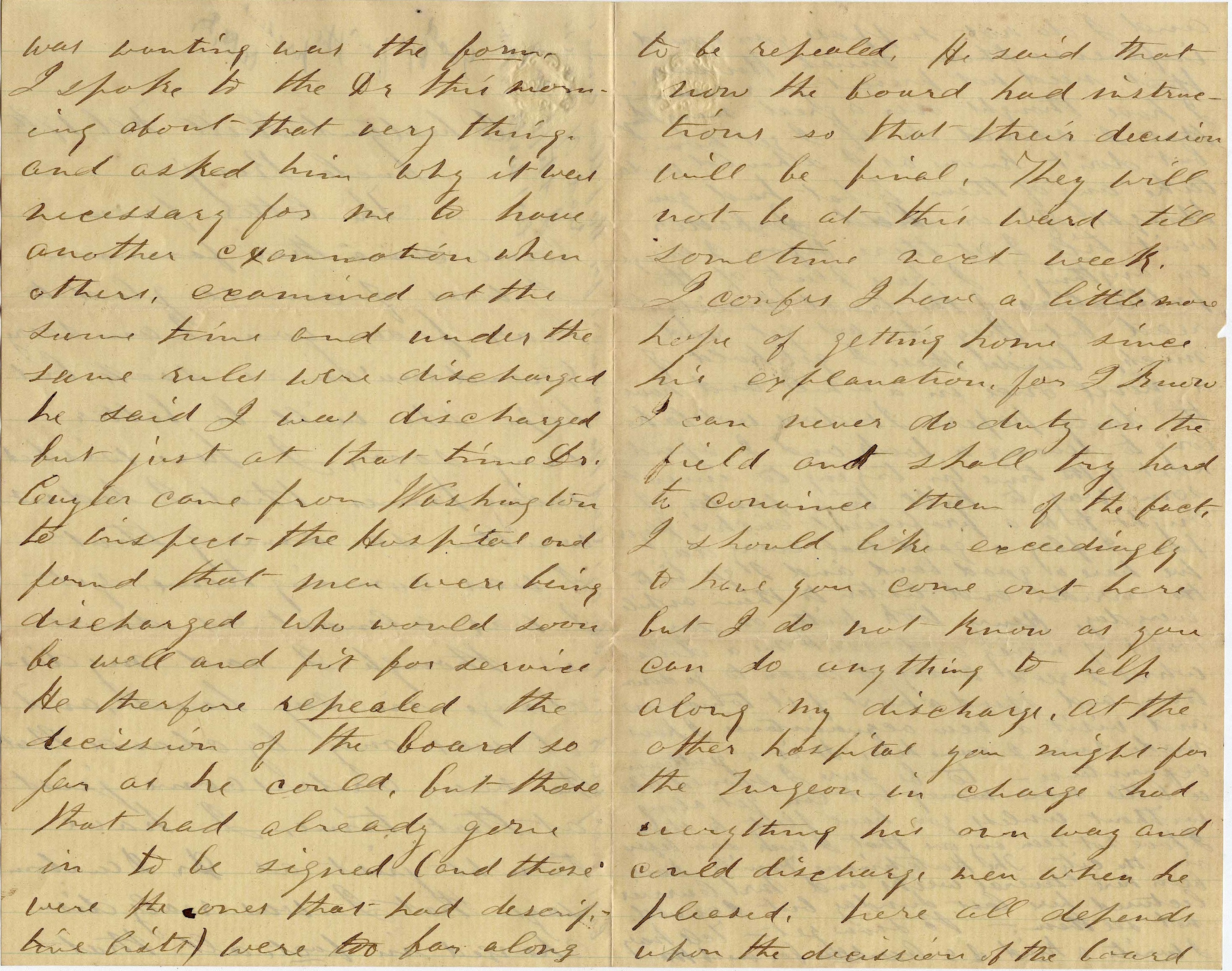
 Spared & Shared 23