My passion is studying American history leading up to & including the Civil War. I particularly enjoy reading, transcribing & researching primary sources such as letters and diaries.
I could not find an image of George but here in an unidentified Union trooper who looks to be about George’s age (Fred Taylor Collection)
The following letter was written by George W. Rice (1842-Aft1915), the son of Horace Rice (1804-1853) and Mindwell Bemus (1812-1865). George wrote the letter to his older brother Horatio Seymour Rice (1835-1901) of Harmony, Chautauqua county, New York.
George was 21 years old when he enlisted on 22 August 1864 as a private in Co. G, 9th New York Cavalry. At the time of his enlistment, he was described as a 5 and a half foot, hazel-eyed, brown-haired jeweler. He was mustered out of the regiment at Clouds Mills, Virginia on 30 June 1865.
Upon his return home from the war, in late December 1865, he married Melvina Burt (1848-1925) and settled down in Harmony to resume his career as a jeweler.
Transcription
Addressed to Mr. Seymour Rice, Harmony P.O., Chautauqua county, New York
Camp of the 9th New York Cavalry Near Lovettsville, Virginia February 6, 1865
Dear Brother,
I received your letter last Friday & was very glad to hear that you were well but sorry to say that it did not find me very well. I have been sick for two or three weeks with the chill fever but am getting a good deal better now. This is the first letter I have written since I wrote to you. I was sorry that I could not come and see you again but it was impossible on the account of my being sick. But there is some hopes of peace prevailing here at present & we are all in hopes of having peace soon and very soon.
You have of course heard of the three peace commissioners, rebel [Alexander] Stephens, [Robert] Hunter and [John A.] Campbell, coming into our lines & William H. Seward and the President have gone o meet them at City Point. And it is said that Jeff Davis is to be there too. And I hope that they will bring this cruel war to a close soon. I understand that recruiting has stopped for the present. Some of the men here are almost sure of peace this time & others doubt it, but I think peace will come soon. [See—The Fox and the Hedgehog: The Hampton Roads Conference]
Now in regard to my bounty, it is all left in black and white for one year, & in regard to your pay, I should [have] settled that up before I came away but you know that I did not get my money until I was mustered in for good & then I could not go & attend to things myself & so I had to leave without fixing your matter & mine individually. But it is left so that if I don’t never come back, that you will get your pay. But the idea of $75 for that gold watch that never could be fixed without costing as much as it was worth & the other one half to be galvanized every day to keep it looking anyhow. I don’t know but the folks think beings a person goes to war and gets 4 or 5 hundred dollars that he is made of money. But if a soldier don’t earn his money, I don’t know who does. If I had known you had wanted to borrowed some money before the papers were al made out, I would just as leave let you had one or two hundred dollars as anybody else. But it is all let out now & the papers all made out & left with a good man.
You may think I mean Henry but I do not. He has not got them & it would be useless for me to give you my note for it left all safe as it is now and I don’t feel disposed to ever sign my name to another note as long as I have got means to pay all I owe & have a few cents left.
I guess you will please excuse this poor writing for I am rather nervous. I will close by bidding you good day. — George W. Rice
How Sarah might have looked (Rob Morgan Collection)
The following seven letters were penned by Sarah Wells (Hibbing) Rose (1830-1874) of Cherry Grove, Hamilton county, Ohio, and her husband Pvt. Thomas Stagg Rose while he served in Co. H, 138th Ohio National Guard (ONG). Sarah wrote letters 3 & 4, Thomas the other five.
Tthe 138th Regiment Ohio Volunteer Infantry mustered into service at Camp Dennison, at Cincinnati, Ohio, on 14 May 1864. The men in the regiment were to serve one hundred days. The 138th consisted of Licking County’s 5th Regiment Ohio National Guard, Hardin County’s 32nd Battalion Ohio National Guard, and one company of Lorain County’s 37th Battalion Ohio National Guard.
In mid-May, authorities dispatched the regiment to Washington, DC, traveling via the Baltimore and Ohio Railroad. Upon reaching North Mountain, the 138th disembarked due to an impassable railroad bridge near Harper’s Ferry, West Virginia. After a delay of several days, the regiment arrived at Washington on May 22, 1864. Officials placed the 138th in Forts Albany, Craig, and Tillinghast south of the Potomac River. The regiment garrisoned these fortifications until June 5, 1864, when authorities ordered the 138th to White House, Virginia, where the regiment served on guard duty and supervised Confederate prisoners until June 16. The regiment then boarded ships for Bermuda Hundred, Virginia but disembarked at Fort Powhatan on the James River, twenty-five miles away from Bermuda Hundred. The regiment completed the journey on foot, arriving on June 19, and officials assigned the 138th to picket duty at Point of Rocks and Broadway Landing, Virginia.
Authorities soon ordered the regiment to the Cherrystone Inlet on Virginia’s Eastern Shore, where the 138th garrisoned several communities, including Eastville. The regiment protected telegraph lines connecting Cherrystone to Wilmington, Delaware and also patrolled for Confederate blockade-runners—duty so light and enjoyable that Thomas confessed that it was “more like a picnic than soldiering.” In late August 1864, the regiment traveled via the Pennsylvania Central Railroad to Camp Dennison, where the 138th mustered out of service on September 1, 1864. During the 138th Regiment Ohio Volunteer Infantry’s term of service, eight enlisted men perished from disease or accidents, while no soldiers died from wounds received on the battlefield.
From Sarah’s letters we can gain some small idea of what it was like for the work-a-day lives of the wives and mothers who were left at home while their husbands went off to serve their country. At the time these letters were written in the summer of 1864, Sarah had four children ranging in age from four to fourteen to take care of, an elderly mother, and a large farm to manage. What she does not reveal in her letter—except to hint by writing, “I find it inconvenient these warm days,”—is that she was eight months pregnant at the time carrying her fifth child, Alice Rose (a.k.a., “the little stranger.”)
To read other letters by members of the 138th Ohio National Guard transcribed and published on Spared & Shared, see: George Gaddis Myers, Co. C, 138th Ohio (Union/1 Letter) J. Henry Hine, Co. H, 138th Ohio (Union/1 Letter) William Budd Shinn, Co. H, 138th Ohio (Union/2 Letters)
Letter 1
Martinsburg, Virginia Co. H, 138th [Ohio National Guard] Regiment May 20, [1864]
Dear wife, children and mother,
I am now sitting away upon the side of a mountain in a pine grove where there are thousands of beautiful pine groves. I have been on the top of the mountain and looked over a beautiful valley called Happy Valley where the rebels went up into Fredericksburg, PA in the North. The Blue Ridge Mountains [can be seen] in the distance commencing up in the west running away round to the southeast. [Looking] east, the scenery is beyond mortal [man] to describe.
I intended to give you our trip in the form of a diary but my paper is precious and paper is very scarce and high here so I will write little and often.
Old George Martin was raised here at this place. The town is nearly burnt down. It was burnt by the rebels. They also burnt any [number of] places along the railroad. Last week they burnt a portion of the town of Piedmont. 1
The drum is beating before Battalion Drill so I must go.
Supper is over. I am now close to camp by a little mountain stream. I never enjoyed better health in my life. There is several of our company sick but they are those that don’t take care of themselves.
We had prayer meeting last night up on the side of the mountain. That the best drill for me since I left home. We have another tonight. It is delightful to hear hundreds of voices singing praise to God but prayer and war of not go together with me. I would rather be home plowing corn and praying with you at home. I count every day and think the rime will roll around.
We have beautiful clear weather here and warm. I have no news to write about the army. I expect you are better posted than I am. Our regiment has taken several spies or bushwhackers.
I must lose as I must be careful of paper. John is well. He is on picket today. I want you all to remember me and all write. Your dear husband, — T. S. Rose
1 “At Piedmont the rebels broke and burn up a number of cars, and threw four of five engines off the track, damaging them to some extent, and burnt three or four buildings in Piedmont, including the square workshop and the paint shop, with tools and machinery, belonging to the railroad company. A portion of the round top workshop was also destroyed. They then went to Bloomington, a station on the road, two miles west of Piedmont, and there threw off the track several engines, and damaged a number of cars. They took no prisoners at either place. They then left Bloomington, and retreated down the country.” The Wheeling Daily Intelligencer, 9 May 1864
Letter 2
White House, Virginia June 11, [1864]
Dear wife,
I received a letter from you this morning and how glad I was. [When] the first letters came up, there was none for me so I went and laid down in the tent. [But] in a little [while], there came up another lot and one for me. Now I am alright [and] enjoying the best of health. I don’t want you to give yourself any uneasiness about our starving. Sometimes we have been short but have plenty now of bread, pork, beef, rice and potatoes and hard tack. I don’t think we will starve and don’t be troubled about our going to the front for this morning two regiments came in from the front that went there and offered themselves [but] Grant told them he had no use for such troops.
I wrote to you yesterday telling you that we had to cook five days rations. It may be that we will leave today or tomorrow and may stay here. If we leave here, I rather think we will go to Bermuda Hundred on the James River. There is a great many rumors but I don’t believe anything I hear or hardly what I see.
When you write, the best plan I think is to direct to Washington D. C., to follow the regiment. Then we will be sure to get them wherever we go. There was two letters came for John this morning. He is out on picket but they have gone to him.
Now Ma, be of good cheer and I will do the same, trusting in the Lord. Now I must close and go to dinner. Give my love to all my friends. Tell Emma that John is well. I must close. Yours forever, — T. S. Rose
Dear Hettie,
I received a letter from Ma and you this morning and was very glad to hear from you and very glad that you are all well.
I am sitting under a tree on the main road that leads to Richmond near our camp where there are hundreds and thousands passing every hour—footmen and cavalry and wagons. Their teams here have but six horses or six mules. I cannot give you the faintest idea of the camp and scenery here. There is hundreds of acres here covered with tents and wagons. This morning there was from ten to twenty thousands of wagons in our camp alone and four miles around the same. It must take an immense amount of provision for such a large amount of men as Grant has besides men. There is an enumerable amount of horses and the feed and provision is all to haul and all have a plenty and to spare.
I am close by the grave yard where [they] are busy all the time covering the poor dead soldiers. Poor fellows—they shall know no more of war or sorrow. I wish [you] could be here for a little while to see the country here, to see the beautiful trees and flowers. There was a man just passed with the [finest] bunch of flowers I ever saw.
Now I want you to be a good girl and take care of yourself. So goodbye for this time. Write often. I will do the same. Your Pa
Now Anna, I hardly know what to write to you so I will tell you that I just [looked] towards the woods and I seen the largest drove of cattle that I ever saw. It looks like a large cloud. I also saw two women pass by. They are from the Christian Commission. The most of them are from Cincinnati and are the finest and best of women. They go all around the camps and wherever they find a sick man, they bring him anything they want to eat or drink, any kind of preserves or anything they want.
I am glad that you have such a good Sabbath school and so many comes. Mr. Sheldon wrote a letter to the school yesterday. I will write one some of these days if I can. We have the finest weather here I ever saw. It rained a light shower Thursday evening. It’s cool and pleasant in the shade—a fine breeze all the time. I want you to be a good girl and write when you can and let me know how everything is getting along and how much you have made picking berries. Goodbye Anna.
Now to my little Ella. I don’t know what to write about. I can say that I am glad you are well and go to Sunday school and get so many verses. Go on and learn all you can. I wish I was home to go along with you but I [am] over twelve hundred miles from home the road we came. But every Sunday morning I can see in [my] imagination [you] getting ready to go [to church] and I think I see you out in the strawberry patch picking the large berries and Oh! how I wish I was there to help you gather and eat them. But I’ll have a good time when I come home eating them big fellows that Ma has put up for me, won’t I? When you get through picking, tell me how many you had.
Now Ella, I want you to remember me and pray for me. If I could, I would like to send you some of the Sunday school papers we have here. The Societies have very nice ones here. I will send some if I can. When you write, tell me how big the chickens and guineas are for I feel a great interest in them. And [also] how high the oats is. Now Ella, excuse this and next time I try to do better. Goodbye Ella.
Letter 3
Cherry Grove [Ohio] Wednesday night, 29 June [1864]
My dear husband,
It has been a rainy afternoon and now everything begins to look up. The children are at home today. The berry crop is not sufficient to keep them picking every day. I suppose by this time if you have luck, you are in your new quarters. I hope you will find it a pleasant place and more of more safety that your last one. I think you have been a little too near the front to be very safe but I hope you got away from there before the battle came off. I have not heard of any battle yet but suppose there is one expected & perhaps before this time many more poor soldiers have laid their bodies down a sacrifice to this cruel war.
Thursday, the 30th. The children have all been picking again today. It is very warm but I suppose that is the kind of weather we need now to make things grow. The berry picking harvest is coming almost together & that makes it still harder to get hands enough to get the work done.
This night I received another letter from you but it was written before the last one I got so I don’t know yet about you all or whether you have left Spring Hill or not. But it done me good to get it. I could sit and read letters from you all the time & never do anything else. It pleased Ella to think you had got her little card. I don’t know what possessed the child to want to send it but every letter we sent she would come with it and want to put it in. At last I sent it just to please her.
I see by referring to the map that Point Lookout is a good way from Spring Hill. If it is on the Chesapeake Bay, I hope you are there by this time for I expect to hear of a great battle on the Fourth of July & I want you to be as far away from there as possible. I am glad you have plenty of coffee and sugar for sugar is a luxury we can’t indulge in very free. It is 23 cents per pound here. Calico 30, muslin 60 cents per yard. As you see, we have to pay for what we get, but I was lucky enough to get what I got in the dry goods line before the raise so I did not have to pay so much. I feel more encouraged that I have since you went away for I know now that the time is half gone if you do not begin to count till the day you have mentioned in which was the 13th of May. I suppose if you have got all the letters I have sent you in the last three weeks, they must be very tiresome to you to read them all for I write the same thing over and over in nearly every one of them for I thought perhaps you would not get more than a quarter of them.
If we have good growing weather from this [time] on, I think we will have as good crops as any of our neighbors for it is all in good order now although it took a good deal of work to get it so. The children are looking for a good time on the Fourth of July. Aaron has promised them a big treat & fireworks at night if they will pick for him. That day there is to be no celebration of any kind around here.
[Clement] Vallandigham is to make a speech in Batavia on the Fourth. I suppose they will have a great time up there. What kind of a time will you have, I wonder. I know how I will spend the day. I expect to be alone and plucking raspberries to dry for I will not have enough for anything else. I have sold one drawer. I want to trip and sell one more & then put up & dry the rest for we will not have any other kind of fruit as there is no blackberries and but very few apples. I expect berries will taste good to you this fall. I think you will be here in time to east some of those roasting ears with us yet that was planted just after you went away. I hope so at least. Our hard work will soon be done. Now and then I will only have one more duty to perform and then await patiently for your return home. Oh how I wish it could be before this month was out but I dare not hope. I suppose the 10th of August is as soon as we can begin to look for you.
Thomas Fitch and family & Ann and John are all to Aunt Nancy’s. They came last night and went this afternoon to Mt. Washington to buy a farm. I do not know whether they succeeded or not. Tell Bill Potter his wife is well, picking berries every day. She and George’s family are all well also. I suppose all the rest are. I have not hear of any sickness among any of them. I saw Emma & Harry tonight. Harry is got to look so well again and as playful as ever.
We are all well & I am better than I expected to be at this time. So don’t be uneasy about me. I have no doubt but I will do very well. All I mind is being deprived of your company at this time. If you were in a place of safety and in good health, I would not mind anything else. I thought in the course of a two or three weeks I would get Willie to stay with us at night. Be sure and take the best care of yourself you can & try to keep a look out of danger as much as possible.
As it is late, I will close for this time. So good night, my dear husband. Still try to press on in the right way & still continue to pray for a safe return home. I still try to pray for your protection day and night and still believe the Lord will grant us our desire if we only trust in Him. I feel that I have much to contend wit but the Lord is able to deliver & feel like trusting in Him.
Your affectionate wife, — S. W. Rose
All your friends send their love to you.
Letter 4
Addressed to Mr. Thomas S. Rose, Co. H, 138th Ohio National Guard in care of Capt. Kline, Washington D. C. Follow the regiment.
Cherry Grove, [Hamilton county, Ohio] Saturday night 23rd [July 1864]
My dearest one,
I received another letter from you last night—the one you wrote just after landing at your camp. It gave me more pleasure than any letter I got from you since you left Fort Craig for I know you was certainly in danger as long as you were so close to the fighting. But now I feel that you are in a place of safety & I believe in a healthy place. I would like to be with you when you are eating some of those crabs and oysters. I was looking at the map to see where you were situated. I can’t imagine what they want with troops in that out of the way place. I guess you had your usual luck in getting away just in the right time for I see by the papers there was a hard fight at Point of Rocks a few days ago & I believe that is near Broadway Landing. I would like to have a few of those pears you spoke of for fruit is something we won’t have for a year. Our berries are gone now & we have not another thing in the shape of fruit except a few grapes. I saw four blackberries yesterday. I picked or ate them so I could have it to say I had some this year.
It is so very dry—nothing can grow. The farmers are all discouraged. They say there won’t be any corn & potatoes are not good. Altogether I think it will be a hard winter to live.
Sunday morning, 24th. I am alone again as usual. Grandma went with the children to Sunday school. The nigger preacher is going to preach little George’s funeral today & she wanted to go to hear him sing.
I would like to see what you are doing just now but I have an idea you are employed just as I am in writing to those you love. I can see you in my imaginations although so far away & I hope in three weeks more to see you in reality. You need not give yourself any uneasiness about this draft for our township is very near clear. Mr. Jones told me yesterday there was no doubt but it would be. Tomorrow evening will be the next important meeting & that will finish it. They are raising money sufficient to hire substitutes enough to fill the quota & will succeed without a doubt.
I was glad to see conditions of compromising in the papers the other day but it turned out just as I expected. Our President would not receive them though. I suppose you get the papers & know as much about what is going on as we do.
The children was pulling weeds out of the late corn yesterday. I have not had but one days plowing done for three weeks, it is so hard to get help. T. Clack was sick & it was harvest time & hands were not to be had. It looks strange that every time I get a field plowed, it has to be weeded. It was not so when you plowed. I think sometimes if it was done right, that would not be the case though I did not have to weed after T. Clack so much. But that is all done now, I hope. I will have to give up making a turnip patch back of old garden as I and the children have to dig the potatoes ourselves. I do not feel blessed at present to undertake anything so hard as that but I will have some planted among some very late corn that we have out by the gate. I think they will do just as well. But if it does not rain, it will be no use to plant or try to do anything.
We have the prospect of a very hard winter at present the way things are selling. We can only get three pounds of sugar for a dollar and in most places it is 35 cents a pound. Coffee I never inquire the price of. Meat is very high. But I don’t think we will have any of that to buy for a long time. I have to give 20 cents for a spool of thread and everything else accordingly. So you see we have sutler’s prices here too.
Our tomato & pickle patch son’t seem to grow hardy a bit anymore although there is not a weed in them an inch high. They never was plowed much but we tended them pretty well with the hoe. The tomato was plowed once; the pickles none. I think they would be nice if it would only rain. Jim says he will stack the oats if I would get someone to help him. I spoke to Mr. Jones about it and he said he would help so that is the last I will have to do.
Sunday night. Grandma went to Aunt Nancy’s today. She has all her children at home now. It has been quite cool for several mornings and evenings but it is very warm again tonight. Old Mr. Stephen Woodruff is dead. He died with the cholera. Only lived 5 hours after he was taken. Sam Morrison is dead also. He died somewhere in the army with consumption, I believe.
I forgot to tell you that some of the men about here have been fortifying themselves against the draft by getting exempted. Sam Johnson, Orse Clack, big John Bogart, & several others.
As it is getting late, I will bring my long letter to a close. This paper is so bad I can’t write on it so you can read it. I feel so thankful that you have got away from the main army. I sincerely hope you will be in a safe place the rest of the time and continue in good health. We are all well at present. I find it inconvenient these warm days but I am perfectly well. Grandma has got over her little spell. We all still remember you in our prayers, day by day. I try to pray that God in His mercy will keep and protect you from danger & still give your to feel His divine presence, although surrounded by trials and temptations, and soon bring you home again. I am looking for you in three weeks. Is that too soon? Good night dearest one. — S. W. Rose
Letter 5
Cherry Stone Inlet, Virginia July 23, [1864]
Dear Wife,
Our mail came at last yesterday morning 22nd. It came after being gone more than a week. I received three from you [and] one from Seven Johnson. I was very glad to hear from you once more. I began to feel the blues coming but it all disappeared at once.
We are at Cherry Stone [Inlet] yet. This is a finer place than I thought at first. There is a large frame house on the bank with a garden in the rear. In front [there are] large locust trees with rows of fig trees nearly all around full of figs, peach, plums and apple trees full of fruit and everything around is lovely. Mr. Colter talking very strong of buying it.
Every time we move, we get in a finer place except White House [Landing, Virginia] and that was a prettier place than [Fort] Craig 1 but it was the most loathsome, stinking places I [ever] was in. We was nearly fenced in with dead horses and mules which stank so one could hardly breathe. Then Spring Mill was a very pleasant place but there we was in some danger and working in the hot sun and dust. Broadway [Landing, Virginia] was a still finer place out of the dust, but hard work and dangerous work loading and unloading shot and shell which is very dangerous work.
Here we have no work, no picket duty to perform, and our guarding don’t amount to anything. We guard the well to keep the privates from drinking too much and the garden and orchards to keep privates out of the hospital. I hardly know what for unless it is to keep the sick from coming out or keep their friends from giving them something to eat. The officers are not at all strict here. We do about as we please. This morning Wardle, Sheldon, Ralph and I went out in the country three or four miles to a store after some notions—tobacco mostly. Things are cheap enough here considering. Lettuce 30, muslin 30, sugar 25, everything I thought cheap enough.
We saw fields of cotton growing & the largest fields of corn I ever saw and nigger women plowing. While at the store, I saw some of the Virginia Bloods going to church—some in buggies. And I saw some ladies dressed to death almost, in old rickety carts with rope lines jogging along up and down like our boat did on the Bay.
Colonel [Samuel S.] Fisher says Co. H may go on Cobb’s Island which all say is the finest place in the world. It is a small island ten miles distance from here. Some years ago a man from the North bought the whole of it and built a large hotel there for a summer resort. But since the rebellion has left it all a loss.
While sitting here the boys say we leave at 5 o’clock this evening. I want to go there to see the ocean shore and see the shells and catch the fish and eat lobster. I cannot see for the life of me what we were ever sent here for unless it was to show the strength of the army. There is no rebel here nor never was. This will be our last move until we move towards home. I still believe we will get home by the 15th unless transportation is hard to get like it is at this time. I [hope] that will not be the case.
I would like to have a road through the Burdsall property but still I don’t care much about it. I am very anxious to get home now and be with you but as it is, I cannot be there for awhile so you keep in good spirits and trust in the Lord and all will work for our good. My prayer is grant us grace and health and happiness here on earth and home in heaven. Now I must close for this time.
Goodbye my dear wife. — Thomas Rose.
I am enjoying the best of health.
Now Ella, I want you to keep the stock [ ] covered and don’t drown all the guineas. Don’t work in the hot sun and get sick. Eat plenty of pudding every week and I will soon be home. Then we will have a rousing big one. Tell Grandma I want her to keep well. Anna and Hettie, when I get to Cobb’s Island, I will write to you. When I come home I will fetch some sea crabs if there is any there. So goodbye for this time. Your Pa, — T. S. Rose
1 Fort Craig was one of the 33 forts on the Virginia side of the Potomac River built as a defensive perimeter around Washington D. C. A 17 May 1864 report from the Union Inspector of Artillery noted the following: “Fort Craig, Major Holt commanding.–Garrison, two companies First Massachusetts Heavy Artillery–15 commissioned officers, 1 ordnance-sergeant, 280 men. Armament, one 24- pounder field howitzer, four 24-pounder siege, five 30-pounder Parrotts, one Coehorn mortar, one 10-inch mortar. Magazines, two; dry and in good condition. Ammunition, full supply and in good condition. Implements, complete and in good order. Drill in artillery, fair. Drill in infantry, fair. Discipline, fair. Garrison of sufficient strength.”
Letter 6
Accomack county, Virginia August 5, [1864]
Dear Wife,
Yesterday was a day of rejoicing with myself and many others. We received [our mail for] the first time for two weeks. Our Colonel was kind enough to bring it up from Cherrystone. I received three letters mailed on the 22nd July, 25th and 26th. I was very eager to know the contents and how rejoiced I was to hear you was all well and in good spirits in the first two letters and O! how much more rejoiced to read the third one from Eliza bringing the news of a little stranger there. O! how I do want to e there to see it. But here I am bound. But I thank the Lord it is only for a few days more. Then I shall be with you and with the little stranger.
I was glad that Emma in her letter to John spoke of you getting along so well. I feel like singing—“I want to go home. I want to go home.” I want you to keep in good spirits and one of these nights with my knapsack strapped upon my back, [I shall come home] singing now my hundred [days are over]. we are expecting orders for home every day now. We may stay here for several days yet. The farthest any put the time of getting home is the 22nd. I thin we will be there before that time.
We are now camped in a beautiful place near one mile from Drummond Town on the sea view road. It is very pleasant if there was no mosquitoes to bother us at night. But we manage to keep them off by smoking them off. If we do not get enough sleep at night, we sleep in the day time. The weather continues very dry here. It is pleasant in the shade.
My health continues very good. I never was so fleshy in my life nor vainer. Feel so well. I hope that I may continue in good health. Our duties here are very light. We drill about two hours in a day and have a camp guard at night sometimes. The balance of the time we put in as we please. Col. Fisher and his wife came up yesterday and paid us a visit. They went down to a place by the name of Sea View in the evening. They came in camp and we gave them a grand reception. We had every tent illuminated with three candles and candlesticks all through the trees and a large camp fire in the center and all the soldiers sitting around in a large circle and of all the times of our soldiering, this beat all in singing all kinds of songs that one ever heard till 1 o’clock when the Colonel made us a little speech when all was quiet again.
Well, Ma, as I don’t expect to get more than one more letter from you, I will just say you must keep in good spirits and take good care of yourself and the dear little one. Do not be uneasy if you should not hear from me more than this time. I hope we will leave for home by Monday. I will write as often as I have opportunity. Goodbye, my dearest one. — T. S. Rose
Dear children. I wish I knew what to write to you that would be interesting to you. I will tell you what I have been doing today. I came off guard this morning at 7 o’clock and then I [went] over a little way from camp to a rich old doctor’s. His name is Satchel. 1 He has two large farms here and of all the places for fruit I ever saw, this beats them all. There is an old darkey attends to it. We go there and give him a dime and he gives us a peck of peaches, pears, and the largest and best plums I ever saw. I was all through the orchard and eat until I could eat no more. In the front yard there is more than an acre of all kinds of trees that grow nearly. I will say those trees [are] from all the old countries. Rare beautiful fig trees and all manner of fruit. I wish you were here to eat fruit ands the yard now.
I have made this so long, I will have to close for this time. When I get home, I will tell you of all I have done. So now goodbye. I would like to know what you have named that little pet for I expect it is a pet already. I believe you ought to wait until I get home and let me help name it. You must take god care of it until I come. Tell Grandma that I am well and kiss her for me and don’t forget to kiss the little baby for me also. John is well. All the balance of the boys are going around. Goodbye. Your Pa, — T. S. Rose
1 The rich old physician was undoubtedly Dr. Southey S. Satchell (1801-1873) of St. George’s Parish, Accomack county, Virginia.
Letter 7
Drummon Town, Accomack county, Virginia August 8, [1864]
Dear Wife,
I have just received three letters from home. How glad I was to hear you was getting along so well. I would like to see the little baby. I am over anxious to get home how. We have but a few days more to spend in Old Virginia. Then soldiering will be played out. I think we will start for home by Friday this week anyhow. Some of the boys are getting very homesick. J. O. Johnson and J. F. Martin are [the] laughing stock for all the company. They are complaining all the time. They complain that they have no appetite when they are eating all the time.
The weather has been very dry here until Saturday night when we had a very heavy rain. Least Saturday Mace Parker, John Hancock, [&] Ben Stewart of Co. E, G. Sheldon and I went to the ocean shore. We left camp at 7 o’clock a.m. and walked two miles to an inlet where we chartered a little boat. We tried to charter a pilot but failed to get one so we concluded we would try it alone so we jumped aboard, hoisted the sail, & wit Parker to steer. The wind and tide being against us, Sheldon Stewart and I each [took] the oars and pulled away down the inlet about four miles to where we crossed over to an island to the broad Atlantic shore. This was the grandest sight I ever saw yet. I had to stop and gaze in wonder and amazement.
But I soon went to looking at the shells on the shore where they laid in piles. But I was somewhat disappointed. There was plenty of shells but not very fine shells. I gathered some, then went in swimming. This was the nicest swimming or bathing I ever had. We would wade out in the water until a large wave would come forming like a soap suds. After we got tired of our fun in the water and of gathering shells, we got in our boat and started back. While we were on the island, there was a heavy thunder came very near us but did not quite reach us. That was all such a grant sight.
On our way back, we had a very pleasant time. The wind being in our favor, we glided up the inlet beautifully without using the oars and reached our camp at supper time. Yesterday, Sunday, was rather lonesome. in camp as nearly all went to the ocean shore. Nearly all the rest were strolling over the country. At night we had a pleasant time. We came together and sung all the sweet old hymns that we use to sing at home. When we got tired of singing, we built our mosquito fires and went to bed or laid down and slept sound all night. While we were on drill this morning, the mail came. The captain dismissed us and all went to reading and now are all writing.
I am sorry to hear that the dry weather continues yet. I begin to fear there will be short crops and hard living this winter but I will not complain now. All I want is to get home and be with you all once more. I have no name yet for the little baby so you will have to wait until I get home for I want it to have a pretty name. I have thought of a name but for fear I might find a nicer one, I had bette not tell it. I expect this will be about the last letter I will write from this place so don’t be uneasy of you should not hear from me so often.
We are having a very easy time here. It is more like a picnic than soldiering. We have all kinds of fruit in abundance and melons. Then we have the finest fish I ever eat and nothing to do but cook, eat and sleep. Now I close again wit my love and prayers to and for you all trusting and hoping in the Lord it will not be long until we shall meet together.
I could not find an image of Clinton but here is one of Sgt. Newton Goodbar of Co. C, 60th OVI
The following letters were written by Clinton Emory Sharp (1846-1927), the son of Stephen Alfred Sharp (1807-1886) and Hester Ann Oldham (1819-1894) of Westerville, Franklin county, Ohio.
When he was 19 years old, Clinton enlisted on 20 February 1864 in Co. A, 60th Ohio Volunteer Infantry (OVI). He took a gunshot wound in the left arm on 17 June 1864 in the first assault on Petersburg but eventually returned to his regiment and was with them until he mustered out as a sergeant on 28 July 1865.
Readers should be aware that there were two regiments called the 60th OVI. The first regiment was organized at Gallipolis in February 1862 for a one year enlistment. The second regiment by that name was organized at Cleveland and Columbus in the spring of 1864 and sent to Virginia where they fought at Spotsylvania, Wilderness and Cold Harbor before spending eight months of trench warfare in the Siege of Petersburg. After the war, one member of the regiment by the name of George Koontz in Co. I, wrote, “As our regiment was in the entrenchments nearest to Petersburg, we were the first to enter the “blockade city,” which was done early in the morning of the 3d inst. The 1st Michigan sharpshooters led the way, and the 60th Ohio followed. We found the city on fire in several places, caused by the rebels burning public stores, bridges and tobacco warehouses. The city was soon alive with Uncle Sam’s “blue birds,” and I certainly never seen troops, under similar circumstances behave themselves better. Private property, what little was left, was respected; and you could see on all hands the Union soldiers giving their rations to this half-starved chivalry, who four years ago were so defiant, proud and haughty. Not only the “white trash” were reduced to taking hard tack from our boys, but dainty-fingered ladies—real bonafide ladies—condescended to nibble them in order to keep soul and body together.” [The Gallipolis Journal, 4 May 1865]
After the war, in 1868, Clinton married Martha A. Hutches and made his living as a farmer in Delaware county, Ohio.
Letter 1
Addressed to Mrs. Hesterann Sharp, Westerville, Franklin county, Ohio
Camp of the 60th Ohio Volunteer Infantry In front of Petersburg, Virginia February 22nd 1865
I received your letter about a week ago but as I had just written to Father, I delayed on yours till now. I am well and get along fine. Pearl is well and in fine spirits. You wanted to know how we keep warm this cold weather. It is not cold here. We run around in our shirt sleeves it is so warm here.
Hensel says he lost my watch but says he will pay me for it payday.
I got a letter from Andrew about two weeks ago. He sent it to Seminary Hospital. It was sent here to me but I guess there was nothing new to you in it. I had written to him before I got Father’s letter.
Things goes on about the same as when I wrote to you last. There was some shelling here this forenoon. They throwed twenty-five a minute.
Pearl’s box has not come through yet. How much did Uncle Lewis get for his farm?
We heard this morning that Charleston was taken by Sherman. We have got about thirty men in Company A of the old boys and seventeen recruits. Captain [Elitha D.] House is not with us. He is in Columbus. One of the boys got a letter from him the other day. He thinks that he will never be able to come back again. 1
As I sit here writing to you, I can hear the Johnnies’ band playing over in Petersburg.
When you direct a letter, direct it in large, plain letters and it will come through in two or three days sooner like the one is in here. I don’t know as I have any more to write.
From your affectionate son, — C. E. Sharp
Write soon and all the news.
1 Captain Elisha D. House was wounded on 27 October 1864 in action near Petersburg and discharged on 2 March 1865 on Surgeon’s certificate of disability. He was replaced by Samuel S. Blackford who had been the 1st Lieutenant.
Letter 2
Camp of the 60th O. V. I. 15 miles from Petersburg Guarding the railroad that runs to Lynchburg April 8, 1865
Dear Mother,
It is after another great victory of the Union Army of Virginia that I take the opportunity of writing you a few lines. All of the boys from Westerville came in to Petersburg all right except Lewis Swickard. He got wounded in the right arm near the elbow in a charge on last Sunday. 1
Our brigade was the first in the town. We entered the town a little after day [break] on Monday the 3rd of April. There was not much in the town but tobacco which was plenty. When we first entered the town there was not very many white persons to be seen, but the Negroes was plenty.
We were provost guards in town for a couple of days and taken prisoners to City Point which came in by the thousands are still fetching them in and coming in of their own accord of which there is many. They seem to have hid around in the woods so as to get into our lines and get out of the clutches of Davis (which is not very long).
I must bring my letter to a close for it is beginning to rain. Write soon. From your dutiful son, — C. E. Sharp
P. S. I wish some of you would send me a paper with this battle in.
1 Sgt. Lewis Swickard entered the service in February 1864 and was discharged on surgeon’s certificate on 3 June 1865.
The following diary was kept by Grant James Anderson (1842-1917), the son of Dr. James Anderson (1803-1860) and Priscilla Neal Beall (1810-1854) of Upton county, Georgia. Dr. Anderson was an 1828 graduate of the Medical School at Transylvania University in Lexington, Kentucky. In the 1850 US Census, Dr. Anderson’s household included his wife and four children between the ages of 15 and 21 that were his wife’s by a former marriage, and four children of his own, between the ages of 7 and 14—Grant being the youngest. His real estate was valued at $7,000 and he owned as many as 15 slaves. In 1852, he had over 500 acres under cultivation in both Upton and Pike counties. His 1860 Will indicates that he owned land in Louisiana as well, all of which had to be split between his surviving sons. Grant also inherited some of his father’s property in Negroes—namely “Washington, Moses & Mary and their natural increase and two thousand dollars.” Grant was also awarded all of his father’s “mechanical and surgical tools & medicine.”
Grant’s parents, Dr. James Anderson and Priscilla Neal (Beall) Anderson were both deceased before the Civil War began.
Little information can be found pertaining to Grant Anderson. He appears to have been well educated based upon his writing ability and particulary well read and active in the Methodist church. He was 21 years old when he enlisted on 5 March 1864 at Macon as a private in Co. C, 37th Georgia Infantry. It isn’t known if he volunteered or was conscripted. Clearly he was not of a very strong constitution, however. Whether Grant spent much time toting a musket with his regiment cannot be ascertained from muster rolls and for nearly the entirely of this diary he was hospitalized suffering from lameness and neuralgia. It begins in January 1865 following the devastating defeats of Hood’s Army of Tennessee at both Franklin and Nashville. If Grant was with Cheatham’s Corps in those engagements, he does not say so.
Grant was married to Annie Eliza Fletcher (1846-1928) in February 1869 at White Sulphur Springs, Meriwether county, Georgia. She was the eldest daughter of Benajah J. and Catherine S. Fletcher.
When Grant’s widow filed for a widow’s pension in 1917, she stated that her husband had been as assistant surgeon during the war. Perhaps Grant’s medical skills, learned from his father, were considered more valuable than his fighting skills and his duty in hospitals was as a care giver.
[Note: This diary is from the personal collection of Rob Morgan and was transcribed and published on Spared & Shared by express consent.]
Transcription
Grant J. Anderson Co. C, 37th Ga. Regiment Tyler’s Brigade, Bates’ Division, Cheatham’s Corps Army of Tennessee January 1865 Corinth, Mississippi
January 1865
January 1, 1865—[ ]…I can say with David “How excellent is thy….kindness…from town [mostly illegible due to poor ink]
January 2—This morning I feel….but…..read the 40th Psalm and …but magnify Thee Oh Lord. ….
January 3—Having spent a restless night….
January 4—….John Hunt pay me for boots $90. I visit Dr. [George M.] McDowell, our Chief Surgeon but he was absent.
January 5—Our wagon train ordered down to Tupelo. Dr. [J. J.] Calloway desired me to go with ambulance, he going to the hospital sick. We come out twelve miles & camp. Begins raining tonight. I mess with Col. Frazier and Tom Ford. Good nights rest.
January 6—We leave camp before day in the rain. Snows a little & sleet. Pass through Guntown—very poor place. Have a muddy, cold time of it though we traveled sixteen miles and camp in a very pleasant place.
January 7—Leave camp at day break with the prospect of a beautiful day. The sun rises in all its shining splendor making everything look cheerful. At 2 o’clock it begins snowing & increases its velocity until it comes in a cloud. We are compelled to stop for the night.
January 8—Today is very unlikely for a pleasant march for it is sprinkling rain, but notwithstanding, we have a pleasant trip today and at night we camp in a beautiful sandy country and sleep well all night.
January 9—Leave camp in the cold rain an hour by sun, yet wet to the skin. Travel all day through the rain. At night, camp in a swamp. Still raining so we can’t dry. We are compelled to sleep in our wet clothes.
January 10—Cross Little Town Creek near Cotton Gin Port in a flatboat. Travel seven miles through the worst roads I ever saw, mud being ten or twelve inches deep. Our train is halted near Mr. Wilson’s until further orders to rest.
January 11—I visit Mr. Wilson’s family. He has four grown daughters—one of them a widow. One of them I find to be quite a nice lady. I repair his clock. Buy potatoes & lard from them and live very high on potato biscuit & bacon. We are in five miles of Aberdeen.
January 12—The weather is very fine & pleasant for the season. It reminds one as much of spring for the music of the birds can he [heard] throughout the forest—all but the green foliage of spring. What a calm.
January 13—Col. Frazier & I call on the Misses Wilson & meet up with a grass-widow from Aberdeen, whom I could not fancy at all, but the Col. seemed to be taken with her and so did several of our Brigade who visited them.
January 14—Feel dull & stupid today which causes me to think more about home. I write to A. E. A. and send it to be mailed at Aberdeen. I loll about camp until I am very nearly work out and desire to be with the regiment.
January 15—Dr. Eberheart & I go to New Hope Church and head a good sermon by Parson Tompkins of the Florida Brigade from the text, “We would see Jesus.” Small log house and crammed to the doors. Get orders to leave.
January 16—Leave on our way for Columbus at daylight. Pass through Aberdeen which has been a beautiful & business place before the war but the Yanks has destroyed some of the buildings. Cross Tombigbee River and camp at night in log huts, five miles south of Aberdeen.
January 17—Leave camp at sunrise. Find we had taken the wrong road yesterday. Went back into the military road and stopped for the night near Mrs. McCowan’s [with]in nine miles of Columbus. Met with some of the Bon Tons [high society] of Mississippi there.
January 17, 1865 (Tuesday) General Beauregard arrives in Tupelo with instructions, from Secretary Seddon, to grant General Hood’s request to be relieved of command and to send as many troops “as may be spared” to Augusta, Georgia. Beauregard immediately approved a “judicious system of furloughs” for the men in Hood’s army “to prevent disorder and desertion in [the] Army of Tennessee.” John Bell Hood sends two dispatches to President Davis, one offering “to command a corps or division,” and the second requesting that he be assigned “west of the Mississippi River.” According to Hood, “I think I can be of more service there than east of the river.” Although Beauregard is satisfied that the army “requires immediate reorganization and consolidation” and believes that “to divide this small army at this juncture to re-enforce General Hardee would expose to capture Mobile, Demopolis, Selma, Montgomery, and all the rich valley of the Alabama River,” he organizes the “first shipment of about 8,000 troops” for the long and arduous train ride to Georgia.
January 18—I leave camp about light before the train left in order to have time to see Cousin [James Thomas] Dionysius Anderson 1 in hospital at Columbus. I staid with him a few hours, then our train came on and went out to Nashville.
1 James Thomas Dionysius Anderson (1842-1885)1842, was the eldest son of Thomas Anderson and Anna Gray Allen of South Carolina. He was married in Union Parish, Louisiana, on 7 December 1869 to Elizabeth Elvira Bird (1853-1885). The history of Wilmar, Drew county, Arkansas is generally said to begin with James Thomas Dionysius Anderson, who bought 700 acres of land in Drew County for a dollar an acre in 1859. After the war, Dionysius returned to Wilmar and raised his family there.
January 19—We are compelled to remain here at Nashville all day until another train crosses before ours—i.e., the Tombigbee River. I get some washing done here at Mr. Landers. The process of crossing is very slow—cross with sticks. Our quartermaster borrows a rope.
January 20—Today we begin crossing the river about eight o’clock. Come out seven miles from Nashville & camp in a low, marshy place. We have plenty wood and of course plenty fire, but the torrents of rain tonight puts it out.
January 21—Today the rain ceases for awhile and we can have fire and cook. Col. Frazier leaves us for the command at Tupelo. This evening we receive orders to leave in the morning for better camp.
January 22—This morning bright & early we are all ready for changing our base for a more pleasant location but we pay for the change by traveling over some boggy roads through fields &c. Camp in eleven miles of Columbus in a very good place.
January 23—Our commissary wagons leave for Columbus after rations and I come with them on my way to the regiment. But at Columbus I learn that no train will run in ten days. Therefore, I enter Newsom Hospital 2 until I can get transportation.
2 “A Confederate hospital inspection report dated May 2, 1862, referred to Callaway as Newsom Hospital. It had three surgeons and three physicians with a 190-bed capacity, but when inspected it was filled with 287 patients. A Dr. Shattuck, from Vermont, was a math instructor at the Columbus Female Institute but had previously studied medicine. In early 1862, with the pressing need for doctors at the rapidly expanding Confederate hospitals in Columbus, Shattuck became a surgeon at Newsom Hospital and later served as a major and surgeon in Forrest Calvary.” [The Dispatch]
January 24—Feel very much refreshed this morning. Rose early, get breakfast. Cousin Dionysius & I take a walk through town and down to the river. See the Steamer Gertrude. Buy me two handkerchiefs [for] $7.
January 25—I rise before day this morning, make a fire and take a walk. Read 45th Psalm and down to 49th & feel the necessity of a clean heart which only fits man for happiness bothers here & hereafter.
January 26—Today am suffering some with neuralgia. Begin to read “The Throne of David.” Am well pleased with it. Lieut. Lovin [Lorin?] leaves us. Weather extremely cold but keep comfortable by the fire.
January 27—Weather somewhat warmer. I learn that our Corps leaves for Georgia from Tupelo. I feel rejoiced that I could escape the march over such muddy roads. My feet are swollen & are painful.
January 28—This morning I rise with severe pain in my face & head but the misery subsides during the forenoon. I take a short nap which quite refreshes me. Take a pleasant walk up the river. Feel tolerable well—all but my feet.
January 29—This morning I complete reading The Throne of David having been very much interested in it and immediately begin to read Self Knowledge which is one of the Christian Library.
January 30—This morning I feel weary of my bed. I rose early. Fine, pleasant weather. Cousin Dionysius & I take a tramp thorough the city. See the railroad bridge opened to pass a steam boat up the river.
January 31—This morning is pleasant and springlike, making one feel very merry & it is such weather that reminds me of home and its pleasures. I go before the examining board. I see Dr. [Edward Archelaus] Flewellen, he being here to inspect hospitals.
February 1865
February 1—As the last month passed away to give place to a new, reminds me of the shortness of life. Cloudy in the morning but it fairs off and is quite a pleasant day. I write to Cousin Emily Coleman, 3 but can’t send it off.
3 Emily Neal Coleman (1857-1877) was the daughter of Jesse Walter Coleman (1815-1891) and Emily Neal (1821-1891) of Mount Willing, Lowndes county, Alabama. Grant may be writing to Emily’s mother (see Feb. 4 entry).
February 2—This morning it is raining some and very disagreeable weather. Suffer all the morning with neuralgia. This evening have one tooth drawn. Begin a letter to. Mrs. A. E. A. Finish Valentine to Miss N. to be mailed at Burnsville.
February 3—A morning shower and the rain is over. Suffering very much with neuralgia. I have another tooth extracted. Face begins to rise & to be very painful. Take some opium tonight and sleep well.
February 4—This morning is very disagreeable & rainy but clears off by evening. Cousin Dionysius & I take a short visit to a public garden where we see a variety of beautiful shrubbery & plants. write to Miss F. E. and finish letter to Mrs. E[mily] C[oleman] intending to mail them in Montgomery.
February 5—Still suffering with neuralgia. The church bells are ringing. I feel very much inclined to go to church but decline on account of the inclemency of the weather. Loll about my room all day devoting most of my time in reading Miss Lide.
February 6—Cousin Dionysius Anderson & I get a transfer from Newsom Hospital at Columbus, Miss. to Macon, Georgia. It begins sleeting as we leave. Travel in a crowded freight box and spend the night at wayside hospital at Meridian, Mississippi.
February 7—Take a dose of morphine last night for the neuralgia to cause me to sleep. Feel drowsy all the morning, therefore, take a good nap. We leave Meridian at nine o’clock at night traveling all night o passenger car. Met with one of 20th Tennessee Regiment.
February 8—Arrive at Mobile 9:30 o’clock. Walk about over the city to hunt up Mrs. Thompson. Find her son Charlie at sun down near the wharf. Visit Mrs. Thompson until ten o’clock at night. Sleep down on the wharf. Very cold night.
February 9—Leave Mobile on the boat Taensa at sun rose up the river to Taensa Landing, got on the cars there, go up to Greenville by 10 o’clock night where we lay over till morning.
February 10—Very heavy frost and cold. Leave Greenville at six o’clock. I see Mr. Tuttle at Fort Deposit. Arrive at Montgomery eleven o’clock. Go to Wayside Hospital. Walk about the city in the evening and spend the night at Wayside.
February 11—Meet up with Gus Hornel of Barnesville. Train very much crowded, however we leave seated on our baggage at half past six o’clock. Meet with acquaintances of Kingston and Irvin Hospitals. Cousin Em Brink at Opelika [AL]. Arrive at Columbus 5 o’clock p.m.
February 12—Leaving Columbus at sunrise having slept in Wayside Home last night on the floor. Pass through Fort Valley. See C. Foyer & J. Costlin. Learn there that Mrs. Dr. Austin died three weeks ago. Arrived at Macon 4 o’clock p.m.
February 13—Cousin Dionysius and I took breakfast at Floyd House Hospital expecting to be transferred here in the evening. Visit brother Robert, 4 walk over city awhile and dine with him. Assigned to this hospital. Write to cousin Amanda [Coleman]. See Will H.
4 Presumably Dr. Robert Beall Gardner (b. 1829)—a half-brother of Grant’s. Before she married Grant’s father, his mother was married to Sterling Gardner who died in 1834.
February 14—I receive pass to go to Barnesville but train left me. Raining and very unpleasant. Begin letter to sister….Robert & dine with him at Prison Hospital, Cousin Dionysius and I walk through the city of Macon.
February 15—I go to Barnesville, dine with sister Sue…. I meet up with….all come down to Macon at 7:30 at night. I sleep at hospital.
February 16—I receive discharge from hospital and rejoin our regiment at the Depot. They are awaiting there for two more companies from Columbus. They arrived at [ ] o’clock. I write to Miss. L… & [ ] Anderson.
February 17—Our companies leave Macon on the cars at 8 o’clock this morning. See the destruction of the [ ] along the line from [ ] Railroad. Arrive at Milledgeville at 2 o’clock p.m. Camp near town. 28 miles.
February 18—Leave camps near Milledgeville, pass through very broken country. We camp near a creek 7 miles of Sparta. See a number of troops passing.
February 19—This morning we hire a wagon to haul our baggage to town—i.e., John & Jim Hunt and myself. Get into town 10 o’clock a.m. Get breakfast & dinner at Bill Hunt’s. See the Misses Stewarts on the porch at Sparta. We leave Sparta at 2 o’clock p.m. Camp [with]in three miles of Mayfield.
February 20—We leave camp 3 miles from Mayfield and met our company near town. Went on & got in the train at 10:30 o’clock a.m. The roughest road to Camak [Ga.] I ever saw. I saw Cousin Lisa Rogers there. Met Cousin Cham___ H. Arrived at Augusta at sundown. Go out west of town two miles to camp.
February 21—We expect orders to leave but await to get wagon. This evening I visit Dr. [E. T.] Parker 5 at Asylum Hospital. 6 Go back to camp & sleep very warm and comfortably.
5 Dr. Edward Tiley Parker, Jr. (b. 1833) was an Assistant Surgeon in the 48th Georgia Regiment four years. He was married to Fanny M. Bancom (1834-1905) in January 1858 in Warren county, Georgia. Fanny was a widow living in Nacogdoches, Texas when she filed a pension claim for her husband’s service in the Confederate army.
6 Asylum Hospital was located at the Race Course on Ellis Street and in January 1865, the Head Surgeon was M. E. Swinney.It had first been established by Surgeon Henry C. Clayton in August 1864 to care for the wounded soldiers who had been unloaded from Georgia Railroad cars and left more or less exposed near the tracks .
February 22—Receive letter from Mrs. A. E. A. Had quite an unpleasant night of t and sleep late this morning. Overslept myself. Feel badly. I revive and take a stroll over the city of Augusta and think it a beautiful city. Prices of everything are enormous.
February 23—We received orders to leave & cross the river into South Carolina at 10 o’clock. This morning I got orders to remain in charge of Medical stores & go with them to the front. We camp out in horse creek. It rains and we have an unpleasant night of it.
Hospitals in Augusta, Georgia in January 1865
February 24—Begins raining and continues to rain all day. Very disagreeable weather. See Hen Walker and Ben Hamil. We get a fly and put before our tent. Does well.
February 25—Rain ceases but still remains cloudy. This evening I go over to Augusta from our camp at Hamburg, S. C. I visit Dr. Parker and see his lady [Fanny] with him. It begins to thunder and lightning and have heavy rain tonight.
February 26—This morning some prospects of a clear day. Sun shining very brightly. Capt. Kendall & Lieut. Hightower in town. One Co. B of the Battalion reported as deserted, but finally came back.
February 27—I remain in camp all day. Lieut. Kendall arrives in the Batt. of sharpshooters. The boys catch bushels of fish. I get a good mess for supper.
February 28—What a pity we can’t have pleasant weather a short time. I am in such pain on account of decayed teeth and suffer more in wet weather. I hope when it clears off to feel better. I am troubled about the contents of last letter from A. E. A.
February 29—This day only comes around once in four years. It does not make its appearance this year.
March 1865
March 1—I draw some clothing this morning. Get in order to report to the Gen. Hospital and am assigned to Dr. [E. T.] Parker’s Ward in Asylum Hospital at Augusta. I am still suffering with neuralgia. Sun shines out and appears as though we would have pleasant weather.
March 2—Raining again this morning. Weather very changeable. I intend having some teeth extracted first good spell of weather for I can’t read or do anything else with satisfaction or care. I long to be at home again where there is rest.
March 3—Mrs. Dr. [Fanny M.] Parker leaves for home at Camak [Warren Co., Georgia]. Remain closely confined in hospital until evening. Then I go to the Depot, meet Gus Hamil [Kamil?] there. Freight train now off track.
March 4—This is the day Lincoln takes his seat for a second term. It has been rumored that on this day, foreign nations would recognize the Southern Confederacy. Cousin Liss Rogers and her sister-in-law come down to Augusta.
March 5—Having been informed that there would be preaching in lower ward, I attended. Heard a splendid sermon. I attended Baptist Sabbath School this evening. A Seminary [?] Stable was burned last night—much excitement in the place.
March 6—I visit our regiment camped across the Savannah River in South Carolina about two miles from Augusta. Here meet with several of the boys who have recently come from home.
March 7—I am suffering so much with neuralgia I am inclined to have my teeth extracted. Consequently go to Dr. Patterson and have three extracted. I suffer much with my jaw where the teeth’s taken from.
March 8—Today the weather is very gloomy and prospect for good still more gloomy. I feel much better this evening. I begin letter to home using Amanda’s on the strength of it. Tonight I put sweet oil & laudanum in my ear.
March 9—I again visit our regiment although it has appearance of much rain. Find the men merry & cheerful expecting to leave soon. Get back just as the heavy rain sits in. My face is nearly well. Finish letter to A. E. A.
March 10—Raining. Seems to be the order of nature here in Augusta for it is raining nearly all the while. I remain confined in the hospital today and feel very drowsy & lazy.
March 11—This morning I determine to exercise some. Consequently I leave my confinement in hospital and stroll over the city. Meet with several of friends from different commands who seem glad to see me.
March 12—Today is a lovely day, so much more I love it for it is the Sabbath. I attend preaching in the Methodist Church. A splendid sermon, “Love God.”
March 13—I begin to read the Life of Princess Josephine and become very much interested in it. Have a splendid opportunity for reading if I had brought books to occupy my time. Feel rather puny this evening.
March 14—The weather is very warm and spring-like, but it continues to rain which adds to everything a gloomy appearance and makes one feel melancholy. But sometimes there is some merriment here.
March 15—Today it is raining again but the sun appears occasionally as though it might fair off. Dr. Parker & family go to a private house. Meet Col. Barrow.
March 16—I am feeling dull & stupid today and remain in hospital all day reading and writing until I am wearied, taking each by turns. This evening I feel much refreshed from a sweet nap I have just taken.
March 17—The day is beautiful and spring-like. The sun feels pleasant. I visit Dr. Parker at Ms. Katy Codgers and find him very sick. Col. Gibson has him well cared for. I devote the best portion of my time in reading the Bible and find it a source of great comfort.
March 18—Two of our company & several from our regiment stop here at the hospital as the regiment left this morning for the army with others numbering about ten thousand men in all.
March 19—This morning I go. to Methodist Church and hear [Rev. Dr.] E. H. Myers 7 preach from Proverbs 11th Chapter, 12th Verse. I visit Dr. Parker this evening who is sick as a private house. Tonight I again hear a sermon preached from this text, “Was out your own salvation with dear and trembling for it is God which worketh in you …Phillippeans 11th Chapter, 13th Verse.
7 Rev. E. H. Myers, D. D., was the Corresponding Secretary of the Bible Society of the Confederate States of America.
March 20—Feeling rather unwell. I am not inclined to stroll about much. See Willie Sandwich and Brown from Upton. I have attempted and am very anxious to get a transfer to Madison but as of yet I have not succeeded.
March 21—I remain in the hospital the greater portion of the day devoting my time to the reading of the Bible. Attend St. James Methodist Episcopal Church. Text 1st clause of 9th verse of sixteenth chapter.
March 22—Today is unusually fine & pleasant and my spirit is much lighter. I again attend the revival at St. James Church. Scenes of penitents crowding the altar for prayer. 8 Meet Mrs. Heard & daughter there who seemed glad to see me.
8 The Daily Constitutionalist (Augusta, Ga.) reported on Thursday, March 23, 1865 that “An interesting revival of religion has been for some time in progress in the St. James Methodist Episcopal Church on Greene Street. The house is crowded nightly by large and serious congregations, and scores of the young and old are crowding around the altar.”
March 23—I see by divine grace how far I had transgressed His most Holy Law. Again I am at the revival at night. Text Revelations 22nd Chapter, 12th Verse. I was struck fervently with the arguments of the minister. Resolved to do better than I had ever done.
March 24—This morning is cool and pleasant. I feel the consolation of His spirit. Revival continues tonight. Text…[illegible].
March 25—The weather fine, Feel very much relieved of pain in my jaw. Miss Katie Cody visits Dr. Parker. Expect Cousin Fannie Parker down but she fails to come. I witness the operation of the fire engines this evening. Get transfer to May Hospital, Madison.
March 26—I meet Cousin Fannie at day break at the Depot. Attend Presbyterian Church. Text, “I have no pleasure on the death of the wicked, &c.” Sit up late talking with Dr. Parker.
March 27—This morning I leave the Asylum Hospital, and come to Camak [Ga.]. Meet with Miss Bob Roberts and go home with to Warrenton. Get acquainted with the Misses Culpeper.
March 28—The weather is very damp. I take record of the Beall family from cousin Jesse Roberts. Visit Dr. T. Gibson. Get acquainted with Miss Mary Gibson and her mother. Wife and daughter of Col. Gibson.
Runaways still being advertised in the Augusta Chronicle on 28 March 1865
March 29—Slept with a Mr. W. A. Cobb last night at Judge Roberts. Visit Maj. John Neal’s family. Get acquainted with Miss Lizzy Neal. Very nice lady and so is her mother. Graft some roses for cousin Bob Roberts.
March 30—Meet Col. M. Smith. I leave Warrenton and eat dinner at Dr. Parker’s. Go out and spend the night with cousin Liss Rogers. Find her in good health. Repair her clock.
March 31—I come back to Camak, eat dinner with cousin Fannie Parker, make the acquaintance of Hareback and Miss Mayes. The weather very windy and disagreeable. Spend the night with cousin Fannie Parker. Draw picture of a dog. Write to Miss M. to fool her tomorrow. Repair cousin Fannie Parker’s clock.
April 1865
Sherman’s troops tore up the tracks and burned the depot at Madison, Georgia in early December 1864, but found the mansions in the town too beautiful to burn.
April 1—Morning beautiful. [Went with] cousin Fannie Parker visit Cousin Sallie Brinkley. I repair her clock. Come back, take dinner at Camak and leave at twelve o’clock for Madison and arrive at five in the evening and found cousin Warren [Gibson] looking for me.
April 2—Go to Methodist Sabbath School. Meet Miss Mollie Floyd. Attend church and after preaching, Mrs. Porter would have me to dine with her. In the evening I take tea with & spend the night with Mrs. Floyd. Miss Mollie & I visit the Misses Wade.
April 3—This morning I meet and become acquainted with Bro. Gray of Georgia [Methodist] Conference. After breakfast I come back to hospital & go before examining board. Get certified of disability. Wrote to A.E.A. and Bro. Robert.
April 4—I have headache this morning and feel very bad as I lounge about my room and read. But I am soon sleepy. The weather has appearance of rain but at sunset the sun shines out beautifully.
April 5—I feel very much invigorated by sound sleep last night. I spend most of the day in reading. Cousin Warren Gibson and I visit Miss Mollie Floyd after tea and have quite a pleasant evening indeed.
April 6—Today I visit two of my company at Court House. I visit Mrs. Porter and take tea with her. After tea, I accompany the Misses Wade & Floyd home.
April 7—A beautiful day dawns upon us and how my gratitude is felt in such blessings. I call on Miss Sallie Davies and find her very entertaining. Miss Molly Floyd sends cousin Warren Gibson and I a magnificent bouquet.
April 8—This morning it is cloudy and gloomy as yesterday was fair & beautiful. Sign of much rain. I am so restless and I can’t say why. I am not pleased at anything. I give vent to my feelings by walking alone in the forest.
April 9—I attend Methodist Sabbath School with W. Allen and W. Persons. Attend preaching—a sermon by Dr. Means, 33rd Psalm, 12th verse. Have headache this evening. Sleep nearly all the evening. Stroll about woods.
April 10—Torrents of rain falling this morning and everything appears gloomy, but this evening the clouds are thinner and the rain ceases and the sun makes its appearance. Begin letter to Mrs. A. G. A.
April 11—A heavy fog this morning but the sun soon changes appearance of things and we have a delightful day. I spend the evening with Miss Mollie Floyd and see Miss Mattie Wade and hear her play on piano.
April 12—I have a slight headache this morning. The day is beautiful. I meet Bob Bergman in lower Madison. Had not heard from home in six months.
April 13—Weather cool this morning but turned warm during the day. I am suffering with a severe headache and lay up most of the day. I take a delightful promenade and see many beautiful yards near Madison.
April 14—My head comes easier. Feels sore and dizzy. Miss Mollie Floyd sent me breakfast which I did justice for it was very nice. I drop creosote in cousin Warren Gibson’s tooth. He is suffering with neuralgia.
April 15—My head nearly well. I call to see Mrs. Floyd & Miss Mollie and get caught in a rain as I go to the depot. Miss Mollie Floyd and Miss Annie Wade send me breakfast this morning.
April 16—Today is such a beautiful day but I am unable to enjoy it. I am troubled with headache ad lay in bed all day. Miss Mollie Floyd send me some very nice wafers for supper. I divide with Mrs. Wright.
April 17—Miss Annie Wade send me a nice breakfast—light roll biscuits, batter cakes, eggs, hominy, and butter—enough for three. Cousin Warren goes up to [ ] and return with increased neuralgia. It rains this evening.
April 18—I stroll about town and take plans of several yards. Cousin Warren still suffering. The weather excessively warm today. I remain indoors reading and writing. Finish letters.
April 19—I have been suffering with disordered stomach and bowels but feel better today. I take tea with Mrs. Porter and after tea go to Mrs. Floyd’s. Cousin Warren, Miss Spiller, Miss Colbert, Miss Thompson, and the Misses Wade come on and we have a pleasant entertainment. Spent the night with Mrs. Floyd.
April 20—After breakfast I go back to the hospital and spend the morning in reading, I go before the board for a furlough and they gave me a furlough to Atlanta. Trains make first trip through to Atlanta on Georgia road.
April 21—Today is a beautiful day. I take outline of Mrs. Kolb’s yard. Hear that there is an armistice. Call on Miss Lollie Davies and Miss Mollie Floyd. Meet John Simmons here.
April 22—I leave Madison for home. Receive 60 days furlough. Stopped in Atlanta with Mrs. Colhran. See Cousin Em Peacock. 9 Spend night there.
9 Emily Priscilla Hightower was the daughter of J. M. and Caroline Hightower. She was born May 21, 1843 and was married to Dr. Seth A Peacock on 6 October 1864. She died on 15 February 1879.
April 23—This morning I leave Atlanta, get to Barnesville at noon. In the evening borrow horse from Mr. Hanson
[Here the entries stop and do not resume again until 26 October 1865]
Major John L. Davidson, 26th Kentucky Infantry, killed at Shiloh
The following letter was written by Edward Rumsey Weir, Jr. (1839-1906), the son of Edward Rumsey Weir, Sr. (1816-1891) and Harriet Rumsey Miller (1822-1913) of Greenville, Muhlenberg county, Kentucky. Edward, Sr. was “an attorney, merchant, politician, and soldier. Greenville, Kentucky, native. Member of the House of Representatives of the Commonwealth of Kentucky from Muhlenberg County from 1841 to 1842. Attorney in Muhlenberg County in 1850. Owned twenty-nine enslaved persons in Muhlenberg County in 1850. Attorney and merchant in Muhlenberg County in 1860. Owned forty enslaved persons in Muhlenberg County in 1860. Served in the Muhlenberg County Home Guard in 1861. Member of the House of Representatives of the Commonwealth of Kentucky from Muhlenberg County from 1862 to 1865.” [See Kentucky Historical Society] According to the Archivist at Western Kentucky University, Edward , Sr. was “also an abolitionist; he emancipated some of his slaves and assisted with their recolonization in Liberia. After the outbreak of the Civil War, he used his wealth and influence to advocate for the Union and to recruit and equip home guards and companies for the regular army. As Confederates moved through Muhlenberg and surrounding counties, Weir’s wife Harriet removed with their children to Jacksonville, Illinois and returned home only after the fall of Forts Henry and Donelson in 1862.” [See Weir Family Collection]
Edward, Jr., served as an officer with the 11th and 35th Kentucky Volunteer Infantry and saw action at Shiloh and Corinth and elsewhere. Many of his letters, archived atWestern Kentucky University’s Special Collections, “provide much detail of his life in camp at Calhoun, Kentucky with his servant Jesse, and his fears for the Weir home amid reports of Confederate theft. He reports on incidents such as the arrival of non-English speaking German “cannonniers,” troop losses from illness, and a young Indiana wife who visits the camp, only to find her husband dead. He provides vivid descriptions of his actions at the Battle of Shiloh and of his regiment’s advance on Corinth, Mississippi, including his arrival at the deserted town of Farmington, Mississippi. He tells of seeing Confederate general John Hunt Morgan approach the Union lines at Farmington under a flag of truce, and the doubts of the colonel in command that he was actually “Morgan of Kentucky.” Illness compels Weir to resign from the 11th Kentucky Infantry in 1863, but later that year he receives a commission in the 35th Kentucky Mounted Volunteer Infantry, and writes of his march through Kentucky into Virginia and of the fighting at Saltville. Prior to being mustered out in 1864, Weir expresses regret at leaving the 11th Kentucky, whose men he thought superior to those of the 35th. He also alludes to wrongs committed by other officers of the 35th that could attract lawsuits.”
Edward’s letter was addressed to John Littlejohn Davidson (1830-1862), the son of James W. and Priscilla Quinn (Jones) Davidson of Elton, Kentucky. John worked at a dry goods store in Nashville, Tennessee, before the Civil War and then enlisted on 9 September 1861 and was commissioned Major of the 26th Infantry Regiment Kentucky on 8 March 1862. He was killed at the Battle of Shiloh in Shiloh, Tennessee on 7 April 1862.
Transcription
Greenville, Kentucky August 1861
Mr. John L. Davidson Dear Sir,
Your note and flattering offer were received last mail and to my regret, I am in no condition to respond in person. I have been thinking of entering the Cavalry Regiment but all my military aspirations have been nipped in the bud by a long spell of fever. I made a journey to Washington during the dog-days and the excessive head combined with unusual excitement was too much for me, and I have been “laid on the shelf” ever since my return, and fear I will not be fir for active service for some time. The regiment will probably be organized before I am well enough to engage in stirring business of any kind.
You may rely on my secrecy. With most heart-felt wishes for your success. I am yours respectfully, — Edward R. Weir, Jr.
The following letter was written by Julia Moore (b. 1 May 1842), the daughter of Mason Moore (1808-1886) and Emily Stickle (1809-1887) of Schuyler Falls, Clinton county, New York. In her letter, Julia mentions her brother, Elvin Allen Moore (1840-1903) who enlisted in Co. I, 16th New York Infantry in May 1861 but was discharged a month later as being unfit for duty.
Julia wrote the letter to her hometown friend and neighbor, Merritt L. Pierce who was at the time serving in Co. L, 1st New York Engineers and encamped near Richmond, Virginia, where they would spend the entire month of June rebuilding the Mayo Bridge across the James River. Julia’s sister, Emily Miranda Moore married George Parsons Farnsworth, a veteran of the 2nd Wisconsin Infantry who was discharged from the service not long after he was seriously wounded at Gettysburg.
This letter was found in the Plattsburgh historian’s files at Plattsburgh, New York. It was transcribed by Chuck Cockrell and provided to Spared & Share for publication.
[Schuyler Falls, Clinton county, New York] [Early May, 1865]
Friend Merritt,
I have just received your letter. I had about given up the thought of hearing again from you, or while you remained in the South, but I fully pardon your tardiness in replying because I see it was impossible for it to be otherwise and a soldier’s time is not his own. I am glad your health is good. I fear I would not know you were I to meet you unexpectedly. I wish I could write you like this—“my health is good, never better”—and speak the truth, but I cannot. No, friend Merritt, I am in very poor health at present. I have been confined to bed most of the time for two weeks. Am somewhat better today. I have had some fever with slight cold. I think I should be quite smart in a few days, if I am careful.
[My brother] Elvin is much better now, but not able do anything as yet. The other two members of the family are well as usual, except Silas, who has his hands and arms poisoned very badly by the flax (flying) where he has been to work. The skin was completely covered with eruptions. He has been unable to work for several weeks. Is some better though now. Your people are well as usual. Your little brother was here the other day to get a library book. He is quite a “book” boy.
There was great rejoicing here when the glorious news “Richmond is ours!” reached us. The late victories put the people in very good spirits. We had quite an exhibition and display of fireworks and firearms for two or three nights on the renowned hill of our imposing city, Morrisonville. But oh! Merritt—how soon the terrible news, “Our President, our chief magistrate, is laid low by the assassin’s hand!” The mass of people would not—could not believe it. Even after it was confirmed later in the day, they would shake their heads in an undecided, half-affirmative way, prone to disbelieve that such a great sorrow had come unto them.
They were prone to disbelieve there was a being in the likeness of God whose heart was destitute of all human feelings and natural affection. How dreadful the thought! But it has been meted out of him according to his deserts. But the blood of the innocent will cry out against him in judgement. I am glad he [Lincoln] lived to see the bright of dawn of the day of liberty.
We think most of the soldiers will return home soon. We heard two Virginia Regiments are ordered to Washington to be disbanded. I hope it is true.
Merritt L. Pierce
Well, Merritt, I will try to finish my letter now. Should not have neglected it so long. Had I been well, I have not been able to write until today. I feel considerable better. It is trying to rain some. Hilla is at school (Miss Holcome’s) over on the plank—quite a long walk. Miranda and Carrie are at home this summer. They are not seperate much of the time. I overheard Carrie and Miranda speaking of nice times they used to have at parties e’re this dreadful war had made such a ravage and taken so many of our members. “The good old days (said Miranda), will they come back again?” “Yes (said Carrie), keep up good courage. They are close at hand.” And I am beginning to think so too. There is one I shall miss, oh how sadly. He laid himself on the alter of his country and perished nobly. I shall not wish him back for he is better off, I have reason to think, than in this cold selfish world. There is one consolation—we can see him again sometime if He wills it. It must be very pleasant indeed, so near that beautiful river. I am sorry that you have to work so hard. I fear you will be lonesome after you get home, being away from your comrades.
General Sherman is not in favor in the North just at present. Some will have it [that] he is slightly deranged. I hope it is nothing more serious than that. 1 What do soldiers think of proceedings relative to Johnston’s army? Or are the newspapers at fault? He is thought by some to be too aspiring for a citizen of the United States and one holding his position. He must be deranged. Certainly, if his ———?———- has been played out.
There has been a serious accident happened in this place a few days since. Frank Sanborn had his right hand cut and mangled terribly by a circular saw in the foundry. It was impossible to save it. Dr. John Moore took it off at the wrist. There was five doctors in attendance. It is indeed a very bad loss. Everybody is very kind to him and are taking up a subscription for him. It is thought that he will be helped to the amount of a thousand dollars. That will buy the tavern he is to move into soon and the rent of his new house will be sixty dollars per year. That, and his office (collector) will help him some. I think he will manage to get along very well.
Watson Hayes 2 was cut up very badly sometime ago by the finishing knives in the flax machine. If it were not for the timely aid and forethought of Silas, he would have been killed. It is thought, Silas flew to the gate in an instant and put it down the second time, but the savage knives had well nigh done their fatal work.
A deserter was arrested at the falls a day or so two since and sent down to the army. Resman, by name. I have forgotten if I informed you of my cousin Lester Moore’s death. He starved nearly to death in Salisbury prison. He came as far as New York City after his release and then there died. A letter was written to his father informing him of his whereabouts, but he did not receive the letter until some time after his death. Will Finn went down after his remains and he was buried beside his dear Mother. Elder Smith preached his funeral sermon. We knew naught his whereabouts and terrible suffering until it was all over. Oh, that it might have been in our power to relieve him! 3
I wish it was in my power to provide you with better food than hard tack. I should think you should need a new set of teeth every two weeks. I hope you will be home by the 4th of July. I passed my 23rd birthday last Monday (1st of May). Was sorry that the Dr. called and left some medicine that day. I should have mailed this sooner had I felt able to write. Please write soon. From your ever true friend, — Julia [Moore]
P. S. Please give my best regards to Will, Edgar, & [?].
He that watches over you this far will still continue to protect the soldier boy and bring him safe home.
We just heard Sherman shot Grant. We think it’s a false report, of course. It cannot be true. That is to horrid to believe!
1 It is true that some detractors of Sherman maligned him in the press even at this late stage of the war, calling him a “Traitor” an a “madman” but these attacks were silenced rather quickly by President Johnson, General U. S. Grant, and others who came to his defense.
2 Lucius “Watson” Hayes (1847-1914) was the son of Reuben Hayes (1815-1891) and Caroline S. Scribner (1819-1899) of Plattsburgh, Clinton county, New York.
3 Lester K. Moore (1844-1865) was the son of Jacob H. Moore (1818-1870) and Martha Marsh (1823-1851) of Beekmantown, Clinton county, New York. Lester enlisted in Co. B, 96th New York Infantry in October 1861 and was carried as present on muster rolls until 27 October 1864 when he was taken prisoner. We learn from the letter that he was confined in Salisbury (North Carolina) Prison until exchanged and that he expired in New York City on 11 April 1865.
This letter was written by William Russell Dunham (1833-1911), the son of Ira Dunham (1806-1878) and Savona Prentice (1810-1878) of Chesterfield, Cheshire county, N. H. He attended lectures at the Berkshire Medical college and at Harvard University were he graduated in 1865. He then practiced Allopathic Medicine in Westmoreland and then Keen, New Hampshire. In 1858, William was married to Mary Ann Prentice (1832-1871).
William’s wife, Mary Ann, was the daughter of Bradley Prentice (1811-1888) and Sally Barrows (1809-1897). Sally was a younger sister of Warren Barrows (1800-1868)—the father of the recipient of this letter, Warren Snow Barrows (1824-1888). Hence, the correspondents were cousins by marriage. Warren was married to Maria L. Walker (1828-1919).
William’s letter provides the first indication of a second Northern invasion by Lee’s army. New York and Baltimore papers were reporting as early as 30 May 1863 (the day before this letter was written) that, “the rebel army is evidently moving” on a “probably commencement of offensive operations.” Gen. Lee was reported to have issued an order to his troops “that they are to have long and rapid marches through a country without railroads.” [Baltimore Sun, 30 May 1863]
Curiously, after the letter was penned, William affixed a lithographic image of John Charles Frémont to the letterhead. Of course Frémont was an outspoken abolitionist and was the first nominee of the Republican Party and his name was still being touted as a possible nominee for President in 1864. Did William do this to spite his cousin whom he must have known was an anti-war Democrat?
[Note: This letter is from the personal collection of Greg Herr and was transcribed and published on Spared & Shared by express consent.]
Transcription
Addressed to W. S. Barrows, Hinsdale, New Hampshire
May 31, 1863
Cousin Barrows,
I have been writing a few letters today & thinking that you deserved one, I pen a few lies. We are keeping house but shall not live in this only until fall. I have a nice garden, easy hoeing, although the land has not been manured much for the last five years. It gives me an advantage—weeds die easy.
In the way of mosquitoes we have a splendid assortment—music all day long and part of the night. You would think Gabriel was blowing his trumpet when they get their pipes all tuned. I have a mosquito net 12 x 15 feet that protects me nights. When the insects journey on, I wish you and family to come and see us.
I have nineteen kinds of fruit—apples, pears, peaches, cherries, currants artichokes, carroway, barberries, coriander, rhubarb, [ ], Cape gooseberry, &c. &c.
I hear from G—- 1 occasionally. He is a doing well, I think, I suppose we shall meet on the banks of the Potomac with bayonets set, according to the present indications of army requirements. What are you a going to do? Fight or travel? Mary Ann wants to have them draft. She thinks it will be a fine thing. What do you say, Maria? Mary Ann & I send our respects to wife & children. Please write soon all the news.
Yours, — W. R. Dunham
I would fight here before I would go one step. —Mary Ann
I am afraid you cannot read the address, Warren. — M. A. D.
1 I can’t be certain who William refers to as “G—–” but my hunch is that it was his younger brother German Dunham. German enlisted in Co. A, 14th New Hampshire Infantry in August 1862 but according to company records, he deserted at Poolesville, Maryland, on 23 February 1863—possibly defecting to the Confederate army.
The following letter was written by Andrew W. Barrows (1832-1871), a native of New Hampshire, who was a market man with a stall in the New Faneuil Hall Market in the 1860s and who died of typhoid pneumonia in Washington D. C. in March 1871. He was married to Lydia Adelia Pettingill (1839-1870).
Andrew was the son of Warren Barrows (Unk-1868) and Phila Smith (Unk-1838) of Westmoreland, Cheshire county, New Hampshire. He wrote the letter to his old brother, Warren Snow Barrows (1824-1888) of Hinsdale, Cheshire county, New Hampshire. Warren was married to Maria L. Walker (1828-1919). Warren was an active member of the Democratic Party in Hinsdale and served as chairman of the Board of Selectmen for many years. One of his last duties in the town was as depot master.
We learn from the letter that Warren had recently returned from the Battlefield of Gettysburg. His reason for visiting Gettysburg is not stated in the letter but my hunch is that he went there to retrieve the body of Sgt. Abraham H. Cooper (1827-1863) of Co. F, Hiram Berdan’s 1st U. S. Sharpshooters (Regular Army). Sgt. Cooper was killed in action while on a reconnaissance at Pitzer’s Woods in 2 July 1863. 1 He was the unmarried son of Arad Cooper (1787-1856) and Hannah Fisher (1794-1834) of Hinsdale. In August 1863, a month after the battle, Warren was appointed by the Judge of Probate in Cheshire county to serve as the Administrator of Abraham’s Estate which probably necessarily included his burial and attendant expenses.
Administrator’s Notice published in the Cheshire Republican on 5 August 1863, Keene, N. H.
Andrew’s letter makes it pretty clear that he placed the blame for the war squarely at the feet of the abolitionists, stating that he “would sooner see some of these long hailed folks (meaning abolitionists) rot on the ground than a southern Rebel.” The letter was written less than a month before Lincoln delivered his address at the dedication of the Gettysburg National Cemetery.
[Note: This letter is from the personal collection of Greg Herr and was transcribed and published on Spared & Shared by express consent.]
Transcription
Addressed to Warren S. Barrows, Hinsdale, New Hampshire
Boston, [Massachusetts] October 21, 1863
Brother Warren,
I received your letter this morning and was very glad to hear you were alive as it had been so long since I heard from you. I began to think you had gone to war or else you were dead. I was surprised to hear you had been out to the great Battle field at Gettysburg. I think you mist of seen things that you never dreamt of or expected to see in your life time. I am sure I would like to go there but [at] the same time, I would not like to see the poor fellows bones piled up on the top of the ground to rot no matter whether they are rebels or abolitionists. I would sooner see some of these long hailed folks rot on the ground than a southern Rebel.
Cooper’s Headstone in Pine Grove Cemetery in Hinsdale, NH
I han’t time to write any news now so I close hoping to hear from you soon. Yours truly, &c., — Andrew
Enclosed I send you a check for $200. Please write soon as you receive it and let me know if you do get it all right. All well.
1 “Students of the Battle of Gettysburg are familiar with the reconnaissance action at Pitzer’s Woods. At noon on July 2, 1863, 300 Union soldiers probed the Confederate position. Four companies from Col. Hiram Berdan’s 1st U.S. Sharpshooters—about 100 men—led the way. They formed into skirmish line in the woods near the Warfield and Flaherty farms and then pushed northward, moving along the crest of Seminary Ridge. When the four companies reached a position northwest of the Staub Farm, they made contact with three regiments from Brig. Gen. Cadmus Wilcox’s brigade, the 8th, 10th, and 11th Alabama. A twenty-minute fire-fight developed. After it was all over, the 1st U.S. Sharpshooters counted their losses. They had subtracted nineteen officers and men. Of this number, five had been killed in action (including Sgt. Cooper).” [See Tales from the Army of the Potomac, by Timothy Orr]
I’ve seen lots of patriotic stationery sold by James Gates of Cincinnati but this is the only time I’ve seen this particular design, entitled “The Southerner as He Was.”
The following letter was written by Orlando Comstock Geer (1840-1927), the son of Alexander Hamilton Beer (1811-1879) and Cordelia Comstock (1815-1897) of Maumee, Lucas county, Ohio. He was the oldest of three children, including Amos Wight (1843-1900) and Harriet Cordelia (Geer) Church (1847-1936). This letter was addressed to his sister Harriet, or “Hattie,” who later married John Anderson Church (1842-1894), a veteran of the 25th and 75th OVI.
When the Civil War broke out, Orlando enlisted in Co. A of the 14th Ohio Volunteer Infantry (OVI) as a Corporal. This unit participated in the siege of Corinth, the Tullahoma Campaign, the occupation of Middle Tennessee, the Chickamauga Campaign, the Chattanooga-Ringgold Campaign, and the Atlanta Campaign. Geer was promoted to Sergeant on May 21, 1865 and mustered out on July 11, 1865. He returned to Lucas County after the war, where he lived until his death in Maumee on February 9, 1927.
The 14th OVI sustained its heaviest casualties of the war at the Battle of Chickamauga: 35 killed, 167 wounded, and 43 missing, or 245 of 460 men. To read a great account of that pitched battle, see my friend Dan Master’s Civil War Chronicles, “Defending the 14th Ohio Infantry Flag at Chickamauga.”
Transcription
Winchester, Tennessee August 5th 1862
Dear Hattie,
We arrived here yesterday after a long and tedious march of 125 miles from Tuscumbia, Alabama. We stopped at Pulaski, Tennessee, two days and then came on as far as here. When we got to Pulaski, we intended to stay a good while but Gen. Buell telegraphed Gen. Fry to report with his brigade to this place.
I have been very well so far. This last march was pretty hard on us. The last few days were pretty hot. Generally we have had very pleasant weather. It has not been as hot as I anticipated in Secessia. There are various conjectures as to our destination—some saying we are after Gen. Hardy who has 30,000 men 30 miles from here strongly entrenched; others reporting us after the barbarous guerrilla Morgan. But in war, we never know anything till it transpires and then ain’t positive till we see it.
I will write at all events as soon as possible. I will have to close as the mail is going out. Write soon, dear sister. Give my love to all. Forgive me for not writing soon as I could. We have been moving ever since I wrote last.
Excuse the briefness of this as well as all imperfections as I wrote it in a great hurry. I did not know the mail was going out till a few minutes ago. Farewell till I hear from you again.
The following letter was written by Samuel Aborn Wightman Arnold (1842-1902), the son of John William Arnold (1817-1885) and Phebe Holdridge Wightman (1818-1882) of Warwick, Kent county, Rhode Island.
Some sources state that the 10th Rhode Island wore Zouave uniforms but I don’t believe all of the companies did. This is Sergt. John R. Allen of Co. I, 10th R. I.
Samuel enlisted in Co. B, 10th Rhode Island Infantry in late May 1862 and mustered out of the service some 90 days later on 1 September 1862. The regiment was detailed to garrison duty in the forts about Washington D. C. Company B included about 125 students from Brown University and Providence High School. Its captain for three months was Elisha Dyer, the former governor of Rhode Island. Legend has it that Brown’s President Sears consented to allow his students to enlist only on the condition that Gov. Dyer accompany them. They were posted at Fort Pennsylvania along with Co. K for the duration of their term of service. The fort stood near Tennallytown at the top of the hill that marks the highest point in Washington, D. C. It was built in the winter of 1861 by the 119th Pennsylvania Regiment, and was named Fort Pennsylvania until 1863 when the name was changed to honor Major General Jesse Lee Reno, who died at the Battle of South Mountain in 1862.
Samuel married Mary Jane Fuller in 1867 and worked as a painter after the war.
Fort Pennsylvania & Encampment of the 10th Rhode Island just outside the fort. Co. B’s tents are 16-21 and Co. K’s tents are 22-27. Drawn in 1862 by W. E. Cushing (LOC)
Transcription
Fort Pennsylvania August 3rd 1862
I now take these few moments to write you a few lines. I was on guard yesterday and came off guard this morning at 8 o’clock. We had a meeting this forenoon. We have our guns loaded every night. We have to be careful with them. It is very warm here. This is the warmest month of the year.
What do you think we had for dinner? Well, I will tell you what we had. We had some green corn, roast beef. I can tell you it was good. I have some fruit cake left yet. I have not used any of my tea yet for we have very good tea every night.
I must stop writing a few moments to eat my supper. We have got bread and tea. I have finished my supper and I will go on with writing. It rained very hard this afternoon. We have a Dress Parade every evening and Battalion Drill every two days. Mr. Clapp came in the tent and left some tracts. I am as well as anyone can wish. You don’t know what rumors runs through the camp—some saying that we will go home in six months and some says that we will go home in two weeks.
Co. B. fall in. I will go on with my writing once more. We have not received no money except our bounty money. It is a splendid evening. The rain has cooled the air very much. Camp life is a lazy life, I can tell you.
How does Old Moll get along? And has Father got any pigs? There was two boxes came in our tent this morning and we had a grand treat all round. Tell James to write. Should like to have a letter from him very much. I have lost my shirt and two handkerchiefs and one pair of drawers. I have got my undershirt that I wore when I left home. You will find a letter in the Press last Thursday.
I am sorry that I have not wrote to Fred or Hannah. I don’t know what they think of me. I have put it off so long now that I am ashamed to write now. I could not have the two certificates made out at once for the two months were not up. Charley Wilbur had his two months drawn into one.
It is a pretty sight [to] see signal lights displayed from one fort to fort. I think myself lucky that I have not been sick. There is seven of the Co. K sick with the fever. I don’t know any more to write so I must bid you goodbye. From your son, — S. A. W. Arnold



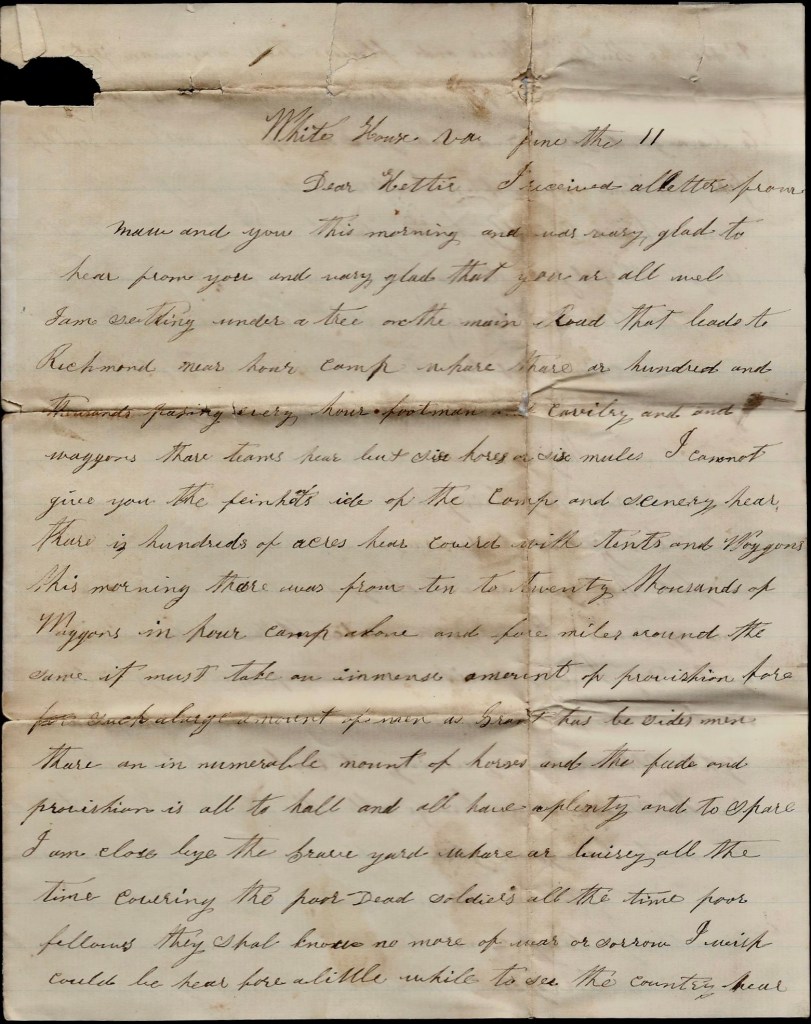
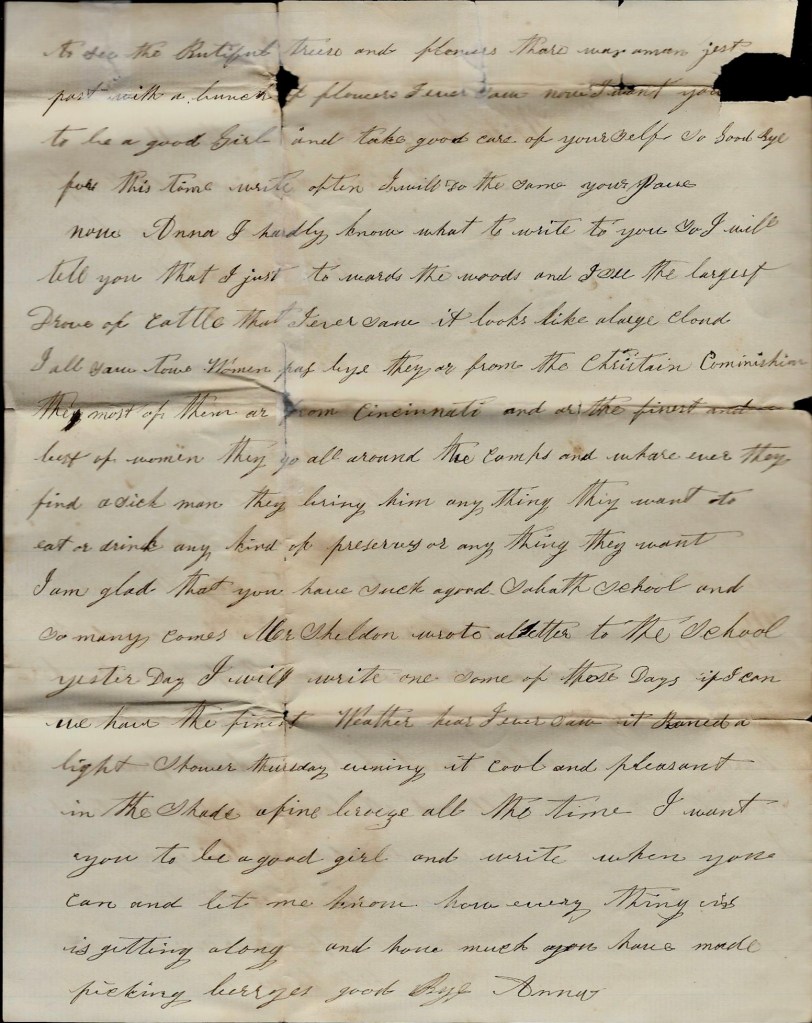


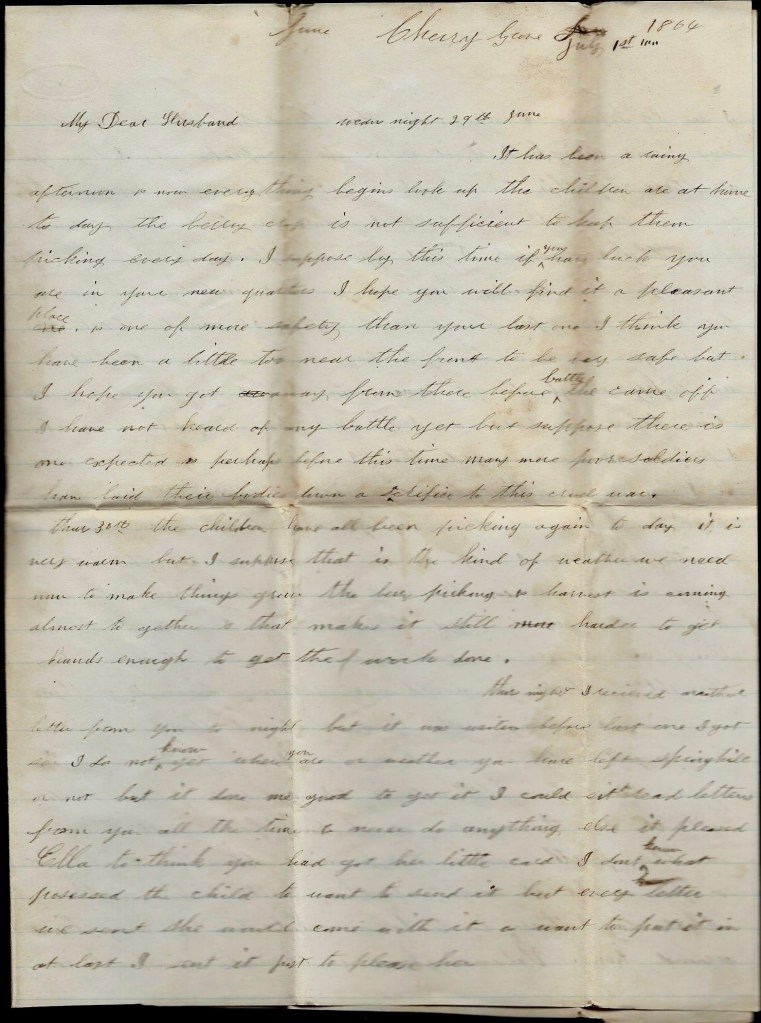
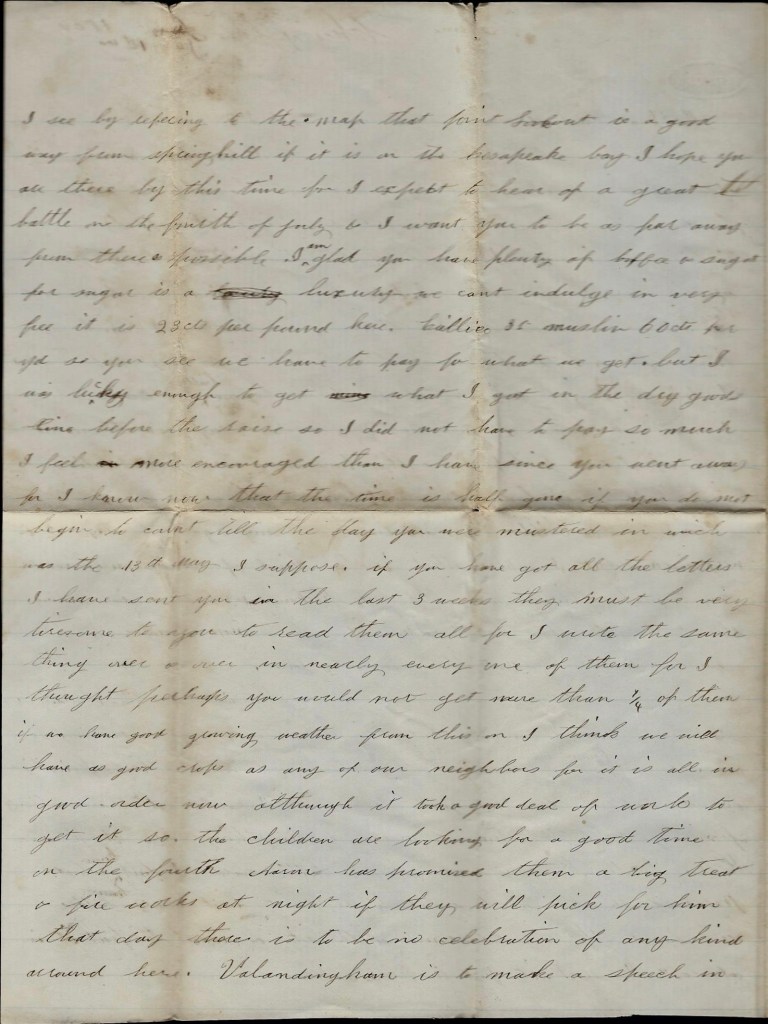


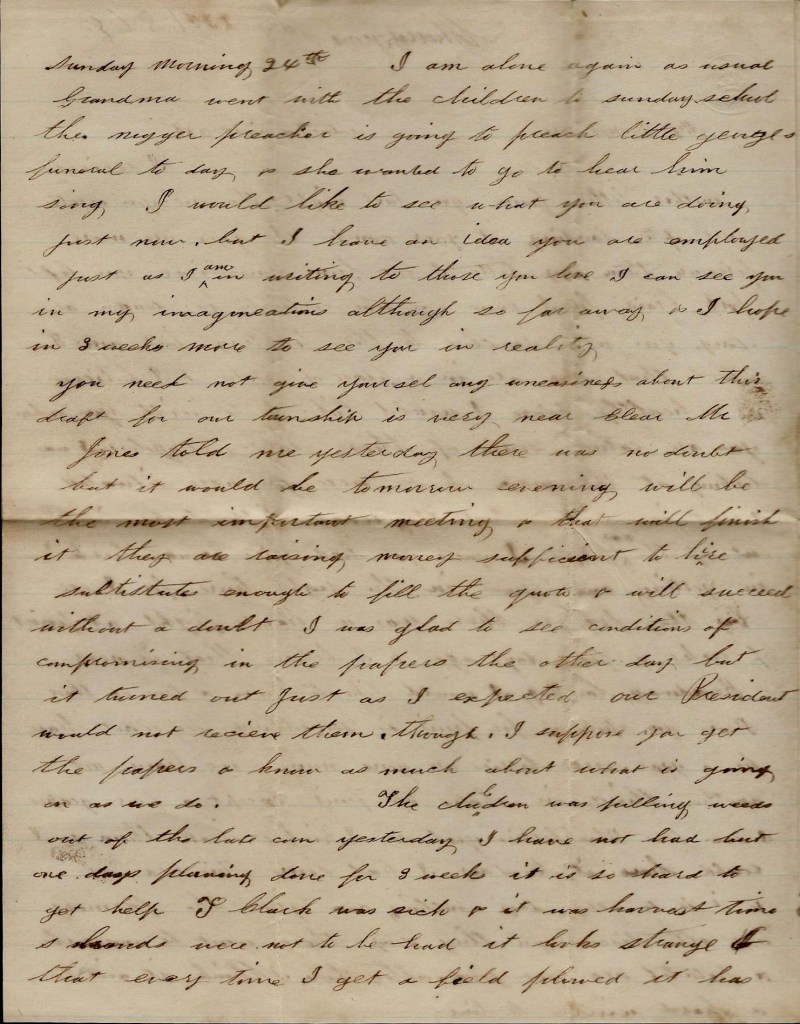
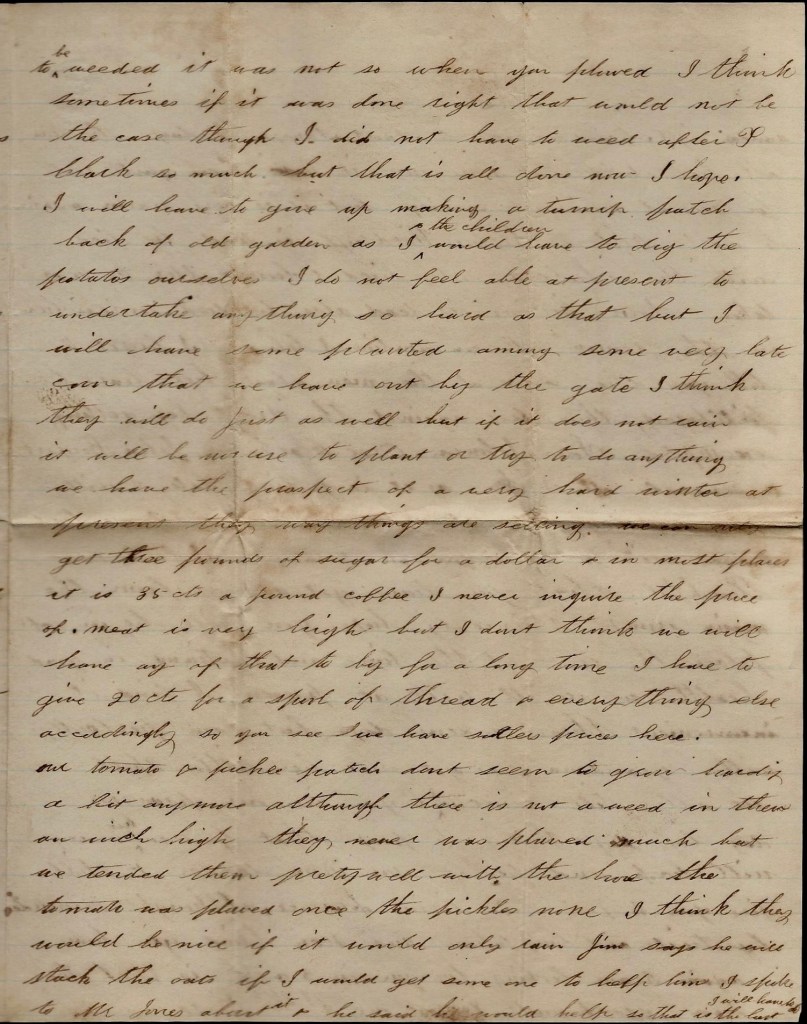

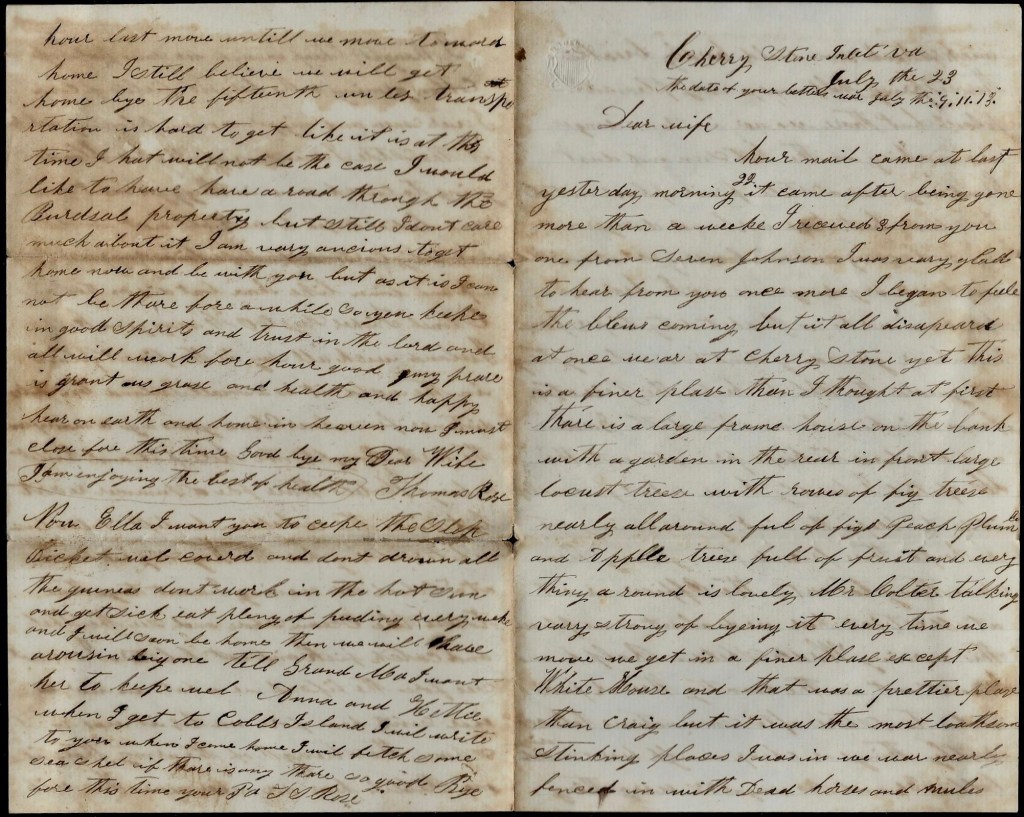
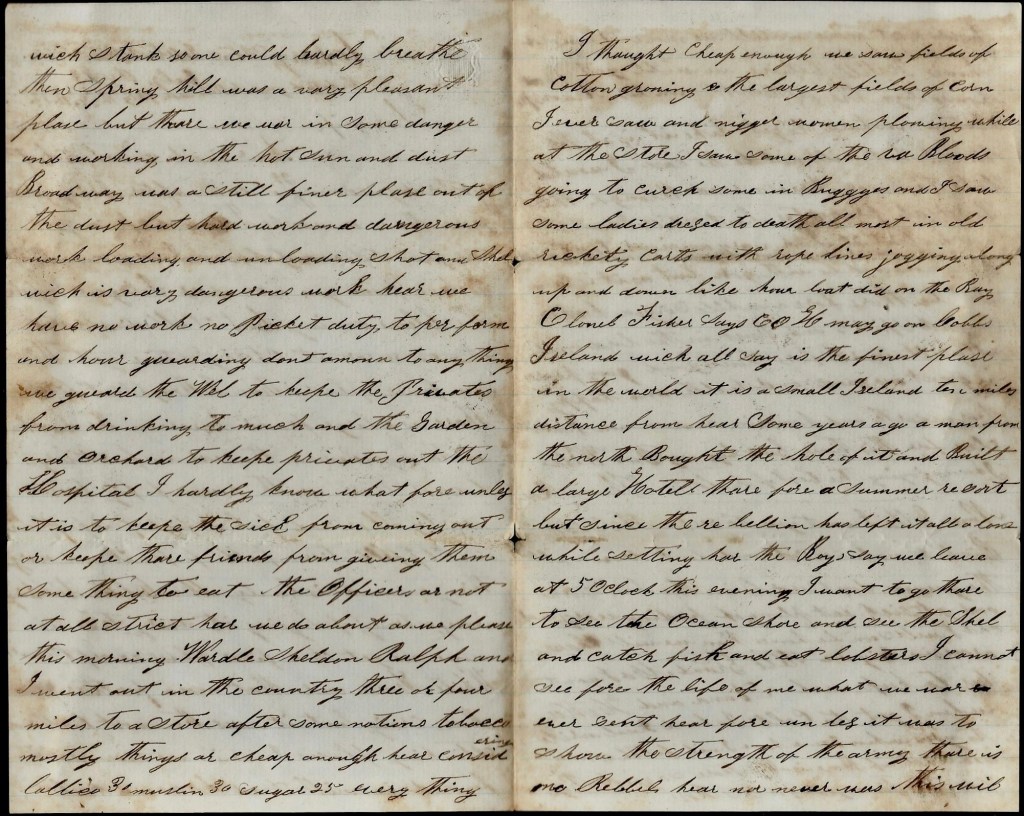
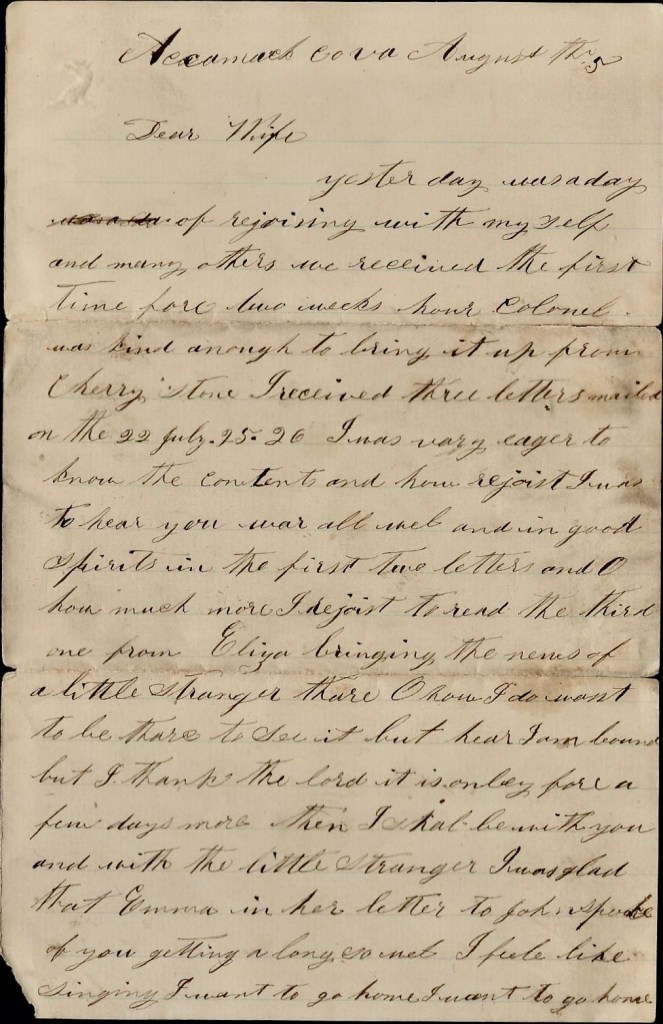


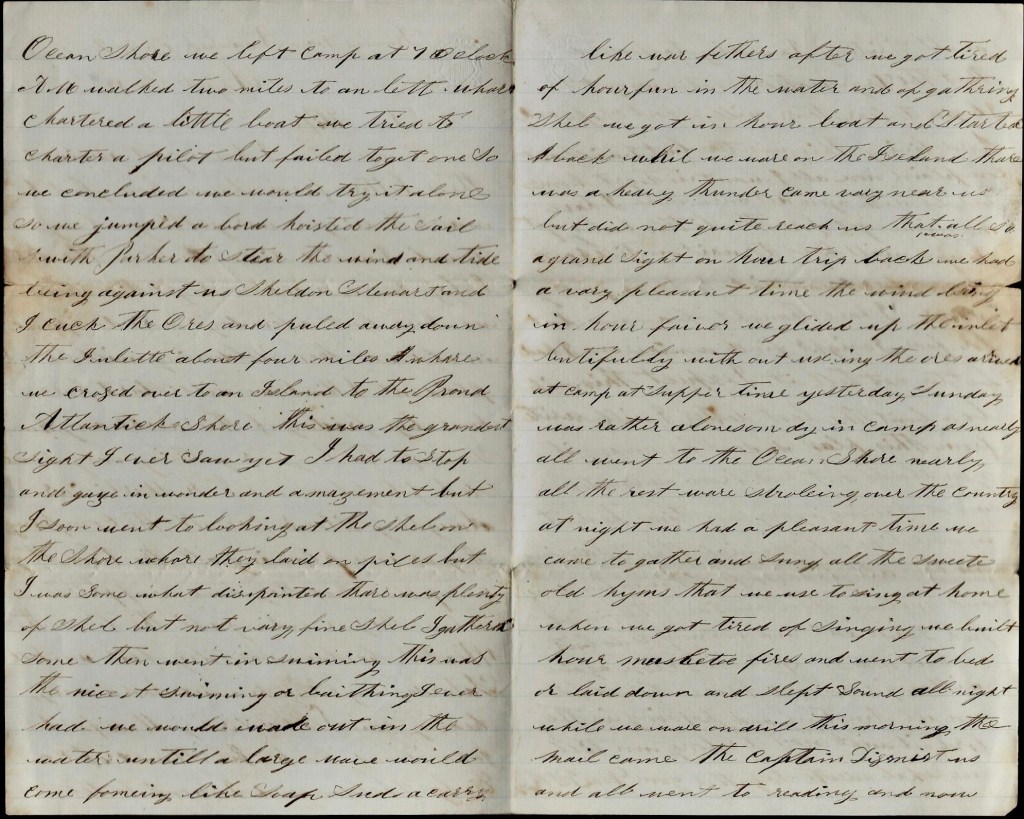
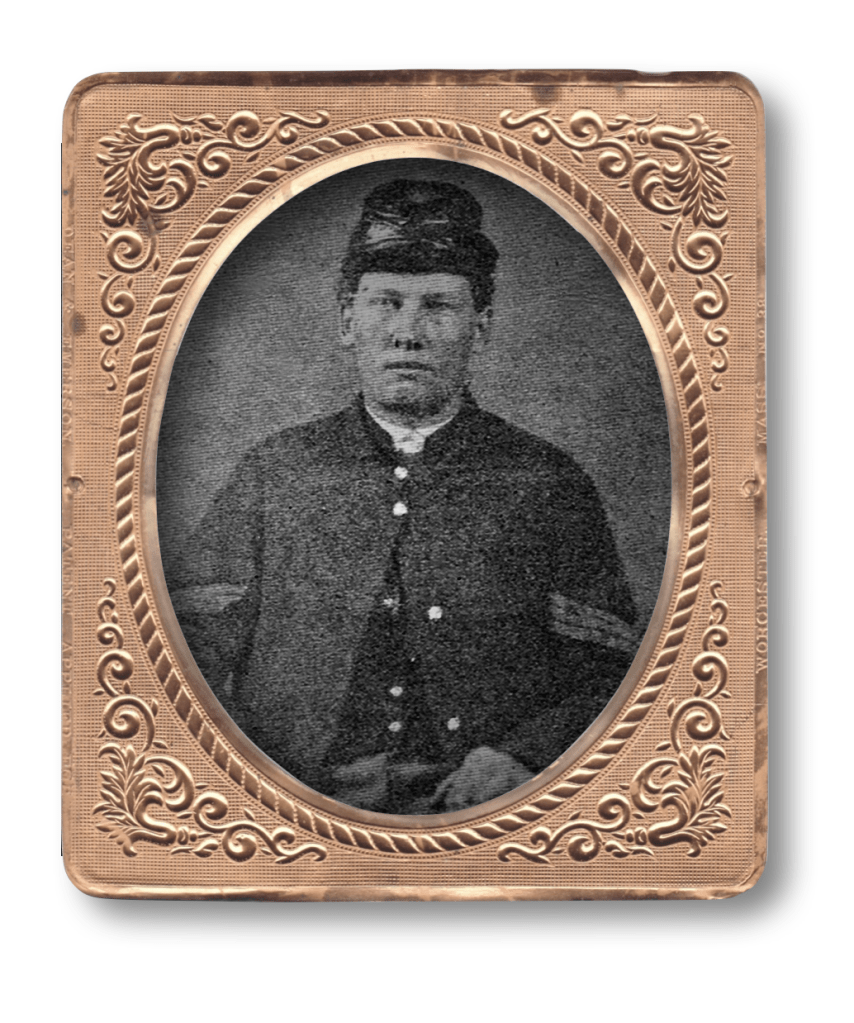
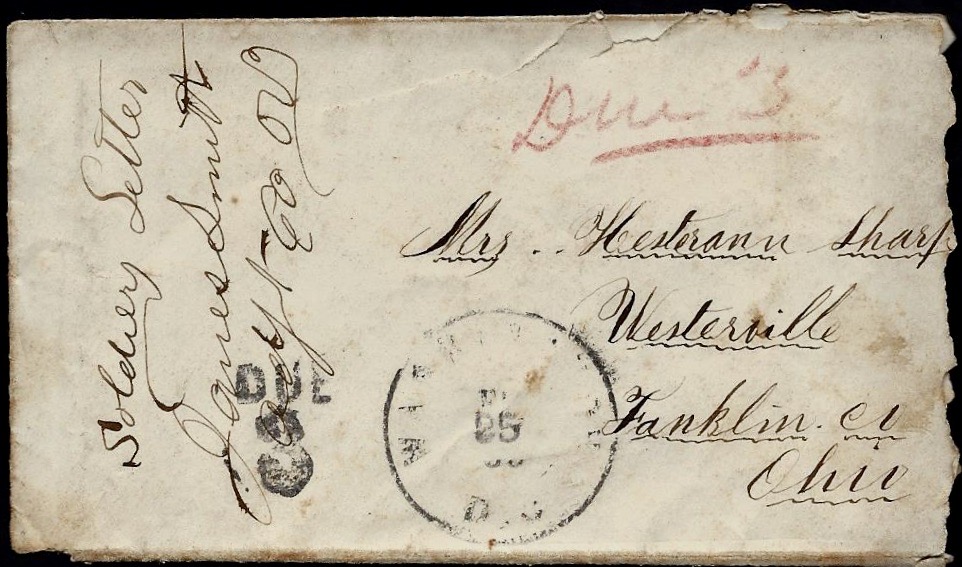
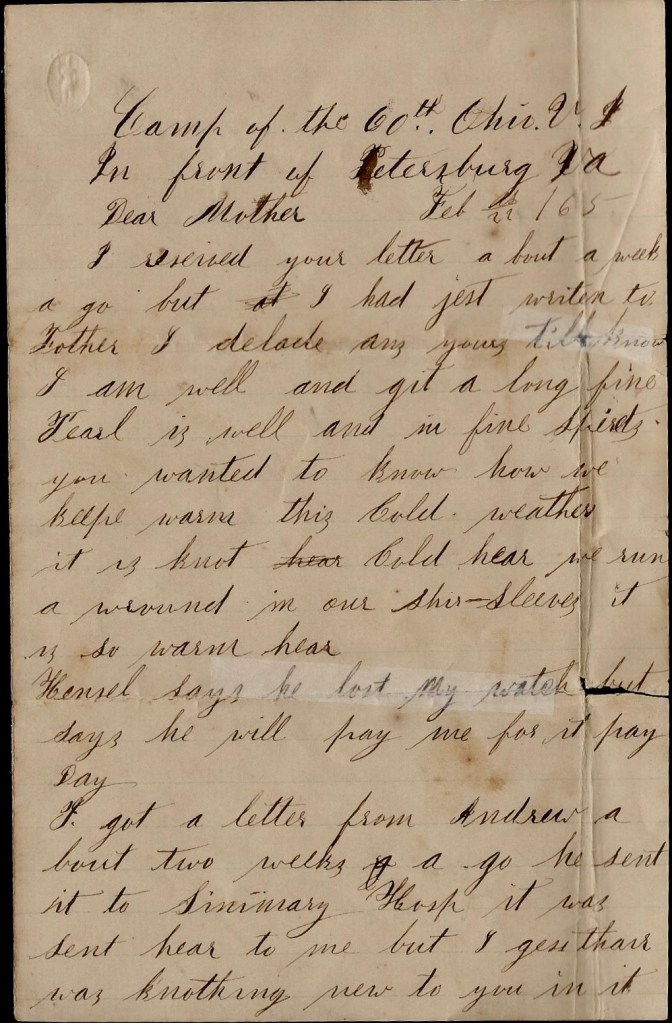
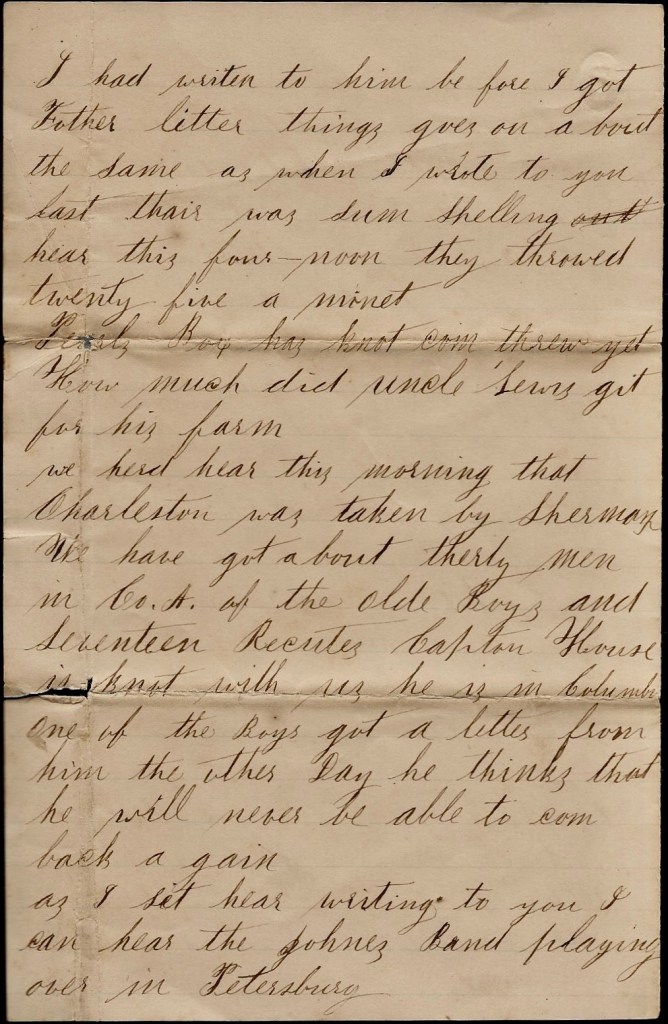

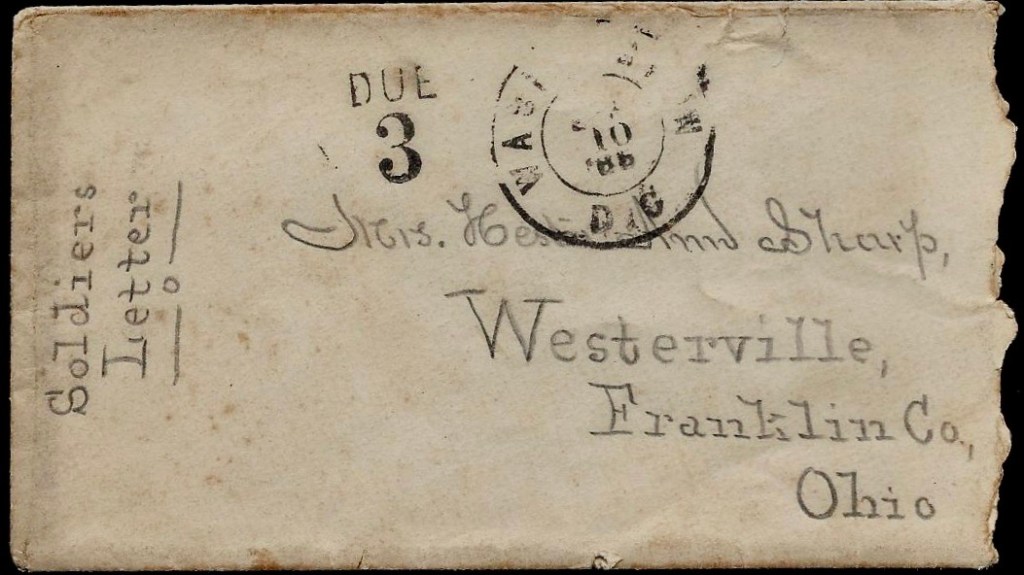
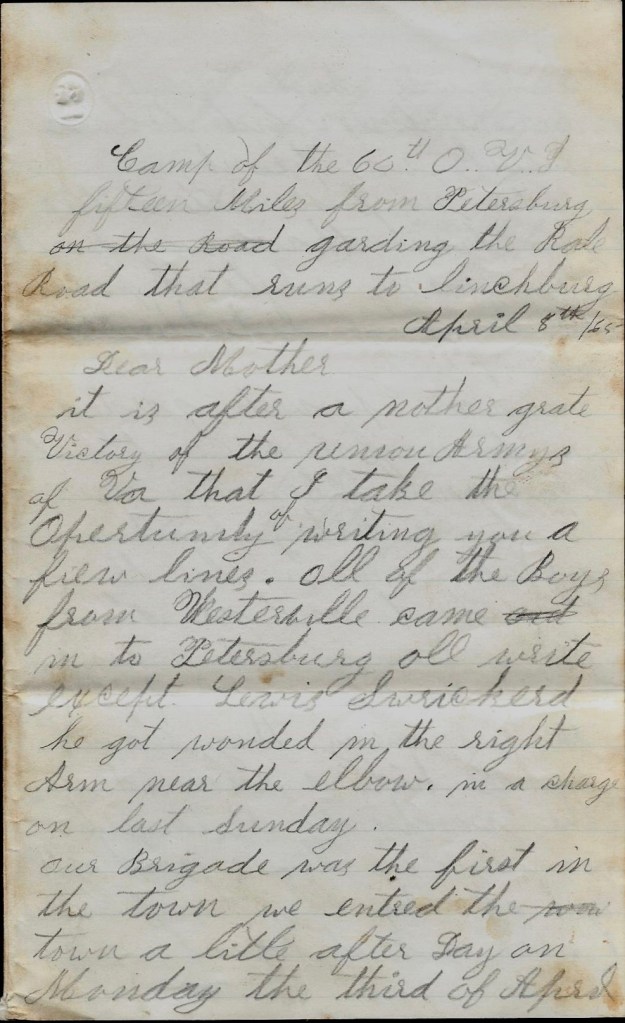
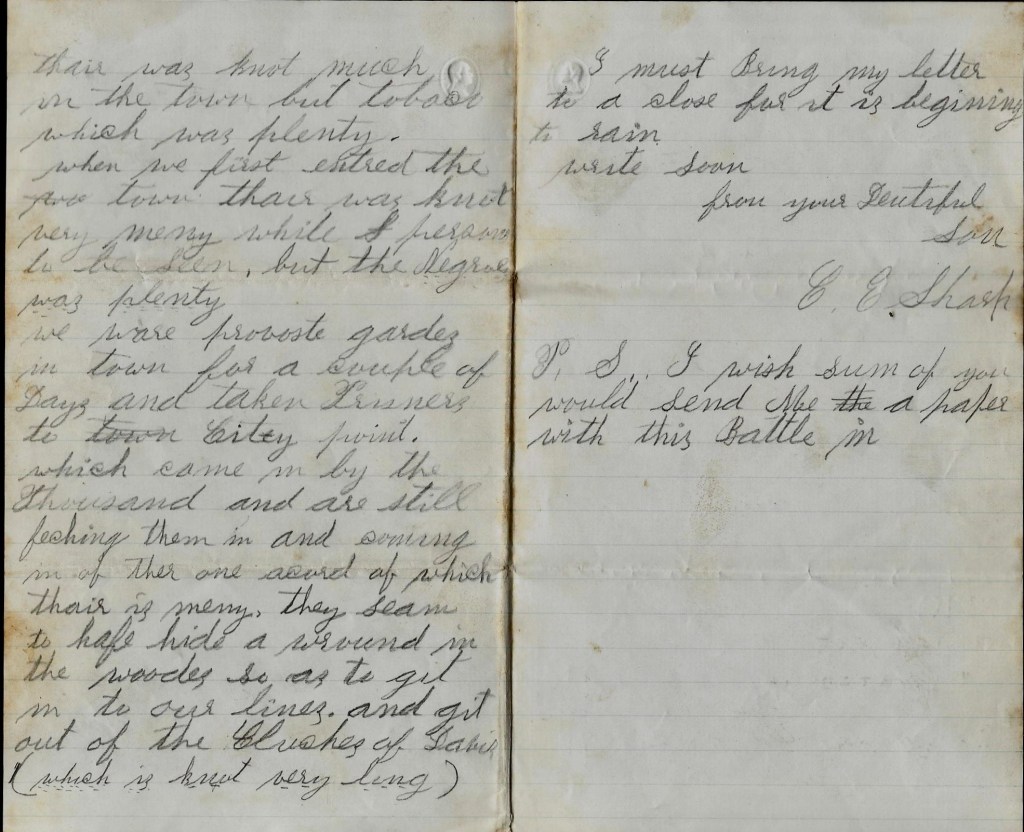
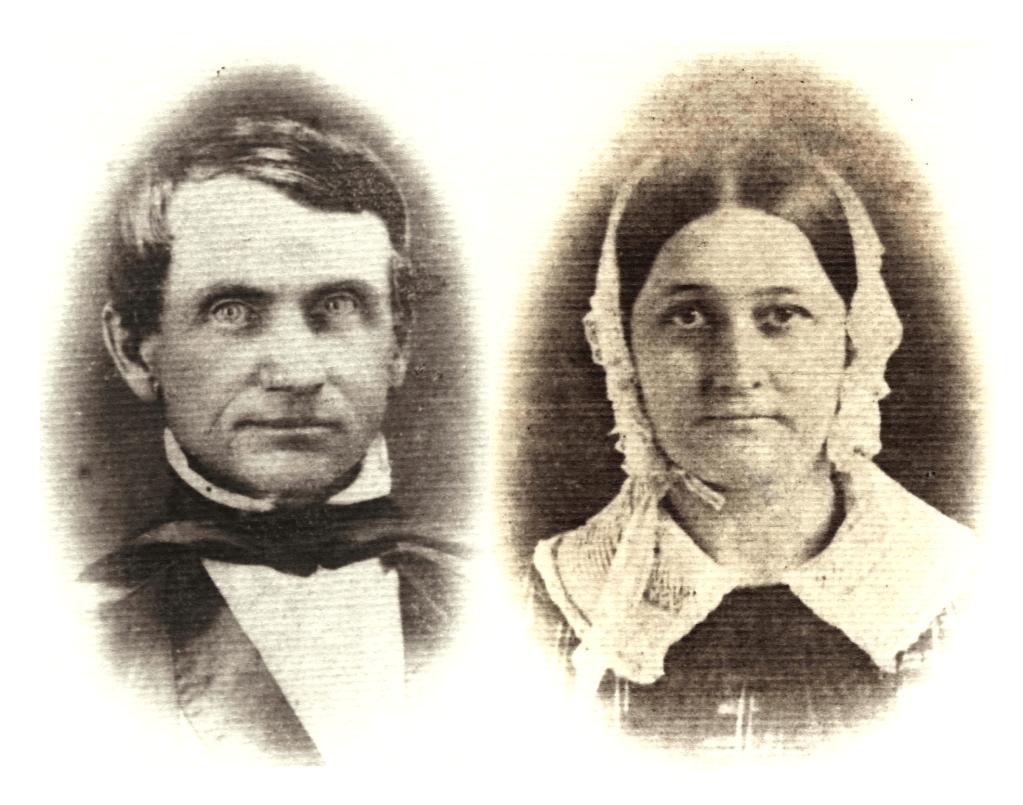
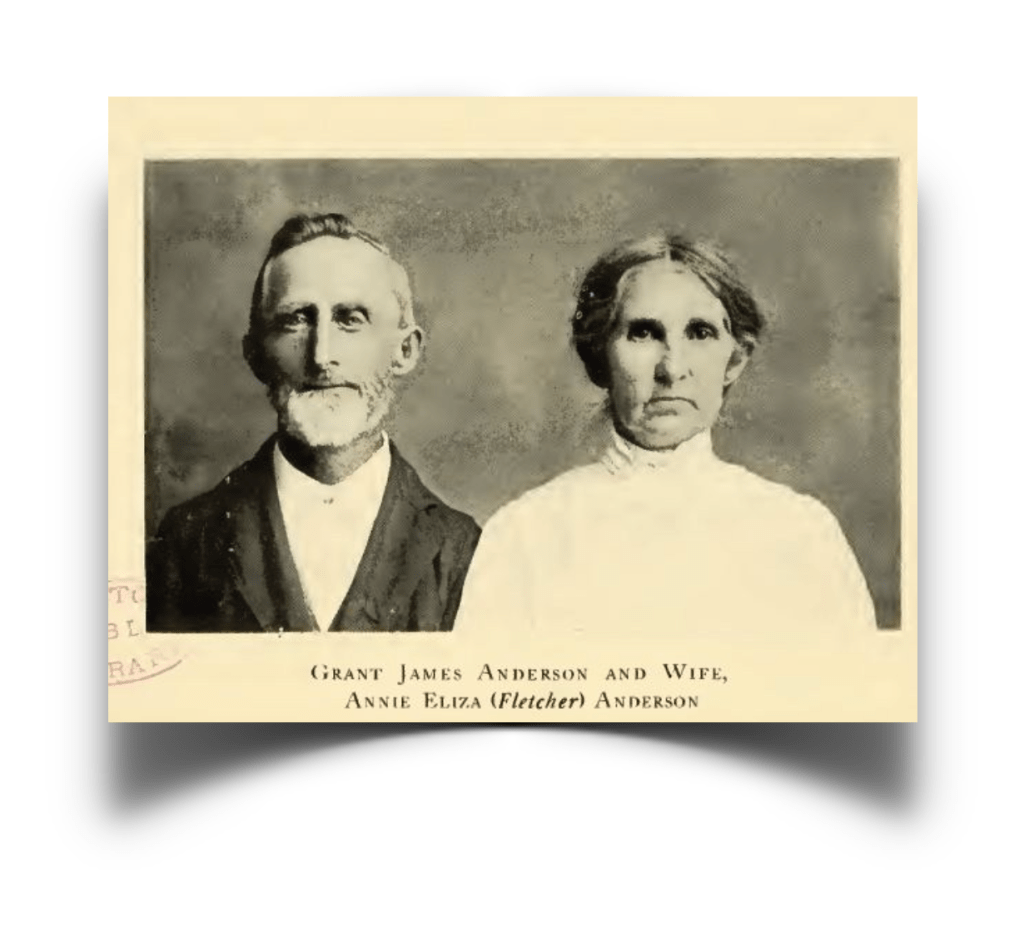
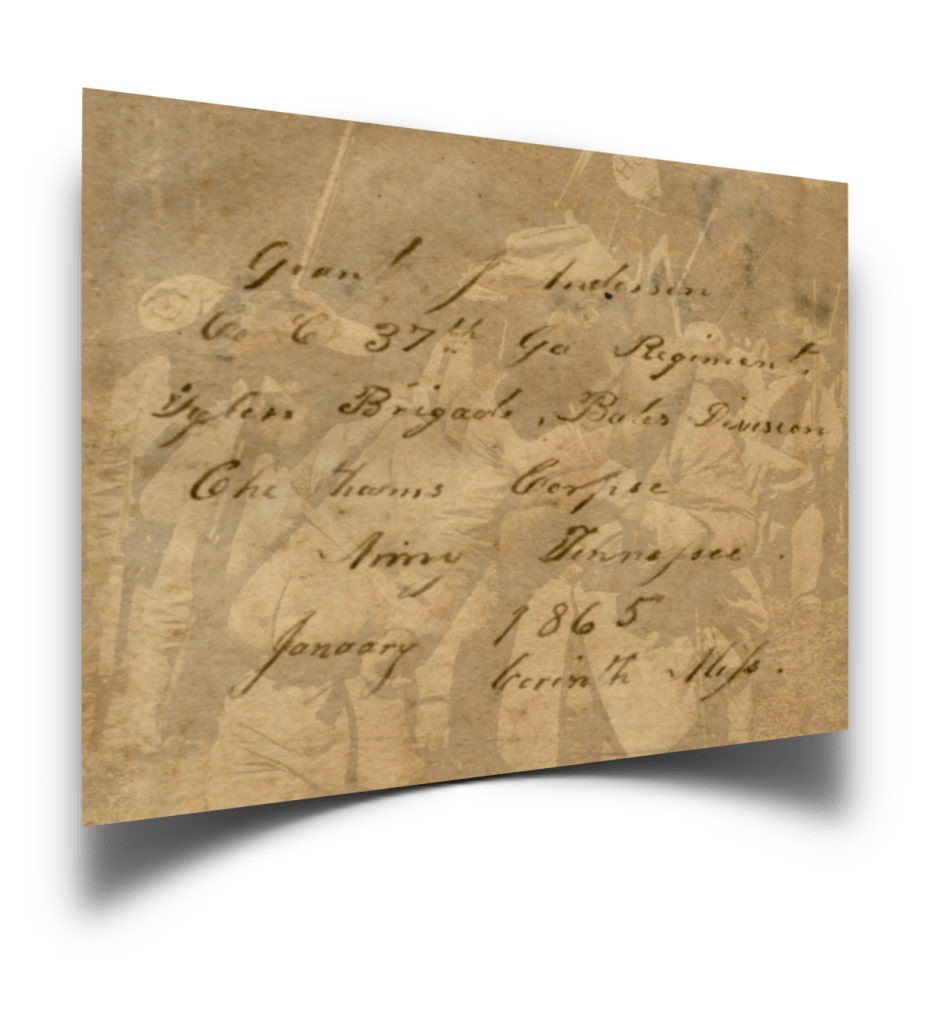


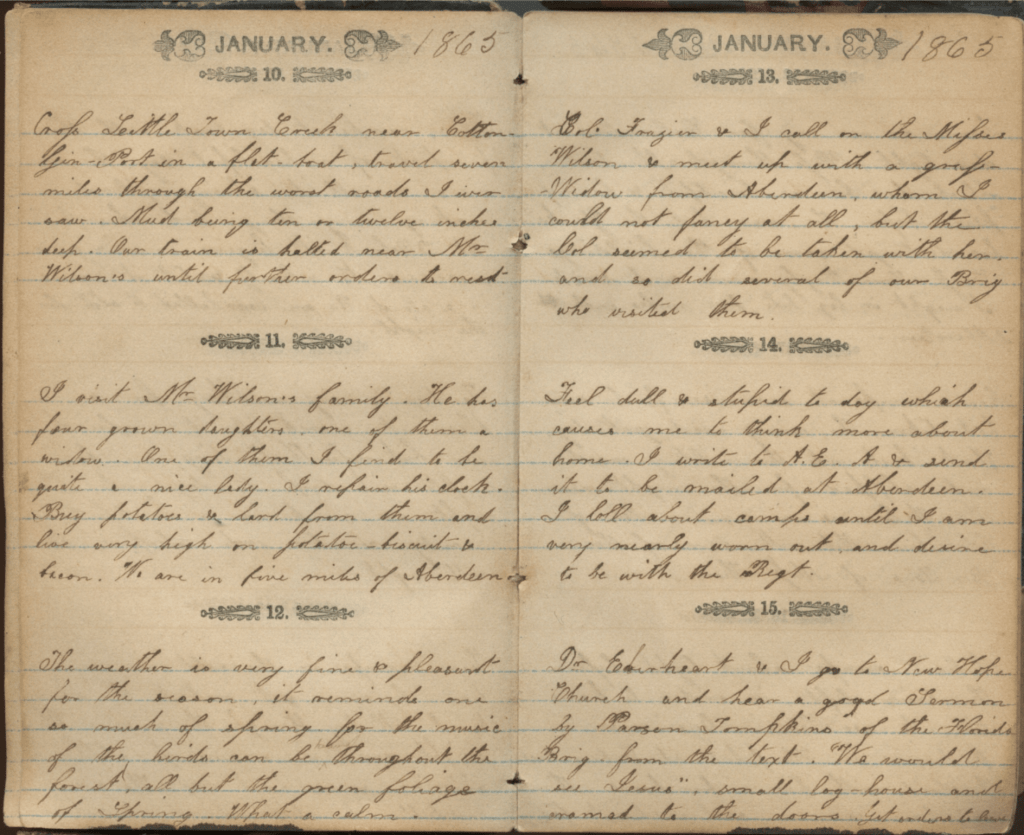
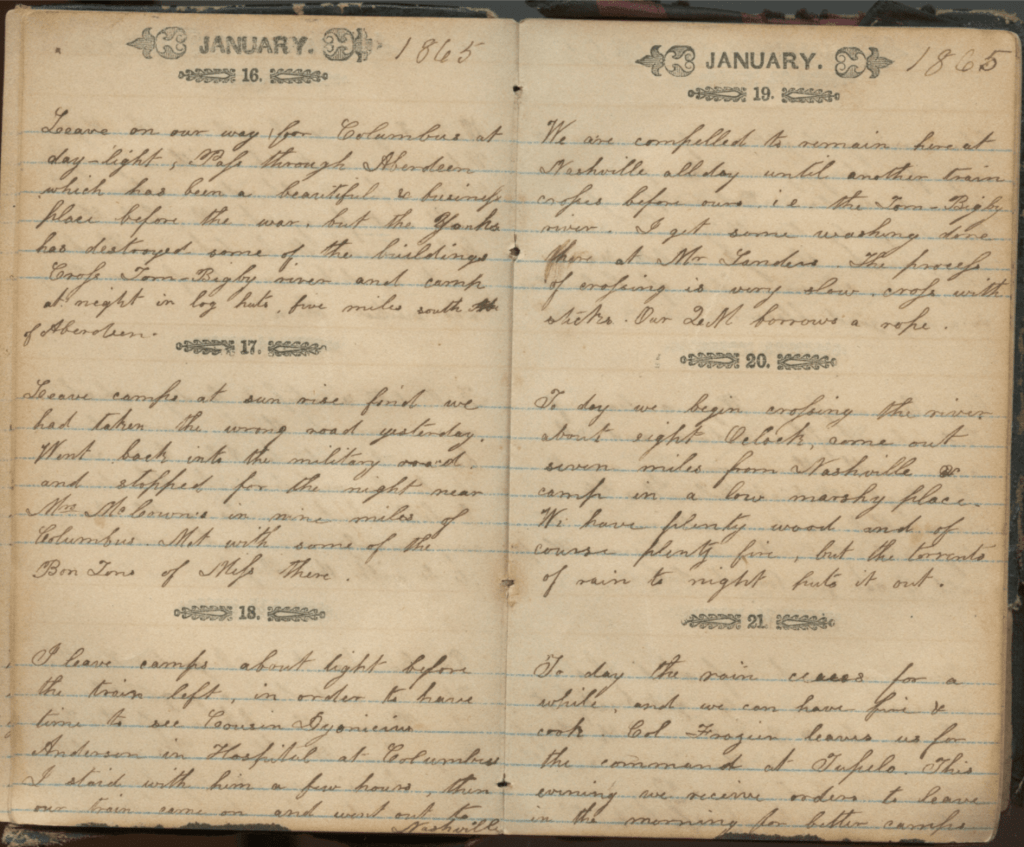

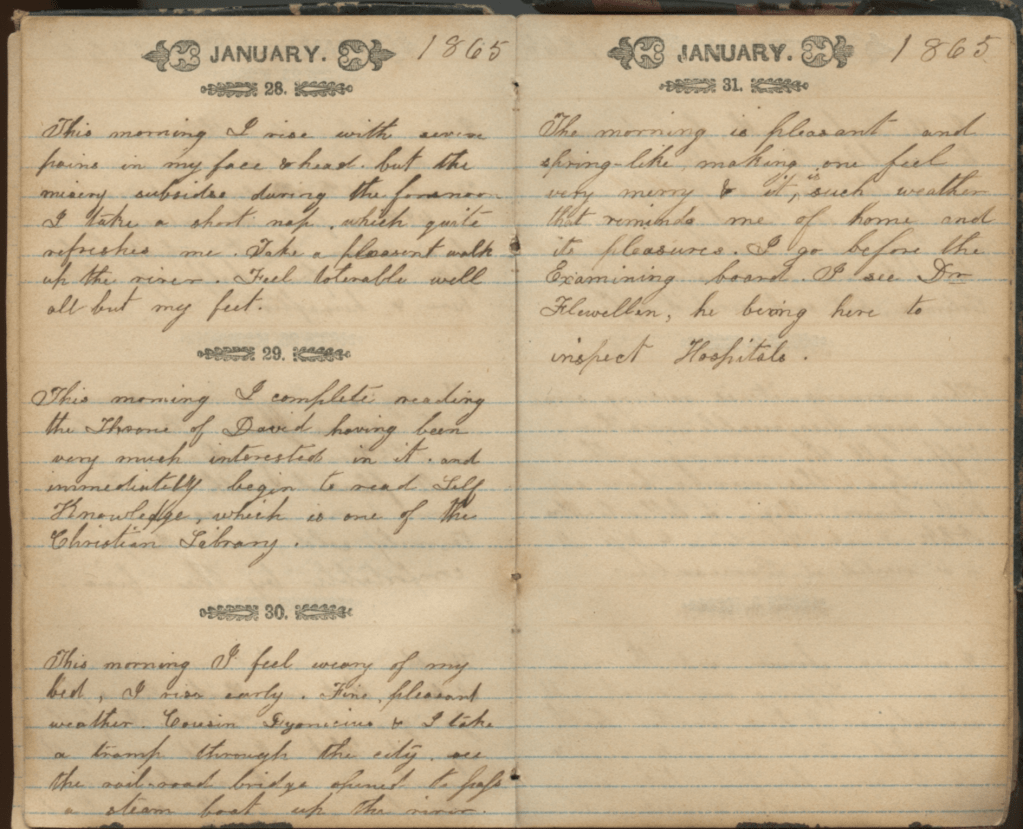
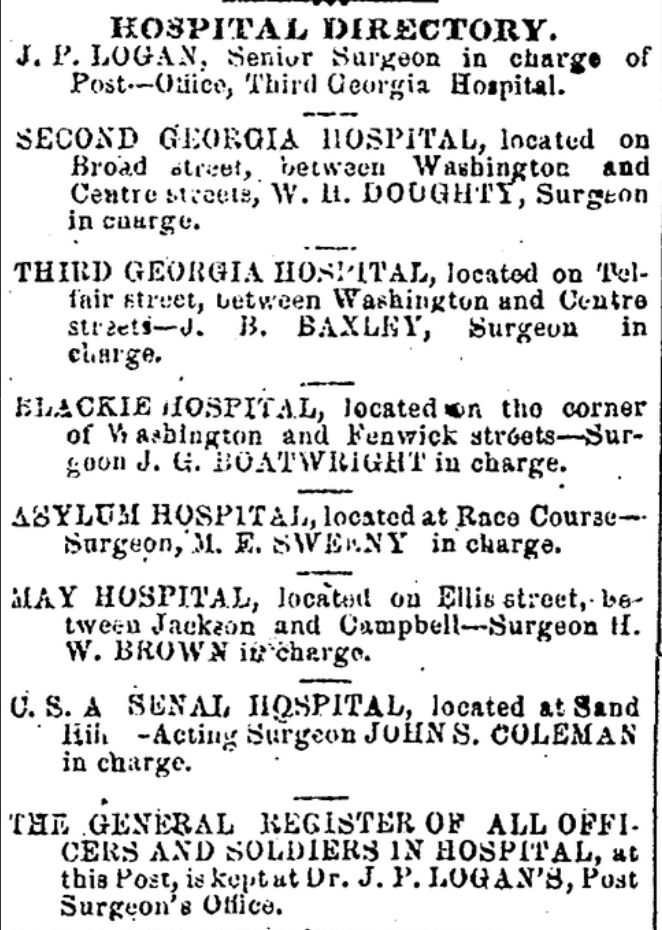
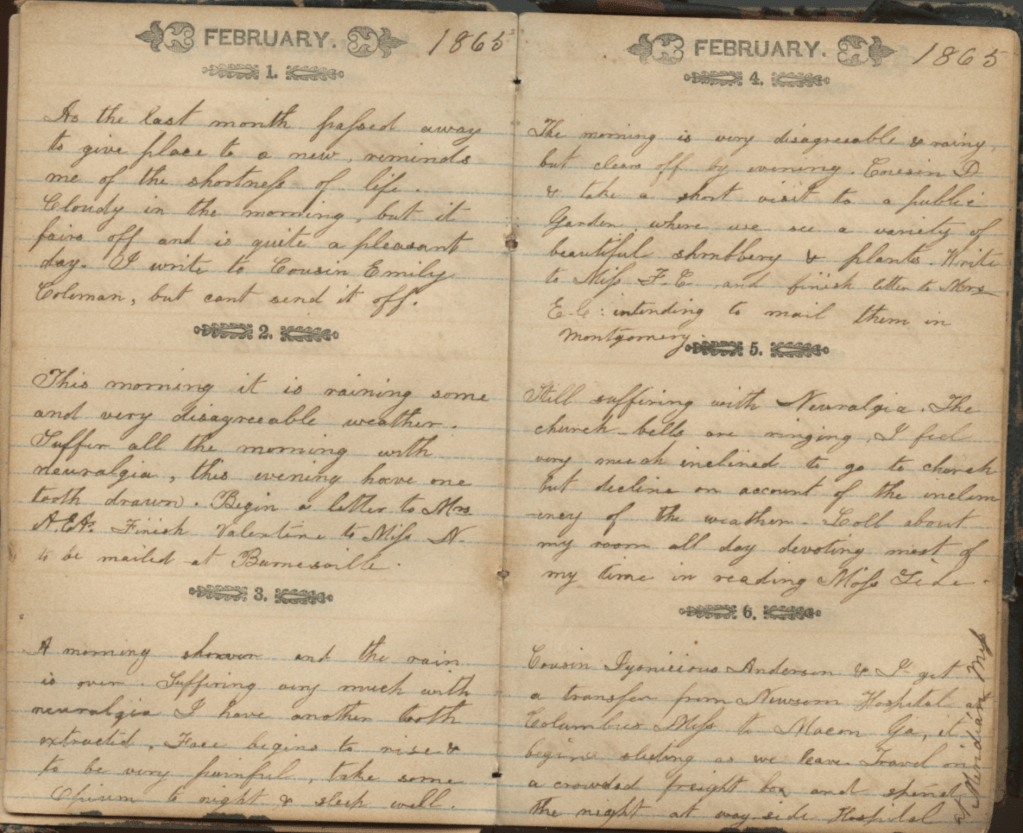
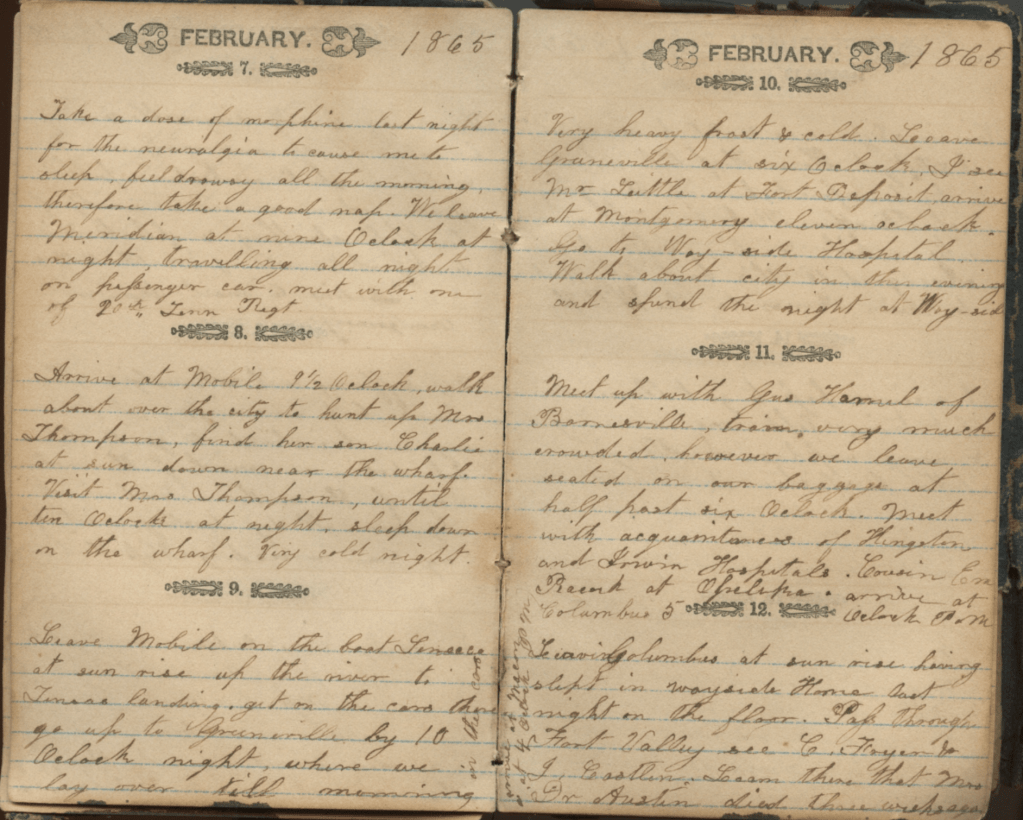
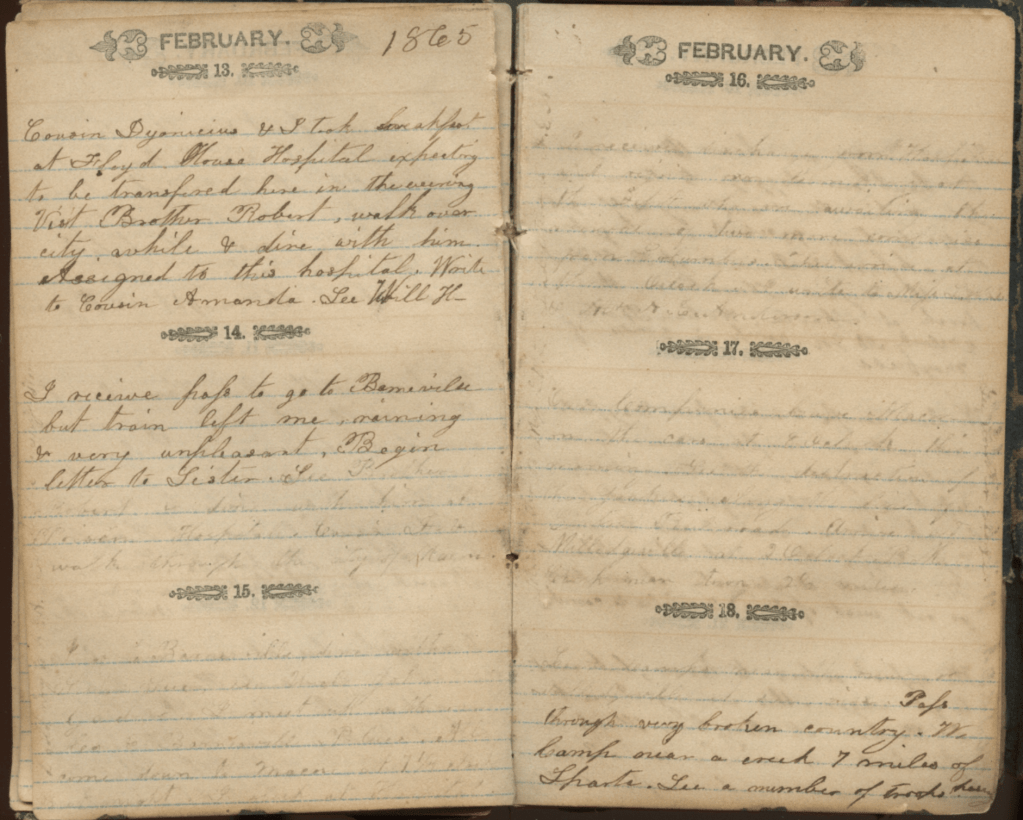
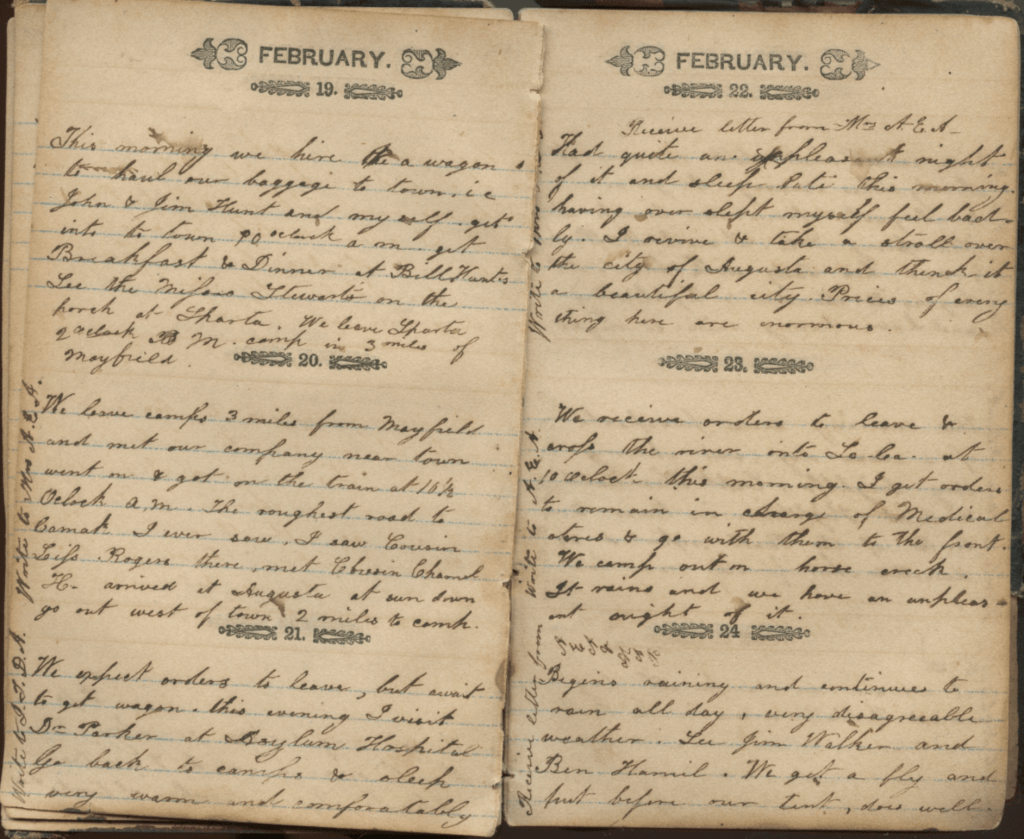
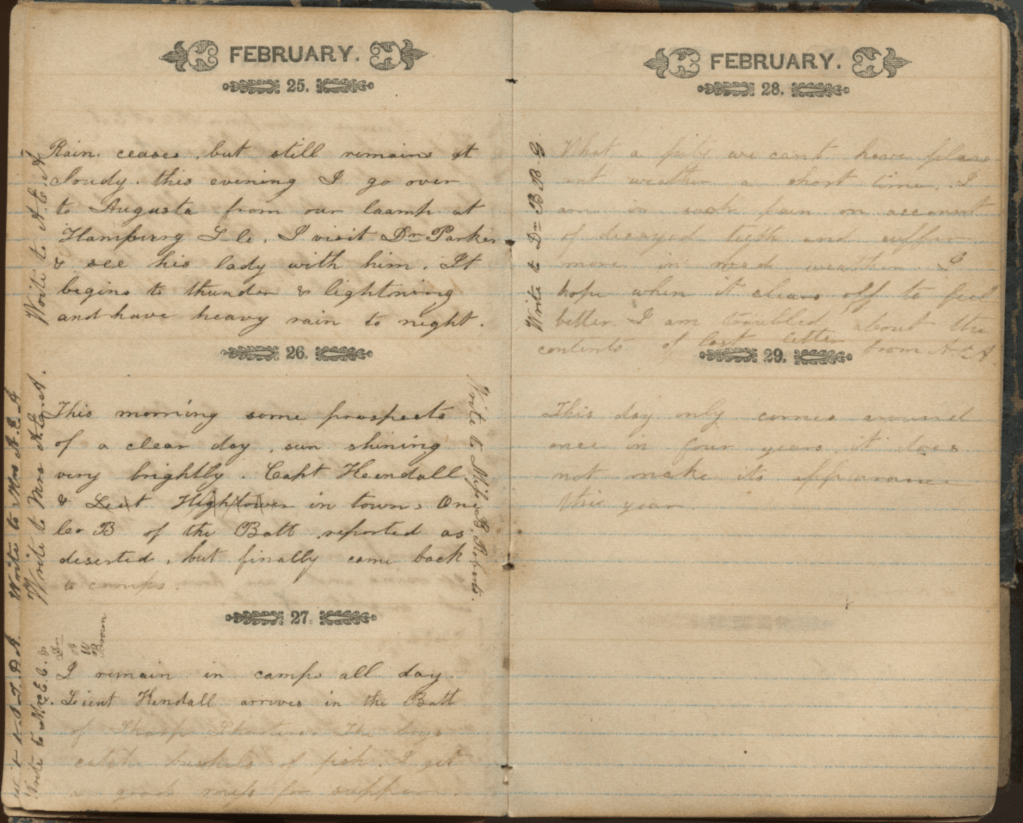
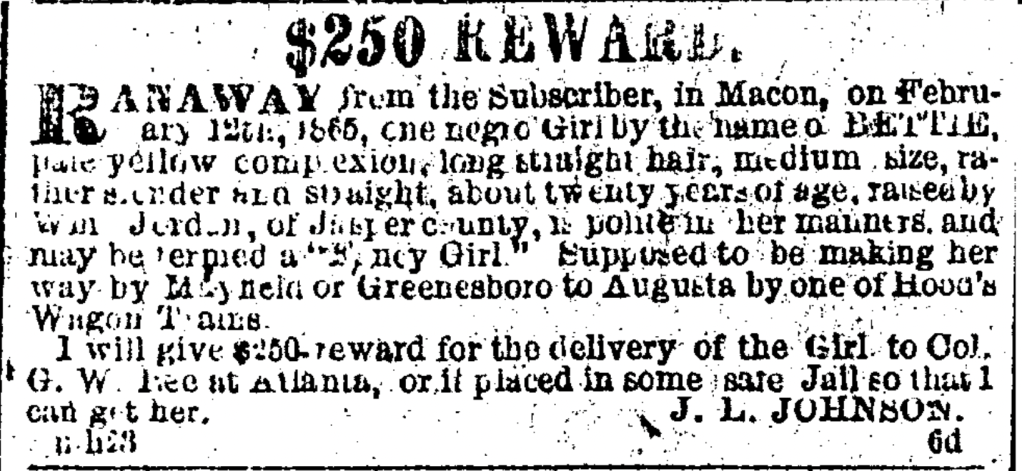
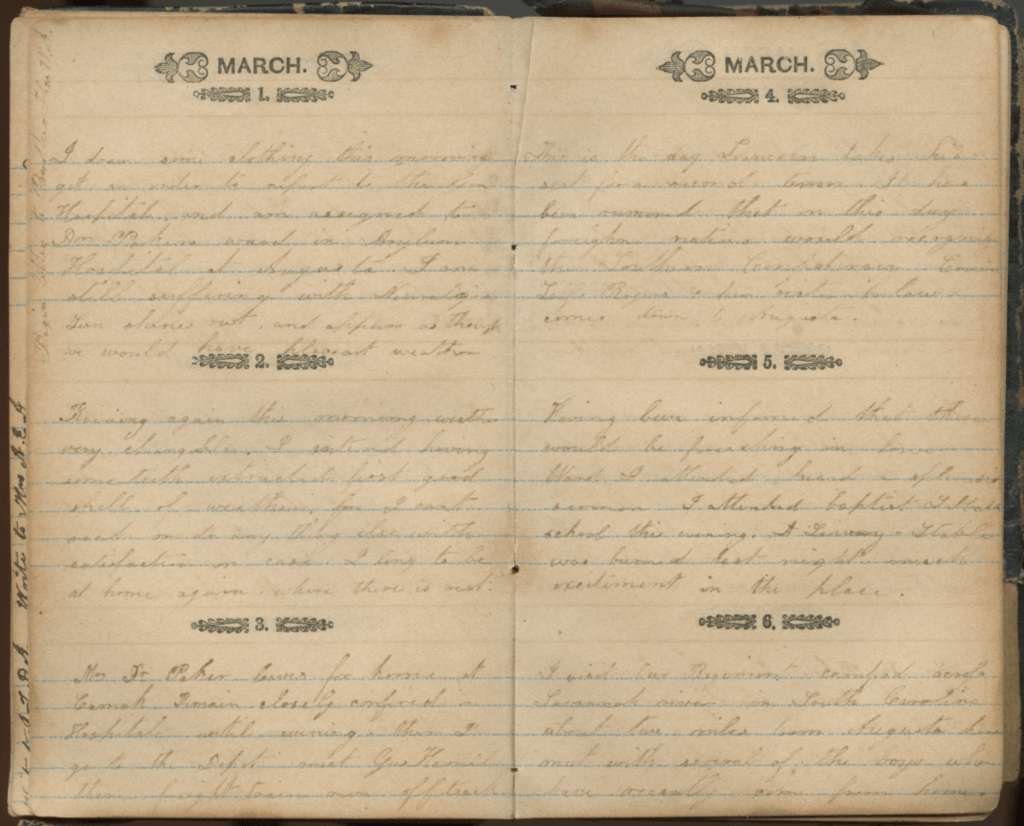

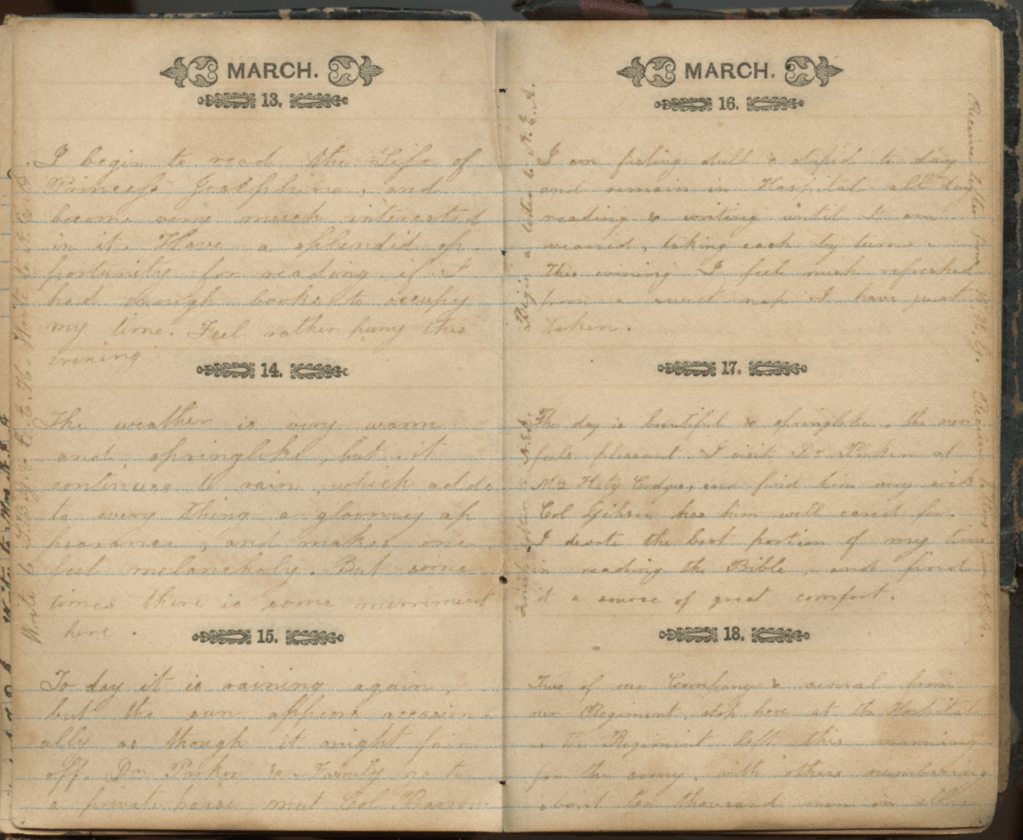
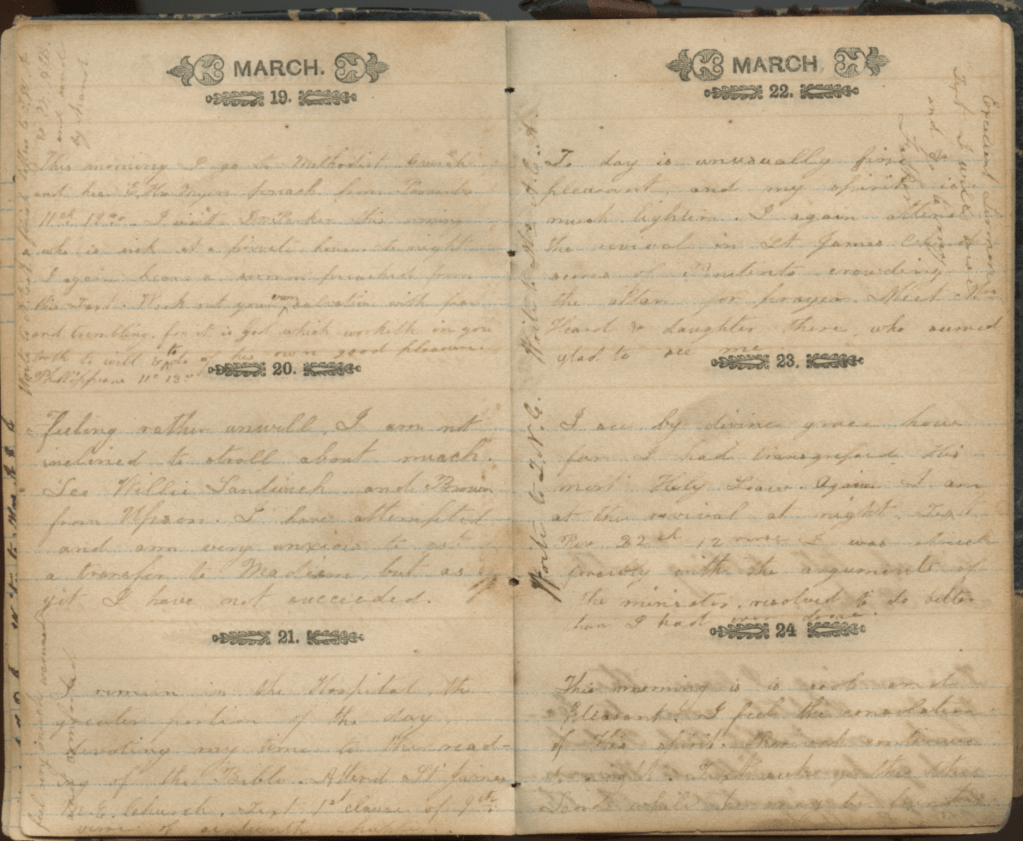
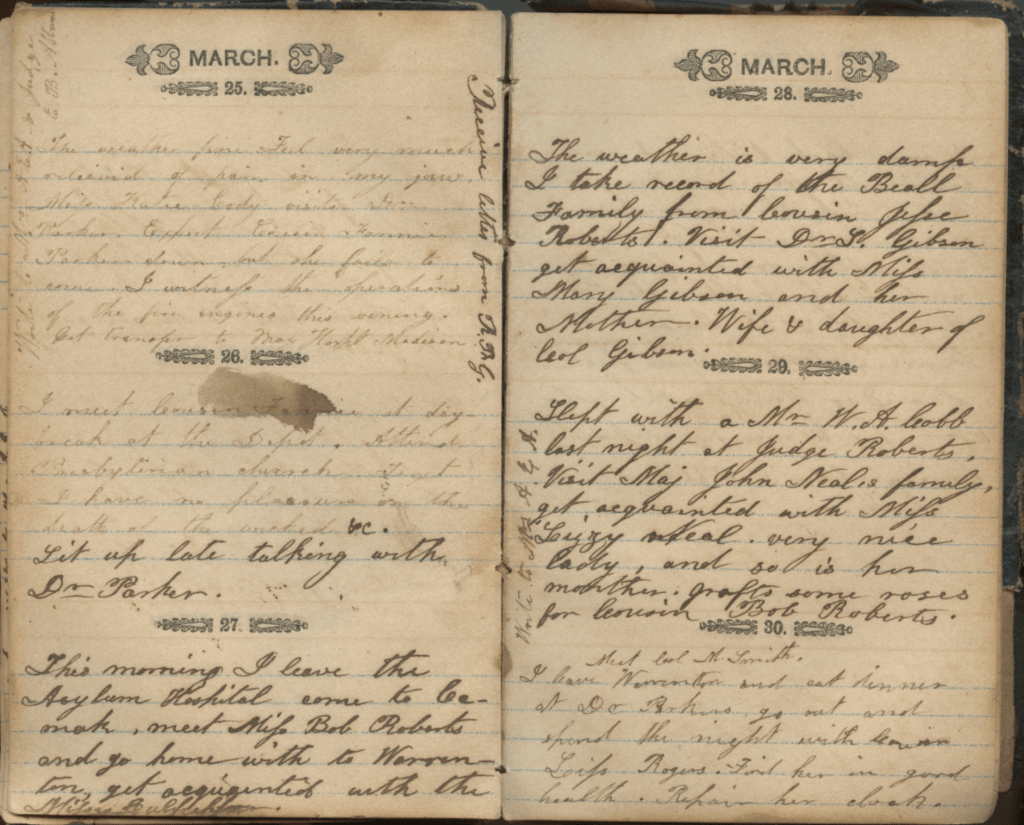
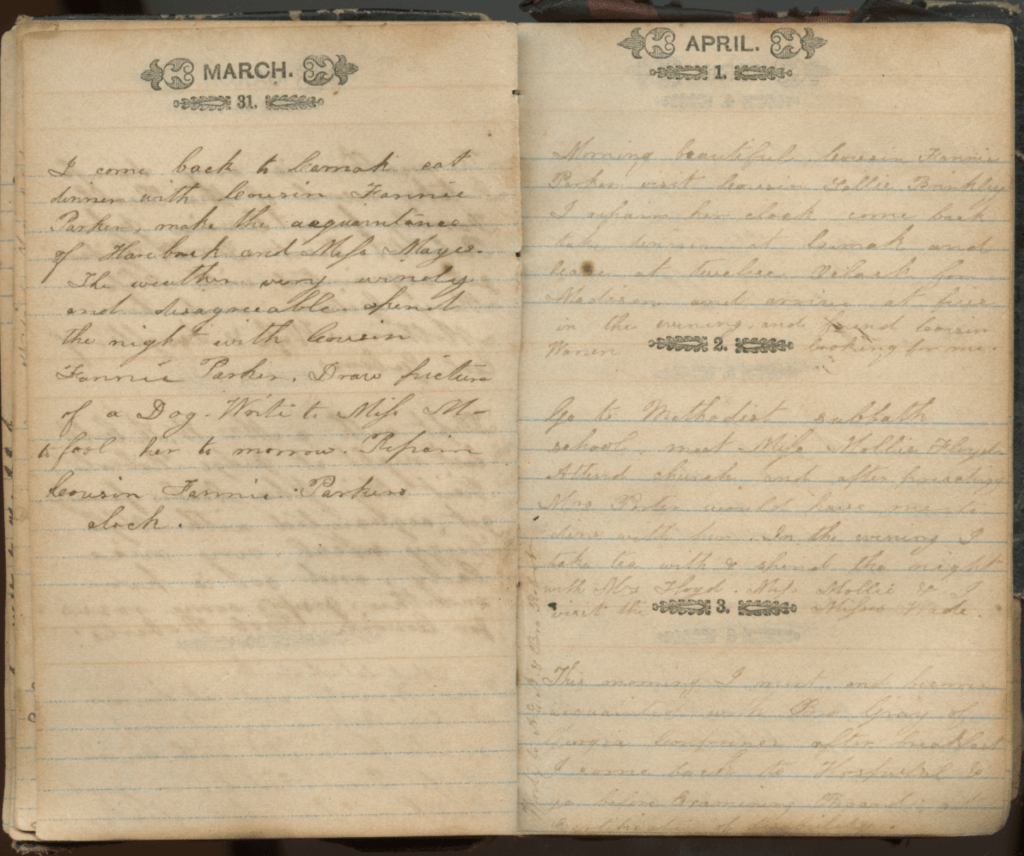
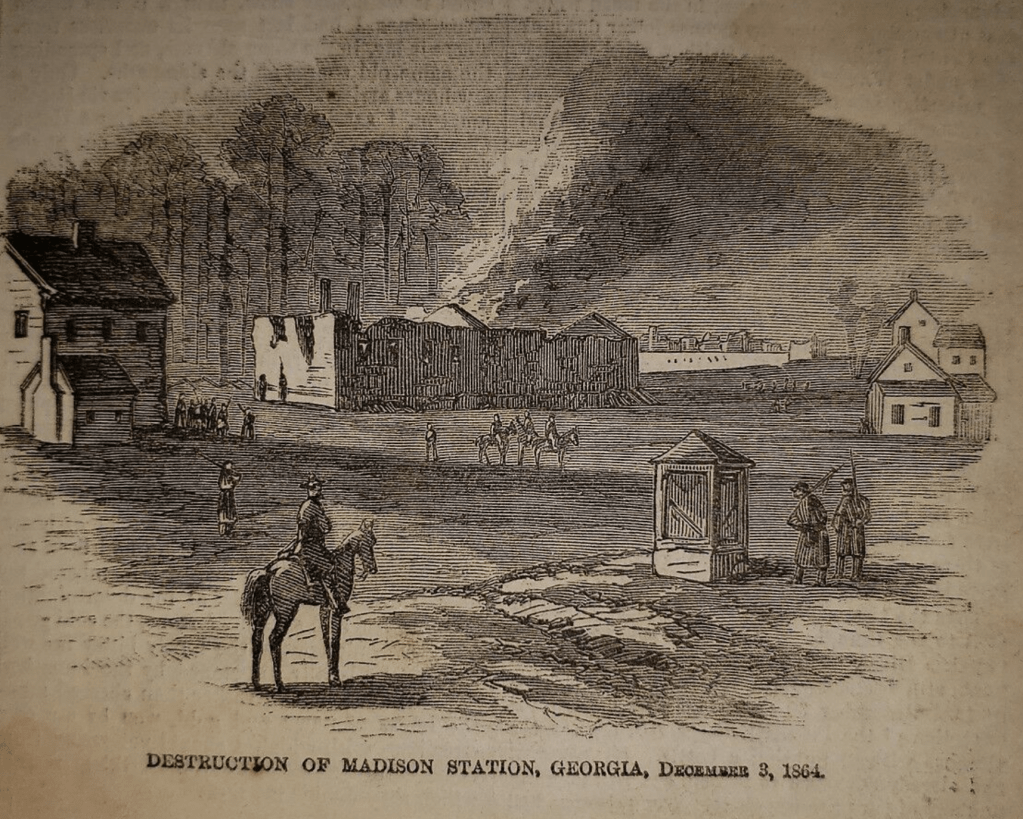
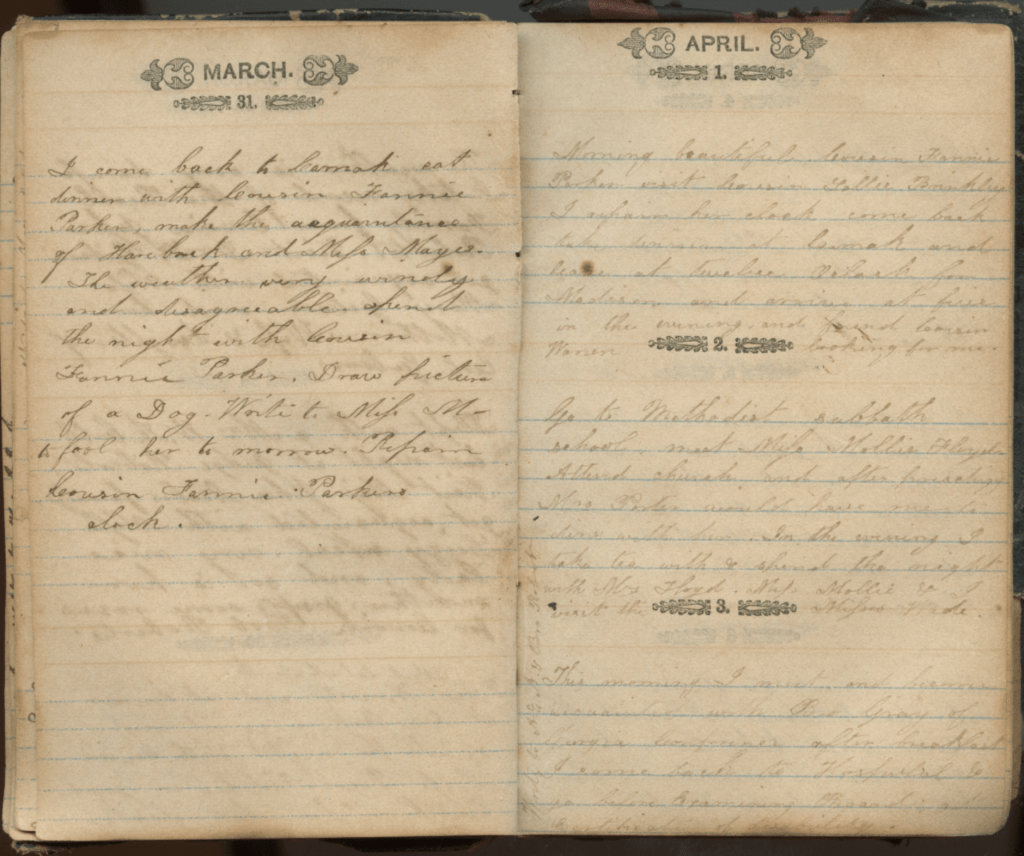
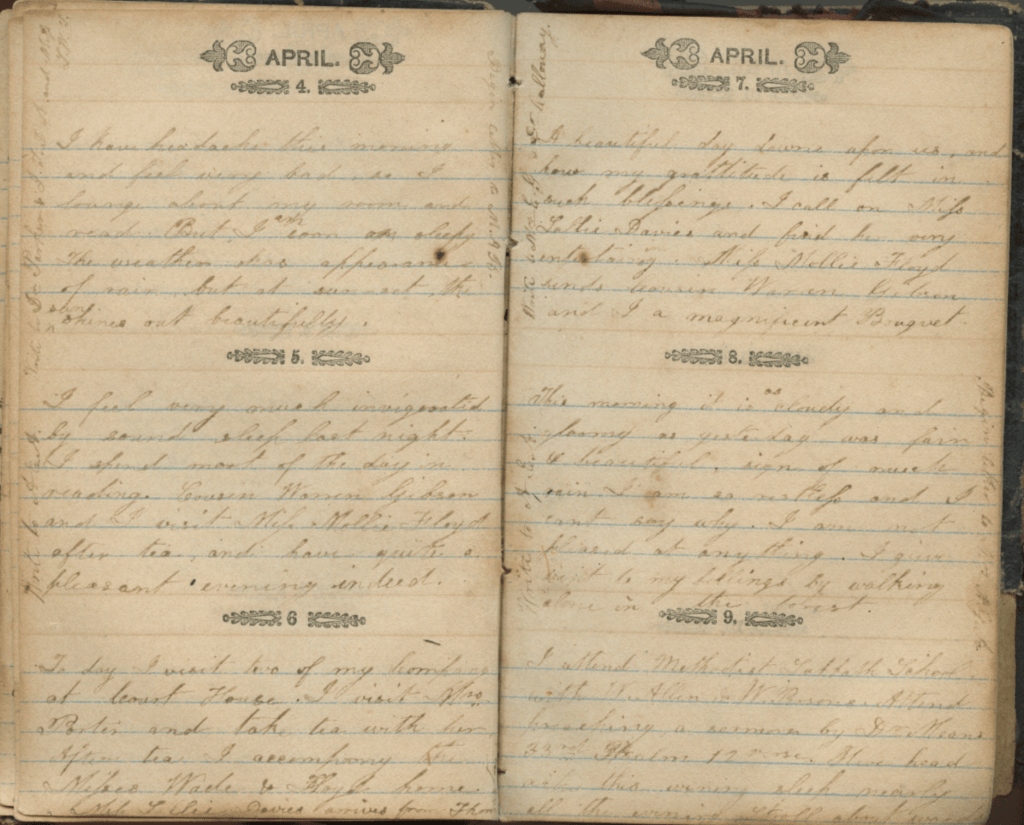
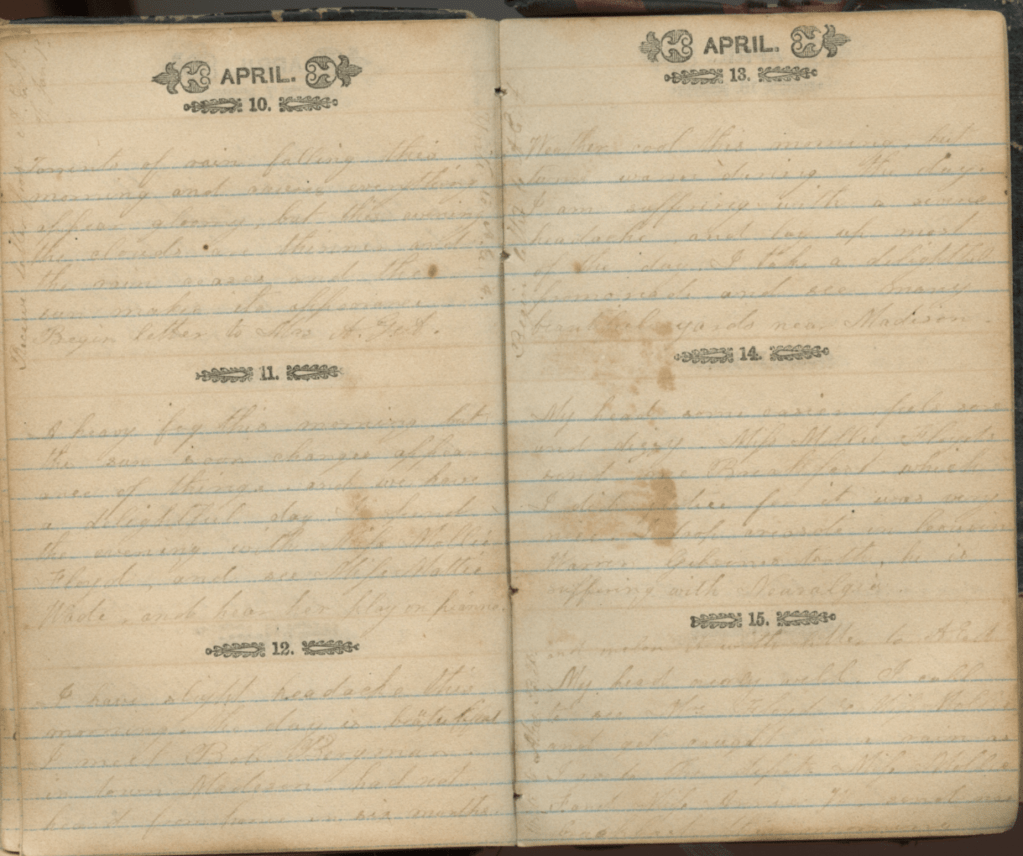
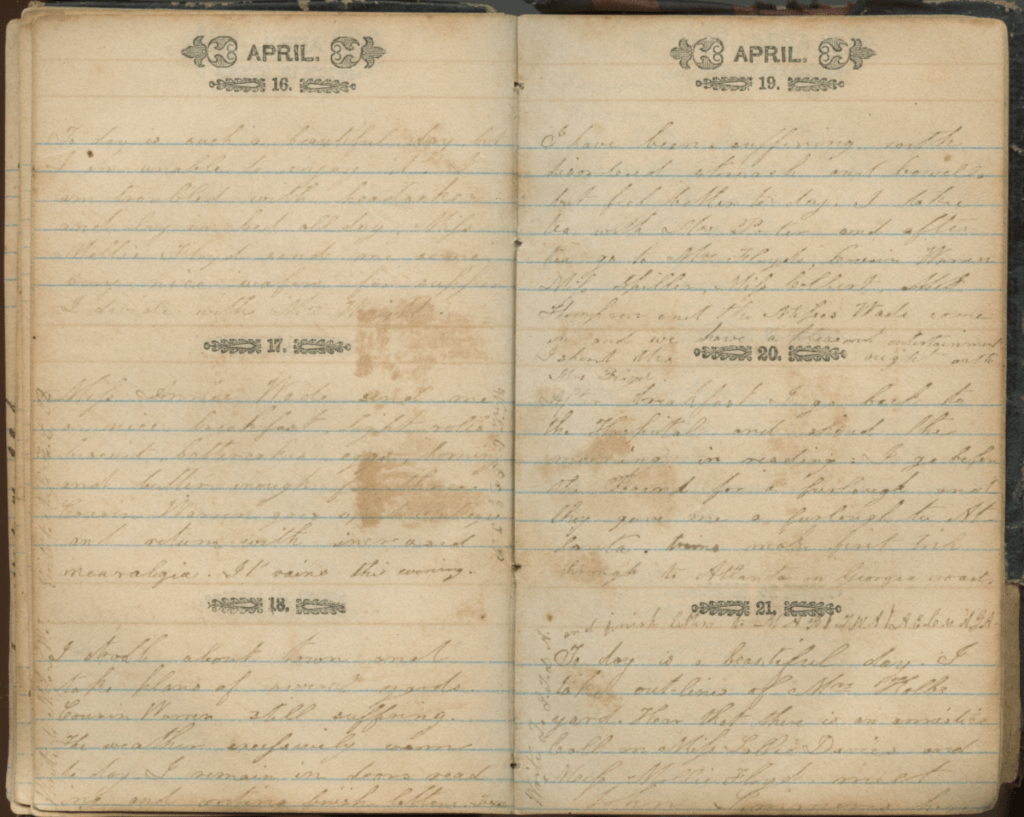
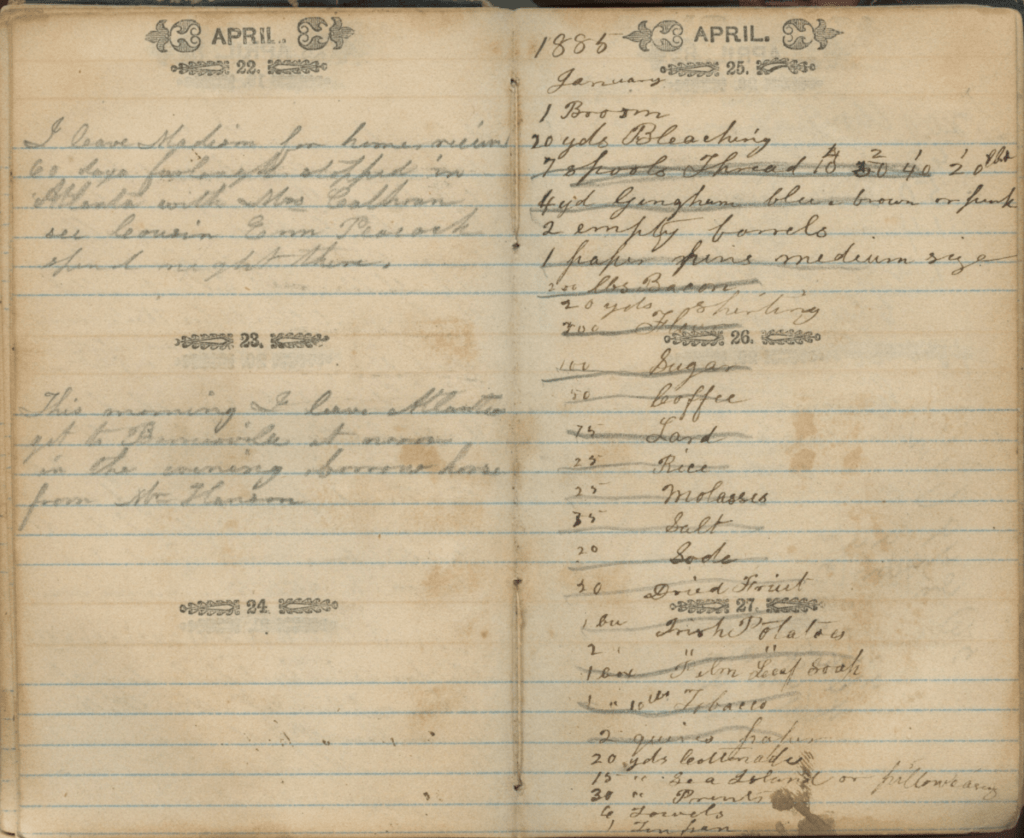

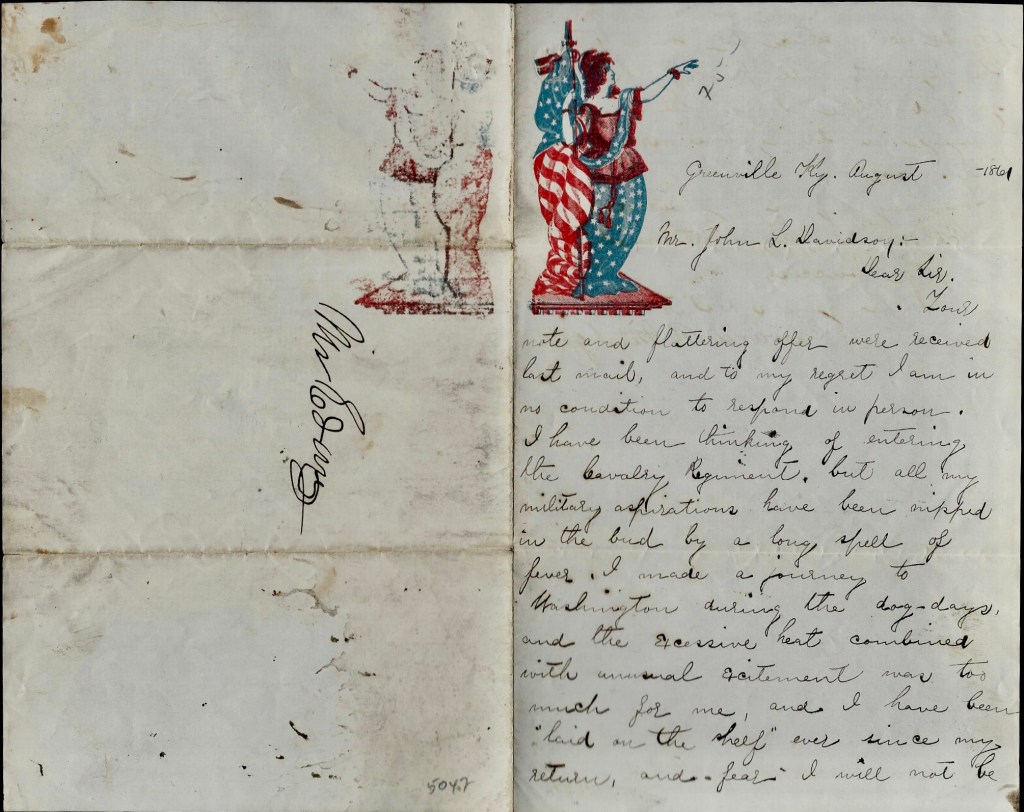

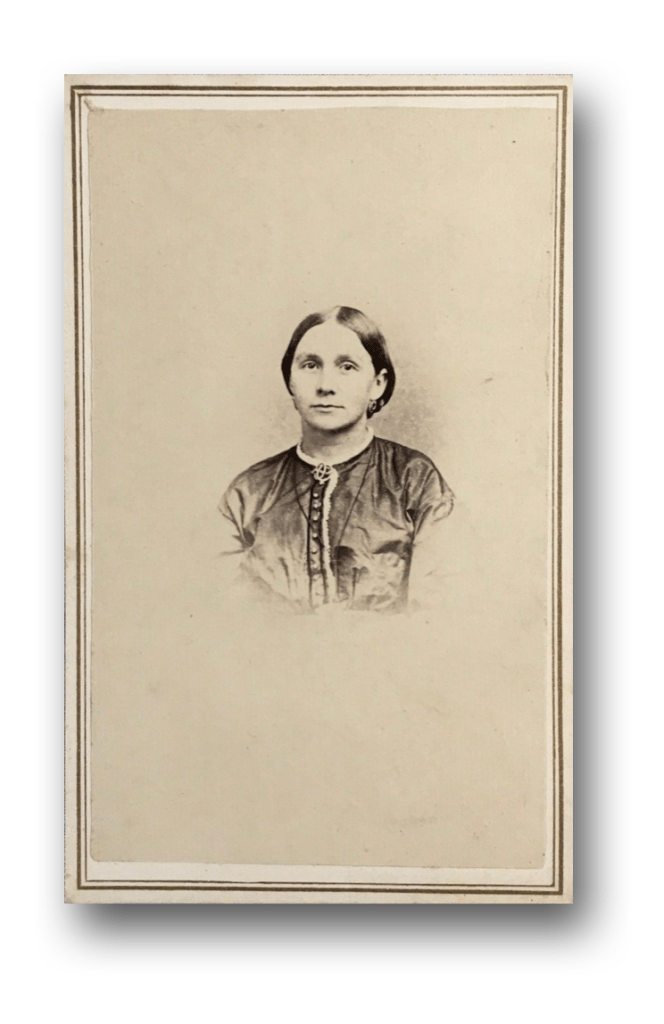


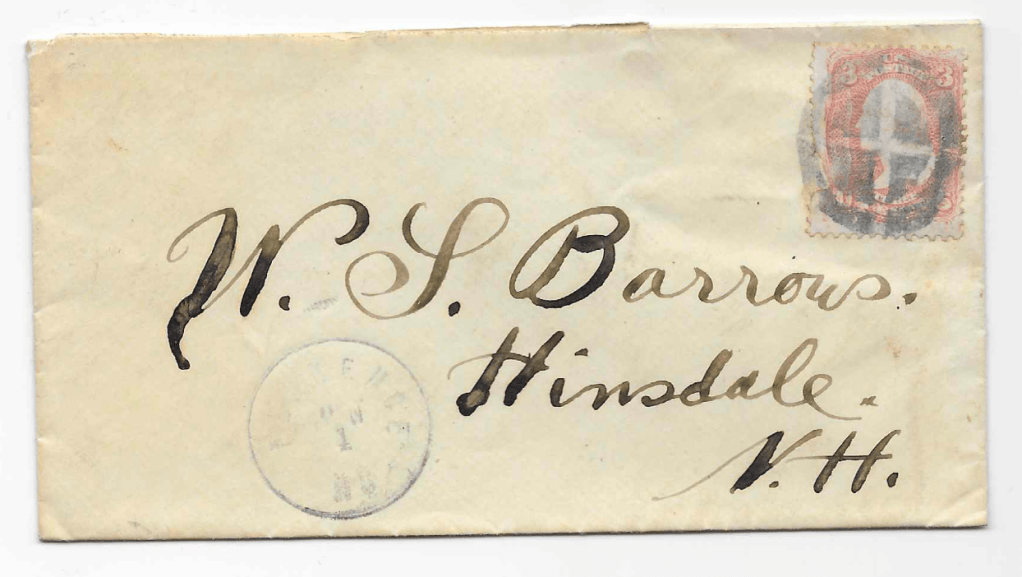




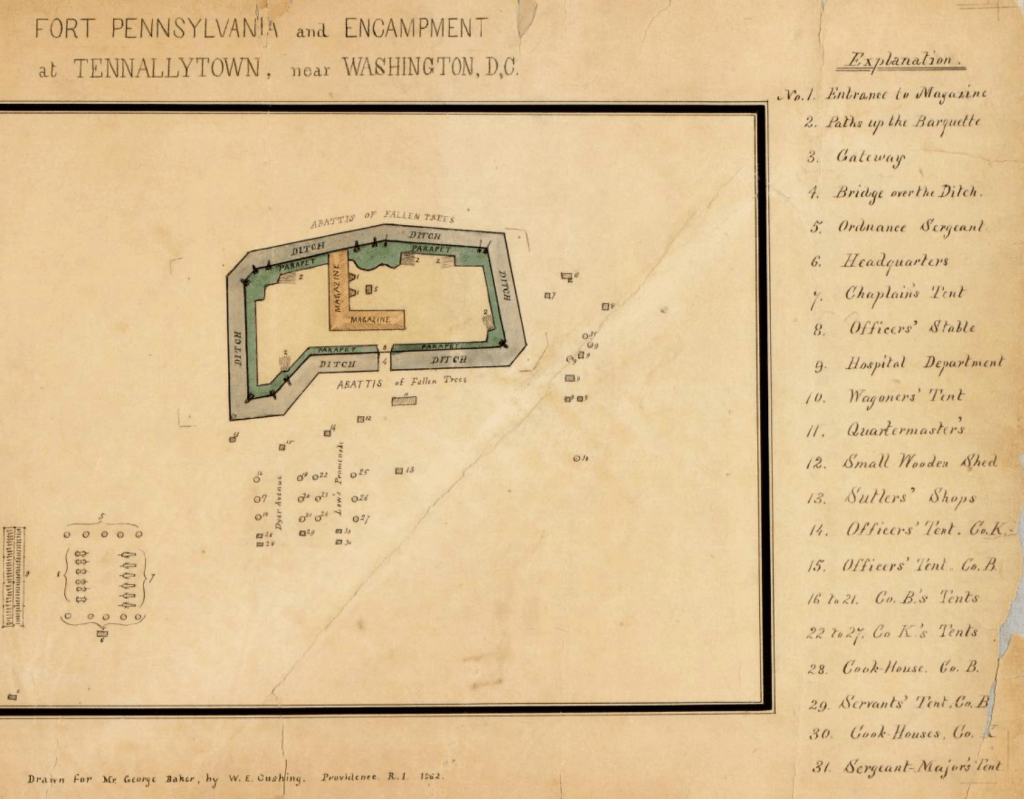


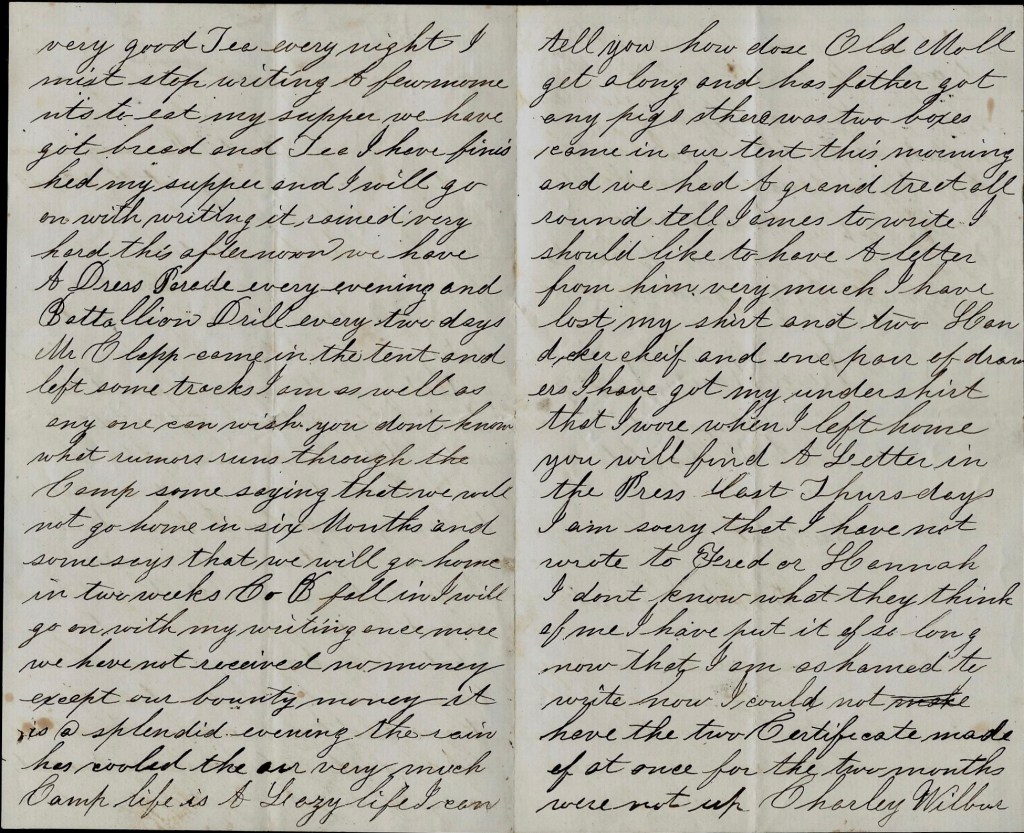
 Spared & Shared 23