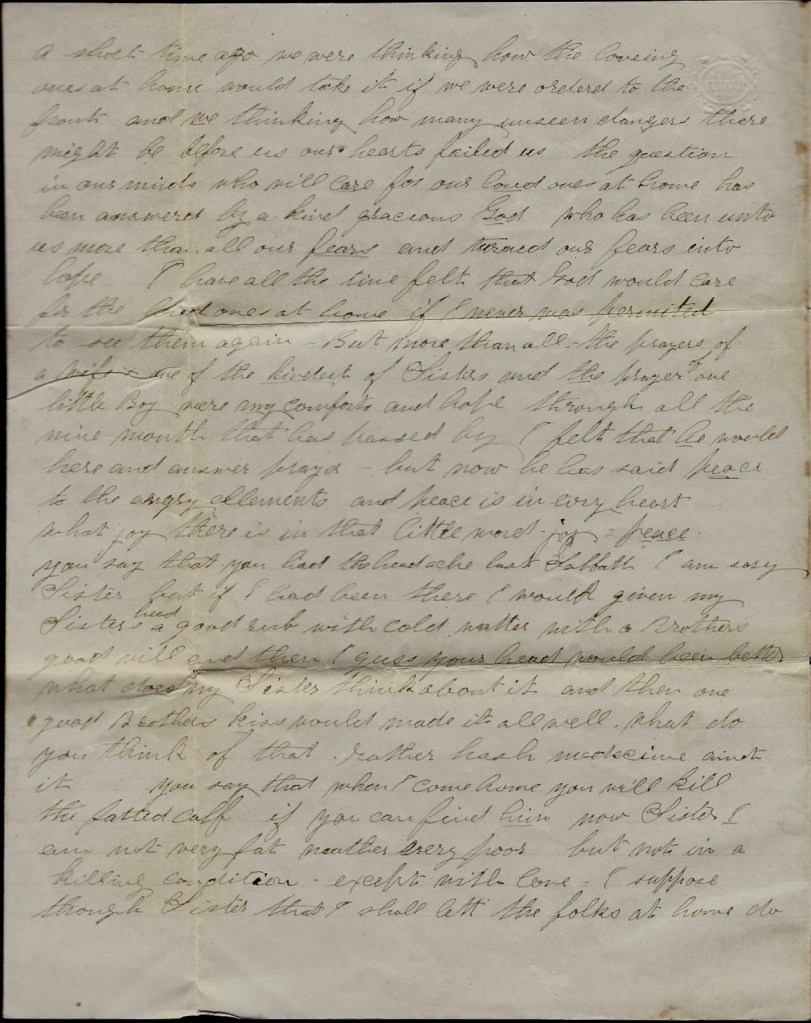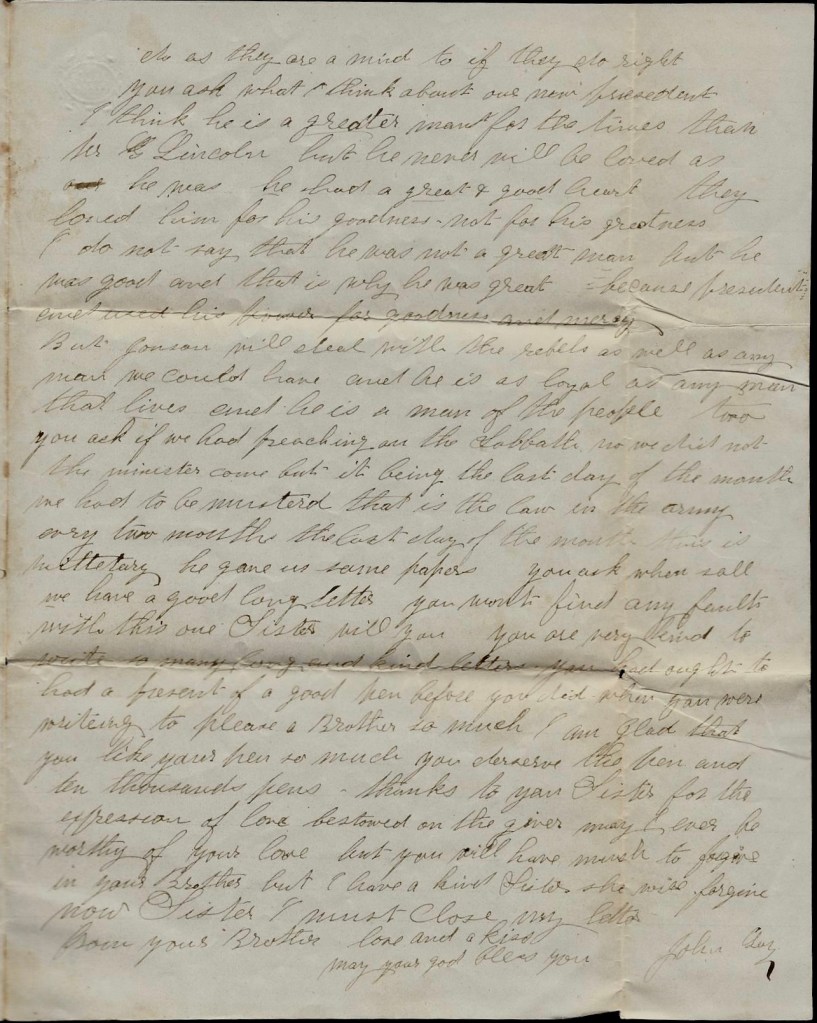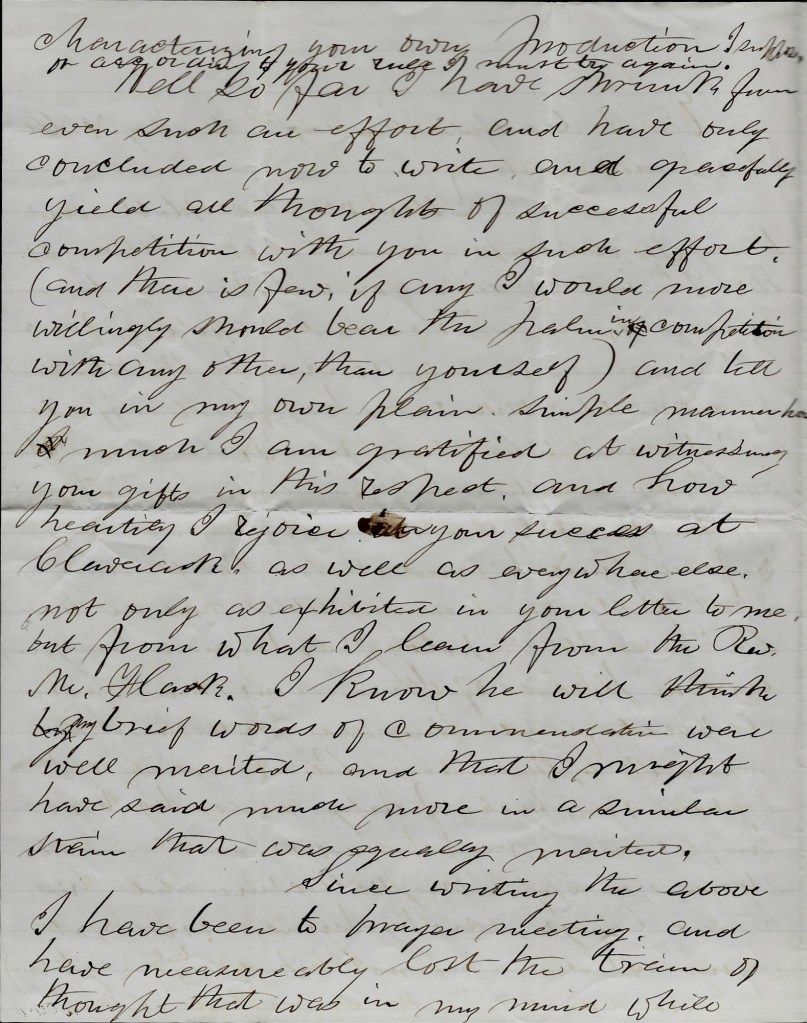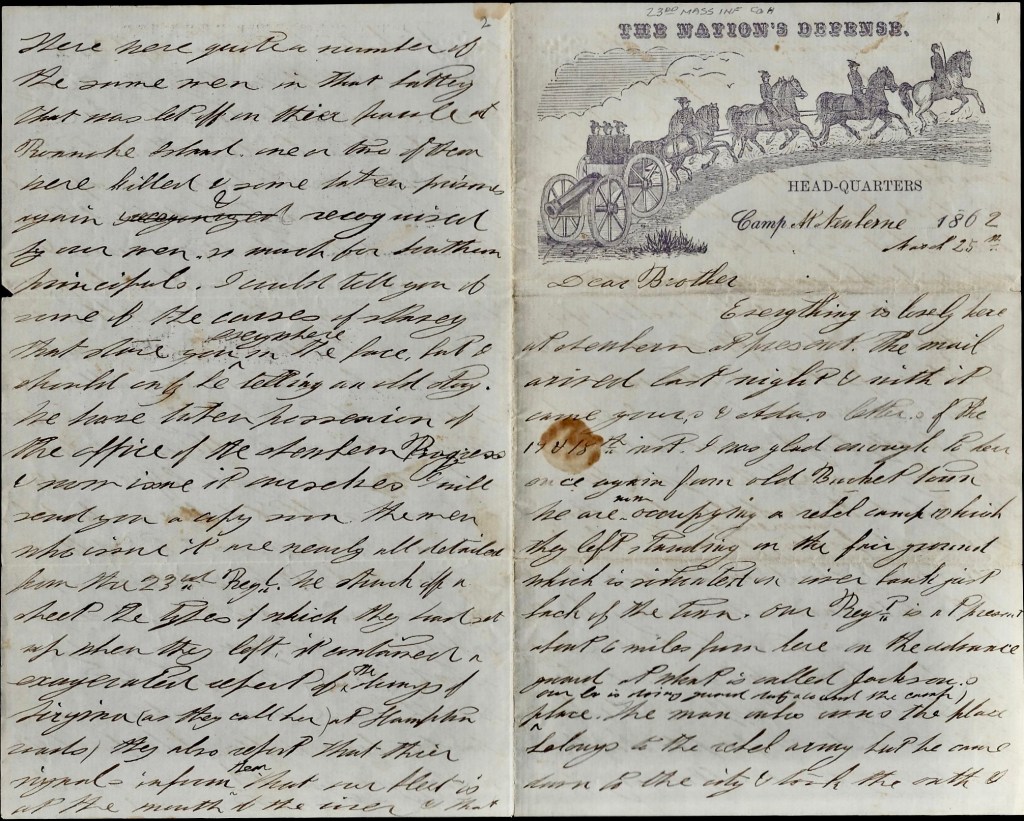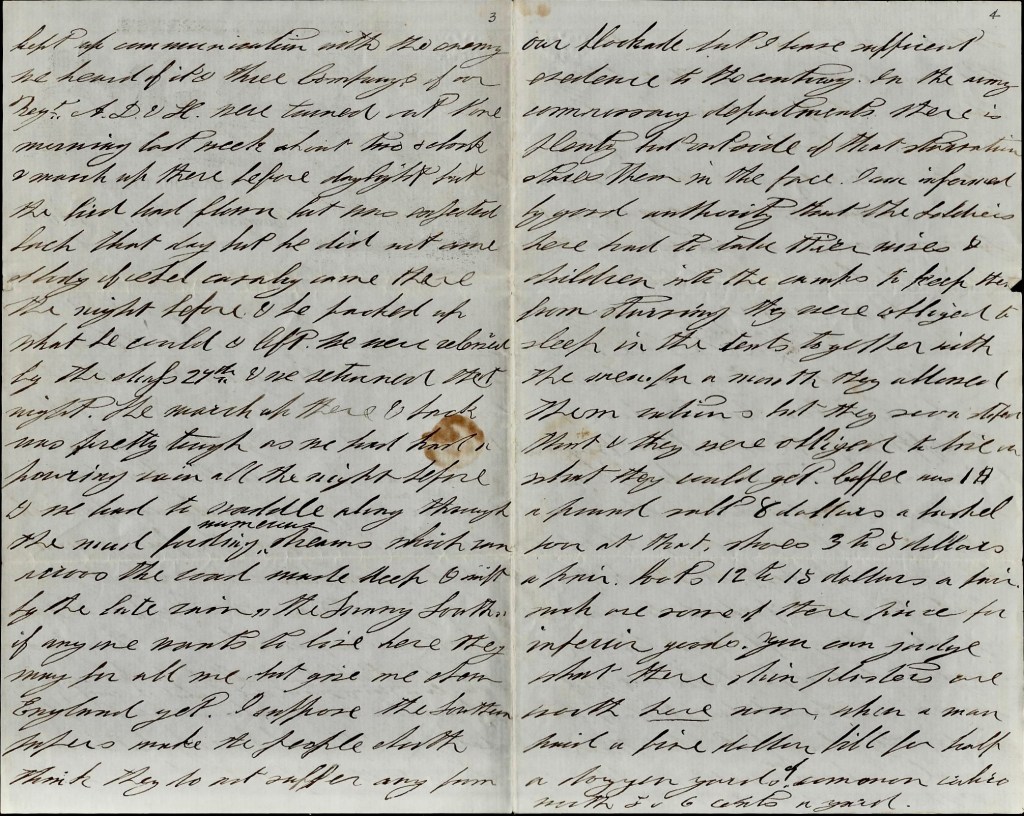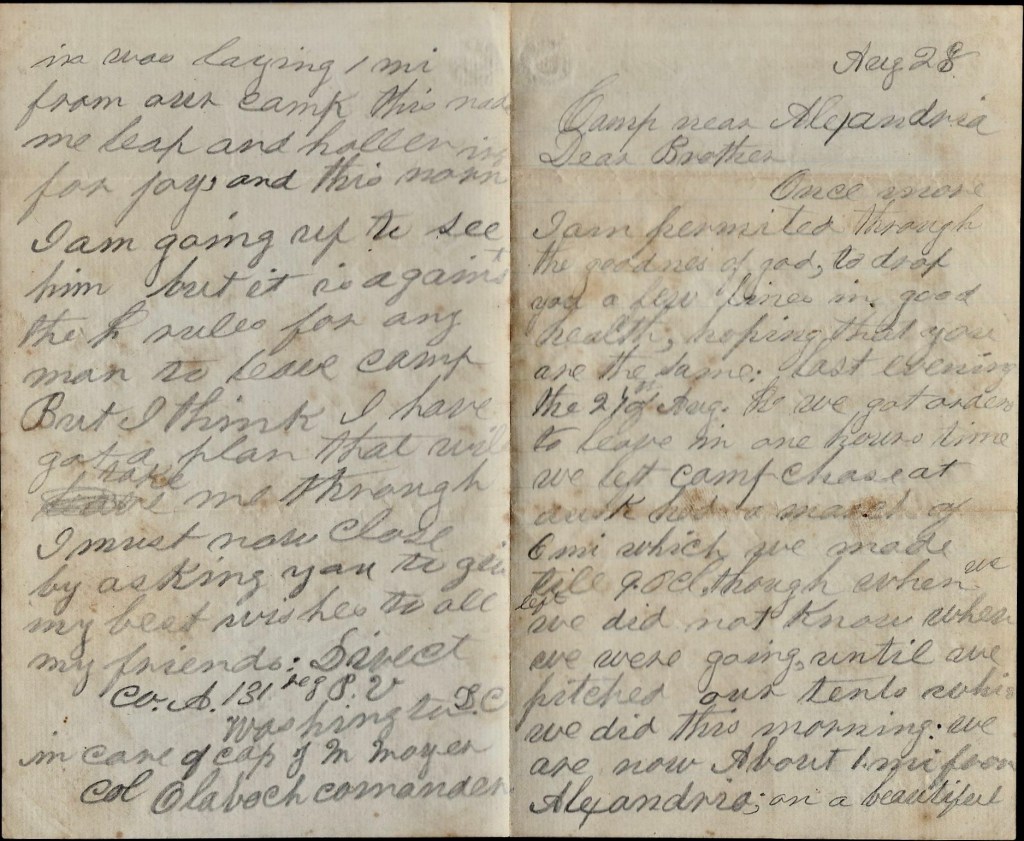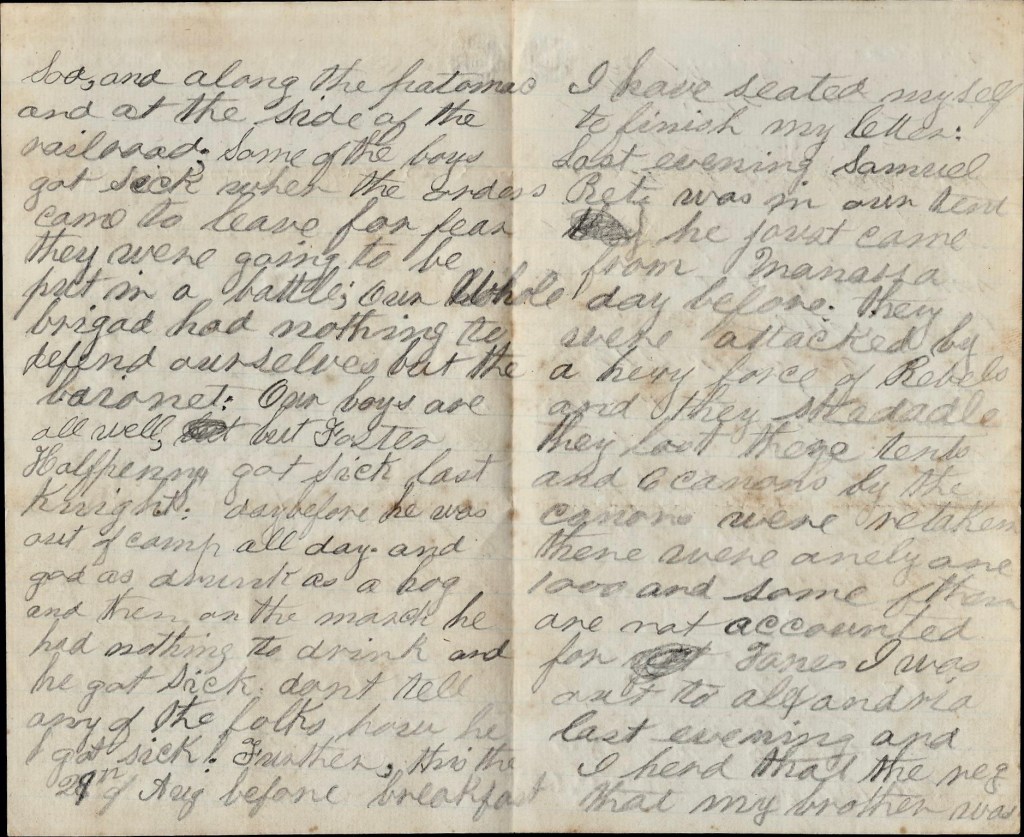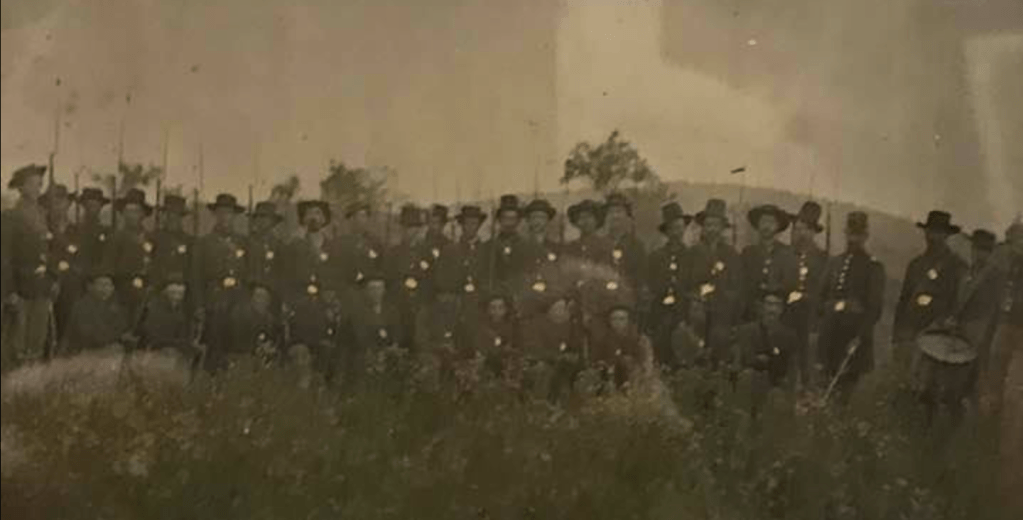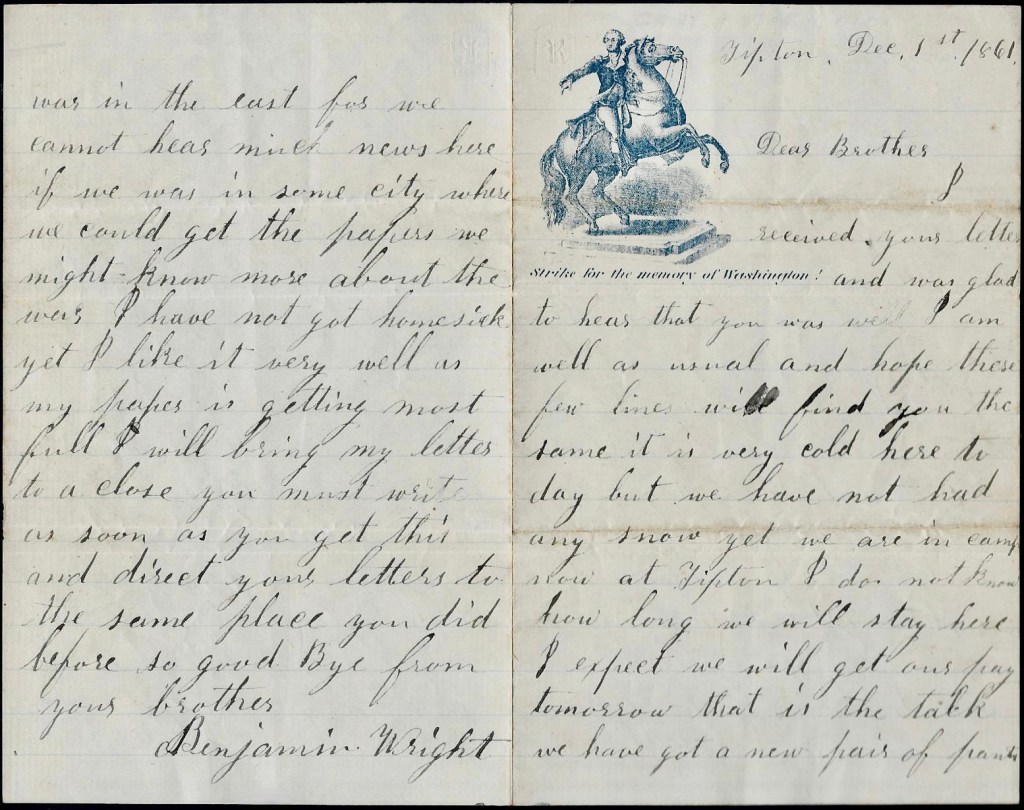
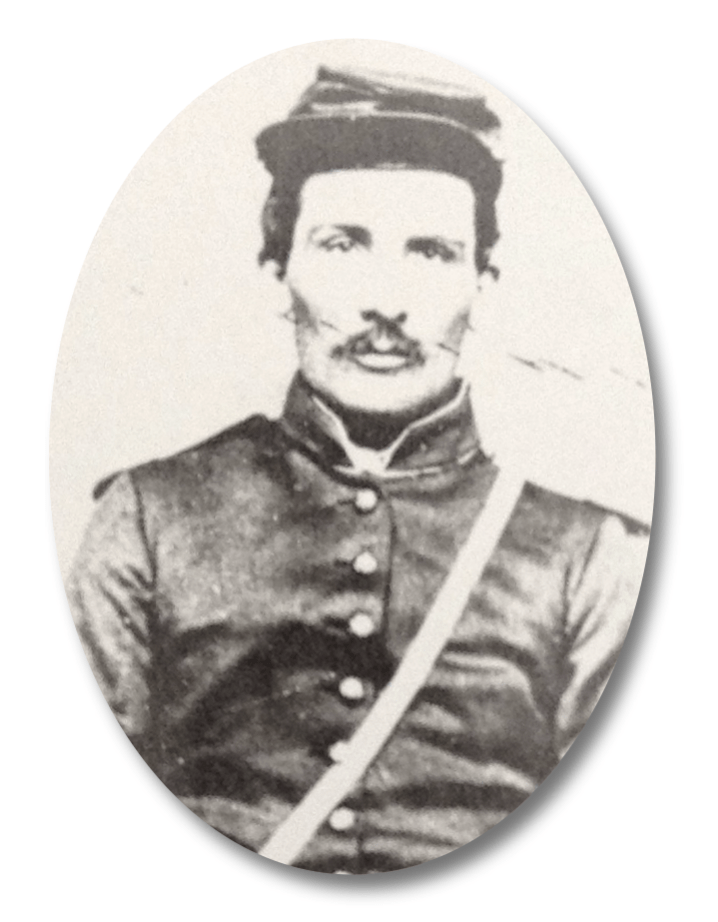
The following letters were written by James Morris (1837-1863), the son of British emigrants Richard Morris (1810-1871) and Jane Harrison (1806-1887). Richard and Jane both emigrated separately, met and married each other in Patterson, New Jersey in 1830. Jane had been in the United States four years working in the textile mills as a weaver. After marriage the couple lived in New York City for a time and in 1837 moved to the English settlement in Rome township, Crawford county, Pennsylvania, where Richard took up farming. It was here in Crawford county, in October 1837, that James was born. At the time of the 1860 US Census, James was enumerated in his parents household as a 23 year-old “farm laborer.” He had at least four younger brothers and one younger sister. An older brother, Edward (1831-1912), born in New York, was married to Ellen Harrison (1836-1906) in 1854 and living on his own in Rome township.
After the surrender of Fort Sumter in 1861, President Lincoln issued a proclamation on 15 April appealing to all loyal citizens to “favor, facilitate, and aid in this effort to maintain the honor, the integrity, and the existence of our National Union and the perpetuity of popular government. These were words that struck a chord in James Morris and he willingly stepped forward immediately to join the Erie Regiment, which is described below:
“The camp of the three months’ regiment (“Erie Regiment”) was established on a piece of vacant ground in Erie at the southeast corner of Parade and Sixth streets, where volunteers poured in from all parts of the northwest. More offered in a few days than could be accepted, and many were reluctantly compelled to return home. As a sample of the spirit of the time, the borough and township of Waterford sent forward nearly 100 men. Five companies were recruited in Erie alone, but of these full one-half were from other places. It was considered a privilege to be accepted, and those who failed to pass muster or arrived too late were grievously disappointed. The regiment left Erie for Pittsburgh at 2 P.M. on Wednesday, the 1st of May, being accompanied by Mehl’s Brass Band. A vast crowd was at the railroad depot to witness its departure, and many affecting farewell scenes were witnessed. The regiment reached Pittsburgh at 9 A.M. the next day, and took up its quarters in Camp Wilkins. A number of its members were discharged because the companies to which they were attached exceeded their quota. On the 5th of May, the regiment was presented with a camp flag by the ladies of Pittsburgh, in the presence of 10,000 spectators. It received arms and uniforms on the 29th of May, and was carefully drilled every day that it remained camp. For some reason, the regiment was never called into active service, and it returned to Erie on Saturday evening, July 20. An immense concourse welcomed the soldiers at the railroad depot, and escorted them to the West Park, where a public supper had been prepared by the ladies of the city. But one member died during the absence of the regiment.” [History of Erie County, Pennsylvania 1884, by Samuel P. Bates]
James’s letters—written while a member of the 1st Regiment Pennsylvania Volunteers—are relatively few in number and difficult to read due to their condition, but they give us a good look of the activities of the three month regiment that camped and drilled first at Camp Wilkins near Pittsburgh and later at Camp Wright further up the Allegheny River. The regiment never saw any action and, in fact, was never really properly drilled, clothed, or equipped to do so. The 1817 flintlock muskets they were eventually issued would have been worthless in battle except as clubs. Morale, disorder, and lack of discipline ruled the day if we can believe James’s letters.
Remnants of the regiment were soon after organized into the 83rd Pennsylvania Volunteers but James did not reenlist with them. He waited until September 1862 to enlist in Co. I, 150th Pennsylvania Volunteers (the “Bucktails”). He was mortally wounded at the Battle of Gettysburg and died at Fort Schuyler on 18 July 1863.
Letter 1
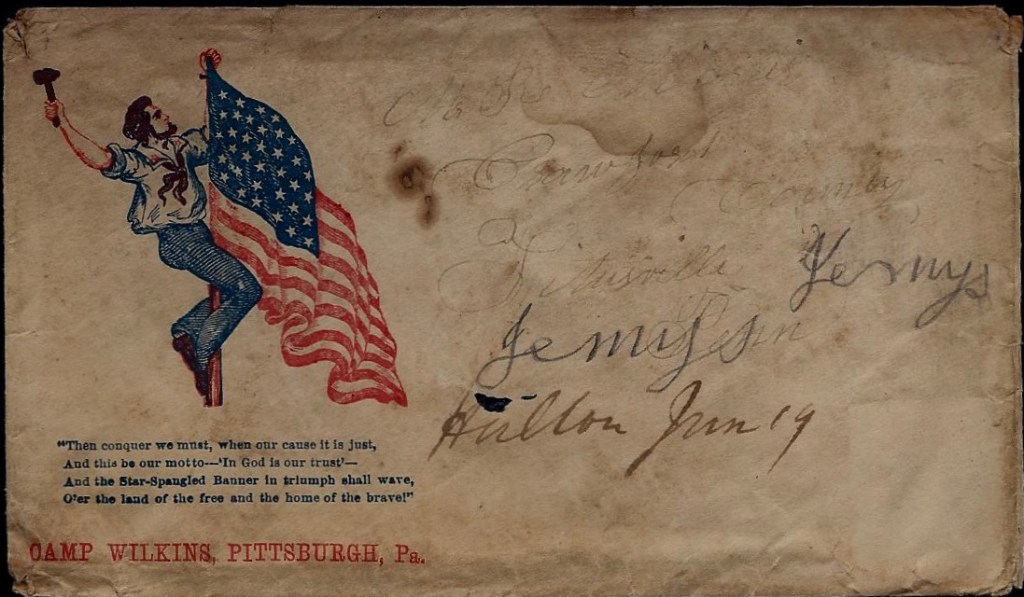
Camp Wilkins 1
May 5, 1861
Dear father and mother,
I am well at present and most of our company are. There is only two on the sick list. There is a few that complains. There is a few have went home. There was too many in the company. There is a great deal of grumbling about the rations. They certainly [are] very small. I could eat three rations and make a good hearty meal. I shouldn’t want so much coffee—they allow for a pint apiece. Our victuals are very good but there is not enough. There is plenty of men in our company that is more hearty than I am.
Some of our men made doors through their quarters and would go down to Pittsburg to see the women and drink whiskey. The Colonel has given very strict orders against it. Yesterday our orderly and sergeant examined our quarters and found 3 back doors in them. He tried mine twice before he was satisfied. It goes pretty hard with most of us to be confined and not allowed to go where we please but shall stand it the three months. If we remain undismissed from service, we do not know whether we will have to stay here to be ordered on to Harrisburg. We expected to be in Harrisburg before this time. We have been over a week and I do not see any more chance of leaving here than when we came here but our captain says our stay here will be short but it may be to keep up our spirits.
Some of our company does not care how they get through the drill. Yesterday Captain Morgan told us that he would take part of us and make what he calls an untrained squad and give them extra hours drill. I do not want to get in this squad if I can help it. Some of our company is too much interested in what is passing about them to mind the drill and sometimes I cannot help minding things about us. Our quarters are close to the railroad. One of the coal cars run off the track and then was trying to get it on again and it fell over the embankment and broke in two the boards that compose our quarters but it did not hurt anyone. The volunteers appreciated the coal for their own use. The men who own it have got a man watching it.
I have not been out of our encampment yet. Our captain had the military rules and regulations read to us today. A good many of our company cannot realize that they have to come under the rules of the United States Army. I did not think that the rules were so strict as they are. We have a good set of officers, I think, but on account of victuals, there is a great deal of discontent. I feel discontented on that account. Many others feel the same. I am well satisfied, I think, that in a place like Pittsburgh the troops might have something like enough to eat. If we were in a place where we could not get it, there would be some excuse for us being so short of provisions. Today our dinner was soup nearly as thin as water with a little biscuit in it and a piece of bread not larger than two biscuits that they sell in the stores and a little piece of beef not two solid inches in it. I happened to get hold of an extra cup of soup and some fruit as well. I begin to think that what John said at Crossley’s about the [ ] for there is so much discontent about the victuals.
Since dinner, we have had a long drill and we will have another in a few minutes which will be the last tonight except going to supper and The Roll being called at half past 9 o’clock, then again at 5 in the morning. I can get along first rate only on account of what the company grumbles about so much. There is another regiment company on parade at present. As soon as they get through, we will have to go one parade. The part of the business is conducted by Col. McLane. If I get out of the camp, I will have a coat round me and see some of the things about the city.
Our parade is over and we have got tired. We had all we wanted this time. The railroad that passes here must have a great deal of business to do for the cars are running past here every few minutes and two at a time sometimes. This campground was formerly the fair ground but now it has two regiments—or nearly—in it. The railroad passes along one side of it. There was stalls two sides of it and these stalls are six feet wide— four of us quarter in each stall. I have got a good double blanket and have been very comfortable considering the weather has been rather cold and wet and very muddy. It froze on Wednesday the 3rd, and I thought pretty hard and there has been one frost since.
The trees are partly out in leaf. The fruit trees were out in bloom between Erie and Cleveland. The Lake was very rough and the waves came into shore and they would splash up on the platform that the cars run on at the depot. I was sick the day that we left Erie I did not have as pleasant a time as I should have had if I had been well. I have felt pretty well ever since and wish this may find all my relations the same. Send me word in your letters how all the folks are and give my best respects to my friends and relations. I am going to write and good long letter and would like your best endeavors to be done in answer to the same. If I had the money, I could write anytime but I have not got the means to buy necessaries that I should have. It is a mistaken idea that the government provides everything, or at least it has proven at present.
I want to know how my things are getting along—if either of my mares has had a colt yet and how [illegible due to crease in paper] and send me word how [ ] and Stackpole are, and how the Smiths are getting along and what they are doing in the Mill. Give my best respects to David and Jane Crossley. If you like, you can let them read this if you want.
I have just been to see a wrestle in front of our quarters, but the Colonel came and ordered us to our quarters and he put a stop to it. In less than five minutes there were 6 or 700 on the ground. In less than five minutes, the ground was as clear as ever of a crowd.
May 9th. Today I have to go on guard. Tomorrow I shall get a pass if I can and have a trip about town. This morning there was a frost. The weather is pleasant though the wind was still very still and the air was very thick with smoke and we could not see very far away.
These few lines are for Will and Billy. It will interest them I think. It is about the ladies. As we came through Pittsburgh everyone seemed to think alike about the ladies. They are not half as handsome as the Erie ladies are—that is, taking both together. I have seen some some handsome women here but take them altogether, they are not handsome. I didn’t have any chance to see them in Cleveland. We only staid long enough to change cars. [illegible due to crease in paper] … and how Richard is, or where he is, and how Edward is, and if you have been killing sheep lately. If you have, I should like to hear how you are making out in the business, if you feel inclined to tell.
If either of you was in my place, you would feel as if you would like to be master of your own time. Although you might take it pretty well, but never enlist before you have considered things over. Always look before you leap. I did, but if I had known what I know now, I don’t think I should have volunteered although I feel satisfied. They are very strict and it is fineable for swearing. The fine is one 6th of a dollar for the first offense and the punishment increases for every act of disobedience. They do not put this in force, but they could if they wanted to do it. Answer these few lines as soon as you get them if you write at all. I want to know how the boys would like to have come under these rules. The boys in our company do not like it but they cannot help themselves now—we have been so used doing as we pleased that it is very hard for some of us to comply with the commands. Our company averages the largest men on the field at present. As we passed through Pittsburgh, there was a great many complimentary remarks made on our company. One of them deserted us or he has not showed himself for 24 hours and the captain has been out all night and till 11 o’clock today. I guess he has been after William but I don’t know whether he has or not for they say that Jonathan Watson is in Pittsburgh at present and will be on the parade ground today. If he is, will send this letter if I can and if I can’t, I will post it tomorrow. Send me word how the bees are getting along and how sweets are getting along with my place. Let Edward read this letter. I want you to send me some money and be sure it is good so I will have no trouble with it. I want to get some things so I am able to write to you whenever I think proper.
Direct your letters to Private James Harris, Camp Wilkins, Col. McLane’s regiment, Co. F., Capt. Morgan, Pittsburgh City, Pennsylvania
With love to all, I remain truly your obedient son, — Jas. Morris
1 Camp Wilkins was established in April 1861 at the Allegeny County fairgrounds which were located on the south side of Penn Avenue between the present 29th and 32nd Streets and extended to the Pennsylvania Railroad in Lawrenceville. As of 3 May 1861, Camp Wilkins contained 16 companies (about 1200 volunteers) including ten companies from Erie under the command of Col. John W. McLane and Lieut. Colonel Benjamin Grant. “The recruits slept four abreast in the cattle stalls, using straw for bedding and knapsacks for pillows.” The companies bivouacked at the fairgrounds by the first of May included the Garibaldi Guards commanded by Capt. Hardtmeyer, the Duncan Guards commanded by Capt. Duncan, the Chartiers Valley Guards commanded by Capt. Smith, the Anderson Guards commanded by Capt. Hays, and the Iron City Guards commanded by Capt. Gormly. [Pittsburgh Gazette, 2 May 1861]


Letter 2
[Camp Wilkins]
May 12th 1861
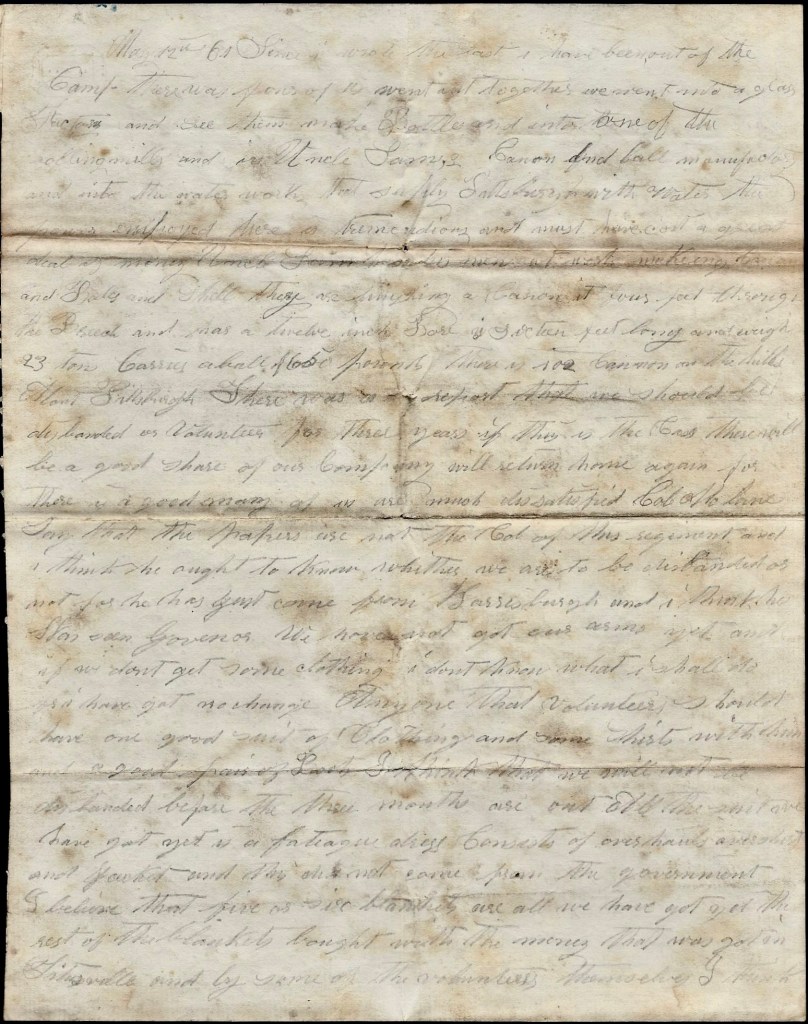
Since I wrote the last, I have been out of the camp. There was four of us went out together [into Pittsburgh]. We went into a glass factory and seen them make bottles and into one of the rolling mills and in Uncle Sam’s cannon and ball manufactory and into the water works that supply Pittsburgh with water. The power employed there is tremendous and must have cost a great deal of money. Uncle Sam’s men were at work making cannon and balls and shells.
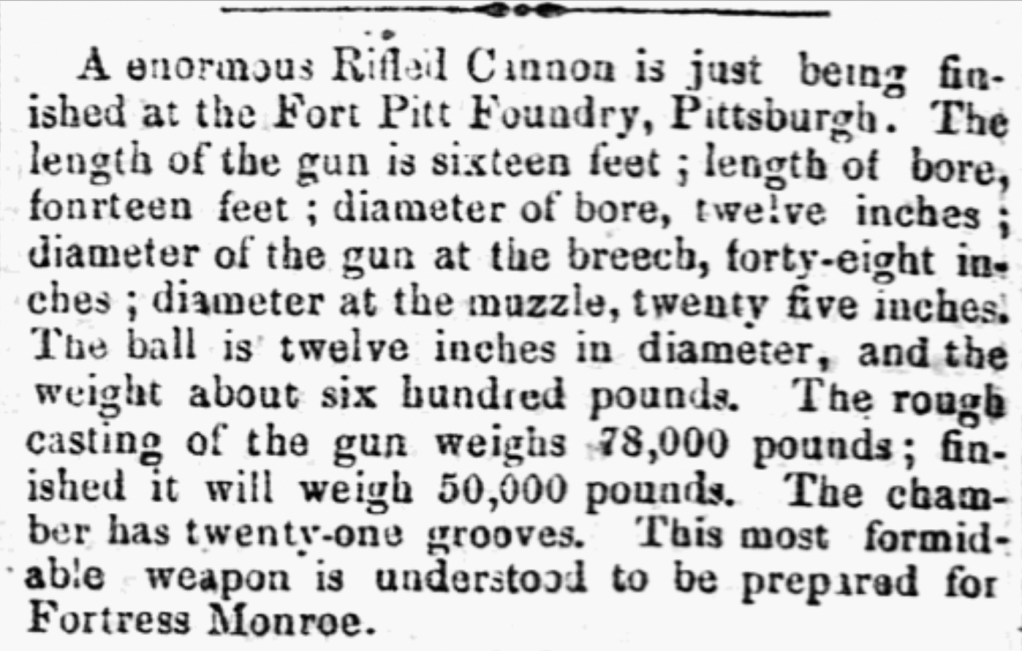
They are finishing a cannon—it was four feet through the breech and has a twelve inch bore, is sixteen feet long and weighs 23 tons. It carries a ball of 650 pounds. There is 102 cannon on the hills about Pittsburgh.
There is a report that we should be disbanded or volunteer for three years. If that is the caae, there will be a good share of our company will return home again for there is a good many of us are much dissatisfied. Col. McLane says that the papers are not the Colonel of the regiment and I think he ought to know whether we are to be disbanded or not for he has just come from Harrisburg and I think he has seen the Governor.
We have not got our arms yet and if we don’t get some clothing, I don’t know what I shall do as I have got no change. Anyone that volunteers should have one good suit of clothing and some shirts with him and a good pair of boots. I think that we will not be disbanded before the three months are out. All the suit we have got yet is a fatigue dress [which] consists of our pants and shirt and jacket and they did not come from the government. I believe that five or six blankets are all we have got. The rest of the blankets [were] bought with the money that was got in Titusville and by some of the volunteers themselves. I think we would not be to blame if we should be disbanded and not volunteer again.
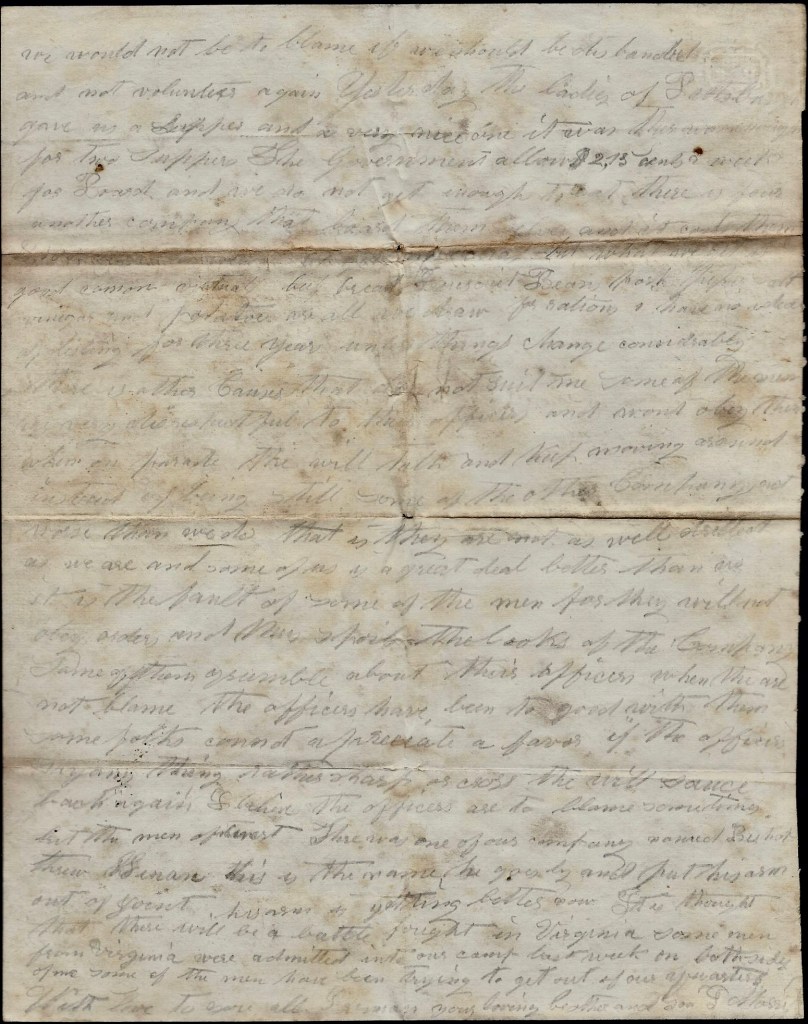
Yesterday the ladies of Pittsburgh gave us supper and a very nice one it was. There was enough for two suppers. The government allow $2.75 cents a week for board and we do not get enough to eat. There is four another company that board themselves and it costs them [illegible due to crease in paper]…what we get is good common victuals—beef, bread, biscuit, beans, pork, pepper, salt, vinegar, and potatoes are all we draw for rations. I have no idea of enlisting for three years until things change considerably. There is other causes that do not suit me. Some of the men are very disrespectful to the officers and won’t obey them. When on parade, they will talk and keep moving around instead of being still. Some of the other companies act worse than we do—that is, they are not as well drilled as we are and some of [them] is a great deal better than us.
It is the fault of some of the men for they will not obey orders and they spoil the looks of the company. Some of them grumble about their officers when they are not to blame. The officers have been too good with them. Some folks cannot appreciate a favor. If the officers say anything rather sharp or cross, they will sass back again. I believe the officers are to blame sometimes but the men oftenest. There was one of our company named Bishop threwHenan (this is the name he goes by) and put his arm out of joint. His arm is getting better now.
It is thought that there will be a battle fought in Virginia. Some men from Virginia were admitted into our camp last week on both sides of me. Some of the men have been trying to get out of our quarters. With love to you all, I remain your loving brother and son, — J. Morris
Letter 3
Camp Wilkins
May 21st 1861
Dear father and mother,
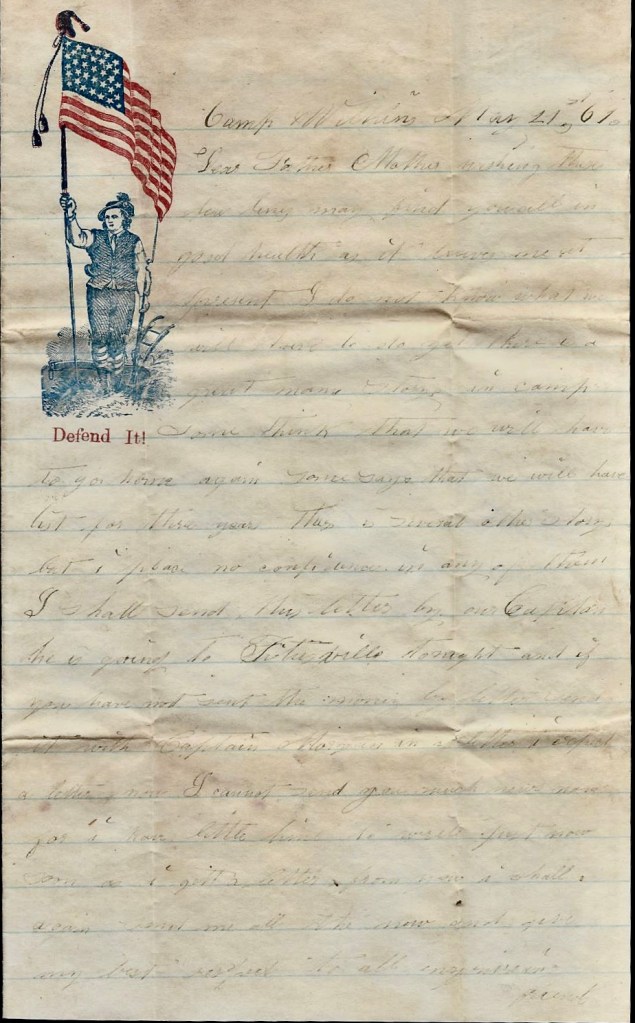
Wishing these few lines may find you all in good health as it leaves me at present. I do not know what we will have to do yet. There is a great many stories in camp. Some think that we will have to go home again. Some says that we will have to enlist for three years. There is several other stories but I place no confidence in any of them. I shall send this letter by our captain. He is going to Titusville tonight and if you have not sent the money by letter, send it with Captain Morgan in a letter. I expect a letter now. I cannot send you much news now for I have little time to write just now. Soon as I get a letter from you, I shall write again. Send me the [money] now and give my best respects to all enquiring friends. I want you to send me all the news.
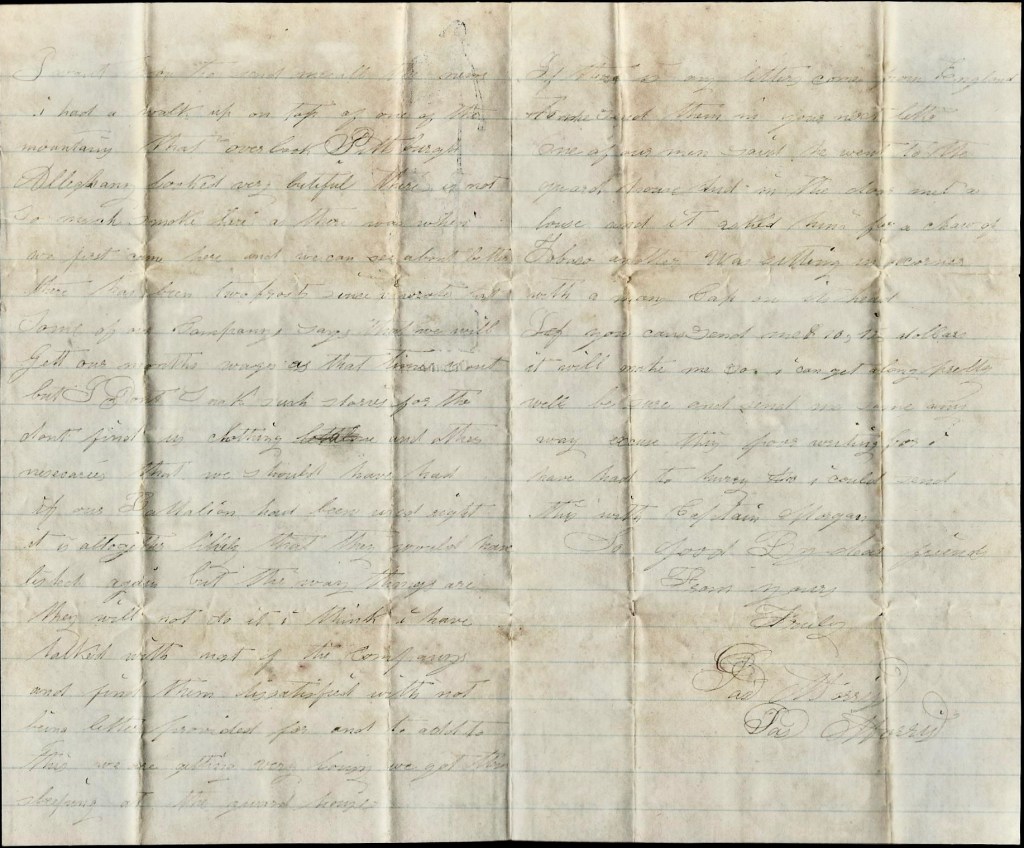
I had a walk on top of one of the mountains that overlook Pittsburgh. Allegheny looked very beautiful. There is not so much smoke here as there was when we first came here and we can see about better. There has been two frosts since I wrote last.
Some of the company says that we will get our months wages as that time went but I don’t trust such stories for they don’t find us clothing and other necessaries that we should have had. If our Battalion had been used right, it is altogether likely that they would have enlisted again but they way things are, they will not do it. I think I have talked with most of the company and find them dissatisfied with not being better provided for and to add to this, we are getting very lousy. We got them sleeping at the guard house.
If there is any letters come from England to me, send them in your next letter.
One of our men said he went to the guard house and in the door met a louse and it asked him for a chaw of tobacco. Another was sitting in a corner with a man’s cap on its head.
If you can send me $10, it will make me so I can get along pretty well. Be sure and send me some anyway. Excuse this poor writing for I have had to hurry so I could send this with Capt. Morgan. So goodbye dear friends. From yours truly, — James Morris
Letter 4
Titusville [Pennsylvania]
May 26, 1861
James, I have received your note by favor of Captain Morgan and I shall take it up to your folks tomorrow. They are all well and hurrying their work as fast as they can but they are very uneasy about your not writing to them. If you can send them a letter so as to inform them of your location, do so as often as possible.
Our family are all well at present. Thomas signed the roll in the new company but it is doubtful if they are called for. Yours in haste, — David Crossley
Camp Wilkins
May 28th 1861
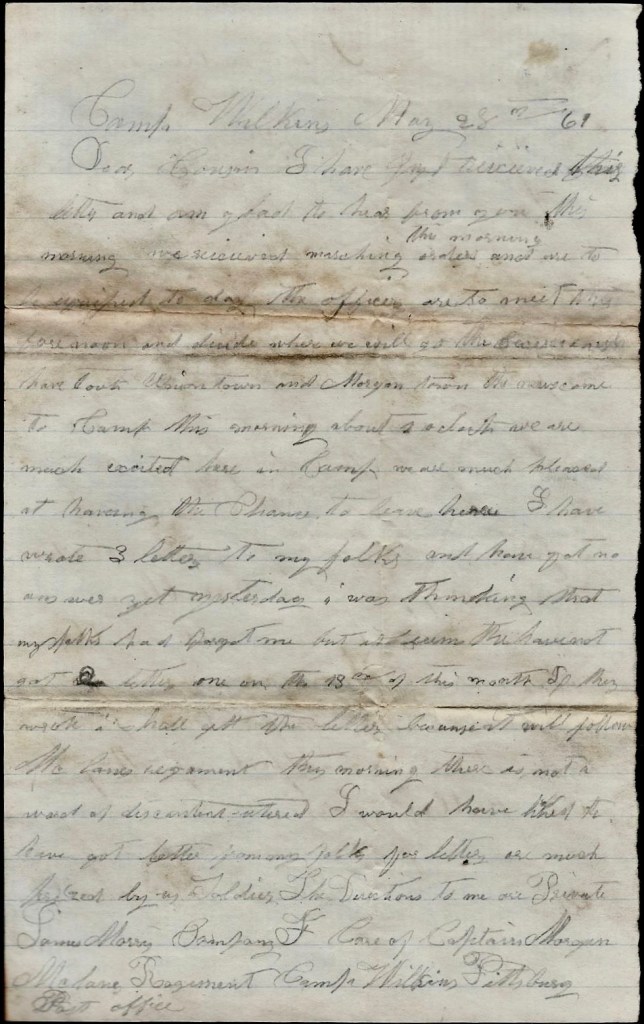
Dear cousin,
I have just received this letter and am glad to hear from you this morning. We received marching orders this morning and are to be equipped today. The officers are to meet this forenoon and decide where we will go. The secesh have taken Uniontown and Morgantown. The news came to camp this morning about 2 o’clock. We are much excited here in camp. We are much pleased at having the chance to leave here.
I have wrote three letters to my folks and have got no answer yet. Yesterday I was thinking that my folks had forgot me but it seems they haven’t got my letters. One was sent on the 13th of this month. If they wrote, I shall get the letter because it will follow McLane’s regiment. This morning there is not a word of discontent uttered. I would have liked to have got a letter from my folks for letters are much prized by a soldier.
The directions to me are Private James Morris, Company F, Care of Captain Morgan, McLane’s Regiment, Camp Wilkins, Pittsburgh Post Office
D. C., you must excuse my sending this letter back again. When I received it, I had borrow paper and so I used this. Write again soon as you can for we shall leave tomorrow morning. I shall write to them as soon as I get a chance. Send this letter to my father and mother. So goodbye. In haste, — Jas. Morris

Letter 5

[Camp Wilkins]
May 29, 1861
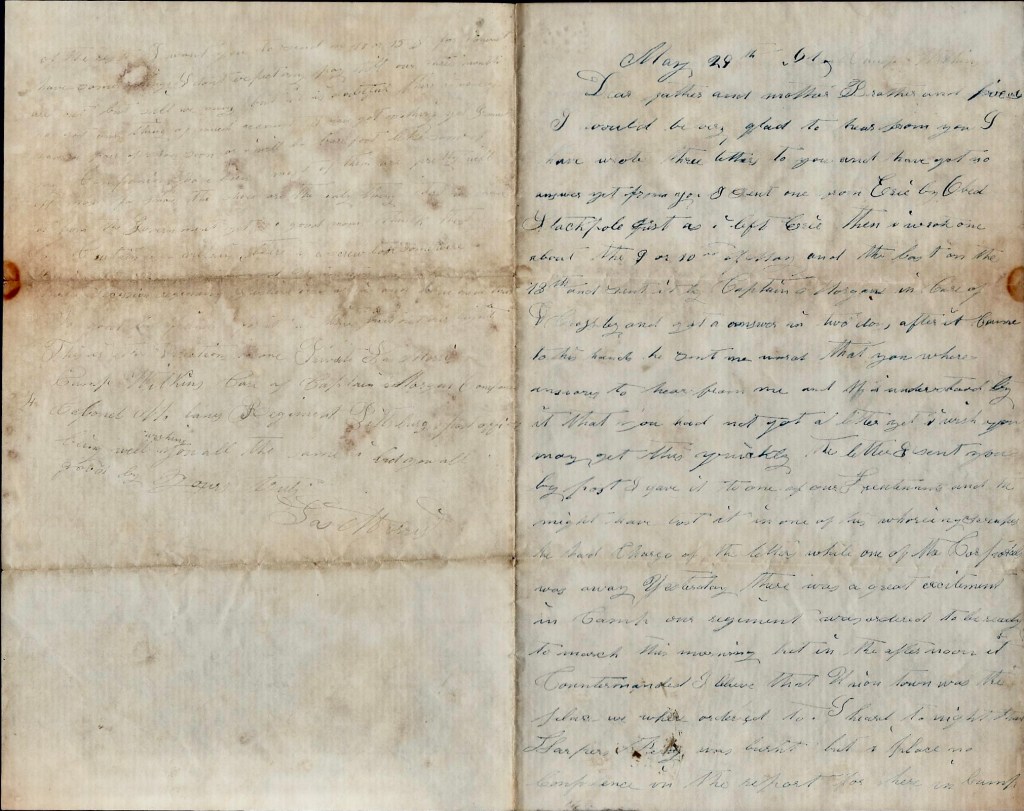
Dear Father and Mother, Brother and friends,
I would be very glad to hear from you. I have wrote three letters to you and have got no answers yet from you. I sent one from Erie by Obed Stackpole just as I left Erie. Then I wrote one about the 9th or 10th of May, and the last on the 13th and sent it by Captain Morgan in care of David Crossley and I got an answer in two days. After it came to his hands, he sent me word that you were anxious to hear from me and I understand by it that you had not got a letter yet. I wish you may get this quickly. The letter I sent you by post I gave it to one of the lieutenants and he might have lost it in one of his whoring scrapes. He had charge of the letters while one of the captains was away.
Yesterday, there was a great excitement in camp. Our regiment was ordered to be ready to march this morning, but in the afternoon it was countermanded. I believe that Uniontown was the place we were ordered to. I heard tonight that Harper’s Ferry was burnt, but I place no confidence in the report for here in camp every man you meet tells you news except the Colonel is giving you a pretty fair dose of his. I have heard so many tales from one another that I don’t believe any of the stories. The newsboys fetch the Pittsburgh Dispatch in here night and morning to sell and of all the papers that I’ve read, it can tell the most sensible stories about the war that can be got up. Sometimes it tells the truth though one company’s got their arms but I am not sure about it.
There was three other companies that was ordered to get ready to march with us. The Meadville Company was one of those. Our Colonel came round in the morning and gave the orders. It would have done you good to have heard the cheers that our company gave him on hearing the news. I believe it suited all of us—but countermanding [the order] did not suit us. I think it quite likely that we will be ordered into active service soon but we may not be needed. I hope that we will be ordered on duty pretty soon.
There is very little business going on in Pittsburgh now. I went to the copper manufactory yesterday and one of the glass works. They was not doing much.
If you get my letter of the 13th, you will know what news I want the boys to write to me. Tell Billy Morris I think my brother will write without asking—at least he ought to do it. Sometimes I feel discontented although I don’t usually show it for it would be foolish to make such rows as my comrades does sometimes.
Beginning of this week our Orderly Sergeant put James McClintock in the cooking department. Today he made the bacon too salty—so salty that we could not eat it. Such a row about it you never saw. Jim had done well before this but the orderly turned him and his other cooks out of their office. The new cook did well. He made us a good supper. I thought was no use making such a row about it as they did. Perhaps it is better as it is. Then some of the boys are not as respectful to their superior officers as they might be and not exert themselves very hard.
I am sorry to say the Titusville boys are represented in the guard house more than suits their captain. James McClintock was in there last night. Perhaps that had something to do with his cooking. He was drunk was the reason he got into the guard house. Then one other thing that don’t suit me is some of the under officers has used their boot leather too freely and one has used his hand and slapped one of the privates on the face. None of us like this very well. Most of our officers I like very well. I have no trouble with any of the officers. I like our Captain and Orderly the best and have nothing to say of the rest.
I want you to send me 10 or $15 for I must have some things. I don’t expect pay till our three months are out but still we may. But it is doubtful. There is none of us has got much of anything issued. I have got nothing yet. I must have a pair of shoes soon or I will be bare foot like some of my companions have been. Most of them are pretty well off now for shoes.The shoes are the only thing we have got from the government yet. A good many think that Gov. Curtin is a villain. There is a screw loose somewhere.
Uniontown was to have been occupied by secession regiments. I believe it is a lie. So goodbye friends for it is time to put out our lights.
Am well and wishing you all the same. I bid you goodbye. Yours truly, — James Morris

Letter 6
Camp Wilkins
June 3 & 4, 1861
Dear Father and mother,
I received your kind letter yesterday and glad I was to get it for I began to think that I should leave here before I should get a letter from you. It is now said that I shall be sent to a new camp up the Allegheny [river] 12 miles distant from here. This new camp ground is mostly praised as being a handsome place and well-suited for this purpose. It has 100 acres in it and part of it is on ground that will be very pleasant for us soldiers after being cooped up in a 20-acre lot and a good part of it covered in buildings and a part of it is a swamp. When it rains it is partly covered with water and so wet all over that we cannot drill.
Tomorrow we shall have a review of all the companies. Everyone that can play ball or mess will have to attend excepting those that are excused by the doctor, so says the Colonel. This will include Henan. He got threw by one of our company and his arm put out of joint and he is carrying it in a sling. He is not able to drill but is able to play ball first rate, only he does not use his arm.
I have just got this letter from Edward with note enclosed in it. Since writing the line above, I have been to the Allegheny [river] and had a swim and feel first rate. There were 15 or 20 of us and while going to the river we saw some of our company that have been to our new camp fixing up our quarters on the railroad. I have seen 4 or 5 engines at a time. There are two tracks. It is uphill grade 37 feet to the mile, 40 feet, I believe, is as high as this car can raise with any sort of decent train of cars going up there have sometimes 3, sometimes 18 or 20. Coming down they have more on the Kittaning road. they do not take so many for they do not have so much business to do. This road is about half a mile away, directly in front of our quarters.
When we are on parade and there is not 1,000 people present, I think it is not well attended. One Sunday we had preaching in the campground and it was supposed that there was from 5 to 7 or 800 people on the ground. One day I remember that there was a good many handsome girls on the ground. I heard a man say that they came from the country. I supposed that it was so but since I have been in camp I have found out that there is a great many handsome women in Pittsburgh and besides this they are kind to us soldiers.
I am wearing a good cotton shirt just now made by one of the Pittsburgh ladies. They are a great deal better to us than Uncle Sam. He has not found me one cent’s worth of anything yet. They have brought our muskets into our quarters this morning. Captain says they are flintlocks. Such an arrangement as this is about what we must expect from Gov. Curtin. Yesterday we had some trouble with the commissary about our rations. He gave us 3 days rations when we were going to Uniontown and he was going to make us live on them 4 days. When we went to his office on Sunday, we said we had got our rations except 44 pounds of beef and some beans and [ ] and some soap. We got these and had just past Col. McLane’s quarters when our Orderly came and told us to stop and wait a minute. We did and went to the Colonel. Then he came to us and ordered us to go to the cook house. I don’t know what for between the Colonel and Orderly Sergeant but our Captain went to the commissaries and found he could make nothing by it so he went to the Colonel and says he, “By God, Colonel, if my men can’t have something to eat, I shall march them out on the street.” The Colonel said he did not care for the rations; his men must have something to eat, so he made out an order for us and we got what we wanted.
Sometimes when we come off drill or parade, the ladies will pass in front of our quarters. I have heard them say how hard it does look. It is hard in my quarters for my companions have been very lazy. We all sleep together but they was so careless, I did not like it and I have got lousy with sleeping one night in the guard house when I was detailed for guard. I think I have got rid of them now. That was one reason why I built a bunk for myself and have been very comfortable ever since. My bunk is six feet from the ground and none of our company betters it. I keep it to myself and keep their things off it.
I would like to finish my letter but I must put my light out for the reveille has beaten for tonight. I will finish my letter or post it. I have to go to the new camp this morning…Our captain said we will be mustered into three years service or for during the war. I don’t know whether I shall enlist again or not. Sometimes I think that I will and sometimes I think that I will not enlist again. Mother, I see by your letter that Richard would have liked it if he had known that I was going. I would like to have his company adn perhaps if he is very anxious, I think that I can get him changed to my company. I know that I can if we are enlisted into 3 years service. I believe I should go for during the war and if so, I should like to have Richard for company. But still, even if he does enlist, I want him to do it with his eyes wide open and not have anyone but himself to blame if he should not like it. I know that there is one half of our company that will not enlist again. If we enlist again, I shall come home to see you before I go again and it is very likely that we shall have a chance…
I must give Richard a list of what a soldier has to endure. Then he can judge what he will do. A soldier’s life consists of sleeping on a board without any covering and a brick for a pillow. A board makes a very good bed and straw makes a very [good] bed cushion. A soldier sometimes will get half enough to eat—sometimes more than you want, but oftener less and not as clean as it might be. And have to stand guard wet or dry when your turn comes and always be ready to fall into ranks. One half of our company never is enough…
There is one or two things that I might mention. One of them is that the ladies treat the soldier. So does the gentlemen too. The other is that if you enlist, you will find out what hard times is at home. They will tell you that you will have your uniform and arms in less than any time. I have got safely over believing such stories as this and if you can believe me, you will. If Richard wants to know anything of me, he can write and it will be duly answered.
I have just got my supper to say we have been to our new camp nut have not done much work. In the forenoon, I felt very weary. the new camp is 3 miles above 9 Mile Island. Father will know where this island is. I guess. There is some pretty places along the river. The rye is headed out and the [ ] is just beginning to stand up. the [ ] are in bloom. There is green peas in market and cucumbers. Potatoes are from six to eight inches high. I saw black berries in bloom and red and white clover. It don’t seem natural to me to see the trees so green and everything looking so nice when I have nothing to do with it. I heard that Douglas is dead. He died of the typhoid fever. I have not heard anymore news about it….
My ink stand just tipped over and spilt the ink onto the letter and spoilt the looks of it.
This letter is not very connected as I have been writing at it about 6 or 7 times and is is not what it ought to be. You must excuse it.
A week or two since there was a fire between here and the river. It burnt up a large barn and a lot of lumber. The buildings are not close so it did not do much hurt. There has been a murder committed in Allegheny last night. The man was stabbed with a butcher knife in the neck and cut his jugular in two. He threw out his murderers and fell dead. You will get all the particulars in the papers. I have not heard all about it yet and what I do know, may not be correct. I do not like changing our camp because we cannot go to any place worth seeing. It will be better for some of my companions for it will keep them sober and they will not be passing the guards all the time. I could pass the guard just now if I wanted to. Three of the boys were away when roll was called tonight.
I think that I have written you a long letter…In my next letter to you I will get new directions. It will be to Walton Station, Camp McCall. It is named in honor of a general. So goodbye to you all. I close my letter/ From your loving son, — James Morris
P. S. Give David this letter and if you like, you may let him read these letters and give him and family my best respects and the same to all my family and relations/ I want Will to send me a letter
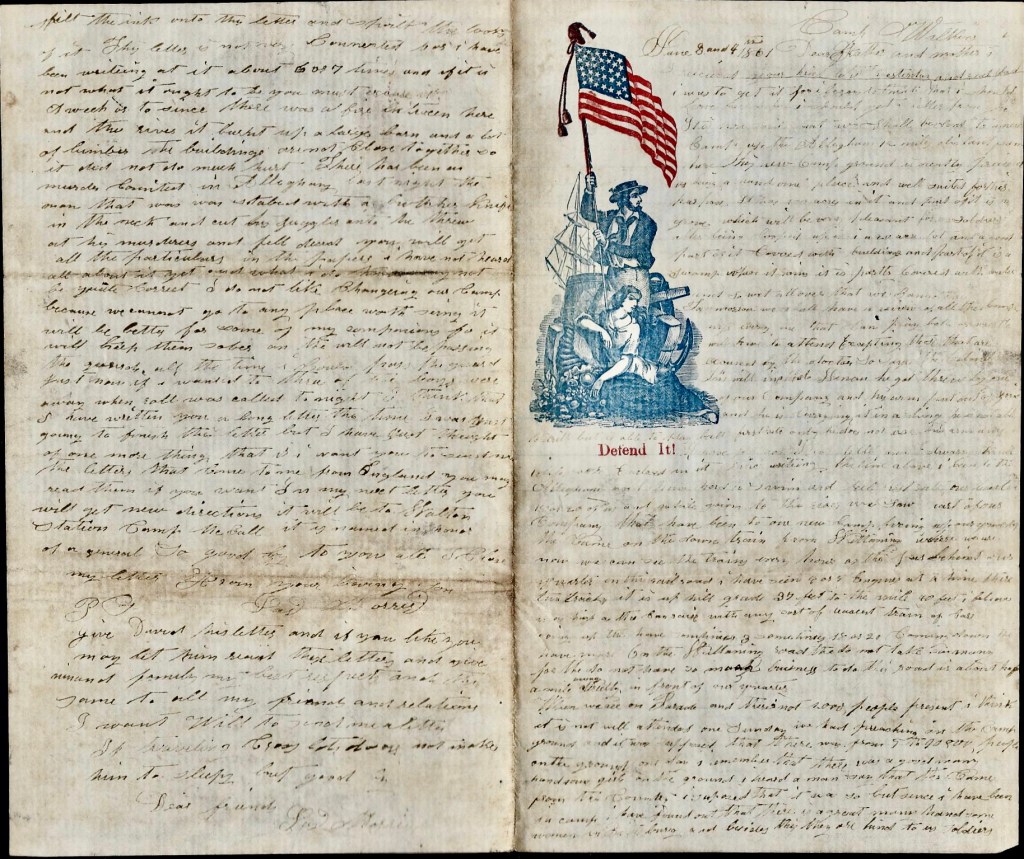
Letter 7

Camp Wright
Hulton Station
June 11, 1861
Dear Father and Mother,
Tis a pleasant day and we have just returned from drilling. We made some very unmilitary movements. Such drilling as we made this morning is a dishonor to our company. We could not even march. I think that we have lost considerable of our order. We are getting ragged and I can add lousey just now. There is a louse hunt in our quarters. There is more than half of us engaged in it. I don’t think that if we were armed and equipped, we would make near as good a company as we would have done four or five weeks since.
I have just done cooking my clothes and have not found any of the lice. I caught some at Camp Wilkins but I think that I have got rid of them. If I haven’t, I will be—that is all.
Our Colonel has went to Harrisburg and Washington. When he gets back, we will know what we will do. There is ten companies in our regiment and to judge from appearances, they will not average over 20 men for during the war to each company. I mean to stick to my company as long as it is one. If it is disbanded, I am not certain what I will do. If our company does not go for during the war, our Captain is going to fall into the ranks and go to the war whether we do or not and some of our officers will do the same. There may be quite a number of us go but still tis uncertain. — Jas. Morris
Camp Wright
June 12th 1861
This morning it is raining so we won’t have to drill which will suit us all pretty well to have nothing to do. The Colonel has not returned yet. I hope when he returns that things will be satisfactorily settled. Some of the men refuse to go on duty/ I am glad to say that our company has done its duty in this line. Fifteen of Co. [ ‘s] men refused to do any drilling yesterday. Their captain detailed six ofthem to go on guard last night. The men went to the Corporal of the Guard and before they would go on guard, they went into the guard house. The corporal sent for six more but I don’t know how they made out. They swore they had not enough to eat and wouldn’t do duty. Take it all together, we have done pretty well lately. We, as a general thing, have had enough to eat but some of the companies grumble. Sometimes the cook destroys and wastes a good deal of provisions. At first the commissary cheated us but I think they don’t now.
Two of our company have the measles and there is two or three are sick or unable to do duty. The guards round our encampment are armed with clubs, wooden swords, and they make a very warlike appearance. There is several curiosities stationed at the passes out of camp. If it was no so long since I had seen any armed men—I should say that had muskets, our camp present a very warlike and soldier-like appearance. Men marching around with ragged worn-out clothes. My fatigue dress will last a few days if I can get something to mend them with. I am wearing my old boots yet. I have thought of buying a pair of shoes but I believe that I won’t till I get out of Pennsylvania State Service. When I enlist again in this kind of service, it will be when this state is in the position mentioned in St. Mark, Chapter 3 and last clause of the 29th Verse. Then if I felt as I do now, it would be uncertain whether I enlisted or not.
I would like to come home on a visit if I could get away but I don’t know whether I can or not. I think it is quite likely that I shall go for during the war. There is nothing to hinder me from doing it and why shouldn’t I go on. If the company does, I will go anyhow. But if it is disbanded, I may do otherwise. It is said that there is over 3,000 troops here and 8 or 900 at camp Wilkins. Some say that there is only 2 companies in the last named place.
There has been a battle at Great Bethel and the Federal forces were beaten. 90 killed and 100 wounded by account. It seems that the Colonel that lead their regiment let them stand and be shot at. The Federal forces had to retreat. The big cannon I mentioned in my first letter has been sent from Fort Pitt and they was shipping it for Fortress Monroe. As they was shipping it on skids, one of them broke and it fell into twenty feet of water and sank six feet into the mud. It weighs 50,000 lbs. and will cost considerable to raise it up again. It is thought that some traitor had something to do with it. I will enclose the account of it in this letter.
I have not got any more letter and it is time I should so a kind goodbye to you all and no more at present from yours truly, — Jas. Morris


Letter 8
June 12th [1861]
Camp Wright
Hulton Station
Dear Father, Mother and brothers,
[First couple lines are illegible.] Tomorrow we leave here in the morning. Our captain is recruiting and has got 61 in all. My last news says that there are only 150 men in the regiment that will go during the war. That is less than I expected. Our captain will get a full company I think. That shows our captain is popular among the men.
Our crew has made a great deal of noise at night and three of the companies were intending to report our company, but part of them has joined us and we will have enough to make a company and that is all we care for. Some says we will rue it—rue going and doing our duty. Do you think so? Tell me what you think about it. What would our friends say to have us all come back when called to duty? But if Pennsylvania calls for volunteers another time, they won’t be apt to get me into their service, and I must say I am glad to get out of it and so is every man in this regiment. Your papers must tell you how the Penn ragged Fifth has got along. The Volunteers of Penn have little to thank the government for and much to thank the people for.
I know several who stole eatables such as cakes and milking cows. It looks rather hard to see men with holes through their pants you could put a hand in. Mine is in the same condition and they are not so bad as plenty others. I hope our company will have a little more pride than they have shown. You little know how cleanliness and a nice uniform will affect us soldiers. Soon as our dresses became spoiled, our company lost what pride they had.
It is after roll call now and things have been in a row this evening. The men collected at grocery and some sort of a row commenced. The officer of the day ordered them to go to their quarters and they commenced to go away when guards were brought out and ordered to charge the crowd. Then the crowd ran away and the guard after them with the bayonet. It is said that three were hurt but one of theirs was not. He sleeps below me in a bunk.
There is no knowing whether we shall leave this place or not. There certainly is a change in camp. It is said that some of the men have left and went home. If they have, they have deserted. I wish every man would which is their companies and would keep the regiment full. I don’t like our regiment to be filled up with Pittsburg Company. Still I would as soon have them as any in camp. They seem to be clever fellows.
Camp Wilkins
Hulton Station
June 13th 1861
Dear Father and Mother,
We are still in camp and no signs of being ordered away from here. It was stated in the Pittsburgh Chronicle that we had to leave here yesterday at four o’clock, but we are still here and will be till we are all sworn in for during the war.
Captain says that he won’t enlist for three years. A good many of our men won’t go for during the war. I wish I knew what Richard has to say about enlisting. I can sleep soundly as a board with my blanket wrapped around me. I have a first rate place to sleep. I made my place up on the joists and are not troubled with my companions getting onto my bed. I have got a stand to write on and a little shelf to put little things on and nails and some small cord to hang my clothes on. We have got things fixed up nicely here in camp—much more comfortable than we had things at the other camp.
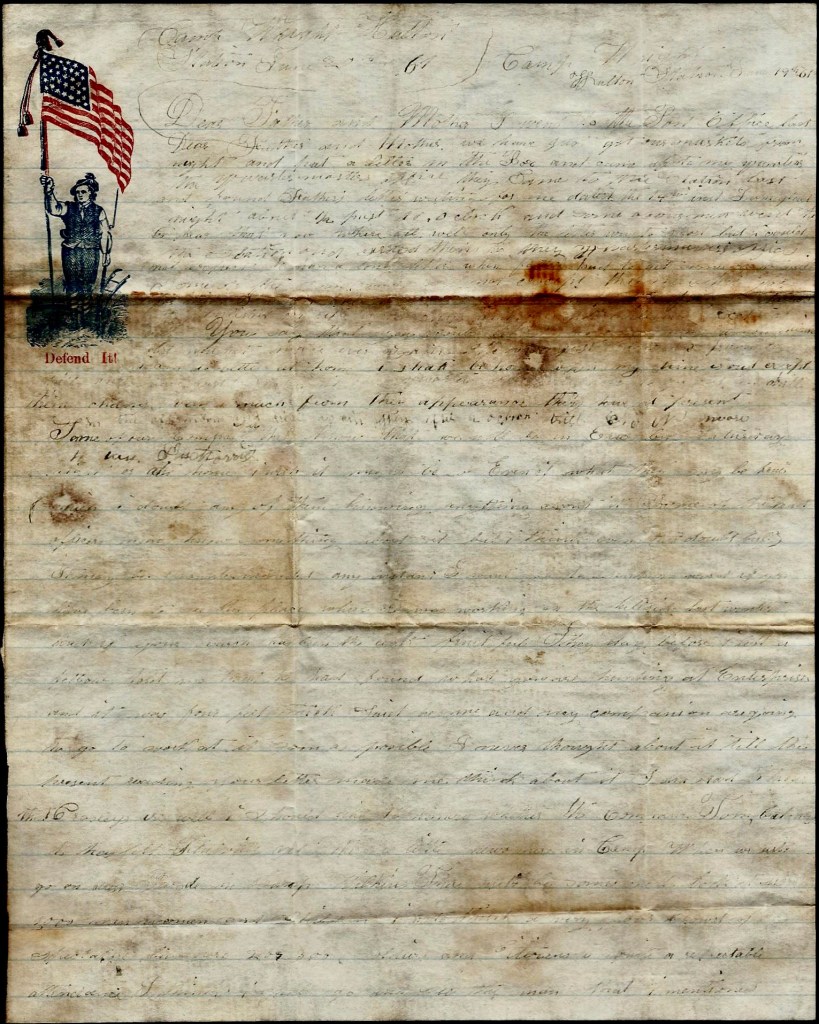
We may move from here any hour. The Colonel it is said has got back. One of the officers has been to the headquarters……[illegibly faded]…..all that will go for three years have to be ready tomorrow morning to go to Harrisburg. Thence to Chambersburg. Our arms and equipment are waiting for us at Harrisburg. There is 87 of our company willing to go for three years and during the war. I think there will be more yet that will go. When we get to Harrisburg, if they try to [ ] us anymore will be a mess. Our Company ain’t going to stand it much longer. We have been kept here til we look like old Nick. Those that don’t go for during the war may be sent home or perhaps kept there for home defense. Some will go to other companies and enlist again. A good many are tired of Penn Service and so am I. I want to get out of it soon as possible and I hope will be. If I was going to enlist again, it would be into an independent company.
I should like to see you all and bid you all a kind goodbye but I think it is now impossible. I wish I had Richard for a companion but I would not persuade him or anyone else to go and enlist but let every tub stand on its own bottom. If I rue, my fault is my own.
There is a good deal of fun and a good deal of annoyance to be borne amongst so many. Still there is a good many first rate fellows. I like the Pittsburg boys very well. They seem so free and sociable. I expect that most of them will fill up our regiments. I will know tomorrow how things will go. If we are fooled about this movement, there will be trouble in camp. It has been a good deal of trouble for the officers to get along with the men as it is, and if they are fooled, it will certainly make us more discontent still. It appears no trouble to write, but is a pleasure. I have a good deal of spare time that I can employ in this way.
June 14th, 1861
Dear father and mother,
Our regiment is a complete wreck. We can’t leave this morning and I don’t know when it will. It might go tomorrow but things is very disordered and then men do most as they like. Our company is all on the ground yet but you will see some of them in Titusville before long, I think. The officers feel our situation as much as we do but still they won’t show it as much and try to keep the men quiet. Our lieutenant says he never saw such a scrape before. I consider the men blameless for the course they are taking. Still if soldiers can’t bear more than we have, they had better stop while the chance is open. That we have been used meanly, there is no one can deny. Old Penn will not gain much by using her soldiers in the manner she has. This regiment was well drilled and it is a pity to lose it now when the business is settled. I shall write again. Perhaps tis as well that I can’t come home for I could only stay two or three days and if we go on, I shall be on the ground and ready to move. So no more from your loving son and brother, — Jas. Morris
Col. got back last night.


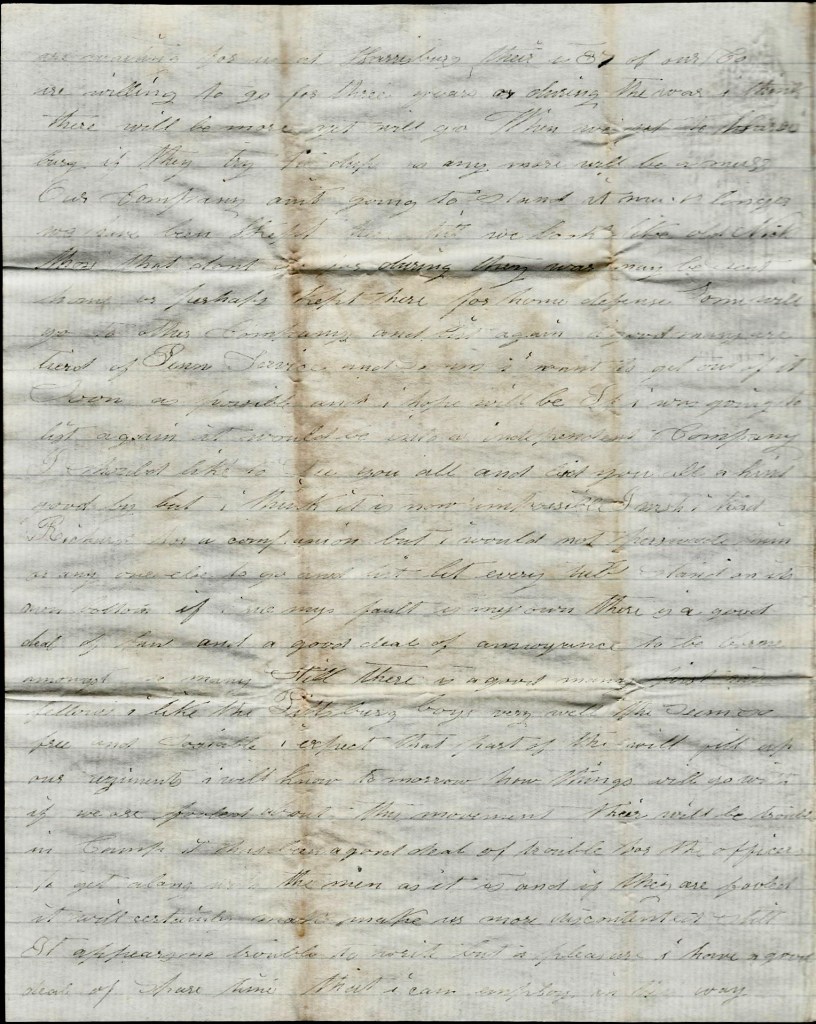
Letter 9
Camp Wright
Hulton Station
June 14th 61
Dear Father and Mother,
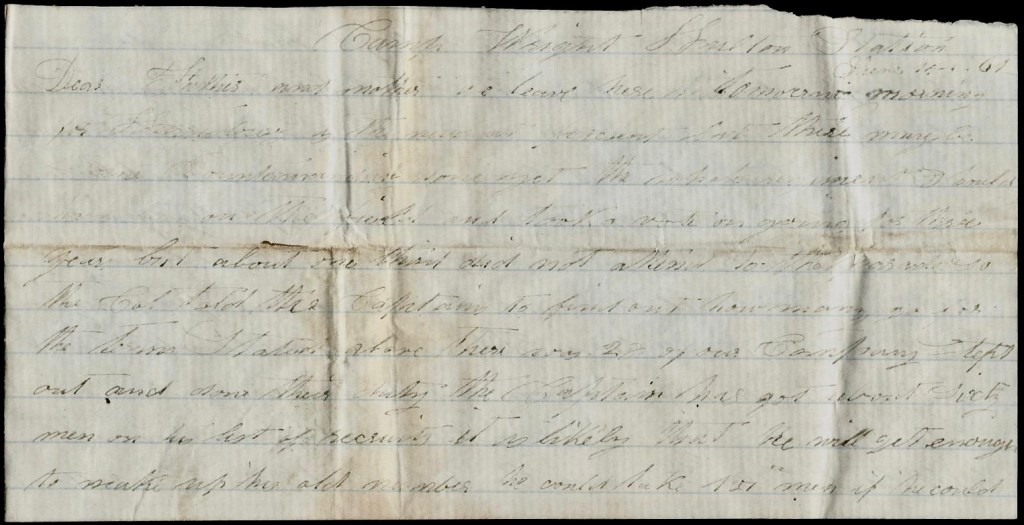
We leave here tomorrow morning for Harrisburg is the news at present but there may be some countermanding done yet. The whole regiment should have been on the field and took a vote on going for three years but about one-third did not attend to the parade so the Colonel told the Captain to find out how many go for the terms stated above. There was 28 of our company stepped out and done their duty. The Captain has got about sixty men on his list of recruits. It is likely that we will get enough to make up his old number. He could take 100 men if he could but it is not likely he will get that number.
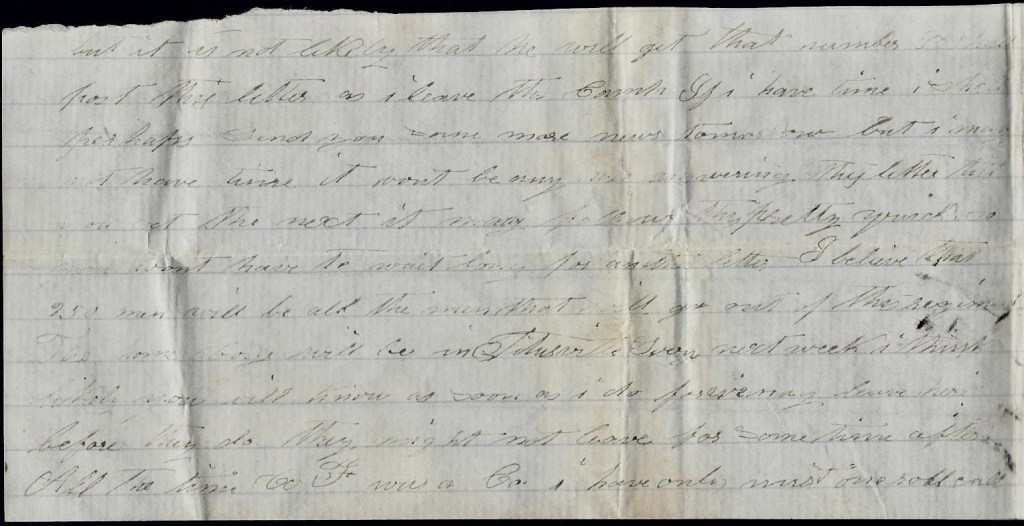
I shall post this letter as I leave the camp. If I have time I shall perhaps send you some more news tomorrow but I may not have time. It won’t be any use answering this letter that you get the next. It may follow this pretty quick so you won’t have to wait long for another letter.
I believe that 250 men will be all the men that will go out of this regiment. The home boys will be in Titusville soon next week, I think. Likely you will know as soon as I do for we may leave here before they do. They might not leave for sometime after. All the time Co. F was a company, I have only missed one roll call. I have told you the reason I missed that one. I have enjoyed better health since I left Titusville than I ever did before. I have only had the headache twice. Today ached pretty smartly but I think that it was my own fault for after roll call I laid down again instead of washing myself. The boys said they were going to break up house keeping and kept up such a racket I did not sleep until after 12 and in the morning I got very cold and did not sleep long. Its likely be the same about noise tonight.
Camp Wright
Hulton Station
June 15th 61
Dear Mother and Father,
I take my (unintelligible) you that the ordered is so complicated that we cannot get away from here by 4 o’clock and some say that we are to stay here. The remainder of the three (unintelligible) a great many of the men swears they want to do a hands turn.
June 15th 1861 Some say that so much ordering and counter ordering has done its worst day. Our regiment will never see active service. It was determined to have [ ] but disappointed from first to last. Our Col. has done his best endeavors for us, I believe. I have two papers that have accounts of what has been done here and money [ ] them from one. I don’t think there is a man that will go against a call from Old Penn. I consider that our fingers have been burnt badly and assume won’t be again. My name has been put down on the last papers. I think I will be home the beginning of August when my time is out. Perhaps we will be discharged sooner. I wish I had a honorable one in my pocket now and so does all the Erie Regiment. So no more tonight.
—James Morris


Letter 10
Camp Wright
Hulton Station
June 19th 1861
Dear Father and Mother.
I went to the post office last night and put a letter in the box and came back to my quarters in the quartermaster’s office. They came to the station last night and I found father’s letter waiting for me dated the 14th…[letter largely unintelligible due to faded ink]

Letter 11
Camp Wright
June [July] 1st
Today opens rather roughly. Fighting seems to be the order of the day. The first fight was in the Captain’s quarters. The third Lieutenant called the Captain a liar and the Captain gave him the chance to fight. He did not take it up so that ended. The Captain went to Pittsburg and then Lieutenant Story and the first lieutenant had a fight. Then they ceased and Story came near having a third then two men got to fighting. They were parted. Two of the company had a fight.
Camp Wright
Hulton Station
June [July] 2, 1861
Today has been very wet and a heavy rain fell this afternoon but is dried up now. The Captain has been away and we have done no drilling. I have slept nearly all day. There is so little to draw attention that I scarcely ever take the trouble to leave the campground without it is to go and swim or wash my clothes or go out on parade. I have now got a pair of shoes—the only article of clothing I have got except some got from other sources. Some of our company take long walks in the country and often get their names picked at roll call at 4 o’clock in the afternoon. Sometimes they come back drunk and half crazy. Captain Shannon and a squad of men went it was to capture some secessionists that was spying round camp but it turned out that they had been across the river and took them whiskey from from an establishment and turned it out on the ground and they served several more they came.
June [July] 2nd
We have been target shooting and time has passed off better than it did yesterday. It was cold this morning and I wore my overcoat and was very warm then. We did not make out very well shooting. The muskets are more trouble than they are worth. If I enlist again, I would want something that would be sighted so a person could hit an ox at twenty yards anyway,
I have had the boxing gloves on twice. The first time I had my left eye blacked. Today I hurt my little finger at the bone and way in the back part of the hand. So much for the boxing. It is the cause of my writing so poor.
There has been two fights today in the regiment—in Company A and C. Fighting appears to be fine fun for fine fellows.
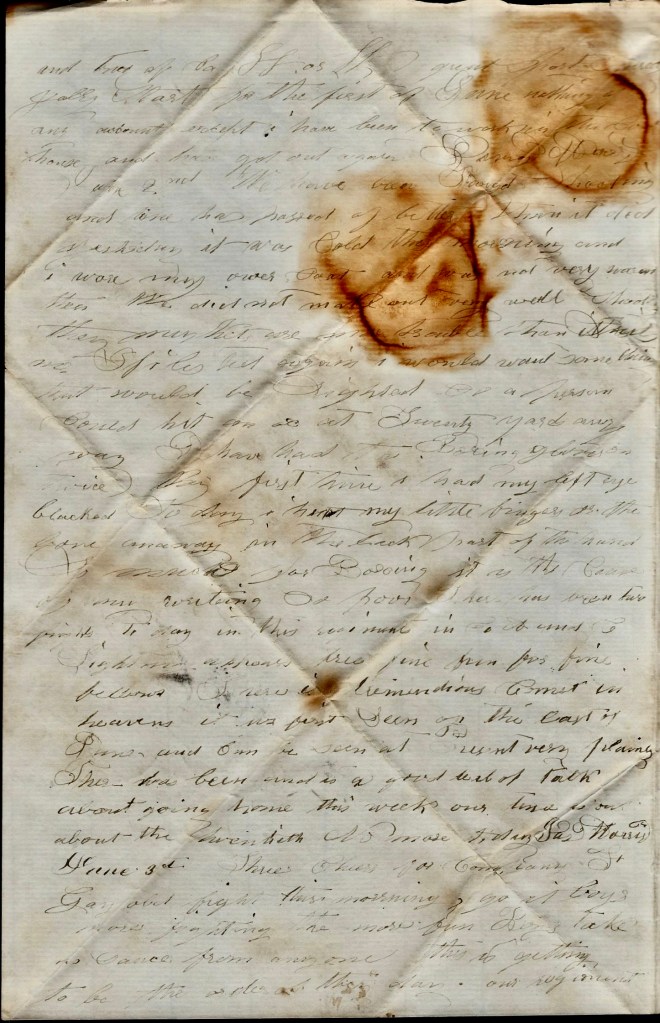
There is a tremendous comet in the heavens. It was first seen the last of June and can be seen at present very plainly. There has been and is a good bit of talk about going home this week. Our time is out the Twentieth. No more today. — Jas. Morris
June [July] 3rd
Three Cheers for Company F. Gay old fight this morning. Go it boys. More fighting, the more fun. Boys take a chance from anyone. This is getting to be the order of the day in our regiment.
This day has passed over very quietly. We will have to drill or be fussing round all day tomorrow. We have been out in the county and in a ravine. We done some target shooting—firing nearly two rounds. I think with a musket a man might hit a battalion at 1st or 2nd rounds but still it would have to be good shooting. There has been nothing else of any interest today that I remember now.
July 4th
It being celebrated this morning, the Drum Major fired 13 guns as a national salute. There has been a good deal of musket shooting this morning. Things are pretty quiet just now. Nothing of any consequence except a kind of melee fight in Co K and a knockdown fight with a bottle in Co. E. Our company had been pretty quiet today except some went to town and by their story, tricked up a ways with the conductor and Brakemen. They rode to town and back without paying. Those that went to town say that the home guard in Pittsburg made a [ ] appearance. Not as much to be seen today.
July 5th
Nothing of importance today except the men that had the bottle knock down went to the woods and had a jaw about it and one of them backed out. There has been a good deal of talk about pay. Lieutenant Grant has went to Harrisburg to see about it. The paymaster offered to pay for a month and a half but they would not accept of it. They mean to have all our none. Our time is out on the 21st and some say on the 27th. It was on the 27th that we was sworn in.
I saw a lieutenant knocked down or at least it amounted to the same thing. His great coat tore badly. It was by a private in Co. [ ], I think. Things are very quiet except the private fight. There was no more fighting till our marching orders was Countermanded. So often it is about roll call now which will end things for tonight as nearly.
July 6th
Nothing of importance Today. Our company are on guard duty. No more fighting that I know of. They say 3 of our men lying sick in their quarters.
July 7th
Nothing of interest. Pay tomorrow is the talk at present. Those can believe it that have a good stock of credulity on hand.
Dull as ever. Nothing to be seen worth going there. Slept for there has been a nice shower this afternoon. It is fine now and the sun shining beautifully. William Hany was here today. He stayed for an hour or two. Making rings and playing cards is the order of the day here most of the time. We have not got our pay nor have I any hope of getting it. The boys that talk of getting it tomorrow I wish would dry up till they have some reason to expect pay. Some of the soldiers that went to Mexico got their pay 10 years after. One or two have got it since the Erie regiment was formed.



Letter 12

Camp Wright
Hulton Station
July 8th 1861
Dear Mother,
I received your kind and affectionate letter just before dinner and are real glad to learn that you are all well and enjoying the blessings of health the same as I am at present. I am glad to receive any letters because camp life is so dull here. There is 3 or 4 thousand troops here at present. Some of them have just raised the flag pole. We have been twice into the country two or three miles target shooting. We shot at a common sized door and scarcely ever hit it. These muskets are nothing to be compared with the rifle for being deadly weapons.
Now I think I must give you some little light in reference to the way we get our meals. It will be supper time in a little while. Then if you was here, you would see us turn out, some with a cup in hand and some a knife, fork, spoon and cup just as we please about it. The reason that part of us keep our eating tools is because some of the cups are small and we are getting short them and the rest of the eating instruments for some of the boys leave dishes on the ground and some of them will break forks and if they get mad at the cook, or do not get enough to eat as a common thing, they will send their dishes on the ground and if a piece of meat don’t suit them, it will be apt to do the same thing as the dishes. I don’t pity the boys because they are so careless with what they have. I think that our rations are small but a good deal of the fault is in the cook room/ If you was to see our meat sometime, I believe you would think it rather hard. But we don’t notice it much without it is too bad the shoulder of pork always looks hard. But we don’t find fault with it.
Thee is some talk about the Colonel having sold his chance of going to the war for $18,000 dollars. When we went to Camp Wilkins, the 18th had left the day before.
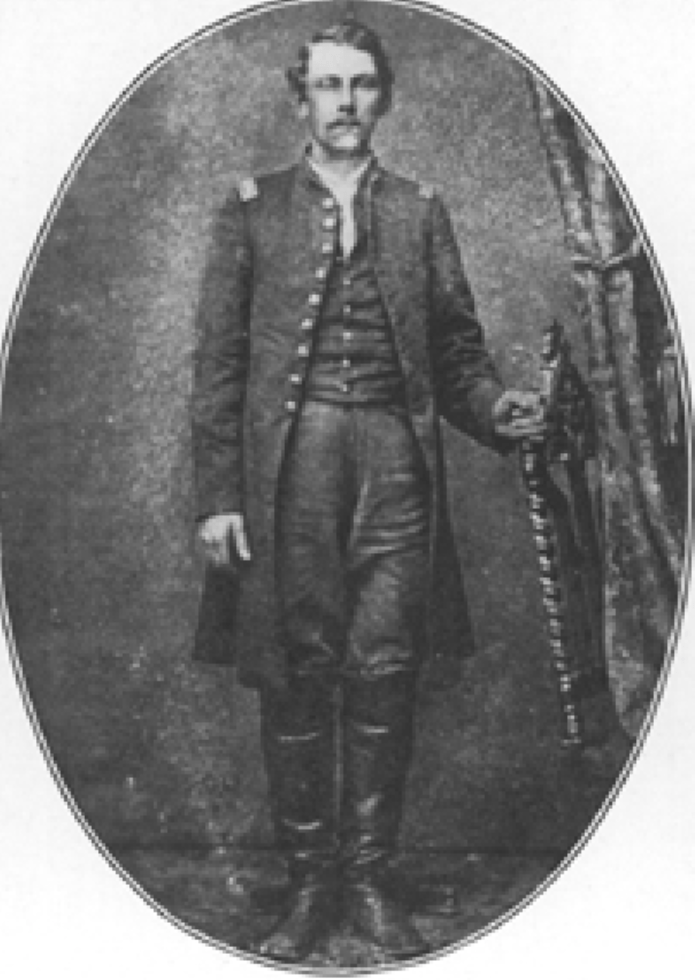
Some say we will be home this week but I am not of the knowing ones. I cannot say how it will be….I will send you the picture of our colonel and some of the rest of his staff of officers. It is some worn but you can see his features plain enough…
I remain your loving son, — James Morris
Direct to Private James Morris, Company F, Capt. Morgan. Col. McLane’s Regiment, Camp Wright. Hulton Station, Allegheny County, Pa.


Letter 13
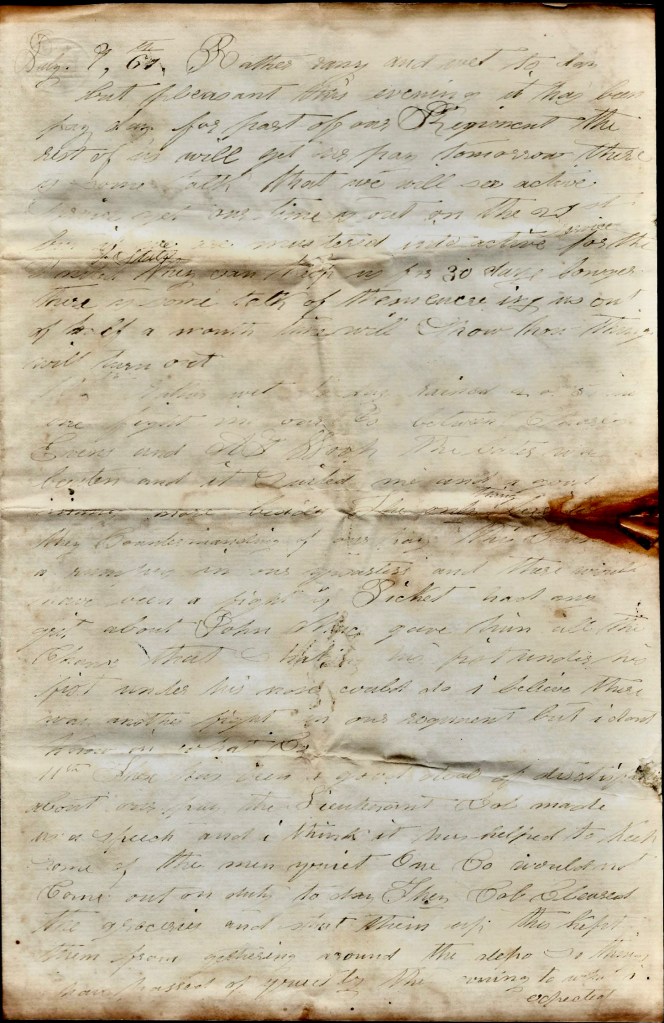
July 9th—Rather rainy and wet today but pleasant this evening. It has been pay day for part of our regiment. The rest of us will get our pay tomorrow. There is some talk that we will see active service yet. Our time is out on the 21st but if we mustered into active service for the United States they can keep for 30 days longer. There is some talk of them [ ing] us out of half a month. Time will show how things will turn out.
10th—rather wet today. Rained 2 or 5 inches. One fight in our company between Charles Evens and A. T. Noah [?]. The [ ] were beaten and it suited me and a good many more besides. The only thing [newsworthy was] the countermanding of our pay. This [ ] a rumble in our quarters and there would have been a fight if Picket had any grit about John him]. John Mac gave him all the chance that he had, his first under his nose could do. I believe there was another fight in our regiment but I don’t know in what company.
11th—There has been a good deal of dissatisfaction about our pay. The Lieutenant Colonel made us a speech and I think it has helped to keep some of the men quiet. One company would not come out on duty today. The Colonel cleared the groceries and shut them up. This kept them from gathering around the depot so things have passed off quiet by the evening to what I expected.
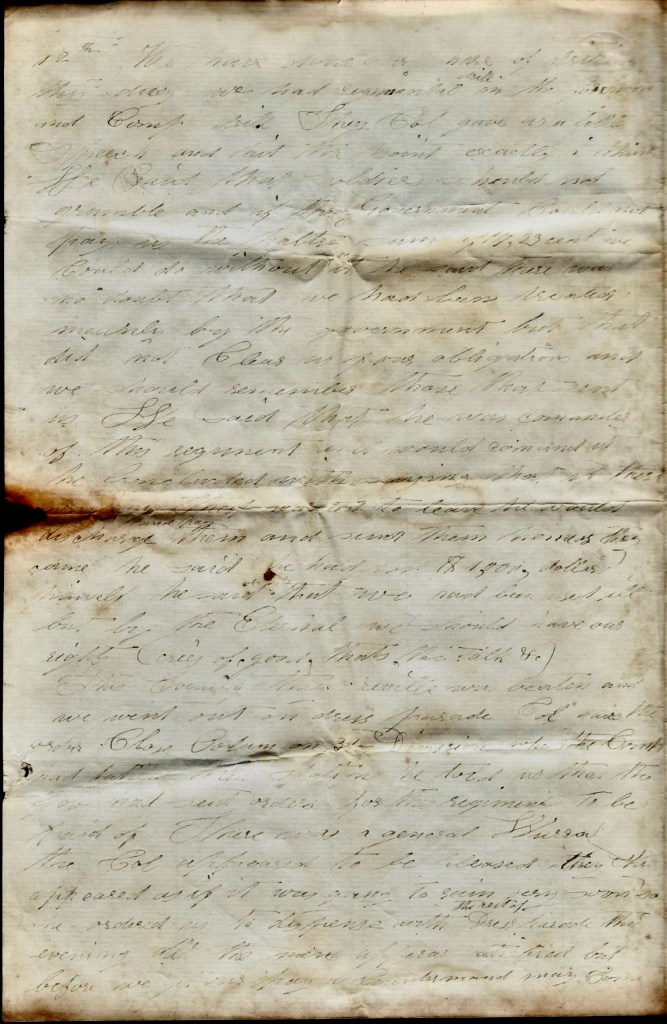
12th—We have done our share of deserting this day. We had regimental drill in the forenoon and company drill. The Colonel gave us a little speech and hit the point exactly I think. He said that soldiers should not grumble and if the government could not pay us the paltry sum of $17.23 cents, we could do without it. He said there was no doubt that we had been treated meanly by the government but that did not clear us of our obligation and we should remember those that sent us. He said that he was commander of this regiment and would command it. He concluded with saying that if there was any that wanted to leave, he would discharge and pay them and send them home as they came. He said he had lost $1,000 dollars himself. He said that we had been used ill but by the Eternal, we should have our rights (cries of good, that’s the talk, &c.).
This evening the reveille was beaten and we went out on dress parade. Col. said the order [ ] taken their stations. He told us that the government had sent orders for the regiment to be paid off. There was a general hurrah. The Colonel appeared to be relieved. Then it appeared as if it was going to rain very soon so he ordered us to dispense with dress parade this evening. All the men appeared satisfied but before we get our pay, a counterman may come.
13th—Rather wet and cold and nothing worth mentioning. The warring business continues same as ever. It is all we have to do except drilling and with it being wet there has only been parade this afternoon.
14th—Here in camp it has been a very fine day but a little cool. I have been to meeting on Bethel Hill…Our camp preacher Dean gave a first rate sermon. I believe it was the most interesting discourse I have ever heard. It was one complete string of anecdotes. I believe they are having prayer meeting yet.
15th—The boys are quite over the excitement and have little to draw their attentions. We have our morning drill and dress parade in the afternoon and as ever, there is prayer meeting on the hill this evening. It is said that tomorrow is pay day. Everything is tomorrow with us. Roll call is beating and I must answer now.
16th—In the forenoon, little to draw attention. Everything is still. A little talk of not getting our pay but this afternoon we have drawn 17 dollars and 27 cents and it is said that we have been on parade for the last time and it is also said that we march for Erie tomorrow. There is 1 or 2 companies to leave in the morning.
17th—There has been a good many of us on Pittsburgh. We have bought a good many clothes this evening. There was only a few of our camp.
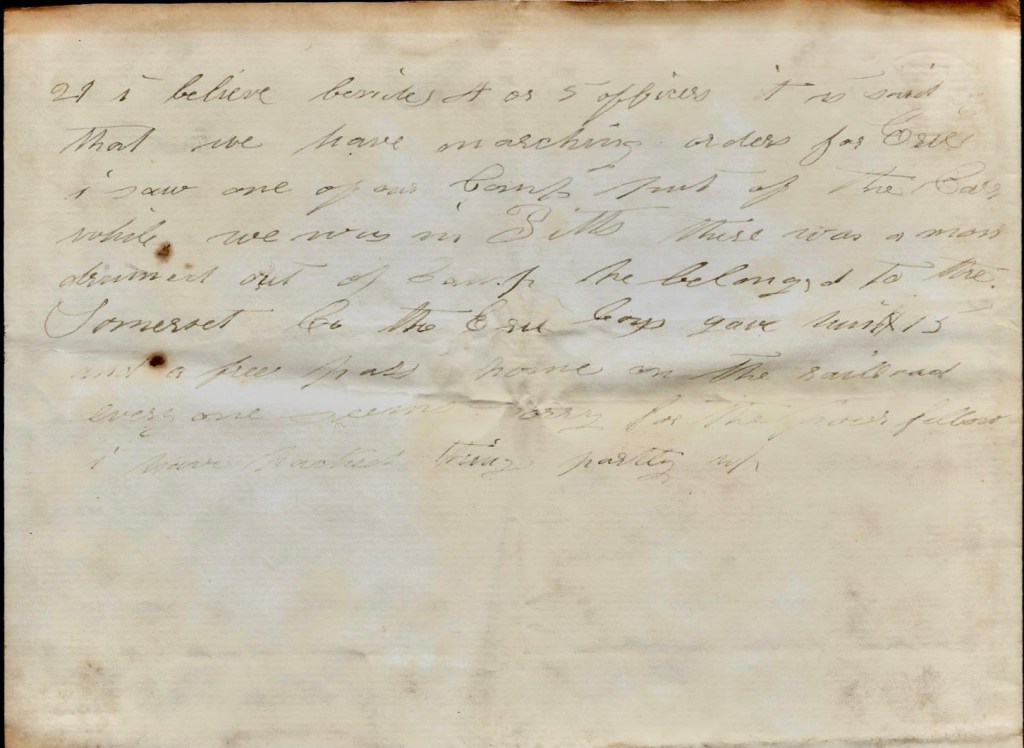
21st—I believe besides 4 or 5 officers, it is said that we have marching orders for Erie. I saw one of our camp put off the cars while we was in Pittsburgh. There was a man drummed out of camp. He belonged to the Somerset Company. The Erie boys gave him a free pass home on the railroad. Everyone seems sorry for the poor fellow. I have packed things partly up.

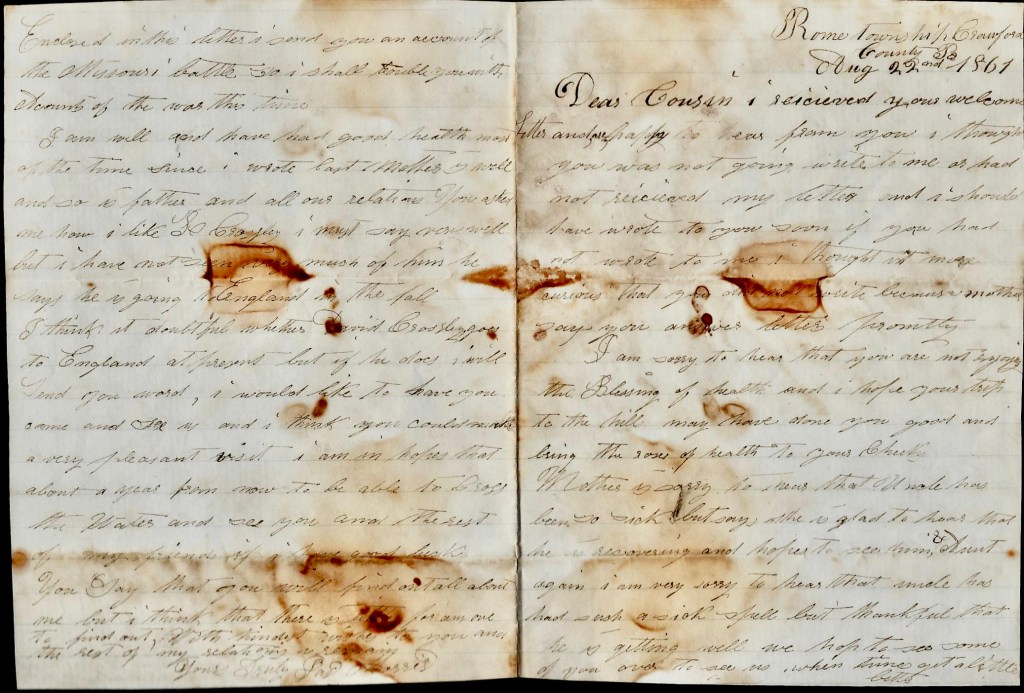
Letter 14
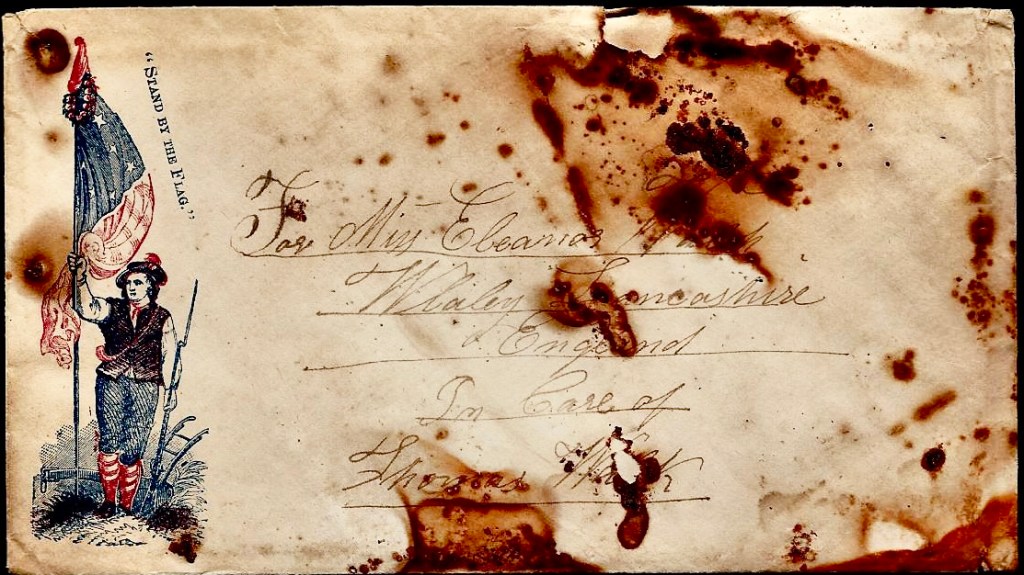
Rome township, Crawford county, Pa.
August 22, 1861
Dear Cousin,
I received your welcome letter and was happy to hear from you. I thought you was not going to write to me or had not received my letter and I should have wrote to you soon if you had not wrote to me. I thought it more curious that you did not write because mother says you answer letters promptly…
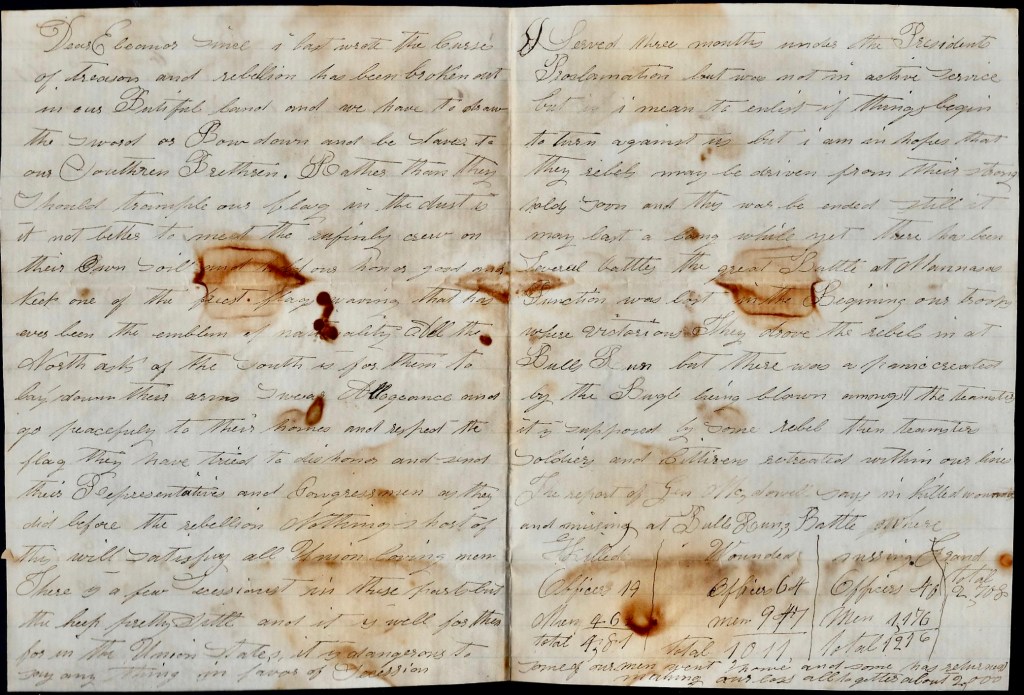
Dear Eleanor, since I last wrote, the curse of treason and rebellion has ben broken out in our beautiful land and we have to draw the sword or bow down and be slaves to our Southern Brethren. Rather than they should trample our flag in the dust, is it not better to meet the ruffianly crew on their own soil and hold our honor good and keep one of the best flags waving that has ever been the emblem of nationality. All the North asks of the South is for them to lay down their arms, swear allegiance and go peacefully to their homes and respect the flag they have tried to dishonor and send their representatives and Congressmen as they did before the rebellion. Nothing short of this will satisfy all Union loving men.
There is a few secessionists in these parts, but they keep pretty still and it is well for them for in the United States, it is dangerous to say anything in favor of secession. I served three months under the President’s Proclamation but was not in active service. But I mean to enlist if things begin to turn against us. But I am in hopes that the rebels may be driven from their stronghold soon and this war be ended. Still it may last a long while yet.
There has been several battles. The great Battle at Manassas Junction was lost. In the beginning our troops were victorious. They drove the rebels in at Bulls Run, but there was a panic created by the bugle being blown amongst the teamsters—it is supposed by some rebel. Then teamsters, soldiers and citizens retreated within our lines. The report of Gen. McDowell says in killed, wounded and missing at Bulls Run Battle were 481 killed, 1011 wounded, and 1216 missing, or a total of 2,708. Some of our men went home and some has returned making our loss all together about 2,000.
Enclosed in this letter I send you an account of the Missouri Battle so I shall trouble you with accounts of the war this time.
I am well and have had good health most of the time. Since I wrote last, Mother is well and so is father and all our relations. You asked how I like R. Crossley. I must say very well but I have not seen very much of him. He says he is going to England in the fall. I think it doubtful whether David Crossley goes to England at present but if he does, I will send you word. I would like to have you come and see us and I think you could make a very pleasant visit. I am in hopes that about a year from now to be able to cross the water and see you and the rest of my friends if I have good luck. ..
Yours truly, — Jas. Morris