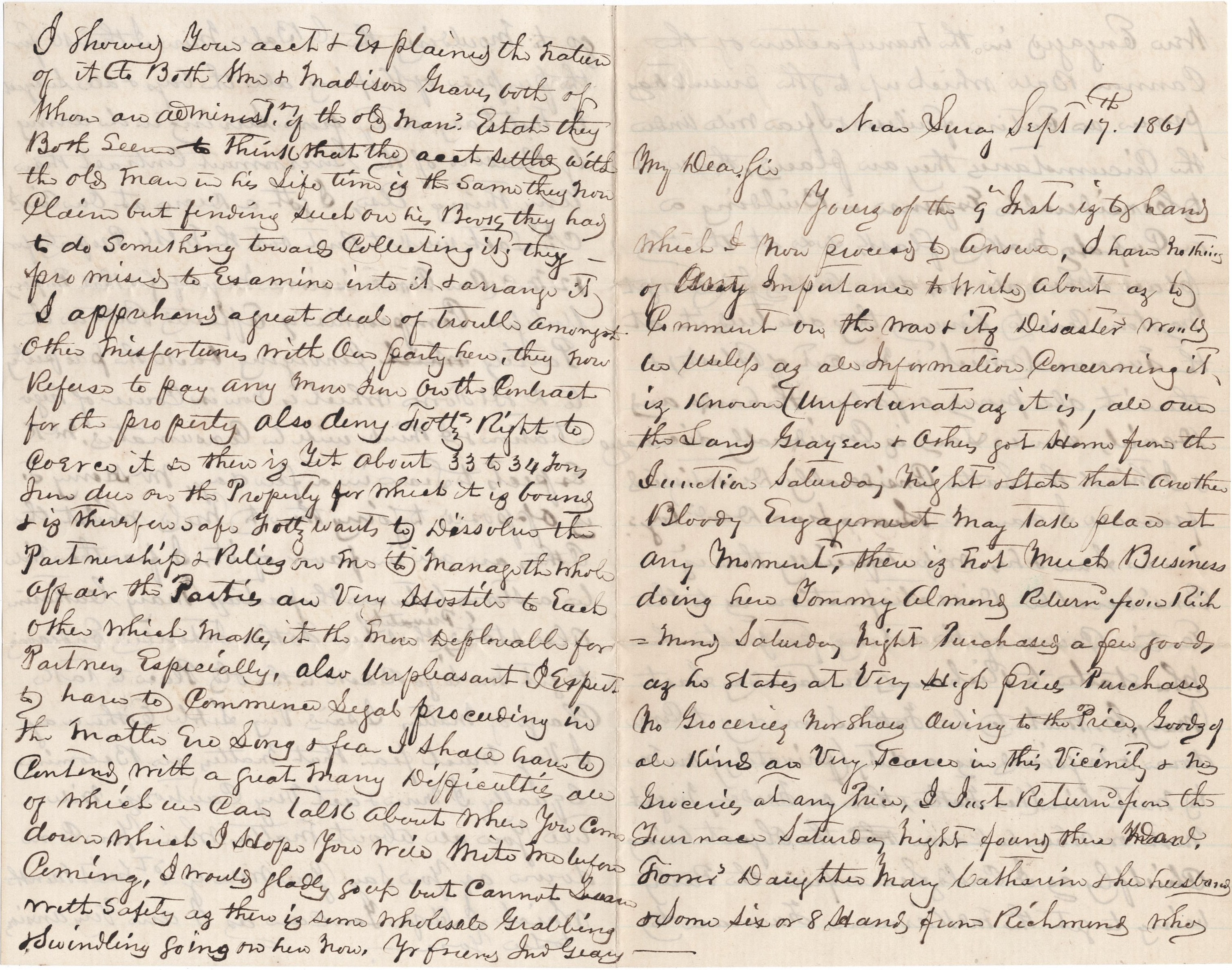
The following letter was written by 47 year-old John Geary (1814-1889) of Page county, Virginia, who at one time was a partner in the Shenandoah Iron Works with Daniel & Henry Forrer, wealthy industrialists and landowners in Page county. At the onset of the war in 1861, local ironworks across Virginia were pressured or contracted by the Confederate government to shift from domestic iron production (like stove plates and farming tools) to wartime ordnance (cannonballs, shells, and gun tubes). The labor force performing this difficult work consisted of a mix of local white mechanics, free Black workers, and conscripted or hired enslaved laborers.
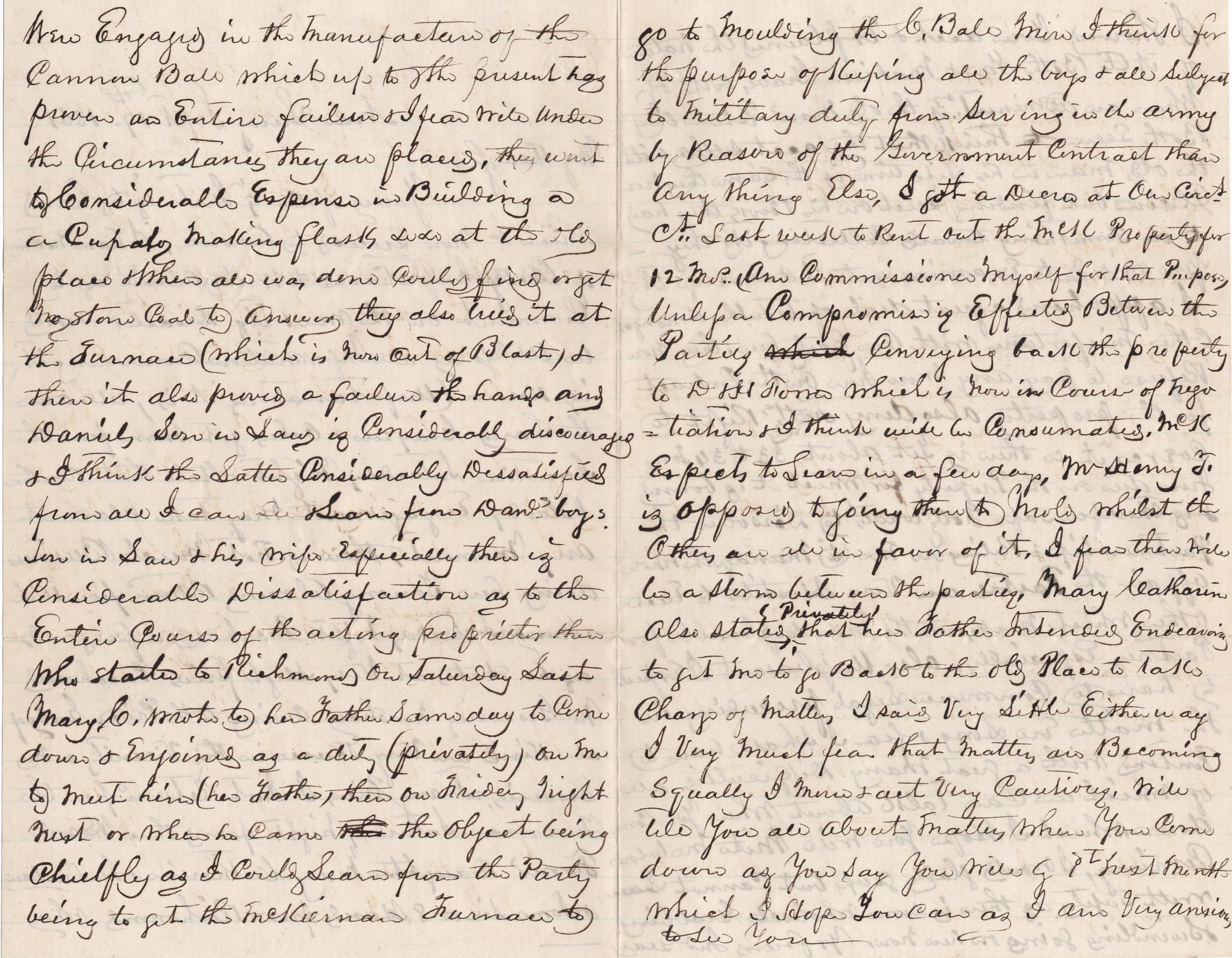
Geary’s letter describes the disappointment of the laborers who had failed to manufacture cannon balls for the Confederacy. The cupola referred to was a vertical foundry furnace used to re-melt pig iron into special molds. The “flasks” were the wood frames that hold sand molds for the casting of cannon balls. The failure was due primarily because they could not find the “stone coal” (anthracite) which was required to generate sufficient heat to cast the cannon balls. Eventually the Confederacy was able to manufacture cannon balls and other munitions at the Tredegar Iron Works in Richmond using Page county’s raw pig iron.
John Geary’s 1889 obituary states that he was “at one time engaged with Messrs. Forrer in the iron business, but after selling the furnace in Page county to Mr. Wm. Milnes, he retired from business and lived on his farm where he died.” He died unmarried and left the bulk of his property to Bishop Keane of the Catholic Church. It isn’t clear from the content of this letter who Geary was writing to and there is no surviving envelope.
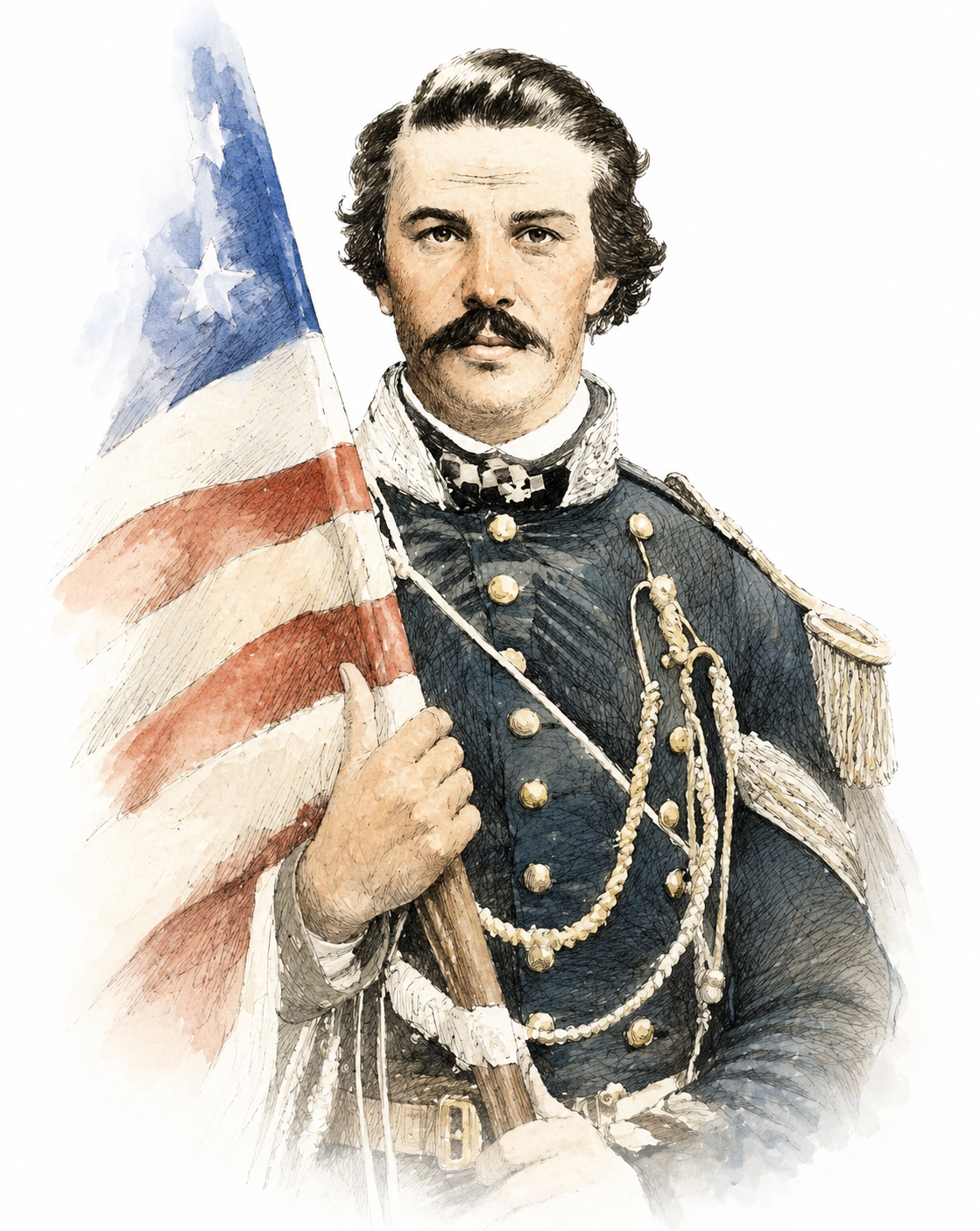
There is a reference to Mary Catherine Forrer’s husband, Oscar Garland Cosby (1832-1878). Oscar was the son of Peter G. Cosby and Frances W. Rison. Oscar worked with his father on several business ventures in Richmond, VA, primarily as a tobacconist. He also represented his father-in-law, Daniel Forrer as an agent to transact business with the Confederate government for iron during the Civil War. Despite wearing a pre-war militia uniform of the Richmond Grays, I could find no evidence that Oscar ever served the Confederacy in the military. In fact, Geary suggests in his letter that Oscar Cosby and the other “six or eight hands from Richmond” had come to Luray to attempt manufacturing cannon balls simply to avoid military service.
T R A N S C R I P T I O N
Near Luray [Page County,Virginia]
September 17, 1861
My dear sir,
Yours of the 9th inst. is to hand which I now proceed to answer. I have nothing of importance to write about as to comment on the war & its disaster would be useless as all information concerning it is known (unfortunately as it is, all our land). Grayson & others got home from the [Manassas] Junction Saturday night & state that another bloody engagement may take place at any moment.
There is not much business doing here. Tommy Almond returned from Richmond Saturday night, purchased a few goods, as he states, at very high prices. Purchased no groceries nor shoes owing to the prices. Goods of all kinds are very scarce in this vicinity & no groceries at any price.
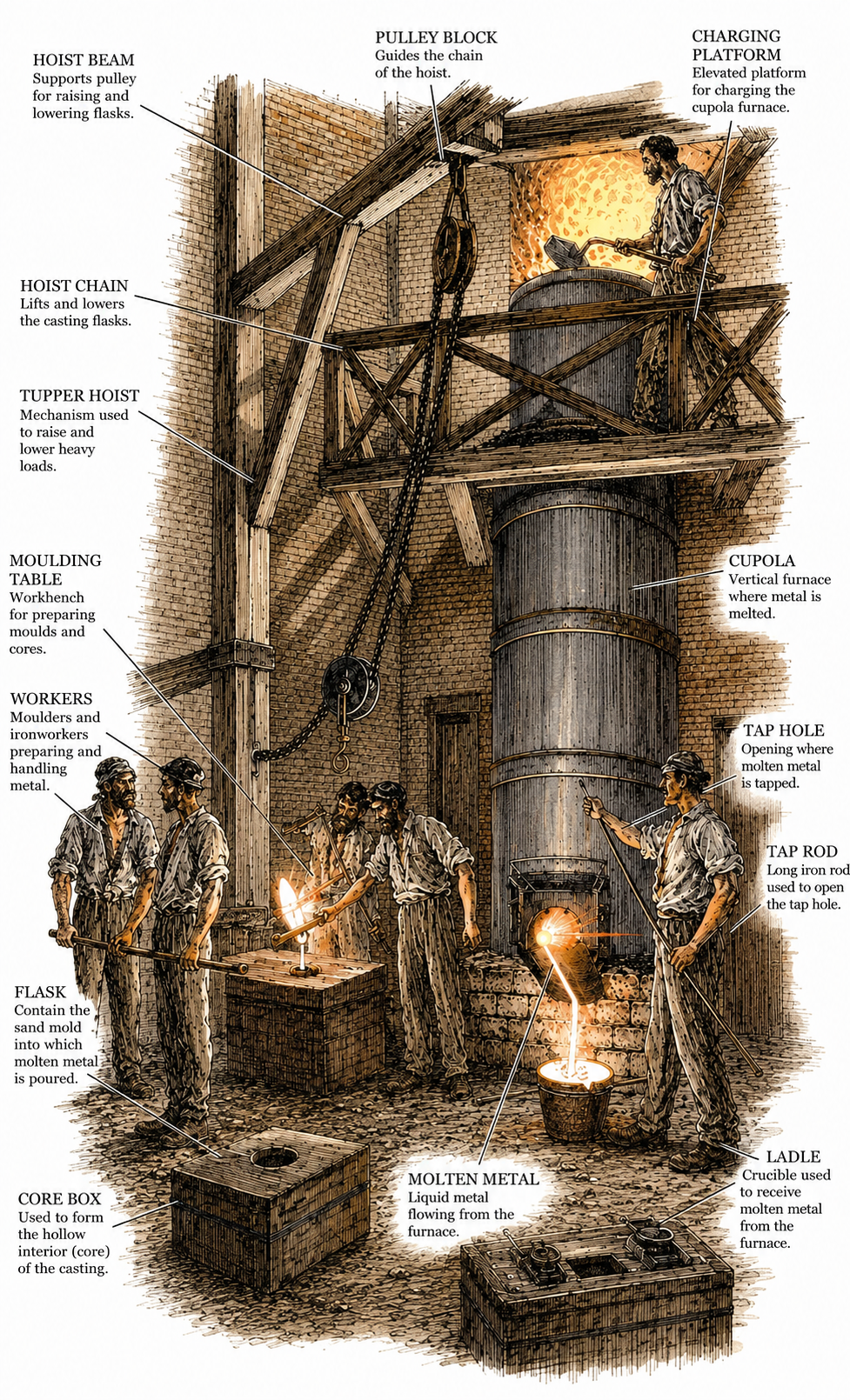
I just returned from the Furnace Saturday night. Found there Daniel Forrer’s daughter Mary Catherine & her husband [Oscar Garland Cosby] & some six or eight hands from Richmond who were engaged in the manufacture of the cannon ball which up to the present has proven an entire failure and I fear will under the circumstances they are placed. They went to considerable expense in building a cupola making flask &c. &c. at the old place & when all was done, could find or get no stone coal to answer. They also tried it at the Furnace [possibly Catherine Furnace] which is out of blast, and then it also proved a failure. The hands and Daniel’s son-in-law is considerably dissatisfied from all I can see & learn from Daniel’s boys son-in-law & his wife especially there is considerable dissatisfaction as to the entire course of the acting proprietor there who started to Richmond on Saturday last. Mary Catherine wrote to her father same day to come down and enjoined as a duty (privately) on me to meet him (her Father) there on Friday night next or when he came, the object being chiefly—as I could learn from the Party—being to get the McKiernan Furnace to go to moulding the cannon ball, more, I think, for the purpose of keeping all the boys & all [who are] subject to military duty from serving in the army by reason of the Government contract than anything else.
I got a decree at our Circuit Court last week to rent out the McKiernan property for 12 months (am commissioned myself for that purpose) unless a compromise is effected between the parties conveying back the property to D & H Forrer which is now in course of negotiation & I think will be consummated, McKiernan expects to learn in a few days. Mr. Henry Forrer is opposed to joining them to mold whilst the others are all in favor of it. I fear there will be a storm between the parties. Mary Catherine also states (privately) that her father intended endeavoring to get me to go back to the old place to take charge of matters. I said very little either way. I very much fear that matters are becoming squally. I must act very cautious. Will tell you all about matters when you come down as you say you will by 1st of next month which I hope you can as I am very anxious to see you.
I showed your account & explained the nature of it to both William & Madison Grave, both of who are administers of the old man’s estate. They both seem to think that the account settled with the old man in his life time is the same they now claim, but finding such on his books they had to do something towards collecting it. They promised to examine into it and arrange it.
I apprehend a great deal of trouble amongst other misfortunes with our party here. They now refuse to pay any more Iron on the contract for the property. Also deny Fottz’s] right to coerce it so there is yet about 33 to 34 tons Iron due on the property which for which it is bound & is therefore safe. Fottz wants to dissolve the partnership & relies on me to manage the whole affair. The parties are very histile to each other which makes it the more deplorable for parties espectally, also unpleasant. I expect to have to commence legal proceedings in the matter ere long & fear I shall have to contend with a great many difficulties all of which we can talk about when you come down which I hope you will write me before coming. I would gladly go up but cannot leave with safety as there is some wholesale grabbing & swindling going on here now. Your friend, — Jno. Geary