The 1862 Diary of James Hamilton Mills, 11th Pennsylvania Reserves
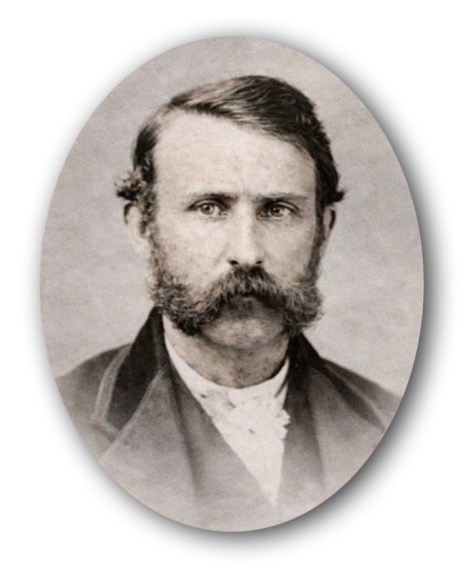
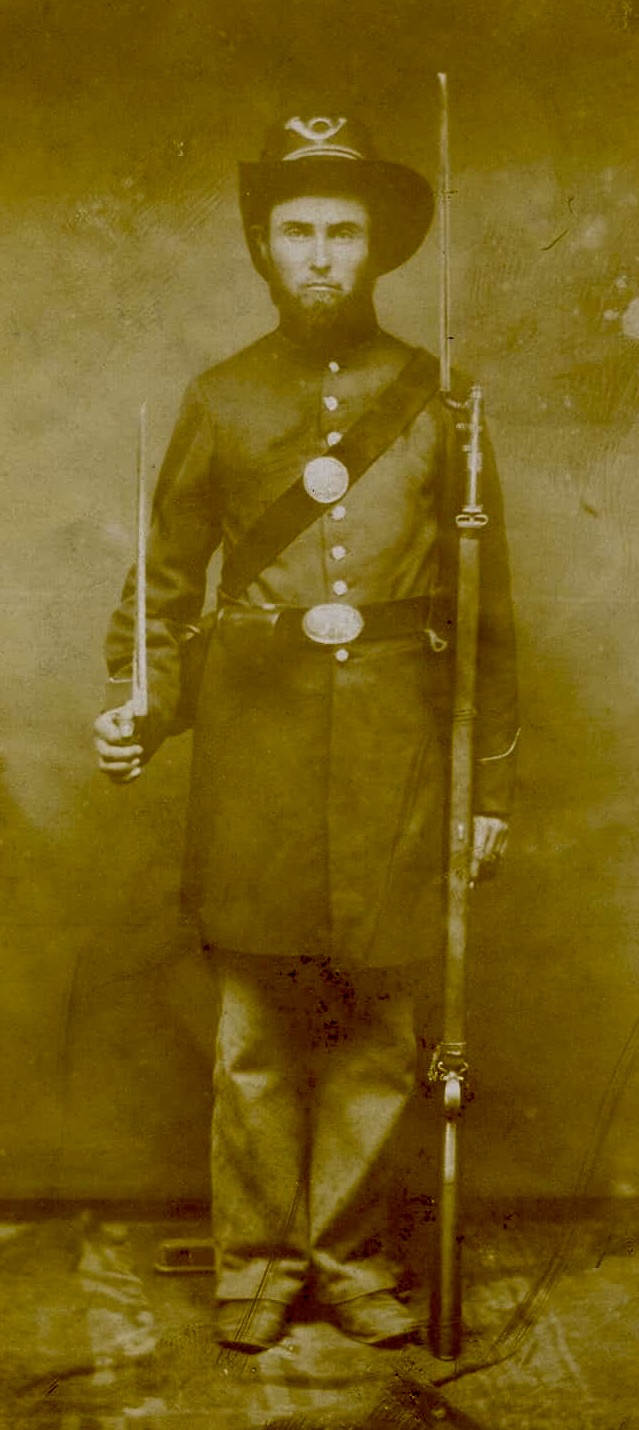
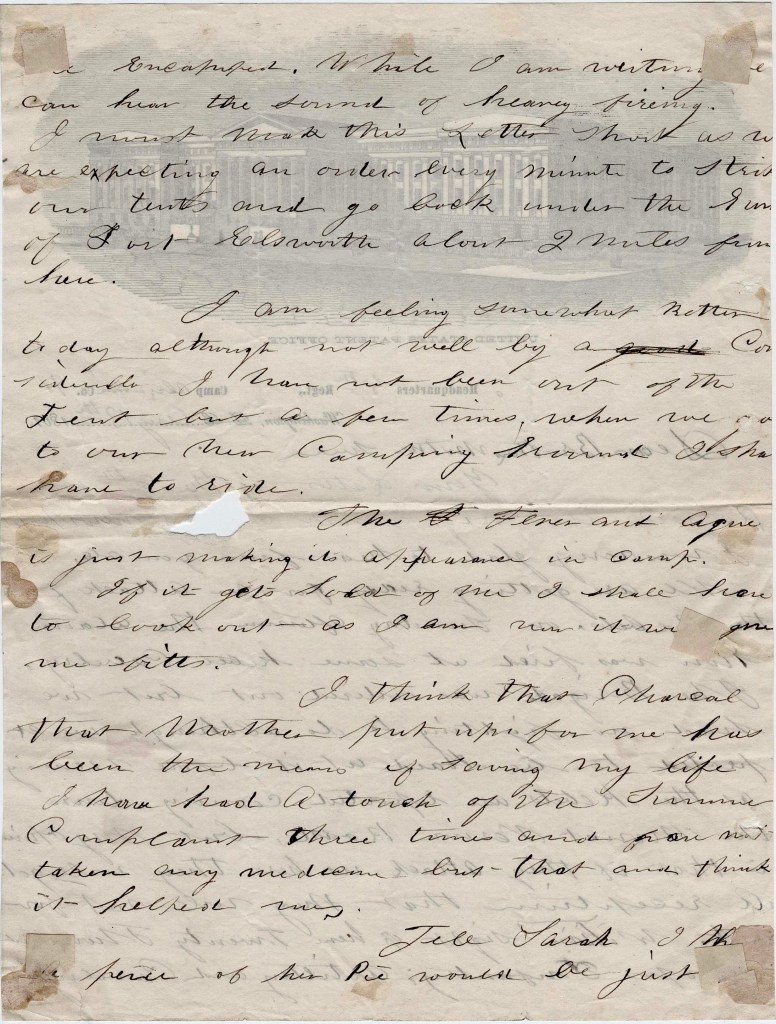
The following account of the Peninsula Campaign and Battle of Fredericksburg comes from the 1862 diary of James Hamilton Mills (1837-1904) who was a native of new Lisbon, Ohio. He was working in “mercantile and mechanical pursuits” until the Civil War when he enlisted as a private on 27 April 1861 in Co. G (“The Independent Blues”), 11th Pennsylvania Reserves (40th Pennsylvania Infantry). With his regiment he participated in twenty seven general engagements of the Army of the Potomac, and for “gallant conduct on the field” he was promoted to corporal, first sergeant, first lieutenant and captain and for “heroic conduct in the Battle of the Wilderness and Bethesda Church” he was commissioned brevet-major and brevet-lieutenant colonel. He was mustered out of service at Pittsburg on June 13, 1864.
See also—“Two canteens of old rye for the boys!”—Excerpt from the 1863 Diary of James Hamilton Mills, 11th Pennsylvania Reserves.
Mills’ 1862 diary is among several diaries of his that are housed at the Montana State Library. It has been digitized recently but apparently never before transcribed and published. I have not shown the images of the diary pages since these can be viewed on line at James H. Mills diary, 1862.
T R A N S C R I P T I O N
Thursday, April 10, 1862—Weather bright and pleasant today. Went to Alexandria, tramped around town nearly all day. The 1st Brigade left on the cars yesterday and today for Manassas.
Friday 11—Was up at 3 a.m. [with] orders to march overland to Manassas. Passed through Fairfax Court House and camped within 3 miles of Centreville. Weather pleasant and men somewhat fatigued.
Saturday 12—Broke up camp at6 a.m. and reached Manassas at 2.30 p.m. Entrenchments at Centreville numerous but not formidable. Manassas a humbug. McClellan could have taken it in 3 hours.
Sunday, April 13, 1862—Up early in the morning and off to the battle field five miles. There is no advantage of ground—it being a beautiful undulating country full of woods. Many of the corpses were lying out exposed to the sun.
Monday 14—Moved camp to a fine location about 200 yards distant, fitted up our little quarters right comfortably and are making preparations to stay comfortable if we stay at all. Weather hot.
Tuesday 15—On picket about a mile and a half south of camp. Very rainy in the morning but got fair and warm by noon. [ ] Armstrong makes the company to [illegible].
Wednesday, April 16, 1862—Got into camp at 9 a.m. fatigued and sleepy, Gen. Meade had the audacity to order us out on Brigade Drill. I was excused and I wrote to Lizzie. Weather getting the Spring fever.
Thursday 17—1st Brigade marched to Bristow. Election for Major. Candidates Porter and Johns. Johns majority 124. Dress Parade at 6 p.m. Orders at 10 to be ready to leave at 4 a.m.
Friday 18—Left camp at 6.30 a.m. and marching on the A&O [Orange & Alexandria] Railroad tracks, reached Catlett’s Station about 2 p.m. Camped in a large meadow. Wood distant, Water scarce and bad.
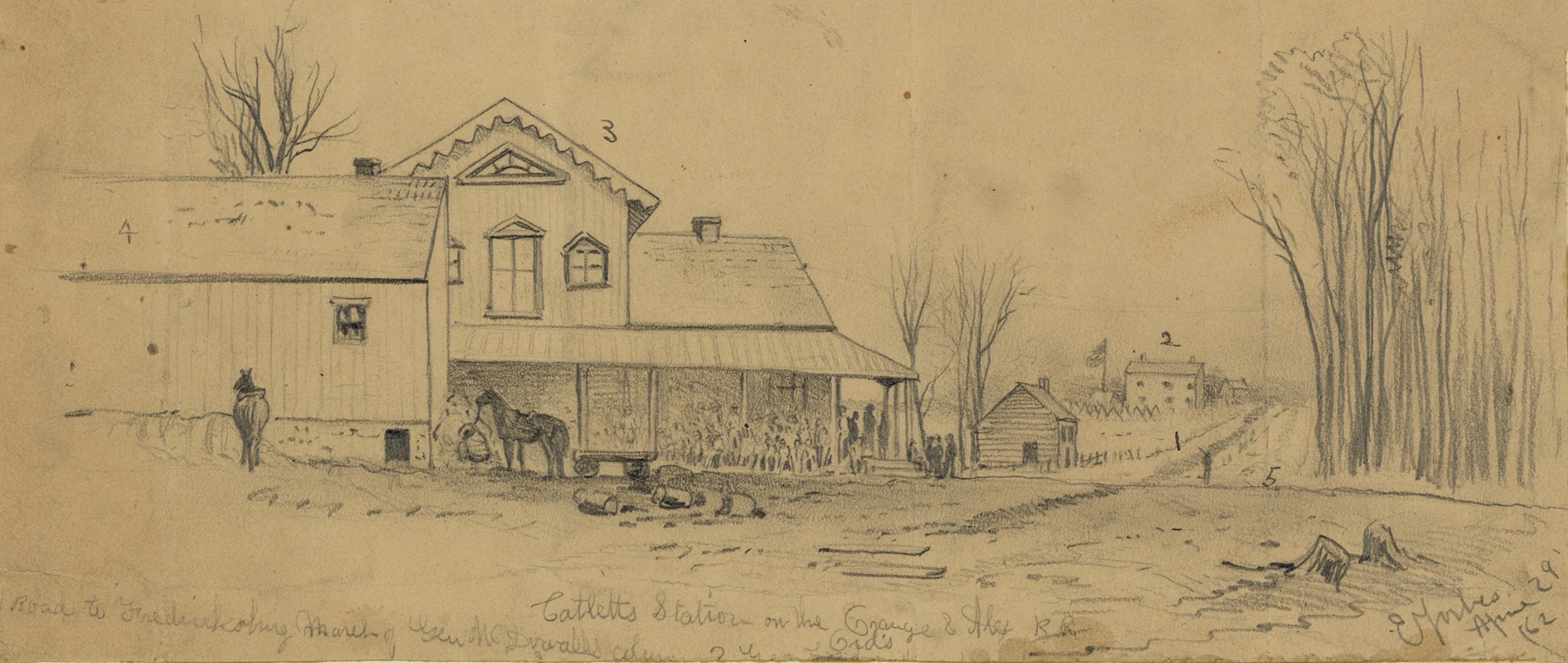
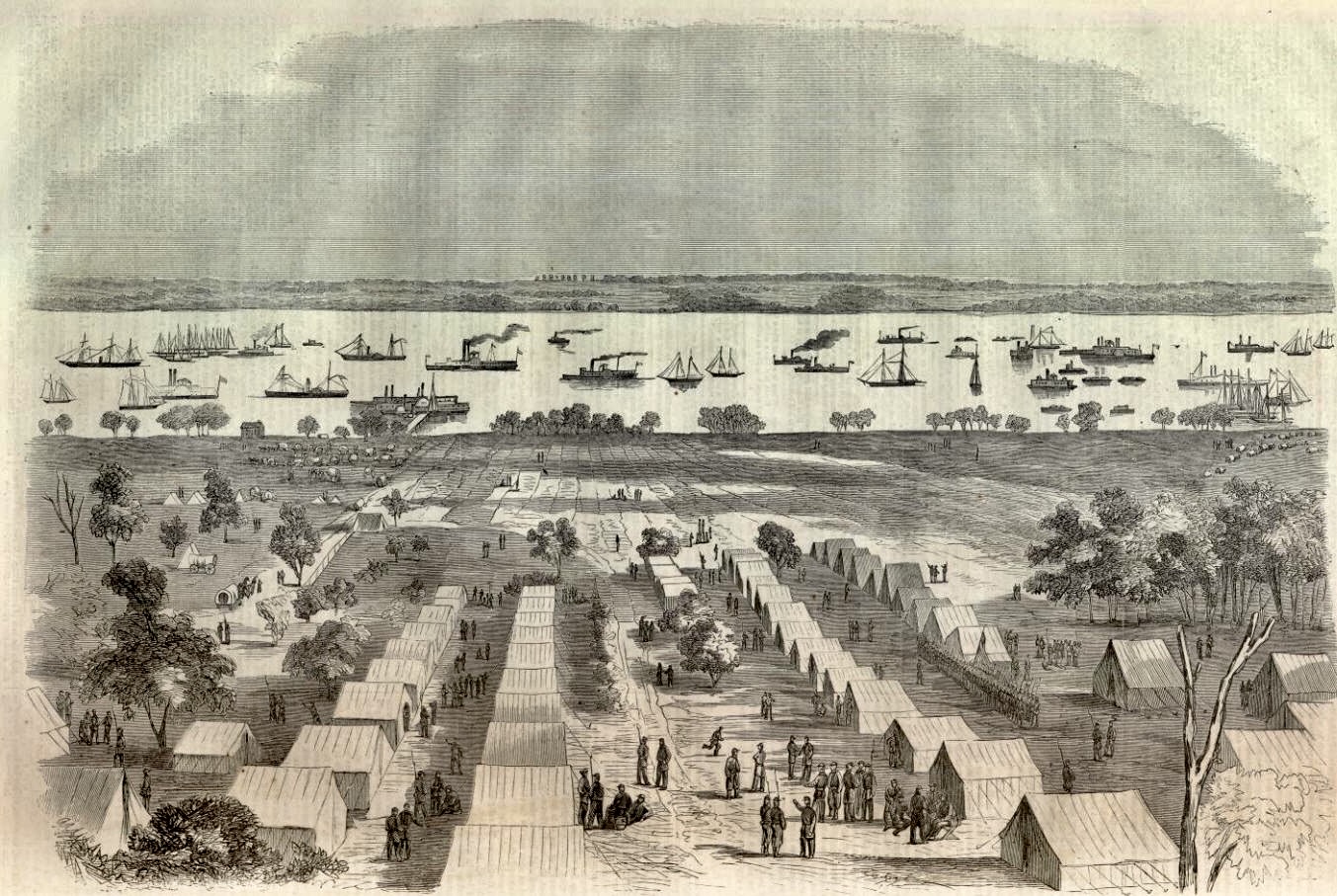
Edwin Forbes (American, 1839 – 1895)
Saturday, April 19, 1862—Weather unpleasant. Rainy and cold. Had turkey for dinner which I had roasted at a neighboring farmhouse. Regiment was paid today for January & February.
Sunday 20—Weather very bad. Laid in bed nearly all day. Expressed $40 to Jo Cline. Wrote to L. Townsen and Lizzie.
Monday 21—[Still at Catlett’s Station] Weather still outrageously bad. Went to Dr. Edmonds and had a warm berth at the fireside. The Dr. and Lady are evidently full blood secesh.
Tuesday, April 22, 1862—Stayed at the Dr’s over night and returned to camp in the morning. Went on guard at the camp at 9 a.m. Had to keep guard all night. Day fair.
Wednesday 23—Another nice day. Boys engaged in cleaning up their guns and playing “penny poke” on the sunny side of the straw stack.
Thursday 24—Company detailed as guard at Catlett’s Station. A boy was killed a few feet from me by a locomotive. Commenced to rain in the evening. Slept in a car with lots of hay.
Friday, April 25, 1862—Very wet. Left camp and took up quarters at Mr. Stone’s. Had two good meals with the inevitable corn cake and bacon. Returned to camp in the evening.
Saturday 26—Detailed as Judge Advocate on Regimental Court Martial. Rather a troublesome position. The 1st Brigade marched in the direction of Fredericksburg at 1 o’clock.
Sunday 27—Mail carrier brought the 1st mail we have had for ten days. Wrote to Lizzie, Hanna and Cunningham’s. Also a letter to the “star of the evening.” Received letters from Lizzie, Hanna, G. S. M. , W. T. J., The first fair day we have had for a week.
Monday, April 28, 1862—Left camp at Catlett’s and marched about nine miles in the direction of Fredericksburg. The roads are very bad so far. We hitched our horse in a little wagon of the sutler’s and hauled all our baggage. Had a good sleep with the ground for a bed and the sky for a tent.
Tuesday 29—Struck tents at 5.30 a.m. and marched 23 miles by 3.30 p.m. Camped in a pine wood northeast of Falmouth, Stafford county, Va. Men stood it pretty well. Co. G has now 14 men on the sick list. Weather cool and pleasant.
Wednesday 30—Set in wet in the forenoon, Was mustered for pay in the afternoon. The country around Fredericksburg is beautiful. Peach trees in full bloom, apple blossoms bursting, and forest trees putting on their verdure.
MAY 1862
Thursday, May 1, 1862—Weather variable. Had a pass to visit Falmouth. Country in the vicinity rather picturesque. Undertook to be commissary for officers’ mess. Corp. Robert Hunter discharged for disability.
Friday 2—Took a ride on the pursuit of eatables and after returning, plunged into the second volume of The Count of Monte Christo—a fascinating work. Weather fair and pleasant.
Saturday 3—Felt rather dilatory and lay in my tent nearly all day reading. The mail for the 11th [Pa. Reserves] came in about 10 p.m. Lots of letters. Boys gay and happy. Had two from Lizzie. All right.
Sunday, May 4, 1862—Company detailed for patrol duty. Found it a very lazy business. 3rd Brigade arrived in the afternoon. The second pontoon bridge was laid to Fredericksburg today. News that Yorktown is being evacuated.
Monday 5—Court Martial met. Tried Joshua L. McCreary. Weather pleasant. News of the evacuation conformed. McClellan in full pursuit.
Tuesday 6—Court Martial adjourned until tomorrow. Weather still pleasant. Dr. Fulton left for Washington with the mail.
Wednesday, May 7, 1862—Court Martial met and tried the four remaining cases in Co. A. Evidence contradictory. Hot in daytime. Cool at night.
[May 8 through May 13, 1862—no entries]
Wednesday 14—Rained all day. Went on picket in the evening.
Thursday 15—Rained all day.
Friday, May 16, 1862—Weather fair. Received letters from Will & Lizzie Jackson. The camp getting more beautiful every day. The leaves are all out.
Saturday 17—Weather very warm. 2nd Brigade reviewed and inspected today by Gen. McCall. Expressed much satisfaction at the condition of the rms of Co. G.
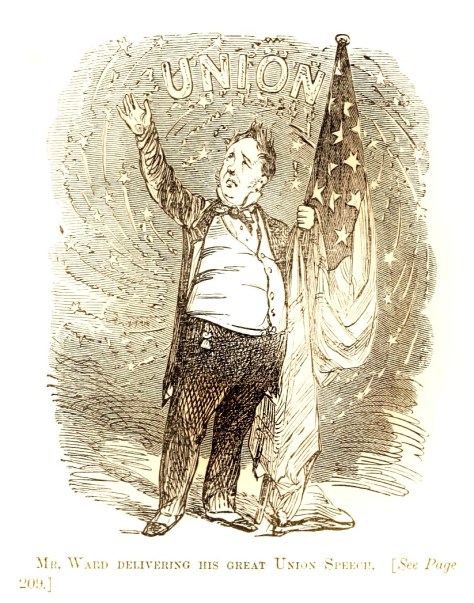
Sunday 18—Pleasant. Wrote to Lizzie and sent to Philp and Solomons, Washington, for Artemus Ward’s book. Men ordered to each have two pair shoes & socks.
Monday, May 19, 1862—Reviewed and inspected by Gen. Van Rensselaer & staff. Co. G again complimented on its arms. Weather pleasant. Dress Parade every evening at 6.30 o’clock.
Tuesday 20—Detailed as officer of the guard. Capt. [Evans R.] Brady [of Co. I], Officer of the Day. Had orders to come down to the regiment and we did it. Commenced raining in the evening.
Wednesday 21—Cool and damp in the morning. Faired up at 9 a.m. Received a letter from Labana Townsen. McClellan is at White House [on Pamunkey River] ten miles from Richmond. Will we get there too?
Thursday, May 22, 1862—Very warm. Read “The Loves of Byron,” which is also warm. [Jacob] Colver, [Johnson] Brown, Samuel T. Stewart sent to City Hospital at Washington.
Friday 23—Took a ride this afternoon to Shield’s Division. Went to the railroad bridge, from there to Gen. McDowell’s Headquarters and saw King’s Division reviewed. Afterwards our own was reviewed. Letter from Lizzie & Ans.
Saturday 24—Nothing going on. Gen. Banks was attacked at Front Royal and defeated. Had to return our wedge tent to Quartermaster.
Sunday, May 25, 1862—Received Artemus Ward’s work and read it through. Dress Parade in the evening with leggings on. The regiment looks far better.
Monday 26—Received orders to move our camp on account of sickness. Struck tents and went to another camp but before pitching, got marching orders. Left at 1 p.m. and marched down opposite Fredericksburg and camped.
Tuesday 27—Are located in a very pleasant place near the railroad, half a mile from the river and Fredericksburg. Camp in an open field, dry and gravelly which I think will improve the sanitary condition of the regiment. Warm, warm. Some anxiety for the safety of Banks’ army.
Wednesday, May 28, 1862—Opposite Fredericksburg. Dress Parade & Company Drill.
Thursday 29—Colver, Brown, and Stewart sent to Washington hospital.
Friday 30—Very warm Took a run around the country. King’s Division left to join Shields. No troops here now but the Pennsylvania Reserve.
Saturday, May 31, 1862—Wet and disagreeable last night. Commenced boarding at the sutler’s at $3 per week. Received letters from R. Cunningham & Lizzie. Severe battle at Richmond.
JUNE 1862
Sunday, June 1—Very wet all day. Read “A Strange Story” by Sir E. Bulwer Lytton.
Monday 2—Weather pleasant all day. On camp guard today. 60 men on guard. Received word of the fight at Richmond on Saturday. Commenced reading Jack Hinton [the Guardsman].
Tuesday, June 3, 1862—Opposite Fredericksburg. Warm as usual. Camp off camp guard at 9 a.m. Severe storm of wind and rain at 4 p.m., immediately after we were detailed for picket duty three miles down the river road. Reached the place at dark.
Wednesday 5—Horrible. What a rain last night and all day incessantly. Not even a bush for shelter. Woke this morning with my head in a puddle of water. River very high, Took off all four of the bridges.
Thursday 5—Slept this morning until Guard Mounting. Air raw and occasional showers all day. Wrote to W. J. Jackson. Orders for no passes & roll call five times a day.
Friday, June 6, 1862—Letter from Lizzie. Weather rather disagreeable.
Saturday 7—Wet and disagreeable. A rumor is prevalent in camp that we are to be sent to McClellan at Richmond.
Sunday 8—Had orders to strike tents at 9 p.m. and be ready to march to the transport lying down the river. Slept on the ground all night. Weather fair. A heavy dew.
Monday, June 9, 1862—Left camp at noon and marched 6 miles down the river to the landing. The 1st Brigade & the 4th Regiment went on board today. Weather fair. Bivouacked for the night.
Tuesday 10—Woke up this morning to find it raining. The 3rd and 1st went on board in the forenoon. Nine companies of the 11th [Pennsylvania. Reserves], Gen. McCall’s staff and body guard, went on board the John [ ] at dark.
Wednesday 11—Weighed anchor at daylight and run down to Chesapeake Bay by dark. Anchored until 12 o’clock and then steamed round to the mouth of York River by daylight. Fair.
Thursday, June 12, 1862—Ran past Yorktown at 6 a.m. and arrived at White House on the Pamunky at 12 M, Encamped for the night one mile from the landing. 1st Brigade gone to Richmond.
Friday 13—Left White House at 9 a.m. and marched two miles past Dispatch Station. Guerrilla party came in our rear, chased back the baggage train, and did considerable damage.
Saturday 14—1st Brigade gone back in pursuit of the guerrillas. Gen. Meade and our baggage arrived safe. Had a visit from B. H. Scott of the 103rd. Weather oppressively hot.
Sunday, June 15, 1862—Wrote to Lizzie & Hanna. Very hot and sultry in the forenoon but a thunderstorm in the evening made overcoat comfortable.
Monday 16—Weather still cool from the storm. Formed in line to be reviewed by Gen. McClellan but he did not arrive.
Tuesday 17—Pleasant. Heavy firing in direction of Fort Darling. Formed again for review but disappointed. Grub scarce today. Orders to leave at 6 a.m.
Wednesday, June 18, 1862—Marched about 8 miles up the Chickahominy and encamped. Rebels in plain view across the bottom. Artillery firing continually. Wrote to G. S. Mills.
Thursday 19—Smith’s Division had a skirmish yesterday evening a short distance from our camp. Townsend and Elder from 62nd called to see us. Battalion on skirmish drill 3 p.m.
Friday 20—Rebels throw up two new batteries with heavy guns. They have been shelling our camp all day. I was detailed today with 25 men to report to Maj. Lyman for Provost Guard duty.
[No entries from June 21 through 26, 1862]
Thursday, June 26, 1862—No firing in the forenoon. Baggage all ordered to be sent to Gen. Headquarters. The rebels attacked our right in force.
Friday 27—Three regiments fought the rebels yesterday five hours and held them in check. Today the battle of Gaines’ Hill [Mill] fought.
Saturday 28—Commenced to fall back from our works in front of Richmond. Another fight today by Smith or Hooker. Whipped the rebels.
Sunday, June 29, 1862—Stampede in the morning among the teams. All the army moving towards City Point hastily but in good order. The 11th [Penn.] Regiment annihilated.
Monday 30—Porter’s Corps took the wrong road. The rebels attacked our rear. Guards repulsed with heavy loss. The Battle of Turtle Island fought. Our forces held their ground against overwhelming number. Gen’s McCall and Meade wounded. A.A.G. Biddle killed.
JULY 1862
Tuesday, July 1—At City Point Landing. A hard fight about 1.5 miles up the river. Gen. Magruder taken prisoner. The army steadily retreating toward Harrison’s Landing.
Wednesday 2—Set in very rainy during the night. The Reserve fell back last night toward Harrison’s Landing. The roads almost impassable. Enormous stores destroyed that could not be removed.
Thursday, July 3, 1862—Gen. Shields Division arrived yesterday. The rebels threw shells into our camp today but the whole party were taken prisoners. Our army is again on the advance.
Friday 4—The army is again in order. Our advance is back four miles. The troops are all in good spirits and will fight better than ever. The Penn. Reserve Corps only musters 3000 men. Our regiment 170 in all.
Saturday 5—The weather has been fair for the last day and the roads are getting in better order. Wrote to Lizzie…
Sunday, July 6, 1862 [At Westover on the James river]. Nothing of importance. The army is entrenched—a line almost ten miles long. Had a chase for Col. Harvey of the 7th Regt. Hot. Hotter. Hottest.
Monday 7—Received a letter from Lizzie M. Jackson, I believe the losses in killed and wounded on both sides during the late battles will reach 80,000 men.
Tuesday 8—Had a letter from H. S. R. Weather exceedingly hot and sultry. Sent a box of clothing to G. W. Hoffetot, Pittsburgh…
Wednesday, July 9, 1862—Relieved from duty with Provost Marshall and reported to Capt. Porter for duty. Tom Taylor started home with the Colonel, Lt. Colonel, and adjutants’ horses. Horse to Quartermaster.
Thursday 10—Very warm. A heavy shower in afternoon. Visited 103rd Regiment and also 25th. Thomas Cochran, 2nd Lt. Heard Lt. Col. Jackson was at home.
Friday 11—Nothing…
Saturday, July 12, 1862—Nothing important except a review by President Lincoln & Gen. McClellan. Very hot. This place is a perfect Tophet [Hell].
Sunday 13—On fatigue duty. Repairing corduroy bridge across the swamps. Worked in mud knee deep all day.
Monday 14—Moved camp about two miles down the river. Good camp. Sunk wells. Water tolerable. Received a letter from Dr. Kuhn in regard to Capt, Speer. Answered.
Tuesday, July 15, 1862—Went to Gen. McClellan’s Headquarters to procure a pass for Dr. Kuhn. Was placed in command of the fragments of Companies F, G, H, I & K. Wrote to J. P. Davis, Crestline. Terrific storm in the evening.
Wednesday 16—Issuing clothing to the men. Wrote to Lizzie. Had a strange dream last night. Received an order to remove camp and to permanent guard duty ay hospital camp. Another storm.
Thursday 17—Marched through the med to the old Harrison house [Berkeley Plantation] and commenced policing the ground preparatory to pitching camp. Had a letter from Lizzie.
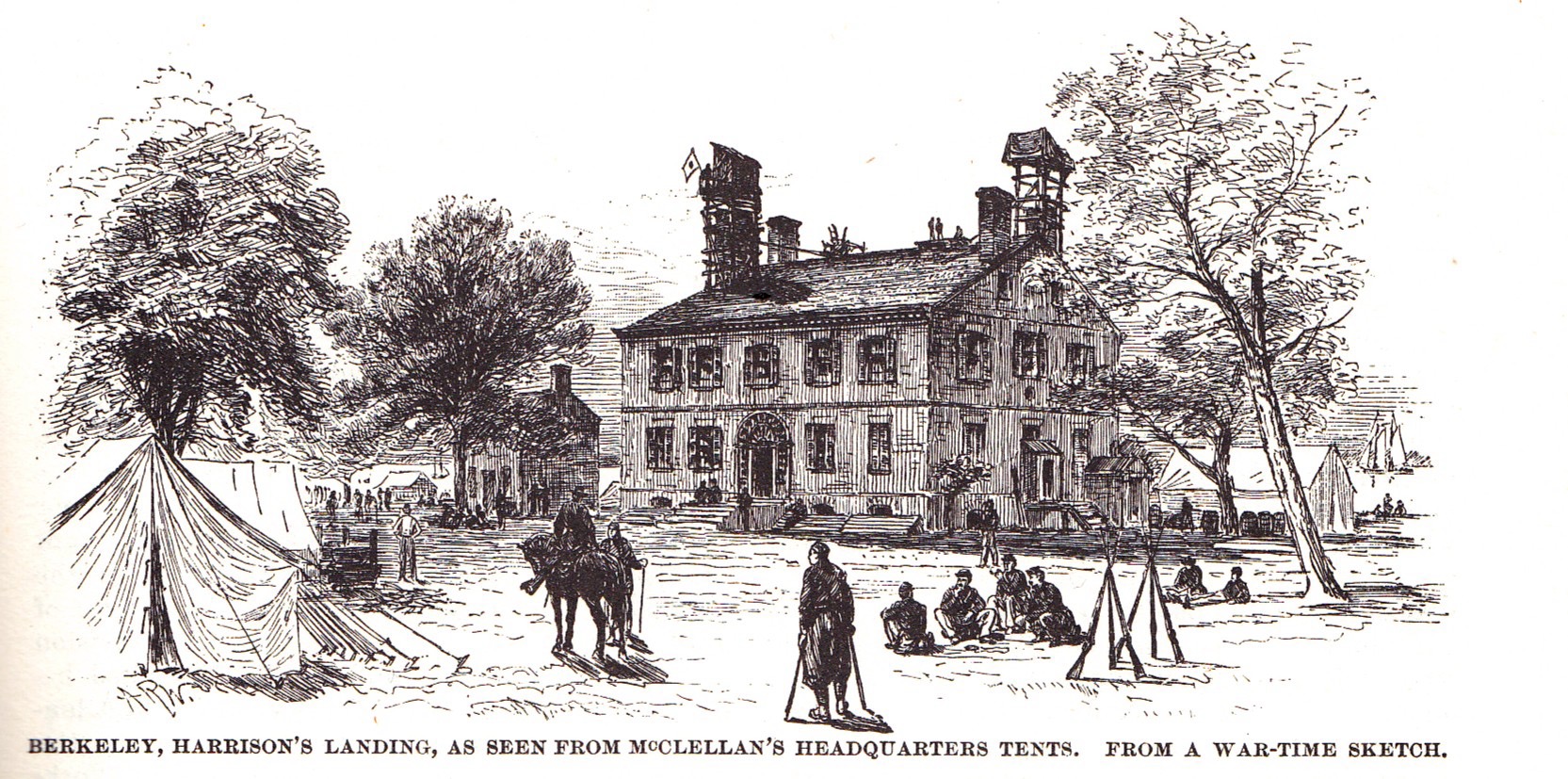
Friday, July 18, 1862—Finished policing and having received new Sibley tents, we pitched them in three streets forming a splendid camp. Weather very warm.
Saturday 19—Nothing of special interest occurring. Men have to do duty every other day. Hard work to get men enough at that.
Sunday 20—Received in the evening a little crumpled note from Capt. [James P.] Speer. He went down on the Louisiana wounded in the shoulder and thigh [on June 27th]. Thank God he is safe.
Monday, July 21, 1862—Mistake yesterday. I got alongside the Flag of Truce boats and saw several of our company on parole wounded. They are on their way east in good spirits. Wrote to Will Jackson.
Tuesday 22—Sutler here has his tent up and selling tremendously. Maj. Ball paid Co. B today for four months. Weather very hot. Flies bite clear through our clothes. Commenced to board at sutler’s.
Wednesday 23—Paymaster paid Cos. A, C, and D for two months this afternoon. He is the slowest man in the world. The boys are cursing him all around. Had a good view from the signal station this evening.
Thursday, July 24, 1862—Nothing of particular interest occurring. There has been a review of troops by Division for several days in the rear of our camp, It is said reinforcements are arriving every night.
Friday 25—Paymaster paid off Cos. E, F. G, H, I, and K this afternoon for two months. Payrolls have to be made over again for May and June. Received a letter from & wrote to Hanna, S. R.
Saturday 26—Nothing of special importance. Commenced to make out payrolls for Cos. F, G, H. I. & K. Find it a very difficult job.
Sunday, July 27, 1862—Had letter from Lizzie. Thomas A. Cochran & James Chambers on a visit from Headquarters. Went with them in afternoon to 62nd Regt. Saw Tom Anderson & Joe Moorehead of Jefferson county. Capt. Townsend commanding Co. G Sergt.
Monday 28—Find I missed it in leaving yesterday. The paymaster says the rolls must be finished today or we will not get paid. Worked until 12 o’clock last night and finished them all this evening. Letter from G. S. Mills.
Tuesday 29—Paymaster Ball paid off the regiment today. Received for March, April, May and June $445.00. Went with Archie Stewart to the Morgan in the evening. The flies are dreadful, biting through one’s clothes and crazing the horses.
Wednesday, July 30, 1862—The rebs made a raid on one of our transports last night. Burned the schooner and made the captain prisoner. Also captured a number of cattle. Received letters from W. T. Jackson and Lizzie. Letter from Zimmerman.
Thursday 31—Sent to G. W. Hoffstot $300 by Adams Express. Our gunboats now concentrating at the picket line. The siege train is also in position on ythe bank of the river. Something is evidently expected. Probably an attack looked for.
AUGUST 1862
Friday, August 1—Sure enough, the rebs give us “hark” from the other side of the river at 2 o’clock last night. Our batteries and gunboats soon made them skedaddle. 20 Union men killed and wounded. Two regiments crossed this afternoon and burned the buildings along the rebel shore. Wrote to G. S. M. and Mrs. Boyles.
Saturday, August 2, 1862—Nothing important today. REceived a letter from Rev. Kuhn in regard to some boxes. On guard at hospital.
Sunday 3—Sent $5 to Editor of Philadelphia Enquirer for subscription to be sent to G. S. Mills…
Monday 4—[No entry].
Tuesday, August 5, 1862—Several transports passed up the river last night loaded with rebel prisoners. It is hoped now that our boys in Richmond will be exchanged. Burnside has gone to Gen. Pope’s army.
Wednesday 6—11th [Penn. Reserve] Regiment returned from Richmond 329 privates. No officers yet. Boys look hard on show. The shirts and drawers were distributed and were gladly received. The enemy were expected but did not come. Bought blouse for $10.
Thursday 7—On guard today. Regiment ordered back to division delayed on account of having no tents. Very warm. News of the extra 300,000 to be drasfted is regarded as a good thing by the soldiers of the army. Name sent in for recruiting officer.
Friday, August 8, 1862—This is by far the hottest day we have had this summer. 13 men died in the General Hospital, mainly from the excessive heat. Not gone to the division yet. Tried to sell “Bill” to A. S. or 3rd Regt.
Saturday 9—Requisition made and clothing drawn for returned prisoners. Muskets also drawn but the men manifest disposition not to take them. An important movement on the [ ].
Sunday 10—Regiment formed in line and an explanation made by Capt. Porter. Men took the arms, marched to the Division and back. Sold Bill to Asst. Surgeon Orr, 3rd Regt. P. R. C. for $90 at 90 days.
Monday, August 11, 1862—Appointed acting adjutant. Had orders and moved to the Division camp in the morning. Left one hundred men in camp for a hospital ward. At 3 p.m., turned wagons over to division quartermaster and marched down to the mail landing to go on board transports. Destination unknown.
Tuesday 12—Went on board a ferry and was taken out to the steamer Belvidere at 1 a.m. 3 a.m. under weigh. 10 a.m. off Fortress Monroe. 5 p.m. a thunder storm, rough sea and sick quarter master. The most beautiful sunset I ever saw. 11 p.m. anchored near mouth of the Potomac.
Wednesday 13—Anchored off Aquia Creek at 9 a.m. Was ferried ashore. In the afternoon, left Aquia for Fredericksburg on the cars at dark. Arrived at the station at 9 p.m. Regiment slept in the open field. Wrote to Will Jackson.
Thursday, August 14, 1862—Camped on the hill in Sibley tents lately occupied by Gen. Burnside’s troops. A very pleasant, healthy location. Plenty of camp pedlers. A prospect of getting home on recruiting service,
Friday 15—Nothing important transpiring today. The weather here is cool and much pleasanter than on the Peninsula. Received orders to go home recruiting.
Saturday 16—Lieut. Sloan undertook to get transportation and failed. We are all considerably bored at getting heat as they are all poking fun at us. We will make it yet, or break something.
Sunday, August 17, 1862—Very cold last night. Went to Gen. Burnside’s Headquarters and got transportation. Arrived at Aquia Creek at 1 p.m. and got to Washington at 8 p.m. Stopped at Mrs. Forbes. The officers of the 11th [Pa. REserves] Regiment are at Brown’s Hotel.
Monday 18—…Left Washington at 5 p.m. and arrived at Baltimore at 7… Reached Harrisburg at 5 a.m.
Tuesday 19—Had our business arranged with Capt. Dodge. Sloan goes home and I am detailed here at Camp Curtin. Thousands of troops are arriving and leaving Camp Curtin daily. Very dusty and disagreeable.
Wednesday, August 20, 1863—Was arrested by Provost Guard before I was out of bed. Provost Marshall apologized but I [ ]. Reported at Camp Curtin for duty. Assigned to most wretched quarters, alive with vermin and disgustingly filthy.
Thursday 21—We are not allowed to leave camp. But several Reserve Officers run the blockade and go to town on spite of Provost guards. Board at the May House. Good fare, Very warm and dusty.
Friday 22—Much surprised this morning to receive a visit from D. W. Hoffstot. He won’t enlist. Was in town all day. Had sergeant paid off. A fine rain in the evening. Recruiting officer is god fellow.
Saturday, August 23, 1862—…Last day of volunteering for new regiments.
Sunday 24—Stayed in camp nearly all day. Don’t know what to make of the new captain. Got up a petition to Gov. Curtin which we will put through if pressure is not taken off.
Monday 25—All tight, Captain ain’t so bad as we thought—only afraid of Capt. Dodge. Slept at May House last night. Much better than camp.
Tuesday, August 26, 1862—Roads getting very dusty again. Nothing of special import today. There is fighting going on along the Rappahannock.
Wednesday 27—Sick today. Was detailed for duty. Not excused….
Thursday 28—Went down town and from there in the evening over to Independence Island to the picnic…
Friday, August 29, 1862—Feel pretty well played out today. So used for a spree. A heavy fight reported at Bull Run or Groveton. Wrote to Col. Jacksonm sent by Capt. R___.
Saturday 30—Left Harrisburg with Capt. Sands adn Lt. Cochran with 100 men to report at Ft. Ellsworth, Alexandria. Stopped over night at Baltimore. Went to Continental House O. K. Slept at Soldier’s Rest. Dry.
Sunday 31—Left Baltimore at 9 and arrived at Washington at 10, then to Alexandria by boat and on to Fort Ellsworth where we delivered the recruits. Came back to Washington and Lt. Cochran and I went over to Cunningham’s.
[No entries between 1 September through 6 December 1862]
DECEMBER 1862
Sunday, December 7, 1862—Arrived at regiment quartered at Brooks Station, Fredericksburg and Aquia Creek Railroad. Very cold. Wrote to Lizzie & N___. Slept in Col. Jackson’s tent. Received a letter from Hattie, Lizzie, Hanna, R. G. A.
Monday 8—Started at daylight and marched across the country about 8 miles and camped in a cedar thicket. Passed a couple of huts containing the most destitute, miserable looking creatures I have ever witnessed.
Tuesday, December 9, 1862—Laid in camp all day. There is snow on the ground and the nights are cold. Wrote to Adjt. Powell and Hanna. Rumor of a move soon. I think we will cross the river.
Wednesday 10—Orders to leave tonight at 11.30 o’clock. Three days grub, 60 rounds cartridges. Wrote to Hattie McIntryre. Weather fair and moderating slightly.
Thursday 11—Started at 12 midnight and reached the landing at 4 a.m. Our Brigade is guarding the pontoon corps who are laying two bridges a mile below Fredericksburg. The town is being burned down. Very heavy cannonading. Franklin’s Corps commenced crossing at sunset. No resistance but a little skirmishing.
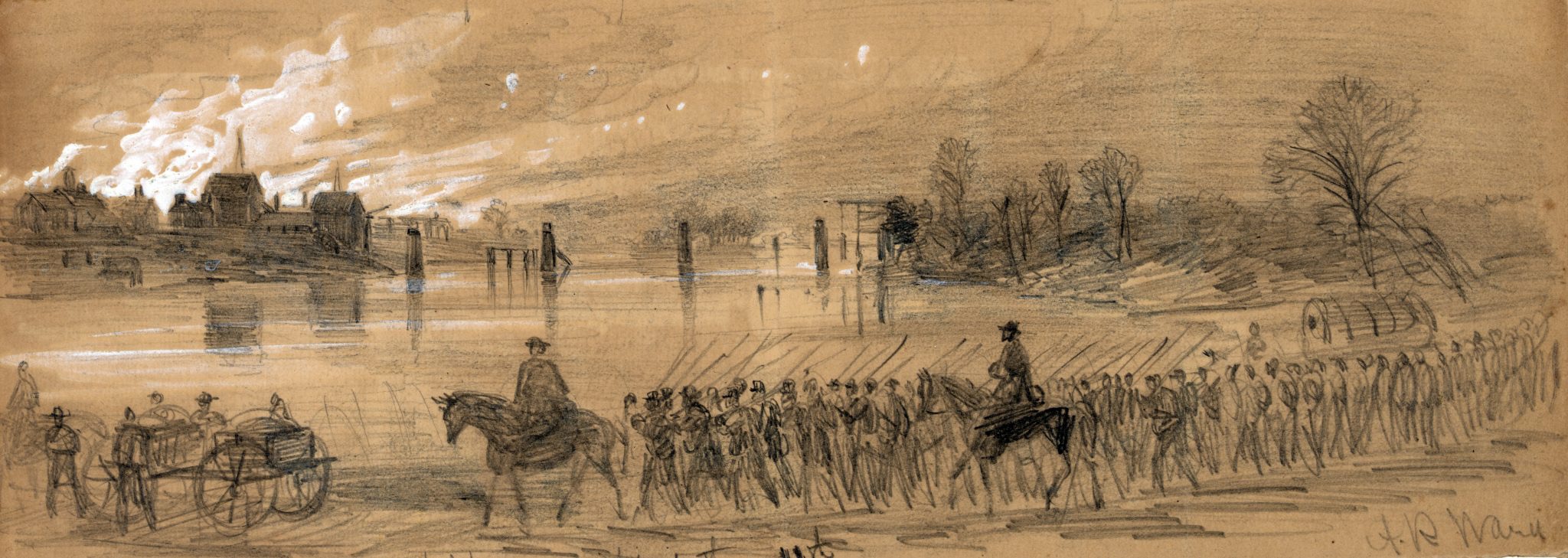
Friday, December 12, 1862—Crossed the river before noon and bivouacked in an open field near stone house. No fighting of any consequence today. Large numbers of troops are crossing over. Weather fair. Cold at night.
Saturday 13—Were ordered to prepare for immediate action at 6 a.m. and taken to the left. Supported batteries until 2 p.m. Then ordered forward. Advanced half a mile. Drove the rebs and were driven. Regiment suffered terribly at the railroad.
Sunday 14—The Division is laying in reserve today, being badly used up on yesterday. Co. G lost 20 men out of 25 in action and the regiment lost 212 out of 390 in action. Weather pleasant. No fighting today.
After the 11th Regiment was pushed down the ridge, Lt. Daniel Coder (11th Pa. Reserves, Co. E) wrote, “Never did I look back for support with more anxiety than on that fatal day; for on seeing a single line advance I had anticipated the result. We lost color bearer after color bearer, I know not how many. I picked up the colors at three different times myself. The flag staff was shot off and the flag perforated in nineteen different places by rebel bullets.” One of the flag bearers was Pvt. James Fritz of Co. E. Capt. Daniel S. Porter (11th Pa. Reserves, Co. B) made a similar comment. “Our division charged in the face of rebel batteries and rifle pits, drove the enemy from them and gained the hill; but no support came to our assistance, and we were driven back.” He later added, “The boys fought like heroes. They were too brave. I have little heart left, brave comrades have fallen without gain. We were butchered like so many animals.” Just above the railroad track, Pvt. James H. Trimble was shot in the chest and killed. Captain Porter wrote to Trimble’s father, “The saddest part of my task as Captain was to see my brave boys fall and next to it was to convey the sad intelligence to bereaved friends.” [Source: Shock Troops for the Union: The Pennsylvania Reserves at the Battle of Fredericksburg, by Bill Weidner (2023)
Monday, December 15, 1862—No fighting of consequence today. Brilliant Northern Light last night. A Flag of Truce was granted for one hour to bury our dead. No more of the company found.
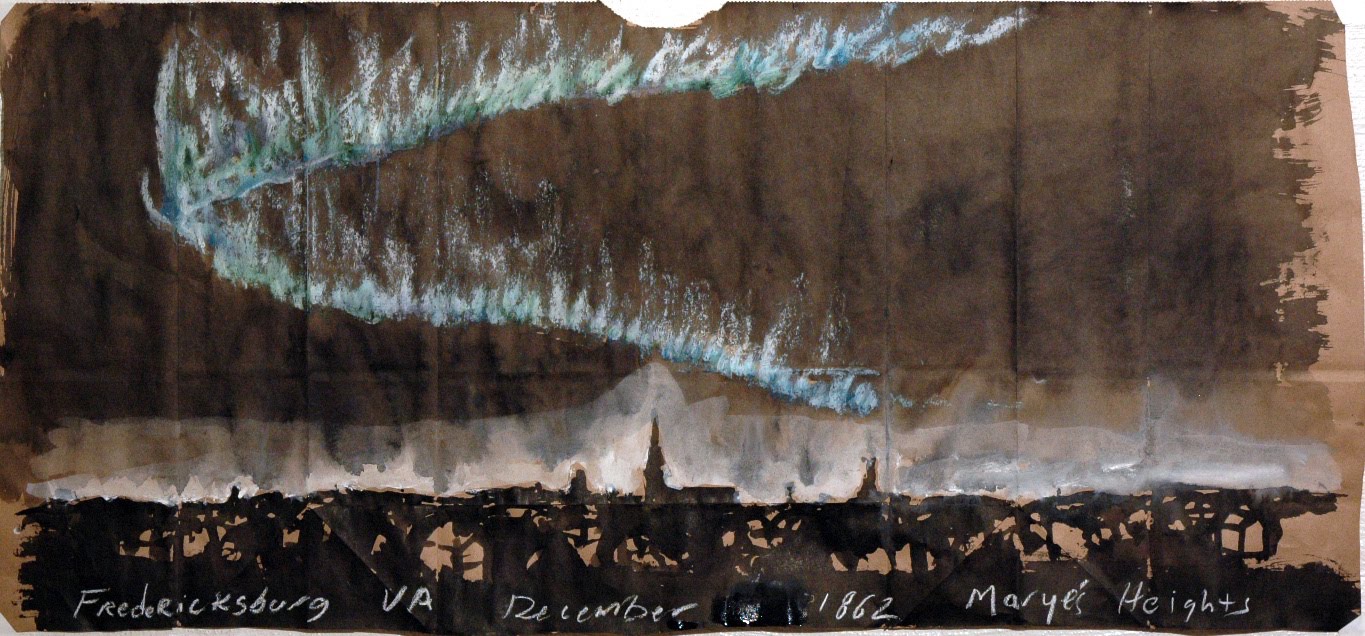
Tuesday 16—The entire army was withdrawn across the river quietly last night. The night was rainy and favorable. Rebs made their appearance in the morning. Camped on the hill.
Wednesday 17—Lay all day in camp. Whiskey rations were issued last night and the Division was gloriously drunk. Capt. [James P.] Speer left for Washington. Cold.
Thursday, December 18, 1862—Col. Jackson and I visited the hospitals of our Division. Nearly all gone to Washington. On returning found the Division had left. Followed up and camped about two miles from White Oak Church.
Friday 19—Marched to within two miles of Belle Plain in the afternoon and camped. Very cold. Col. Anderson got a few blessings for running us through brush and over the hills uselessly.
Saturday 20—Moved about a hundred yards and camped in what is probably winter quarters. Good location. Brigade inspection. Went on picket in the evening.
Sunday, December 21, 1862—Rather pleasant for the time of year. Only three companies on post. The rest on reserve. Was relieved at sundown. This is my 25th Birthday.
Monday 22—Weather moderate. Boys all busy putting up winter quarters. Received a note from Hanna and one from Lizzie.
Tuesday 23—Weather very fine for the season. More like spring than winter. Getting along very well except that we get very poor fare from McCandless & Co.
Wednesday, December 24, 1862—Had A. K. Vantine appointed sergeant from December 1st. Took a tramp over the hills to Cockpit Point Landing. Fine view. Get no letters or papers. Very lonesome.
Thursday 25—Christmas. Oh, how dry. But I am well today and last Christmas I was [sick and] at the point of death [at Camp Pierpont, Virginia]. Am I thankful enough for the blessing? I fear not…