Category Archives: Siege of Yorktown

1862: Samuel Royer to his Family

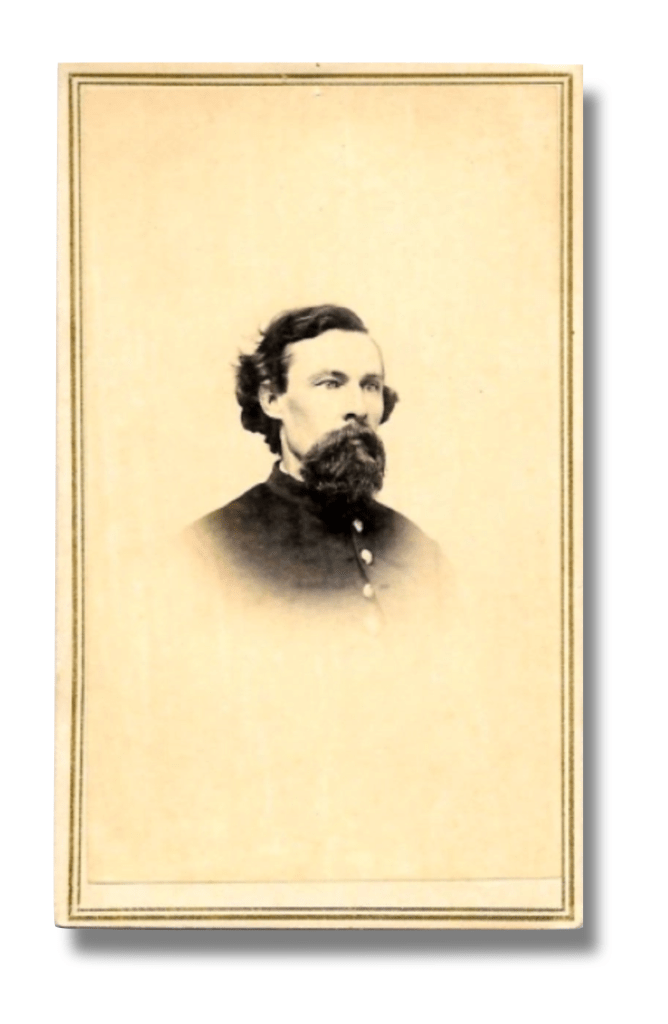
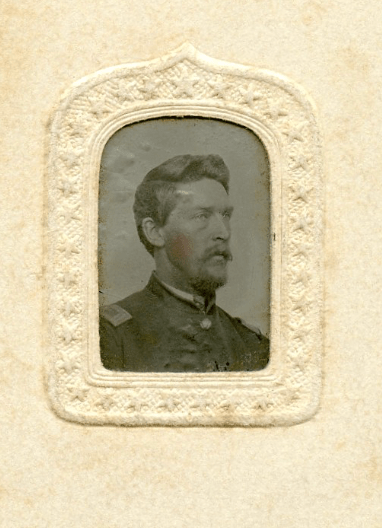
I could not find an image of Sam, but here is one of Lt. Jay Cushing of Co. G, 53rd Penn. Vols. (Photo Sleuth)

The following letter was written by 2nd Lieutenant Samuel (“Sam”) M. Royer (1838-1921) who mustered into Co. C, 53rd Pennsylvania Infantry on 17 October 1861. Samuel was the son of Samuel Royer (1792-1856) and Martha Patton (1802-1881) of Springfield Furnace, Blair county, Pennsylvania.

Sam was promoted to 1st Lieutenant on 9 May 1862 and he resigned his commission on 1 December 1862 to return home and pursue a career in medicine. By the time of the 1870 Census, he was practicing as a physician in Martinsburg, Pennsylvania.

In March 1862, the 53rd Pennsylvania joined in McDowell’s advance toward Manassas Junction where they passed through the battlefield of 1st Bull Run. They were then transferred into Gen. Israel B. Richardson’s Division in the II Corps and sent to the Peninsula to take part in McClellan’s drive on Richmond which began with the siege of Yorktown. Royer penned this letter shortly after landing at Ship Point but not before he had a good look at the celebrated ironclad Monitor at Hampton Roads which he describes in detail.

USS Monitor engaged at Hampton Roads with CSS Virginia

[Note: This letter is from the private collection of Greg Herr and was transcribed and published on Spared & Shared by express consent.]

Transcription

Addressed to Mrs. Martha Royer, Springfield Furnace, Blair county, Pennsylvania

Camp near Ship Point
Sunday, April 13th 1862

Dear Mother and all,

I wrote you while on board the steamer Robert Morris but felt doubtful as to your receiving the letter though I hope you have read it ere this. We were four days on the water and to me it is altogether the preferable mode of traveling. On the afternoon of the 7th we reached Fortress Monroe and right sorry was I when we were ordered to put back. At the fortress is all life and activity and more. The place is beautiful. Here we had a fine look at the wonders of the world—the Monitor and Steven’s Battery. The Rebels said well when the Monitor was called “A cheesebox on a raft.” It looks very like a raft. The deck is flat and only about two feet of the vessel can be seen above the water, but I was told it draws thirty feet. On the deck is a round iron-plated kind of a coop about five feet high and large enough to contain four guns. This is the only armament on board. The two boiler smoke stack, whistle, and pilot house are merely seen above the deck so that it is impossible for balls to strike anything but the iron-plated coop and in the fight with Rebels, it was struck [ ] times, but was hurt none. Received a slight ding on the eight. It does seem impossible for such a machine to be hurt. There are no sails or any other fixins about it except what I have mentioned.

On the evening of the 7th, we headed up the bay and when about fifteen miles up, the bay grew rather boisterous and we anchored for the night. Early in the morning we again weighed anchor and moved on the Ship Point a short distance below the York River. Here we landed and moved across the country to our present camp, two miles from Ship Point.

The country here is altogether different from any I have yet seen—all one level begins—no mountains or hills. Yet there is an abundance of timber—all of one kind, pitch pine. The soil is sand and you may imagine the condition of the roads. I have seen the teams drawing their wagons along very smoothly when in an instant they would go down to the hub and when left, would go over the wheels. The principal agriculture productions of this region are corn and sweet potatoes.

I have written you heretofore of the many troops I have seen, but now I might say I have not seen many troops till [ ] from Ship Point to Crockett’s Mill three miles in the direction of Yorktown and as great a space north and south is one mass of infantry, cavalry, and artillery. There are a few inhabitants yet remaining in the region, all bitter secesh. They are awfully frightened at our forces. They cannot be made to believe that all the troops are from the north but really believe some are foreign. What can be the idea of concentrating such a force here is altogether a mystery. The supposition is that Yorktown is to be besieged and all the troops made prisoner. This it is reported can [ ] moving up as the road is being made and no doubt ere a week, the advance will be [ ] the rebels. The secesh here think their forces will evacuate and burn the town. What the effect of the news from the defeat in the West will have upon Yorktown is yet to be seen. It is to be hoped that a surrender equal to days of yore will be expected of the enemies of our country at Yorktown.

Monday morning, 14th

Today we are having the usual beautiful weather. Part of the artillery was moved yesterday in the direction of Yorktown. We will, I hope, hear in a short time of the end of the rebellion, no doubt yet. I am anxiously looking for the captain. The [ ] been called in and will certainly report this week. I am sending a root and some seeds of a beautiful evergreen. They should be planted in a box filled with moist sand. If the root does not grow, perhaps the seeds will. I am also sending a ring for Dot. It is made of a button which I found at Manassas on a coat belonging to Sergt. Finch of the 12th Alabama. 1 The shells I send also [which] I picked up yesterday on the shore of the York River. Also a piece of pine I have just picked from a little tree at my tent door.

We get oysters in superabundance. The boys are in the river all hours of the day and bring any bushels. We also get an abundance of sweet potatoes. Did you get your [ ]. Write me all the news. Tell [ ] to write. Yours, &c., — Sam

We are sending our letters by chance but hope they will reach you. Direct to Ship Point, Co. C, 53rd Penn. Vols., Richardson’s Division


1 I believe Sam has written the 12th Alabama but if he did, then Fitch did not die from wounds received from the Battle of First Manassas because they didn’t participate in that engagement. They did spend the fall and winter encamped near Manassas, however, and so may have died from sickness. Searching for soldiers named Finch in the 12th Alabama has not revealed the button owner, however. Only one John W. Finch appears in the muster rolls and he was a musician who did not die at Manassas. It’s also possible that the button was taken from a garment that did not belong to a dead soldier, found on the site.

1862: Lemuel Mason Cox to his Mother

An unidentified private from Manchester who might very well have served in the 2nd New Hampshire Infantry (Dave Morin Collection)

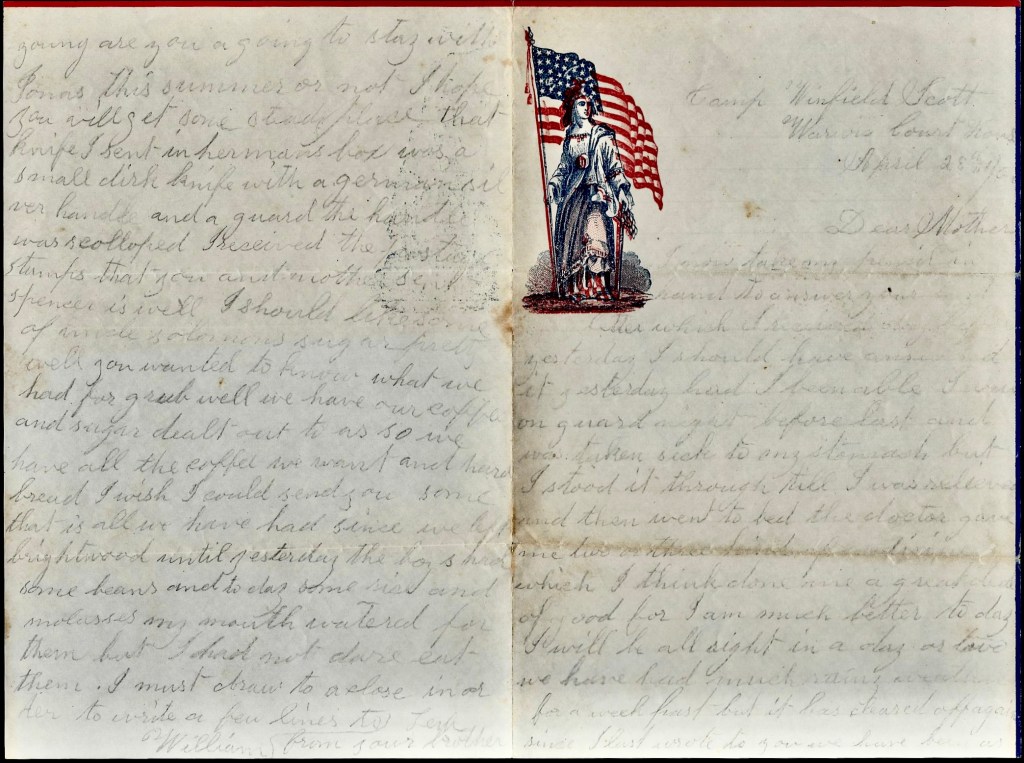
The following letter was written by Lemuel Mason Cox (1837-1914) who volunteered in Co. C, 2nd New Hampshire Infantry in May 1861 and served three years and three months before mustering out on 21 June 1864, shortly after the Battle of Cold Harbor. At the time of his enlistment, Lemuel had been boarding in Manchester, Hillsboro, New Hampshire, earning his living as a carpenter. He was described as standing 5 feet five inches tall with gray eyes and brown hair.

The 2nd New Hampshire had a long and storied career, participating in the first battle at Bull Run where they had seven men killed, until they occupied Richmond four years later. At Gettysburg, the 2nd New Hampshire entered battle with 353 soldiers. In under three hours, 47 were killed, 136 wounded and 36 men went missing; of the 24 officers, only three were not killed or wounded. Due to their high losses, the 2nd New Hampshire was assigned to guard duty at Point Lookout, Maryland, with the 5th and 12th New Hampshire Volunteer Regiments. The 2nd New Hampshire returned to battle in time for the Battle of Cold Harbor where it suffered heavy casualties of nineteen killed and 54 wounded.

Transcription

Camp Winfield Scott
Warwick Court House
April 28th 1862

Dear Mother,

I now take my pencil in hand to answer your last letter which I received day before yesterday. I should  have answered it yesterday had I been able. I was on guard night before last and was taken sick to my stomach but I stood it through till I was relieved and then went to bed. The doctor gave me two or three kinds of medicine in which I think done me a great deal of good for I am much better today. I will be all right in a day or two.

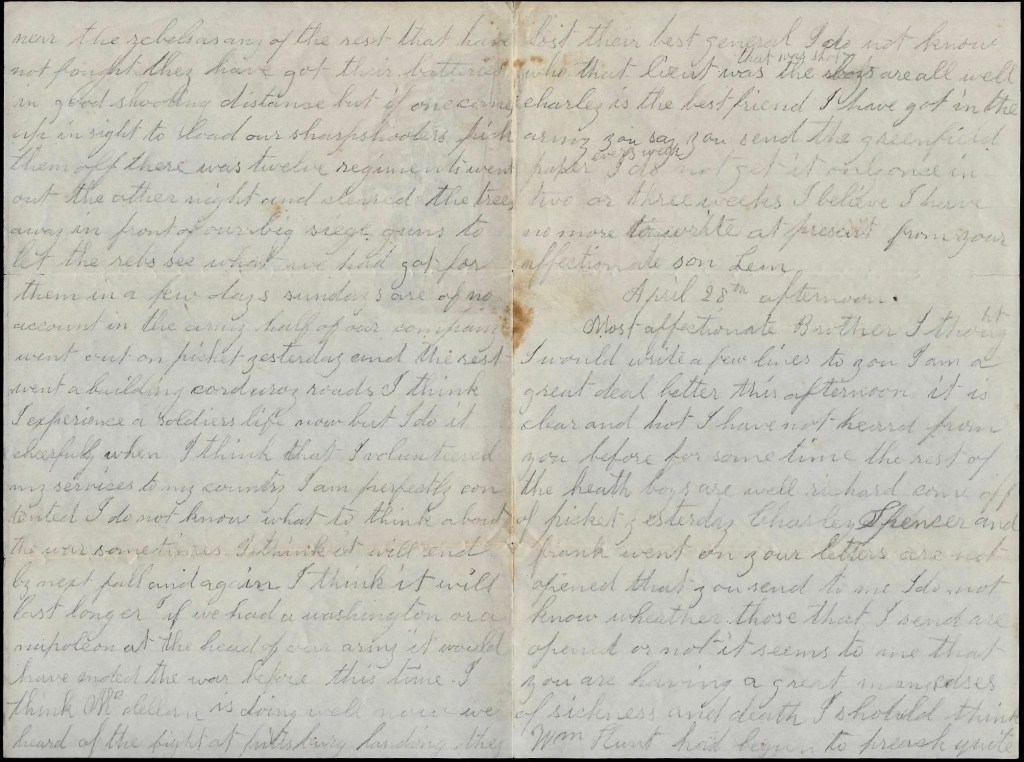
We have had much rainy weather for a week past but it has cleared off again  since I last wrote to you. We have been as near the rebels as any of the rest that have not fought. They have got their batteries in good shooting distance but if one comes up in sight to load, our sharpshooters  pick them off.

There was twelve regiments went out the other night and cleared the trees away in front of our big siege guns to let the rebs see what we had got for them in a few days. Sundays are no account in the army. Half of our company went out on picket yesterday and the rest went a building corduroy roads. I think I experience a soldier’s life now but I do it cheerfully. When I think that I volunteered my  services to my country, I am perfectly contented. I do not know what to think about the war. Sometimes I think it will end by next fall, and again I think it will last longer. If we had a Washington or a Napoleon at the head of our army, it would have ended the war before this time. I think McClellan is doing well now.

We have heard of the fight at Pittsburg Landing [Shiloh]. They lost their best General [A. S. Johnston]. I do not know who that Lieut. was that was shot. The boys are all well. Charley is the best friend I have got in the army. You say you send the Greenfield paper every week. I do not get it only once in two or three weeks. I believe I have no more to write at present. From your affectionate son, — Lem

April 28th. Afternoon. Most affectionate brother, I thought I would write a few lines to you. I am a great deal better this afternoon. It is clear and hot. I have not heard from you before for some time. The rest of the Heath boys are well. Richard come off picket yesterday. Charley, Spencer, and Frank went on. Your letters are not opened that you send to me. I do not know whether those that I send are opened or not.

It seems to me that you are having a great many cases of sickness and death. I should think Wm. Hunt had begun to preach quite young. Are you a going to stay with Jonas this summer or not? I hope you will get some  steady place. That knife I sent in Herman’s box was a small dirk knife with a German silver handle and a guard. The handle was scalloped.

I received the postage stamps that you and mother sent. Spencer is well. I should like some of Uncle Solomon’s sugar pretty well. You wanted to know what we had for grub. Well, we have our coffee and sugar dealt out to us so we have all the coffee we want and hard bread. I wish I could send you some. That is all we have had since we left Brightwood until yesterday. The boys  had some beans and today some rice and molasses. My mouth watered for them but I had not dare eat them. I must draw to a close in order to write a few lines to William. From your brother, — Lem

1862: George Thomas Perkins to Betsy (Sampson) Perkins

This letter was written by George Thomas Perkins (1836-1880), the son of Dr. Thomas Spencer Perkins (1818-1870) and Betsy Bartlett Sampson (1820-1906) of Boston.

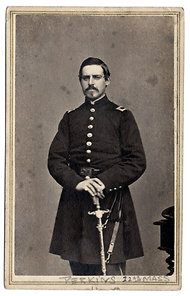
George Thomas Perkins after his promotion to Asst. Surgeon, ca. 1863 (Ron Coddington Collection)

George was born in Plymouth, Massachusetts in 1838. He received an M.D. from Harvard Medical School in 1858. He also attended Johns Hopkins University. Perkins enlisted in the Union army in 1861. He joined the Massachusetts 22nd Infantry Regiment as a hospital steward, and was promoted to assistant surgeon in 1863. He held this position until 1864. He then joined the Massachusetts 32nd Infantry Regiment as an assistant surgeon, and was promoted to full surgeon later that year. He joined the Massachusetts 26th Infantry Regiment, where he served as surgeon until 1865. After the war, Perkins practiced as a physician in Newton Lower Falls, Massachusetts, from 1865 to 1870. He became coroner of Middlesex County in 1869. 

In this letter datelined from Camp Winfield Scott near Yorktown in May 1862 while servicing in the 22nd Massachusetts, George wrote his mother early on the day in which the Confederate troops surreptitiously retreated from Yorktown. Less than two months later, George was wounded in the right lung and captured in the fighting at Gaine’s Mill but was exchanged after five weeks captivity. Lt. Col. Griswold reassured the Perkins family that George was “by no means severely wounded” and that he would “soon be transferred to Turkey Bend where many of our wounded are collected.”

See my friend Ron Coddington’s article entitled, “Left for Dead in Virginia” published on 28 June 2012 which tells the tale of the 22nd Massachusetts at Gaine’s Mill and of Perkin’s wound.

[Note: This letter is from the private collection of Richard Weiner and is published by express consent on Spared & Shared.]

Transcription

Camp Winfield Scott
Near Yorktown, Va.
May 3, 1862

Dear Mother,

I received your letter a few days ago and take this my first chance to answer it. I received a letter from Annie yesterday and shall answer it tomorrow. In it she speaks of not being well. Do please look after her a little and make her take good care of herself for she is more precious to me than all else in this world and I should never be fit for anything again should I loose her. Do be careful of her for my sake.

Our position here is a very trying one. The shot and shell are flying about us in all directions and making the most horrid noise as they hiss through the air. Our works is going bravely on, however, in spite of all the Rebels can do to prevent it. Every morning discovers a new breastwork, road, or bridge. Our men are at work night and day perfecting the works and daily long siege trains pass our camp with large guns and mortars on their way to the breastworks in front. Our brigade is in front and upon the extreme right of the line. The camp of our regiment is upon the banks of the York River making one of the finest camps we have had since we left Massachusetts.

We heard yesterday that New Orleans had been taken. I hope it is so for the sooner this war is ended, the better. For my part, I should like it to end tomorrow that I could return home once more. I never knew what hardship was before I became a soldier, but I do now. I have been hungry and could get nothing to eat. I have been tired and wet through after a hard day’s march through Virginia mud and could get no dry clothes nor place to sleep except in the open fields and have stretched out upon wet ground and slept night after night. But after going through all this, I find my health still good.

Tell Annie she can no longer say that I have weak lungs. Give my love to Annie and the children, keeping a share for yourself. I must now close this disjoined letter hoping to hear from you soon and often. Yours &c.

— George

Tell Annie to write oftener. I wrote to Mother yesterday.

1862: William Colley Crumley to Nancy (Ivester) Crumley

These letters were written by William Colley Crumley (1840-1862), the son of Charles H. Crumley and Susannah Wheeler of Hamersham county, Georgia. William was married to Nancy Lavina Ivester (1845-1898) in Habersham county, Georgia, on 7 April 1860. The couple had one child who was born just before William’s enlistment; her name was Melinda (“Linny”) Crumley (1861-1934).

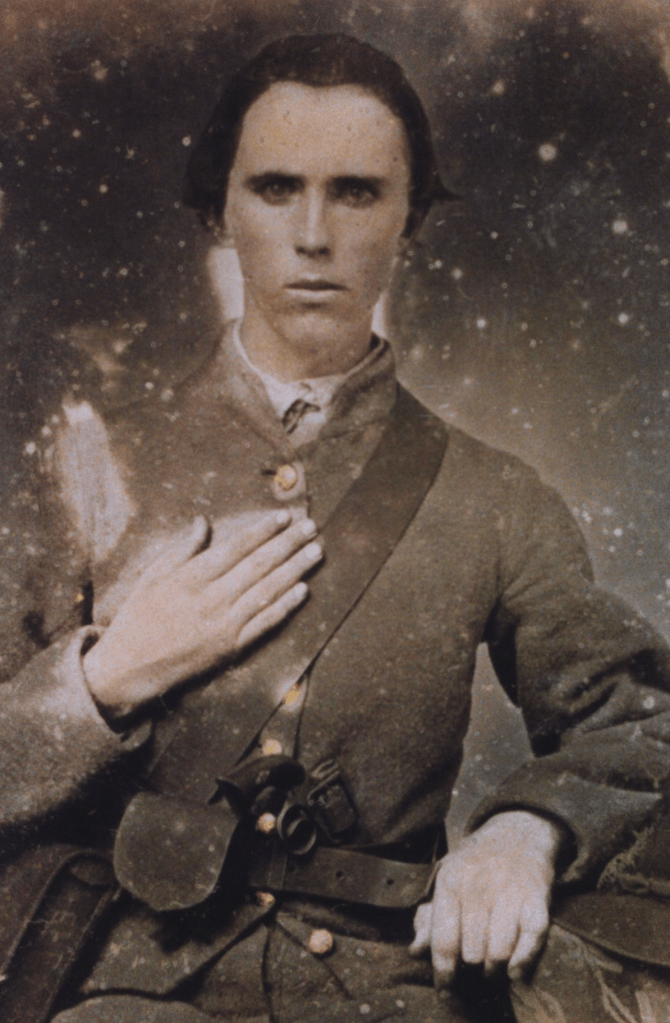
I could not find an image of William but here is Pvt. Eli Pinson Landers of the 16th Georgia Infantry. He died of disease in October 1863. (Tim Talbott Collection, Civil War Faces)

The following biographical sketch comes from Find-A-Grave:

William Crumley enlisted as a private in Company E 16th Georgia Volunteer Infantry. The 16th GA Infantry Regiment (also called Sallie Twiggs Regiment) was originally organized during the summer of 1861. The ten companies were raised in the counties of Columbia, Elbert, Gwinnett, Habersham, Hart, Jackson, Madison, and Walton (although there were members from other counties). Company E was organized at Habersham County, Ga. by Captain Benjamin Edward Stiles (Find A Grave Memorial# 6607225. Stiles became a Lieutenant Colonel and was killed at Front Royal/Deep Bottom, Va Aug 16, 1864.)

Sent to Virginia, the 16th Regiment was assigned to General Howell Cobb’s Brigade. They were encamped at Richmond from July 19, 1861 until October 20, 1861, when they were ordered to Yorktown. The Regiment fought with Magruder at Yorktown, Lee’s Mill (Dam No. 1), and Williamsburg. 

William Colley Crumley enlisted December 23, 1861 at “Camp Lamar” which was the nickname for one of the encampment areas of Cobb’s Brigade near Yorktown. Camp Lamar was named after Howell Cobb’s brother in law, John B. Lamar. The Brigade remained in the area throughout the winter of 1861-62 before returning to Richmond.

William Colley Crumley was admitted to General Hospital Camp Winder Richmond, Va on May 13, 1862 with chronic diarrhea and died May 22, 1862. According to family statements, he was buried in Hollywood Cemetery on May 23, 1862. 

[Note: These letters are from the private collection of Chase Milner and are published on Spared & Shared by express consent.]

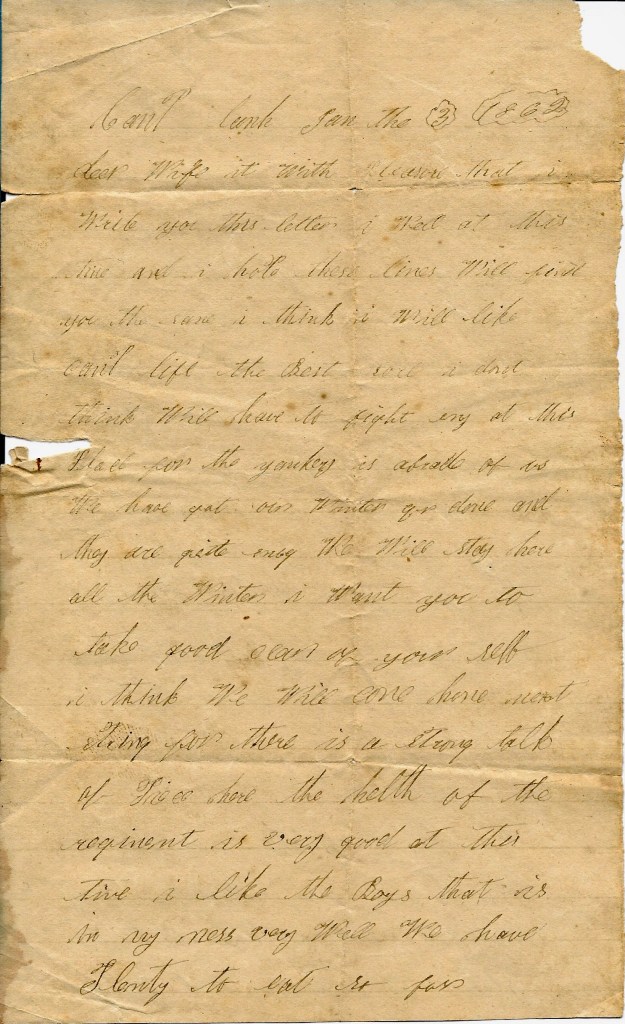
Letter 1

Camp Cobb 1
January 3, 1862

Dear Wife,

It’s with pleasure that I write you this letter. I [am] well at this time and I hope these lines will find you the same. I think I will like camp life the best sort. I don’t think [we] will have to fight any at this place for the Yankees is afraid of us. We have got our winter quarters done and they are quite [ ]. We will stay here all the winter.

I want you to take good care of yourself. I think we will come home next spring for there is a strong talk of peace here. The health of the regiment is very good at this time. I like the boys that is in my mess very well. We have plenty to eat so far.

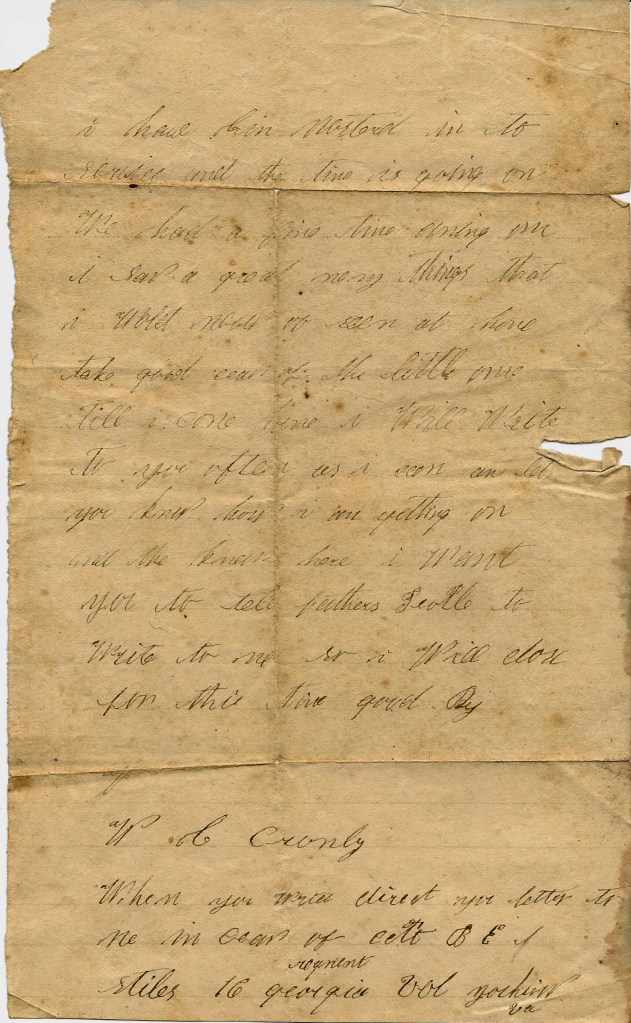
I have been mustered in to the service and the time is going on. We had a fine time coming on. I saw a great many things that I would never of seen at home. Take good care of the little one till I come home. I will write to you often as I can and let you know how I am getting on and the news here. I want you to tell Father’s people to write to me. So I will close for this time. Goodbye.

— W. C. Crumley

When you write, direct your letter to me in care of Capt. B[enjamin] E. Stiles, 16th Georgia Regiment Volunteers, Yorktown, Va.

1 Crowley’s handwriting is somewhat difficult to decipher at time but I think he means Camp Cobb, named after General Howell Cobb. The regiment had been organized during the summer of 1861 and sent to Richmond, Virginia, where they remained until mid-October when they were sent on to Yorktown which was being fortified at the time of William’s arrival. The regiment wintered there and were manning Magruder’s defenses at Dam No. 1 when the Union army approached up the Pensinsula in the spring of 1862.


Letter 2

Headquarters 16th Independent Georgia Volunteers
Camp Lamar near Yorktown, Va.
February 17, 1862

Dear Wife,

I seat myself to let you know that I am well at this time hoping these few lines will come safe to hand and will find you all well and doing well. I received your letter which gave me great joy to hear from you all that you was well. I was sorry to hear of [ ] losing his child.

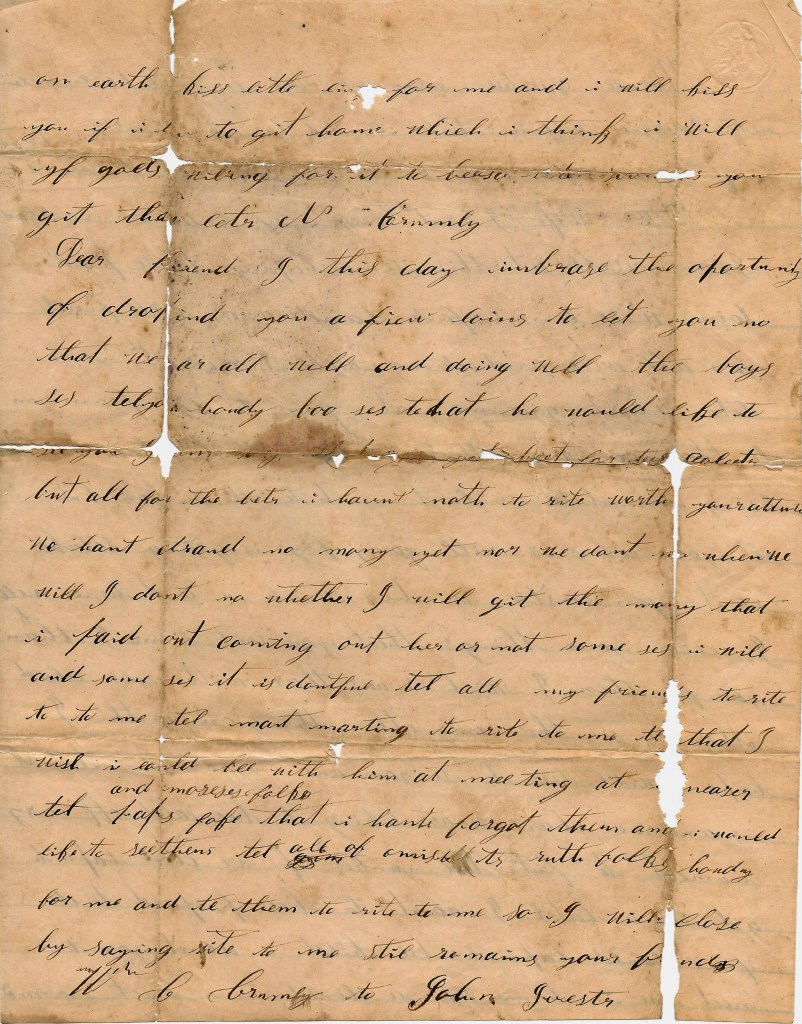
I hant much to write to you but all your cousins are well. Young [John W.] Fry 1 is getting tolerable stout. John [N.] Ivester is here with us and he is well. I received your things that you sent to me. I thank you for them. I wish I was there with you. I had rather see you than any other thing on earth. I hope I will live to see you one more time but it is a narrow chance looking to be called off every moment to fight the Yankees. If we should happen to get in a battle, I want to be prepared to die. If I should happen to be killed, I want you to meet me in heaven if we should never meet no more on earth.

Kiss little Linny for me and I will kiss you if I do get home which I think I will, if God’s willing for it to be so. Write when you get this letter.

[to] N. Crumley

Dear friend, I this day embrace the opportunity of dropping you a few lines to let you know that we are all well and doing well. The boys says tell you howdy. Boo says that he would like to see you [paper creased] but all for the better. I hant nothing to write worth your attention. We hant drawed no money yet nor we don’t know when we will. I don’t know whether I will get the money that is paid out coming out here or not. Some says I will and some says it is doubtful. Tell all my friend to write to me. Tell Mat Marting to write to me. Tell that I wish I could be with him at meeting. Tell Pap’s and Morse’s folks that I hant forgot them and I would like to see them tell all of [ ] Ruth’s folks howdy for me and tell them to write to me. So I will close by saying write to me. I still remain your friend, — W. C. Crumley to John Ivester

1 John W. Fry of Co. E, 16th Georgia Infantry, died on 10 August 1862. His father was David Fry of Clarkesville, Georgia.


Letter 3

Suffolk Town, Virginia
March 18, 1862

Dear Wife,

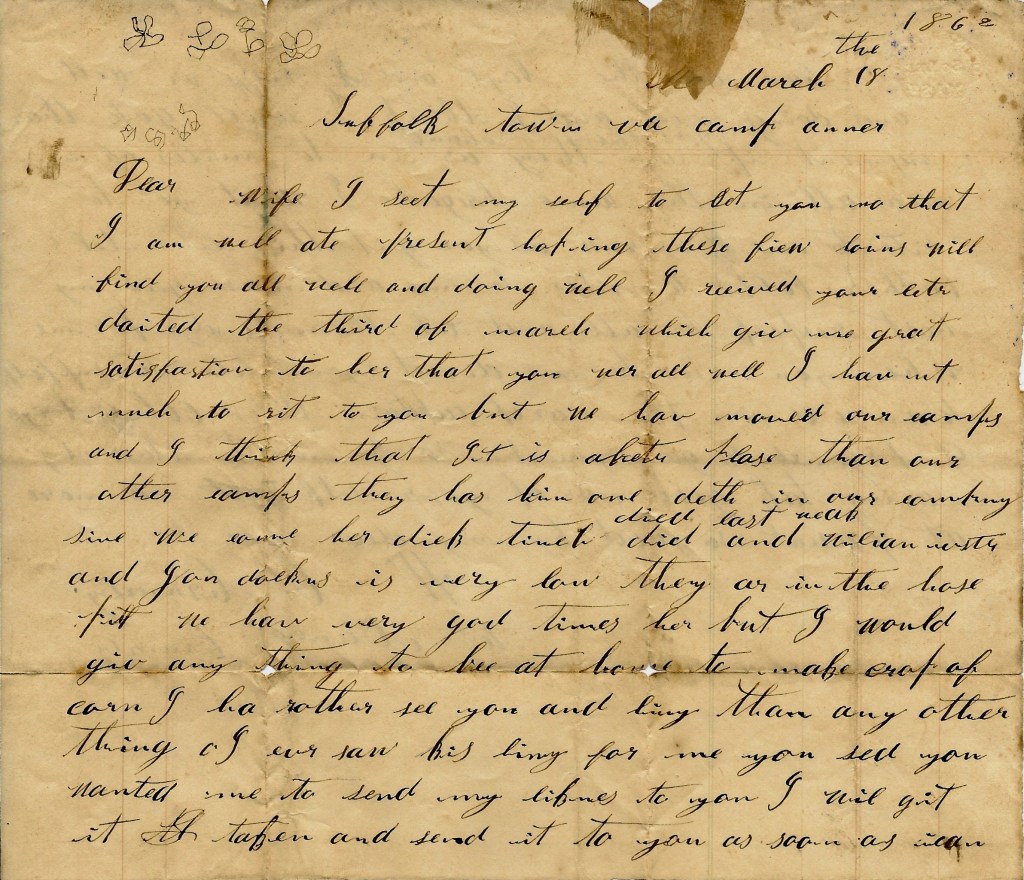
I seat myself to let you know that I am well at present hoping these few lines will find you all well and doing well. I received your letter dated the third of March which gave me great satisfaction to hear that you were all well. I haven’t much to write to you but we have moved our camps and I think that it is a better place than our other camps. There has been one death in our company since we came here. [Richard] “Dick” Tinch [Tench] died last week and William Wester [?] and John Dockins is very low. They are in the hospital.

We have very good times here but I would give anything to be at home to make a crop of corn. I had rather see you and Linny than any other thing I ever saw. Kiss Linny for me.

You said you wanted me to send my likeness to you. I will get it taken and send it to you as son as I can.

I have saw the boys and they are well and doing well and I think I will go to their regiment if I can get the chance. They are [within] two miles of us. We are all in the same brigade. I want you to write to me as soon as you get this letter. Tell brother’s folks to write to me and Mose. Give my respects to all and tell them howdy for me.

When you write to me, direct your letters to Suffolk Town, Va. in the care of Captain Stiles, Commanding Georgia Brigade, 16th Georgia Regiment. So I must close by saying take good care of yourself. No more at present. So goodbye my dear wife.

— W. C. Crumley


Letter 4

Goldsboro
April 24, 1862

Dear Wife,

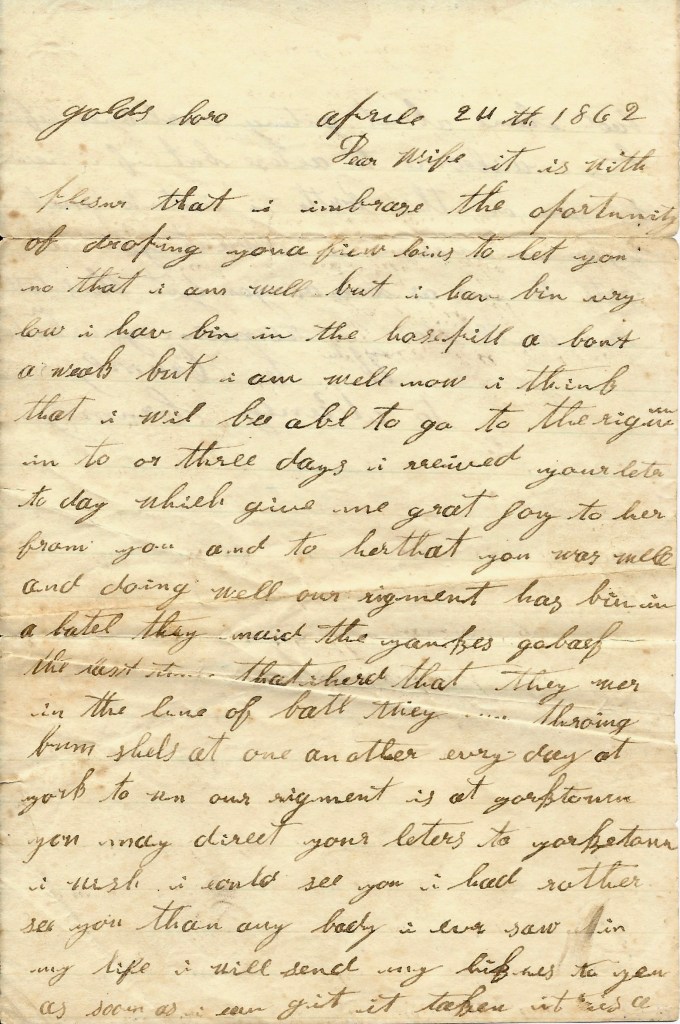
It is with pleasure that I embrace the opportunity of dropping you a few lines to let you know that I am well but I have been very low. I have been in the hospital about a week but I am well now [and] I think that I will be able to go to the regiment in two or three days.

I received your letter today which gave me great joy to hear from you and to hear that you were well and doing well.

Our regiment has been in a battle. 1 They made the Yankees go back. The last time that I heard, they were in the line of battle [and] they were throwing bob shells at one another everyday at Yorktown. Our regiment is at Yorktown. you may direct your letters to Yorktown.

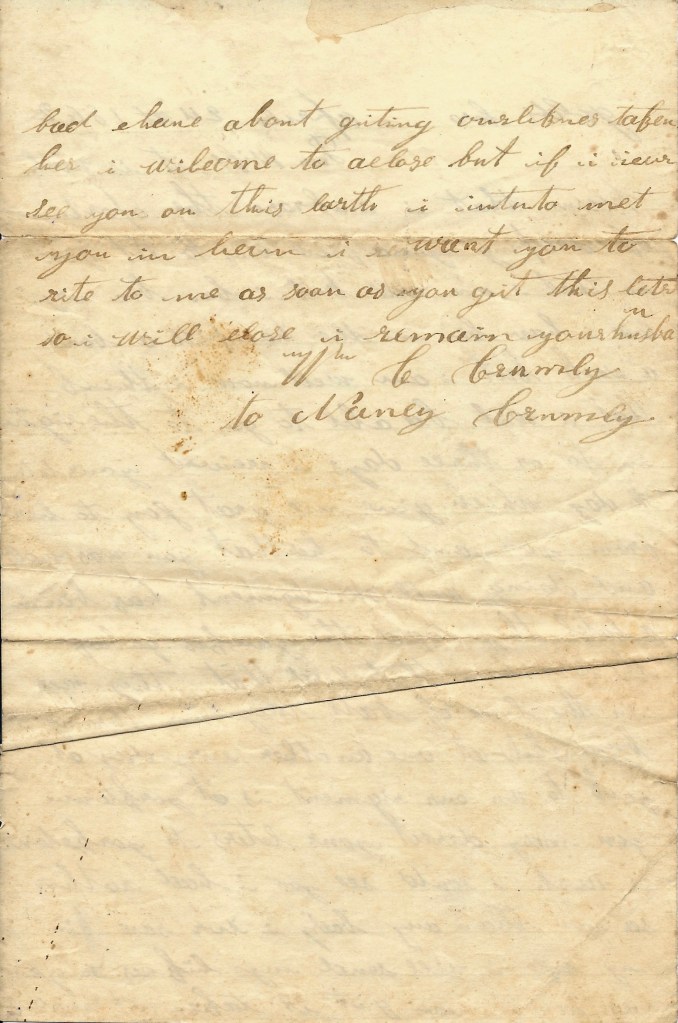
I wish I could see you. I had rather see you than anybody I ever saw in my life. I will send my likeness to you as soon as I can get it taken. It is a bad chance about getting our likeness taken here.

I will come to a close but if I ever see you on this earth, I intend to meet you in heaven. I want you to write to me as soon as you get this letter. So I will close. I remain your husband, — W. C. Crowley

to Nancy Crowley

1 This is probably a reference to the fight at Dam No. 1 in which McClellan’s forces tried to break the Confederate line at the Warwick River near Yorktown.


Letter 5

[Not datelined]

Dear Wife,

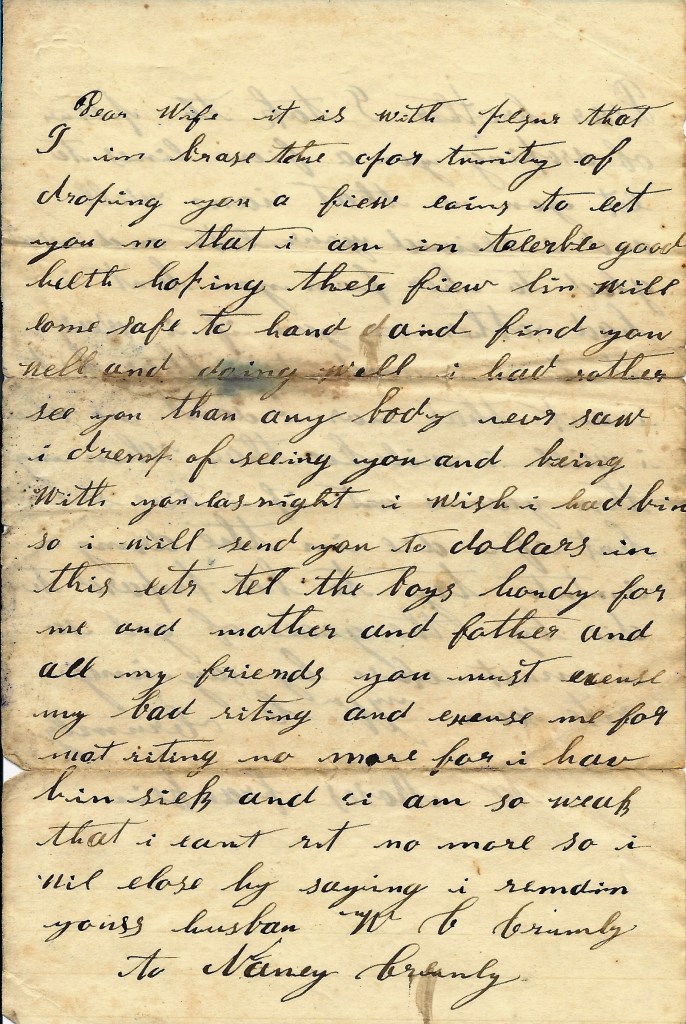
It is with pleasure that I embrace the opportunity of drafting you a few lines to let you know that I am in tolerable good health, hoping these few lines will come safe to hand and find you well and doing well. I had rather see you than anybody I ever saw. I dreamed of seeing you and being with you last night. I wish I had been.

So I will send you two dollars in this letter. Tell the boys howdy for me and mother and father and all my friends. You must excuse my bad writing and excuse me for not writing no more for I have been sick and I am so week that I can’t write no more. So I will close by saying I remain your husband. — W. C. Crumley

Dear Brother,

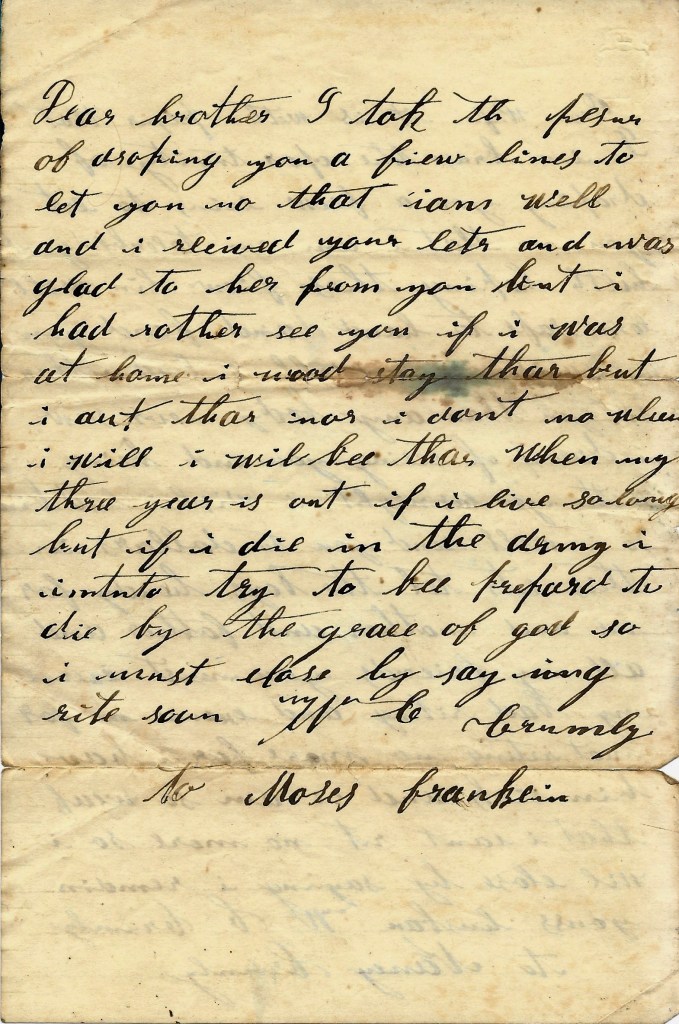
I take the pleasure of dropping you a few lines to let you know that I am well and I received your letter and was glad to hear from you but I had rather see you. If I was at home, I would stay there but I ain’t there nor I don’t know when I will be there. When my three years is out if I live so long, but if I die in the army I intend to try to be prepared to die by the Grace of God. So I must close by saying write soon. — W. C. Crumley

To Moses Franklin