Category Archives: Battle of Missionary Ridge

1863-64: James Wesley Cassingham to Salina (Cassingham) Wyatt

These letters were written by James Wesley Cassingham (1840-1921), the son of English emigrant James Cassingham (1811-1882) and Virginia-native Martha Oden (1810-1844). James was born in Jackson, Muskingham county, Ohio, and was living in LaHarpe, Hancock county, Illinois when he enlisted on 24 May 1861 to serve as a private in Co. F of the 16th Illinois Infantry. He reenlisted as a veteran in the regiment on 28 December 1863, for which he received a bounty and a 30 day furlough in February 1864. He mustered out of the regiment on 8 July 1865 as a corporal.

In his letters, James mentions his cousin, Thomas Alexander (“Alex”) Cassingham (1844-1863) who served in Co. F of the 88th Illinois Infantry. Alex was killed in the Battle of Missionary Ridge in November 1863, as described in Letter 2 below. The recipient of all three of these letters was a third cousin, Salina (Cassingham) Wyatt, who lived in Dresden, Muskingum Co., Ohio at the time. Her husband, Frank Wyatt, served as a private in Co. F, 62nd Ohio Infantry.

To read letters written by other members of the 16th Illinois Infantry made available by Spared & Shared, see:
Noble Lovely Prentis, Co. D, 16th Illinois (1 Letter)
Francis James Russell, Co. D, 16th Illinois (6 Letters)
Matthew Davis, Co. G, 16th Illinois (3 Letters)

These Cassingham letters were kept by Salina and passed down to a descendant, Melvin Ernest Wyatt, who gifted them to Paul Jacque Cassingham. Wishing to preserve the history in them, he in turn provided me with scans for transcription and publication on Spared & Shared.
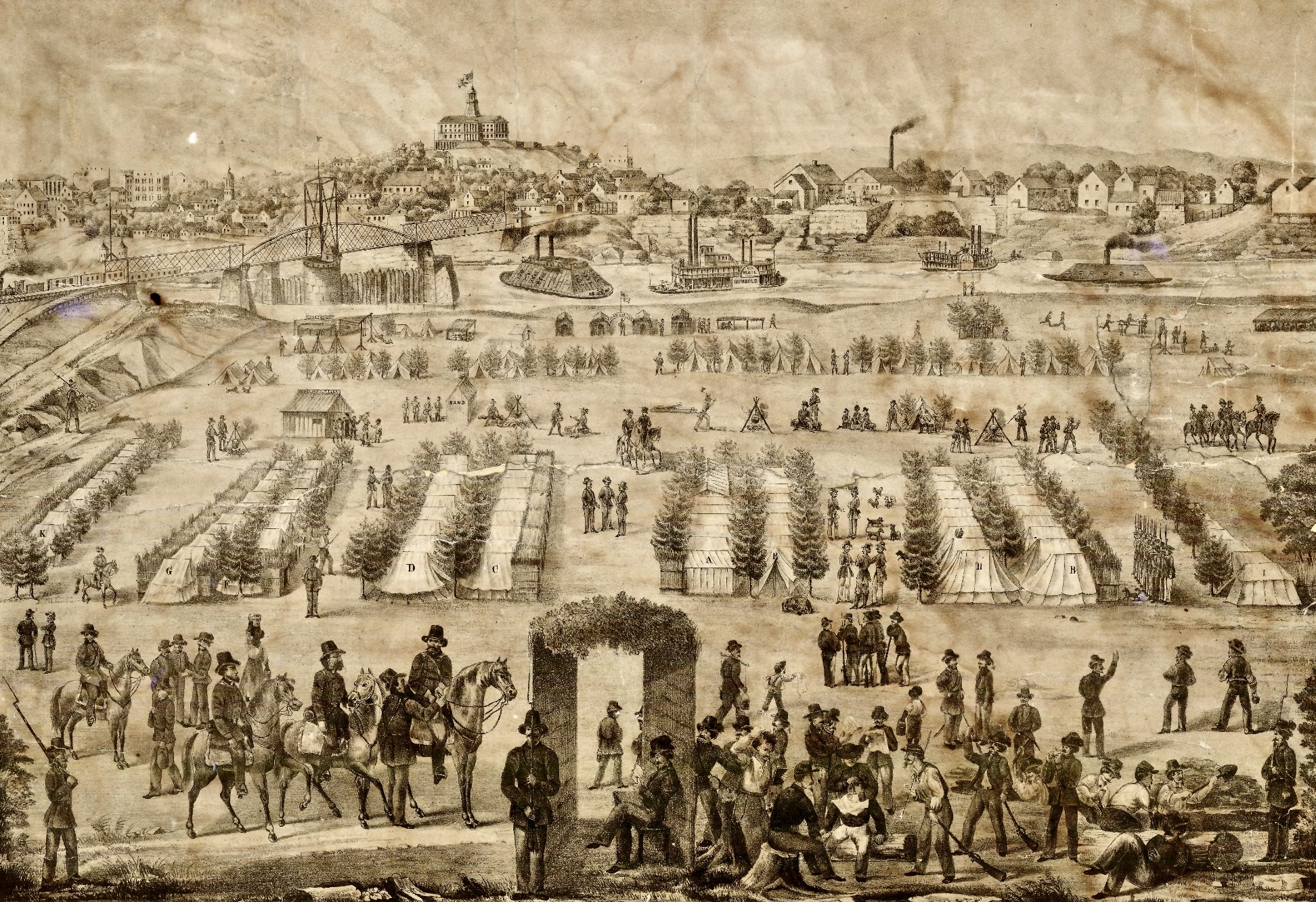
Camp of the 16th Illinois Infantry across the Cumberland River from Nashville, TN.

Letter 1

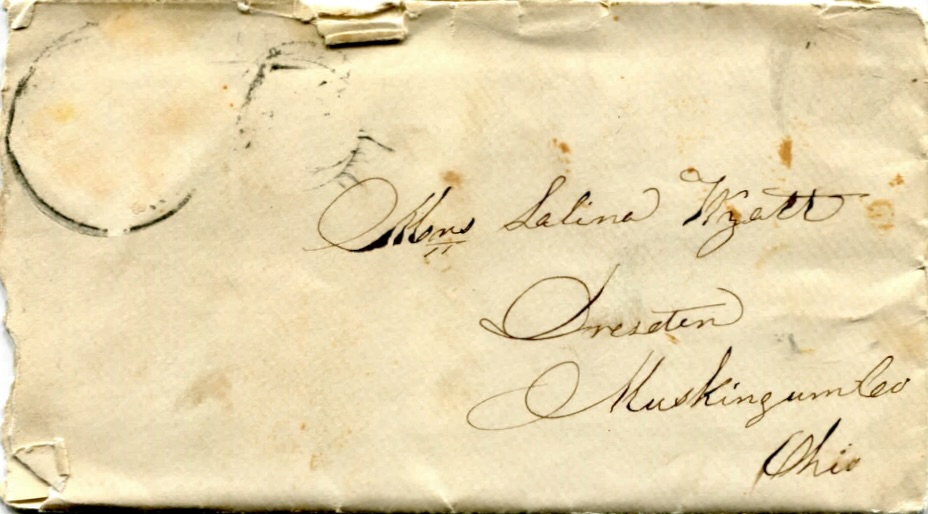
Addressed to Mrs. Salina Wyatt, Dresden, Muskingham county, Ohio

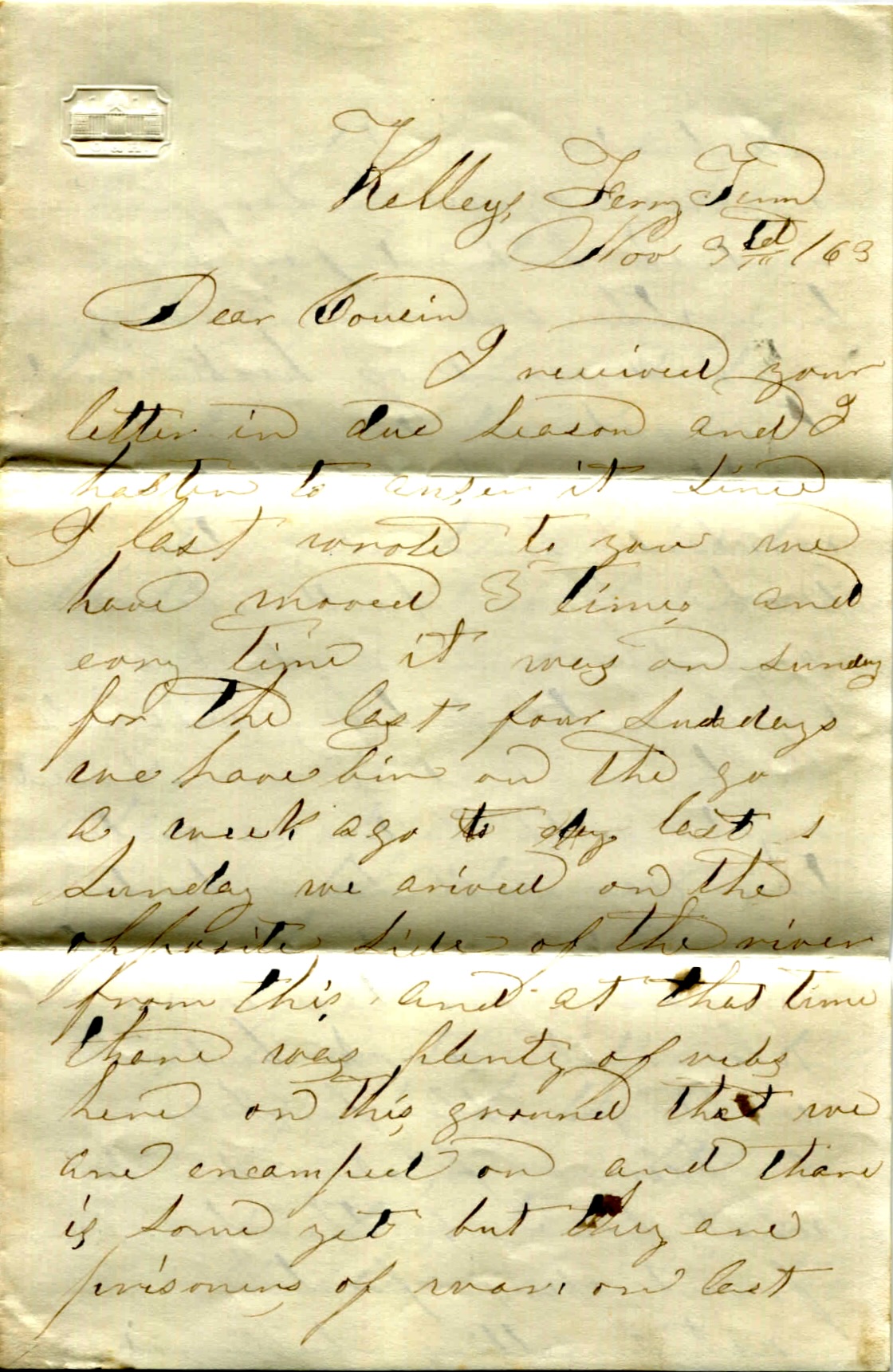
Kelly’s Ferry, Tennessee 1
November 3rd, 1863

Dear Cousin,

I received your letter in due season and I hasten to answer it. Since I last wrote to you we have moved three ties and every time it was on Sunday. Gor the last four Sunday’s we have been on the go. A week ago today last Sunday we arrived on the opposite side of the river from this and at that time there was plenty of rebs here on this ground that we are camped on and there is some yet but they are prisoners of war.

On last Wednesday night we was waked up by heavy firing and it continued for some time. The cause of it was by a movement of Hooker and the rebs made a night attack on him and they got repulsed handsomely. The rebs is in pretty close quarters now and it is hoped that they will all be captured and if we should meet with such a victory, this war will soon be to an end and I won’t be sorry for this is no pleasnt work. But I won’t grumble for I am a faring first rate to what some of the troops front of us is they they are not getting full rations and for a long time they have not got half rations. But they are getting plentier now for the river is open to this point and the boats is a running to this point and from this point to Chattanooga it is but ten miles and good roads.

Alex got through the fight safe and sound. If you see either of them uncles of [yours], you can tell them I am all right and if they want to hear from me, for them to answer the letter that I wrote to them.

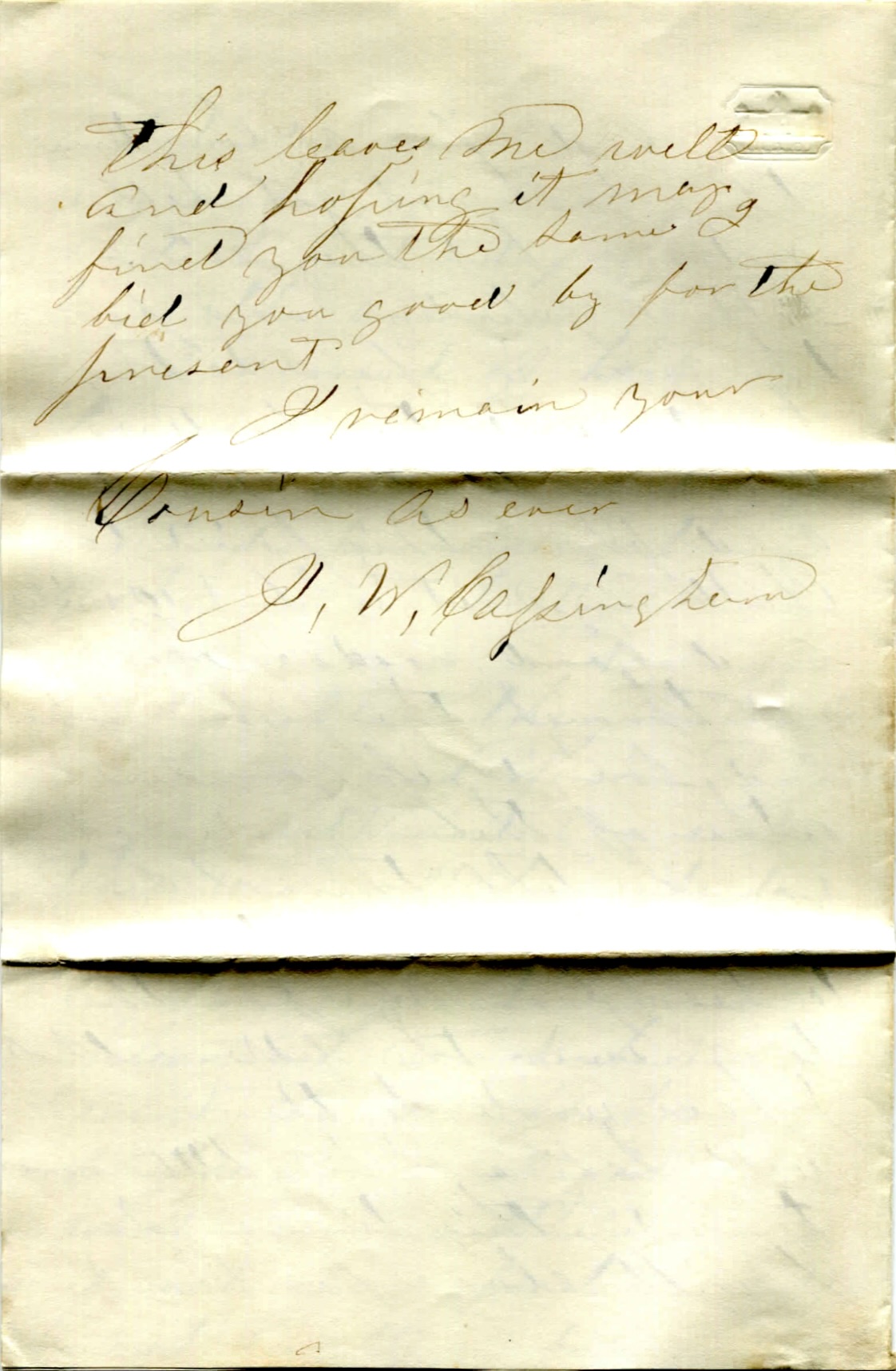
Well, Salina, I [have] but little news to write this time so I will close for this time. This leaves me well and hoping it may find you the same. I bid you goodbye for the present. I remain your cousin as ever, — J. W. Cassingham

1 Kelly’s Ferry on the Tennessee River in Lookout Valley, Tennessee, was a highly strategic point during the Civil War. It served as the crucial river terminus for the “Cracker Line,” a vital supply route that saved starving Union forces during the Confederate siege of Chattanooga in late 1863. Union victories in October 1863—including the amphibious assault at Brown’s Ferry and the Battle of Wauhatchie—secured the surrounding valley roads and guaranteed that provisions, ammunition, and reinforcements flowing through Kelly’s Ferry could safely reach Chattanooga.

Letter 2

Kelly’s Ferry, Tennessee
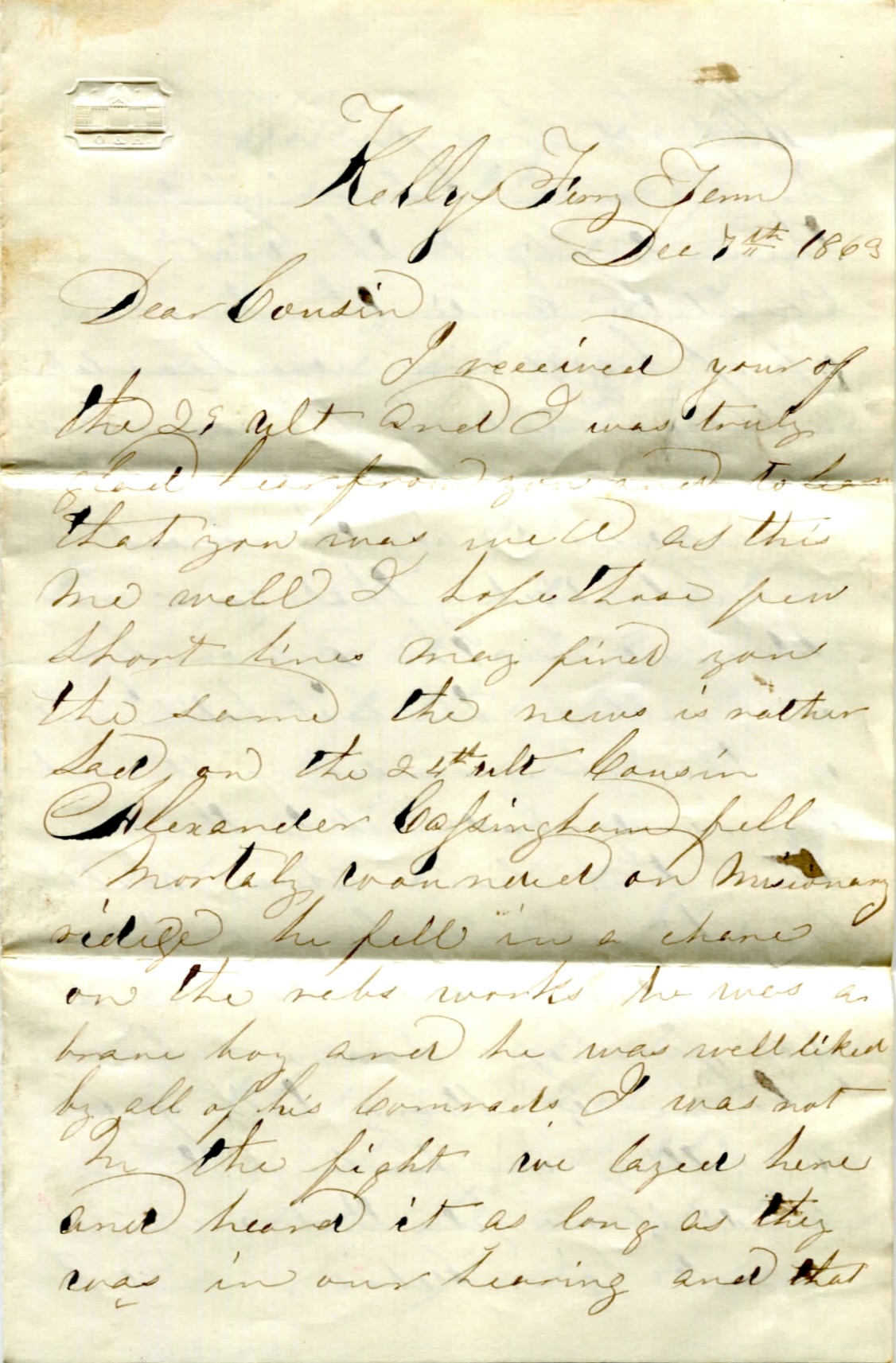
December 7, 1863

Dear Cousin,

I received yours of the 29th ult. and I was truly glad to hear from you and to hear that you was well as this [leaves] me well. I hope these few short lines may find you the same.

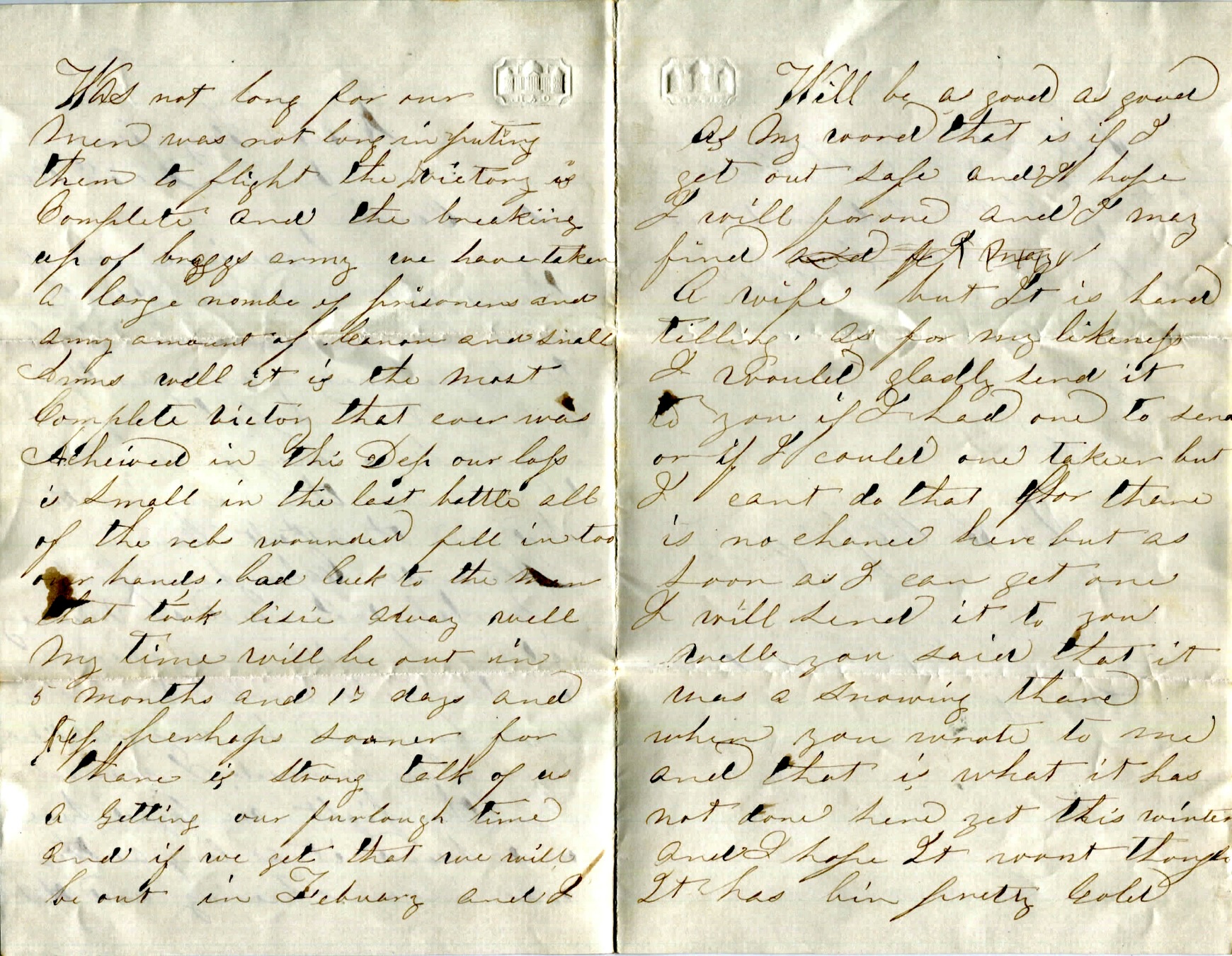
The news is rather sad. On the 24th ult. Cousin Alexander Cassingham fell mortally wounded on Missionary Ridge. He fell in a charge on the rebel works. He was a brave boy and he was well liked by all of his comrades. I was not in the fight. We layed here and heard it as long as they was in our hearing and that was not long for our men was not long in putting them to flight. The victory is complete and the breaking up on Bragg’s army. We have taken a large number of prisoners and any amount of cannon and small arms. Well, it is the most complete victory that ever was achieved in this department.

Our loss is small in the last battle. All of the rebs wounded fell into our hands. Bad luck to the men that took Lisie [Alex] away.

Well, my time will be out in 5 months and 17 days and perhaps sooner for there is strong talk of us a getting our furlough time and if we get that, we will be out in February and I will be as good as my word—that is, if I get out safe. And I hope I will for one. And I may find a wife but it is hard telling.

As for my likeness, I would gladly send it to you if I had one to send or if I could [get] one taken but I can’t do that for there is no chance here. But as soon as I can get one, I will send it to you. And you said that it was a snowing there when you wrote to me and that it what it has not done here yet this winter. And I hope it won’t thought it has been pretty cold.

Well, I must close for it is about dinner time and I am cook so no more at present. I remain your cousin, — Jas. W. Cassingham

Give my love to Aunt.

Letter 3
Nashville, Tennessee
February 26th 1864

Dear Cousin,

I seat myself to write you a few lines to let you know that I am still alive and among the living. We left Illinois on last Saturday and we got to this place the night of the 23rd and here we are yet. But how long we will stay here, I cannot tell but I hope it won’t be long for this is not the kind of soldiering I like to do. It is as bad as Libby Prison for we are kept about as close anymore than we can get out.

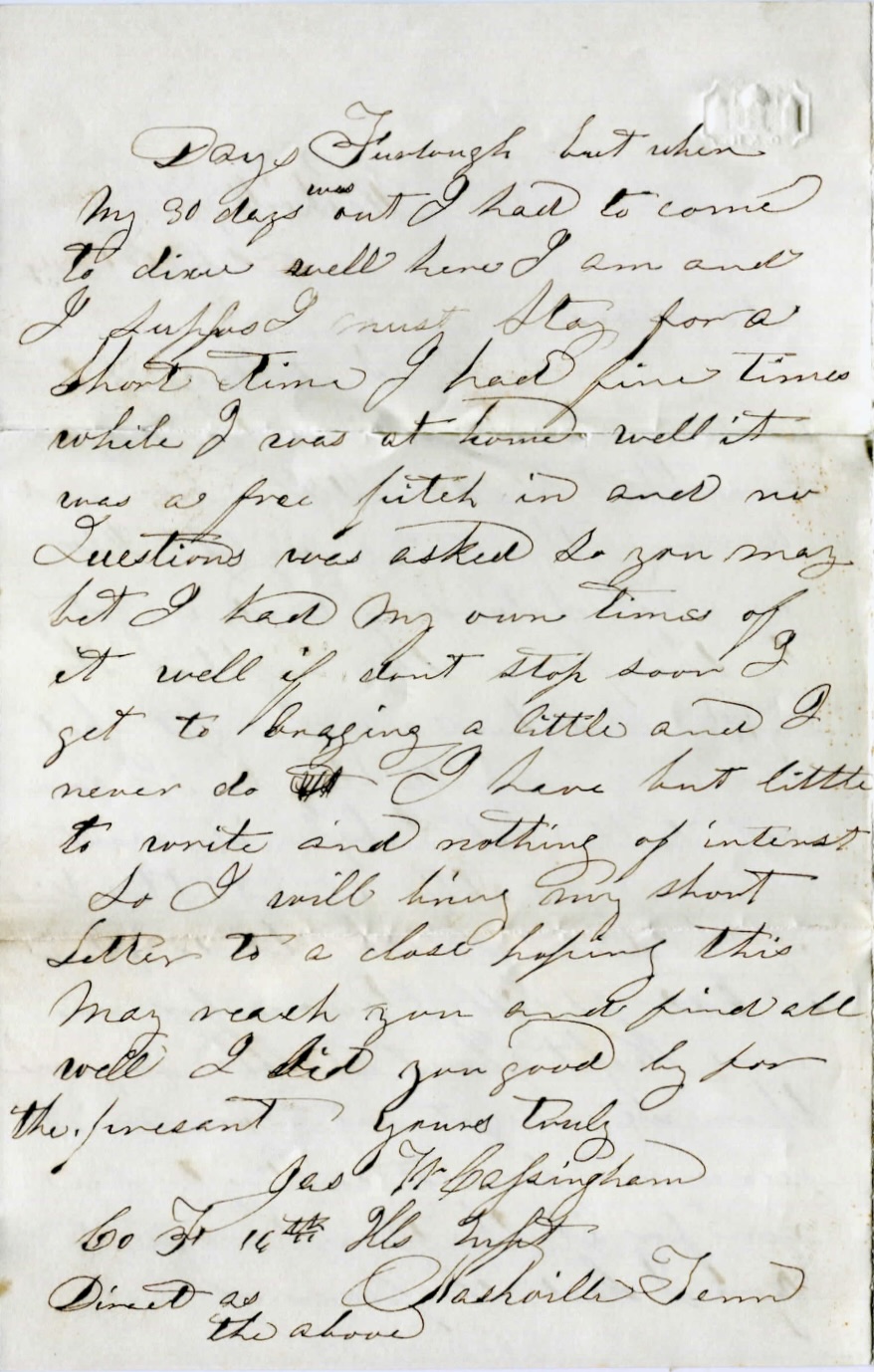
You must excuse me for not coming to see you for at the time I wrote to you, I had the promise of sixty days furlough but when my 30 days was out, I had to come to Dixie. Well, here I am and I suppose I must stay for a short time. I had a fine time while I was at home. Well, it was a free pitch in and no questions was asked so you may bet I had my own times of it.

Well, if I don’t stop soon, I’ll get to bragging a little and I never do. I have but little to write and nothing of interest so I will bring my short letter to a close. Hoping this may reach you and find you all well, I bid you goodbye for the present. Yours truly, — Jas. W. Cassingham

Co. F, 16th Illinois Infantry
Nashville, Tennessee

Direct as above.

1862-63: Adam Turney Kreps to his Relatives

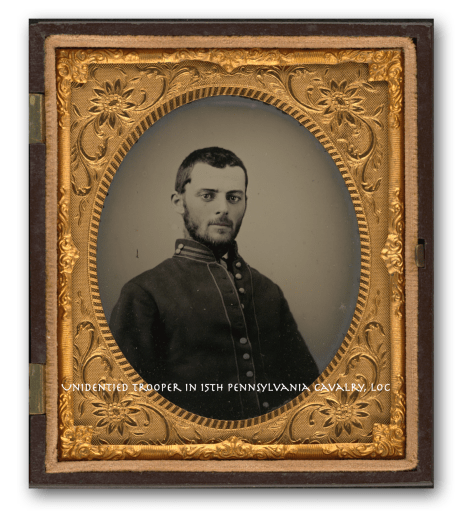
These letters were written by Adam (“Addy”) Turney Kreps (1842-1919), the son of Jacob Fordney Kreps (1806-1888) and Eliza E. Turney (1809-1887) of Greensburg, Westmoreland county, Pennsylvania. Adam began his service in the Civil War as a member of the Anderson’s Troop (15th Pennsylvania Cavalry). While with the 15th Pennsylvania Cavalry, Co. F, and later Co. H, he participated in the Battles of Antietam and Chancellorsville. In 1864 he was commissioned a 1st Lieutenant in the 3rd Missouri Colored Infantry but on 11 March 1864, orders were received renaming it the 67th US Colored Troop (USCT) Infantry.


Letter 1

Downsville, Maryland
September 19, [1862]

Dear Father,

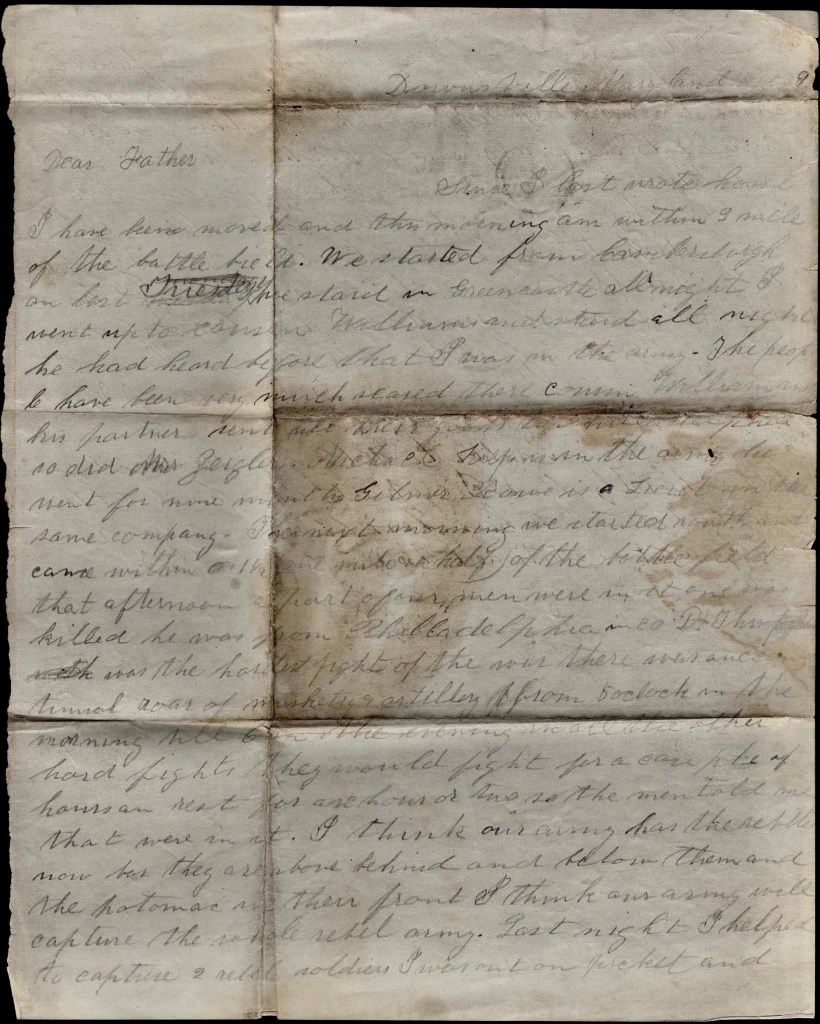
Since I last wrote home I have been moved and this morning am within three miles of the battlefield. We started from Chambersburg on last Tuesday. We stayed in Greencastle all night. I went up to cousin William’s and stayed all night. He had heard before that I was in the army. The people have been very much scared there. Cousin William and his partner sent all their goods to Philadelphia. So did Mr. Ziegler. Michael Kreps is in the army. He went for nine months. Gilmer Rowe is a Lieutenant in the same company.

The next morning we started south and came within one mile and a half of the battlefield. That afternoon a part of our men were in it. One was killed. He was from Philadelphia in Co. D. It was the hardest fight of the war. There was one continual roar of musketry & artillery from 5 o’clock in the morning till 6 in the evening. In all the other hard fights, they would fight for a couple of hours and rest for an hour or two, so the men told me that were in it. I think our army has the rebels now as they are above, behind, and below them and the Potomac in their front. I think our army will capture the whole rebel army.

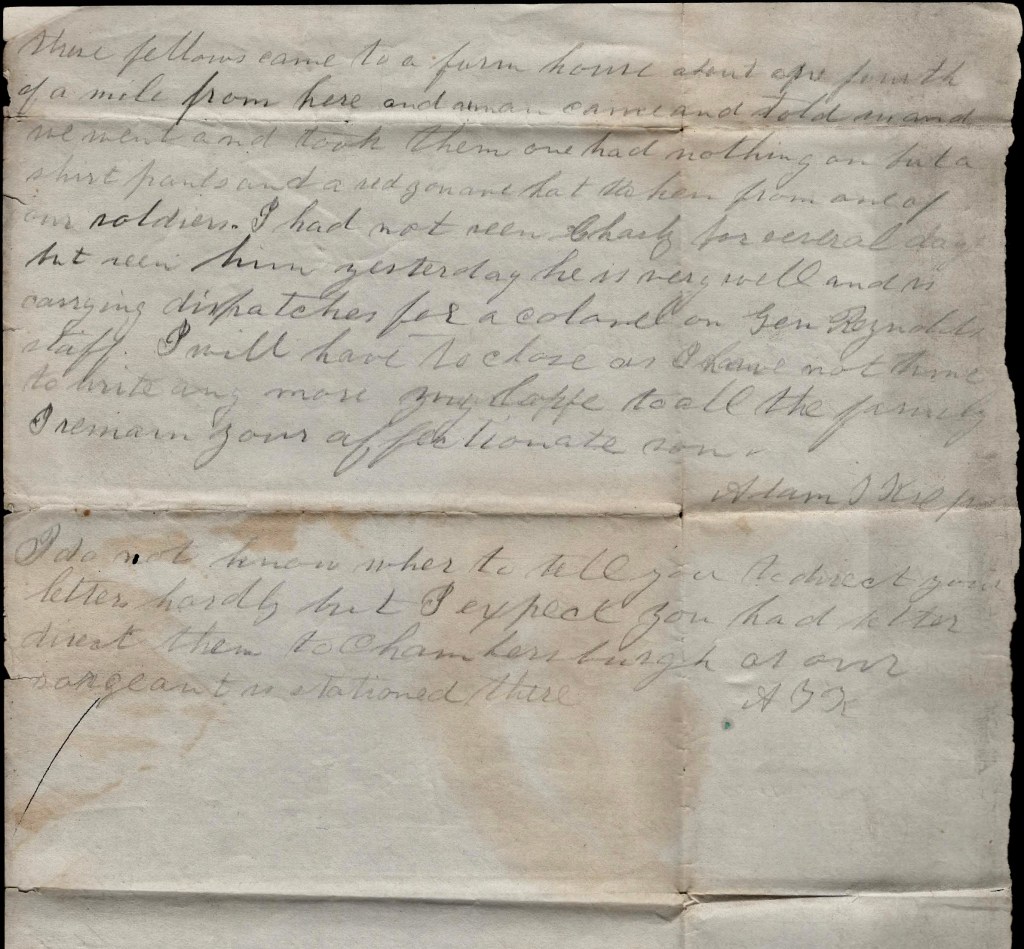
Last night I helped to capture two rebel soldiers. I was out on picket and these fellows came to a farm house about a fourth of a mile from here and a man came and told us and we went and took them. One had nothing on but a shirt, pants, and a red Zouave hat taken from one of our soldiers.

I had not seen Charley for several days but seen him yesterday. He is very well and is carrying dispatches for a colonel on Gen. Reynold’s staff. I will have to close as I have not time to write any more. My love to all the family. I remain your affectionate son, — Adam T. Kreps

I do not know where to tell you to direct your letters hardly but I expect you had better direct them to Chambersburg as our sergeant is stationed there. — A. T. K.


Letter 2

[Editor’s note: This letter was written from Chattanooga in the midst of the Battle of Lookout Mountain which began on November 23rd with the attack on and capture of Orchard Knob. It was followed by the final assault on Missionary Ridge on November 25th.]

Chattanooga, [Tennessee]
November 24, 1863

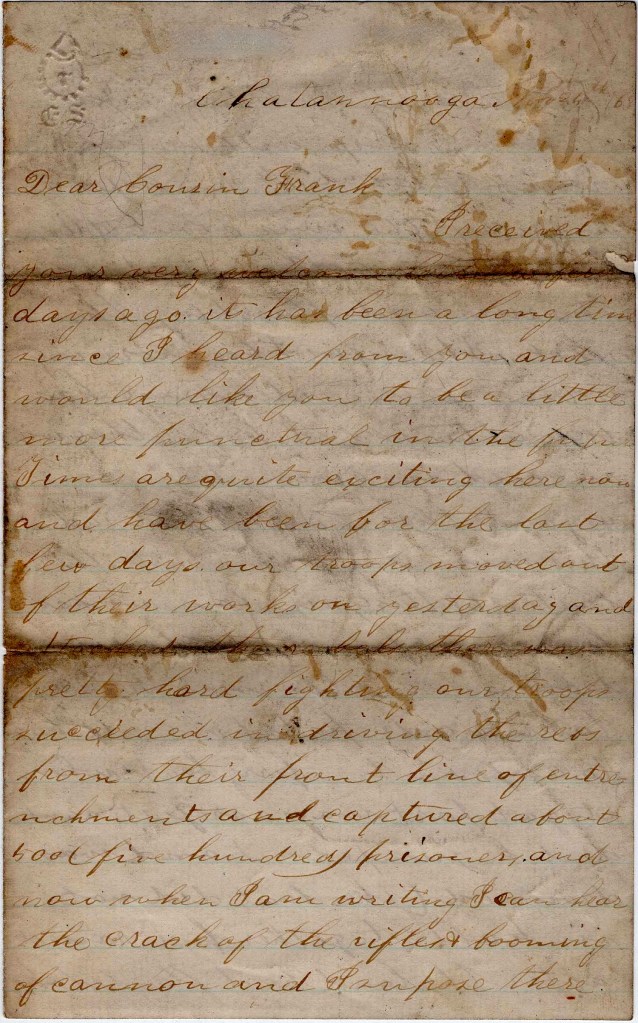
Dear cousin Frank,

I received your very welcome letter five days ago. It has been a longtime since I heard from you and would like you to be a little more punctual in the future.

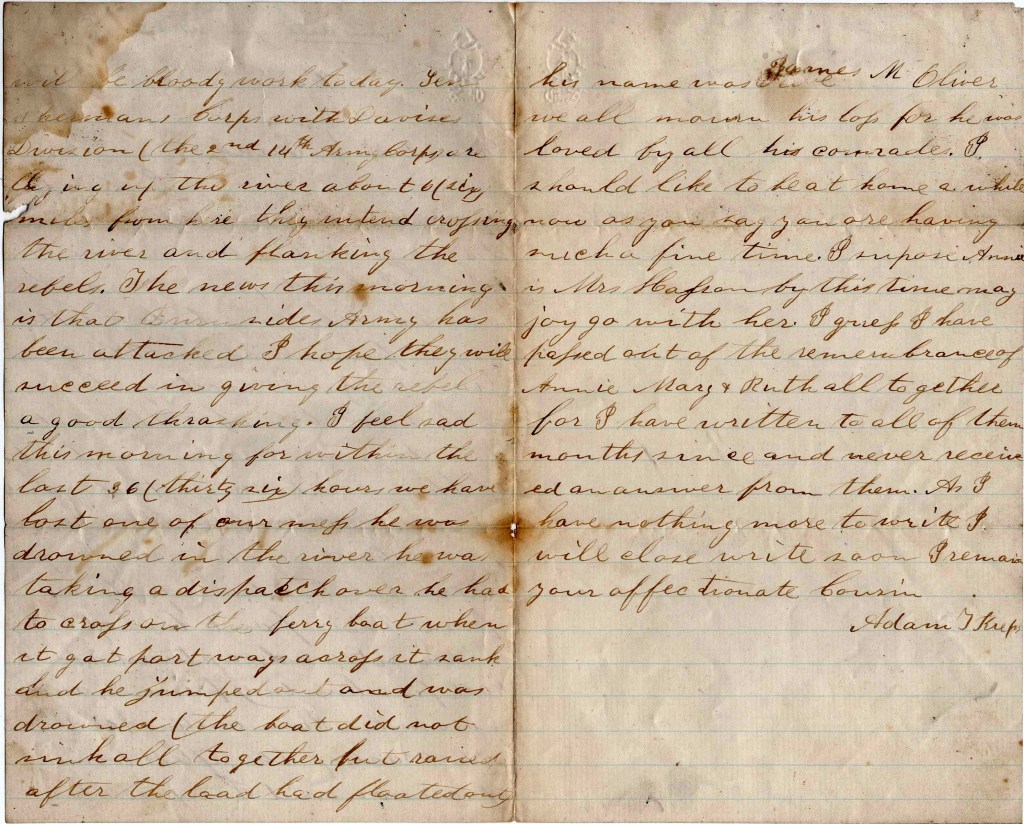
Times are quite exciting here now and have been for the last few days. Our troops moved out of their works on yesterday and attacked the rebels. There was pretty hard fighting. Our troops succeeded in driving the rebs from their front line of entrenchments and captured about 500 (five hundred) prisoners and now when I am writing, I can hear the crack of the rifles and booming of cannon and I suppose there will be bloody work today. Gen. Sherman’s Corps with Davis’s Division (the 2nd and 14th Army Corps) are lying up the river about 6 (six) miles from here. They intend crossing the river and flanking the rebels. The news this morning is that Burnside’s army has been attacked [at Knoxville]. I hope they will succeed in giving the rebels a good thrashing.

I feel sad this morning for within the last 36 (thirty-six) hours we have lost one of our mess. He was drowned in the river. He was taking a dispatch over. He had to cross on the ferry boat. When it got part ways across, it sank and he jumped and was drowned (the boat did not sink altogether but raised after the load had floated out). His name was James M. Oliver. We all mourn his loss for he was loved by all his comrades.

I should like to be at home a while now as you say you are having such a fine time. I suppose Annie is Mrs. Hafron by this time. May joy go with her. I guess I have passed out of the remembrance of Annie, Mary and Ruth altogether for I have written to all of them months since and never received an answer from them. As I have nothing more to write, I will close. Write soon. I remain your affectionate cousin, — Adam T. Kreps


Letter 3

Chattanooga [Tennessee]
December 18th [1863]

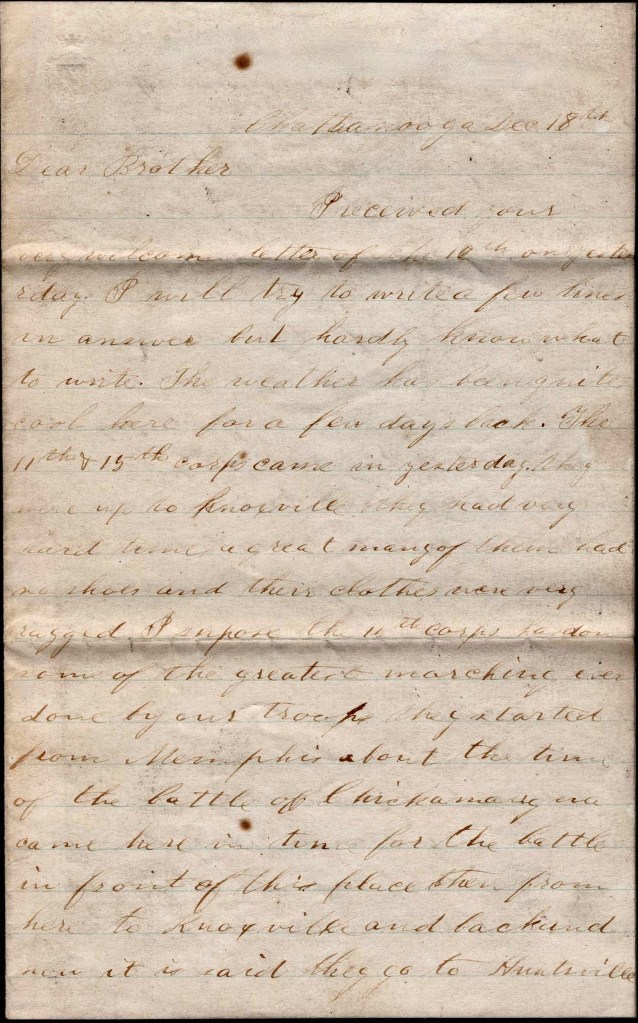
Dear Brother,

I received your very welcome letter of the 10th only yesterday. I will try to write a few lines in answer but hardly know what to write. The weather has been quite cool here for a few days back. The 11th & 15th Corps came in yesterday. They were up to Knoxville. The had a very hard time. A great many of them had no shoes and their clothes were very ragged. I suppose the 11th Corps has done some of the greatest marching ever done by our troops. They started from Memphis about the time of the Battle of Chickamauga, came here in time for the battle in front of this place, then from here to Knoxville and back and now it is said they go to Huntsville.

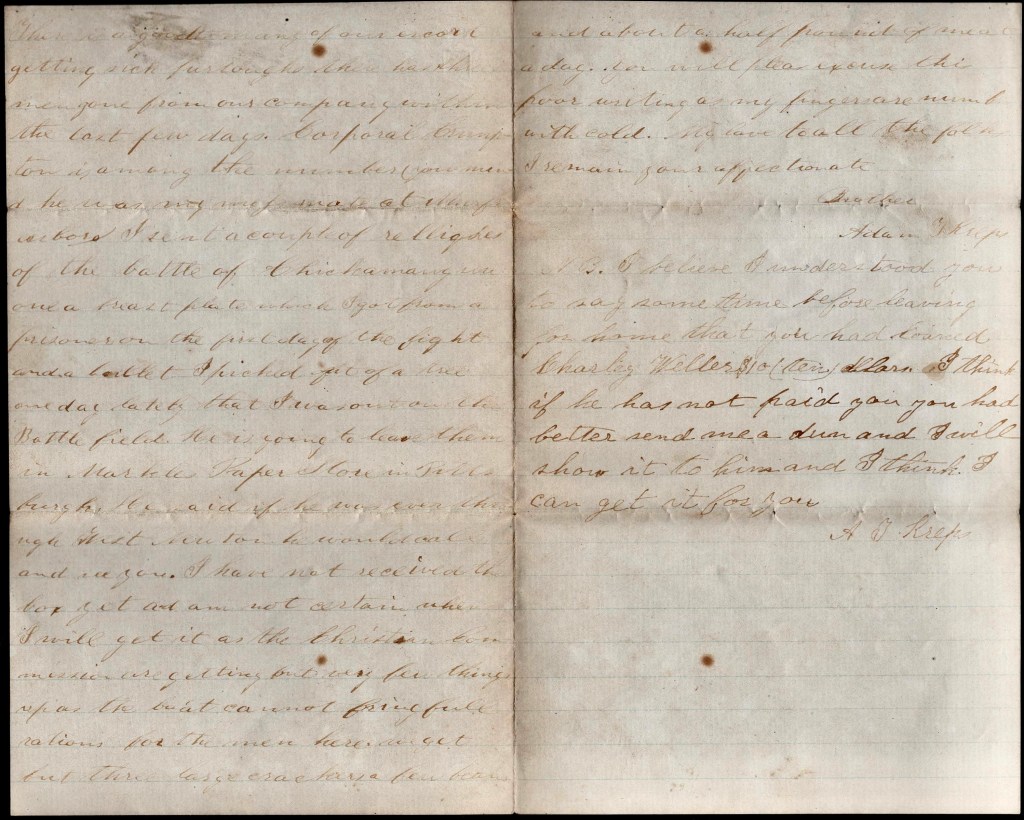
There is a good many of our escort getting sick furloughs. There has three men gone from our company within the last few days. Corporal Crumpton is among the number (you mind he was my mess mate at Murfreesboro). I sent [by him] a couple of relics of the Battle of Chickamauga—one a breastplate which I got from a prisoner on the first day of the fight, and a bullet I picked out of a tree—one day lately that I was out on the battlefield. He is going to leave them in Markle’s Paper Store in Pittsburgh. He said if he was ever through West Newton, he would call and see you.

I have not received the box yet and am not certain when I will get it as the Christian Commission are getting but very few things up as the boat cannot bring full rations for the men here. We get but three large crackers, a few beans, and about a half pound of meal a day. You will please excuse this poor writing as my fingers are numb with cold.

My love to all the folks. I remain your affectionate brother, — Adam T. Kreps

N. B. I believe I understood you to say some time before leaving for home that you had loaned Charley Weller $10 dollars. I think if he has not paid you, you had better send me a dun and I will show it to him and I think I can get it for you. — A. T. Kreps