Category Archives: US Marines

1862: Charles Edward Ballou to Mary Elizabeth Ballou

These two letters were written by Charles Edward Ballou (1843-1938) of Chepachet, Providence, Rhode Island. He was the son of Sabin A. Ballou (1818-1848) and Mary Ann Arnold (1821-1898). Charles and his brother, Henry Warren Ballou, enlisted in Co. F, 9th Rhode Island Infantry—a regiment that was raised in May 1862 for three months service to garrison the Washington D. C. forts during McClellan’s Peninsula Campaign. Company “A” was at Fort Greble, “B” at Fort Meigs, “C” at Fort Ricketts, “D” at Fort Snyder, “E” and “K” at Fort Baker, “F” at Fort Carroll, “G” at Fort Dupont, “H” at Fort Wagner, “I” at Fort Stanton and “L” at Fort Davis. Mustered out September 2, 1862. Charles wrote the letter to his sister Mary Elizabeth Ballou (1845-1927).

Letter 1

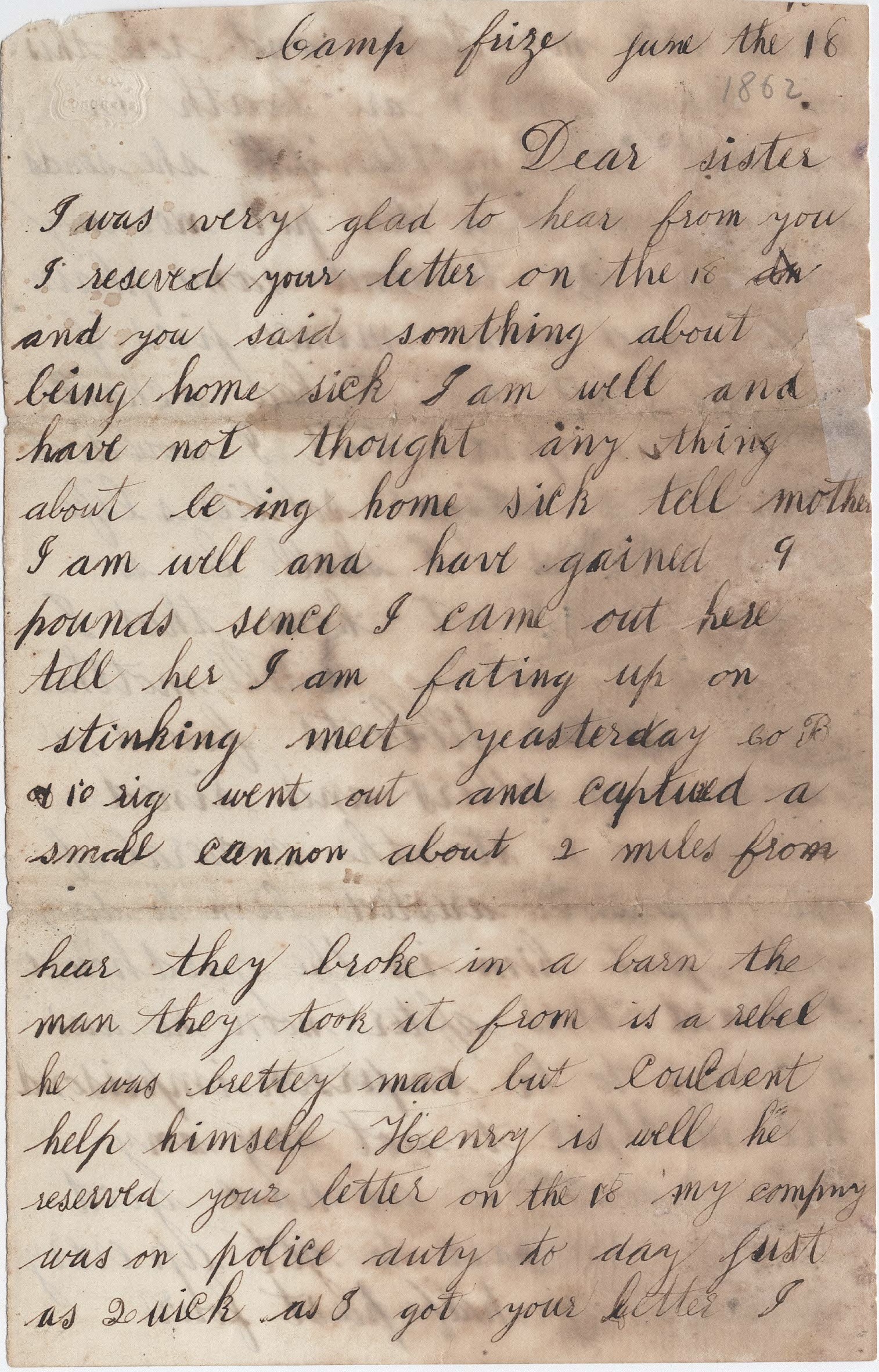
Camp Frieze [Tennallytown, D. C.]
June 18, 1862

Dear Sister,

I was very glad to hear from you. I received your letter on the 18th and you said something about being homesick. I am well and have not thought anything about being home sick. Tell mother I am well and have gained nine pounds since I came out here. Tell her I am fatting up on stinking meat.

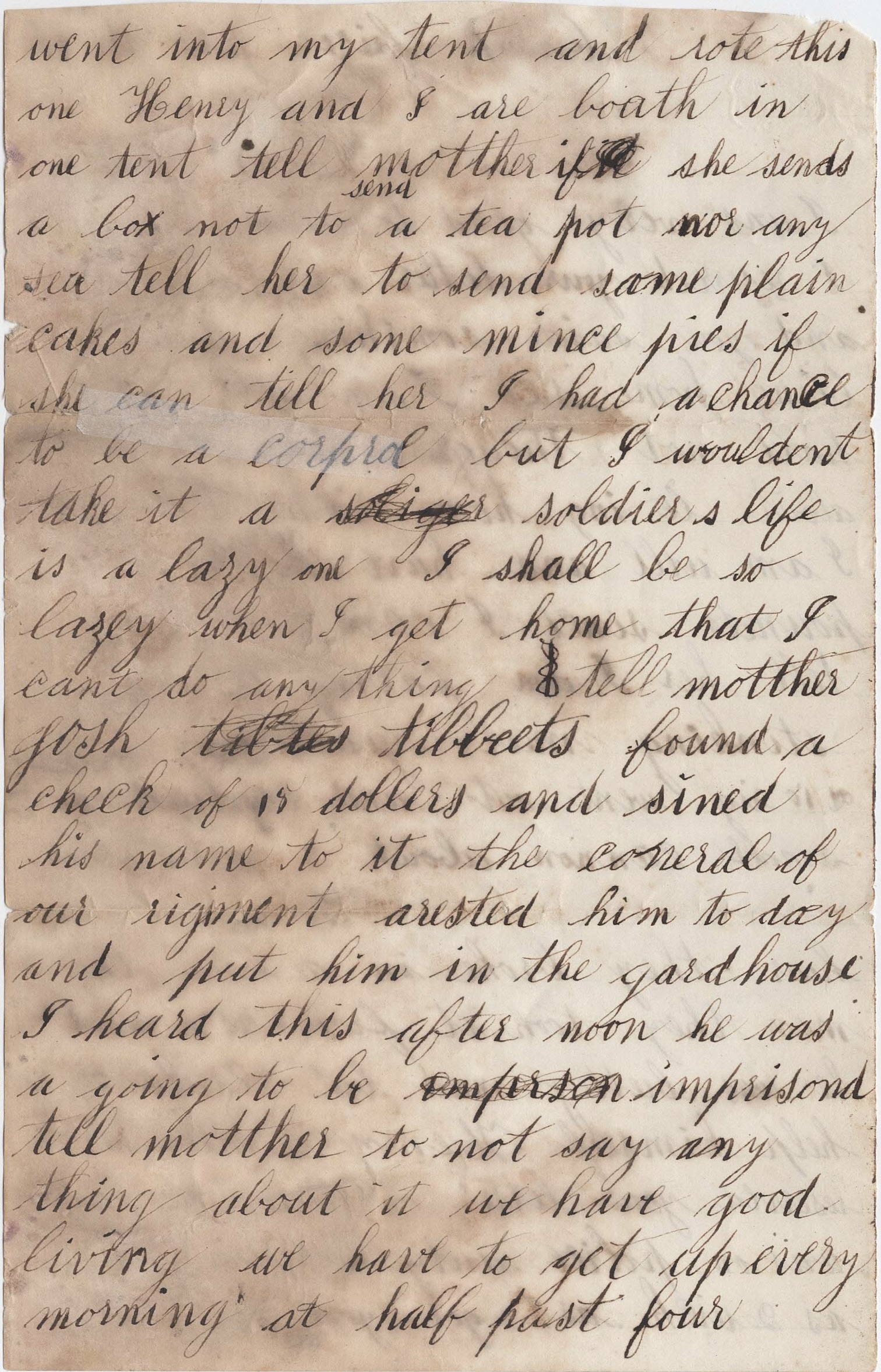
Yesterday, Co. B, 10th Regiment, went out and captured a small cannon about two miles from here. They broke in a barn. The man they took it from is a rebel. He was pretty mad but couldn’t help himself. Henry is well. He received your letter on the 18th. My company was on police duty today. Just as quick as I got your letter, I went to my tent and wrote this one. Henry and I are both in one tent. Tell mother if she sends a box, not to send a tea pot nor any tea. Tell her to send some plain cakes and some mine pies if she can. Tell her I had a chance to be a corporal but I wouldn’t take it.

A soldier’s life is a lazy one. I shall be so lazy when I get home that I can’t do anything. Tell mother that Josh Tibbets found a check of 15 dollars and signed his name to it. The Colonel of our regiment arrested him today and put him in the guardhouse. I heard this afternoon he was a going to be imprisoned. Tell mother to not say anything about it.

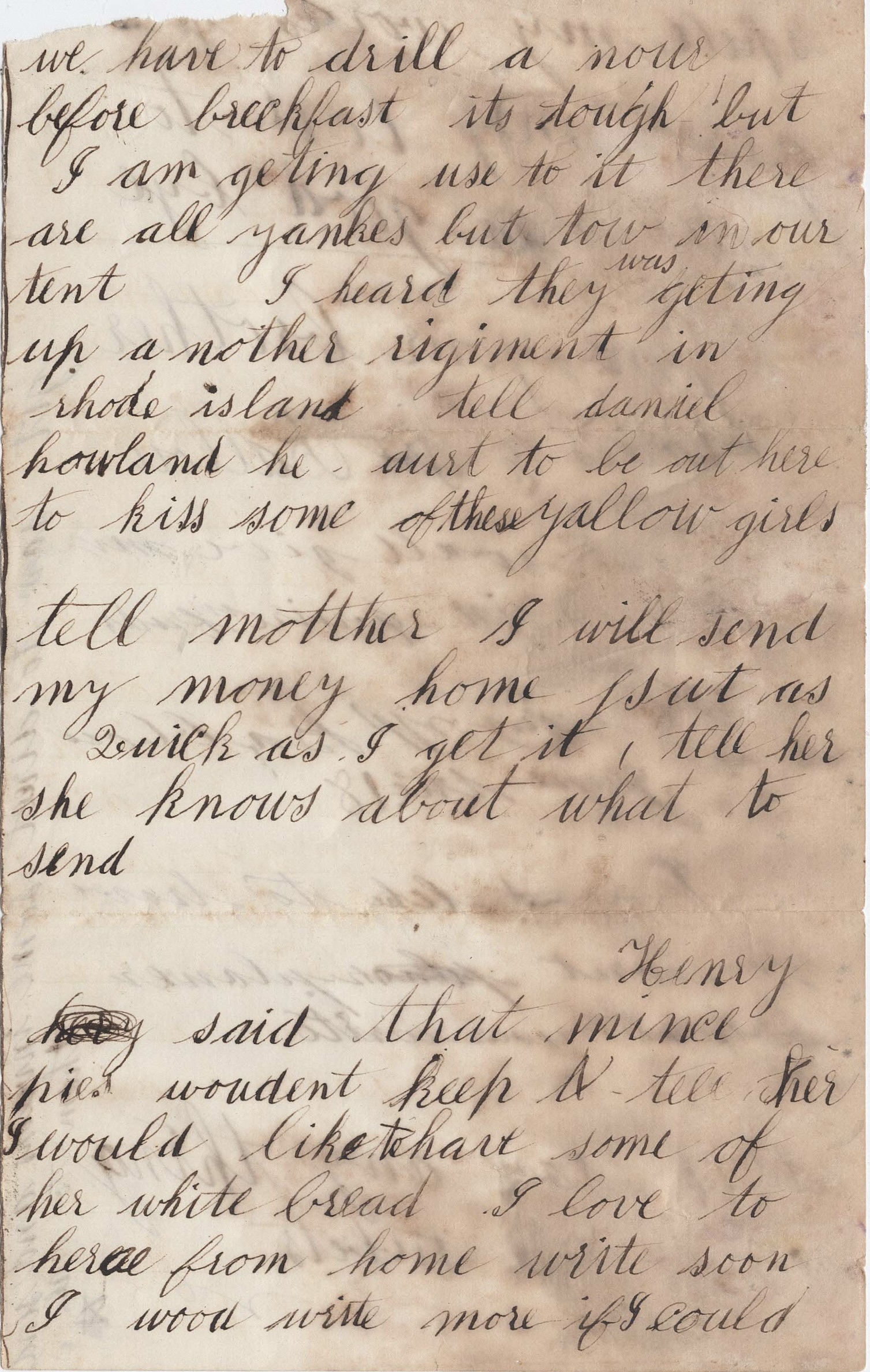
We have good living. We have to get up every morning at half past four. We have to drill an hour before breakfast. It’s tough but I am getting use to it. There are all Yanks but two in our tent. I heard they was getting up another regiment in Rhode Island. Tell Daniel Howland he ought ot be out here to kiss some of the yellow girls. Tell mother I will send my money home just as quick as I get it. Tell her she knows about what to send.

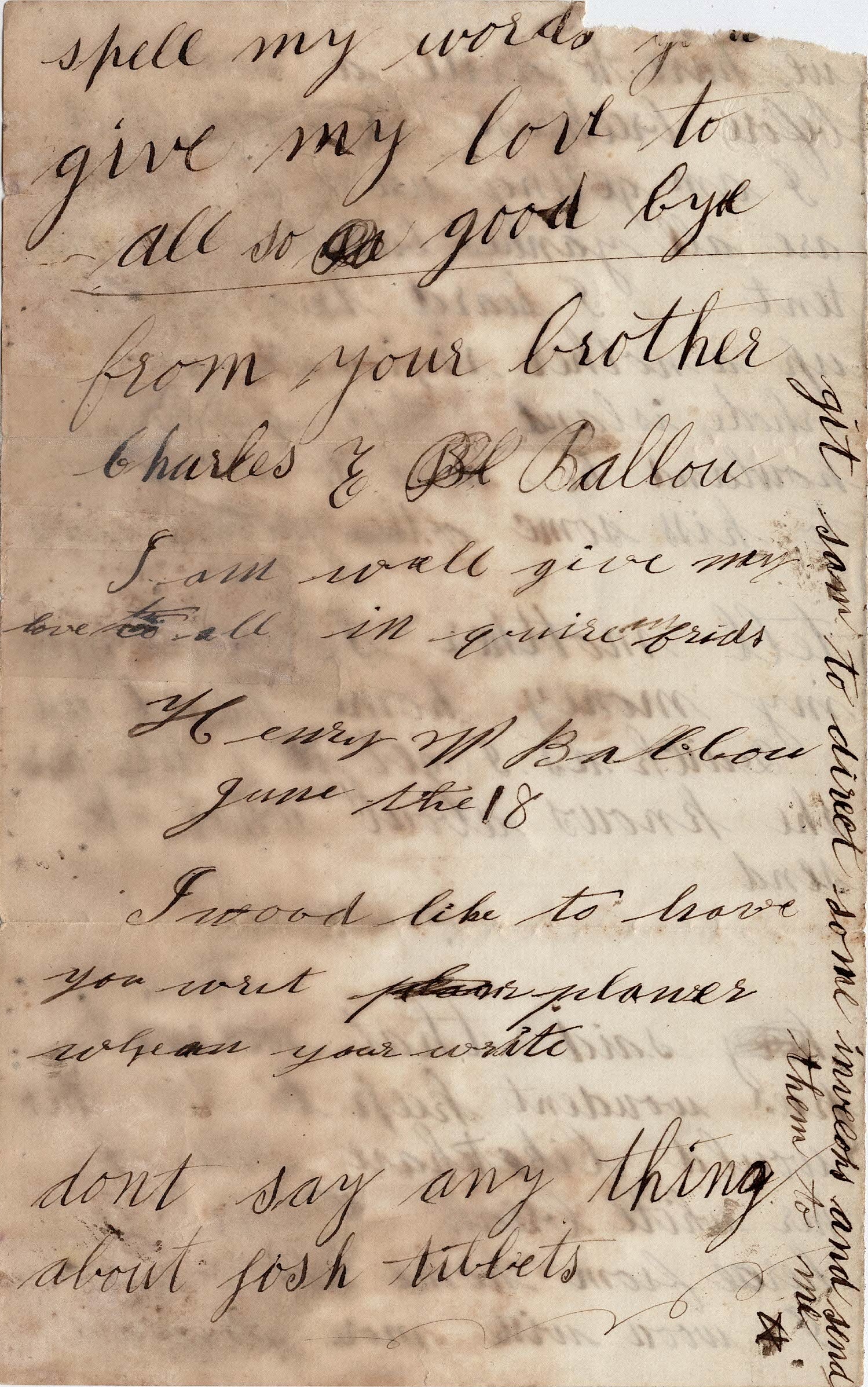
Henry said that mince pies wouldn’t keep. And tell her I would like to have some of her white bread. I love to hear from home. Write soon. I would write more if I could spell my words good. Give my love to all. So goodbye.

From your brother, — Charles E. Ballou

I am well. Give my love to all inquirers. — Henry W. Ballou, June the 18th. I would like to have you write plainer when you write.

Don’t say anything about Josh Tibbets. Get Sam to direct some envelopes and send to me.

Letter 2

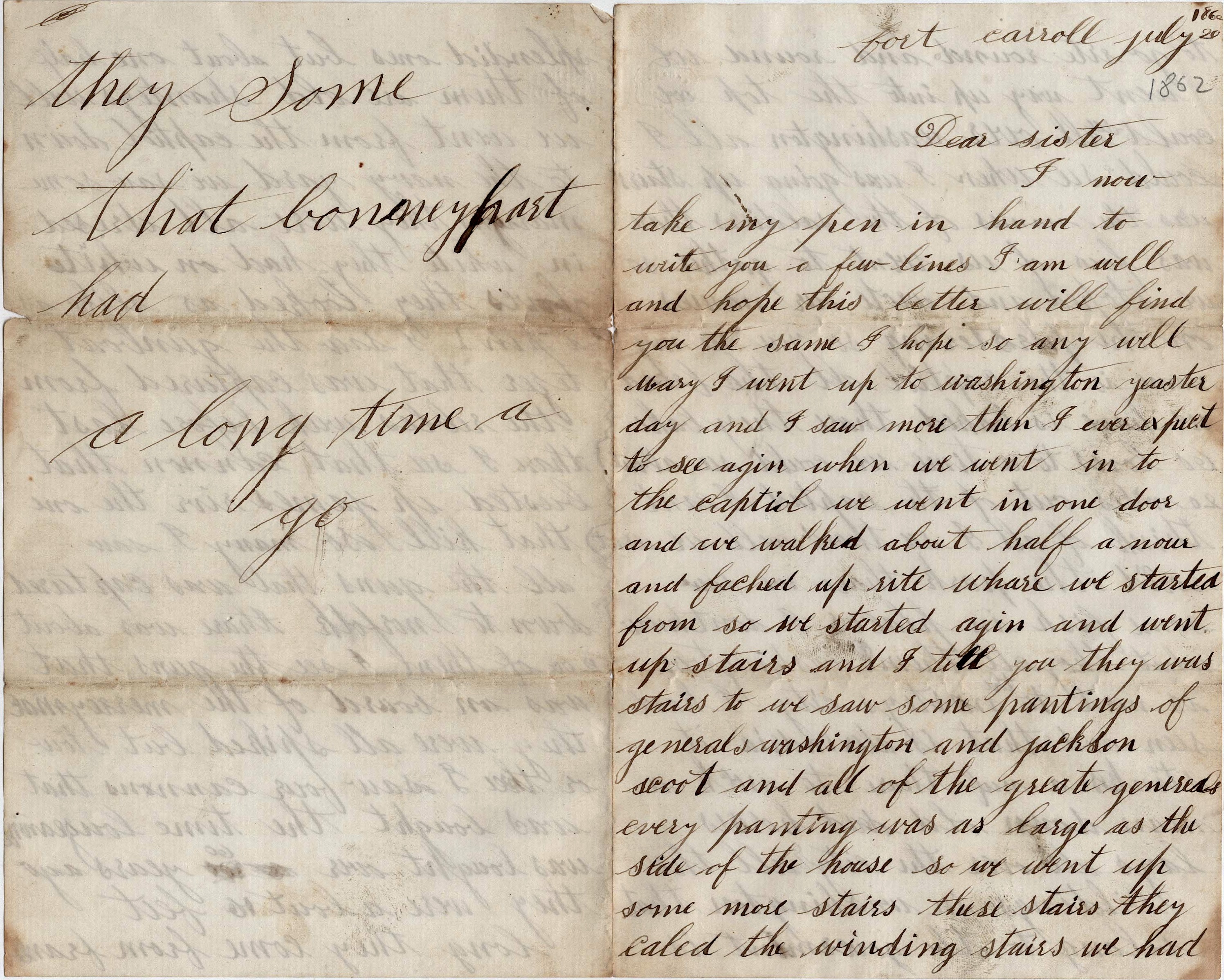
Fort Carroll [Washington D. C.]
July 20, 1862

Dear Sister,

I now take my pen in hand to write you a few lines. I am well and hope this letter will find you the same. I hope so any[way].

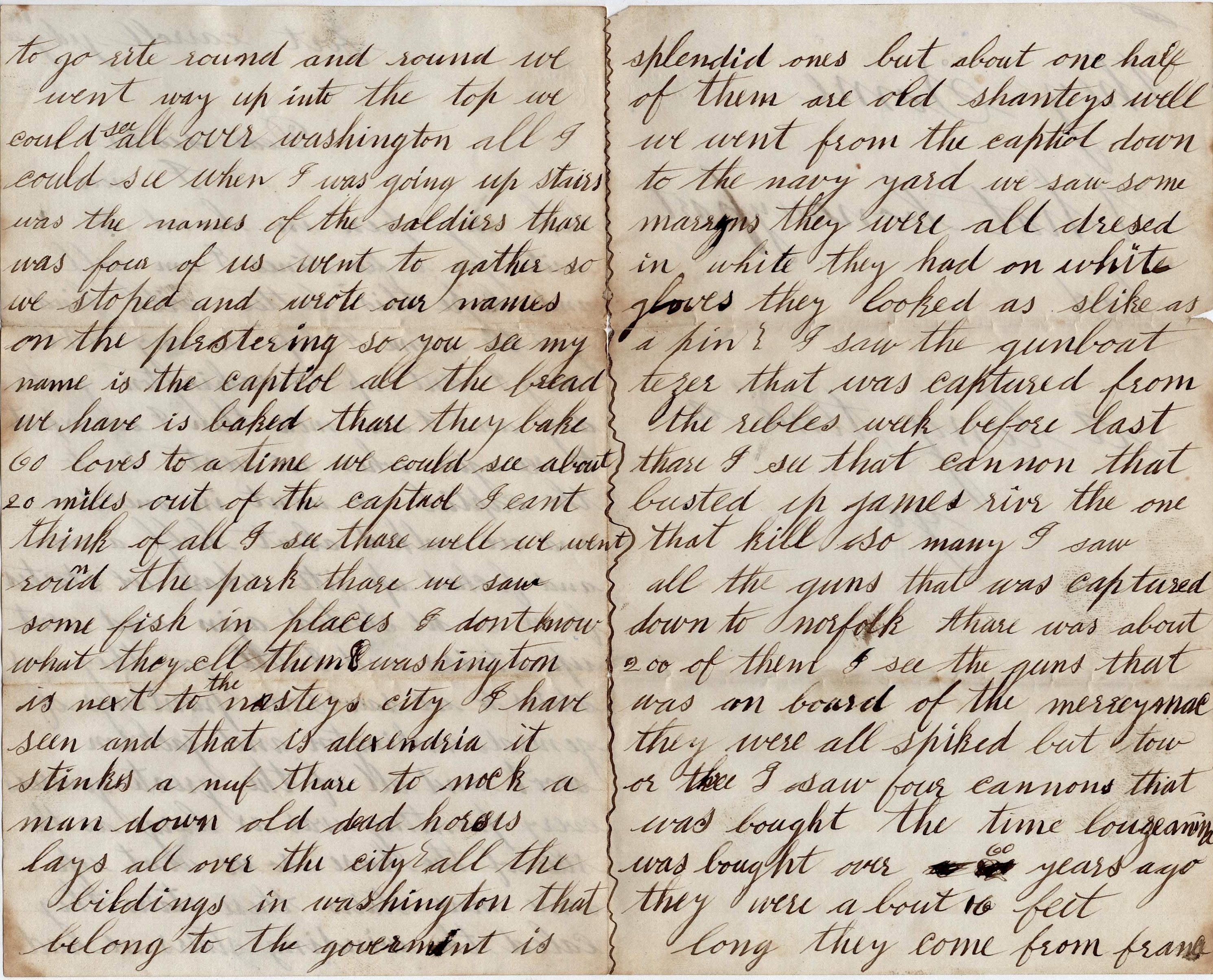
Well, Mary, I went up to Washington yesterday and I saw more than I expect to see again. When we went into the Capitol, we went in one door and we walked about half an hour and fetched up right where we started from. So we started again and went upstairs and I tell you, they was stairs too. We saw some paintings of Generals Washington, and Jackson, and Scott, and all of the great generals. Every painting was as large as the side of a house. So we went up some more stairs. These stairs they called the winding stairs. We had to go right round and round. We went way up into the top [where] we could see all over Washington. All I could see when we was going upstairs was the [graffiti] names of the soldiers. There was four of us went together so we stopped and wrote our names on the plastering. So you see my name is [in] the Capitol. 1

All the bread we have is baked there. They bake 60 loaves to a time. We could see about twenty miles out of the Capitol. I can’t think of all I see there. Well, we went round the park there. We saw some fish in places. I don’t know what they call them.

Washington is next to the nastiest city I have seen and that is Alexandria. It stinks enough there to knock a man down. Old dead horses lays all over the city. 2 All the buildings in Washington that belong to the government is splendid ones, but about one half of them are old shanties.

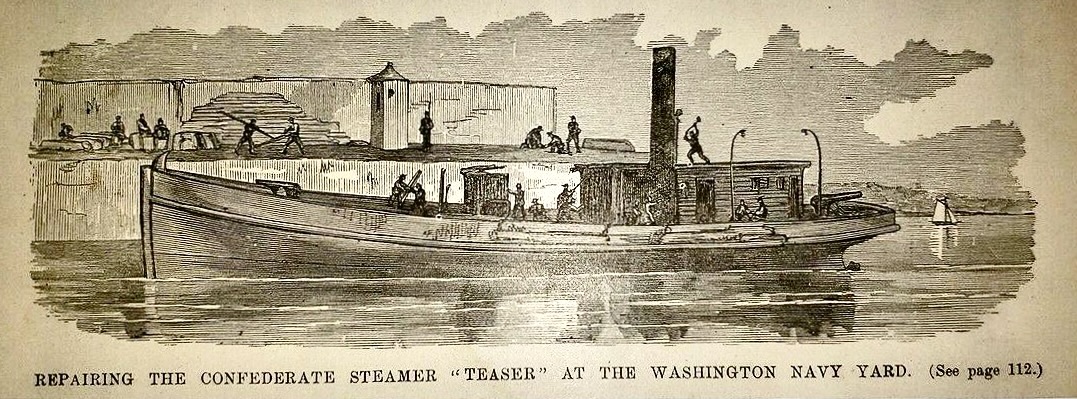
Well, we went from the Capitol down to the Navy Yard [where] we saw some marines. They were all dressed in white. They had on white gloves. They looked as slick as a pin. I saw the gunboat Teazer 3 that was captured from the rebels week before last. There I [also saw that cannon that busted up James River—the one that killed so many. I saw all the guns that was captured down to Norfolk. There was about 200 of them. I see the guns that was on board of the Merrimack. They were all spiked but two or three. I saw four cannons that was bought [at] the time Louisiana was bought over 60 years ago. They were about 16 feet long. They came from France. They [were] some that Bonaparte had a long time ago.

1 It isn’t clear from what vantage point the author of this letter was able to view the city as the top of the new US Capitol dome was not yet fully completed. It may have been to the very top where workmen were still erecting the Tholos. The Statue of Freedom was not placed at the very top until December 1863.

2 Being a major supply hub to the Union army, there was a large influx of cavalry mounts, artillery horses, and supply mules in the Quartermaster corrals. As temperatures soared in the summer of 1862, the volume of carcasses outpaced the city’s ability to burn or bury them.

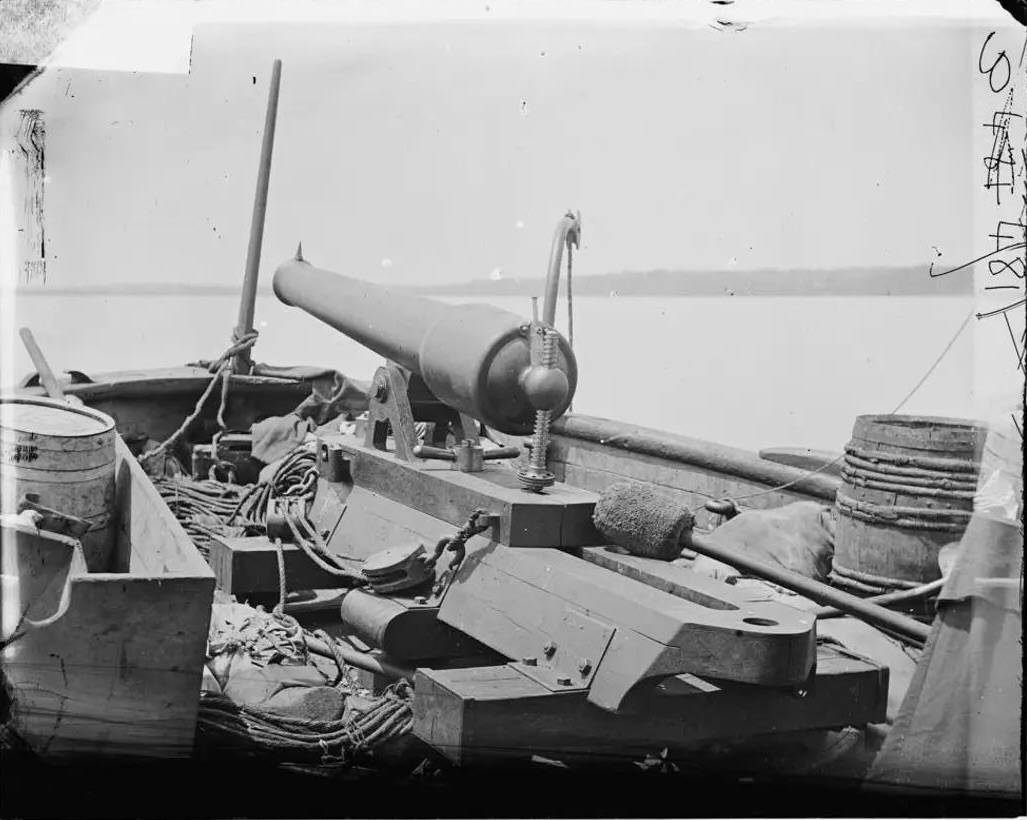
3 The CSS Teaser was an armed tugboat that acted as a tender for the CSS Virginia during the Battle of Hampton Roads. The 12-pound rifled gun (pictured below) that she carried is now in the Hampton Roads Naval Museum.
1862: George Riddell to Eliza (Scott) Riddell

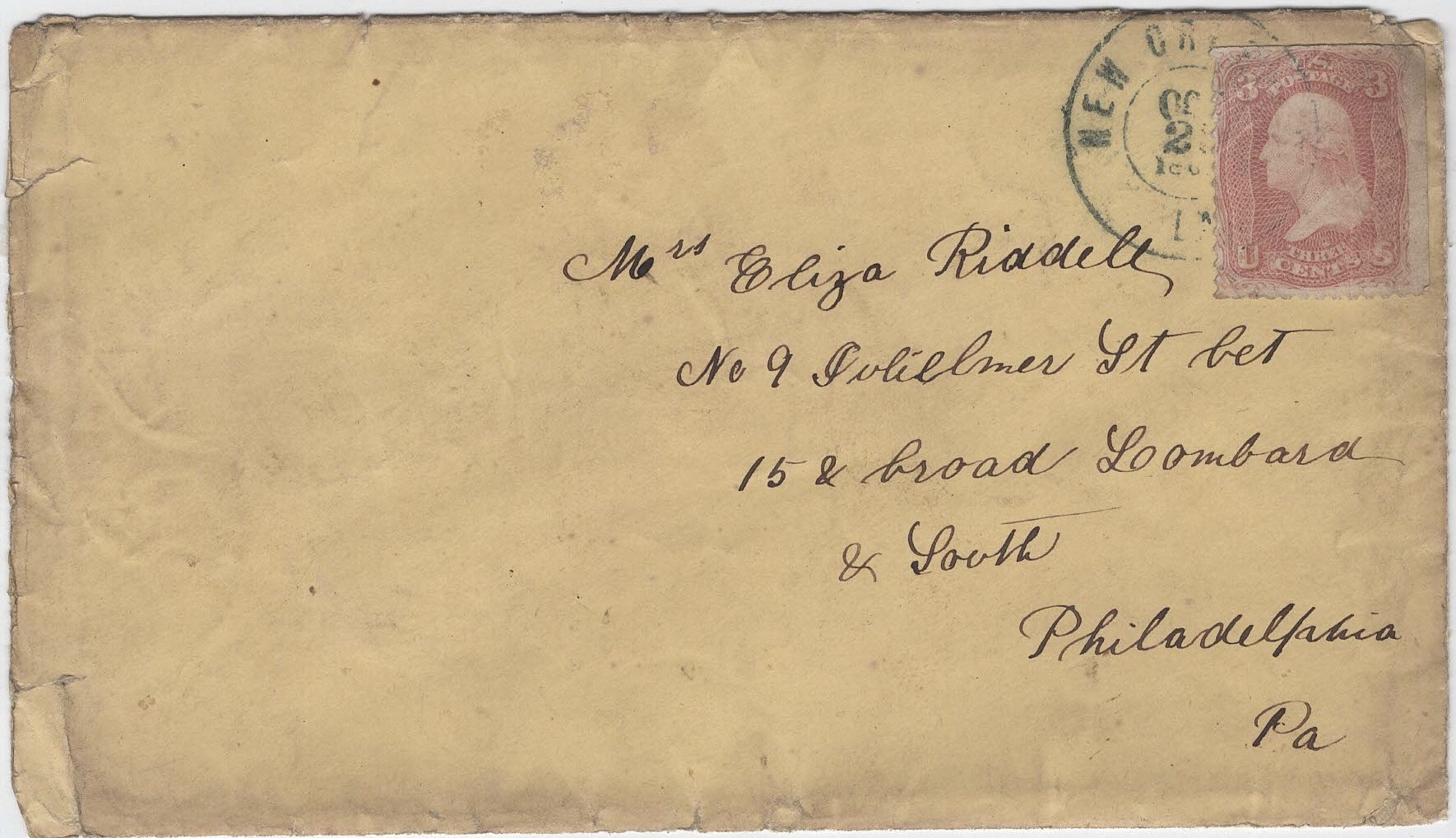
Although there is no accompanying letter remaining with this sketch, it was retained in the original envelope and the address to Mrs. Eliza Riddell of Philadelphia, Pennsylvania, informs us that it was likely the work of her son, George Riddell (1844-1916) who served as a private in the US Marine Corps aboard the USS Clifton in Farragut’s fleet, West Gulf Squadron, from 15 October 1861 to 15 October 1865. While in the service, he was described as standing 5′ 8″ tall, with blue eyes and brown hair. The family bible gives George’s date of birth as 24 March 1844 which would have made him 17 when he entered the service. The pension record also states that just prior to his enlistment in October 1861, George was employed in a Type Foundry. He died unmarried in 1916.

At the time of the 1860 US Census, Eliza Riddell (b. 1819) was enumerated as a 41 year-old “Shoe binder” living in Philadelphia’s 7th Ward with six children in the household ranging in age from 5 to 21. The 21 year-old, named John, was employed as a “car builder” and his 16 year-old brother, George, was employed as an “apprentice.” The four younger children were all females. George’s death certificate informs us that his parents were John Riddell and Eliza Scott, emigrants from Ireland. George’s father, John Riddle (1815-1859) was a blacksmith by trade.

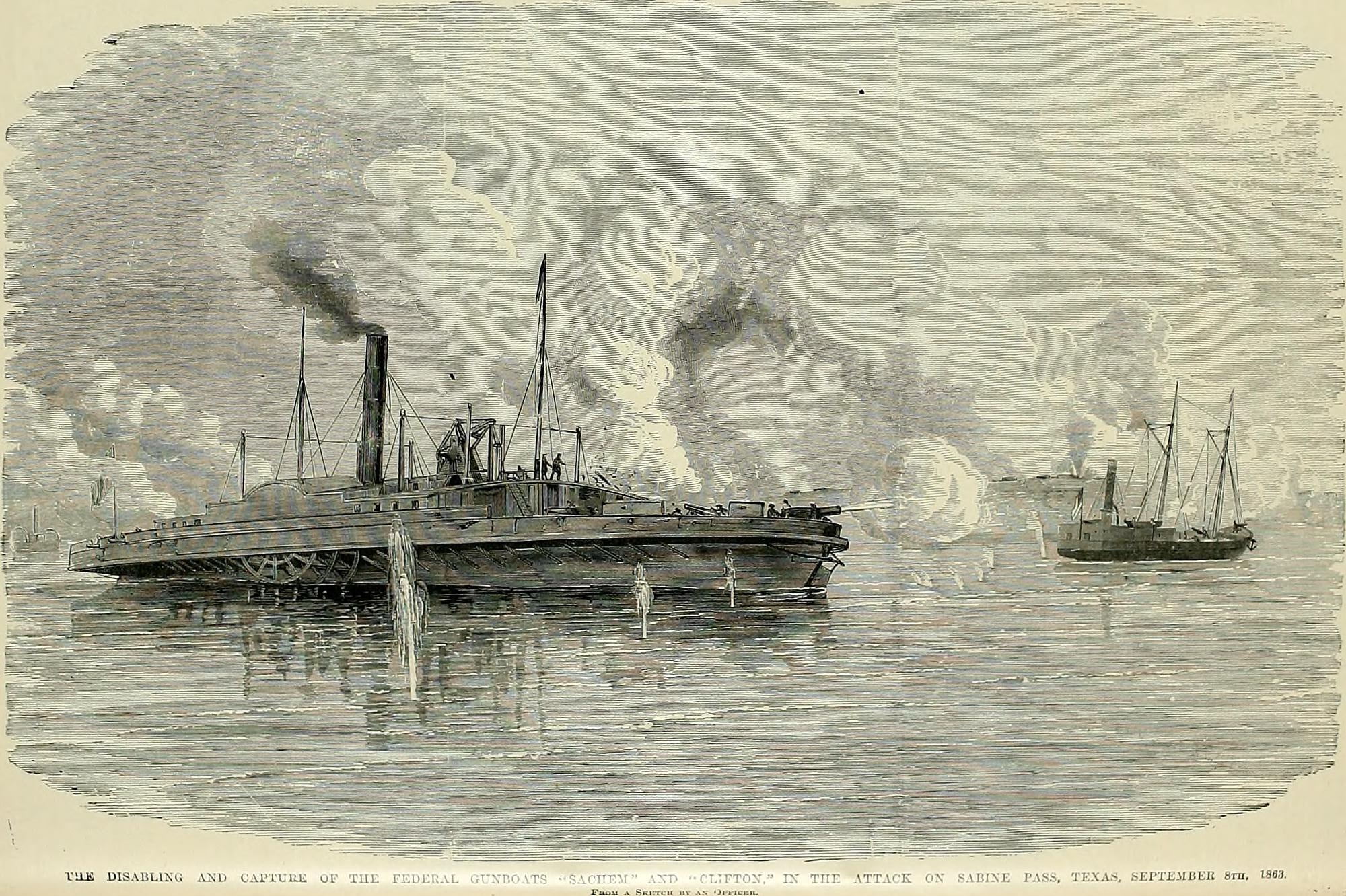
As near as I can tell, George served only on the USS Clifton which saw a lot of action during the war. The Clifton was a side-wheel steam ferryboat built in Brooklyn in 1861. In February 1862, she joined Porter’s mortar fleet at Ship Island and then participated in the capture of forts Jackson and St. Philip below New Orleans in late April. She took part in the attacks on the Confederate batteries at Vicksburg in June 1862, taking a shot through her boiler that killed 7 men. She helped to capture Galveston in October 1862 and saw action in the lower Mississippi until she participated in the attempt to establish a foothold in Texas in September 1863 and was run aground and captured by the Confederates at Sabine Pass.

George’s pension record states that he was taken captive at the Second Battle of Sabine Pass on 8 September 1863. He wrote in 1915, “I was a private in the Marine Corps on board of the gunboat Clifton when taken prisoner. I was sent with other prisoners to Camp Grose, Texas, and from there to Shreveport, Louisiana, and again to Tyler, Smith county, Texas, and again put in prison from which place I was paroled. I cannot remember the date on which I was paroled. I was then taken back to Shreveport and placed on board a boat and taken to New Orleans and transferred to another vessel and taken to Brooklyn Barracks, New York.”

Clifton (left) is captured at Sabine Pass along with USS Sachem

Addressed to Mrs. Eliza Riddell of Philadelphia, Pa.

Drawing

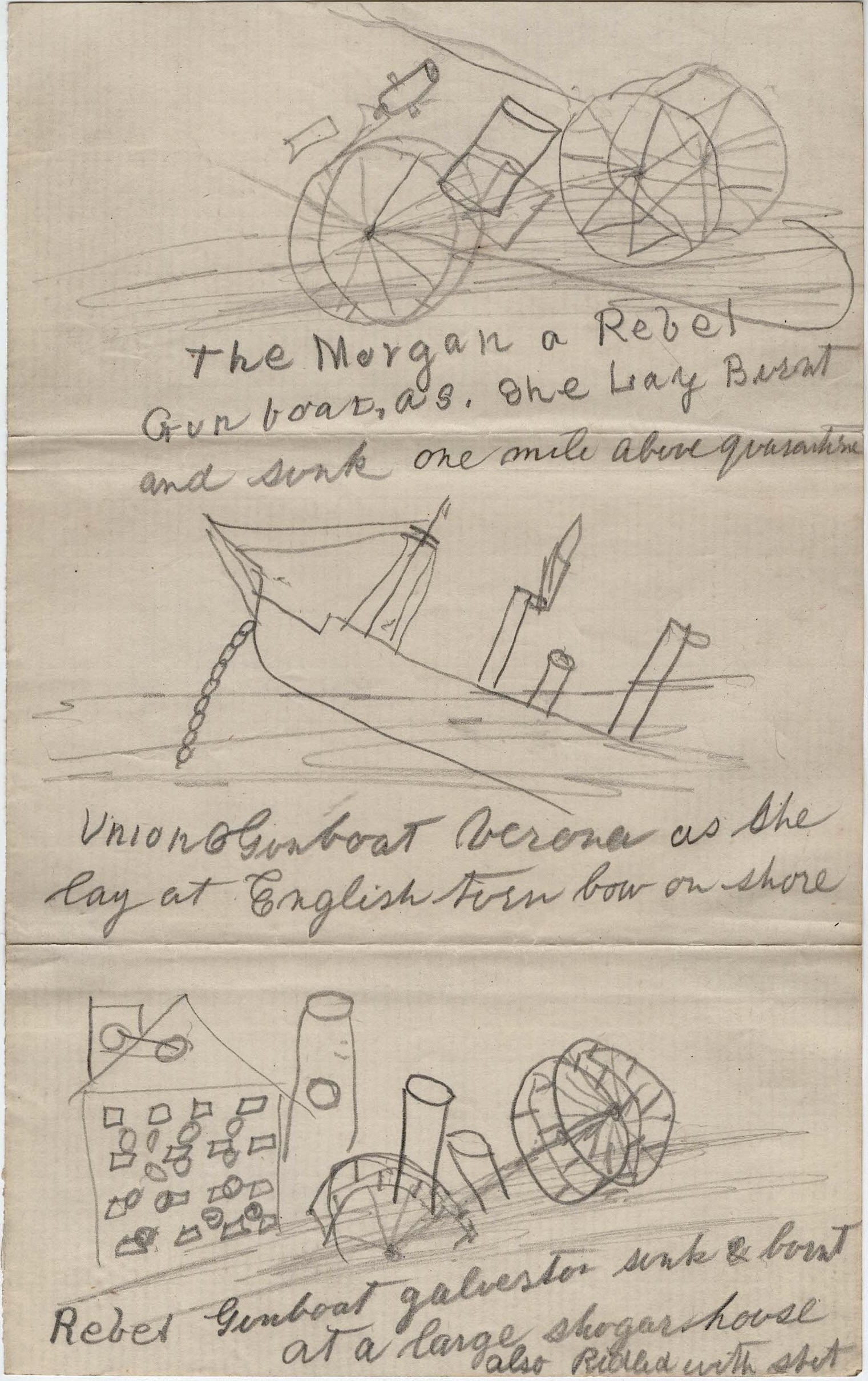
George’s sketches of three shipwrecks: (1) The Morgan—a Rebel Gunboat as she lay burnt and sunk one mile above quarantine [on the Mississippi River]. (2) Union Gunboat Verona as she lay at English turn bow on shore. (3) Revel Gunboat Galveston, sunk and burnt, at a large sugar house also riddled with shot.
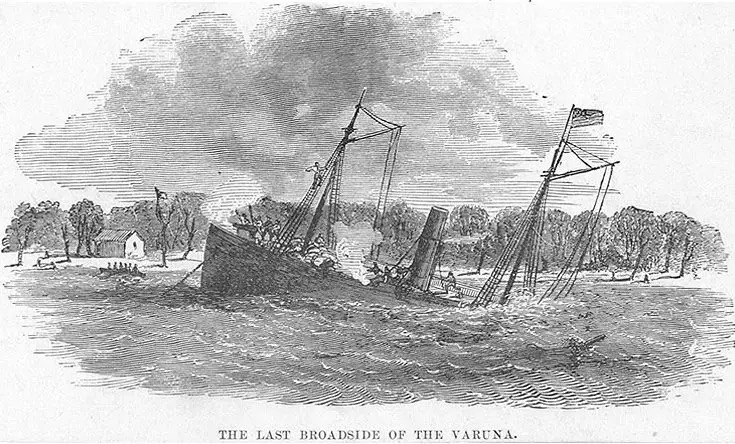
The Union gunboat Veruna (not Verona), pictured above, was sunk in April 1862 and seems to match George’s sketch. I could not find any record of the other wrecks, however.

1862: Peter Renton Shepard to his Cousin

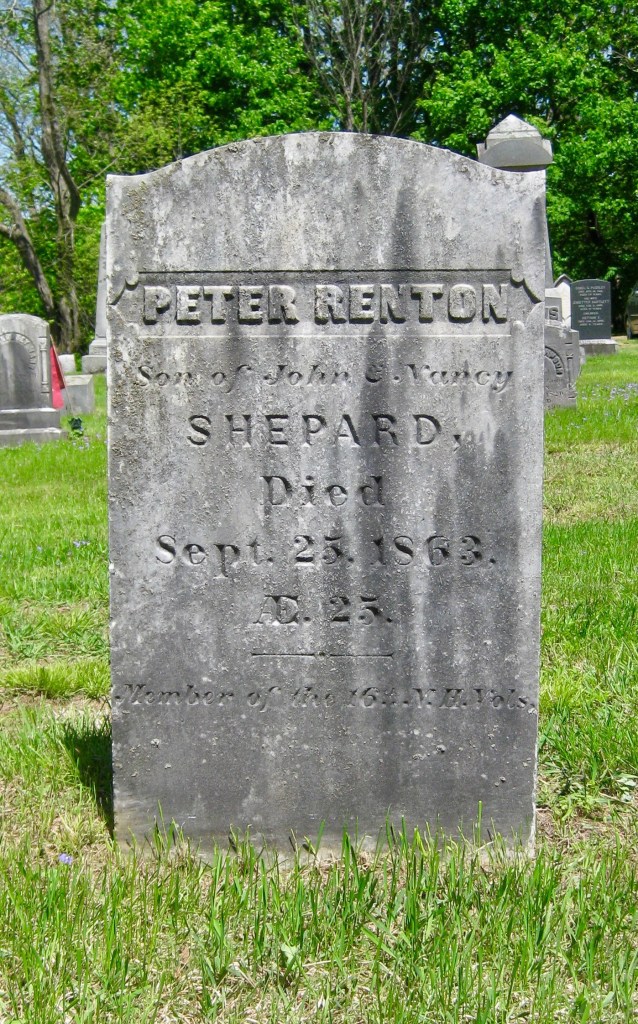
The following letter was written by Peter Renton Shepard (1839-1863) who enlisted in the US Marines on 2 May 1861 and served aboard the USS Susquehanna. When he enlisted he gave his birthplace as Canterbury, New Hampshire, and his residence as Boscawen. He further stated that he was single and was employed as a farmer. Muster records claim that Peter deserted from the service—which may be true—but cemetery records in Boscawen reveal that he died of “fever” on 25 September 1863 and his headstone informs us that he mustered into Co. E, 16th New Hampshire Vol. Infantry on 7 November 1862.

Peter was the son of John M. Shepard (1804-1874) and his wife Nancy (1807-1889) of Boscawen, New Hampshire.

The side-wheeled USS Susquehanna

T R A N S C R I P T I O N

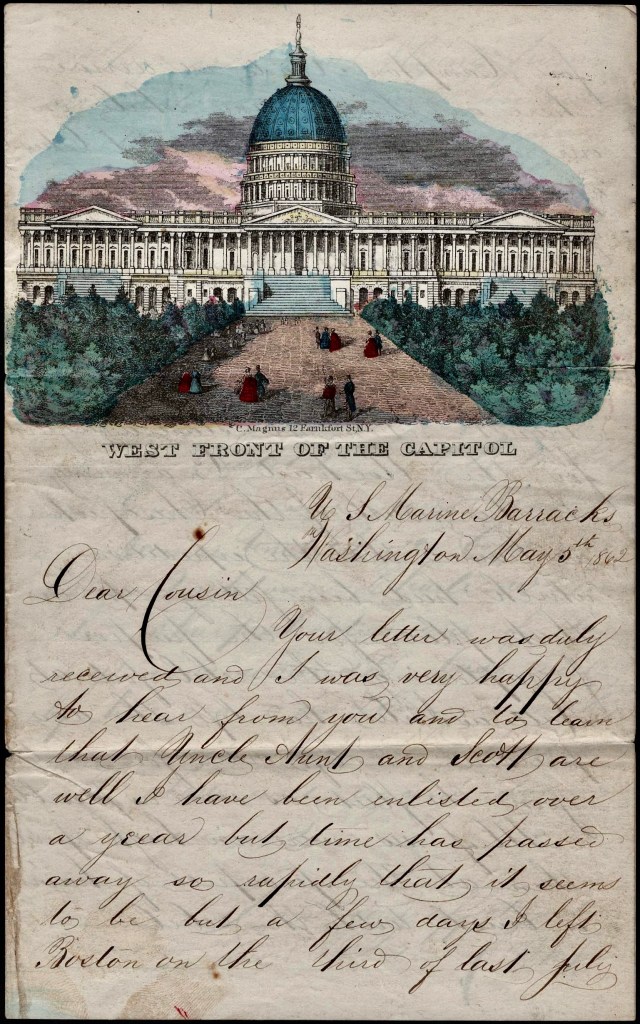
U. S. Marine Barracks
Washington, May 5th 1862

Dear Cousin,

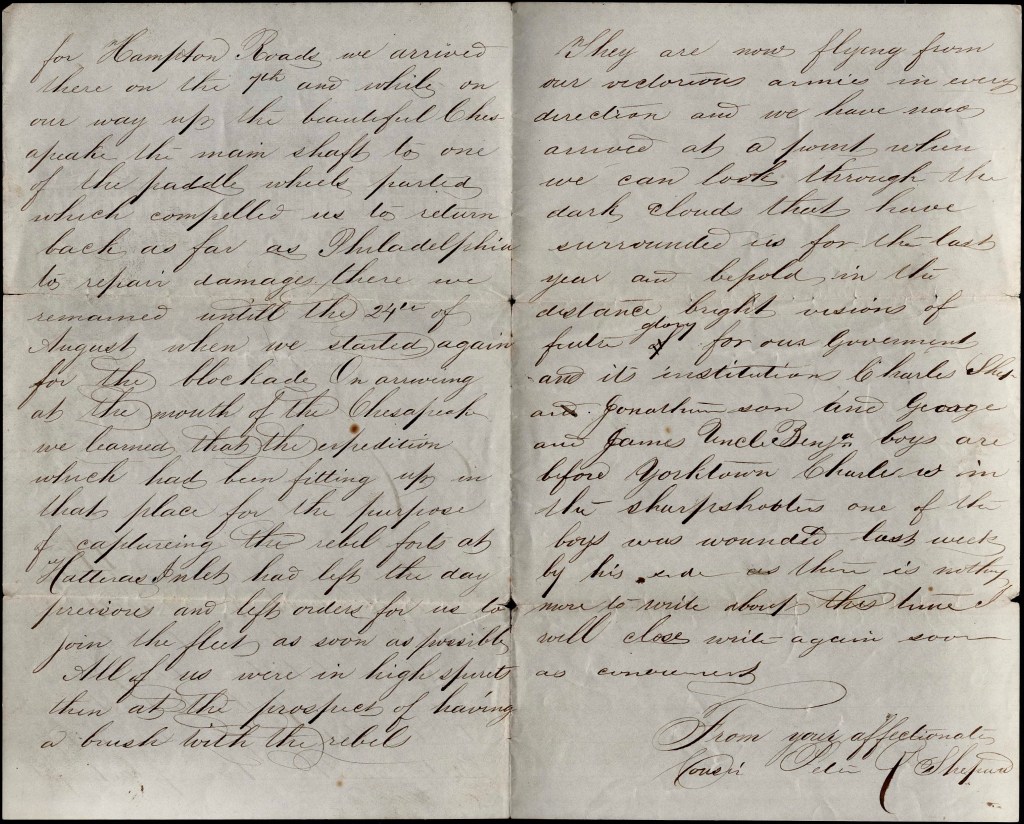
Your letter was duly received and I was very happy to hear from you and to learn that Uncle, Aunt and Scott are well. I have been enlisted over a year but time has passed away so rapidly that it seems to be but a few days. I left Boston on the 3rd of last July for Hampton Roads. We arrived there on the 7th and while on our way up the beautiful Chesapeake the main shaft to one of the paddle wheels parted which compelled us to return back as far as Philadelphia to repair damages. There we remained until the 24th of August when we started again for the blockade.

On arriving at at the mouth of the Chesapeake we learned that the expedition which had been fitted up in that place for the purpose of capturing the rebel forts at Hatteras Inlet had left the day previous and left orders for us to join the fleet as soon as possible. All of us were in high spirits then at the prospect of having a brush with the rebels.

They are now flying from our victorious armies in every direction and we have now arrived at a point where we can look through the dark clouds that have surrounded us for the last year and behold in the distance bright visions of future glory for our Government and its institutions. Charles Ship and Jonathan’s son and George and James—Uncle Benjamin’s boys is in the sharpshooters. One of the boys was wounded last week by his side. There is nothing more to write about this time. I will close. Write again soon as convenient.

From your affectionate cousin, — Peter R Shepard

“We Saved the Day”

Billy Moore, Princeton 1917

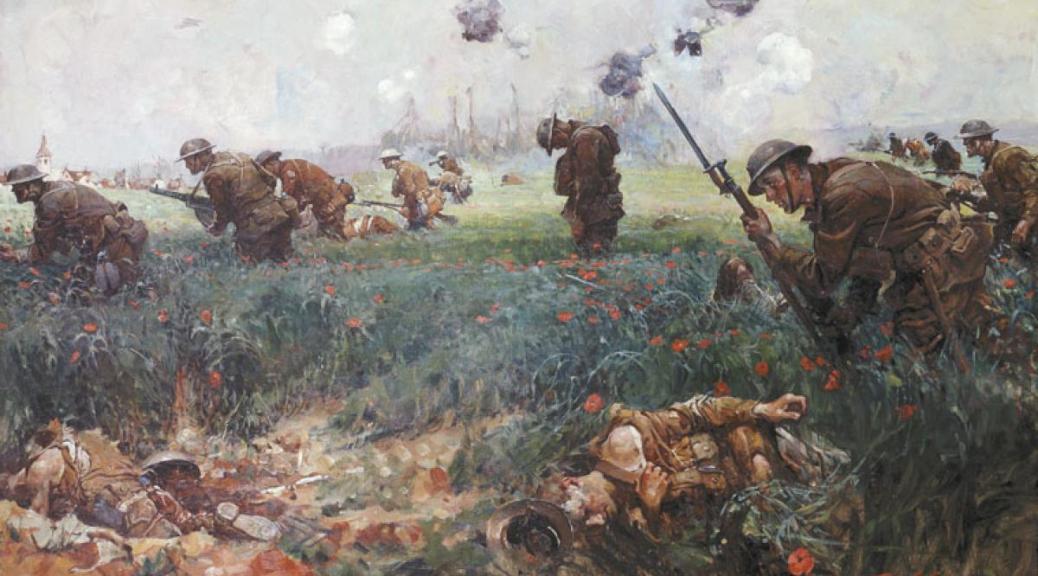
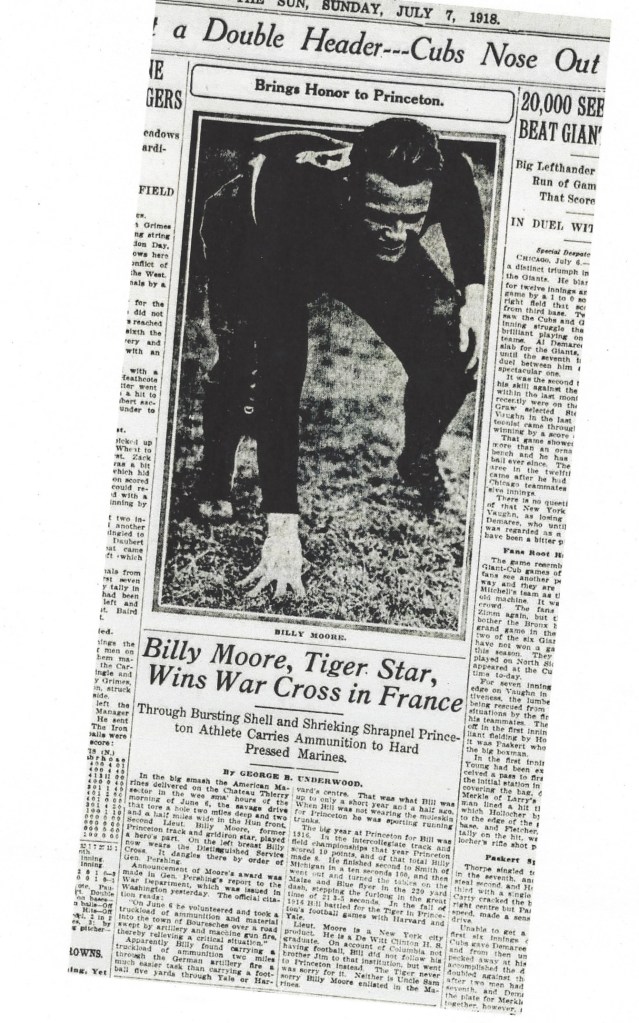
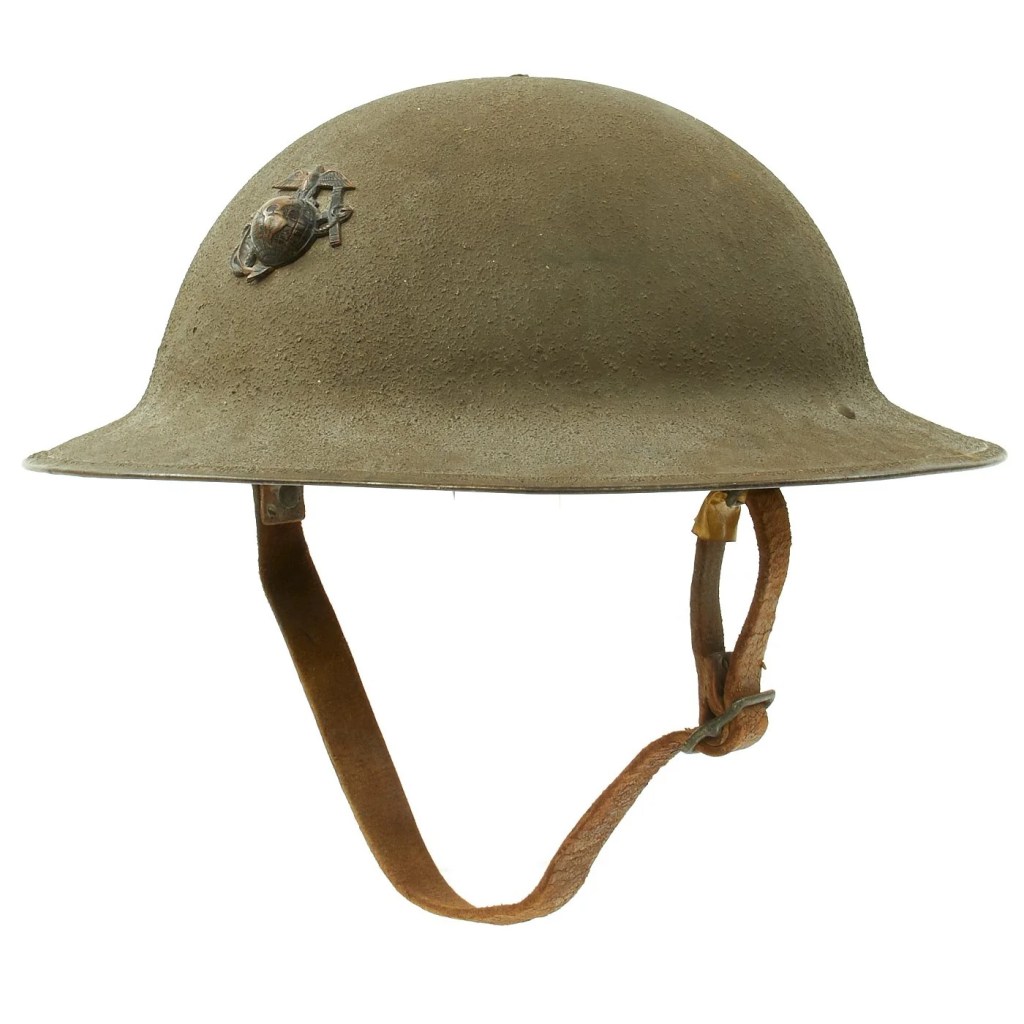
The following 45 letters are from an incredible collection of nearly 130 letters written by William (“Billy”) Blackshear Moore (b. 1895), a U. S. Marine Officer during World War One. Billy Moore was a 2nd Lieutenant when he wrote the letters presented here but he later rose to Captain in the 97th Company and was the Regimental Liaison to the 6th Marine Regiment Headquarters Company, 4th Marine Brigade, 2nd Division, American Expeditionary Forces (AEF) and Army of Occupation. He hailed from Texas and was a Princeton graduate where he starred in football and track. There are many newspaper articles extolling his athletic accomplishments. While deployed in France, Billy was awarded the French Croix de Guerre with gold star, the Distinguished Service Cross and the Navy Cross. The DSC and NC were awarded for his heroic actions on 6 June 1918 at the historic Battle of Belleau Wood under extraordinary circumstances. I do not know of any other complete archive of letters from such a decorated officer available in private hands. We are indebted to Kevin Thomas for making these letters available from his private collection for transcription and publication on Spared & Shared.

Billy meticulously chronicled his experiences in a series of letters to his parents, demonstrating his unwavering dedication to his duty. From the intense emotions of battle to the heart-wrenching losses, he vividly portrayed his journey from the ship ride to France in late October 1917 to the Occupation duty in Germany in May 1919. His accounts are filled with gripping details of his encounters, the hardships of trench life, and his remarkable acts of heroism, which have been documented in various publications, solidifying his legacy as a true wartime hero.

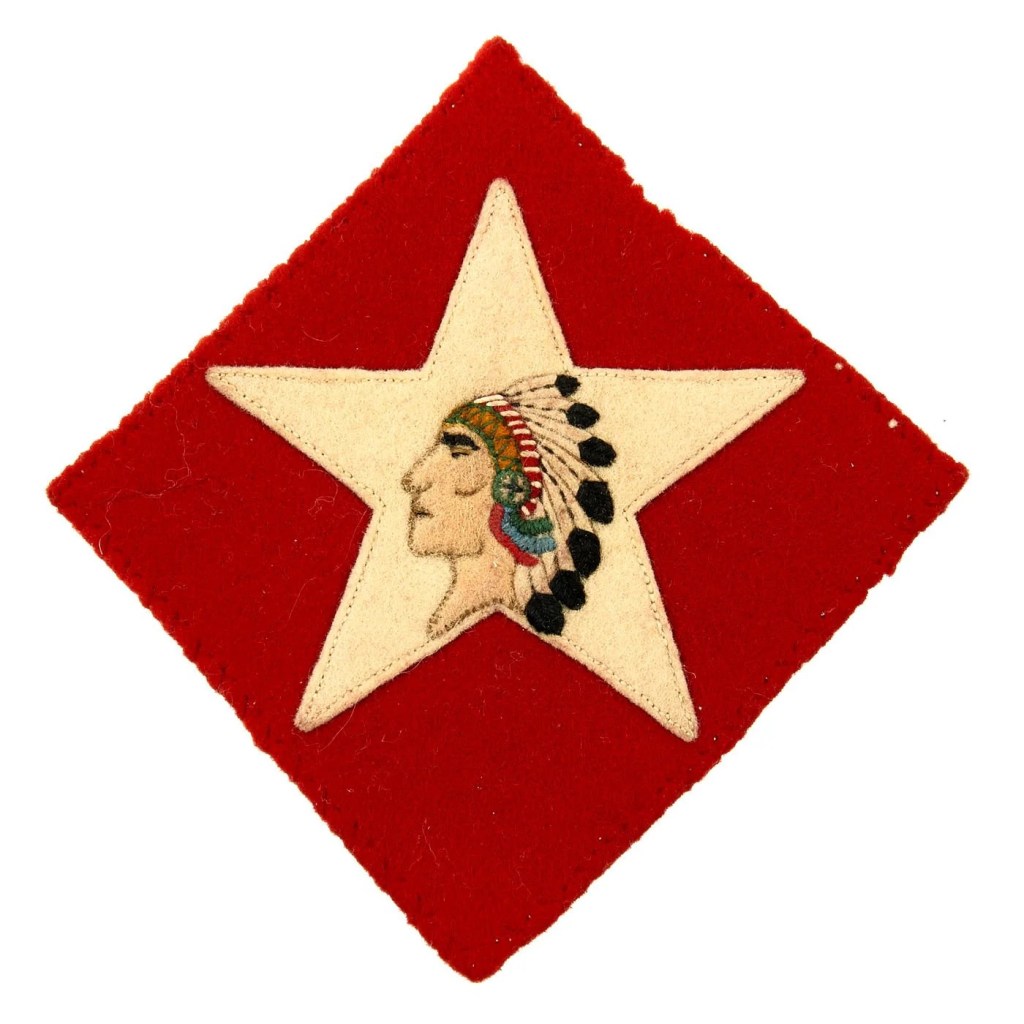
He describes being cited for “new” awards and great details leading up to and the ceremony where he received the Distinguished Service Cross. He writes on the day of the armistice and what Marines were doing and how France was celebrating. He describes amazing occupation duty details, locations, and shares his thoughts on the Germans. He provides context as to the creation of the 2nd Division Indian head insignia and what the colors on the patches mean—simply amazing stuff for a collector of USMC or historian.

The material presented here offers a fascinating firsthand account of the thoughts and experiences of a young Marine officer during World War I. The letters, often written on YMCA letterhead, Knights of Columbus, Red Cross, 2nd Division Indian Head, Third Army of Occupation, or any available paper, provide a continuous and detailed source for those interested in primary historical documents. The author describes battles as they unfold, or within hours to days after they occur. The abundance of content and letters begs for transcription into a book accompanied by historical commentary or for direct use as a primary historical source documenting the journey of a Marine officer who participated in all USMC campaigns in France, received numerous decorations, and survived to share his story. Interestingly, there was a point when he was mistakenly reported as deceased in newspapers back home. He even got a “Dear John” letter as the girl he was going to ask to marry him married another man.

Billy Moore, Tiger Star, Wins War Cross in France—Brings Honor to Princeton

Though he disliked the duty, Moore was in a unique opportunity to be a censor for the 6th Marine Regiment working in the Headquarters and was able to censor his own mail! As a result, Moore pushed the envelope a bit, revealing a little more detail about things that you would normally not see in WWI letters including what he witnessed of superior officers, some troop movements, and soldier accounts and decisions. He even admitted to his parents that reading everyone’s mail, as a censor, was how he got to know his men!

During occupation duty in Germany after the armistice was signed, he was assigned as billeting officer for the Regiment and was able to go all around Germany in his motorcycle and sidecar that seems to have served him very well “squatting on the Rhine” as he describes it. At one point he was asked to write the Regimental history during the war, but while playing exhibition football in Germany he sustained a leg injury that set him back. Though interesting and worthy of publication, I have only transcribed those letters up to the armistice on 11 November 1918.

Many of these letters are very fragile as they were written on wood-pulp paper supplied by the YMCA to servicemen in Europe and they have become almost too brittle to handle.

Service Timeline:

Entered service July 5 1917 at Brooklyn New York.
Marine Barracks Quantico Va July 28 to Oct 25 1917.
Sailed for France Oct 25 1917; attached to 97th Company, 6th Marines.
Bordeaux, Nov 1917 to Jan 1 1918.
Training area Vosges Jan to Mar 1918.
Woëvre Sector near Verdun Mar 14-27 1918.
1st Corps School, Gondrecourt Mar 27-Apr 28 1918.
Woëvre Sector Apr 28 to May 15 1918.
Aisne-Marne Defensive (Château-Thierry) June 1 to July 4, 1918
Aisne-Marne Offensive (Soissons) July 18-22, 1918
Marbache Sector Aug 1-20 1918
St Mihiel Offensive Sept 12-21, 1918
Promoted 1stLt Sep 6 1918
Meuse Argonne Offensive (Champagne) Oct 6-13 1918, (Argonne Forest) Nov 1-11, 1918
Army of Occupation, Germany November 1918 to June 1919
Promoted Captain March 5, 1919
Returned to US June 10, 1919
Marine personnel office NY June 12 1919 until discharged July 9, 1919

Capt. William B. Moore stand in center of back row.

Chapter 1—“You have a son in France”

Chapter 2—“Somewhere else in France”

Chapter 3—“Their one great hope”

Chapter 4—“We have made history”

Chapter 5—“When God & country call”